February 1 in Art History
7 real events recorded on February 1, the earliest from 1598. 2 artists were born , 1 died on this date.
Born on this day 2
- 1801 Born
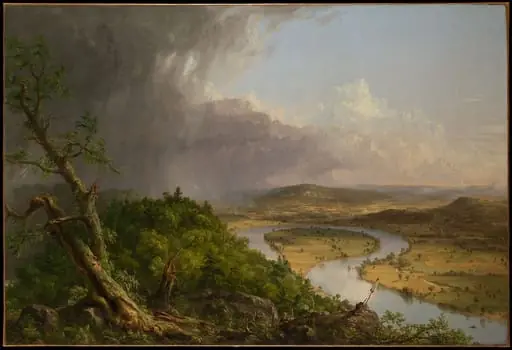
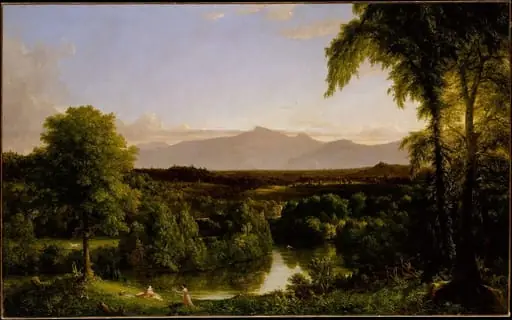
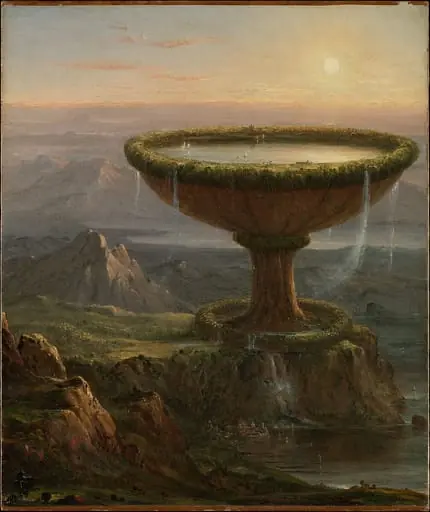
Born this day: Thomas Cole
Thomas Cole, born on February 1, 1801, was a pivotal American artist and founder of the Hudson River School movement, known for his romantic and allegoric landscapes that critiqued industrialism and urbanism, often depicting the New World as a natural eden. His works, influenced by European painters but infused with a strong American sensibility, continue to captivate audiences with their moody and evocative natural landscapes.
He remains a significant figure in American art history, influencing generations of landscape painters with his unique blend of European technique and American perspective.
- 1806 Born
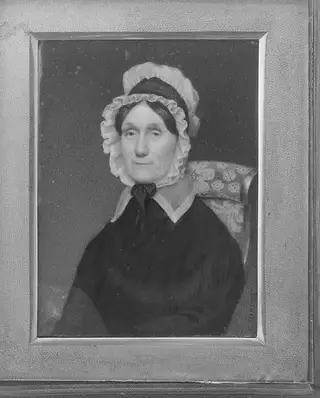
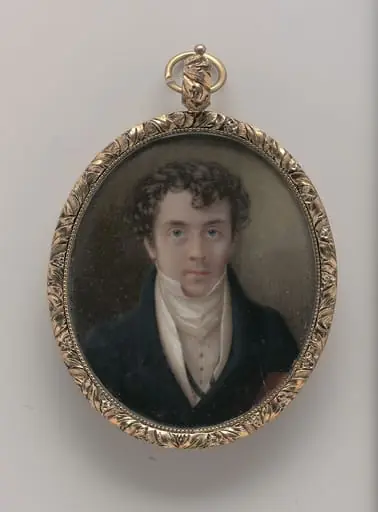
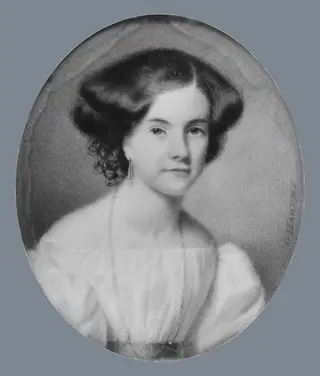
Born this day: George Harvey
On this day, Scottish painter Sir George Harvey was born, known for his portraits and presidency of the Royal Scottish Academy, as seen in works like Sarah May Holland and Self-Portrait.
He remains a notable figure in Scottish art history.
Died on this day 1
- 1598 Died
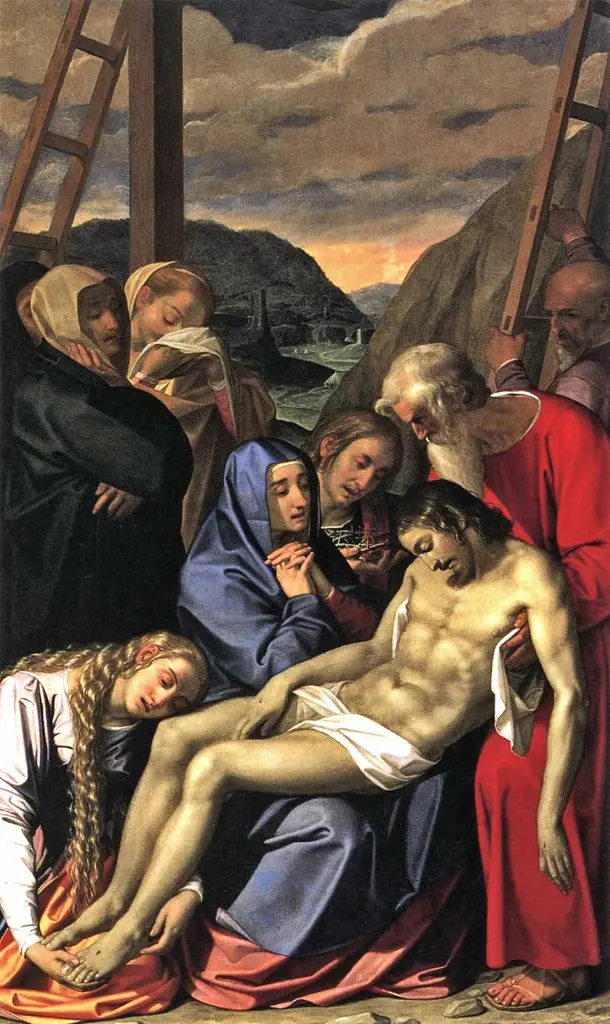
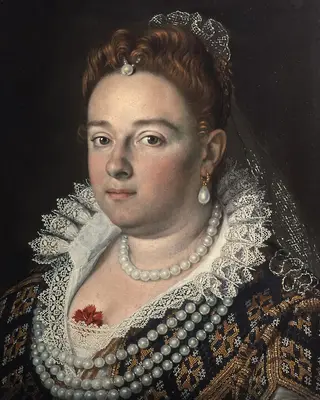
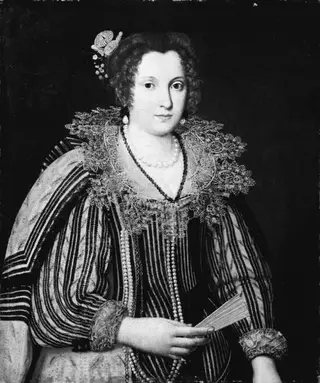
Died this day: Scipione Pulzone
Scipione Pulzone, a Neapolitan painter of the late Italian Renaissance, died on this day in 1598. Known for his distinctive portraits, he worked primarily in Rome, Naples, and Florence, capturing the likenesses of prominent figures such as Pope Gregory XIII and the Medici family. His style diverged from the prevailing Mannerist trend, making him a notable figure of his time.
Scipione Pulzone's portraits continue to be celebrated for their unique blend of realism and Renaissance elegance.
Openings & foundings 3
- 1901 Founding
Society of Illustrators Founded
On February 1, 1901, nine artists and one advising businessman founded the Society of Illustrators in New York. The society's own history gives the founding credo as a commitment to promote illustration and hold exhibitions, while the Wikipedia article identifies the founders as Otto Henry Bacher, Frank Vincent DuMond, Henry Hutt, Albert Wenzell, Albert Sterner, Benjamin West Clinedinst, F. C. Yohn, Louis Loeb, Reginald Birch, and Henry S. Fleming. The event matters because it formalized illustration as a professional art practice during the American Golden Age of Illustration, creating a forum for exhibitions, sociability, standards, and later a museum collection for a field often treated as commercial rather than fine art.
The society helped make American illustration visible as an exhibition culture and collecting field.
- 1920 Opening
National Art Gallery Opens in Tbilisi
On February 1, 1920, the National Art Gallery opened in Tbilisi through the efforts of Western-educated Georgian artists. The Art Museum of Georgia article gives the same exact establishment date in its infobox and explains that this gallery was the predecessor of the present Shalva Amiranashvili Museum of Fine Arts, now part of the Georgian National Museum system. A separate 1920-in-art chronology also records the February 1 opening. The event is significant because it created a public institutional base for Georgian, Oriental, Russian, and European art in the newly independent Georgian cultural sphere, shortly before Sovietization reshaped the country's museum system and collections.
The opening became the institutional origin of one of Georgia's leading fine-art museums.
- 1922 Opening
Akron Art Institute Opens
On February 1, 1922, the Akron Art Institute, later the Akron Art Museum, opened in two borrowed rooms in the basement of the public library. The museum's archived history page documents both the exact date and its early ambitions: art instruction, exhibitions, and eventually a permanent home and collection. The Wikipedia article repeats the opening date and links the institute to founders Edwin Coupland Shaw and Jennifer Bond Shaw, whose arts-appreciation classes shaped its early program. This modest opening is historically useful because it shows how many regional American museums began as education-centered art institutes before becoming collecting museums, in Akron's case with a later focus on art from 1850 onward.
A borrowed-room art institute evolved into a major regional museum for modern and contemporary art.
Unveilings & commissions 1
- 2002 Unveiling
February One Monument Unveiled
On February 1, 2002, James Barnhill's February One monument was unveiled on the campus of North Carolina A&T State University in Greensboro. The fetched Wikipedia article gives the opening date in the infobox and describes a dedication ceremony held that day in front of the James B. Dudley Memorial Building, timed to the forty-second anniversary of the Greensboro sit-ins. The bronze and marble monument depicts Ezell Blair Jr., Franklin McCain, Joseph McNeil, and David Richmond, the A&T Four, whose 1960 Woolworth lunch-counter protest became a defining civil-rights image. As public art, the work translates a documentary photograph and local memory into a permanent monumental form.
The monument fixed a pivotal civil-rights image into Greensboro's public art landscape.