Artwork
Portrait of a Lady
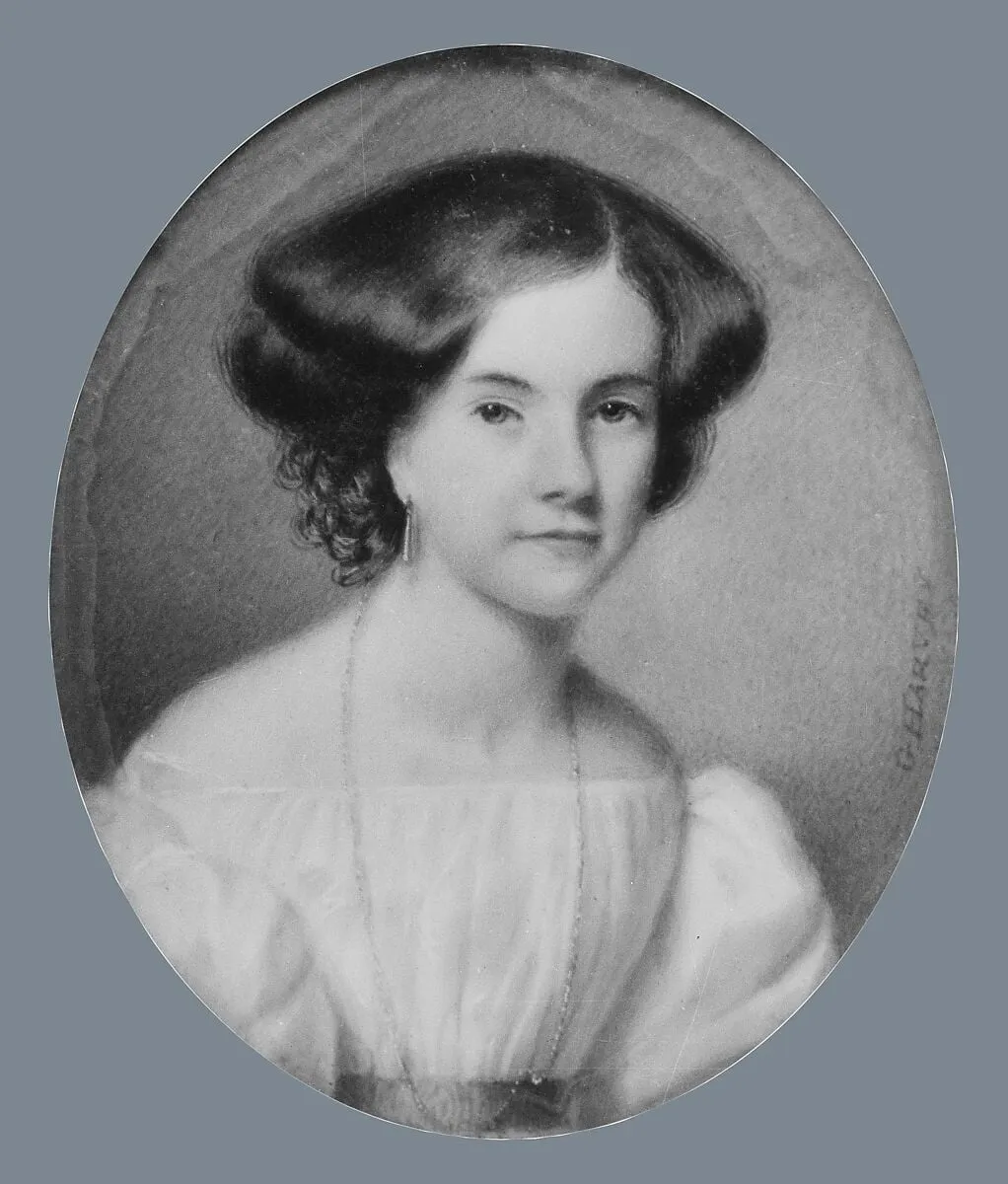
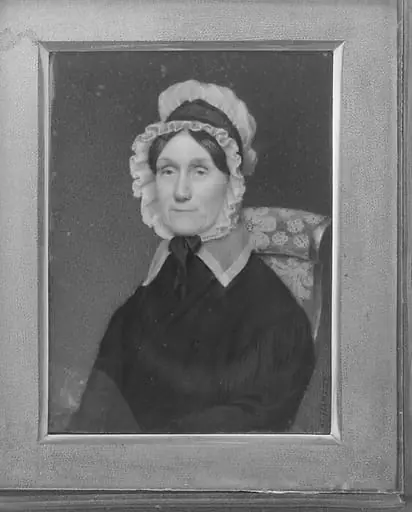
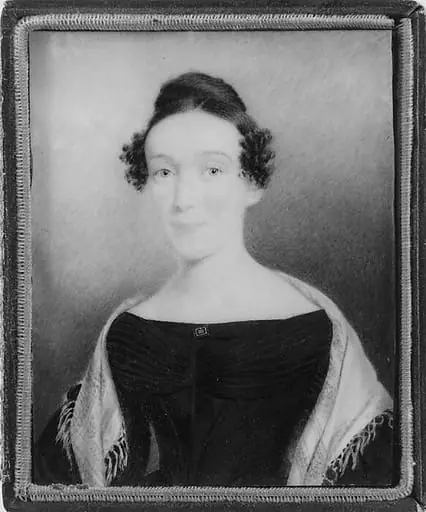
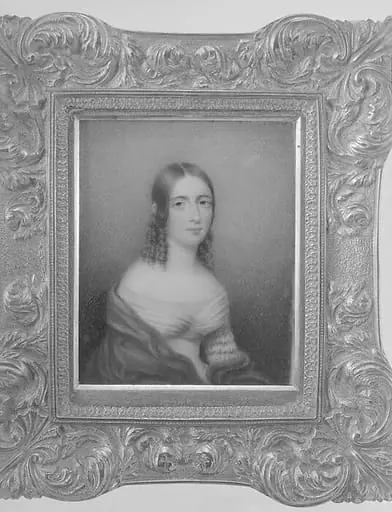
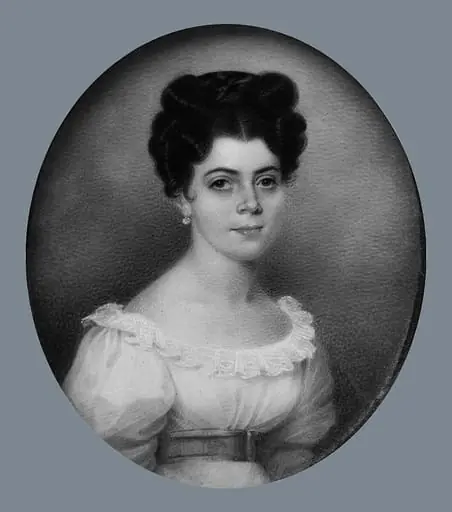
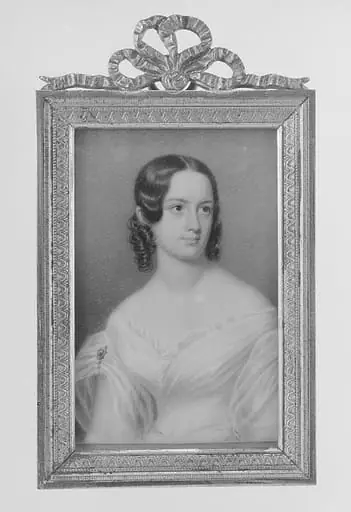
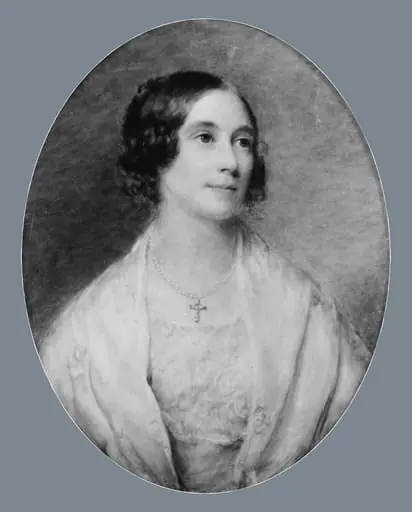
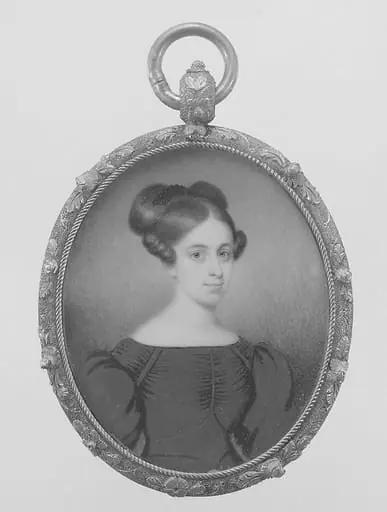
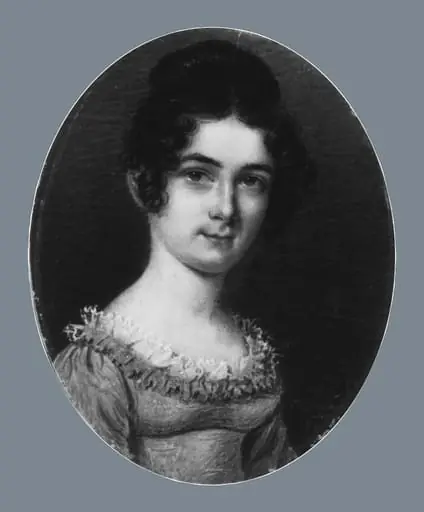
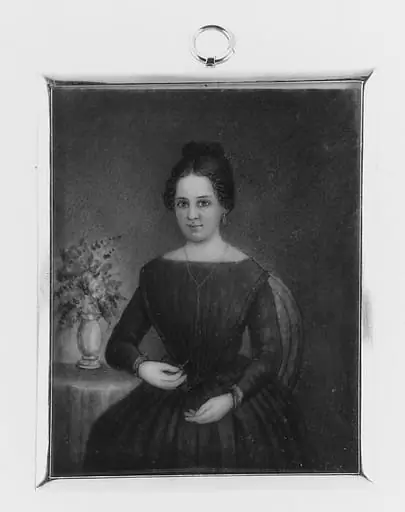
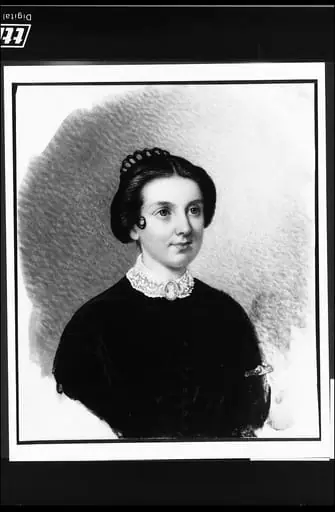
Portrait of a Lady is a watercolor painting by the British Romanticist artist George Harvey. It dates from 1830 and is held in the collection of the Metropolitan Museum of Art.
About this work
Subject & Meaning
As a portrait, the piece serves both as a record of the sitter's appearance and as a symbolic statement about gender roles in early American society.
The painting shows a solitary female sitter, identified simply as a woman in the catalog records. Rendered in watercolor on ivory in 1830 by George Harvey, the work belongs to the portrait genre and is housed in the Metropolitan Museum of Art's American Wing. Its composition emphasizes the sitter's presence through modest attire and a direct gaze, reflecting the period's tendency to portray women as embodiments of domestic virtue and refined taste.
As a portrait, the piece serves both as a record of the sitter's appearance and as a symbolic statement about gender roles in early American society.
Technique & Style
George Harvey's Portrait of a Lady (1830) is executed in watercolor on a thin sheet of ivory, a support favored for miniature portraits during the early nineteenth century. The ivory's translucency allows light to reflect through the pigment, lending the flesh tones a luminous, almost three-dimensional quality. Harvey's handling is meticulously fine, with delicate glazes building subtle modeling in the face, while linear precision defines the lace collar and jewelry.
The palette remains restrained, soft ochres, cool grays, and muted pinks, enhancing the work's intimate scale (5.9 × 4.8 inches). Stylistically, the portrait adheres to the conventions of Romantic-era miniaturism, balancing lifelike detail with an idealized refinement of the sitter's features.
History & Provenance
Created in 1830 by George Harvey, the Portrait of a Lady is a watercolor on ivory measuring 5.9 by 4.8 inches. The work depicts a woman and is classified within the genre of portraiture. It is currently held in the collection of the Metropolitan Museum of Art, where it resides in The American Wing. The specific commission details and the original owner's identity are not recorded in the available documentation.
Overview
Sir George Frederick Harvey's "Portrait of a Lady," created around 1830, exemplifies British Romanticism through its intimate depiction of a woman. Executed in watercolor on ivory, this small-scale work showcases the artist's skill in rendering delicate details and luminous skin tones. The choice of medium, typically associated with miniatures, allowed Harvey to achieve a unique interplay of light and transparency, contributing to the portrait's subtle emotional depth.
Context
Sir George Frederick Harvey was a prominent figure within 19th-century Scottish art circles. His eventual leadership as President of the Royal Scottish Academy underscores his significant influence and standing among his contemporaries. While known for larger works, this delicate portrait demonstrates his versatility and engagement with the prevailing British Romantic aesthetic, contributing to the diverse artistic landscape of the period.
Artist & collection

Artist
Sir George Frederick Harvey (1 February 1806 – 22 January 1876) was a Scottish painter and President of the Royal Scottish Academy.