February 13 in Art History
6 real events recorded on February 13, the earliest from 1744. 2 artists were born , 1 died on this date.
Born on this day 2
- 1834 Born
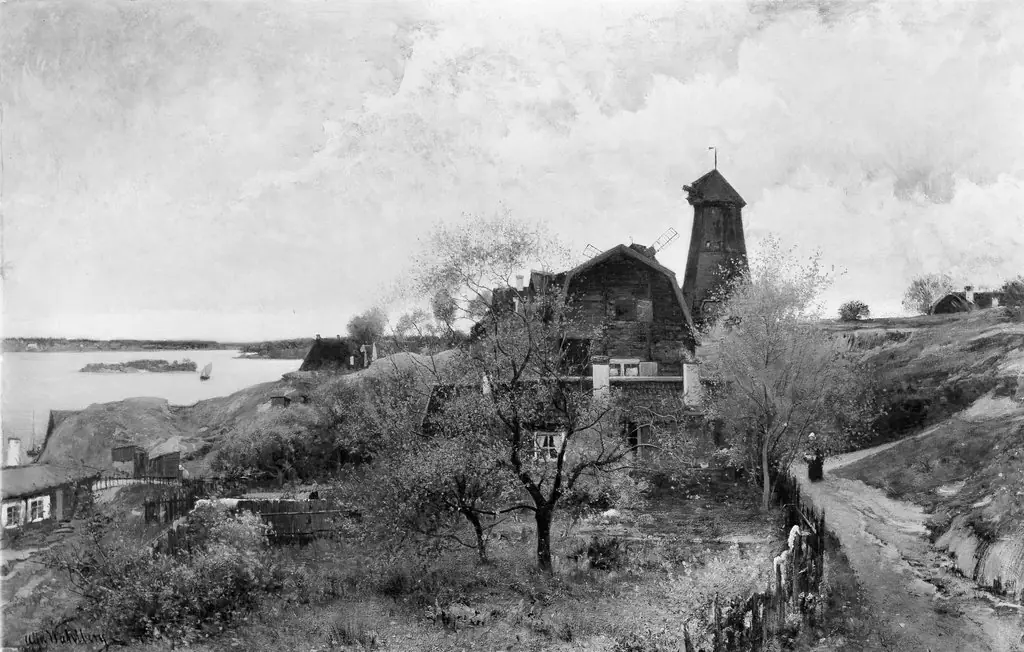
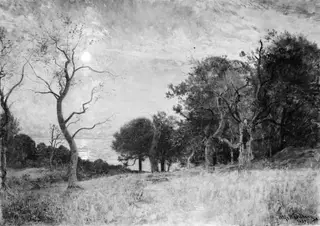
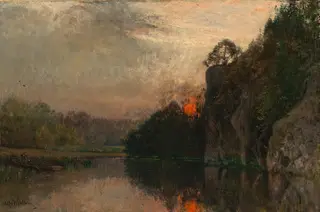
Born this day: Alfred Wahlberg
Alfred Wahlberg, a Swedish artist born on February 13, 1834, is known for his captivating landscapes that often featured serene natural settings, as seen in works like 'A Day in October, near Waxholm, Sweden' and 'A Moonlit Night by Hallands Väderö'. His art reflects a deep connection to the Swedish environment and atmosphere.
Alfred Wahlberg's legacy lies in his contributions to Swedish landscape painting, leaving a lasting impact on the country's artistic heritage.
- 1891 Born
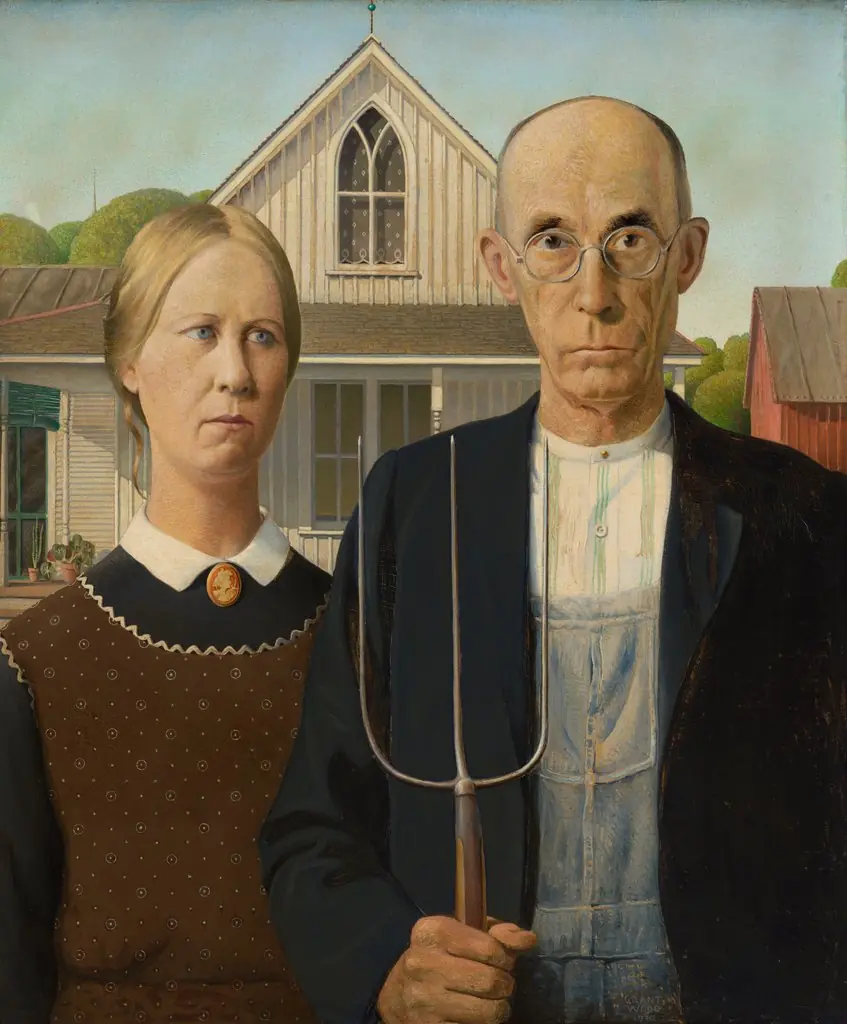
Born this day: Grant Wood
Grant Wood, born on February 13, 1891, was a prominent American artist and key figure in the Regionalism movement, known for his vivid portrayals of the rural Midwest, as seen in iconic works like American Gothic. His art continues to reflect the essence of early 20th-century American life.
Grant Wood's legacy remains significant as a quintessential American artist, shaping the country's visual identity through his Regionalist masterpieces.


Died on this day 1
- 1744 Died
Died this day: Pierre Gobert
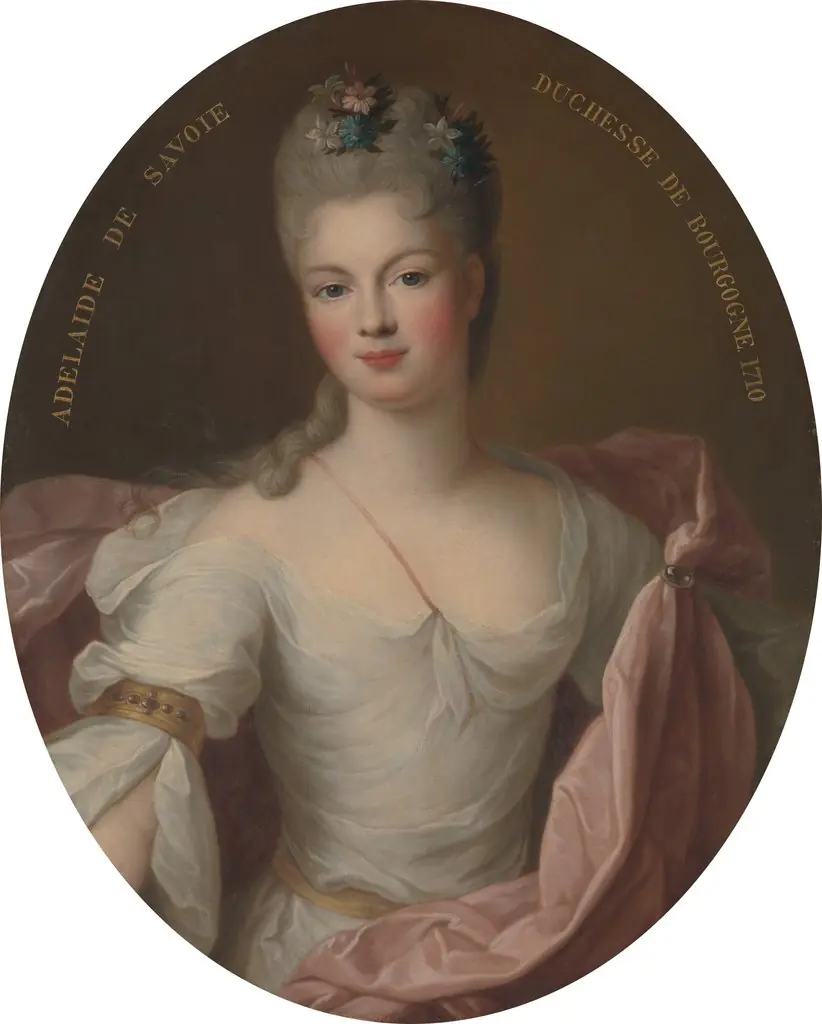
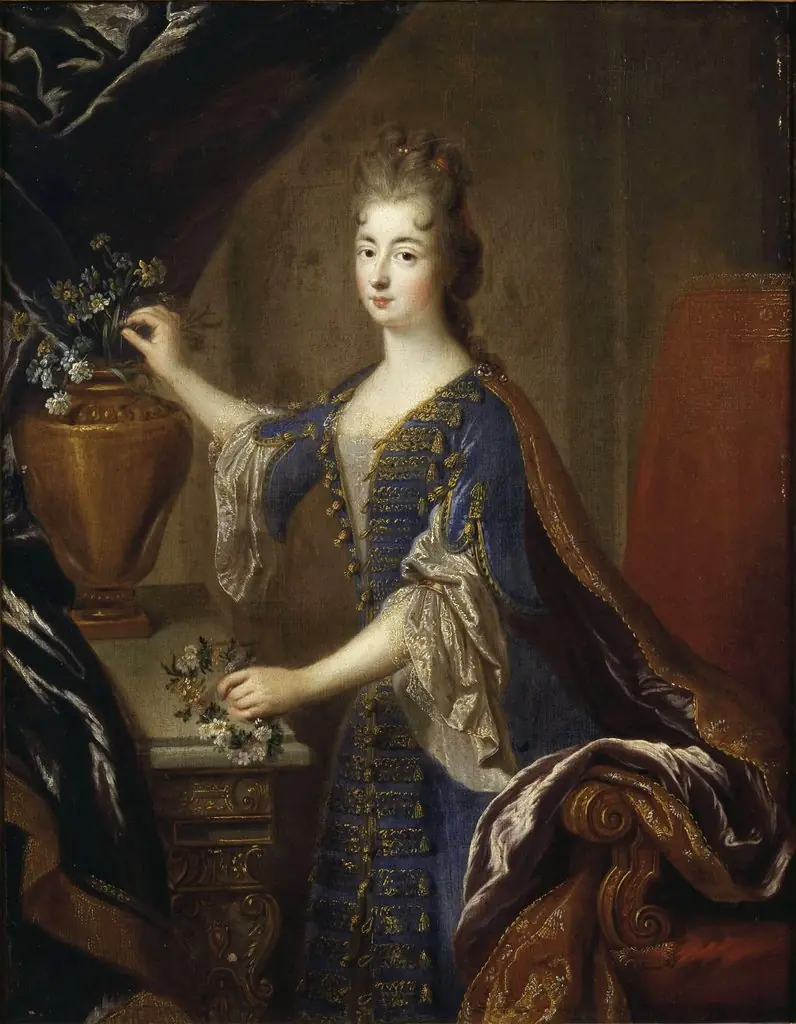
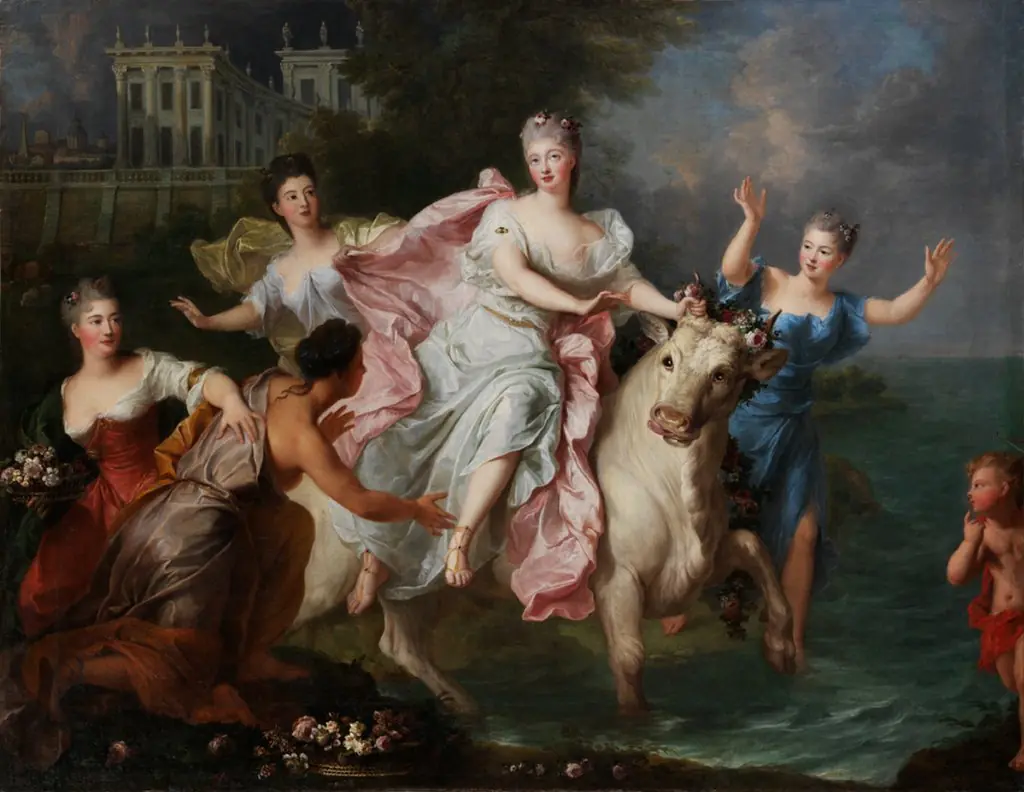
Pierre Gobert, a French artist born in Fontainebleau in 1662, was known for his portraits of European royalty, including Marie Adélaïde de Savoie and Marie-Anne de Bourbon. His work also explored mythological themes, as seen in The Rape of Europa. Gobert's artistry left a lasting impact on the French art scene.
Pierre Gobert's portraits remain significant examples of French Baroque art.
Exhibitions & salons 1
- 2011 Exhibition
Picasso's Guitars opens at MoMA
The Museum of Modern Art opened Picasso's Guitars 1912-1914 on February 13, 2011. Artforum's fetched exhibition page gives the exact run, February 13-June 6, and identifies Anne Umland as curator. The show centered on Picasso's cardboard Guitar of 1912 and sheet-metal Guitar of 1914, works that MoMA treated as pivots between Cubist collage, constructed sculpture, and the broader twentieth-century move away from carving and modeling toward assembled form. Artforum's preview connected the exhibition to William Rubin's earlier curatorial and acquisition work at MoMA, while the 2011 in art listing corroborated the date and institution. The exhibition mattered because it concentrated attention on a narrow but foundational moment in Picasso's studio practice rather than on a broad retrospective narrative.
It reinforced Picasso's guitars as touchstones for modern constructed sculpture and collage.
Openings & foundings 1
- 1893 Opening
Vanderbilt Gallery opens at the American Fine Arts Society
The Vanderbilt Gallery opened inside the American Fine Arts Society building on West 57th Street in New York. The gallery had been built by George Washington Vanderbilt II behind the new cooperative art building shared by the Art Students League of New York, the Society of American Artists, and the Architectural League of New York. A fetched American Fine Arts Society account gives the exact opening date, February 13, 1893, while the Art Students League's chronology explains the larger deal: Vanderbilt had financed the gallery and then donated both the gallery and its land to the society, effectively forgiving a major construction loan. The space quickly became one of New York's key late nineteenth-century exhibition rooms, used for loan shows and major art-society events.
It helped anchor West 57th Street as an important New York art district.
Unveilings & commissions 1
- 2020 Unveiling
Valentine's Banksy appears in Bristol
On February 13, 2020, a new Banksy mural appeared on the side of a house in Barton Hill, Bristol. The work showed a young girl firing a slingshot, with real red flowers and leaves arranged as the burst from the shot. The Guardian's fetched report was published that day and documented the artwork's public discovery; the BBC later reported Banksy's confirmation on Valentine's Day, and the fetched Banksy article states that the mural appeared on February 13 before the artist confirmed it early on February 14. The work extended Banksy's practice of timed public interventions, using a holiday associated with romance to create a hybrid street piece that depended on the wall, the street sign below, and temporary natural materials.
It became a high-profile example of Banksy's event-like street art and its immediate conservation problems.