February 9 in Art History
7 real events recorded on February 9, the earliest from 1612. 2 artists were born , 1 died on this date.
The day's biggest moments
Born on this day 2
- 1612 Born
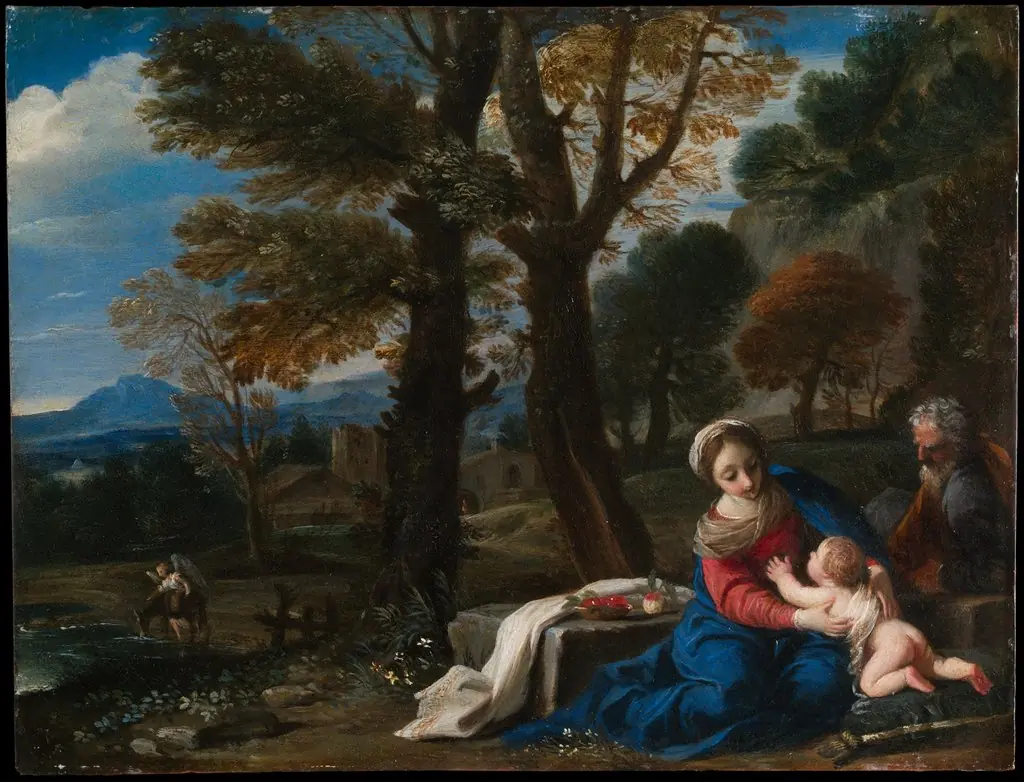
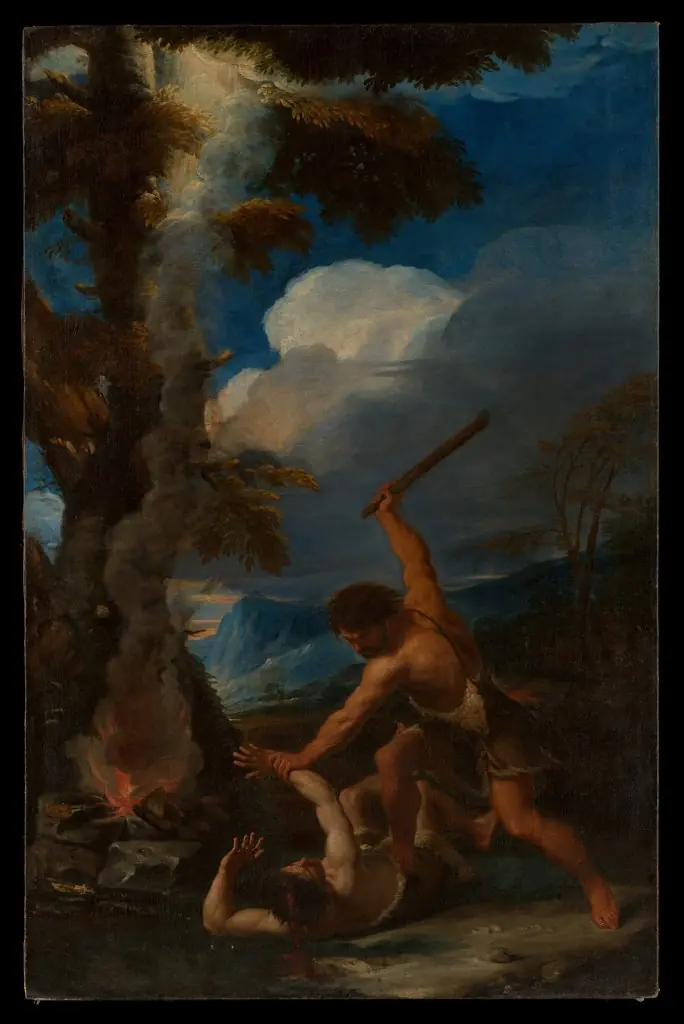
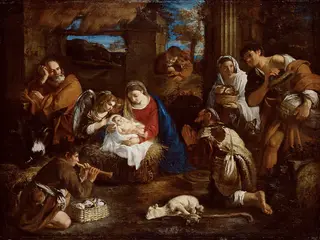
Born this day: Pier Francesco Mola
Pier Francesco Mola, an Italian painter of the High Baroque, was born on February 9, 1612. He is known for his unique style, which diverged from the classicism of his contemporaries, often favoring smaller, more naturalistic landscapes. His work includes notable pieces like 'Rest on the Flight into Egypt' and 'Joseph making himself known to his Brethren'
Mola's innovative approach to landscape painting left a lasting impact on the development of Italian art.
- 1817 Born
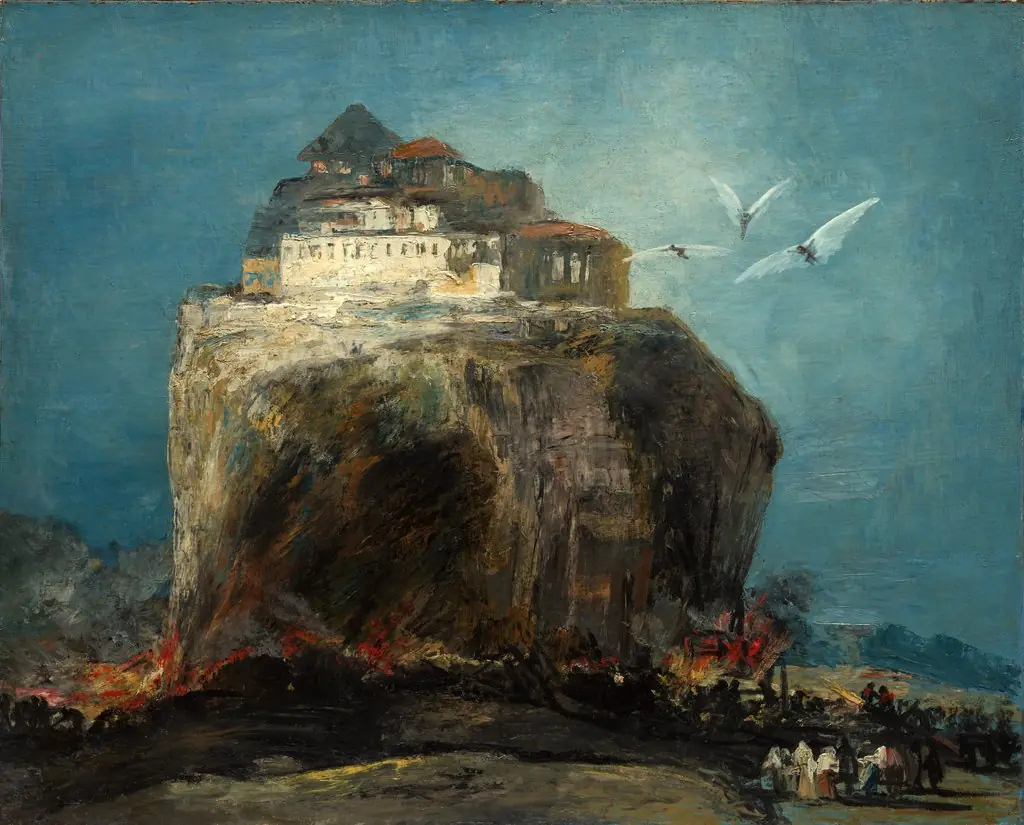
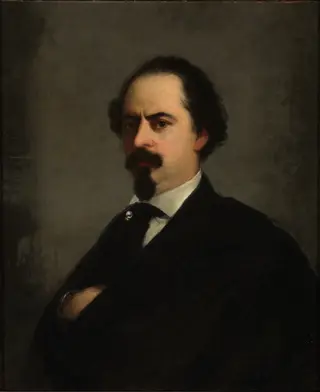
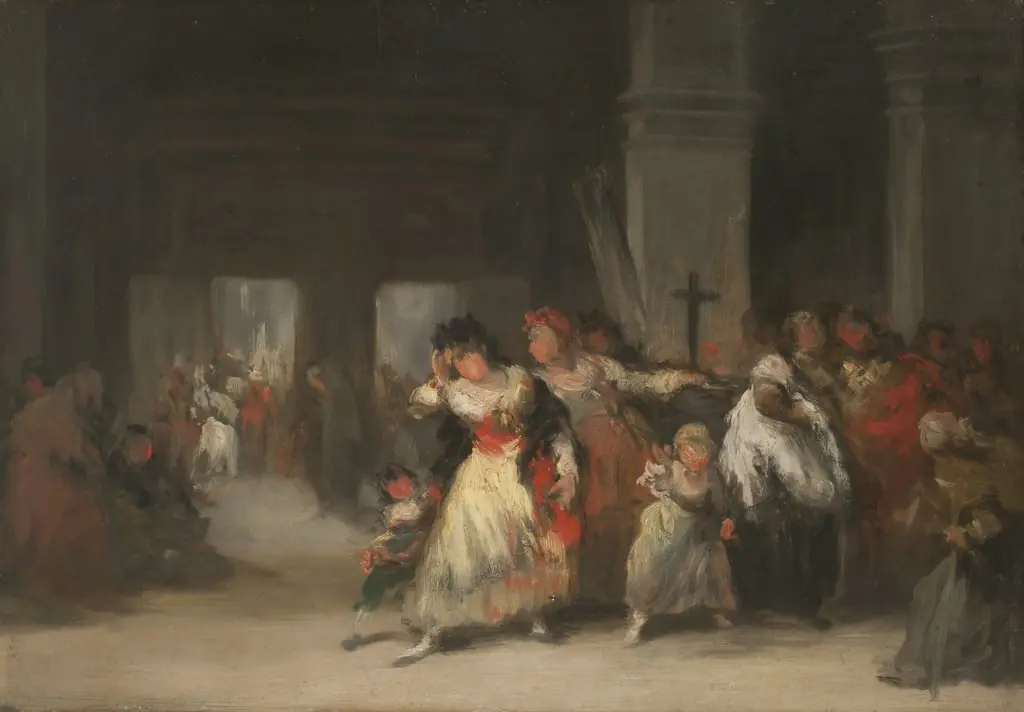
Born this day: Lucas Velázquez
Eugenio Lucas Velázquez, a Spanish Romantic painter, was born on February 9, 1817. He is known for his genre and costumbrista scenes, often incorporating fantastic elements. His work, such as 'A City on a Rock' and 'Autorretrato', showcases his unique style.
Eugenio Lucas Velázquez's contributions to Spanish Romantic painting continue to influence the art world.
Died on this day 1
- 1891 Died
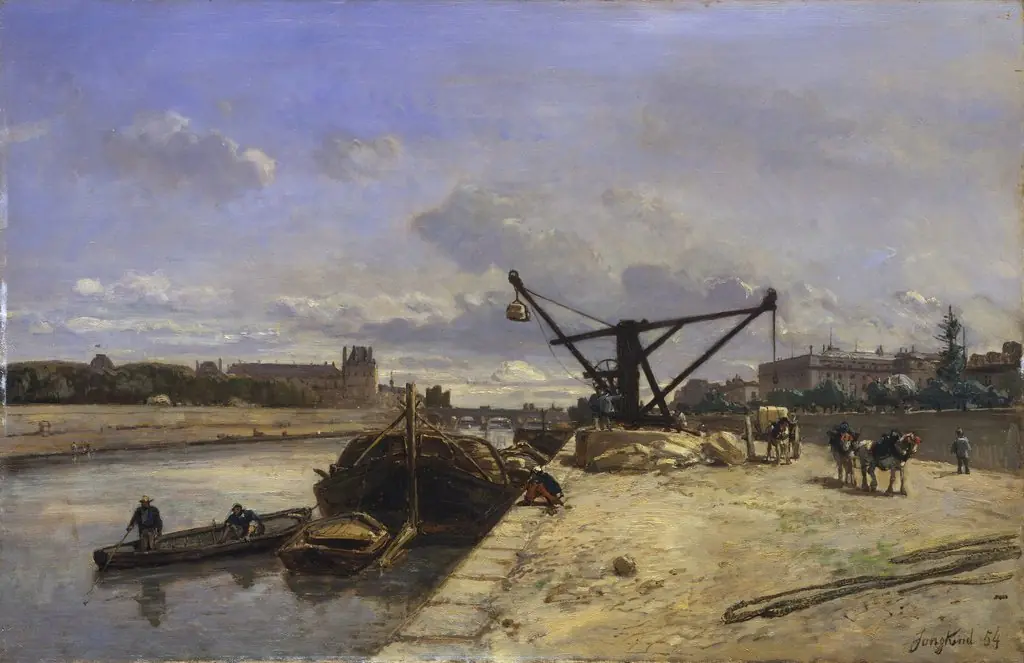
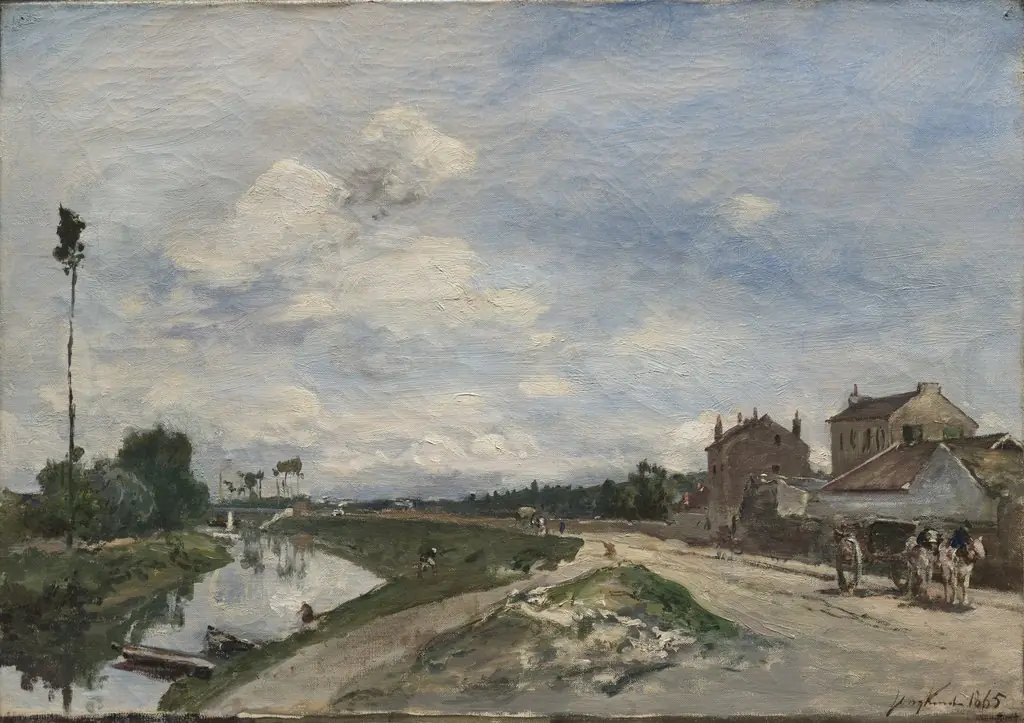
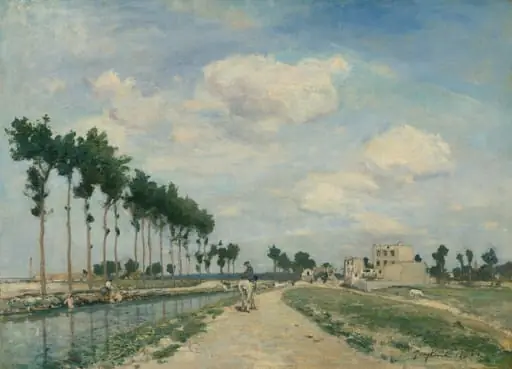
Died this day: Johan Jongkind
Johan Jongkind was a Dutch painter and printmaker known for his free and expressive marine landscapes, regarded as a forerunner of impressionism. His works, such as 'View from the Quai d'Orsay' and 'The Seine at Bas-Meudon', showcase his unique style.
Jongkind's innovative approach to landscape painting paved the way for future impressionist artists.
Exhibitions & salons 1
- 2018 Exhibition
Danh Vo: Take My Breath Away opens
On 9 February 2018, the Solomon R. Guggenheim Museum opened Danh Vo: Take My Breath Away, a survey of the Danish-Vietnamese artist's work that ran through 9 May. Organized by Katherine Brinson with Susan Thompson and Ylinka Barotto, the exhibition gathered sculptures, photographs, and works on paper made over roughly fifteen years. Vo's practice uses readymade objects, family histories, fragments of political power, and charged relics of migration and colonialism to explore how identity is shaped by possession, displacement, faith, and national myth. The Guggenheim presentation was especially notable as the first comprehensive survey of Vo's work in the United States.
The exhibition consolidated Vo's reputation in the United States as a major artist of diaspora, memory, and historical assemblage.
Openings & foundings 2
- 1963 Opening
Von Bertouch Galleries opens in Newcastle
On 9 February 1963, Anne and Roger von Bertouch opened Von Bertouch Galleries in their home at 50 Laman Street in Newcastle, New South Wales. The gallery is remembered as the first commercial gallery outside an Australian capital city, a significant shift in a market and exhibition culture then heavily concentrated in metropolitan centers. Its first exhibition focused on artists born in or resident around Newcastle, including William Dobell, John Olsen, John Passmore, Paul Beadle, Jon Molvig, Ross Morrow, Tom Gleghorn, and William Rose. Over later decades, Anne von Bertouch built the gallery into a nationally visible platform for contemporary Australian art while maintaining a strong Hunter Region identity.
The gallery helped decentralize Australian contemporary art and made Newcastle a more active commercial and cultural site.
- 2019 Opening
Norton Museum reopens after Foster expansion
On 9 February 2019, the Norton Museum of Art in West Palm Beach reopened after the first phase of a major Foster + Partners expansion and campus plan. The transformed museum added the Kenneth C. Griffin Building, 12,000 square feet of gallery space, expanded classrooms, a larger student exhibition area, a 210-seat auditorium, a new store and restaurant, a Great Hall, a sculpture garden, and renovated cottages for an artist-in-residence program. The project reoriented the institution toward public access and education while giving South Florida's first major art museum a more ambitious contemporary architectural profile.
The reopening repositioned the Norton as a larger civic and educational art center for South Florida.
Auctions, prizes & heists 1
- 1897 Heist Landmark
British invasion of Benin begins
On 9 February 1897, the British punitive expedition against the Kingdom of Benin began. The operation, led by Rear-Admiral Harry Rawson after the killing of a British party approaching Benin City, became one of the defining cultural-property seizures of the colonial era. After fighting their way to the city, British forces deposed Oba Ovonramwen, burned and ransacked palace compounds, and removed thousands of royal, religious, historical, and mnemonic objects, including the works now broadly called the Benin Bronzes. The episode matters in art history because these objects transformed European views of West African metalwork while also becoming central evidence in debates over museum collecting, colonial violence, and restitution.
The dispersal of Benin court art seeded major museum collections and remains a benchmark case for repatriation claims.