Artwork
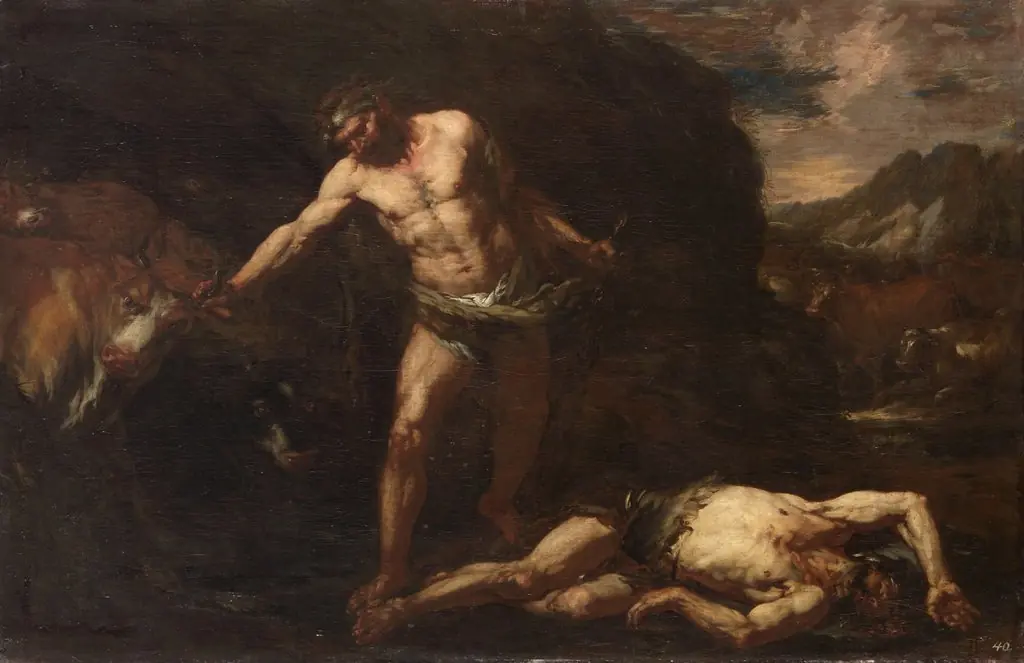
Cain Slaying Abel
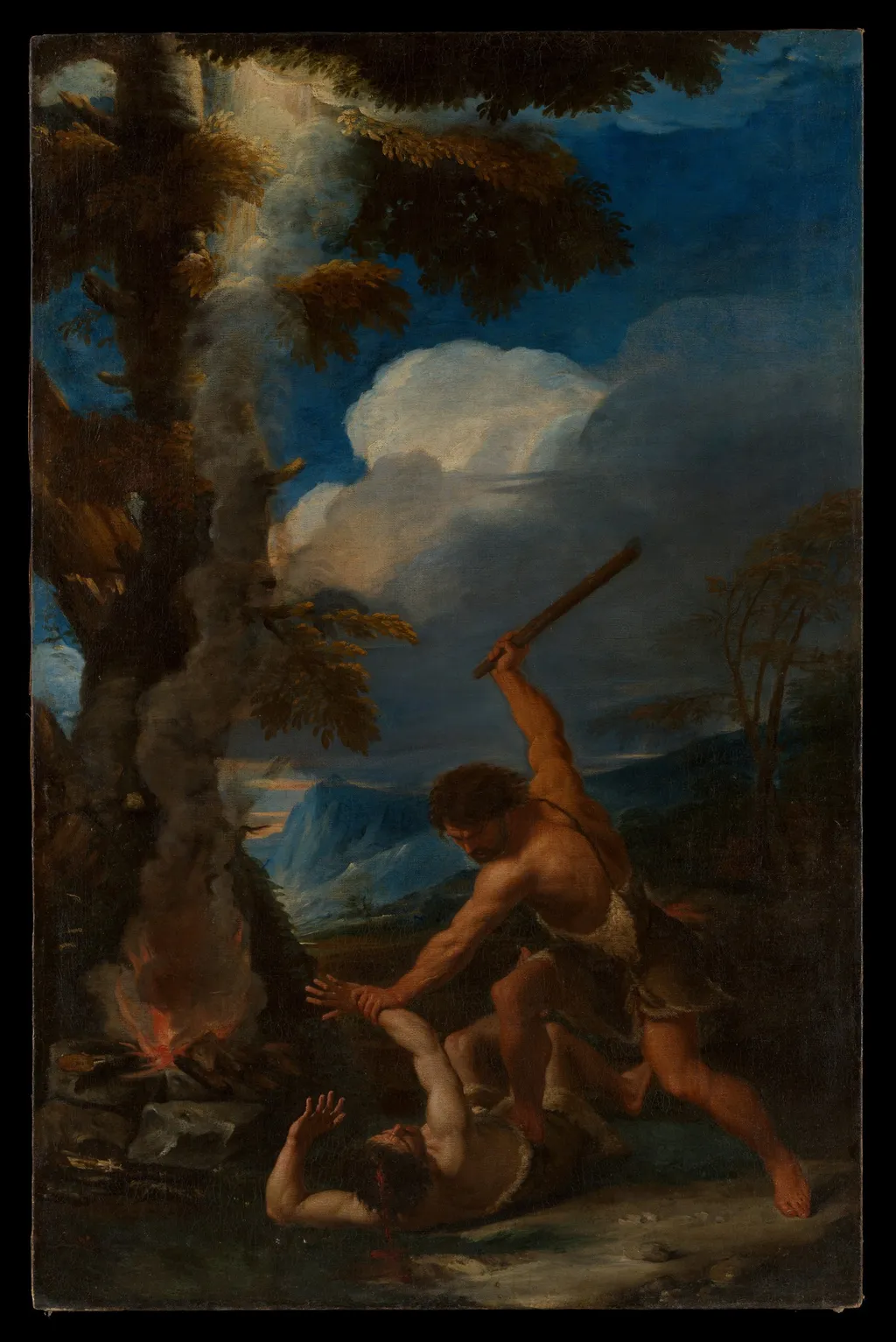
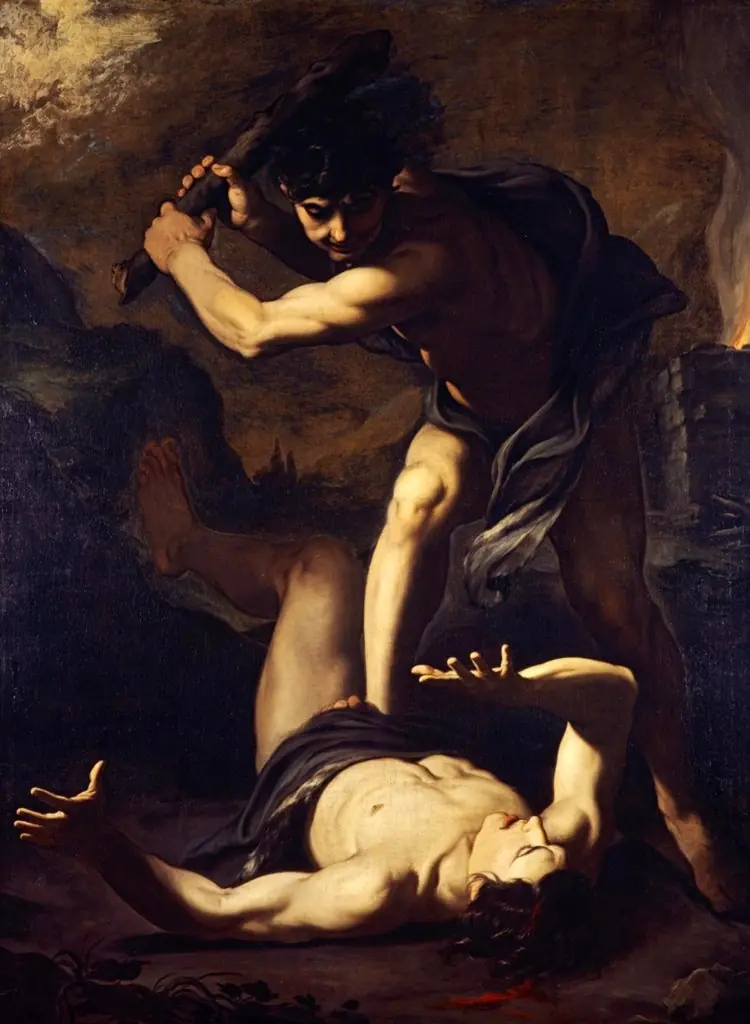
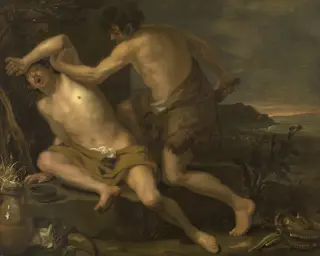
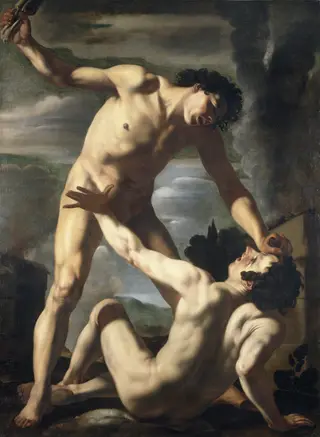
Cain Slaying Abel is an oil painting by the High Baroque Italian artist Pier Francesco Mola. It dates from 1651 and is held in the collection of the Metropolitan Museum of Art.
About this work
Technique & Style
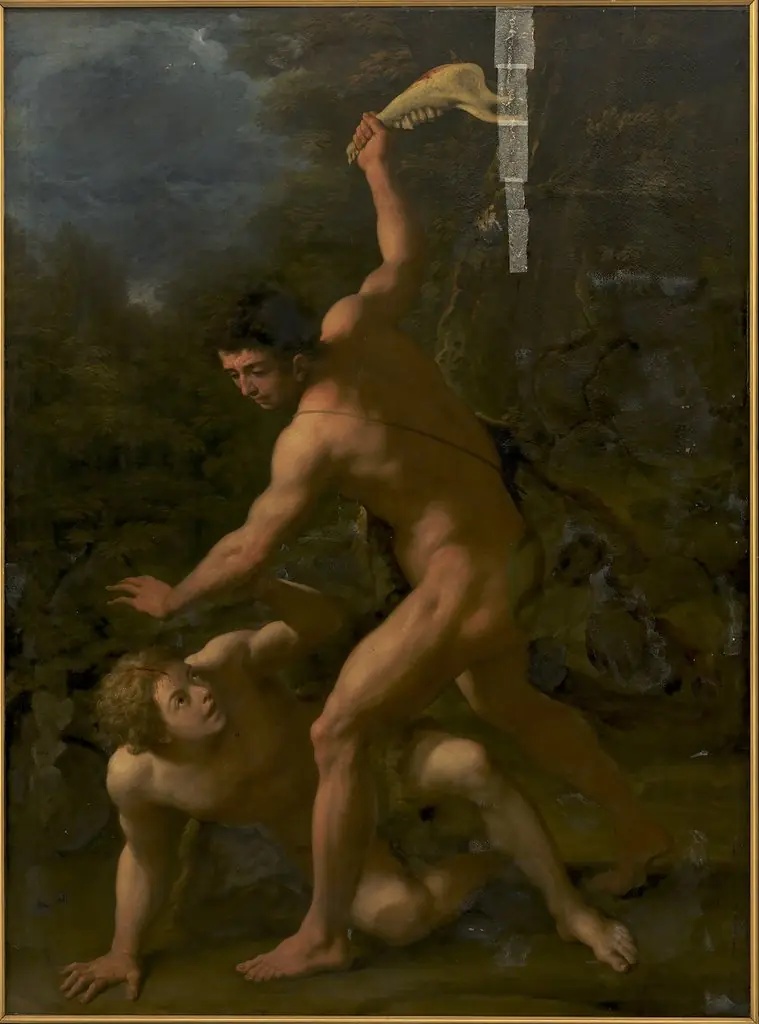
The composition stages the violent confrontation between Cain and the collapsing Abel, conveying dramatic tension within a restrained, earth-toned palette.
The painting is executed in oil on canvas, a medium typical of Mola's mid-seventeenth-century practice. The handling shows fluid brushwork with softly blended transitions in the flesh tones, while the drapery is rendered with more pronounced, directional strokes to suggest volume and movement. The composition stages the violent confrontation between Cain and the collapsing Abel, conveying dramatic tension within a restrained, earth-toned palette.
History & Provenance
Executed in 1651, the oil painting Cain Slaying Abel is the work of the Italian artist Pier Francesco Mola. Depicting the biblical figures of Cain and Abel, it is classified as a religious painting on canvas. It is held in the collection of the Metropolitan Museum of Art in New York, which accessioned the work in 2020 under inventory number 2020.112. The available records do not detail its original commission or earlier ownership history.
Overview
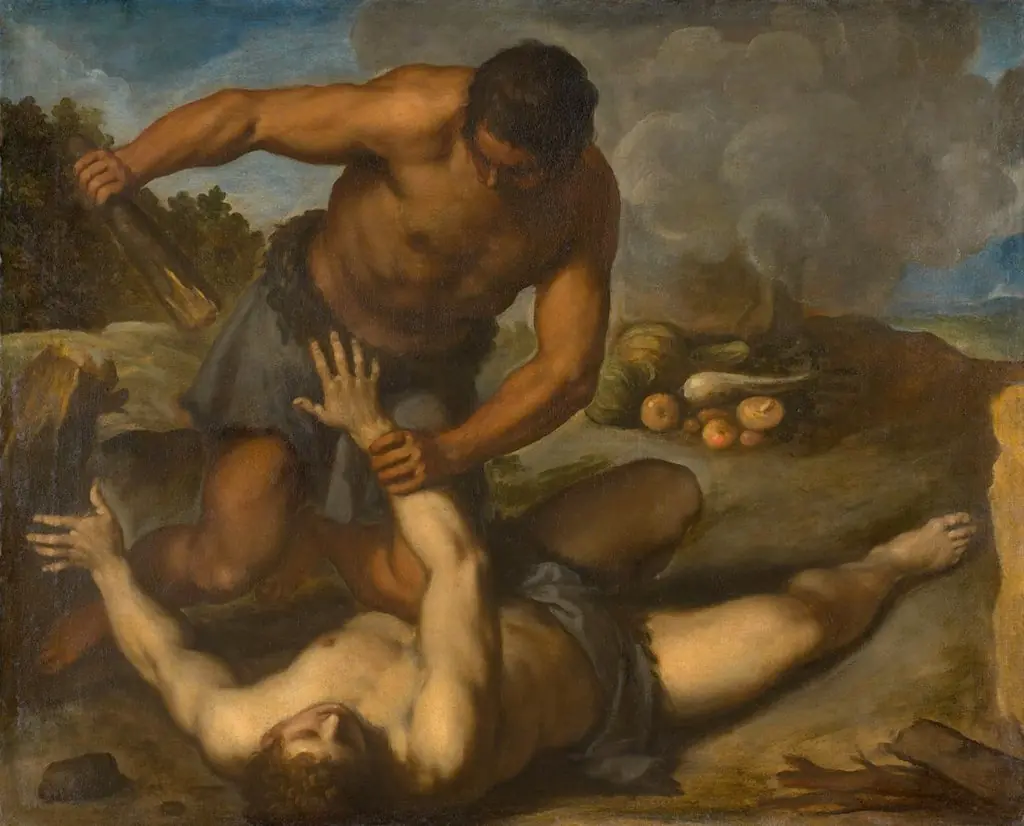
Pier Francesco Mola's Cain Slaying Abel, executed in 1651, depicts the biblical moment of fratricide with dramatic intensity. The composition centers on two figures within a wooded landscape: Cain stands over his kneeling brother, Abel, gripping a heavy club raised to strike. Abel's posture, with arms outstretched and head tilted back, conveys vulnerability and impending death.
A small fire burns nearby, likely referencing the rejected offering that precipitated the violence, while the background features dense, dark trees and a turbulent, cloudy sky that mirrors the emotional turmoil of the scene. Mola, a prominent figure of the Roman Baroque, utilizes strong chiaroscuro to model the muscular forms and heighten the psychological tension. Cain's facial expression is rendered with a tense, focused ferocity, contrasting with Abel's passive acceptance.
This work exemplifies Mola's mature style, characterized by a synthesis of classical structure and dynamic, almost theatrical movement. Painted during a period when the artist was establishing his reputation in Rome, the piece demonstrates his ability to handle complex narrative subjects with both anatomical precision and emotional depth, securing his place among the leading history painters of mid-seventeenth-century Italy.
Subject & Meaning
The artwork illustrates the Old Testament account of Cain's fratricide of his brother Abel. Cain, depicted standing with a club, casts a menacing gaze downward at Abel, who kneels in a posture of vulnerability, his arms outstretched. A small fire, perhaps an altar for offerings, is visible nearby, hinting at the brothers' dispute over their sacrifices. The tense expressions and body language convey the profound tragedy of the narrative.
Own this work as a print
Artist & collection

Artist
Pier Francesco Mola, called Il Ticinese was an Italian painter of the High Baroque, mainly active around Rome.