January 10 in Art History
6 real events recorded on January 10, the earliest from 1588. 2 artists were born , 1 died on this date.
The day's biggest moments
Born on this day 2
- 1588 Born
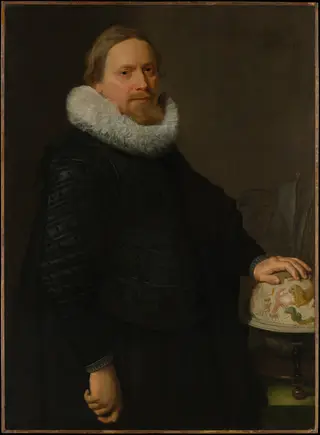
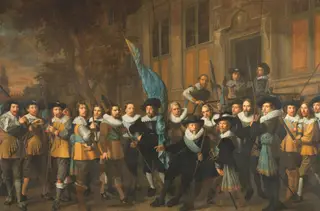
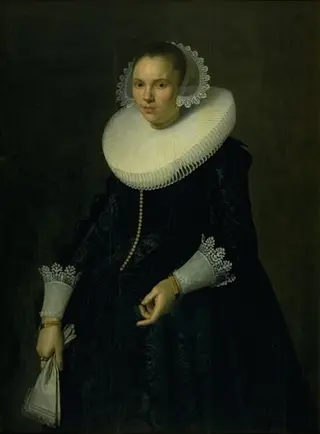
Born this day: Nicolaes Eliaszoon Pickenoy
Nicolaes Eliaszoon Pickenoy, a Dutch painter of Flemish origin, was born on January 10, 1588. He is known for his portraits, which are characterized by their attention to detail and captivating depictions of his subjects. Pickenoy's work had a significant influence on other artists, including possibly training Bartholomeus van der Helst.
Pickenoy's portraits remain notable examples of Dutch Golden Age painting.
- 1614 Born
Born this day: Kano Yasunobu
Kano Yasunobu, born on January 10, 1614, was a Japanese artist known for his work within the traditional Japanese painting style. His pieces, such as those in our collection, showcase his skill and contribution to Japanese art. As a member of the prominent Kano school, Yasunobu's work reflects the techniques and aesthetics of this influential artistic lineage.
Kano Yasunobu's legacy lies in his role as a preserver and innovator of traditional Japanese painting techniques.
Died on this day 1
- 1904 Died
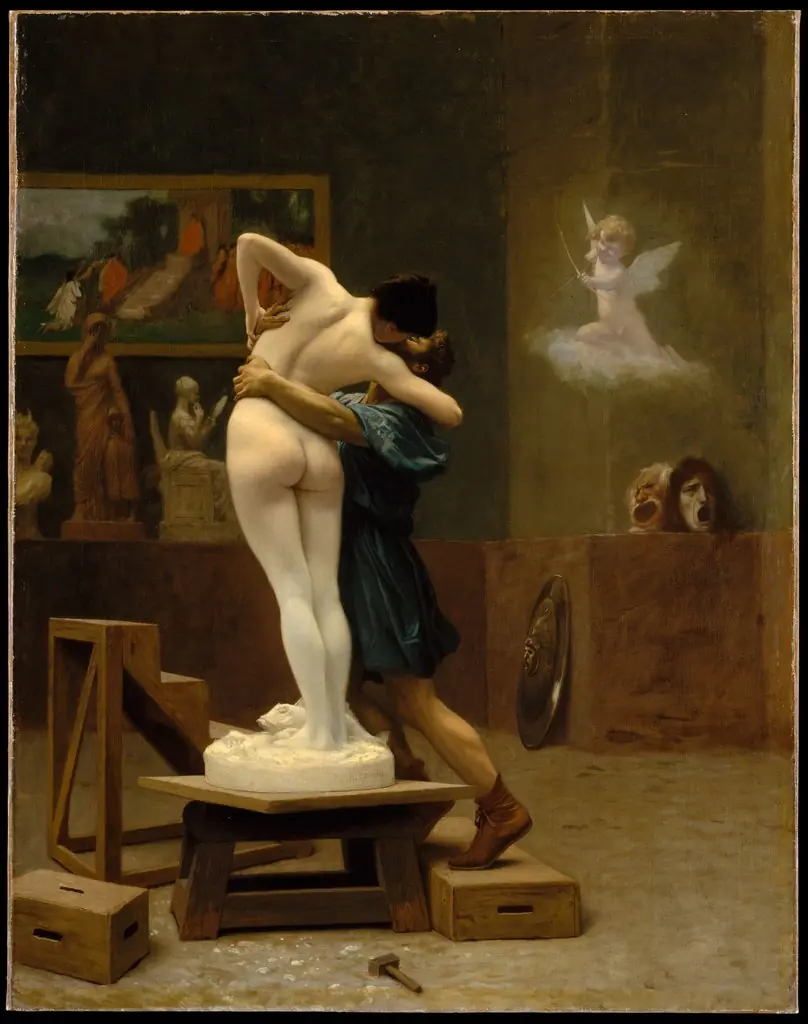
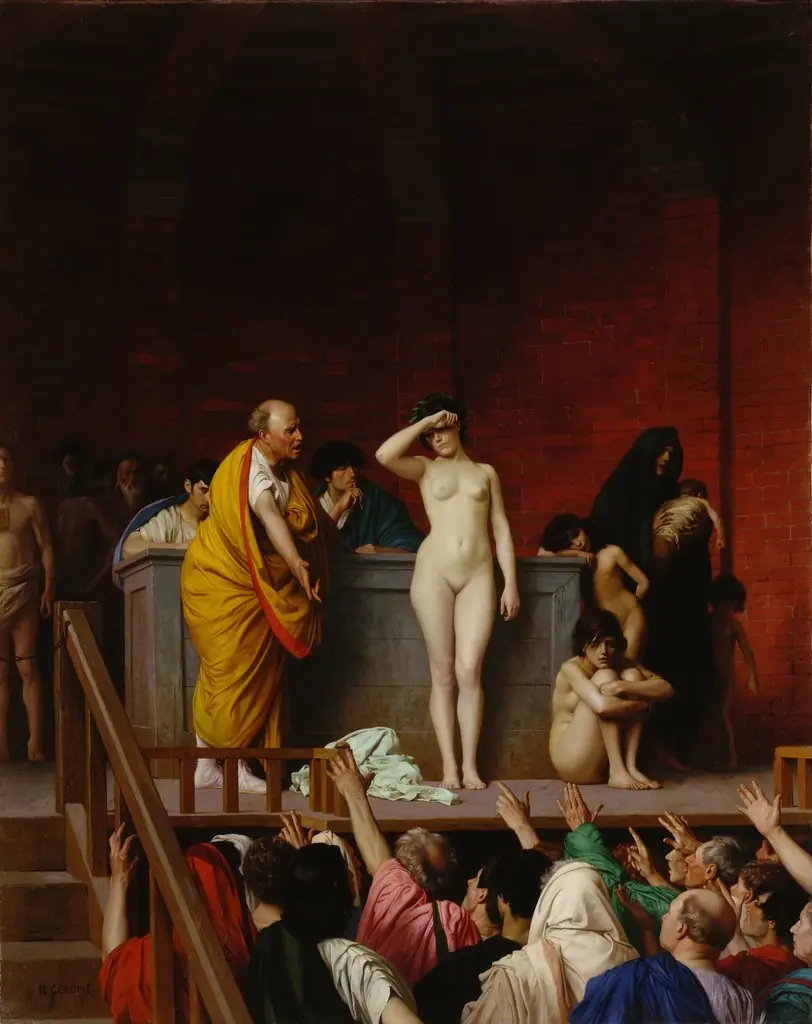
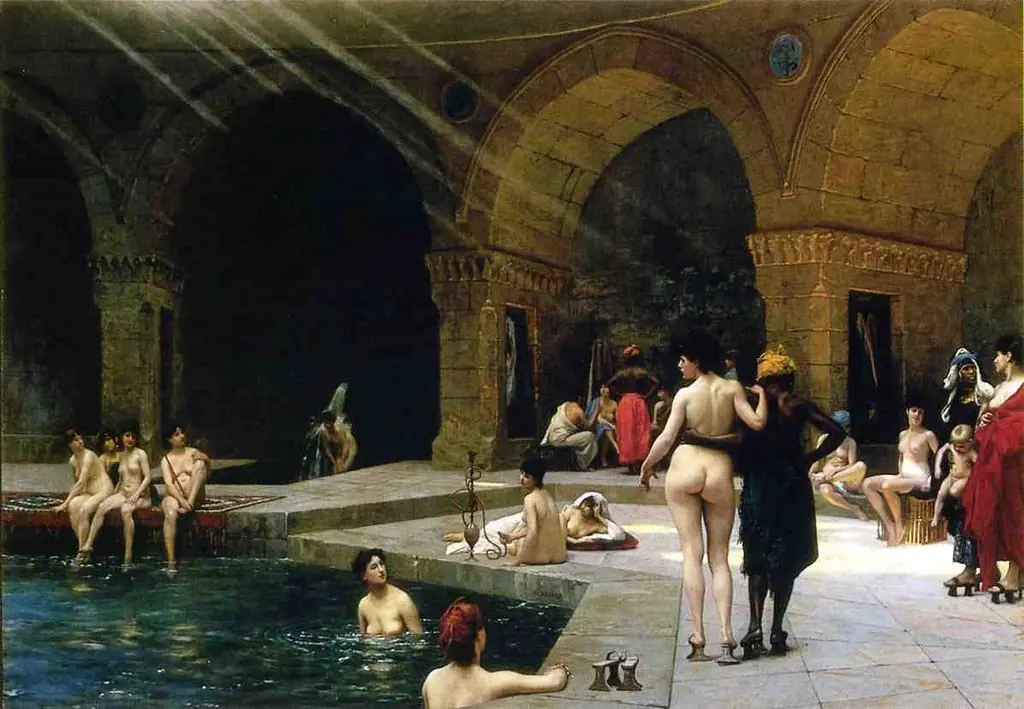
Died this day: Jean Léon Gérôme
Jean-Léon Gérôme, a French painter and sculptor, passed away on January 10, 1904. He was a prominent figure in the academicism style, known for his diverse range of works including historical paintings, Greek mythology, and Orientalism. His art was widely reproduced, making him one of the most famous living artists by 1880.
Gérôme remains one of the most important painters from the academic period, leaving a lasting impact on the art world.
Exhibitions & salons 1
- 1973 Exhibition Landmark
Whitney Biennial Takes Its Current Form
On January 10, 1973, the Whitney Museum of American Art opened Whitney Biennial 1973: Contemporary American Art, running through March 18. The museum's own archive identifies the 1973 exhibition as the start of the Biennial's current format: a survey of work in all media every two years, replacing earlier medium-specific annuals that had alternated painting, sculpture, and works on paper. Installation records and press highlights show the show filling the museum with sculpture, painting, new media, installation-like environments, and difficult-to-classify practices. Works by artists documented in Whitney installation captions included Joan Mitchell, Tony Smith, Ellsworth Kelly, Sylvia Stone, Clement Meadmore, Ronald Bladen, Alice Adams, and Raphael Ferrera. The date marks a structural change in how a major U.S. museum periodically defined contemporary American art.
The 1973 format helped make the Whitney Biennial a recurring barometer of contemporary American art.
Ellsworth Kelly , Clement Meadmore , Joan Mitchell , Tony Smith , Ronald Bladen Whitney Museum of American Art, Manhattan
Manifestos & publications 1
- 1929 Publication
Tintin Debuts in Le Petit Vingtieme
On 10 January 1929, Herge's first Tintin strip appeared in Le Petit Vingtieme, the youth supplement of the Belgian newspaper Le Vingtieme Siecle, with the opening episode of Tintin in the Land of the Soviets. The event launched one of the most consequential visual narratives in European comics. Contemporary accounts and comics-history sources emphasize that the series' clean, legible drawing, later known as ligne claire, helped elevate Franco-Belgian comics from children's entertainment into a sophisticated graphic language. The first story was politically propagandistic and later controversial, but the character, Snowy, and Herge's page design became internationally recognizable. BBC's anniversary coverage also notes the strip's commercial and artistic reach, including influence on artists such as Roy Lichtenstein and Andy Warhol.
Tintin became a central model for European comics, graphic storytelling, and the ligne claire style.
Auctions, prizes & heists 1
- 2014 Heist
Court Awards Stolen Renoir to Baltimore Museum
On 10 January 2014, U.S. District Judge Leonie Brinkema ruled that Pierre-Auguste Renoir's small 1879 landscape Paysage Bords de Seine rightfully belonged to the Baltimore Museum of Art. The painting had been stolen from the museum in November 1951 during the exhibition From Ingres to Gauguin, then resurfaced in 2012 when Marcia Fuqua tried to sell it through an Alexandria, Virginia auction house and claimed it was a flea-market purchase. The FBI seized the painting after the auction was canceled, and the museum's title was strengthened when the insurer that had paid the 1950s claim transferred title back to the BMA. The January 10 ruling resolved the ownership dispute; the FBI returned the work to the museum later that month.
The ruling turned a sensational flea-market story into a restitution precedent for a long-missing museum painting.