January 12 in Art History
6 real events recorded on January 12, the earliest from 1537. 2 artists were born , 1 died on this date.
Born on this day 2
- 1849 Born
Born this day: Jean Béraud
Jean Béraud, a French painter, was born on January 12, 1849. He is known for capturing the essence of Paris during the Belle Époque, blending academic naturalism and Impressionism in his works, which often featured everyday scenes of the city's streets, cafes, and theaters.
Béraud's paintings remain a vital record of Parisian life during a transformative period in the city's history.
- 1856 Born
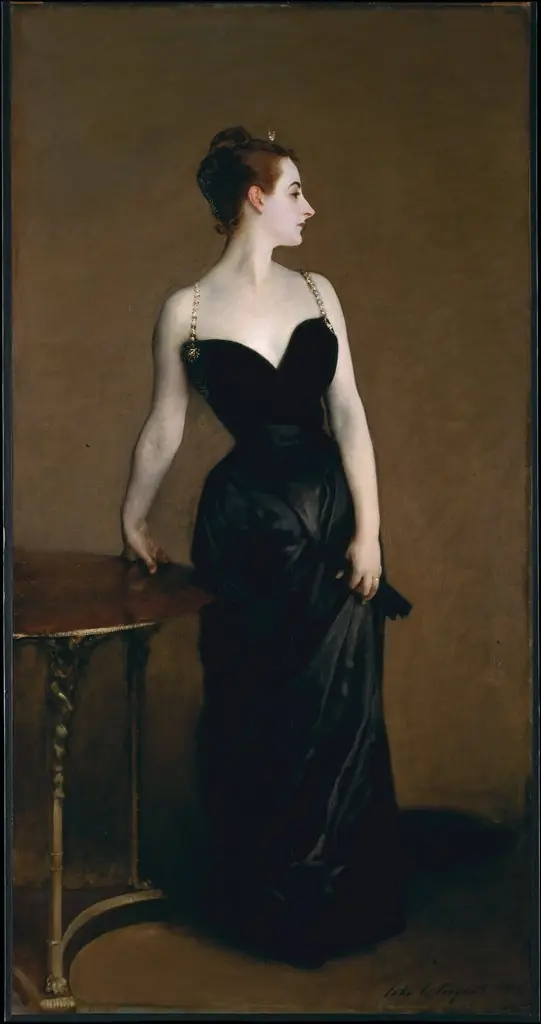
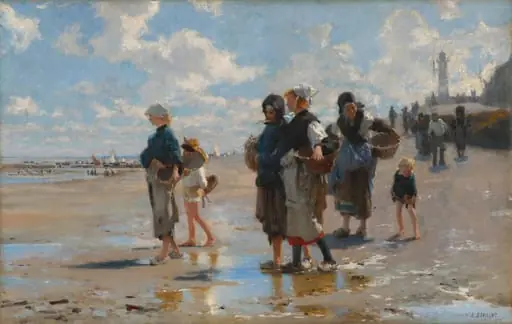
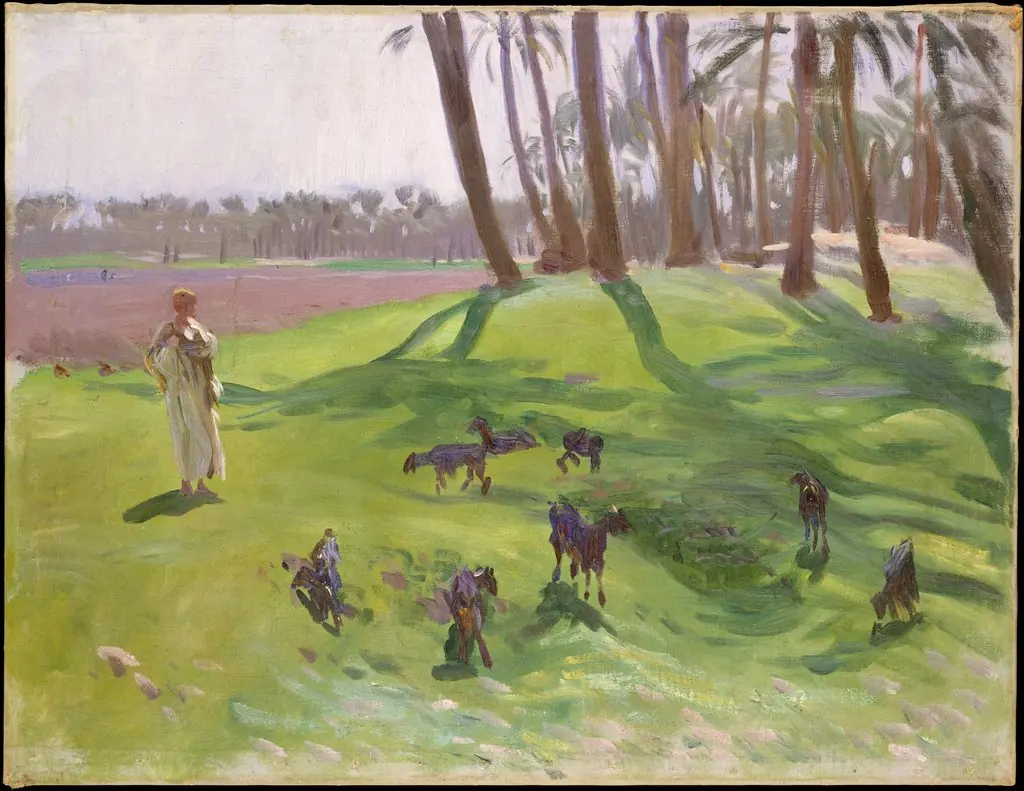
Born this day: John Singer Sargent
John Singer Sargent, born on January 12, 1856, was a renowned American expatriate artist celebrated for his captivating portraits of luxury and elegance during the Belle Époque and Edwardian eras. His extensive travels and training in Florence and Paris influenced his diverse oeuvre of over 900 oil paintings and 2,000 watercolors.
He remains the leading portrait painter of his generation, known for his exceptional ability to evoke the essence of his subjects.
Died on this day 1
- 1537 Died
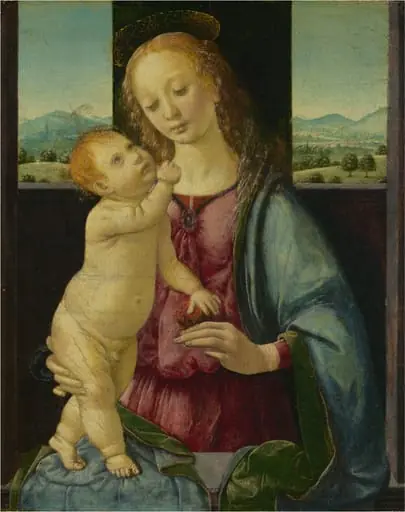
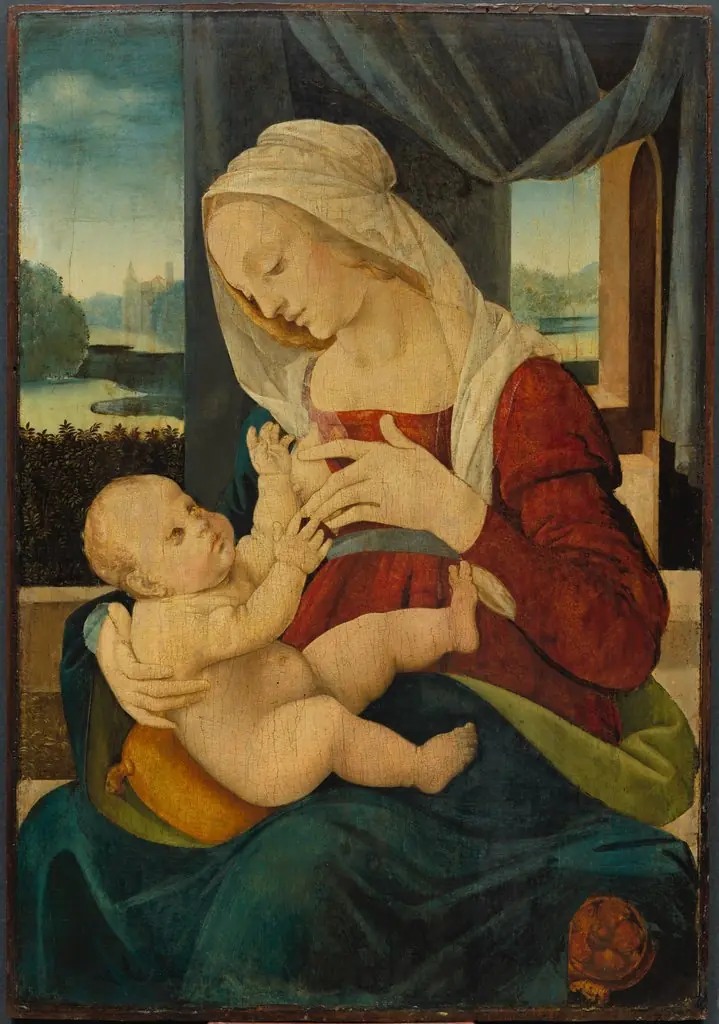
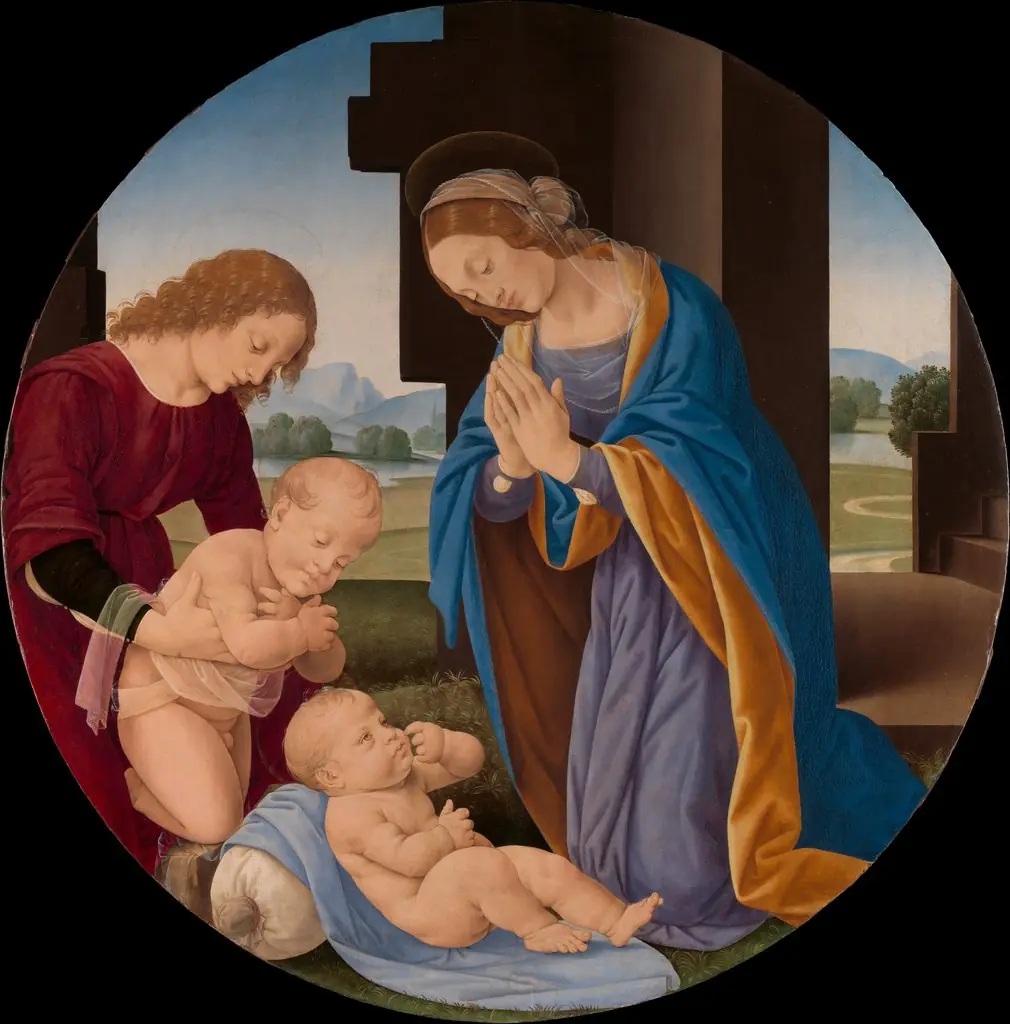
Died this day: Lorenzo di Credi
Lorenzo di Credi, an Italian Renaissance painter and sculptor, died on this day in 1537. He is known for his paintings of religious subjects and portraits, and his style was influenced by Leonardo da Vinci, with whom he worked in Andrea del Verrocchio's studio. Credi's work largely continued Verrocchio's style, focusing on smaller, meticulous pieces.
Lorenzo di Credi's legacy lies in his contributions to the Italian Renaissance, particularly through his work in Verrocchio's studio alongside Leonardo da Vinci.
Exhibitions & salons 2
- 1914 Exhibition
Marsden Hartley at 291
Alfred Stieglitz's 291 gallery opened a solo exhibition of paintings by Marsden Hartley, running from January 12 to February 14, 1914. The show came after Hartley's earlier 291 debut and at the moment when his work was absorbing European modernism, especially the examples of Cezanne, Picasso, Kandinsky, and Matisse. In 1914 Hartley was also developing the symbolic, abstracted language associated with his German paintings, including the memorial and military imagery that would culminate around Portrait of a German Officer. At 291, such work reached a New York audience through one of the few American galleries then willing to present advanced modern art as a serious artistic program rather than a curiosity.
The exhibition strengthened Hartley's position within Stieglitz's American modernist circle.
- 1915 Exhibition
Picabia's Recent Paintings at 291
Stieglitz's 291 opened Recent Paintings by Francis Picabia on January 12, 1915, a short exhibition that ran through January 26. Picabia had already appeared in the orbit of the Armory Show and was moving through Cubism, abstraction, and the irreverent visual language that would soon connect him to Dada. The New York setting mattered: 291 was a compact but influential forum where European avant-garde art, experimental photography, and American modernism met before larger museums gave such work sustained attention. The Picabia exhibition also sits just before the launch of the magazine 291 in March 1915 and before Picabia's later periodical 391, whose title explicitly echoed Stieglitz's gallery.
The show helped place Picabia inside the New York avant-garde network that fed early Dada.
Openings & foundings 1
- 1920 Opening
Burnham Library of Architecture Opens
The Burnham Library of Architecture opened at the Art Institute of Chicago on January 12, 1920. Designed by Howard Van Doren Shaw, the addition stood south of and adjacent to the Ryerson Library within the museum's Beaux-Arts Michigan Avenue complex. The opening expanded the Art Institute's research infrastructure beyond galleries and classrooms, giving architecture a dedicated scholarly home inside one of the United States' major art museums. Named for Daniel Burnham, whose career was inseparable from Chicago's architectural identity, the library connected museum collecting, design education, and architectural documentation at a moment when American institutions were formalizing the study of architecture as cultural history.
It anchored architectural research within the Art Institute's broader museum and school ecosystem.