January 16 in Art History
6 real events recorded on January 16, the earliest from 1824. 2 artists were born , 1 died on this date.
Born on this day 2
- 1824 Born
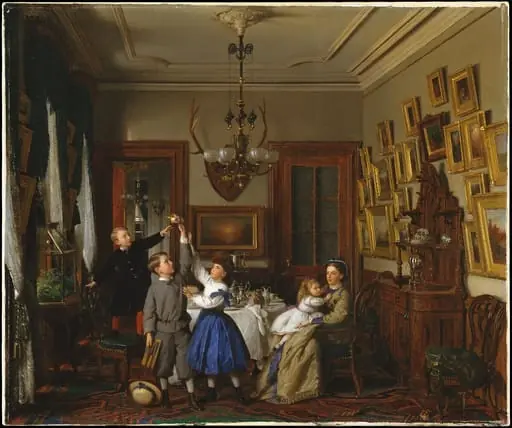
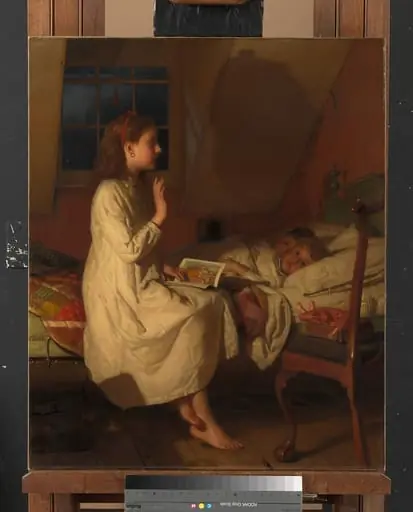
Born this day: Seymour Joseph Guy
Seymour Joseph Guy, born on January 16, 1824, was a London-born American artist known for his 19th and 20th-century works, often depicting domestic scenes and family life. His notable works, such as 'The Contest for the Bouquet: The Family of Robert Gordon in Their New York Dining-Room', showcase his attention to detail and everyday American life.
He remains a notable figure in American art history for his contributions to the country's 19th and 20th-century art movements.
- 1849 Born
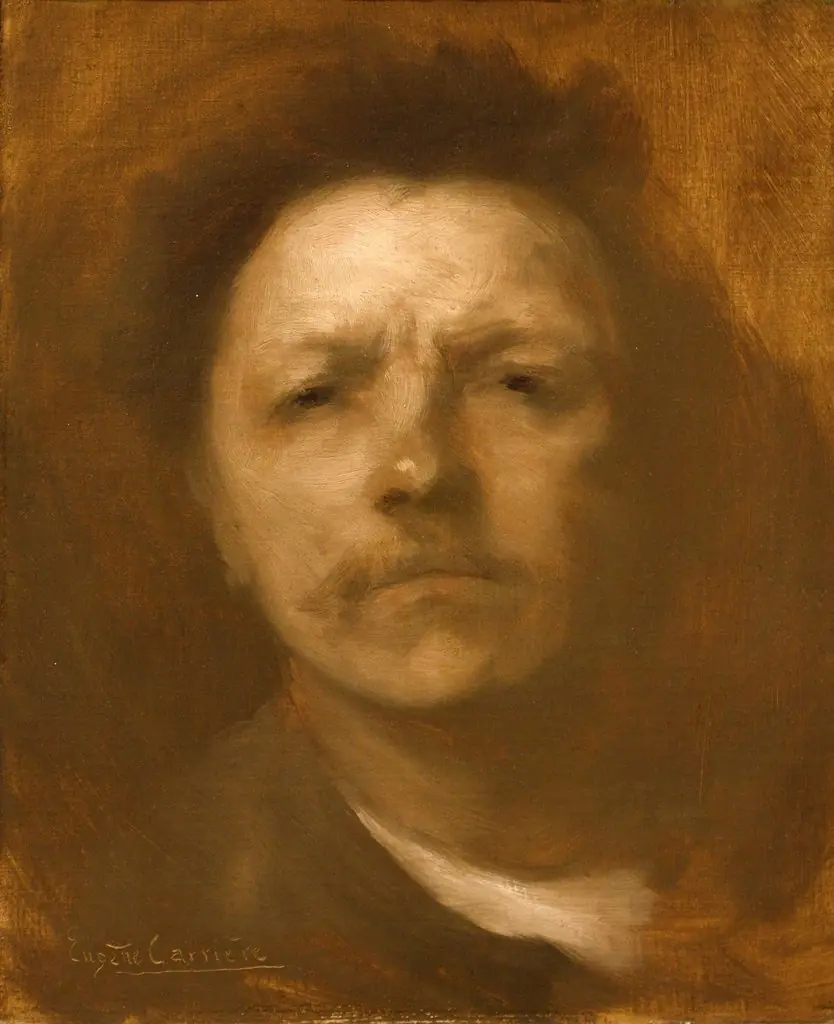
Born this day: Eugène Carrière
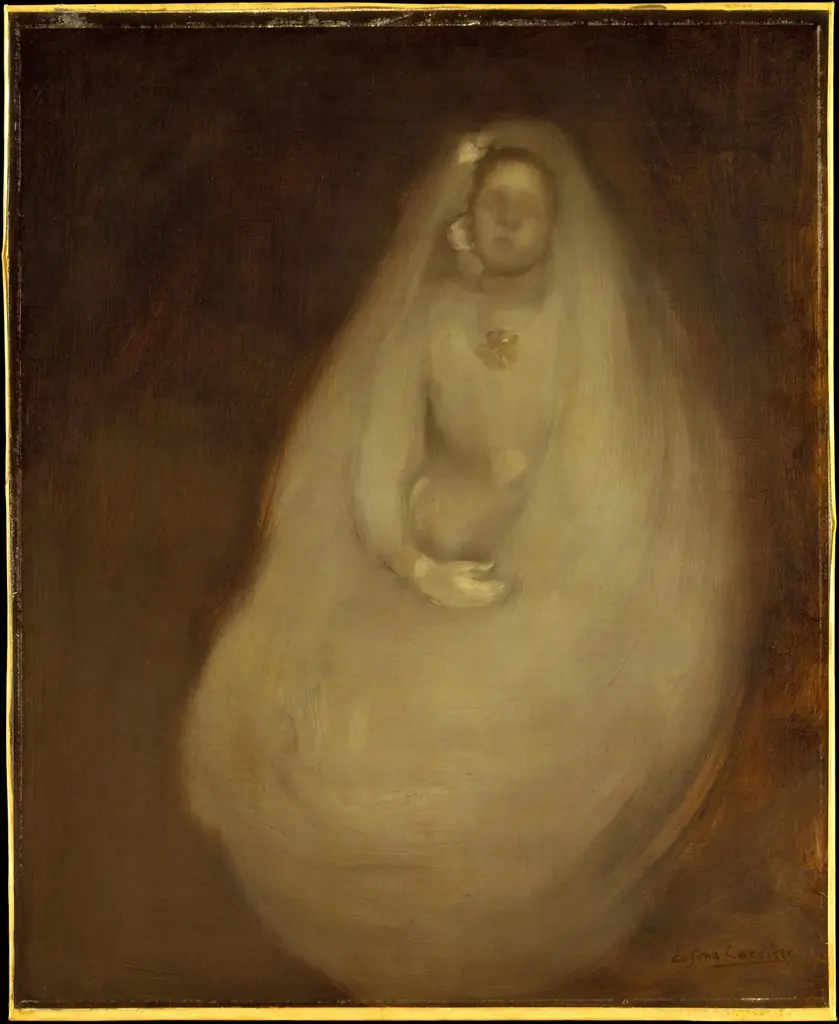
Eugène Carrière, a French Symbolist artist, was born on January 16, 1849. He is known for his near-monochrome brown palette and ethereal, dreamlike paintings, such as Self-Portrait and The First Communion. Carrière's associations with notable figures like Auguste Rodin, Paul Verlaine, and Stéphane Mallarmé reflect his significance in the fin-de-siècle period.
His work likely influenced Pablo Picasso's Blue Period, leaving a lasting impact on modern art.
Died on this day 1
- 1901 Died
Died this day: Arnold Böcklin
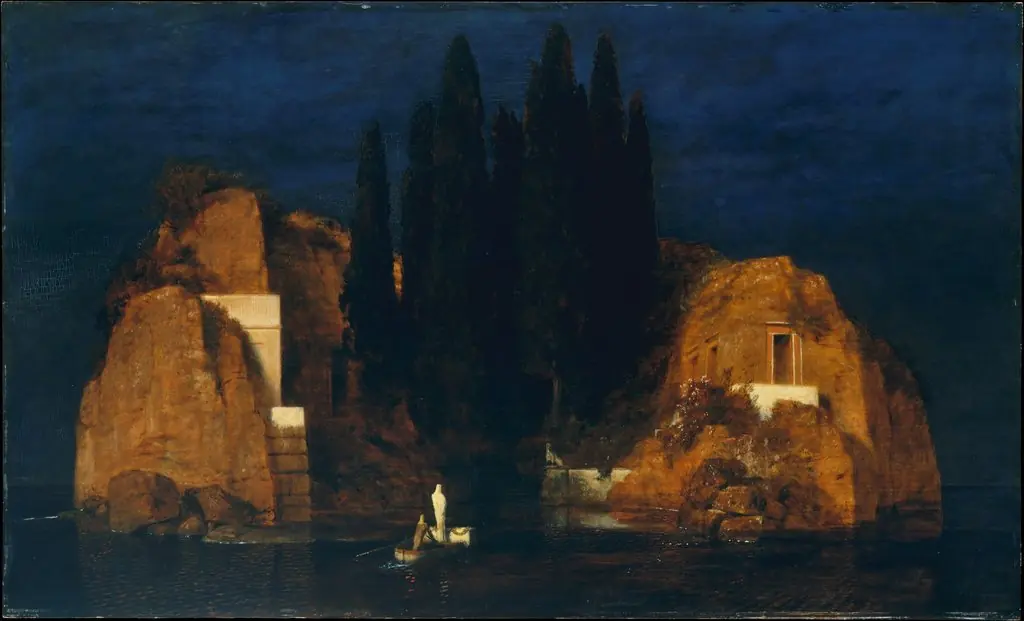
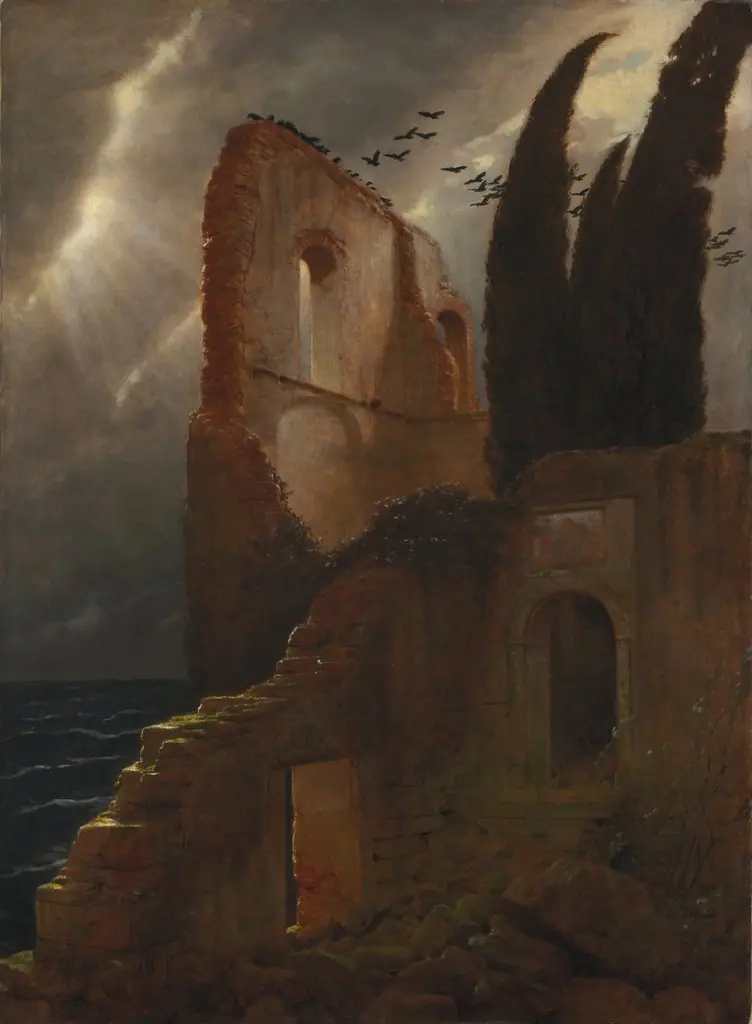
Arnold Böcklin, a Swiss Symbolist painter, is known for his evocative and often dreamlike works, including 'Isle of the Dead' and 'Ruin by the Sea'. His paintings frequently explored themes of nature, mythology, and the human experience. On January 16, 1901, Böcklin passed away, leaving behind a legacy of influential and iconic pieces.
Böcklin's work continues to inspire artists and composers with its unique blend of symbolism and romanticism.

Openings & foundings 2
- 1936 Opening
Virginia Museum of Fine Arts Opens
The Virginia Museum of Fine Arts opened in Richmond on January 16, 1936, after a state-backed project rooted in Judge John Barton Payne's 1919 gift of paintings to the Commonwealth of Virginia. Built on Boulevard near the former Confederate Soldiers' Home, the original Peebles and Ferguson building gave Virginia a public art museum with state support during the Depression, a notable model in the American South. Its early encyclopedic mission later expanded through gifts such as the Lillian Thomas Pratt Faberge collection, the T. Catesby Jones modern art collection, and the Mellon and Lewis holdings. The museum's opening mattered not just as a local civic milestone, but as the start of a public collecting institution that developed statewide education programs, fellowships, and one of the region's most substantial art collections.
VMFA became a major state-supported museum and an anchor for art access across Virginia.
- 2012 Opening
The Met Reopens Its American Wing Galleries
The Metropolitan Museum of Art's American art collection returned to view in new American Wing galleries on January 16, 2012. The reinstallation created about 30,000 square feet for painting, sculpture, and decorative arts, presenting American art from the eighteenth through the early twentieth century after a multi-year renovation. The project mattered because it reframed a canonical museum collection as a chronological and spatial narrative rather than a set of isolated period rooms or decorative displays. For visitors, works by major American artists and makers were newly integrated with furniture, silver, glass, and architectural interiors, reinforcing the Met's role in defining public understandings of American art history. The opening also became part of a broader early-2010s reassessment of how encyclopedic museums present national schools within global collections.
The reinstallation made the Met's American holdings more coherent and visible to a broad public audience.
Unveilings & commissions 1
- 1986 Unveiling
Martin Luther King Jr. Bust Unveiled in the Capitol Rotunda
John Wilson's bronze bust of Martin Luther King Jr. was unveiled in the Rotunda of the United States Capitol on January 16, 1986, by Coretta Scott King, the Kings' children, and Christine King Farris. Congress had authorized the memorial through House Concurrent Resolution 153 in 1982, and the Joint Committee on the Library used a National Endowment for the Arts panel process to choose the sculptor. Wilson received a $50,000 commission after finalists including Elizabeth Catlett and Zenos Frudakis made maquettes for review. The work is art-historically significant as the first bust of an African American placed in the U.S. Capitol, and as a prominent public commission by a major African American sculptor whose practice joined modern form, portraiture, and civic memory.
The unveiling permanently inserted King's image into the Capitol's symbolic program of national commemoration.