January 17 in Art History
7 real events recorded on January 17, the earliest from 1654. 2 artists were born , 1 died on this date.
Born on this day 2
- 1814 Born
Born this day: John Mix Stanley
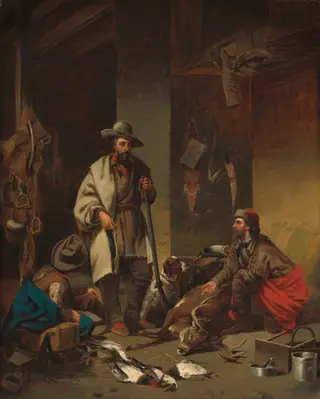
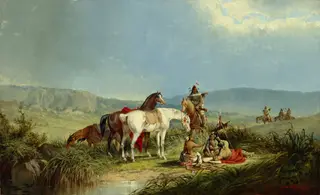
John Mix Stanley, born on January 17, 1814, was an American artist-explorer known for his landscapes and Native American portraits, capturing the essence of tribal life through his work. His travels to the American West inspired a collection of paintings showcasing the region's diverse culture.
John Mix Stanley's artwork remains a significant documentation of 19th-century Native American life and the American West.
- 1822 Born
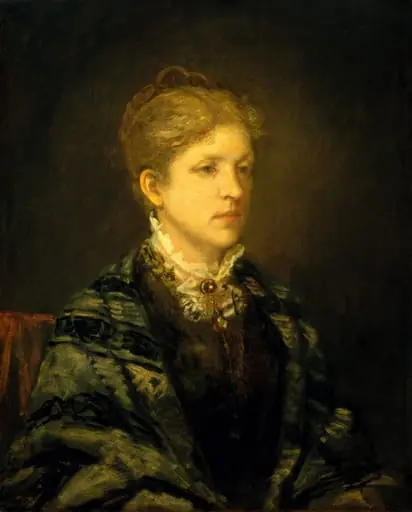
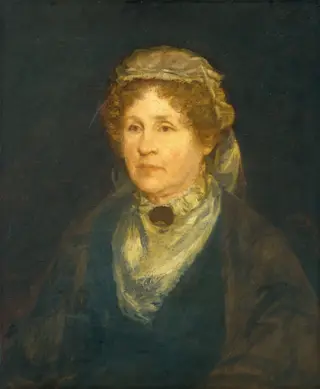
Born this day: George Fuller
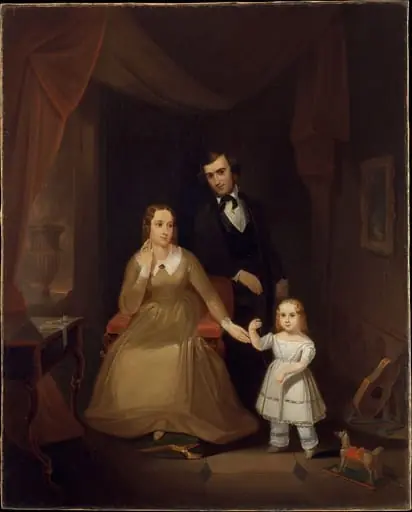
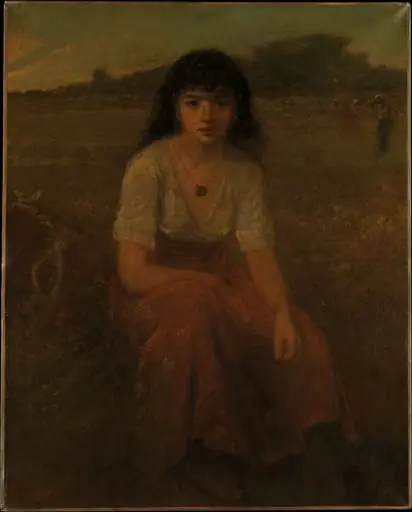
On January 17, 1822, American artist George Fuller was born, known for his works such as The Quadroon and Ideal Head of a Boy, showcasing his unique style. Fuller's art often explored themes of identity and character, leaving a lasting impact on the art world.
George Fuller's legacy lies in his contributions to American art, particularly in portrait and figure painting.
Died on this day 1
- 1654 Died
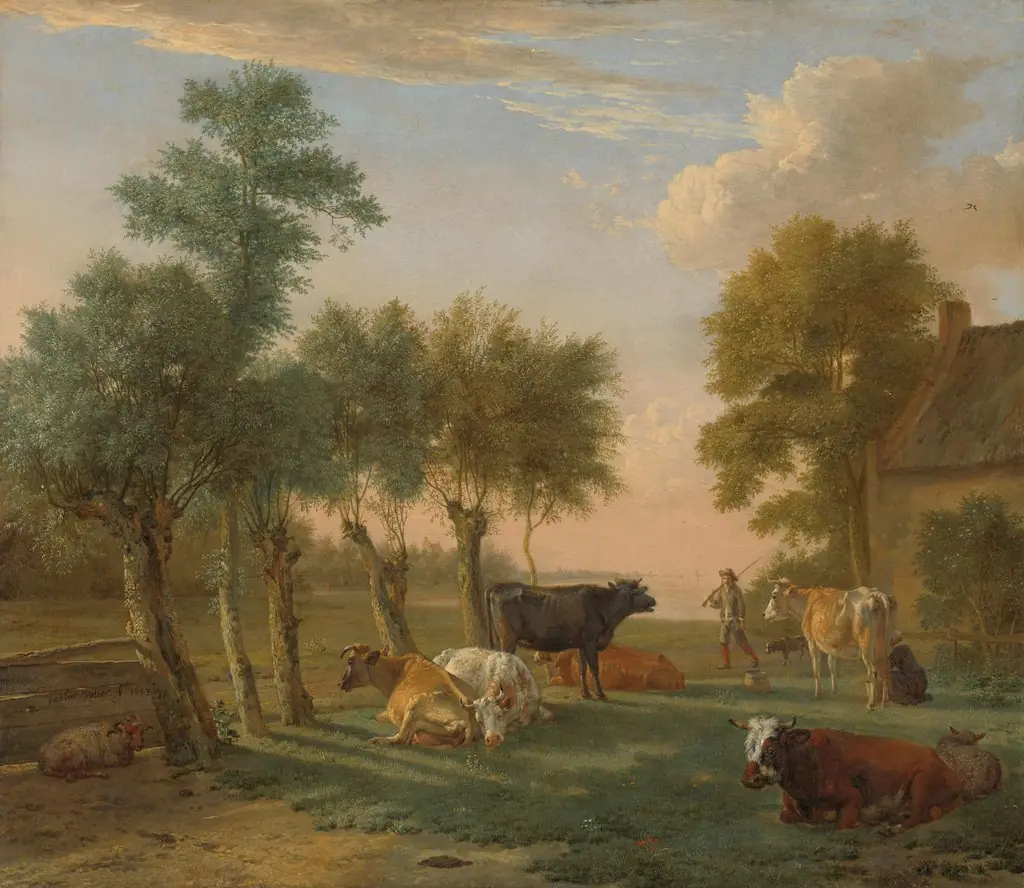
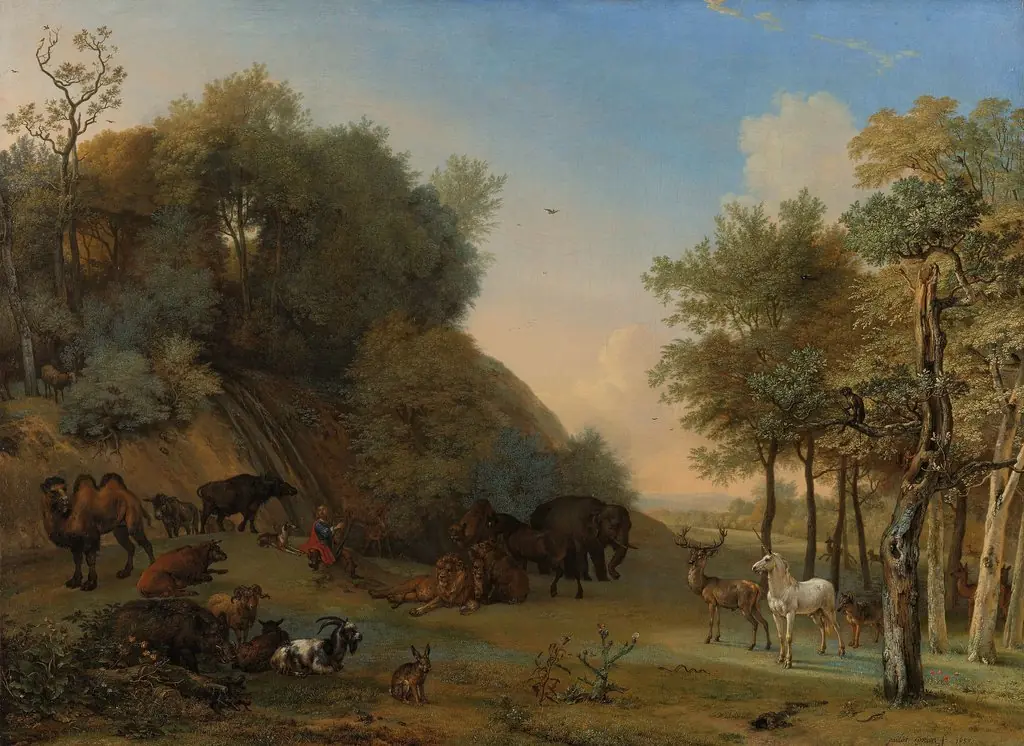
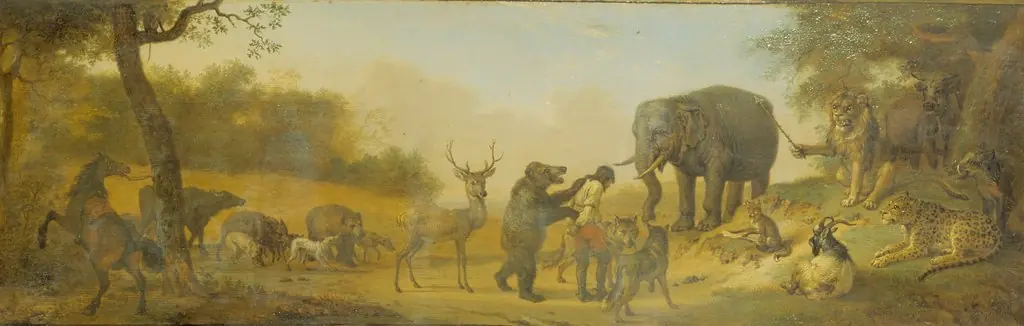
Died this day: Paulus Potter
Paulus Potter was a Dutch painter known for his landscapes featuring animals, often depicted from a low vantage point, creating a unique perspective in his works such as 'Cows in a Meadow near a Farm' and 'Orpheus and the Animals'.
He left a lasting impact on Dutch Golden Age painting despite his short career.
Exhibitions & salons 1
- 1992 Exhibition
Andrea Mantegna opens at the Royal Academy
The Royal Academy of Arts opened Andrea Mantegna in its main galleries in London. The exhibition, organized with the Metropolitan Museum of Art and accompanied by a major scholarly catalogue, presented Mantegna as a central innovator of the Italian Renaissance rather than only a regional master of Padua and Mantua. Its importance lay in gathering paintings, drawings, and related works that clarified his archaeological imagination, sculptural figure style, experimental perspective, and influence on later Renaissance artists and print culture. The show also gave renewed visibility to contested or rediscovered works associated with Mantegna, helping shape late twentieth-century scholarship and public understanding of his career.
The exhibition helped consolidate Mantegna's modern reputation as a foundational Renaissance experimenter in perspective, antiquity, and pictorial space.
Openings & foundings 2
- 1920 Founding
Molposnovis is co-founded at Vitebsk
Kazimir Malevich and El Lissitzky co-founded Molposnovis, the "Young Followers of the New Art," at the Vitebsk Art School. The short-lived name soon shifted through Posnovis into UNOVIS, but the January 17 founding marks the institutional beginning of one of the most concentrated Suprematist collectives. The group joined artists, teachers, and students around a program that treated abstract art as a social and pedagogical project rather than an individual studio style. Under Malevich's leadership, and with Lissitzky as a crucial participant, UNOVIS developed publications, designs, performances, civic decorations, and a collective identity symbolized by the black square.
UNOVIS helped transmit Suprematism into Constructivist, graphic, architectural, and exhibition-design practices across the Russian and European avant-gardes.
- 1932 Opening
The Ringling Museum officially opens
The John and Mable Ringling Museum of Art officially opened in Sarasota, Florida, after earlier delayed and partial openings. John Ringling had hired architect John H. Phillips in 1925 to design an Italianate museum for his European paintings and decorative art, and construction began in 1927. The opening followed the death of Mable Ringling and the collapse of John Ringling's broader plans for a Sarasota cultural and educational complex. Although the institution later suffered from irregular management and estate litigation, the January 17 opening created a public home for Ringling's Old Master-oriented collection and for a campus that would eventually include Ca' d'Zan, the Circus Museum, and major later additions.
The museum became Florida's state art museum and a major Gulf Coast center for European, Asian, American, and contemporary art.
Manifestos & publications 1
- 1929 Publication
Popeye first appears in Thimble Theatre
E. C. Segar introduced Popeye as a minor sailor character in the daily King Features comic strip Thimble Theatre. The strip had already been running for nearly a decade with Olive Oyl, Ham Gravy, and Castor Oyl, but the new one-eyed sailor quickly displaced the earlier ensemble. His first role was functional rather than iconic: Castor and Ham hired him to crew a ship for an adventure to Dice Island. Reader response brought Popeye back after the initial storyline, and by the early 1930s he had transformed the strip's center of gravity. The character then moved into animation, licensing, and mass visual culture while retaining his comic-strip origin.
Popeye became one of the most durable figures in twentieth-century comics, animation, and commercial character design.