January 22 in Art History
6 real events recorded on January 22, the earliest from 1649. 2 artists were born , 1 died on this date.
The day's biggest moments
Born on this day 2
- 1689 Born
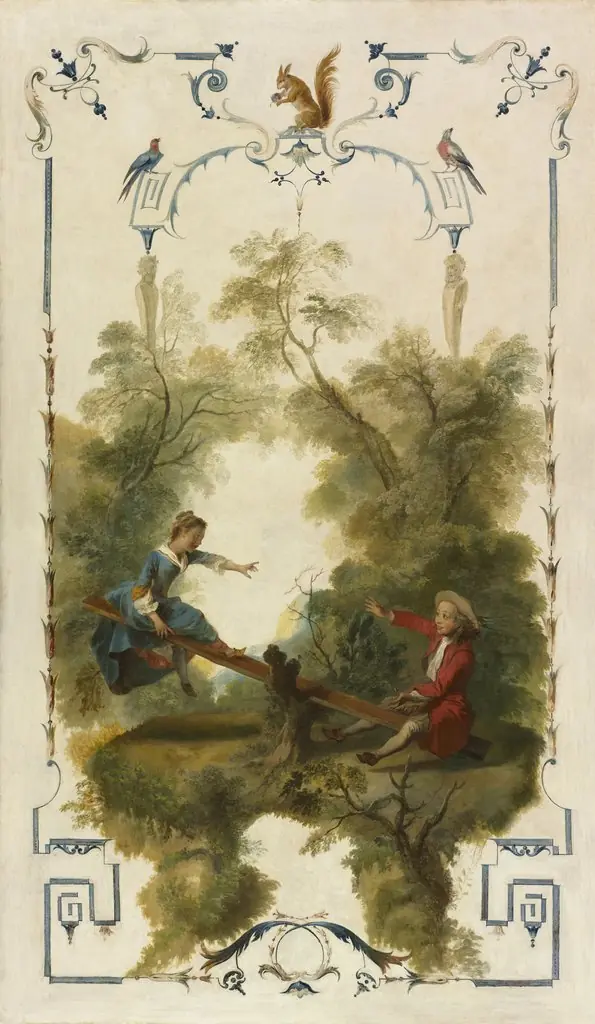
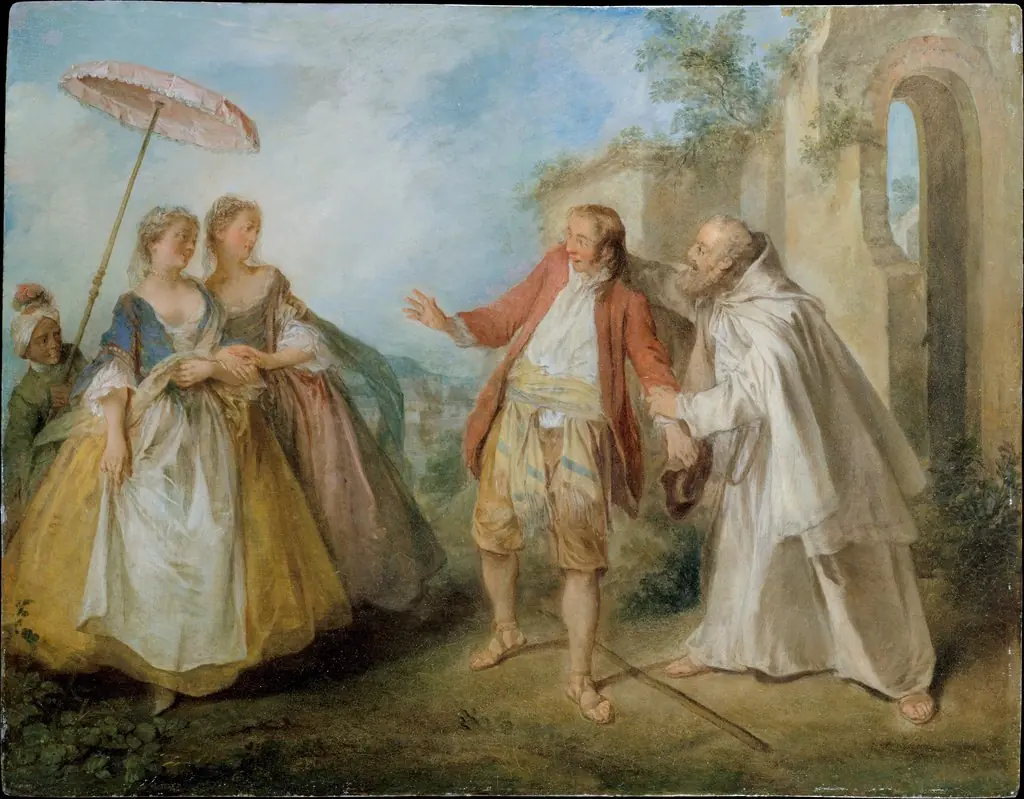
Born this day: Nicolas Lancret
Nicolas Lancret, a French painter born on January 22, 1689, was known for his depiction of light comedy, capturing the tastes and manners of French society during the 18th century. His works, such as The See-Saw and Brother Philippe's Geese, reflect the era's culture.
Nicolas Lancret's paintings remain a significant representation of French society during the Regency period.
- 1856 Born
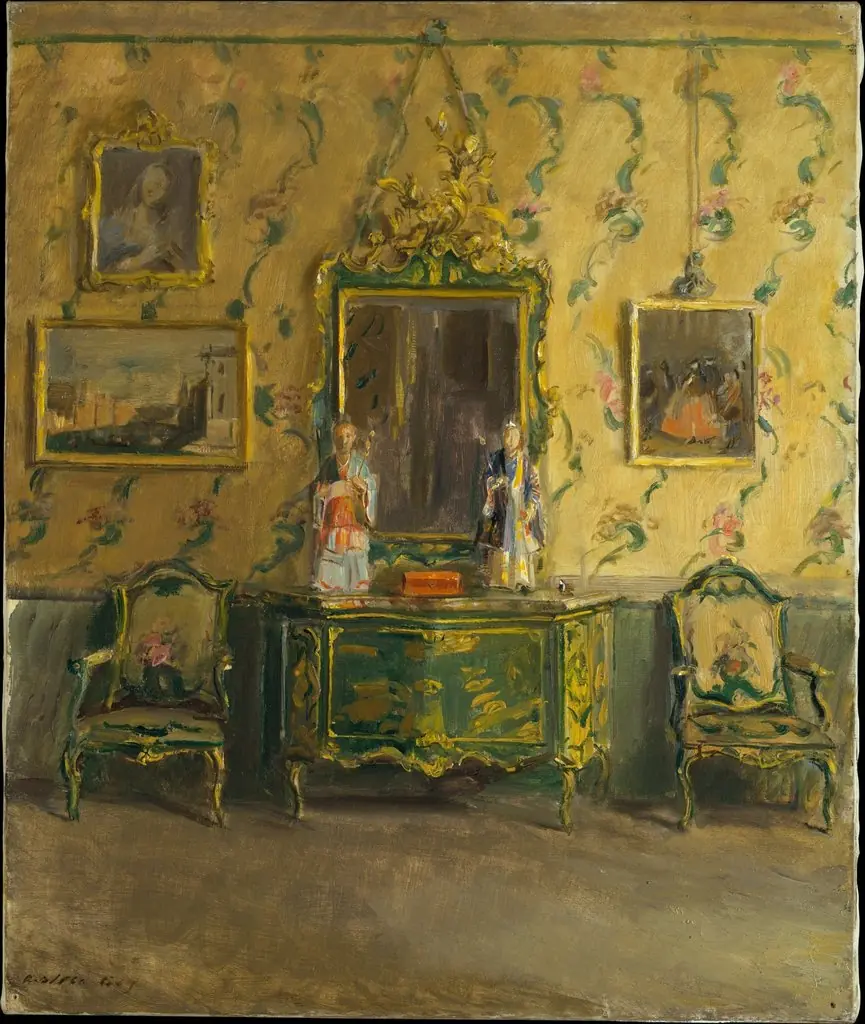
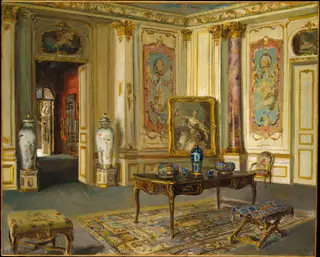
Born this day: Walter Gay
Walter Gay, born on January 22, 1856, was an American painter known for his genre paintings of French peasants and opulent interior scenes, as seen in works like The Green Lacquer Room and Le Grand Salon. He was also a notable art collector.
Walter Gay's work continues to offer a glimpse into the lives of French peasants and the opulence of European interiors.
Died on this day 1
- 1649 Died
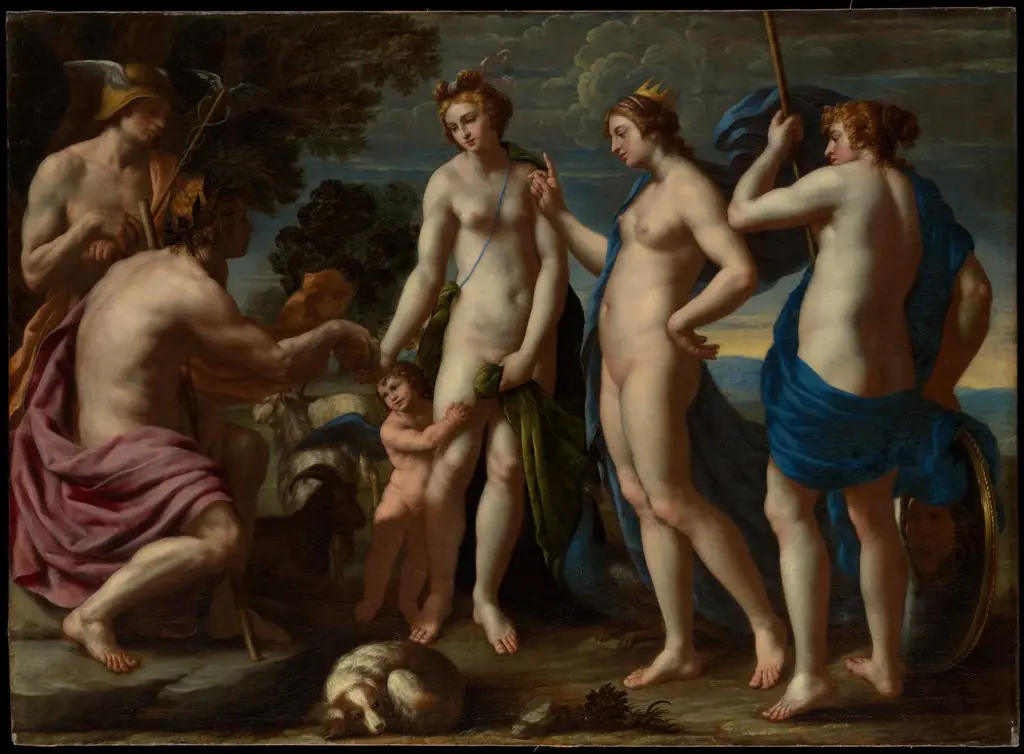
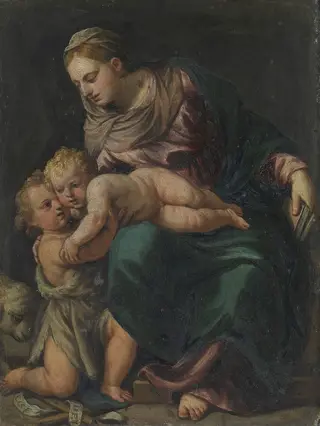
Died this day: Alessandro Turchi
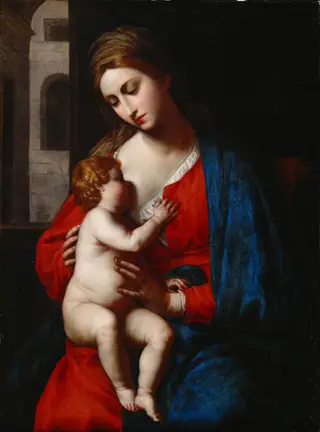
Alessandro Turchi, an Italian painter of the early Baroque, was known for his soft and Caravaggesque style, as seen in works like Judgment of Paris and Maria mit dem Kinde und dem Johannesknaben. Active mainly in Verona and later in Rome, he was also known as Alessandro Veronese or L'Orbetto.
Alessandro Turchi's unique blend of styles continues to influence the understanding of early Baroque painting.
Exhibitions & salons 2
- 1917 Exhibition
Marsden Hartley recent-work exhibition opens at 291
Alfred Stieglitz's 291 gallery opened Marsden Hartley - recent work on January 22, 1917, near the end of the gallery's final season. The fetched 291 exhibition list, citing Sarah Greenough's National Gallery of Art volume Modern Art and America, dates the show January 22 to February 7. By then 291 had become one of the decisive New York sites for modernism: it had argued for photography as fine art and introduced American audiences to European and American avant-garde work, including Matisse, Cezanne, Picasso, Brancusi, Picabia, John Marin, and Georgia O'Keeffe. Hartley's return to 291 in 1917 linked his post-European modernist practice to Stieglitz's circle just before the gallery closed.
The show belongs to the last chapter of 291's role in shaping American modernism.
- 1941 Exhibition Landmark
Indian Art of the United States opens at MoMA
The Museum of Modern Art opened Indian Art of the United States, a large survey organized by the Indian Arts and Crafts Board with Rene d'Harnoncourt, Frederic H. Douglas, and Henry Klumb. MoMA's archive gives the run as January 22 to April 27, 1941, and a MoMA press release issued for the opening says the museum opened the exhibition to the public that day. The show assembled roughly one thousand works and filled MoMA with Native American art at a moment when major art museums still often framed Indigenous objects through ethnography rather than art history. Later scholarship treats the exhibition as a landmark for its installation design, catalogue, and role in placing Native arts before modern-art audiences.
It helped make Native American art visible within major modern-art museum discourse.
Openings & foundings 1
- 1931 Opening
Columbus Museum of Art's new building opens
The Columbus Gallery of Fine Arts, later the Columbus Museum of Art, opened its purpose-built Broad Street museum building on January 22, 1931. The Wikipedia article fetched through the MediaWiki API gives the exact opening date, while the museum's own chronology confirms that the new building was completed and opened to the public in 1931 after construction begun in 1928. The chronology also records that the opening exhibition celebrated the Ferdinand Howald Collection and included extended loans from the Frederick W. Schumacher Collection and George Bellows paintings lent by Emma Bellows. The Renaissance Revival building gave Ohio's first chartered art museum a permanent civic presence and anchored the institution's modern collection around the Howald gift.
The opening established the museum's long-term home and public identity in downtown Columbus.