Artwork
Judgment of Paris

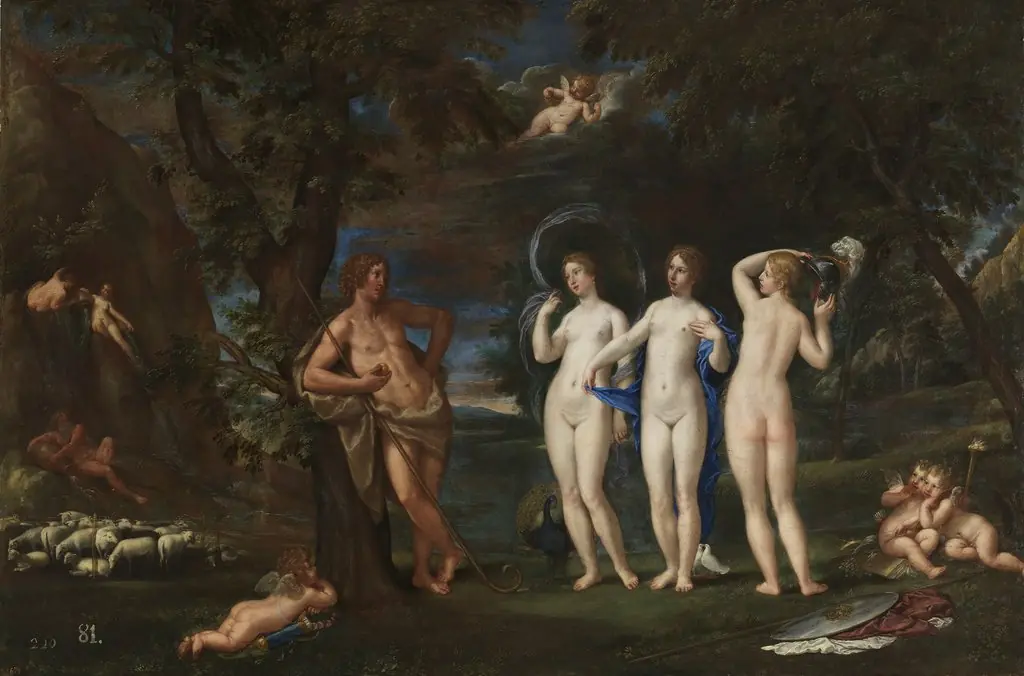
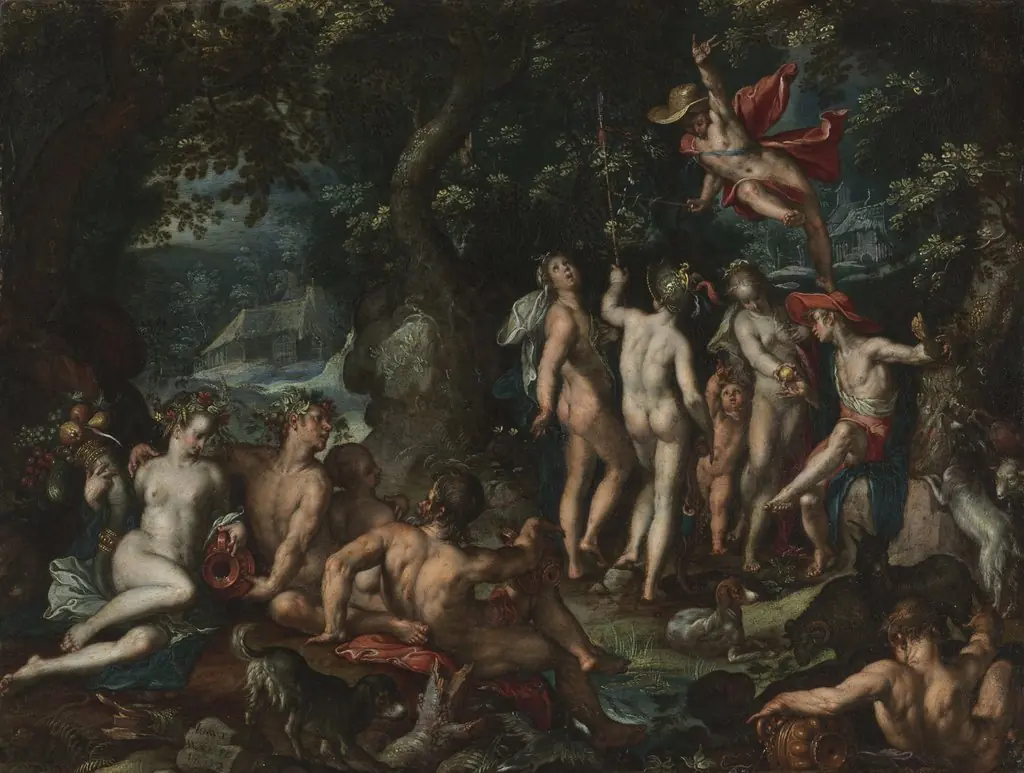
Judgment of Paris is an oil painting by the Early Baroque Italian artist Alessandro Turchi. It dates from 1640 and is held in the collection of the Metropolitan Museum of Art.
About this work
Subject & Meaning
These figures embody the themes of desire, vanity and divine judgment that underpin the myth.
The painting shows the mythic moment when Paris, a Trojan prince, chooses the most beautiful goddess among Juno, Minerva and Venus; the scene includes Mercury presenting the golden apple, Venus accompanied by a dove, and Juno flanked by a peacock, while Minerva stands armed, and a small dog at Paris’s feet. These figures embody the themes of desire, vanity and divine judgment that underpin the myth. The inclusion of symbols such as the apple, the dog and the attributes of the deities highlights the moral lesson about the consequences of vanity and the fragile nature of beauty. The work thus functions as a visual allegory of the Judgment of Paris.
History & Provenance
The work titled Judgment of Paris was painted in 1640 by Alessandro Turchi, an Italian artist known for mythological subjects. Executed in oil on canvas, the painting depicts the mythological scene with figures including Juno, Mercury, Minerva, Venus, a dog, and Paris himself. According to the Metropolitan Museum of Art’s catalog entry (accession 2020.263.11), the work has been part of the museum’s collection since its acquisition, indicating a clear provenance that traces ownership from the artist’s studio to the MET.
No earlier commission or sale records are documented in the provided sources, and the dating is anchored to the year 1640, matching both the artist’s dated output and the work’s recorded inception.
The painting Judgment of Paris by Alessandro Turchi, dated to 1640, is currently held in the collection of the Metropolitan Museum of Art in New York. The work is cataloged under the accession number 2020.263.11. Executed in oil on canvas, the mythological scene depicts figures including Juno, Mercury, Minerva, Venus, and Paris.
While the source material confirms the museum's possession and specific inventory details, it does not provide a record of the artwork's exhibition history or prior provenance chain beyond its acquisition by the institution.
Overview
The painting titled Judgment of Paris is an oil on canvas work depicting a complex mythological scene. It features multiple figures, both male and female, engaged in an interaction that suggests a narrative moment. The artist employs a dynamic composition and rich palette to convey the drama inherent in the subject matter, inviting viewers to interpret the unfolding event.
Technique & Style
The artist utilizes strong contrasts between areas of light and shadow, a technique known as chiaroscuro, to enhance the dramatic impact of the scene. This interplay of illumination and darkness sculpts the figures and emphasizes their forms. Furthermore, the deliberate arrangement of elements and the vibrant application of color contribute to a sense of motion and vitality, imbuing the composition with a palpable energy.

Own this work as a print
Artist & collection
Artist
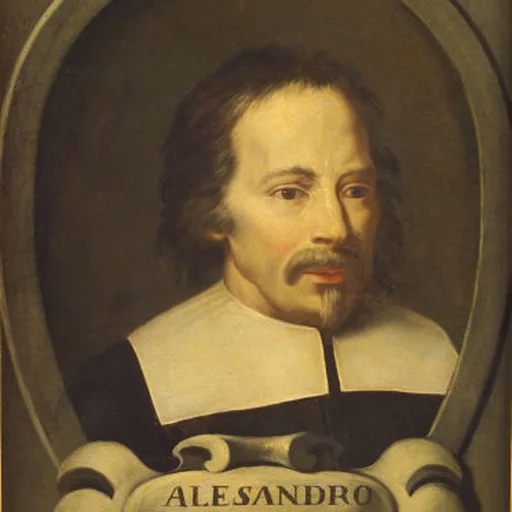
Alessandro Turchi (1578 – 22 January 1649) was an Italian painter of the early Baroque, born and active mainly in Verona, and moving late in life to Rome.