Artwork
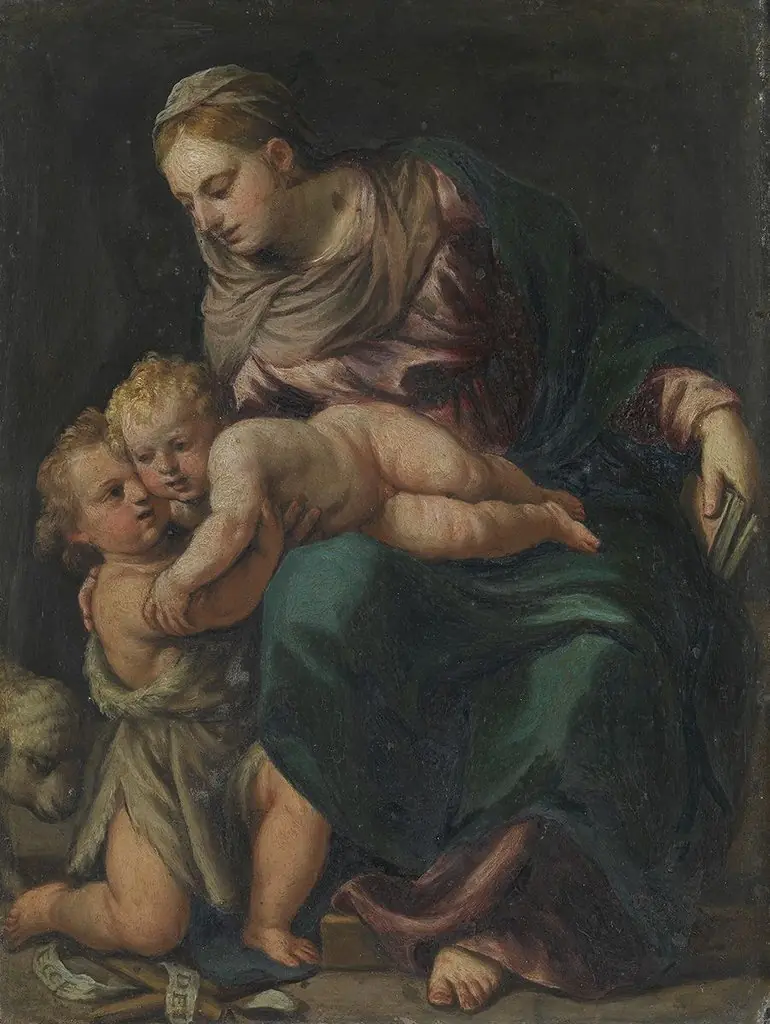
Maria with Child
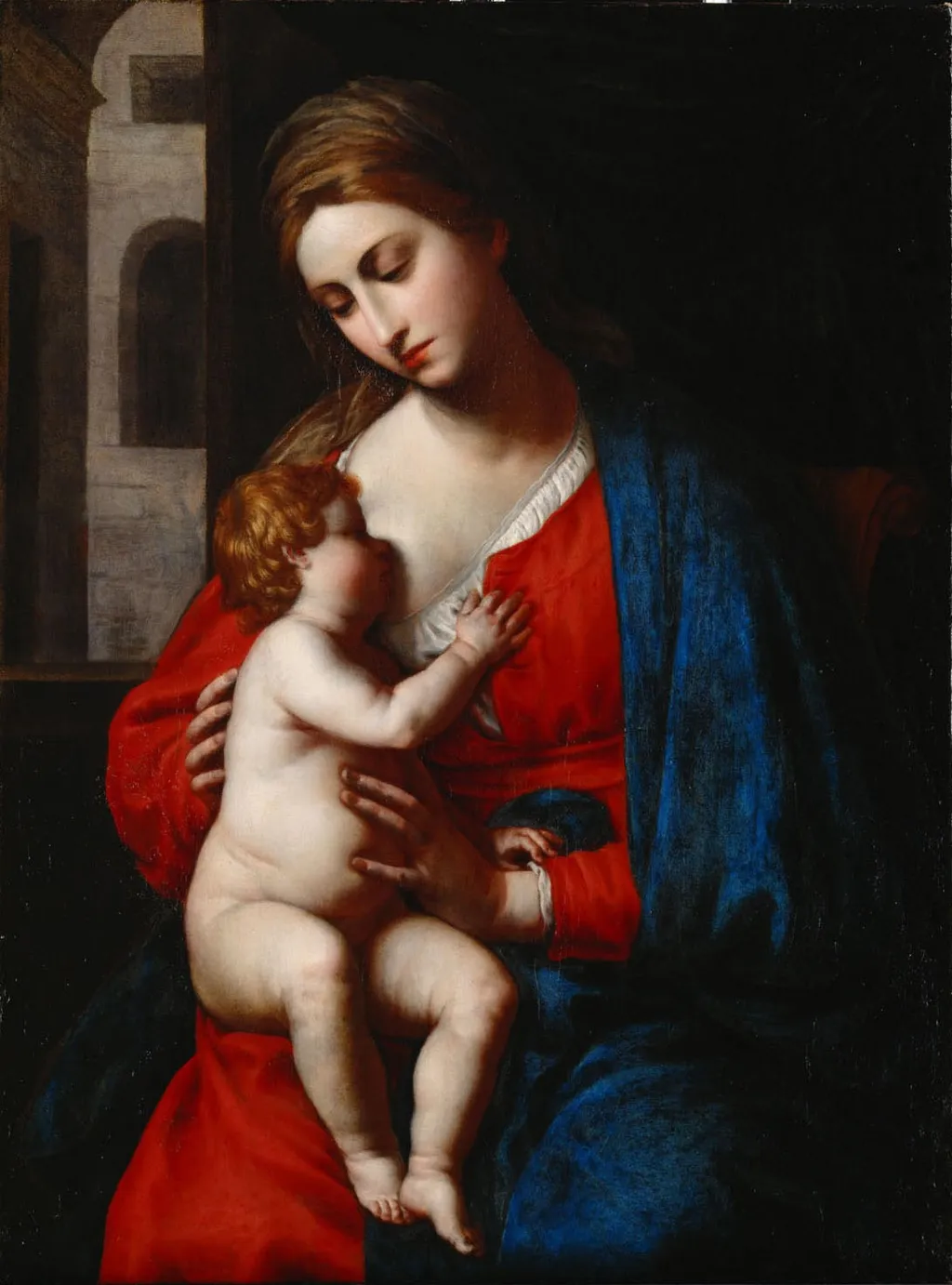
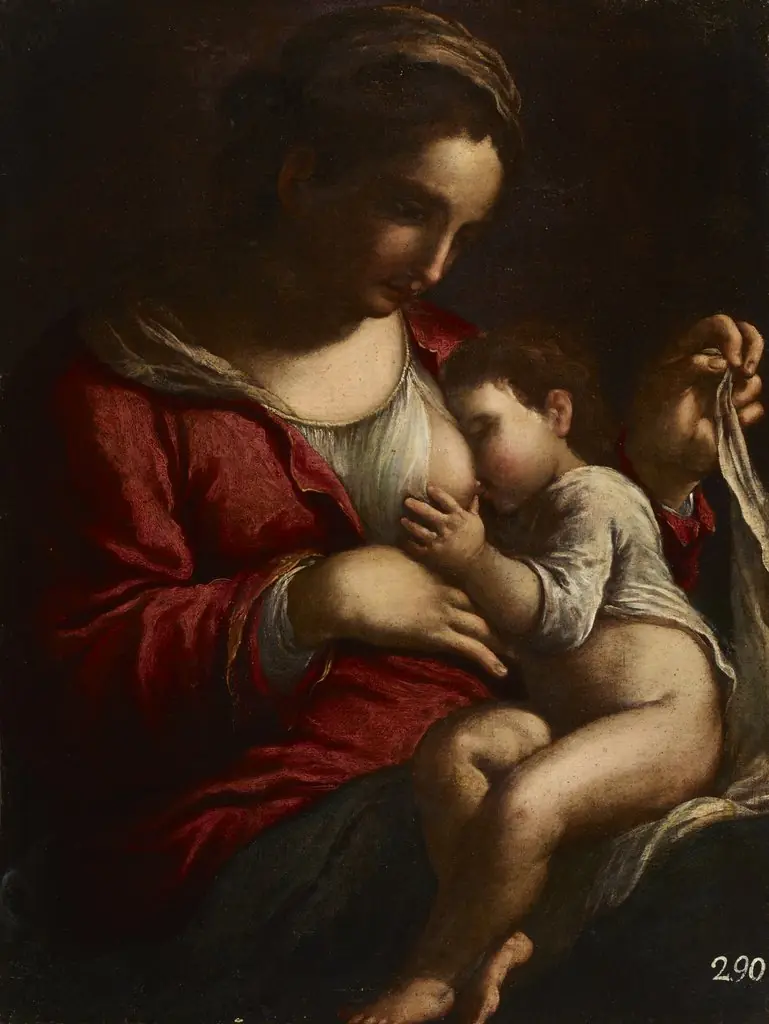
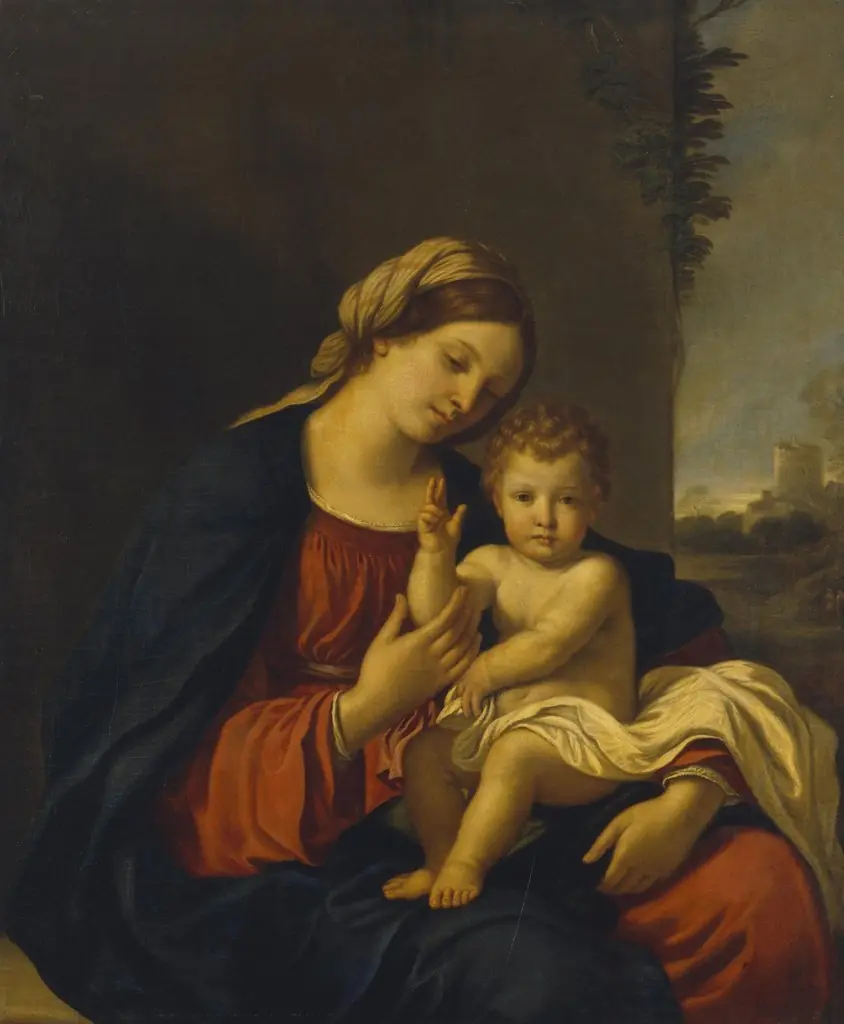
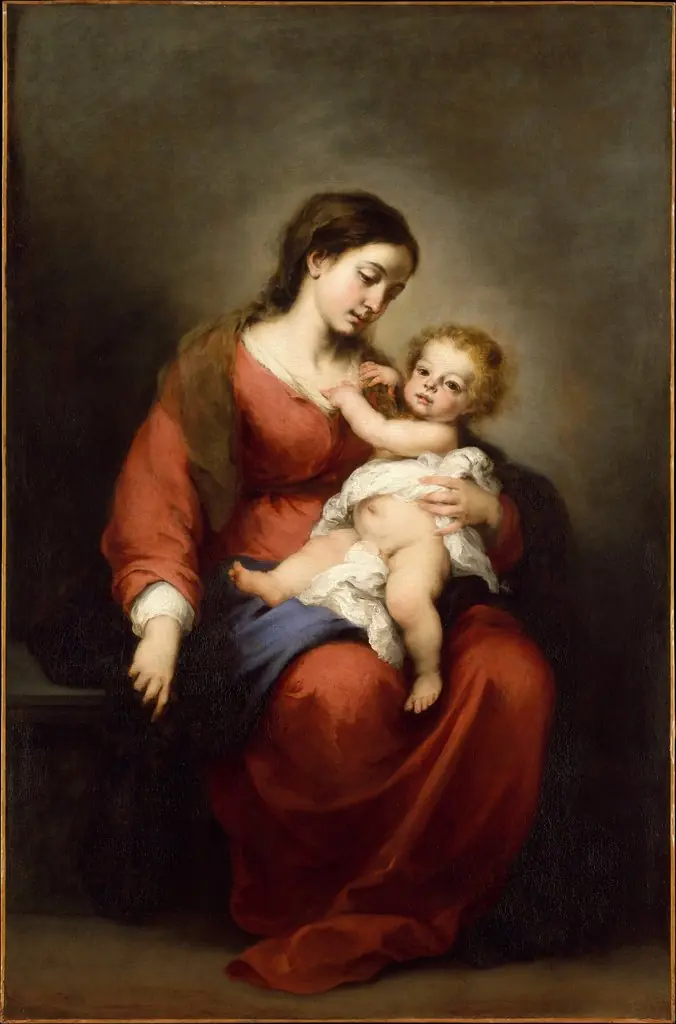
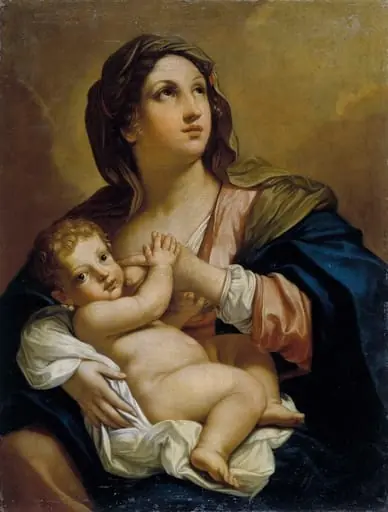
Maria with Child is an unspecified painting by the Mannerist artist Alessandro Turchi. It dates from 1623 and is held in the collection of the Kunsthistorisches Museum.
About this work
Subject & Meaning
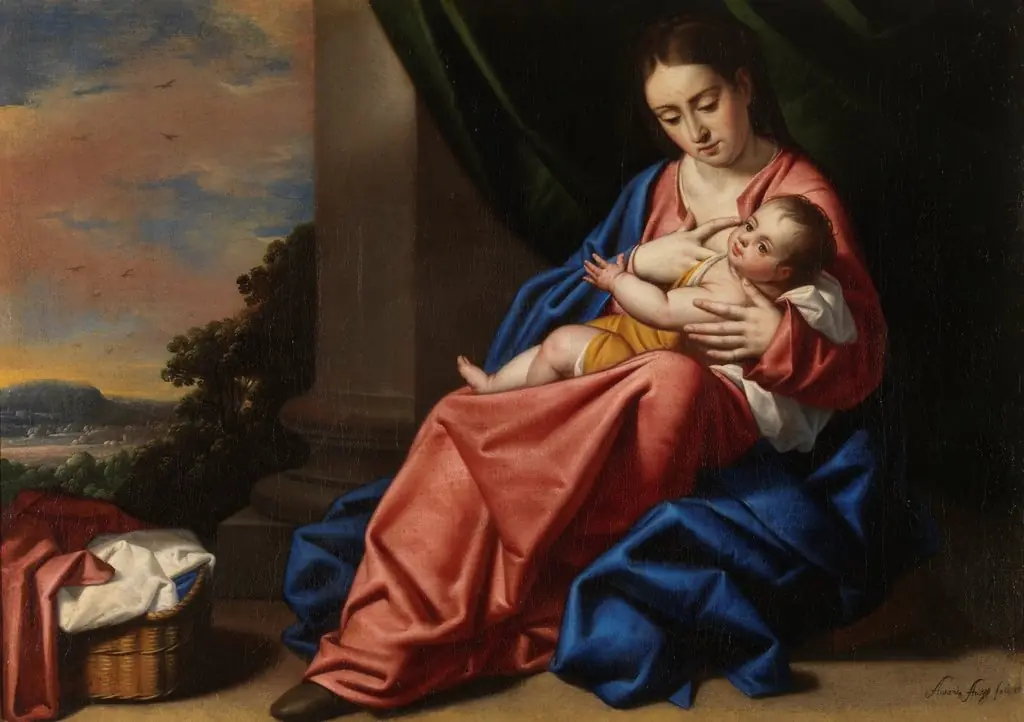
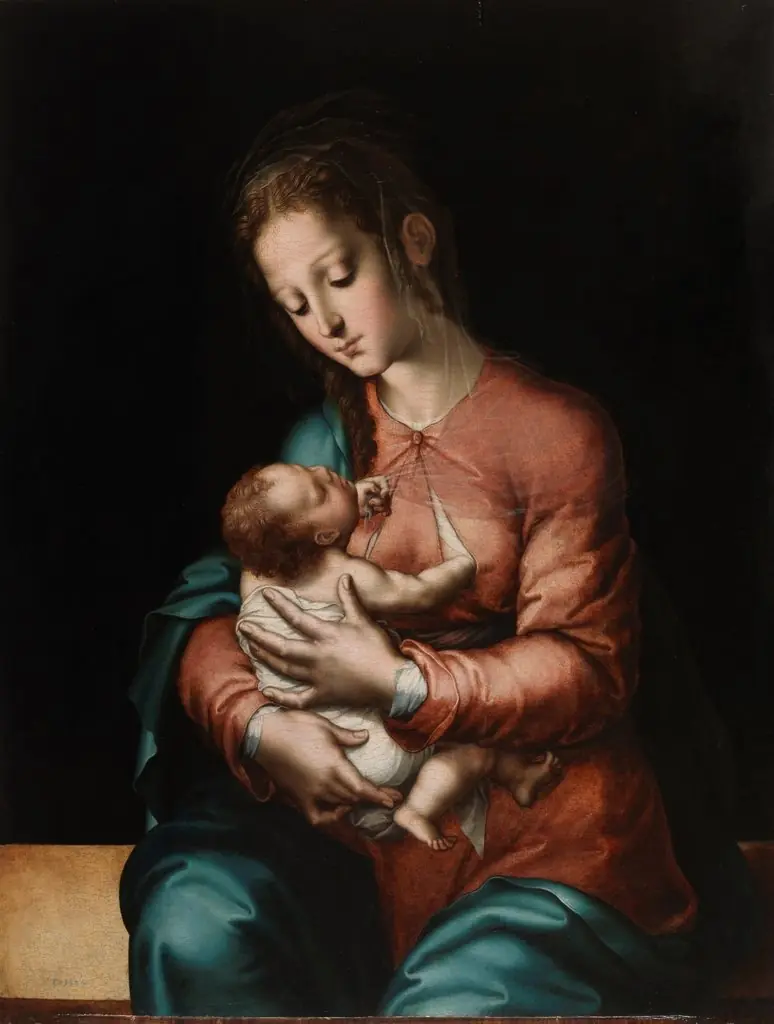
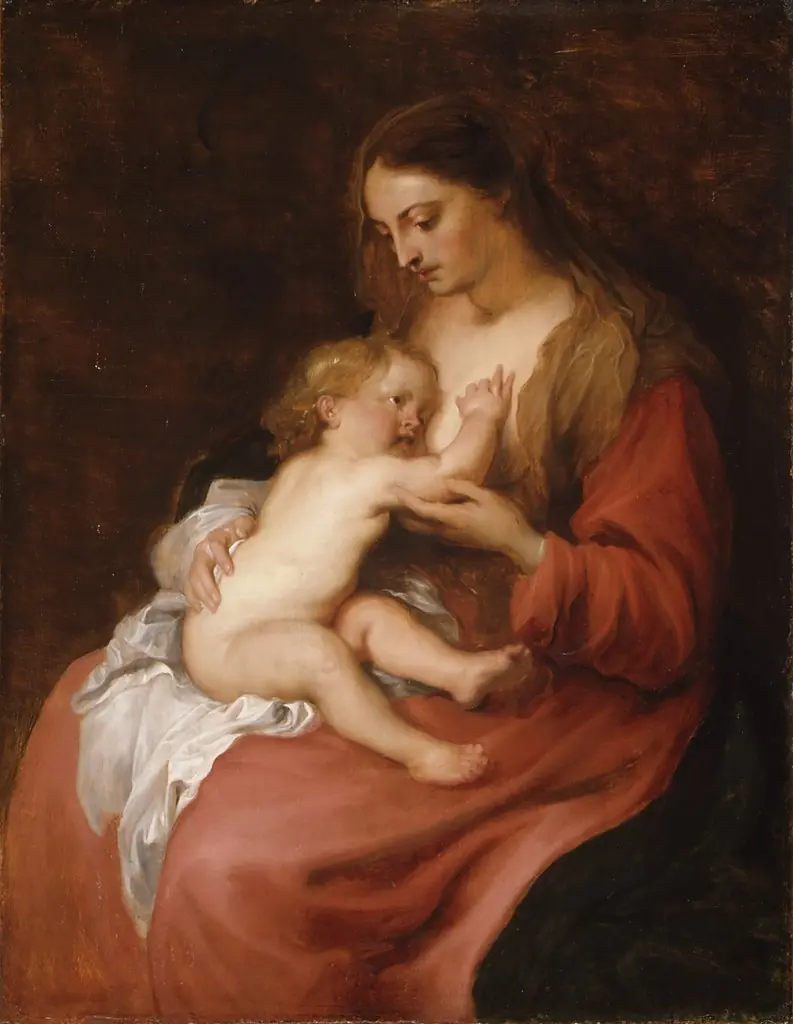
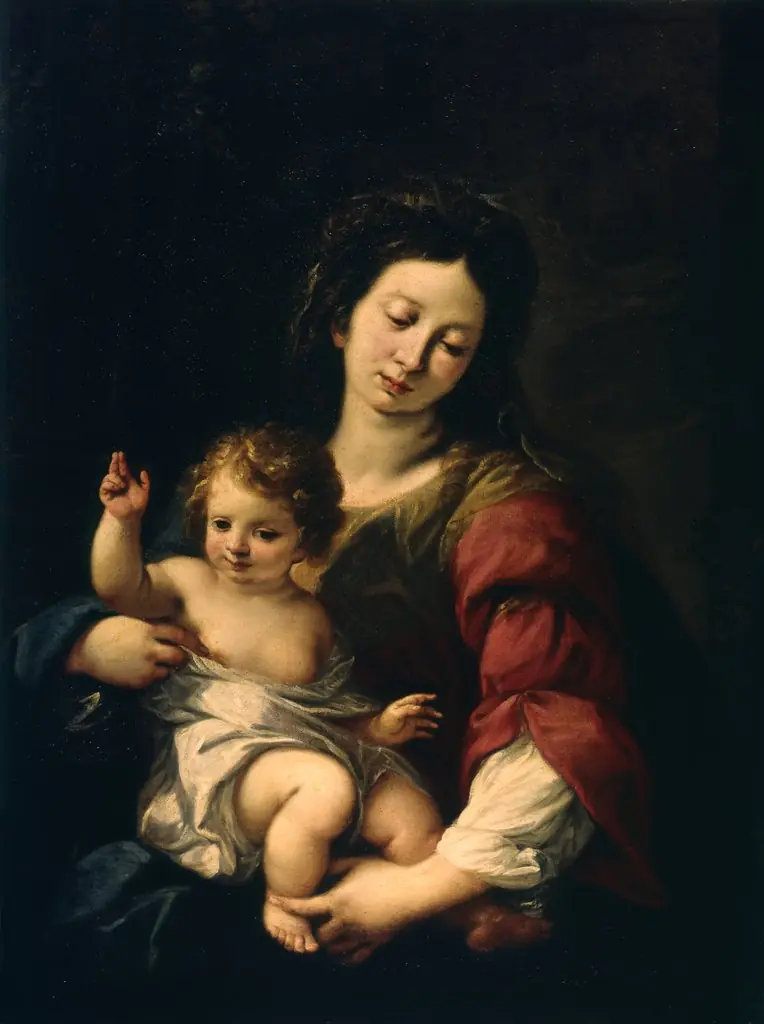
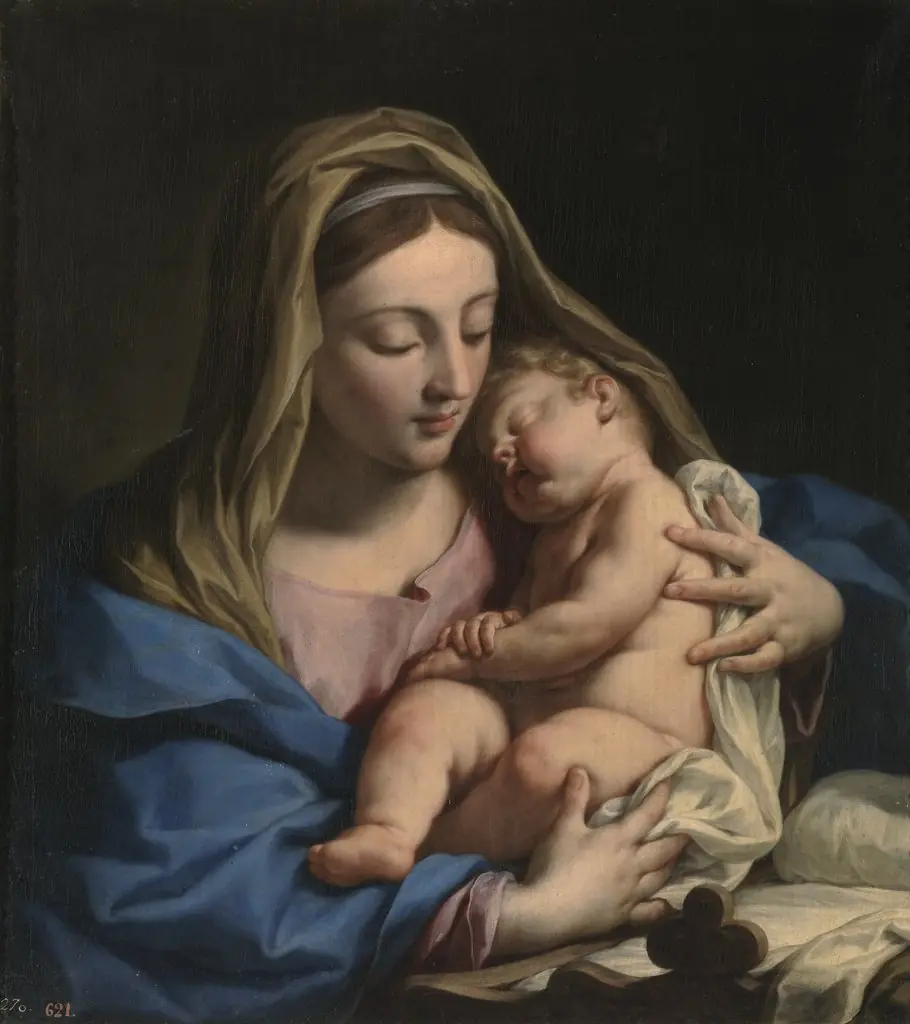
The iconography follows a standard devotional type in which Mary is shown nursing the infant Jesus, underscoring her role as both mother and sacred vessel.
The subject depicted is a religious scene centered on the Virgin Mary and the Christ Child, rendered as a Nursing Madonna. The iconography follows a standard devotional type in which Mary is shown nursing the infant Jesus, underscoring her role as both mother and sacred vessel. This motif emphasizes maternal care and the Incarnation, linking earthly nurture with divine presence.
The composition directs attention to the intimate bond between mother and child, reinforcing themes of compassion and intercession central to Catholic iconography of the period.
History & Provenance
Alessandro Turchi created the religious painting Maria with Child, depicting Mary with the Christ Child. The work is housed in the Kunsthistorisches Museum, where it remains in the collection and on display. Its dimensions are 98 cm in height and 73 cm in width. The painting is classified as a religious work within the broader category of sacred art.
The attribution to Turchi and the painting’s religious subject matter are documented in authoritative art historical records. Its placement in a major museum collection underscores its recognized cultural and artistic significance.
Since 1781 the painting has been held in the collection of the Kunsthistorisches Museum in Vienna, where it is recorded under inventory number GG_1397.
It was included in the museum’s holdings list of 1781 and has remained there continuously. No later exhibition history is documented in the provided sources.
Overview
Alessandro Turchi, also known as L’Orbetto, created the oil painting Maria with Child circa 1623. Executed during the shift from late Mannerist conventions toward early Baroque sensibilities, the work is now part of the Kunsthistorisches Museum’s collection in Vienna.
Technique & Style
Turchi combines gentle modeling of flesh with a stark chiaroscuro that recalls Caravaggio’s dramatic lighting. The bright red of the robe and the luminous skin of mother and child stand out against deep blues and shadows, creating a strong visual contrast that enhances the three‑dimensionality of the figures.
Context
The painting reflects the transitional period in Italian art when artists blended the elegant elongation of Mannerism with the naturalism and emotional immediacy of the Baroque. Turchi’s use of Caravaggesque lighting situates the work within a broader movement toward heightened realism in religious imagery.
Artist & collection
Artist
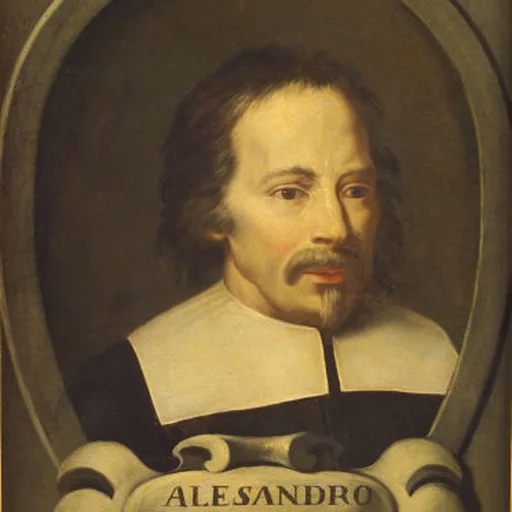
Alessandro Turchi (1578 – 22 January 1649) was an Italian painter of the early Baroque, born and active mainly in Verona, and moving late in life to Rome.