March 13 in Art History
5 real events recorded on March 13, the earliest from 1593. 2 artists were born , 1 died on this date.
Born on this day 2
- 1593 Born
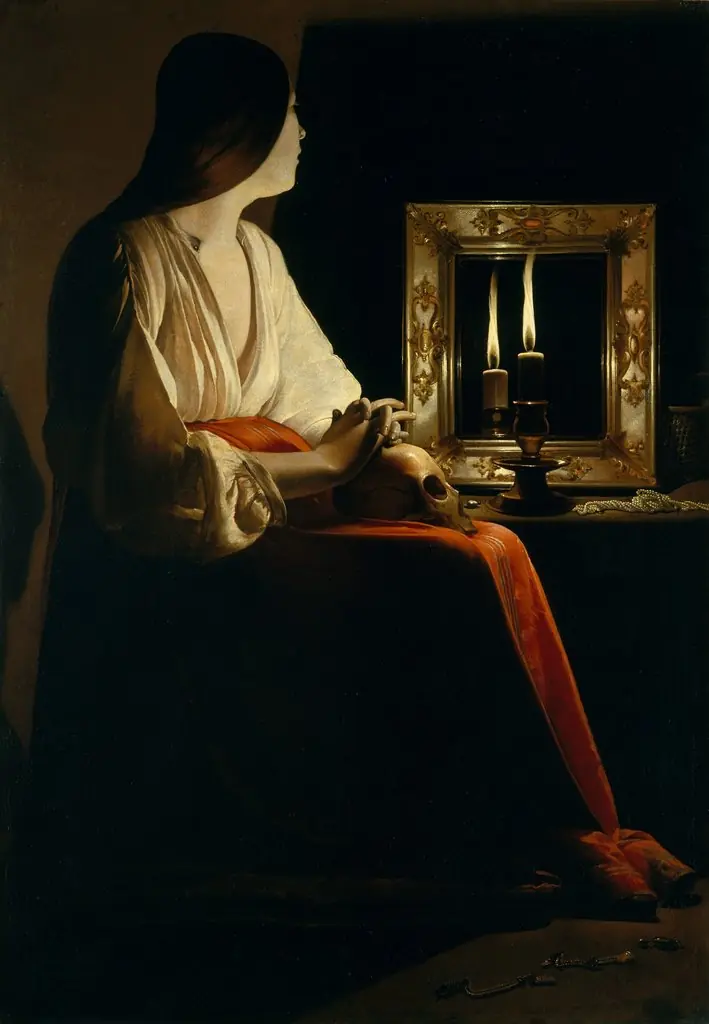
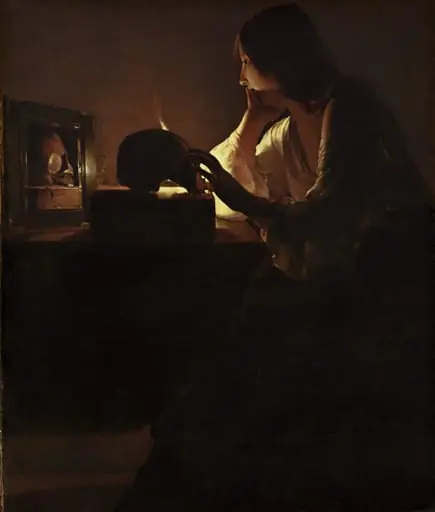
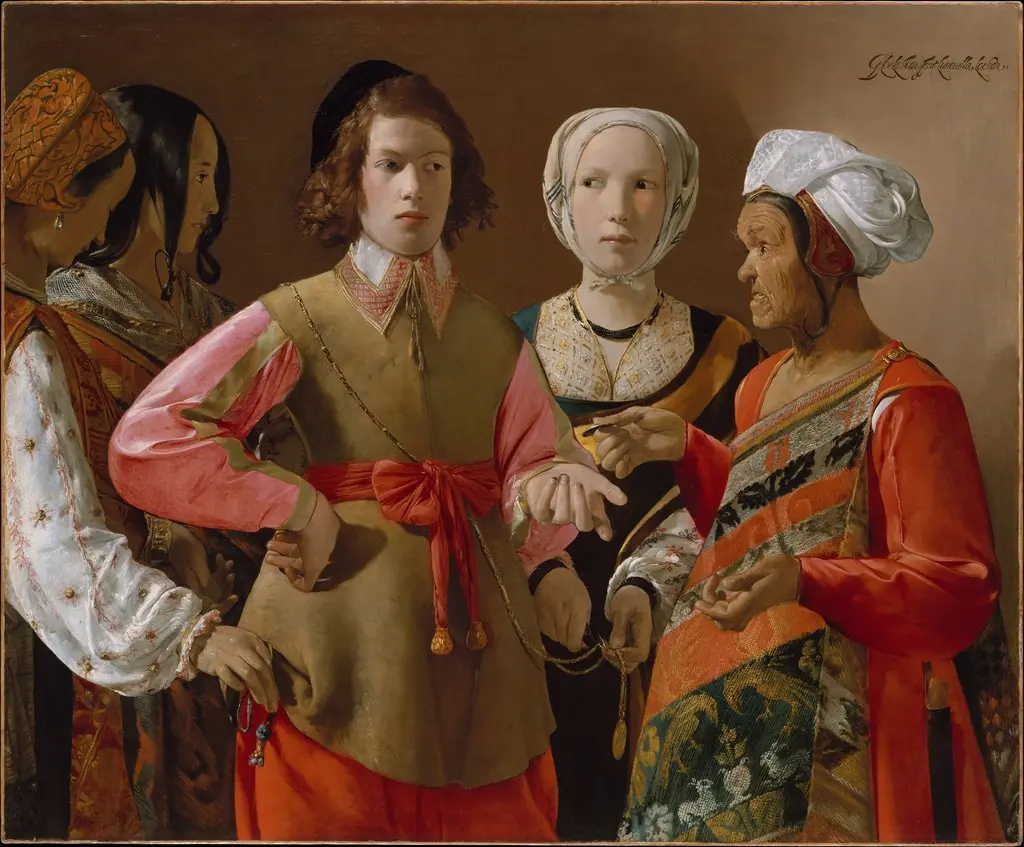
Born this day: Georges de La Tour
Georges de La Tour, a French Baroque painter, was born on March 13, 1593. He is known for his religious chiaroscuro scenes lit by candlelight, showcasing his unique observation of everyday reality and mastery of light and shadow, influenced by Caravaggio. His work reflects the confluence of Nordic, Italian, and French cultures.
He is now recognized as one of the most original painters of his time, inspiring writers and artists alike.
- 1700 Born
Born this day: Antonio Joli
Antonio Joli, born on March 13, 1700, was a prominent painter of architectural scenes and vistas, influenced by Canaletto and Luca Carlevarijs. His work absorbed the tradition of idealized architectural capricci, and he designed sets for various theatres in Europe.
He is remembered as a significant figure in 18th-century European art, earning the nickname 'Canaletto of Madrid' for his work in Spain.
Died on this day 1
- 1870 Died
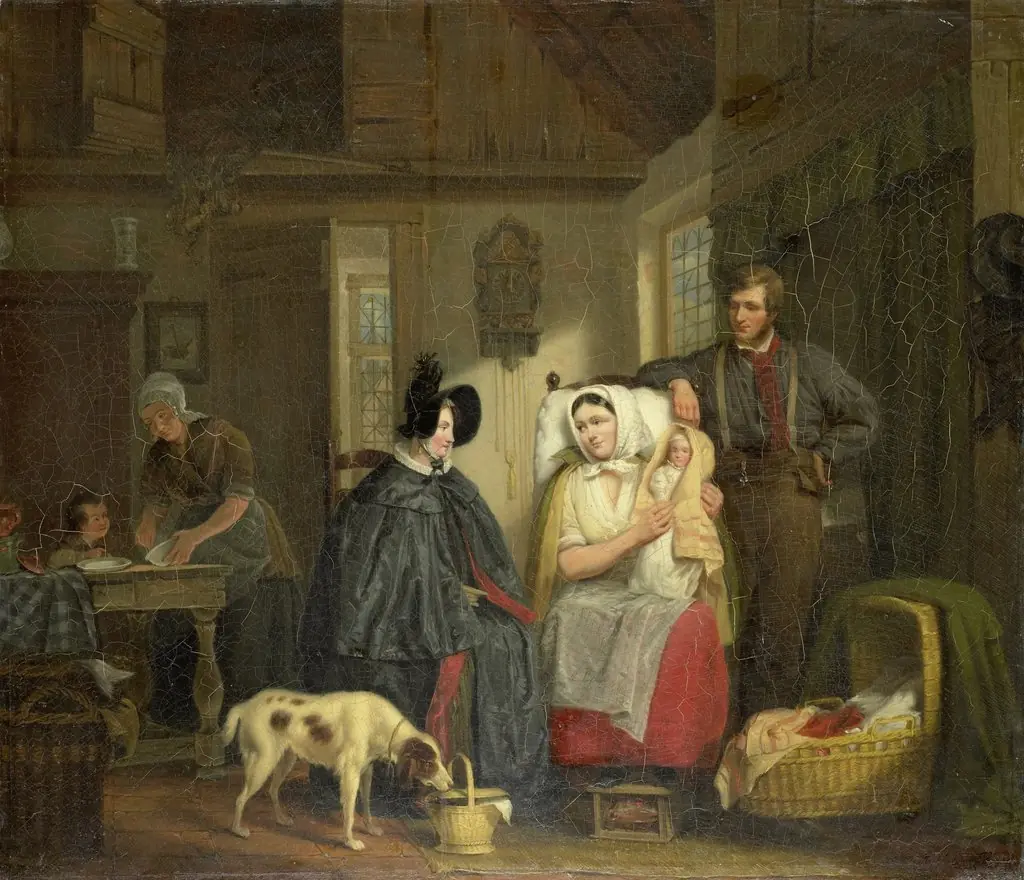
Died this day: Moritz Calisch
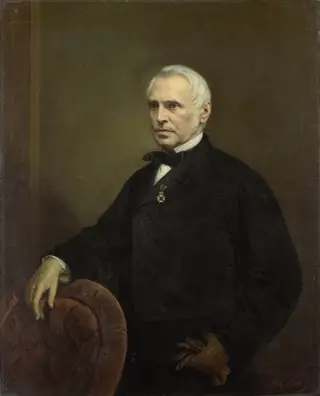
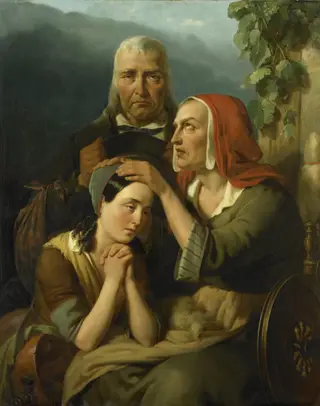
Moritz Calisch was a 19th-century painter from the Northern Netherlands, known for his works such as 'Visit to a New Mother' and 'A Mother's Blessing', which showcased his skill in capturing intimate moments. He died on March 13, 1870, in Amsterdam.
Moritz Calisch's paintings remain a testament to his ability to portray everyday life with sensitivity and detail.
Exhibitions & salons 1
- 2014 Exhibition
Degenerate Art opens at Neue Galerie
Neue Galerie New York opened Degenerate Art: The Attack on Modern Art in Nazi Germany, 1937 on March 13, 2014. The exhibition revisited the Nazi regime's 1937 Entartete Kunst campaign, in which modernist works were staged as cultural pathology and many works were confiscated from German museums. Its importance lay partly in timing: it was described as the first major United States museum exhibition on the subject since the Los Angeles County Museum of Art's 1991 project. By presenting artists such as Max Beckmann, Erich Heckel, Paul Klee, and Ernst Ludwig Kirchner in a historical frame of censorship, propaganda, seizure, and exile, the show connected modernism's formal history to the politics of cultural persecution and restitution.
It renewed U.S. museum attention to Nazi attacks on modern art and the afterlives of confiscated works.
Ernst Ludwig Kirchner , Max Beckmann , Paul Klee , Erich Heckel
Unveilings & commissions 1
- 2002 Unveiling
Sutton Hoo Helmet sculpture unveiled
At the opening of the Sutton Hoo visitor centre on March 13, 2002, Seamus Heaney unveiled Rick Kirby's Sutton Hoo Helmet, a monumental steel sculpture commissioned by the National Trust for the exhibition hall entrance. Kirby enlarged the famous Anglo-Saxon helmet from the Sutton Hoo ship-burial into a 900-kilogram public work made from red mild-steel plates. The sculpture translated an archaeological icon, reconstructed from hundreds of fragments, into a contemporary public-art threshold for visitors encountering the early medieval site. Its placement outside the visitor centre gave the helmet's image a new civic role: not just an object in the British Museum, but a site marker for the landscape where the burial had been found.
The work helped turn the Sutton Hoo helmet into an immediately recognizable public symbol of the site.