March 14 in Art History
6 real events recorded on March 14, the earliest from 1410. 2 artists were born , 1 died on this date.
The day's biggest moments
Born on this day 2
- 1752 Born
Born this day: Jean-Frédéric Schall
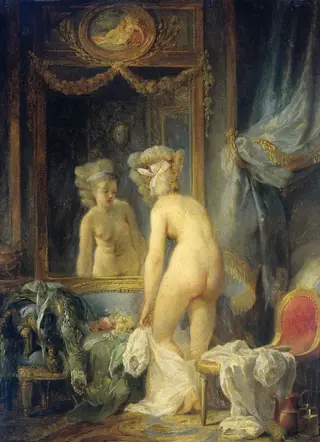
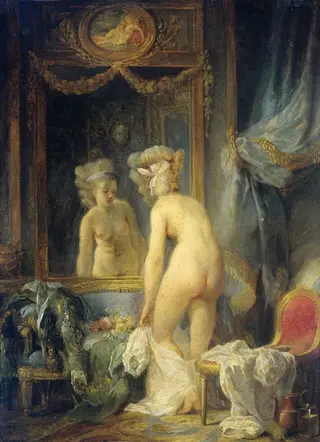
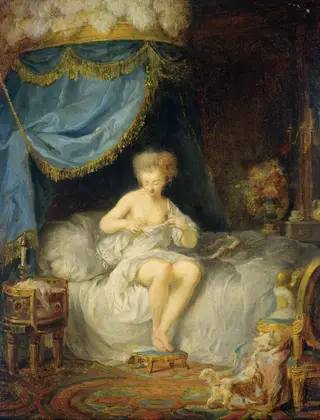
Jean-Frédéric Schall was a French painter born on March 14, 1752, known for his genre scenes and portraits, as seen in works like Morning Toilet and Girl with a Birdcage Seated on a Bed. His art often captured intimate moments of everyday life.
Schall's contributions to French painting remain notable for their nuanced depiction of domestic scenes and quiet moments.
- 1836 Born
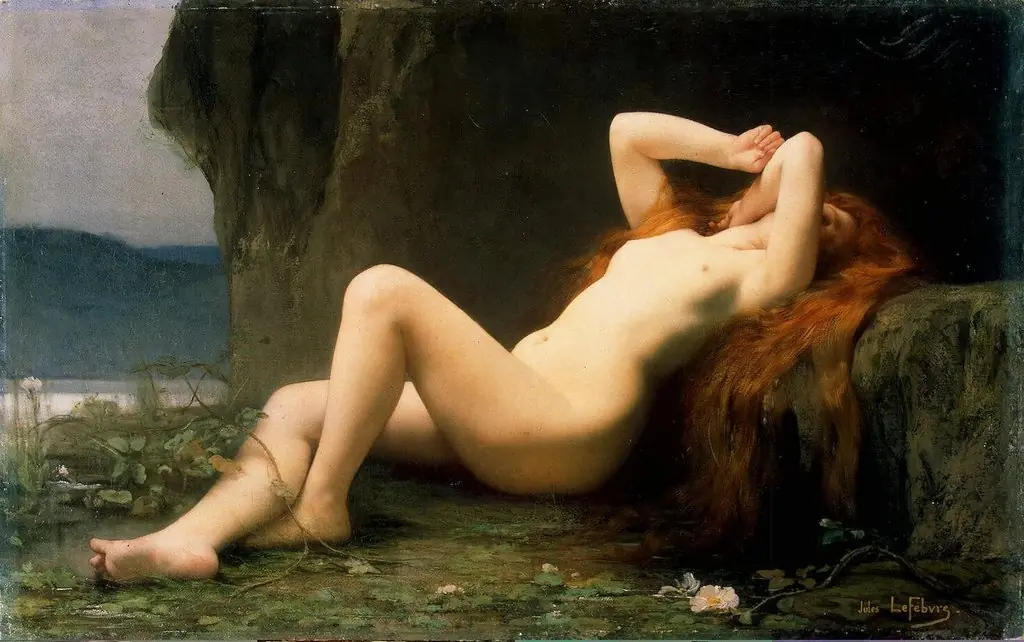
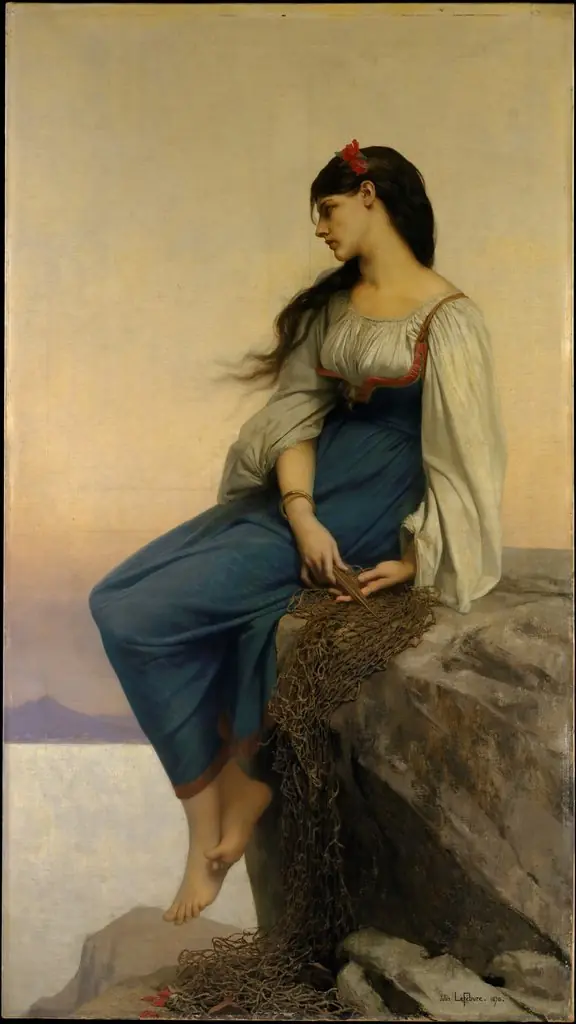
Born this day: Jules Lefebvre
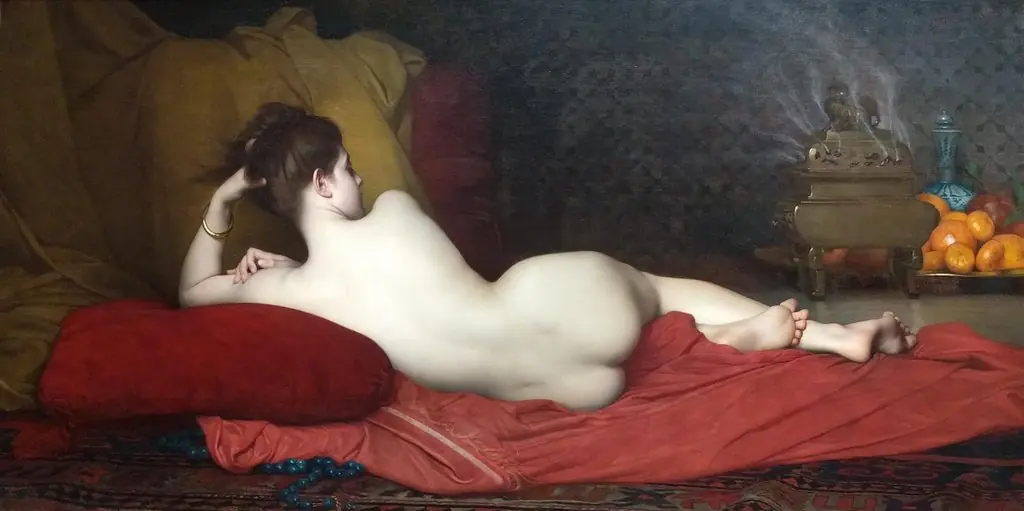
Jules Lefebvre, a French artist born on March 14, 1836, is known for his works such as Odalisque and Mary Magdalene in a Grotto, showcasing his skill in capturing the human form. His artistic style is characterized by his attention to detail and ability to convey emotion through his subjects.
Jules Lefebvre's legacy lies in his contributions to French art, leaving behind a collection of notable works that continue to be appreciated today.
Died on this day 1
- 1410 Died
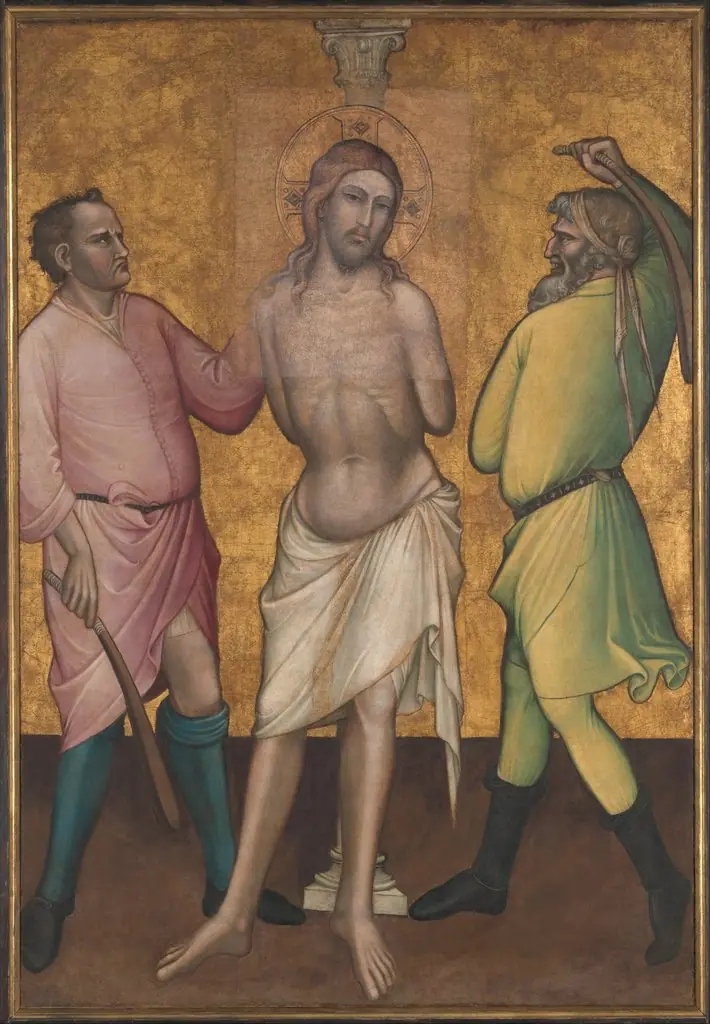
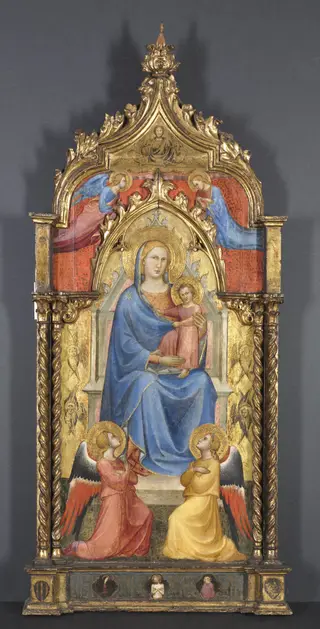
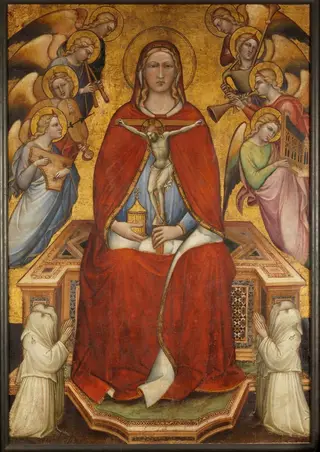
Died this day: Spinello Aretino
Spinello Aretino was a 14th- and 15th-century Italian painter from Arezzo, known for his work in Tuscany, creating pieces like Saint Mary Magdalen Holding a Crucifix and Virgin and Child with Angels. His style played a significant role in shaping the region's painting during his time.
Spinello Aretino's work continues to influence the understanding of late medieval and early Renaissance art in Italy.
Exhibitions & salons 2
- 2010 Exhibition Landmark
Marina Abramovic: The Artist Is Present opens
Marina Abramovic's retrospective The Artist Is Present opened at the Museum of Modern Art on March 14, 2010. The exhibition surveyed and reperformed decades of Abramovic's body-based and endurance work, while the artist herself sat silently in MoMA's atrium, inviting visitors one at a time to sit opposite her. Contemporary accounts describe the performance as running from the opening through May 31 and lasting seven hours a day during museum hours. It became a rare case in which performance art entered a mass public conversation, amplified by long visitor lines, online circulation of participant portraits, and the widely seen opening-night encounter with Ulay. The show also raised lasting questions about re-performance, museum labor, spectatorship, vulnerability, and the institutionalization of ephemeral art.
The exhibition made durational performance a central, widely recognized museum form.
- 2012 Exhibition
Turner Inspired opens at the National Gallery
Turner Inspired: In the Light of Claude opened at the National Gallery, London, on March 14, 2012. Created with Tate Britain, the exhibition examined J. M. W. Turner's sustained engagement with Claude Lorrain, pairing related oils, watercolors, sketchbooks, and archival material. Its premise was not simply stylistic influence: it used the Turner Bequest to explain why Turner asked that two of his paintings be hung between two works by Claude, thereby turning a personal artistic rivalry into a permanent museum argument. The show framed Turner's modern handling of light, atmosphere, industrial subject matter, and composition as a dialogue with seventeenth-century landscape painting rather than a clean break from it.
The exhibition sharpened public understanding of Turner's modernity as a historical dialogue with Claude.
Openings & foundings 1
- 1950 Founding
Clark Art Institute charter signed
A charter for the Robert Sterling Clark Art Institute was signed on March 14, 1950, incorporating the Williamstown, Massachusetts organization as both a museum and an educational institution. The act formalized Robert Sterling Clark and Francine Clark's plan to move their largely private collection away from New York and into a purpose-built setting connected to Williams College and the Berkshire museum landscape. The institution later opened to the public in 1955 and became known for European and American painting, sculpture, works on paper, decorative arts, and a research library. Its dual museum-and-study mission was unusually explicit from the start, anticipating the Clark's later role in graduate art-history training, fellowships, conservation, and scholarly publishing as well as public display.
The charter created one of the United States' major art museums and art-historical research centers.