Artwork
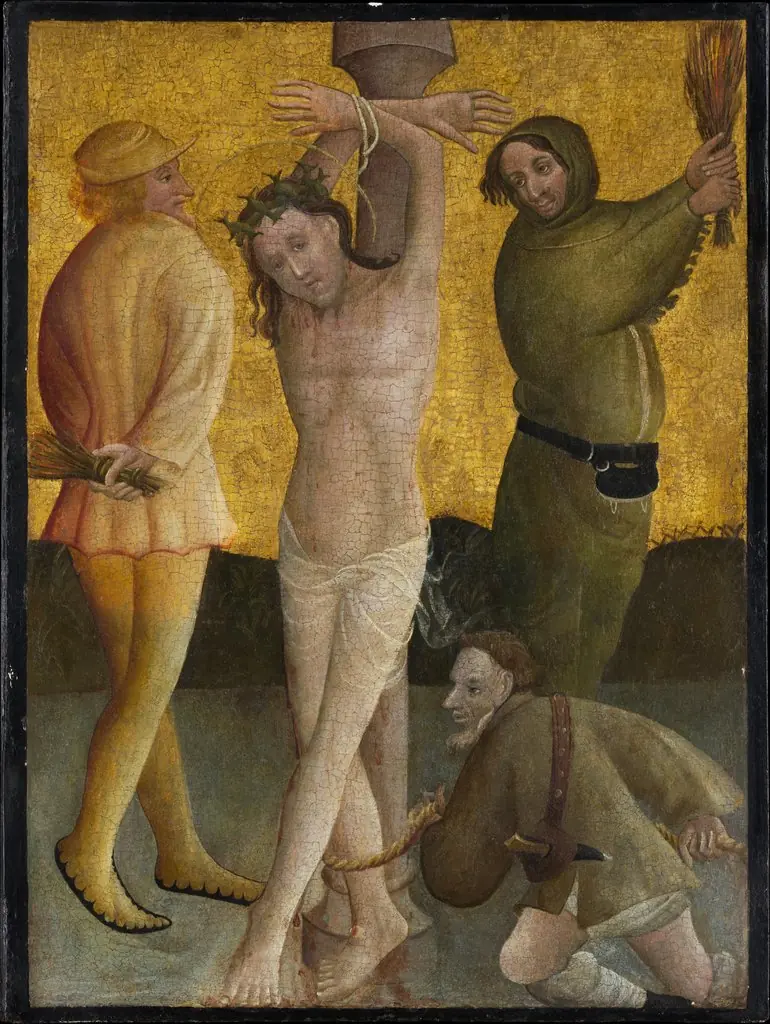
Saint Mary Magdalen Holding a Crucifix; (reverse) The Flagellation
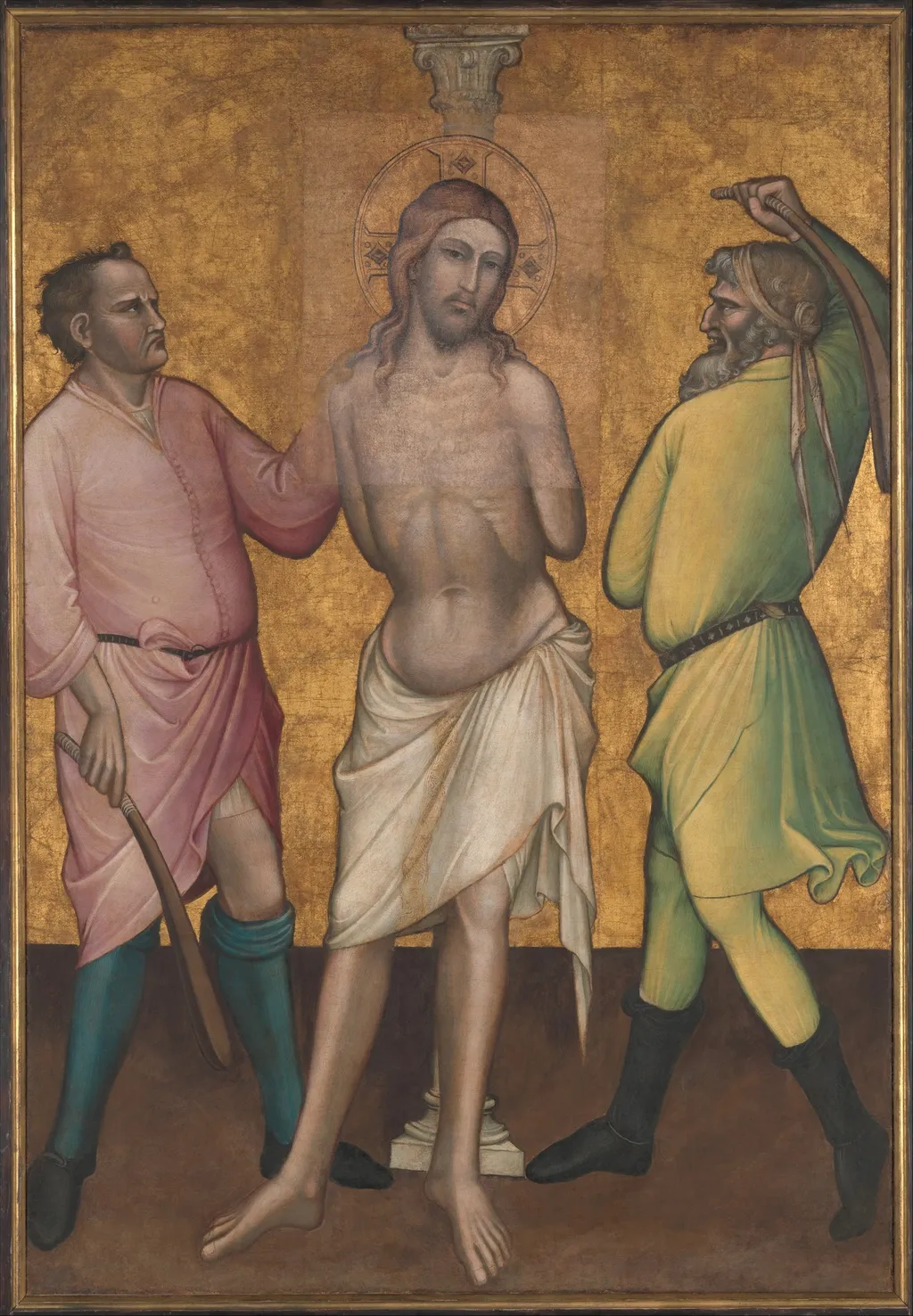
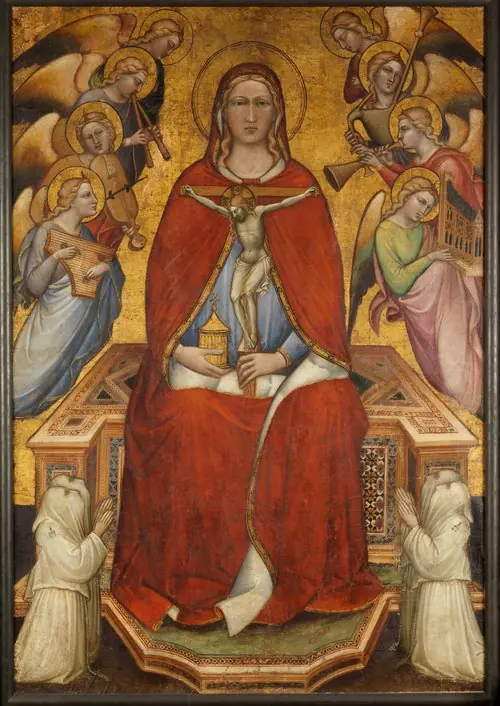
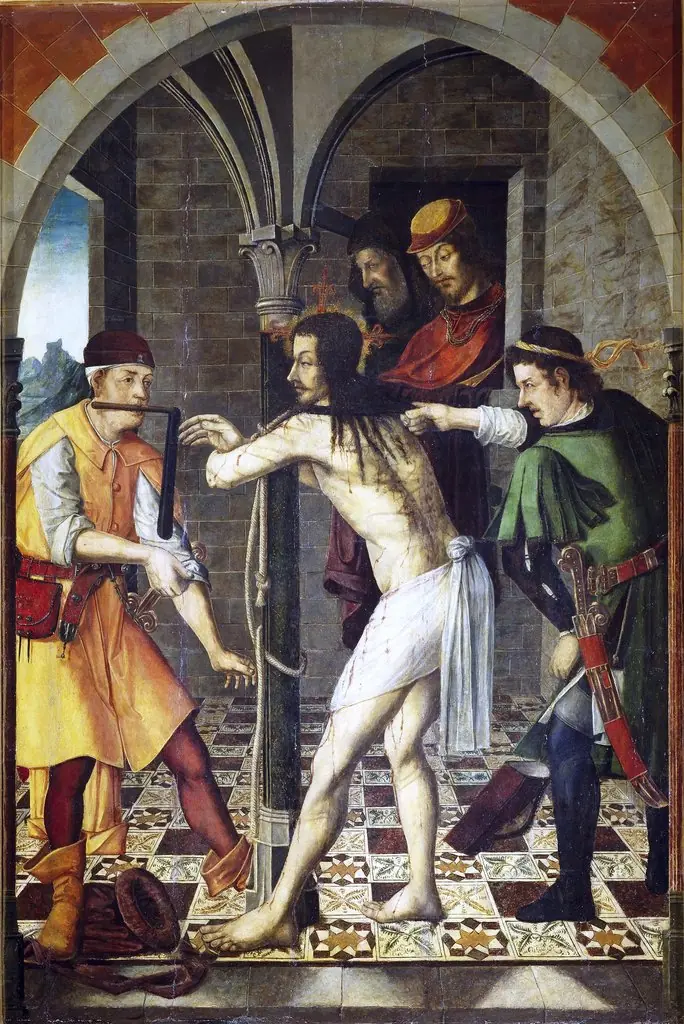
Saint Mary Magdalen Holding a Crucifix; (reverse) The Flagellation is an unspecified painting by the Byzantine icon painting artist Spinello Aretino. It dates from 1398 and is held in the collection of the Metropolitan Museum of Art. This painting presents two distinct scenes on its obverse and reverse.
About this work
Subject & Meaning
The presence of an angel with musical instruments on the reverse further suggests divine harmony and the liturgical commemoration of these events.
The recto depicts Saint Mary Magdalen holding a crucifix, a conventional attribute identifying her as the penitent follower of Christ. The reverse shows the Flagellation of Christ, emphasizing the salvific role of Christ’s suffering. Together, the images juxtapose Magdalene’s contemplative piety with the physical torment endured by Christ, underscoring a narrative of redemption through penance and sacrifice.
The presence of an angel with musical instruments on the reverse further suggests divine harmony and the liturgical commemoration of these events.
History & Provenance
The double-sided panel is dated to 1395 and attributed to the Sienese painter Spinello Aretino. According to the sources, the work is presently held in the collection of the Metropolitan Museum of Art in New York, representing its most recent known ownership. The sources do not provide information about the original commission, any earlier owners, or details of the painting’s creation beyond the artist’s name and date.
Overview
This painting presents two distinct scenes on its obverse and reverse. The primary side depicts Saint Mary Magdalen holding a crucifix, while the reverse features The Flagellation, a moment from Christ's Passion. This dual-sided format suggests its original function, possibly as a devotional object intended for private contemplation or for display where both sides could be viewed.
Technique & Style
The composition of The Flagellation places three figures within a confined, dimly lit space characterized by a golden hue. A notable stylistic choice is the vibrant contrast created by the pink and yellow-green robes worn by the flanking figures. These striking colors are juxtaposed against the more subdued, dull gold background, drawing attention to the central subject and intensifying the emotional impact of the scene.
Own this work as a print
Artist & collection

Artist
Spinello Aretino was an Italian painter from Arezzo, who was active in Tuscany at the end of the 14th and the first decade of the 15th century. His style influenced the development of late 14th- and early 15th-century painting in Tuscany.