March 21 in Art History
4 real events recorded on March 21, the earliest from 1546. 1 artist was born on this date.
Born on this day 1
- 1546 Born
Born this day: Bartholomeus Spranger
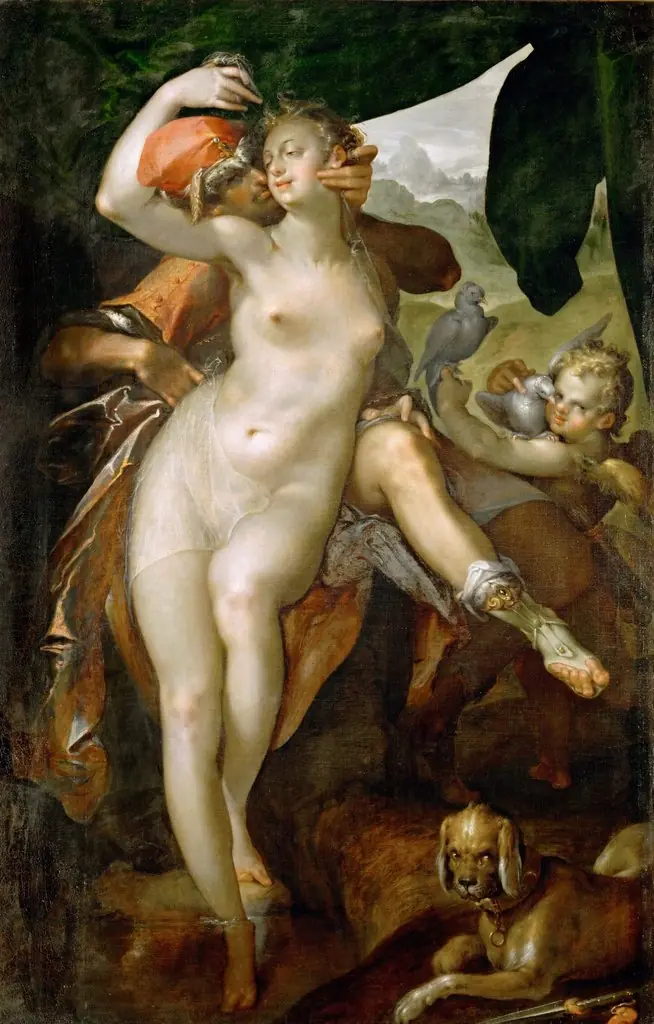
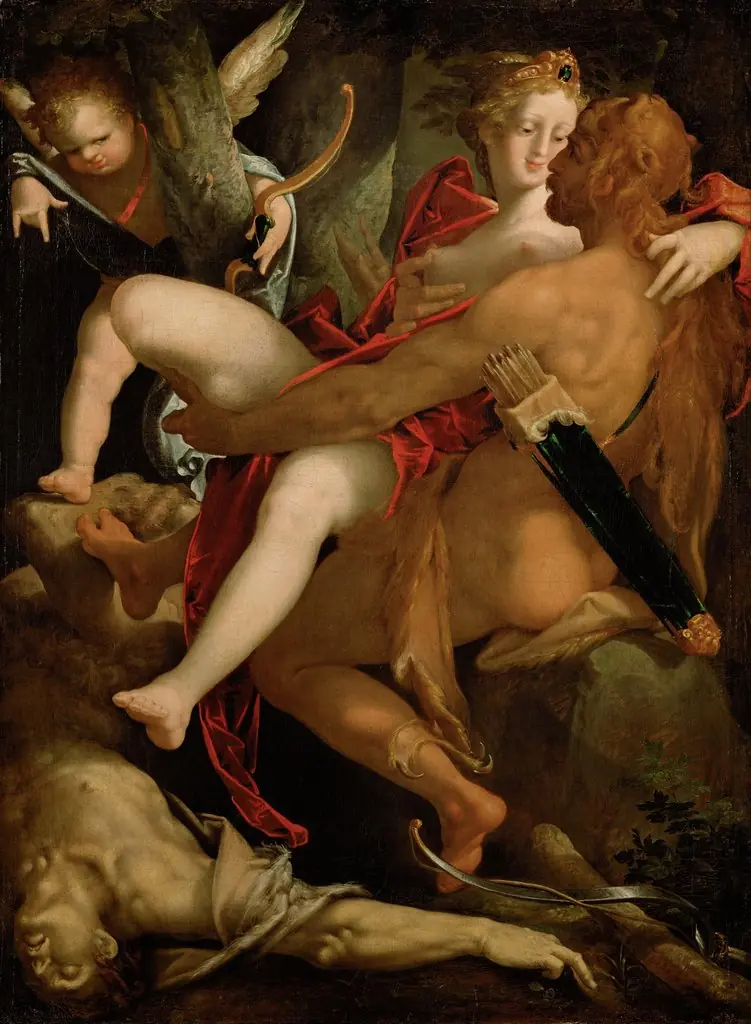
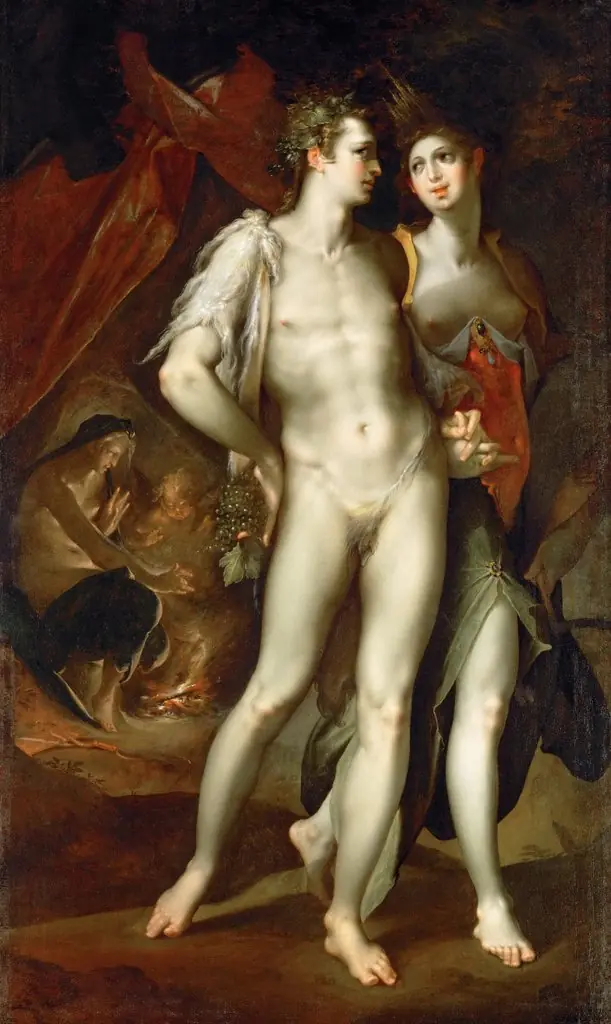
Bartholomeus Spranger, a Flemish painter, draughtsman, sculptor, and print designer, was born on March 21, 1546. He developed a unique Northern Mannerist style, characterized by sensuality and elongated figures, while working as a court artist for Holy Roman Emperor Rudolf II in Prague.
His style had a significant influence on artists in Prague and the Dutch Republic, disseminated through prints and collaborations with artists like Karel van Mander.
Openings & foundings 2
- 1964 Opening
Gallery of Modern Art opens at 2 Columbus Circle
Huntington Hartford's Gallery of Modern Art opened to the public at 2 Columbus Circle in New York, a white-marble, Edward Durell Stone building that immediately became one of Manhattan's most debated museum structures. The opening drew 3,358 visitors on its first day and presented Hartford's collection in a purpose-built private museum with multiple gallery floors, restoration space, a restaurant, and performing-arts amenities. Its program mixed older modernism, contemporary display, and media ambitions, including later film and television spaces. Critics questioned both Hartford's taste and the building's mannered modernism, but the site became a durable case study in patronage, museum branding, architectural preservation, and adaptive reuse after its later transformations into the New York Cultural Center and, eventually, the Museum of Arts and Design.
The opening made 2 Columbus Circle a long-running flashpoint in debates over private museums, modernist architecture, and preservation.
- 2015 Opening
GW Museum and The Textile Museum opens on Foggy Bottom campus
The George Washington University Museum and The Textile Museum opened its new Foggy Bottom museum to the public, moving the Textile Museum's collections from the historic Kalorama setting into a university-based arts and research center. The opening consolidated several bodies of material: The Textile Museum's globally recognized holdings of more than 19,000 objects, works owned by George Washington University, and the Albert H. Small Washingtoniana Collection. Its inaugural exhibitions included Unraveling Identity: Our Textiles, Our Stories, alongside shows on Civil War Washington and the planning of the capital. The move expanded textile art's institutional footing by placing conservation, study collections, teaching, and public exhibitions inside a larger academic museum infrastructure.
The opening reframed a specialist textile collection as a university museum resource for art history, conservation, and public humanities.
Auctions, prizes & heists 1
- 1986 Heist
Barnett Newman's Who's Afraid of Red, Yellow and Blue III is slashed
At the Stedelijk Museum Amsterdam, Gerard Jan van Bladeren attacked Barnett Newman's monumental abstraction Who's Afraid of Red, Yellow and Blue III with a utility knife. The March 21 vandalism became one of the most notorious modern-art attacks of the late twentieth century because the damaged work was not a portable old master but a canonical postwar color-field painting held by a major public museum. The incident also turned conservation into public controversy: Newman's vast fields of saturated color made restoration choices unusually visible, and debate over the repair became part of the painting's later reception. The same vandal later attacked Newman's Cathedra in 1997, linking both episodes in museum-security and conservation histories.
The attack made the repaired surface, not only Newman's original image, part of the painting's art-historical record.