Artwork
Sine Cerere et Baccho friget Venus
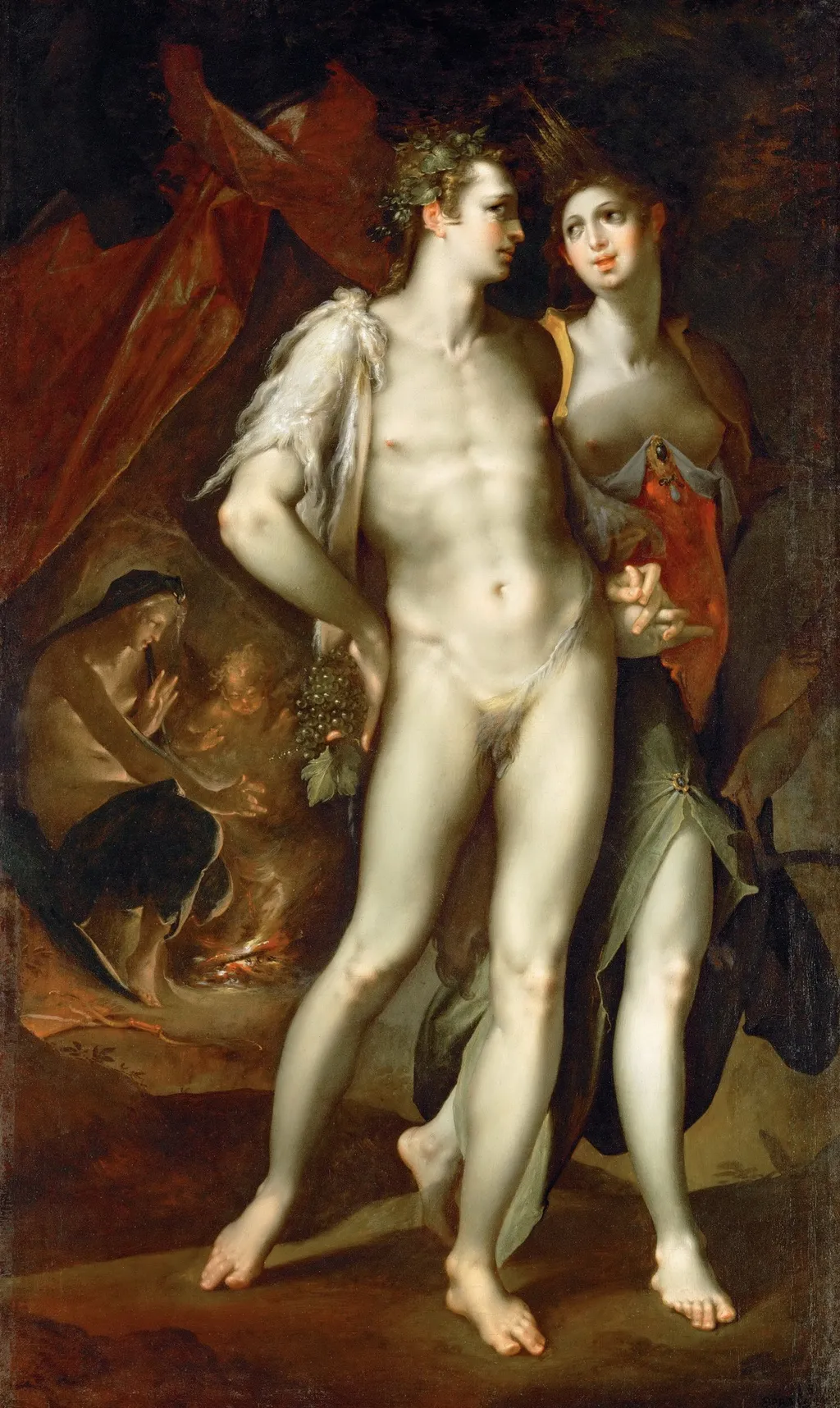
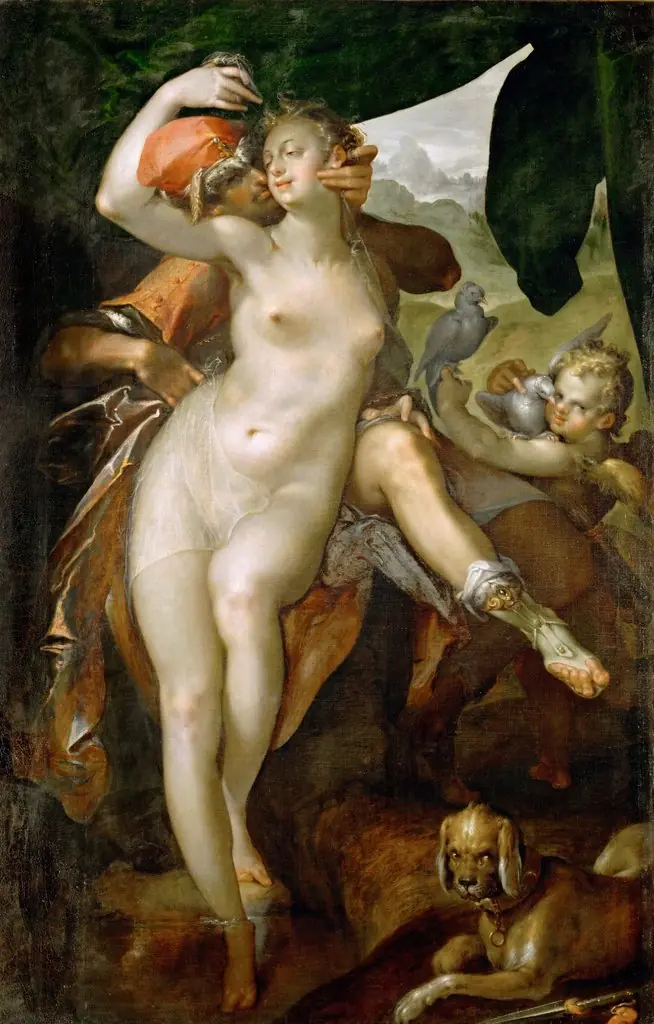
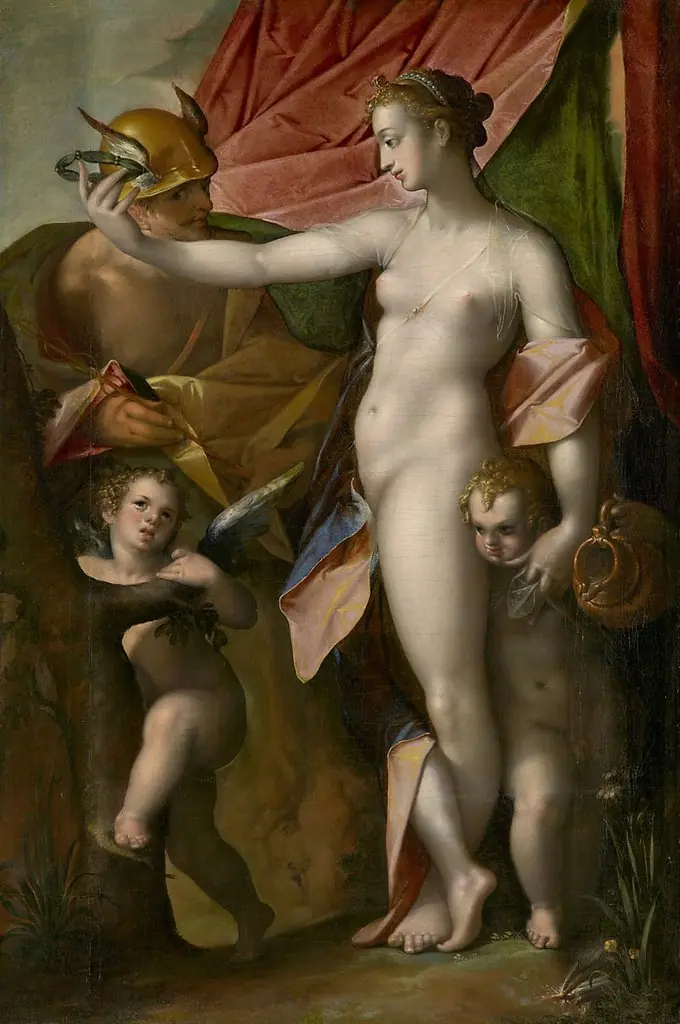
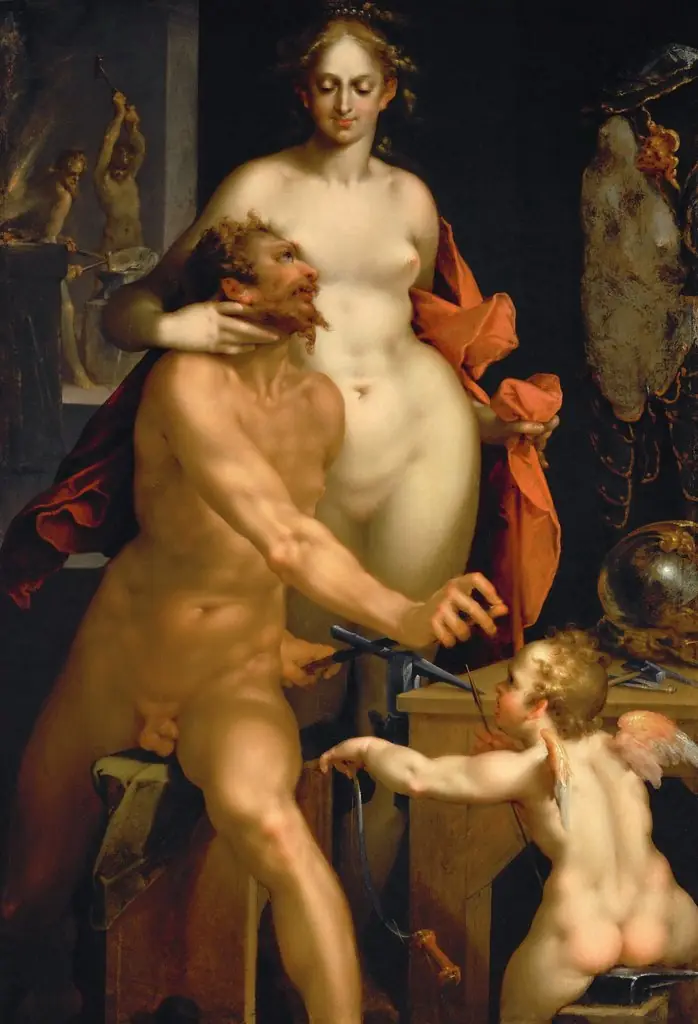
Sine Cerere et Baccho friget Venus is an oil painting by the Mannerist artist Bartholomeus Spranger. It dates from 1596 and is held in the collection of the Kunsthistorisches Museum.
About this work
Subject & Meaning
The painting illustrates the Latin proverb "Sine Cerere et Baccho friget Venus", "Without Ceres and Bacchus, Venus freezes", personifying the classical deities Demeter (Ceres), Dionysus (Bacchus), and Aphrodite (Venus) to convey the idea that love grows cold without the nourishment of food and wine. The mythological subject brings together the goddess of grain, the god of wine, and the goddess of love as an allegory for the interdependence of sensual pleasure, fertility, and sustenance.
As a mythological painting, the work uses the trio of deities to embody the proverb's sensual and moral message, a theme rooted in classical antiquity that was popular among late-sixteenth-century court artists working for Rudolf II.
Technique & Style
The composition is arranged in a shallow, stage-like space, where the figures are positioned close to the picture plane to heighten their sculptural presence.
The painting is executed in oil on canvas, a medium characteristic of Spranger's late works in the 1590s. Handling is precise, with sharply delineated forms and polished surfaces that emphasize the idealized anatomy and taut musculature of the figures. The composition is arranged in a shallow, stage-like space, where the figures are positioned close to the picture plane to heighten their sculptural presence.
The stylistic qualities align with Spranger's Mannerist idiom: elongated proportions, sinuous contours, and a cool, refined palette punctuated by accents of warm flesh tones and metallic drapery. The scene's iconography, Venus flanked by allegorical figures, is rendered with clear narrative purpose, underscoring the proverb's moralizing intent through carefully orchestrated gesture and expression.
History & Provenance
Bartholomeus Spranger created the oil-on-canvas painting Sine Cerere et Baccho friget Venus in 1596. The mythological composition depicts Venus together with Dionysus (Bacchus) and Demeter (Ceres) and measures 161.5 cm in height by 100 cm in width. It is held in the collection of the Kunsthistorisches Museum, Vienna.
The available sources do not provide a specific inventory or accession number, nor do they list any past or current exhibitions for the piece.
Context
Bartholomeus Spranger's 1596 mythological painting Sine Cerere et Baccho friget Venus, housed in the Kunsthistorisches Museum, was created during a period when mythological subjects were used to explore allegorical themes. The work depicts Venus in a scene referencing Ceres (Demeter) and Bacchus (Dionysus), reflecting contemporary interpretations of classical mythology within the Viennese court's cultural milieu.
Scholarship highlights the painting's significance in Spranger's oeuvre as part of his mythological work produced for Emperor Rudolf II, though its specific influence on subsequent artists remains undocumented in the available sources.
Overview
Bartholomeus Spranger, a Flemish painter employed by Emperor Rudolf II in Prague, completed the oil painting Sine Cerere et Baccho friget Venus in 1596. Executed in the late‑Renaissance Mannerist style, the work is now part of the Kunsthistorisches Museum’s holdings in Vienna.
Own this work as a print
Artist & collection
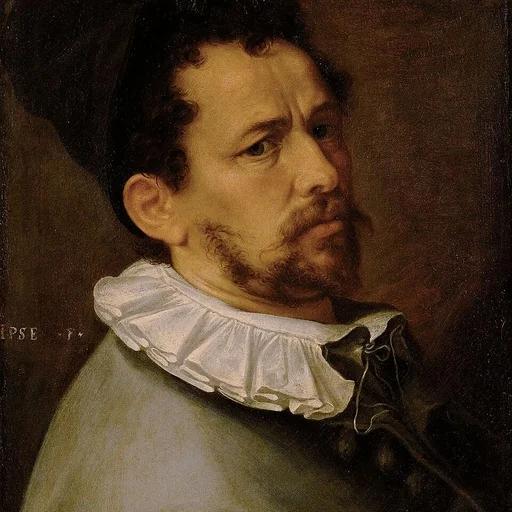
Artist
Bartholomeus Spranger or Bartholomaeus Spranger (21 March 1546 – 27 June 1611) was a Flemish painter, draughtsman, sculptor, and designer of prints.