Artwork
Hercules, Deianira, and Nessus
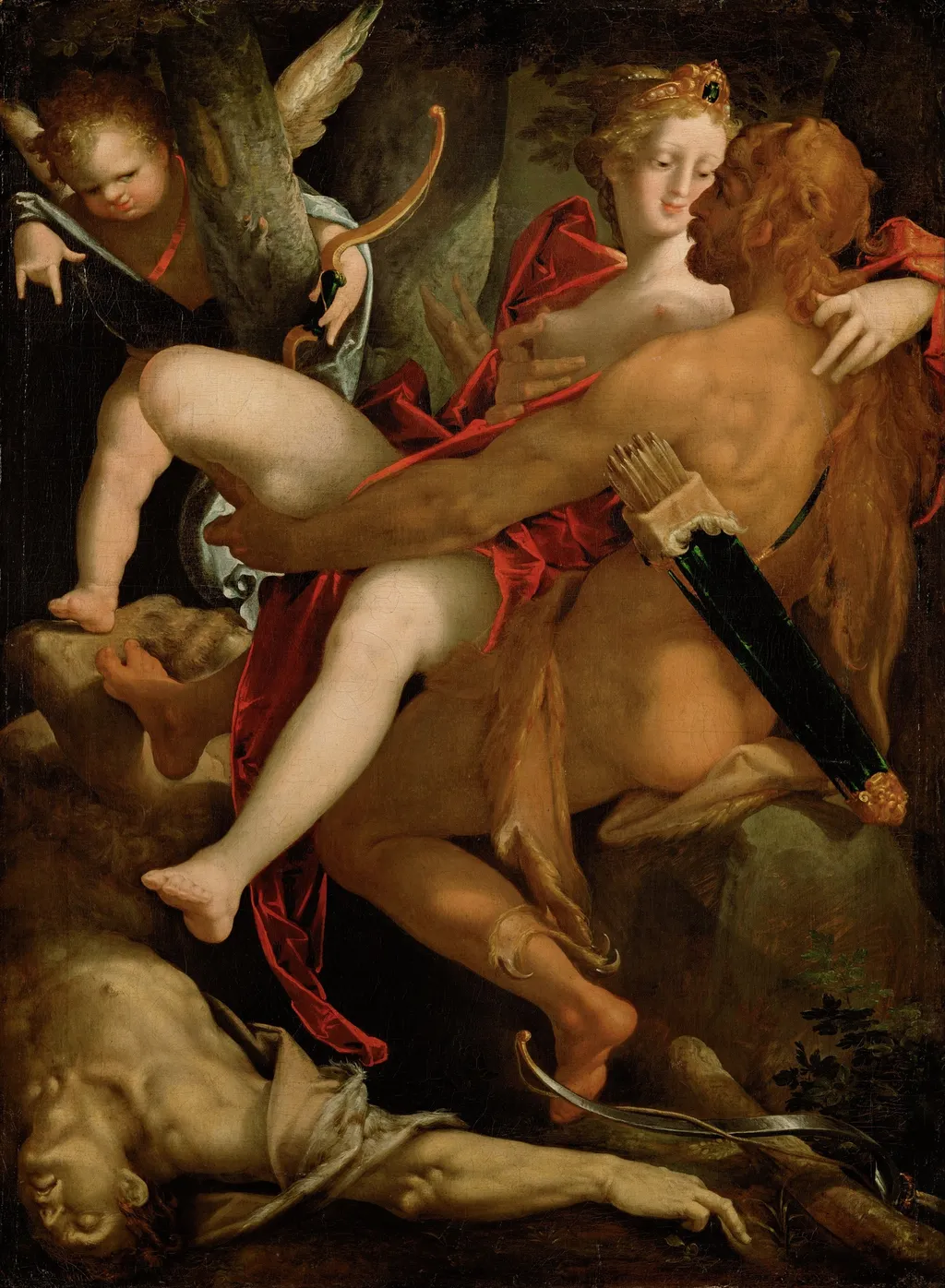
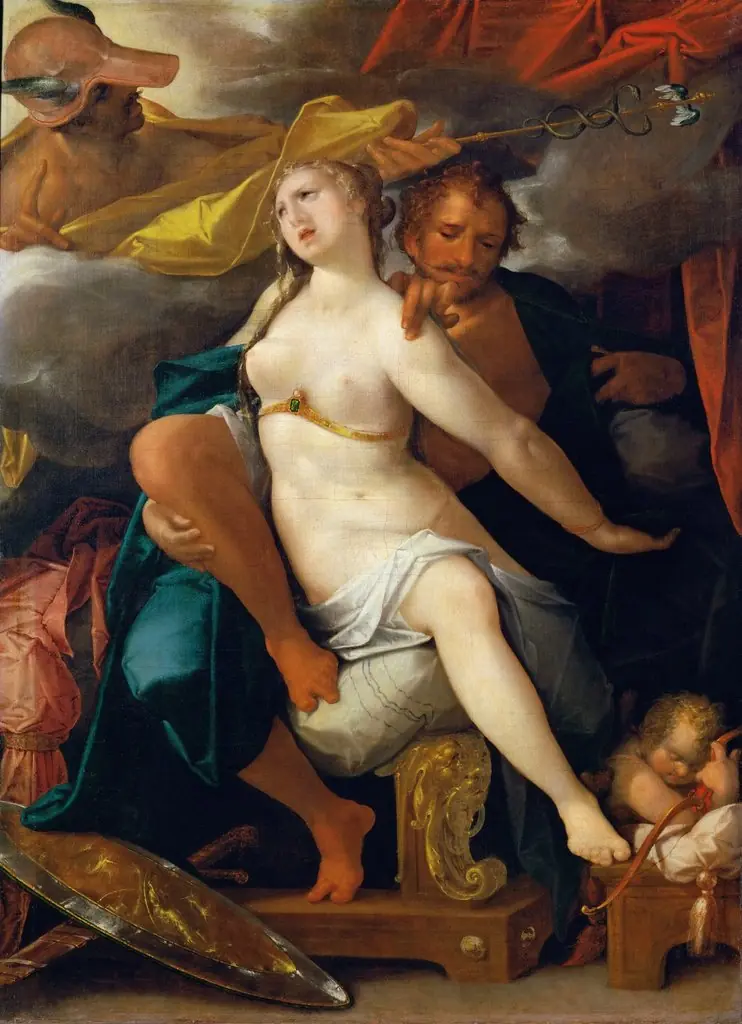
Hercules, Deianira, and Nessus is an oil painting by the Mannerist artist Bartholomeus Spranger. It dates from 1590 and is held in the collection of the Kunsthistorisches Museum.
About this work
Subject & Meaning
The work synthesizes classical mythology with Mannerist sensibilities, focusing on the dramatic interaction between the human and centaur figures.
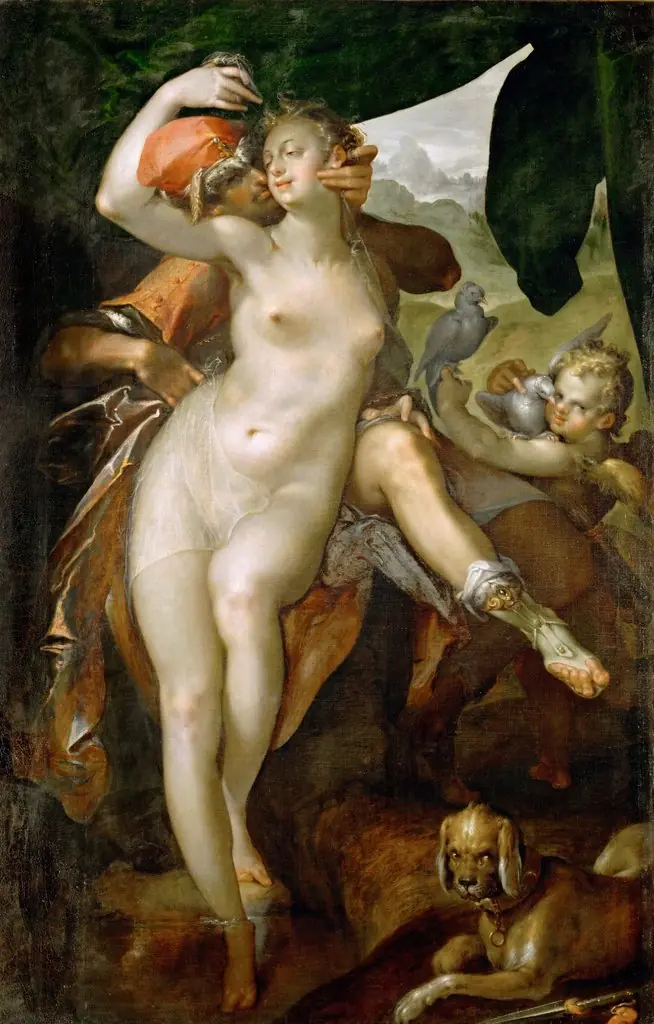
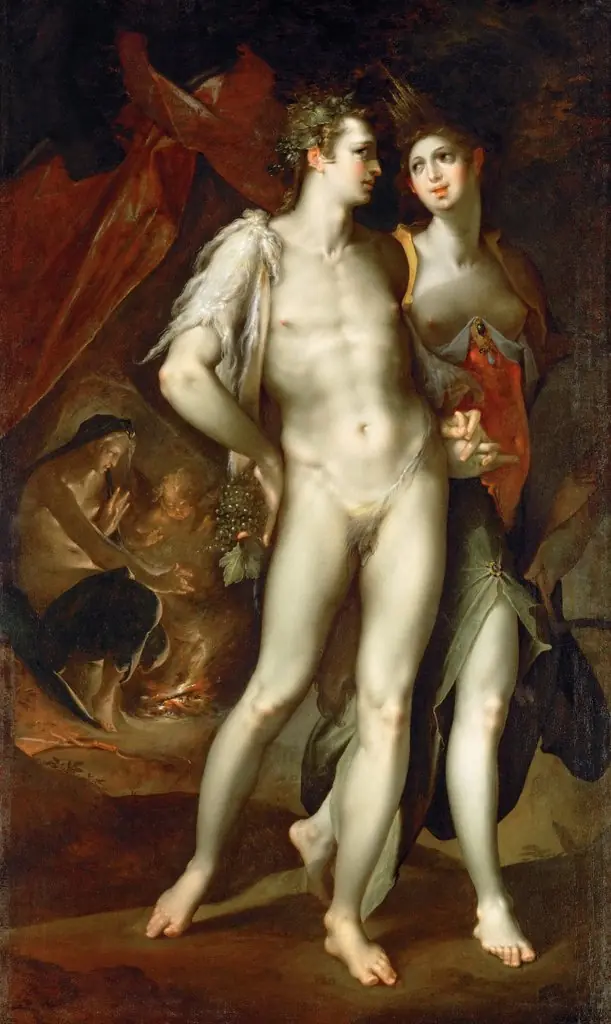
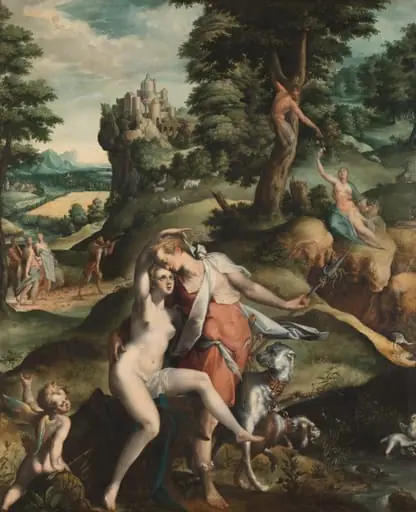
The artwork illustrates the mythological narrative of Hercules, Deianira, and the centaur Nessus, a story central to the hero's life. As a mythological painting, the composition features the nude figures of Heracles and Deianira alongside the centaur, set within a landscape containing trees and cloth. Iconographic elements include Cupid, also identified as Eros, who appears with a bow, arrow, and quiver, reinforcing themes of love and desire that precipitate the tragedy.
The inclusion of death among the depicted subjects foreshadows the fatal consequences of the centaur's deception. This scene represents the moment Nessus attempts to abduct Deianira while ferrying her across a river, an event that ultimately leads to Hercules' demise through a poisoned garment. The work synthesizes classical mythology with Mannerist sensibilities, focusing on the dramatic interaction between the human and centaur figures.
History & Provenance
The work titled Hercules, Deianira, and Nessus was executed by Bartholomeus Spranger in 1580 as an oil painting on canvas. It belongs to the mythological genre and was created in the late Renaissance period. According to the documented record, the painting has been part of the Kunsthistorisches Museum's collection since its inception, remaining on display in the museum's gallery.
The museum's catalog confirms its dimensions, material, and subject matter, linking the composition to Spranger's known output in the 1580s. No earlier ownership details are recorded, indicating that the museum's acquisition represents the work's complete provenance to date.
The painting Hercules, Deianira, and Nessus by Bartholomeus Spranger is housed in the Kunsthistorisches Museum in Vienna, where it is part of the museum's permanent collection; no specific inventory or accession number is recorded in the available documentation. The work, executed in oil on canvas in 1580, measures 112 × 82 cm and falls within the mythological painting genre. While the sources confirm its presence in the museum's catalog, they do not detail any prior exhibitions or loan history, indicating that its exhibition record is not documented in the provided references.
Context
Bartholomeus Spranger's 1580 oil on canvas, Hercules, Deianira, and Nessus, measures 112 × 82 cm and is housed in the Kunsthistorisches Museum; it is classified as a mythological painting and forms part of the artist’s broader mythological oeuvre. The work depicts the titular figures alongside Cupid, a bow, arrow, tree, cloth, centaur, Eros, quiver, and nude forms, reflecting the narrative of the hero’s encounter with the centaur Nessus. As a Northern Mannerist piece, it contributes to the corpus of mythological paintings produced in the late Renaissance, situating Spranger within the artistic milieu of his time.
Overview
Bartholomeus Spranger, a Flemish artist, completed Hercules, Deianira, and Nessus in 1590. This oil painting exemplifies the Mannerist style, a movement known for its distinctive figural representations. The work depicts a dramatic episode from classical mythology, centering on the hero Hercules and his encounter with the centaur Nessus, observed by Deianira. It is currently housed in the Kunsthistorisches Museum.
Technique & Style
Spranger's Hercules, Deianira, and Nessus is a characteristic example of Mannerism, a style prevalent in the late Renaissance. The figures exhibit the movement's typical elongation and sinuous forms, contributing to a sense of dynamic tension rather than classical balance. The artist employs a rich palette and dramatic lighting to emphasize the sensuality and emotional intensity of the mythological scene, drawing the viewer into the unfolding drama.
Own this work as a print
Artist & collection
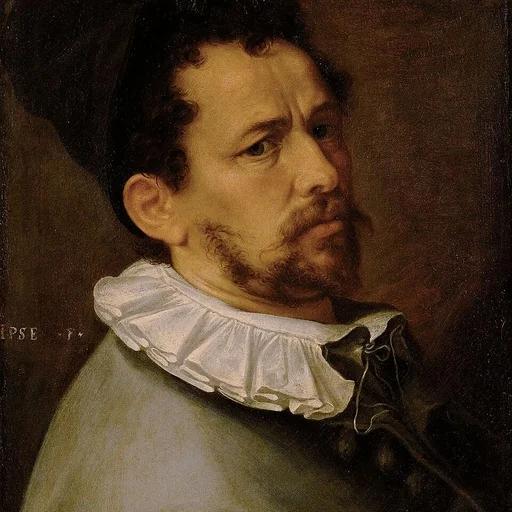
Artist
Bartholomeus Spranger or Bartholomaeus Spranger (21 March 1546 – 27 June 1611) was a Flemish painter, draughtsman, sculptor, and designer of prints.