March 3 in Art History
7 real events recorded on March 3, the earliest from 1700. 2 artists were born , 1 died on this date.
The day's biggest moments
Born on this day 2
- 1700 Born
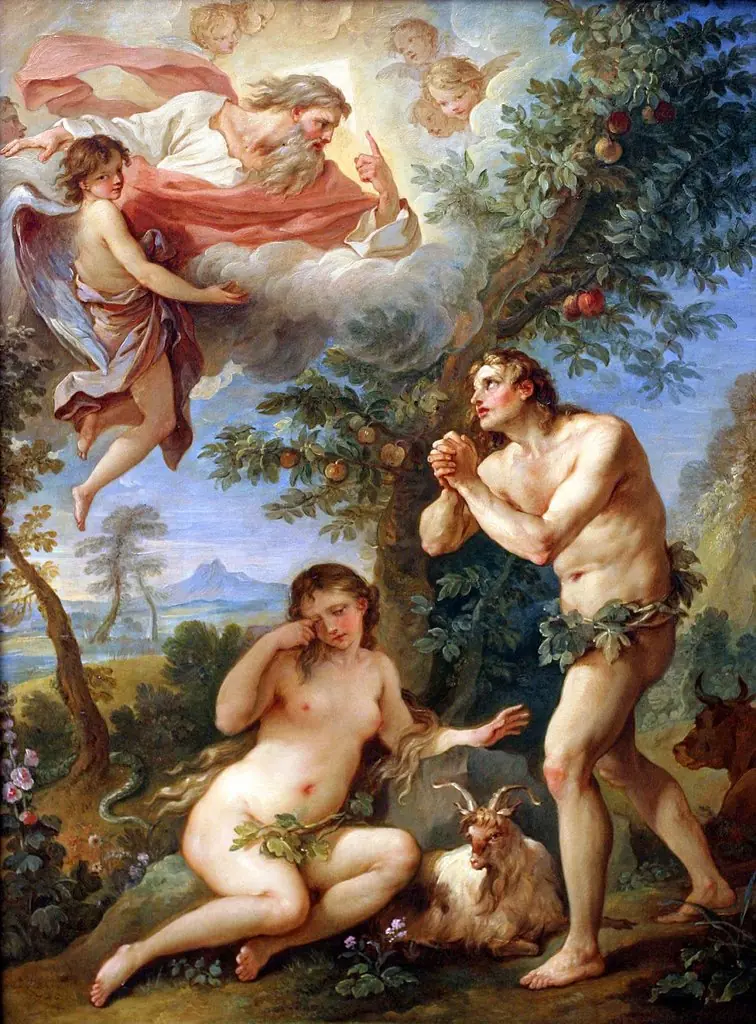
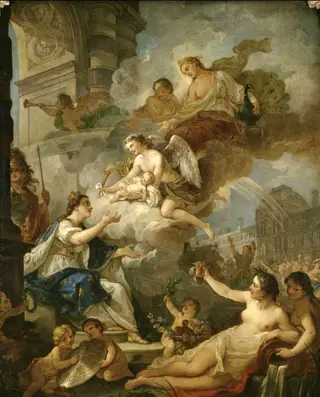
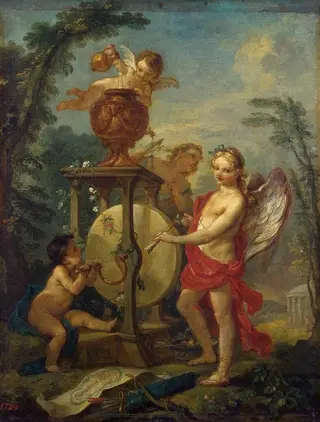
Born this day: Charles-Joseph Natoire
Charles-Joseph Natoire, a French painter in the Rococo style, was born on March 3, 1700. He was a prominent figure in France's artistic life, known for his work on the History of Psyche and History of Don Quixote series. His paintings often featured delicate, whimsical scenes.
Natoire's work continues to be celebrated for its contribution to the Rococo movement and French artistic heritage.
- 1803 Born
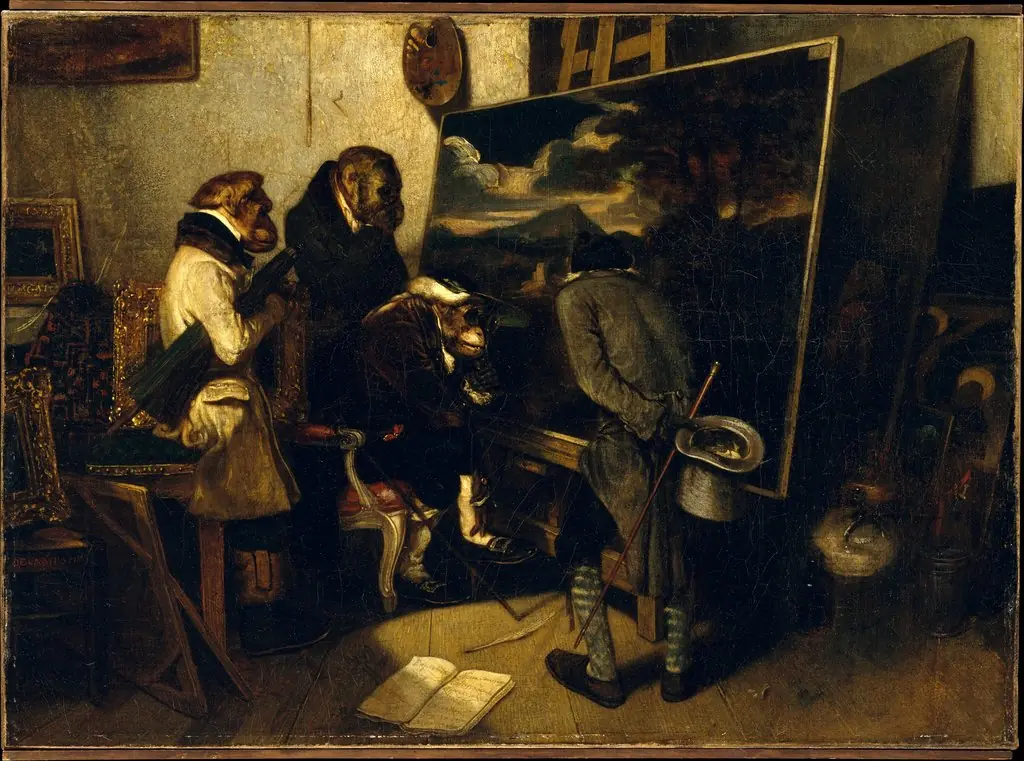
Born this day: Alexandre Gabriel Decamps
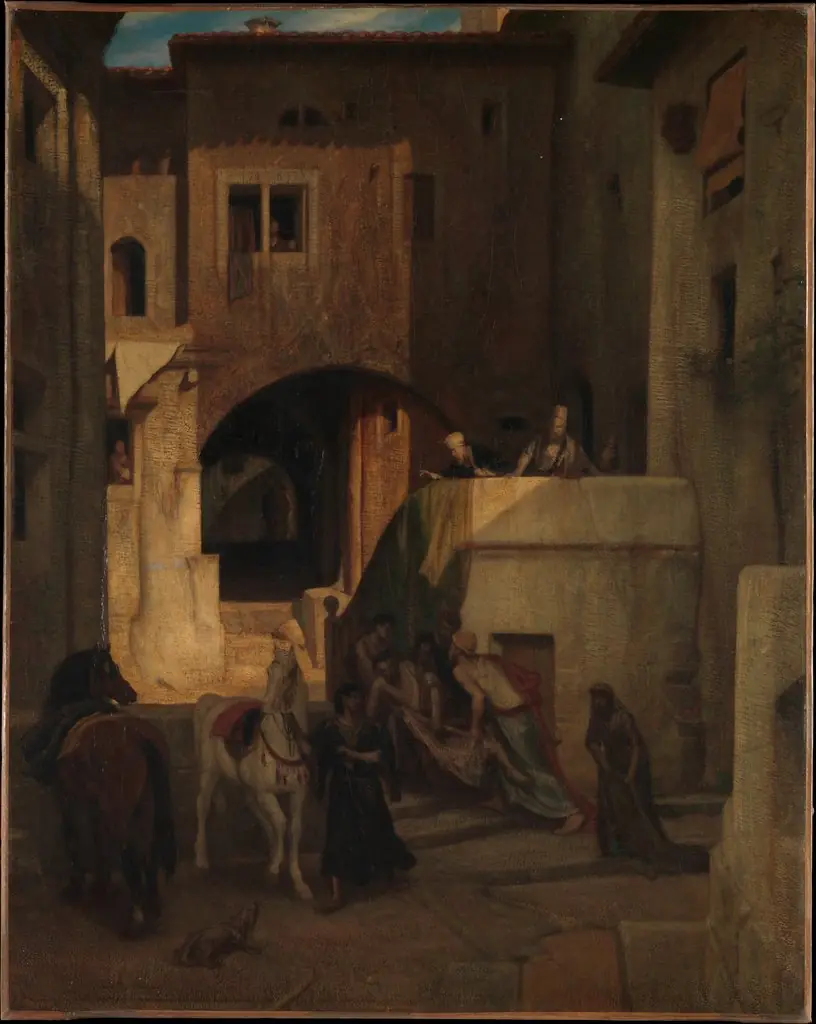
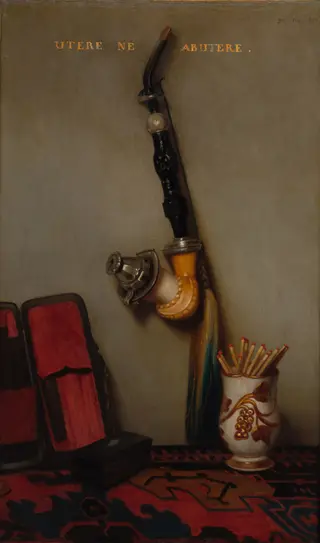
Alexandre-Gabriel Decamps, born on March 3, 1803, was a French painter known for his captivating Orientalist works, which showcased his unique perspective on Eastern cultures. His notable works, such as The Experts and The Good Samaritan, demonstrate his skill in capturing the essence of his subjects.
Decamps' contributions to the Orientalist movement continue to influence artists and art enthusiasts today.
Died on this day 1
- 1804 Died
Died this day: Giovanni Domenico Tiepolo
Giovanni Domenico Tiepolo was an Italian painter and printmaker, son of Giovanni Battista Tiepolo, known for his work in etching and contributions to 18th-century Italian art. His notable works showcase his skill in various genres, including genre and rococo styles.
He remains a significant figure in the history of Italian art, building upon his family's artistic legacy.
Unveilings & commissions 3
- 1913 Unveiling
Edward Everett Hale Statue Dedicated
Bela Pratt's bronze statue of Edward Everett Hale was dedicated in Boston's Public Garden, adding a literary and civic memorial to one of the city's most visible sculptural landscapes. Pratt, a Boston sculptor associated with the city's turn-of-the-century public art culture, modeled Hale as a commemorative subject for a garden already dense with monuments, fountains, and allegorical sculpture. The work belongs to the Progressive Era practice of using parks as open-air civic galleries, where portrait monuments made writers, reformers, abolitionists, and public servants part of everyday urban experience. The sculpture was later recorded by the Smithsonian's Save Outdoor Sculpture! survey, preserving its status within the national public-art inventory.
The dedication expanded Boston Public Garden's role as a civic sculpture setting as well as a designed landscape.
- 2007 Unveiling
Frédéric Chopin Memorial Unveiled in Shanghai
Lu Pin's bronze Frédéric Chopin Memorial was unveiled in Zhongshan Park in Shanghai. The six-meter sculpture, designed by a Chinese sculptor trained in Poland and manufactured in Gliwice, created a rare public monument in Shanghai to a foreign cultural figure. Its unveiling brought together Polish cultural officials and Chinese-Polish organizers, and Lu Pin received Poland's Gloria Artis Bronze Medal during the ceremony. The memorial matters less as a conventional composer portrait than as an example of transnational public art: a Polish Romantic icon translated into a Chinese urban park through contemporary sculptural form, diplomatic ceremony, and the global prestige of Chopin interpretation in East Asia.
The monument became a visible marker of Polish-Chinese cultural exchange in Shanghai's public art landscape.
- 2018 Unveiling
Marion Barry's Mayor for Life Statue Dedicated
Steven Weitzman's eight-foot bronze statue Mayor for Life, depicting former Washington, D.C. mayor and civil-rights figure Marion S. Barry, was dedicated outside the John A. Wilson Building. Commissioned by the District of Columbia Commission on the Arts and Humanities, the work placed a contested but locally powerful political memory directly in front of the seat of D.C. government. Its dedication shows how contemporary public sculpture can function as civic argument: the statue honors Barry's importance to home rule, employment programs, and Black political power in Washington while also inhabiting the complicated legacy of a figure whose career included scandal and comeback.
The statue fixed Barry's debated legacy into the ceremonial landscape of D.C. municipal power.
Manifestos & publications 1
- 1910 Publication Landmark
Der Sturm Publishes Its First Issue
Herwarth Walden issued the first number of Der Sturm in Berlin, launching a weekly journal that quickly became one of the central organs of the European avant-garde. The magazine began as a forum for literature and criticism, but it soon became inseparable from modern art: it published and promoted Expressionism, Cubism, Futurism, Dada, and abstraction, and helped create the wider Sturm network of galleries, lectures, portfolios, postcards, and exhibitions. Its pages and related gallery activities connected German artists with Paris, Vienna, Moscow, and other modernist centers, while also giving unusual visibility to women artists such as Gabriele Munter, Sonia Delaunay, Marianne von Werefkin, Natalia Goncharova, and Jacoba van Heemskerck.
Der Sturm helped make Berlin a major prewar clearinghouse for international modernism.
Wassily Kandinsky , Sonia Delaunay , Oskar Kokoschka , Gabriele Münter