March 6 in Art History
6 real events recorded on March 6, the earliest from 1714. 2 artists were born , 1 died on this date.
Born on this day 2
- 1714 Born
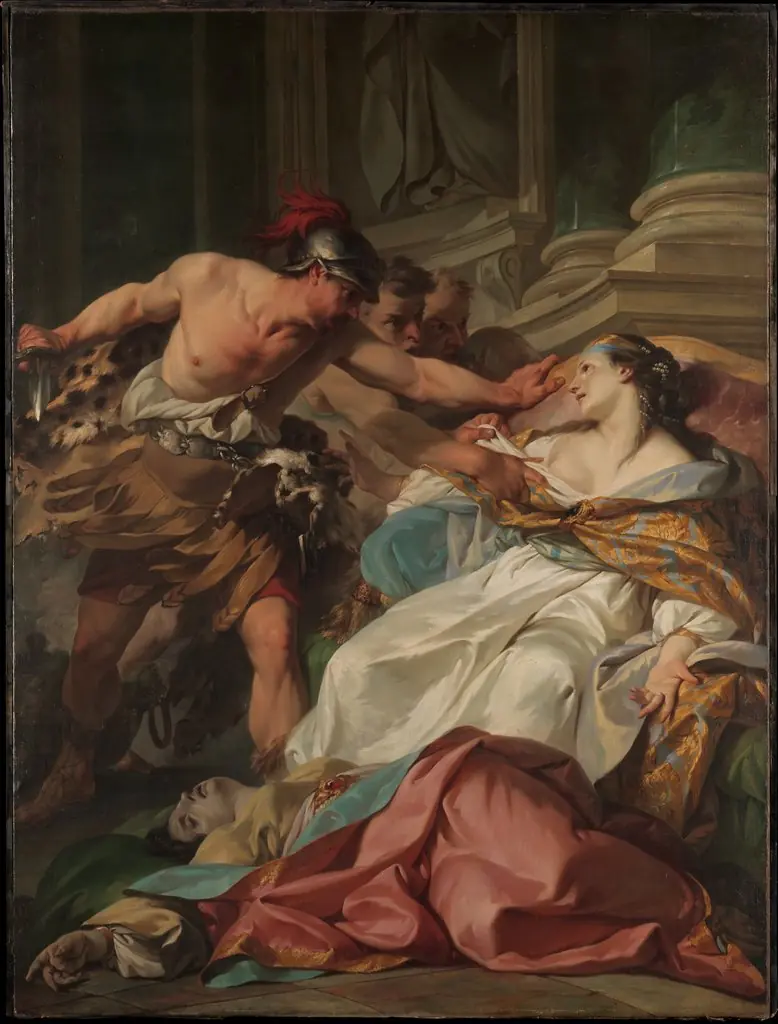
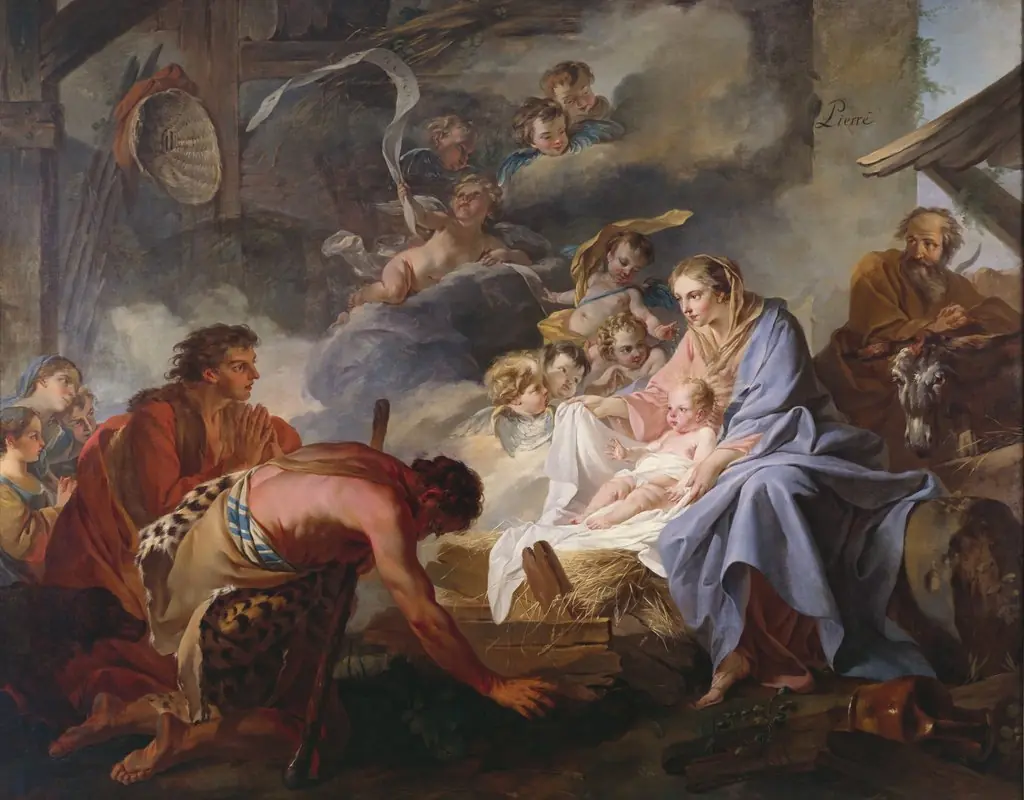
Born this day: Jean-Baptiste Marie Pierre
Jean-Baptiste Marie Pierre, born on March 6, 1714, was a French artist known for his works such as The Death of Harmonia and The Adoration of the Shepherds, showcasing his skill in depicting mythological and biblical scenes. His art often featured elegant compositions and refined details.
He remains a notable figure in French art history for his contributions to 18th-century painting.
- 1791 Born
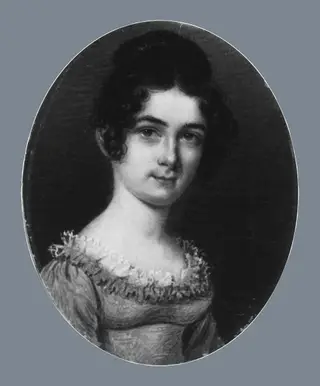
Born this day: Anna Claypoole Peale
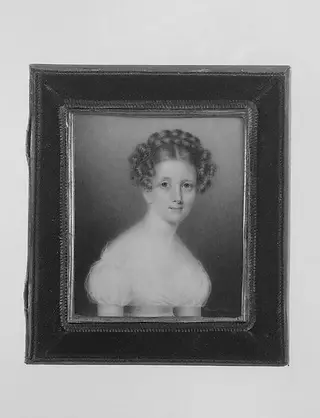
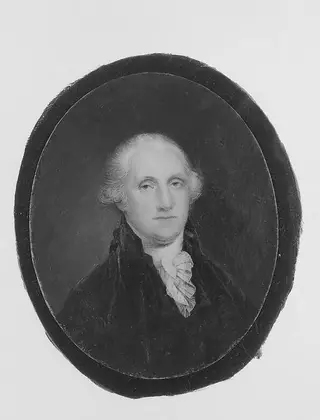
Anna Claypoole Peale, born on March 6, 1791, was a pioneering American painter known for her exquisite portrait miniatures on ivory and still lifes. Alongside her sister Sarah Miriam Peale, she broke ground as one of the first women elected to the Pennsylvania Academy of the Fine Arts.
Anna Claypoole Peale's work paved the way for future generations of female artists in the United States.
Died on this day 1
- 1986 Died
Died this day: Georgia O'Keeffe
Georgia O'Keeffe, a pioneering American modernist painter, passed away on March 6, 1986. Known for her bold and innovative depictions of natural forms, particularly flowers and landscapes, her work spanned seven decades and remained independent of major art movements.
She is widely regarded as the 'Mother of American Modernism' for her profound influence on the development of modern art.
Exhibitions & salons 1
- 1982 Exhibition
Basquiat's First American Solo Exhibition
Jean-Michel Basquiat's first American one-man exhibition opened at Annina Nosei Gallery in New York, running from March 6 to April 1, 1982. The show came after his appearances in The Times Square Show and New York/New Wave, and after Nosei had provided him with studio space and materials. It marked a decisive shift from downtown graffiti, performance, and club culture into the commercial gallery system. The timing was crucial: 1982 became Basquiat's breakout year, placing him in rapid succession before collectors, European dealers, and major international exhibitions, including documenta 7. The exhibition helped establish the paintings of 1981-82 as the core of his early market and critical reputation.
It accelerated Basquiat's transformation into one of the defining artists of 1980s Neo-expressionism.
Auctions, prizes & heists 2
- 1997 Heist
Picasso's Tete de Femme Stolen in Mayfair
Pablo Picasso's Tete de Femme was stolen from the Lefevre Gallery in London's Mayfair on March 6, 1997, by an armed robber. The theft belongs to a recurring late-20th-century pattern in which portable, high-value modern works were taken from galleries rather than large museums. Its immediate drama was heightened by the Mayfair setting and by the work's rapid recovery about a week later. Although less culturally seismic than the major museum thefts of the period, the incident is a useful marker of how modern masters had become both blue-chip market assets and targets for opportunistic crime in the 1990s London art trade.
The case reinforced the security risks surrounding gallery-held modern masterpieces.
- 2005 Heist
Munch Paintings Stolen from a Norwegian Hotel
Three paintings by Edvard Munch were stolen from a hotel in Norway on March 6, 2005, including Blue Dress, and were recovered the next day. The theft came less than seven months after the armed daytime robbery of The Scream and Madonna from the Munch Museum in Oslo, so even a smaller hotel theft fed a broader public narrative about the vulnerability of Munch's legacy. Unlike the still-unresolved or long-running cases that dominate art-crime history, this episode was brief, but it underscored how dispersed institutional and semi-public holdings of nationally treasured artists can be exposed outside purpose-built museum security systems.
The incident sharpened attention on security for Munch works beyond major museum walls.