Artwork
George Washington
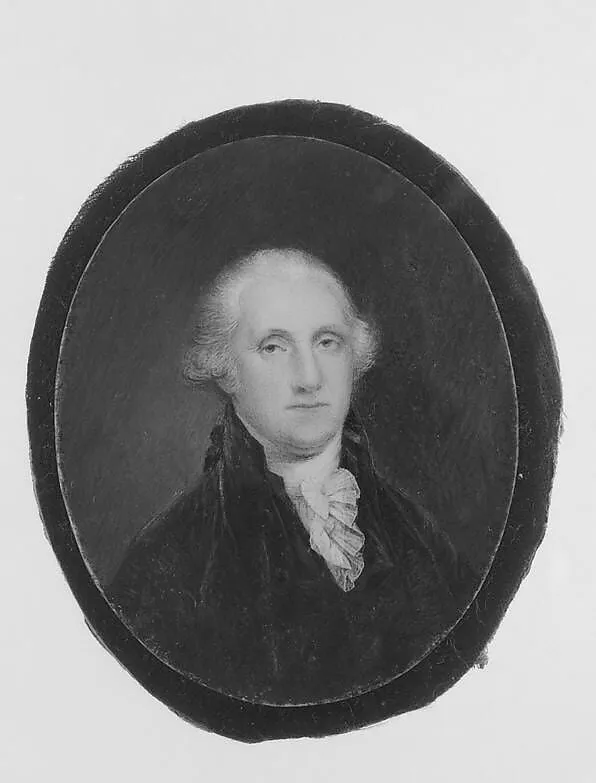
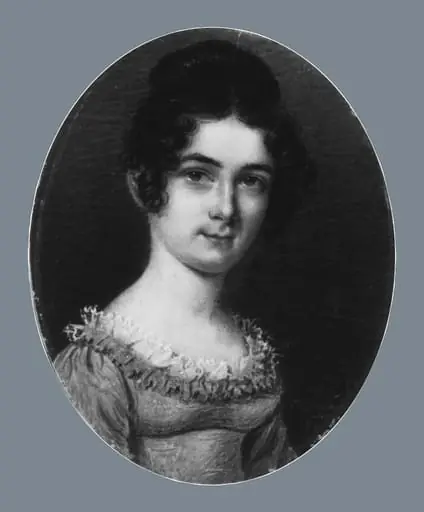
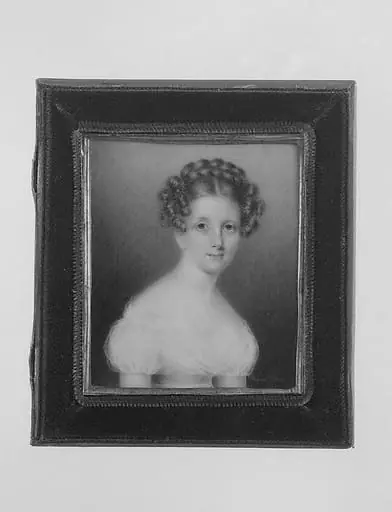
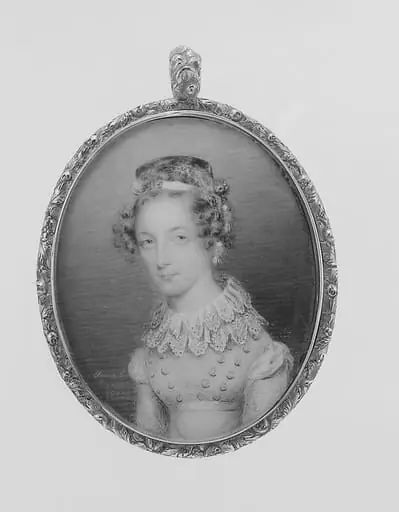
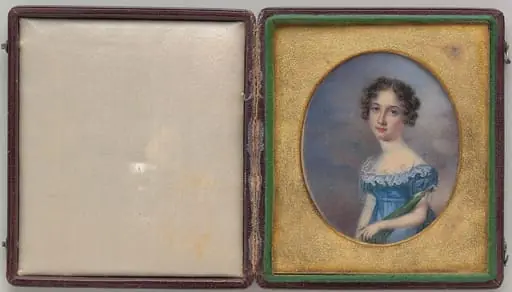
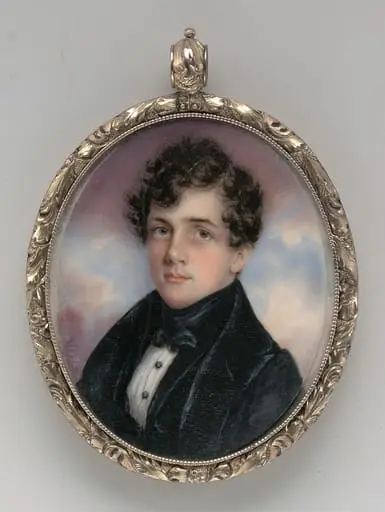
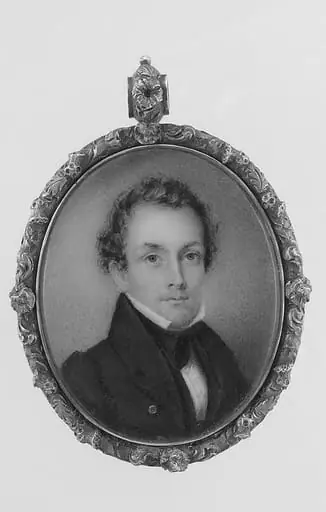
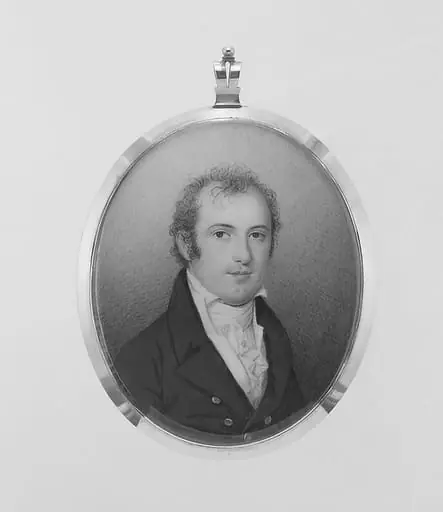
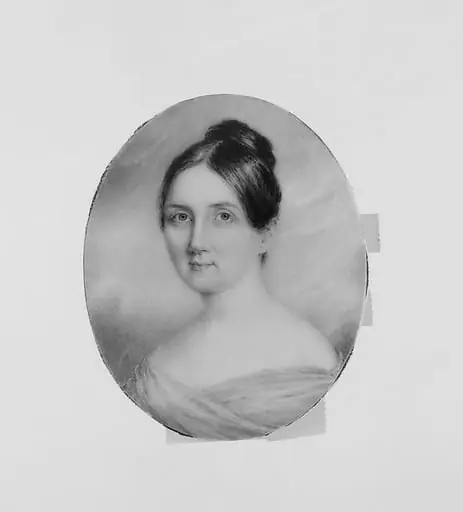
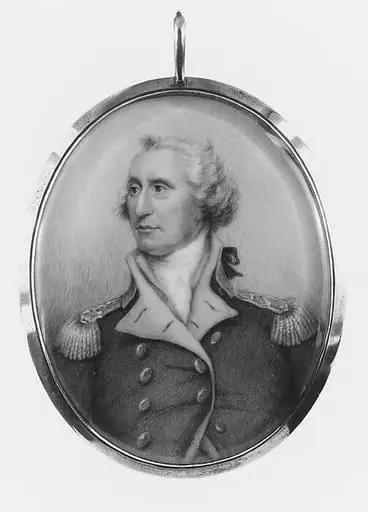
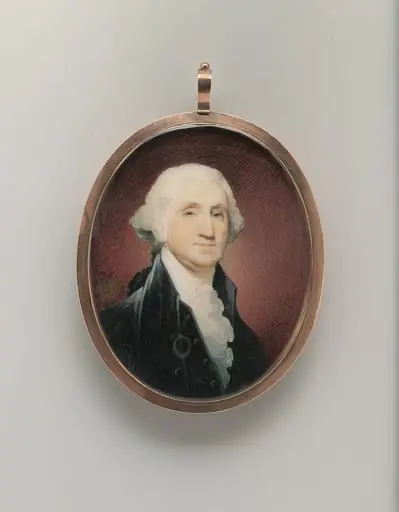
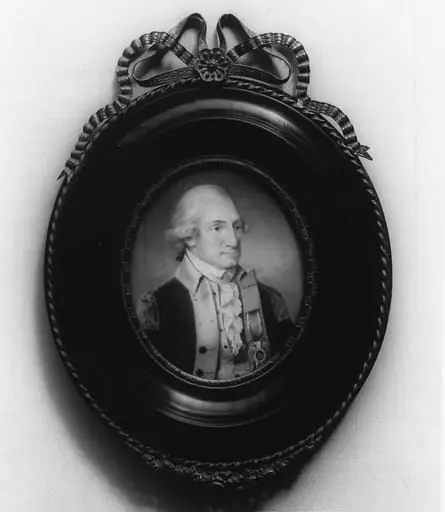
George Washington is a watercolor painting by the American Folk Art artist Anna Claypoole Peale. It dates from 1834 and is held in the collection of the Metropolitan Museum of Art.
About this work
Subject & Meaning
president, rendered in a miniature format typical of early 19th-century American portraiture.
The portrait depicts George Washington, the first U.S. president, rendered in a miniature format typical of early 19th-century American portraiture. Painted in 1834 by Anna Claypoole Peale, the work adheres to established conventions of Washington iconography, emphasizing his dignified, mature likeness with restrained realism. As a miniature, the image functions as an intimate, portable commemoration, reinforcing Washington’s enduring cultural stature in the decades following the American Revolution.
The restrained composition and focus on facial detail align with portrait traditions that sought to convey moral character and civic virtue, aligning Washington’s image with ideals of leadership and national identity.
Technique & Style
Created in 1834 by Anna Claypoole Peale, this portrait of George Washington is executed in watercolor on an ivory support. The work measures 7.7 centimeters in height and 6.2 centimeters in width, indicating a miniature format typical of the medium. Peale utilized the translucent qualities of watercolor to achieve a delicate rendering on the smooth, polished surface of the ivory.
As a portrait classified within the American Wing, the piece demonstrates the artist's skill in handling fine detail required for small-scale portraiture. The composition focuses entirely on the male subject, utilizing the medium's capacity for subtle tonal variation to capture the likeness within these compact dimensions.
History & Provenance
The miniature portrait George Washington by Anna Claypoole Peale is dated 1834, aligning with the artist’s mature period when she specialized in watercolor-on-ivory likenesses of prominent figures. The work entered the collection of the Metropolitan Museum of Art, where it remains housed; its dimensions are recorded as 7.7 cm in height and 6.2 cm in width. The provenance and early ownership history are not detailed in the primary sources, indicating the Museum acquired the piece without a documented chain of private hands.
The commission’s original patron and circumstances likewise remain unrecorded, though the portrait’s small scale and refined execution suggest it was intended for intimate display, possibly as a keepsake or diplomatic gift rather than a public monument.
Overview
Anna Claypoole Peale's George Washington, painted in 1834, is a watercolor on ivory miniature portrait. This small-scale depiction of the first U.S. president exemplifies a popular art form of its era, often categorized within American folk art. The work captures Washington's likeness in a format designed for intimate viewing, reflecting a common practice for preserving personal images during the period.
Context
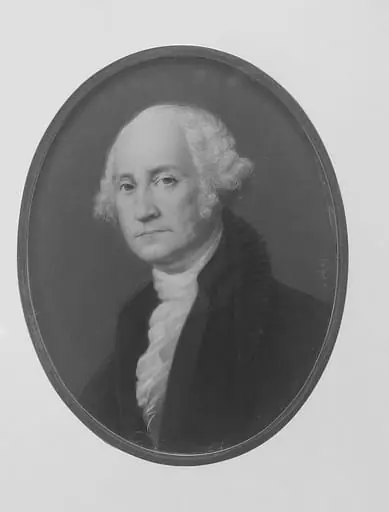
Anna Claypoole Peale was a prominent artist of her time, known for her expertise in both miniature portraits and still life compositions. Her professional standing was recognized when she became one of the first women, alongside her sister Sarah Miriam Peale, to be elected as an academician to the prestigious Pennsylvania Academy of the Fine Arts. This achievement underscores her significant contribution to American art in the early 19th century.
Artist & collection

Artist
Anna Claypoole Peale (March 6, 1791 – December 25, 1878) was an American painter who specialized in portrait miniatures on ivory and still lifes.