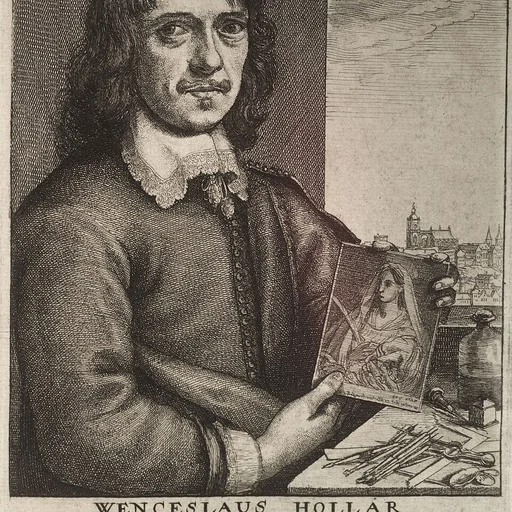
Subject
Britain
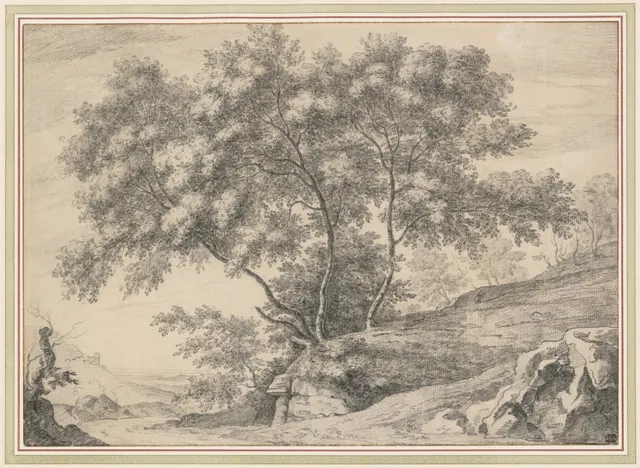
Britain is a subject in art. The gallery holds 41 works in this subject in art, including works by Wenceslaus Hollar, David Young Cameron and William Strang.
Great Britain is an island in the North Atlantic Ocean off the north-west coast of continental Europe, consisting of the countries England, Scotland and Wales. With an area of 209,331 km2 (80,823 sq mi), it is the largest of the British Isles, the largest European island, and the ninth-largest island in the world.
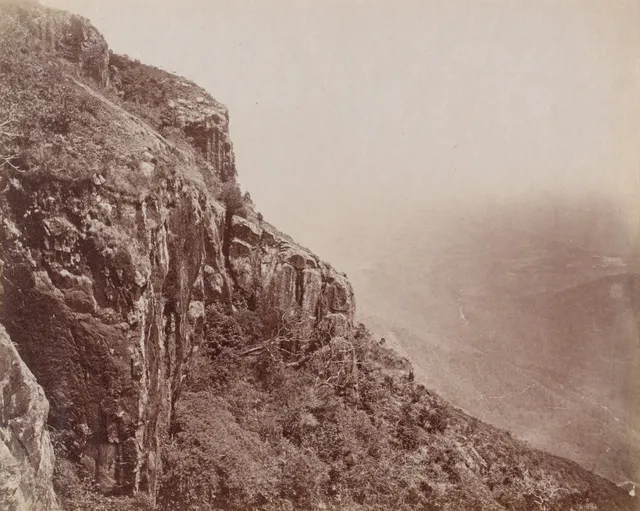
Key artists
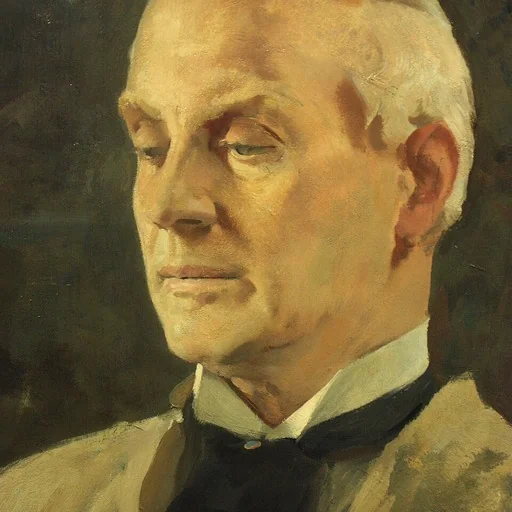
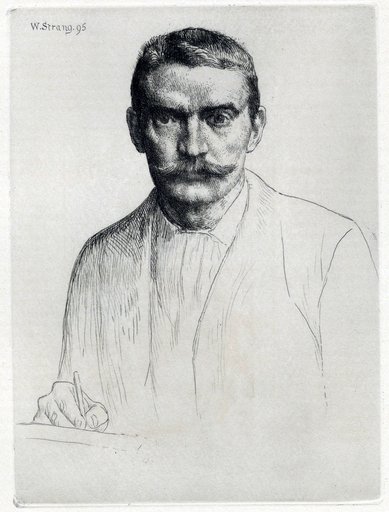
Artist
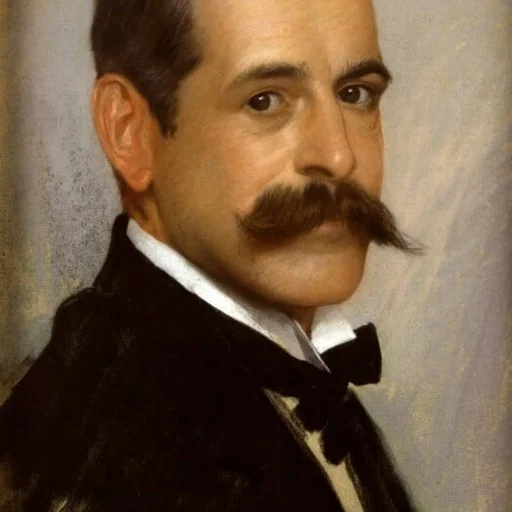
Overview
The motif of Britain in art encompasses depictions of the island of Great Britain, its geography, national personifications, and its imperial and cultural reach. Great Britain, the largest island of the British Isles and the ninth-largest island in the world at 209,331 km², comprises the countries of England, Scotland, and Wales. In artistic practice, Britain appears variously as a mapped territory, a symbolic figure, a colonial power, and a source of landscape tradition. The collection holds 45 works that depict Britain in some form, ranging from allegorical personifications and cartographic representations to topographical views and scenes of British imperial activity abroad.
Iconography & meaning
The iconography of Britain draws heavily on classical and political symbolism. The national personification Britannia, derived from the Roman name for the island, typically appears as a helmeted female figure bearing a trident and shield, signifying maritime power and imperial authority. The name Britain itself descends from Latin Britannia, which stemmed from Greek explorer Pytheas's term Prettanikē, possibly meaning land of the painted or tattooed people. An older name, Albion, referred to the white cliffs visible from the continent. In cartographic art, Britain appears as a precisely mapped geopolitical entity, while in imperial imagery it functions as the metropole from which power radiates. The political definition of Great Britain, established after the Act of Union of 1707 and later the Acts of Union 1800, informs its representation as a unified though composite kingdom.
Legacy
The artistic legacy of Britain as a subject lies in the persistence of its multiple representations, geographic, allegorical, topographical, and imperial, within Western visual culture. The collection's holdings demonstrate how Britain functioned simultaneously as a mapped territory, a personified nation, a colonial power, and a site of landscape tradition. The name Great Britain, officially adopted after the 1707 Union and persisting in common usage as a synonym for the United Kingdom, carries with it these layered meanings. The geographic specificity of the island, its constituent nations of England, Scotland, and Wales, and its offshore islands remain distinct from the political entity of the United Kingdom, yet the terms are frequently conflated in both official and popular usage. The artistic record preserves this complexity, offering material for understanding how Britain has been imagined, administered, and represented across centuries.
Works
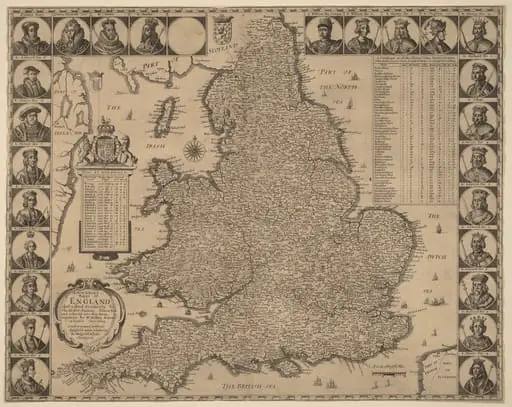 A New and Exact Mappe of England
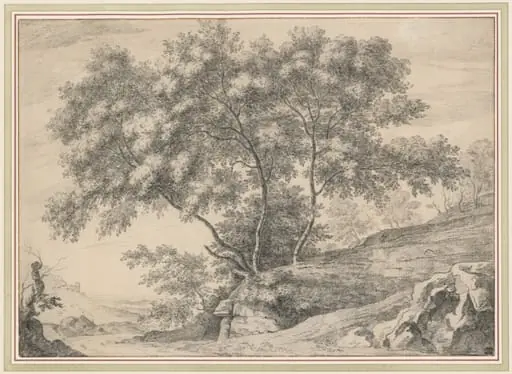 A Clump of Trees on a Rocky Outcrop
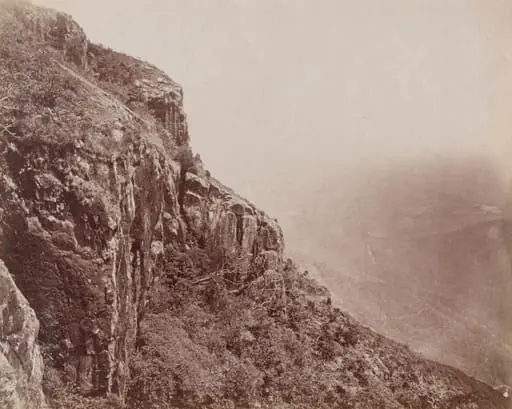 Cliffside, India
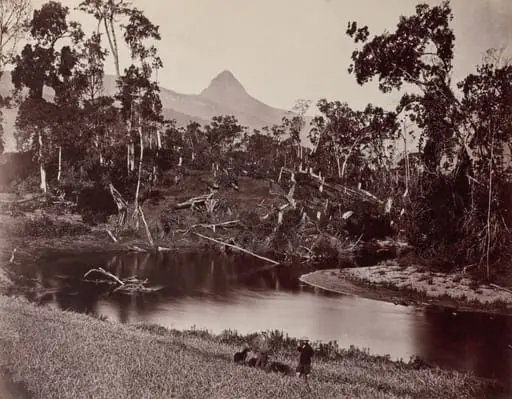 Ceylon Views to Adam's Tooth
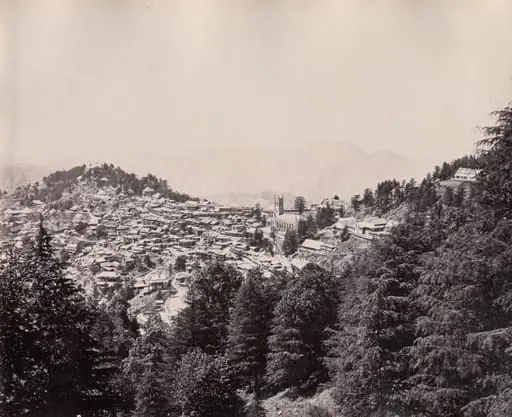 Shimla
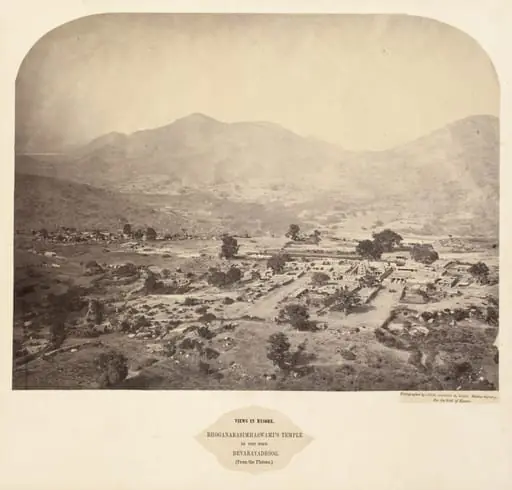 Views in Mysore: Bhoganarasimhaswami's temple, in the fort, Devarayadroog (from the plateau)
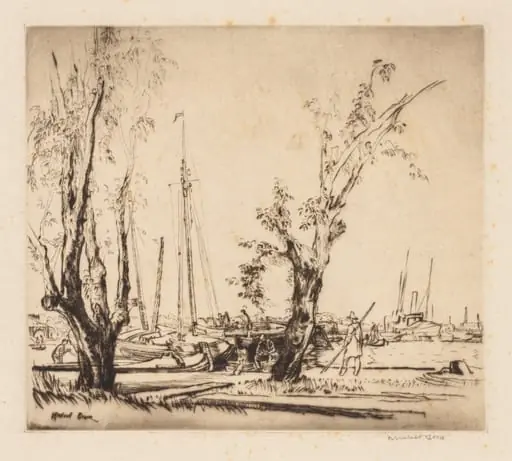 On the Y, Amsterdam
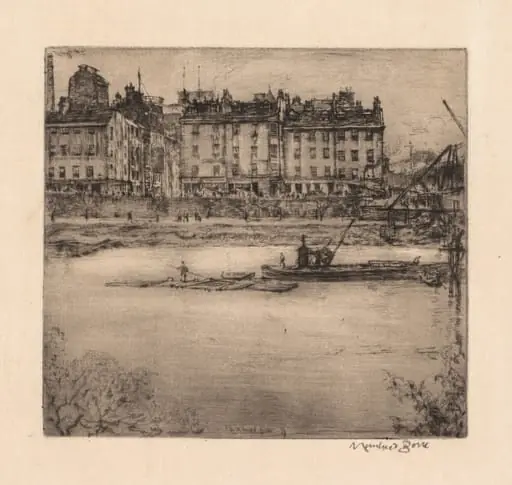 Etchings of Glasgow: Gorbals
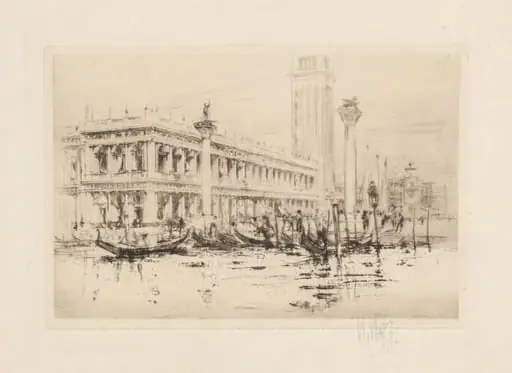 The Venice Set: The Library of St. Mark’s
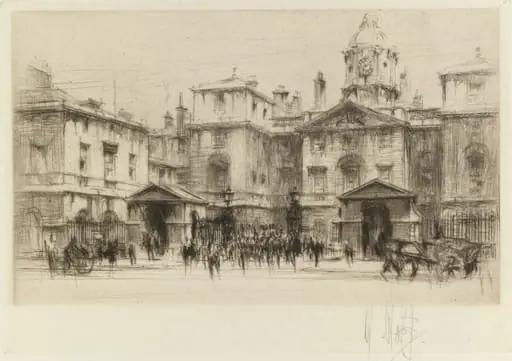 London Set: Horseguards
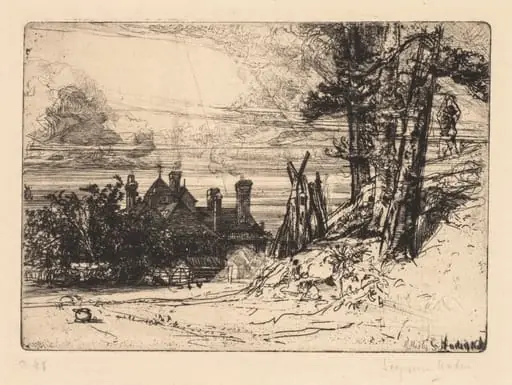 Horsley’s House at Willesley
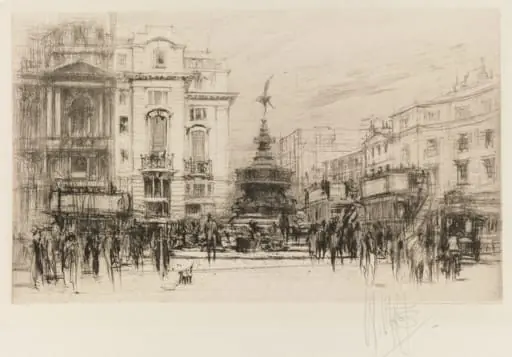 London Set: Piccadilly Circus (with Criterion Theatre)
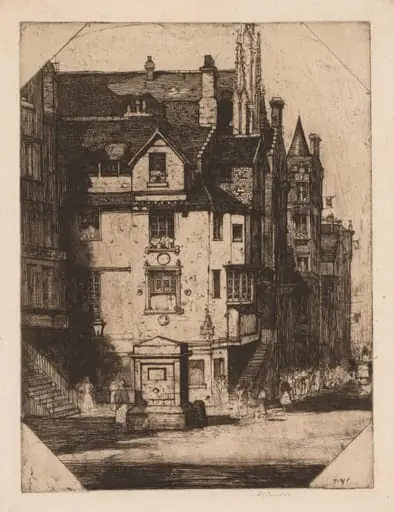 John Knox's House
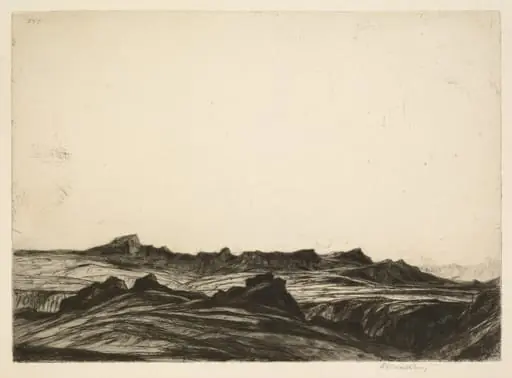 Arran Peaks
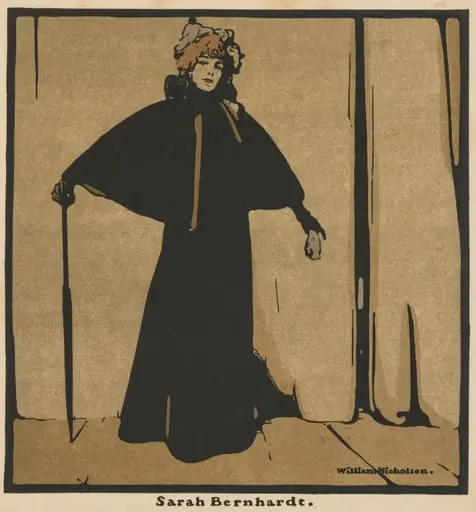 Twelve Portraits: Sarah Bernhardt
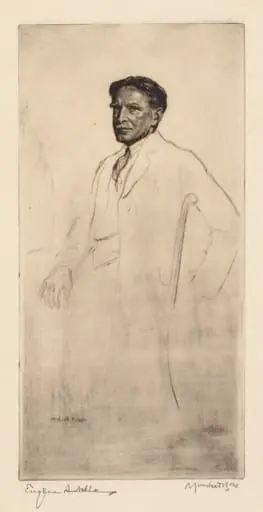 Dr. Eugene A. Noble
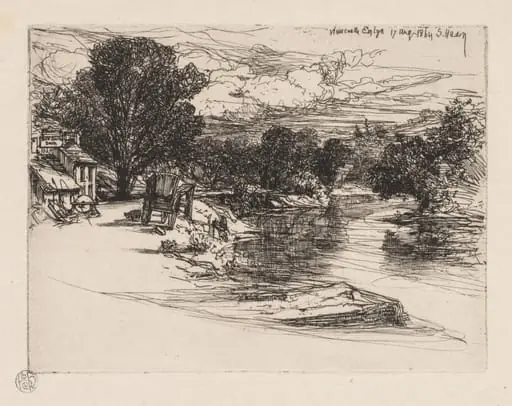 House of the Smyth
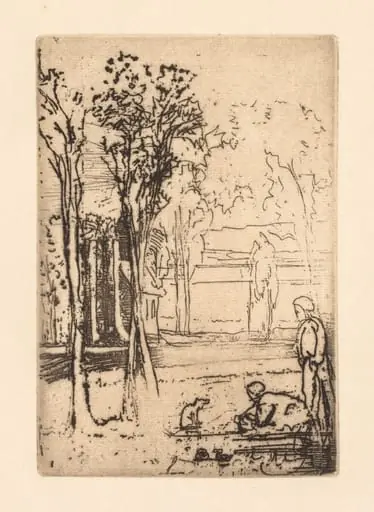 Three-Tree Farm
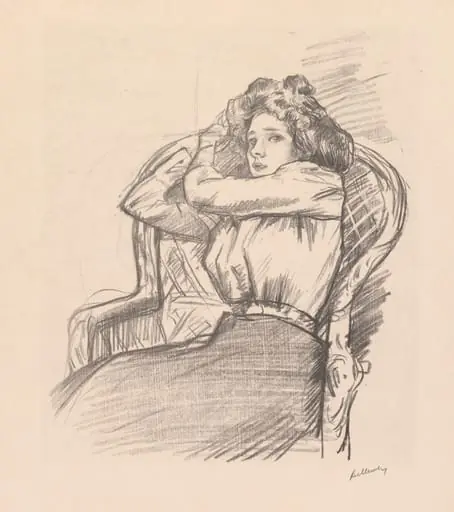 Untitled ("Babette")
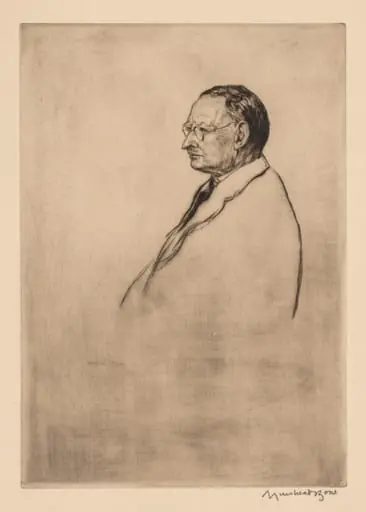 John Robertson, J. P., Dundee
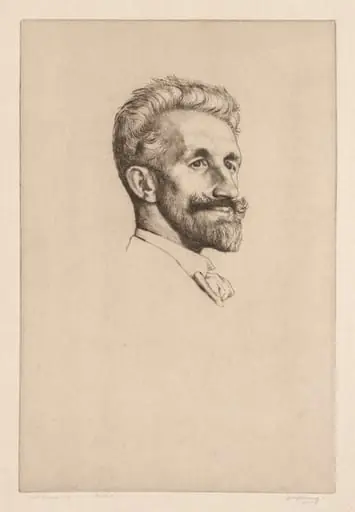 Robert Bontine Cunningham Graham
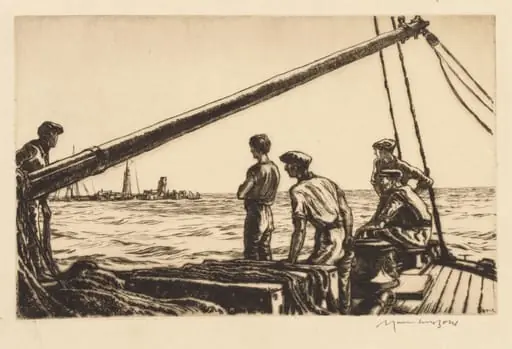 Salvage Men Approaching a Torpedoed Ship
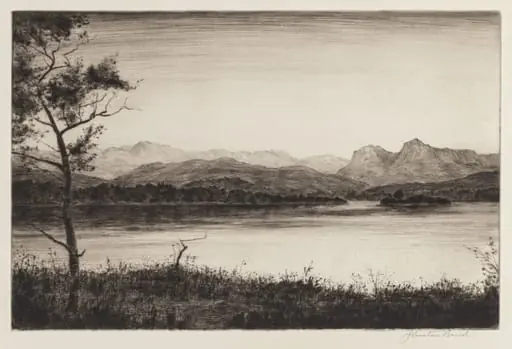 Langdale Pikes, Windermere
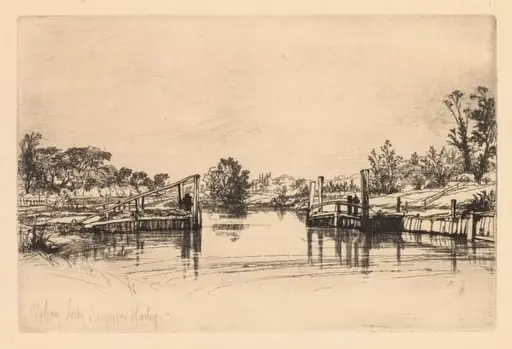 Egham Lock
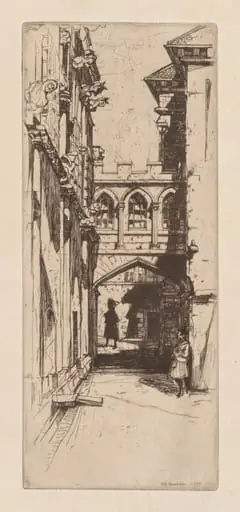 In Stirling Castle or A Scottish Palace (Un Palais Ecossais)
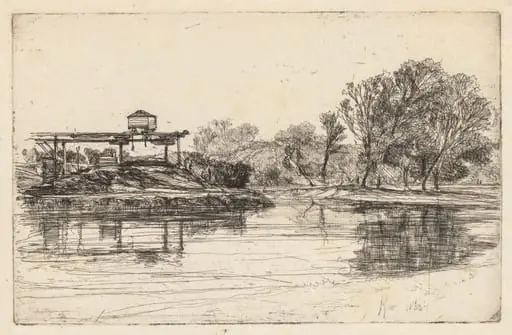 Kew
Kew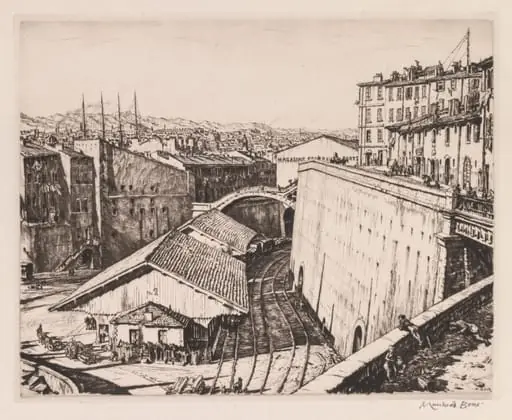 Railway Sheds, Marseilles
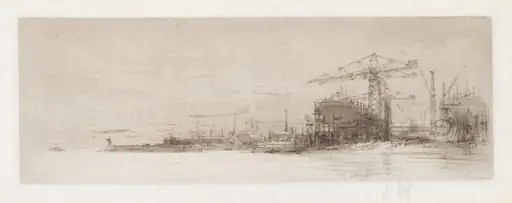 The Clyde from the series The Arteries of Great Britain
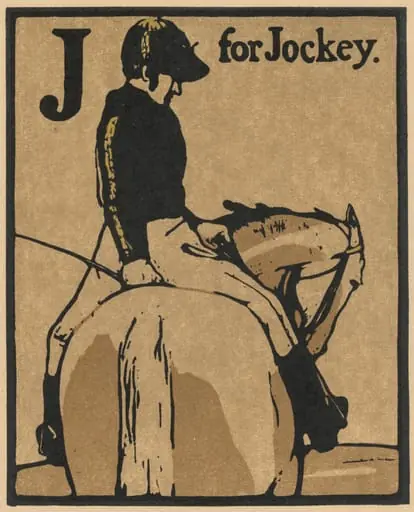 An Alphabet: J for Jockey
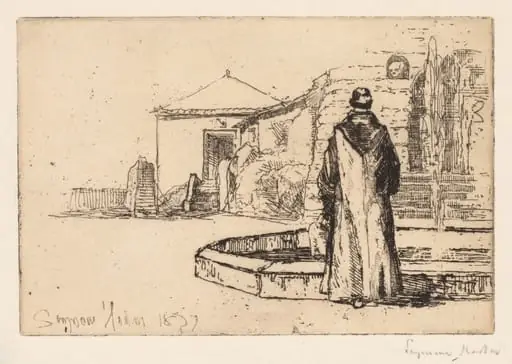 Monk at a Fountain
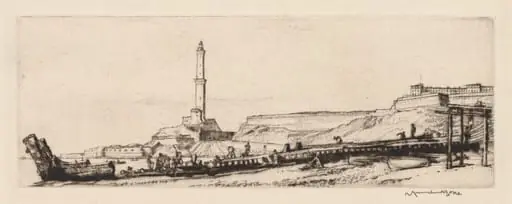 The Langterna, Genoa
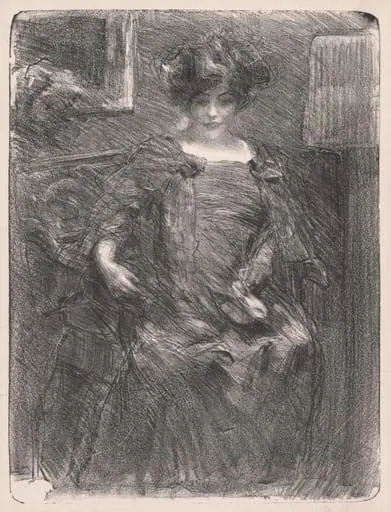 Untitled (Woman)
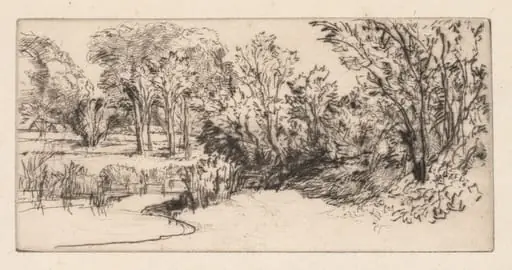 The Little Longparish
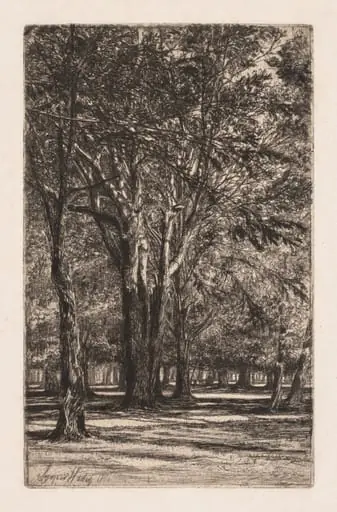 Kensington Gardens, No. 2 (The Larger Plate)
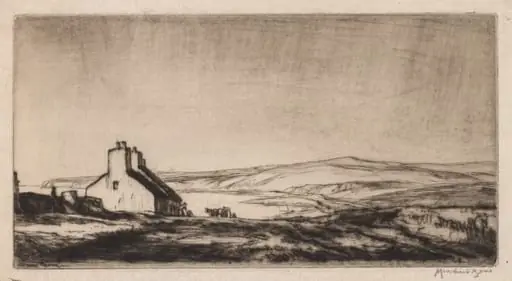 Third Study for 'The Ballantrae Road'
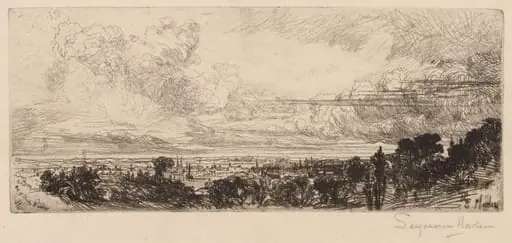 Out of Studio Window
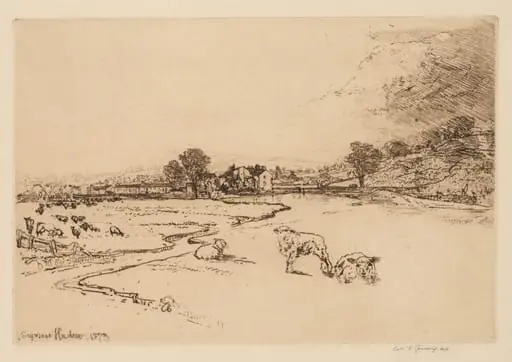 Sawley Abbey
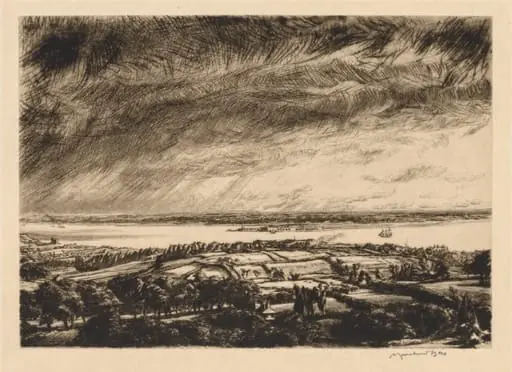 The Solent
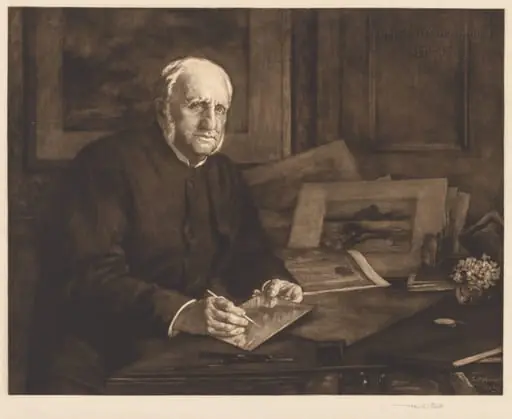 Sir Francis Seymour Haden
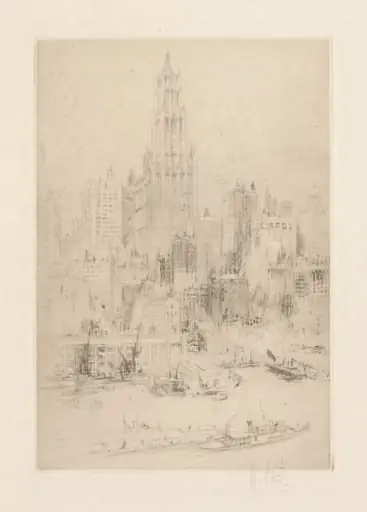 Downtown Manhattan from the East River, with the Woolworth Building
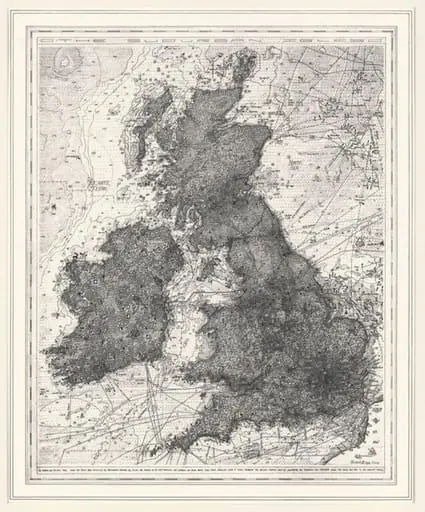 Similands
Frequently asked questions
What is Britain?
Britain is a subject in art. Great Britain is an island in the North Atlantic Ocean off the north-west coast of continental Europe, consisting of the countries England, Scotland and Wales.
How many Britain works does Artifact World Gallery have?
Artifact World Gallery holds 41 public-domain Britain works, all free to view and download.
Who are the key Britain artists?
Key Britain artists in the collection include Wenceslaus Hollar, David Young Cameron and William Strang.
Where can I see Britain works?
Britain works in the collection are held by Cleveland Museum of Art, National Gallery of Art and Victoria and Albert Museum.