
Subject
Catalogue
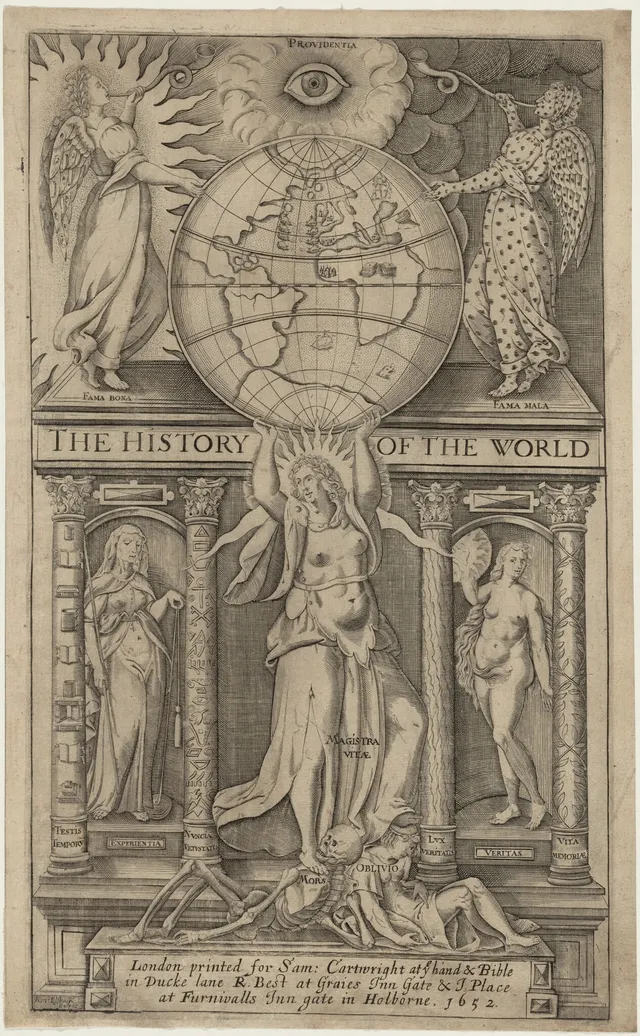
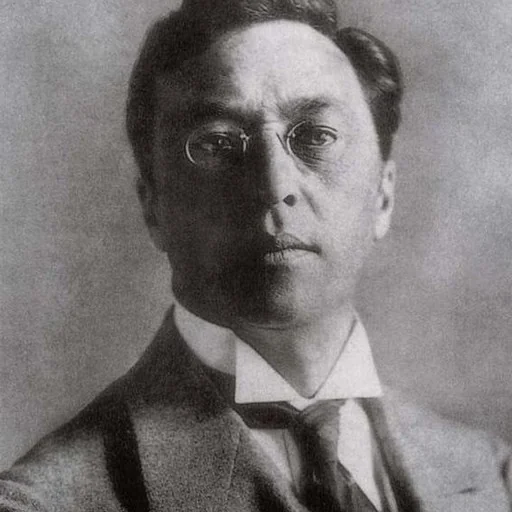
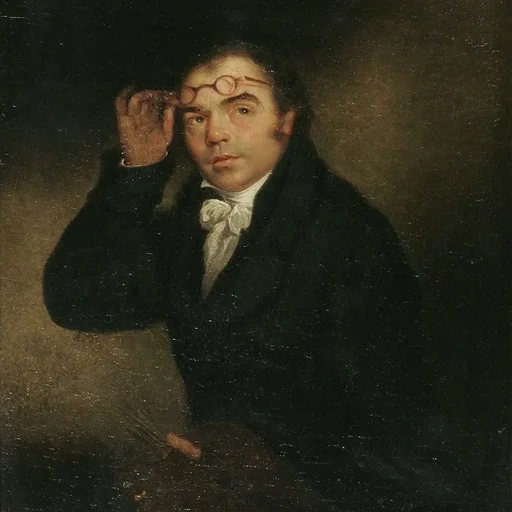
Catalogue is a subject in art. The gallery holds 151 works in this subject in art, including works by Edwin Landseer, Wassily Kandinsky and John Crome.
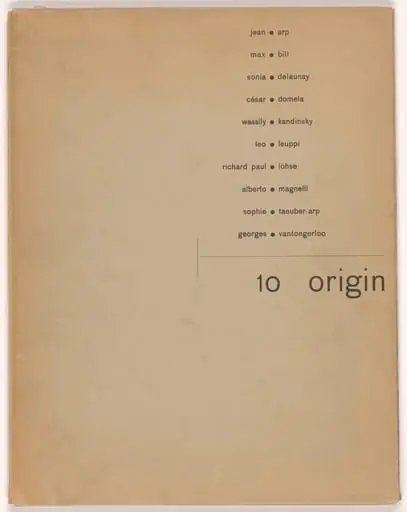
As a genre, the catalogue is the systematic enumeration of objects—works of art, books, natural curiosities, merchandise—arranged for a defined purpose, each entry carrying brief descriptive information. Though we now think of it as a dry reference tool, the catalogue is inseparable from the print culture that gave it visual form, and its history runs alongside the rise of collecting, connoisseurship, and the public exhibition. The engraved title page that announced such volumes was itself a designed object, and the works in this category belong to that tradition: ornamental, allegorical frontispieces that framed a book's contents before a reader reached the first entry.
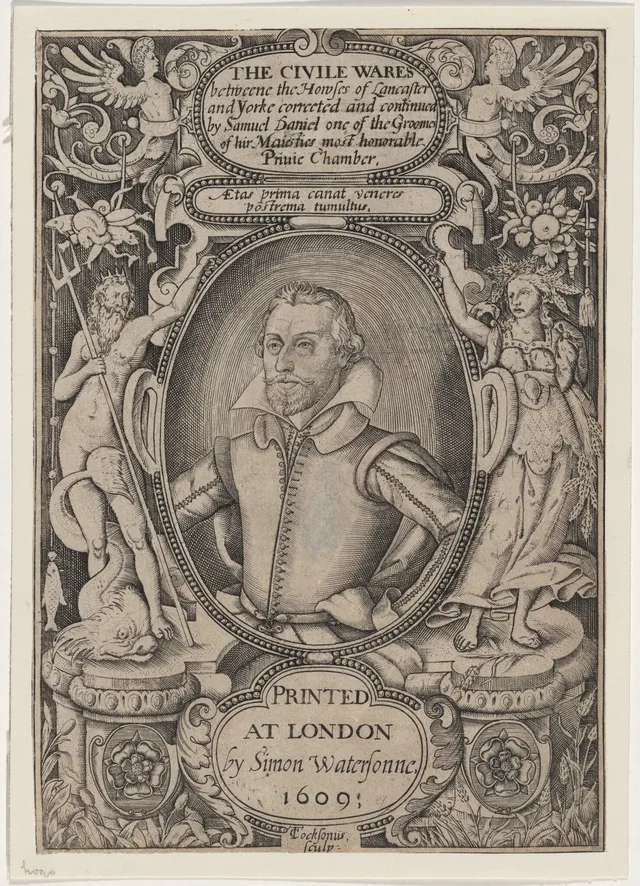
The engraved title page flourished in late sixteenth- and seventeenth-century Europe, when copperplate engraving allowed printers to open a book with an architectural or emblematic façade dense with figures, portraits, and inscriptions. In England this art was pioneered by some of the earliest native engravers, among them Renold Elstrack (1570–c. 1625), who produced the regal portrait series Basiliōlogia (1618) and numerous title pages, and Thomas Cockson (active c. 1591–1641), who engraved the frontispiece to John Harington's translation of Ariosto's Orlando Furioso in 1591. Their plates, like the title pages held here for histories by Christopher Lever and Sir Walter Raleigh, treated the threshold of a book as a stage for heraldry, allegory, and dynastic imagery.
The catalogue proper matured in the eighteenth century. The Paris art dealer Edme-François Gersaint (1694–1750) helped fix the form of the descriptive sale catalogue, publishing a Catalogue raisonné of shells and natural curiosities in 1736; the term "catalogue raisonné"—a "reasoned" listing that records each work's medium, provenance, and bibliography under a permanent reference number—entered usage soon after. In parallel, the official Salon livret, first issued in 1673 for the exhibitions of the Académie royale, evolved from a slim pamphlet into a numbered guide, and by the 1740s its pages hosted the essays of Étienne La Font de Saint-Yenne, often cited as the first sustained art criticism.
The catalogue's legacy is foundational rather than ornamental: the catalogue raisonné remains the scholarly instrument for attribution and authentication, while exhibition catalogues shaped both art history and criticism as disciplines. From the engraved frontispiece to the modern museum publication, the genre links the decorative arts of the book to the documentary apparatus of art scholarship.
Key artists

Overview
A catalogue is an enumeration of items systematically arranged for a specific purpose, usually with brief descriptive information included in each entry. In art and cultural contexts, the catalogue serves as a fundamental organizational tool that transforms disparate objects into meaningful, navigable collections. The term derives from the ancient Greek κατάλογος (katálogos), meaning a list or account, and from the verb καταλέγειν (katalégein), to enumerate or enter into a list. This etymological root reflects the catalogue's enduring function across millennia: to impose order on multiplicity and to make collections accessible through structured description. In the specific collection under discussion, the catalogue motif appears in 258 works, manifesting primarily as title pages, frontispieces, and enumerative compositions that announce, organize, or document other texts and objects.
Iconography & meaning
The iconography of the catalogue in art centers on structures of enumeration, hierarchical arrangement, and textual authority. Catalogue images typically feature ordered lists, tabular formats, sequential numbering, and architectural or frame-like devices that contain information. The symbolism extends beyond mere practicality: the catalogue represents human ambition to master knowledge through classification, the democratization of access to collections, and the assertion of institutional or intellectual authority. In the collection's examples, such as title pages to works like Christopher Lever's History of the Defenders of the Catholic Faith and John Speed's The History of Great Britaine, the catalogue form signals scholarly legitimacy and comprehensive scope. The catalogue also carries connotations of preservation and memory, ensuring that items, once recorded, achieve a kind of permanence. The Dutch and Italian sources emphasize that catalogues distinguish themselves from bibliographies and inventories through their systematic, often alphabetized or thematic organization rather than simple chronological listing.
Across movements & periods
The treatment of the catalogue evolved significantly across historical periods. In antiquity, catalogues were already central to major libraries at Babylon, Nineveh, Athens, Carthage, and Alexandria, where Callimachus compiled an alphabetically organized catalogue. The medieval period saw monastic collections at Cluny and Montecassino managed through simpler lists, with parchment rolls (rotuli) serving administrative functions. The Renaissance brought renewed systematic ambition, with the first modern catalogue established in Paris in 1611 for medals and antiquities. The mid-seventeenth century witnessed the emergence of cataloghi ragionati, or reasoned catalogues, incorporating biographical notes and descriptive commentary. In Italy, the first artistic catalogues appeared toward the end of the eighteenth century, notably for the Vatican Museum and the Mantua Gallery. The nineteenth century brought Antonio Panizzi's 91 cataloguing rules for the British Museum, which became foundational for international practice, and saw the rise of sales catalogues in England around 1880. The digital era has transformed the catalogue from physical card files and furniture to searchable databases, with collective catalogues like PiCarta and the Vlaamse Centrale Catalogus enabling simultaneous searching across multiple collections.
Legacy
The catalogue's legacy extends from its origins in ancient information management to contemporary digital collection practices. The Nomenclator of 1595, produced by the University of Leiden library, remains the oldest known printed library catalogue, establishing precedents for descriptive standards still relevant today. Modern institutions maintain this legacy through sophisticated cataloguing frameworks: CDWA (Categories for the Description of Works of Art), CCO (Cataloging Cultural Objects), and VRA Core 4.0 provide standardized vocabularies for documentation. The Getty Art & Architecture Thesaurus and Union List of Artist Names continue the tradition of controlled terminology that enables interoperability across collections. Contemporary collection management systems such as MuseumPlus, TMS Collections, and CatalogIt represent the digital evolution of the catalogue form, while the National Park Service Web Catalog and similar initiatives demonstrate public accessibility as a continuing priority. The exhibition catalogue has developed into a substantial scholarly genre, often comprising essays, color reproductions, and bibliographic apparatus that document and extend the temporary exhibition. This trajectory from ancient Alexandria to contemporary museum practice underscores the catalogue's persistent role as an essential infrastructure for cultural memory and knowledge organization.
Works
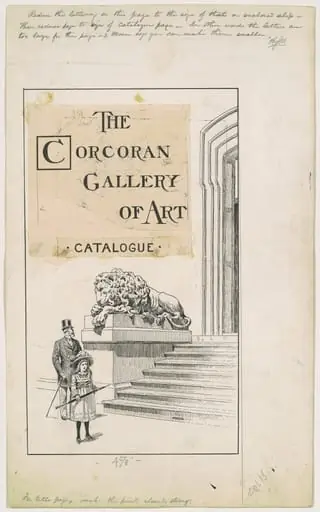 Title Page
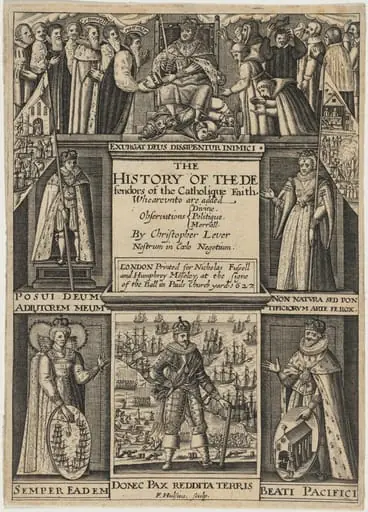 Title Page to History of the Defenders of theCatholic Faith, by Christopher Lever
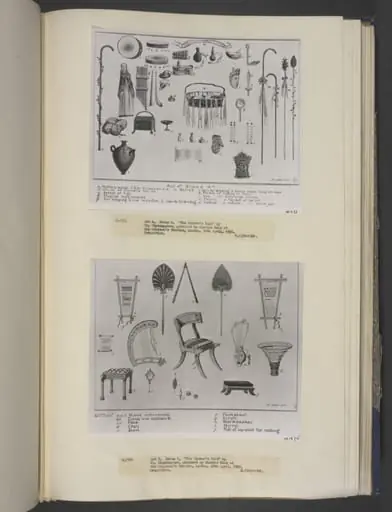
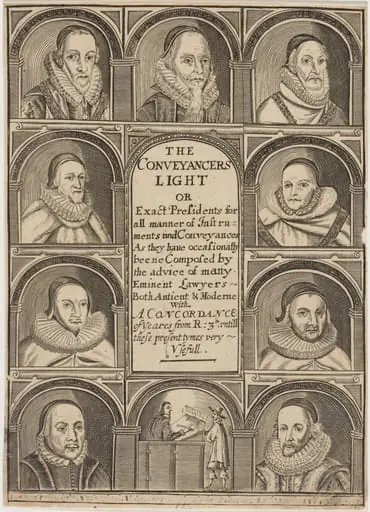 Title Page to the Conveyancers Light
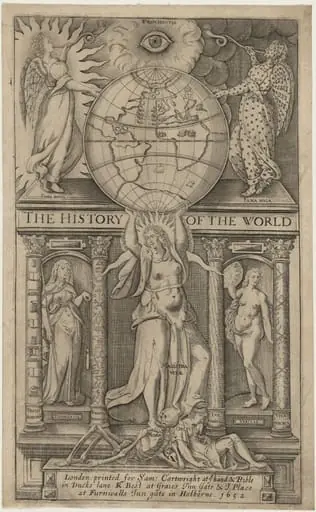 Title Page to Sir Walter Raleigh, History of the World
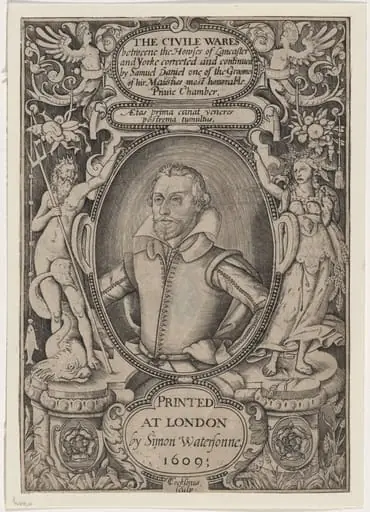 Samuel David
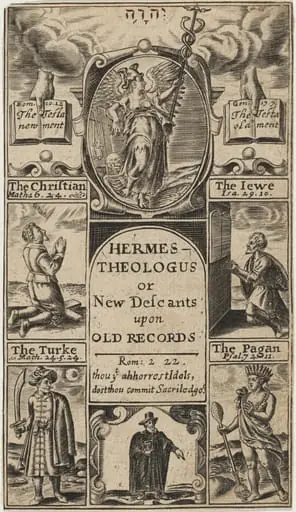 Title Page to Hermes Theologus or New Descants Upon Old Records, Theoph. Woodnote
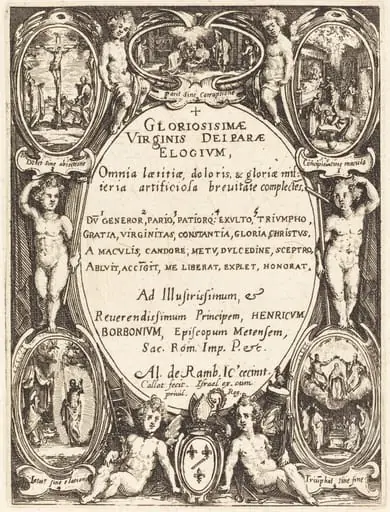 Frontispiece for "Gloriosissimae"
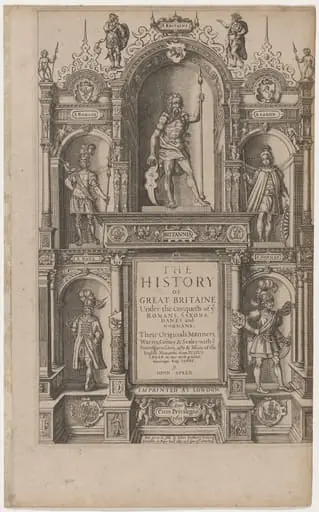 Title Page to "The History of Great Britaine" by John Speed
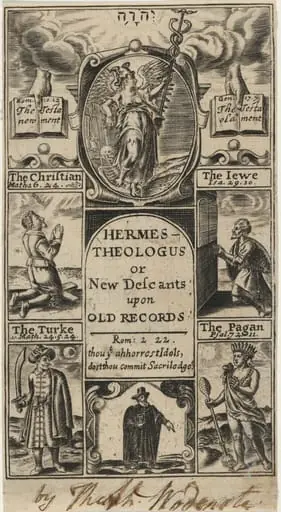 Title Page to Hermes Theologus or New Descants Upon Old Records, Theoph. Woodnote
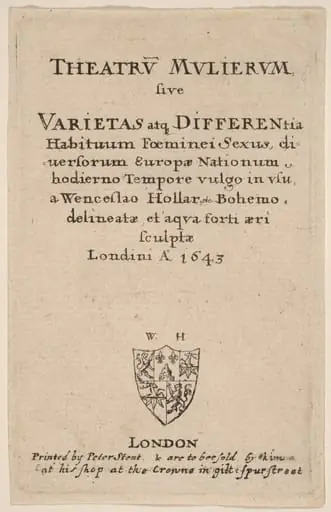 Theatrum mulierum: Title Page
![The Siege of La Rochelle [plate 13 of 16; set comprises 1952.8.97-112]](https://artifactworldgallery.com/img/the-siege-of-la-rochelle-plate-13-of-16-set-comprises-1952-8--832fb6aa37df6e9d-w320.webp) The Siege of La Rochelle [plate 13 of 16; set comprises 1952.8.97-112]
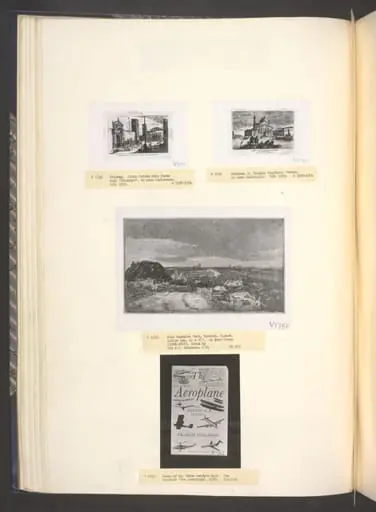
The Siege of La Rochelle [plate 13 of 16; set comprises 1952.8.97-112]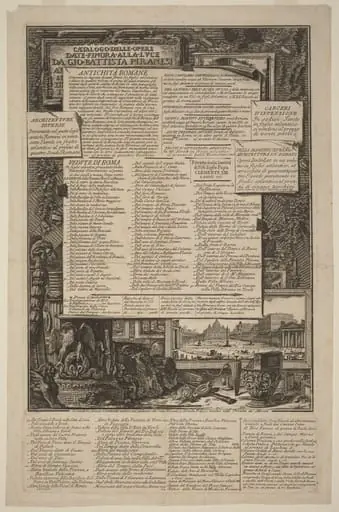 Catalogo delle Opere Date Finora Alla Lvce Da Gio Battista Piranesi
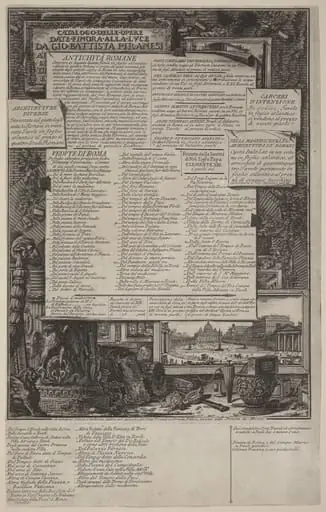 Catalogo delle Opere
![The Siege of La Rochelle [plate 9 of 16; set comprises 1952.8.97-112]](https://artifactworldgallery.com/img/the-siege-of-la-rochelle-plate-9-of-16-set-comprises-1952-8--a3dc1104500fd252-w320.webp) The Siege of La Rochelle [plate 9 of 16; set comprises 1952.8.97-112]
The Siege of La Rochelle [plate 9 of 16; set comprises 1952.8.97-112]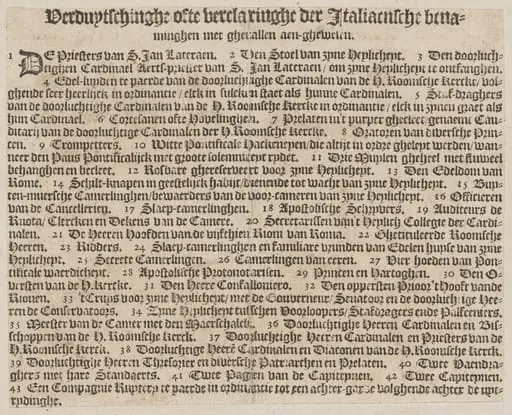 Dutch captions to 'La Calvacatura con le sue Cerimonie'
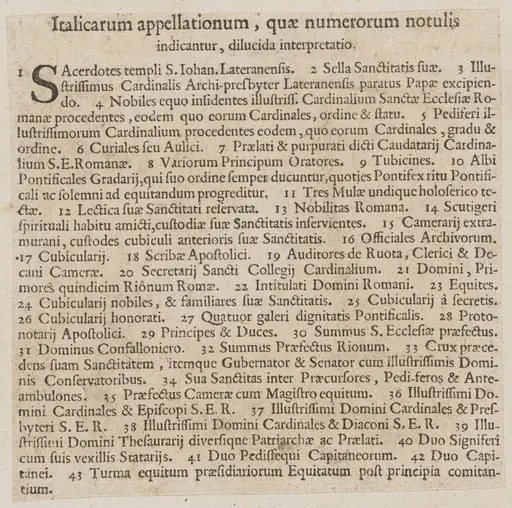 Latin captions to 'La Calvacatura con le sue Cerimonie'
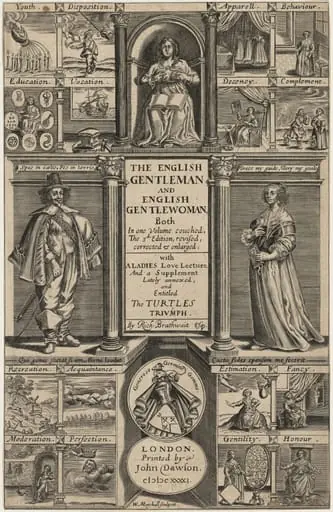 Title page to Richard Brathwait, English Gentleman and English Gentlewoman
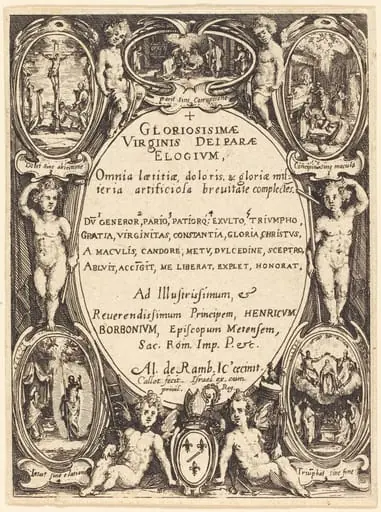 Frontispiece for "Gloriosissimae"
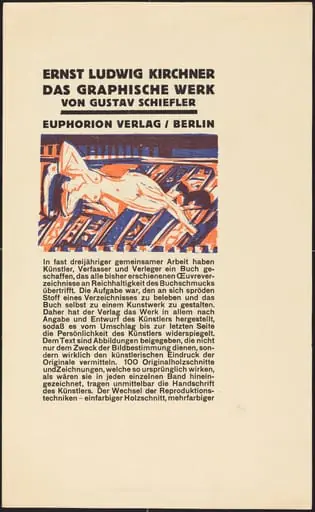 Reclining Nude with Cat (Illustration for _Ernst Ludwig Kirchner: Das Graphische Werk_)
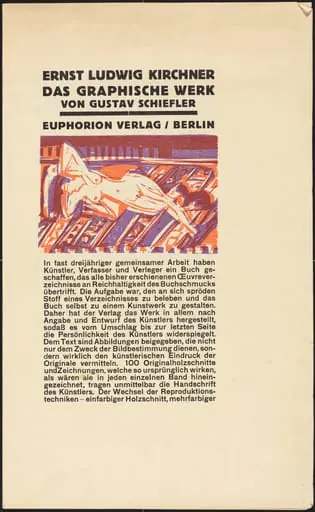 Reclining Nude with Cat
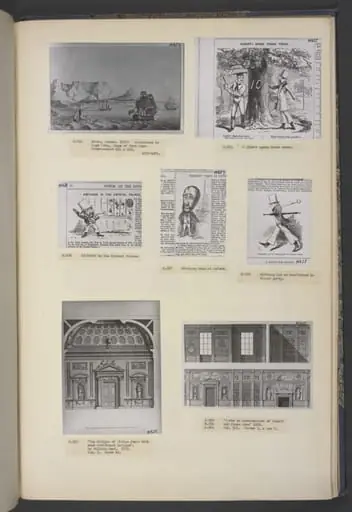 Cape Town, Cape of Good Hope
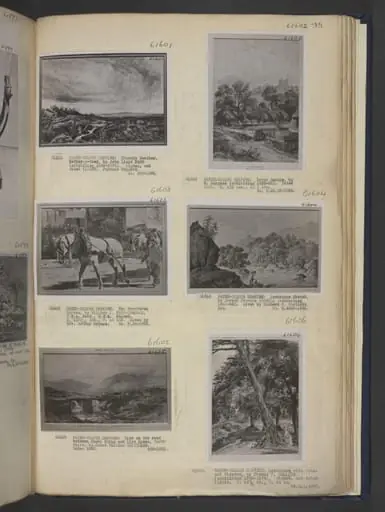 Road between Capel Curig and Llyn Ogwen, North Wales
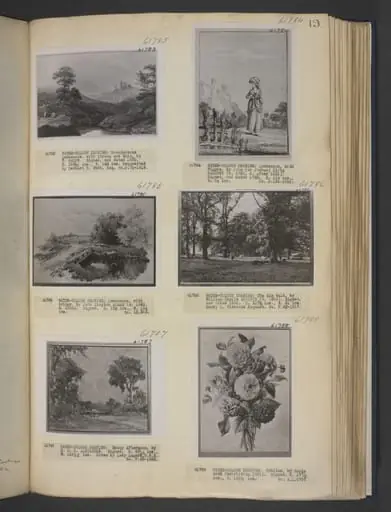 The Elm Walk. A Wooded Park
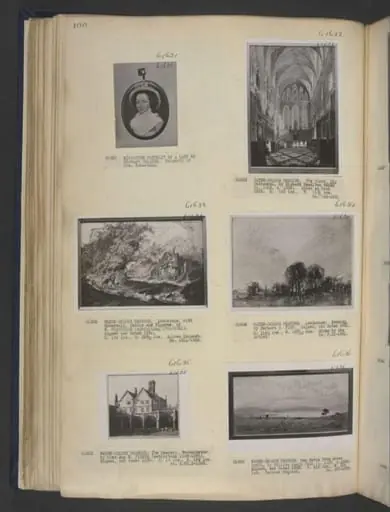 The Deanery, Westminster
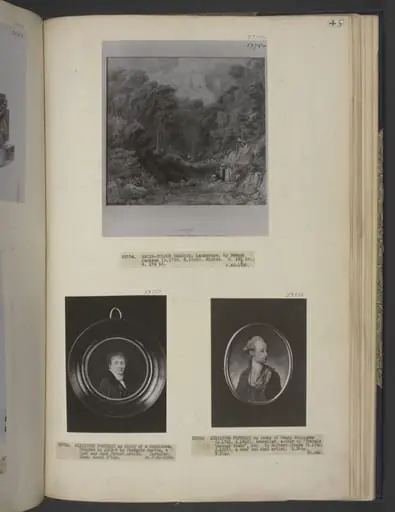 Nightingale Valley near Clifton with St. Vincent's Rocks and the Obsevatory Tower
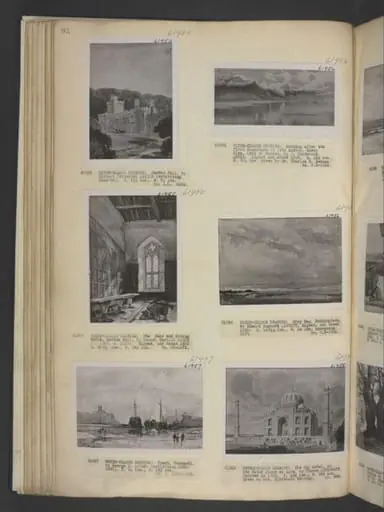 Grey Day, Rottingdean
 On Rickmansworth Canal
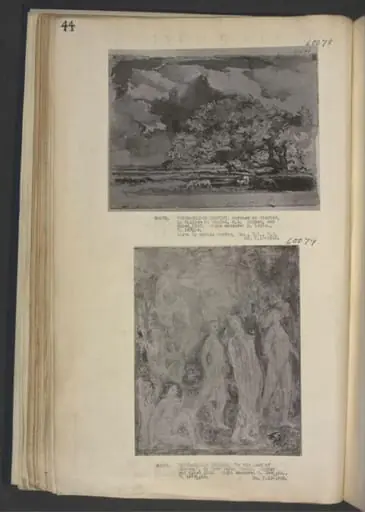 Study for 'To the Land of Ecstasy'
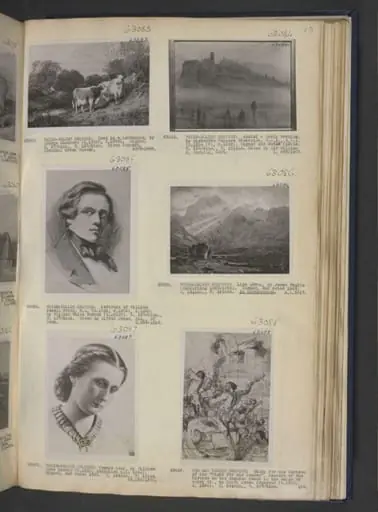 Cows in a landscape
 Snowdon : Evening
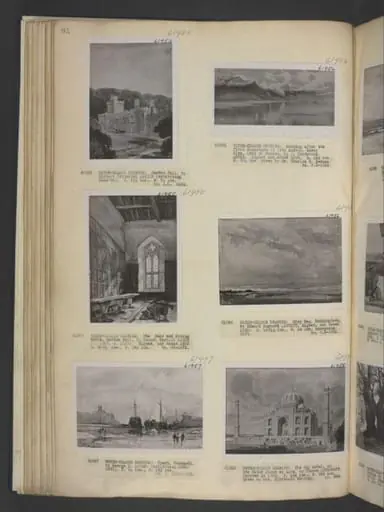 Morning after the first snowstorm in late autumn, Savoy Alps, Lake of Geneva
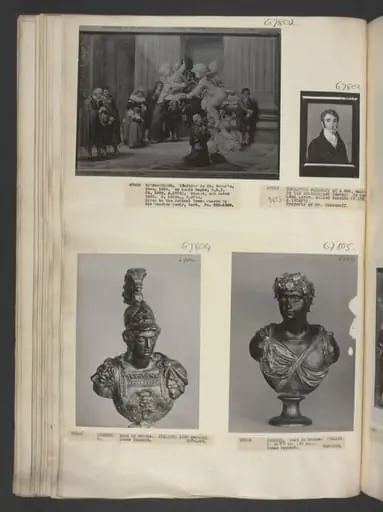 Bénitier in St. Peter's, Rome
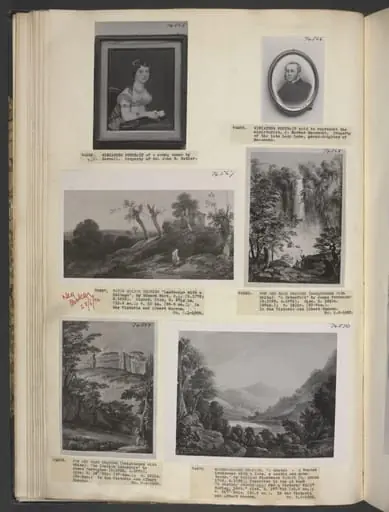 A Welsh Landscape
 Landscape with Trees and Figures
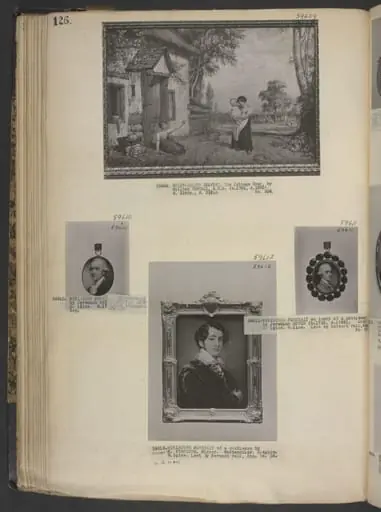 The Cottage Door
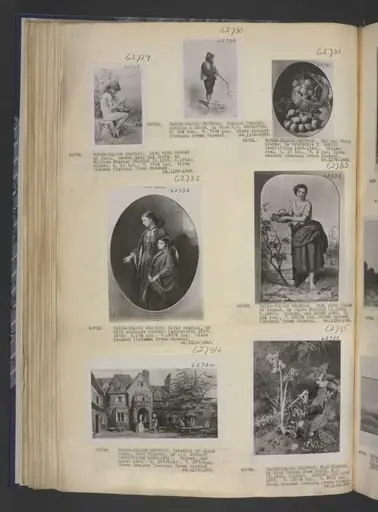 Exterior of Stoke House
 Ben Nevis from above Navin
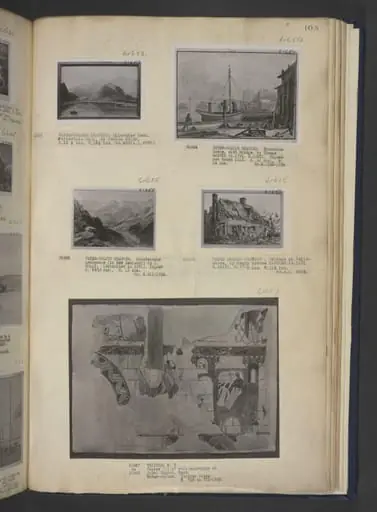 Ullswater Head, Patterdale Hall
 A country house
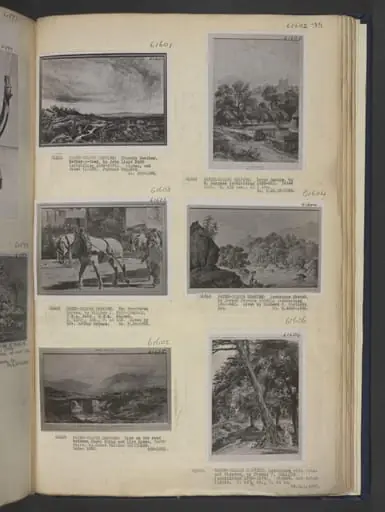 Showery Weather, Bettws-y-Coed
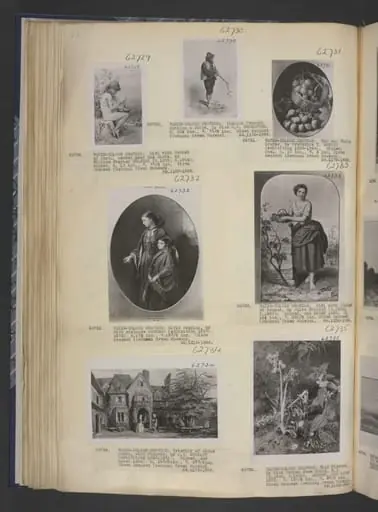 Wild flowers
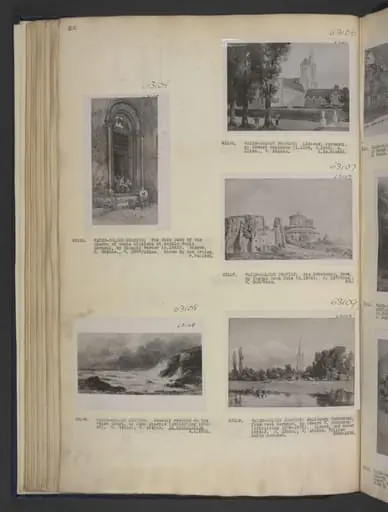 The Side Door of the Church of Santa Giuliana at Aquila Degli Abruzzi
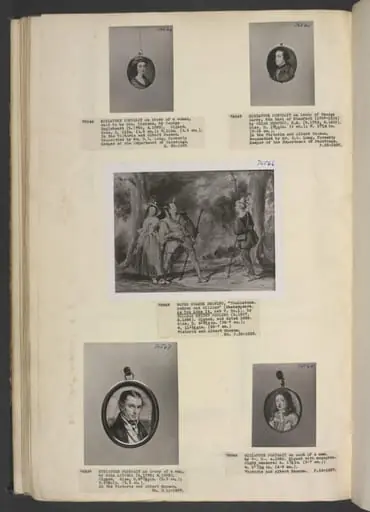 Touchstone, Audrey and William
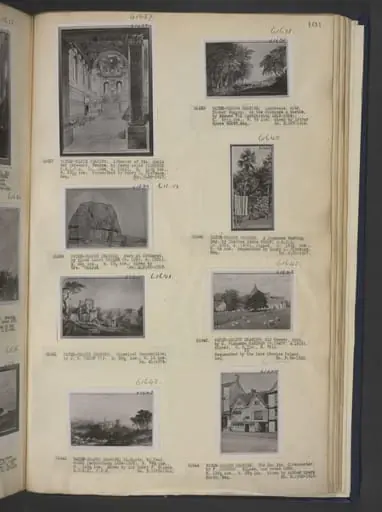
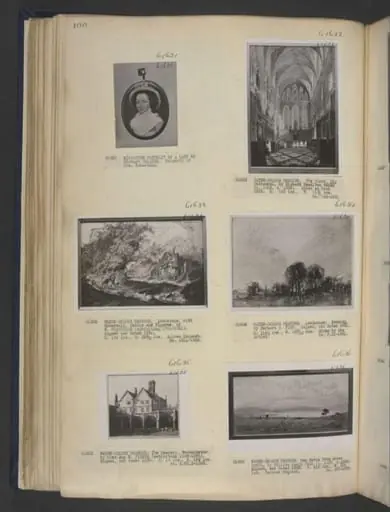 The choir, Ely Cathedral
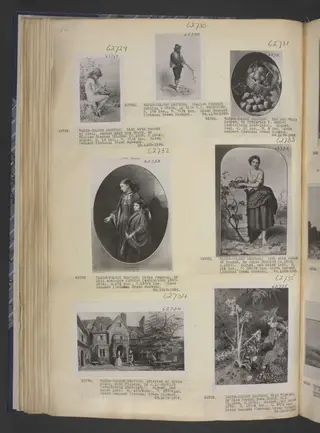
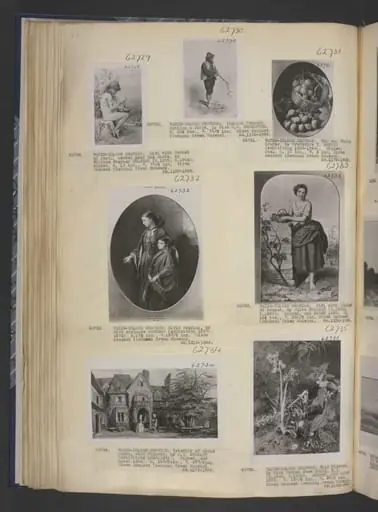 Girl with basket of grapes
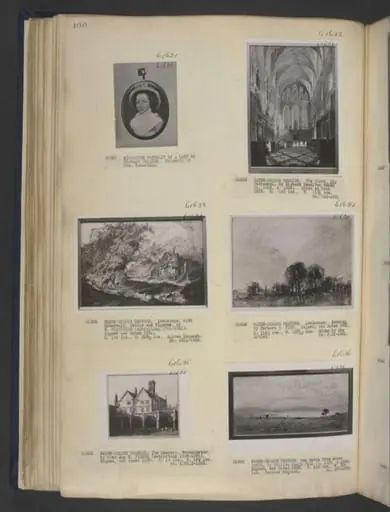 Landscape : Evening
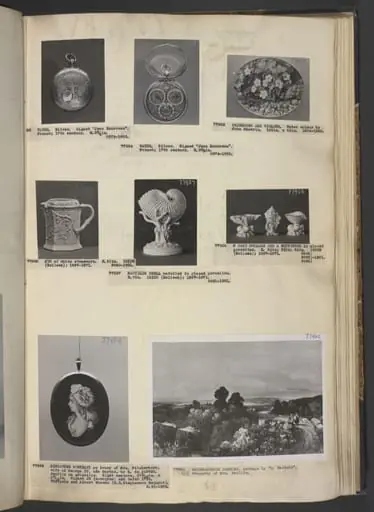 Primroses and violets
 Classical composition
 An Italian peasant cutting a stick
 Untitled
 Landscape
 Under the Salle de Chevaliers, Mont St. Michel, Normand
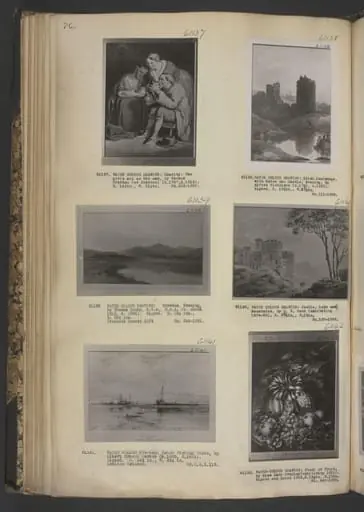 Castle, lake and mountains
 Two Girls and an Old Man
 Original drawing for an illustration to 'The Book of Thel'
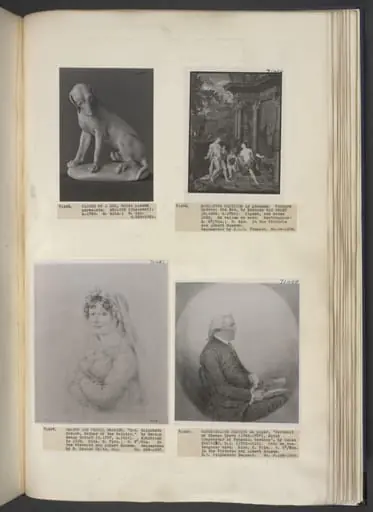 Mrs Elizabeth Harlow, mother of the painter
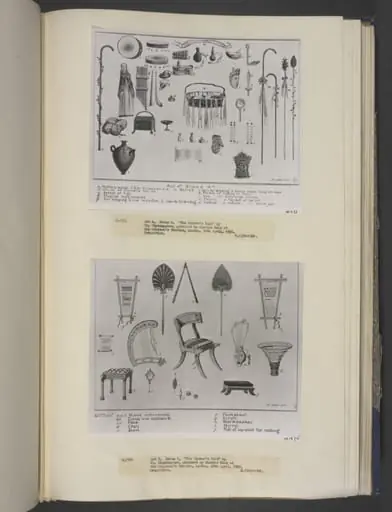
 drawing of scenery and props in A Winter's Tale
 Near Magdalen Gate, Norwich
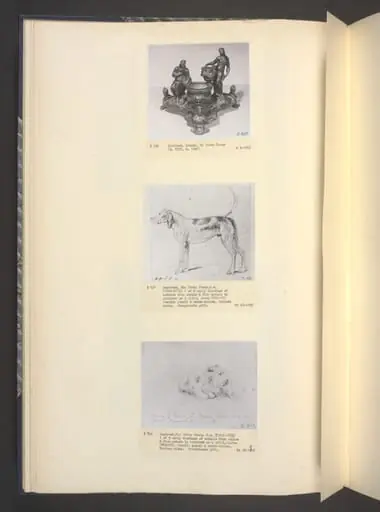
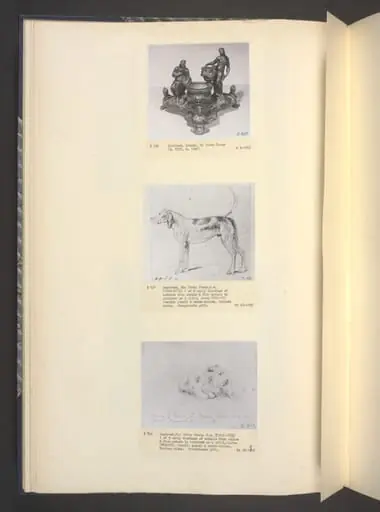 Drawing of a dog
 Untitled
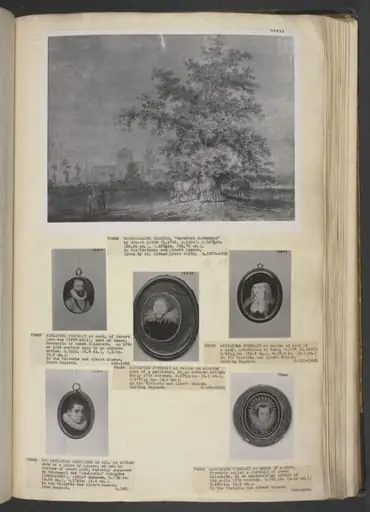 Hereford Cathedral, seen from the meadows
 Drawing of a cow
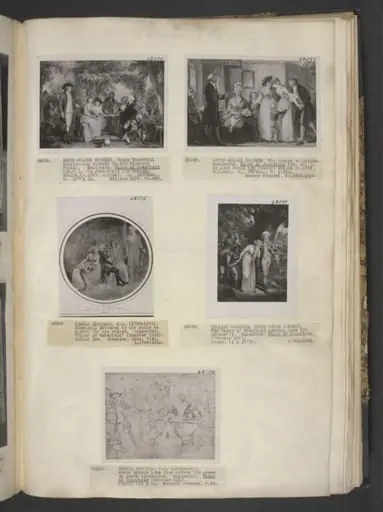 Thornhill Summoned by his Uncle to Answer for his Crimes
 Untitled
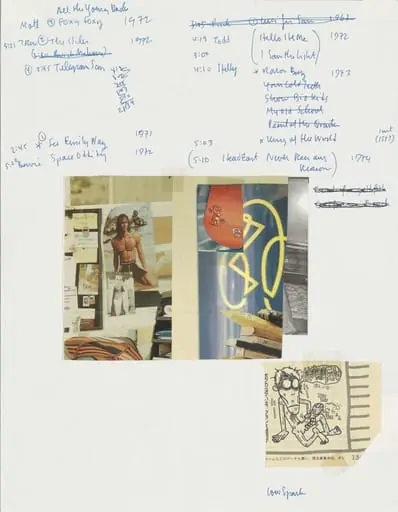 Untitled
 Untitled
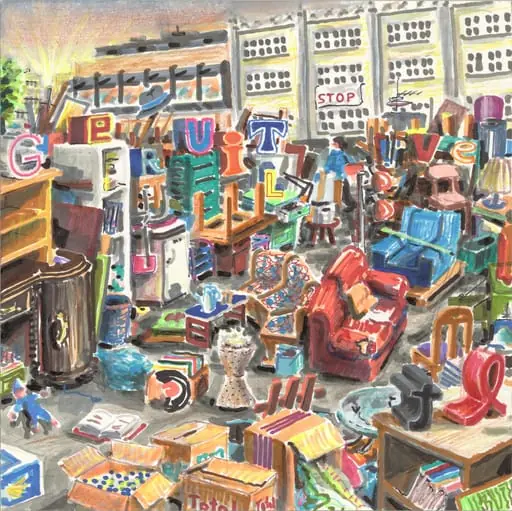 Untitled
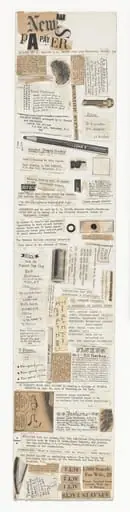 Untitled
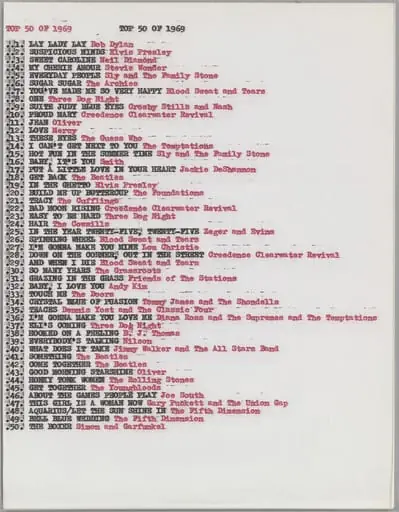 Untitled
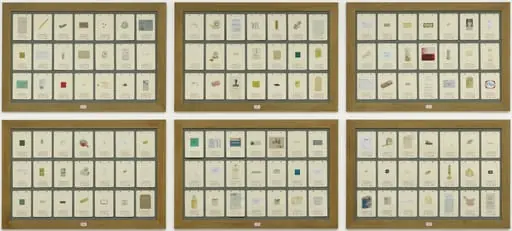 Untitled
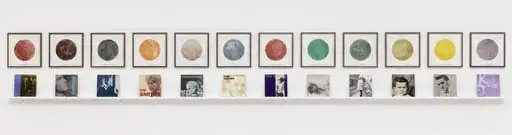 Untitled
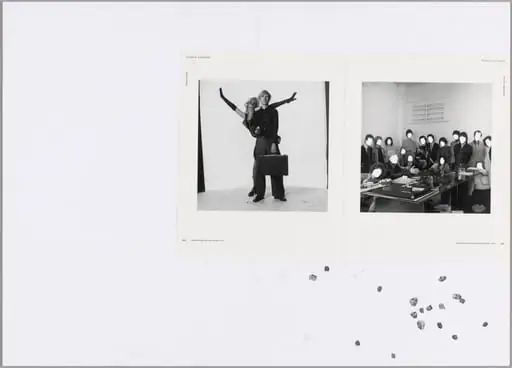 Untitled
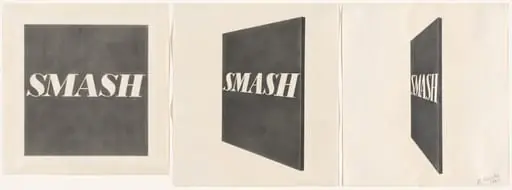 Untitled
 Cântăreață - Paulina
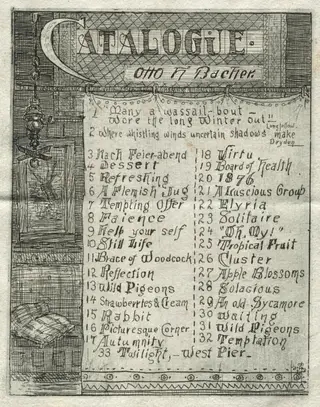 Catalogue
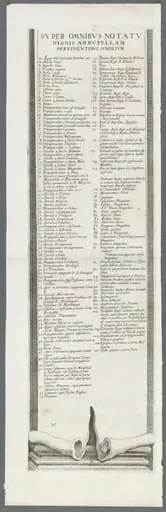 The Siege of La Rochelle: Plate 13
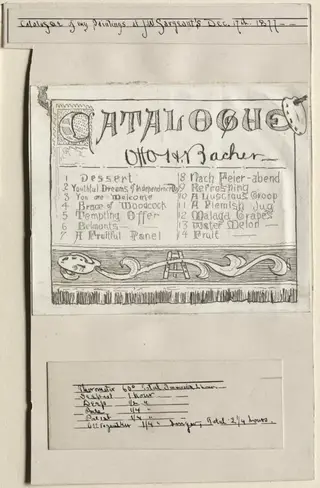 Catalogue of My Paintings at J. W. Sargents, Cleveland, December 17th, 1877
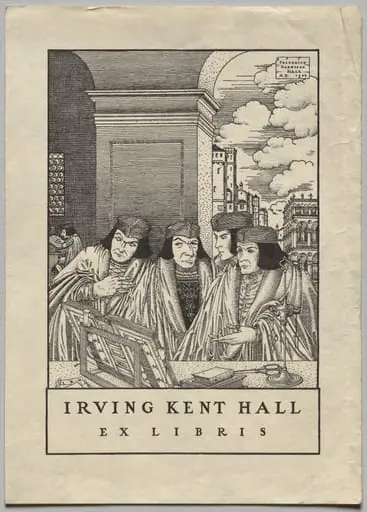 Bookplate: Irving Kent Hall, Ex Libris inscribed
 The Anchor
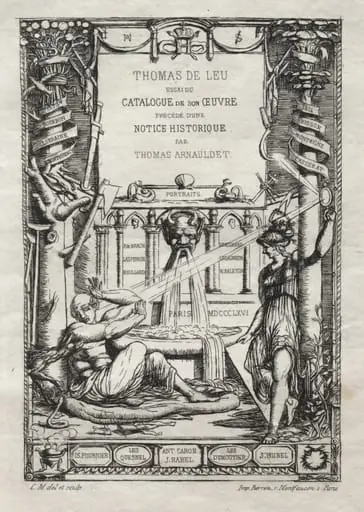 Frontispiece for a Catalogue of the Engravings of Thomas de Leu
 Untitled
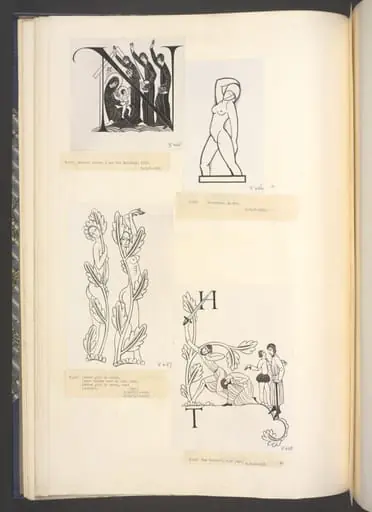 Sculpture No. 1
 H Beard Print Collection
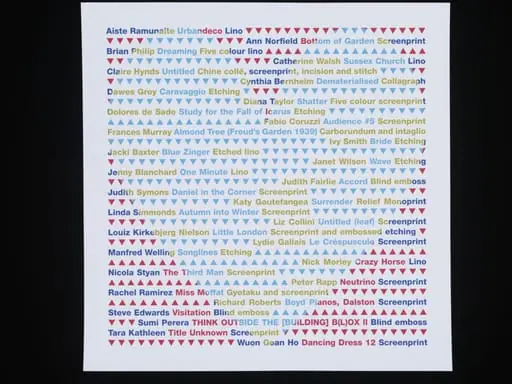 Untitled
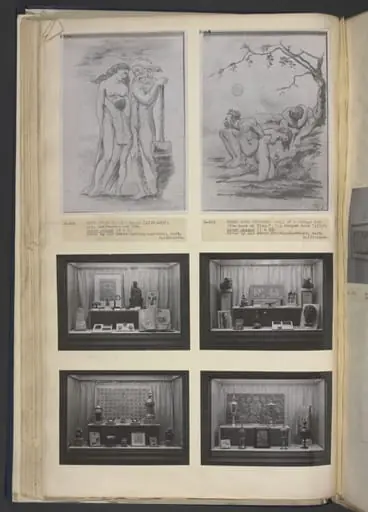
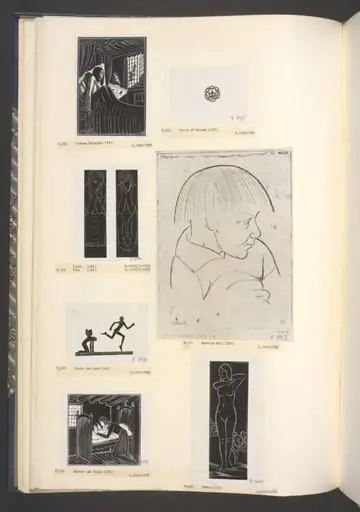 Adam and Eve
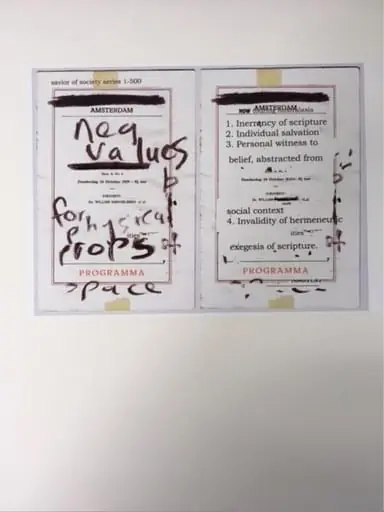 Untitled
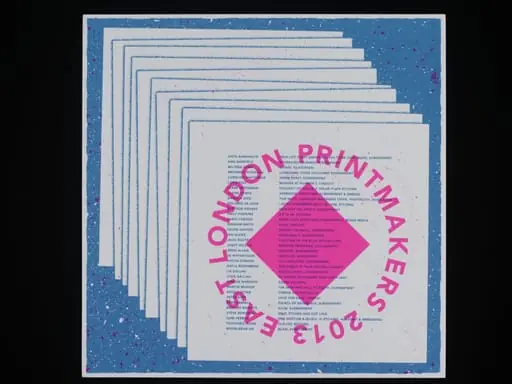 Untitled
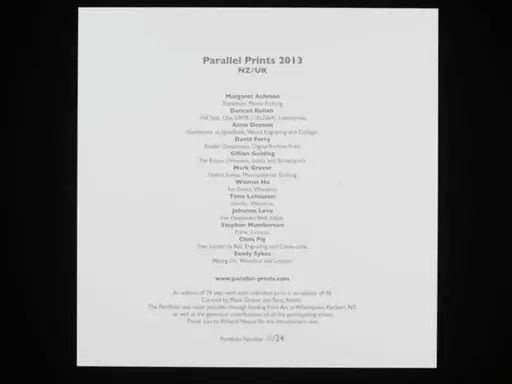 Untitled
 Motorcycles and Ferraris
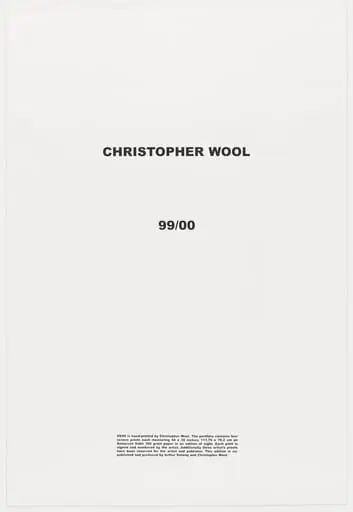 Untitled
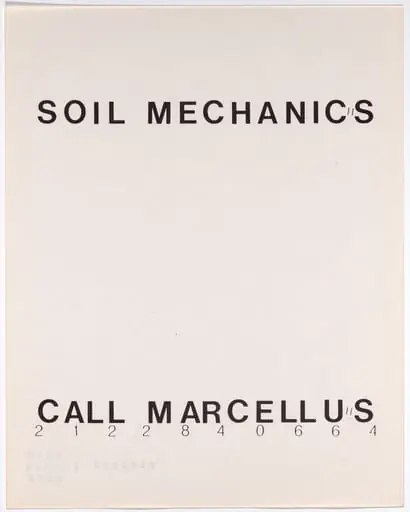 Untitled
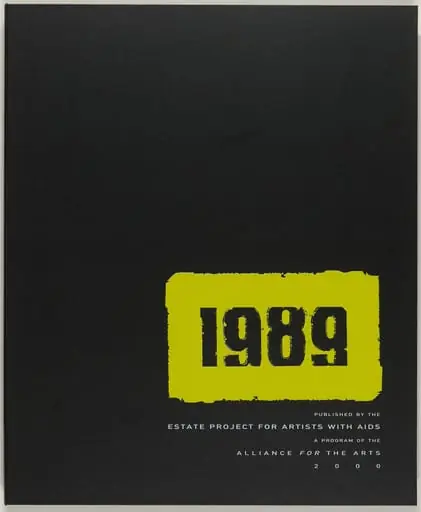 Untitled
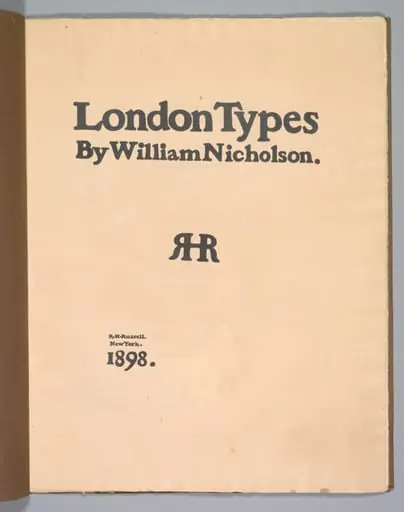 London Types: Quatorzains
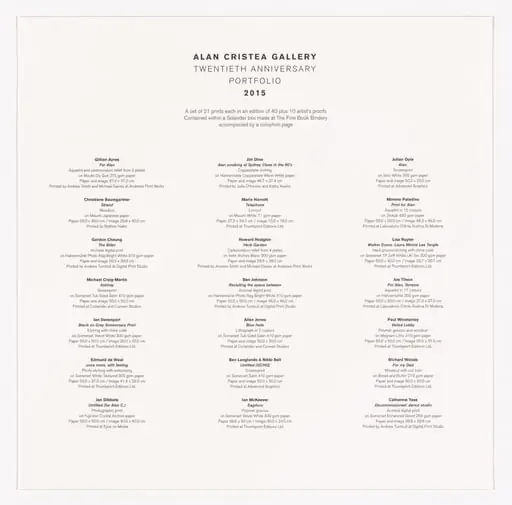 Untitled
 Untitled
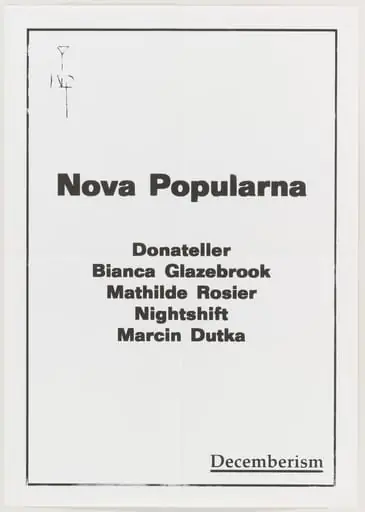 Untitled
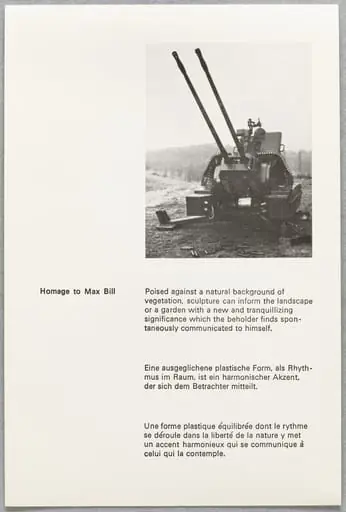 Untitled
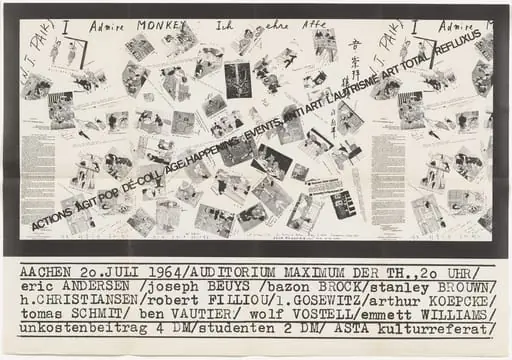 Untitled
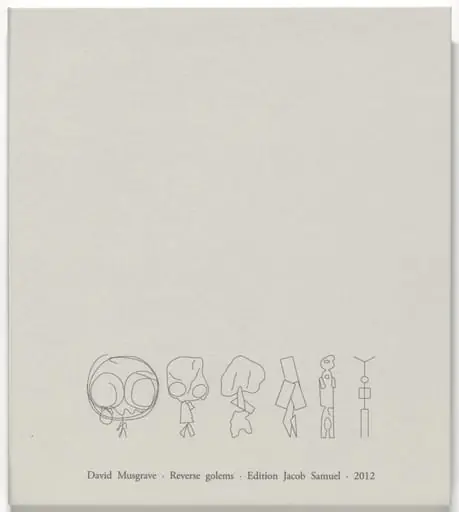 Untitled
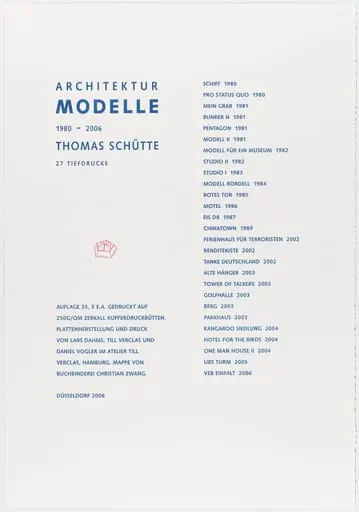 Untitled
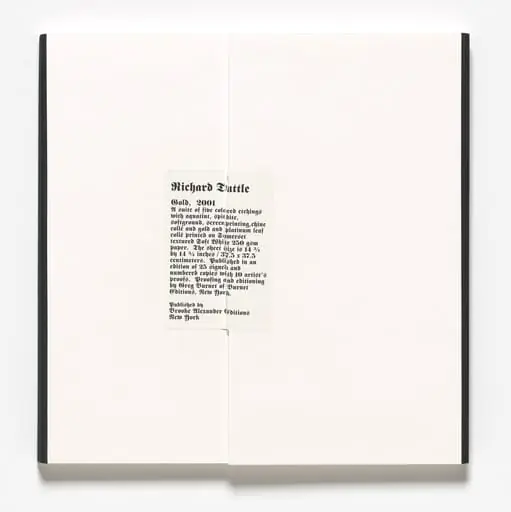 Untitled
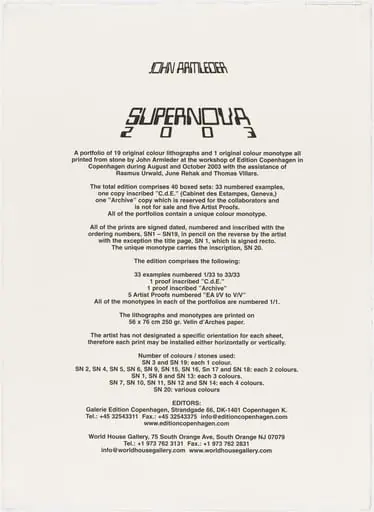 Untitled
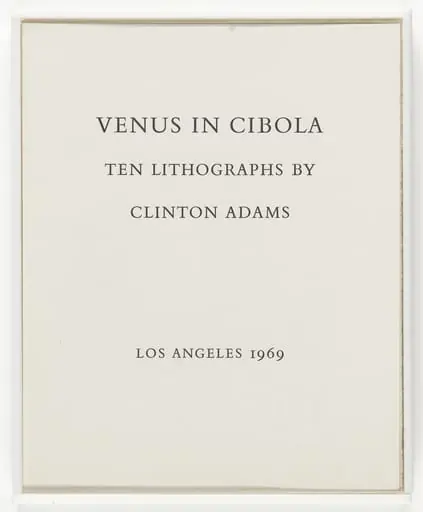 Untitled
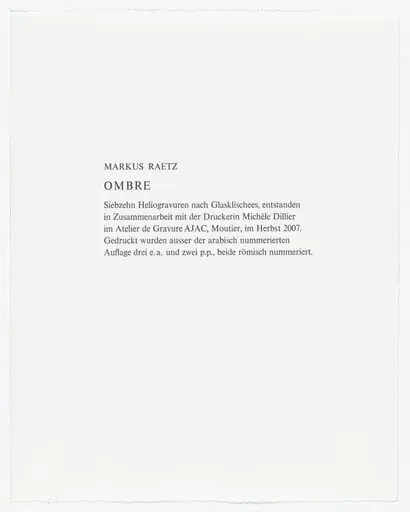 Untitled
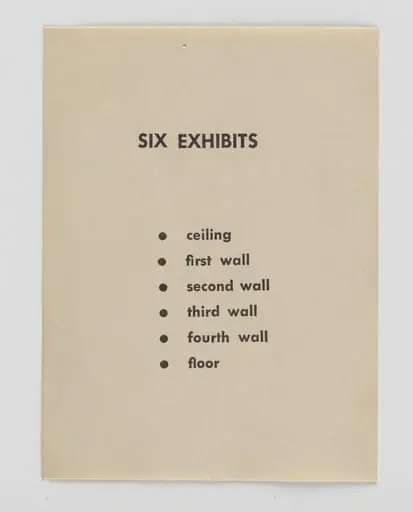 Untitled
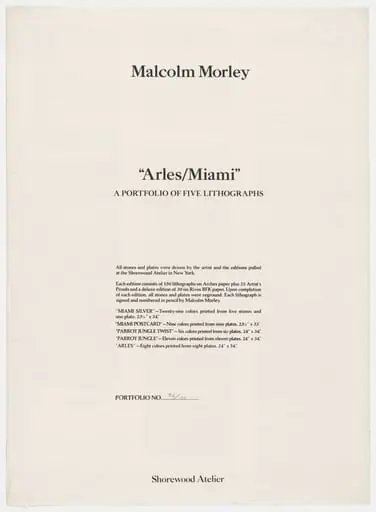 Untitled
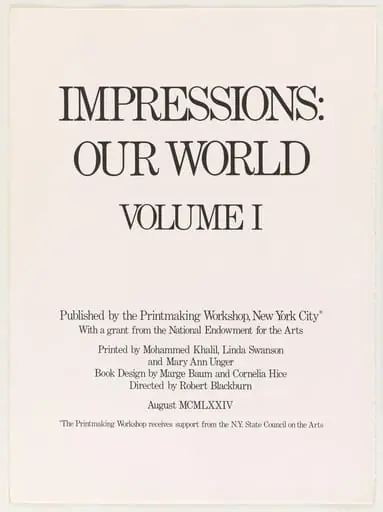 Untitled
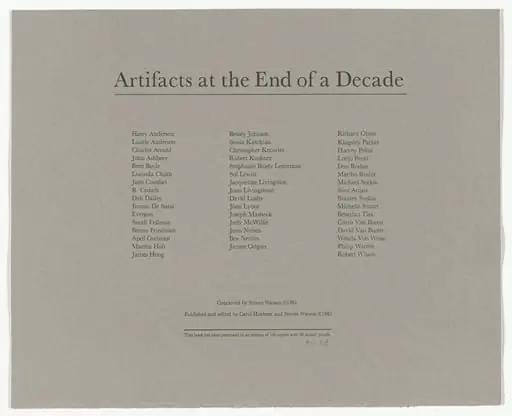 Untitled
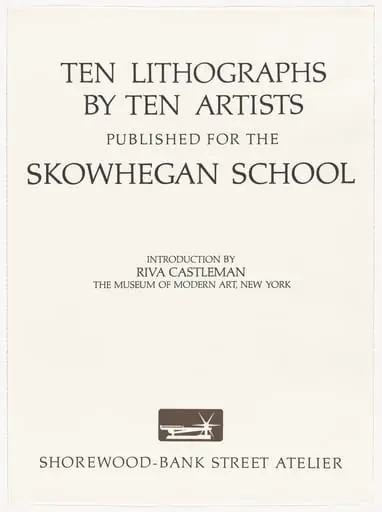 Untitled
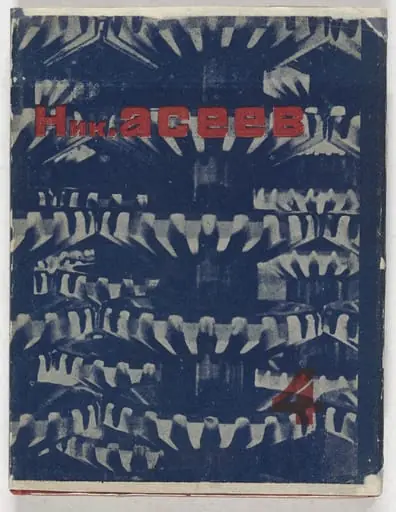 Untitled
 Untitled
 Untitled
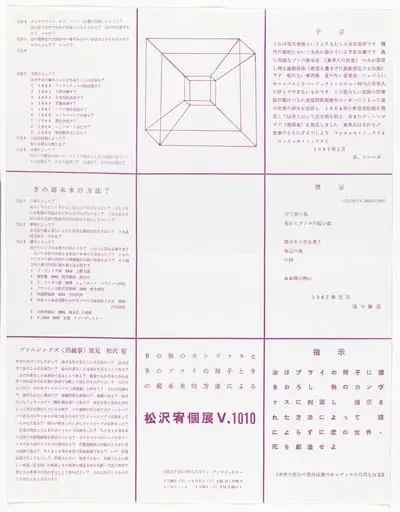 Untitled
 Untitled
 Untitled
 Untitled
 Untitled
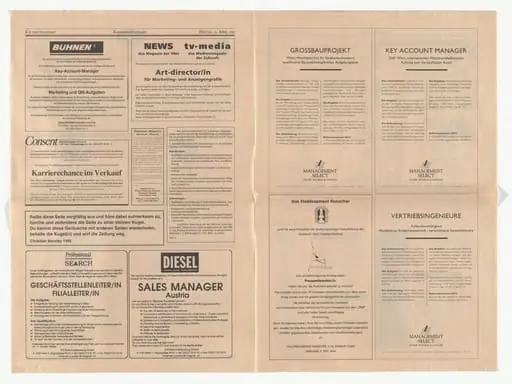 Untitled
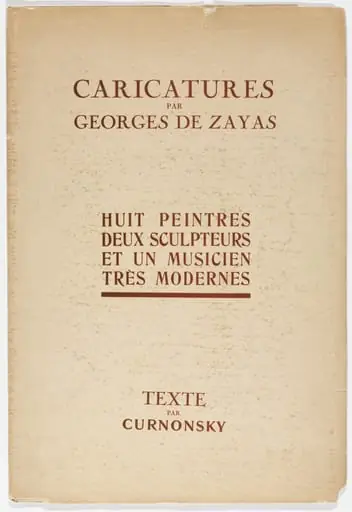 Untitled
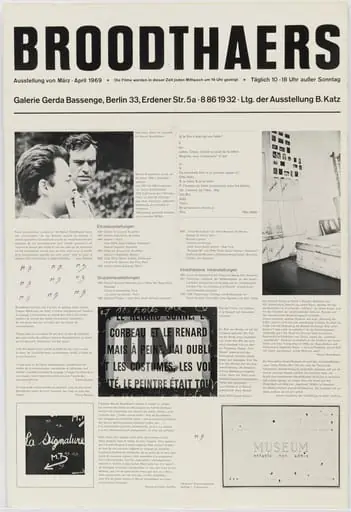 Untitled
 Untitled
 Untitled
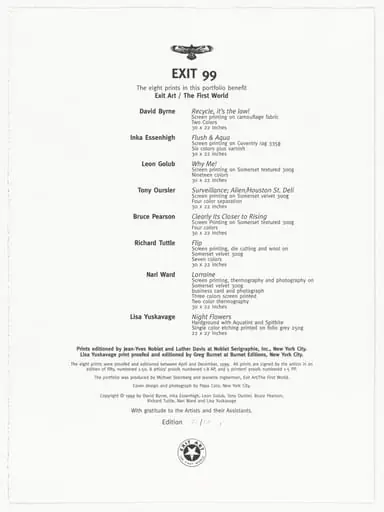 Untitled
 Untitled
 Untitled
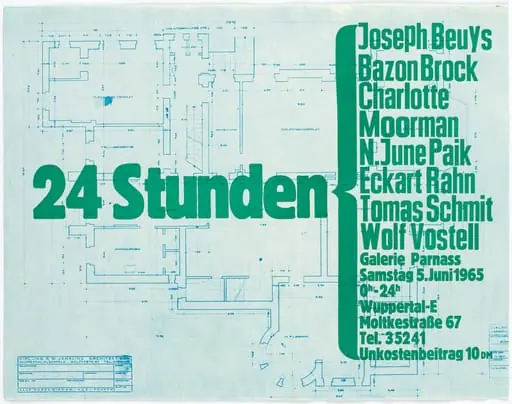 Untitled
 Untitled
 Untitled
 Untitled
 Untitled
 Untitled
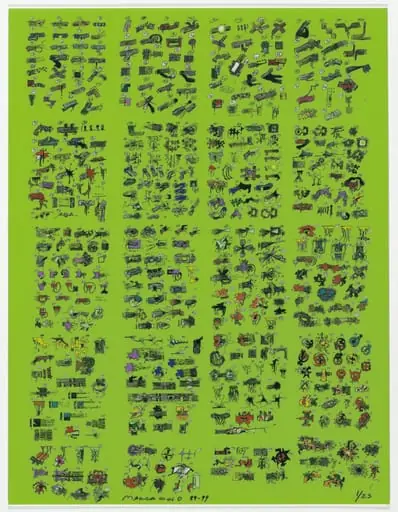 Untitled
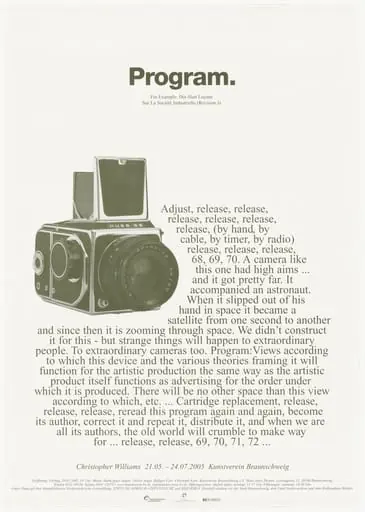 Untitled
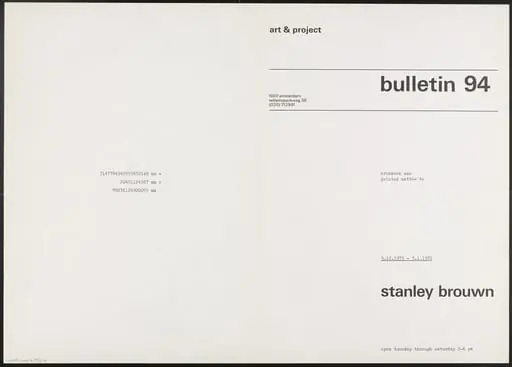 Untitled
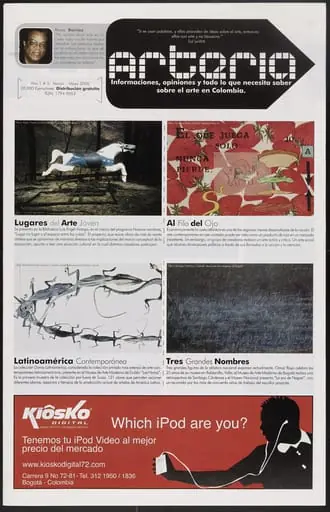 Untitled
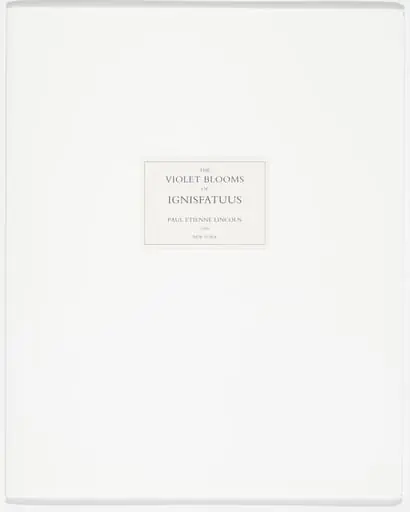 Untitled
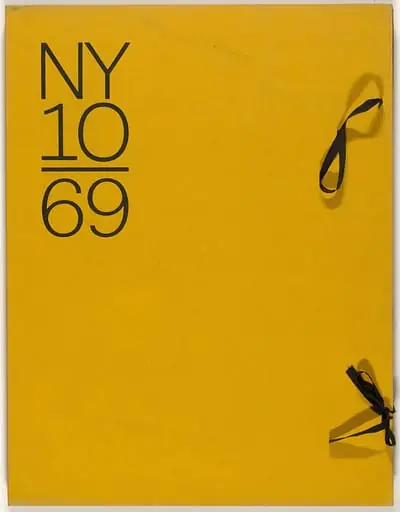 Untitled
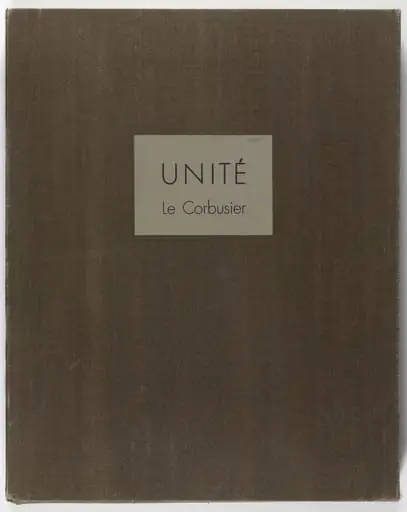 Untitled
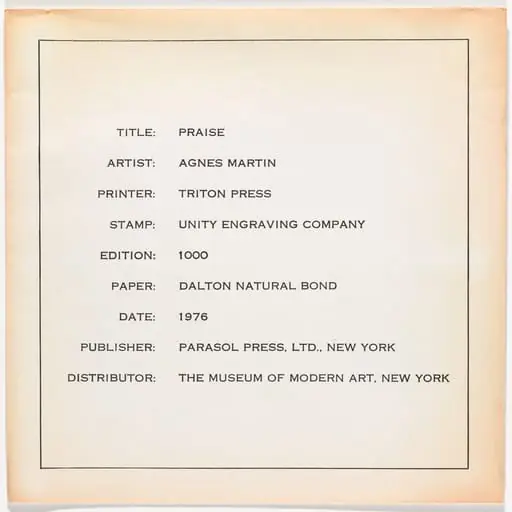 Untitled
 Untitled
 Untitled
 Untitled
 Untitled
 Untitled
 Untitled
 Untitled
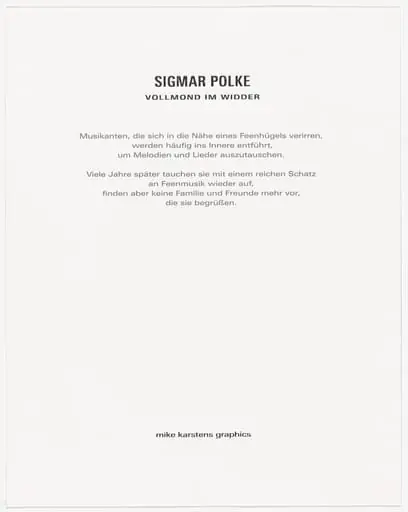 Untitled
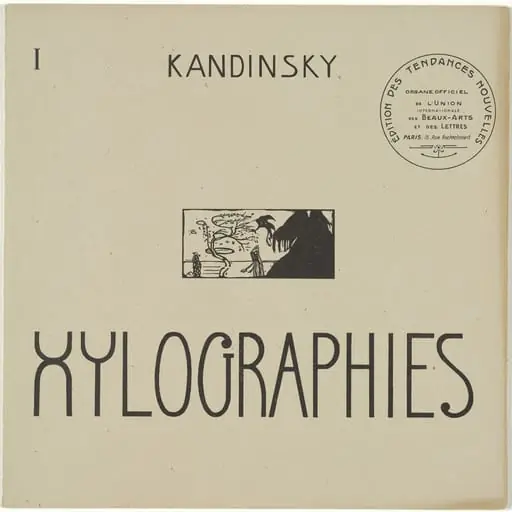 Untitled
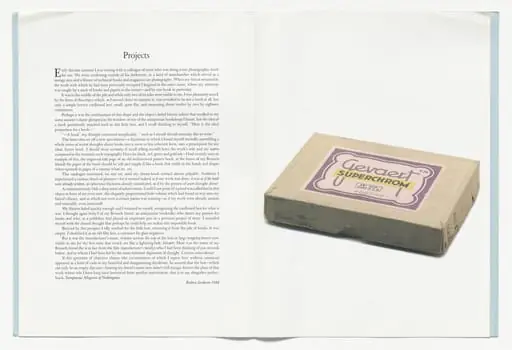 Untitled
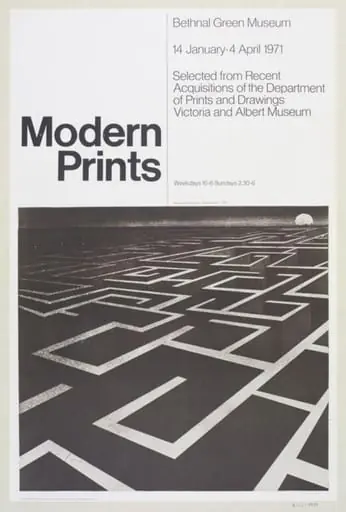 Modern Prints Selected from Recent Acquisitions of the Department of Prints and Drawings
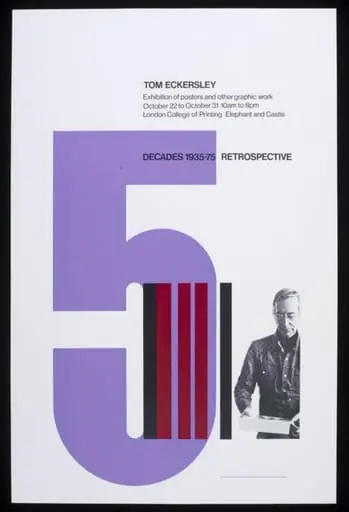 Tom Eckersley: 5 Decades 1935-1975
Frequently asked questions
What is Catalogue?
Catalogue is a subject in art. enumeration of items systematically arranged for a specific purpose, usually with brief descriptive information included in each entry
How many Catalogue works does Artifact World Gallery have?
Artifact World Gallery holds 151 public-domain Catalogue works, all free to view and download.
Who are the key Catalogue artists?
Key Catalogue artists in the collection include Edwin Landseer, Wassily Kandinsky and John Crome.
Where can I see Catalogue works?
Catalogue works in the collection are held by Museum of Modern Art, Victoria and Albert Museum and National Gallery of Art.