Art Museum
Boydell Shakespeare Gallery

Image: Wikimedia Commons.
Boydell Shakespeare Gallery is an art museum in City of Westminster, United Kingdom.
About Boydell Shakespeare Gallery
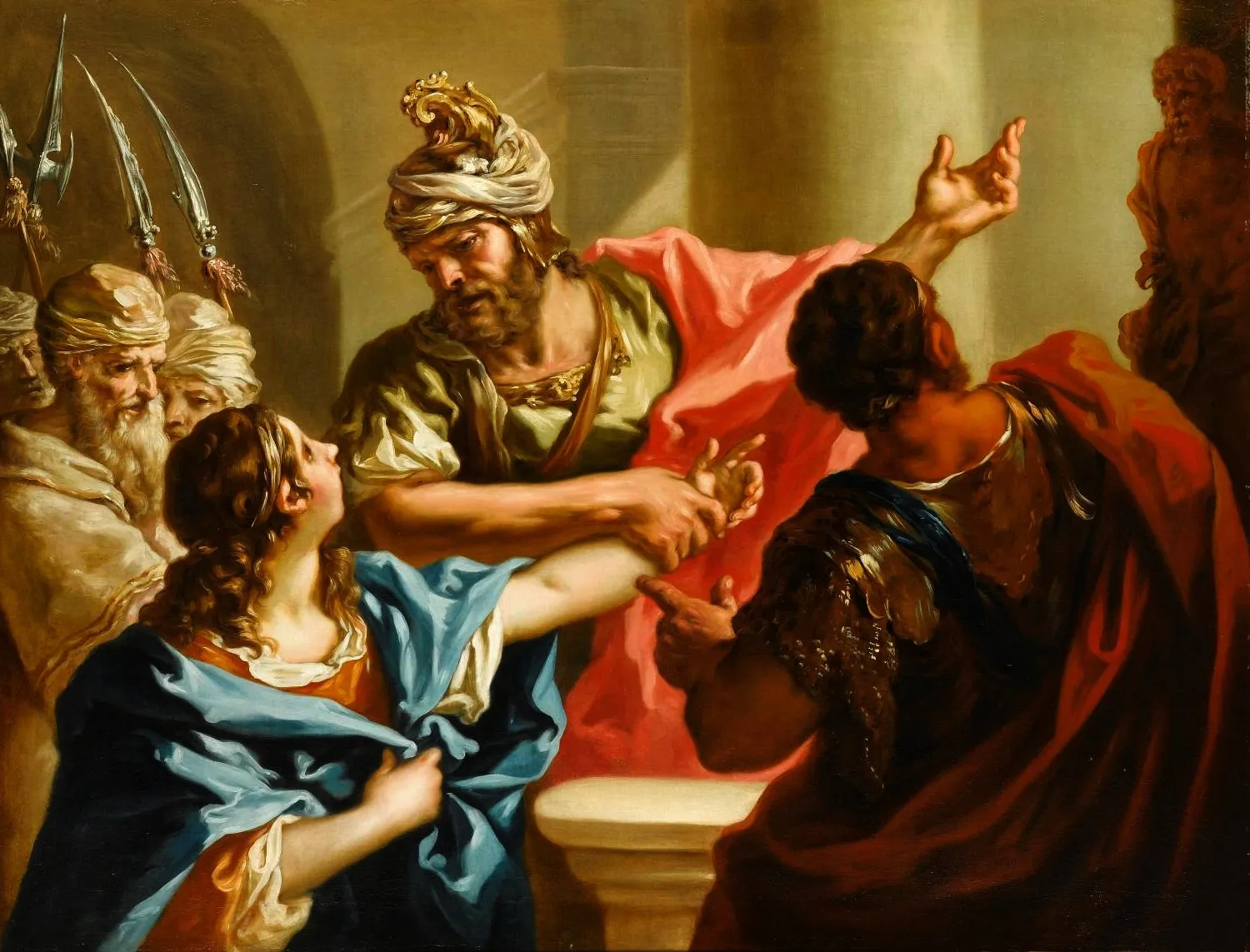
The Boydell Shakespeare Gallery in London, England, was the first stage of a three-part project initiated in November 1786 by engraver and publisher John Boydell in an effort to foster a school of British history painting. In addition to the establishment of the gallery, Boydell planned to produce an illustrated edition of William Shakespeare's plays and a folio of prints based upon a series of paintings by different contemporary painters. During the 1790s the London gallery that showed the original paintings emerged as the project's most popular element.
The works of William Shakespeare enjoyed a renewed popularity in 18th-century Britain.
Boydell Shakespeare Gallery by the numbers
- Founded
- 1786
Overview
The Boydell Shakespeare Gallery was a London exhibition space and publishing enterprise founded in November 1786 by the engraver and publisher John Boydell. Located in the City of Westminster, it formed the first stage of an ambitious three-part project designed to foster a school of British history painting. While Boydell also planned an illustrated edition of Shakespeare's plays and a folio of engravings, the gallery displaying the original paintings became the most popular element of the venture during the 1790s. The project emerged at a moment when Shakespeare's works enjoyed renewed popularity in Britain, and it represented a significant, if ultimately flawed, attempt to elevate the status of British visual arts through civic-minded patronage.
Founding & history
John Boydell initiated the project in November 1786, at a time when British painting held relatively low status and engraving possessed almost none, owing to significant delays in drawing instruction on the island. Boydell, who had become a member of the Royal Society in 1760, had already transformed the commercial relationship between French and English printmaking. His spectacular commission of William Woollett's engraving The Destruction of the Children of Niobe after Richard Wilson proved so successful that by 1770 Britain exported far more prints than it imported. In 1785, annual British print exports reached 200,000 pounds while imports fell to 100 pounds. Boydell received the Royal Academy's gold medal in 1773 for advancing the print trade, and by 1789 was toasted by the Prince of Wales as a merchant who patronised art better than the Grand Monarch himself.
For the Shakespeare enterprise, Boydell selected the noted scholar George Steevens to oversee the illustrated edition, which appeared between 1791 and 1803. Boydell commissioned works from famous painters including Joshua Reynolds. However, long delays in publishing the prints and illustrated edition prompted criticism. Because the project was hurried and many illustrations had to be completed by lesser artists, the final products disappointed critics and the public. The venture caused the Boydell firm to become insolvent, forcing sale of the gallery and its contents by lottery in 1805.
Collection scope
The collection centred on paintings illustrating the works of William Shakespeare, commissioned from contemporary British artists. The project aimed to unite two strands of Shakespearean print culture that had diverged by the late eighteenth century: bourgeois popular editions and scholarly critical editions. Boydell's enterprise sought to reunite these audiences through a grand illustrated edition that would showcase British painterly and engraving talent. The folio of engravings based upon the paintings proved the enterprise's most lasting legacy, though the quality was uneven due to the rushed involvement of lesser artists. The gallery's holdings thus represented both the ambition to create a canon of British historical painting and the practical difficulties of realising such a project under commercial pressure.
Notable holdings
The most significant works were the original paintings commissioned from leading artists of the day, notably including Joshua Reynolds. These paintings illustrated scenes from Shakespeare's plays and were displayed in the Pall Mall gallery. The engravings produced from these paintings, issued as a folio, remain the most durable product of the entire enterprise. While individual paintings by specific artists are not detailed in the surviving sources, the involvement of Reynolds and other prominent painters of the period indicates the high calibre of artistic talent that Boydell was able to attract initially. The folio of prints, despite the criticisms levelled at some of its contents, preserved the visual interpretations of Shakespeare that the gallery had promoted.
Building & site
The gallery building was designed by George Dance the Younger on a site in Pall Mall, London. Contemporary press reported weekly on its construction, reflecting the considerable public interest that the project generated. The location in Pall Mall placed it within a fashionable district of the capital, appropriate for an institution that sought to attract both the social elite and the emerging middle class. The building served as both exhibition space and physical manifestation of Boydell's ambitions for British art. Its construction was sufficiently noteworthy to sustain regular newspaper coverage, suggesting its scale and the cultural significance attached to the venture. After the lottery of 1805, the building passed out of Boydell's hands, marking the end of the gallery as a functioning institution.
Visiting
The Boydell Shakespeare Gallery was located in Pall Mall in the City of Westminster, London. During the 1790s it became a fashionable place to be seen, comparable to the Royal Academy exhibitions that had established the social importance of public art display in London. The gallery attracted thousands of visitors and received detailed press coverage of its contents. However, the gallery no longer exists as a functioning institution. Following the insolvency of the Boydell firm, the gallery and its contents were sold by lottery in 1805. The building and collections were thus dispersed, and the site is now part of the historical record of eighteenth-century London's cultural life rather than an accessible venue. The folio of engravings remains the primary surviving testament to what the gallery once contained.
Museums near Boydell Shakespeare Gallery
- Gallery Matthiesen Gallery London, United Kingdom
- Art Museum National Gallery City of Westminster, United Kingdom
- Art Museum National Portrait Gallery City of Westminster, United Kingdom
- Art Museum Schorr Collection City of Westminster, United Kingdom
- Art Museum Tate Britain City of Westminster, United Kingdom
- Art Museum British Museum London Borough of Camden, United Kingdom