Gallery

Johnny Van Haeften Gallery

Johnny Van Haeften Gallery

Johnny Van Haeften Gallery is a gallery in London, United Kingdom. 2 works from its collection are in this catalog, including Frans Hals and Godfried Schalcken.

About Johnny Van Haeften Gallery

commercial art gallery in London, England

Johnny Van Haeften Gallery by the numbers

Founded
1970

Works from Johnny Van Haeften Gallery

Artworks shown from Johnny Van Haeften Gallery are in the public domain; images via the open-access programs of their source collections. Spotted an error in this record? Tell us.

Overview

Johnny Van Haeften Ltd is a British commercial art gallery specialising in 16th and 17th century Dutch and Flemish Old Master paintings. Founded in London in 1977 by Johnny Van Haeften and his wife Sarah, the gallery operated for 35 years from premises in St. James's before relocating in 2017 to Ham, near Richmond in West London, where it now functions on an appointment-only basis from a refurbished coach house at the couple's home. It is widely regarded as one of the most distinguished dealerships in its field, with Van Haeften being the only art dealer in the United Kingdom exclusively dedicated to Dutch and Flemish Old Masters. The gallery is also noted for its scholarly contributions, including publications and advisory services, and for Van Haeften's role as a co-founder of The European Fine Art Fair (TEFAF) in Maastricht in 1988.

Founding & history

Johnny Van Haeften, born John Henry Van Haeften in 1952 in London, was educated at Eton College where he developed interests in both philately and art. At age 17 he joined Christie's auction house, initially working on the integration of stamp dealers Robson Lowe and in public relations, before transferring to the pictures department in 1975 after six years of persistent effort. In 1977, he节he and his wife Sarah Anne Rowley, whom he married that year, opened their first gallery on Bond Street in London, specialising in Dutch and Flemish Old Master paintings. In 1982, the gallery moved to 13 Duke Street, St. James's, where it remained for 35 years and became a fixture of the West End dealers' community. The Daily Telegraph included it in a 2012 list of London's ten best independent art galleries. In January 2017, the Duke Street gallery closed after the building's owner sold the property and informed Van Haeften that Italian art dealer Fabrizio Moretti would be moving in. Rather than pursue legal action, Van Haeften relocated the business to a refurbished coach house at Beaufort House, his home in Ham, near Richmond, Surrey, where he continues to operate with reduced stock on an appointment-only basis. Over the course of his career, Van Haeften estimated in 2017 that he had sold approximately 4,800 paintings.
Collection scope

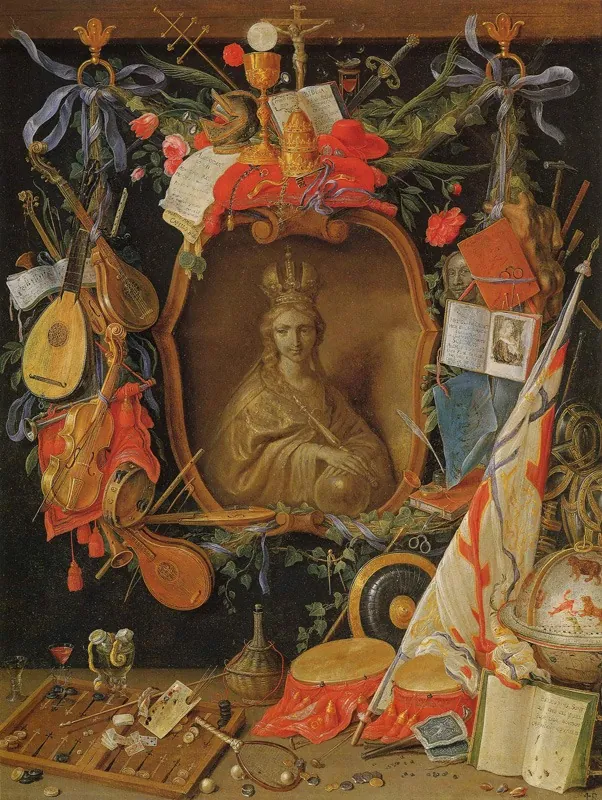
The gallery's inventory focuses exclusively on 16th and 17th century Dutch and Flemish Old Master paintings, with particular emphasis on works of exceptional provenance and artistic merit. The collection spans the period from 1624 to 1660 and is primarily composed of paintings. Van Haeften's selection criteria prioritise condition, provenance, high quality, visual appeal, and interesting subject matter. Provenance research is especially rigorous for the period 1933 to 1945, reflecting the gallery's commitment to ethical dealing and restitution of works with problematic wartime histories. The gallery has actively contributed to art historical discourse through publications, including online catalogues such as 'The Bigger Picture,' which focused on large-format paintings in the inventory. Van Haeften also provides advisory services and has collaborated with museums, collectors, and scholars throughout his career.

Notable holdings

The gallery has handled significant works by major Dutch and Flemish masters. According to collection records, its holdings have included works by Rembrandt, Gerrit Dou, Gerard ter Borch, Salomon van Ruysdael, and Jan Steen. Notable works associated with the gallery include Rembrandt's 'Three Singers (Allegory of Hearing)' from 1624 and Gerrit Dou's 'Young Lady Playing a Clavichord' from 1660. The gallery has also dealt in works by Claude Gellée, called Claude Lorrain, Joos van Craesbeeck, and Pieter Claesz. Among Van Haeften's most celebrated discoveries was a winter scene by Pieter Brueghel, 'The Census at Bethlehem,' which had been dismissed by two auction houses and had remained in the same family for over 400 years with its original receipt from Brueghel until the 1960s. Van Haeften verified its authenticity during a visit to the owner's home in Kenya and subsequently sold it at Frieze Masters for a substantial sum.

Building & site

The gallery's original location was on Bond Street in London, established in 1977. In 1982, it moved to 13 Duke Street, St. James's, a prominent address in London's traditional art dealing quarter, where it remained for 35 years. The St. James's location placed it at the heart of the West End dealers' community. Following the sale of the Duke Street building in 2017, the gallery relocated to Beaufort House in Ham, near Richmond, Surrey. The current premises consist of a refurbished coach house adjacent to Van Haeften's home, converted to accommodate the gallery's operations. This domestic setting represents a significant shift from the public gallery space in central London to a private, appointment-only model in a residential area of West London.

Visiting

Johnny Van Haeften Ltd currently operates from Beaufort House in Ham, near Richmond, in West London. Unlike its previous incarnations, the gallery no longer maintains walk-in premises and functions on a strict appointment-only basis. Visitors range from international dealers and private collectors to institutional clients, with appointments typically beginning around 10 am. The gallery is owned by Johnny Van Haeften, who continues to play an active role in the world of Dutch Old Masters. He currently serves as a member of the Frieze Masters Selection Committee. The gallery's present role combines direct sales with art advisory services, maintaining its reputation as a vital resource for collectors and institutions seeking to acquire or deepen their understanding of Dutch and Flemish Old Master paintings. The shift to private appointments reflects broader changes in the art market, including increased administrative burdens related to anti-money laundering regulations and the impact of Brexit on cross-border art dealing.