Artist
Giuseppe Bottani
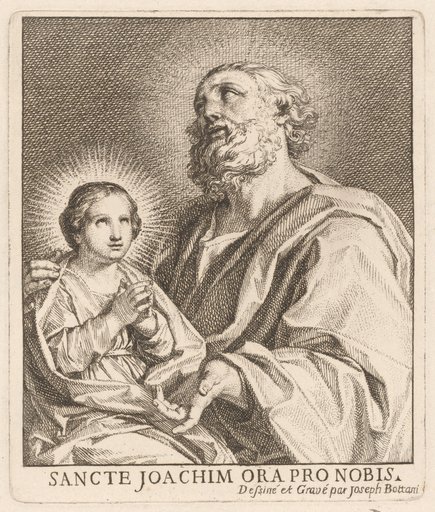
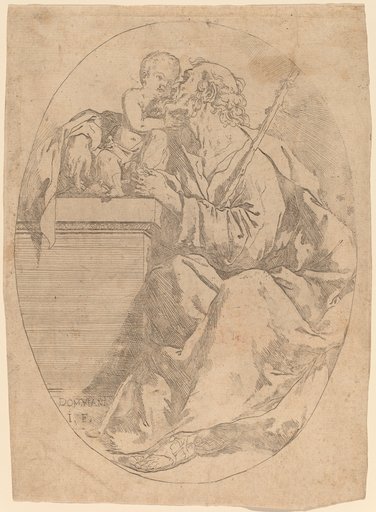
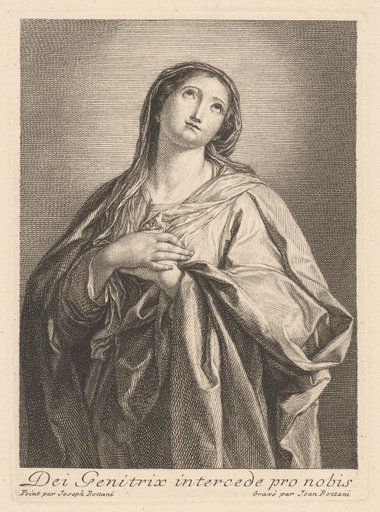
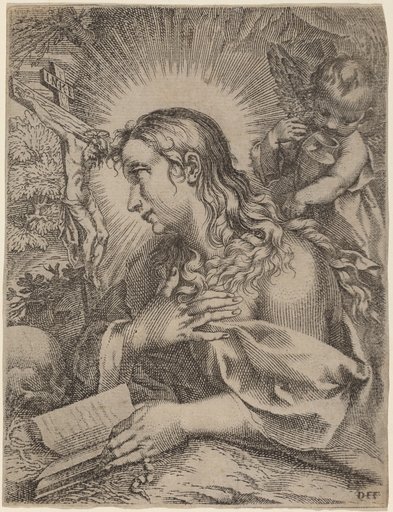
Giuseppe Bottani is a Baroque artist. 3 works are cataloged here, principally at National Gallery of Art.
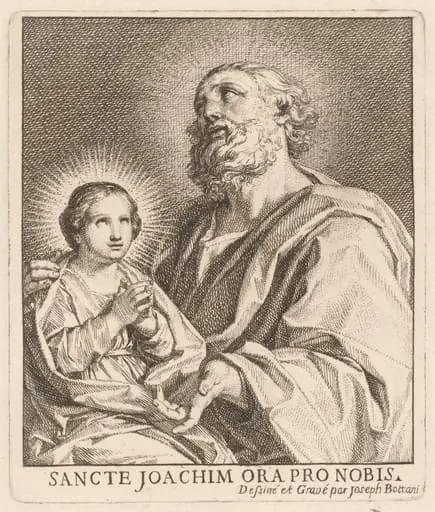
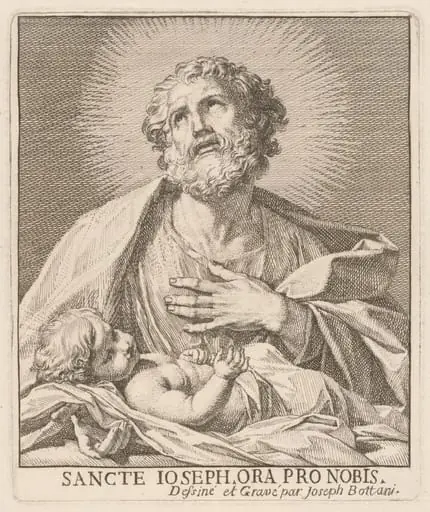
Giuseppe Bottani (1740–1770) was an artist.
Overview
Giuseppe Bottani (1717-1784) was an Italian painter of the Baroque period, born in Cremona and active primarily in Rome, Pontremoli, and Mantua. He is recognized for his religious altarpieces, portraiture, and classical landscape compositions. His career bridged the late Baroque and the emerging Neoclassical movement, and his leadership as director of the Academy of Fine Arts in Mantua helped promote a classical trend in local painting.
Biography & dates
Born in Cremona in 1717, Bottani spent his youth in Pontremoli before moving to Florence to train under Vincenzo Meucci and Antonio Puglieschi. By 1735, he had relocated to Rome to study under Agostino Masucci, deepening his knowledge of antique and Renaissance traditions. He was admitted to the Accademia di San Luca in 1758. After 1745, he returned to Cremona and established a school of painting. In 1769, Maria Theresa of Austria appointed him professor of painting and director of the newly founded Academy of Fine Arts in Mantua, a position he held for the remainder of his life. He transported his substantial collection of 600 plaster casts of classical and Renaissance sculptures to Mantua for the academy's use. He died in Mantua in 1784.
Style & movement
Bottani worked within the classical Baroque tradition, heavily influenced by the 17th-century classicism of Carlo Maratta and the proto-Neoclassical style prevalent in Rome. His paintings feature erudite compositions, precise drawing, and enamel-like colors. He was particularly known for painting landscapes in the style of Gaspard Dughet (Gaspard Poussin), into which he introduced figures in the manner of Maratta. While adhering to Baroque tenets, his later works, such as his mythological canvases of the 1770s, demonstrate an increasing alignment with early Neoclassicism, characterized by extreme delicacy of execution.
Major works
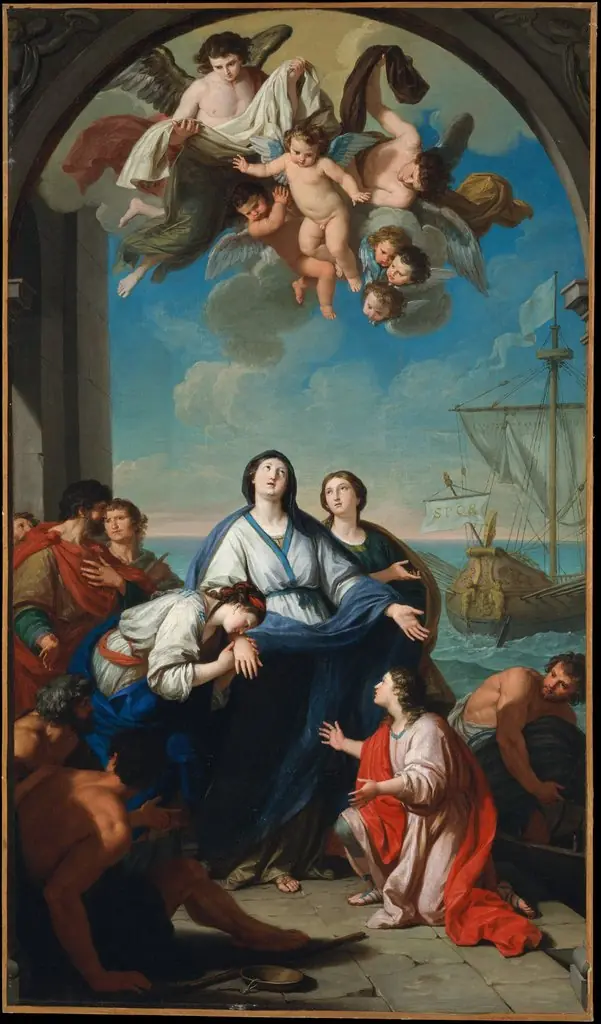
Bottani produced numerous altarpieces for churches in Pontremoli, including an Assumption of the Virgin with saints for San Francesco (1756), a Transit of St Francis Xavier for San Nicolo (1757), and an Ascension for San Giacomo (1764). His major altarpiece of St Paola Leaving for the Holy Land (1745), originally for Santi Cosmo e Damiano in Milan, is now in the Pinacoteca di Brera. His mythological works include two Ulysses paintings from 1775, Athena Revealing Ithaca to Ulysses and Athena Transforming Ulysses into a Beggar, both in the Pinacoteca Malaspina in Pavia. Other notable works include Armide Tentant de Se Suicider (1766) and an Autoportrait (1765) in the Uffizi, Hagar and the Angel (ca. 1776) in the Louvre, and a Departure of St Paula and St Eustochium for the Holy Land in the Metropolitan Museum of Art. His late works include the Preaching of St Vincent Ferrer (ca. 1780) in the Palazzo Ducale in Mantua and the Holy Family with Saints Joseph, Zeno and Stephen (1779) in the church of Sant'Apollonia in Mantua.
Influences & students
Bottani's primary influences were his teachers: Vincenzo Meucci, Antonio Puglieschi, and Agostino Masucci. Stylistically, he adhered to the classicist traditions of Carlo Maratta and the landscape conventions of Gaspard Dughet. As an educator, he trained his brother, Giovanni Bottani, who was active in Pontremoli around 1720, and the Brescian painter Domenico Vantini. His directorship at the Mantua academy also allowed him to shape a generation of local painters by providing them access to his extensive cast collection.
Legacy
Bottani's most significant institutional legacy was his directorship of the Academy of Fine Arts in Mantua, where his collection of casts and his classical orientation provoked a lasting classical trend in local painting. His 1770 canvas, Allegory of the Arts and Commerce Revived by Maria Theresa, commemorates his role in that institution. Modern scholarship has revisited his career through Chiara Tellini Perina's 2000 catalogue of his works, and his paintings are held in major international museums including the Uffizi, the Louvre, the Metropolitan Museum of Art, and the Pinacoteca di Brera.
Works by Giuseppe Bottani
Collections represented


Artists in a similar vein