Genre
Allegory
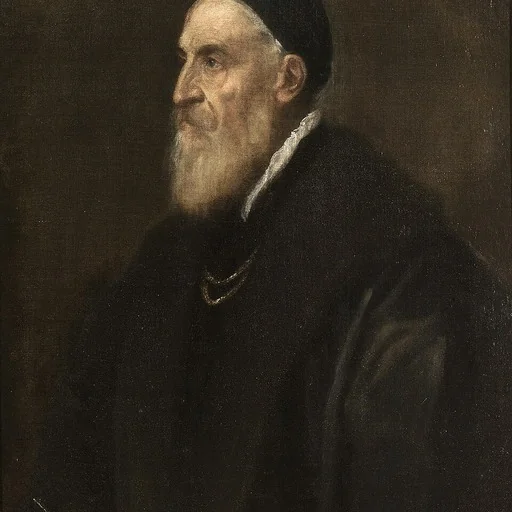
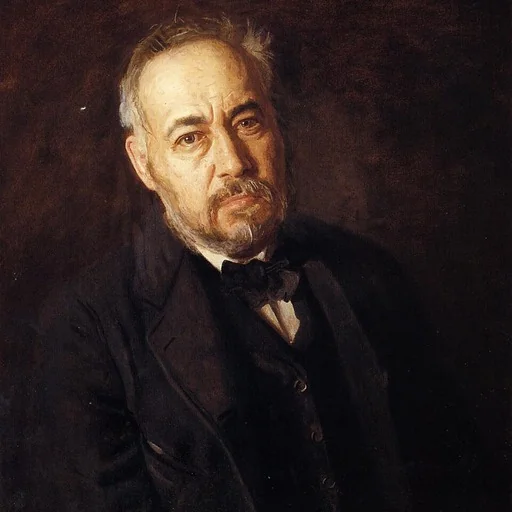
Allegory is an art genre. The gallery holds 8,397 works in this genre, including works by Titian, Thomas Eakins and Paolo Veronese.
Allegory is less a single style than a mode of picturing—an image in which figures, objects, and settings stand for ideas, virtues, institutions, or events beyond their literal appearance. Its roots reach back to antiquity: the ancient Greeks readily gave bodily form and personality to abstractions, and Homer already personified Terror (Deimos) and Fear (Phobos). Writers from Plato and Cicero to Augustine deployed allegory, but it flourished as a sustained pictorial language in the Middle Ages and especially the Renaissance, when Christian and revived classical traditions converged. Painters used personified figures to make complex moral, political, and theological concepts legible to viewers steeped in a shared symbolic vocabulary.
The defining technique is personification—rendering an abstraction such as Love, Death, Faith, or Peace as a human figure—identified through attributes the educated eye could decode. This iconographic grammar was codified in Cesare Ripa's Iconologia (Rome, 1593), a dictionary of allegorical figures whose 1603 edition described 684 personifications and illustrated 151 with woodcuts. The book became a workshop standard across Europe, a painter's bible set beside Ovid's Metamorphoses. Allegorical pictures reward decipherment: meaning is layered, often deliberately enigmatic, and built from emblems, gestures, and juxtaposed figures.
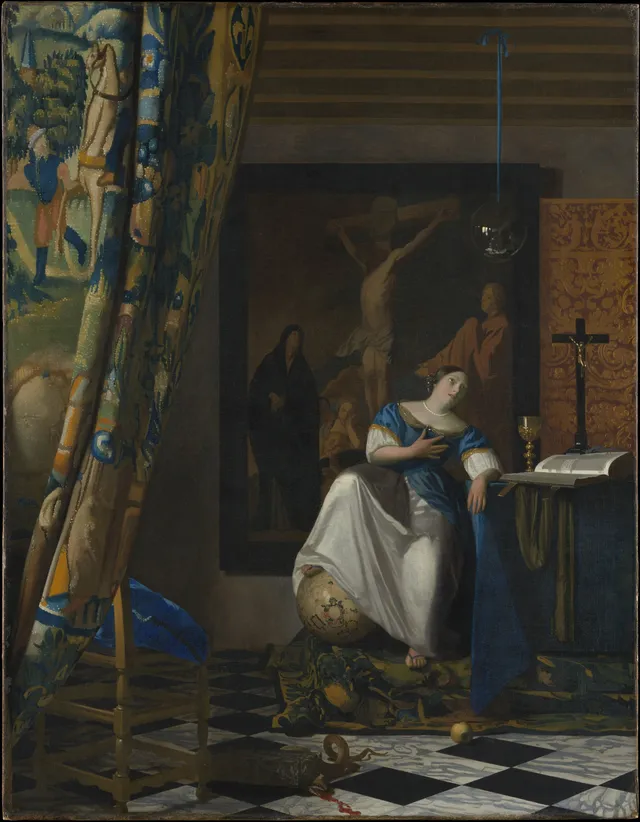
The canon is rich. Sandro Botticelli's Primavera (c. 1477–82) allegorizes spring and the awakening of love through Venus, the Three Graces, Flora, and Zephyrus. Agnolo Bronzino's An Allegory with Venus and Cupid (c. 1545, National Gallery, London) tangles erotic display with figures of Folly, Jealousy, and Deceit. Titian's Venus and Music meditates on love and the senses, while Peter Paul Rubens repeatedly turned allegory to statecraft, as in his allegories of Peace and War. Johannes Vermeer's late Allegory of the Catholic Faith (c. 1670–72, Metropolitan Museum of Art) translates Ripa's personified Faith into a Dutch interior—likely painted for a Catholic patron or hidden church when public Mass was forbidden in the Protestant Republic.
Allegory's influence is continuous rather than confined to one movement. It saturates Baroque ceiling programs and history painting, persists in Caravaggio's youthful The Musicians, and is reanimated by nineteenth-century Symbolism, where Arnold Böcklin's brooding Isle of the Dead (1880) trades fixed personification for evocative mood. Neighbouring to mythological, religious, and history painting, allegory remains the connective tissue by which European art made the invisible visible.
Key artists
Works
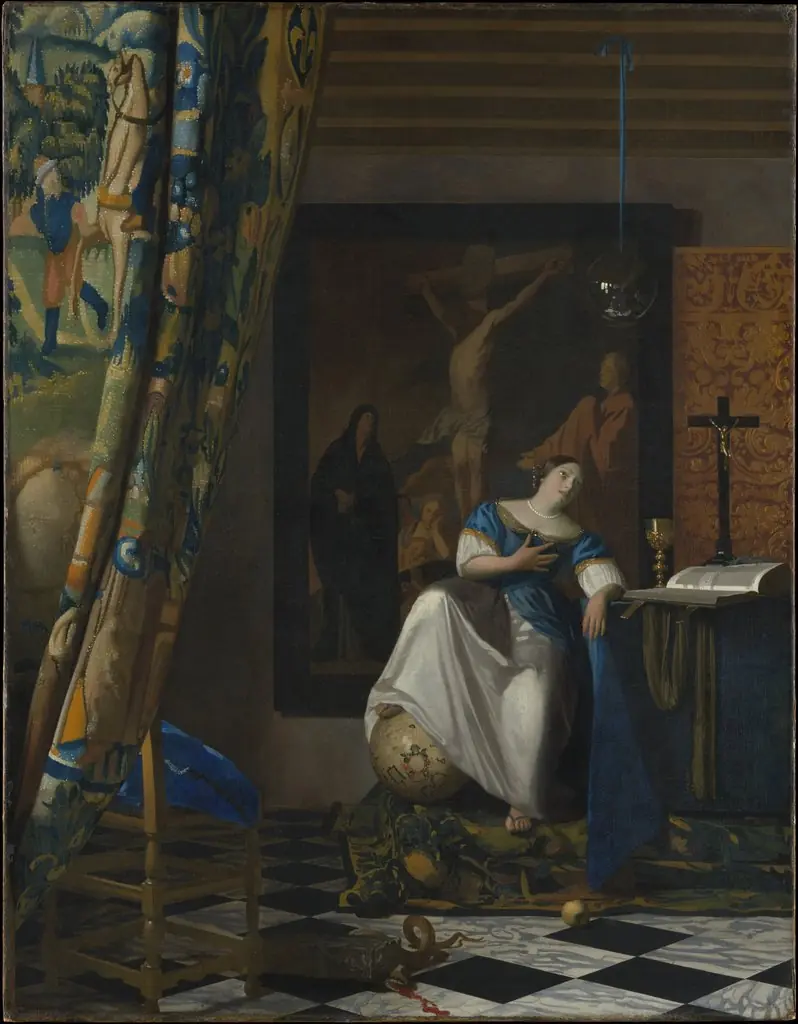 Allegory of the Catholic Faith
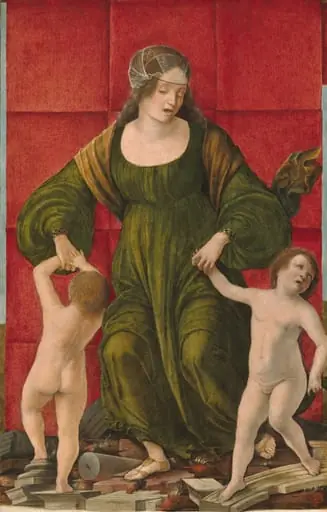 The Wife of Hasdrubal and Her Children
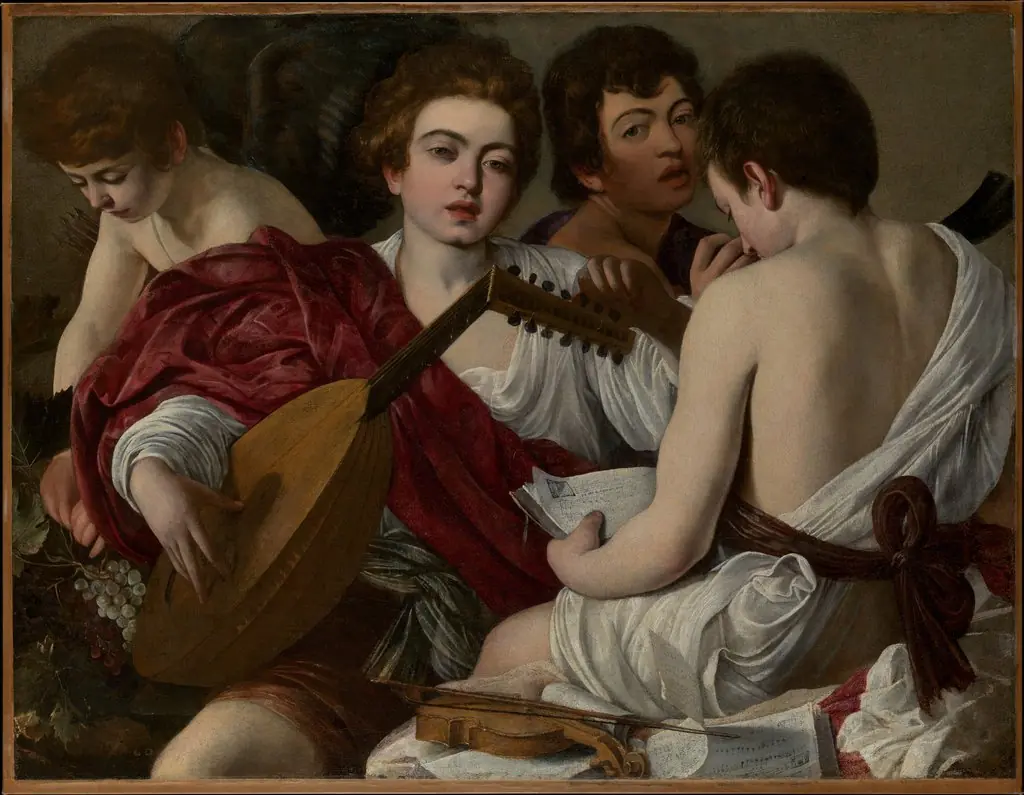 The Musicians
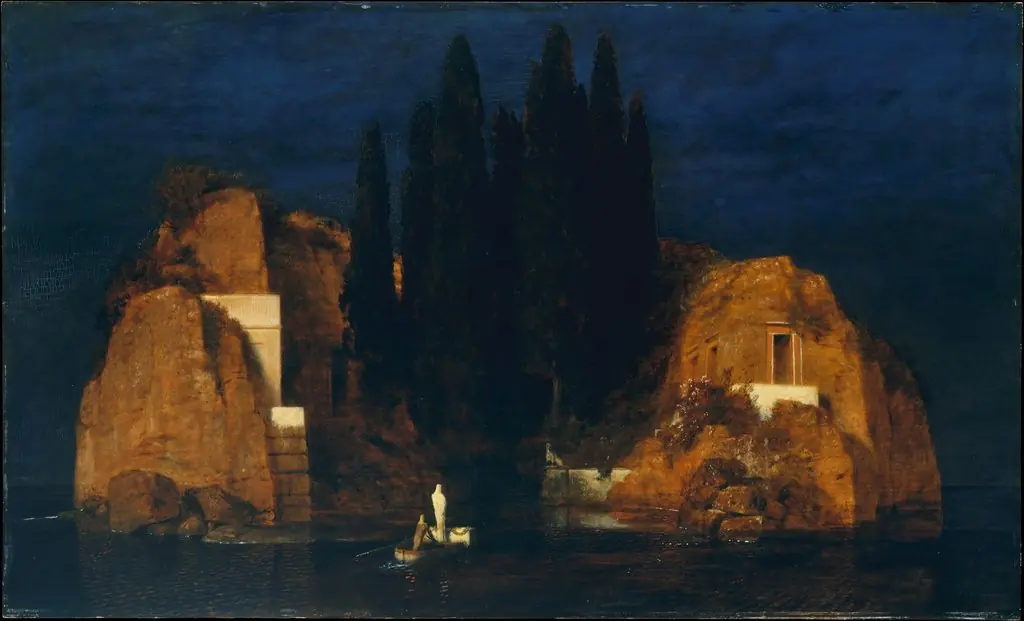 Isle of the Dead
 The Spirit of War
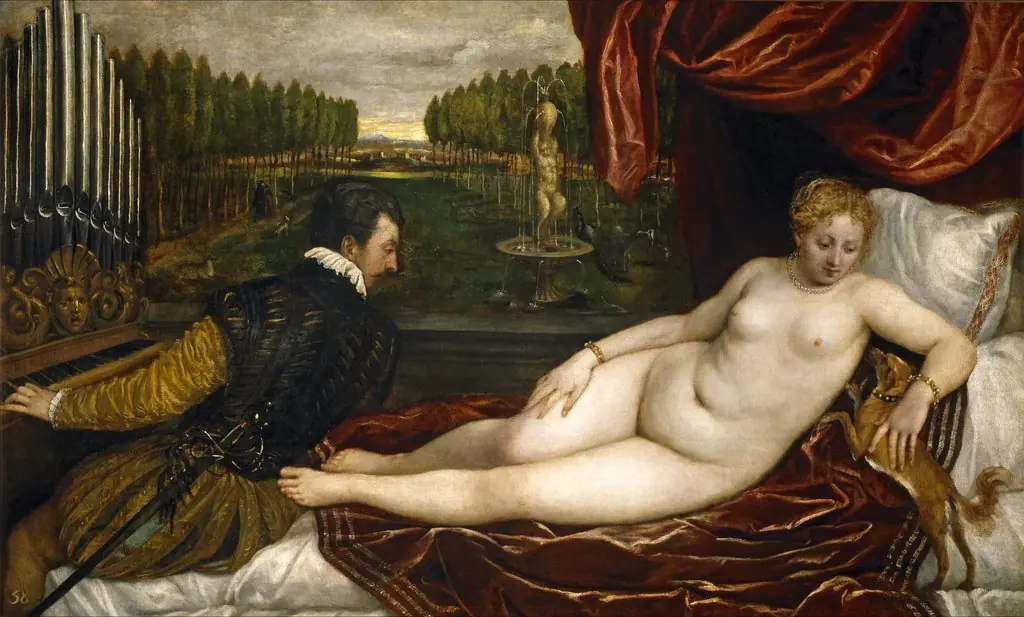 Venus and Music
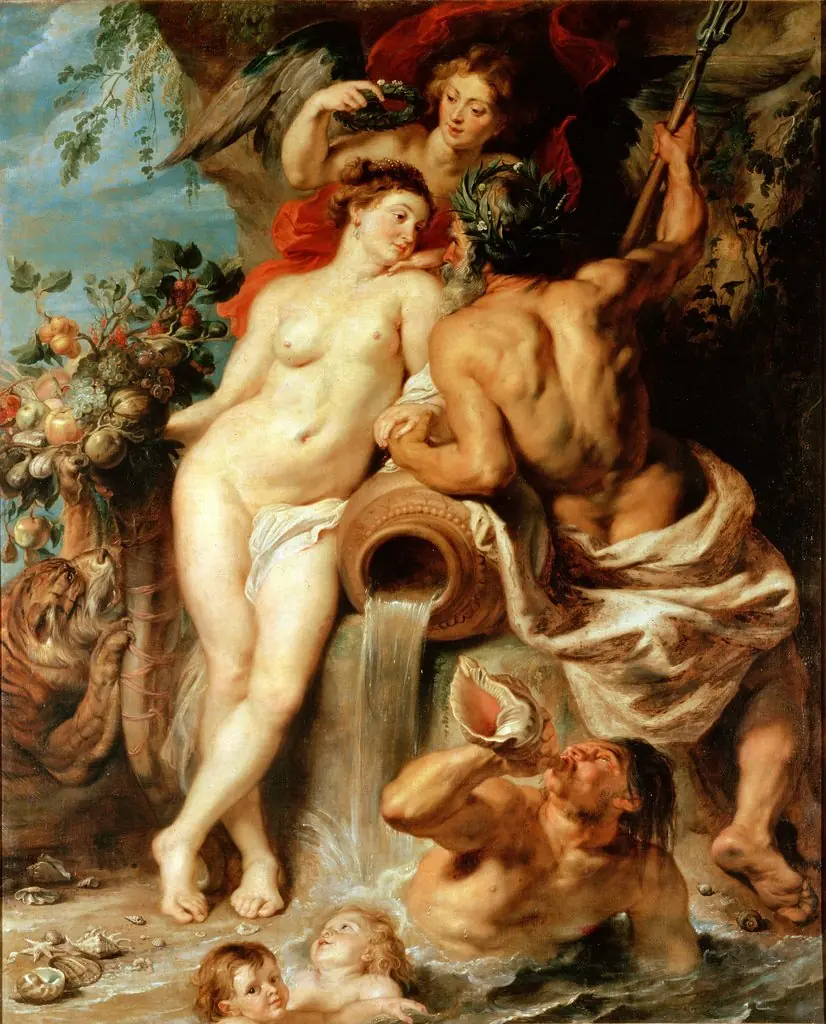 The Union of Earth and Water (Antwerp and the Scheldt)
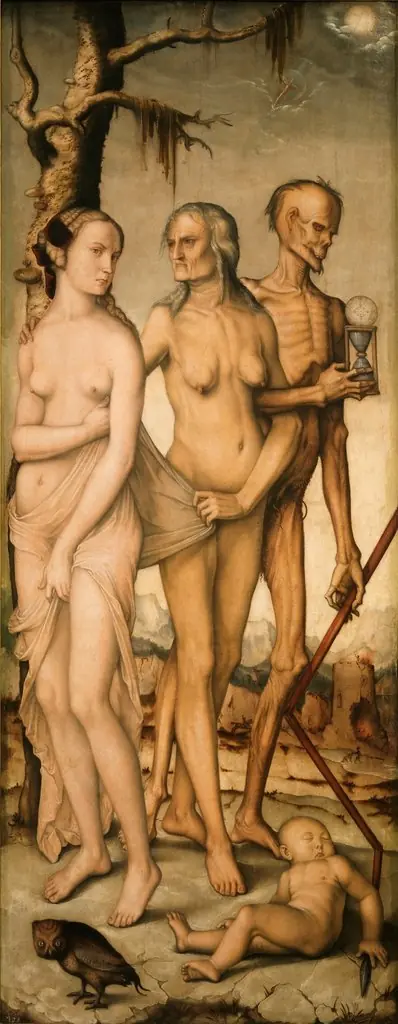 The Ages and Death
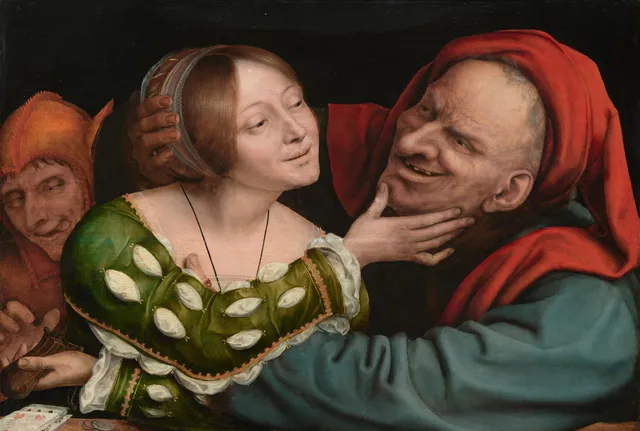
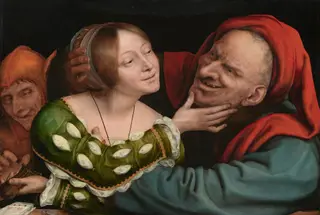 Ill-Matched Lovers
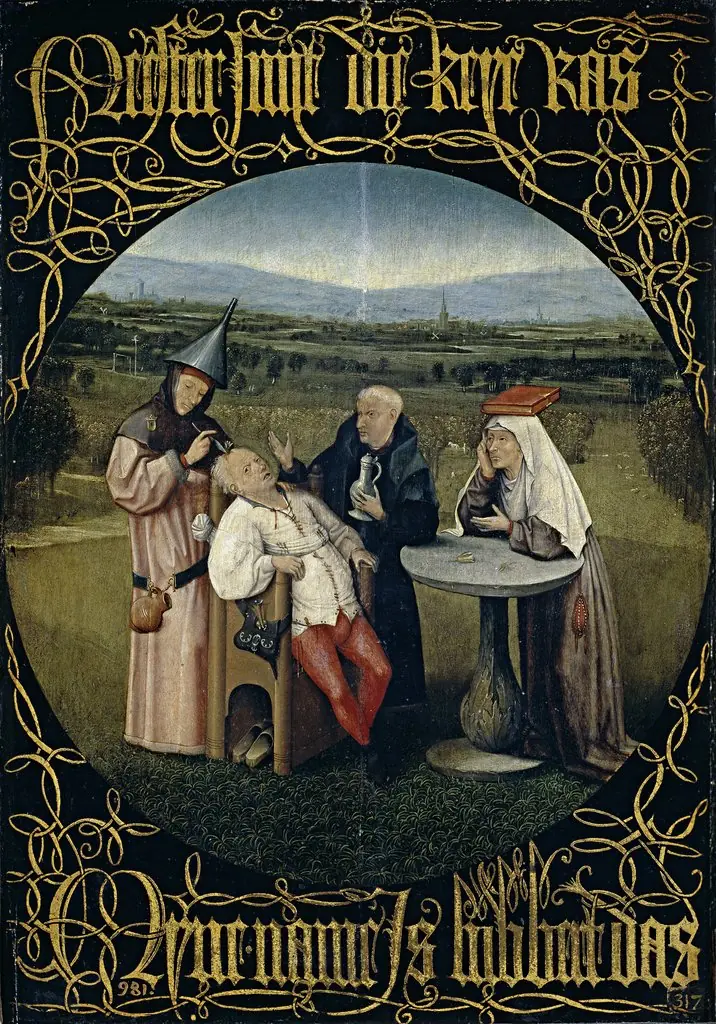 Cutting the Stone
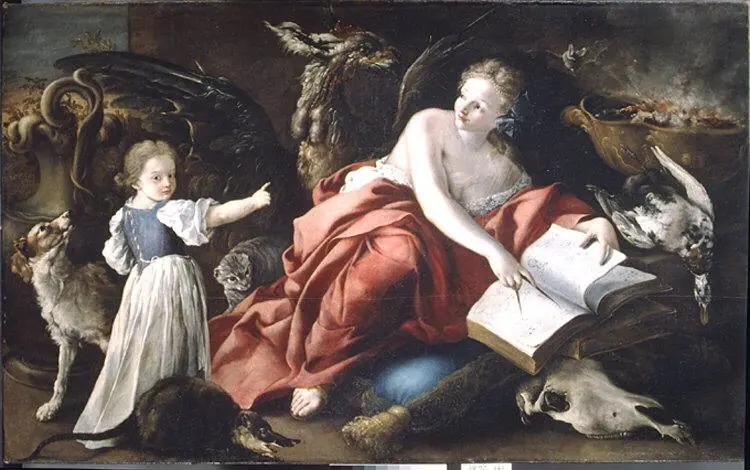 An Allegory
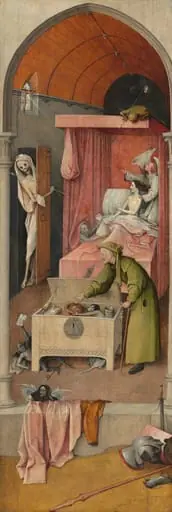 Death and the Miser
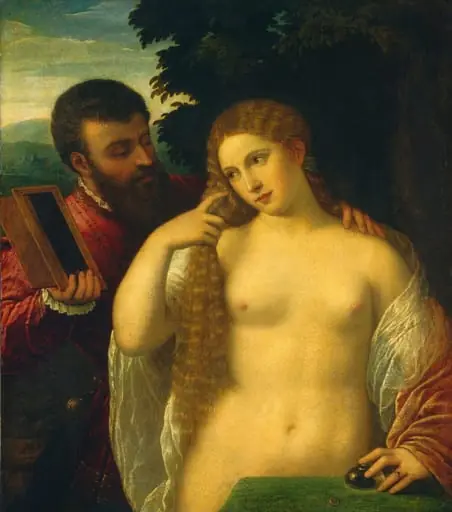 Allegory of Love
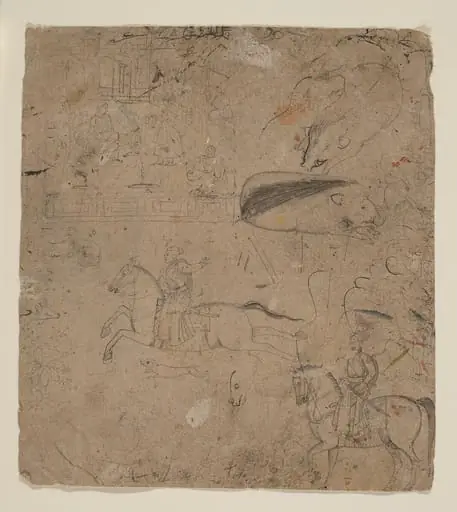 Untitled
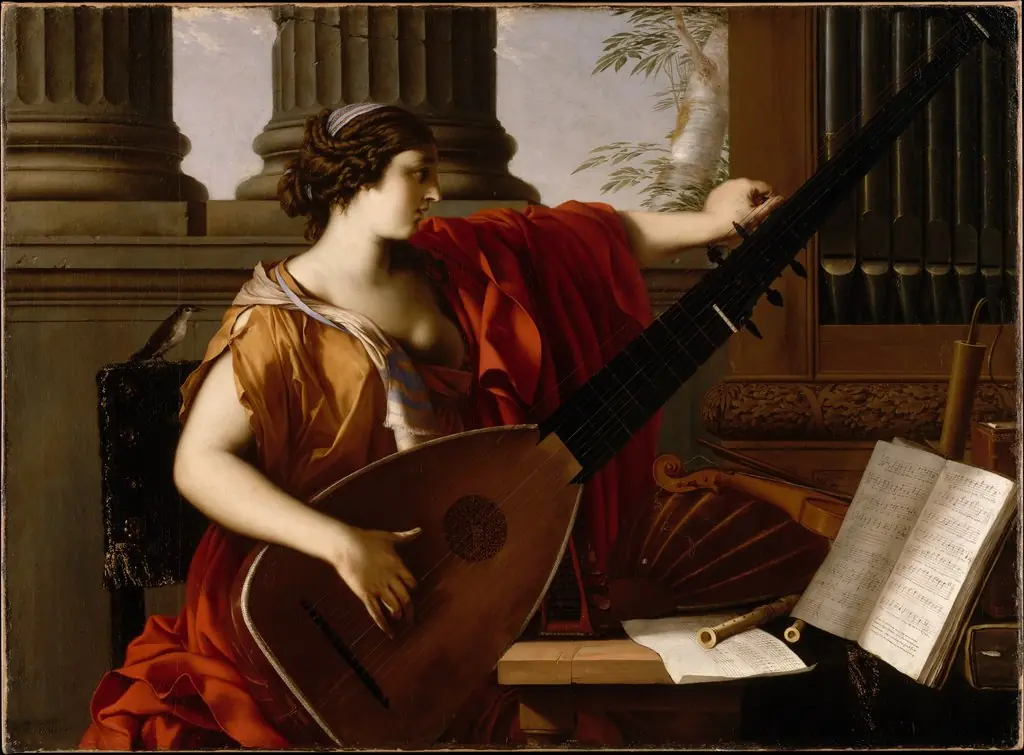 Allegory of Music
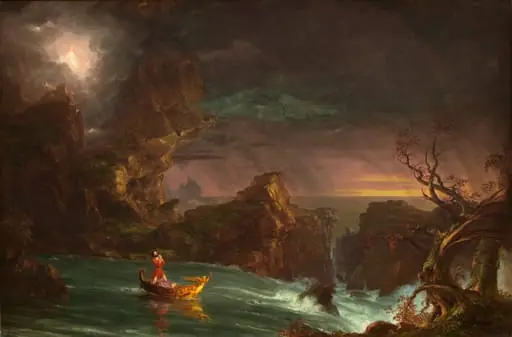 The Voyage of Life: Manhood
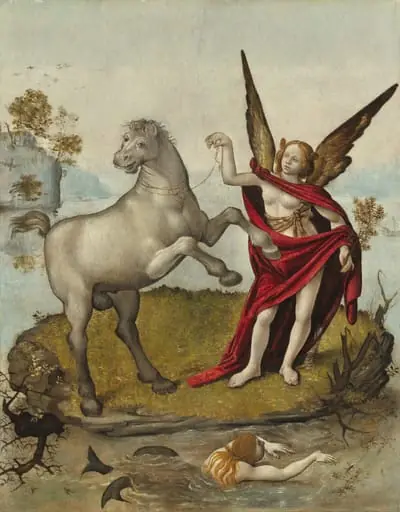 Allegory
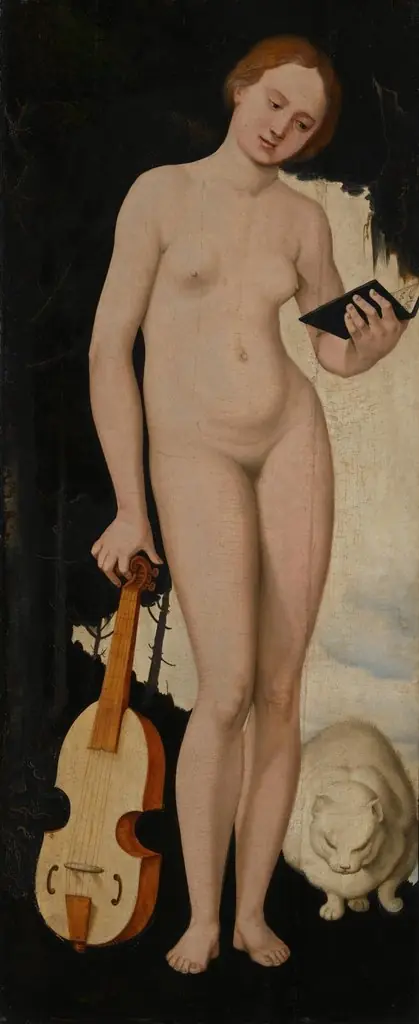 Woman with Cat
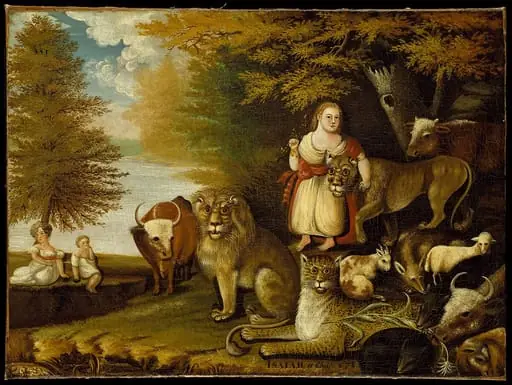 Peaceable Kingdom
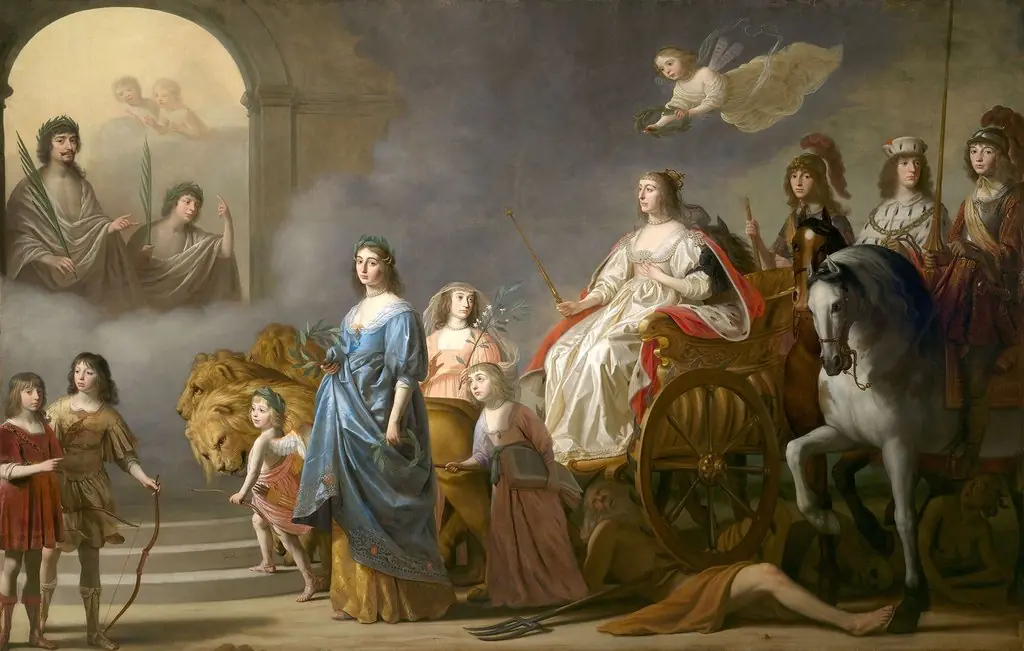 The Triumph of the Winter Queen: Allegory of the Just
 Untitled
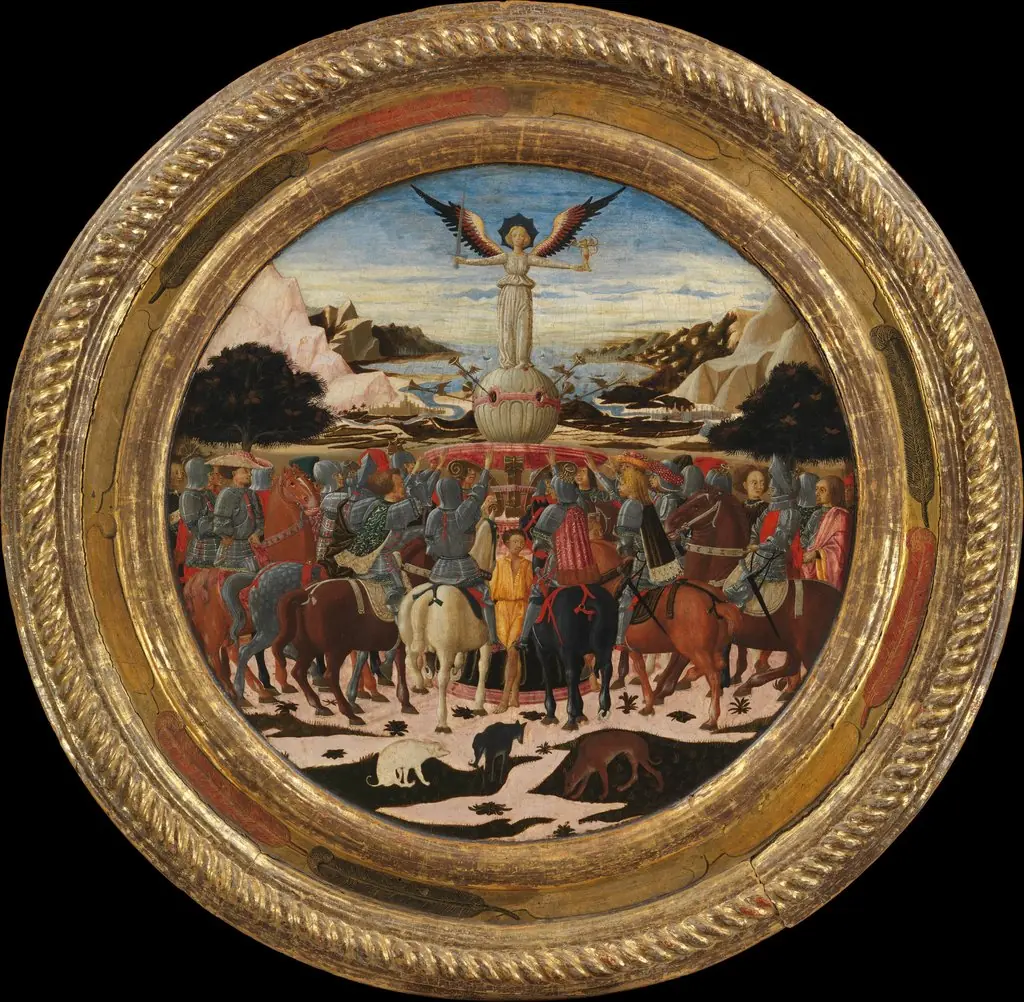 The Triumph of Fame
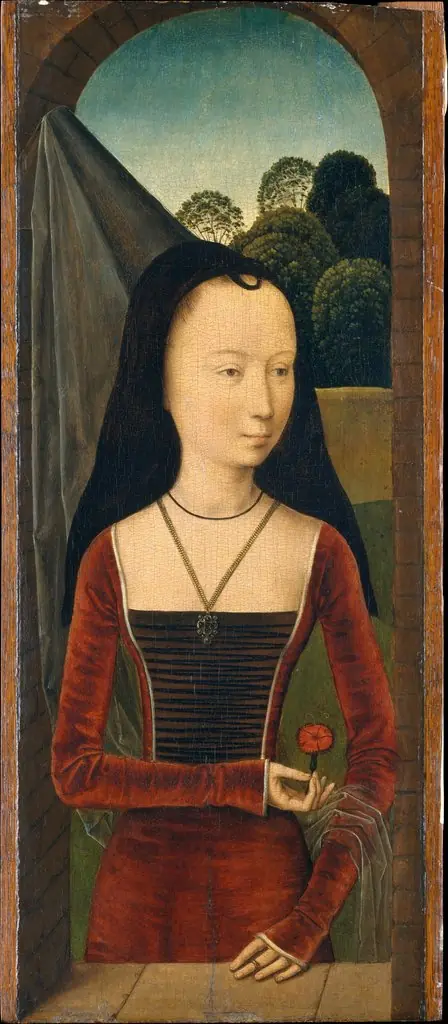 Young Woman with a Pink
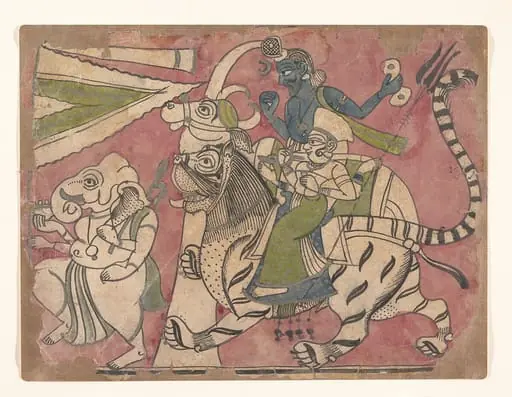 Untitled
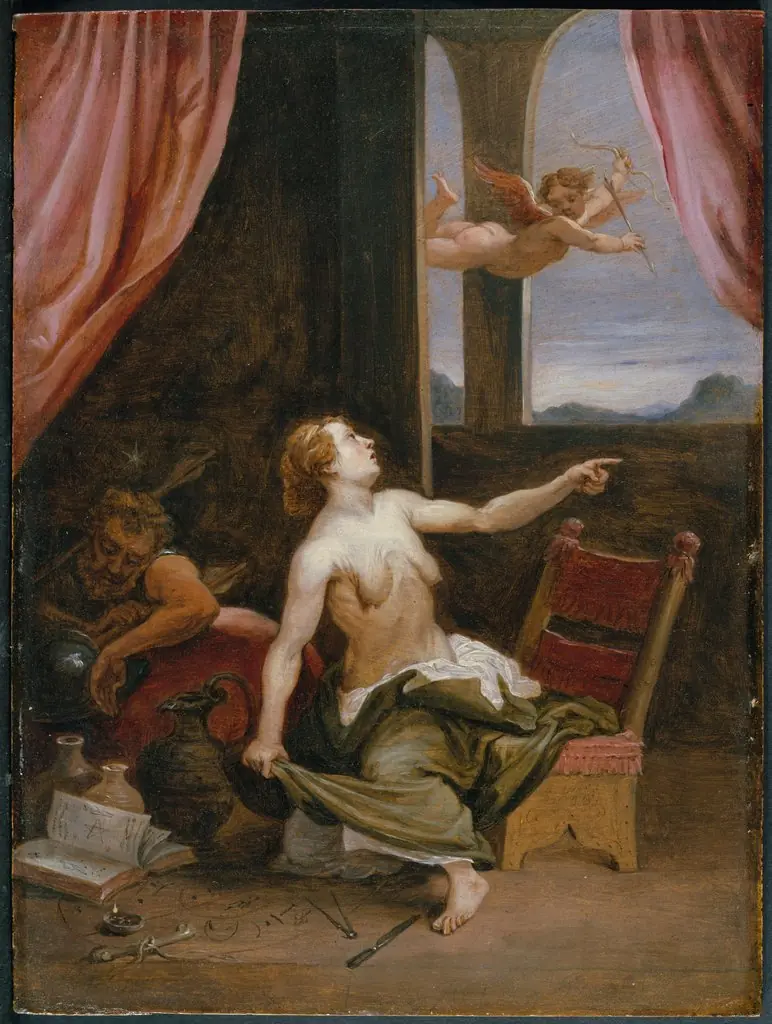 Old Age in Search of Youth
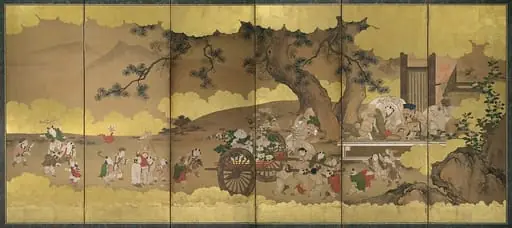 狩野周信筆 七福神唐子図屏風|Seven Gods of Good Fortune and Chinese Children
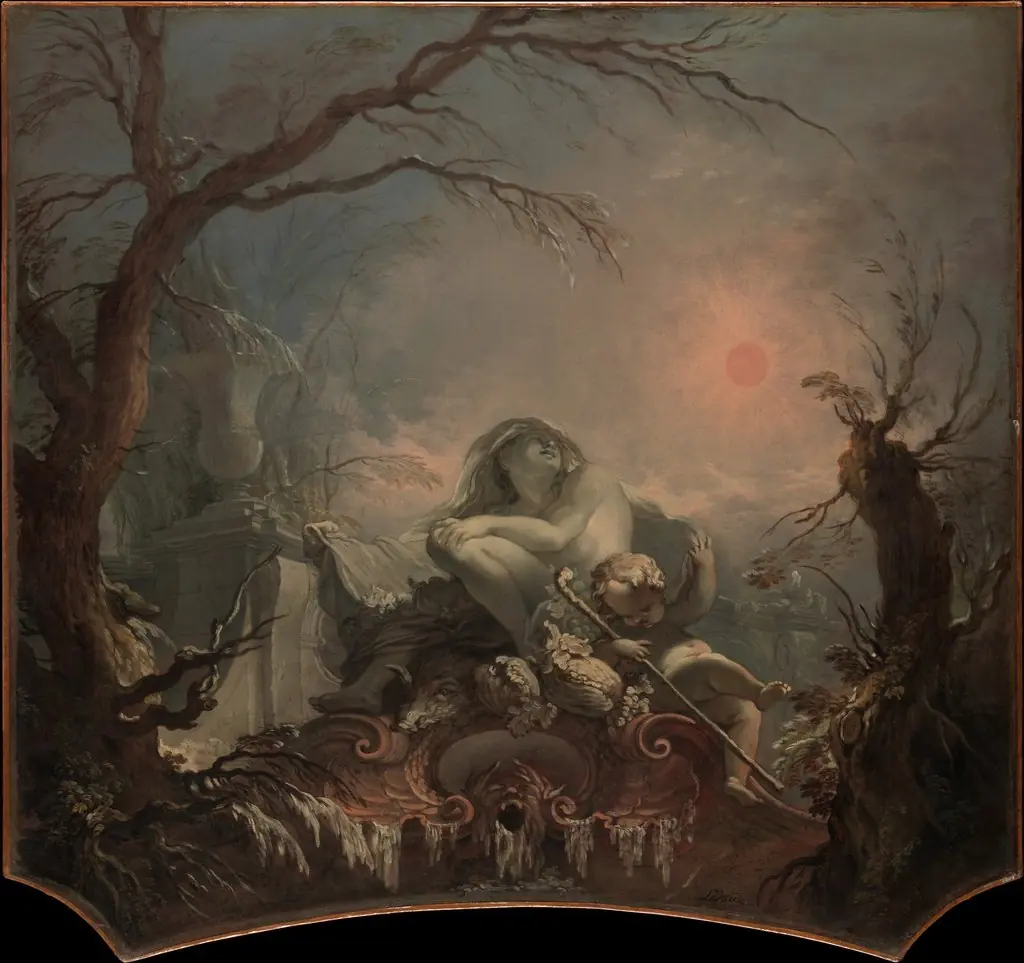 Allegory of Winter
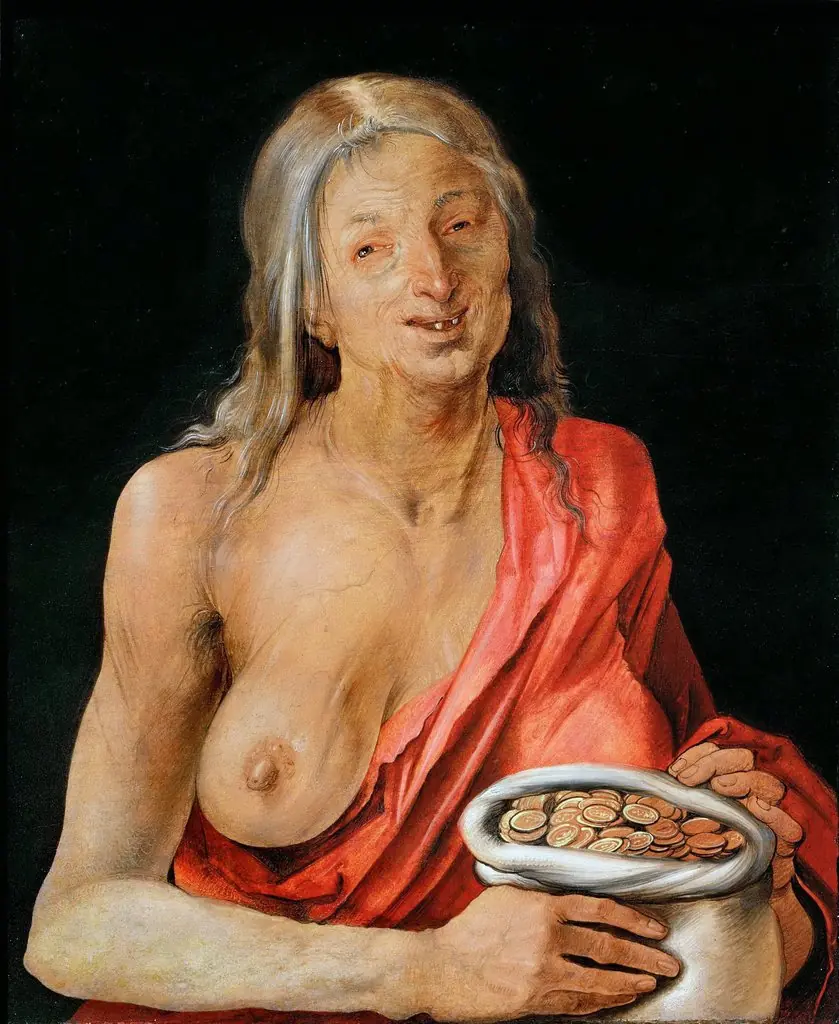 Avarice
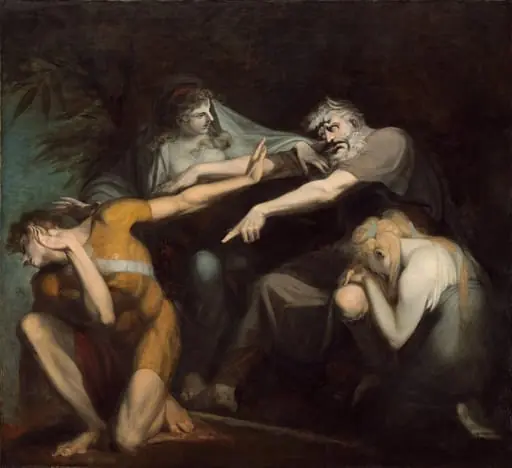 Oedipus Cursing His Son Polynices
 The Voyage of Life: Childhood
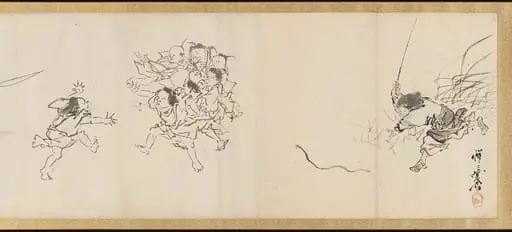 Untitled
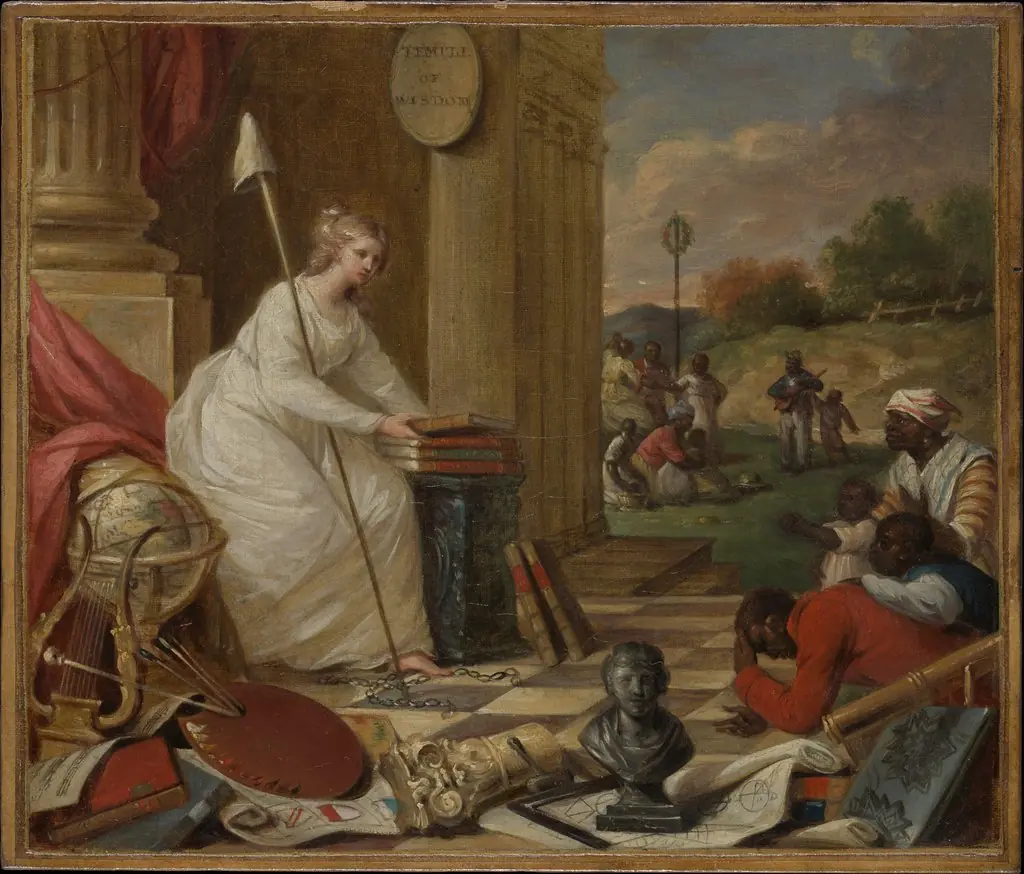 Study For Liberty Displaying the Arts and Sciences, or The Genius of America Encouraging the Emancipation of the Blacks
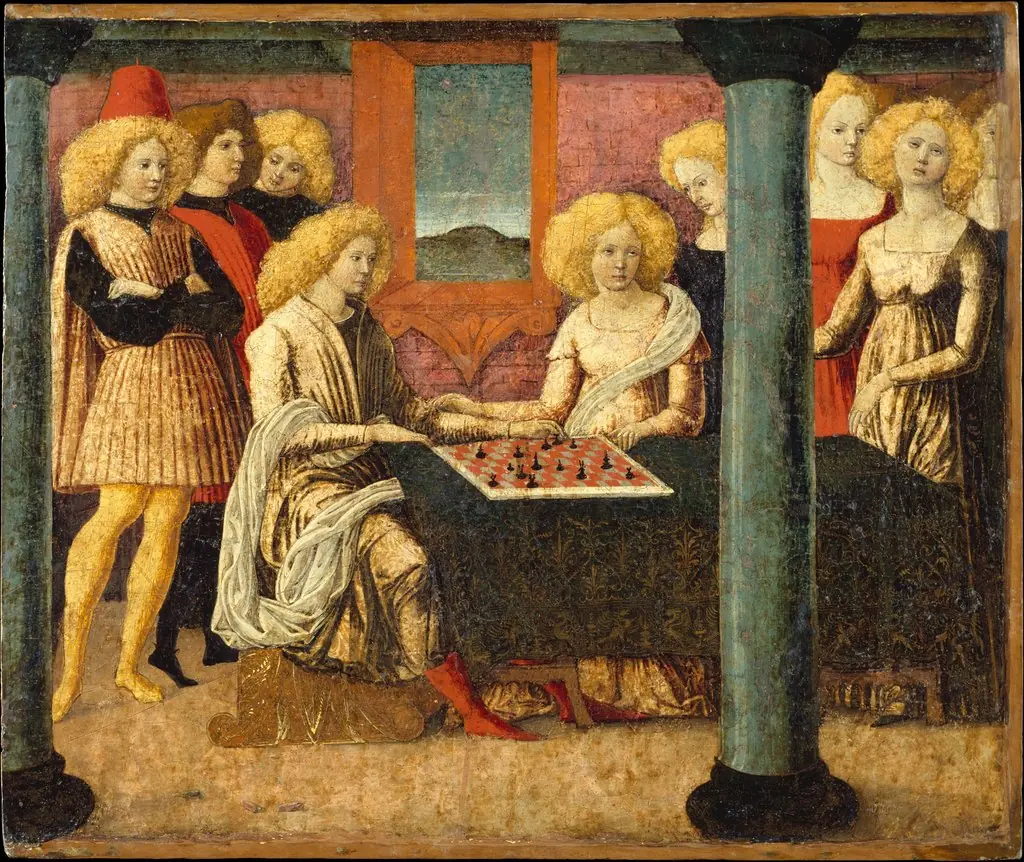 The Chess Players
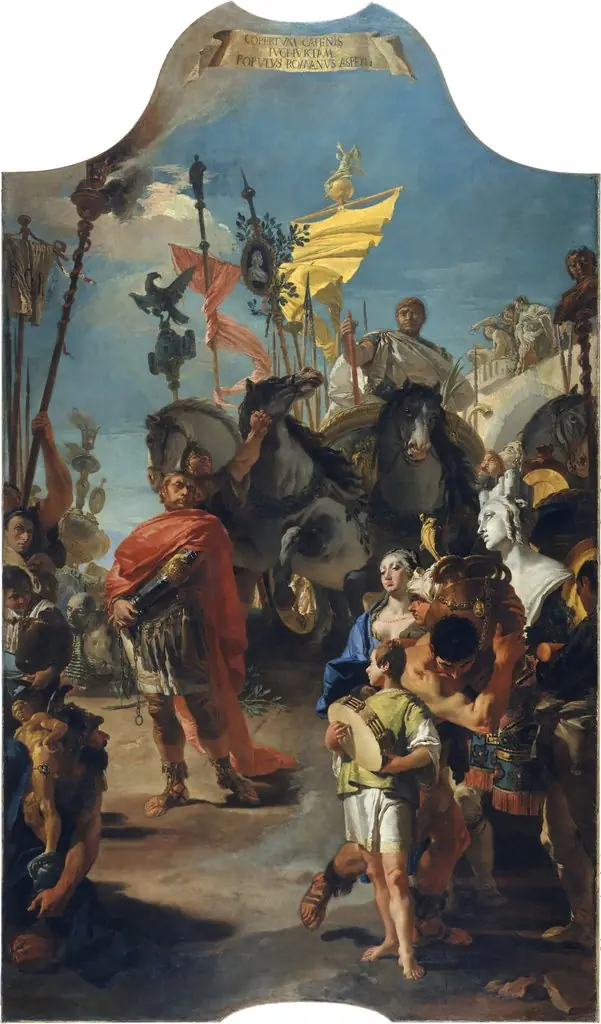 The Triumph of Marius
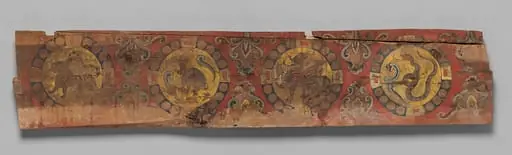 Untitled
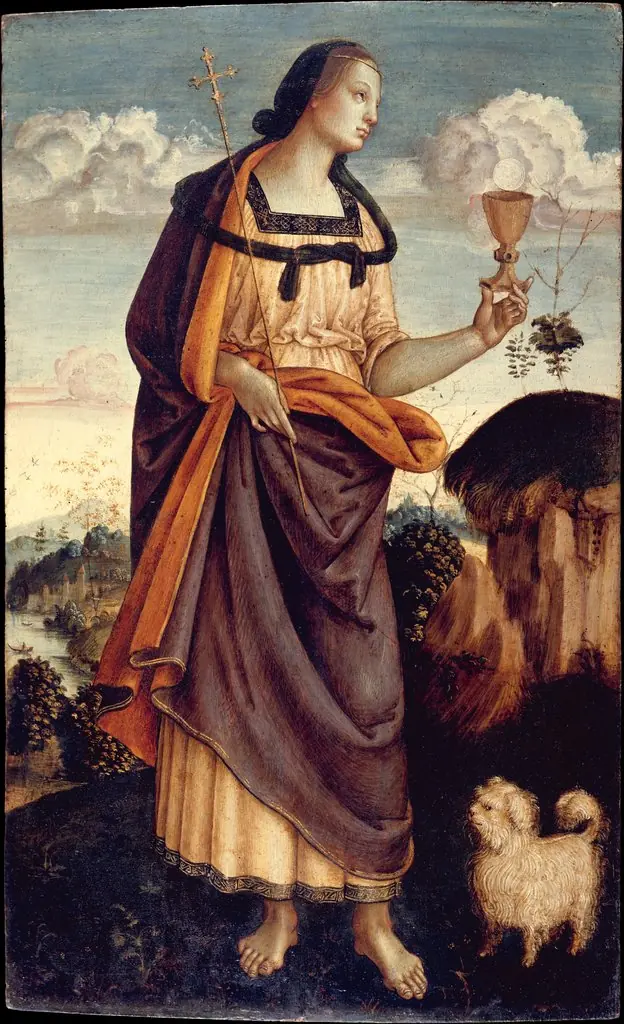 The Theological Virtues: Faith, Charity, Hope
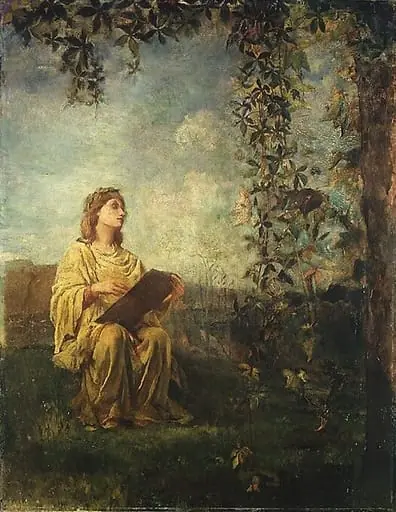 The Muse of Painting
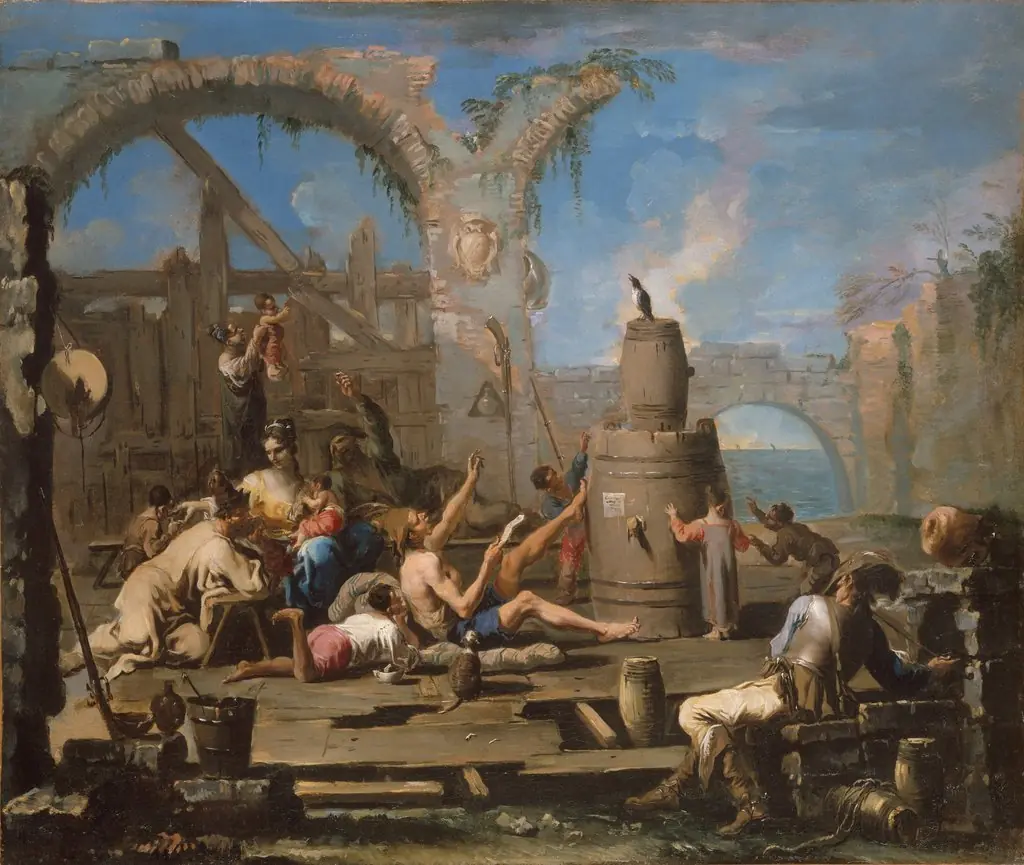 The Tame Magpie
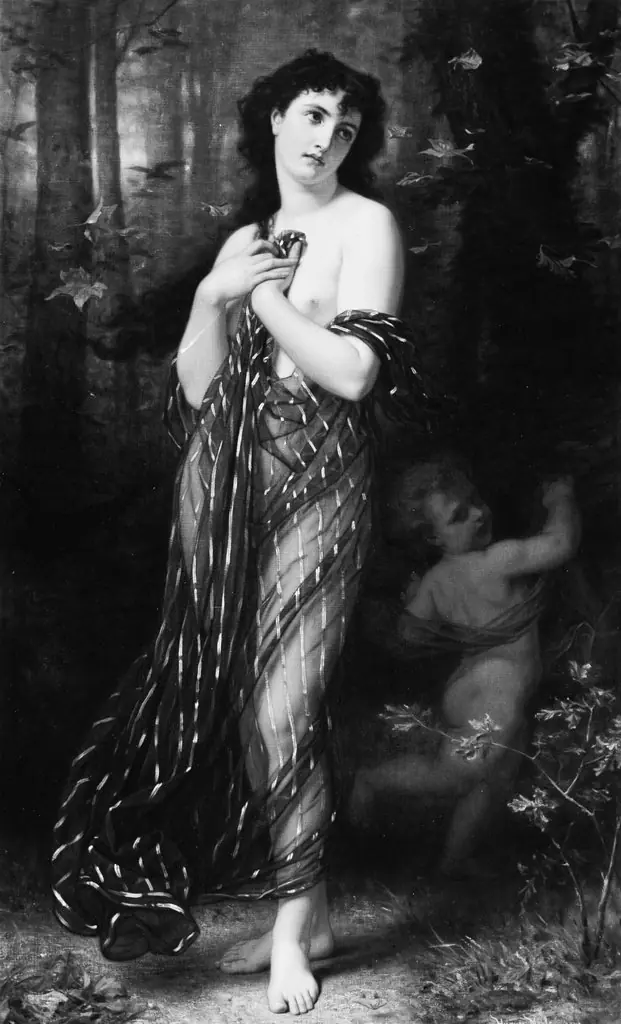 Falling Leaves, Allegory of Autumn
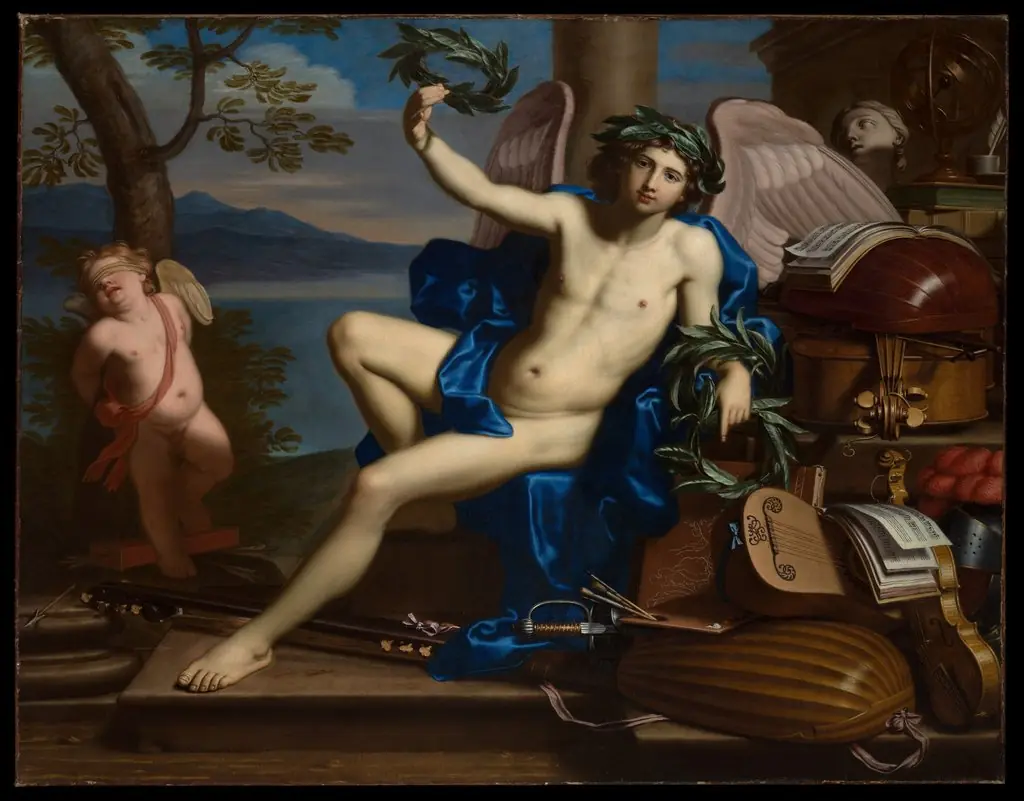 Allegory of Sacred and Profane Love
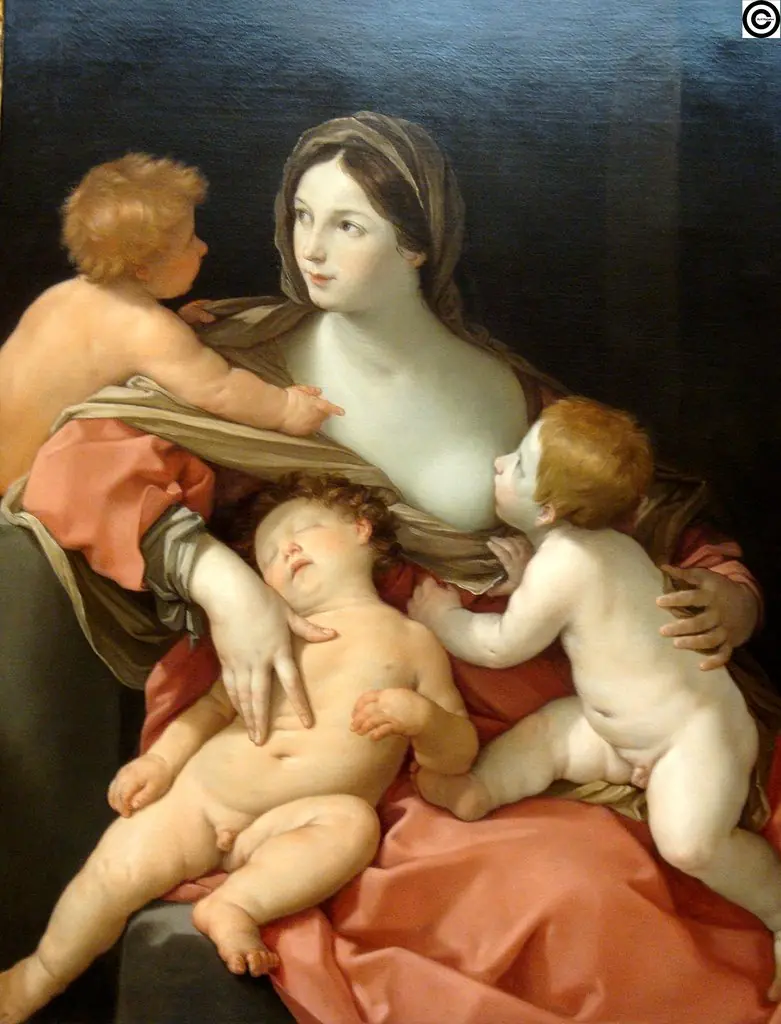 Charity
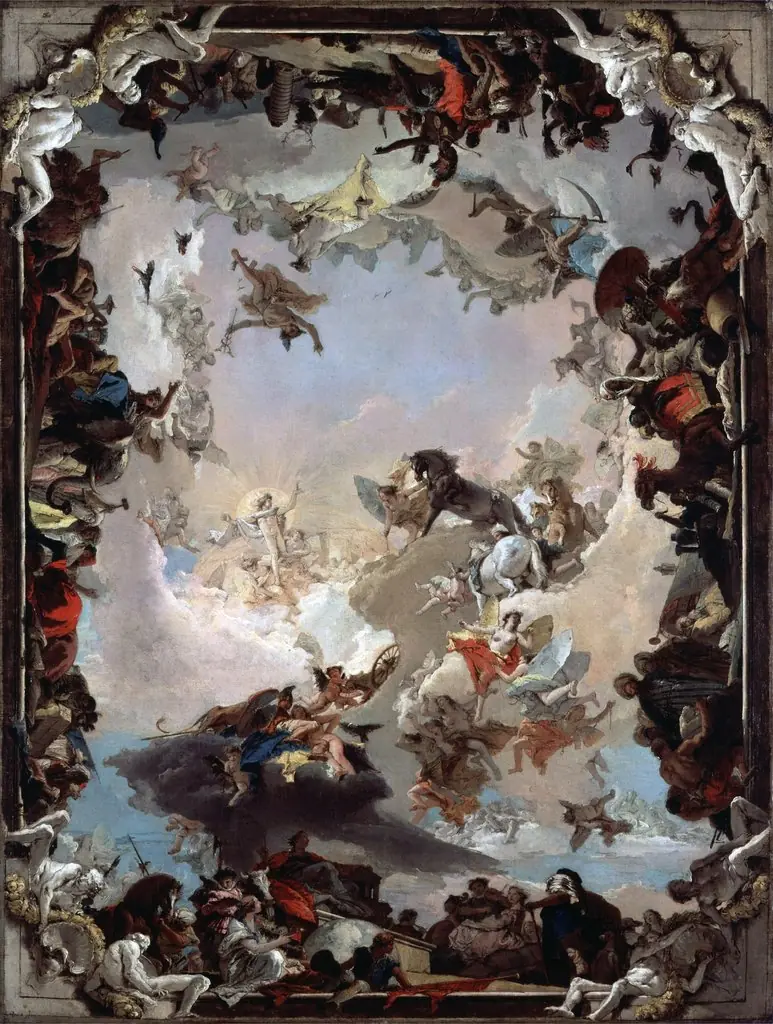 Allegory of the Planets and Continents
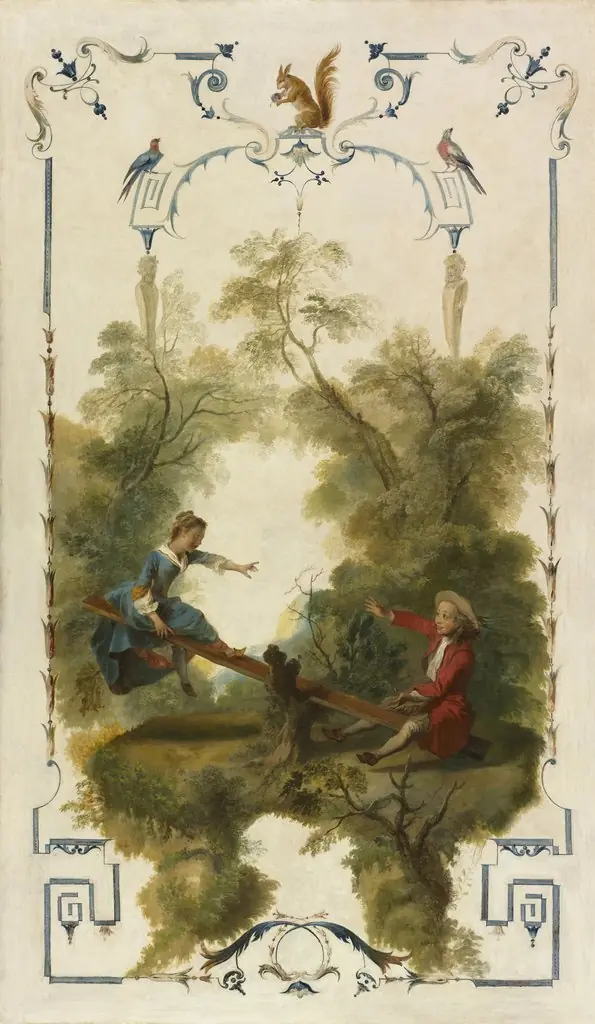 The See-Saw
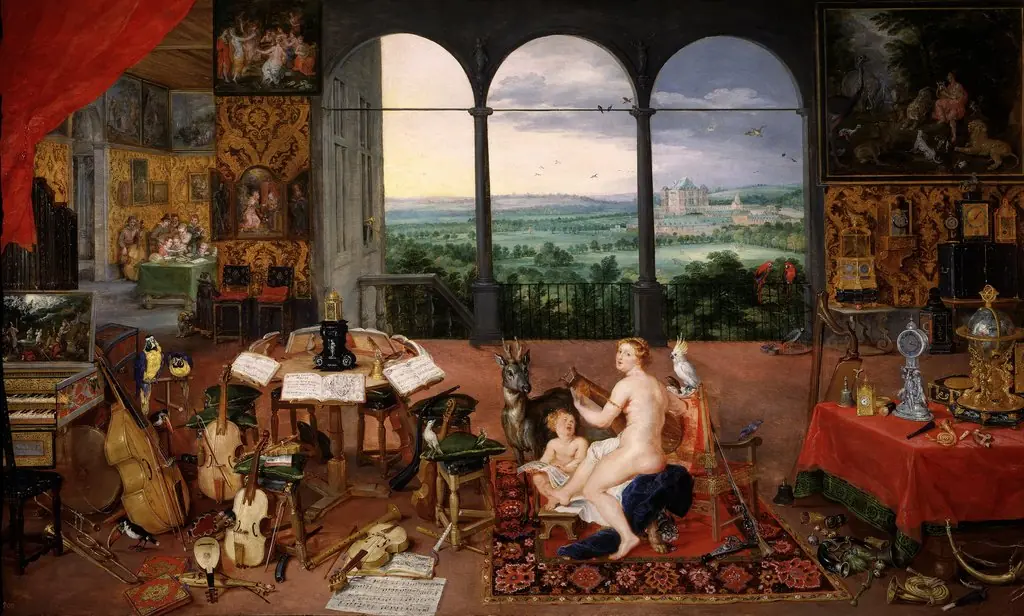 Hearing
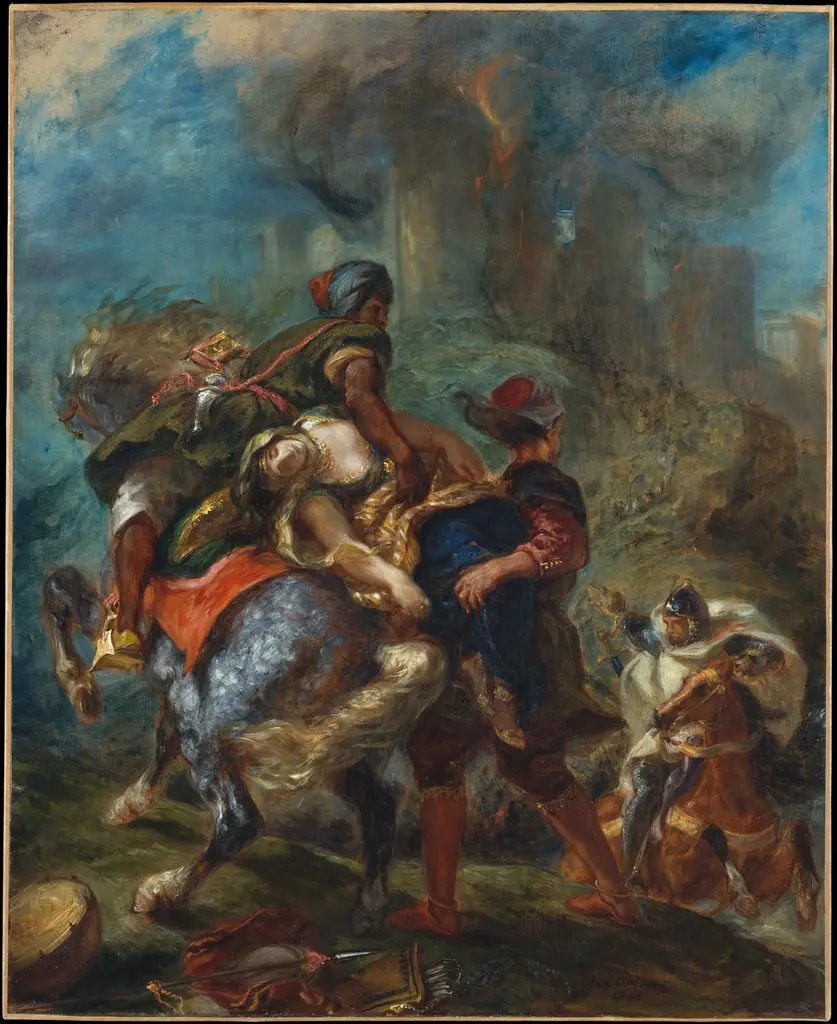 The Abduction of Rebecca
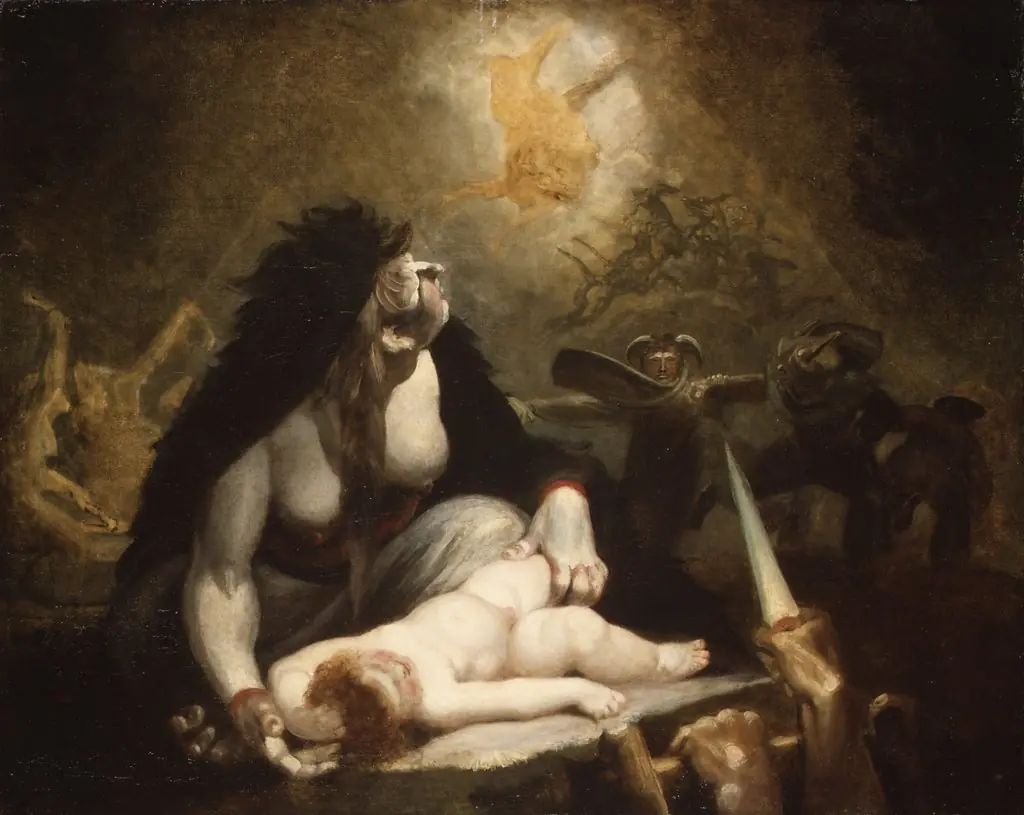 The Night-Hag Visiting Lapland Witches
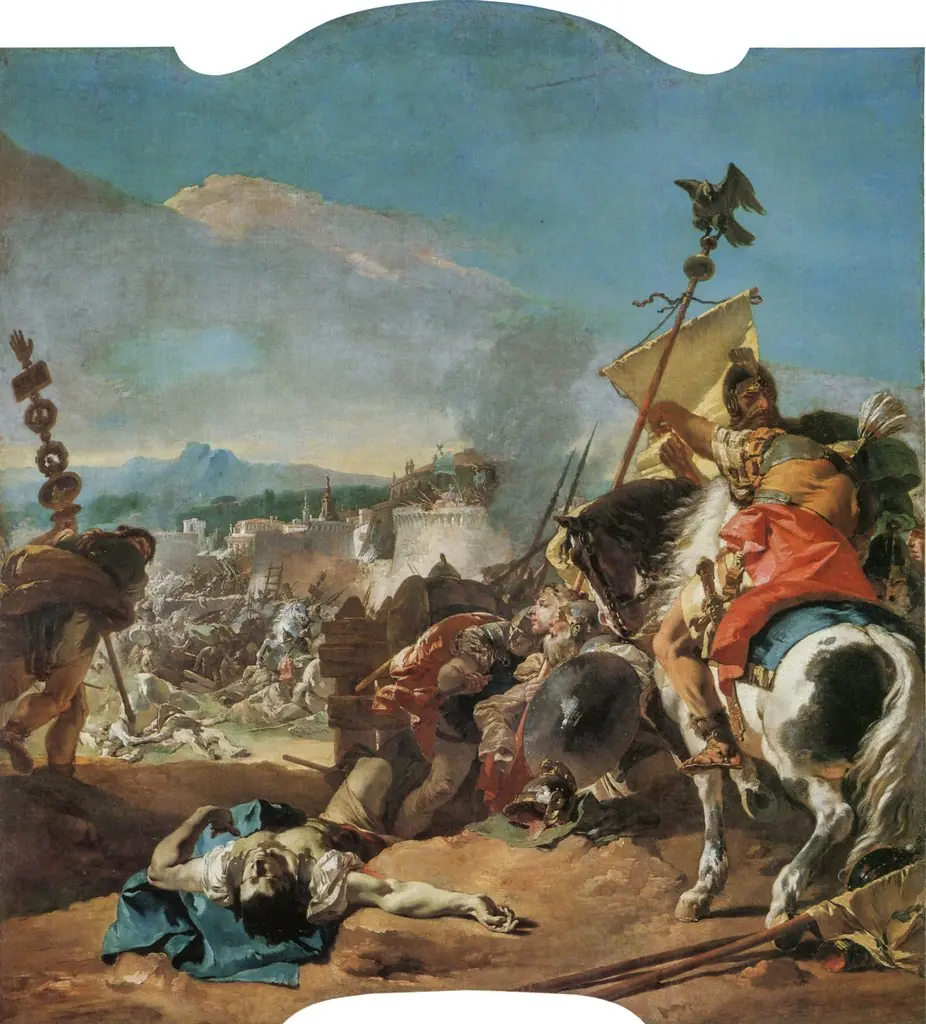 The Capture of Carthage
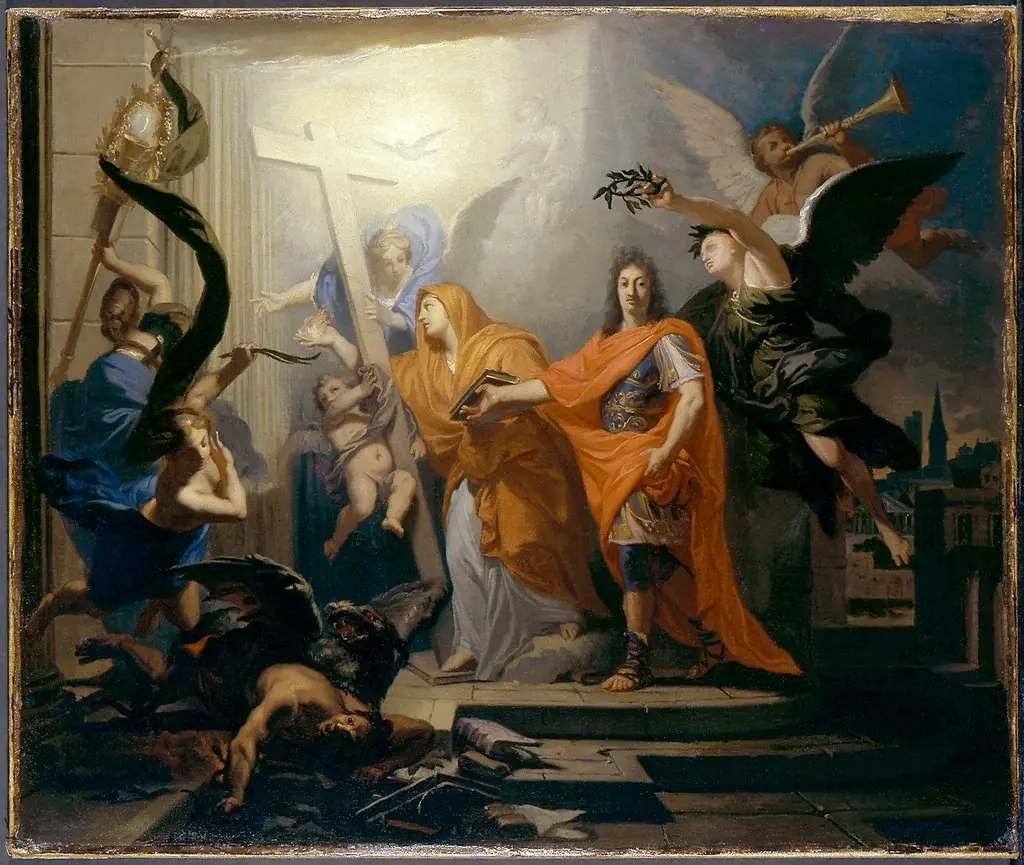 An Allegory, Probably of the Peace of Utrecht of 1713
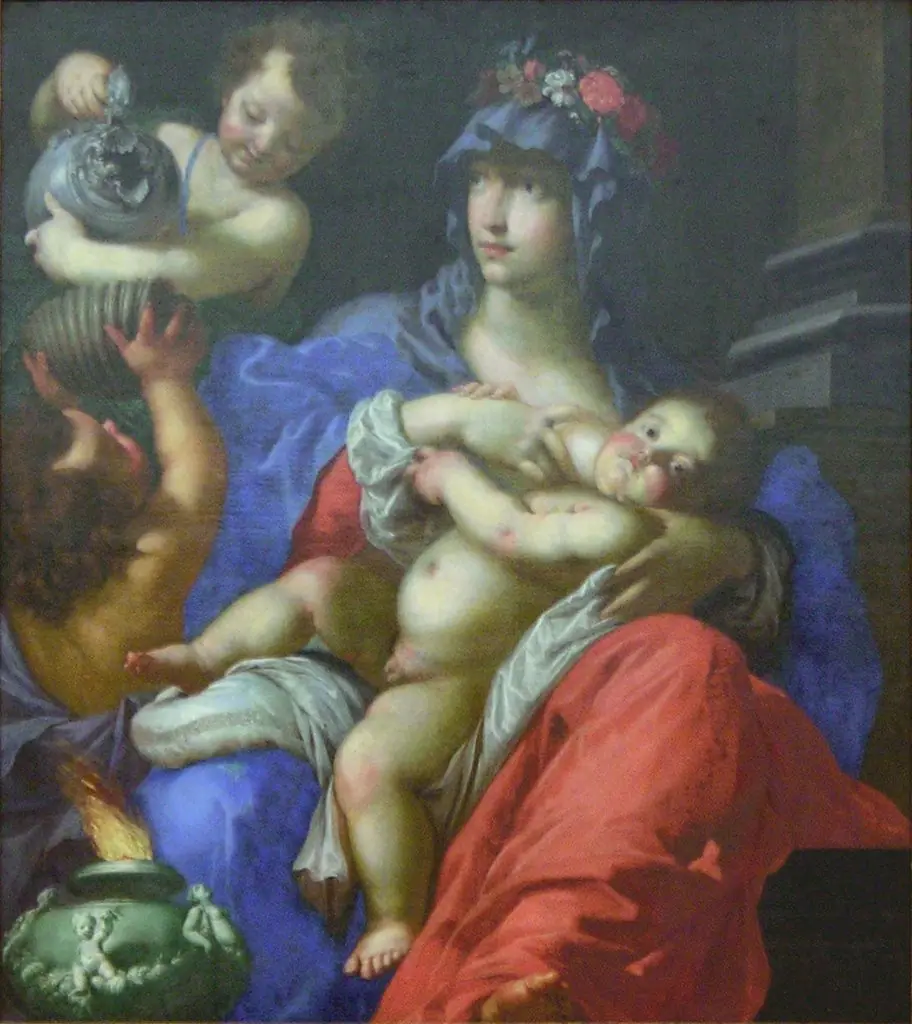 Charity
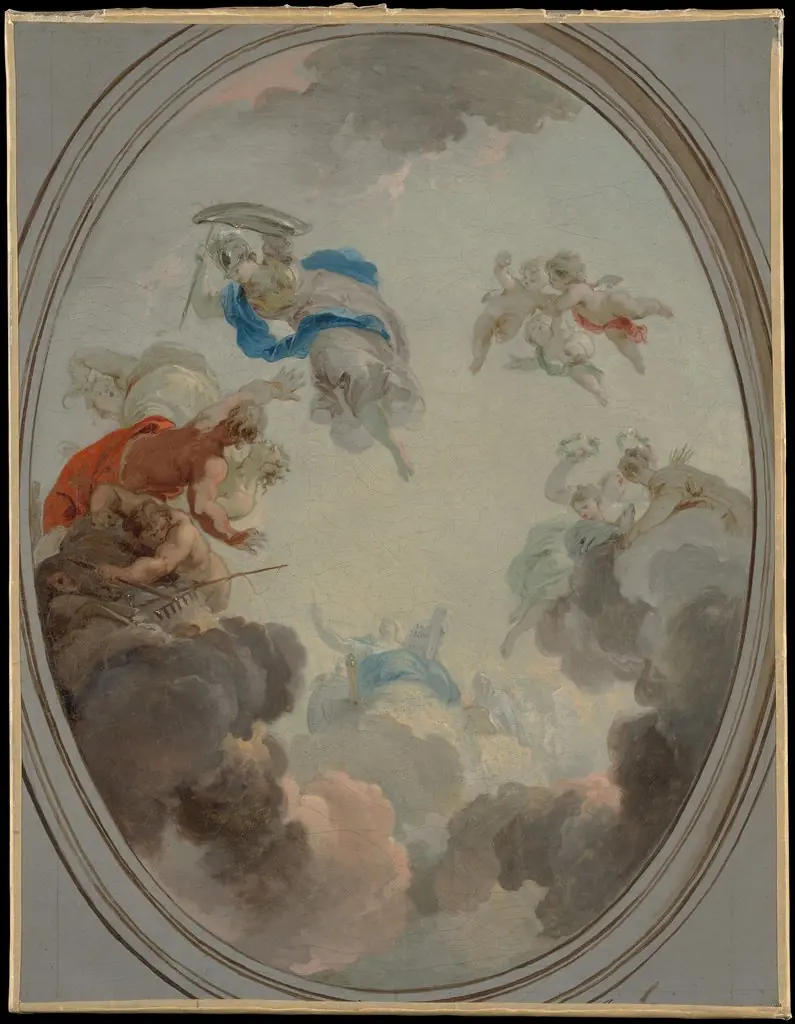 Allegory of Government: Wisdom Defeating Discord
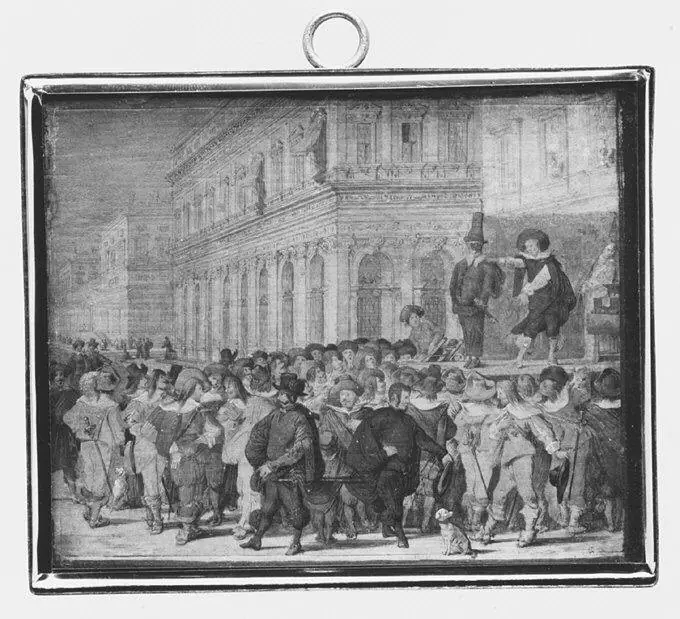 Traveling Players
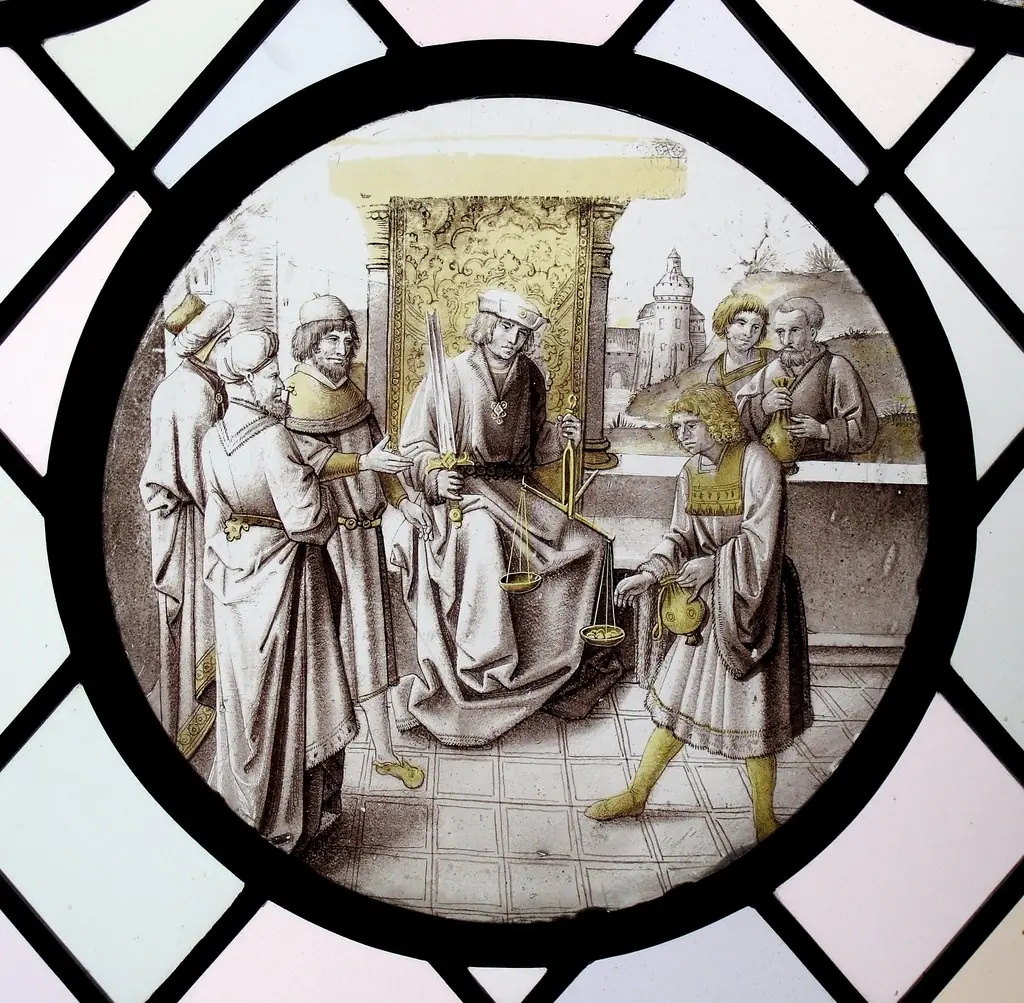 Roundel with Judgment or Allegorical Scene
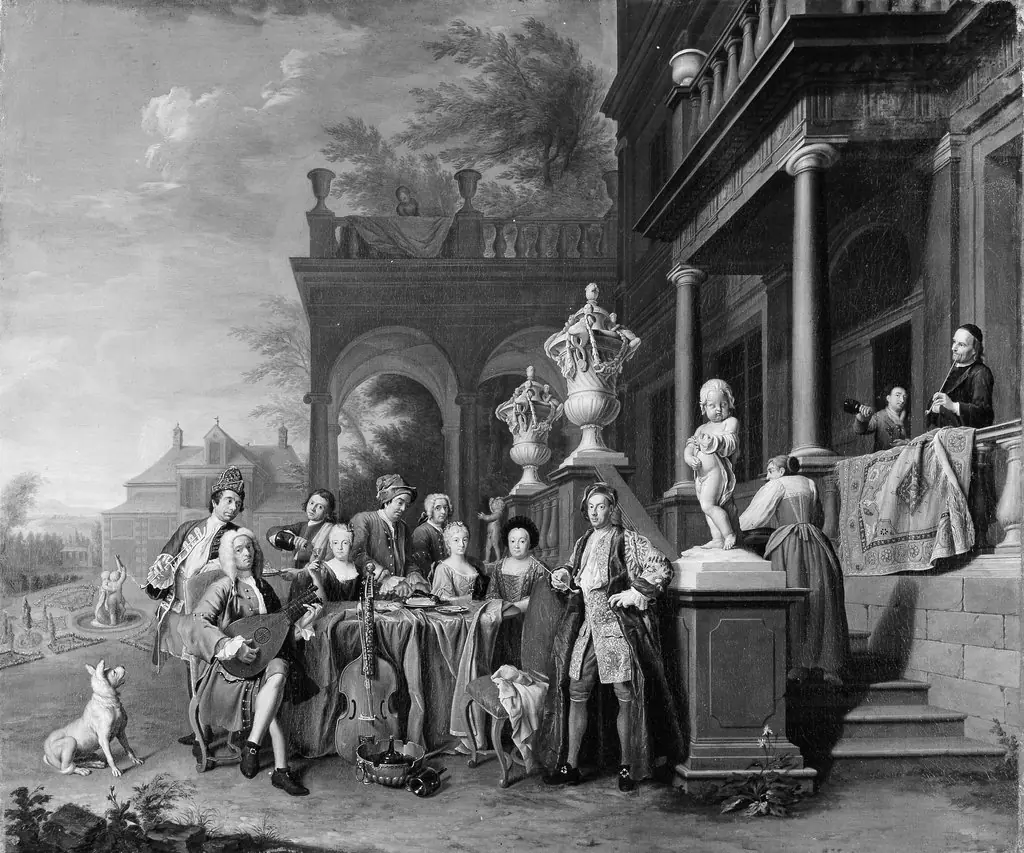 A Musical Gathering at the Court of the Elector Karl Albrecht of Bavaria
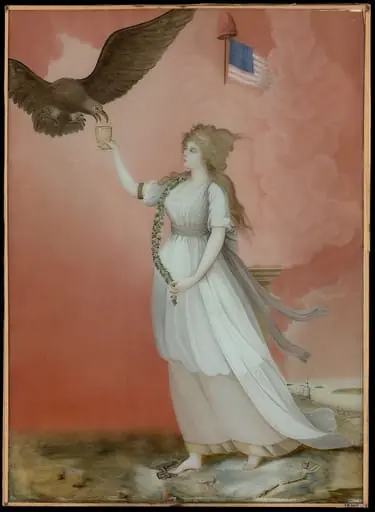 Liberty
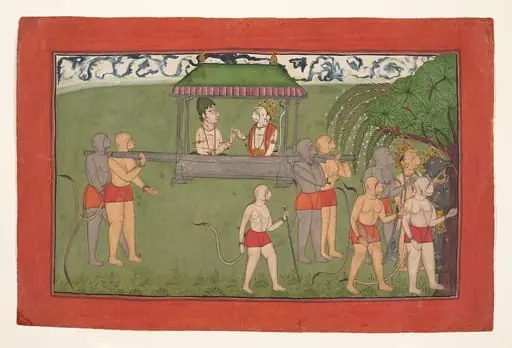 Untitled
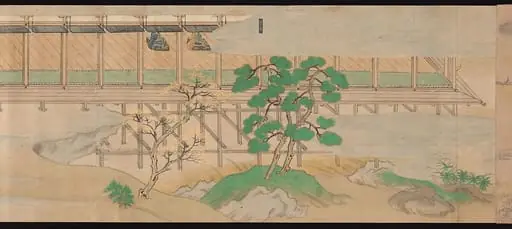 神於寺縁起絵巻断簡|Scene from The Illustrated Legends of Jin’ōji Temple (Jin’ōji engi emaki)
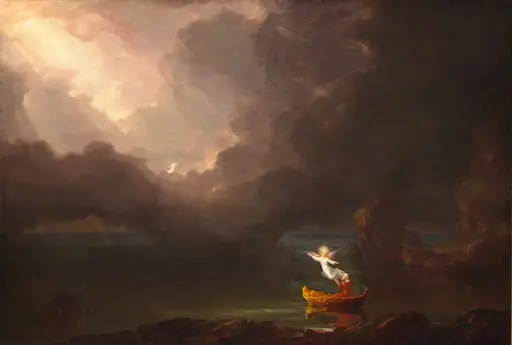 The Voyage of Life: Old Age
 The Voyage of Life: Youth
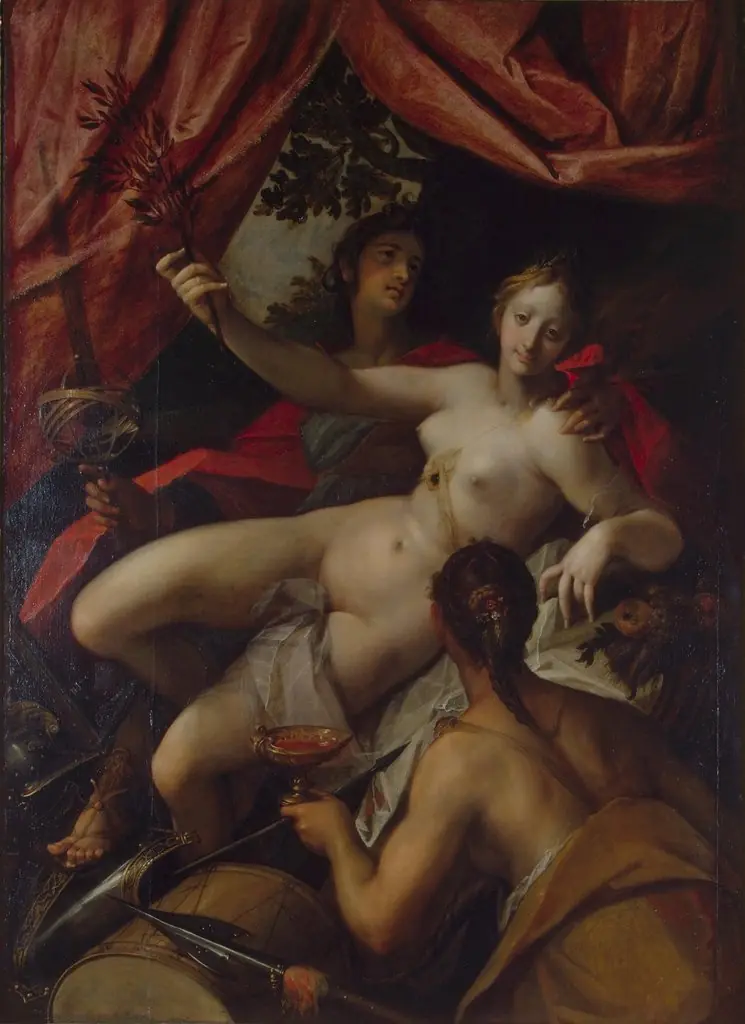 Allegory of Peace and Abundance
 清 虛谷 蝶貓圖 軸|Cat and Butterfly
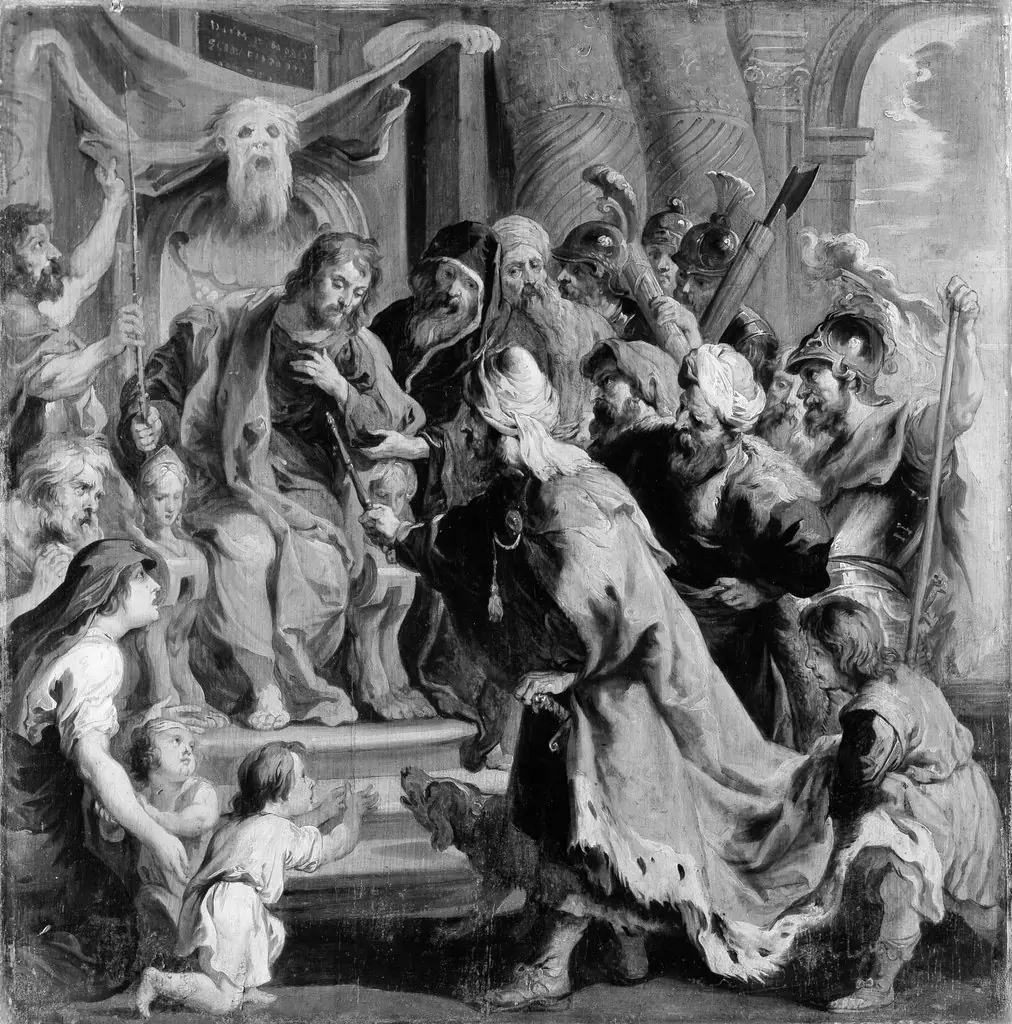 Cambyses Appointing Otanes Judge
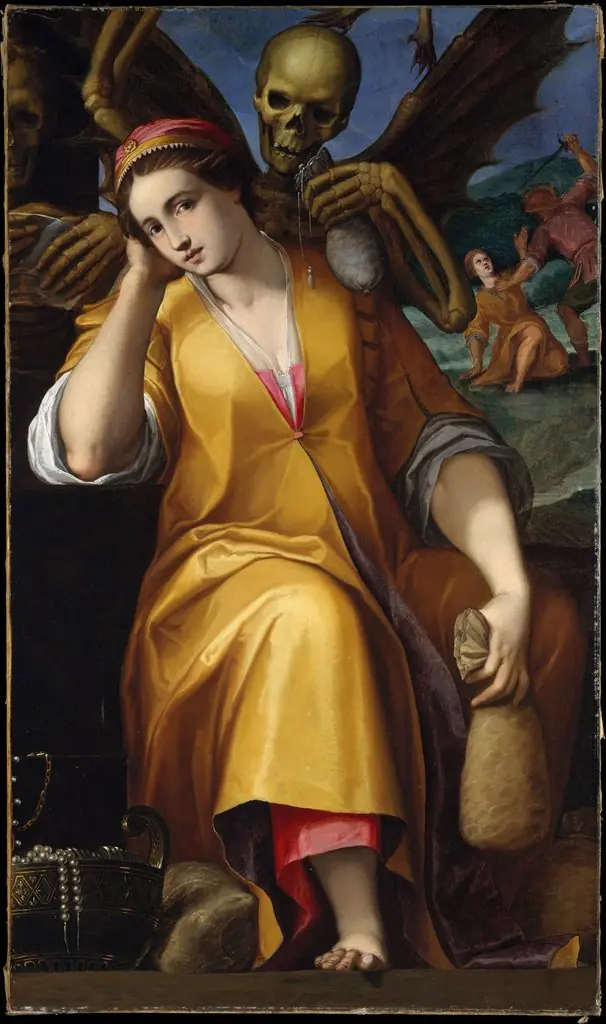 Allegory of Avarice
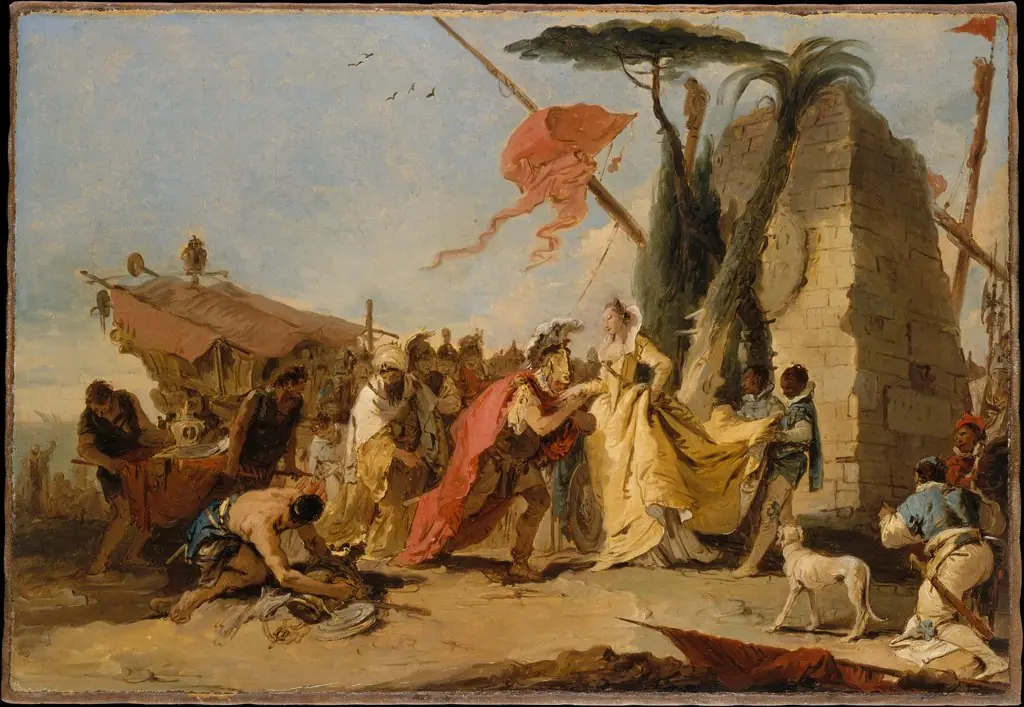 The Meeting of Antony and Cleopatra
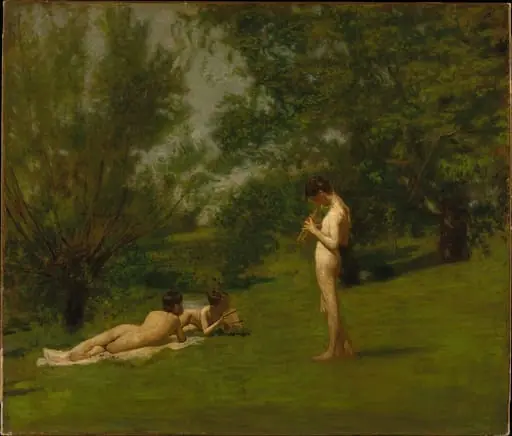 Arcadia
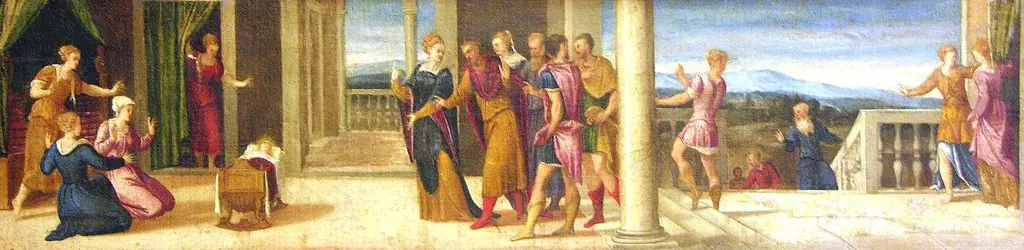 The Legend of the Infant Servius Tullius
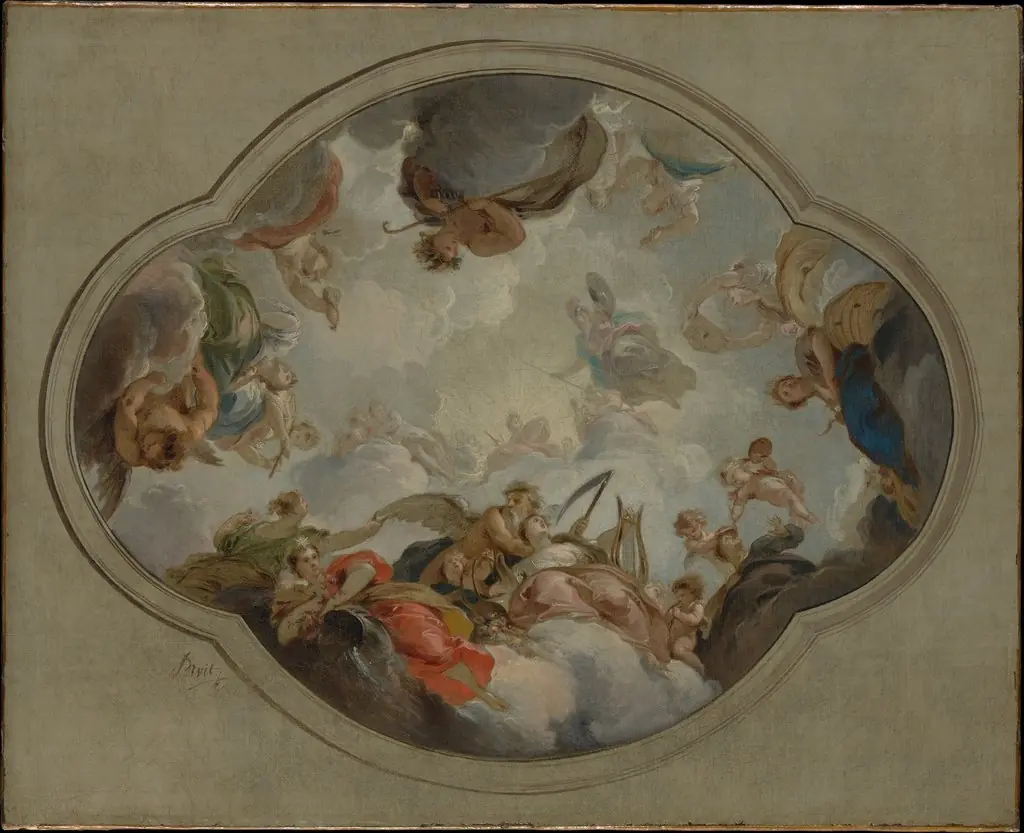 Allegory of the Arts
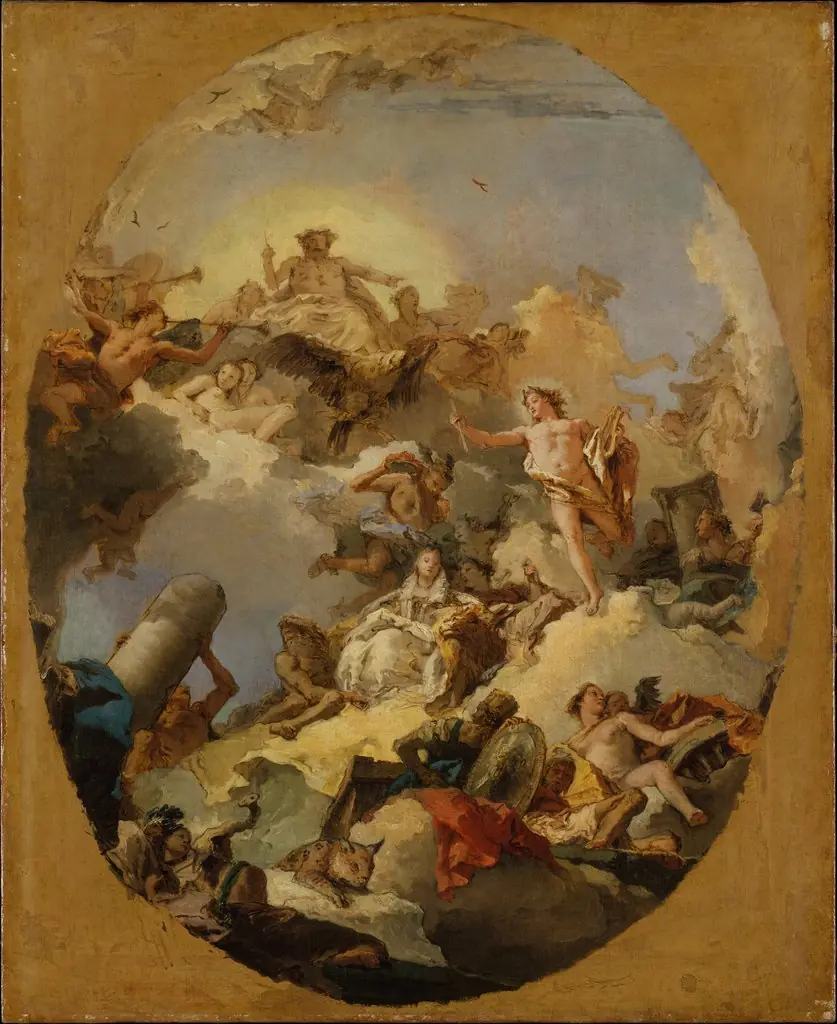 The Apotheosis of the Spanish Monarchy
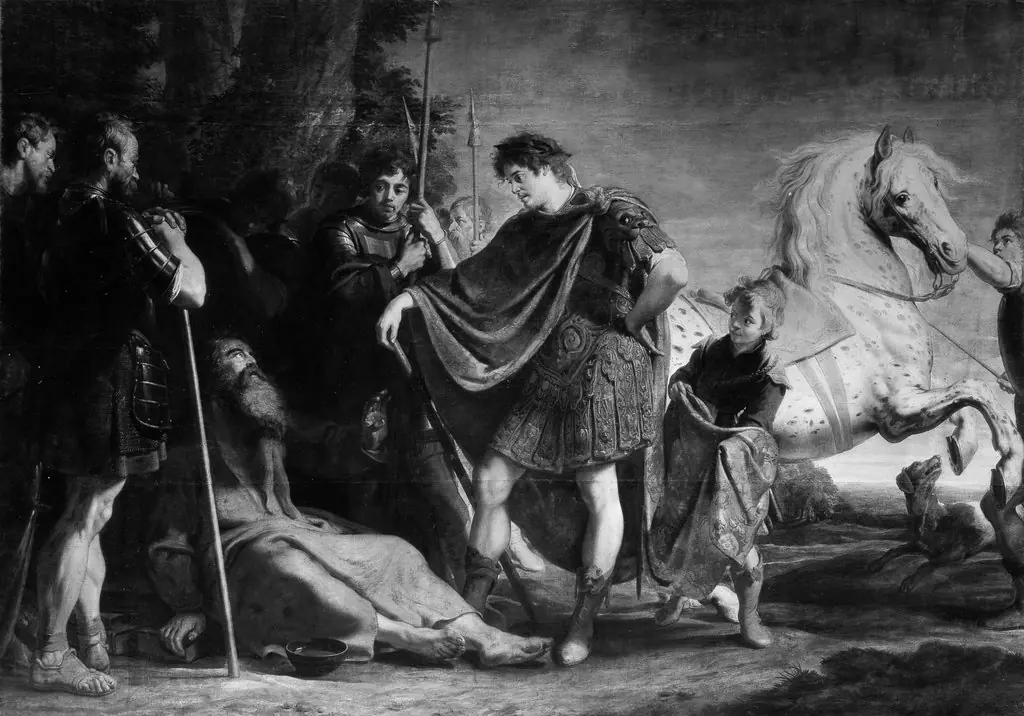 The Meeting of Alexander the Great and Diogenes
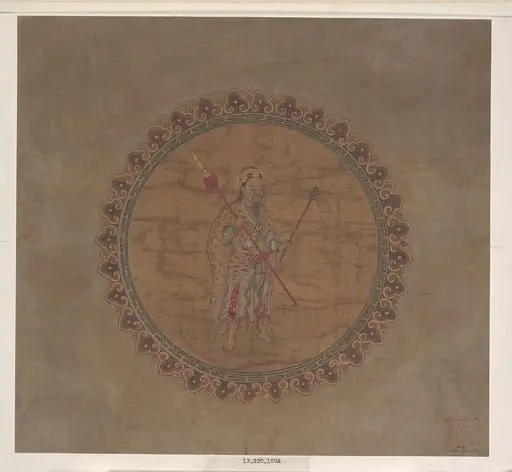 Untitled
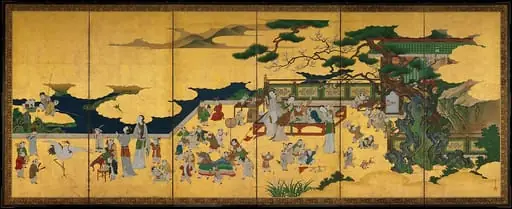 狩野永納筆 唐子遊図屏風|One Hundred Boys
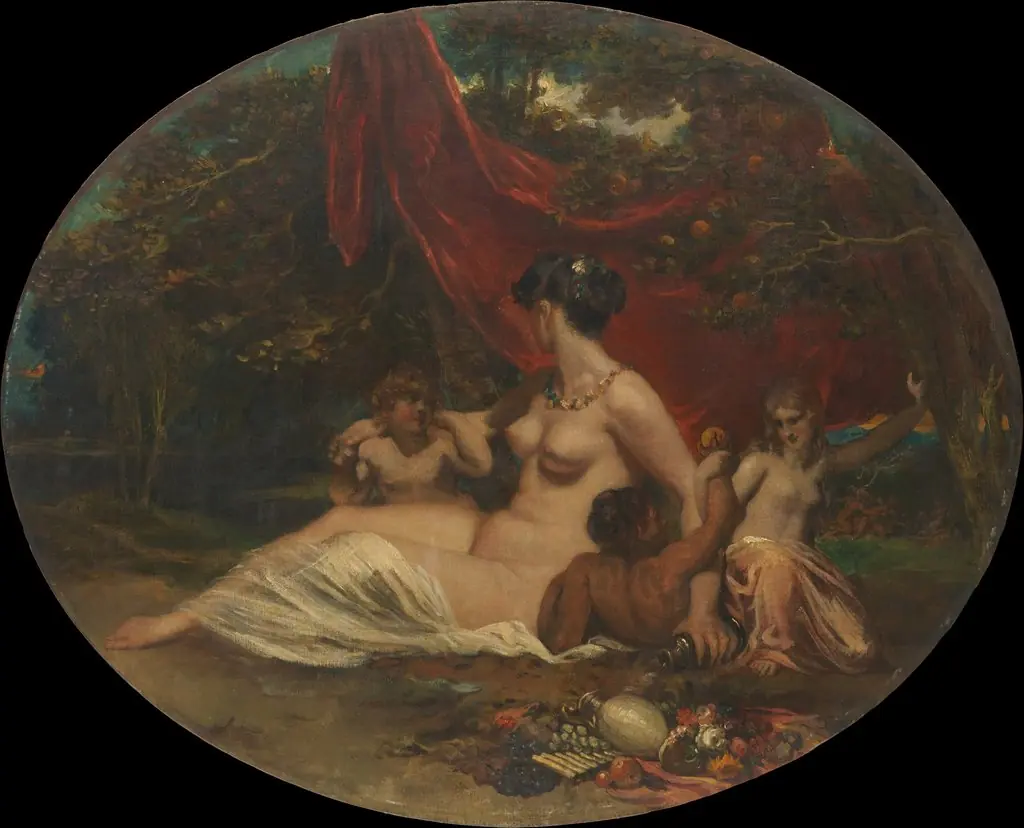 Allegory
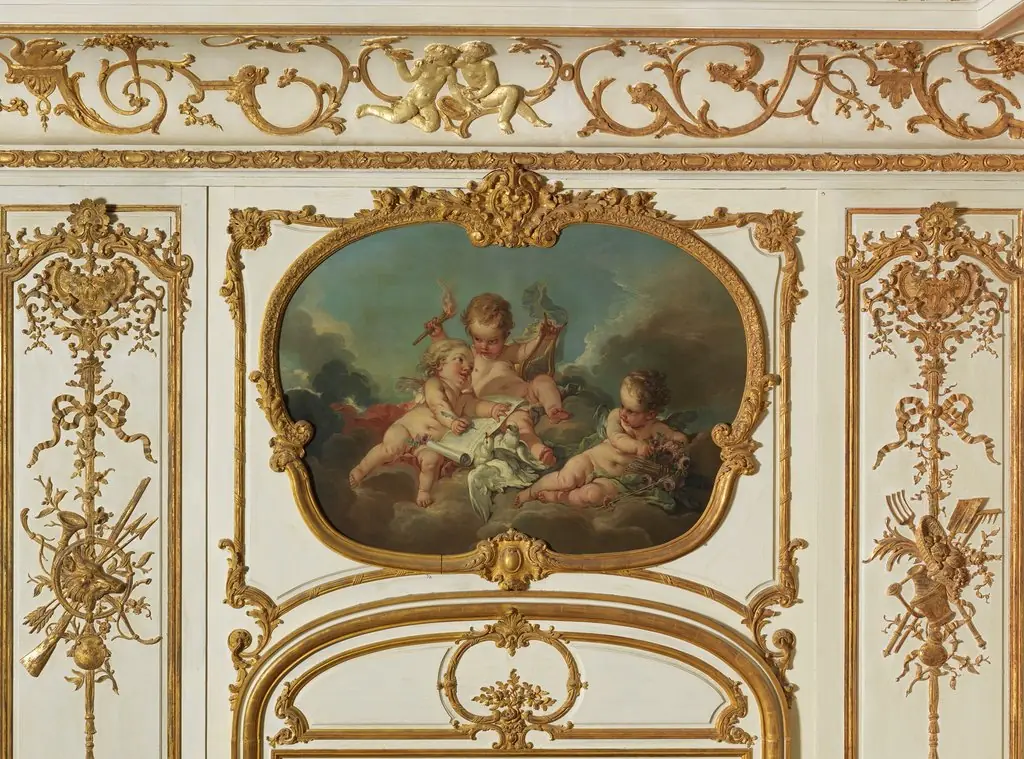 Allegory of Lyric Poetry
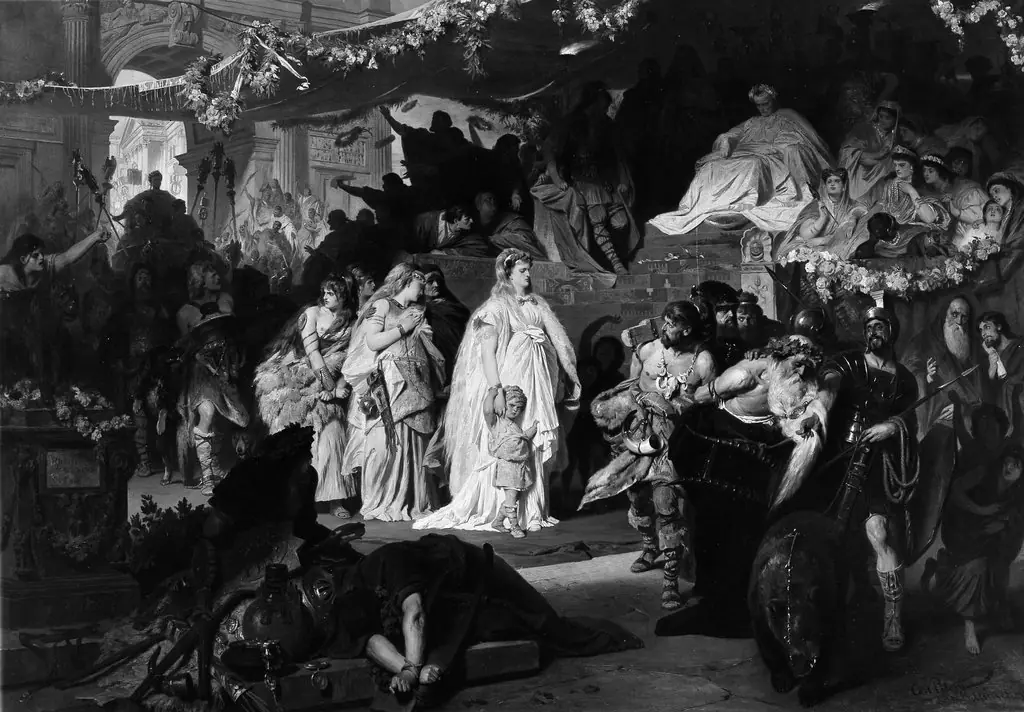 Thusnelda at the Triumphal Entry of Germanicus into Rome
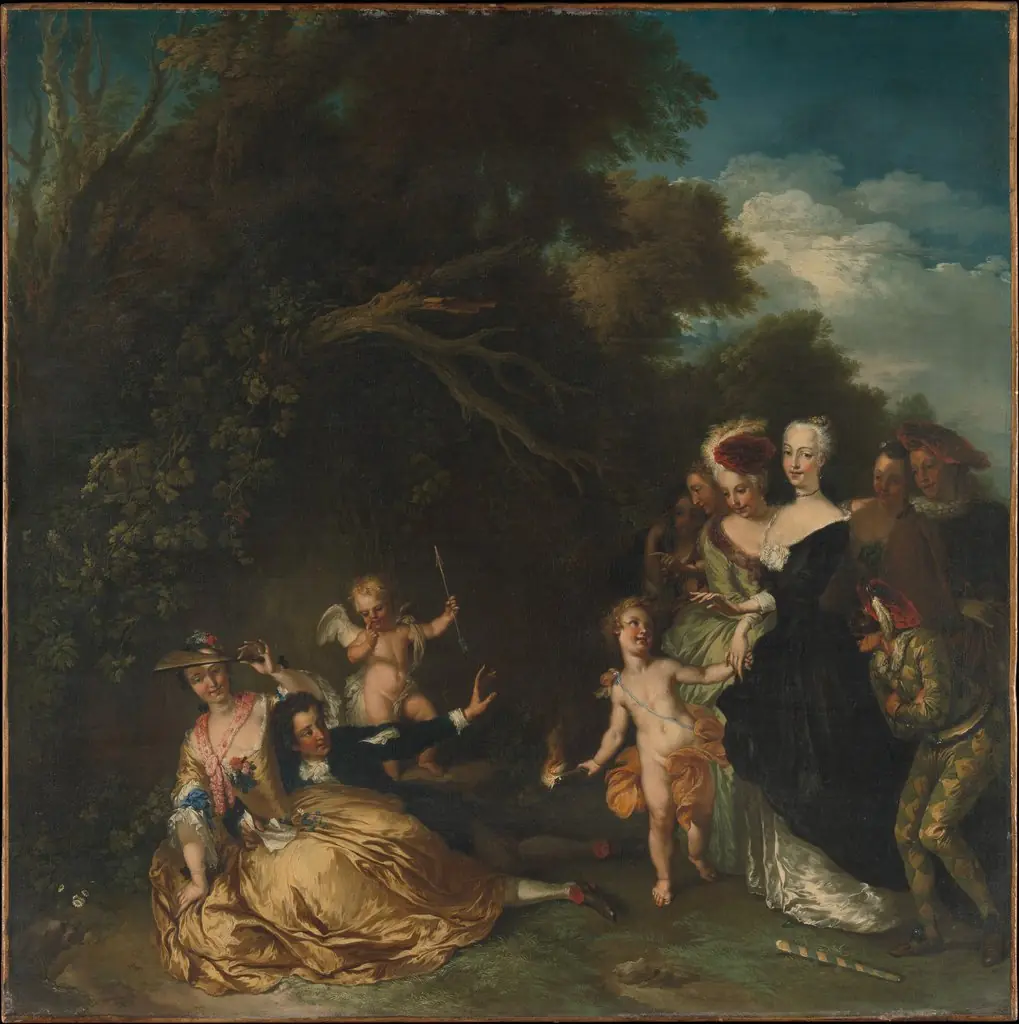 Surprised, or Infidelity Found Out
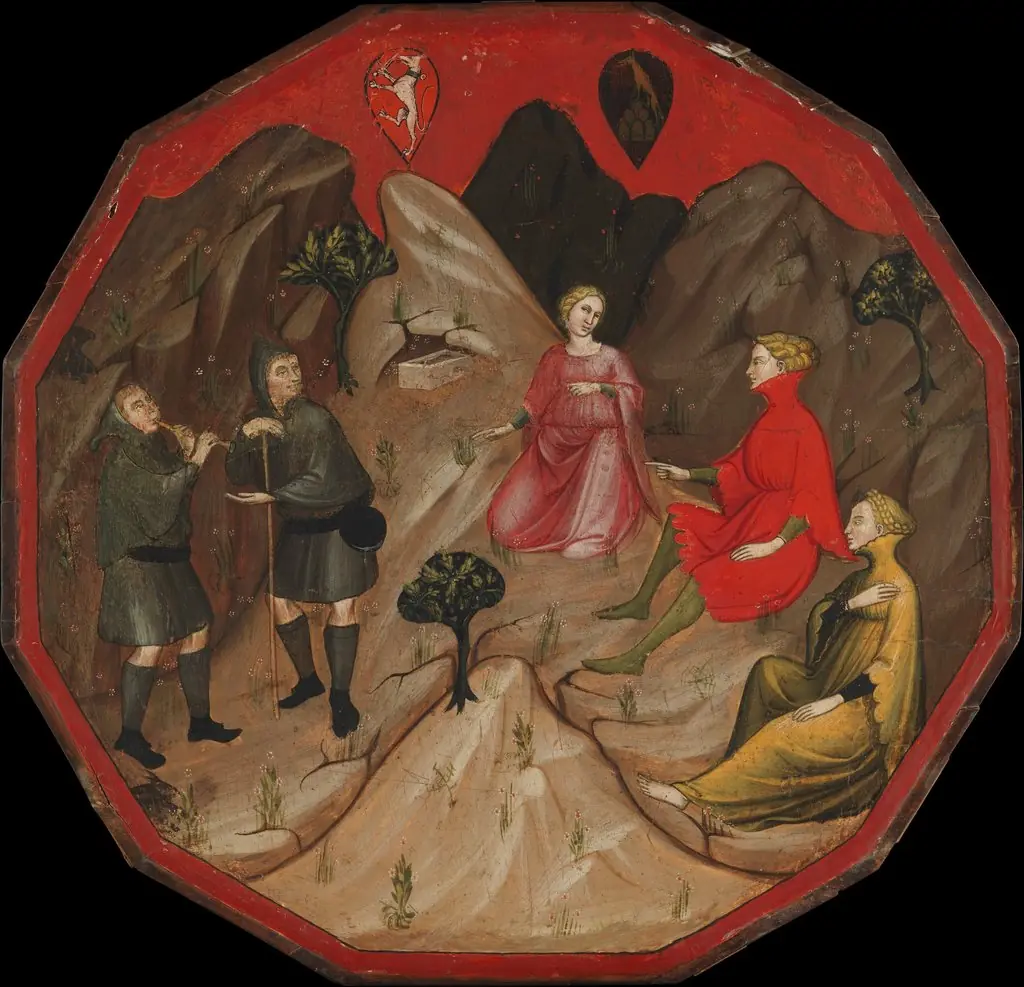 A Contest between the Shepherds Alcesto and Acaten
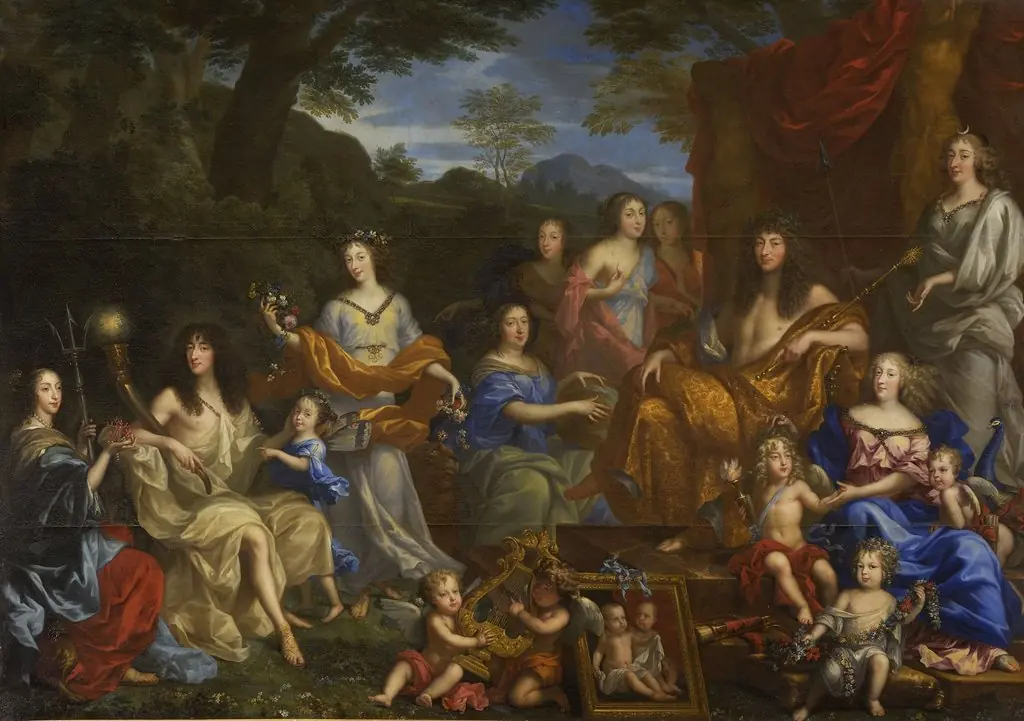 Mythological portrait of Louis XIV and the royal family
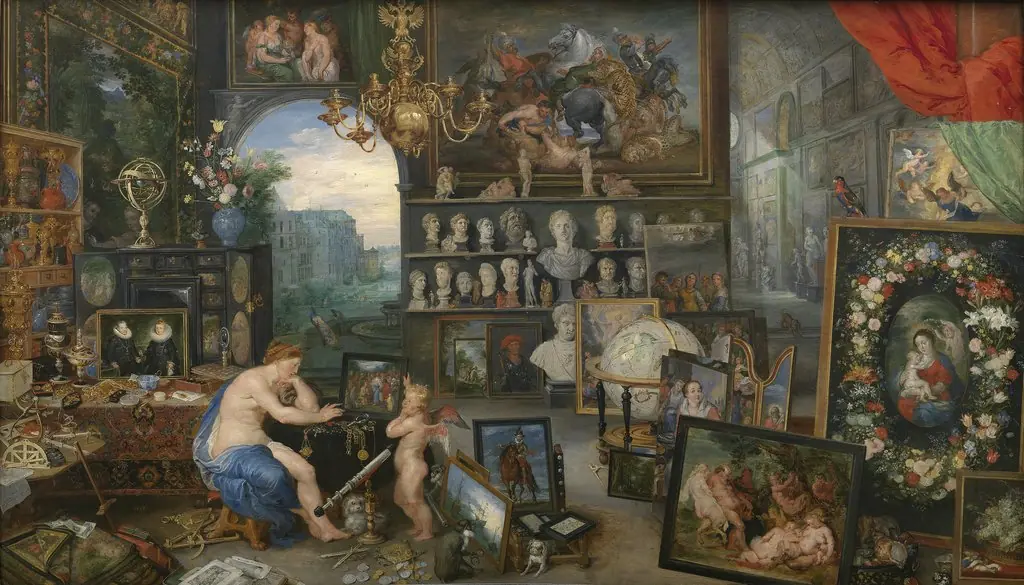 The Sense of Sight
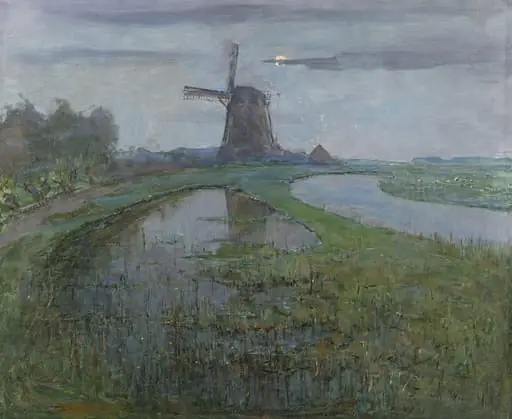 Oostzijdse Mill along the River Gein by Moonlight
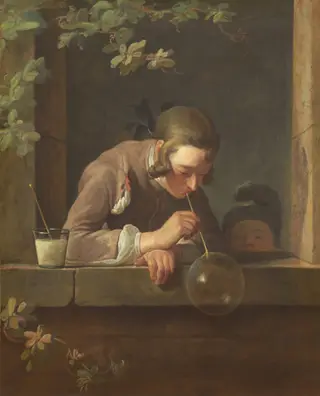 Soap Bubbles
 Pond in the Woods
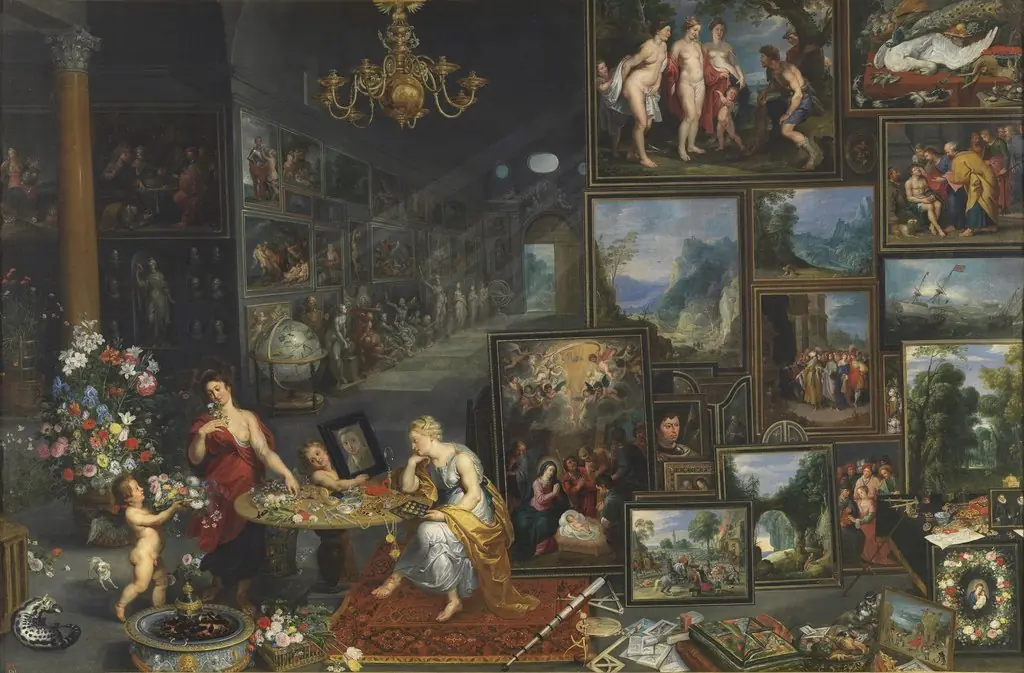 Allegory of Sight and Smell
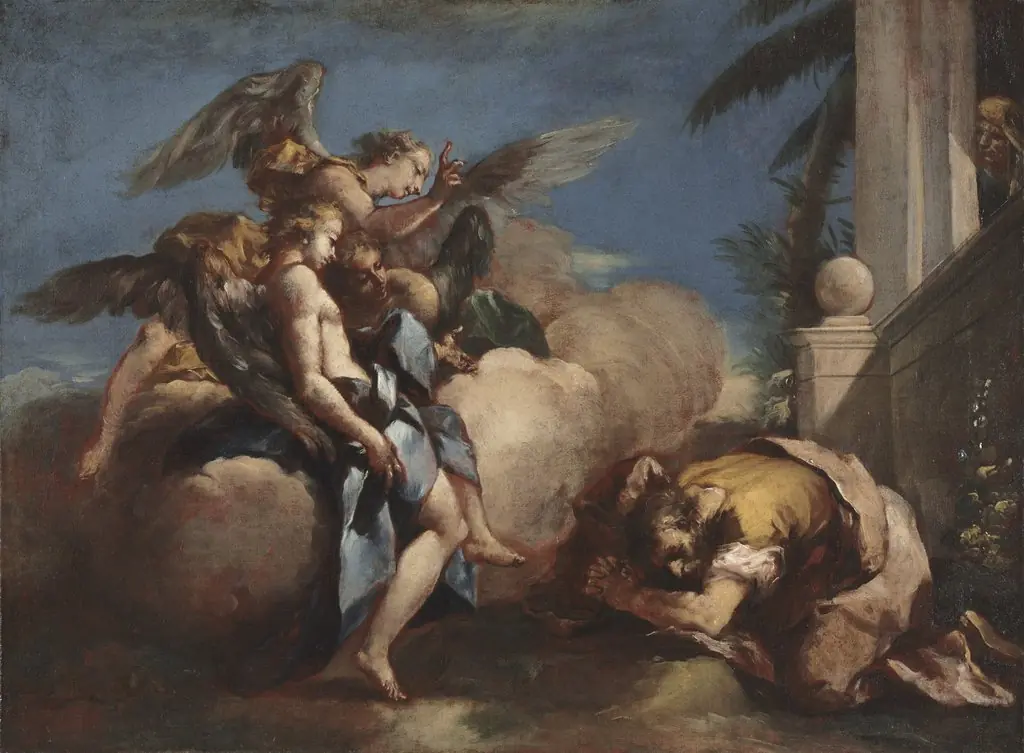 The Angels Appearing to Abraham
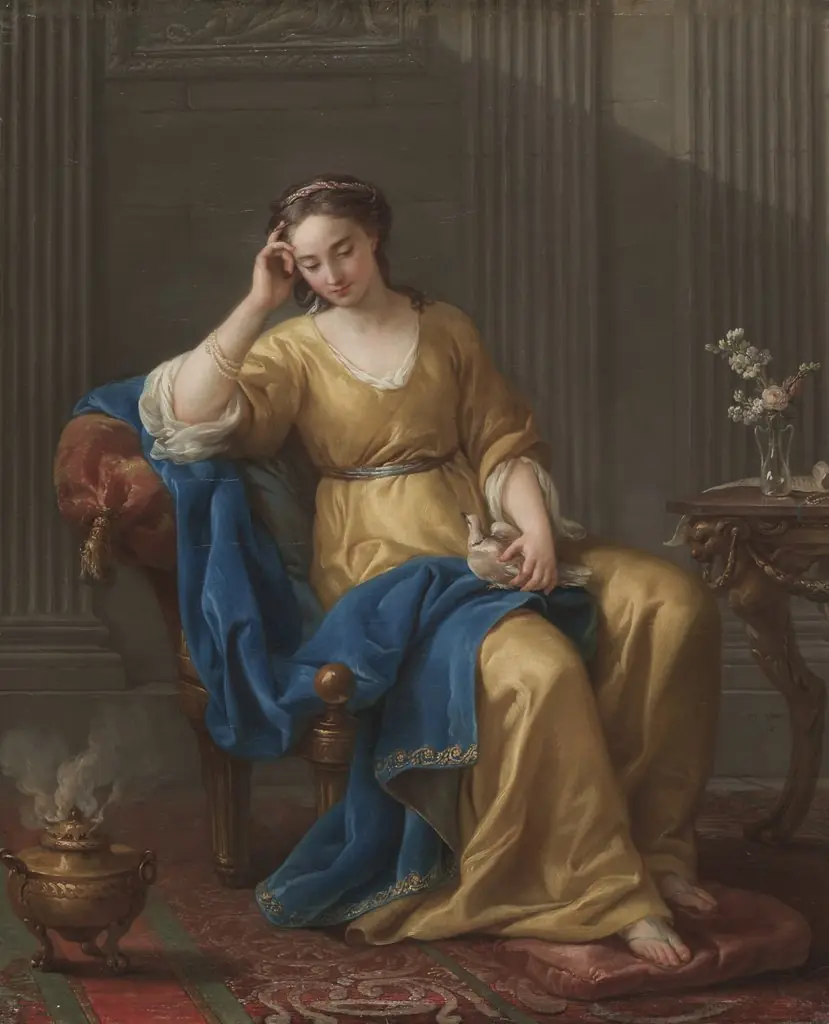 Sweet Melancholy
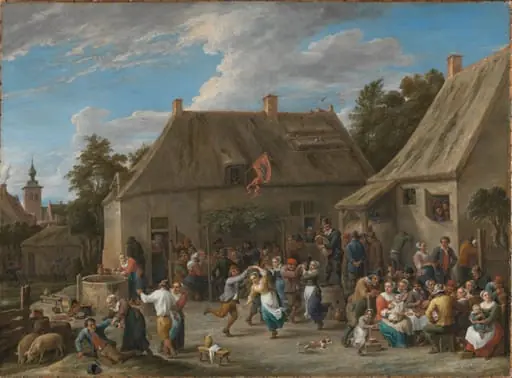 Boerenkermis
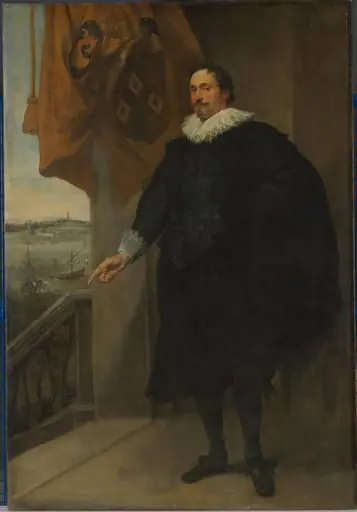 Untitled
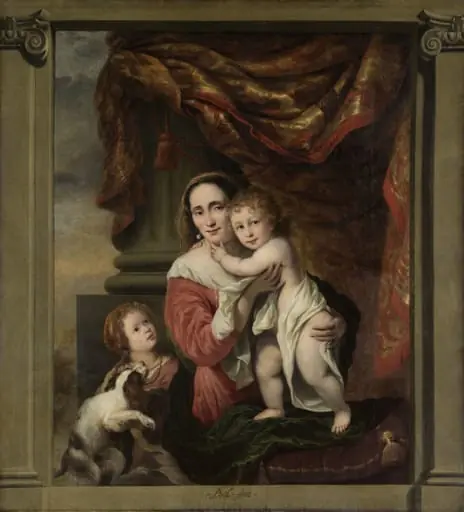 Caritas: Joanna de Geer (1629-1691) with her Children Cecilia Trip (1660-1728) and Laurens Trip (b. 1662)
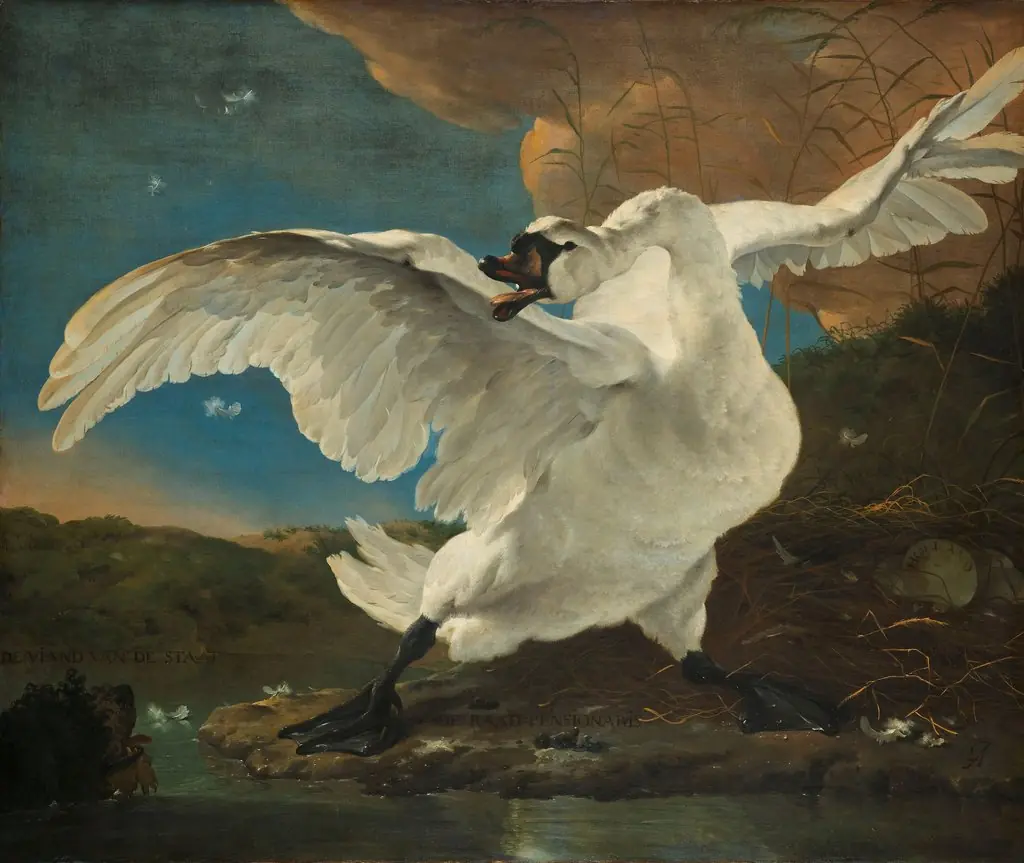 The Threatened Swan
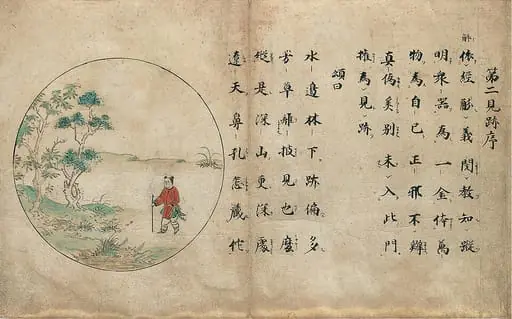 十牛頌図巻|Ten Verses on Oxherding
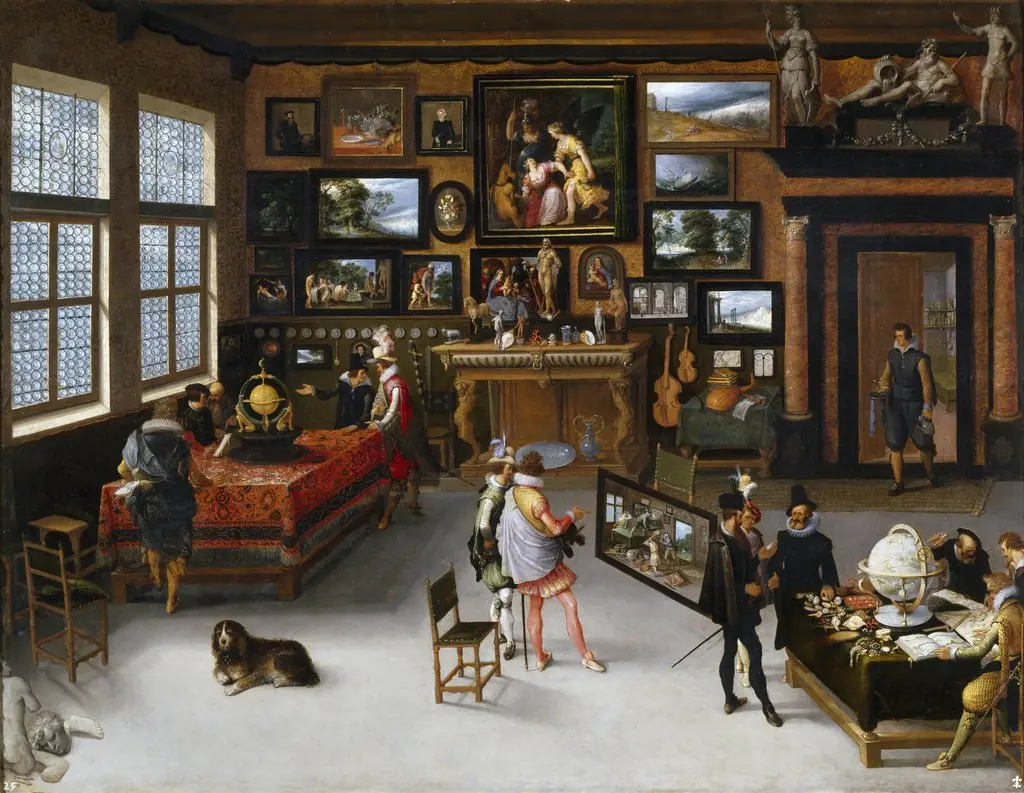 The Sciences and Arts
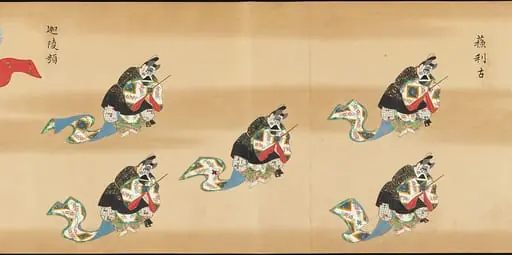 舞楽図巻|Bugaku Imperial Court Dance
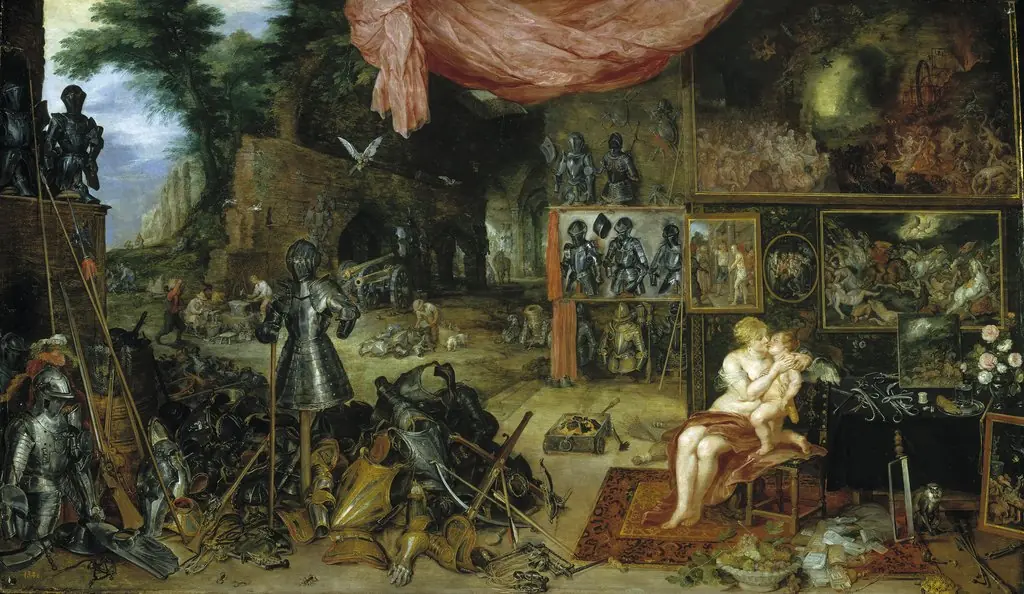 Touch
Touch Untitled
 The Muse: History
 A Female Allegorical Figure
 明 呂紀 鴛鴦芙蓉圖 軸|Mandarin ducks and cotton rose hibiscus
 Rustic Interior
 The Allegory of the Sorbonne
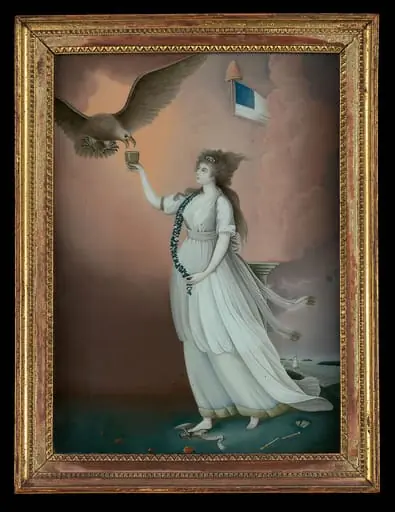 Liberty
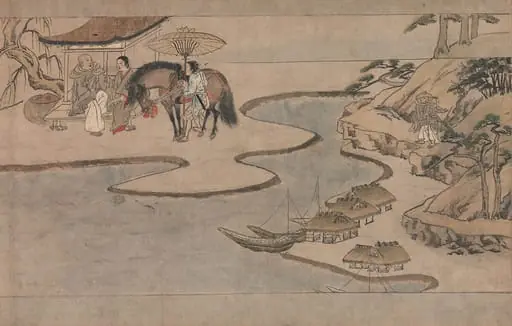 秋夜長物語絵巻|A Long Tale for an Autumn Night (Aki no yo nagamonogatari)
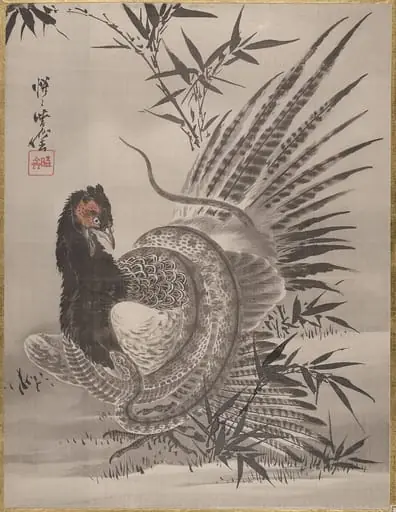 Untitled
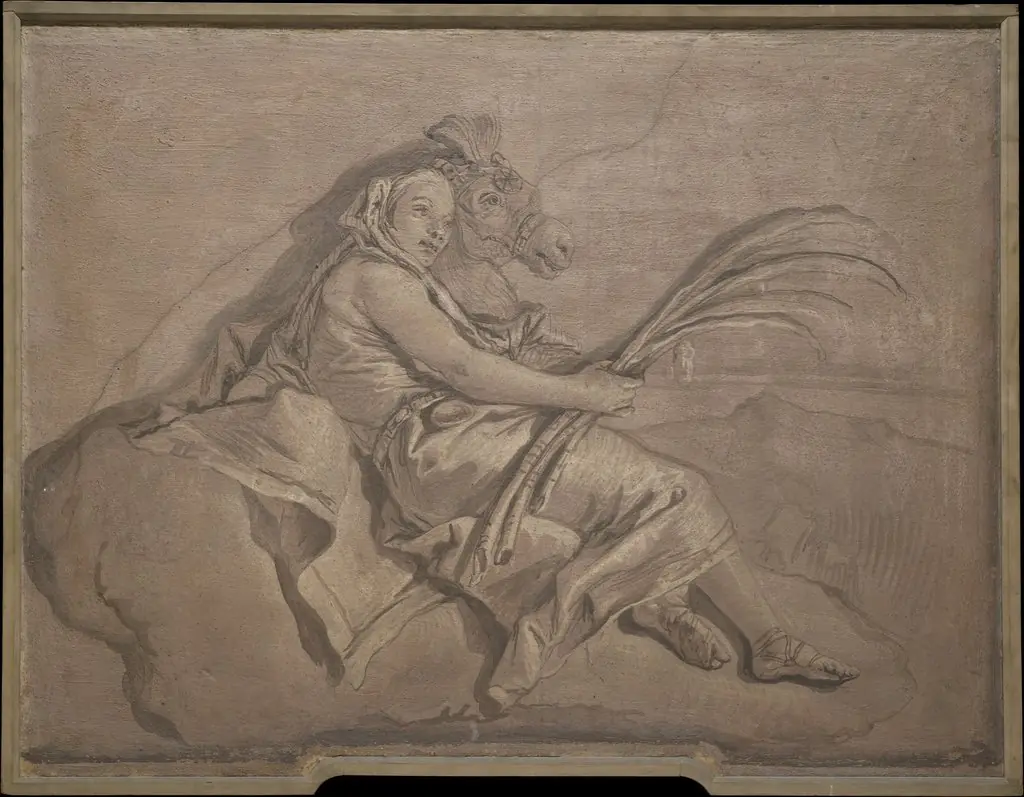 Asia
Asia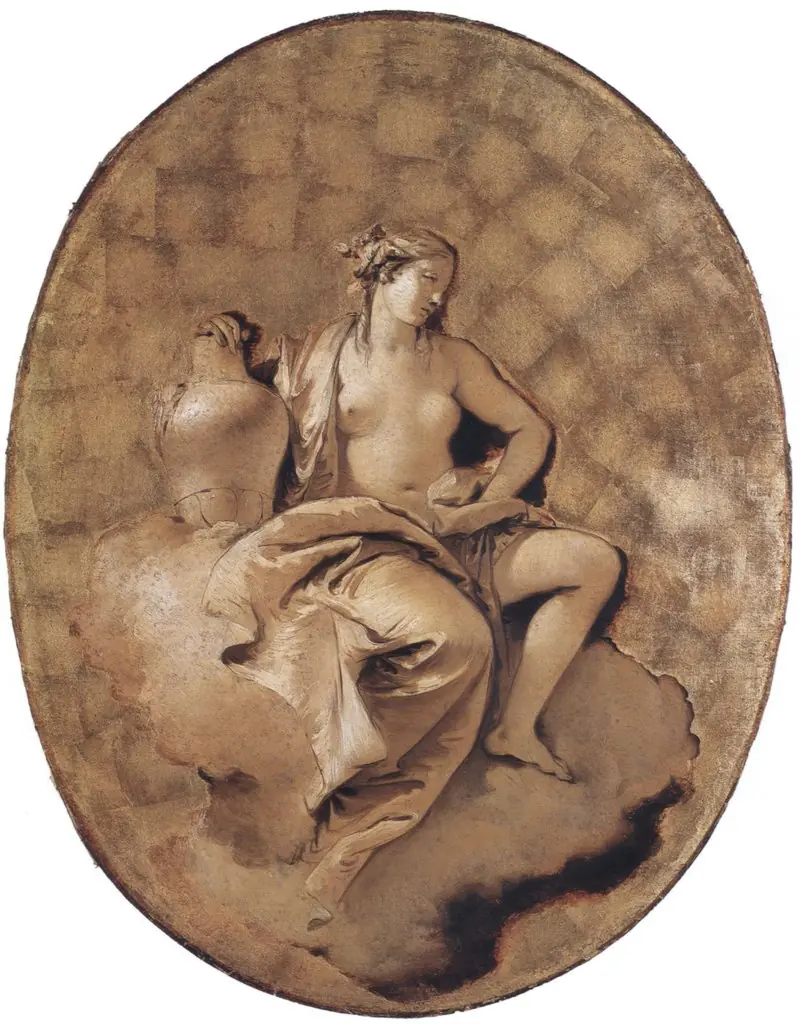 A Female Allegorical Figure
 Untitled
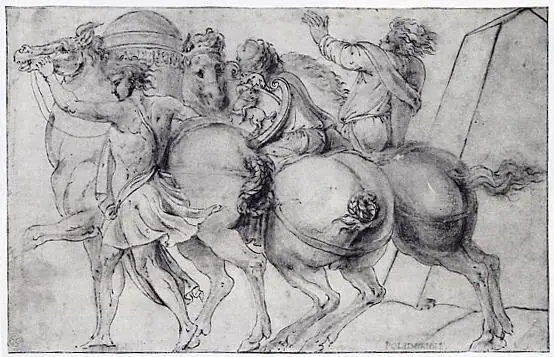 Frieze with Three Horsemen
 Untitled
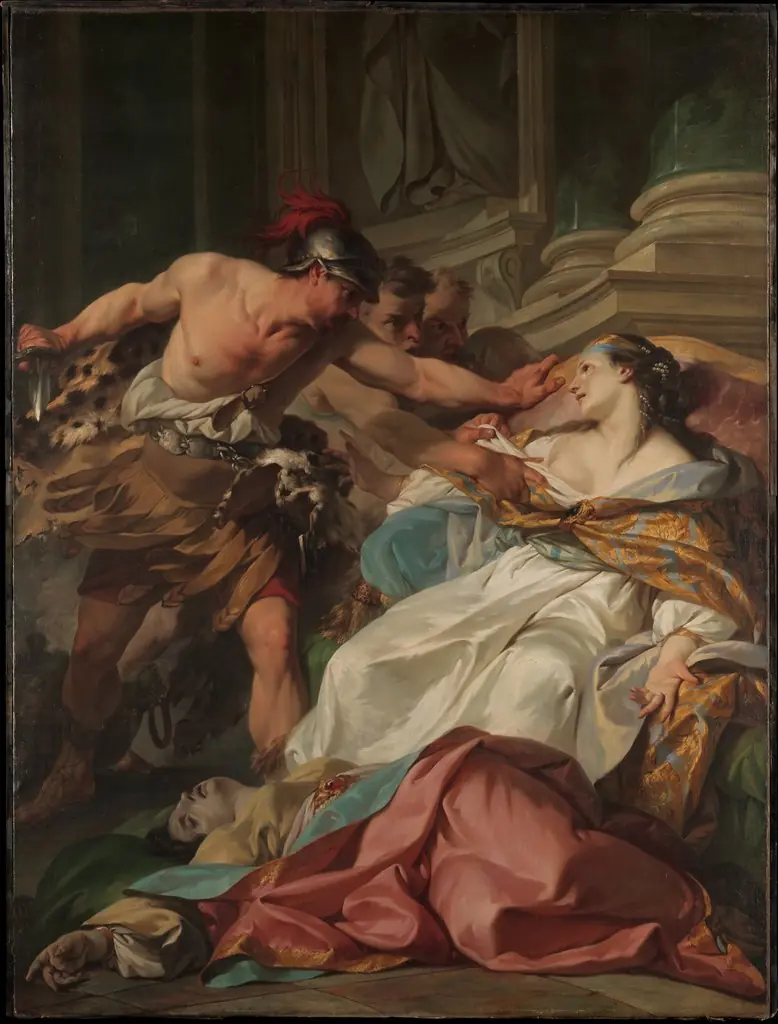 The Death of Harmonia
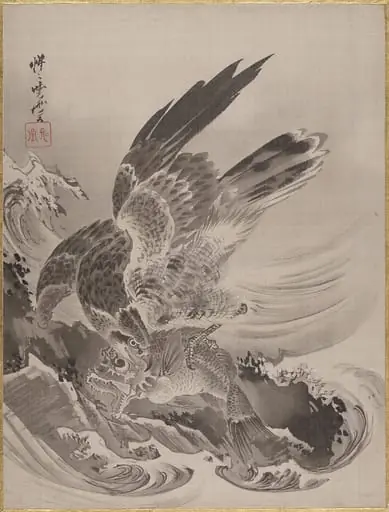 Untitled
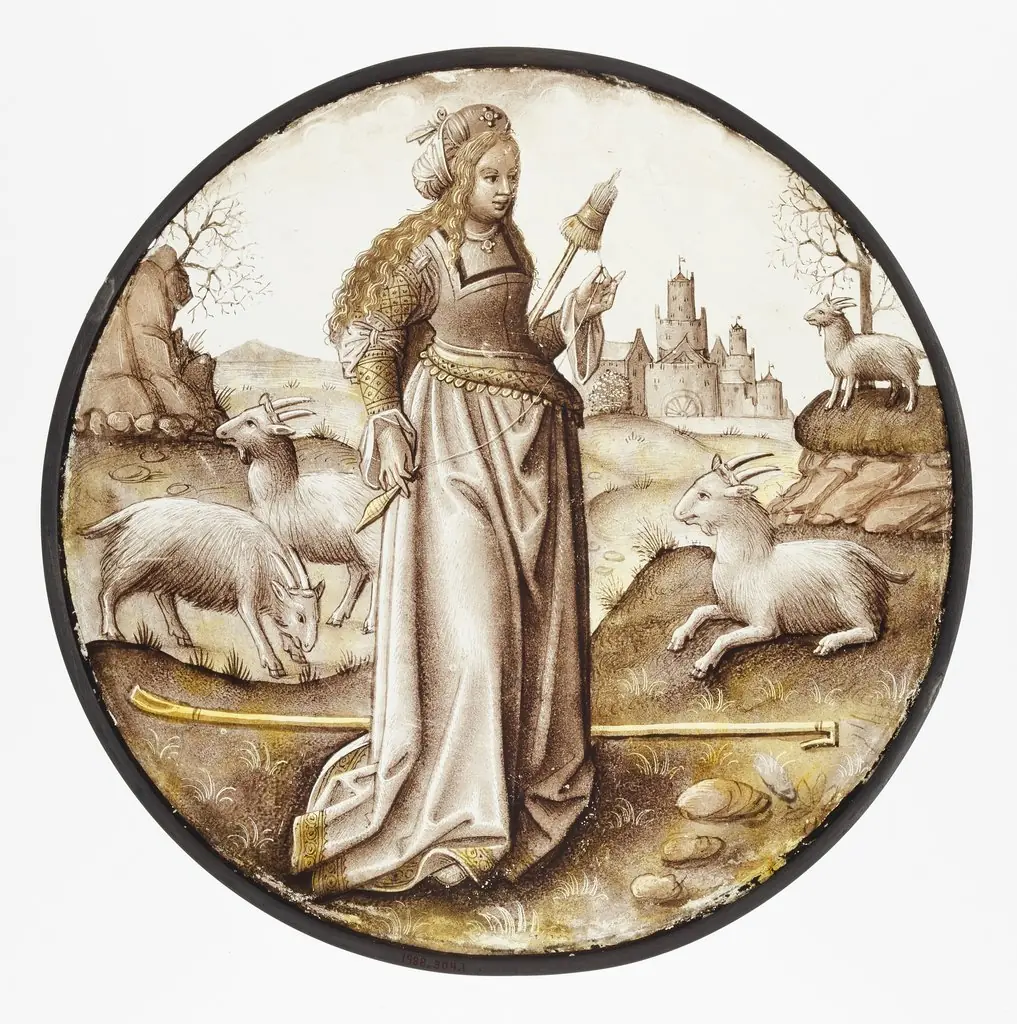 Roundel with Allegorical Figure
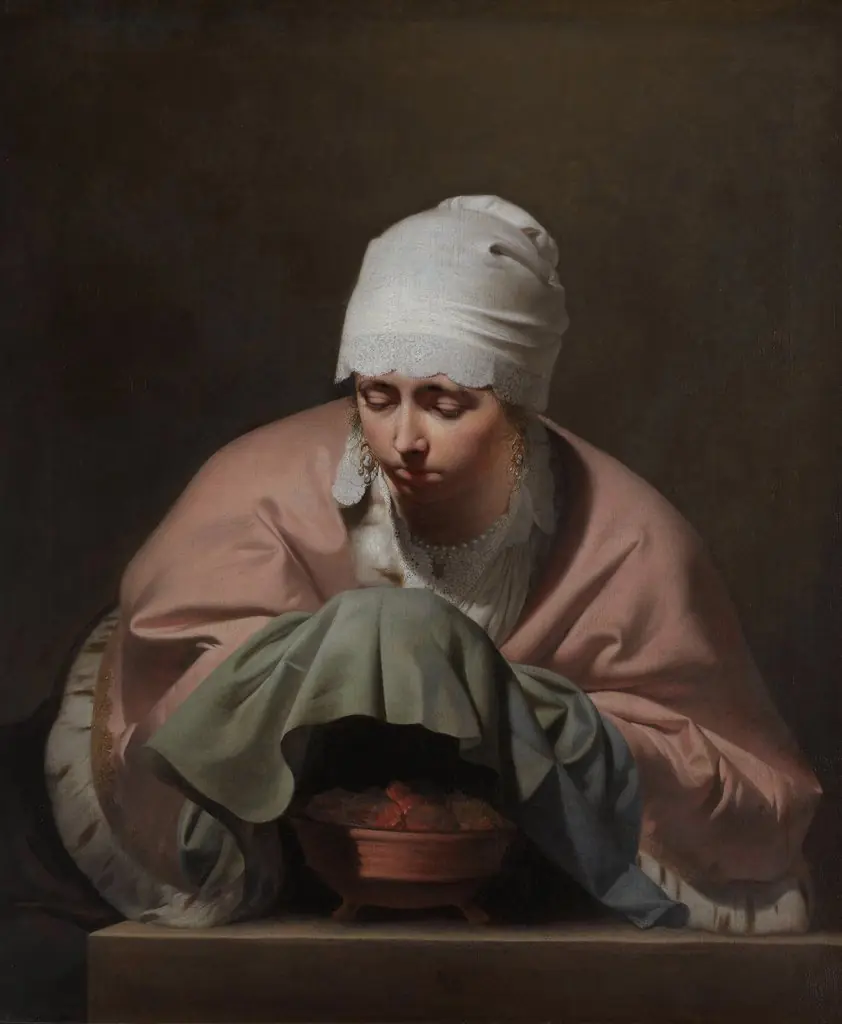 A Young Woman Warming her Hands over a Brazier: Allegory of Winter
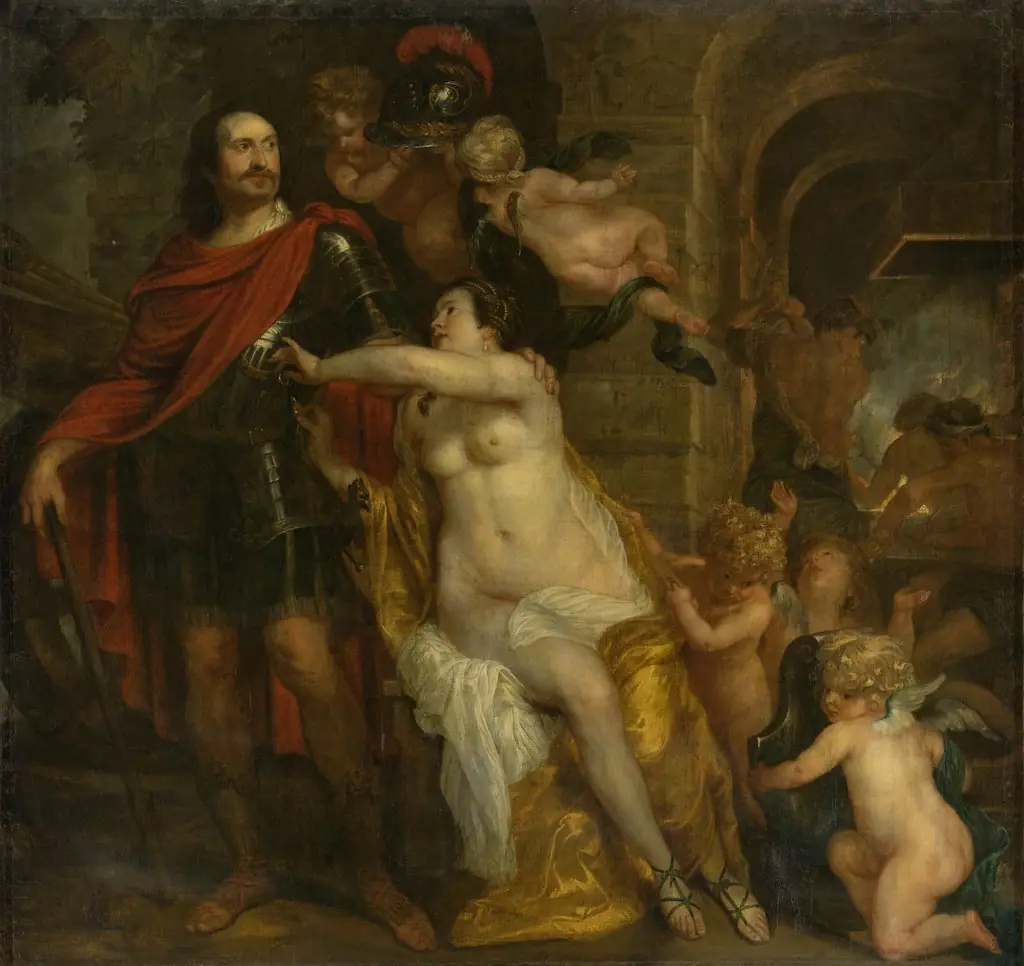 Allegorical depiction of Mars (Friedrich Wilhelm, elector of Brandenburg?) receiving the weapons of Venus (Louisa Henrietta, countess of Nassau?) and Vulcan
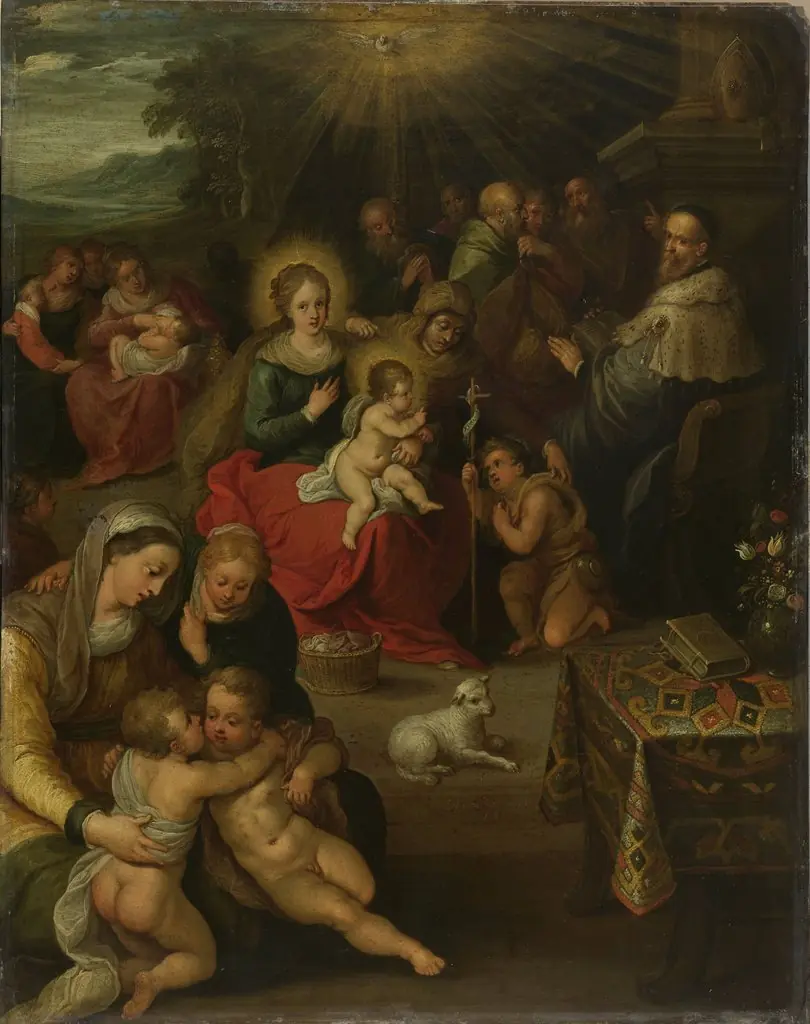 Allegory on the Christ child as the lamb of God
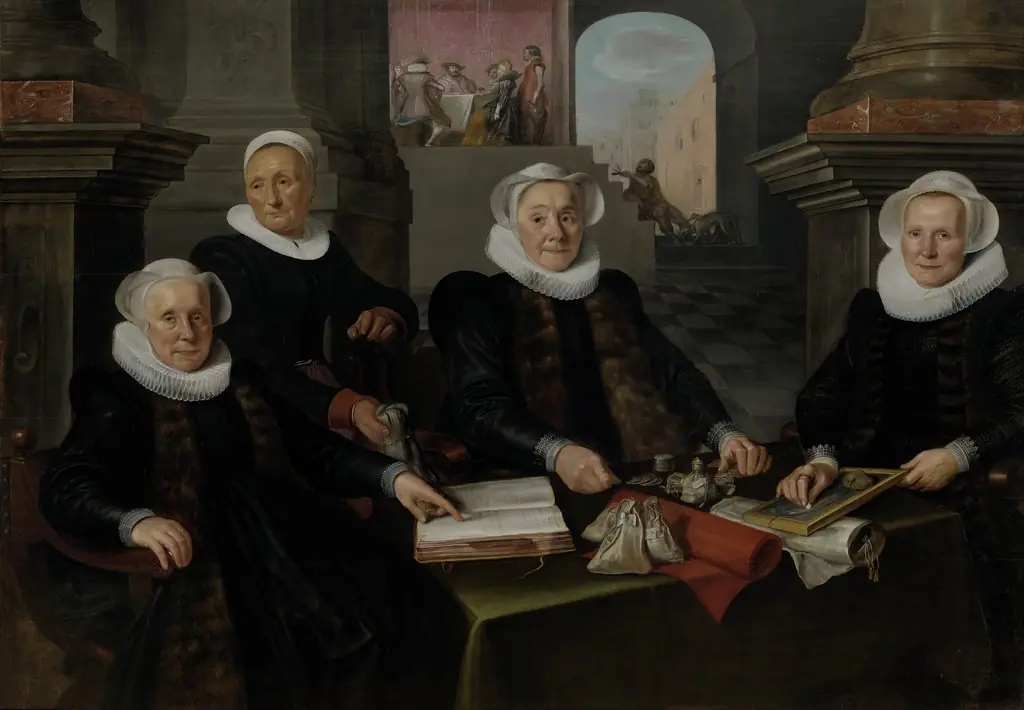 Three Regentesses and the ‘House Mother’ of the Amsterdam Lepers’ Asylum
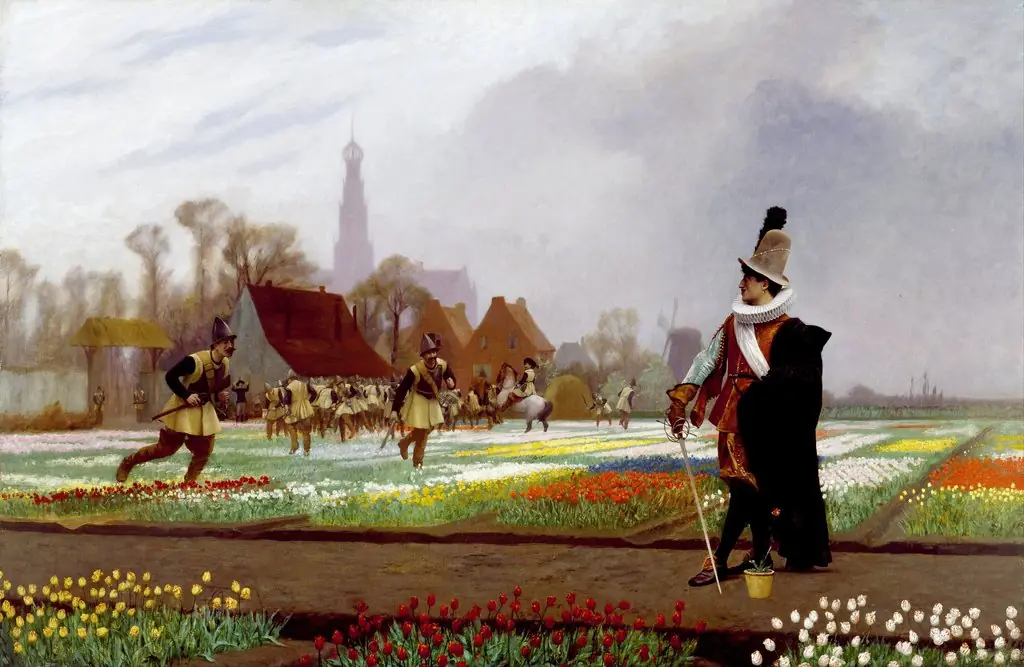 The Tulip Folly
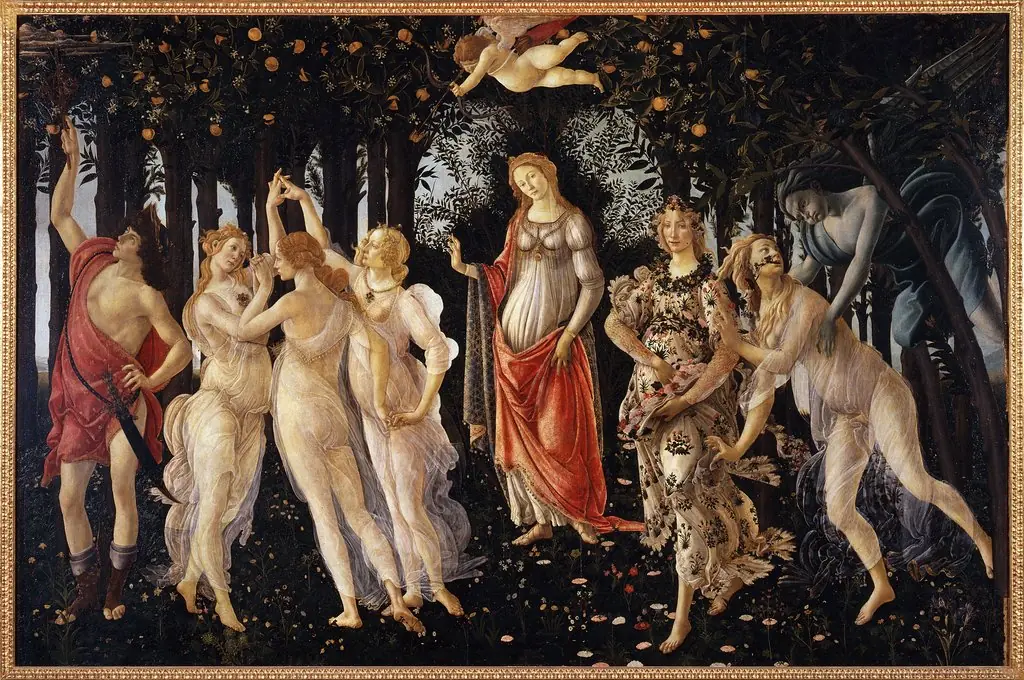 Primavera
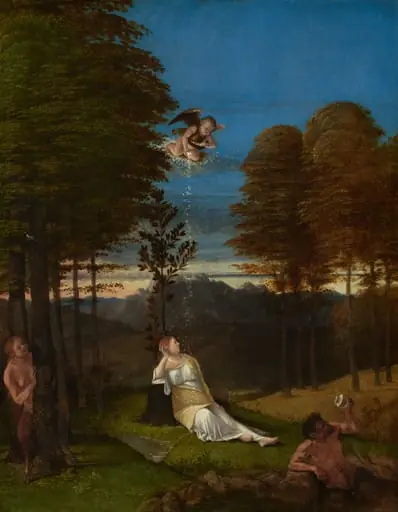 Allegory of Chastity
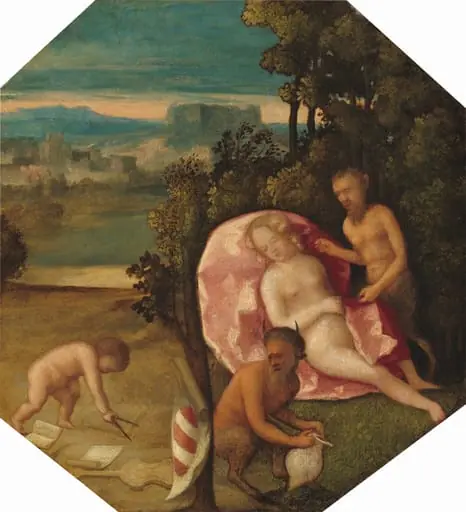 Allegory
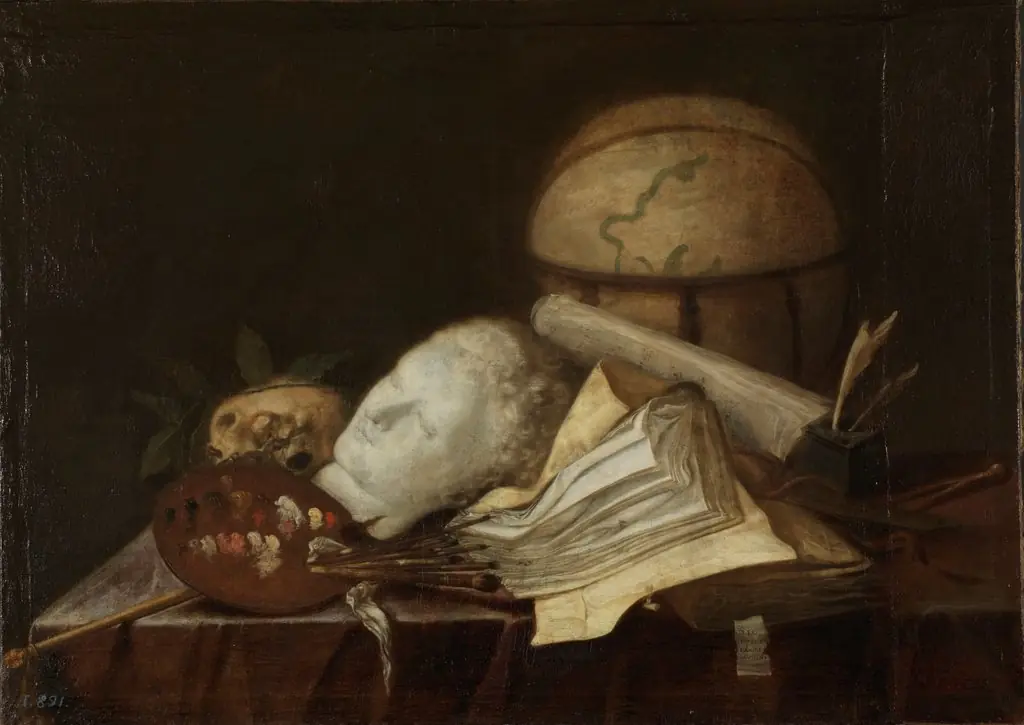 Allegory of the Arts and Sciences
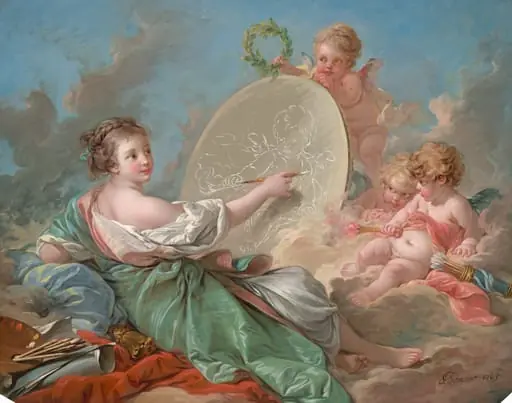 Allegory of Painting
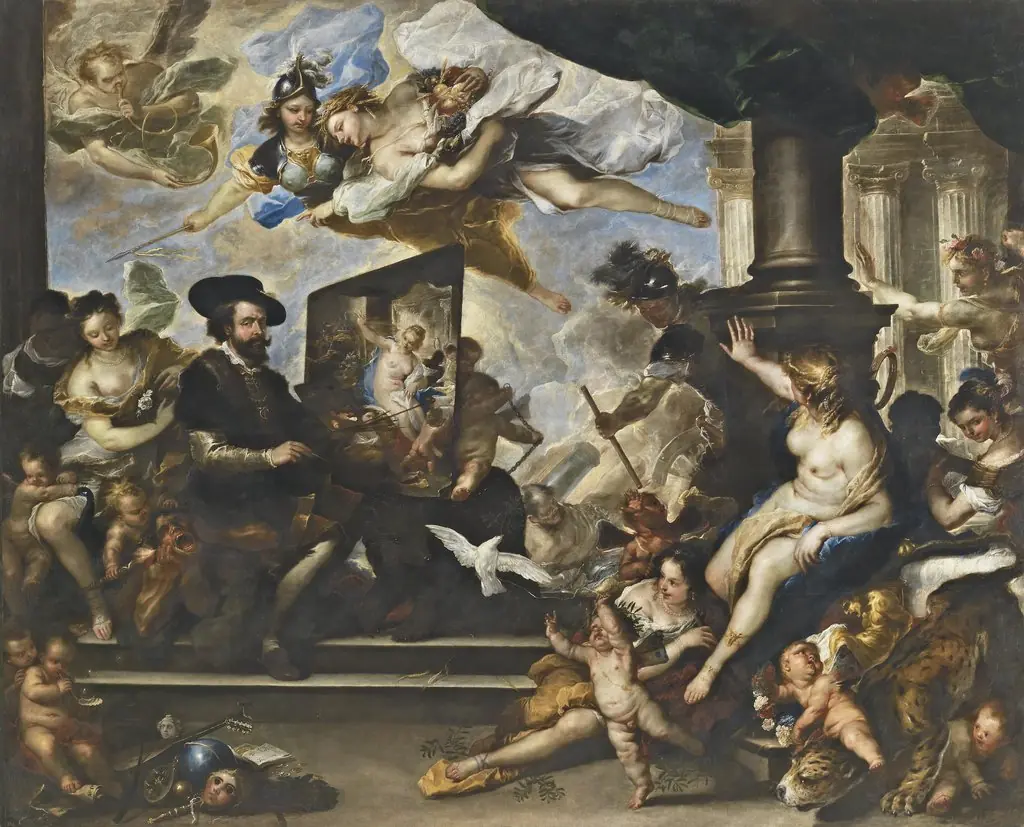 Rubens painting ‘The Allegory of Peace’
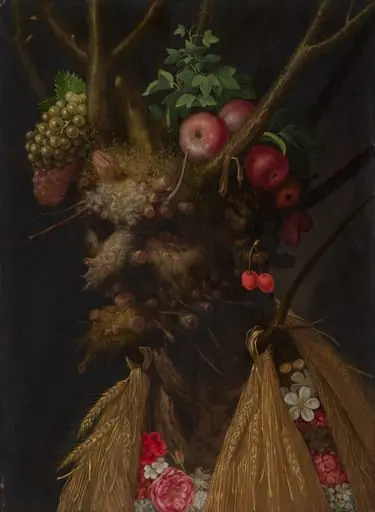 Four Seasons in One Head
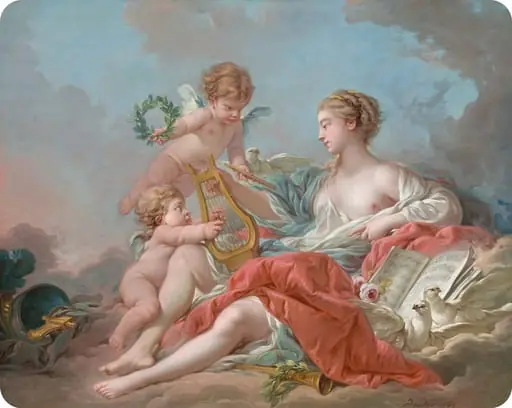 Allegory of Music
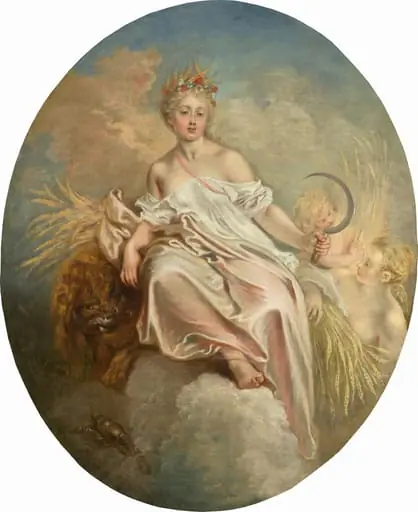 Ceres (Summer)
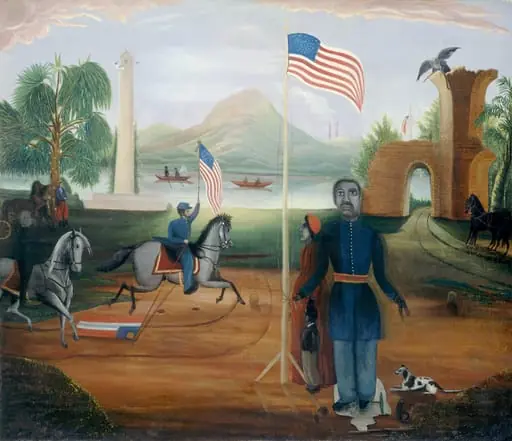 Allegory of Freedom
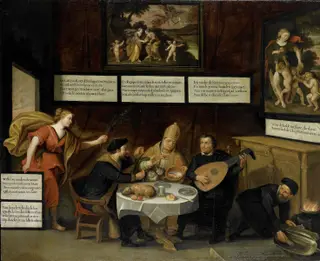 Peace Urges the Churches to Tolerance
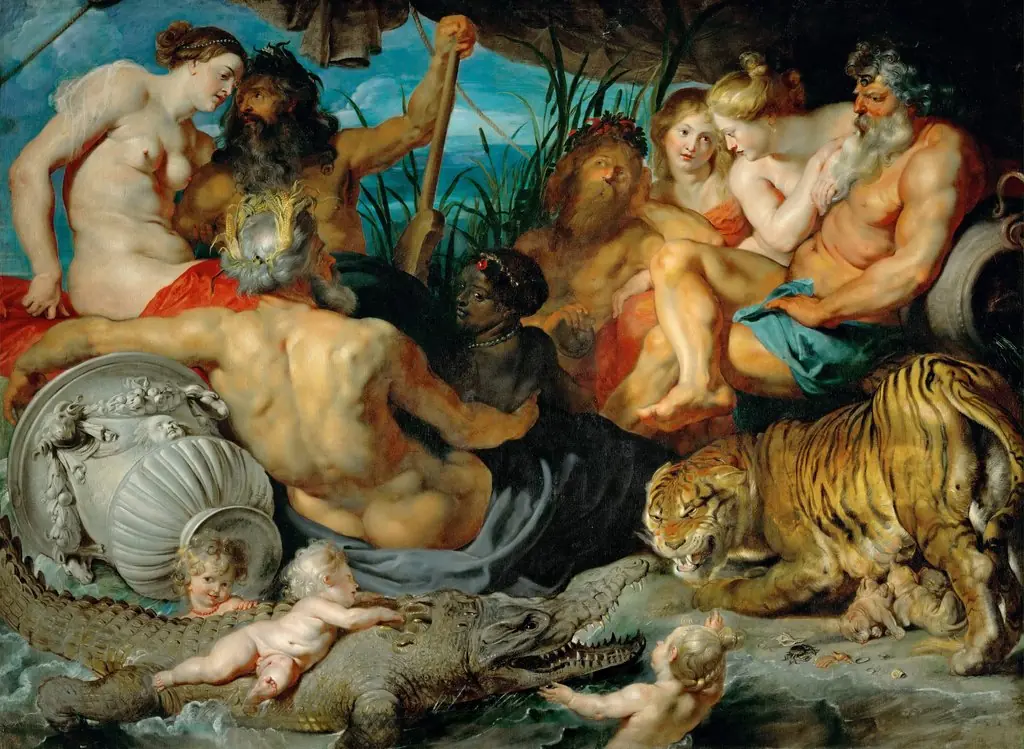 The Four Continents
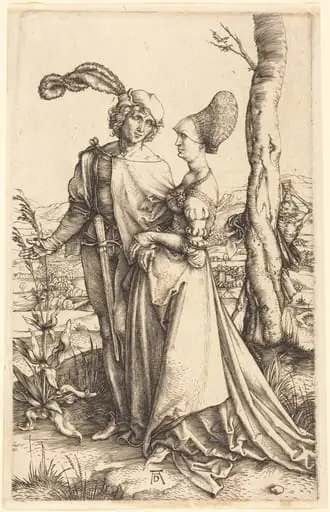 Promenade
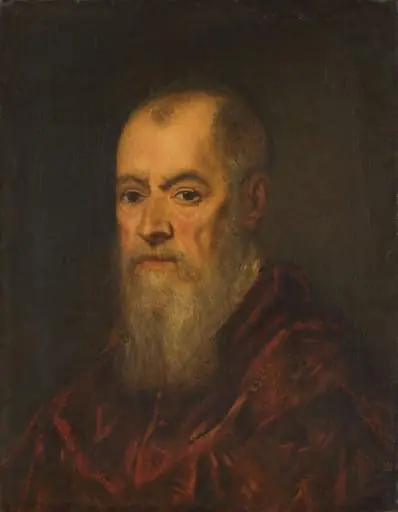 Portrait of a Man with a Red Cloak
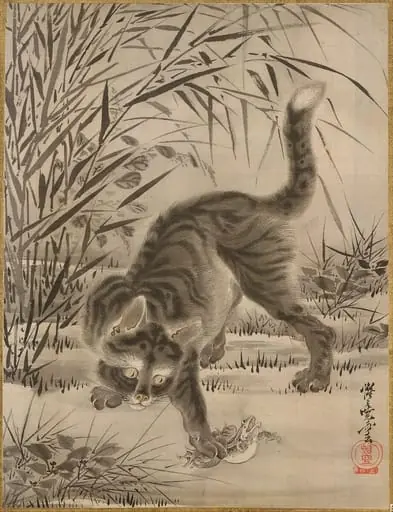 Untitled
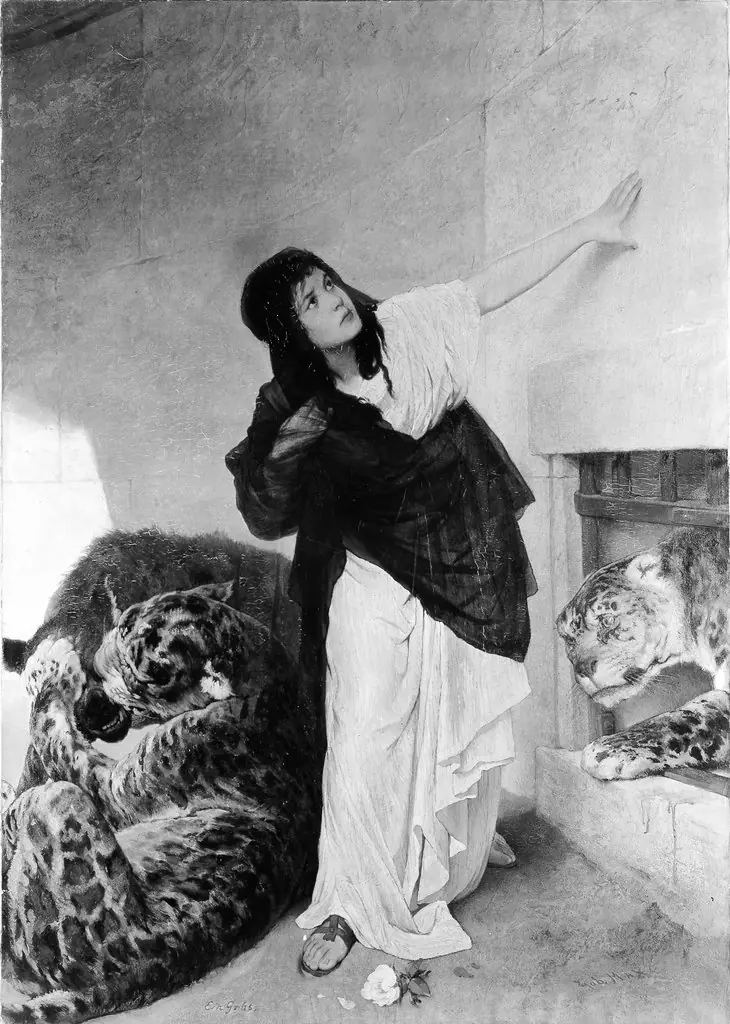 The Last Token: A Christian Martyr
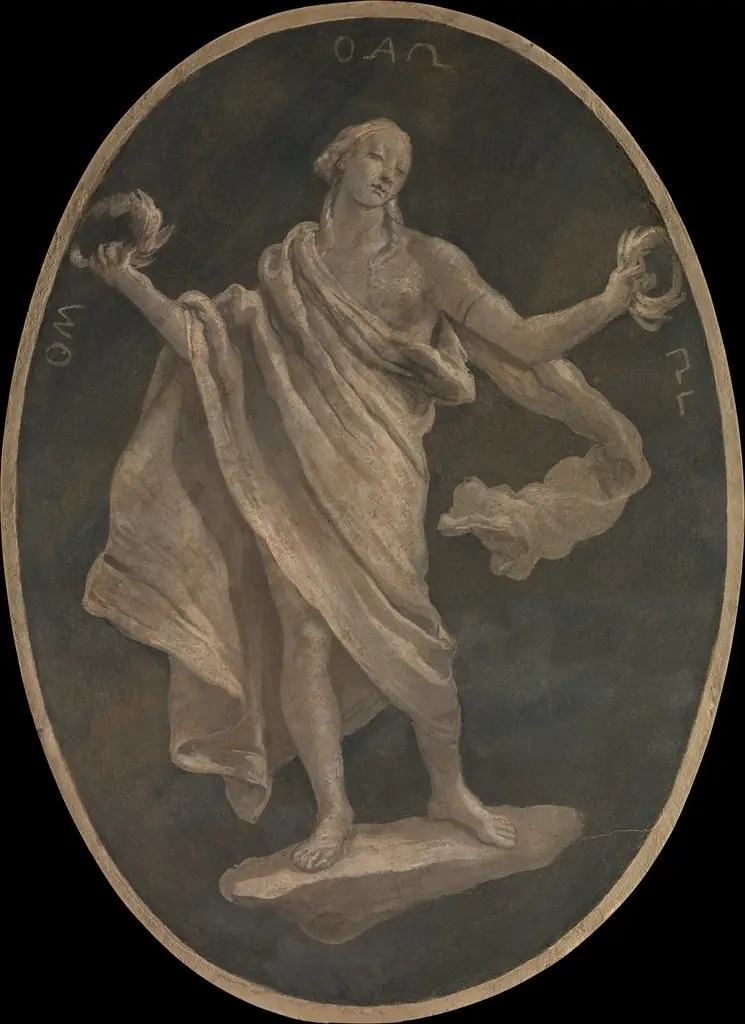 A Virtue, Possibly Patriotism
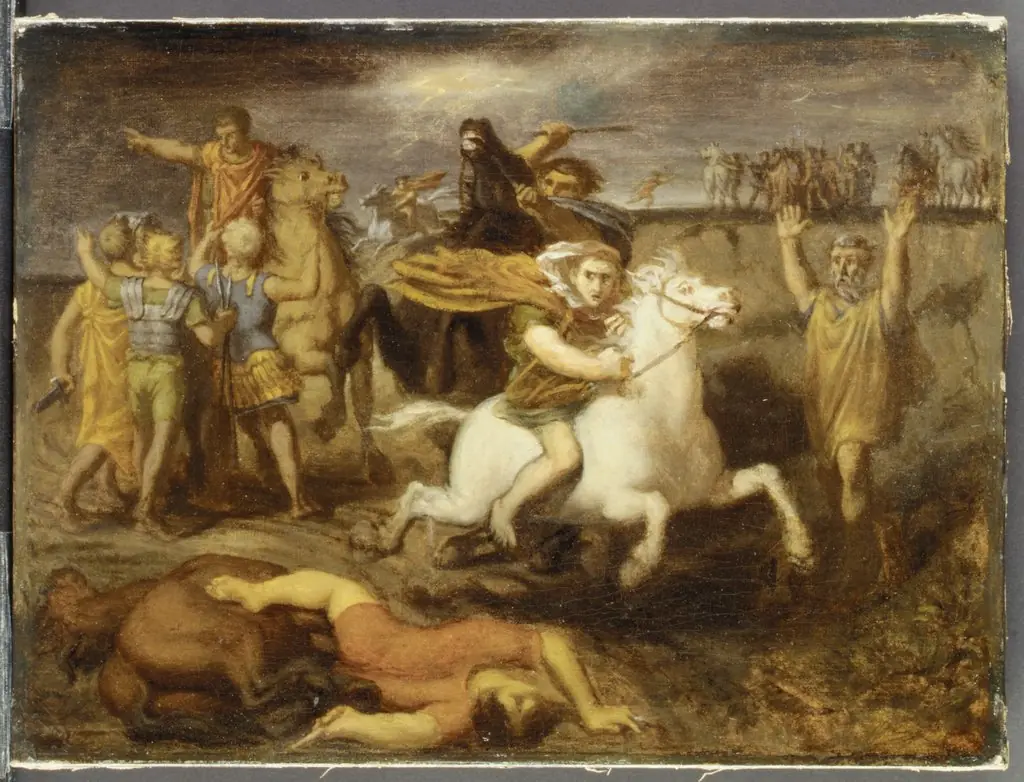 Scene from the Gallic Wars: The Gaul Littavicus, Betraying the Roman Cause, Flees to Gergovie to Support Vercingétorix
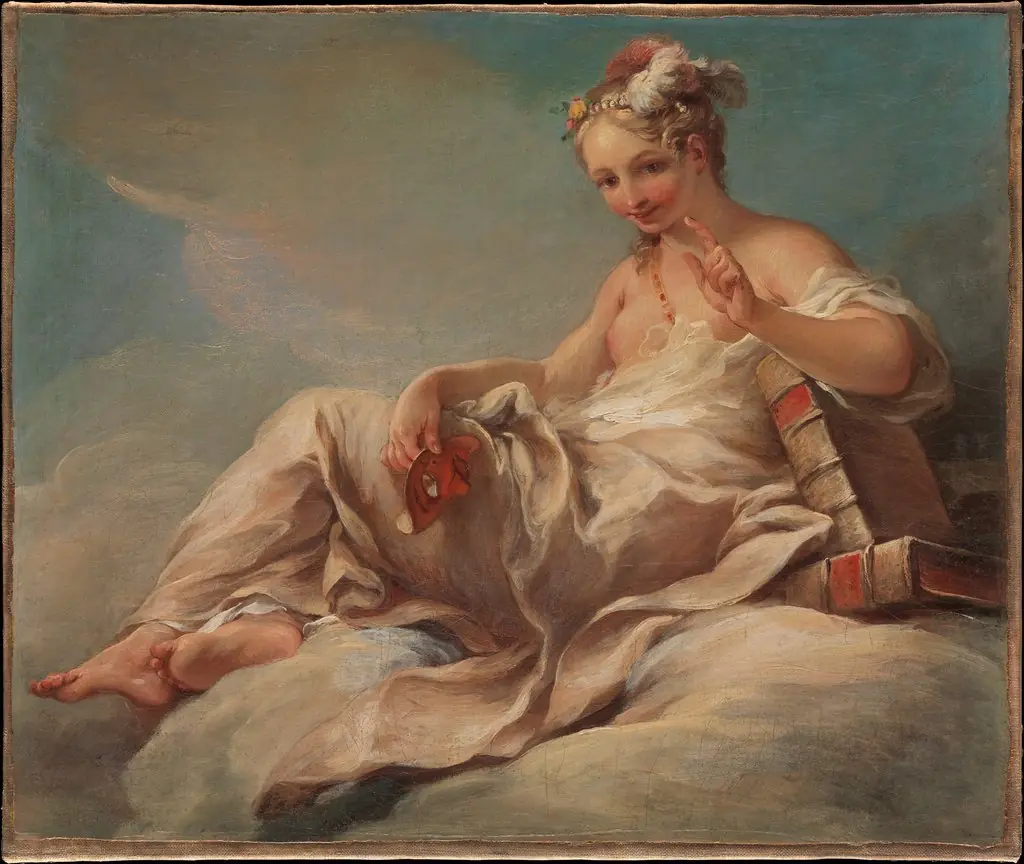 Comedy
 Hope
Hope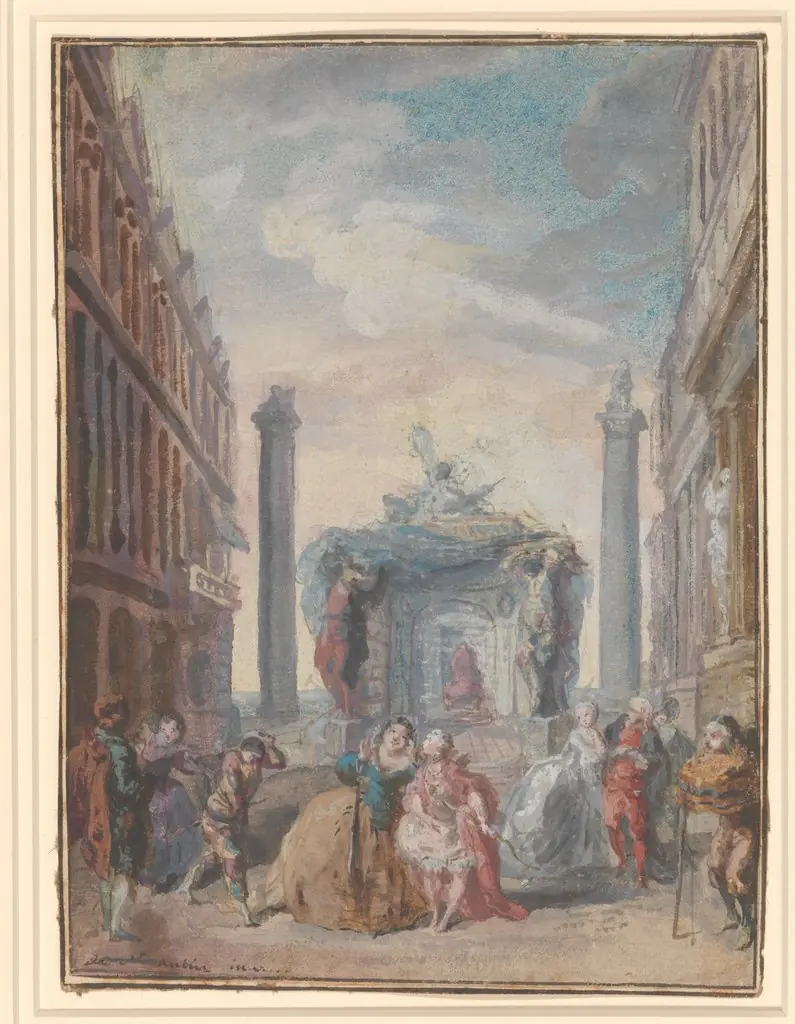 Les fêtes vénitiennes
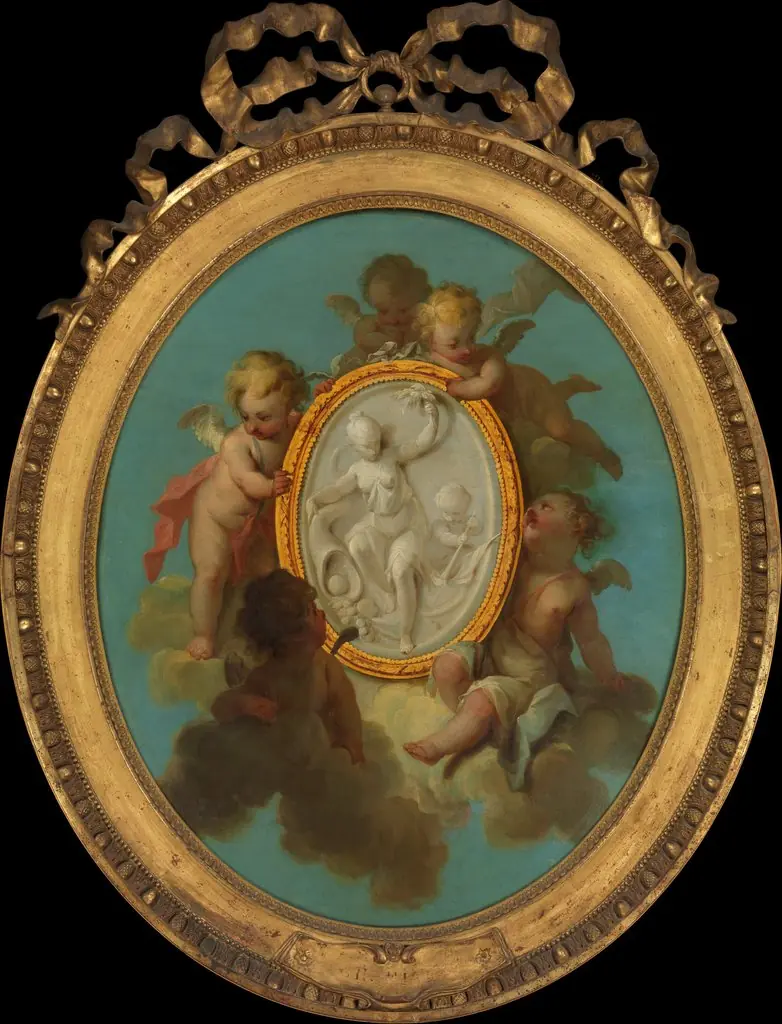 Putti with a Medallion
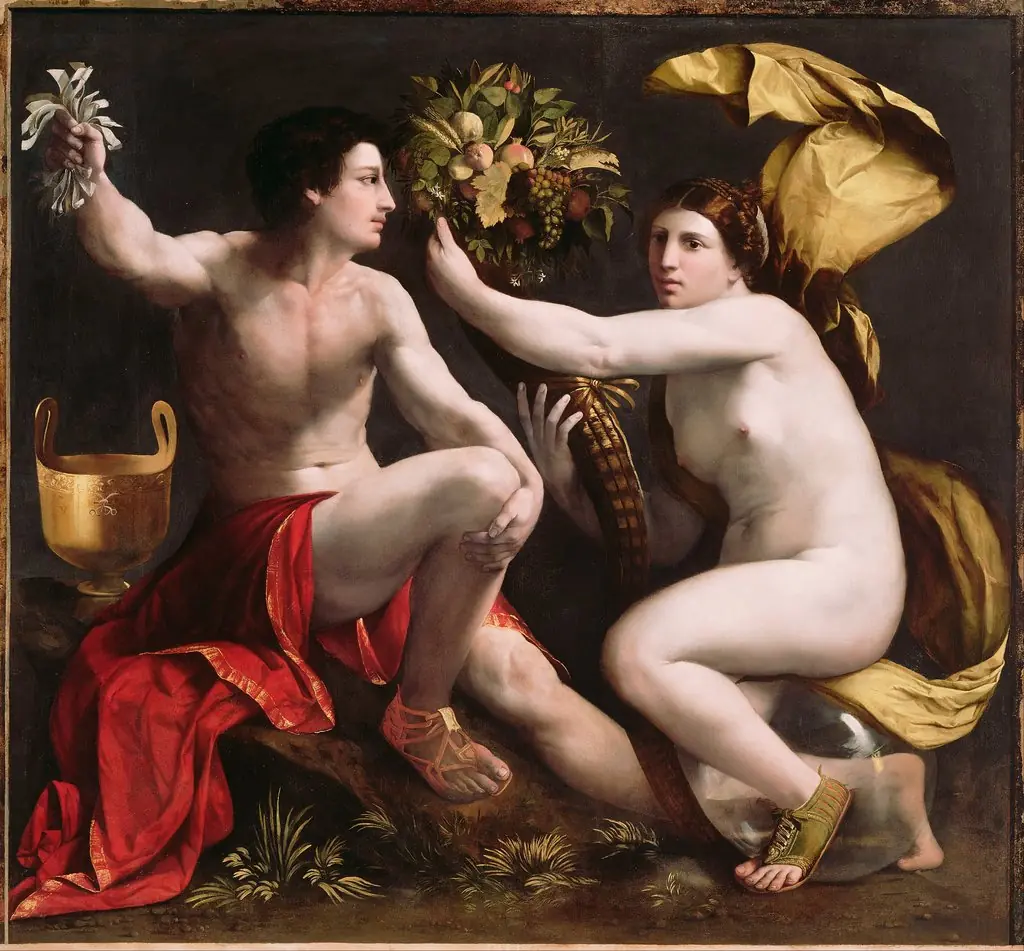 An Allegory of Fortune
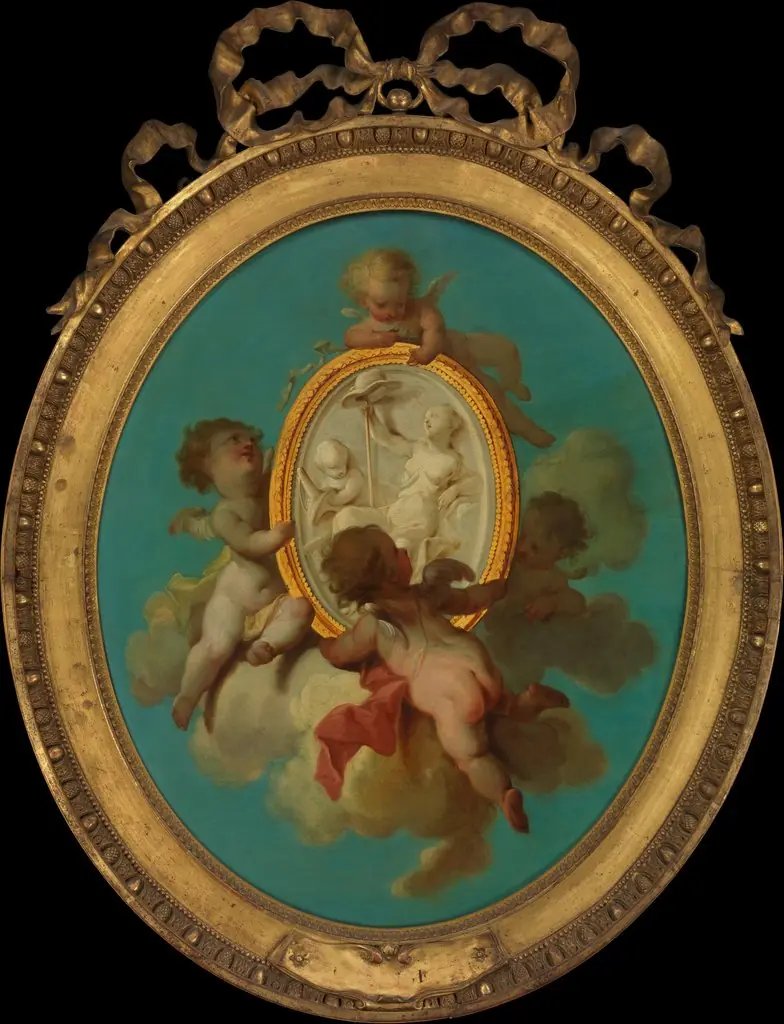 Putti with a Medallion
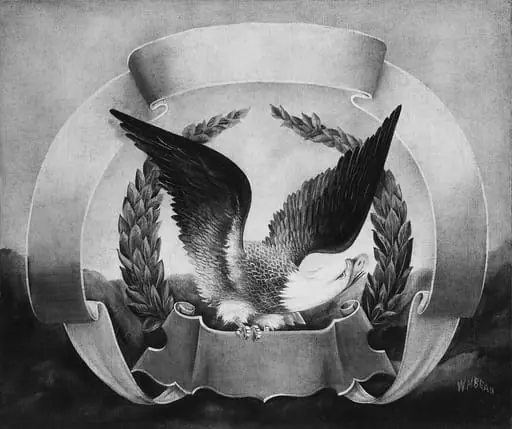 American Eagle on Red Scroll
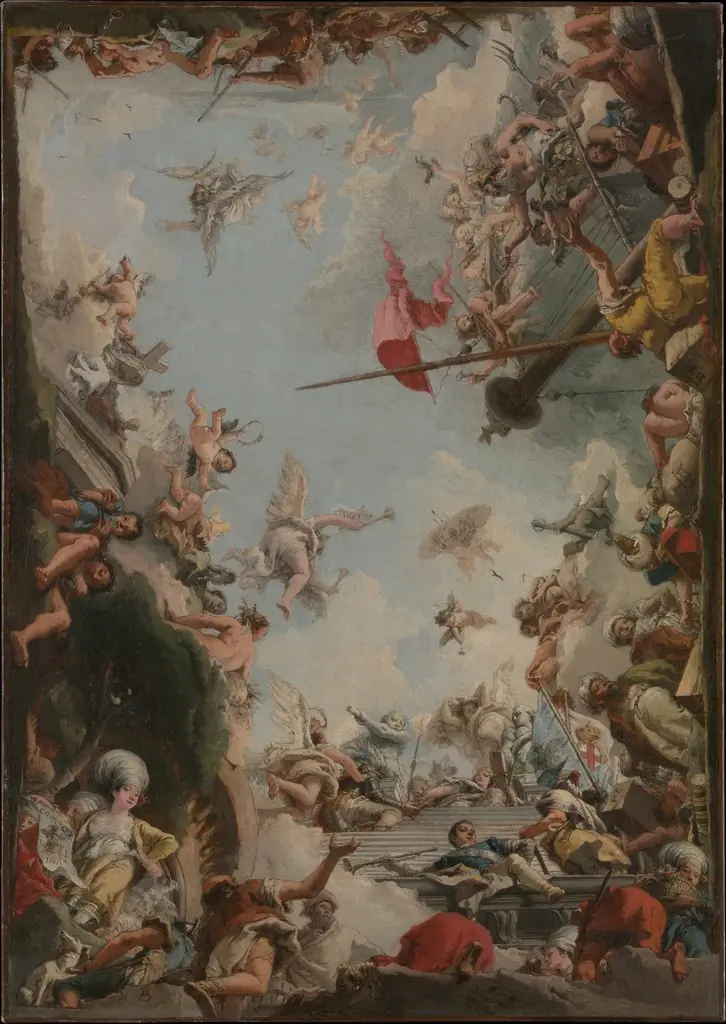 The Glorification of the Giustiniani Family
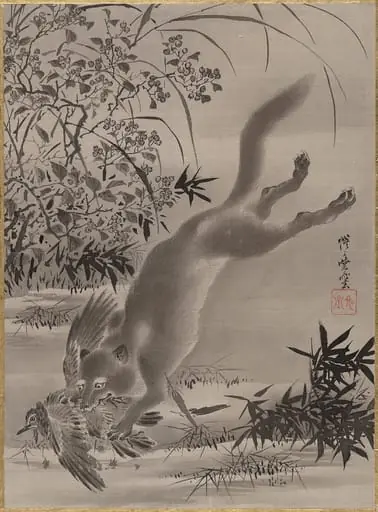 Untitled
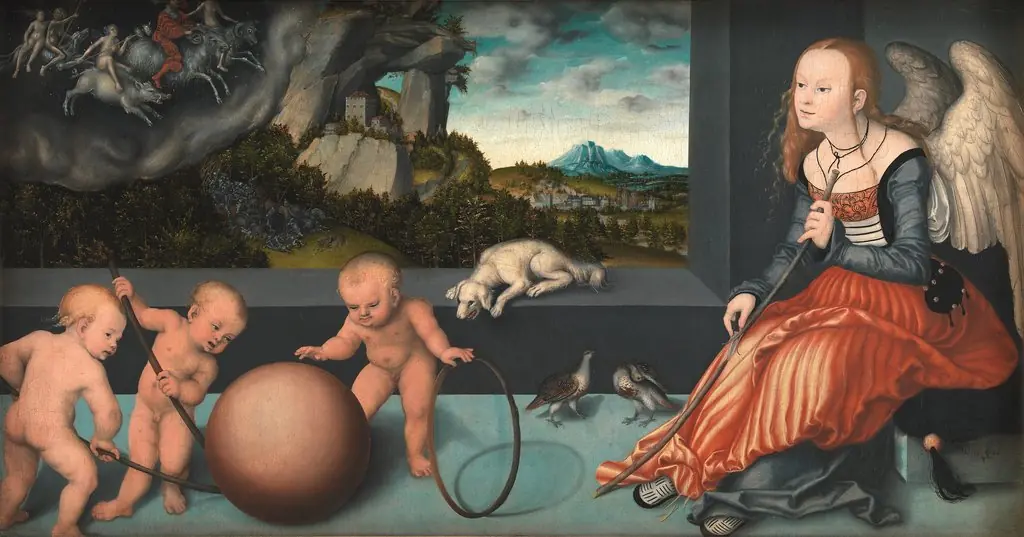 Melancholy
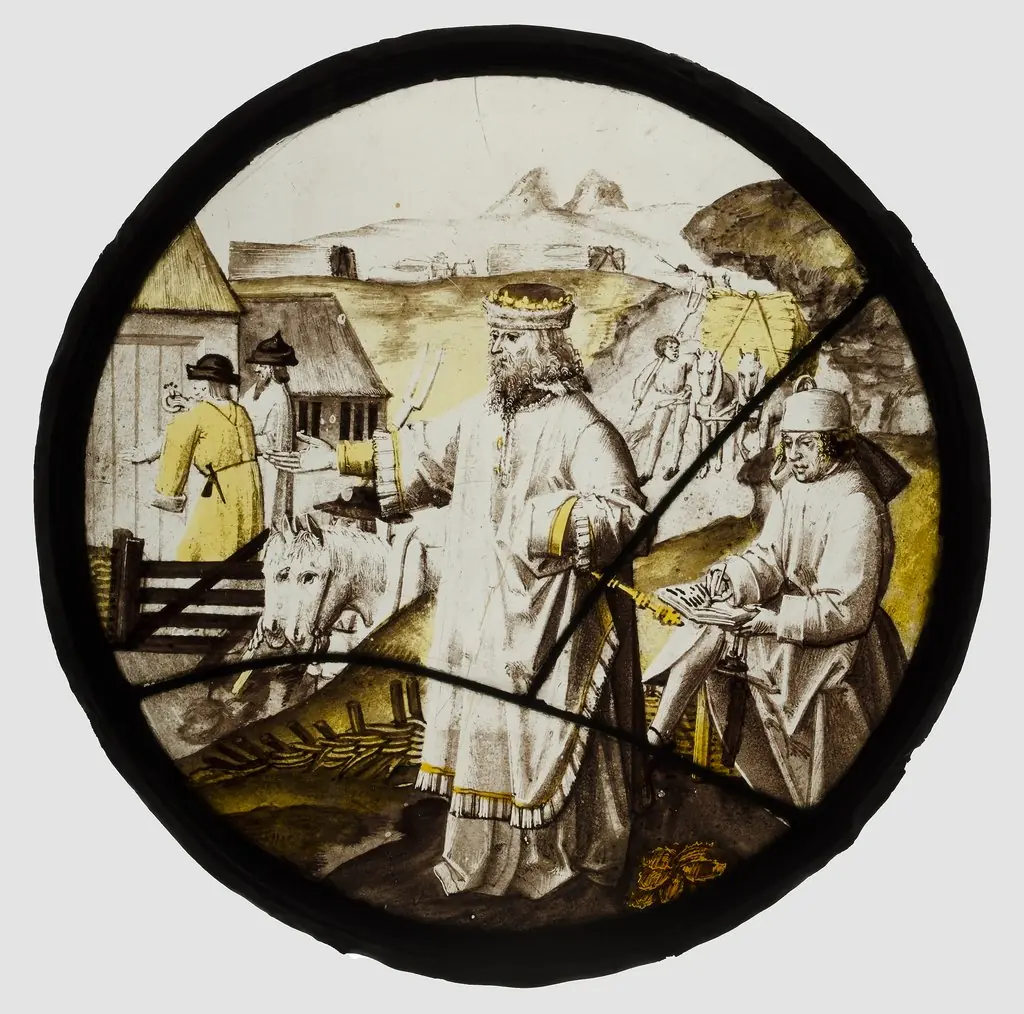 Roundel with Joseph Buying Corn in Egypt
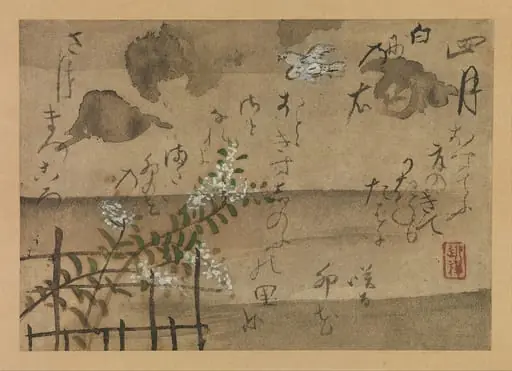 尾形乾山筆 定家詠十二ヶ月和歌 花鳥図 『拾遺愚草』 より四月|“Fourth Month” from Fujiwara no Teika’s “Birds and Flowers of the Twelve Months”
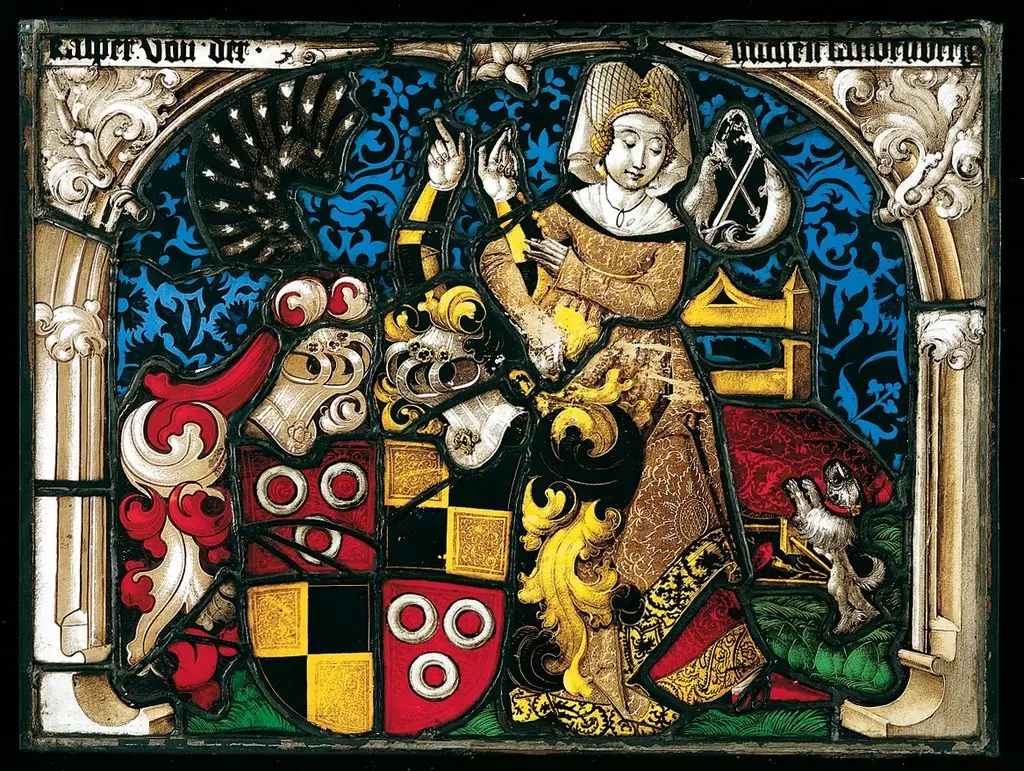 Stained-Glass Panel with a Coat of Arms and a Female Supporter
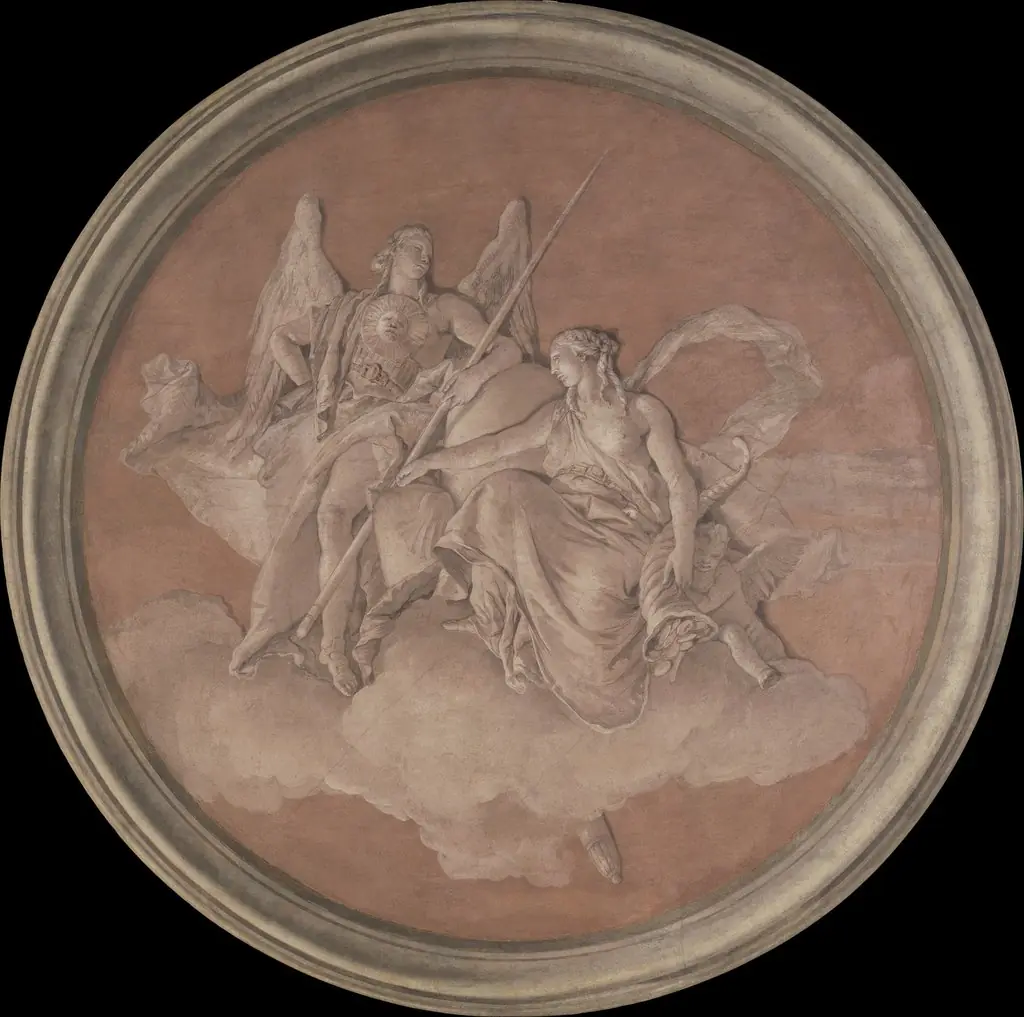 Virtue and Abundance
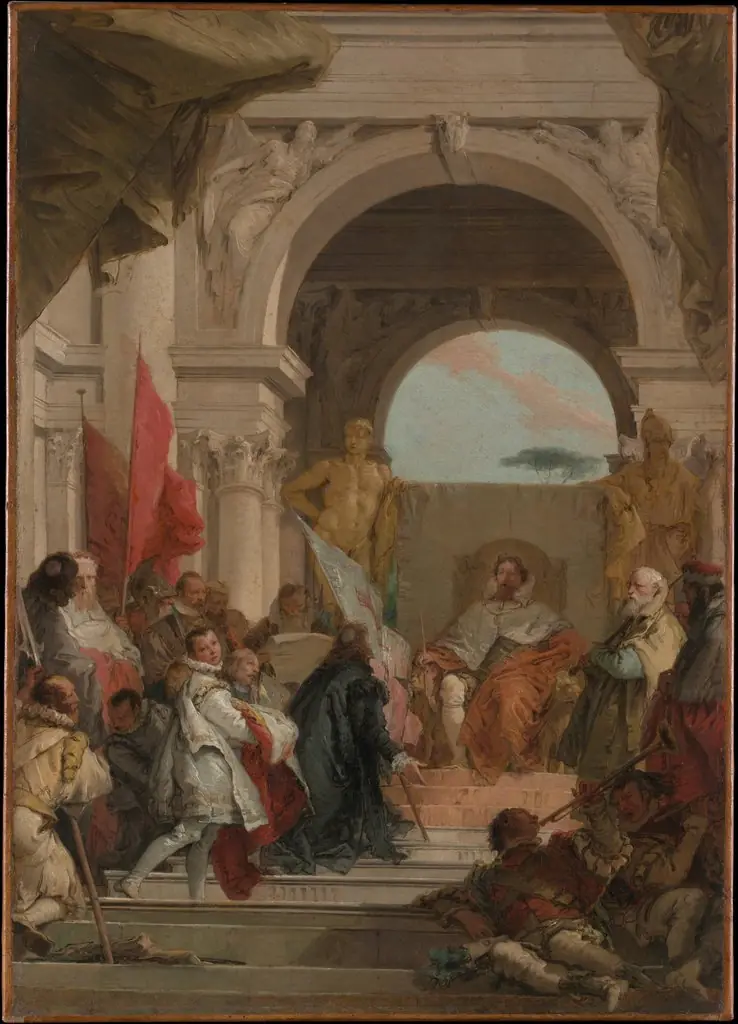 The Investiture of Bishop Harold as Duke of Franconia
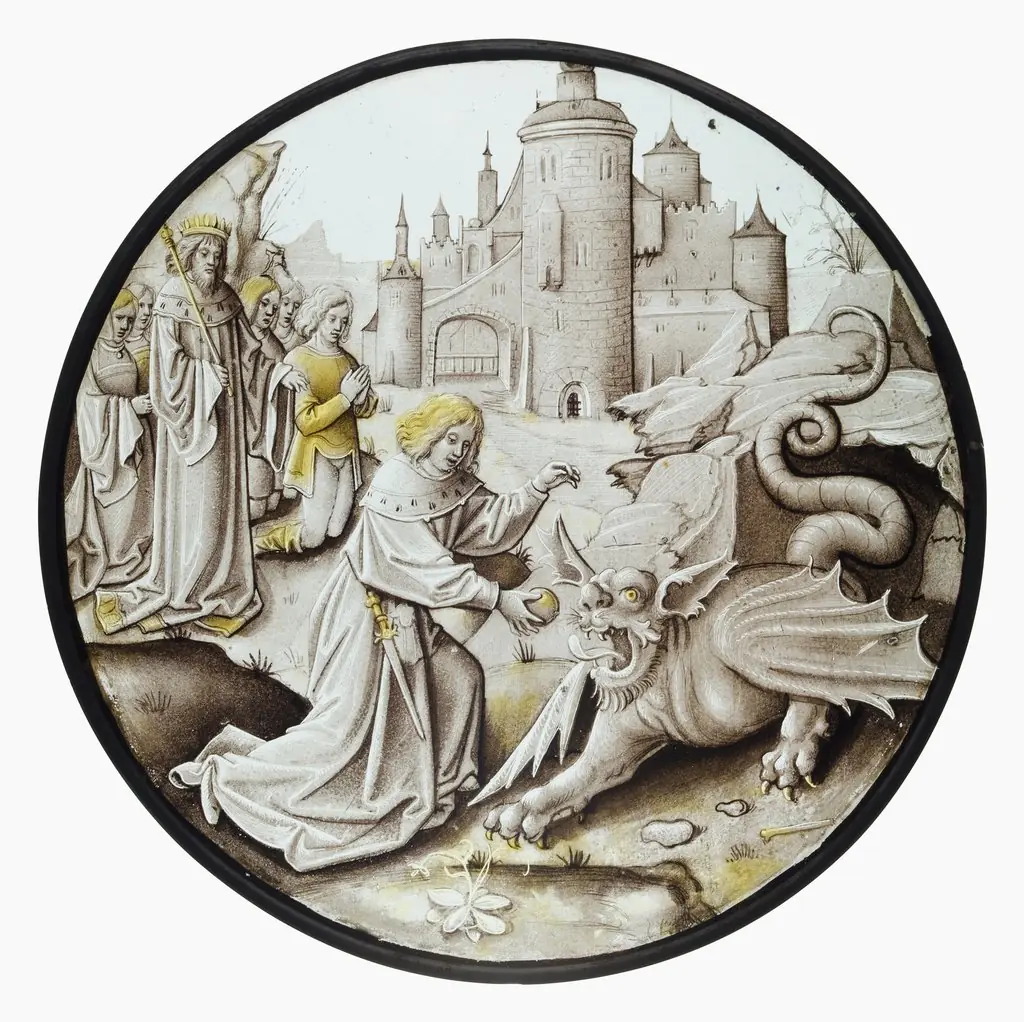 Roundel with Daniel Slaying the Dragon
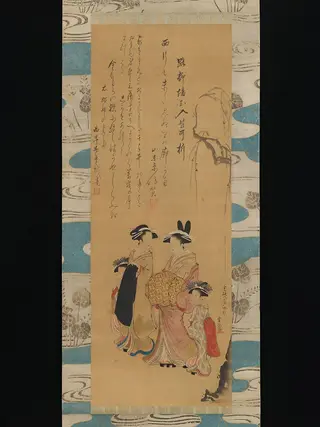 柳下美人図|Courtesan and her Attendants under a Willow Tree
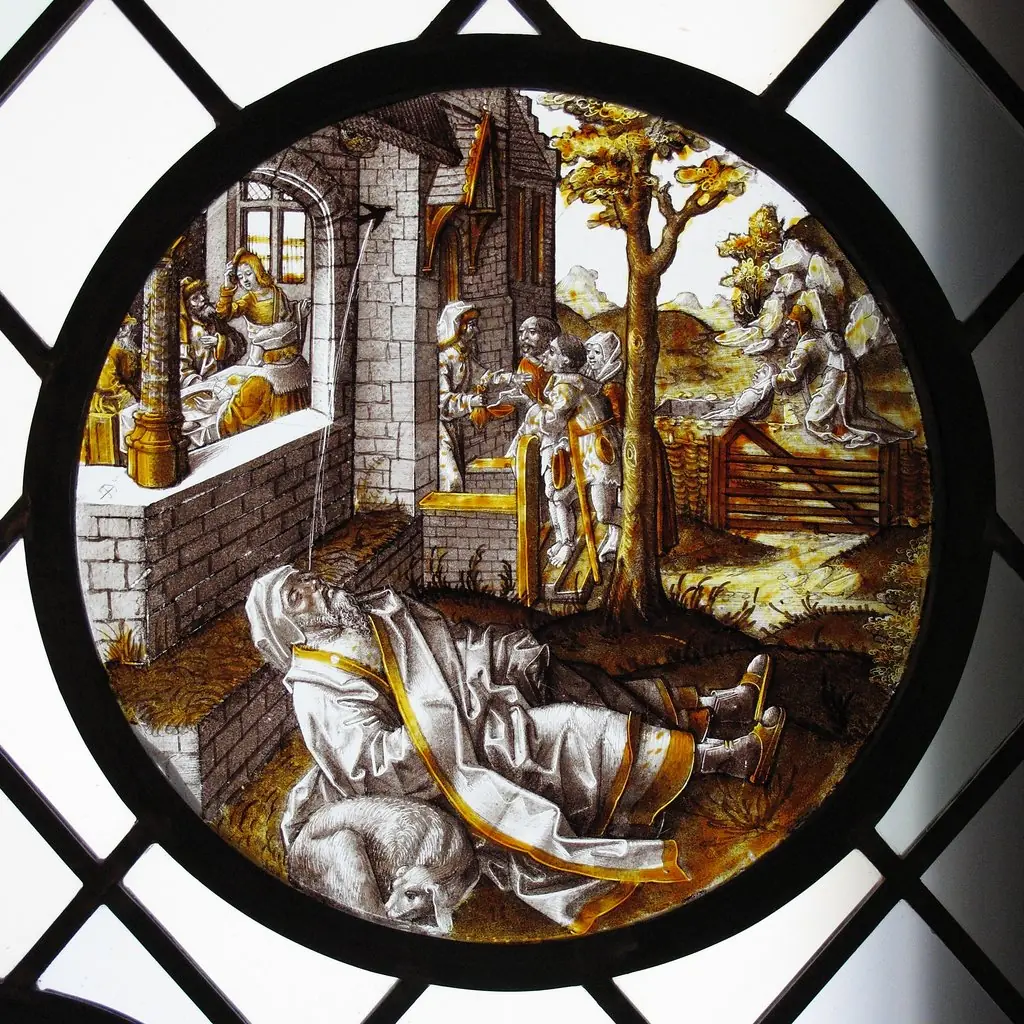 Roundel with the Blinding of Tobit (from a Series)
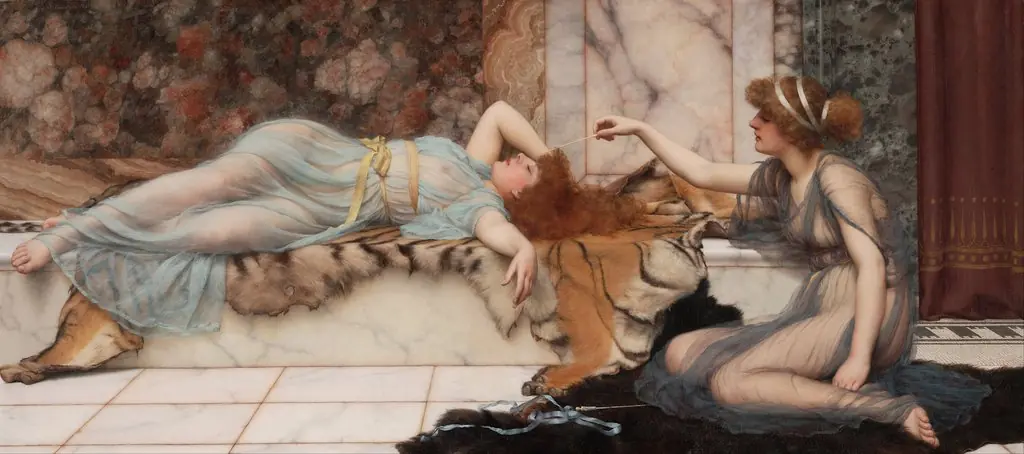 Mischief and Repose
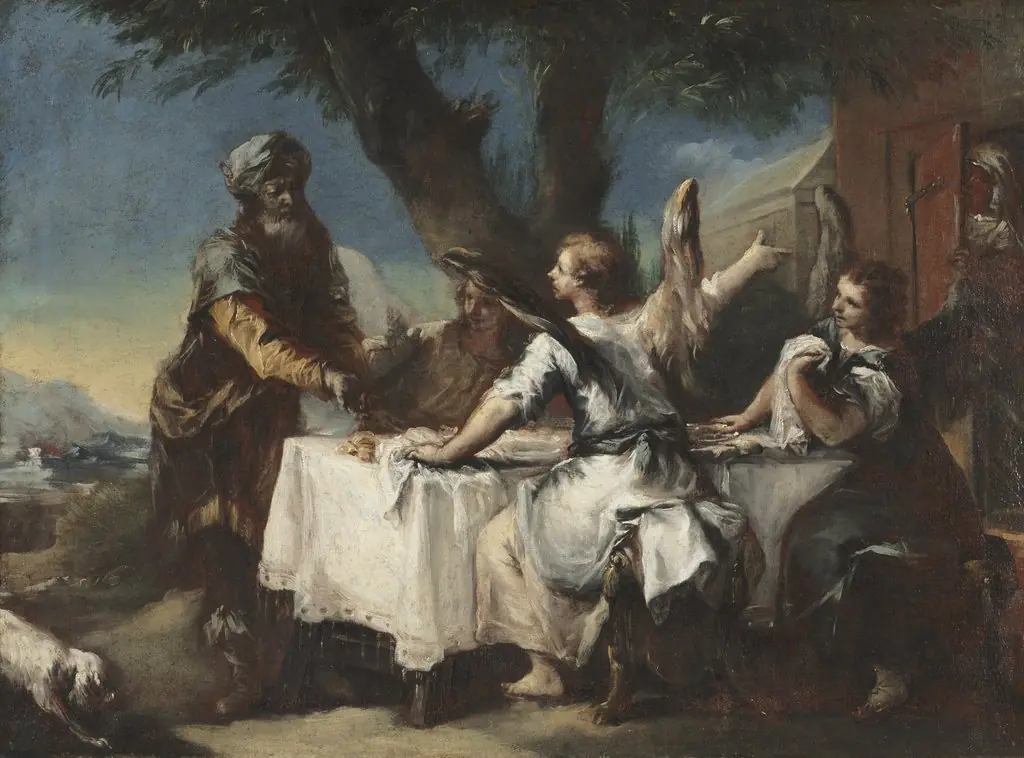 Abraham Welcoming the Three Angels
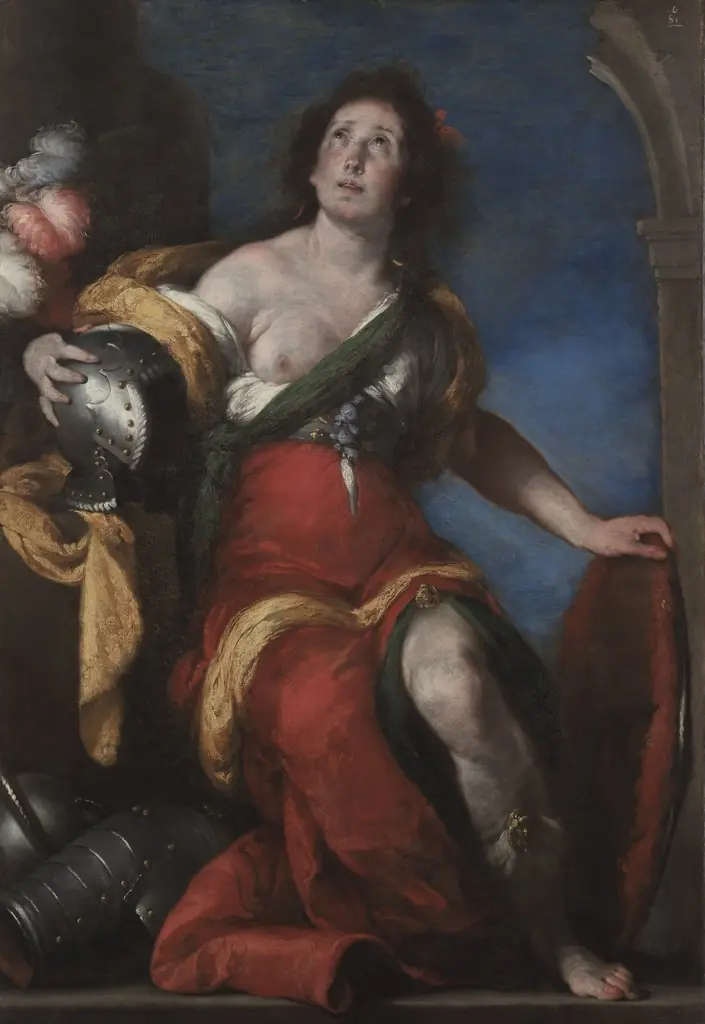 Allegorical Figure
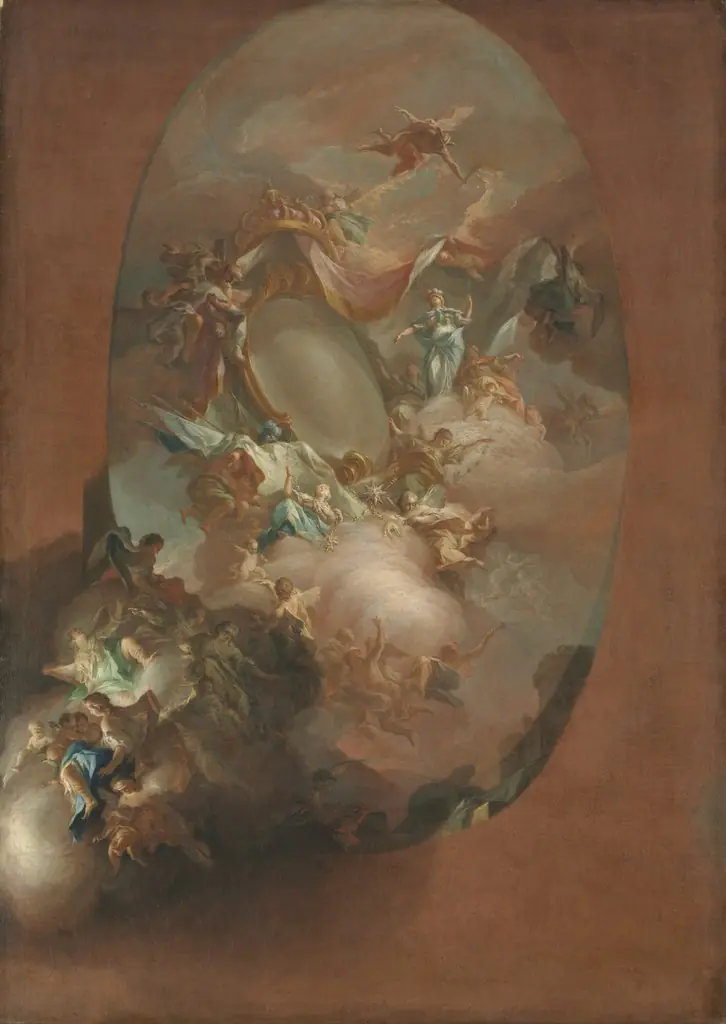 Study for "The Apotheosis of Ferdinand IV and Maria Carolina, King and Queen of Naples" (for the Palazzo dei Regi Studi, Naples)
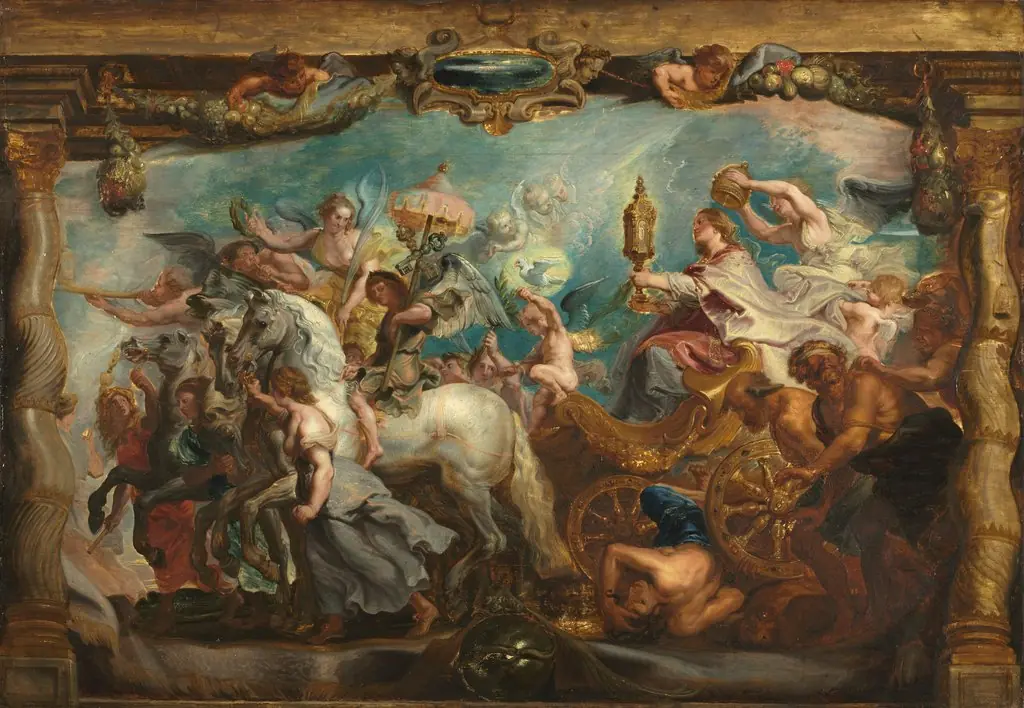 The Triumph of the Church
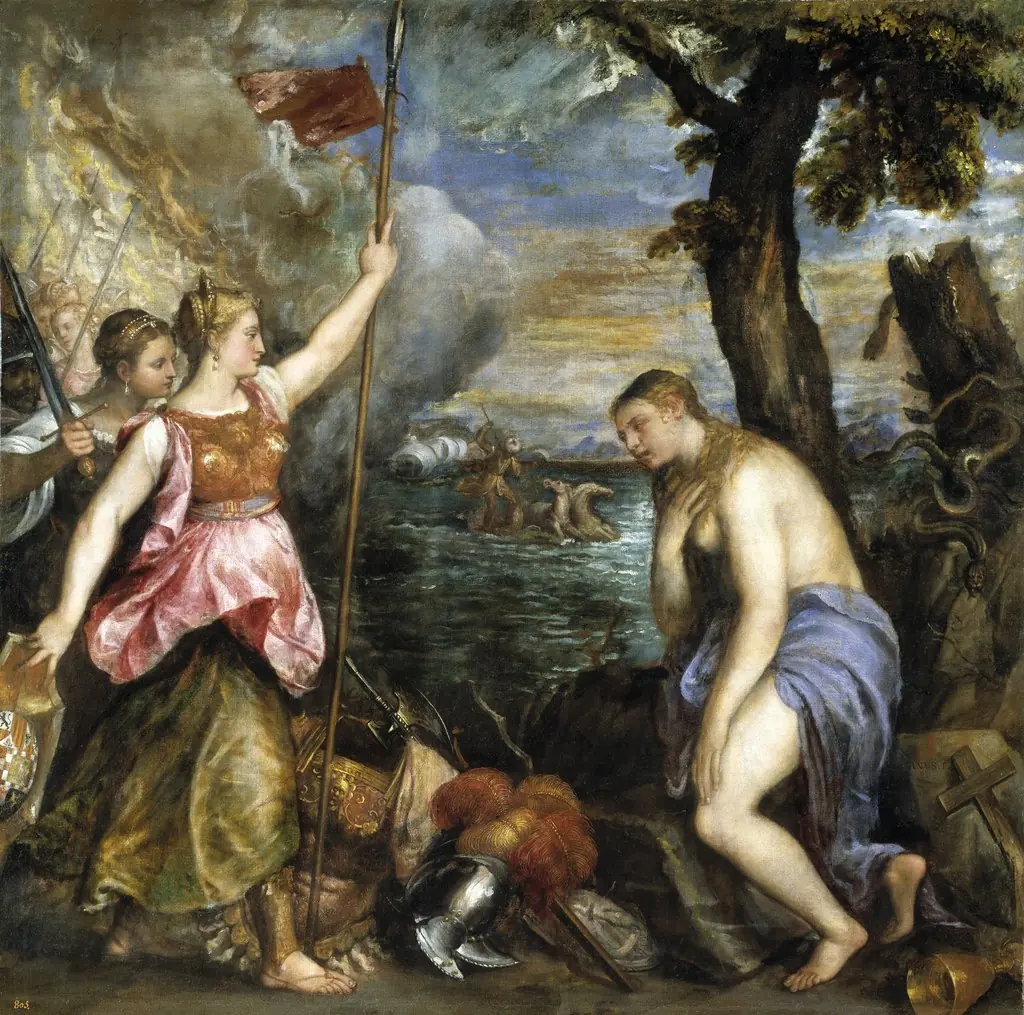 Religion saved by Spain
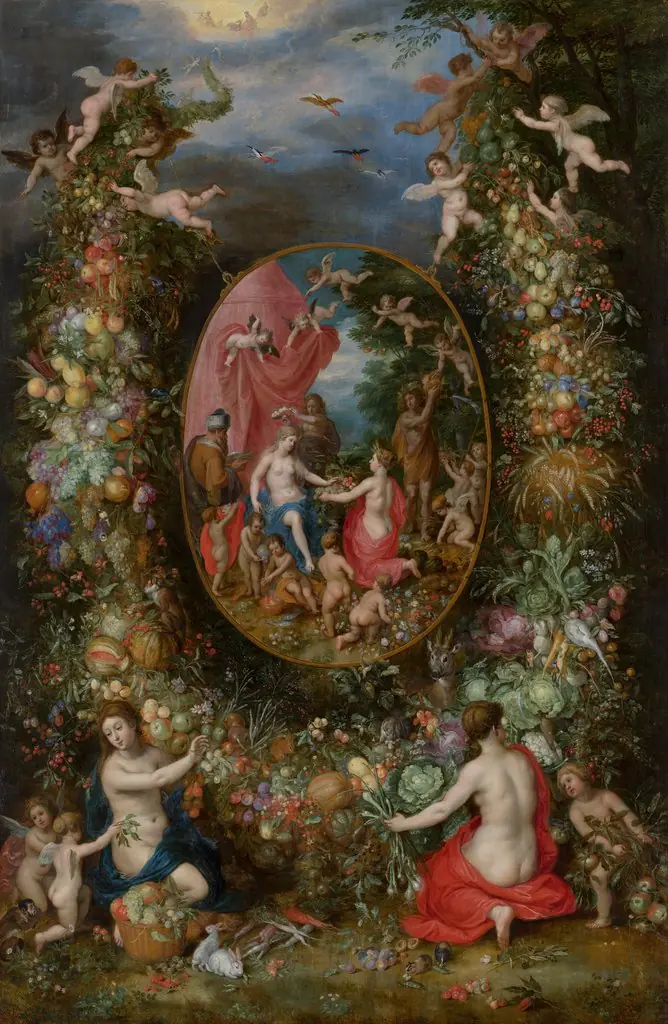 Garland of Flowers around an Allegory of Farming
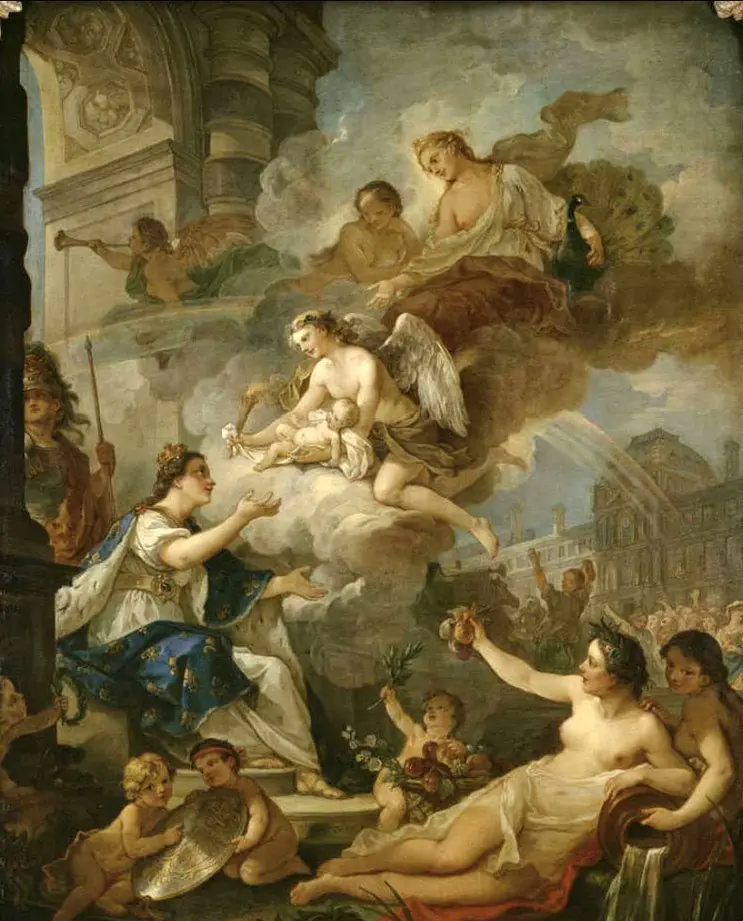 Allegory of the Birth of Marie-Zéphyrine of France, daughter of Louis of France
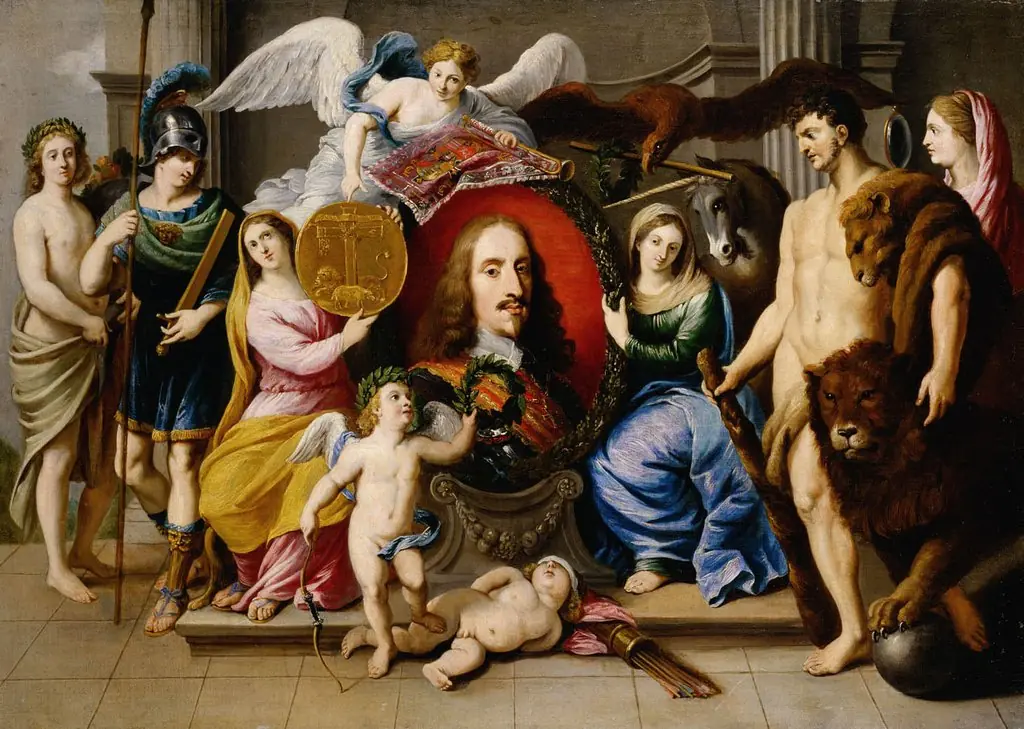 Allegory on Archduke Leopold Wilhelm (1614-1662)
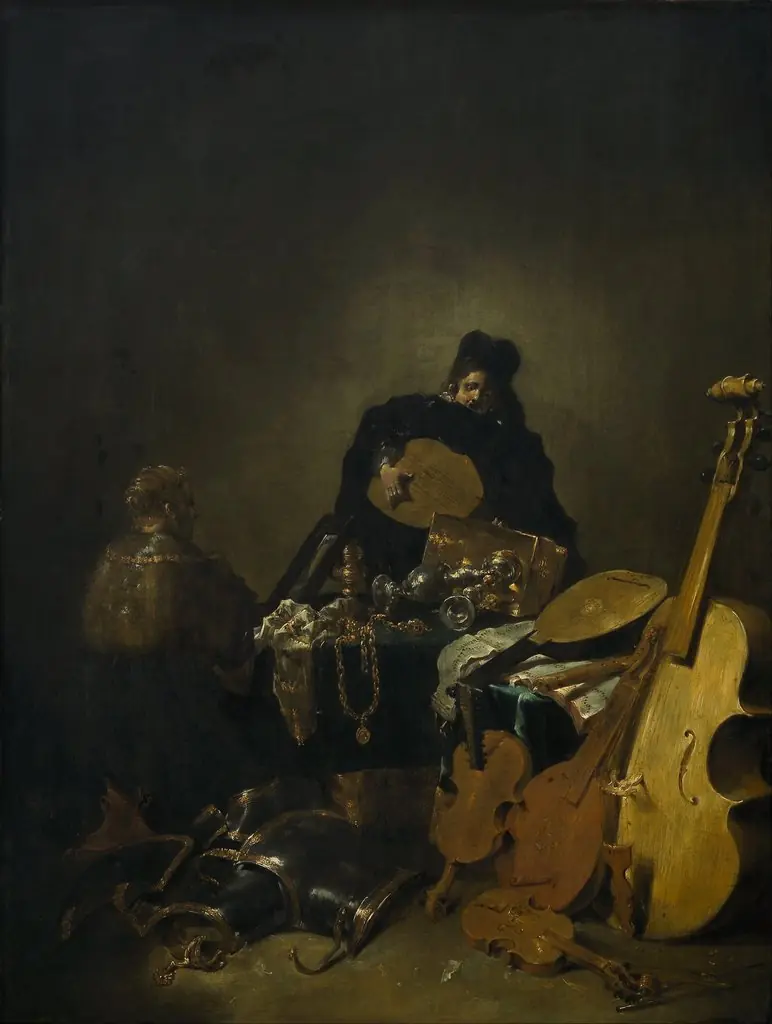 Allegory of Vanity (Vanitas)
 Fleuron for the Title Pages
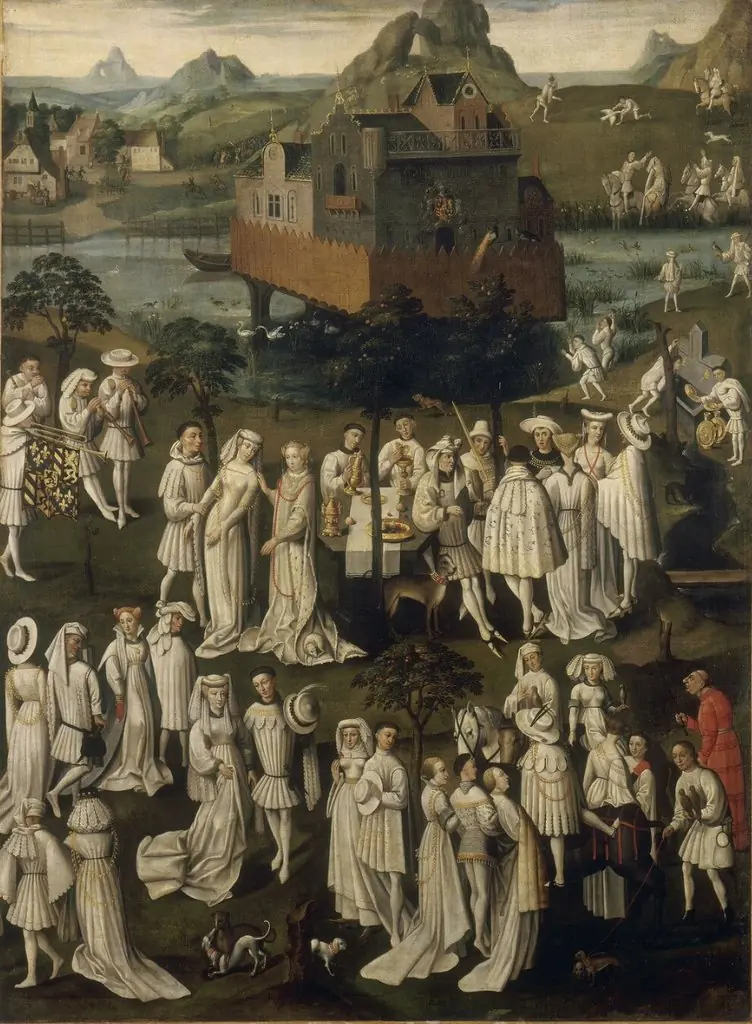 Garden of love at the court of Philippe the Good, Duke of Burgundy
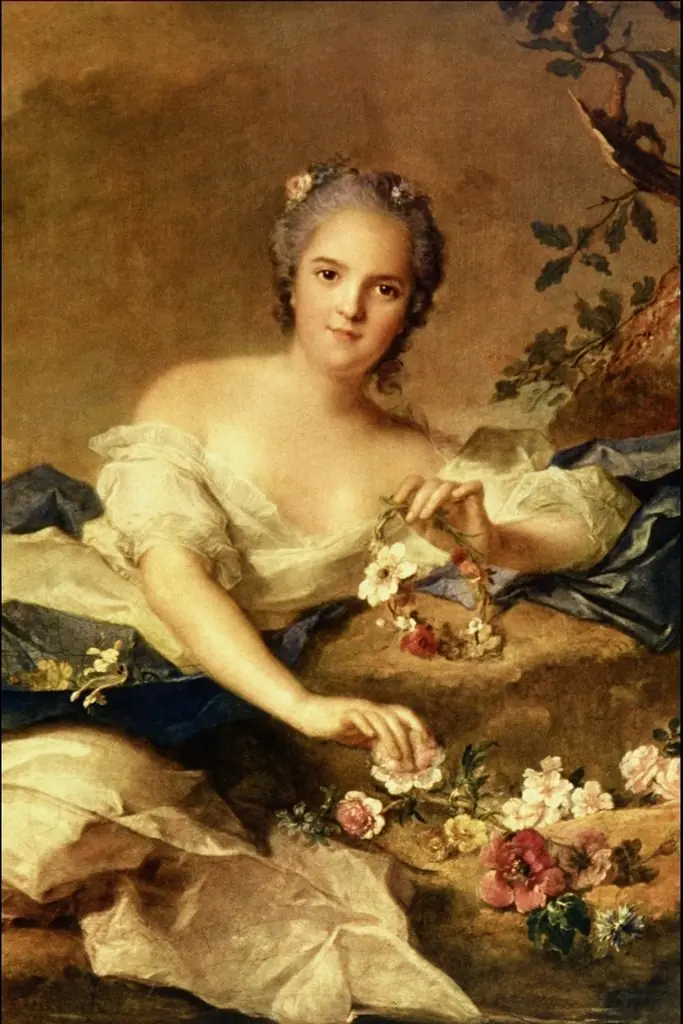 Henriette of France as Flora
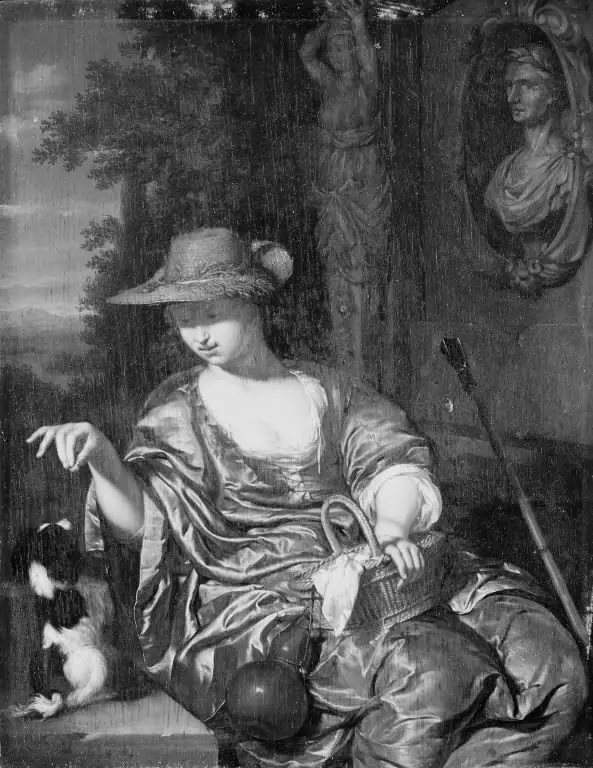 A Shepherdess with a Dog
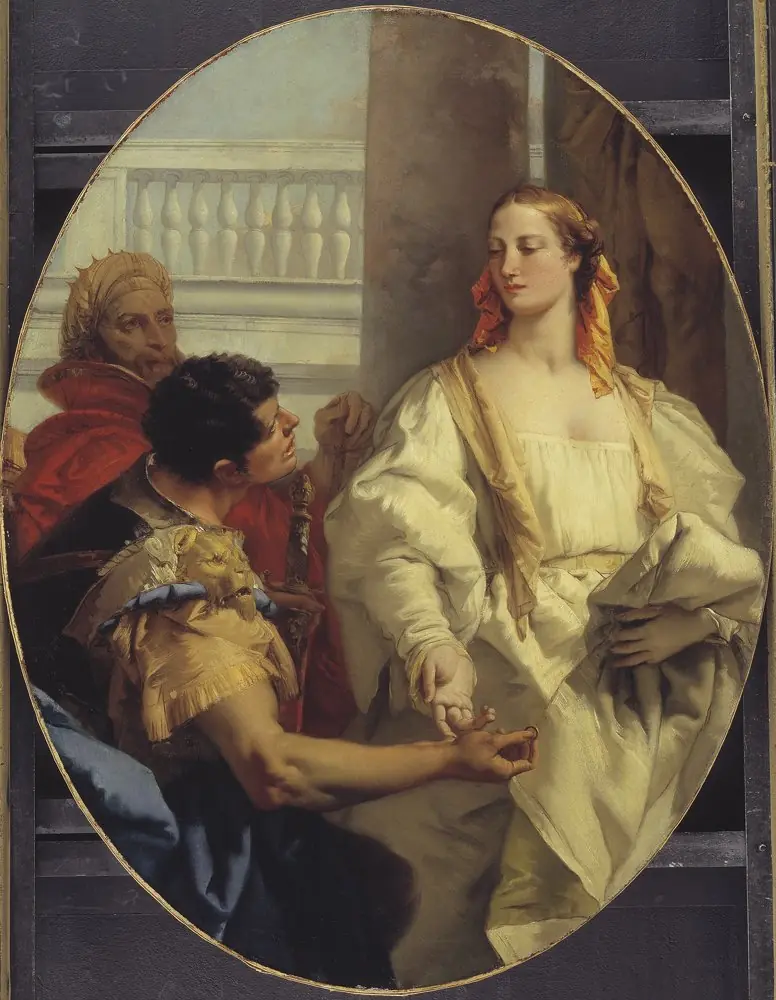 Latinus Offering his Daughter Lavinia to Aeneas in Matrimony
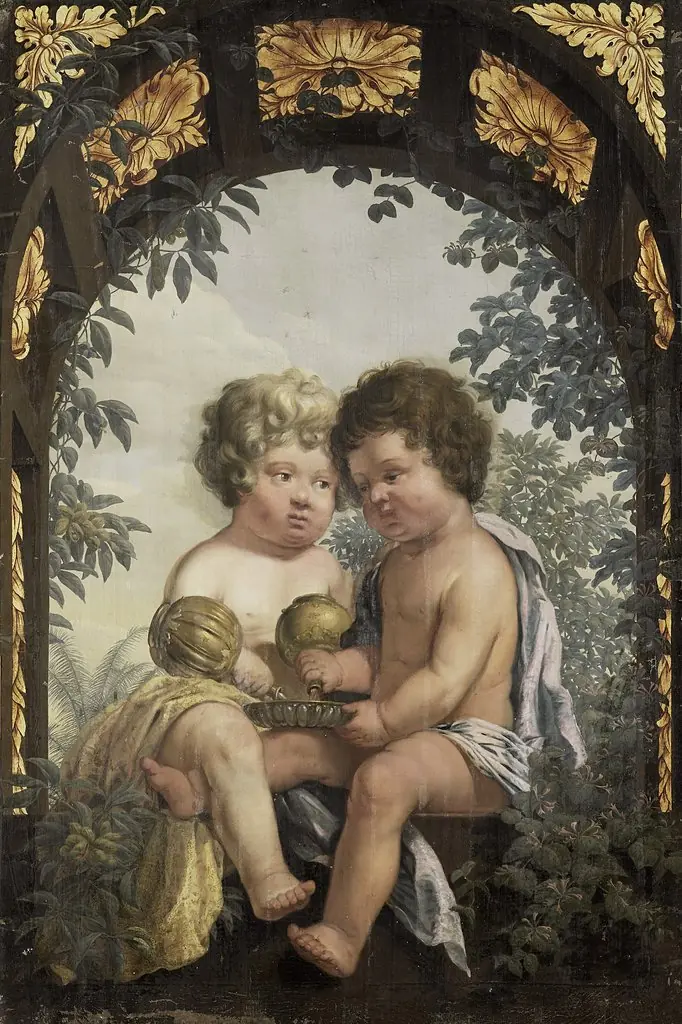 Christian Allegory with two Children both Pouring from a Carafe into a Bowl
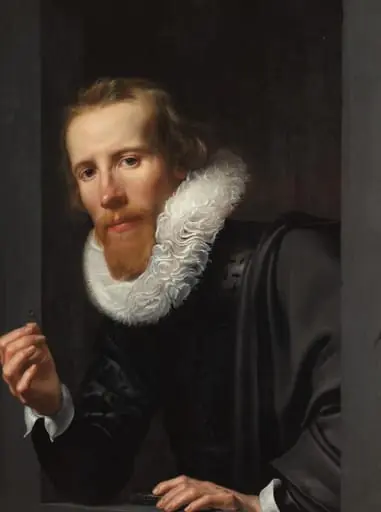 Portrait of a Goldsmith, Probably Bartholomeus Jansz van Assendelft
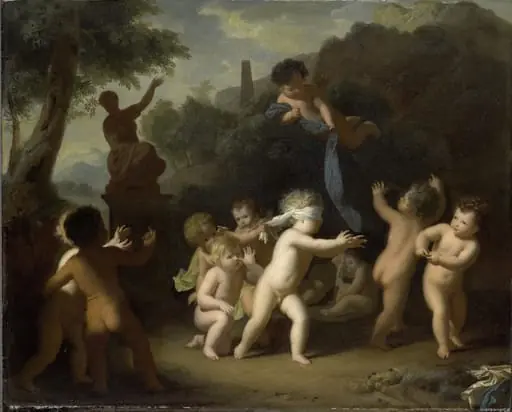 Putti Playing
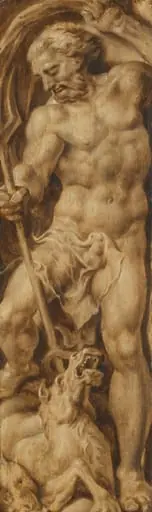 Triomf van het geloof: Neptunus
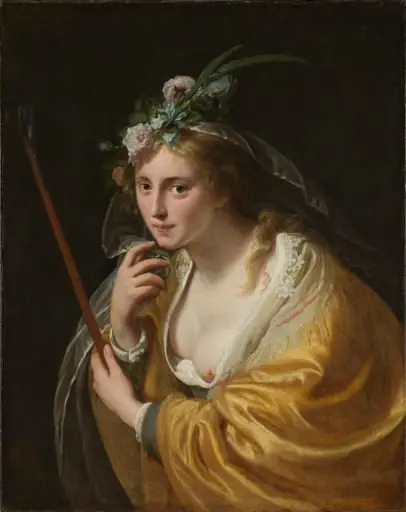 A Shepherdess
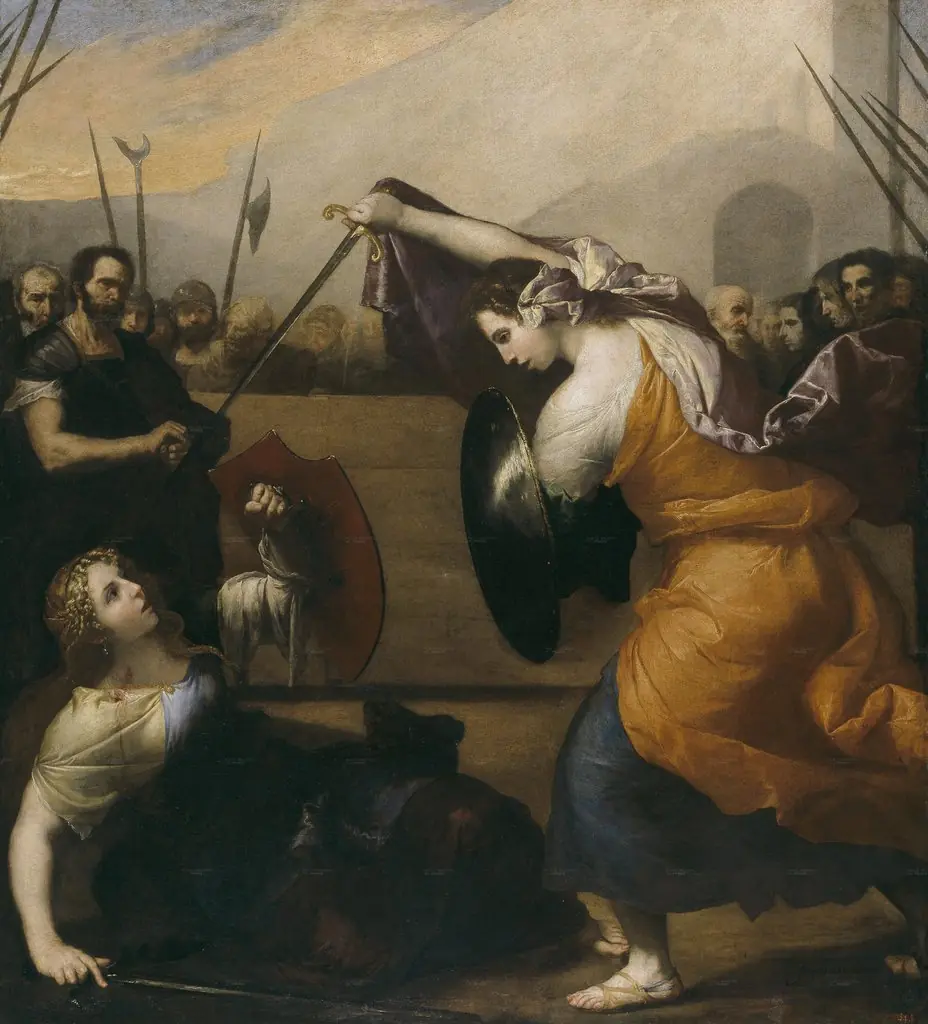 Women Gladiators
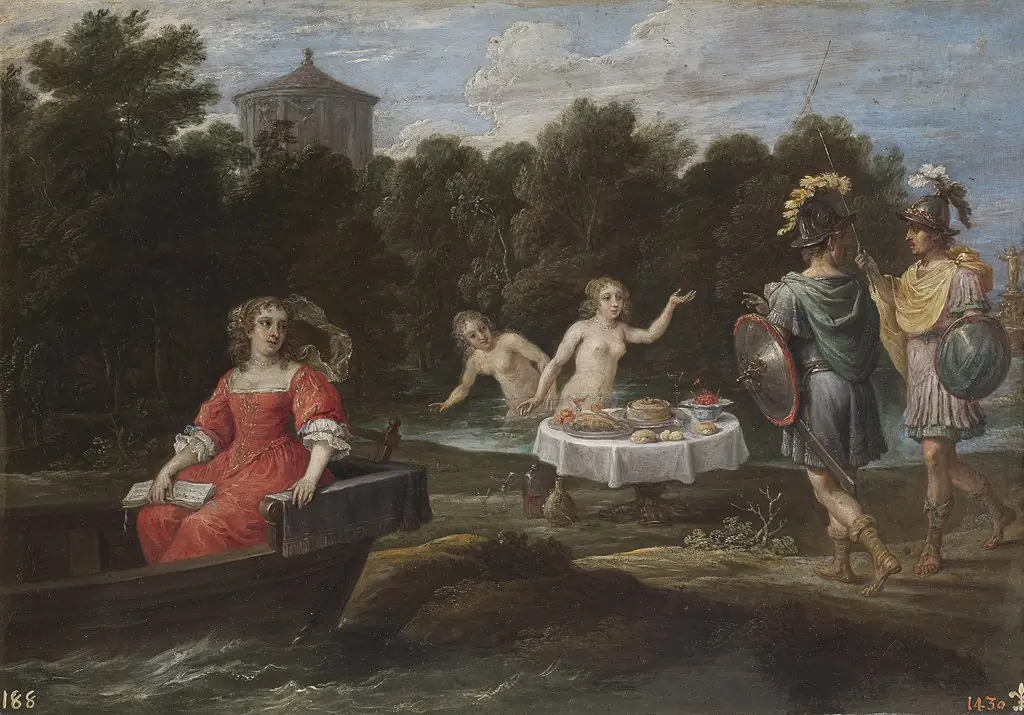 Carlos y Ubaldo en las islas Afortunadas
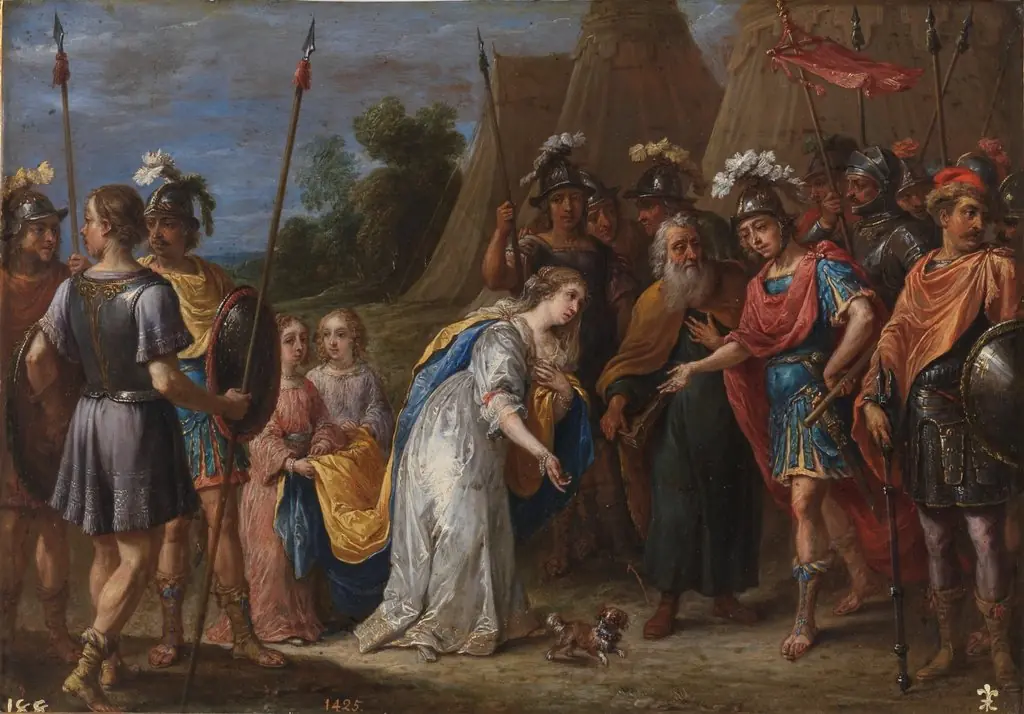 Armida ante Godofredo de Bouillon
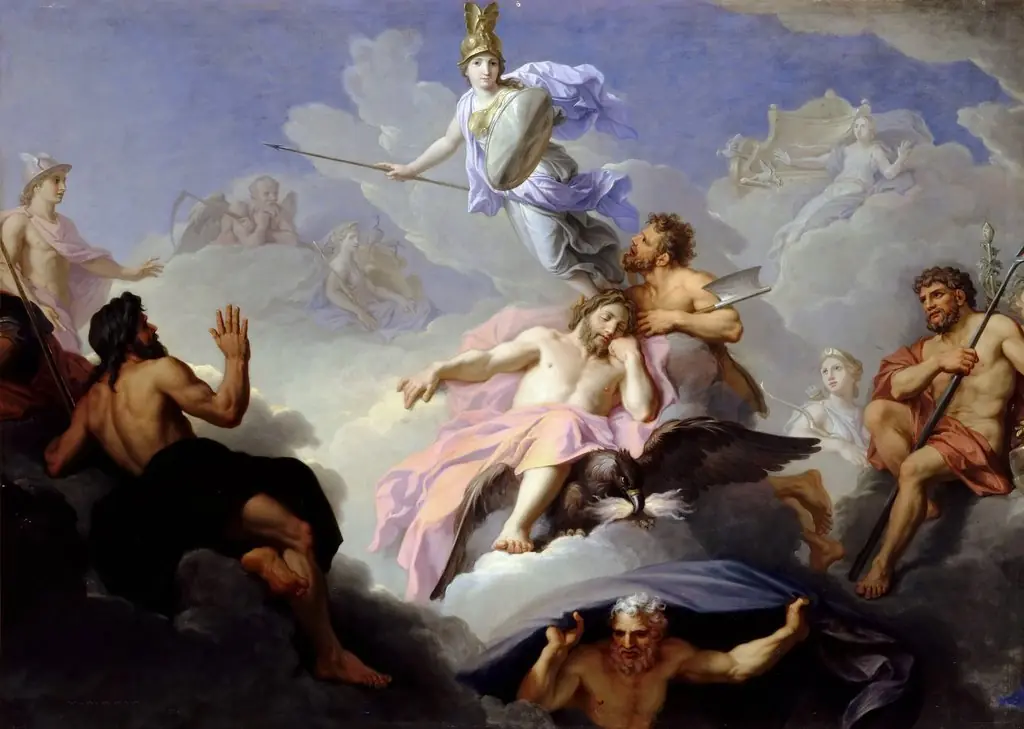 The Birth of Minerva
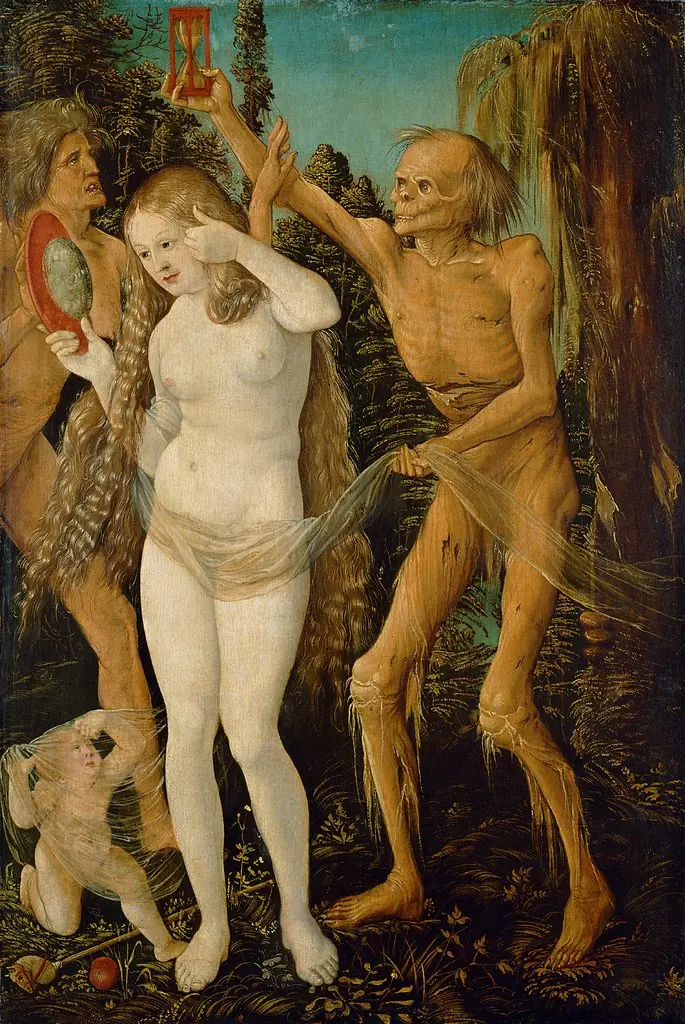 The three ages and death
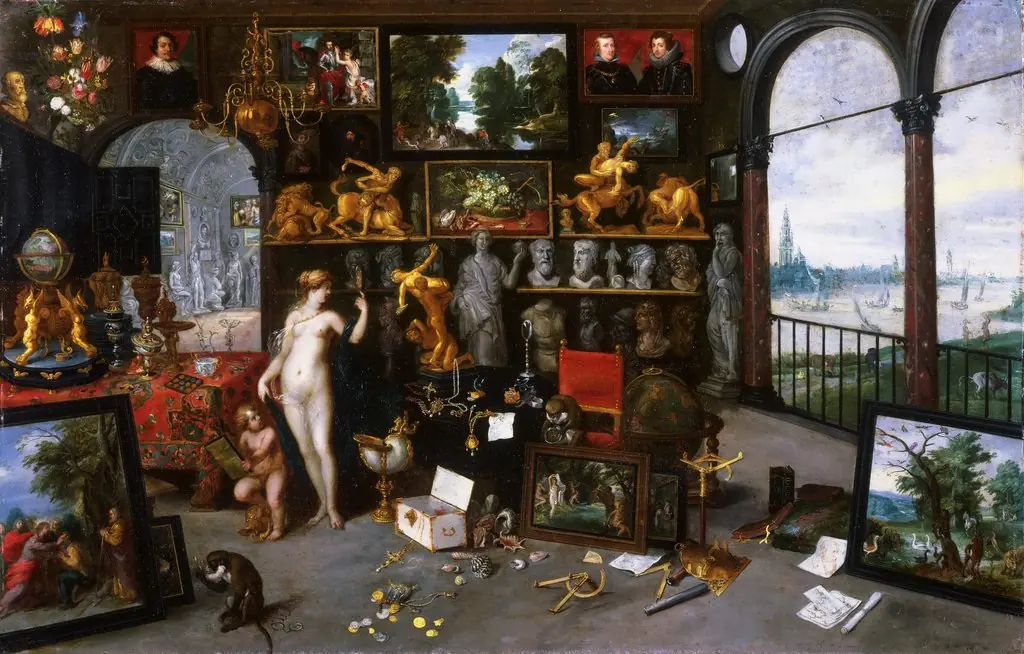 Allegory of Sight (Venus and Cupid in a Picture Gallery)
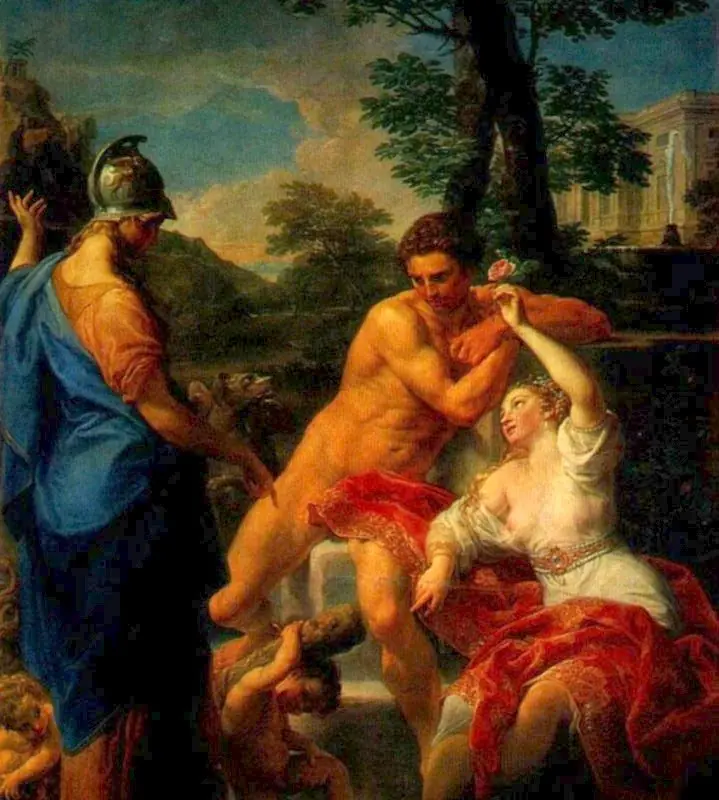 Hercules at the Crossroads
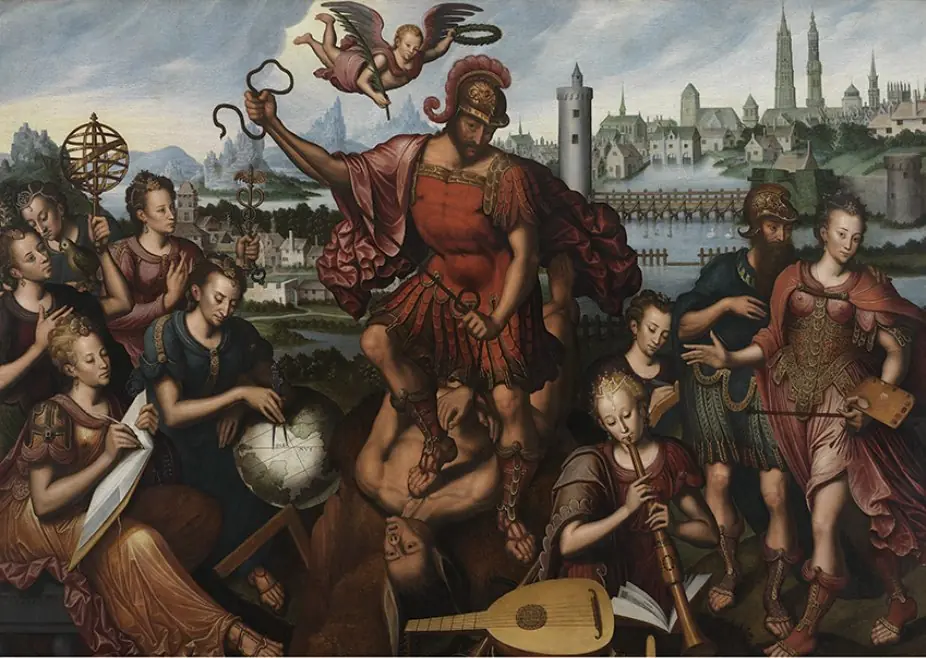 Mars, surrounded by the Arts and Sciences, conquers Ignorance
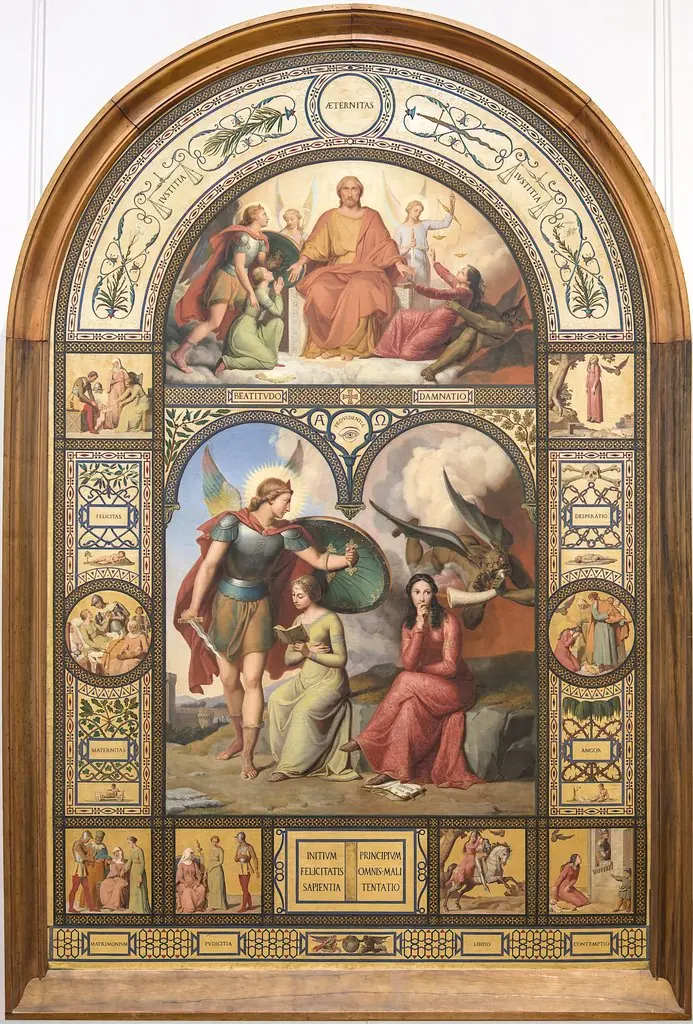 Good and Evil
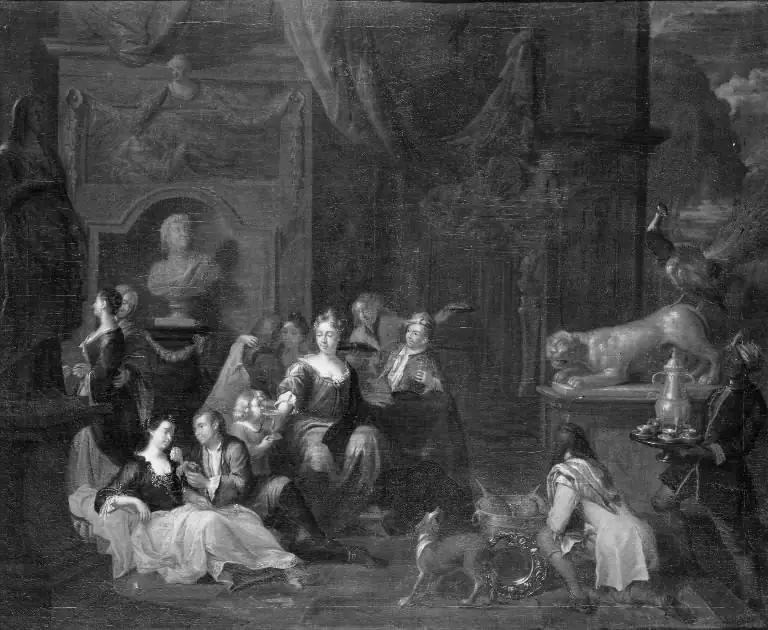 Gallant Company on a Terrace
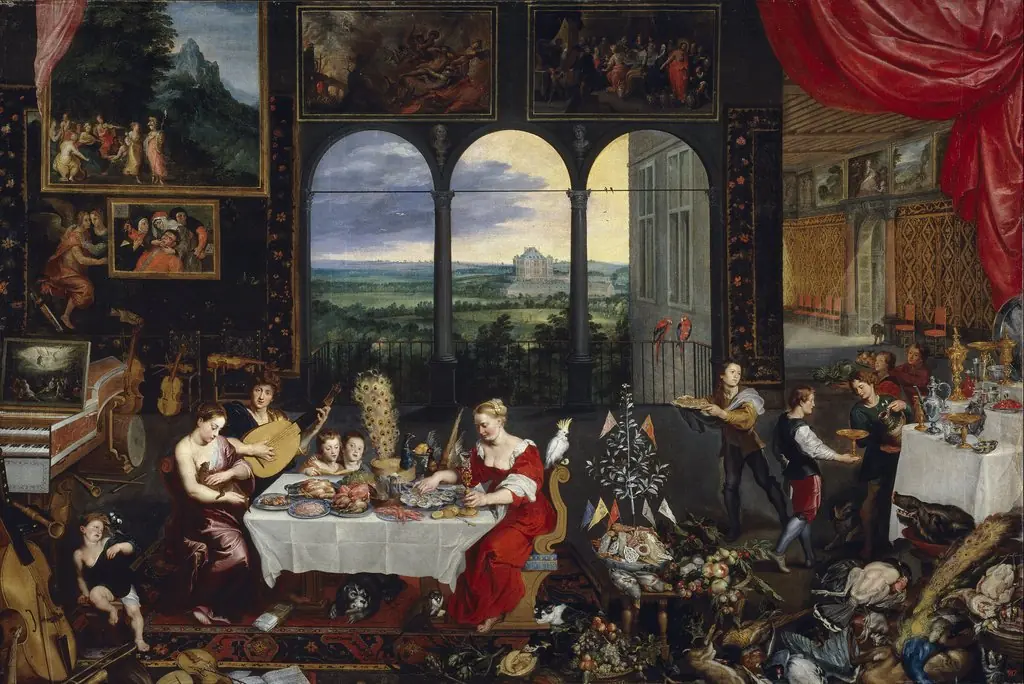 The Senses of Hearing, Touch and Taste
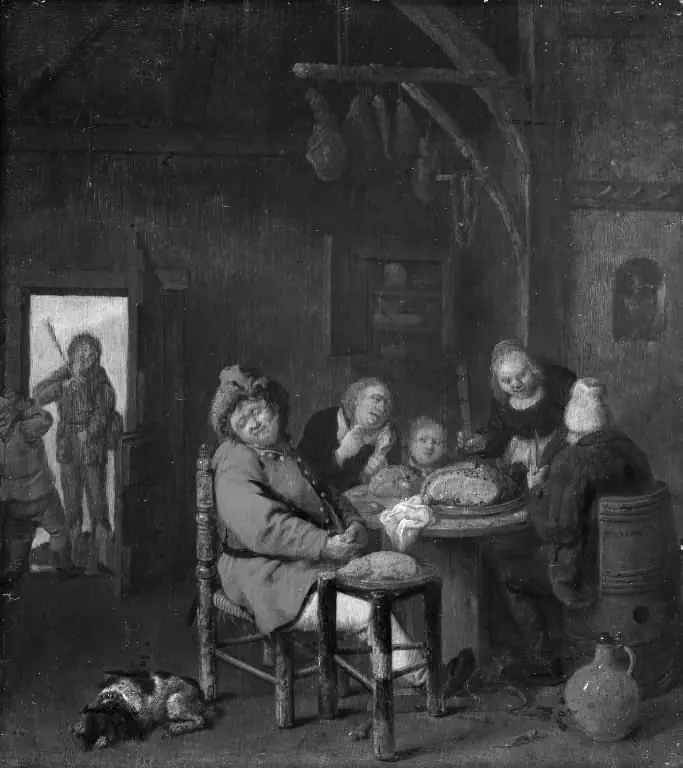 Peasant Family
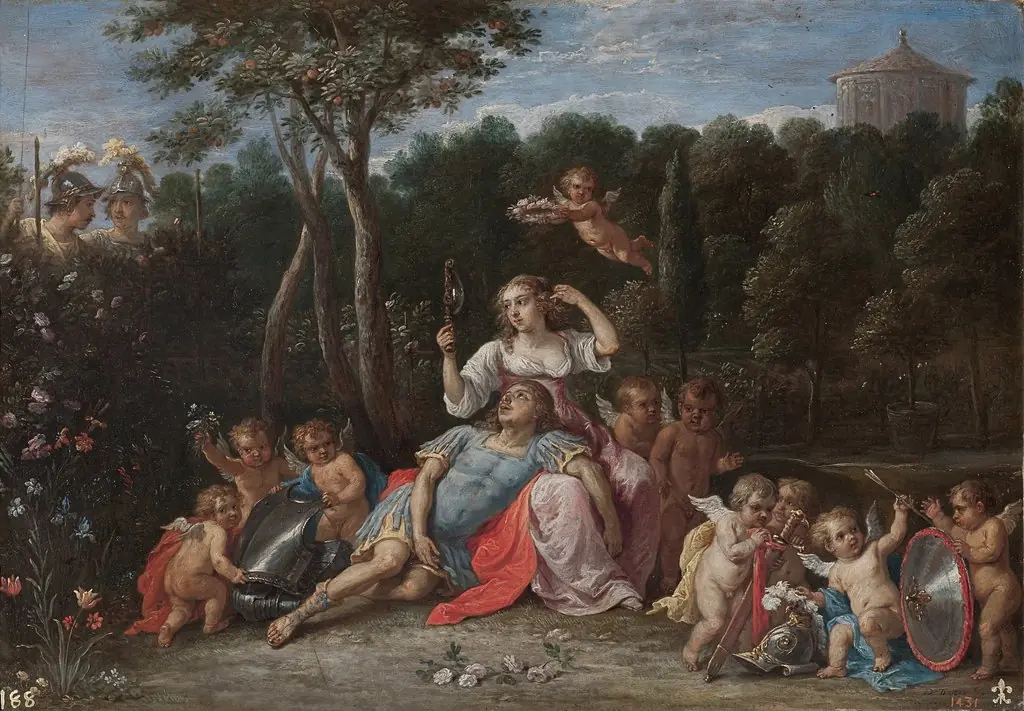 El jardín de Armida
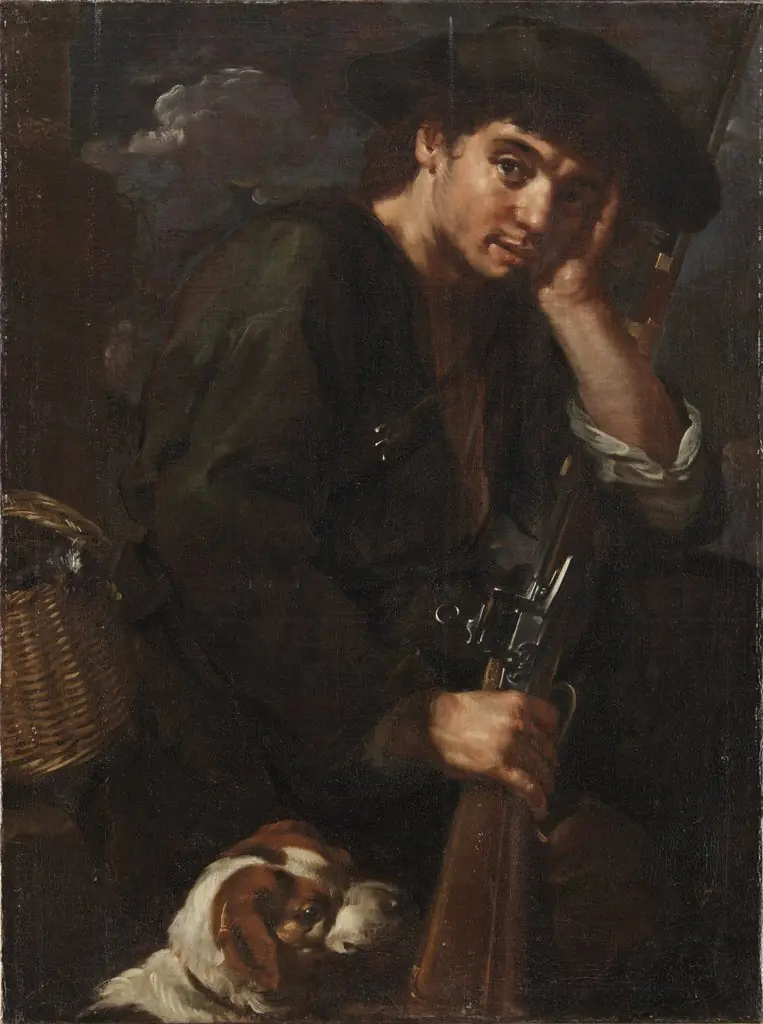 Hunter with his Gun and Dog. (Allegory of "Air")
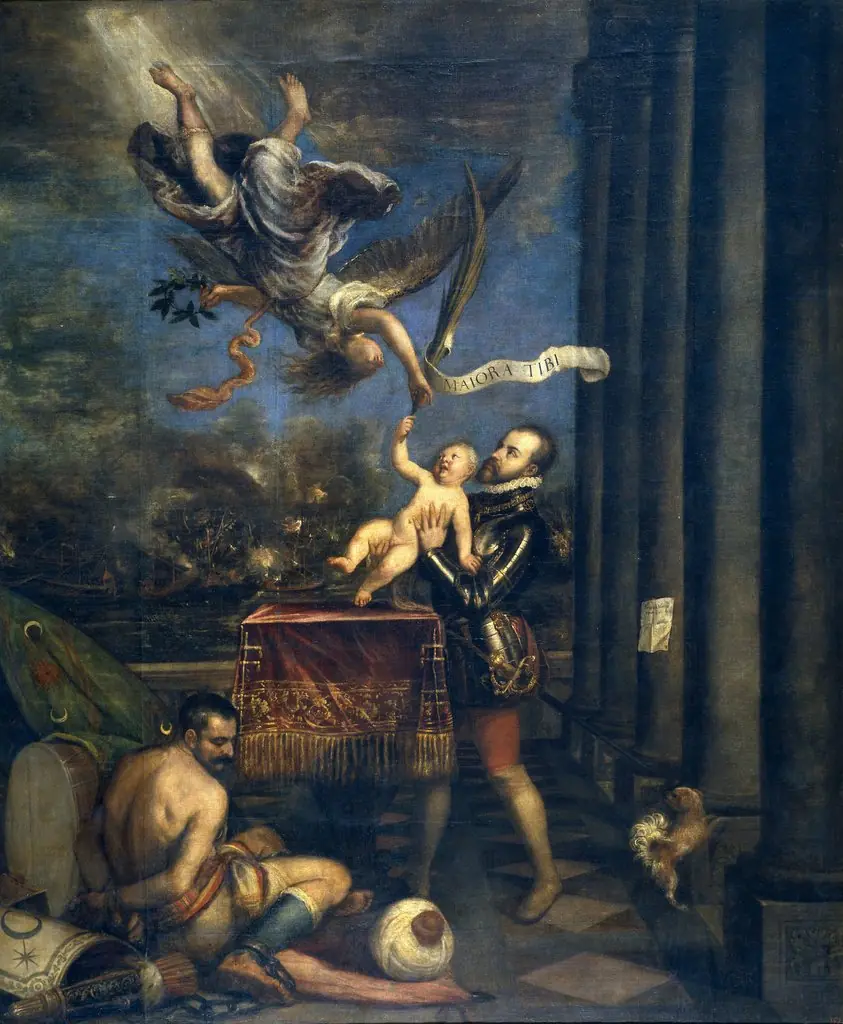 Philip II offering the Infante don Fernando to the Heavens
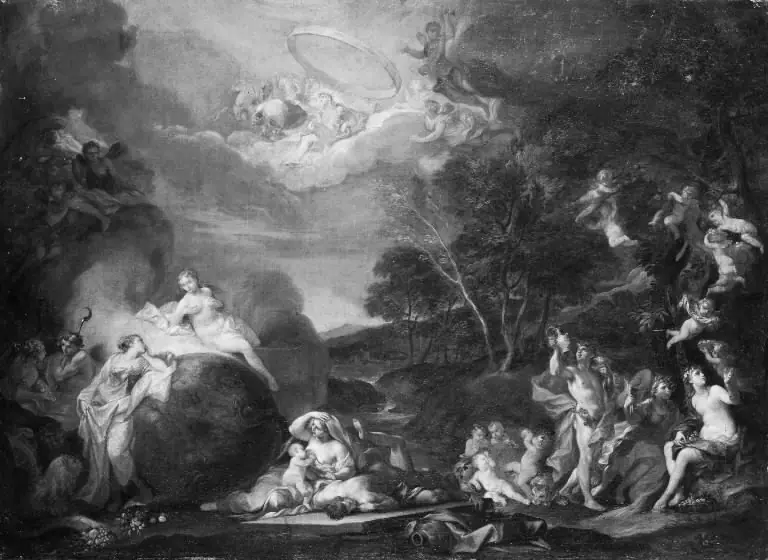 An Allegory with Bacchus, Ceres, Flora and Apollo
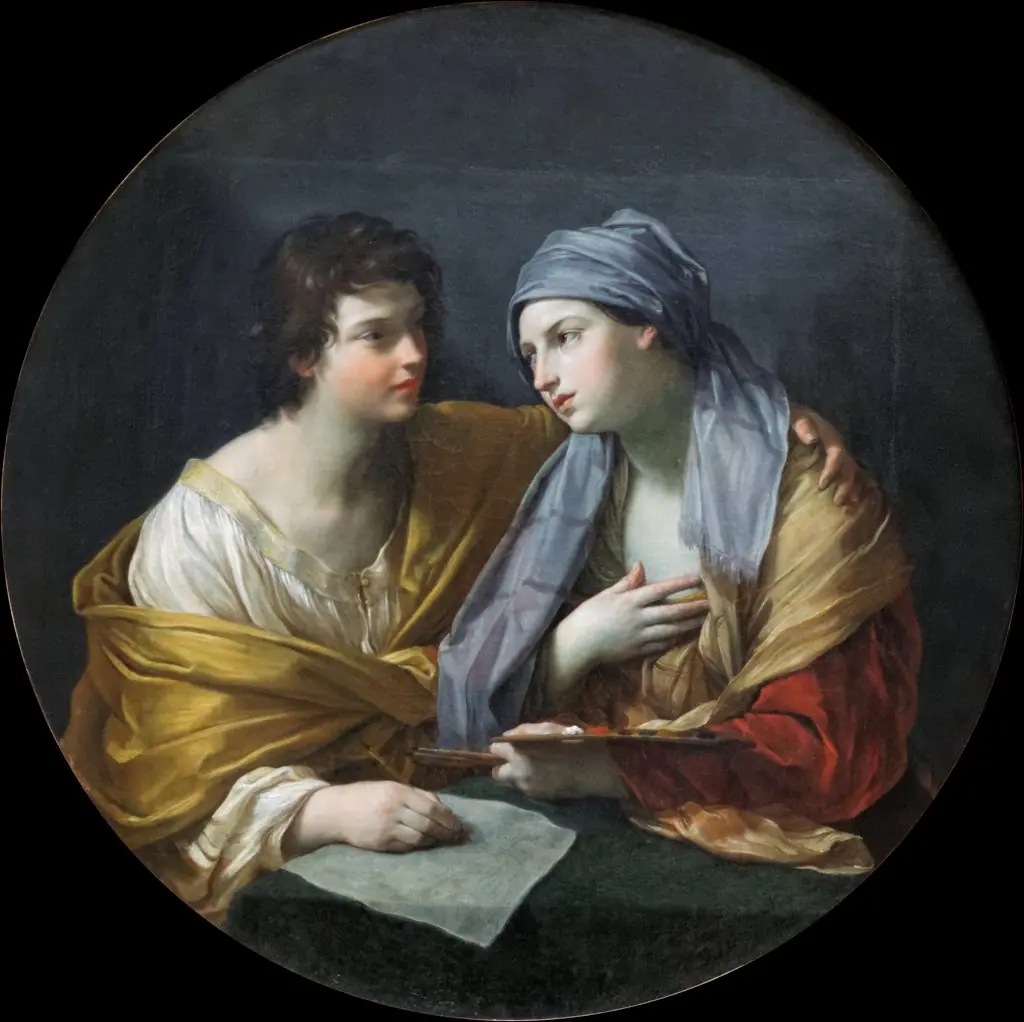 The Union of Drawing and Color
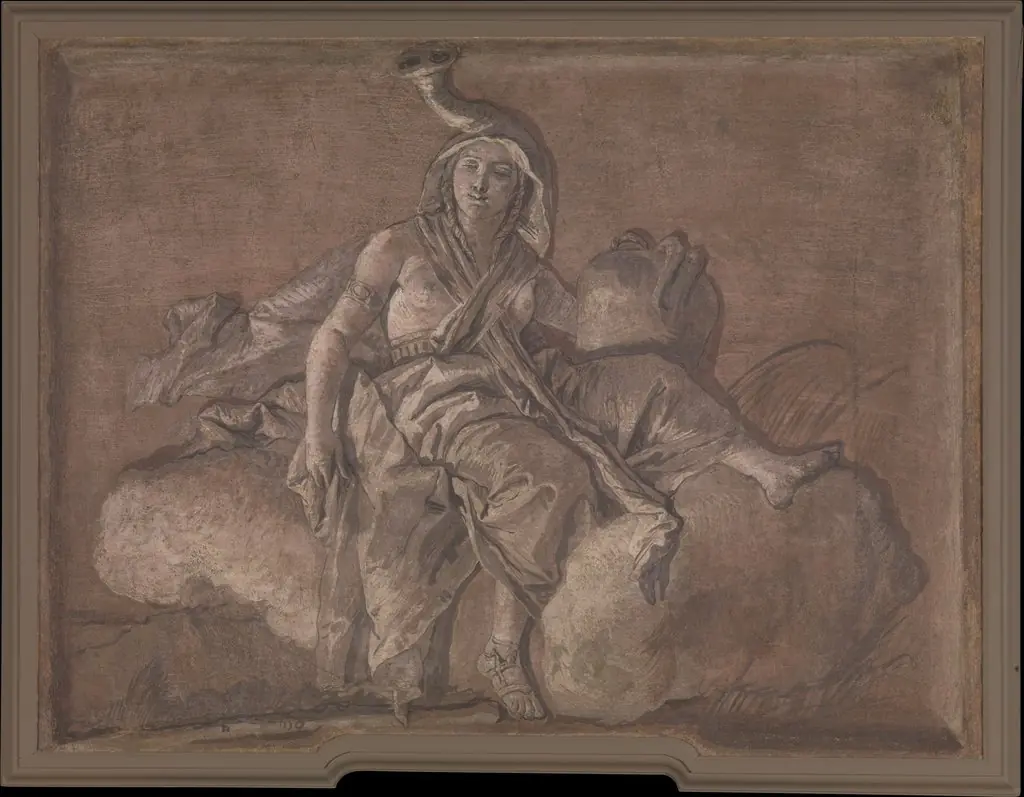 Africa
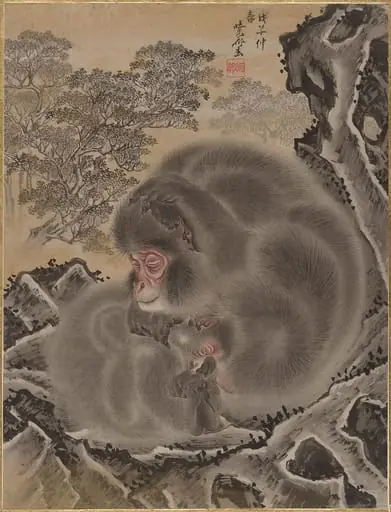 Untitled
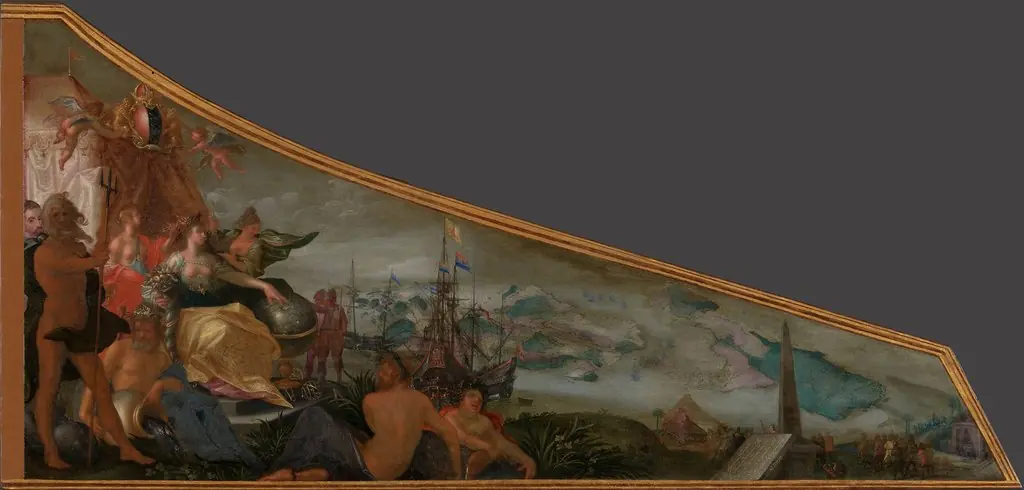 Harpsichord Lid showing an Allegory of Amsterdam as the Center of World Trade
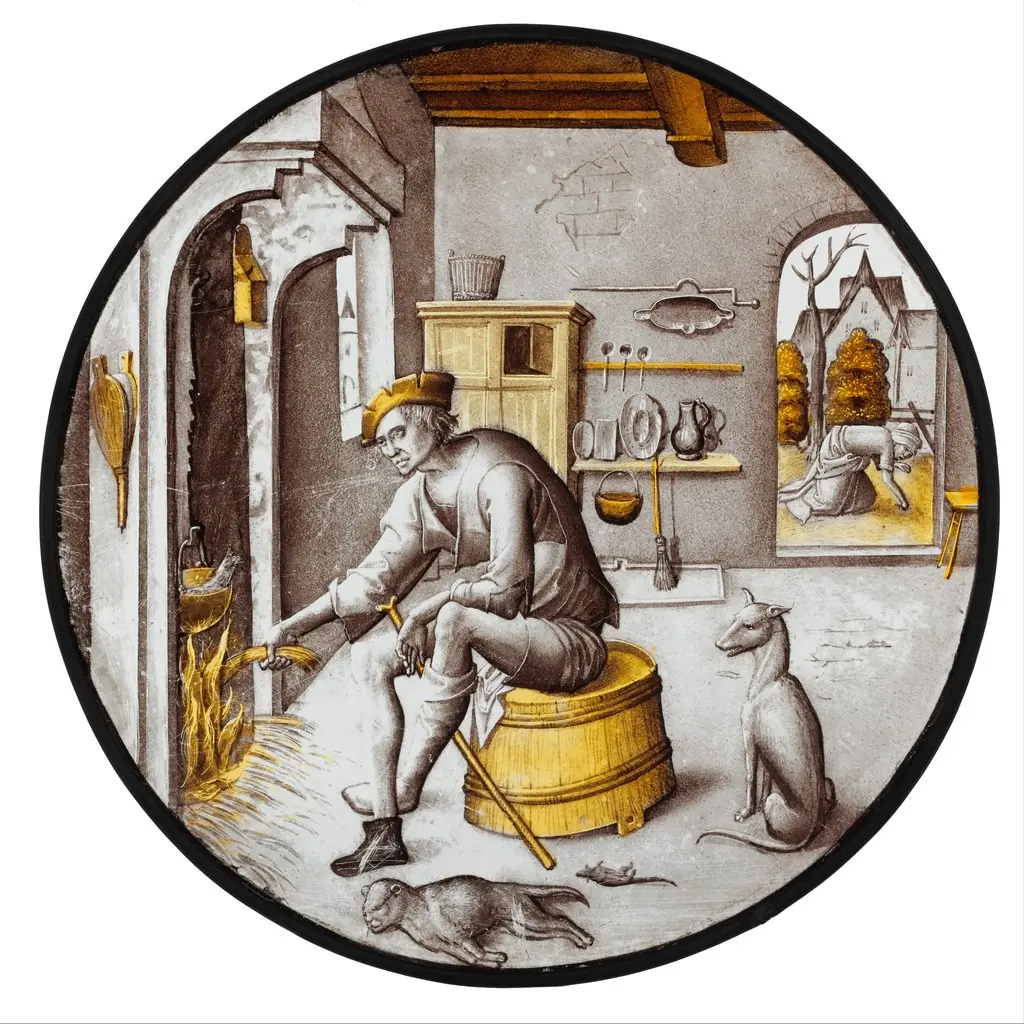 Sorgheloos ("Carefree") in Poverty
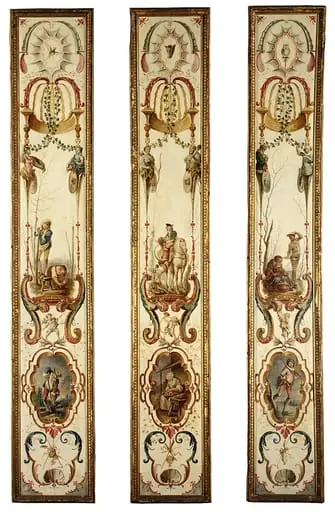 January and February (part of a set illustrating the months of the year)
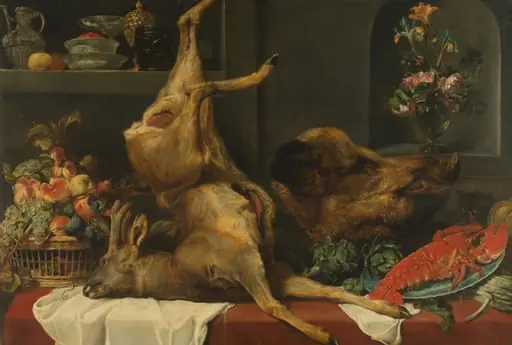 Larder Still life
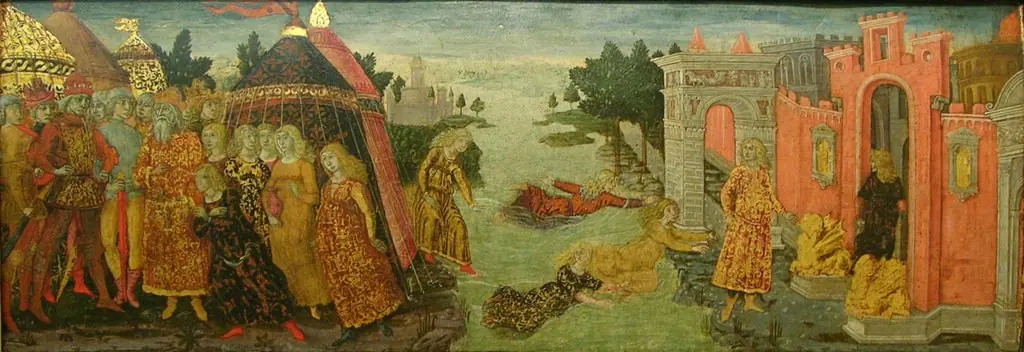 The Legend of Cloelia
 月に兎・牡丹・立葵図|Rabbits under the Moon, Peonies, and Hollyhocks
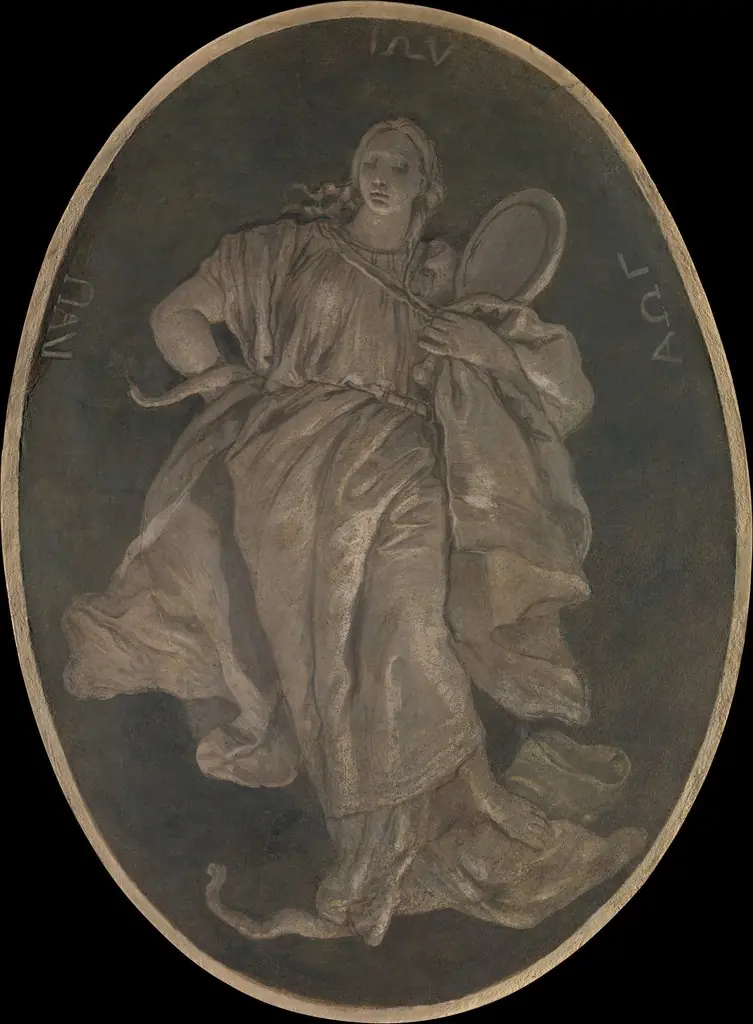 Prudence
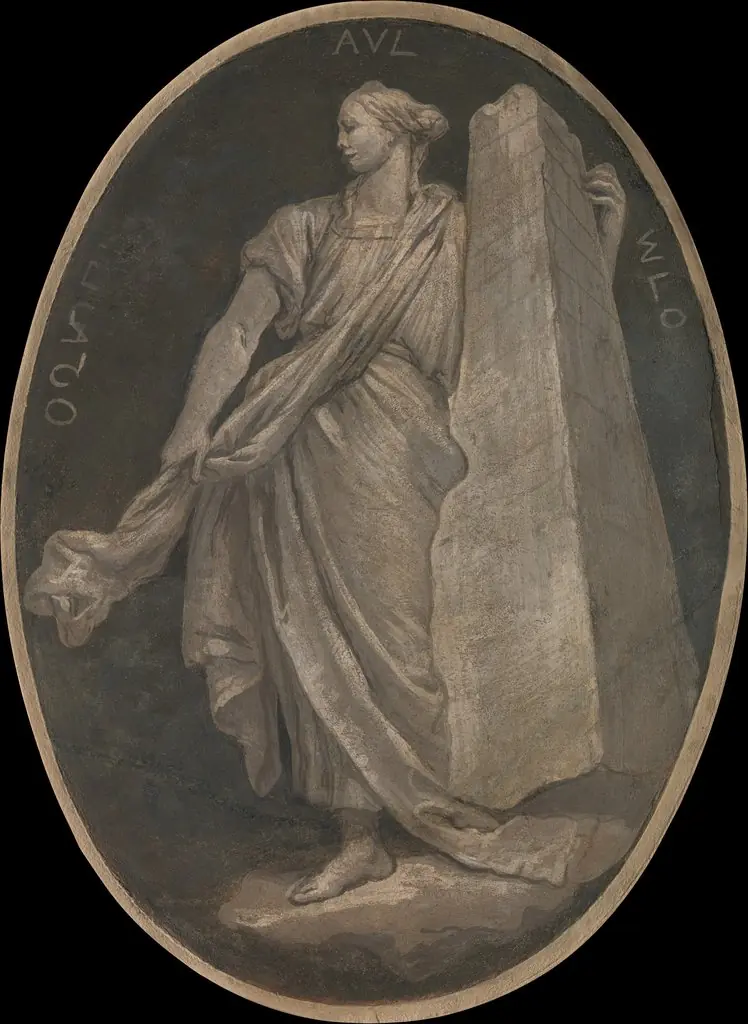 Fortitude
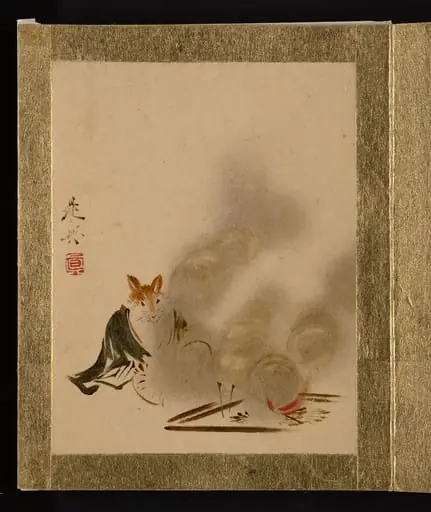 Untitled
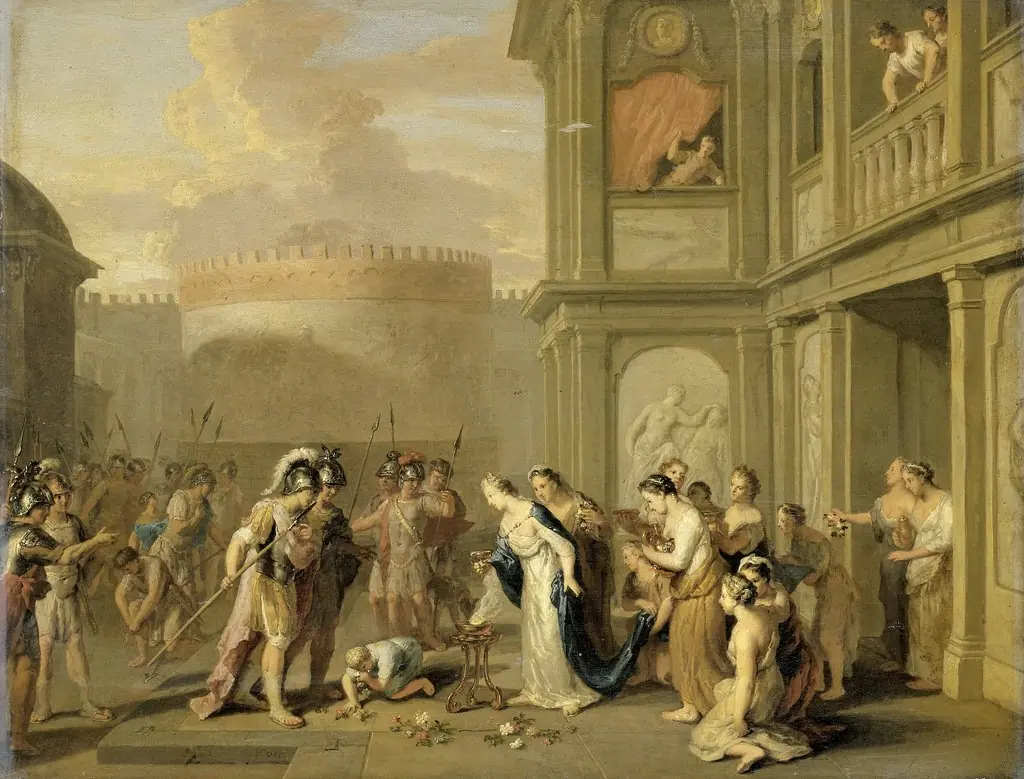 Queen Cleophis Offers Alexander the Great Wine after Conquering Massaga
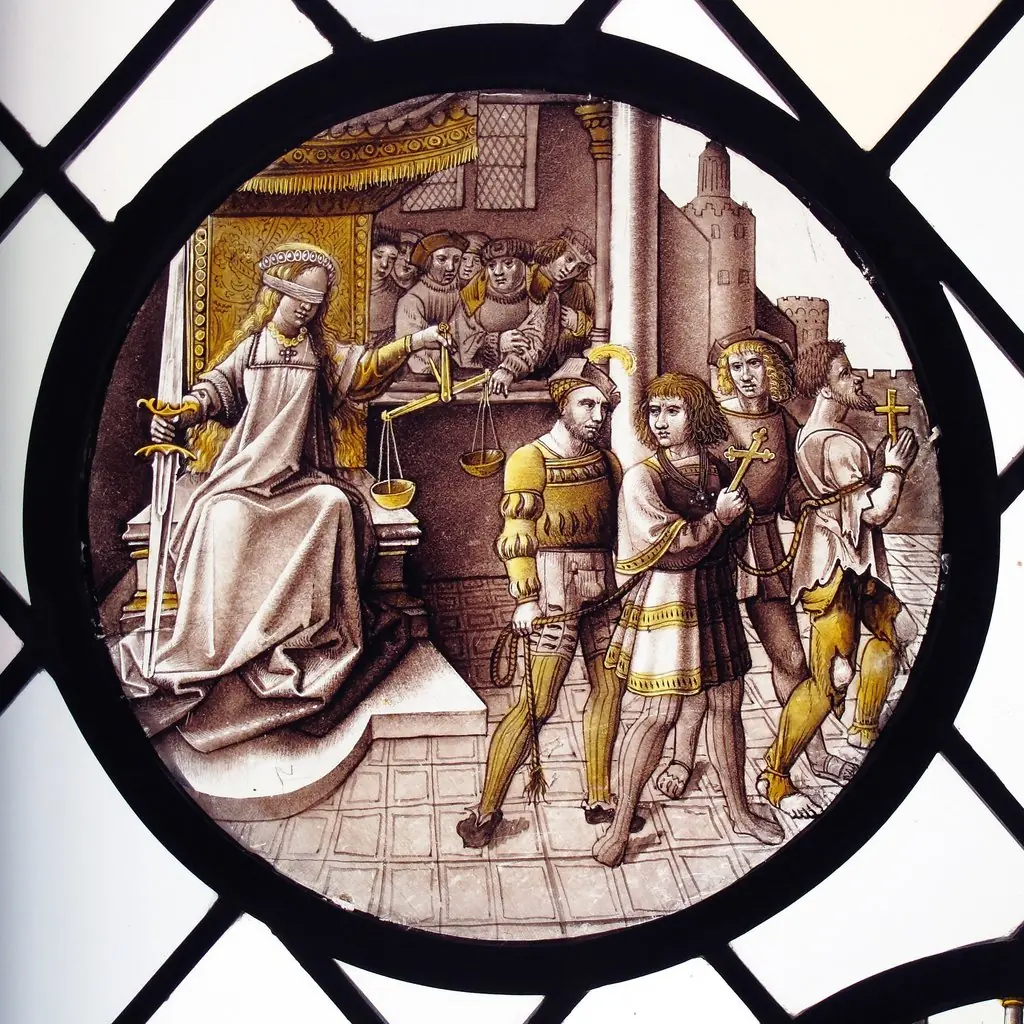 Roundel with Justice
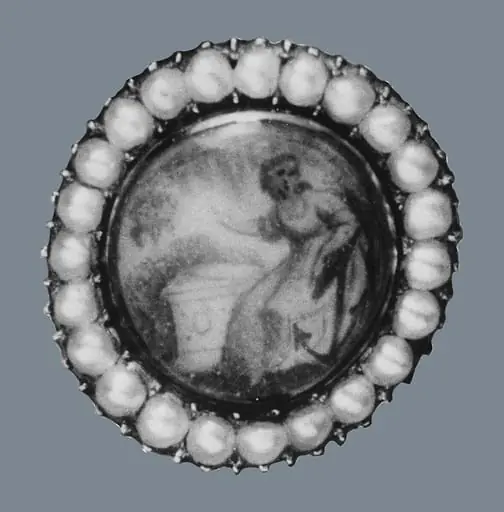 Hope
Hope
Frequently asked questions
What is Allegory?
Allegory is an art genre. Paintings in which figures and objects represent abstract concepts — Justice, Vanity, Fortune, Faith — often in narrative combinations that require iconographic knowledge to decode.
How many Allegory works does Artifact World Gallery have?
Artifact World Gallery holds 8,397 public-domain Allegory works, all free to view and download.
Who are the key Allegory artists?
Key Allegory artists in the collection include Titian, Thomas Eakins and Paolo Veronese.
Where can I see Allegory works?
Allegory works in the collection are held by National Gallery of Art, Cleveland Museum of Art and Victoria and Albert Museum.