Artist
Philippe Mercier
French, 1689–1760
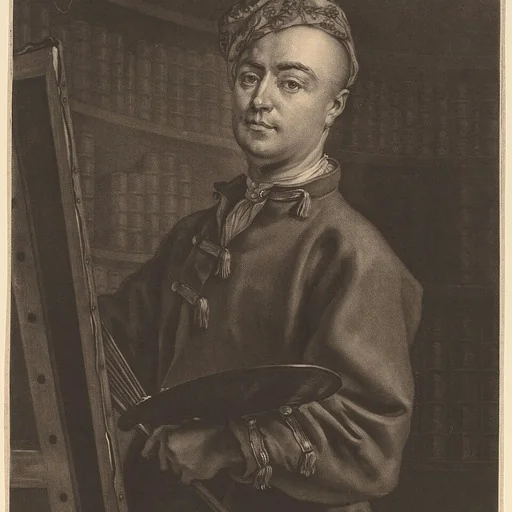
Philippe Mercier was a French Rococo painting artist. 14 works are cataloged here, principally at National Galleries Scotland. Philippe Mercier was born in Berlin.

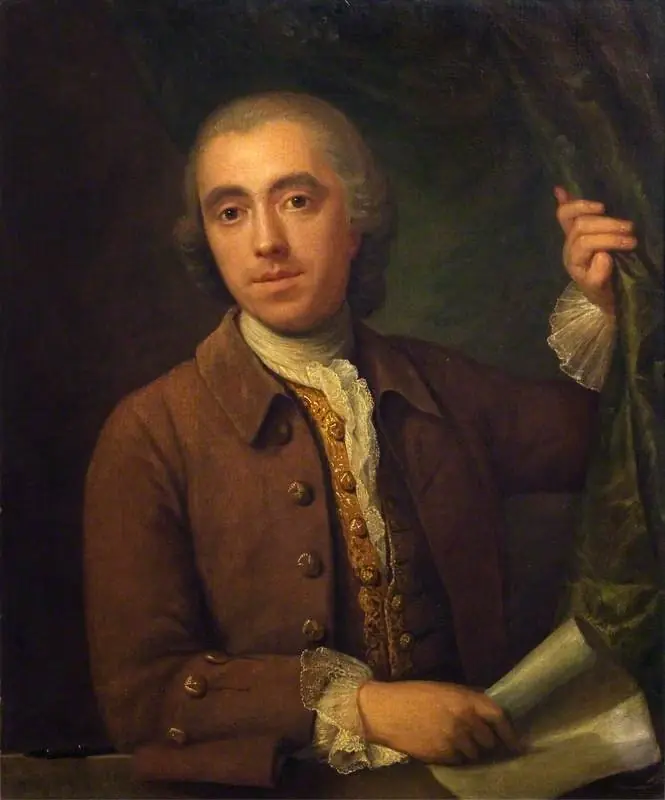
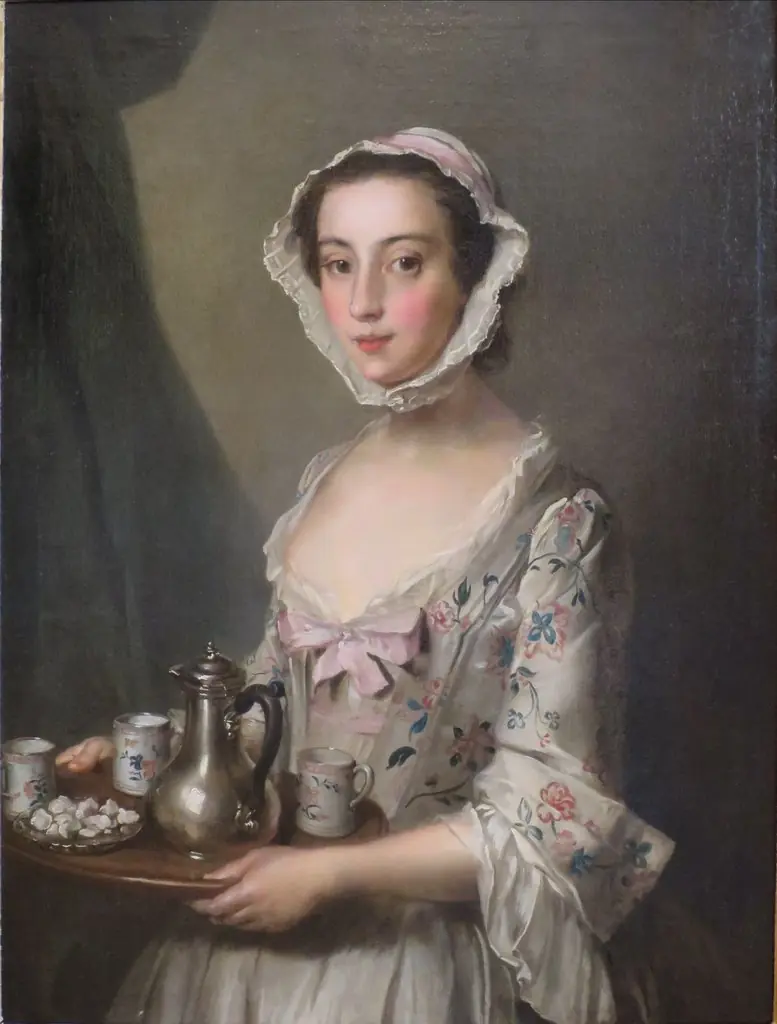
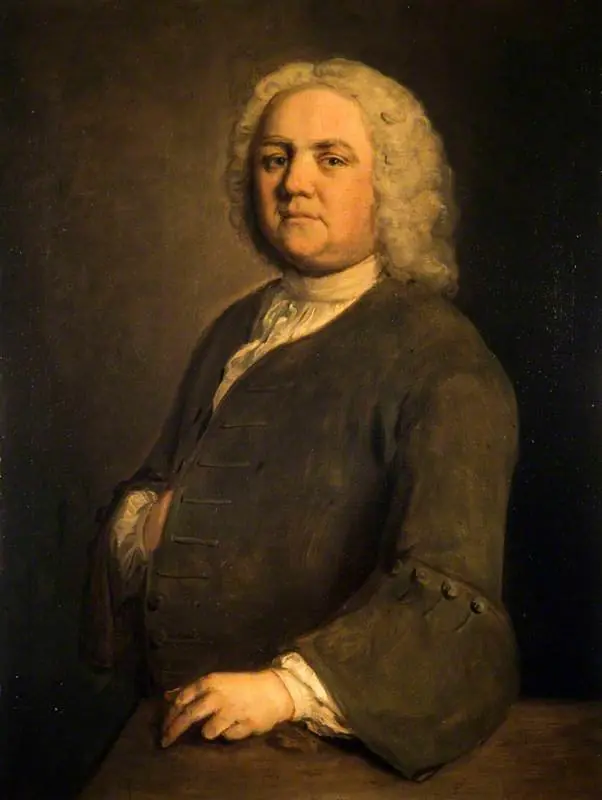
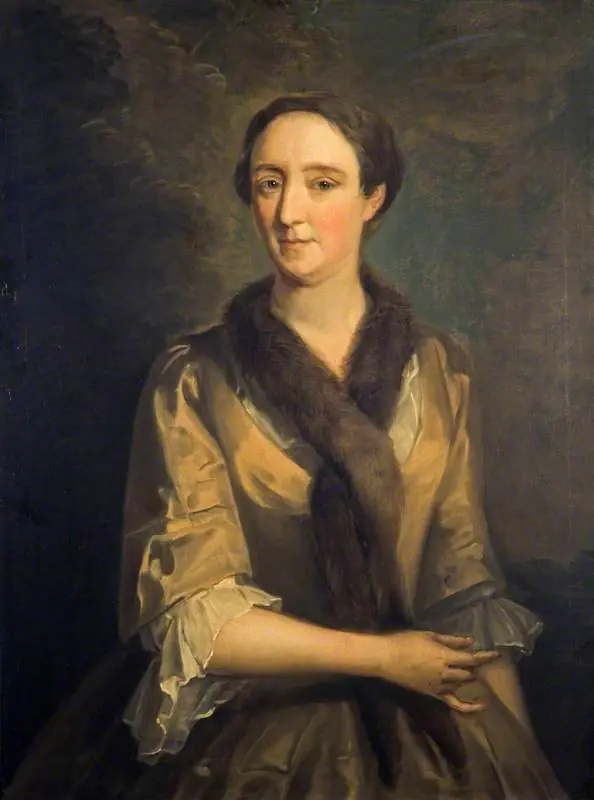
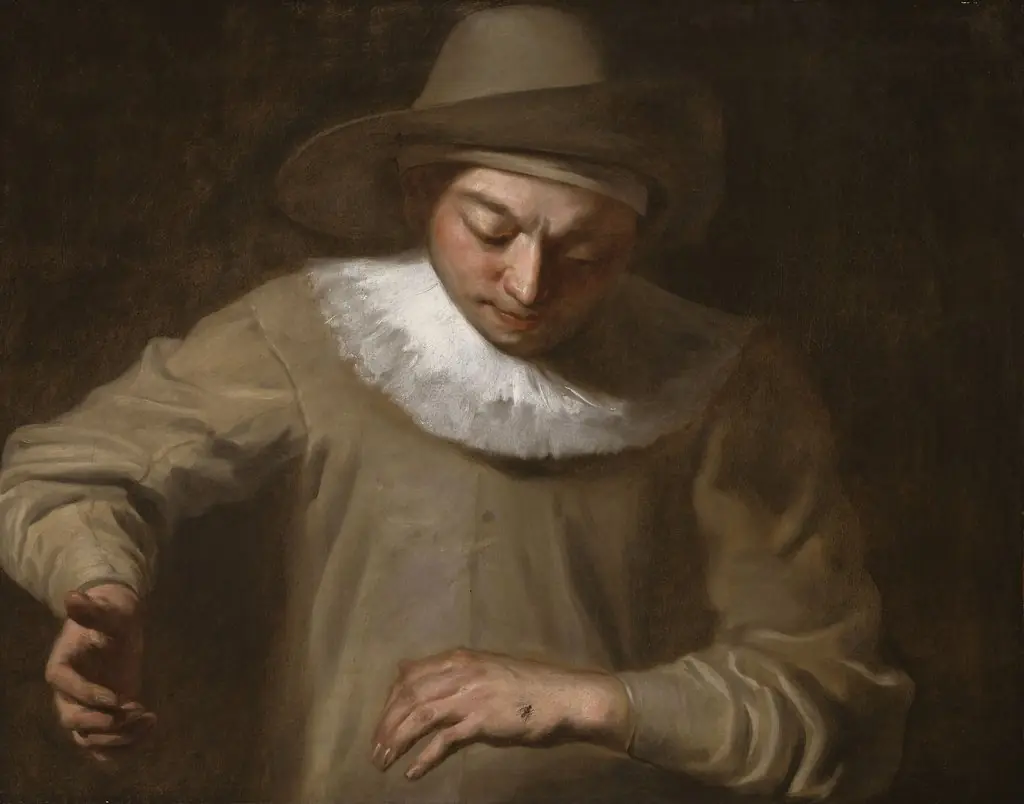
Philippe Mercier (also spelled Philip Mercier; 1689 – 18 July 1760) was an artist of French Huguenot descent from the German realm of Brandenburg-Prussia (later Kingdom of Prussia), usually defined to French school. Active in England for most of his working life, Mercier is considered one of the first practitioners of the Rococo style, and is credited with influencing a new generation of 18th-century English artists.
Overview
Philippe Mercier, also known as Philip Mercier (1689-18 July 1760), was a French Huguenot painter, etcher, and librarian active primarily in England. Born in Berlin to a family of French Protestant refugees, he became one of the first practitioners of the Rococo style in Britain and is credited with influencing a new generation of 18th-century English artists. Though often associated with the French school, his origins lay in the German realm of Brandenburg-Prussia. His career spanned royal portraiture, genre scenes, and 'fancy' pictures, with works now held in major collections including the National Portrait Gallery, London, the Royal Collection, the Yale Center for British Art, and the Musée du Louvre.
Biography & dates
Mercier was born around 1689-1691 in Berlin, the son of Pierre Mercier, a Huguenot tapestry-worker who had emigrated to Berlin in 1686 following the revocation of the Edict of Nantes and founded a Gobelin manufactory there. His mother was Marie Biennouvienne; the family originated from Aubusson in the Marche region of France. He had four siblings, including a younger brother Pierre Gabriel Mercier (born 1699) who became an engraver. Mercier studied painting at the Akademie der Wissenschaften in Berlin and later trained under Antoine Pesne, who had arrived in Berlin in 1710. He subsequently travelled in Italy and France before arriving in London, probably in 1716, recommended by the Court at Hanover. He married Margaret Plante in London in 1719, with whom he had two sons. After her death in 1735, he married the miniature and flower painter Dorothy Clapham, with whom he had a daughter. He lived in Leicester Fields and was appointed principal painter and librarian to the Prince and Princess of Wales at their independent establishment there. He lost favour at court and was replaced by John Ellys on 7 October 1736. He took rooms in Covent Garden around 1736-1737, then relocated to York in 1739 where he practised portrait painting and produced 'fancy' pictures for over ten years. He returned to London in July 1751, then went to Portugal in 1752 at the request of several English merchants, though he did not remain long. He died in London on 18 July 1760. His daughter Charlotte Mercier became an artist in her early life but later fell into dissolution and died in the St James Workhouse two years after her father's death.
Style & movement
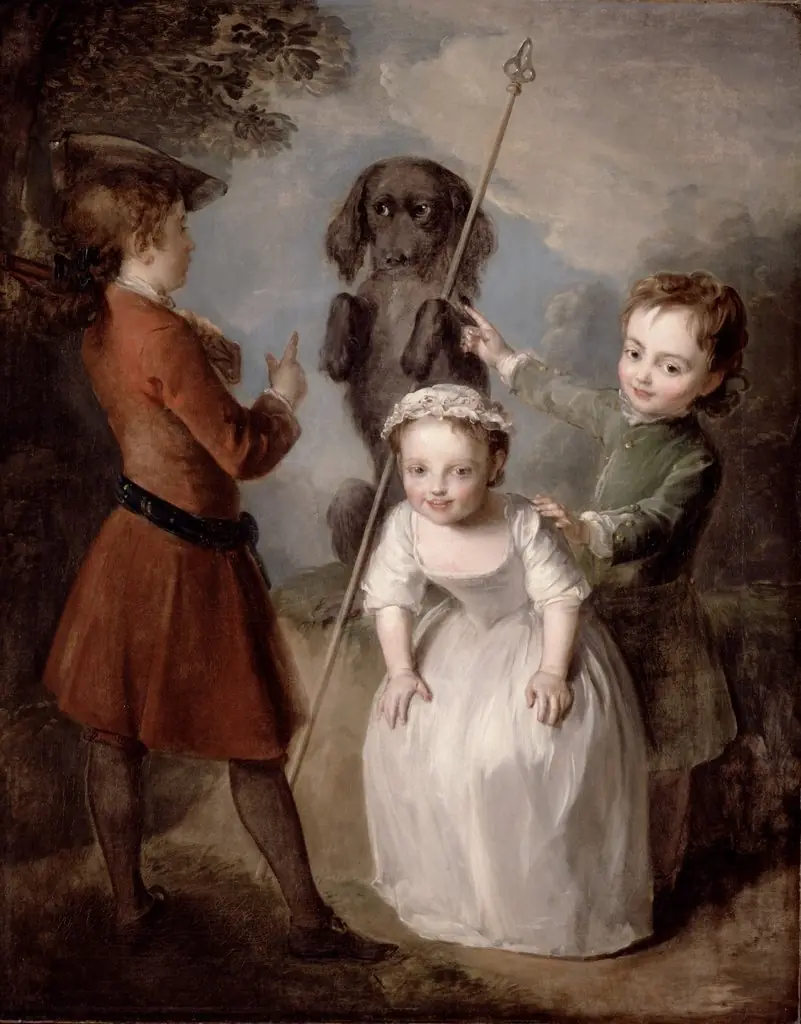
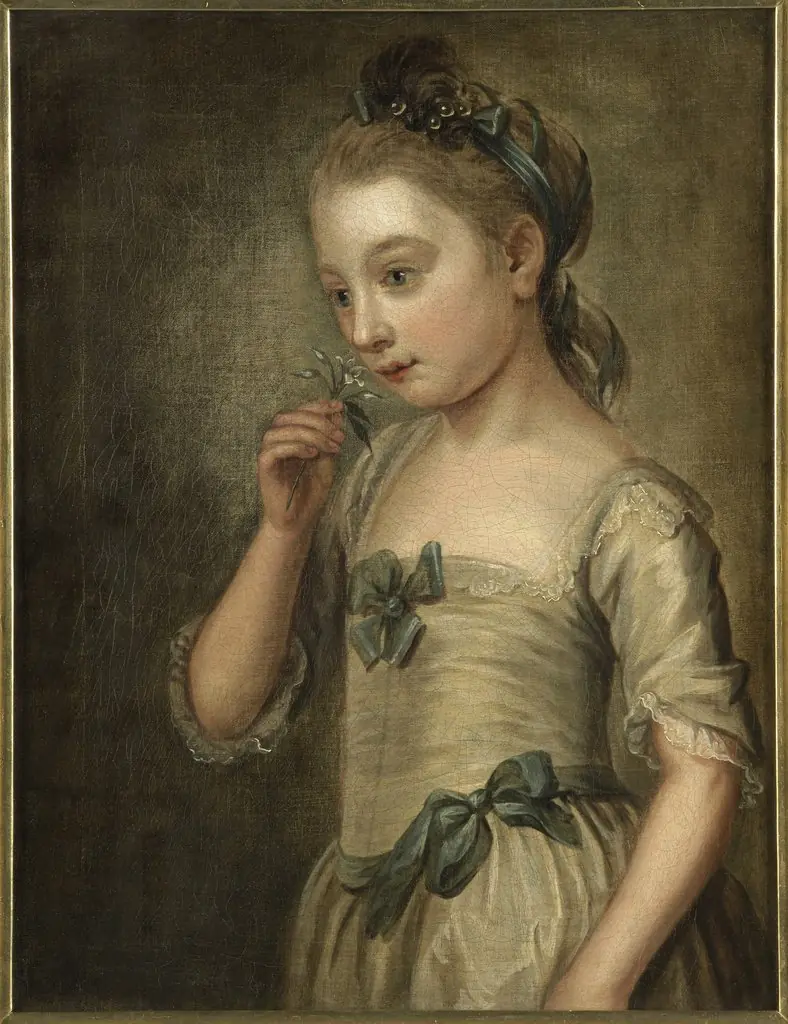
Mercier is considered one of the first practitioners of the Rococo style in England. His royal portraits, such as those of the Prince of Wales and his three sisters painted in 1728, demonstrate his facility in formal court portraiture. However, he is perhaps best known for compositions that infused everyday scenes with allegorical or moral significance, as seen in his 1744 painting Playing Soldiers (also known as the three elder children of the Prince of Wales), where children are made the subject of a spirited allegory in their game of play, pointing a patriotic moral. After losing court favour, he turned increasingly to 'fancy' pictures concerned with domestic virtue, as well as genre scenes and interiors. Horace Walpole noted that he painted portraits and interiors 'in the graceful manner which is proper to him, and sometimes in the manner of Watteau.' His work in this vein included subjects such as musical gatherings, as in The Sense of Hearing (1744), depicting women playing violin, violoncello, harpsichord, and flute. His style combined French Rococo elegance with English subject matter, bridging continental and British artistic traditions.
Major works
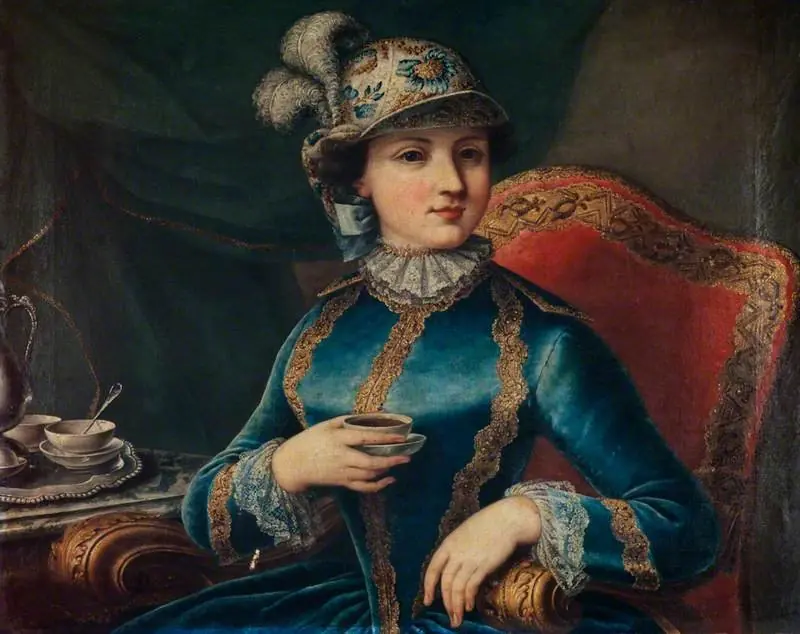
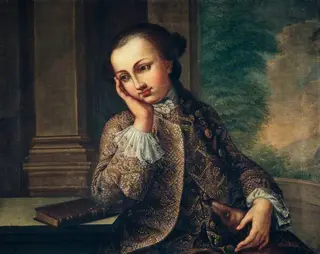
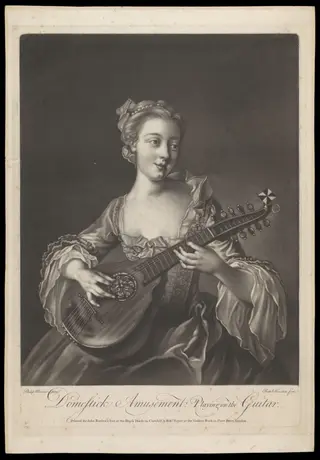
Mercier's major works include the 1728 portraits of the Prince of Wales and his three sisters, which were engraved in mezzotint by John Simon. His 1733 painting Frederick, Prince of Wales, playing a violoncello, and his Sisters exists in a version at the National Portrait Gallery, London, with an alternative version in the Royal Collection. The Sense of Hearing (1744), showing women playing musical instruments, is held at the Yale Center for British Art. His 1744 composition of the three elder children of the Prince of Wales, entitled Playing Soldiers, was engraved by John Faber the Younger. In France, several works are held at the Musée du Louvre: L'Escamoteur, La Famille Burton (also known as Scène d'intérieur à l'écureuil), Le Jeune Dégustateur, and Portrait d'un officier anglais. The Musée des beaux-arts de Valenciennes holds Conversation dans un parc; the Musée Jeanne d'Aboville de La Fère holds La joueuse de guitare; and the Musées de beaux-arts de Strasbourg holds Joueur de cornemuse (c. 1740). Drawings including Portrait de femme and Tête de femme are at the Musée des beaux-arts de Rennes. His 1744 Portrait of a Lady gained wider public attention when it was featured in episode 19 of the fifth series of the BBC Television programme Fake or Fortune? in August 2016.
Influences & students
Mercier's early training came at the Akademie der Wissenschaften in Berlin and subsequently under Antoine Pesne, the French painter who had established himself in Berlin in 1710 and became a significant figure in Prussian court art. Pesne's influence likely contributed to Mercier's grounding in French academic and Rococo traditions. Mercier's own influence on a new generation of 18th-century English artists is noted in art historical literature, though specific pupils are not documented in the available sources. His daughter Charlotte Mercier followed him into painting, becoming an artist in her early life. His works were widely disseminated through engravings by numerous printmakers including John Faber the Younger, who engraved six plates of 'Rural Life' after Mercier as well as the royal children's portrait, and John Simon, who produced mezzotints after his royal portraits. Other engravers who reproduced his work included Ardell, Avril, Heudelot, Houston, and Watson.
Legacy
Mercier's posthumous reputation rests on his position as a pioneer of Rococo in England and his role in transmitting French artistic sensibilities to British art. His works are distributed across major international collections, with 59 artworks by or after him listed at the Art UK site, portraits at the National Portrait Gallery, London, and paintings at Tate Britain. His market presence was highlighted by the inclusion of his Portrait of a Lady (1744) in the BBC's Fake or Fortune? series in 2016, indicating continued scholarly and public interest in attribution questions surrounding his work. The breadth of his catalogue, spanning royal portraiture, genre scenes, 'fancy' pictures, and allegorical compositions, demonstrates his adaptability across different markets and periods of his career, from court favour to provincial practice in York and final years in London.
Works by Philippe Mercier
Collections represented


Artists in a similar vein