Artwork
The Singing Party
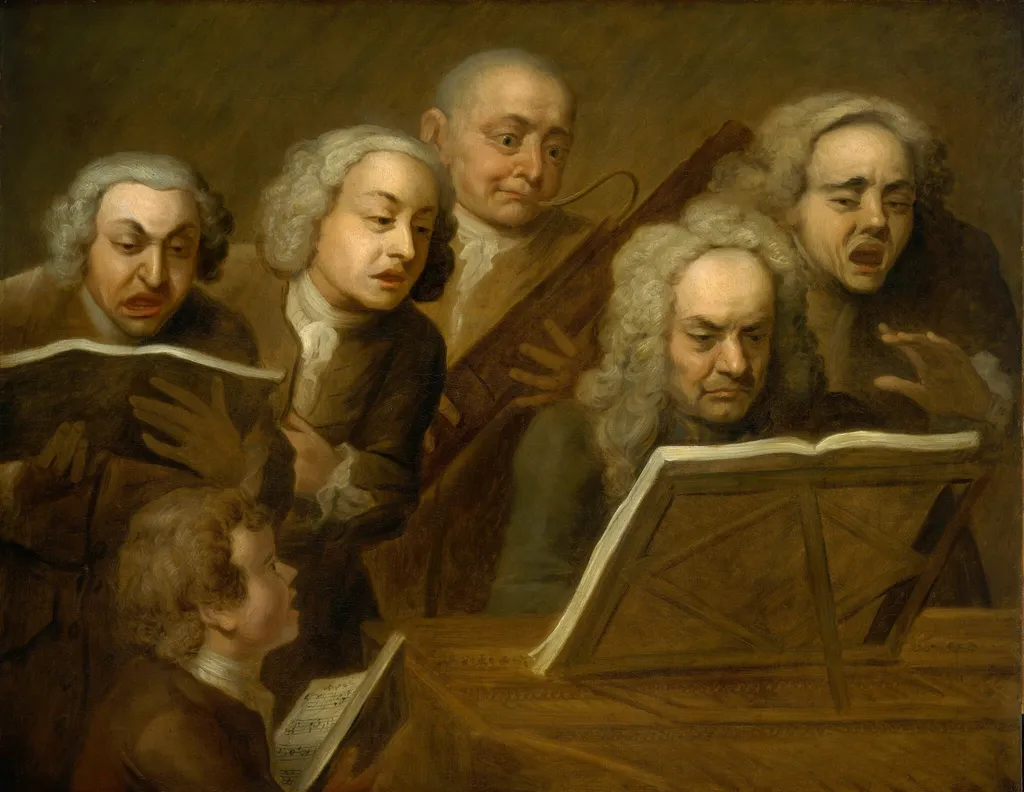
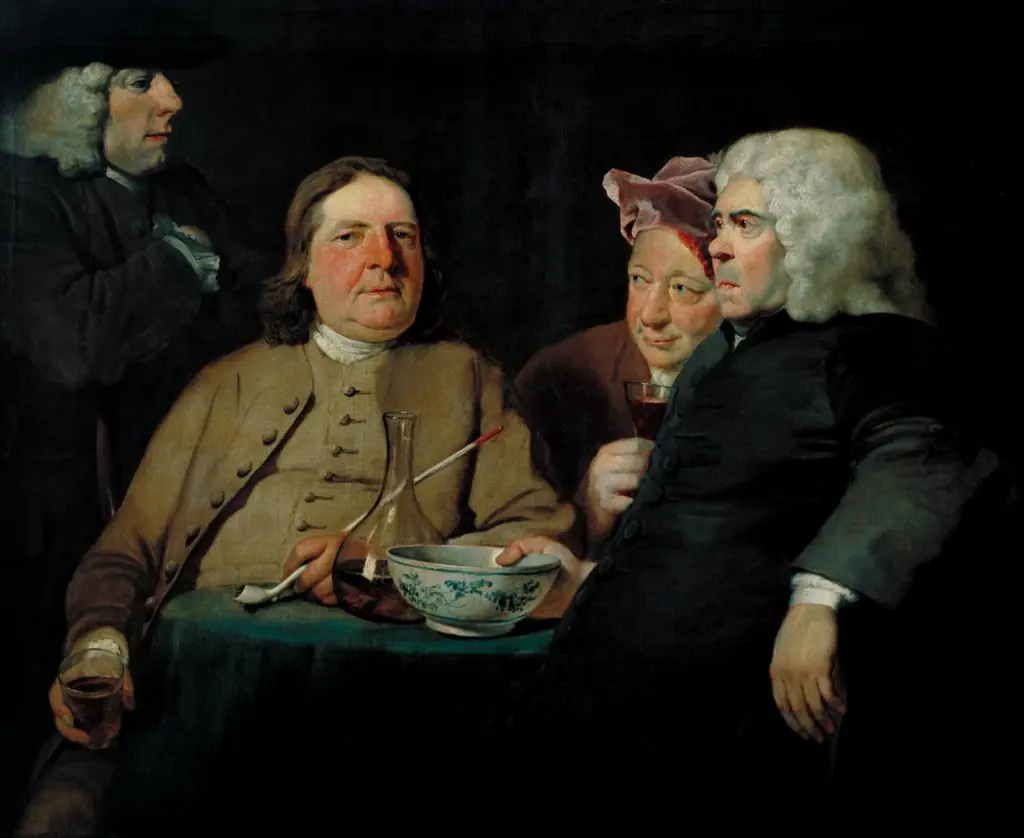
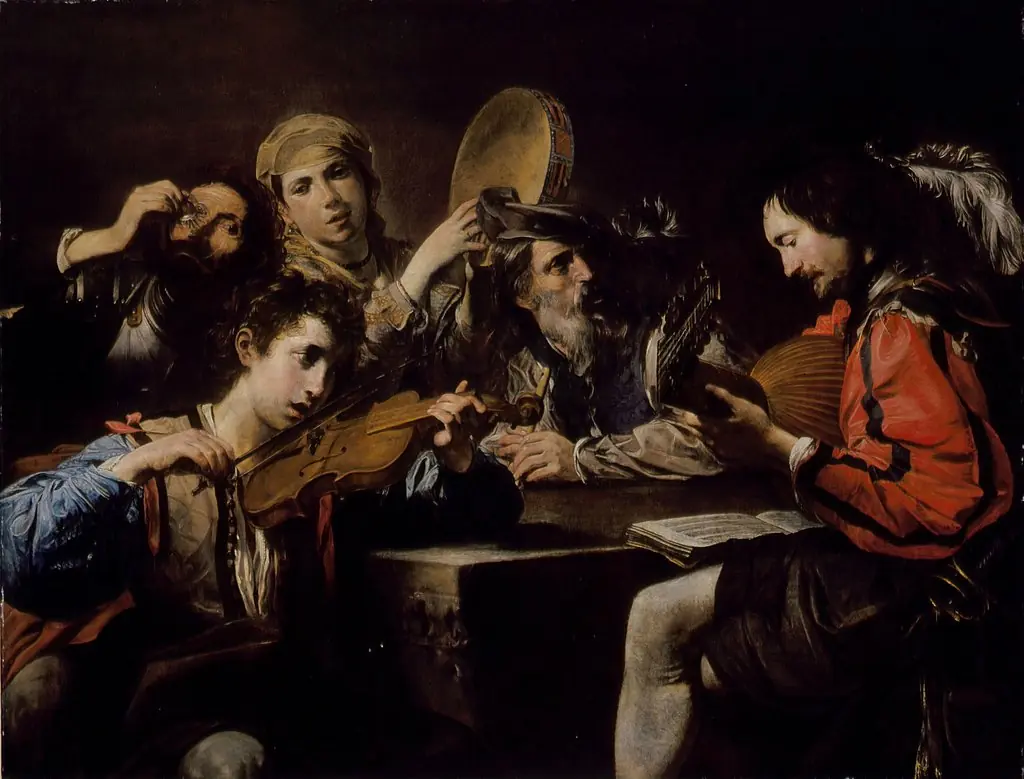
The Singing Party is an oil painting by the Baroque artist Philippe Mercier. It dates from 1732 and is held in the collection of the National Gallery of Art.
About this work
Technique & Style
The Singing Party is executed in oil on canvas, a medium consistent with Philip Mercier's practice as a painter of conversation pieces and genre scenes.
The Singing Party is executed in oil on canvas, a medium consistent with Philip Mercier's practice as a painter of conversation pieces and genre scenes. The canvas measures 73.1 cm in height by 92.1 cm in width, giving the composition a horizontal orientation suited to a multi-figure gathering. Painted in 1732, the work belongs to the category of easel painting and is classified as a painting within the National Gallery of Art's holdings.
The provenance indicates that the canvas was produced for George, 1st Baron Vernon, at Sudbury Hall in Derbyshire, and subsequently passed by descent through the Vernon family before entering the American market through Arnold Seligmann, Rey & Co. in New York. Duncan Phillips purchased the work in 1940 and later gifted it to the National Gallery of Art in 1952 on behalf of the Phillips Gallery.
History & Provenance
Philip Mercier completed The Singing Party in 1732. The work was originally commissioned by George Vernon, 1st Baron Vernon, for Sudbury Hall in Derbyshire. Ownership remained within the Vernon family through descent until it reached Francis Vernon, 9th Baron Vernon.
The painting subsequently entered the New York art market through the firm Arnold Seligmann, Rey & Co., Inc. Duncan Phillips acquired the canvas in 1940 on behalf of the Phillips Gallery. In 1952, Phillips donated the work to the National Gallery of Art in Washington, D.C., where it remains in the collection.
The Singing Party is held in the collection of the National Gallery of Art in Washington, D.C. Its accession was made by Duncan Phillips, who gifted the work to the National Gallery of Art in 1952 on behalf of the Phillips Collection. The painting's provenance traces from its creation for George, 1st Baron Vernon, through descent to Francis, 9th Baron Vernon, and subsequent sale by Arnold Seligmann, Rey & Co., Inc. to Duncan Phillips in 1940, before the final gift.
Exhibition history includes display at the National Gallery of Art in Washington, D.C., as documented in its collection records.
Legacy
The Singing Party exerted modest influence on subsequent genre scenes through its lively depiction of convivial gatherings, a motif that resonated with 18th-century British decorative painting. Its provenance, from the Vernon family at Sudbury Hall to Duncan Phillips's collection and eventual donation to the National Gallery of Art, underscored its recognized cultural value in the United States. The work's presence in a major public collection helped preserve Mercier's reputation as a pioneer of conversation pieces, ensuring continued scholarly attention to his contribution to early English Rococo.
Overview
Philip Mercier’s 1732 oil on canvas, titled The Singing Party, presents a convivial gathering of men seated around a table. The figures are attired in period costume, their heads topped with white or grey wigs, and they are engaged in singing and instrumental performance, suggesting a leisurely musical soirée.
Subject & Meaning
The composition captures a moment of shared enjoyment, with some participants consulting sheet music while others vocalise. The emphasis on collective merriment reflects the social customs of early eighteenth‑century England, where music-making served both entertainment and a display of genteel refinement among male acquaintances.
Own this work as a print
Artist & collection
Artist
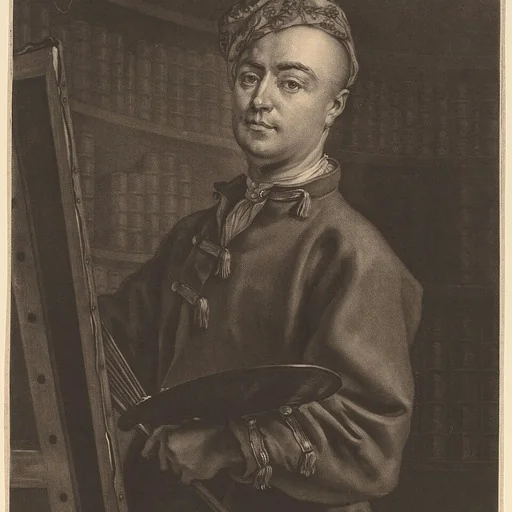
Philippe Mercier (also spelled Philip Mercier; 1689 – 18 July 1760) was an artist of French Huguenot descent from the German realm of Brandenburg-Prussia (later Kingdom of Prussia), usually defined to French school.