Artist
Alexandre-Evariste Fragonard
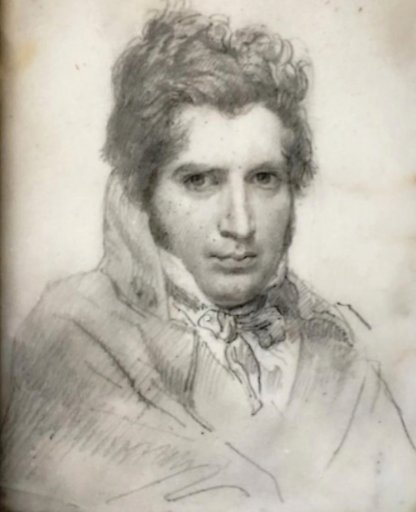
France
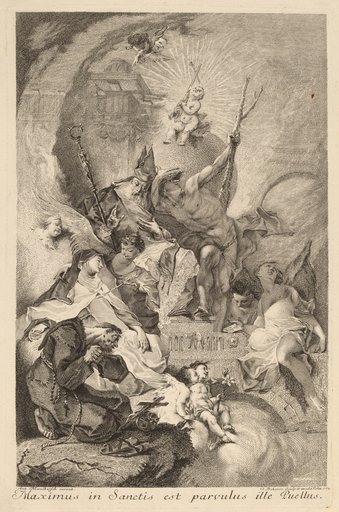
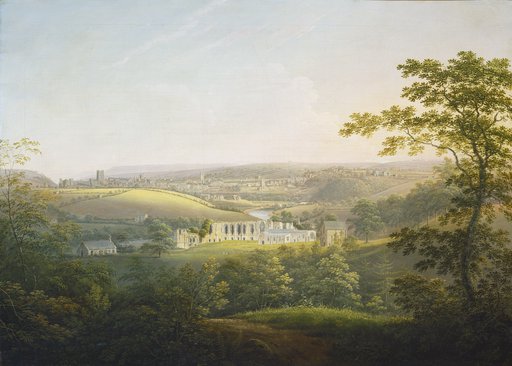
Alexandre-Evariste Fragonard is a France Romanticism artist. 4 works are cataloged here, principally at Cleveland Museum of Art.
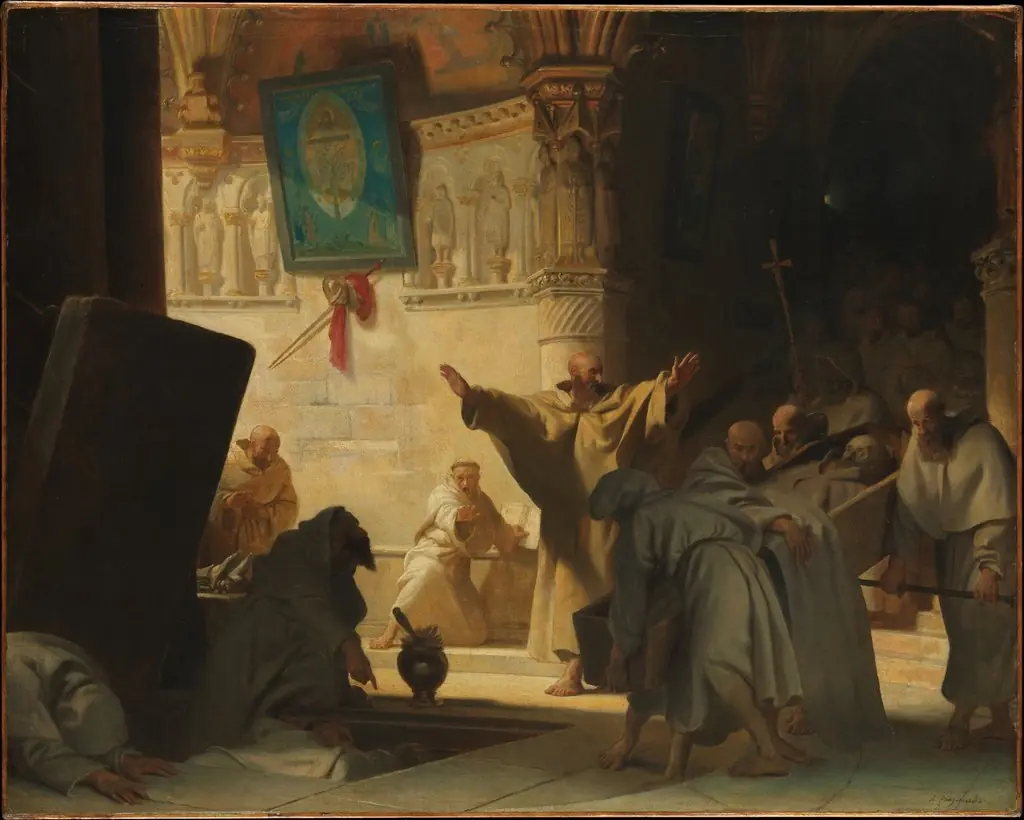
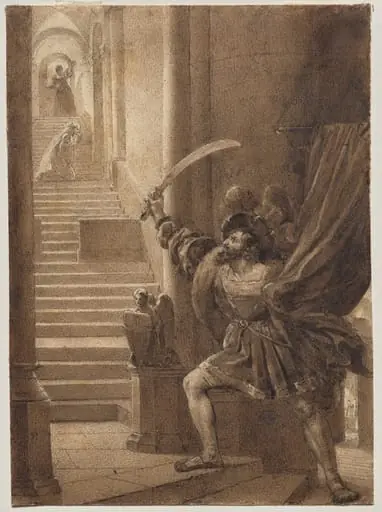
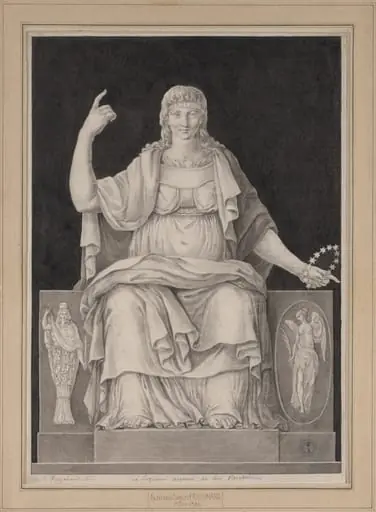
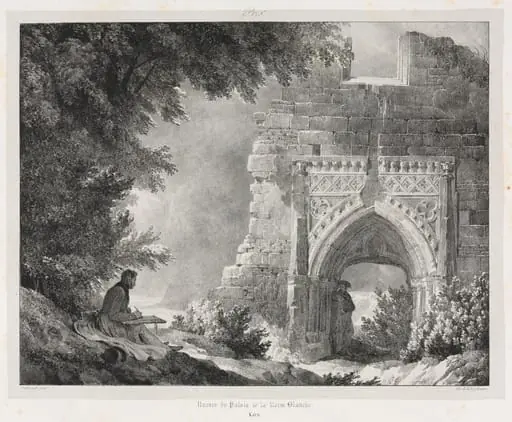
Alexandre-Évariste Fragonard was a French painter and sculptor in the troubadour style. He received his first training from his father and drew from him his piquant subjects and great facility, perfecting them under Jacques-Louis David. His parents were Jean-Honoré Fragonard and Marie-Anne Fragonard.
Overview
Alexandre-Évariste Fragonard (26 October 1780-10 November 1850) was a French painter and sculptor associated with the troubadour style, a Romantic-era mode of history painting that flourished in early nineteenth-century France. The son of Jean-Honoré Fragonard, one of the most celebrated painters of the Ancien Régime, Alexandre-Évariste inherited his father's technical facility and taste for piquant subjects, which he refined through study with Jacques-Louis David. Working across painting, sculpture, lithography, and decorative design, he maintained a prolific career that spanned the Revolutionary, Napoleonic, and Restoration periods, adapting his historical and literary subjects to the shifting political climates of his era. Though long overshadowed by his father's reputation, recent scholarship and dedicated exhibitions have renewed attention to his multifaceted output.
Biography & dates
Fragonard was born in Grasse, in the Var department, on 26 October 1780. His father was the参Jean-Honoré Fragonard, and his mother was Marie-Anne Fragonard, a miniaturist; his aunt was the painter and vignettist Marguerite Gérard, and his uncle was the engraver Henri Gérard. He received his initial artistic training from his father, whose connections enabled him to enter the studio of Jacques-Louis David. Fragonard debuted at the Salon de Paris in 1793 at the age of thirteen, exhibiting a drawing. In subsequent years he showed primarily drawings, including portraits, mythological scenes, and contemporary subjects such as La Liberty and La Viritd, with occasional portrait miniatures. He married Julie Félicité Fournier, and several of their children pursued artistic careers, most notably Etienne-Théophile-Evariste Fragonard, who worked as a painter and lithographer at the Sèvres porcelain manufactory from 1847. Around 1819, Fragonard shifted his focus toward themes from French history, both medieval and modern. He died in Paris on 10 November 1850 and was buried at the Cimetière de Montmartre.
Style & movement
Fragonard is identified with the troubadour style, a form of history painting that emerged in early nineteenth-century France and emphasized intimate, often theatrical scenes from medieval and Renaissance history rendered with meticulous detail and Romantic atmosphere. His early work followed a classical direction, but he later moved toward a more Romantic idiom. The German Wikipedia notes the influence of seventeenth-century Dutch painting on his work, even as he remained attached to his father's tradition. His later history paintings are described as highly theatrical in conception. This stylistic evolution, from Davidian classicism toward Romantic drama, mirrors broader tendencies in French art during the first half of the nineteenth century. Beyond painting, he worked as a sculptor, lithographer, and designer, producing illustrations for Baron Isidore Taylor's Voyages pittoresques et romantiques dans l'ancienne France, as well as porcelain and furniture designs for the Manufacture royale de porcelaine de Sèvres.
Major works
Fragonard's painted works include several notable history subjects. François Ier armé chevalier and François Ier recevant le Primatice are held at the Musée du Louvre, where he also contributed to the decorative ceiling program. His 1822 painting L'Entrée de Jeanne d'Arc à Orléans entered the collection in Orléans. Maria Theresa at the Hungarian Diet is at the Luxembourg Museum. Around 1850, he painted Saladin à Jérusalem, now at the Musée des Beaux-Arts de Quimper. Other works include Les Bourgeois de Calais, Le Tasse lisant la Jérusalem délivrée, and La Bataille de Marignan. As a sculptor, he created the pediment for the Chambre des Députés at the Palais Bourbon, which was destroyed in 1830, and a colossal statue of General Pichegru at Besançon in 1829, also destroyed in 1830, though the head was saved. He designed the fountain for the Marché-aux-Carmes, now installed in the square Gabriel-Pierné in Paris. He also produced an engraving design, Interior of a Revolutionary Committee under the Terror, executed by Pierre-Gabriel Berthault and Claude Nicolas Malapeau in 1802, and created wallpaper designs for Joseph Dufour's series Les Mois, examples of which are at the Musée des Arts décoratifs in Paris.
Influences & students
Fragonard's primary teachers were his father, Jean-Honoré Fragonard, and Jacques-Louis David. From his father he derived what sources describe as piquant subjects and great facility; David provided the rigorous classical foundation that completed his formation, with David reportedly remarking of him, "Il y a de l'huile dans cette lampe." The influence of seventeenth-century Dutch painting is also noted in his work. His artistic circle included family members who were themselves practitioners: his aunt Marguerite Gérard, his uncle Henri Gérard, and his sons Etienne-Théophile-Evariste Fragonard, who worked at Sèvres, and Antonin Fragonard, who became a sculptor. No independent pupils or followers are documented in the sources.
Legacy
Fragonard's posthumous reputation has been closely tied to that of his more famous father, and for much of the twentieth century he remained a marginal figure in histories of French art. However, dedicated exhibitions have marked a shift in attention. In 1913, his work appeared in David et ses Elèves at the Petit Palais in Paris. More recently, two monographic exhibitions have focused specifically on his career: Alexandre-Évariste Fragonard, une collection grassoise at the Musée Fragonard in Grasse from 1 July to 1 October 2017, and Alexandre-Évariste Fragonard: le fils prodige at the Musée d'Angoulême from 18 September 2020 to 3 January 2021. The 2022 publication by Rébecca Duffeix, Alexandre-Évariste Fragonard 1780-1850: Fragonard-fils, represents the first comprehensive scholarly monograph and catalogue raisonné devoted to his work, signaling a significant advance in the critical and historical understanding of his multifaceted career.
Works by Alexandre-Evariste Fragonard
Collections represented


Artists in a similar vein