Artist
Winthrop Chandler

United States
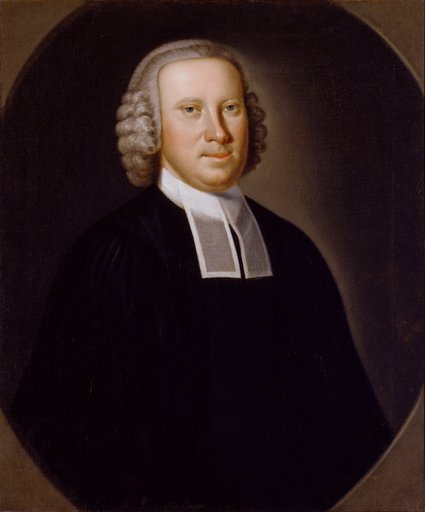
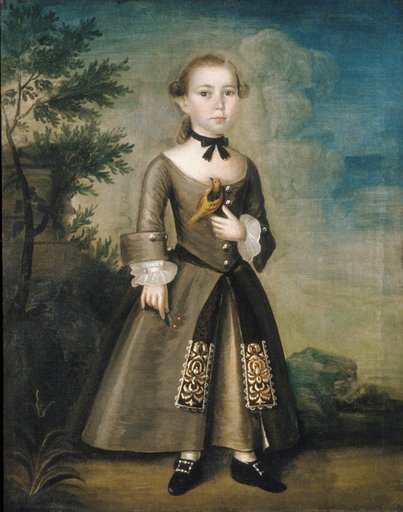
Winthrop Chandler is an United States Rococo painting artist. 6 works are cataloged here, principally at Museum of Fine Arts Boston.
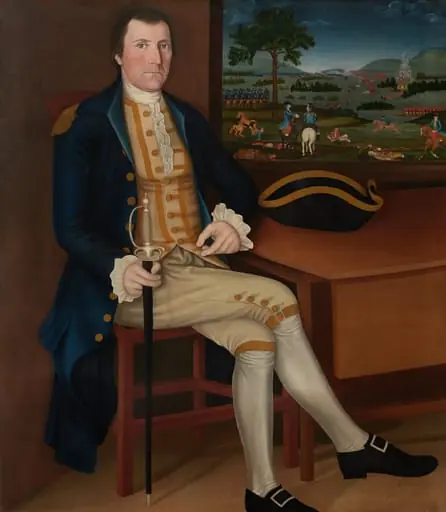
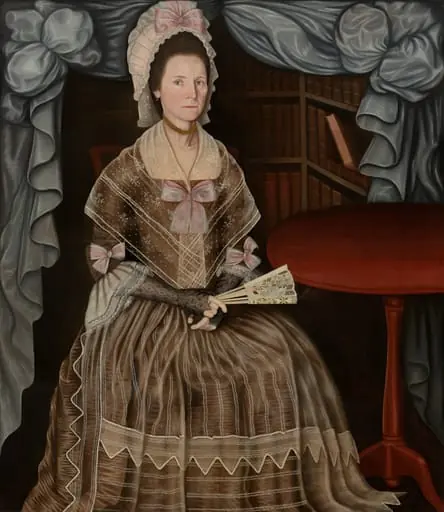
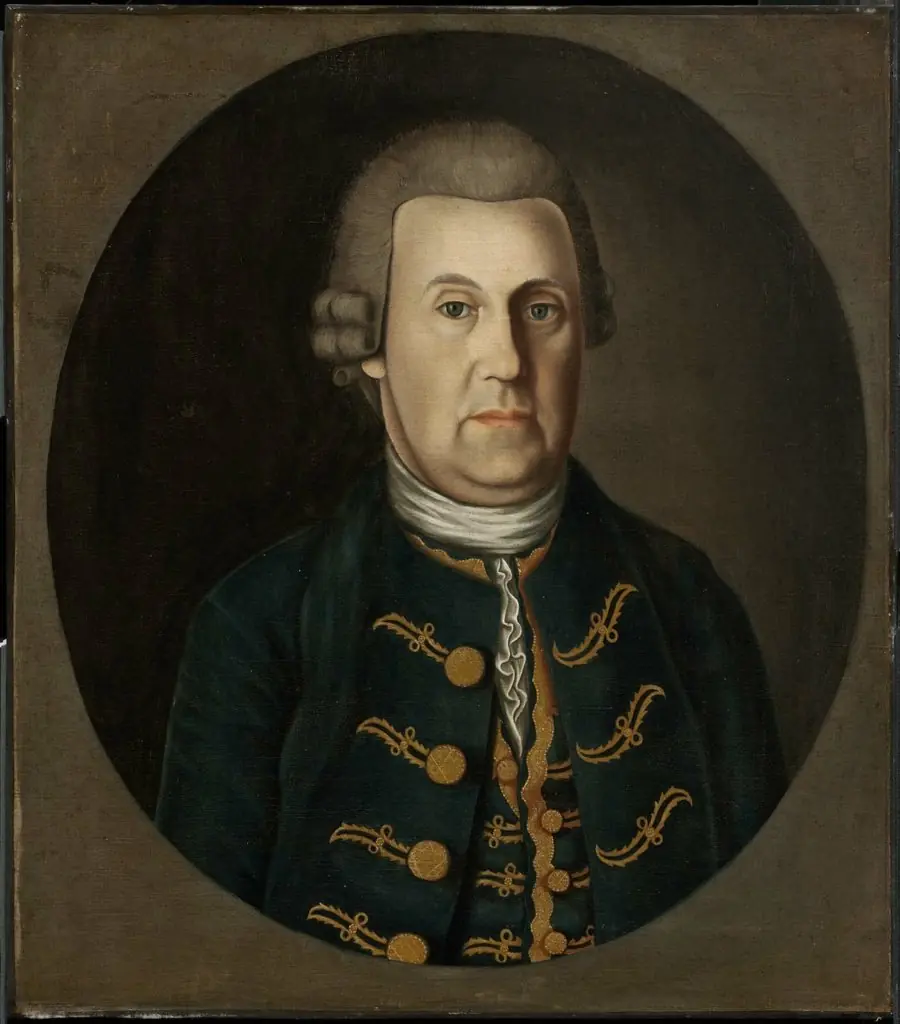
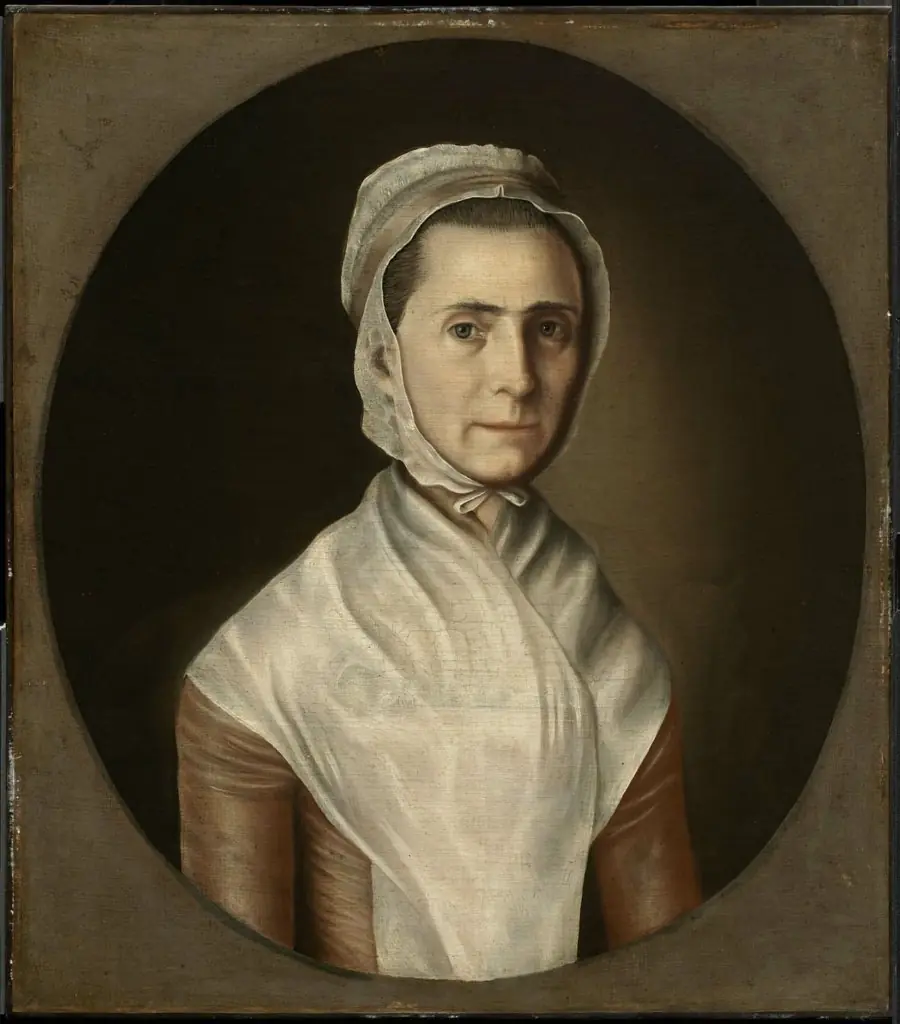
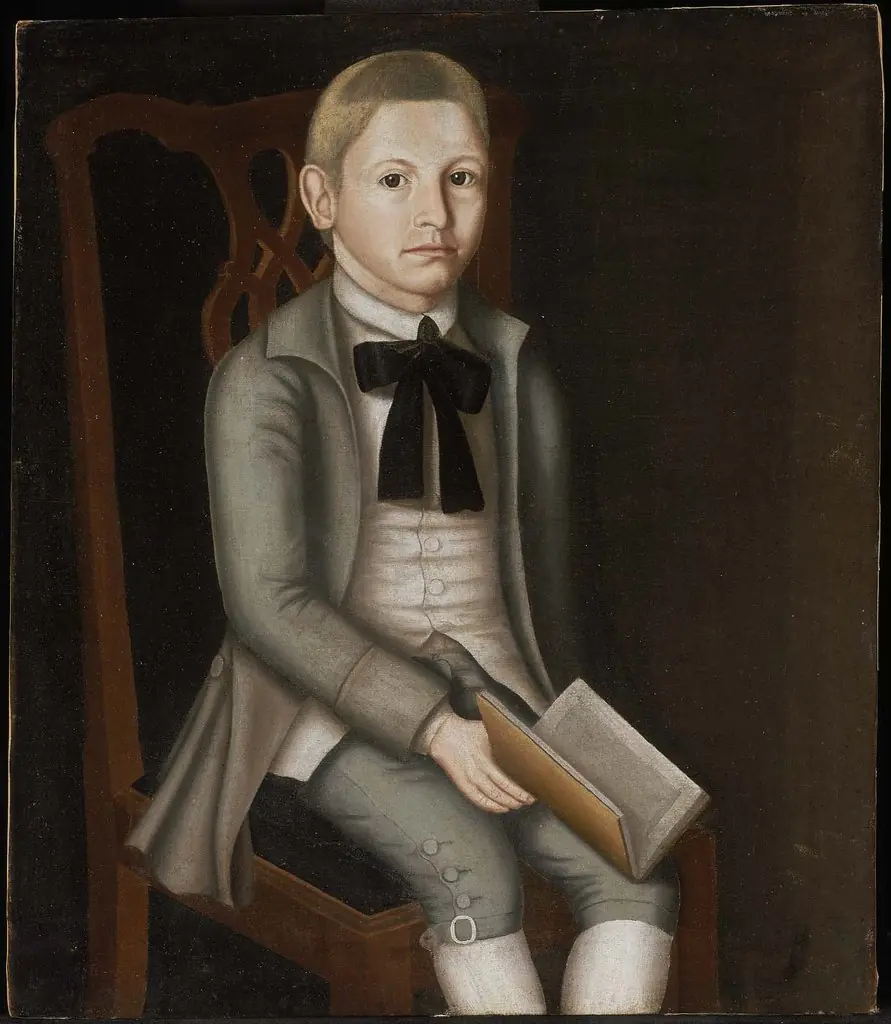
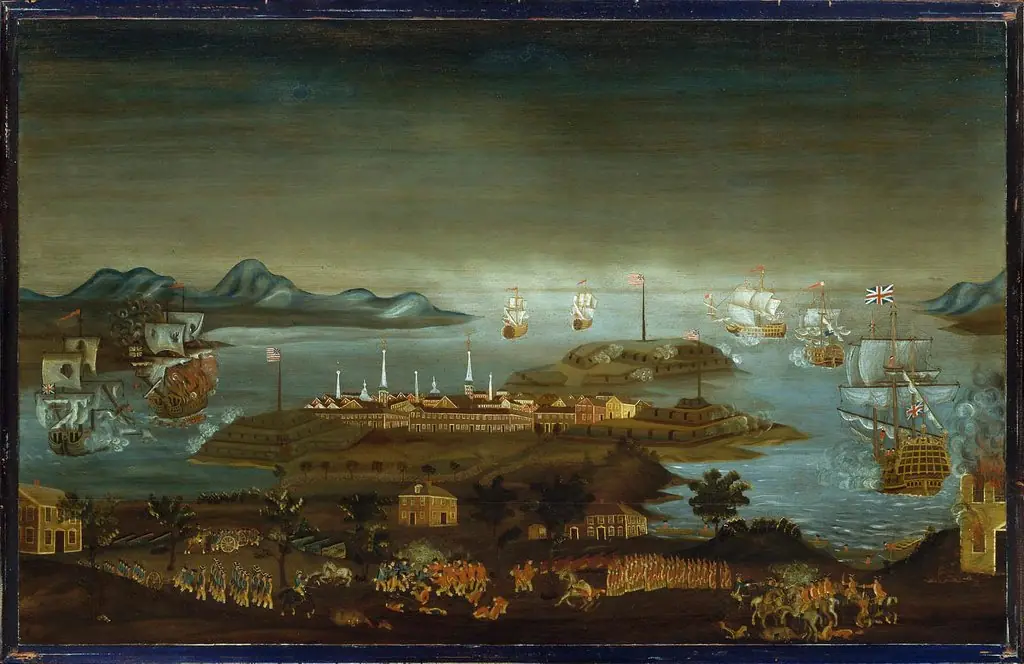
Winthrop Chandler (April 6, 1747 – July 29, 1790) was an American artist known for his portraits, mainly of family members and neighbors, and a few landscapes. He also worked as an ornamental artist.
Overview
Winthrop Chandler (April 6, 1747, July 29, 1790) was an American painter active primarily in New England during the late eighteenth century. Known mainly for portraits of family members and neighbors, he also produced landscapes, ornamental works, and a botanical manuscript. Working in a flat, linear style that has led scholars to classify him as a gifted folk painter, Chandler did not achieve financial success during his lifetime but is now recognized as a significant figure in early American art. His works are held in major institutions including the National Gallery of Art, the Worcester Art Museum, and the Connecticut Historical Society.
Biography & dates
Chandler was born on the family farm, Chandler Hill, on the boundary between Thompson and Woodstock, Connecticut, to William Chandler, a farmer, and Jemima Bradbury Chandler. After his father's death in 1754, he pursued work as a portrait and ornamental painter. Around 1770 he began producing portraits, with his first known works dating from that year. In 1772 he married Mary Gleason of Dudley, Massachusetts, daughter of Reverend Charles and Bethiah Gleason; the couple had seven children. Chandler spent most of his life in Woodstock, though in 1785 he moved to Worcester, Massachusetts, where he remained for five years, working as a house painter and gilder in an unsuccessful attempt to find new patrons. During this period his wife and son Charles died, and his remaining children were sent to live with relatives, possibly his sister Mahitible Chandler Crafts, who had moved to Craftsbury, Vermont with her husband Ebenezer Crafts. Chandler returned to Chandler Hill, where he died on July 29, 1790. Destitute at the time of his death, he transferred his remaining property to the selectmen of Thompson eight weeks before dying in exchange for medical care and burial; they paid his funeral expenses. His German Wikipedia entry gives an alternative death date of July 9, 1790 in Worcester, though the English and French sources agree on July 29 at Chandler Hill.
Style & movement
Chandler's style is characterized by a flat, linear manner of painting and a realistic representation of his sitters, qualities that have led art historians to regard him as a gifted folk painter or limner. Unlike many itinerant artists of his era, he did not travel in search of commissions. His work encompassed portraiture, landscape, and house painting, along with gilding, carving, and illustrating, suggesting training as an artisan-painter rather than formal academic study. His ornamental landscapes often drew upon English prints while incorporating local New England elements such as regional landscapes and buildings. A posthumous obituary highlighted an additional talent as a botanist, noting that he left behind a botanical manuscript containing numerous plants described with both illustrations and expert knowledge.
Major works
Chandler produced approximately fifty portraits, mainly of family members and neighbors. His portrait of his brother Samuel in captain's uniform documents his family's connection to the Revolutionary War, in which he himself did not participate. He also painted Mrs. Crafts, née Mahitible Chandler, in 1781. A set of ornamental landscapes is attributed to him, works that combine English print sources with local New England scenery. Specific works by Chandler are held in the National Gallery of Art in Washington, D.C., the Worcester Art Museum, and the Connecticut Historical Society. His paintings were not widely recognized during his lifetime and gained art historical attention only after his death.
Influences & students
There is no documentary proof of Chandler's artistic training, though circumstantial evidence suggests he may have studied portrait painting in Boston. The variety of his skills, including gilding, carving, illustrating, and house painting, points to possible training as an artisan-painter. No pupils, students, or followers are documented in the sources.
Legacy
Chandler's posthumous reputation developed slowly. His works gained art historical recognition only after his death and are now considered important examples of early American folk art. Scholarly attention to his work includes articles by James Thomas Flexner in Magazine of Art (1947) and Nina Fletcher Little in Art in America (1947), as well as Barbara C. Latham's 1979 exhibition catalog Winthrop Chandler, Painter of the Connecticut Valley at the Williams College Museum of Art. His paintings are discussed in major reference works on American naive painting, including Deborah Chotner's American Naive Paintings in the National Gallery of Art Systematic Catalogue (1992). His double talent as painter and botanist was noted in contemporary obituaries, though his botanical manuscript has not survived as a widely known work.
Works by Winthrop Chandler
Collections represented


Artists in a similar vein