Artwork
Untitled
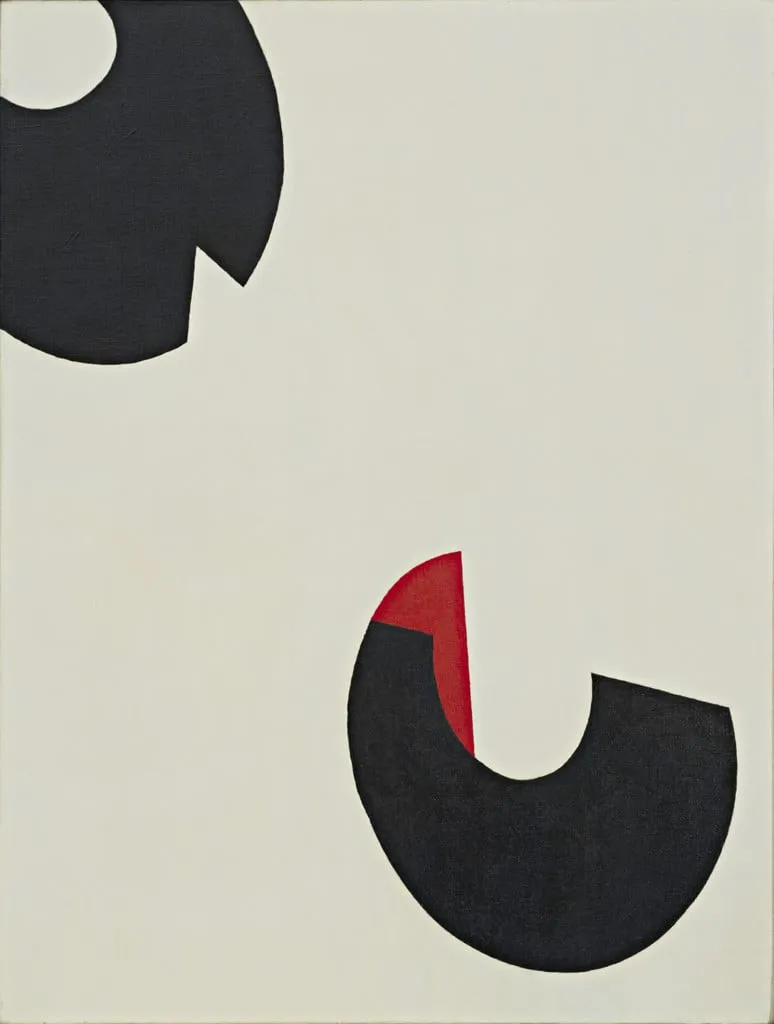
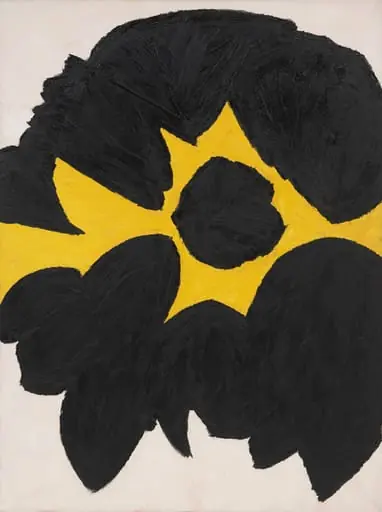
Untitled is an oil painting by the Abstract Expressionist artist A. E. Gallatin. It dates from 1949 and is held in the collection of the Museum of Modern Art.
About this work
Overview
Though primarily recognized for his role as a collector and advocate of modern art, Gallatin also produced abstract compositions late in his career.
Albert Eugene Gallatin painted this untitled work in 1949 using oil on canvas. Though primarily recognized for his role as a collector and advocate of modern art, Gallatin also produced abstract compositions late in his career. This piece reflects his sustained interest in nonrepresentational forms, aligning with broader postwar tendencies toward simplification and geometric clarity in American abstraction.
Subject & Meaning
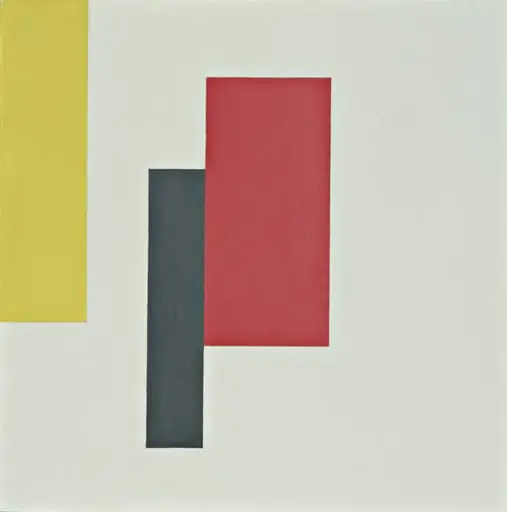
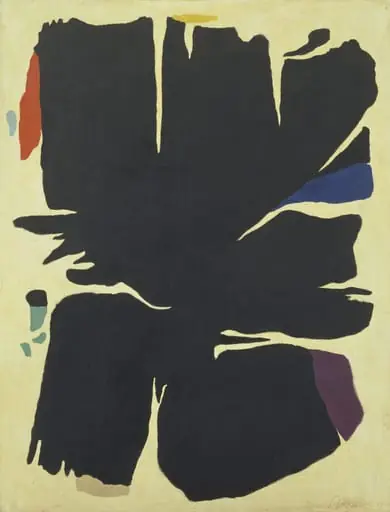
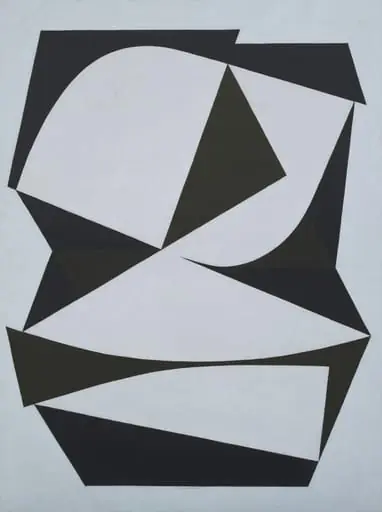
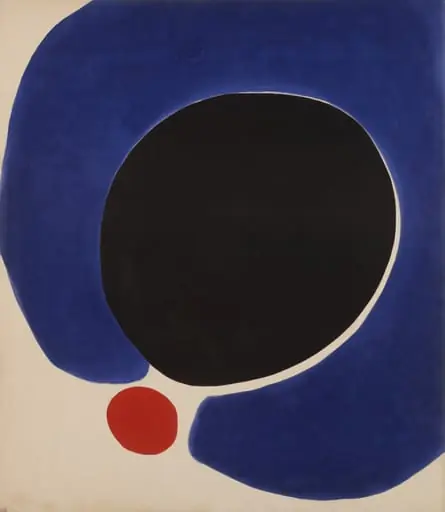
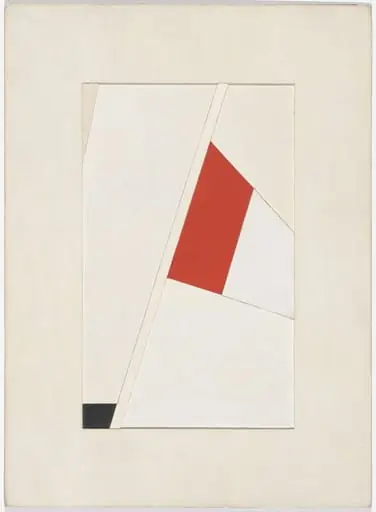
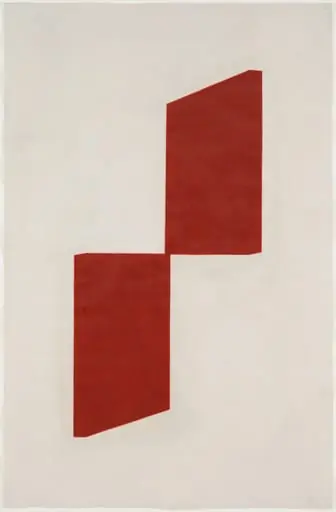
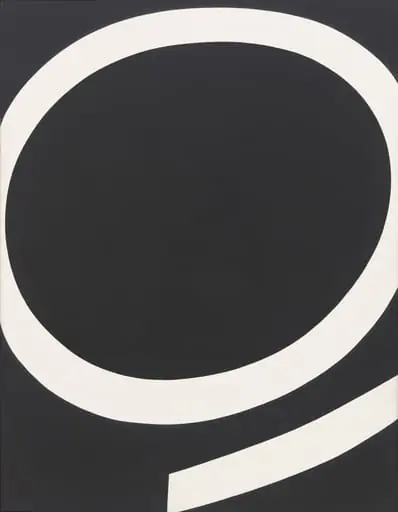
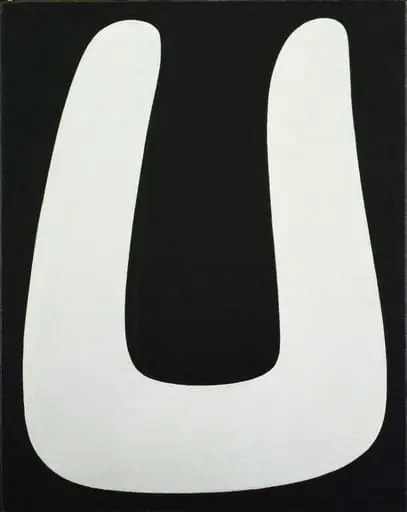
The painting presents two abstract forms: a half-circle with a red triangular void and a freeform dark shape enclosing a small white circle. Neither element references the visible world. The composition invites attention to spatial relationships and color contrast rather than narrative or symbolism, emphasizing formal balance over representational content.
Technique & Style
Gallatin applied flat, unmodulated colors with minimal texture, avoiding shading or brushwork emphasis. Forms are defined by clean edges and deliberate placement, suggesting a calculated arrangement. The limited palette, black, red, white, and light ground, heightens the visual tension between solid and void, reinforcing a sense of structural clarity.
History & Provenance
The painting entered the collection of The Museum of Modern Art following its creation in 1949. Gallatin had previously donated significant works to the museum through his personal collection, and this piece reflects his ongoing engagement with the institution. Its acquisition underscores his dual identity as both artist and patron within the American modernist circle.
Context
Created during the rise of Abstract Expressionism, this work diverges from the movement’s gestural intensity. Instead, it aligns with a quieter, more geometric strain of abstraction emerging in the late 1940s. Gallatin’s approach reflects his earlier affinity for Cubist structure and his preference for order over emotional spontaneity, distinguishing him from his contemporaries.
Legacy
Though less widely known than his collecting activities, this painting contributes to understanding Gallatin’s artistic evolution. It exemplifies how early 20th-century advocates of abstraction turned to personal practice in later years, bridging theoretical support for modernism with tangible creative output. The work remains a quiet testament to his enduring commitment to nonobjective form.
Artist & collection
Artist
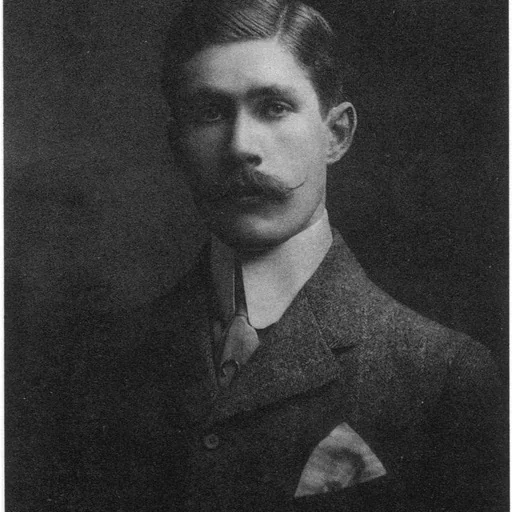
Albert Eugene Gallatin (July 23, 1881 – June 15, 1952) was an American artist. He wrote about, collected, exhibited, and created works of art. Called "one of the great figures in early 20th-century American culture," he…