Movement
Expressionism
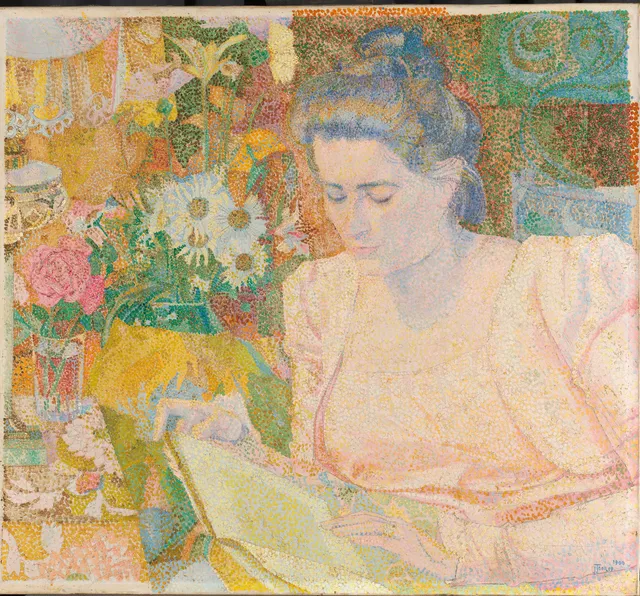
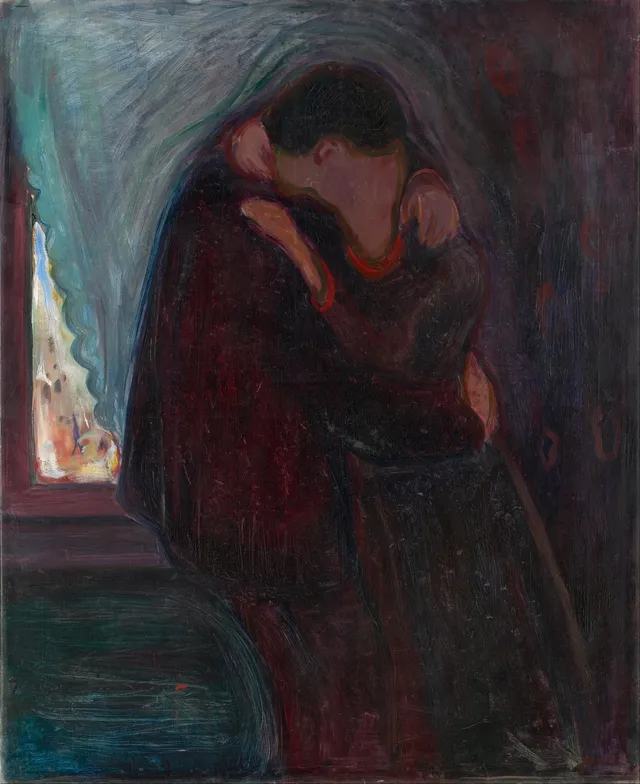
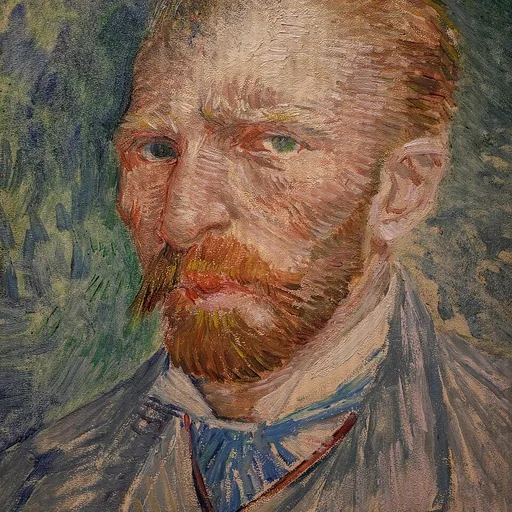
Expressionism is an art movement dating from 1900. The gallery holds 18 works in this movement, including works by Vincent van Gogh, Marsden Hartley and Edvard Munch. Browse Expressionism paintings, portraits, pictures and artworks from the world's public-domain museum collections.
Expressionism was a modernist movement that arose in the German-speaking world in the early twentieth century, channelling subjective emotion and inner vision rather than the appearance of the external world. It emerged as a reaction against both the optical naturalism of Impressionism and the polish of academic art, drawing instead on the heightened, symbol-laden currents of late-nineteenth-century painting. Its deeper impulse was cultural: a pervasive unease about humanity's discordant relationship with a rapidly industrialising, urbanising world, and a yearning for authenticity and spiritual meaning that mechanised modern life seemed to be eroding.
The movement crystallised around two groups. In 1905 four young men in Dresden—Ernst Ludwig Kirchner, Fritz Bleyl, Erich Heckel, and Karl Schmidt-Rottluff—founded Die Brücke (The Bridge), pursuing a raw, distorted figuration; the group worked in Dresden and then Berlin until its dissolution in 1913. In 1911 a second circle, Der Blaue Reiter (The Blue Rider), formed in Munich around Wassily Kandinsky and Franz Marc, with Paul Klee, August Macke, and Alexej von Jawlensky among its associates, tending toward abstraction and the spiritual in art.
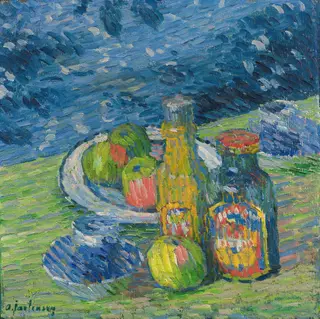
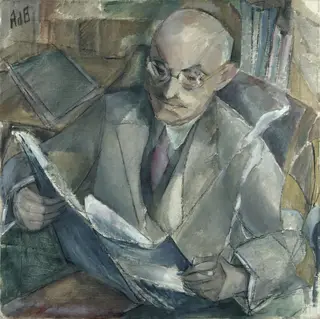
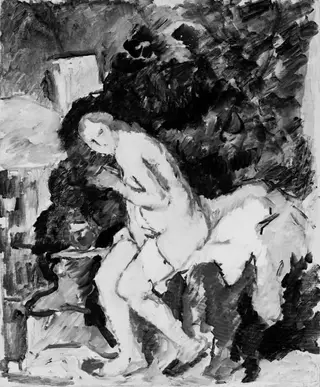
Visually, Expressionism is defined by non-naturalistic, emotionally charged colour, deliberate distortion of figures, angular and unstable compositions, and bold, visible brushwork. Form and palette were bent in the service of feeling—anxiety, alienation, ecstasy, dread. Edvard Munch's The Scream (1893) became the movement's presiding emblem of modern anguish, while Kirchner's Street, Dresden (1908) captured urban alienation and Kandinsky's Composition VII (1913) pressed colour toward pure abstraction.
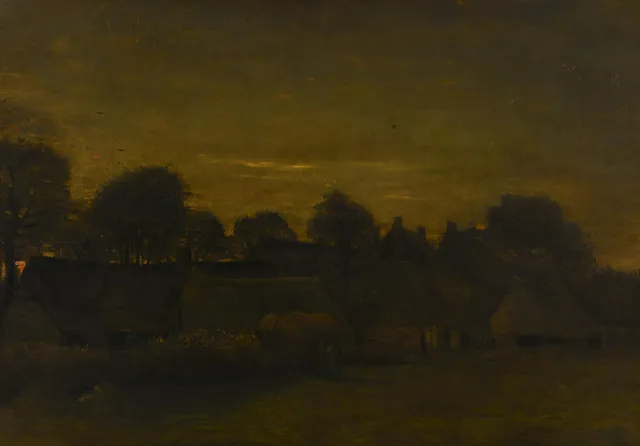
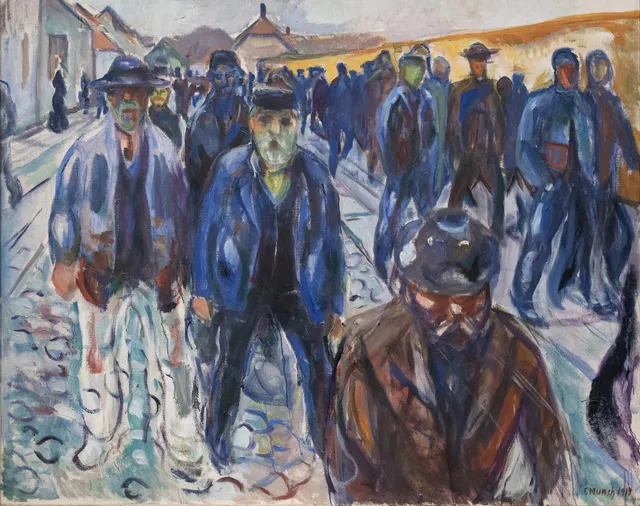
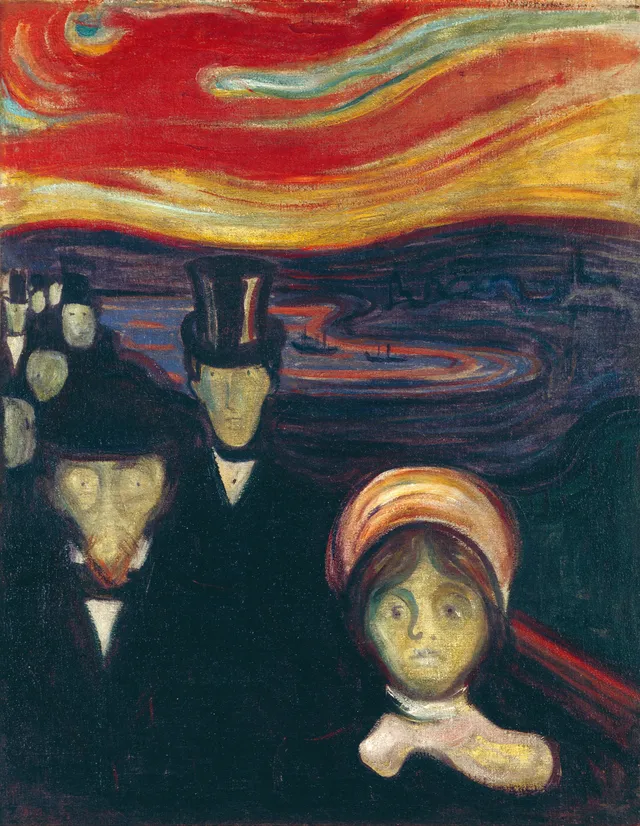
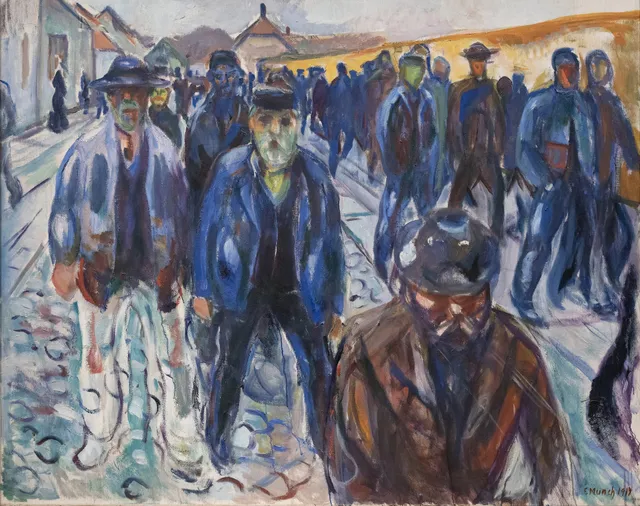
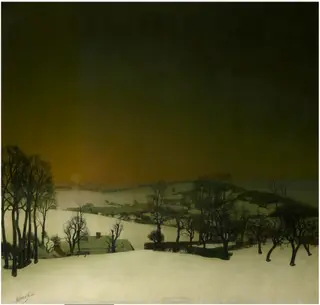
The Expressionists openly acknowledged precursors who had already loosened form and intensified colour: Vincent van Gogh, Edvard Munch, and James Ensor chief among them. This catalogue holds works central to that lineage, including Van Gogh's Farming Village at Twilight and several pivotal Munch paintings—Anxiety, The Kiss, Vampire, and Workers on their Way Home—alongside pieces by Jawlensky, Marc Chagall, and Léon Spilliaert.
Expressionism's influence proved enduring. In Germany it gave way after the First World War to the sober, critical realism of Neue Sachlichkeit (New Objectivity), and it stood in dialogue with the contemporaneous French Fauvism, which shared its liberated colour. Its emotive ethos later powerfully informed mid-century Abstract Expressionism and the Neo-Expressionism of the 1980s, securing its place as one of modernism's foundational currents.
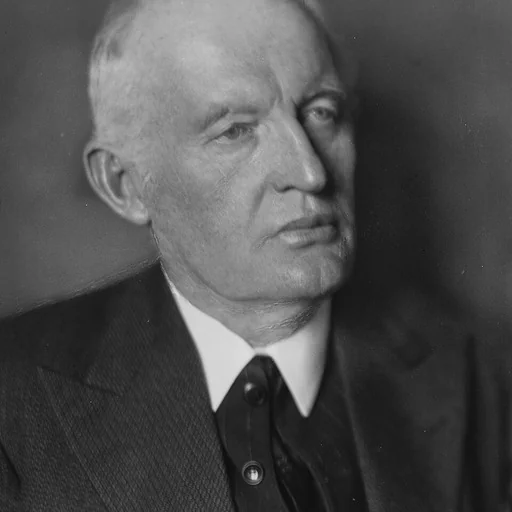
Key artists

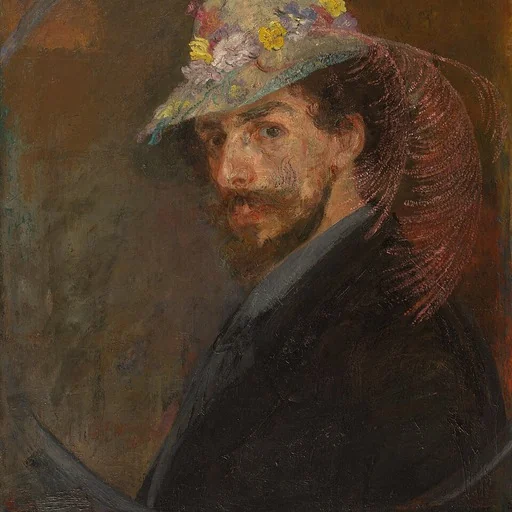
Works
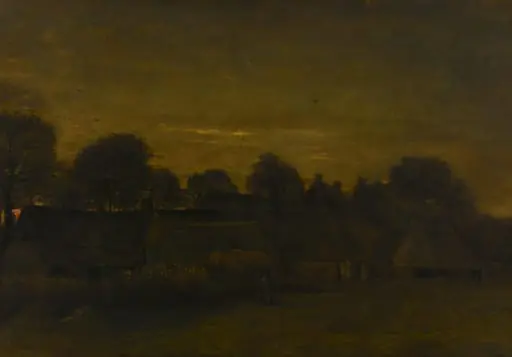 Farming Village at Twilight
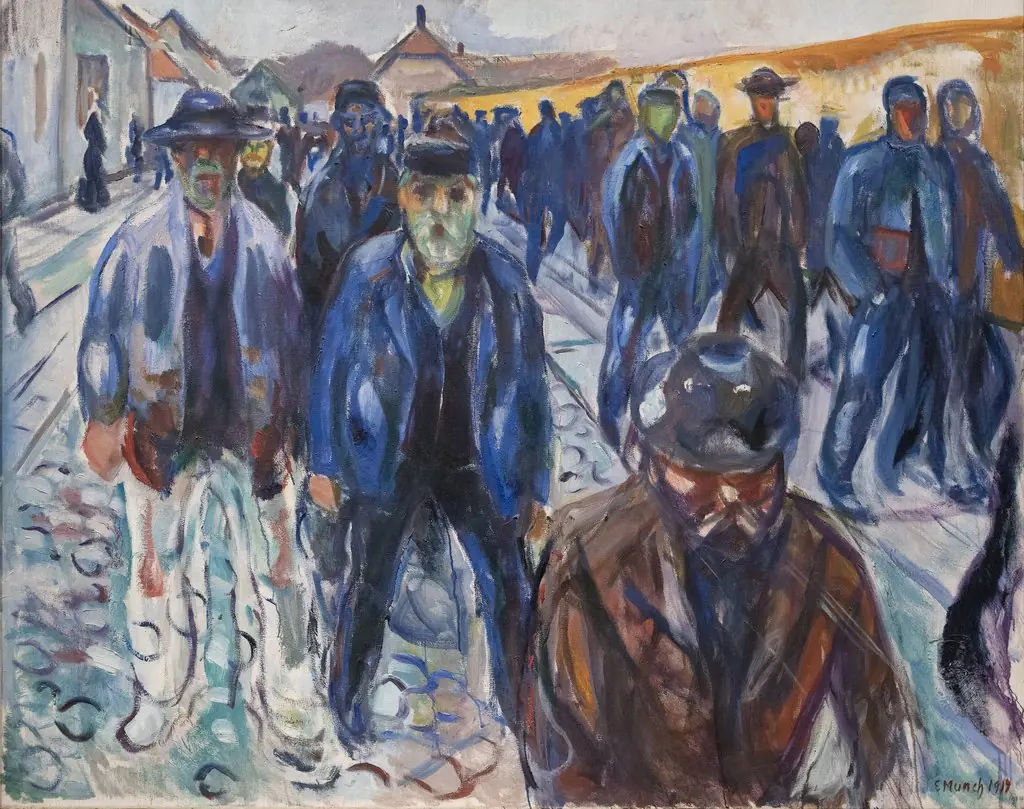 Workers on their Way Home
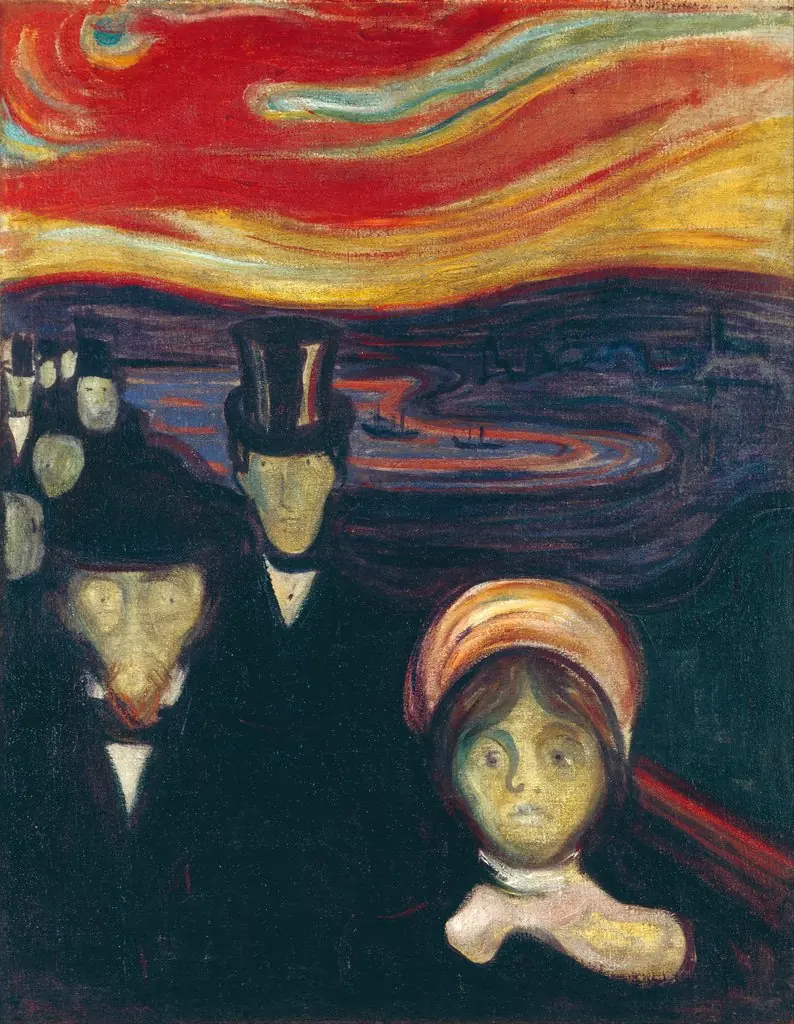 Anxiety
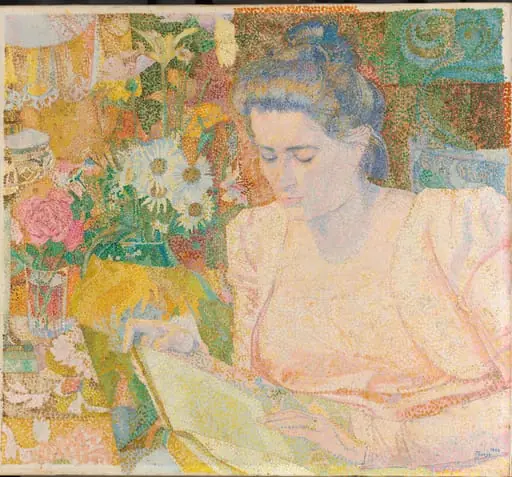 Portrait of Marie Jeanette de Lange
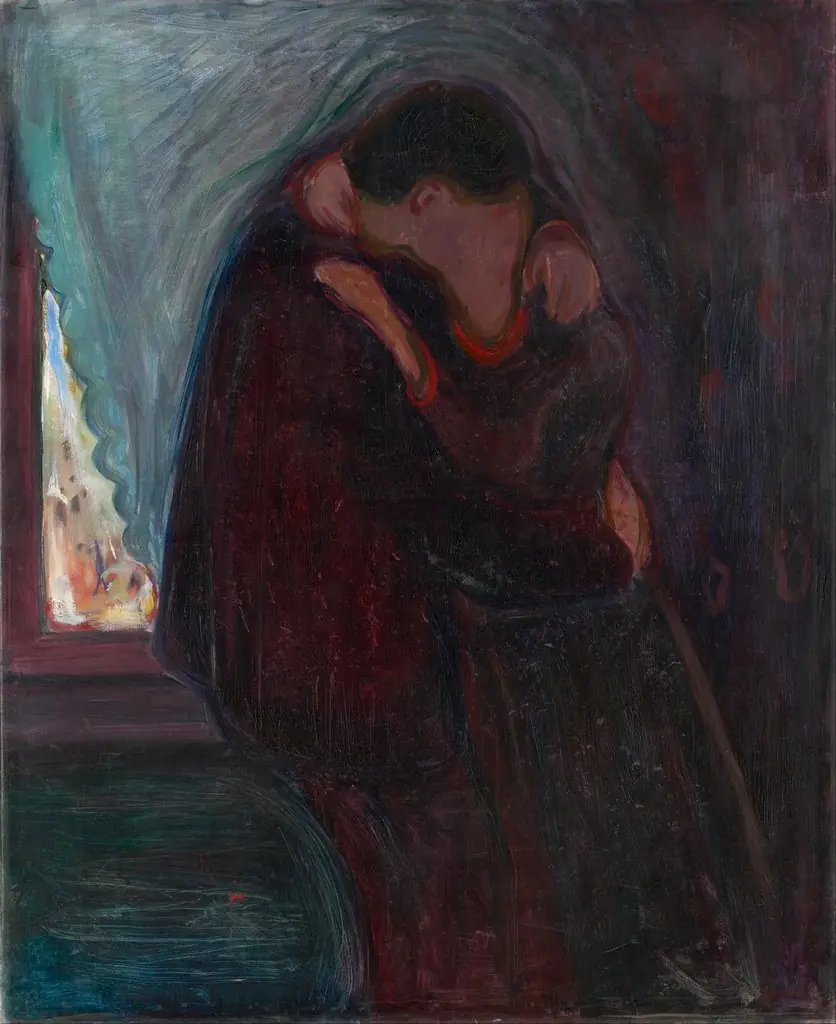 The Kiss
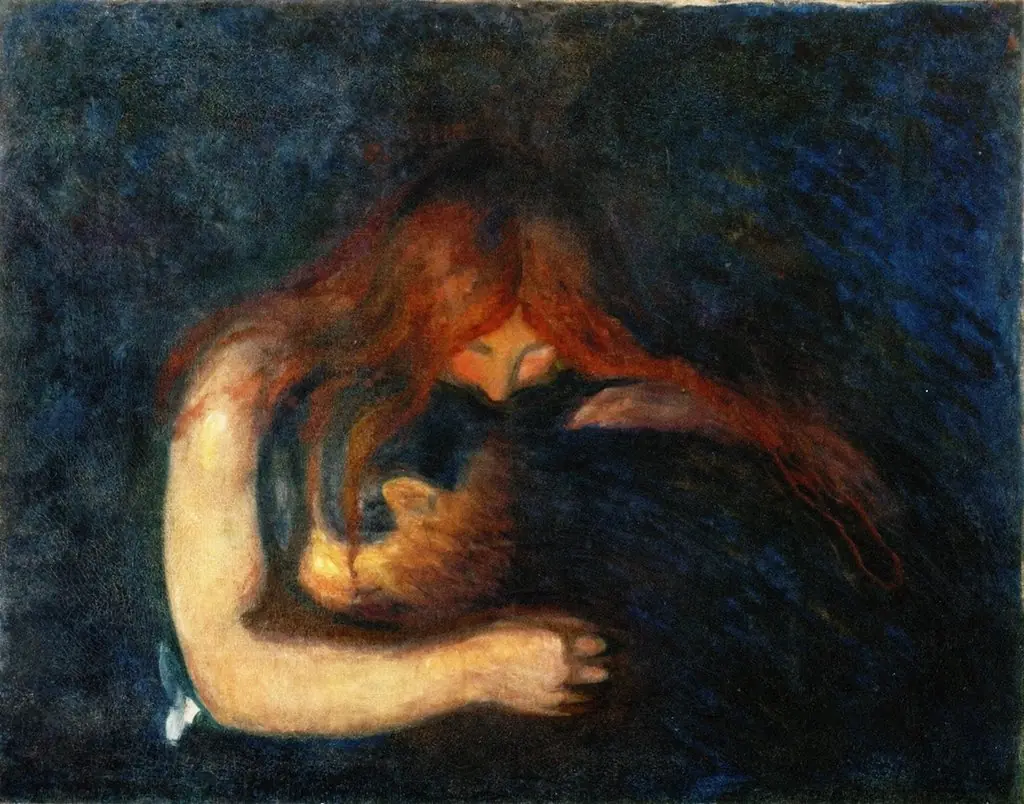 Vampire
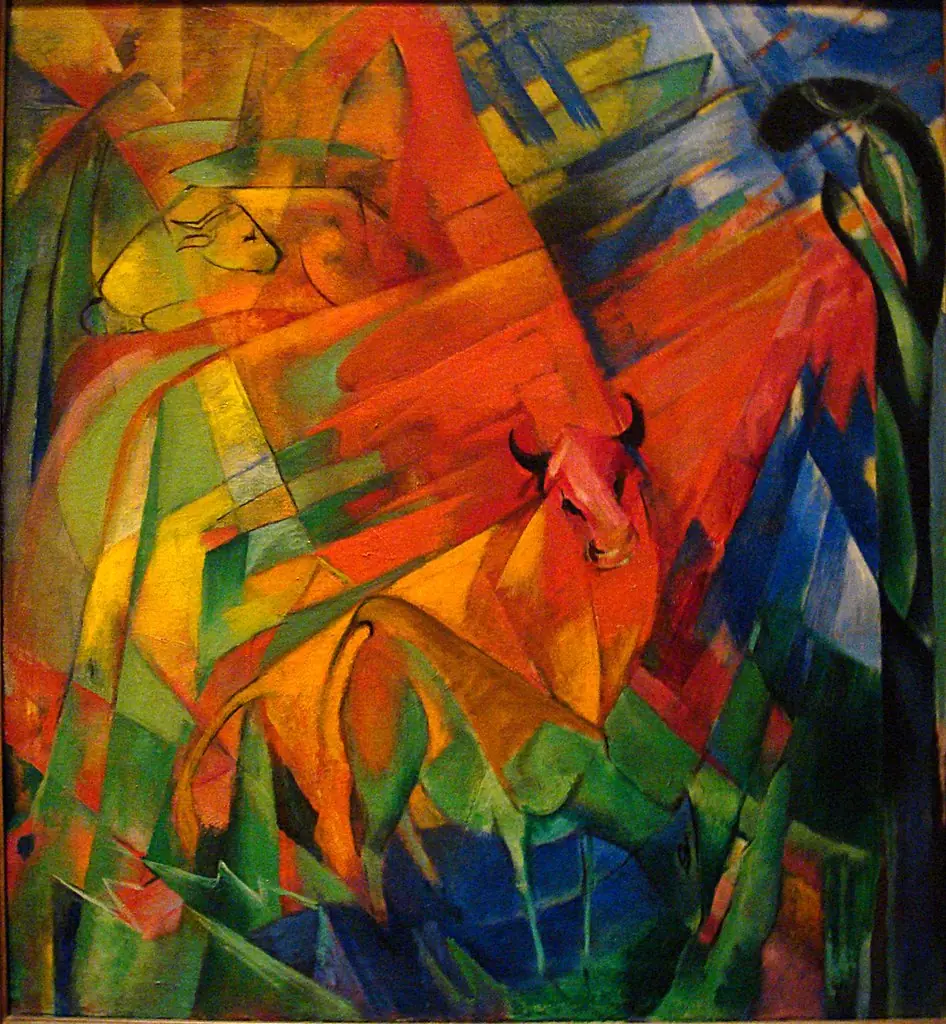 Animals in a Landscape
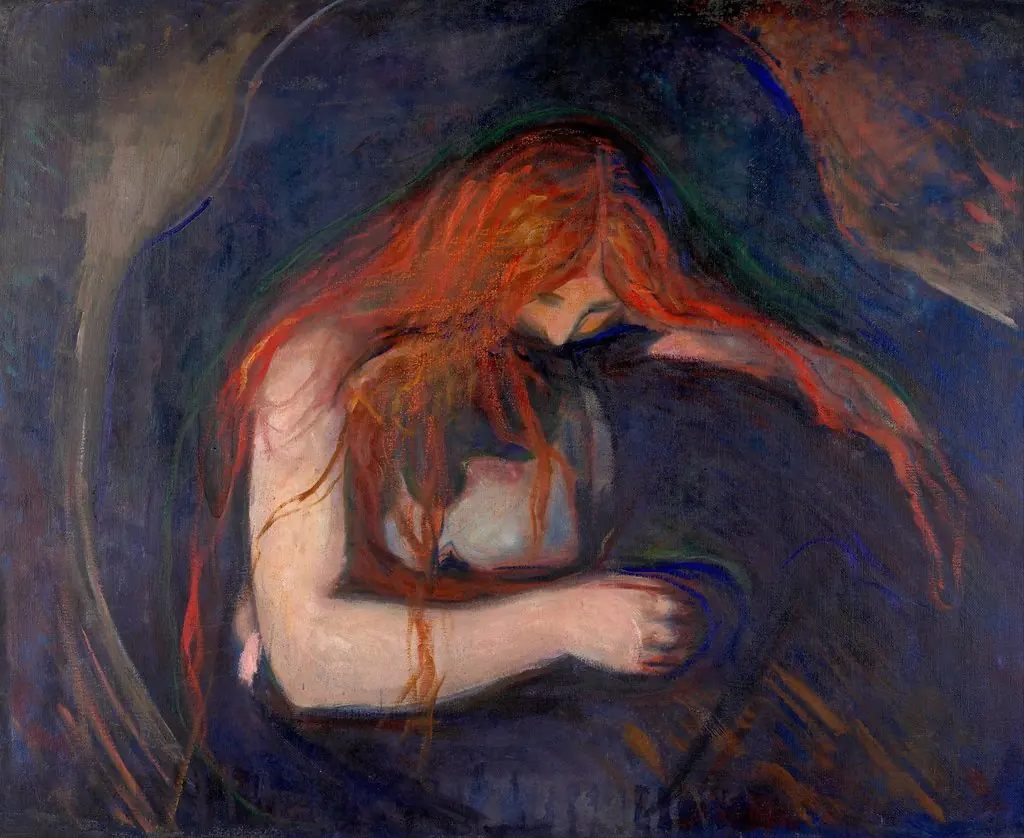 Vampire
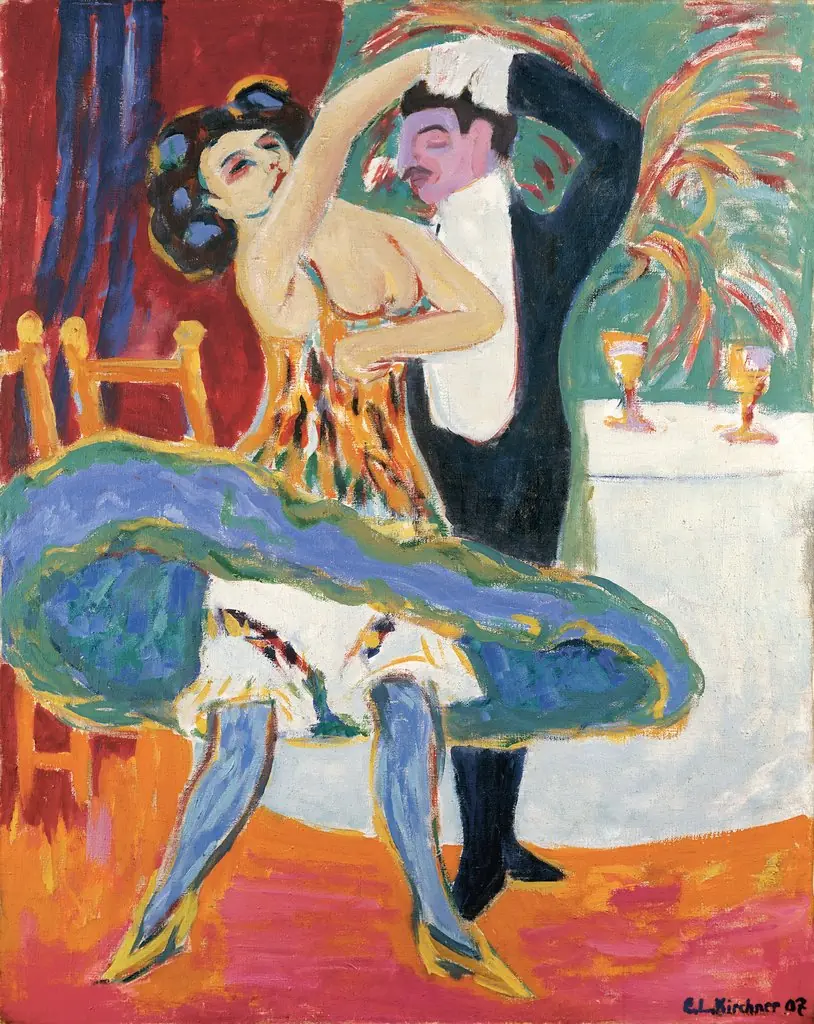 Varieté
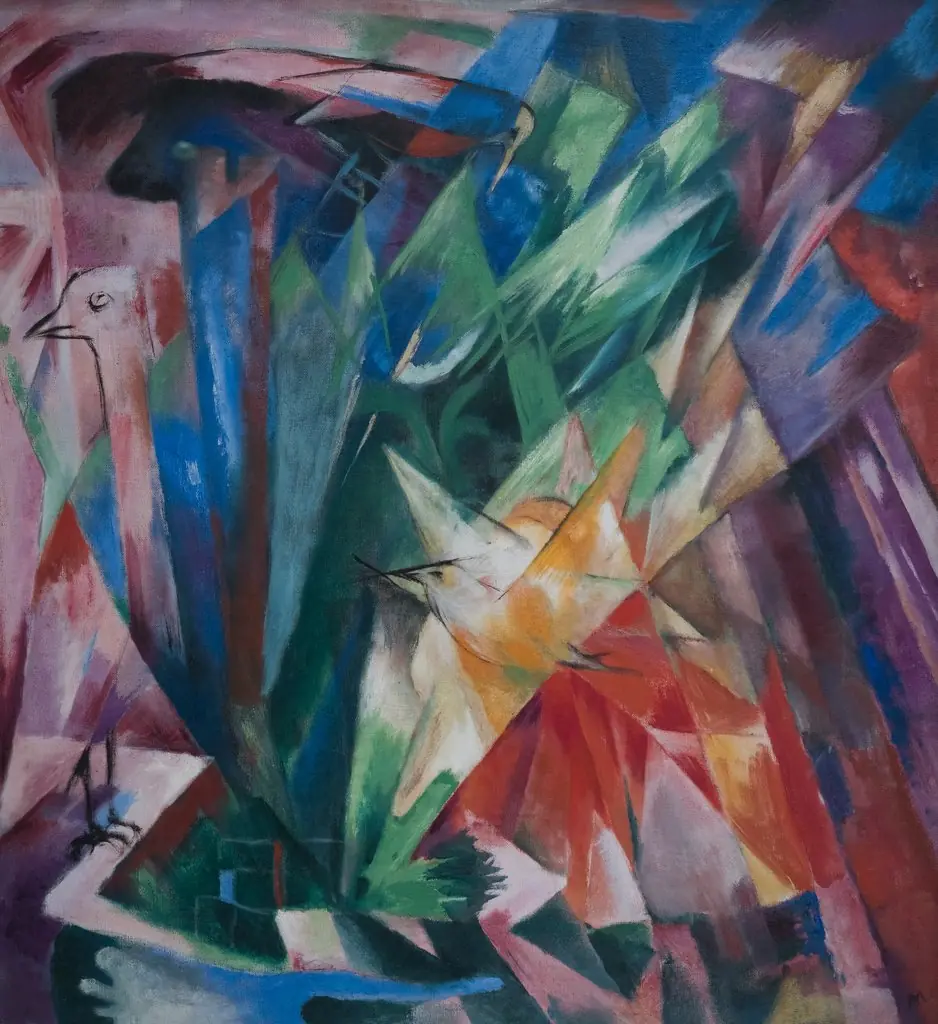 Birds
Birds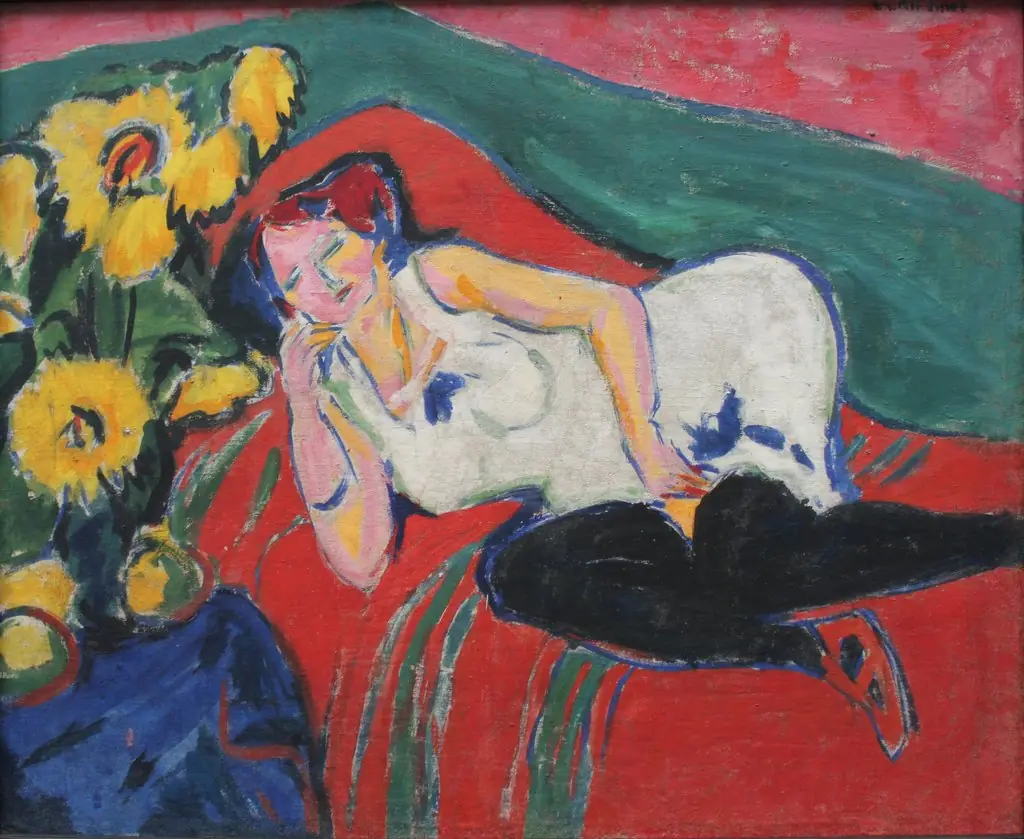 Reclining Woman in a White Chemise
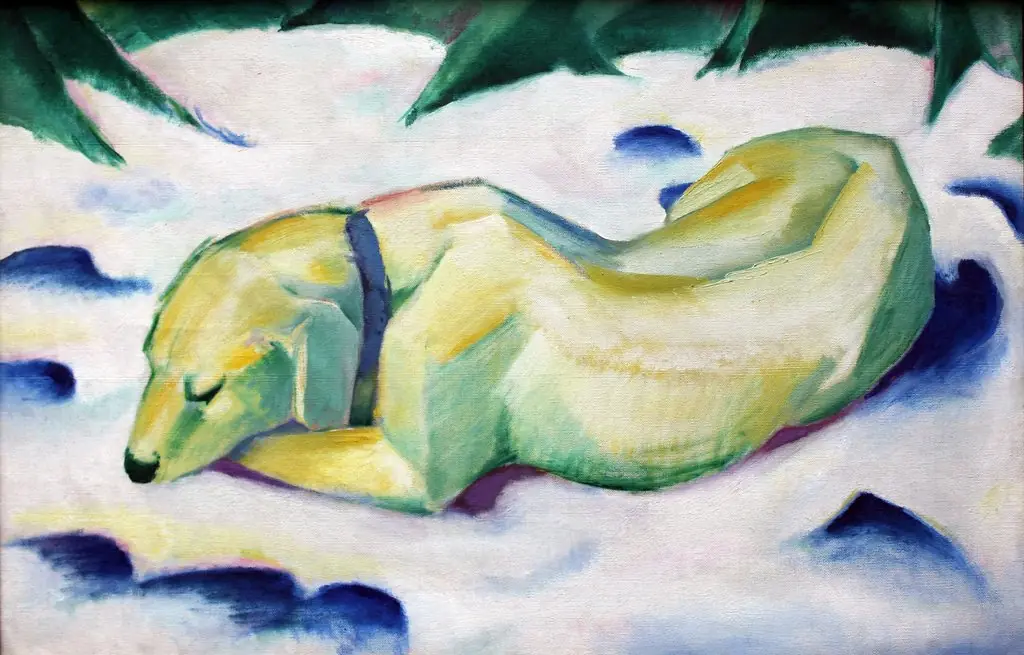 Dog Lying in the snow
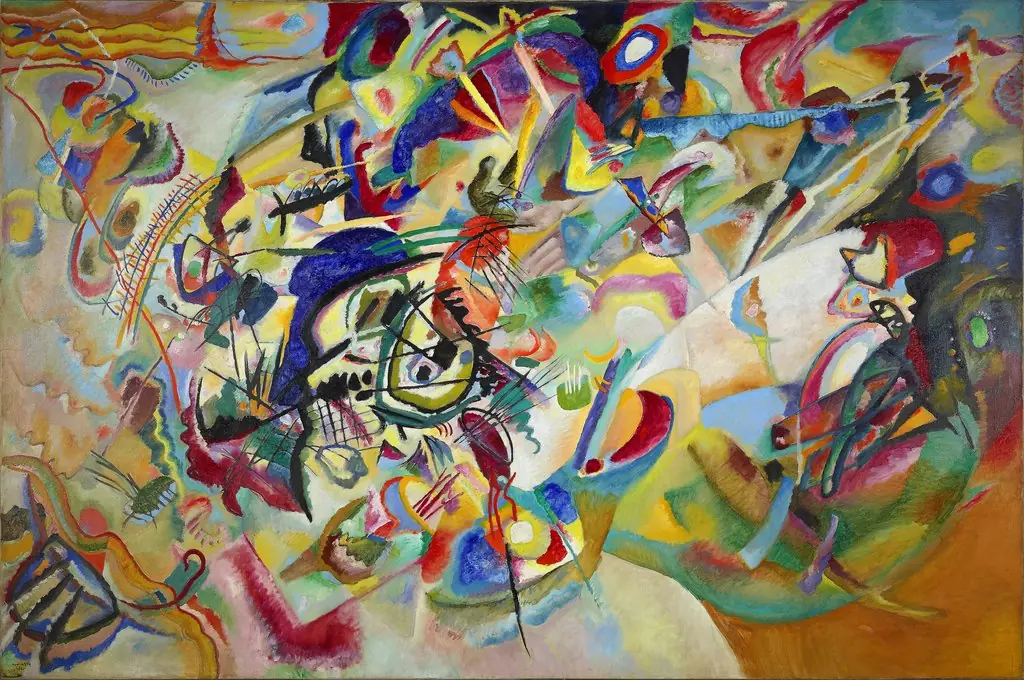 Composition VII
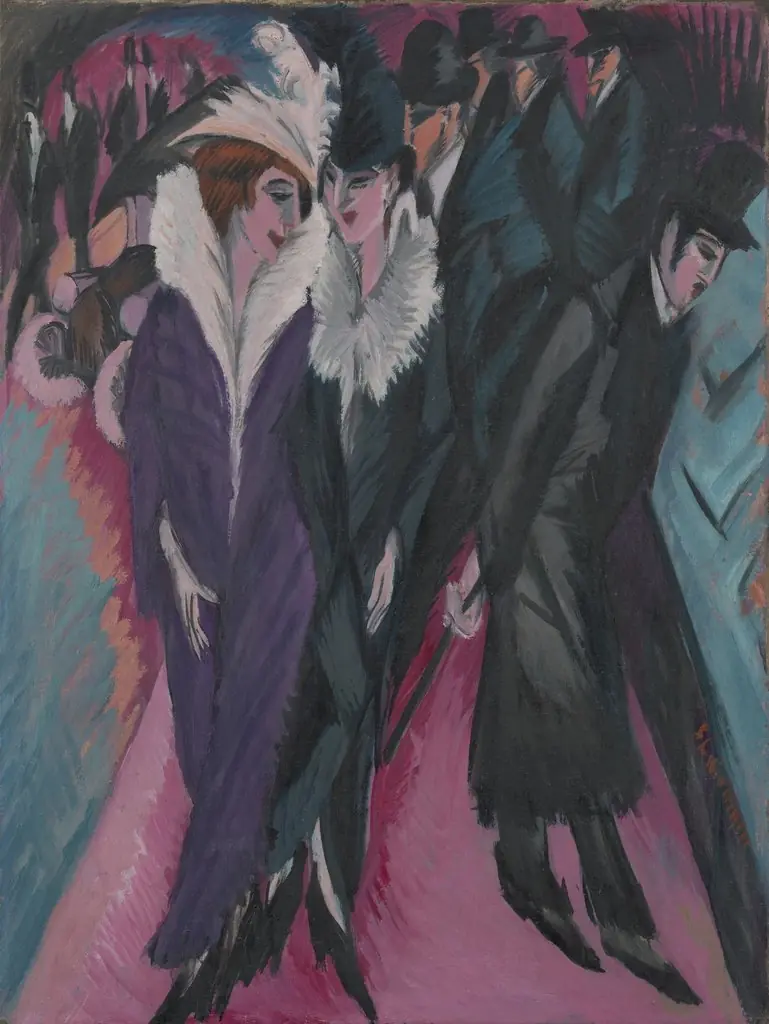 Street, Berlin
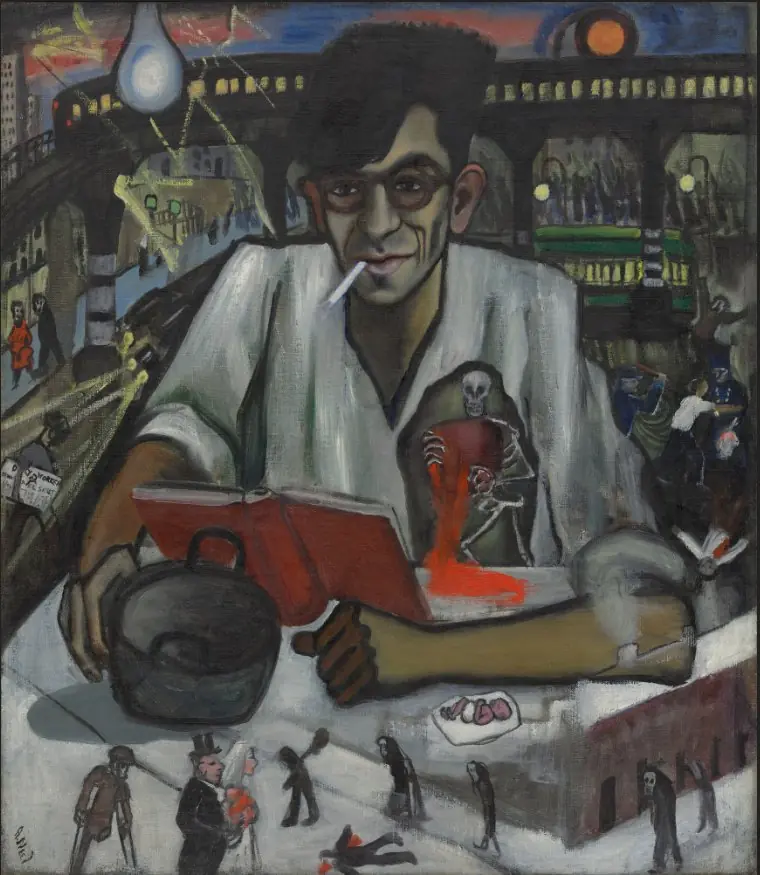 Kenneth Fearing
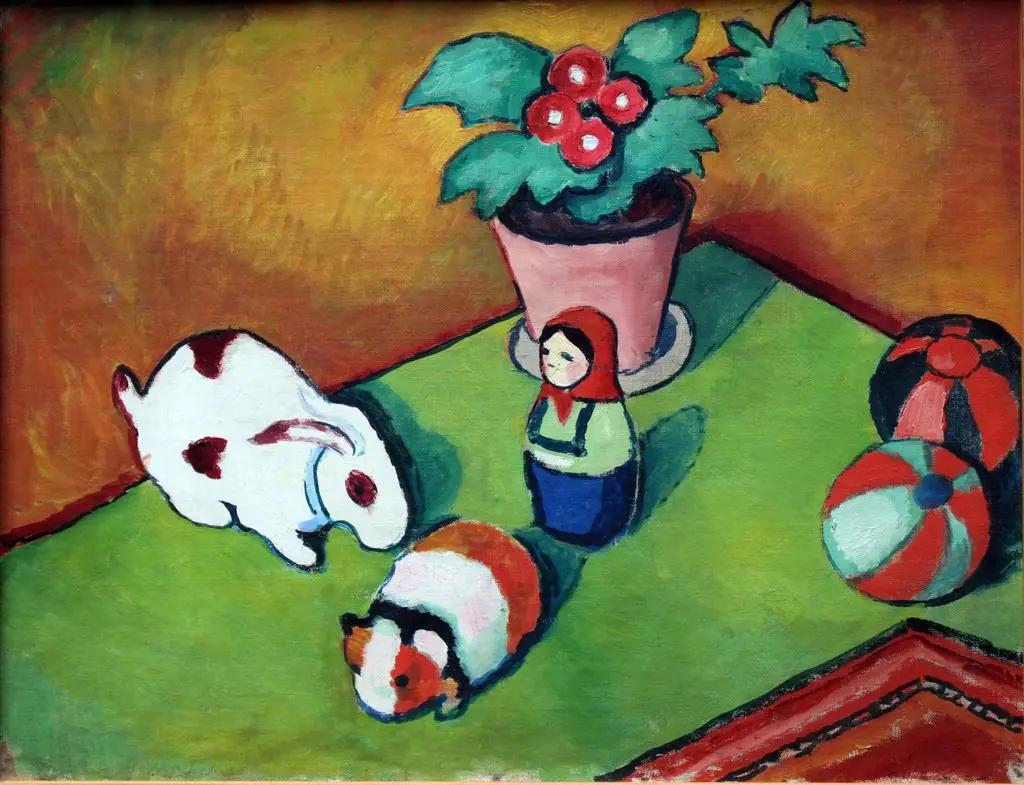 Little Walter’s Toys
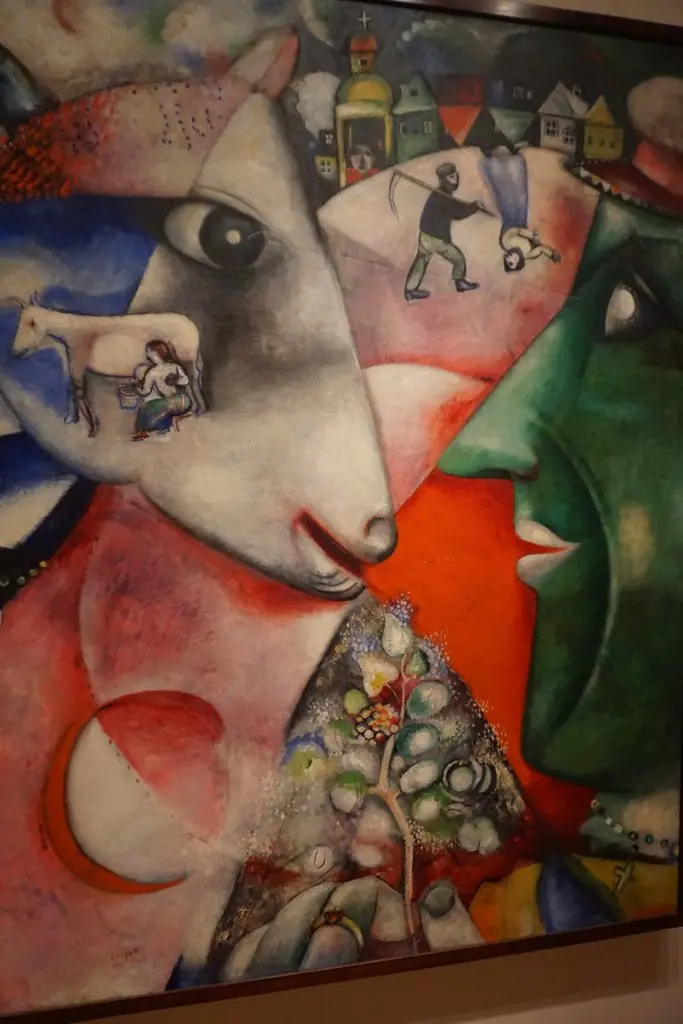 I and the Village
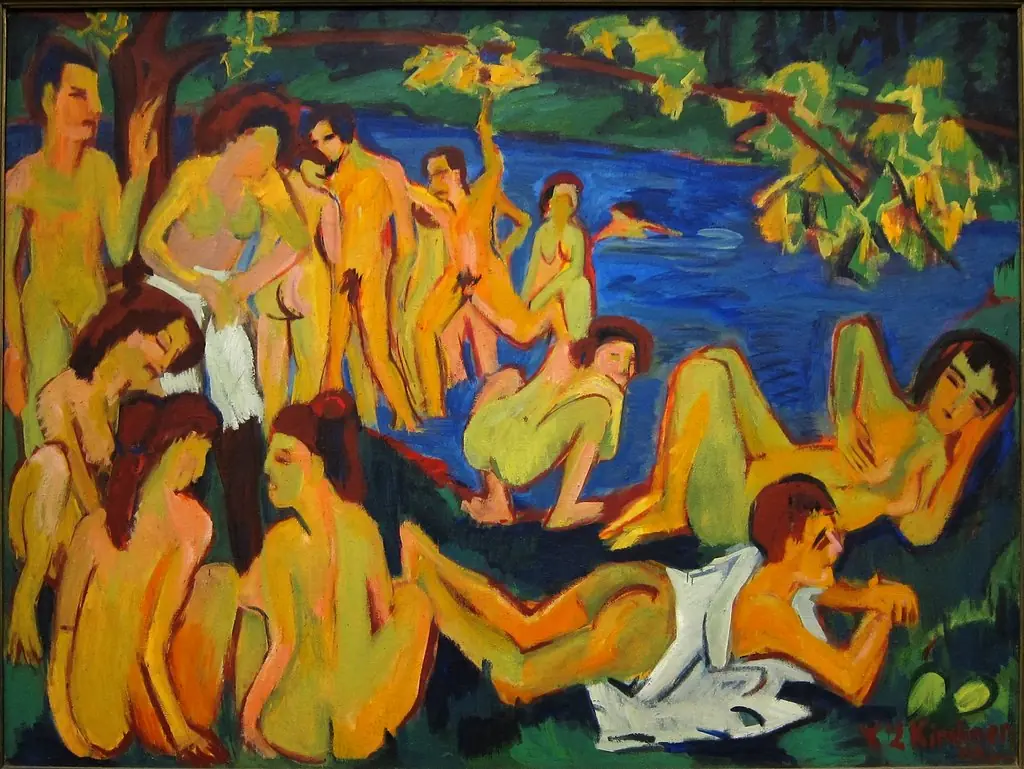 Bathers at Moritzburg
Groups & collectives
Frequently asked questions
What is Expressionism?
Expressionism is an art movement. A broad modernist tendency, especially strong in Germany and Austria from about 1905 to 1930, that distorted color and form to convey inner emotional states rather than outer appearances.
How many Expressionism works does Artifact World Gallery have?
Artifact World Gallery holds 18 public-domain Expressionism works, all free to view and download.
Who are the key Expressionism artists?
Key Expressionism artists in the collection include Vincent van Gogh, Marsden Hartley and Edvard Munch.
When did Expressionism take place?
Expressionism dates from around 1900.
Where can I see Expressionism works?
Expressionism works in the collection are held by Munch Museum, Städel Museum and Museum of Modern Art.