Artwork
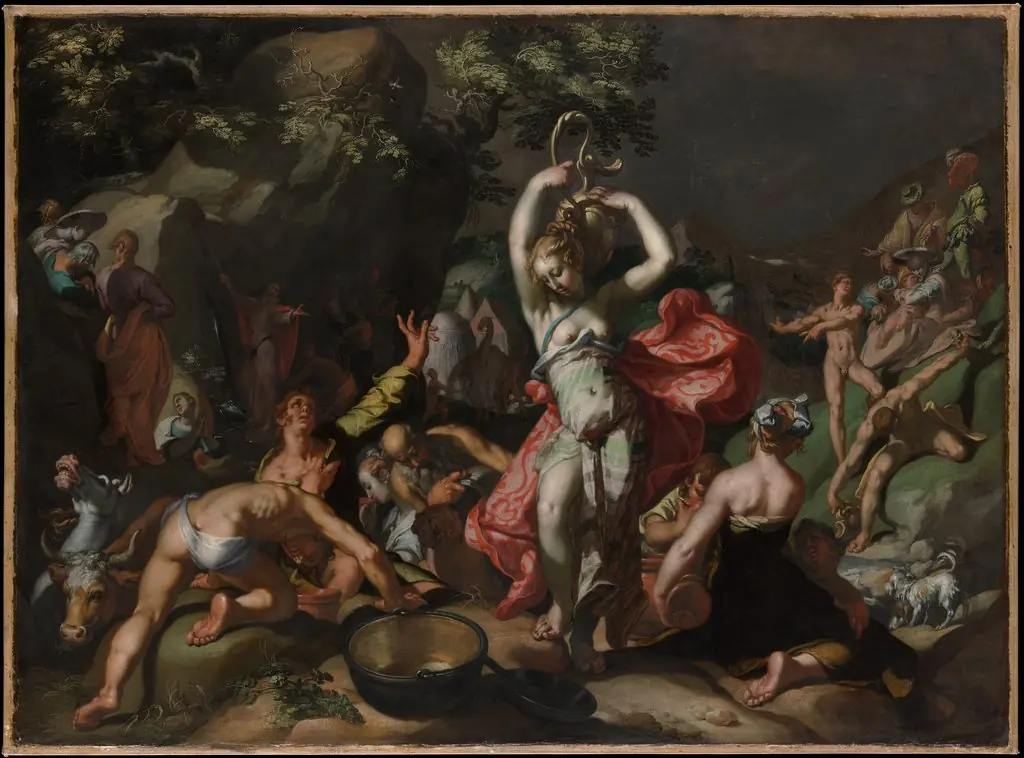
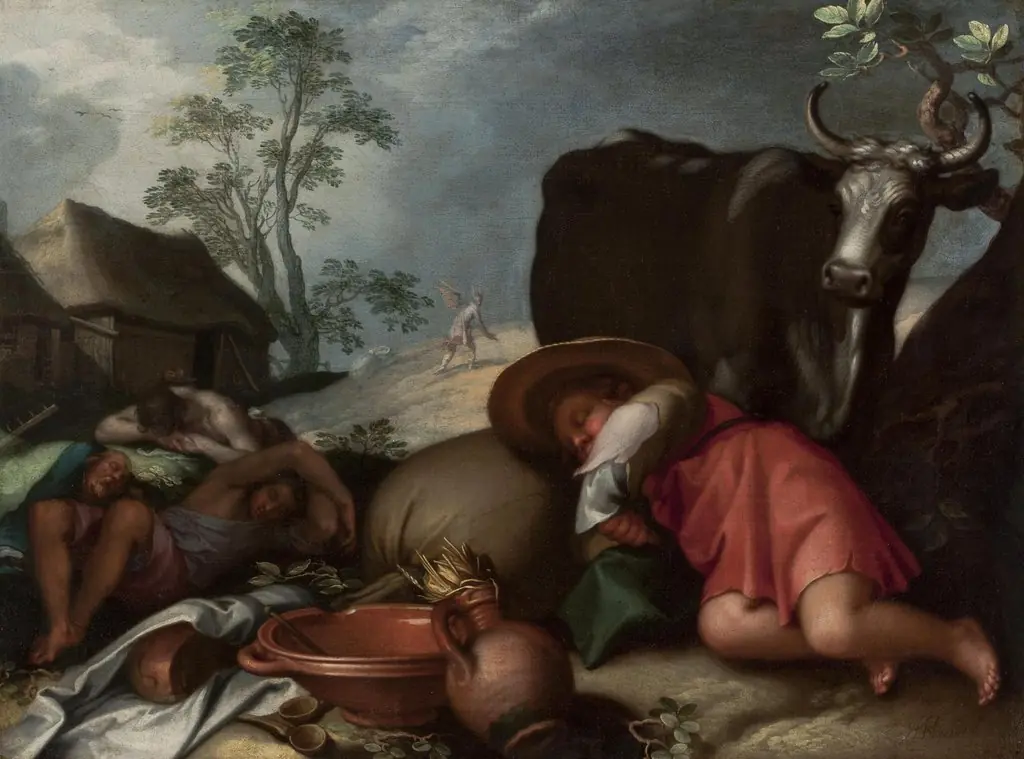
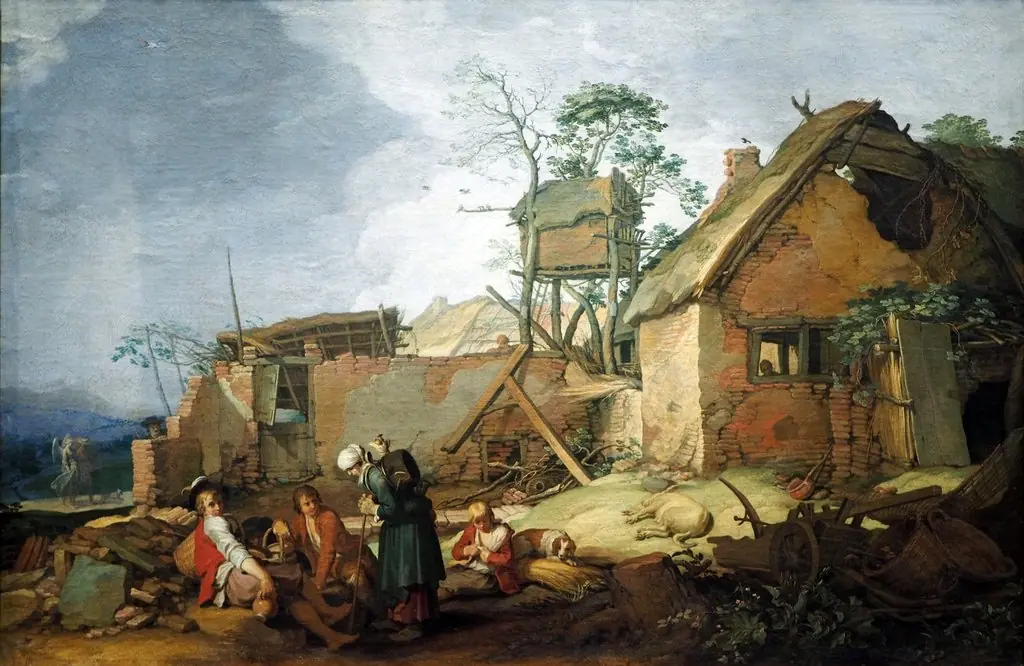
Landscape with farmstead, peasants and the exodus of Tobias with the angel
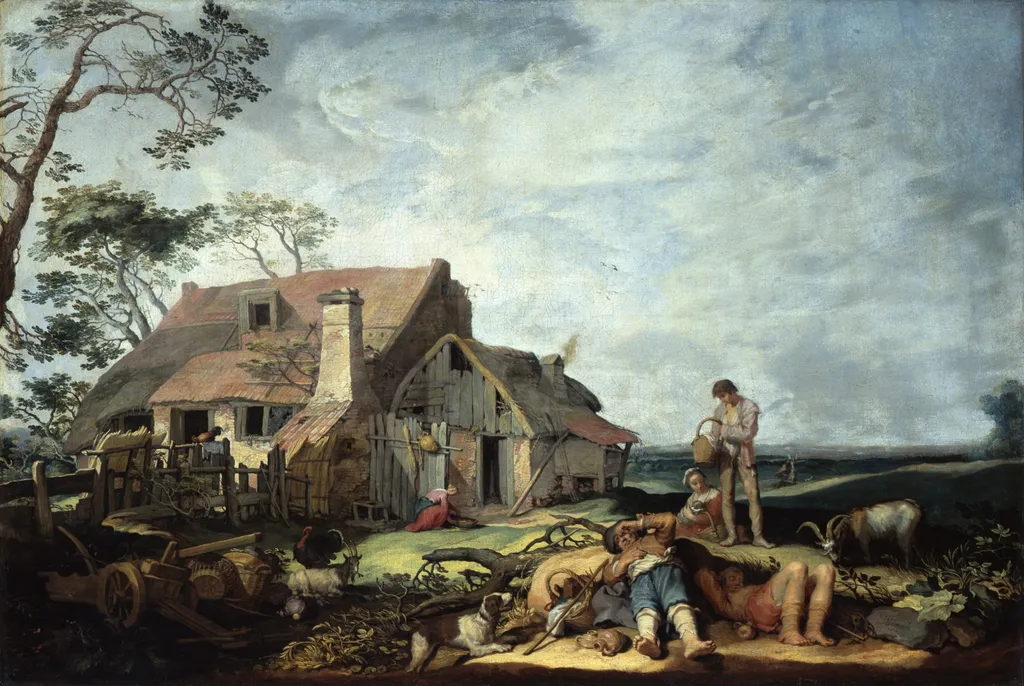
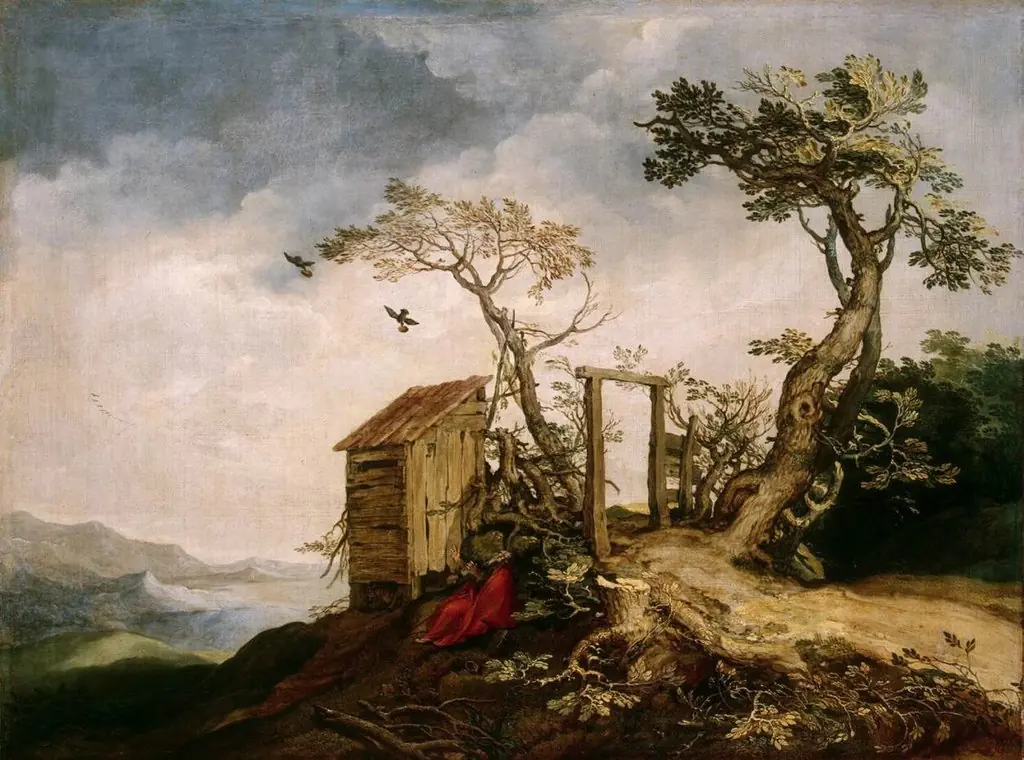
Landscape with farmstead, peasants and the exodus of Tobias with the angel is an oil painting by the Dutch Golden Age artist Abraham Bloemaert. It dates from 1630 and is held in the collection of the Gemäldegalerie Berlin.
About this work
Technique & Style
Stylistically, the composition integrates genre elements of village life with religious subject matter within a unified outdoor setting.
Executed in 1630, this landscape by Abraham Bloemaert is an oil painting on canvas. The work depicts a rural scene featuring a farmstead and peasants, alongside the biblical narrative of Tobias and the Angel. Stylistically, the composition integrates genre elements of village life with religious subject matter within a unified outdoor setting. The painting measures approximately 91 cm in height and 134 cm in width.
History & Provenance
Abraham Bloemaert created the oil painting Landscape with farmstead, peasants and the exodus of Tobias with the angel in 1630. While some records suggest a broader creation window extending to 1650, the specific date of 1630 is established as the primary inception year for this work. The painting is currently held in the collection of the Gemäldegalerie in Berlin, part of the Staatliche Museen zu Berlin.
No further details regarding its original commission, earlier ownership history, or specific provenance chain prior to its current museum location are provided in the available sources.
The painting is held in the collection of the Gemäldegalerie Berlin, Staatliche Museen zu Berlin. Its accession number is 10667, and it is recorded with dimensions of 91.2 cm in height and 134.2 cm in width.
No exhibition history is documented in the provided sources.
Context
Abraham Bloemaert painted Landscape with farmstead, peasants and the exodus of Tobias with the angel in 1630, an oil on canvas work now held by the Gemäldegalerie Berlin. The composition combines a rustic farmstead with a biblical narrative of Tobias guided by an angel, reflecting Bloemaert’s skill in merging genre scenes with literary subjects. His approach to landscape integrates naturalistic detail with a structured composition, positioning the piece within the broader Dutch Baroque tradition of hybrid scenes that blend everyday life and mythological or biblical storytelling.
Scholarship highlights the painting’s role in illustrating Bloemaert’s transitional style between late Mannerism and the emerging Baroque emphasis on chiaroscuro and emotive narrative, while its presence in a major Berlin collection underscores continued interest in Dutch Golden Age acquisitions.
Overview
Created in 1630 by Dutch artist Abraham Bloemaert, this oil painting merges a pastoral setting with a biblical episode. The composition presents a modest village scene populated by peasants, livestock, and a modest farmstead, while simultaneously depicting the young Tobias accompanied by an angel on a journey. The work is part of the collection of the Gemäldegalerie in Berlin.
Subject & Meaning
The narrative foregrounds the biblical story of Tobias’s exodus, a motif drawn from the Book of Tobit, where the archangel guides the youth. Bloemaert situates this sacred encounter amid everyday rural life, juxtaposing the divine escort with ordinary villagers engaged in chores, thereby highlighting the coexistence of the holy and the mundane.
Own this work as a print
Artist & collection

Artist
Abraham Bloemaert (25 December 1566 – 27 January 1651) was a Dutch painter and printmaker who used etching and engraving.