Artwork
Madonna
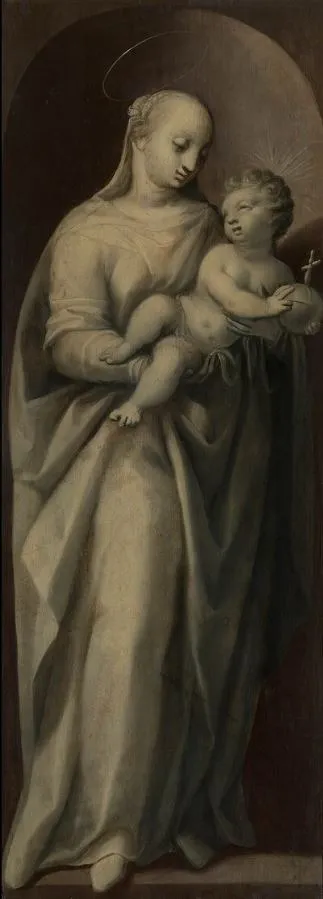
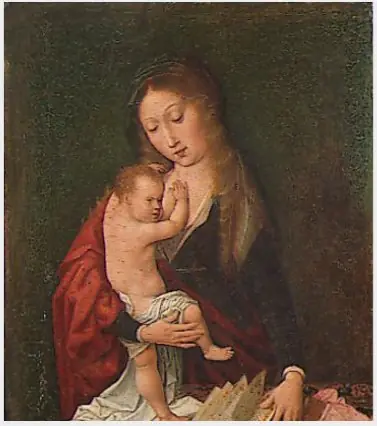
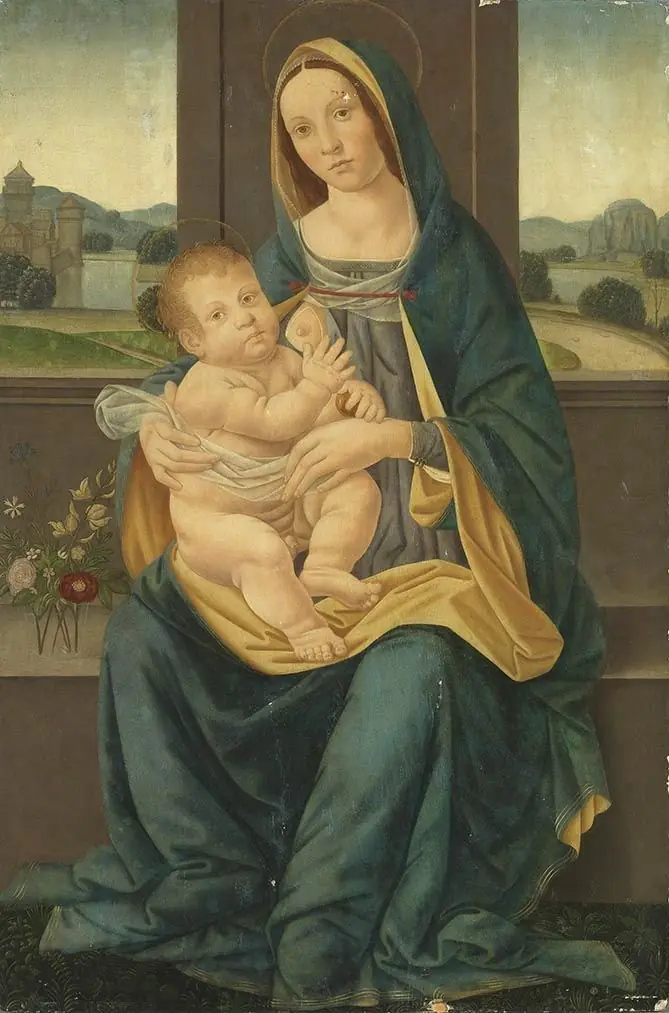
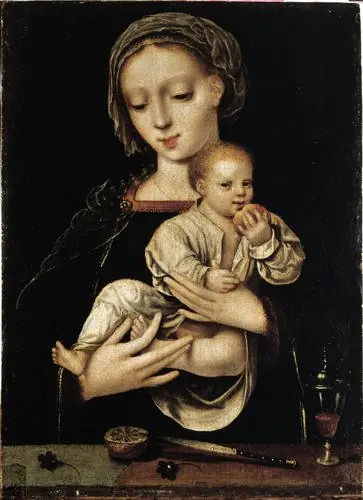
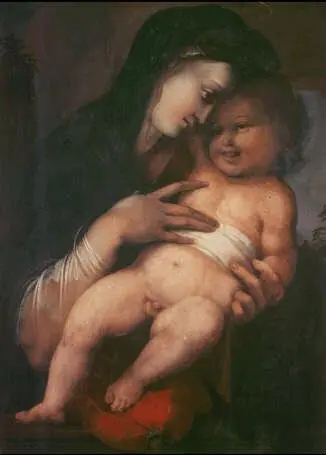
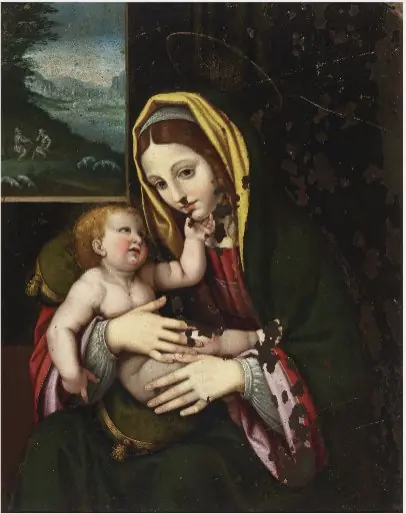
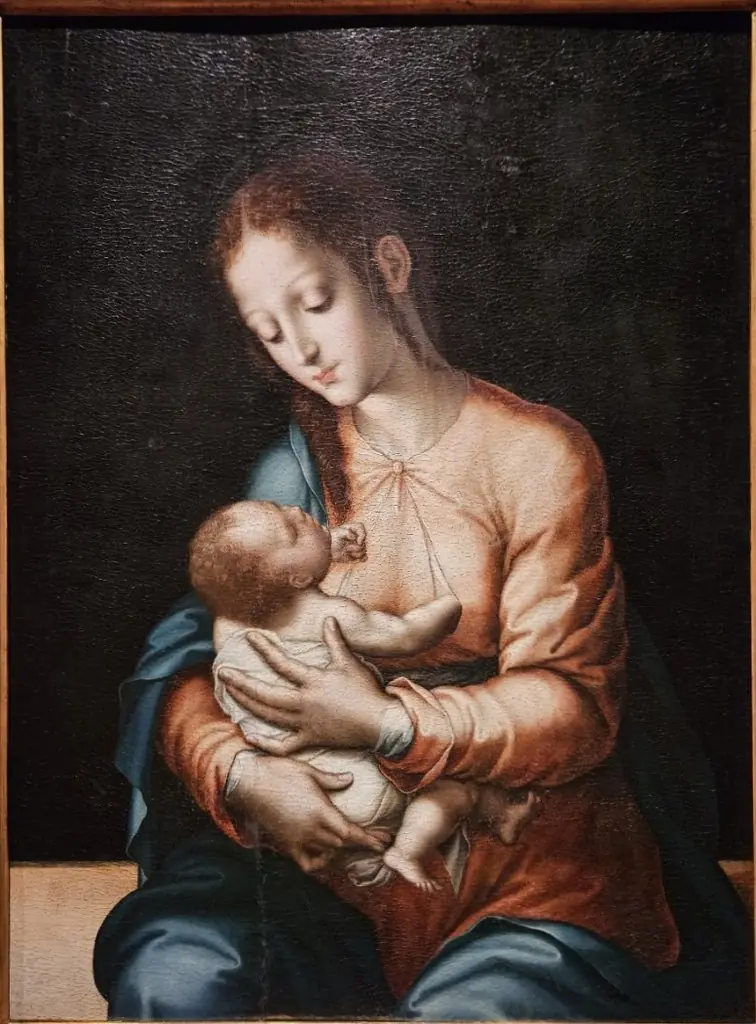
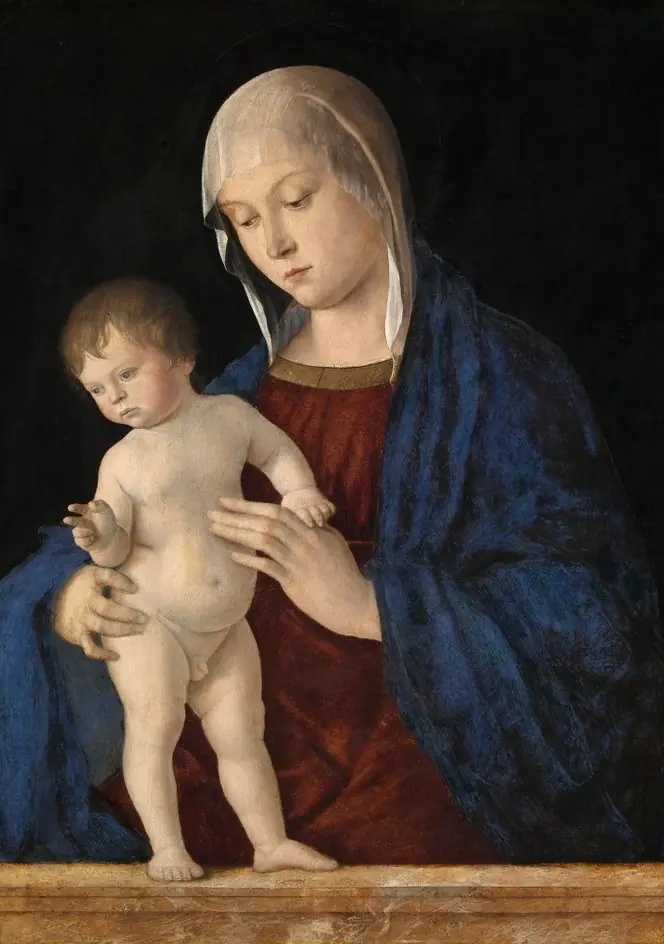
Madonna is an oil painting by the Mannerist artist Abraham de Rijcke. It dates from 1592 and is held in the collection of the Onze-Lieve-Vrouwekathedraal.
About this work
Subject & Meaning
This composition serves as a primary representation of the Christian doctrine of the Incarnation, emphasizing Mary's role as the mother of God.
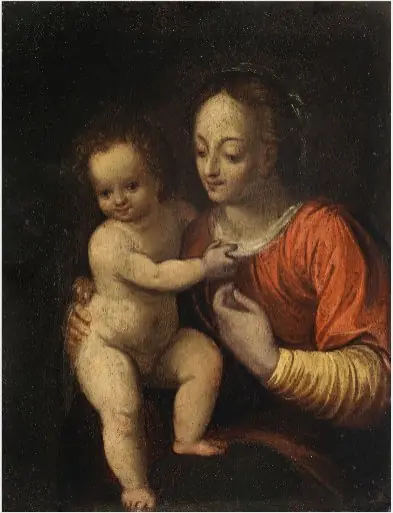
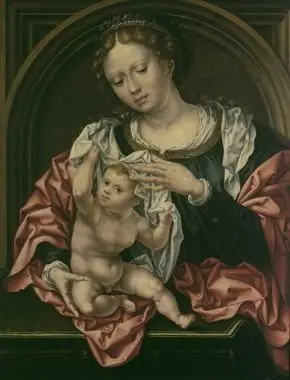
The work depicts the Madonna and Child, a central subject in religious art where the Virgin Mary is shown with the infant Jesus Christ. This composition serves as a primary representation of the Christian doctrine of the Incarnation, emphasizing Mary's role as the mother of God. Created in 1583 by Abraham de Rijcke, the painting focuses exclusively on these two figures, utilizing the traditional iconography of the maternal bond to convey themes of divine love and protection.
The subject matter aligns with the broader genre of religious art, presenting a devotional image intended for spiritual contemplation.
Technique & Style
The painting is executed in oil paint on panel, measuring 100.7 centimeters in height by 37.2 centimeters in width. It depicts the Virgin Mary with the infant Christ Child, reflecting its religious genre. The work was created in 1583 and is housed in the Royal Museum of Fine Arts Antwerp within the Onze-Lieve-Vrouwekathedraal collection.
These formal qualities align with Counter-Mannerist religious painting of the late 16th century, characterized by devotional imagery rendered on wooden support with traditional oil techniques.
History & Provenance
The painting was created in 1583 by Abraham de Rijcke as an oil on panel work depicting the Madonna and Child. It was originally painted for the Royal Museum of Fine Arts Antwerp, where it remains on display in the Onze-Lieve-Vrouwekathedraal.
The artwork's provenance is tied to its commission within the religious context of the cathedral, maintaining its historical placement since inception.
Measured at 100.7 cm in height and 37.2 cm in width, the piece reflects de Rijcke's mastery of devotional imagery during the late 16th century.
Legacy
The painting by Abraham de Rijcke has been recognized for shaping early religious composition in Flemish art, particularly influencing depictions of the Virgin and Child in Counter-Reformation contexts. Its presence in the Royal Museum of Fine Arts Antwerp has contributed to scholarly discussions on 16th-century devotional imagery, with the work featured in exhibitions that highlight its stylistic significance within the evolution of sacred art.
Overview
Madonna is a 1592 oil painting by Abraham de Rijcke, a Flemish Renaissance artist. The work belongs to the religious genre and exemplifies Mannerist style. It is part of the Royal Museum of Fine Arts Antwerp's collection.
Context
As a Mannerist work, Madonna reflects the artistic tendencies of the late 16th century, characterized by emotional intensity and compositional innovation, within the religious themes prevalent in Flemish Renaissance art.
Artist & collection
Artist
Abraham de Rijcke (Antwerp, baptized on 5 July 1566 – 1599) was a Flemish Renaissance painter known for his history paintings and portraits.