Artwork
Madonna and Child
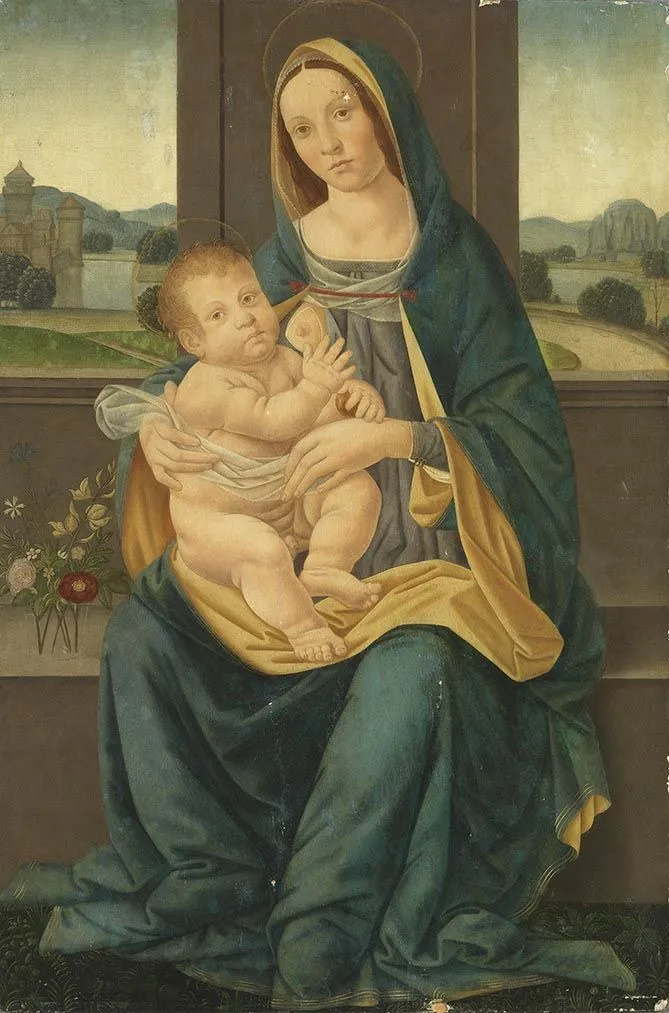
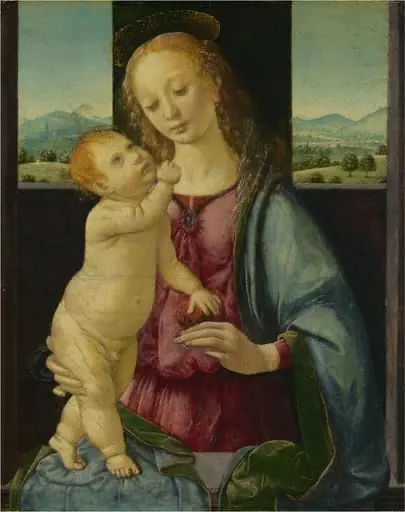
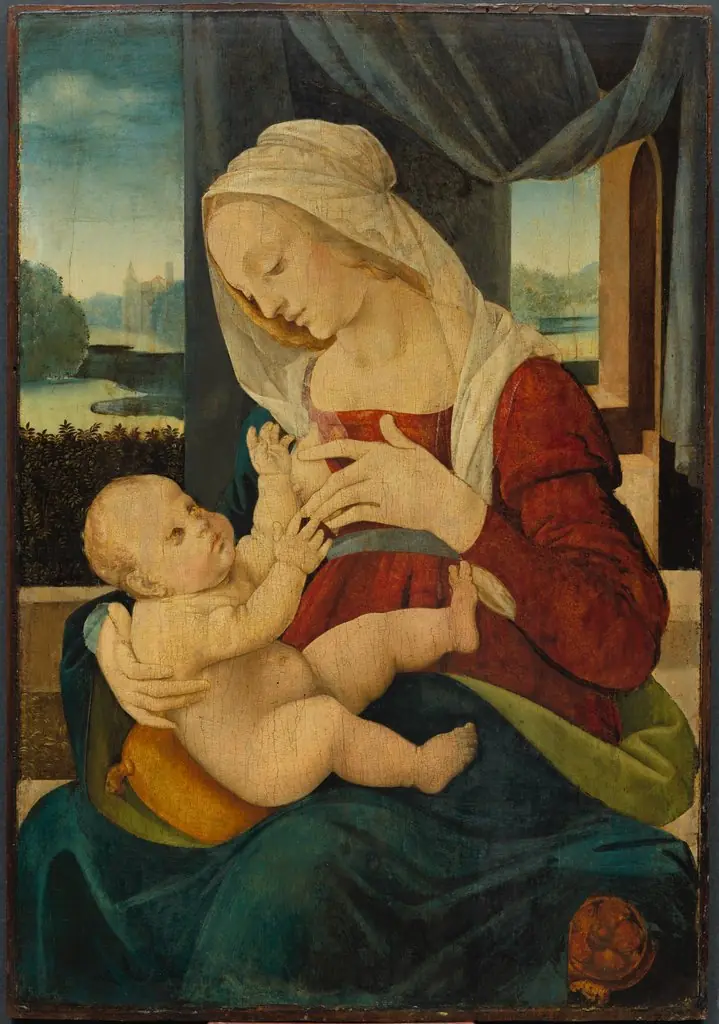
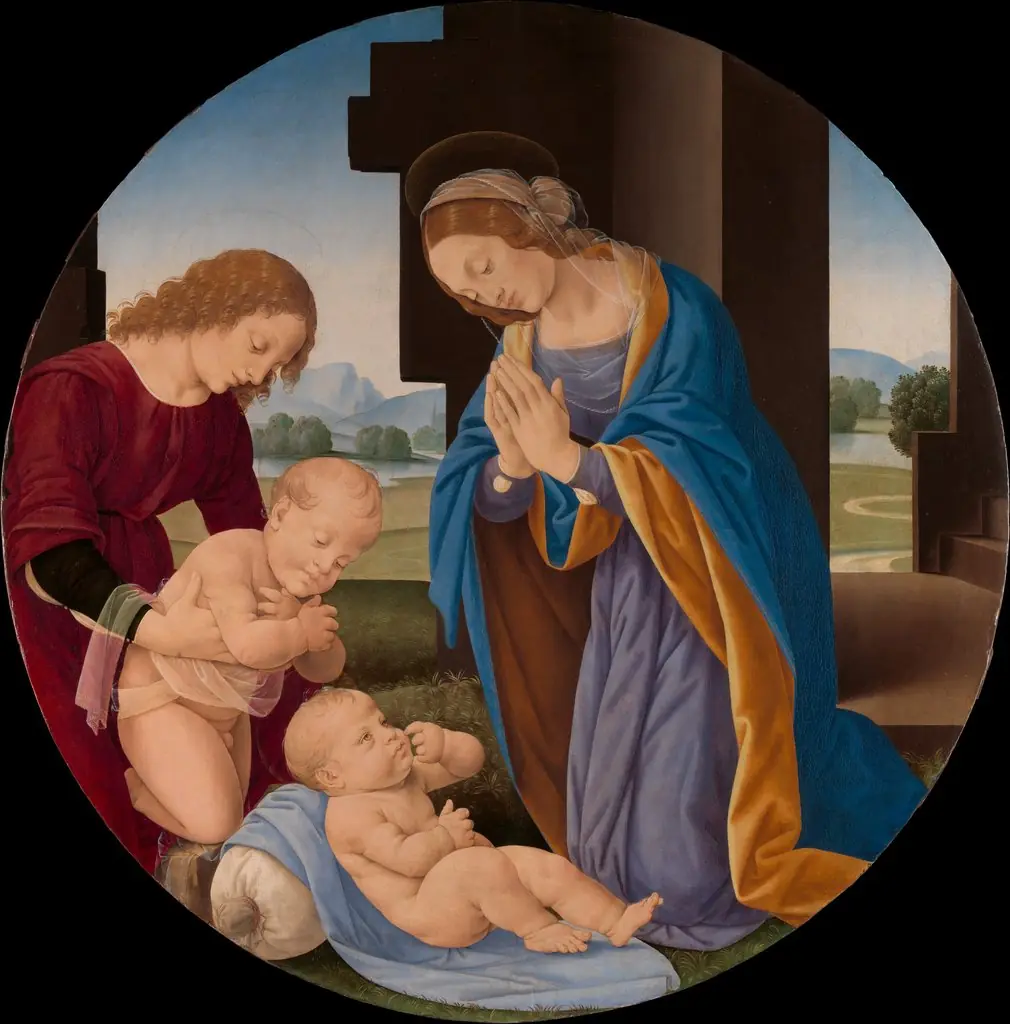
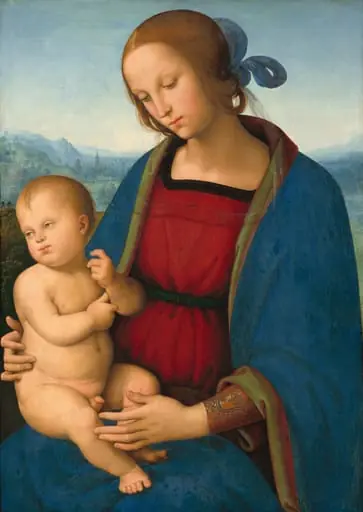
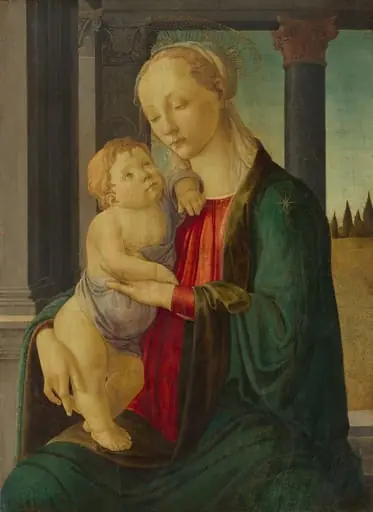
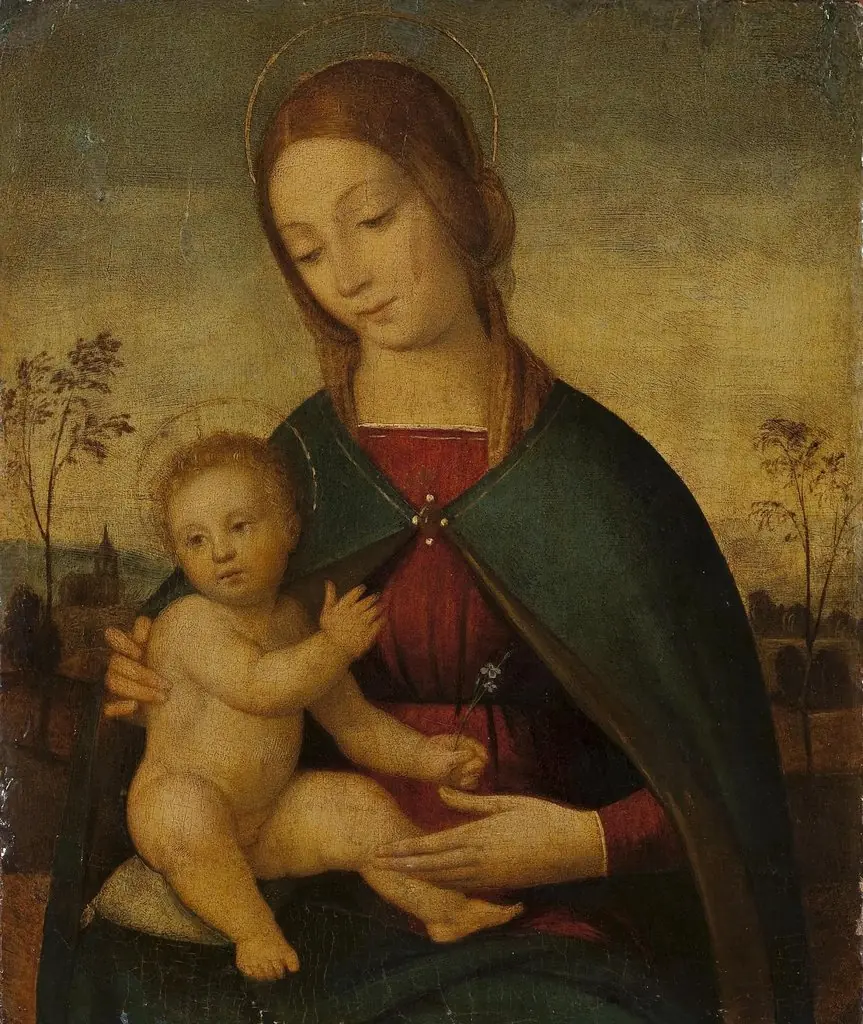
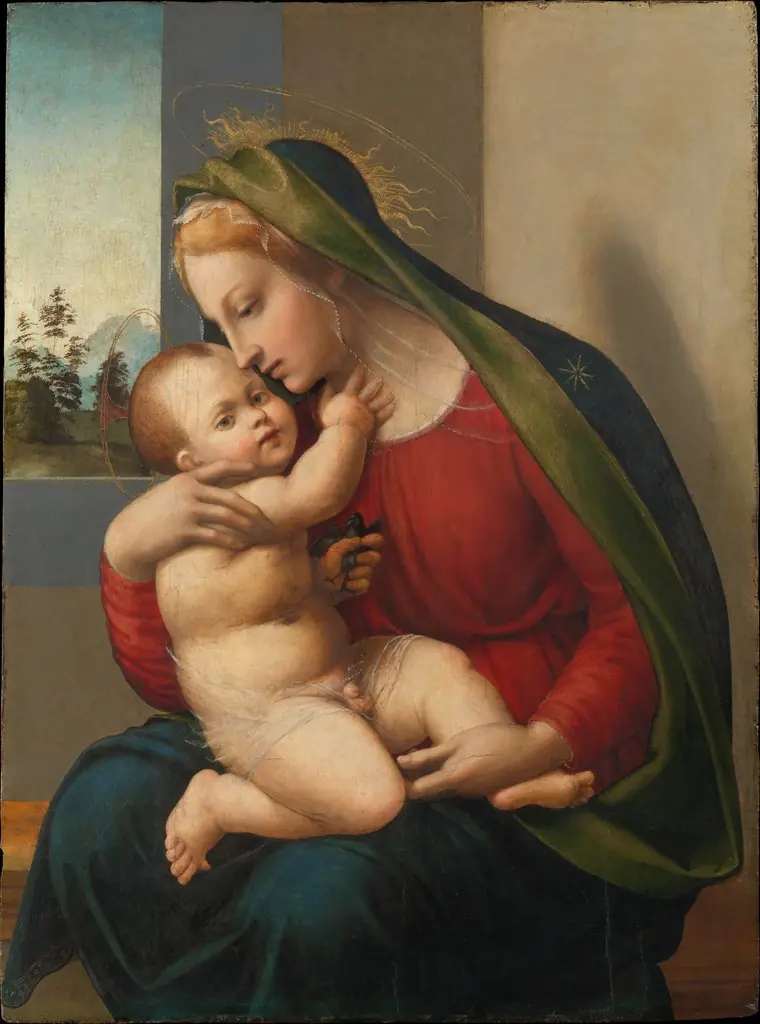
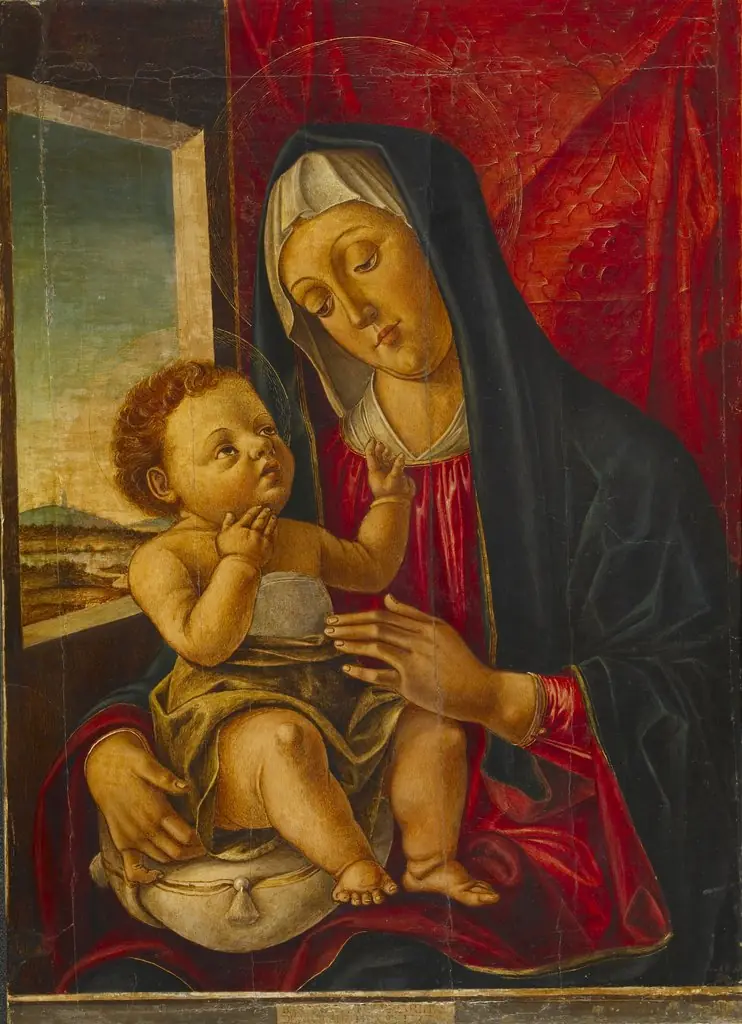
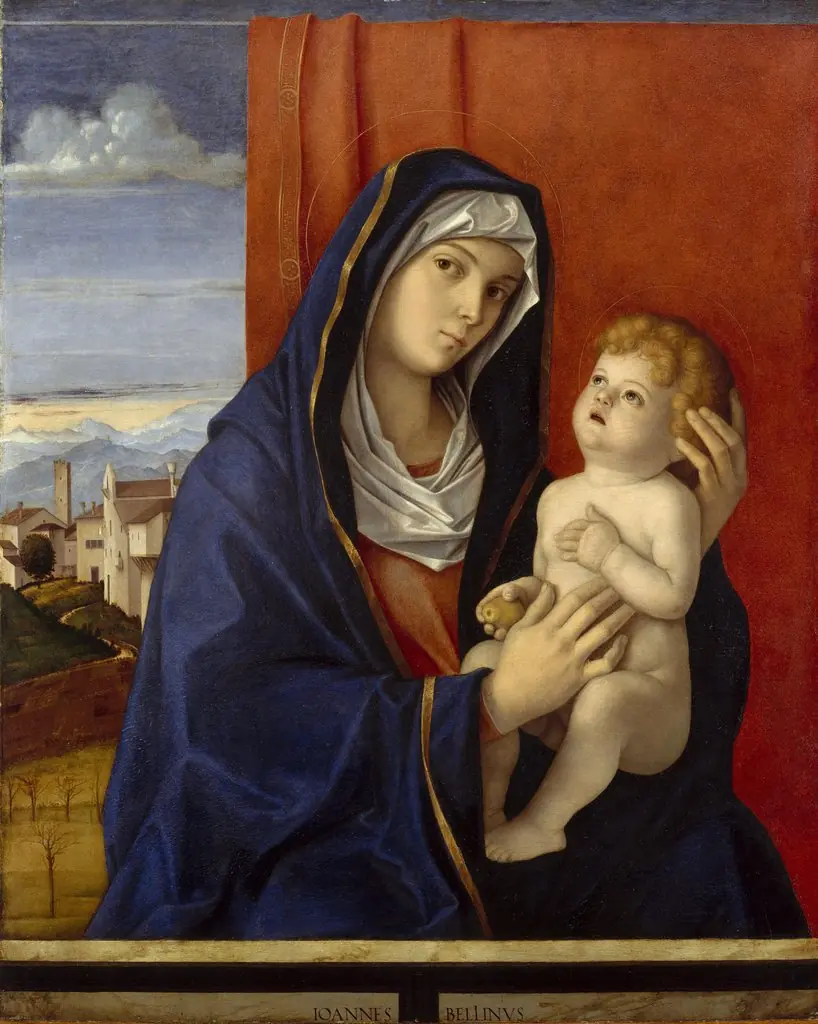
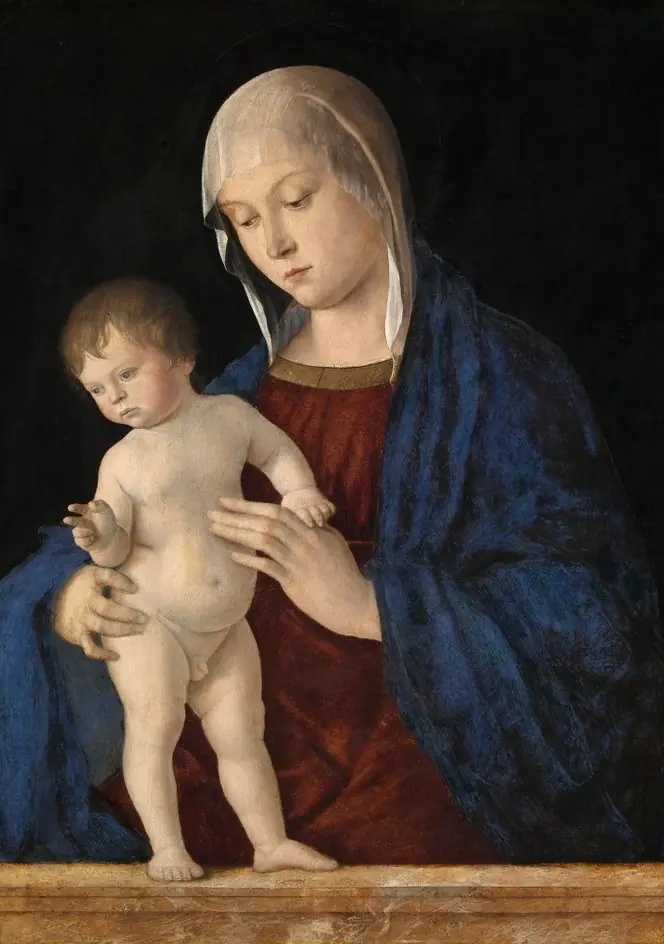
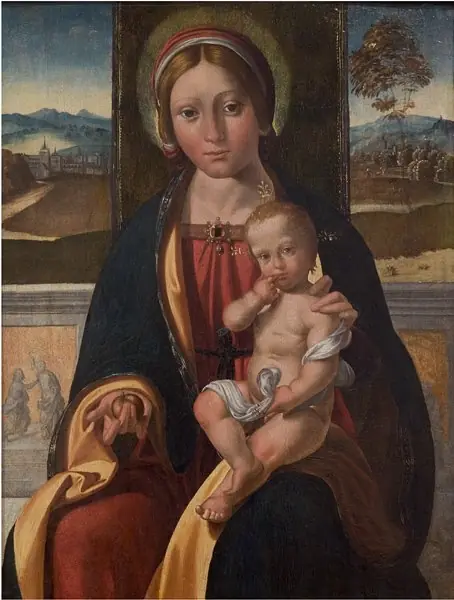
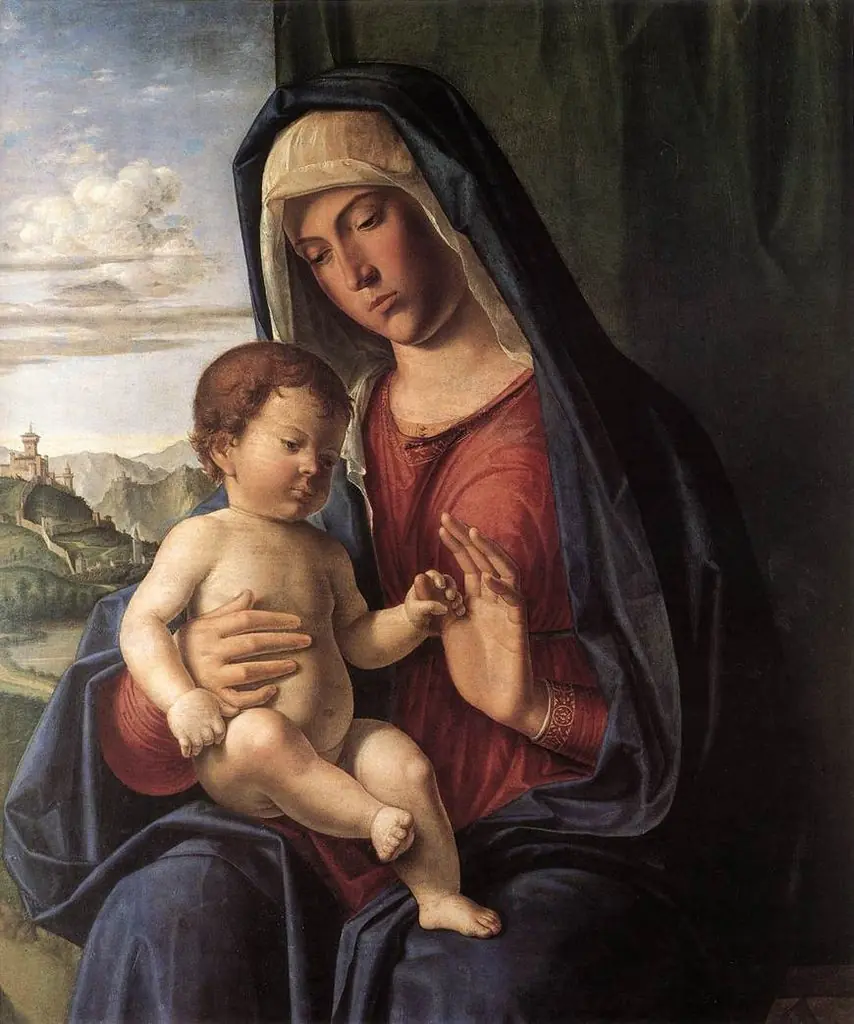
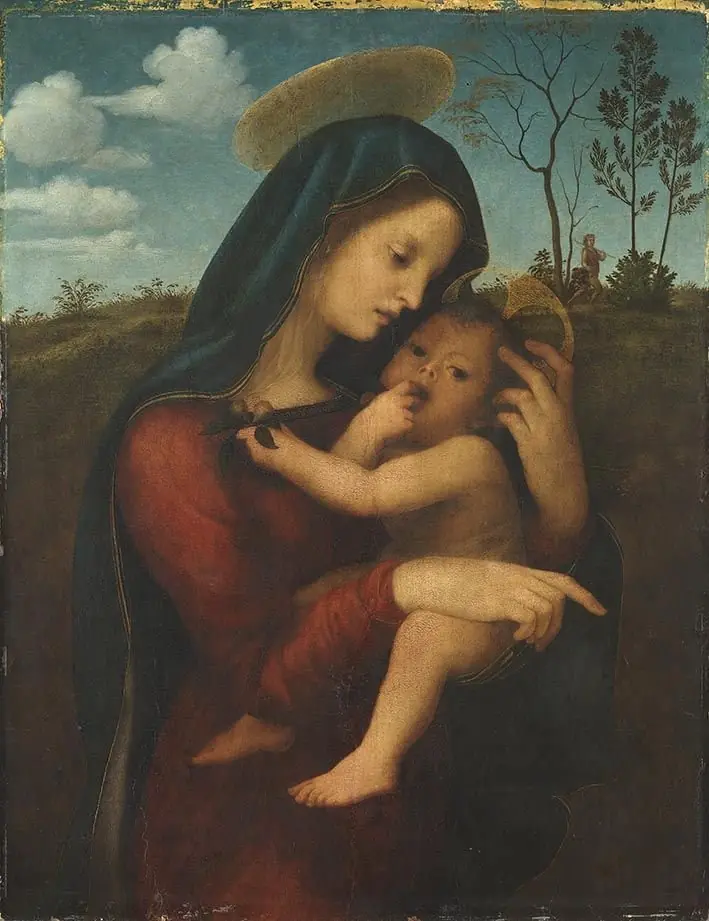
Madonna and Child is an oil painting by the High Renaissance artist Lorenzo di Credi. It dates from 1520 and is held in the collection of the Bavarian State Painting Collections.
About this work
Subject & Meaning
As its main subject, the Madonna and Child motif represents the maternal bond between Mary and the infant Jesus, a central theme in Christian iconography.
The artwork is a religious painting that portrays the Virgin Mary and the Christ Child. As its main subject, the Madonna and Child motif represents the maternal bond between Mary and the infant Jesus, a central theme in Christian iconography. The depiction focuses on the sacred relationship between mother and child, embodying themes of divine incarnation and redemption foundational to religious art of the period.
Technique & Style
The work is executed in oil paint on a poplar panel, a construction typical of early sixteenth-century devotional panels. Its formal composition presents the Virgin in a three-quarter view, cradling the infant Christ, with delicate chiaroscuro modeling that emphasizes the tender interaction between figures. The surface retains a smooth finish, though age-related craquelure is visible along the edges, suggesting careful handling over centuries.
The painting’s stylistic elements reflect the influence of High Renaissance balance and compositional harmony, while the restrained palette underscores its devotional function.
History & Provenance
The painting was commissioned by Maximilian I Joseph of Bavaria and entered the Bavarian State Painting Collections, now housed in the Alte Pinakothek in Munich. Executed in 1520 on a poplar panel using oil paint, it portrays the Virgin Mary with the Christ Child. The work measures 87.4 cm in height and 58.3 cm in width, reflecting the artistic conventions of the period.
Attribution to Lorenzo di Credi is based on stylistic analysis and documented holdings within the collection, establishing its creation history within the context of early 16th-century religious art.
Overview
Lorenzo di Credi, a Florentine artist active in the early sixteenth century, painted a Madonna and Child in oil around 1520. The work presents the Virgin Mary holding the infant Christ, set against a muted landscape that recedes into a soft, atmospheric light. It is part of the collection of the Alte Pinakothek in Munich.
Context
The early sixteenth century in Florence saw a flourishing of religious imagery that combined humanist naturalism with devotional intent. Di Credi’s Madonna and Child aligns with this trend, echoing the influence of his contemporaries while retaining a personal restraint that distinguishes his approach from the more dramatic gestures of his peers.
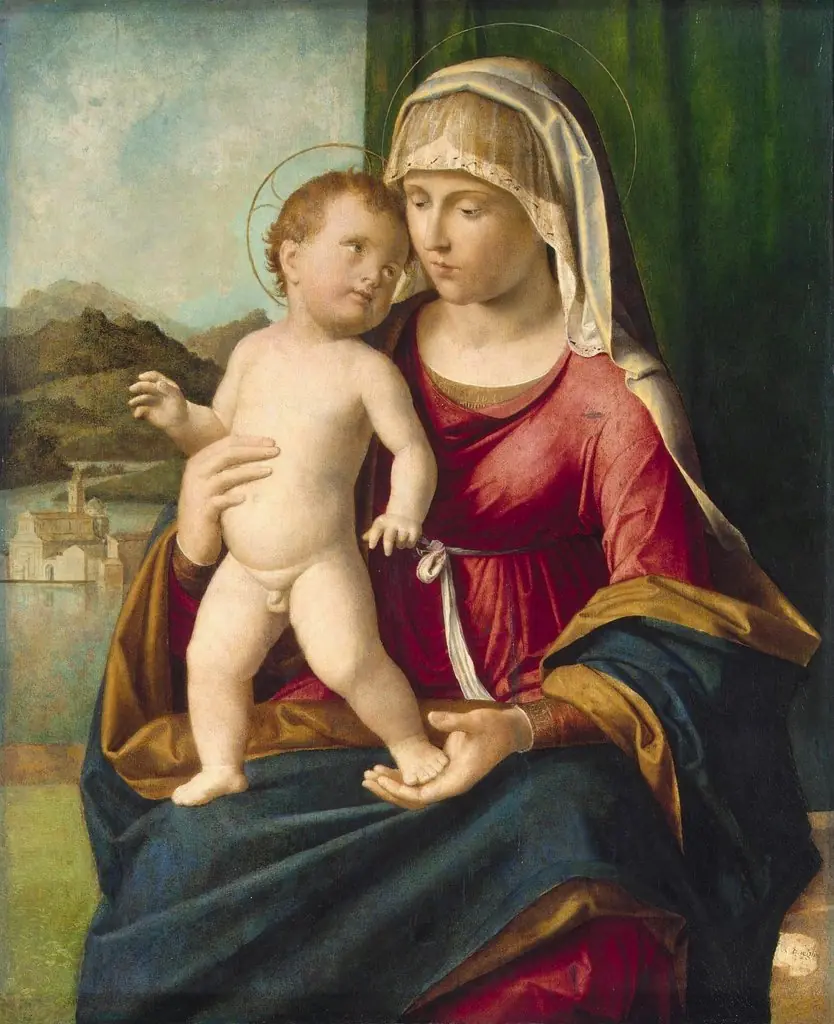
Artist & collection

Artist
Lorenzo di Credi (1456/59 – January 12, 1537) was an Italian Renaissance painter and sculptor best known for his paintings of religious subjects, and portraits.