Artwork
De suikerfabriek Kemanglen bij Tegal op Java
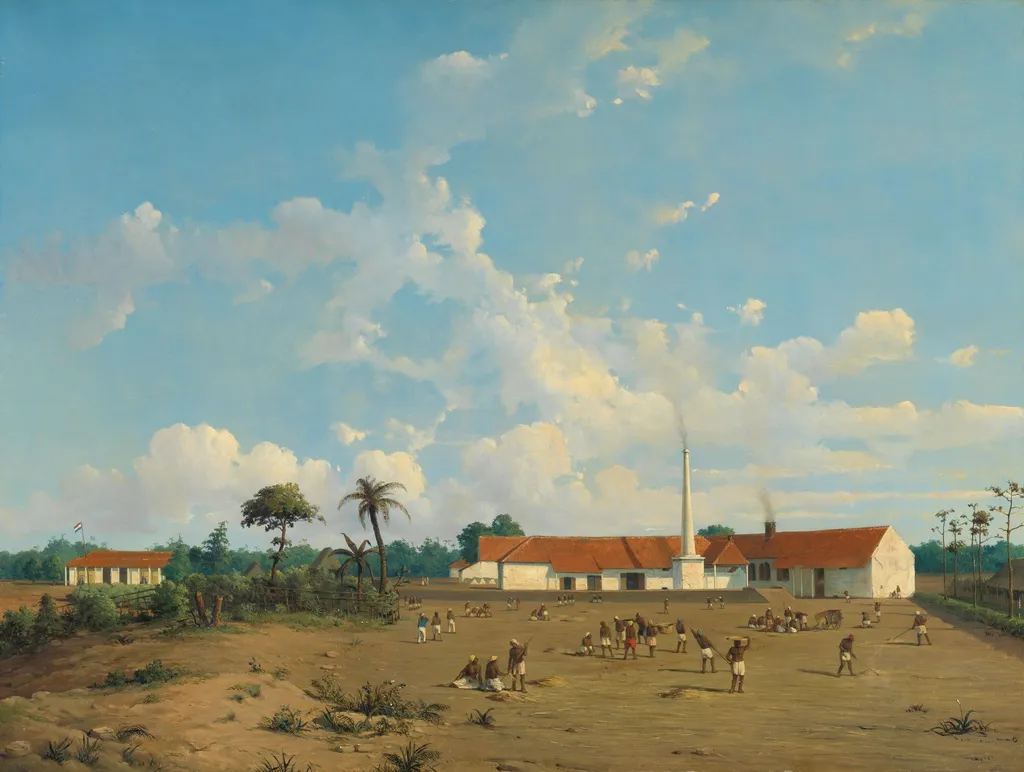
De suikerfabriek Kemanglen bij Tegal op Java is an unspecified painting by the Impressionist artist Ab Salm. It dates from 1872 and is held in the collection of the Rijksmuseum. The canvas depicts a towering sugar refinery on the island of Java, its chimneys releasing plumes of smoke into the sky.
About this work
Overview
The canvas depicts a towering sugar refinery on the island of Java, its chimneys releasing plumes of smoke into the sky. In the surrounding landscape, laborers tend to fields of cane while ox‑drawn carts transport the harvest toward the industrial complex. The composition presents a clear view of the plantation‑factory system that dominated the region in the early nineteenth century.
Subject & Meaning
The work illustrates the forced cultivation system imposed by the colonial administration, which required Javanese peasants to allocate a portion of their rice paddies to sugar cane. The image conveys the stark contrast between the industrial output destined for European markets and the intensified labor and reduced subsistence faced by the local population.
Technique & Style
Executed in a realistic manner, the painting employs a balanced arrangement of architectural and agrarian elements, using muted earth tones to render the factory’s brickwork and the surrounding fields. Fine brushwork delineates the smoke and the movement of workers, while the overall perspective offers a panoramic view that emphasizes the scale of the enterprise.
History & Provenance
The artist’s identity remains unknown, as the work bears no signature. Created during the period when the Cultivation System was active, the painting likely served as a documentary record of colonial economic activity. Its provenance traces back to collections of Dutch colonial art, and it is now held by a national museum in the Netherlands.
Context
Implemented in 1830, the Cultivation System mandated that a fifth of each Javanese farmer’s land be devoted to cash crops such as sugar, with the output processed in factories like the one shown. Revenues from these enterprises were funneled to the Dutch treasury, while the indigenous workforce endured increased toil and diminished food security, reshaping the island’s agrarian landscape.
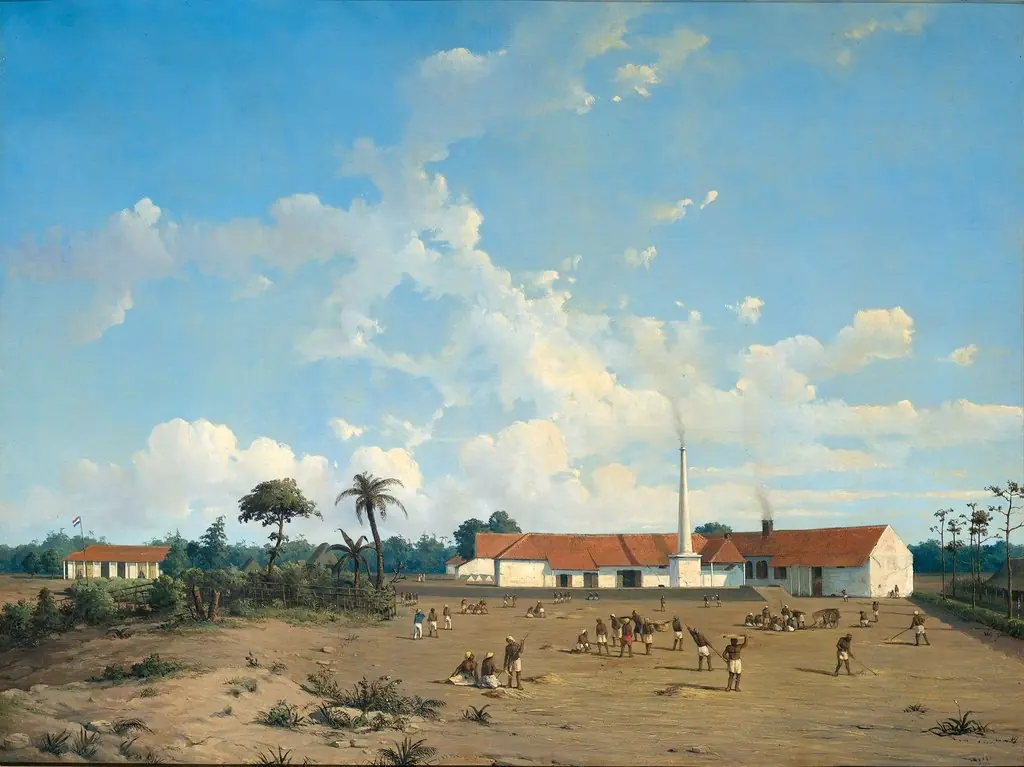
Own this work as a print
Artist & collection

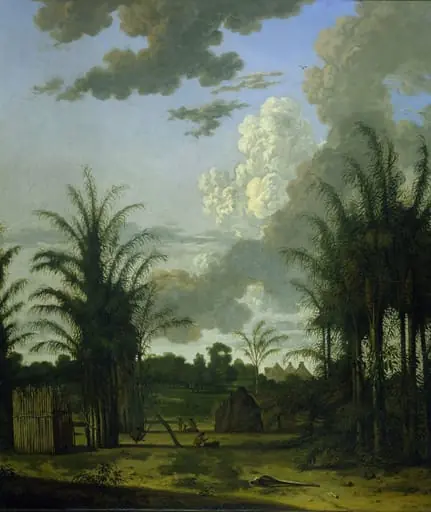 Plantage in Suriname
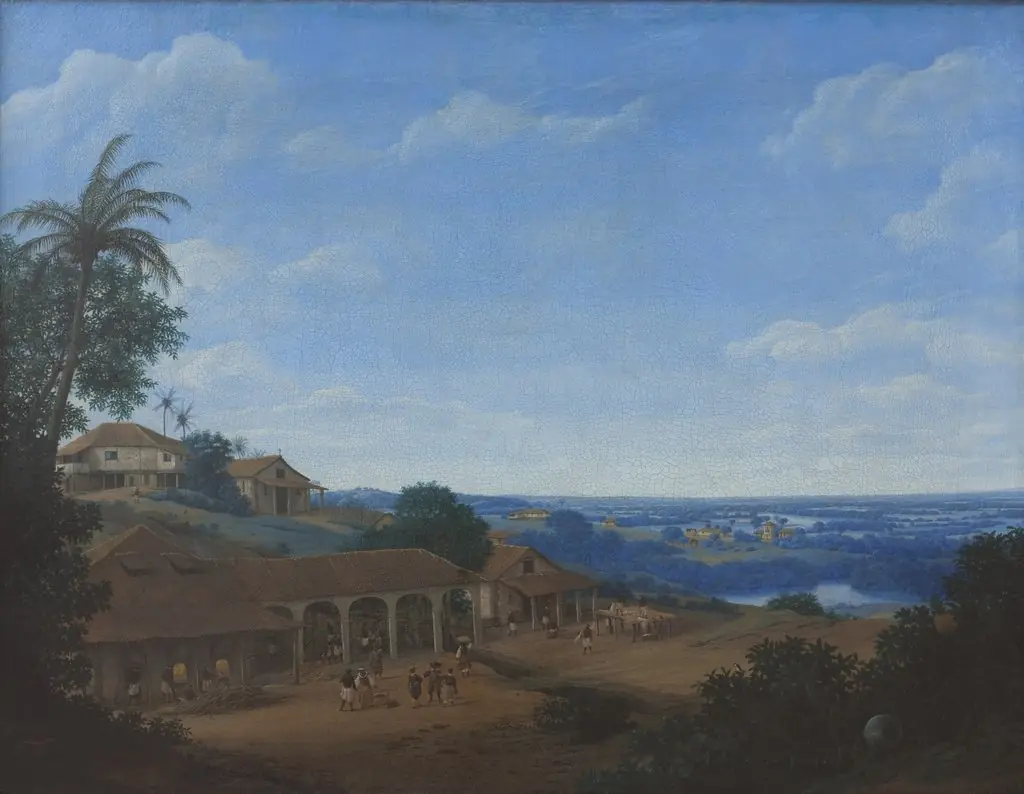 Landscape in Brazil with Sugar Plantation
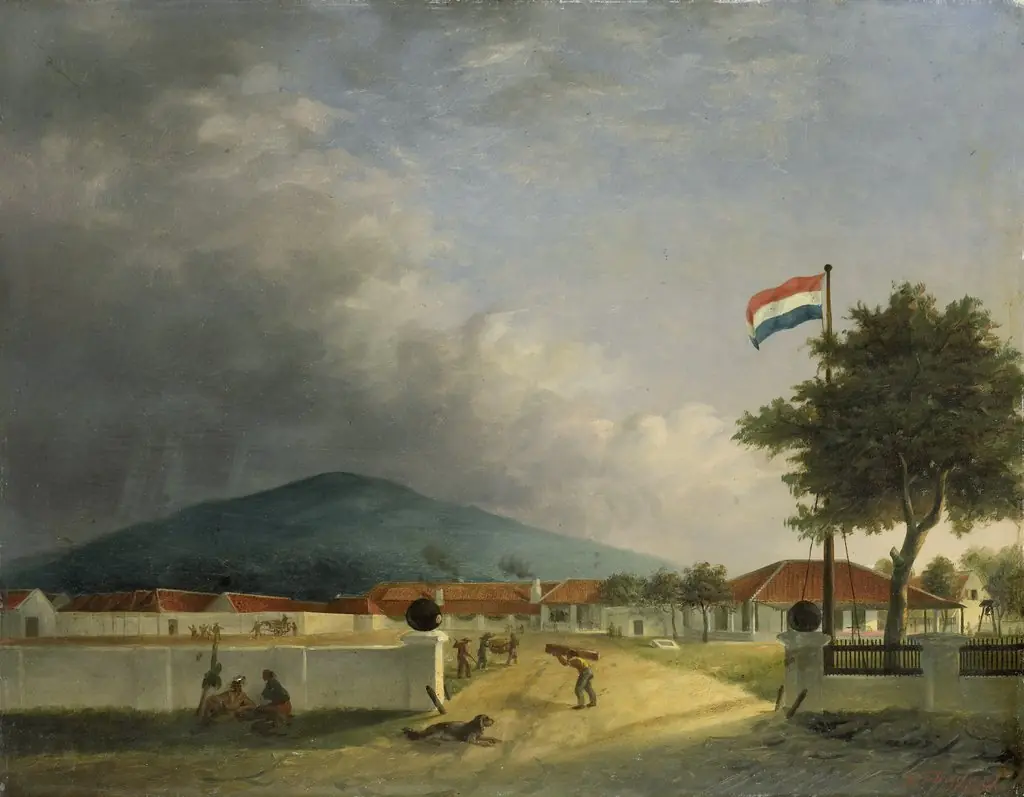 The Kedawong Sugar Mill near Pasuruan on Jawa
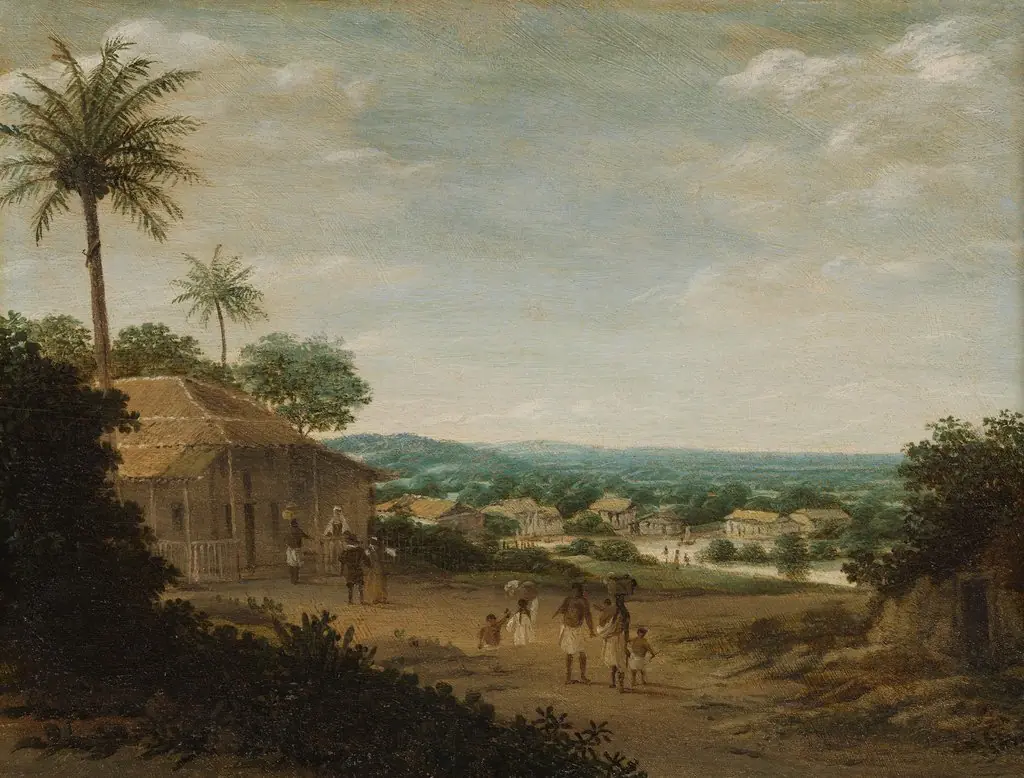 Brazilian Village
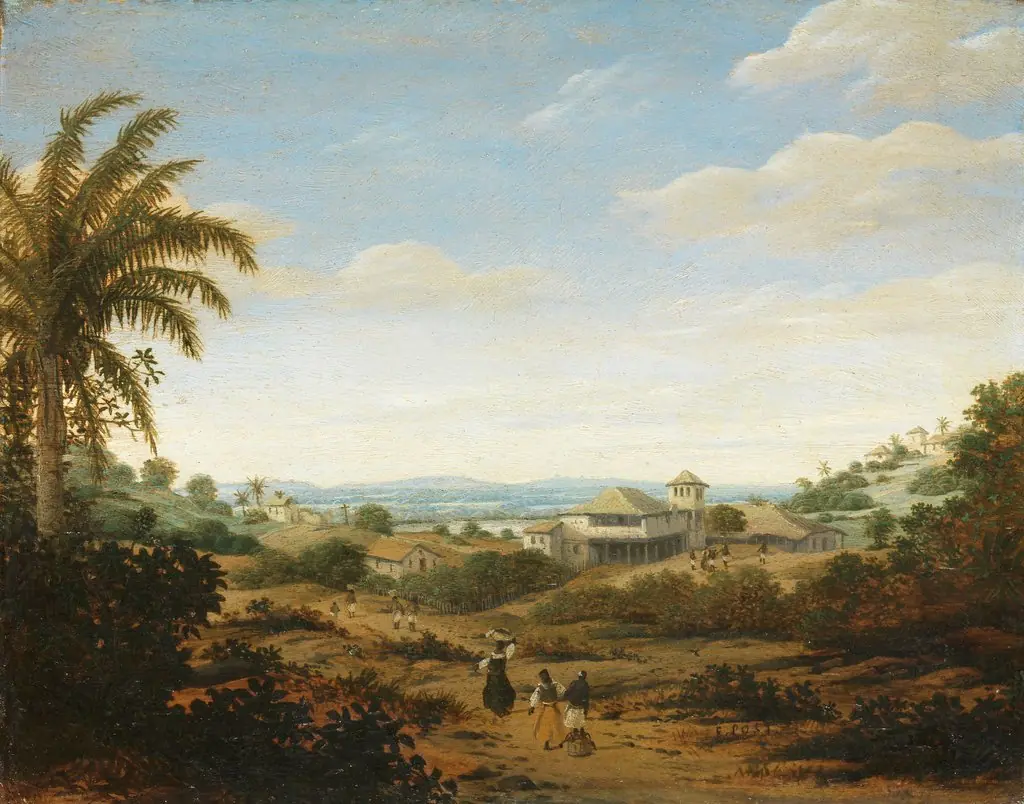 Landscape by the Rio Senhor de Engenho, Brazil
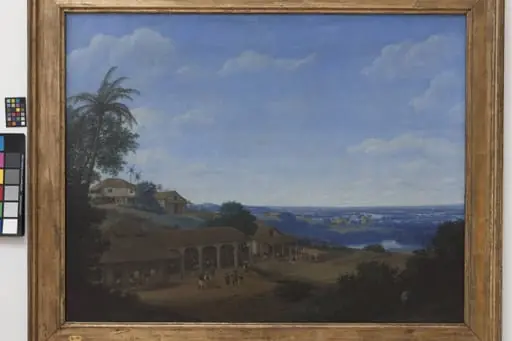 Landscape in Brazil with Sugar Plantation
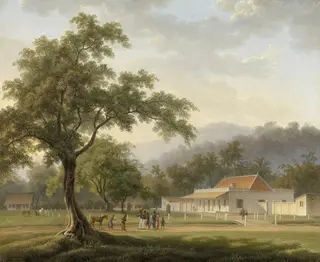 Gezicht op het huis van de assistent-resident te Banjoewangi (Oost-Java)
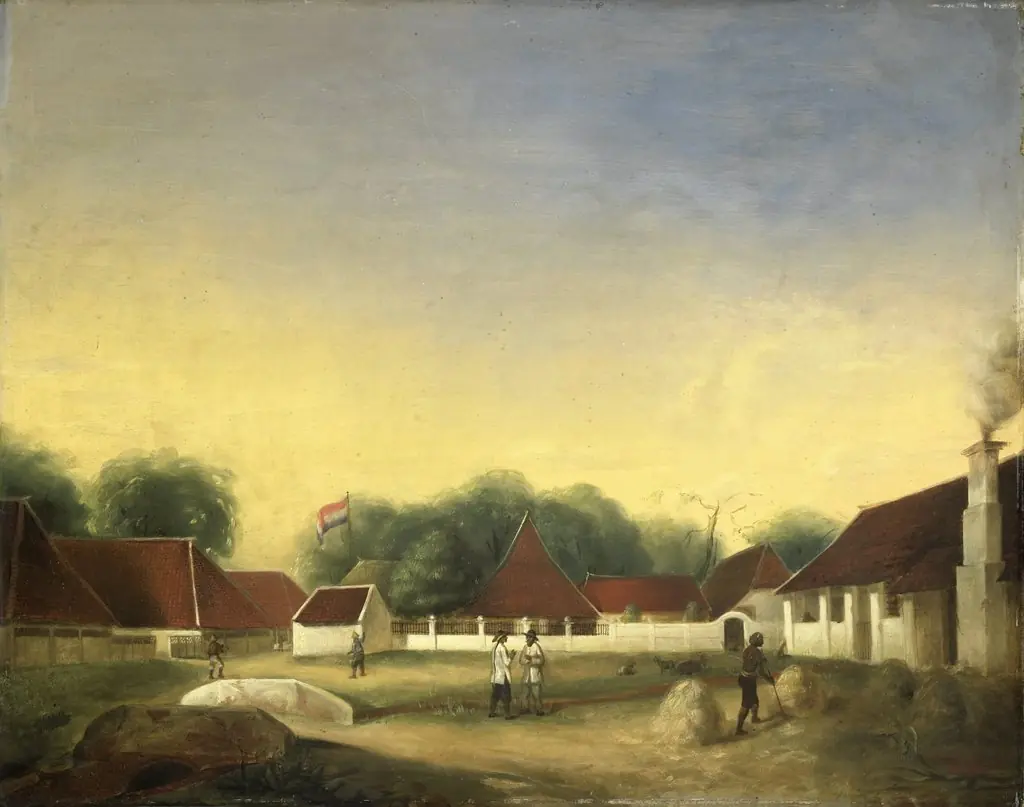 Sugar Mill on Jawa
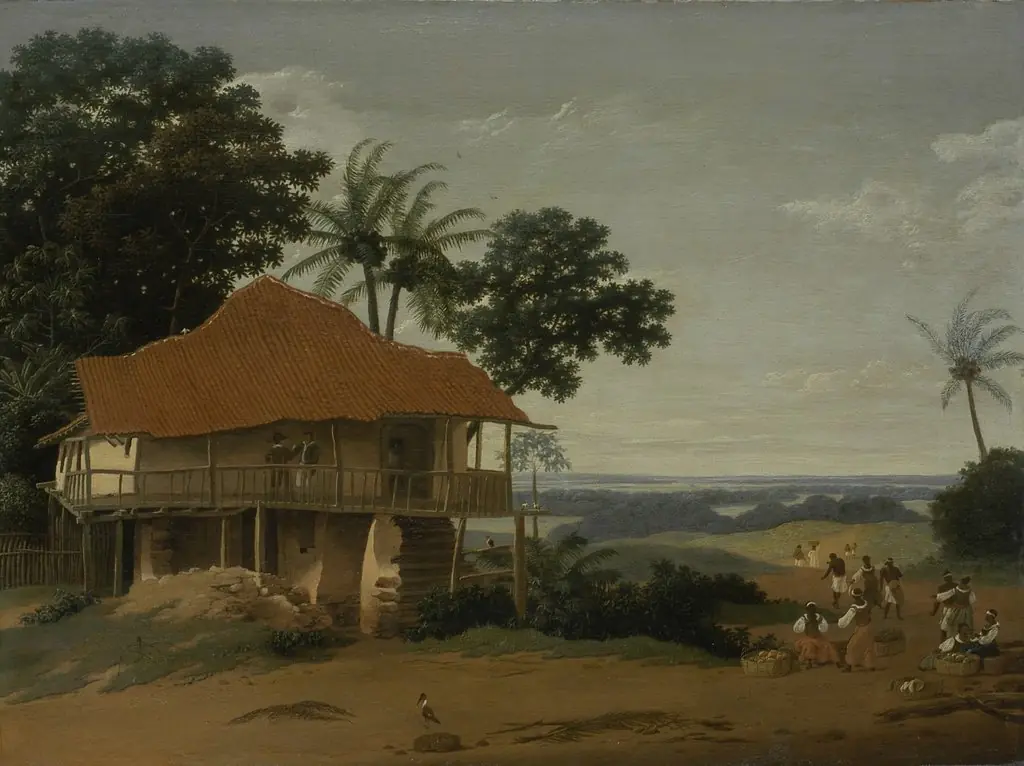 Brazilian Landscape with a Worker's House
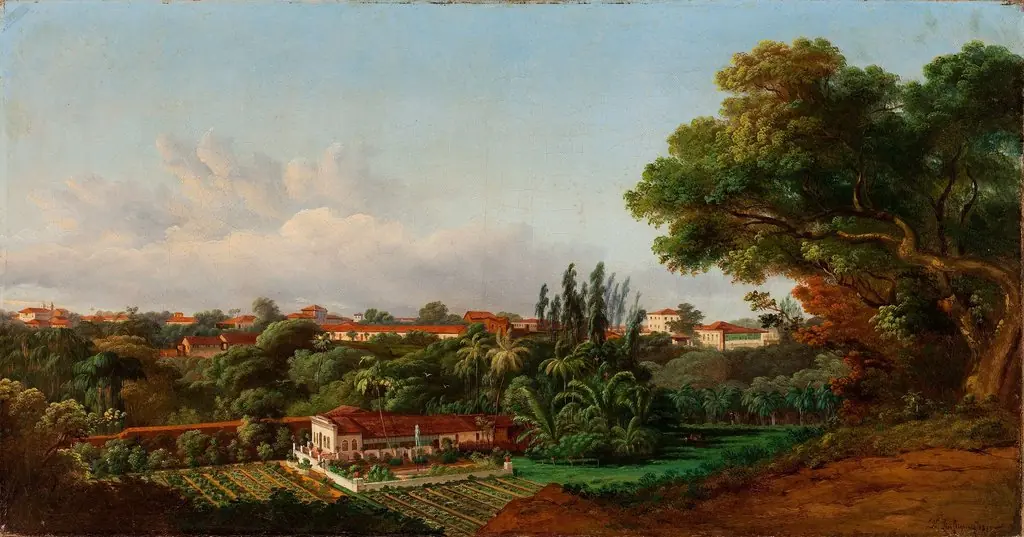 Sítio Sossego, São Luís, Maranhão (atribuído)