Artwork
Christ and the Centurion
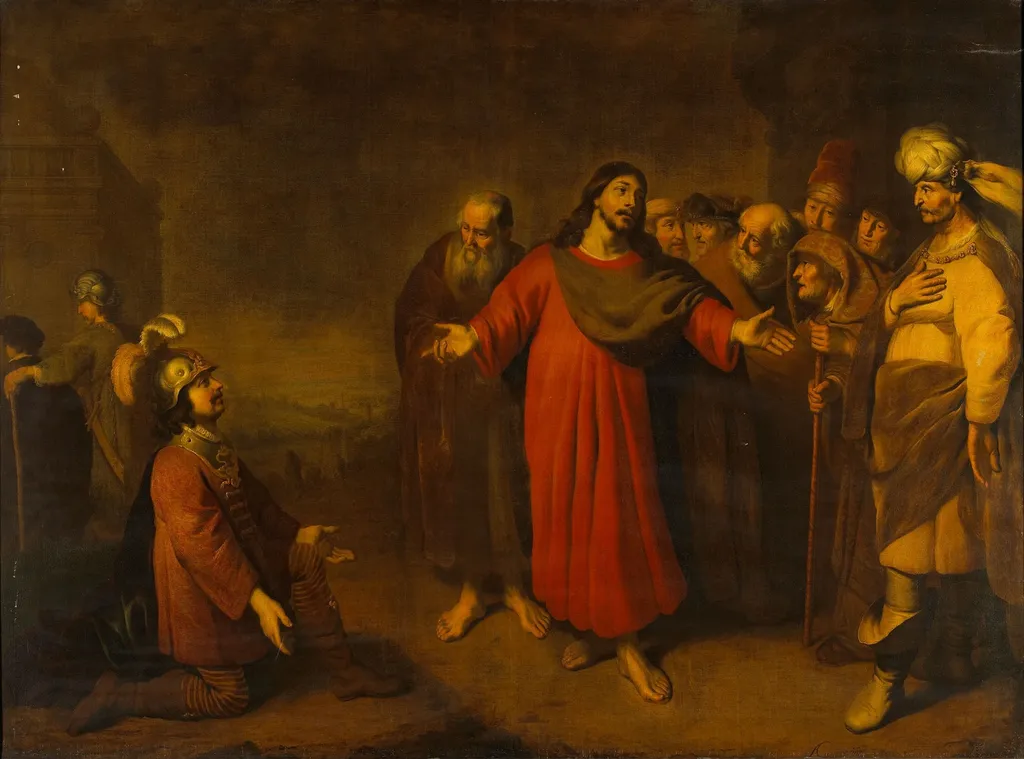
Christ and the Centurion is an oil painting by the Flemish Baroque painting artist Adam Camerarius. It dates from 1650 and is held in the collection of the Rijksmuseum.
About this work
Technique & Style
The handling is consistent with mid-seventeenth-century Dutch painting, employing smooth, controlled brushwork to render figures and architecture with clarity.
Executed in oil paint on canvas in 1650, the work measures 172.5 cm in height and 226.5 cm in width. The handling is consistent with mid-seventeenth-century Dutch painting, employing smooth, controlled brushwork to render figures and architecture with clarity. Stylistic qualities include a restrained palette dominated by earth tones, with subtle shifts in light and shadow to articulate volume and space.
The composition centers on a dramatic moment in which Christ addresses the centurion, with architectural elements framing the scene to focus attention on the exchange.
History & Provenance
The painting Christ and the Centurion was created by Adam Camerarius in 1650. Executed in oil on canvas, the work measures 172.5 cm in height and 226.5 cm in width. It is currently held in the collection of the Rijksmuseum.
No specific details regarding the original commission, the chain of ownership prior to its arrival at the museum, or the specific circumstances of its creation are provided in the available records.
Overview
Christ and the Centurion is a painting executed in oil on canvas by Adam Camerarius around 1650. It is now part of the Rijksmuseum's collection.
Subject & Meaning
The painting depicts a scene where a centurion kneels before a central figure, likely Christ, who is dressed in a red robe. The centurion's gesture suggests supplication, while Christ appears calm and authoritative.
Own this work as a print
Artist & collection

- Tribute to Caesar
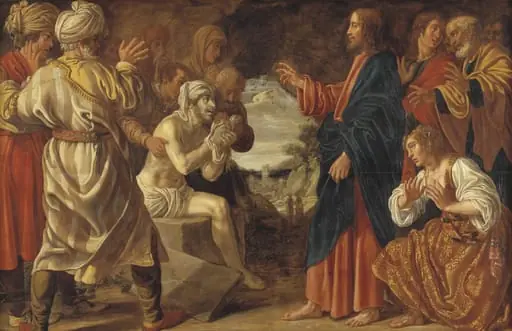 The Raising of Lazarus
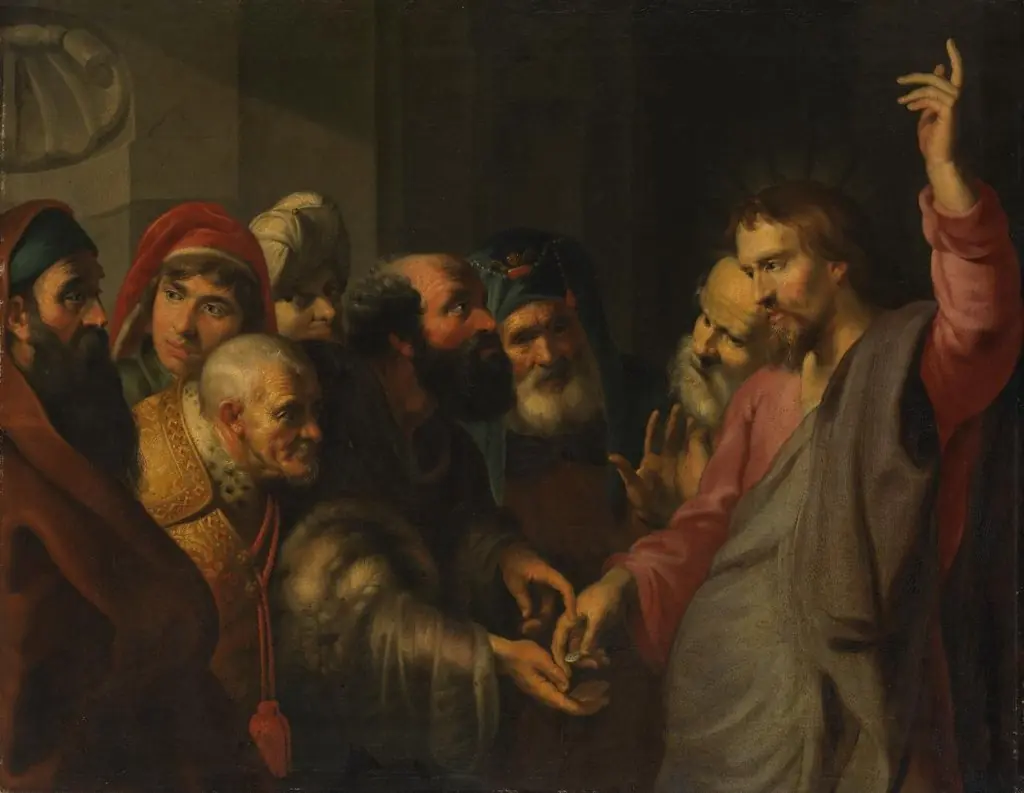 Der Zinsgroschen. Nach Peter Paul Rubens
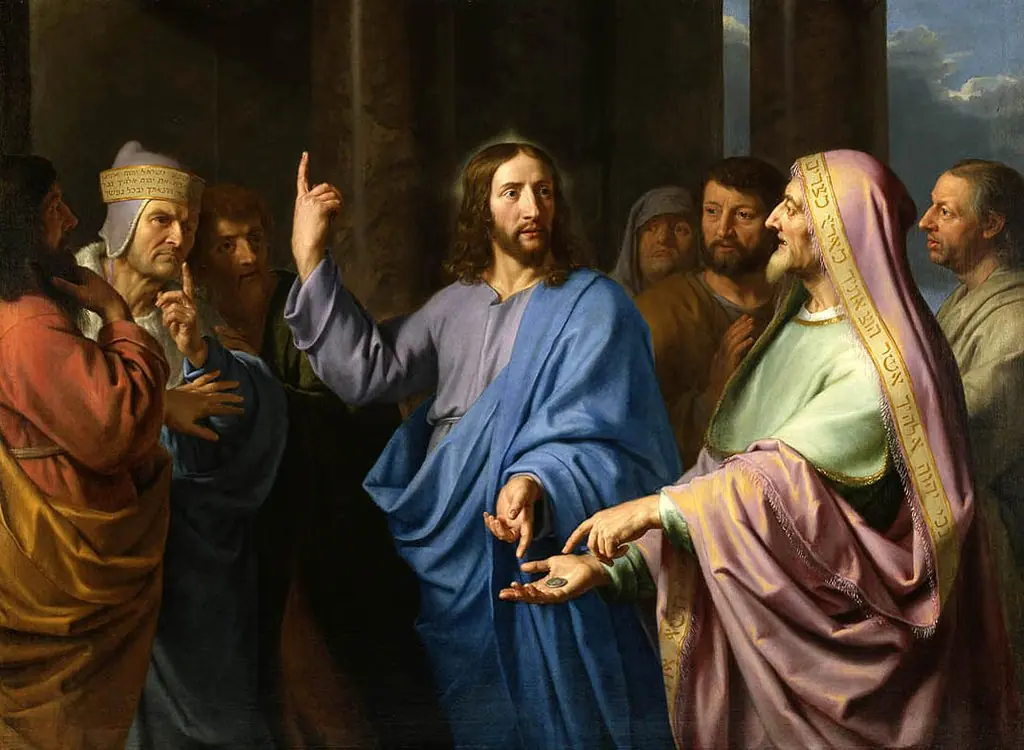 The Tribute Money
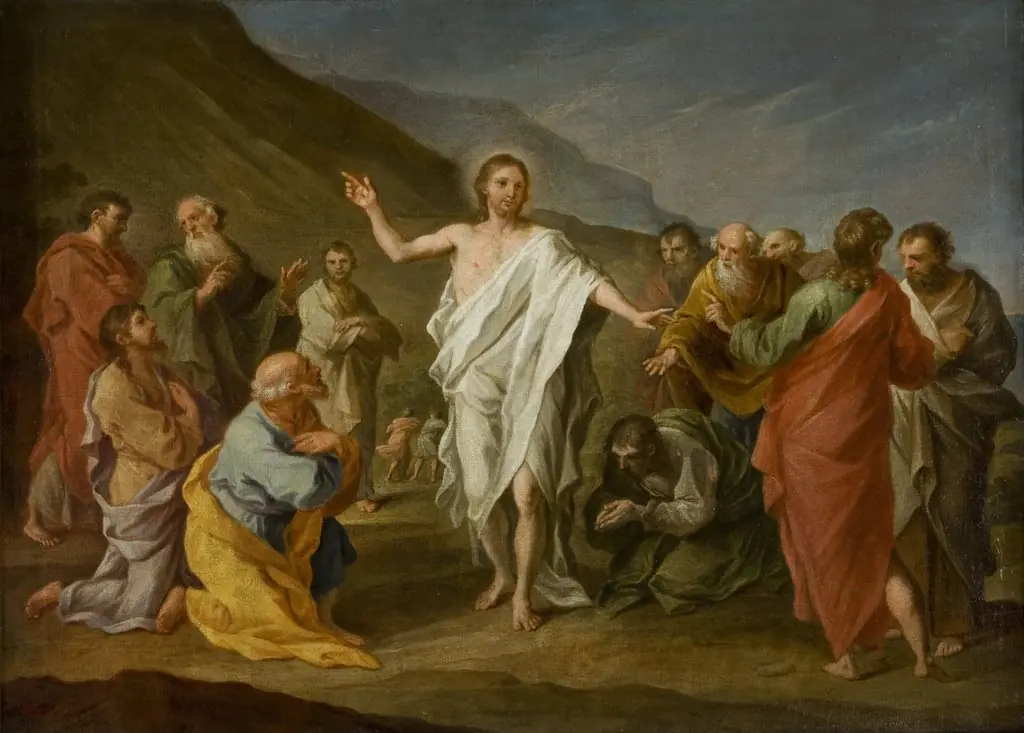 Christ Appearing to the Apostles after the Resurrection
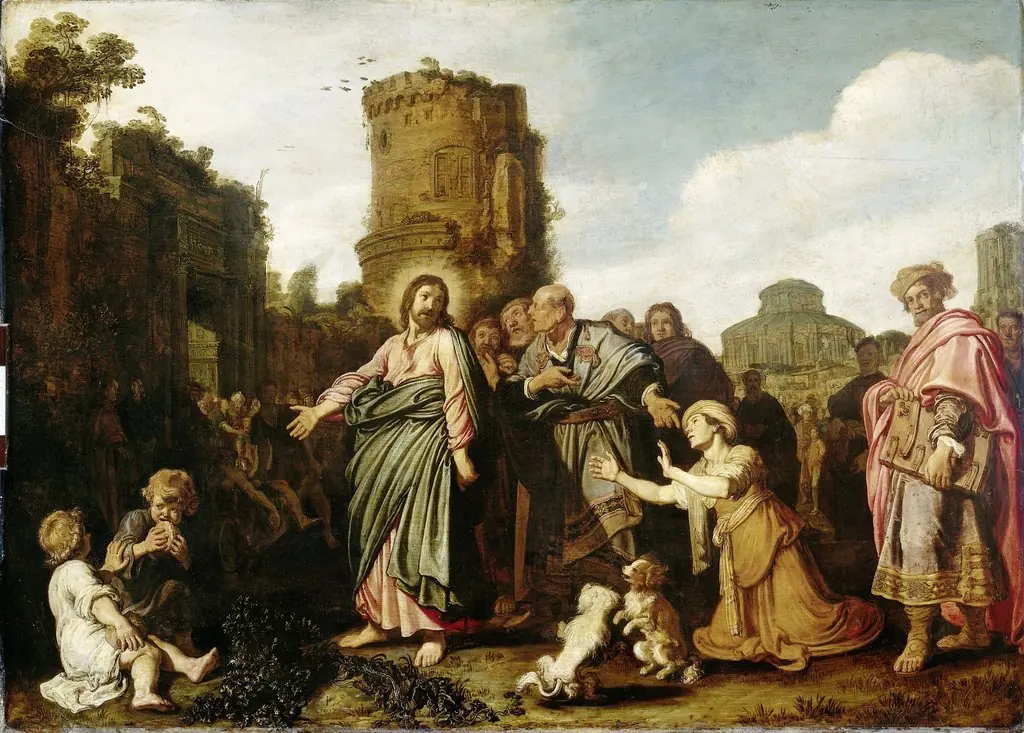 Christ and the woman of Canaan
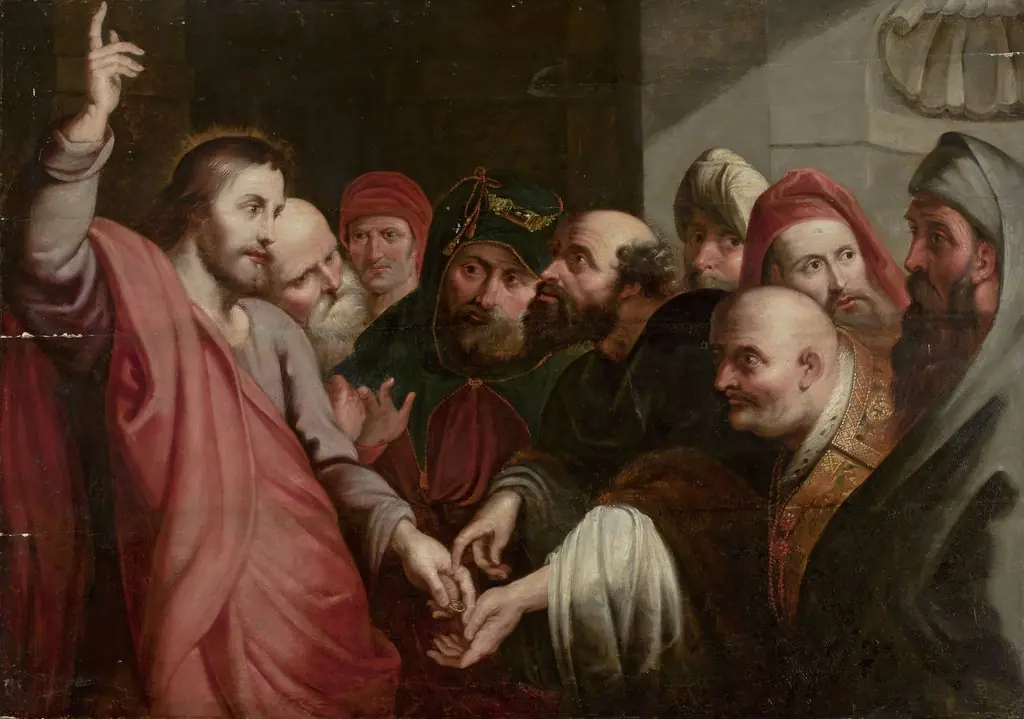 Tribute penny (Matthew 22:15–22; Mark 12:13–17; Luke 20:21–26)
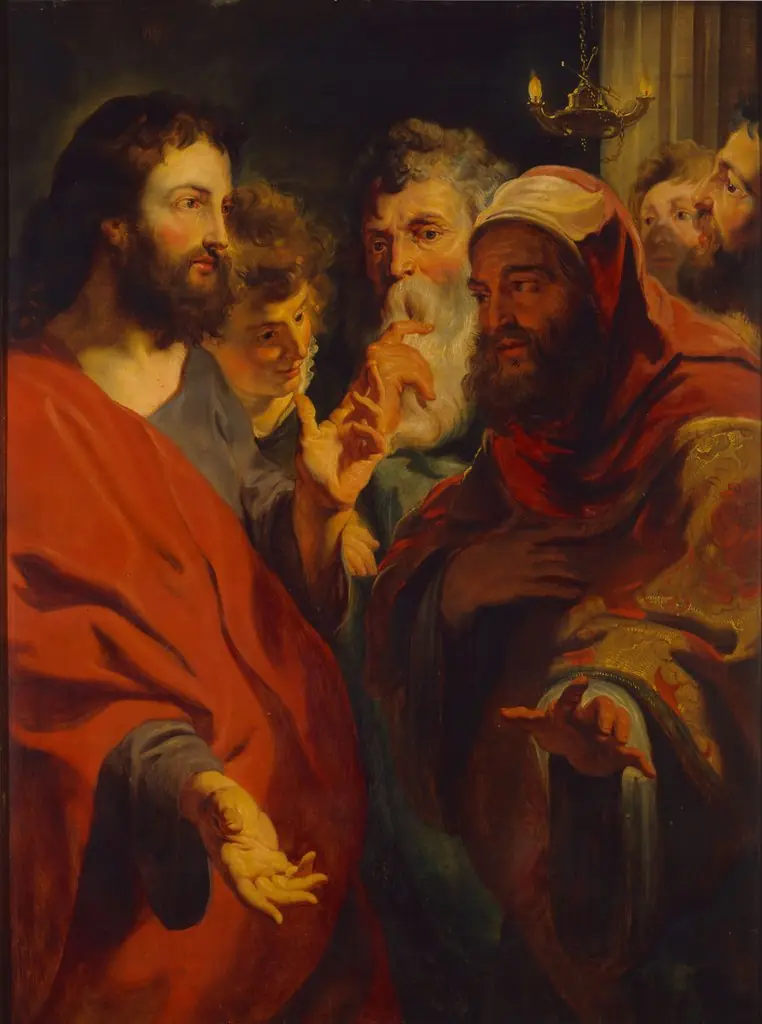 Christ instructing Nicodemus
 Christ and the Woman of Canaan
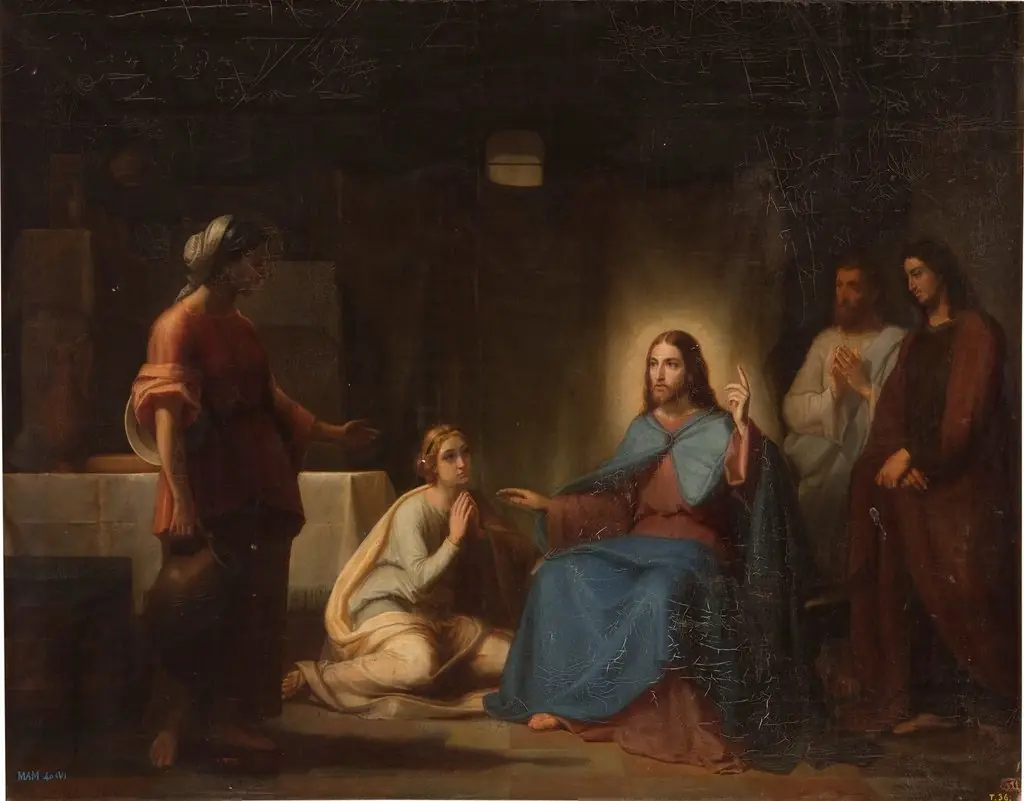 Jesús en casa de Marta y María
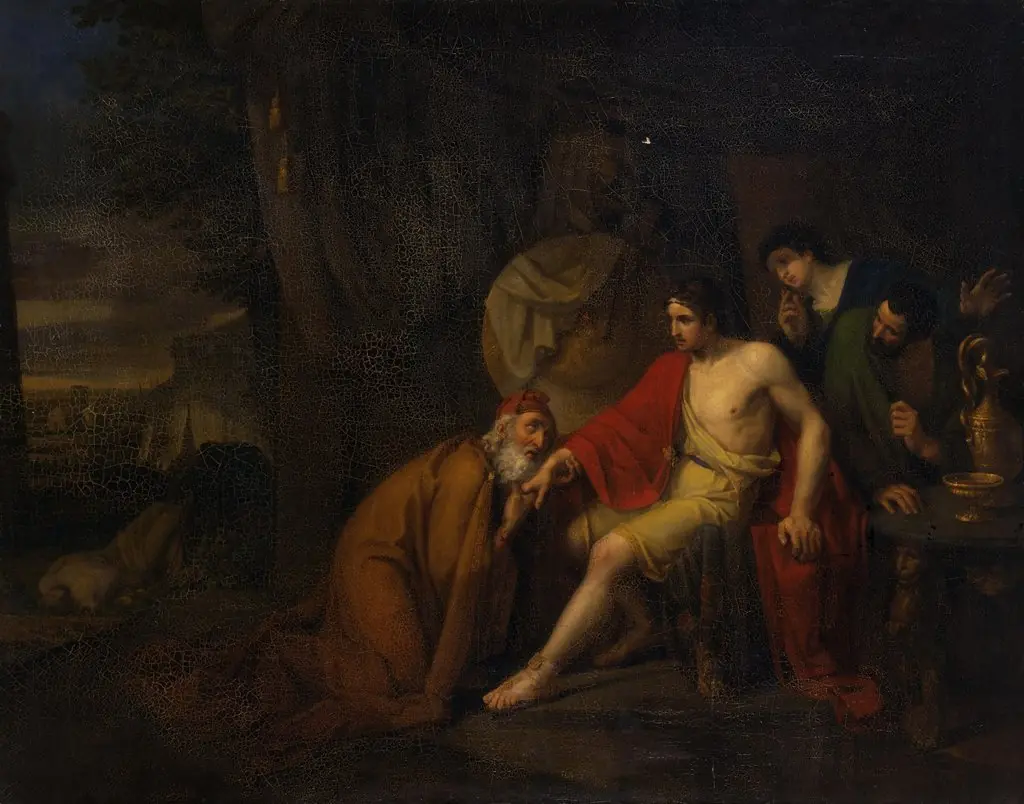 Priam Begging the Body of Hector from Achilles
 Jeesus herättää Lasaruksen, repliikki Turun Tuomiokirkon freskomaalauksesta