Subject
Jesus Christ
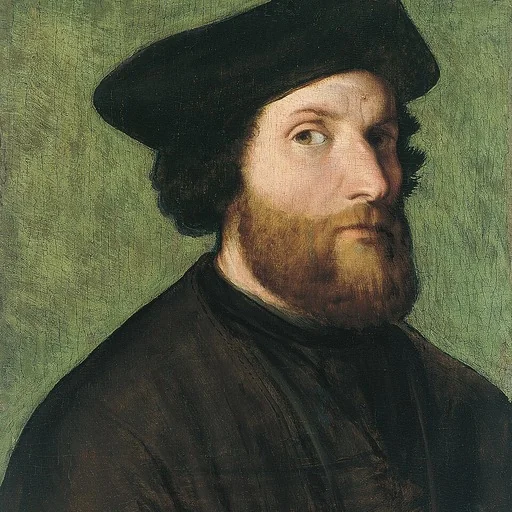
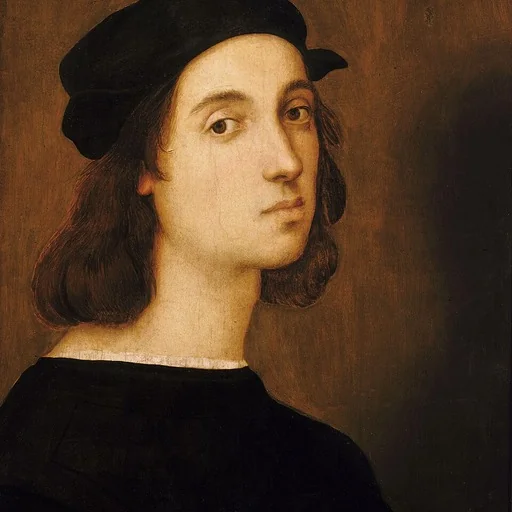
Jesus Christ is a subject in art. The gallery holds 200 works in this subject in art, including works by Titian, Paolo Veronese and Lorenzo Lotto.
Jesus Christ (c. 6–4 BC – AD 30 or 33), the central figure of Christianity, is the most frequently depicted subject in the history of Western art. Yet no contemporary likeness exists, and the earliest Christians, working as a persecuted minority within the Roman Empire, avoided literal portraiture altogether. The oldest surviving images, painted in the Roman catacombs of Domitilla, Priscilla, and Callixtus during the late second and third centuries, render Christ symbolically and most often as the youthful, beardless "Good Shepherd" carrying a lamb across his shoulders—a motif adapted from pagan figures of Hermes and Apollo. The now-familiar long-haired, bearded face, modelled on Greco-Roman images of philosophers and of Zeus or Serapis, emerged around AD 300 and crystallised in the Byzantine East by the sixth century, exemplified by the encaustic Christ Pantocrator at Saint Catherine's Monastery, Sinai (c. 548–565), the earliest surviving icon of Christ as "ruler of all."
Across the medieval and Renaissance centuries, artists organised the subject around the events of Christ's life: Nativity and Holy Family, ministry, Passion, Crucifixion, Lamentation and Pietà, Resurrection. Each demanded its own visual logic—tender intimacy in domestic scenes, anatomical gravity in the dead Christ, geometric clarity in narrative drama. Leonardo da Vinci's The Last Supper (1495–98) in Santa Maria delle Grazie, Milan, harnessed mathematical perspective so that every sightline converges on Christ, while Matthias Grünewald's Isenheim Altarpiece (c. 1512–16), painted for a hospital order, gave the crucified body plague-like sores so that the suffering could see their afflictions shared.
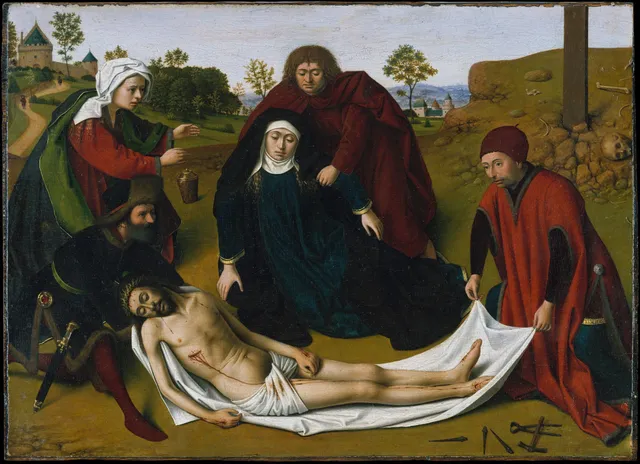
The canon of artists who shaped the image is vast. Petrus Christus and Filippino Lippi refined Netherlandish and Florentine devotional types—both represented here by a Lamentation and a Pietà respectively—while Pietro Perugino's serene Crucifixion with saints and Joos van Cleve's Holy Family exemplify the balanced piety of the High Renaissance. Caravaggio drove Baroque drama through extreme chiaroscuro; Diego Velázquez distilled the Crucifixion to a single luminous figure against darkness in his Christ Crucified (c. 1632), Spain's most famous religious painting.
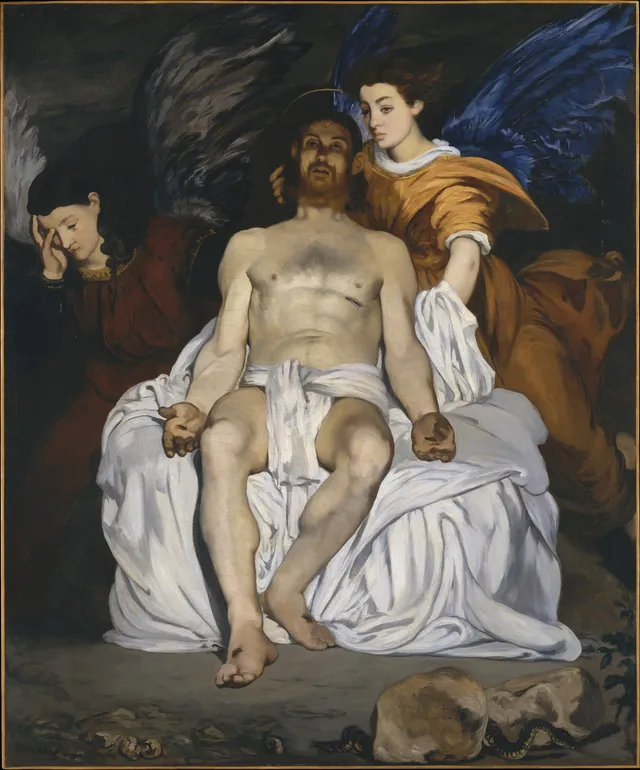
The theme never closed. Édouard Manet's The Dead Christ with Angels (1864) scandalised the Salon with its cadaverous realism and deliberate departures from scripture, signalling how modern artists would secularise and interrogate the figure. From catacomb symbol to imperial icon, devotional altarpiece to modernist provocation, the image of Christ has remained Western art's most enduring and adaptable subject.
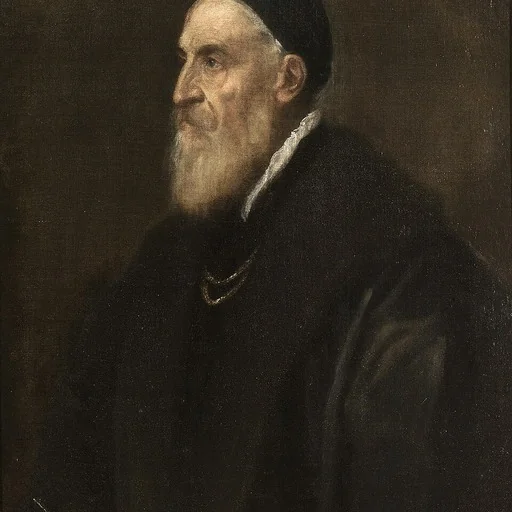
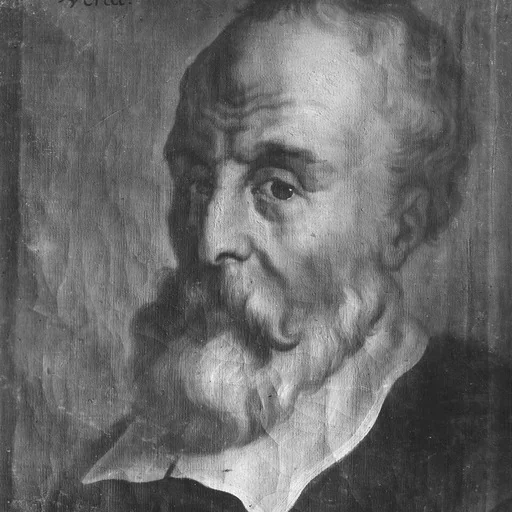
Key artists
Works
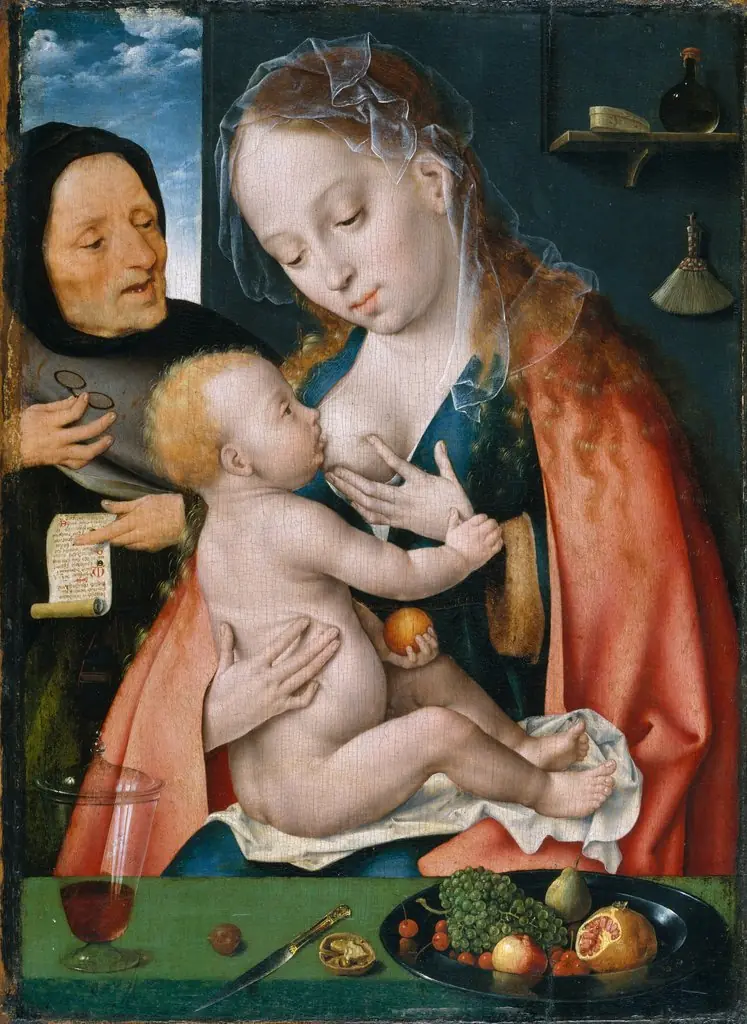 The Holy Family
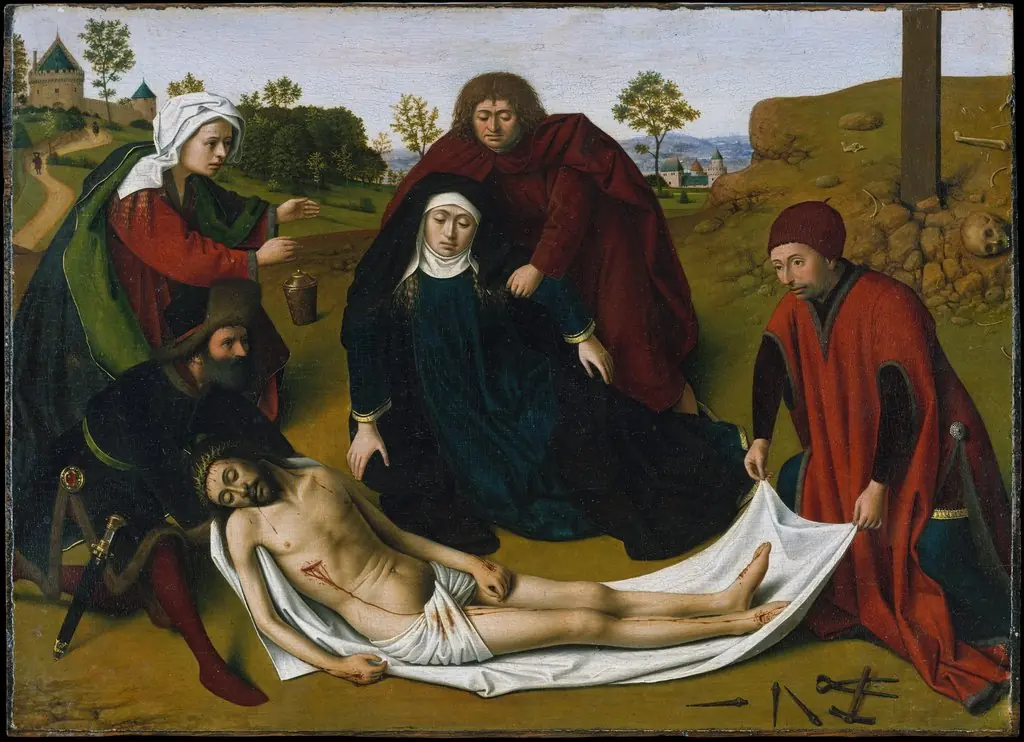 The Lamentation
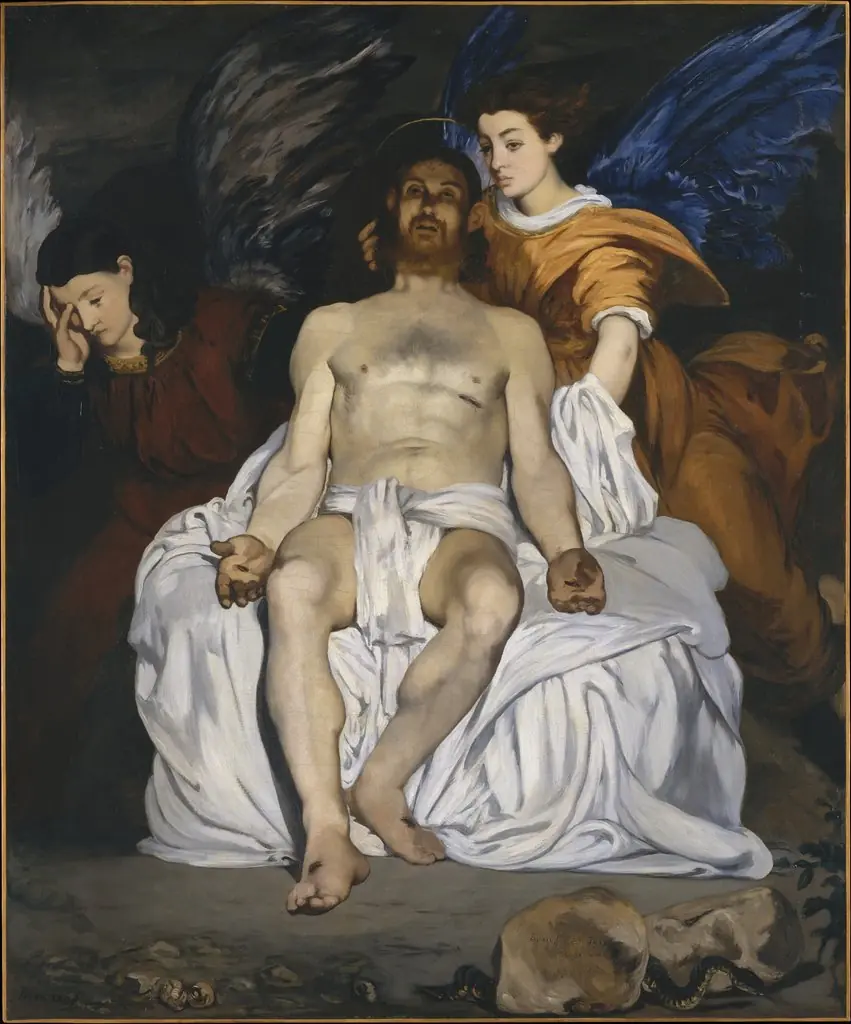 The Dead Christ with Angels
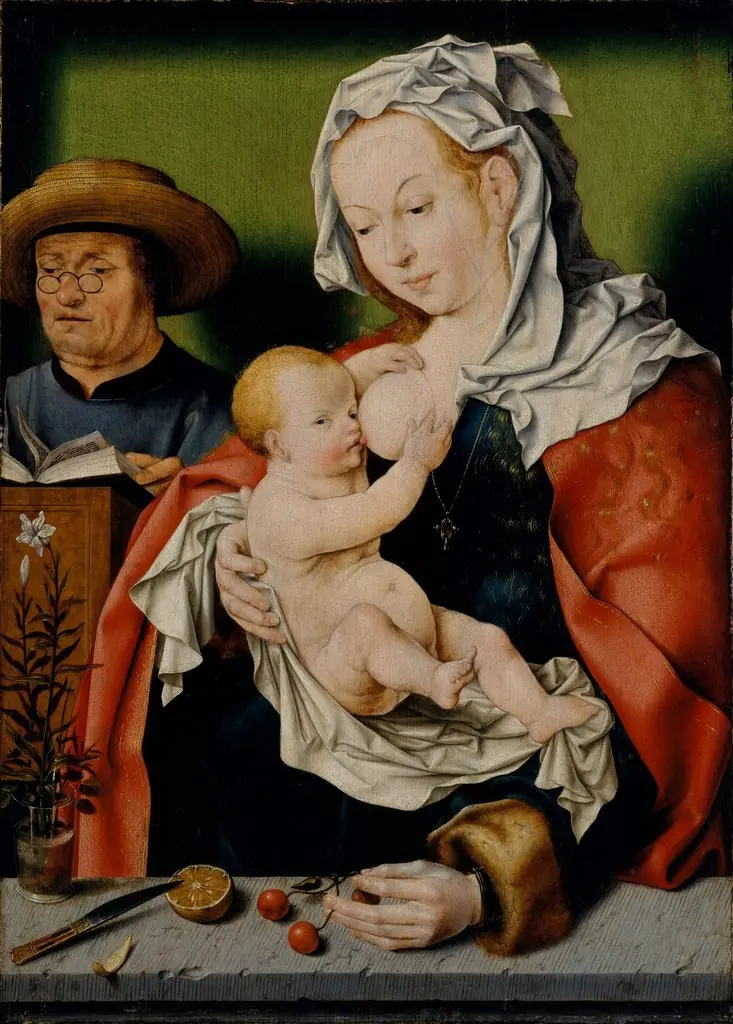 The Holy Family
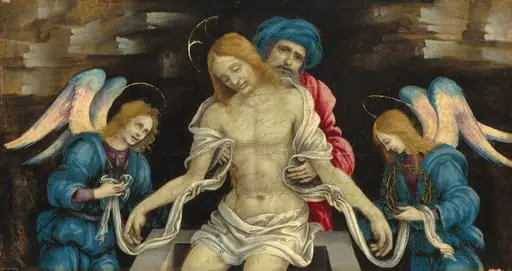 Pietà (The Dead Christ Mourned by Nicodemus and Two Angels)
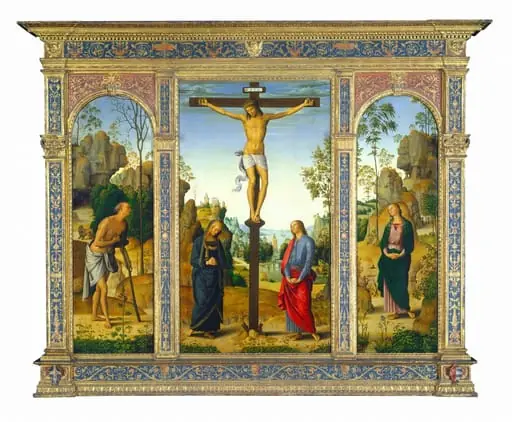 The Crucifixion with the Virgin, Saint John, Saint Jerome, and Saint Mary Magdalene
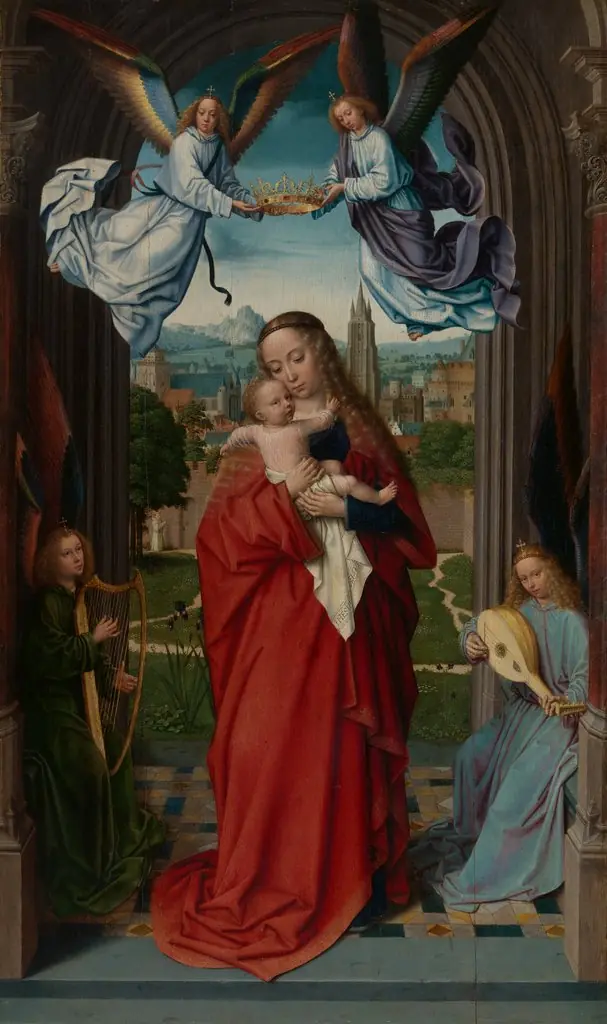 Virgin and Child with Four Angels
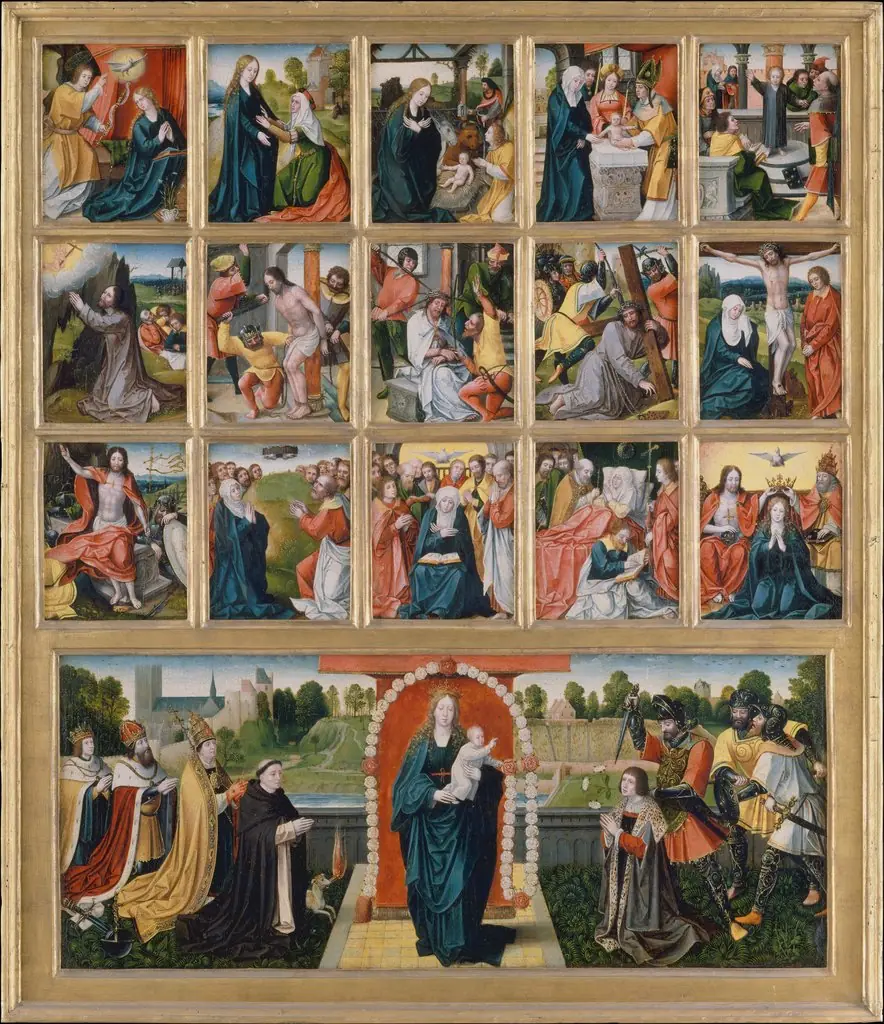 The Fifteen Mysteries and the Virgin of the Rosary
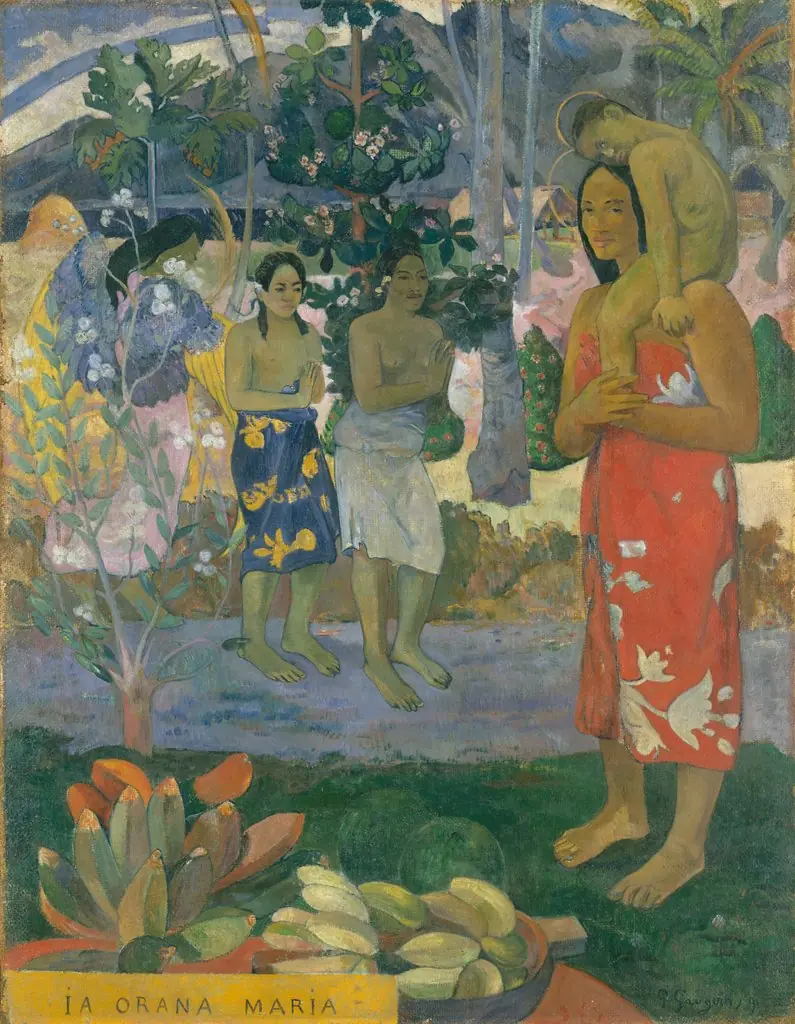 Ia Orana Maria
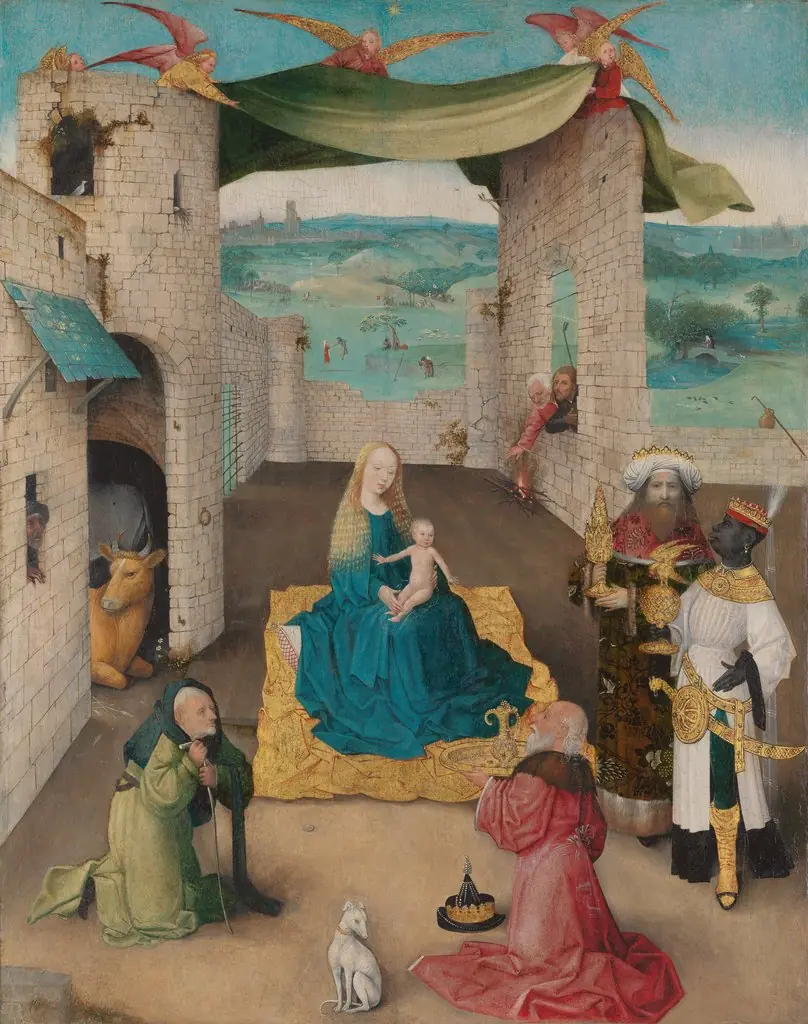 The Adoration of the Magi
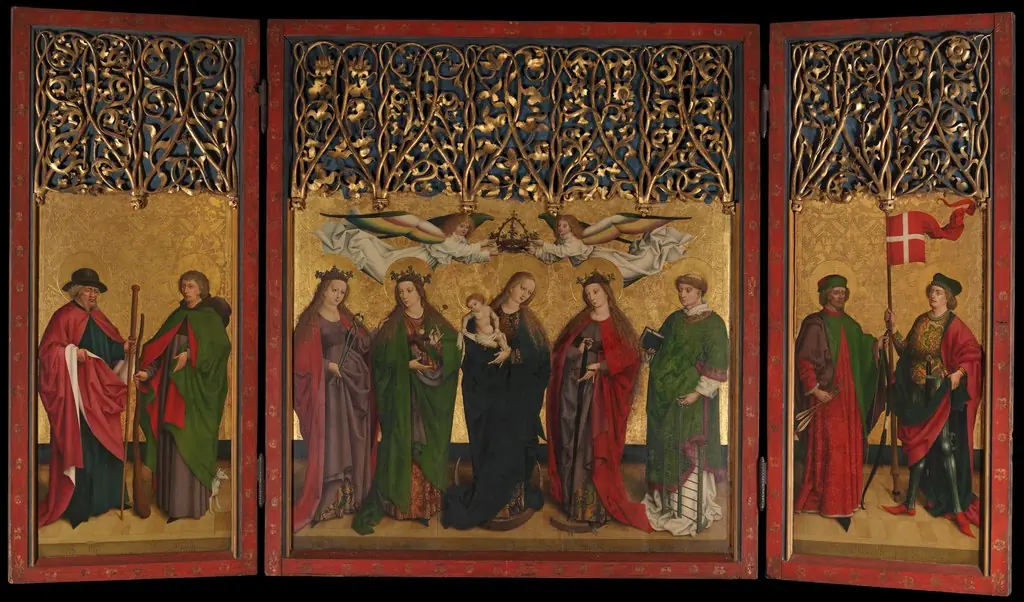 Burg Weiler Altar Triptych
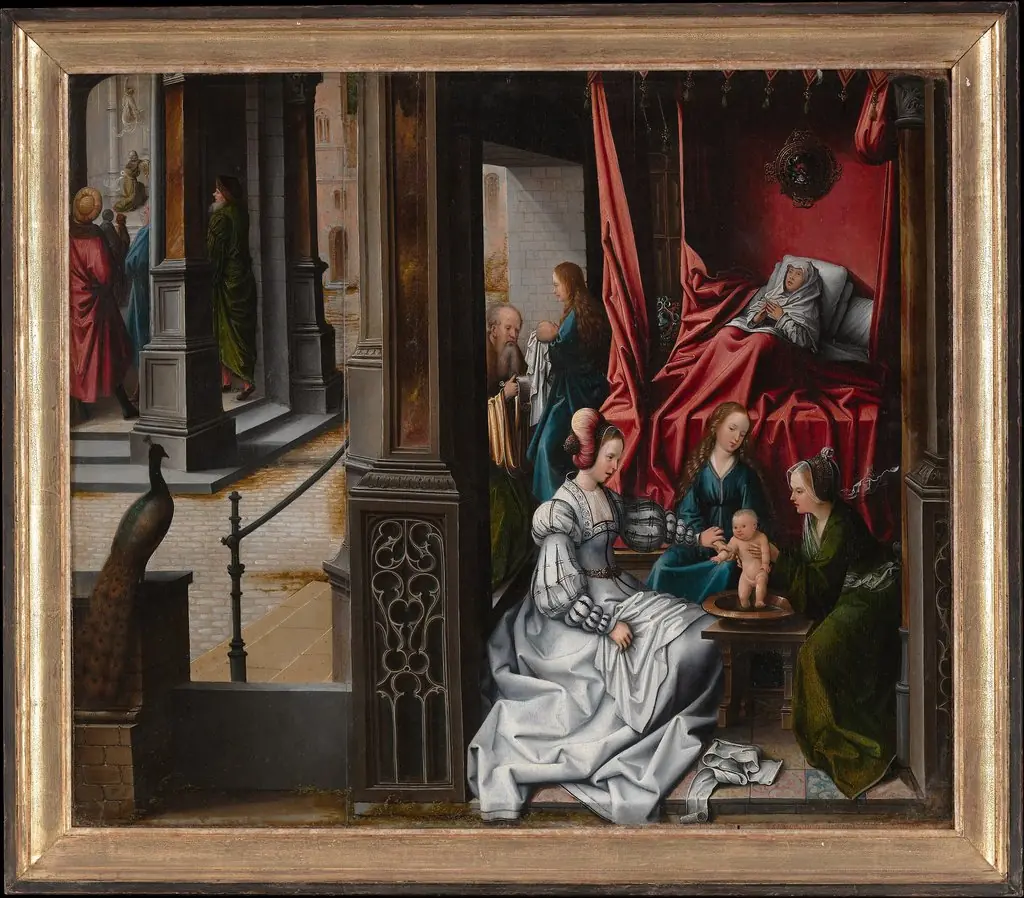 The Birth and Naming of Saint John the Baptist; (reverse) Trompe-l'oeil with Painting of The Man of Sorrows
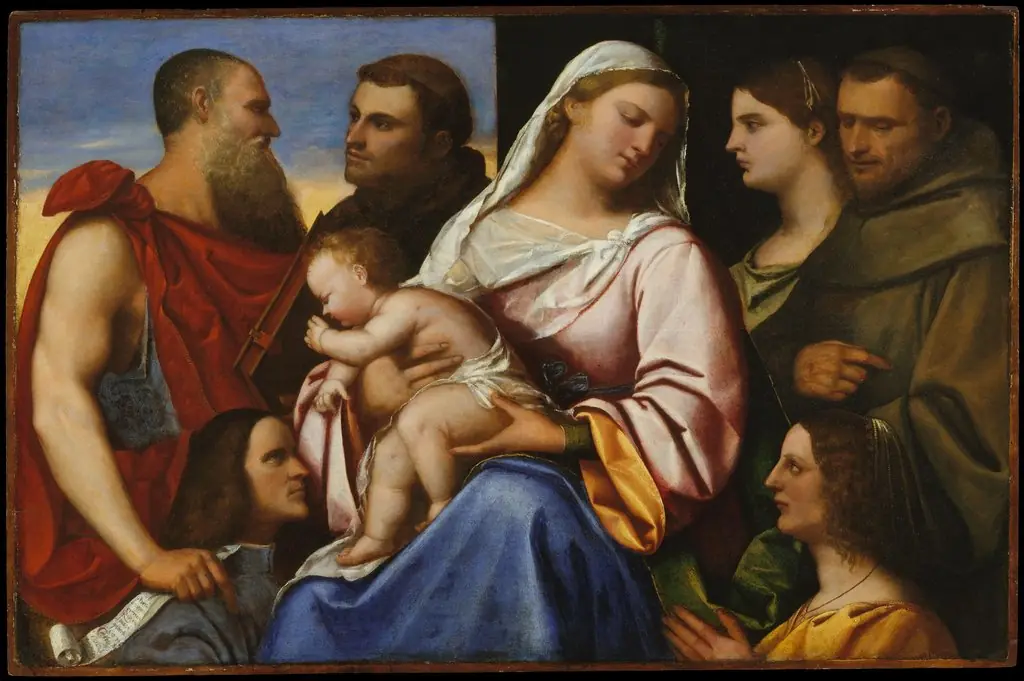 Madonna and Child with Saints and Donors
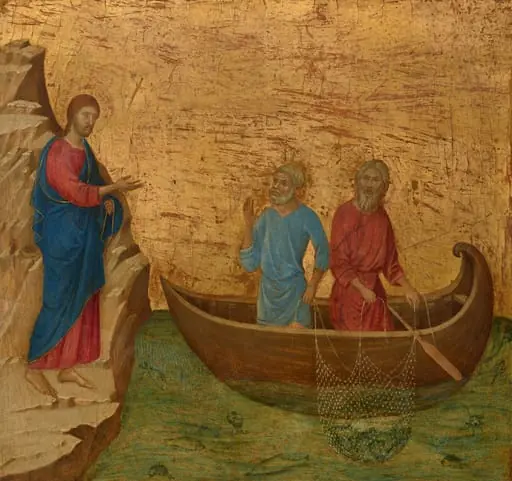 The Calling of the Apostles Peter and Andrew
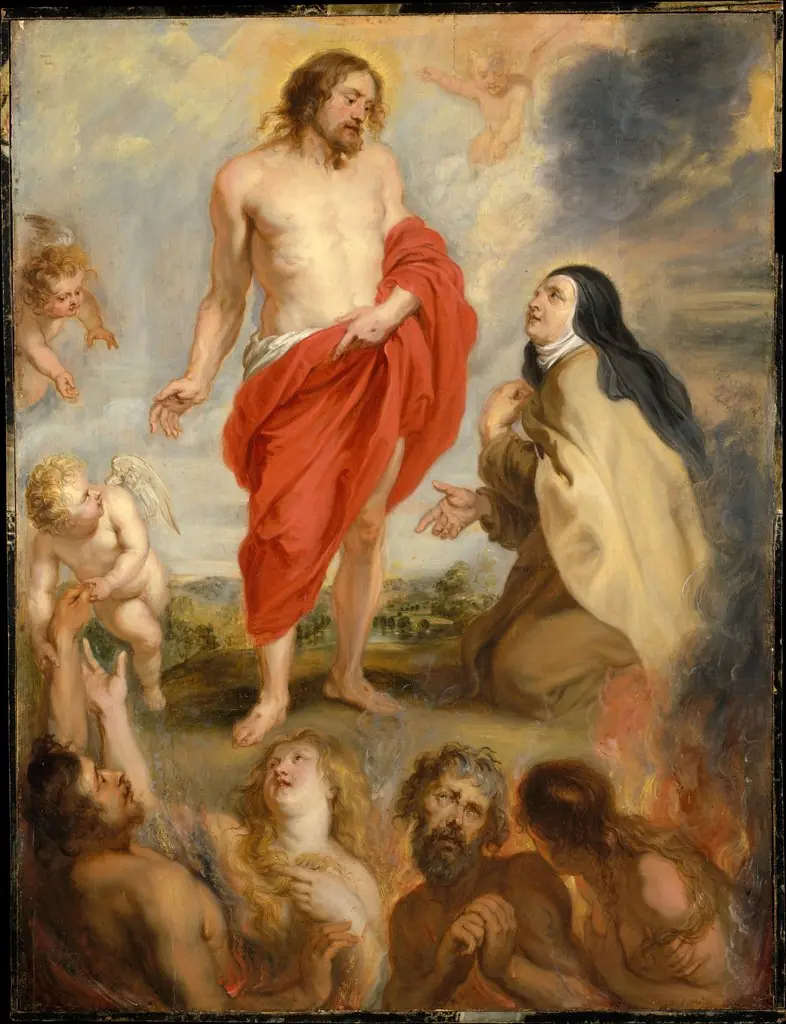 Saint Teresa of Ávila Interceding for Souls in Purgatory
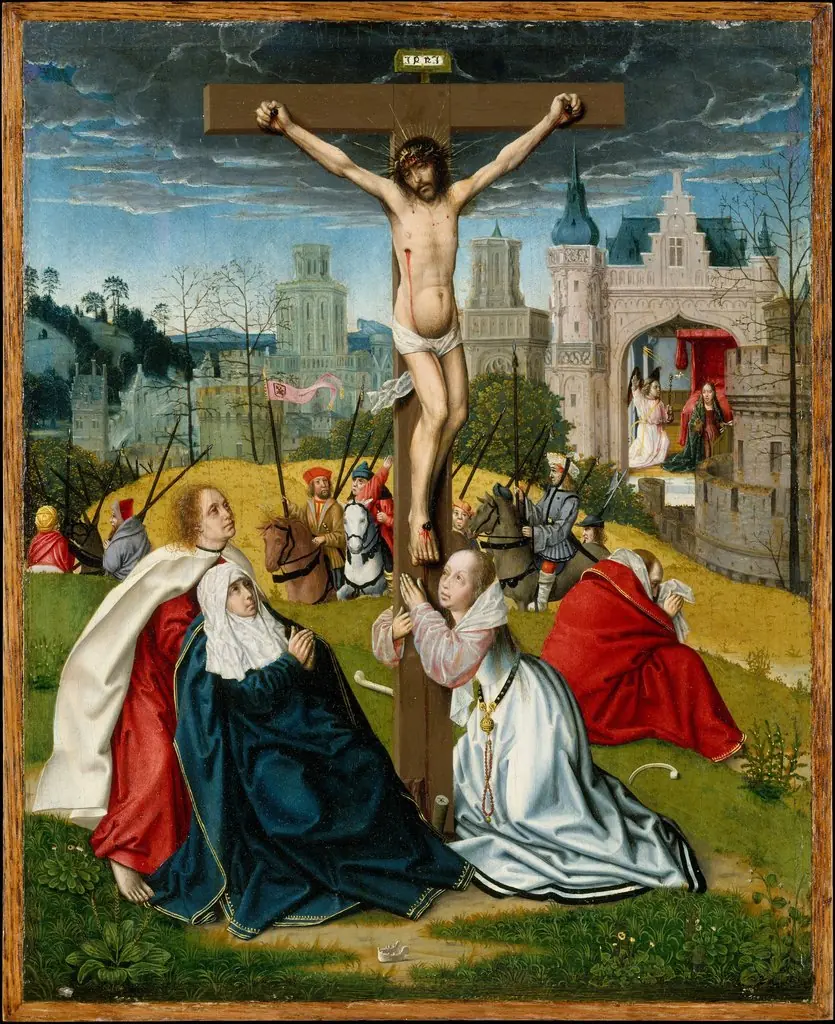 The Crucifixion
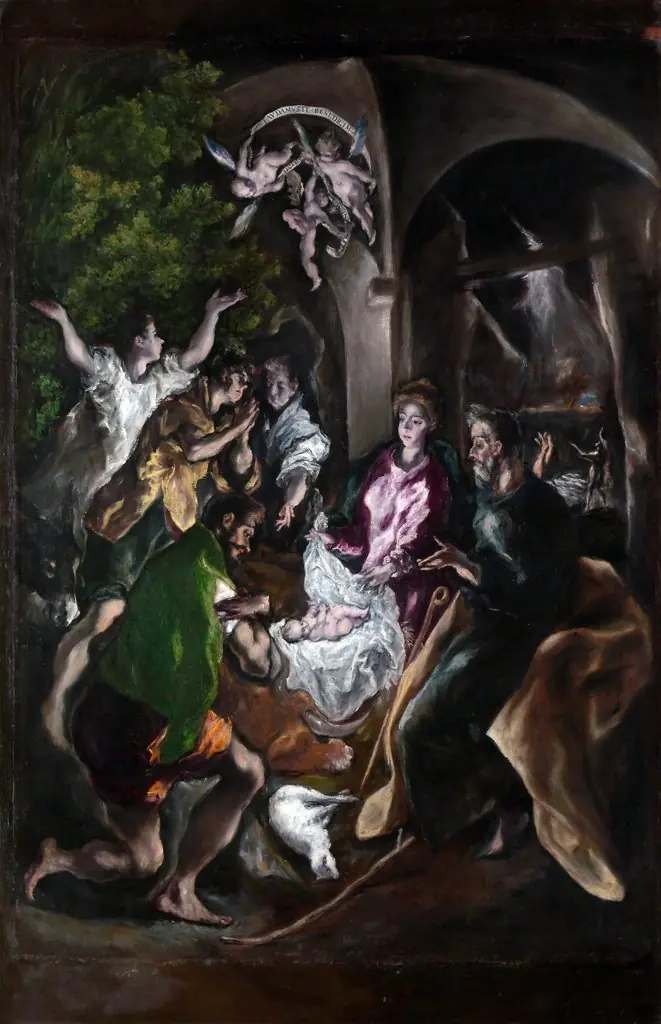 The Adoration of the Shepherds
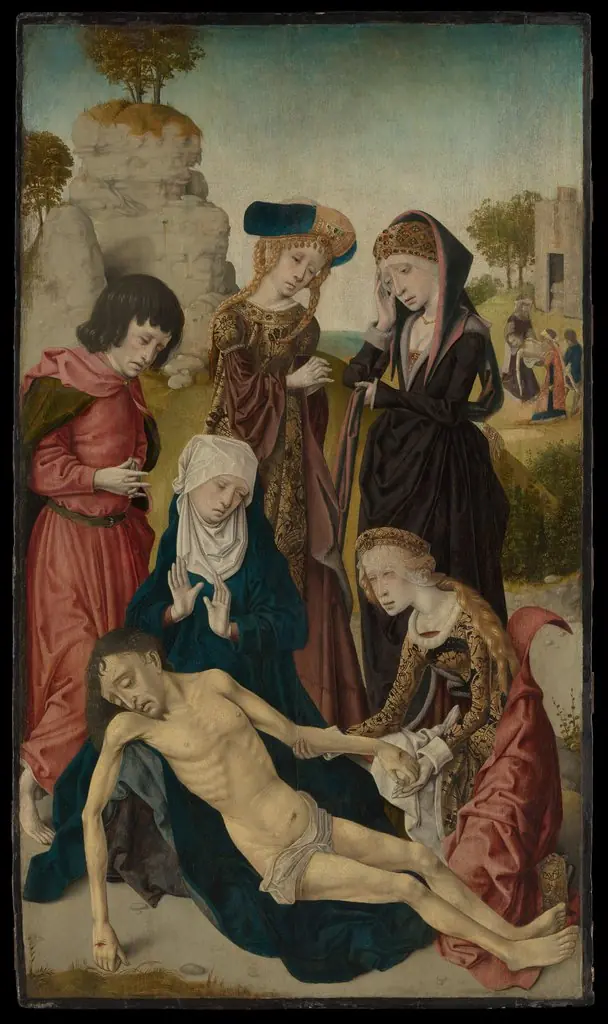 The Lamentation
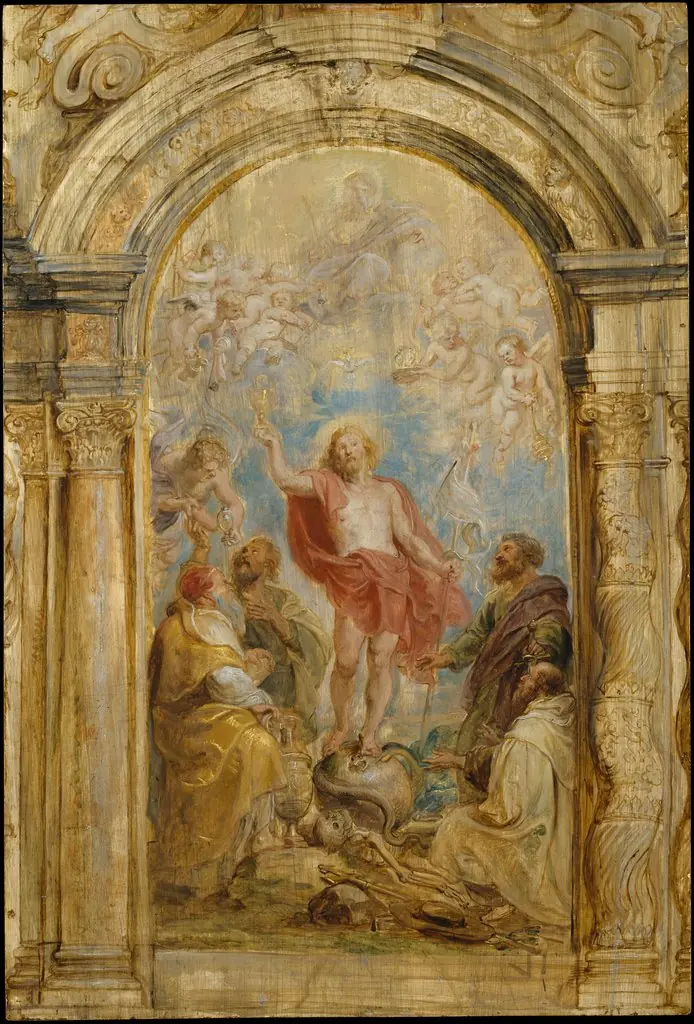 Glorification of the Eucharist
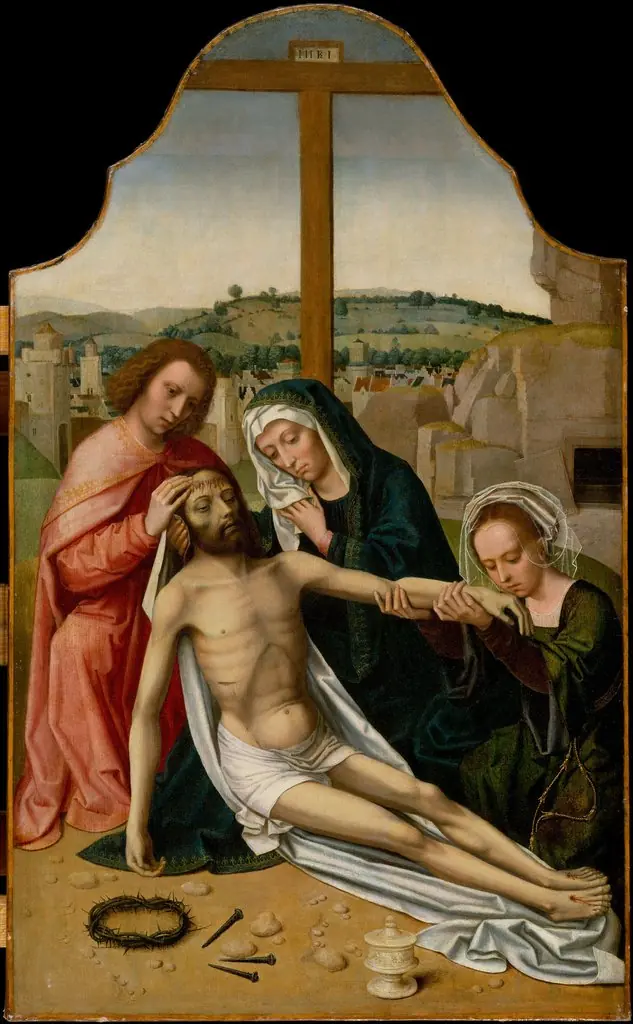 The Lamentation
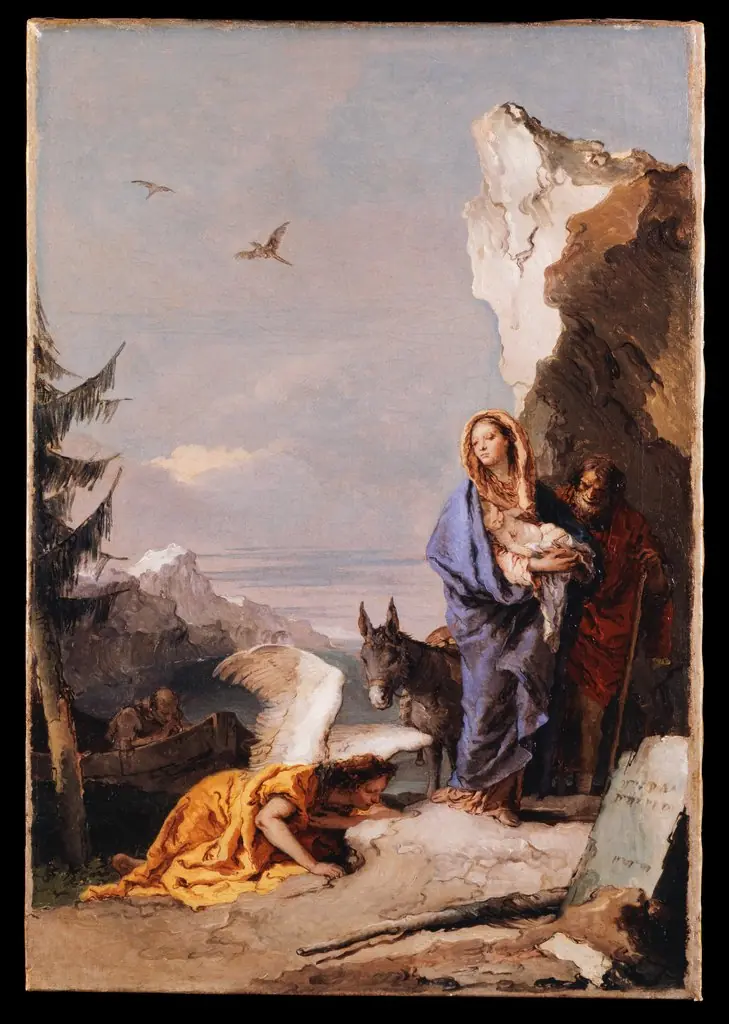 The Flight into Egypt
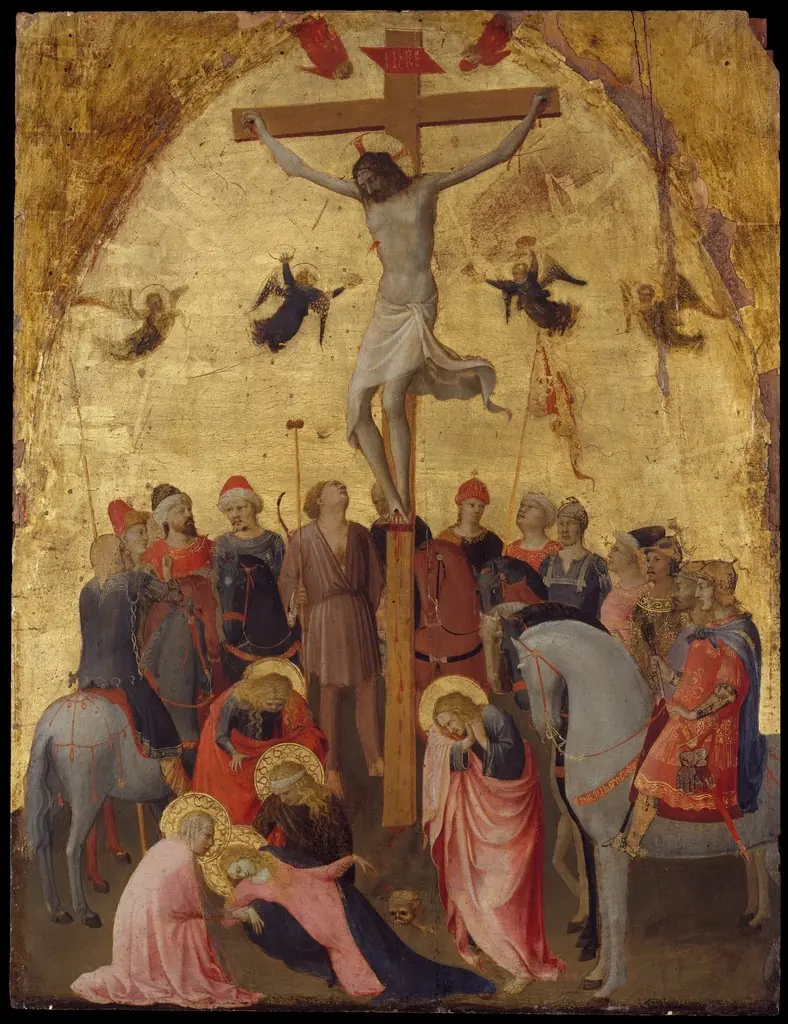 The Crucifixion
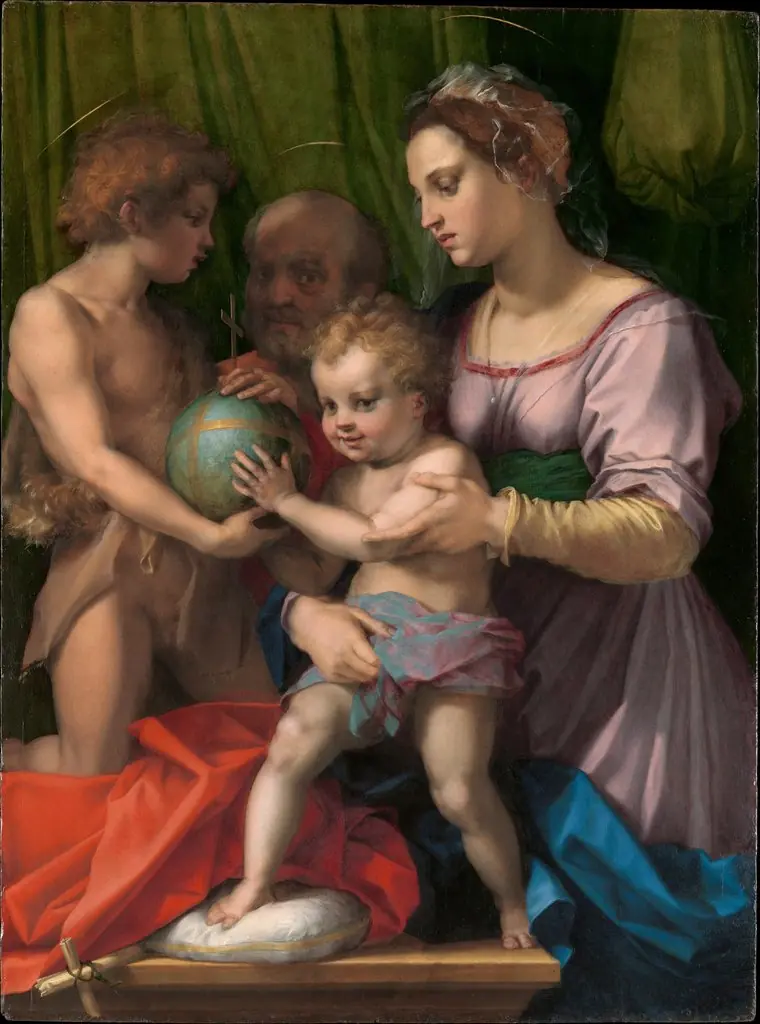 The Holy Family with the Young Saint John the Baptist
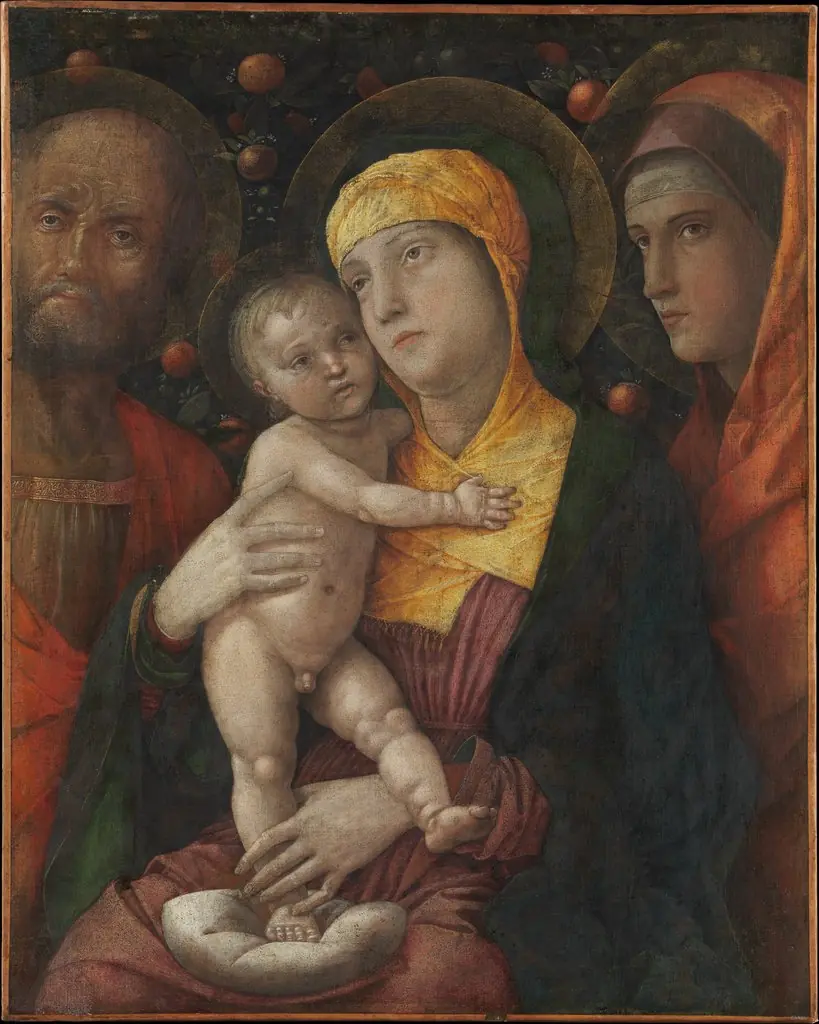 The Holy Family with Saint Mary Magdalen
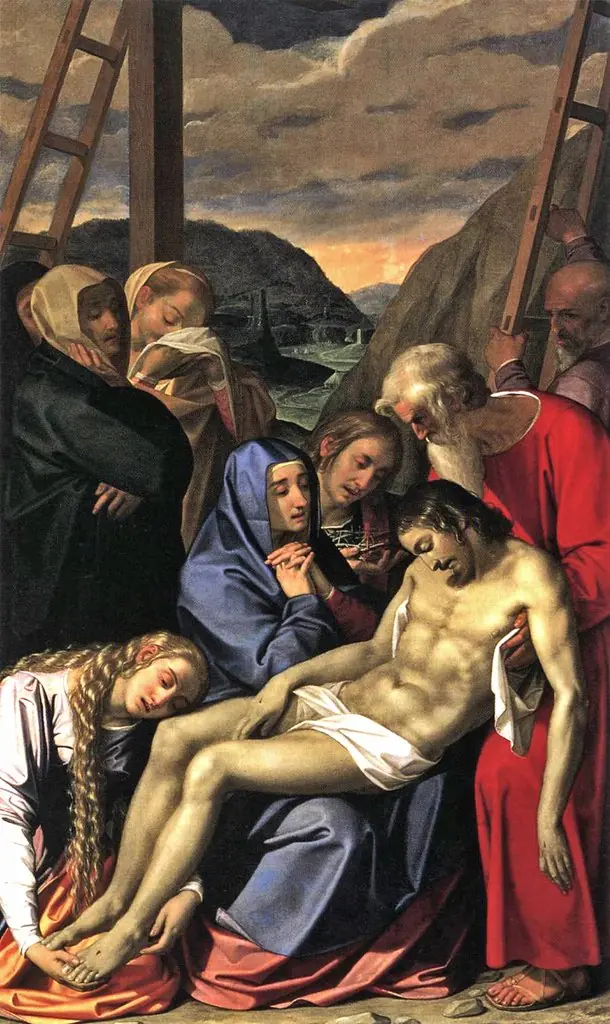 The Lamentation
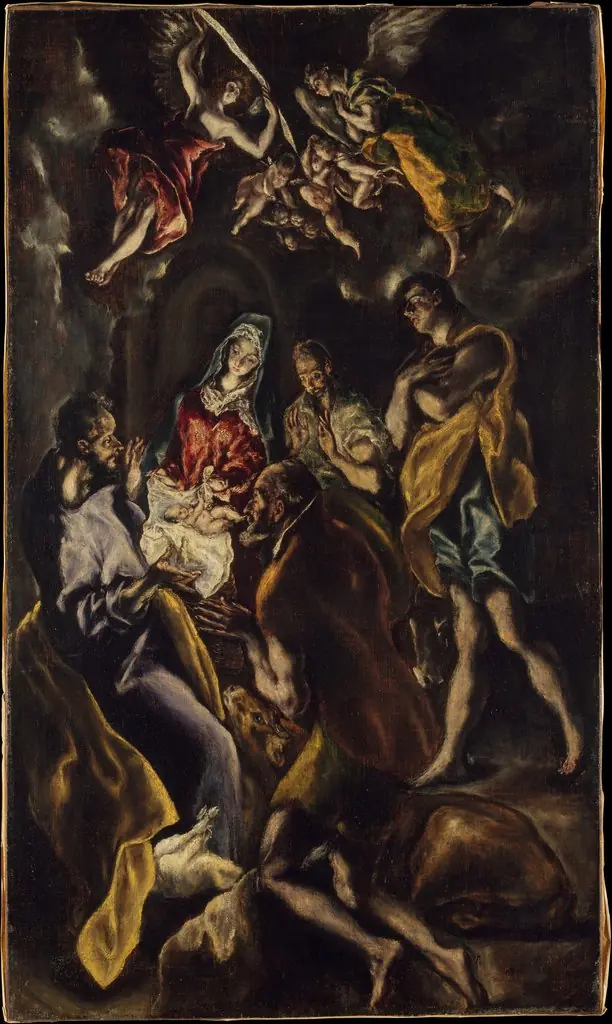 The Adoration of the Shepherds
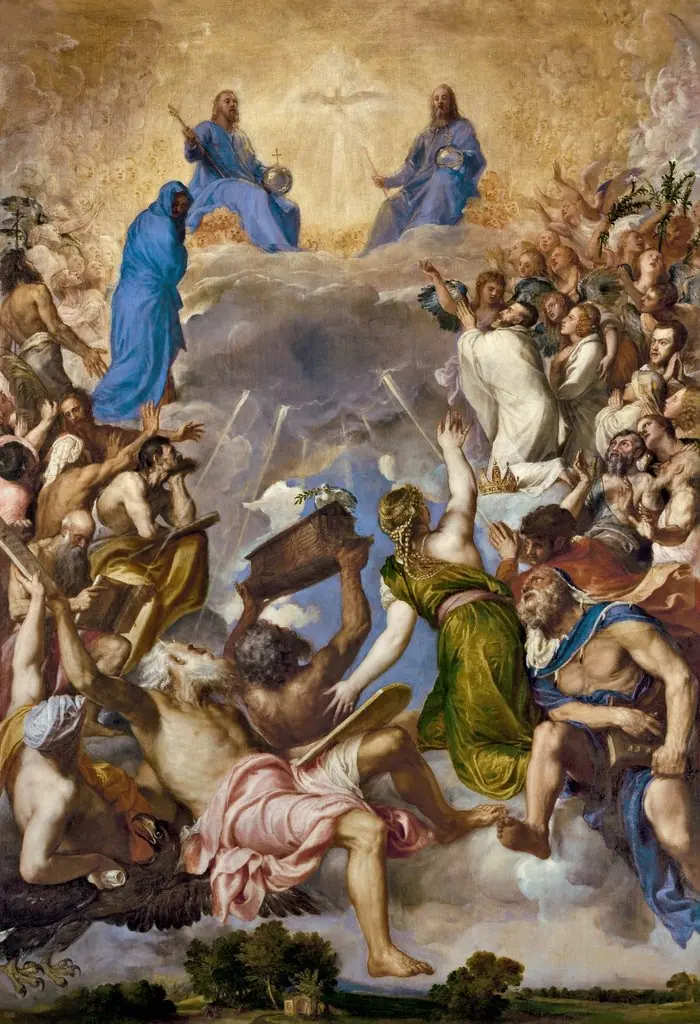 La Gloria
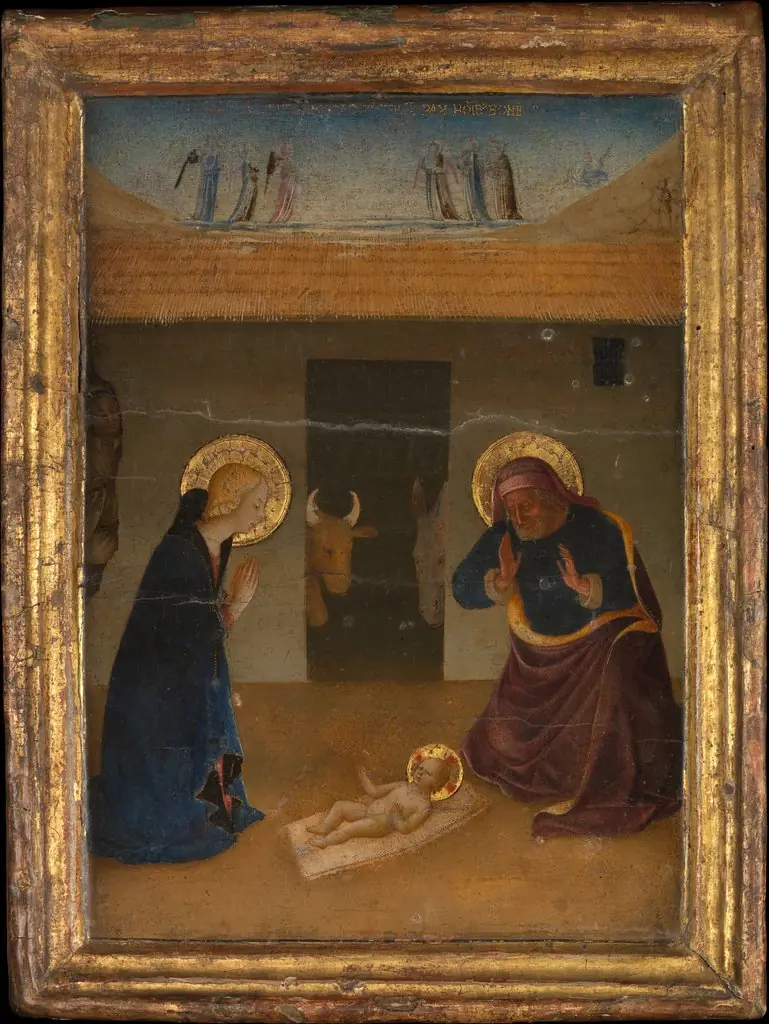 The Nativity
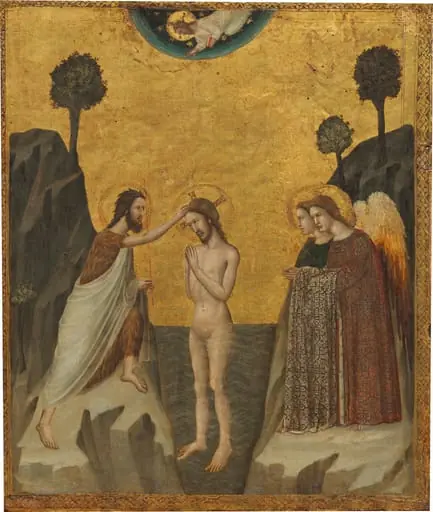 The Baptism of Christ
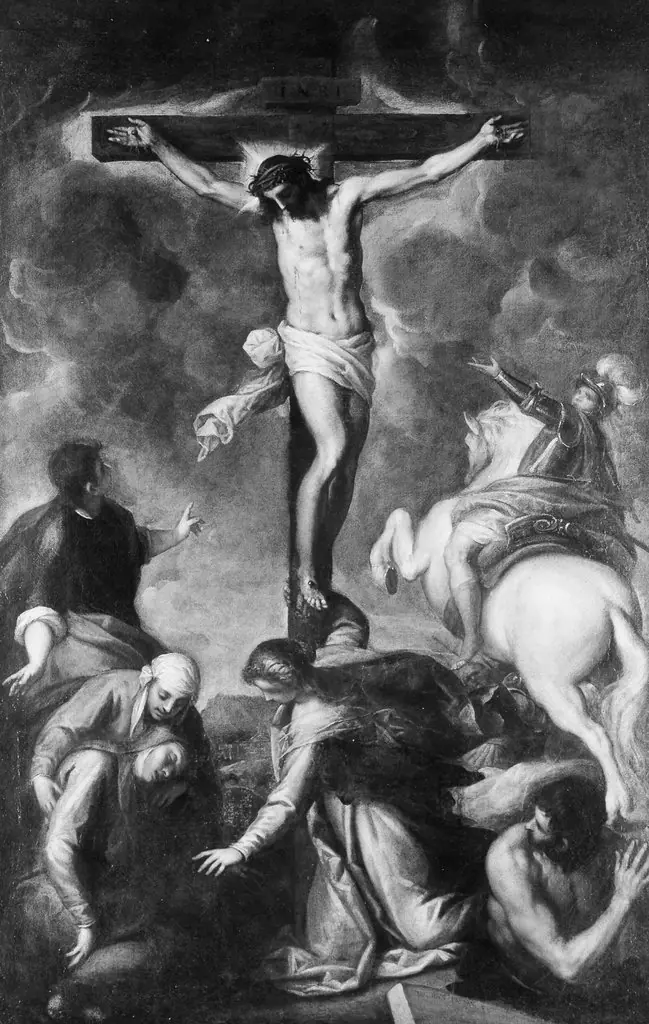 The Crucifixion
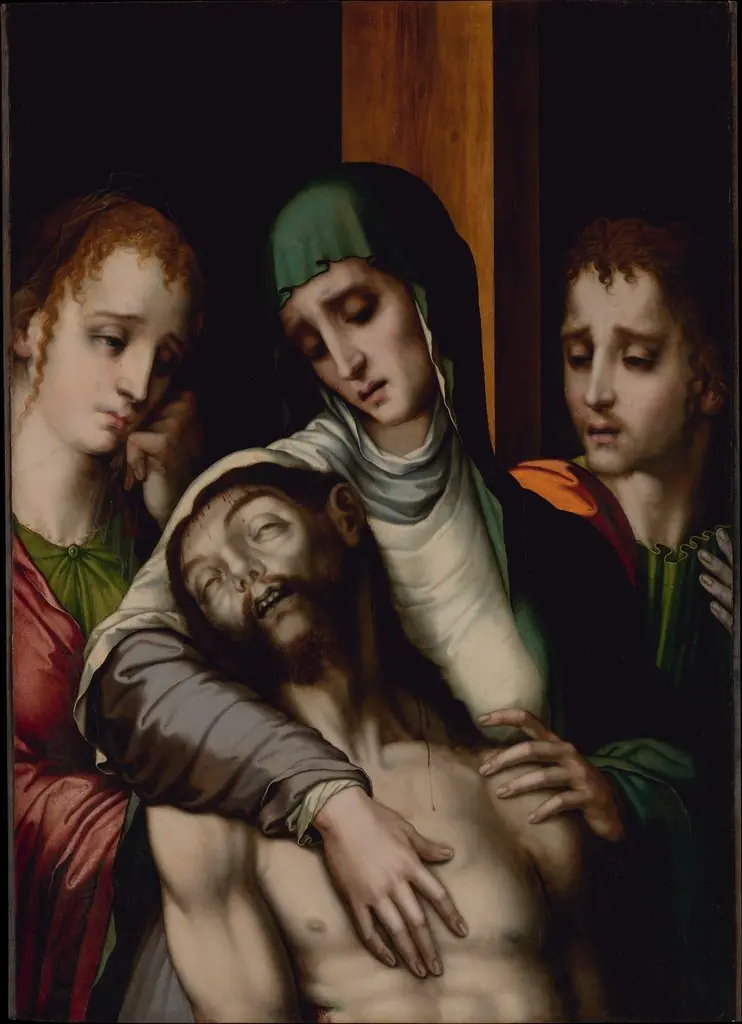 The Lamentation
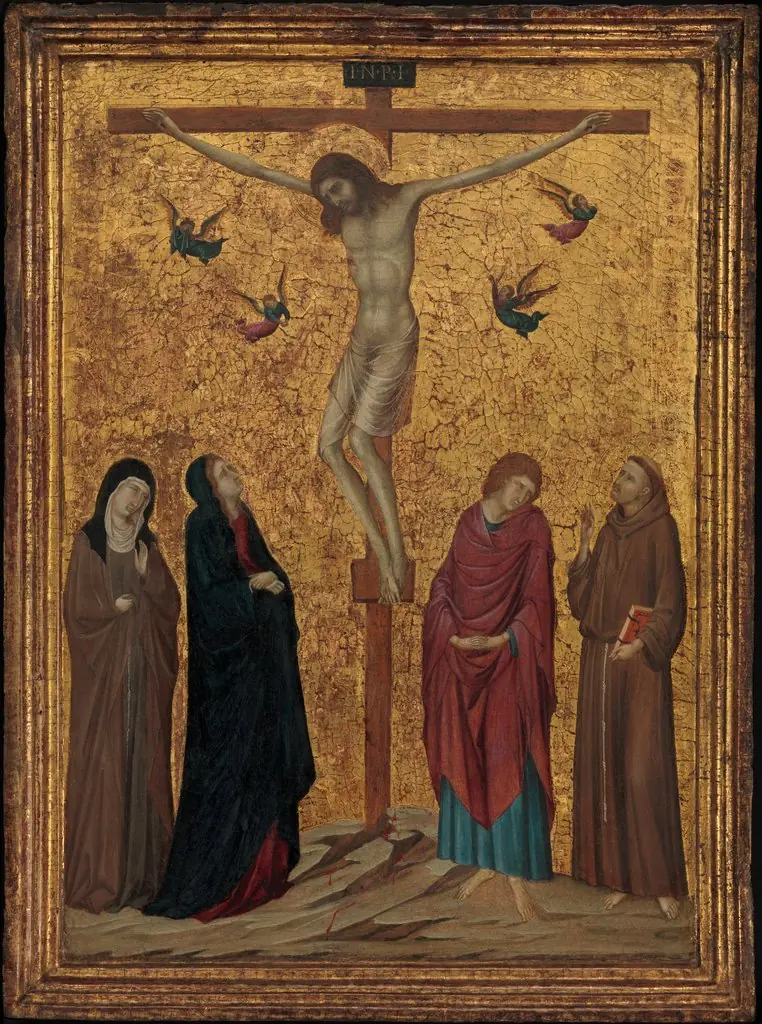 The Crucifixion
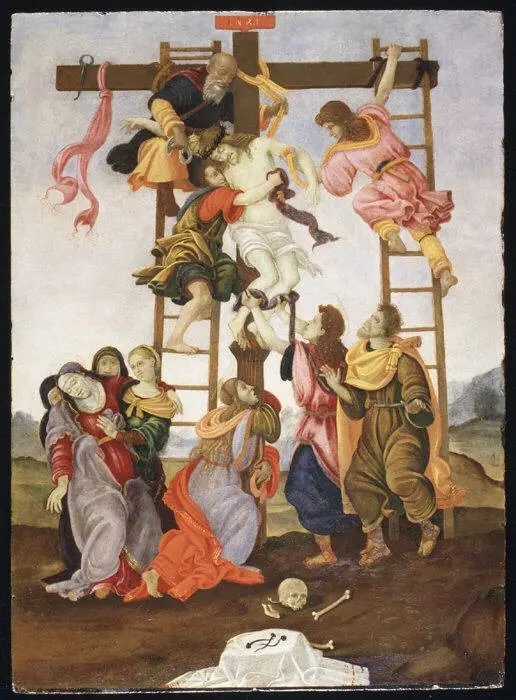 The Descent from the Cross
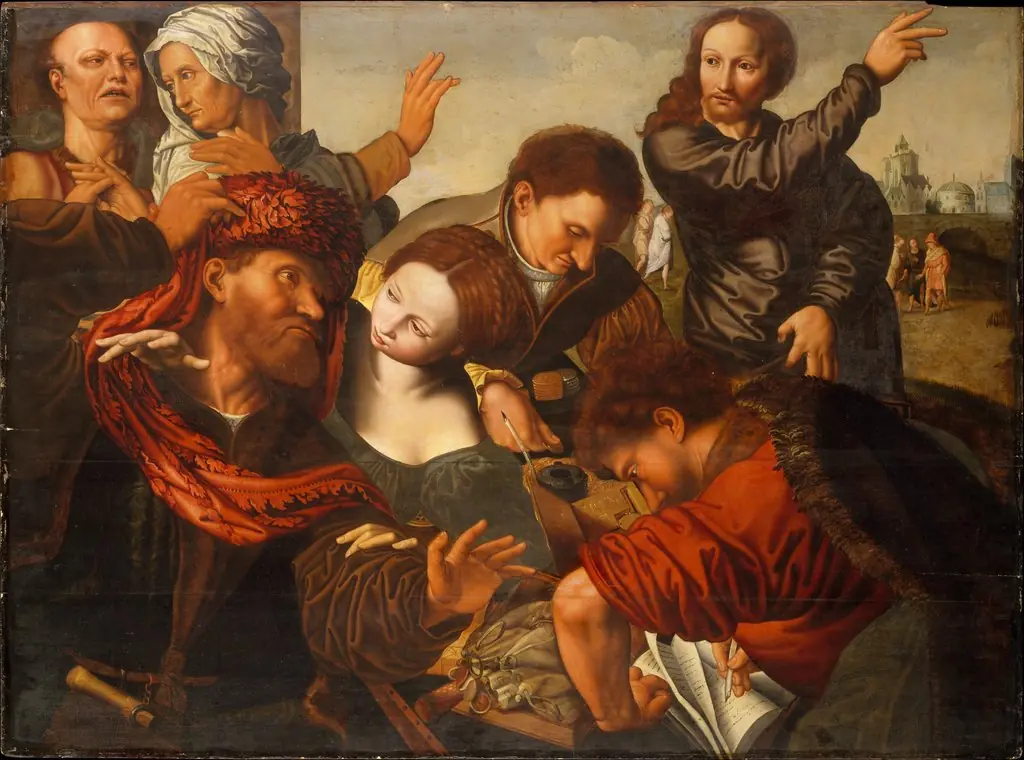 The Calling of Saint Matthew
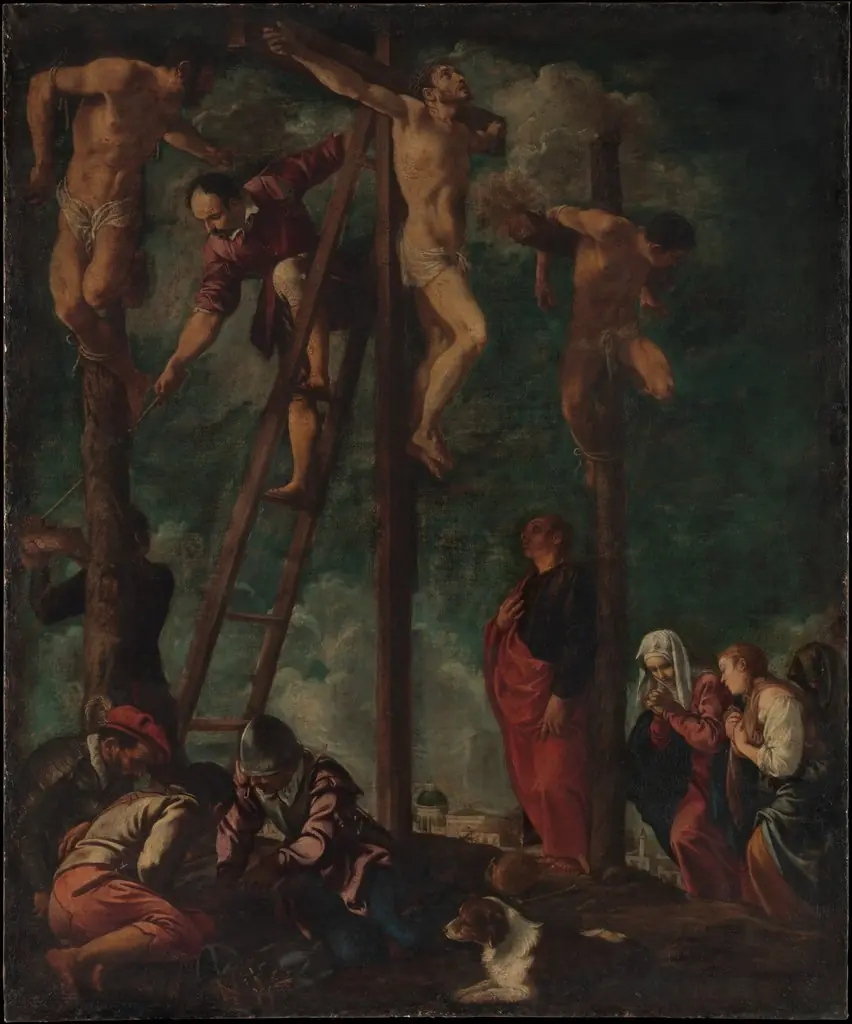 The Crucifixion
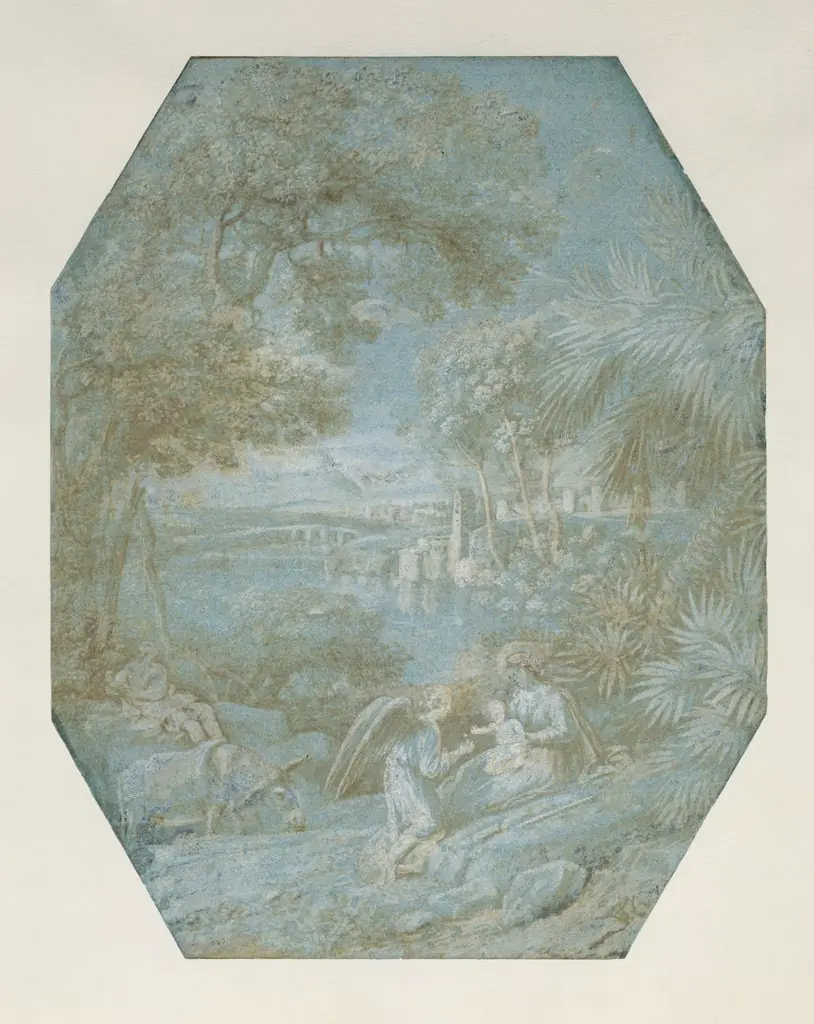 Landscape with the Rest on the Flight into Egypt
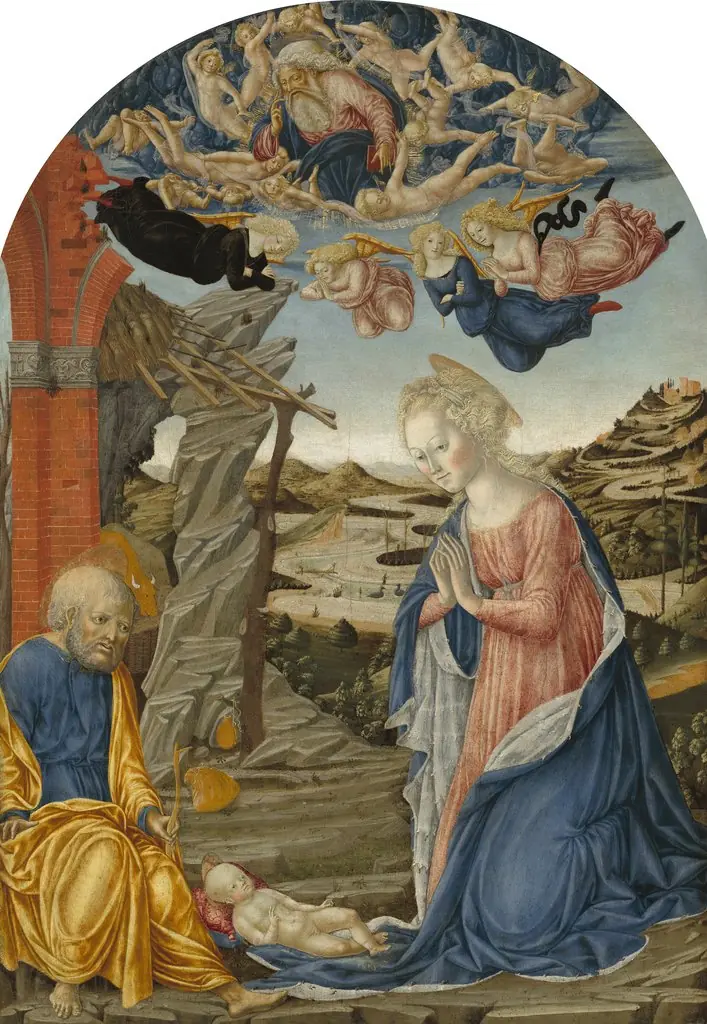 The Nativity
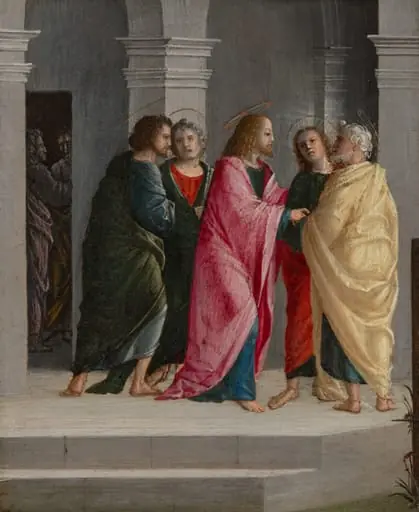 Christ Instructing Peter and John to Prepare for the Passover
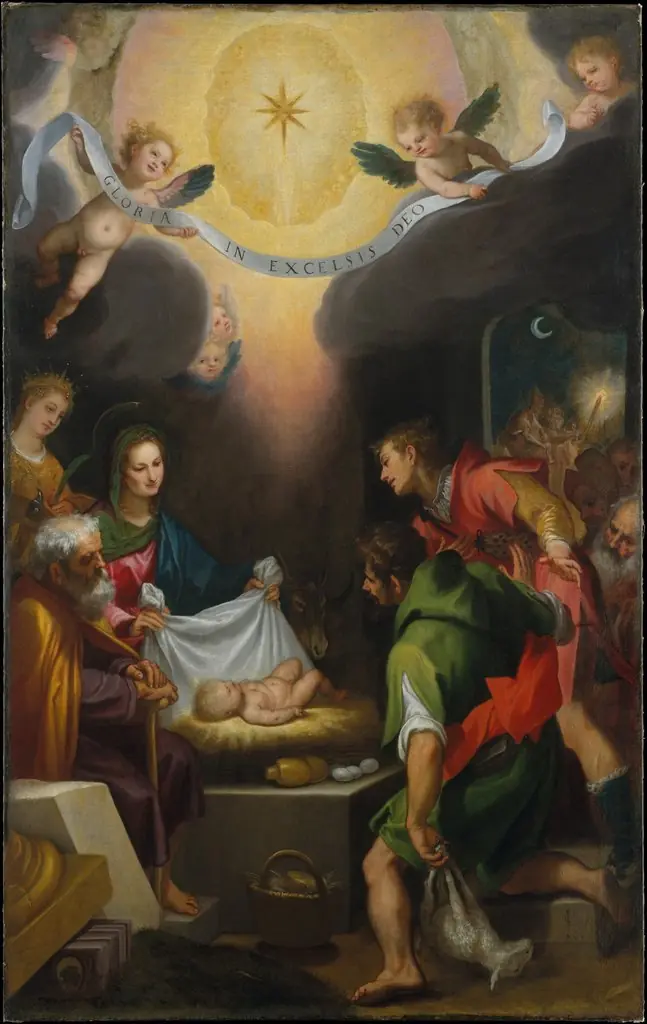 The Adoration of the Shepherds with Saint Catherine of Alexandria
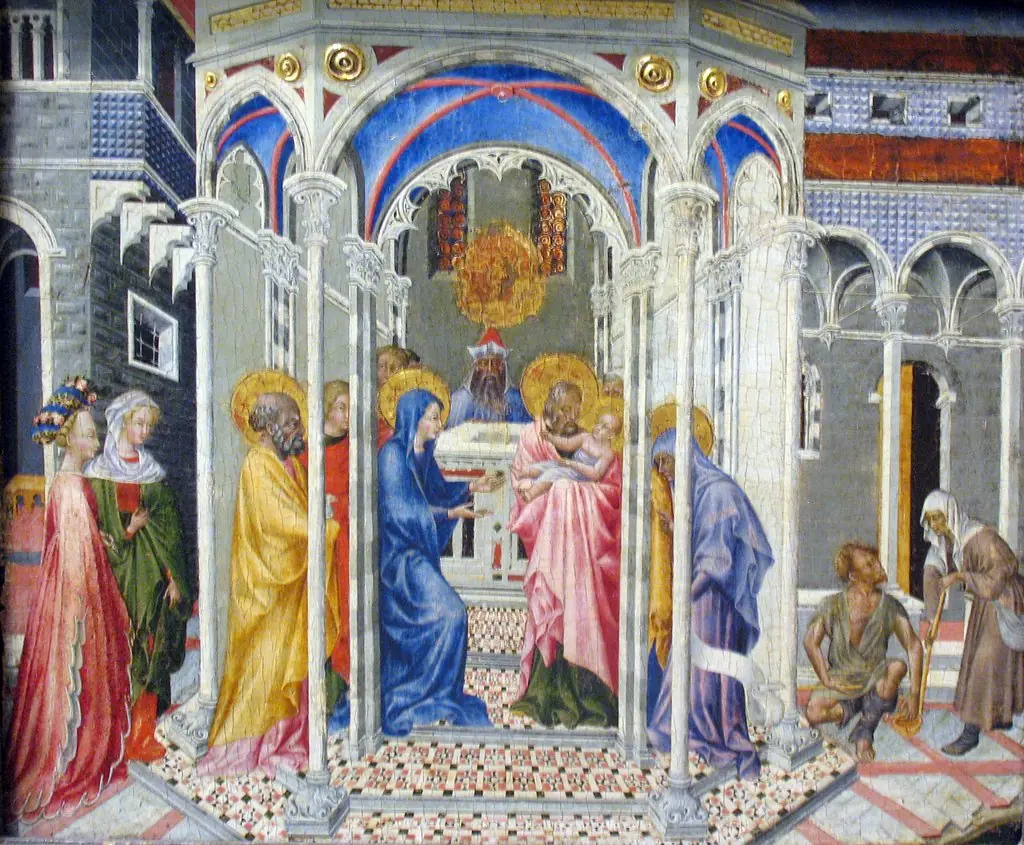 The Presentation of Christ in the Temple
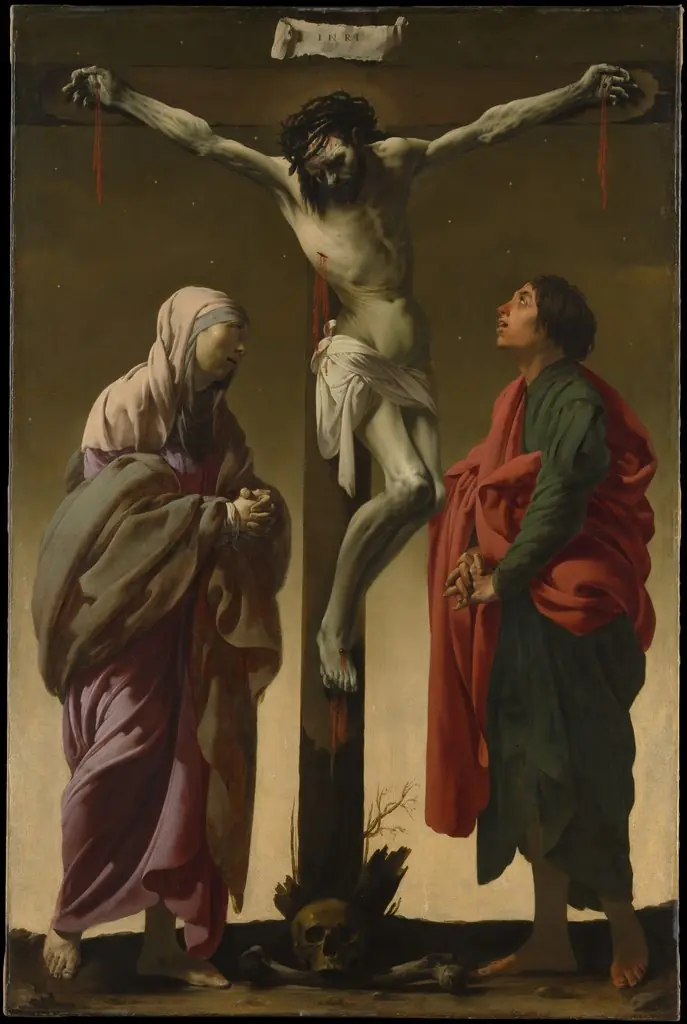 The Crucifixion with the Virgin and St John
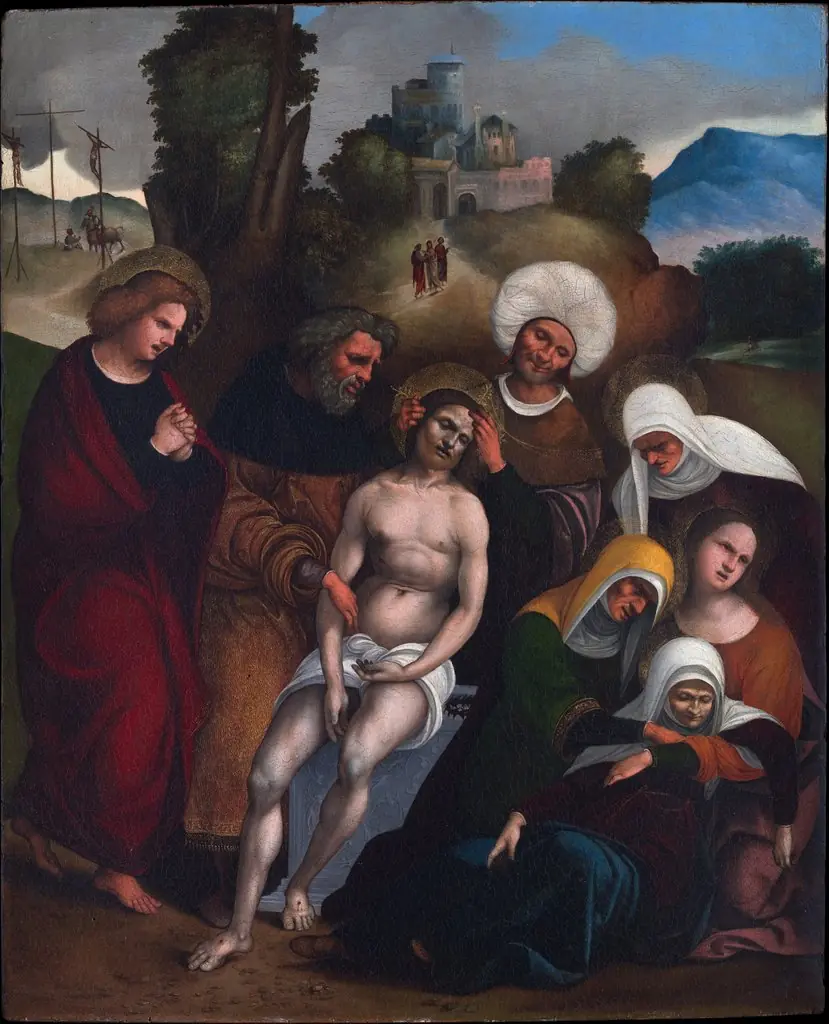 The Lamentation
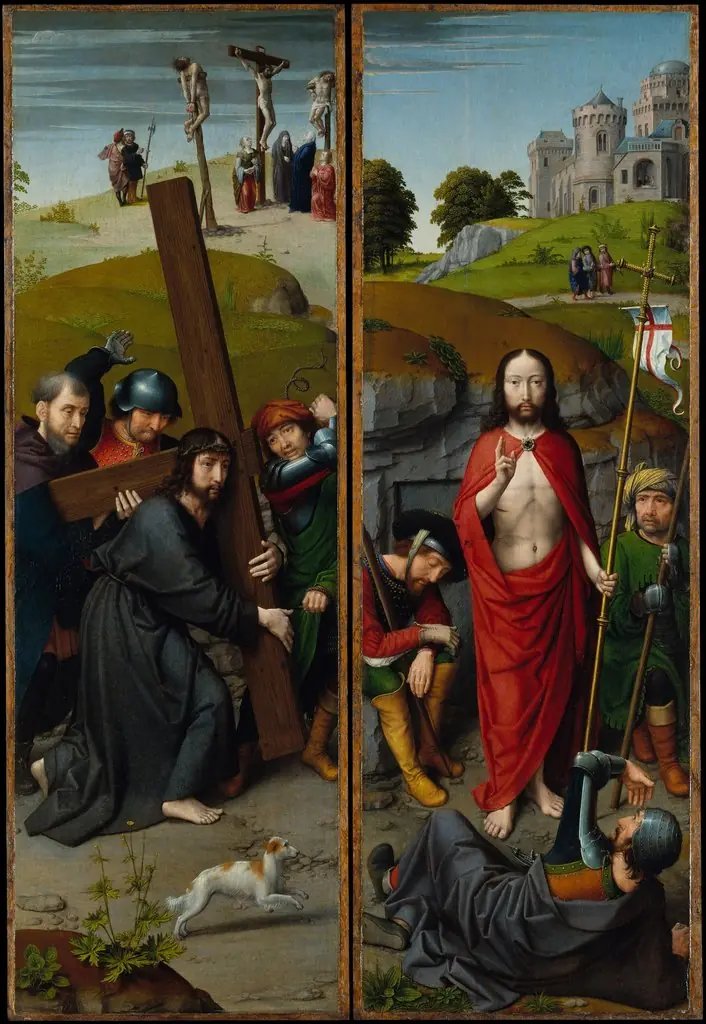 Christ Carrying the Cross, with the Crucifixion; The Resurrection, with the Pilgrims of Emmaus
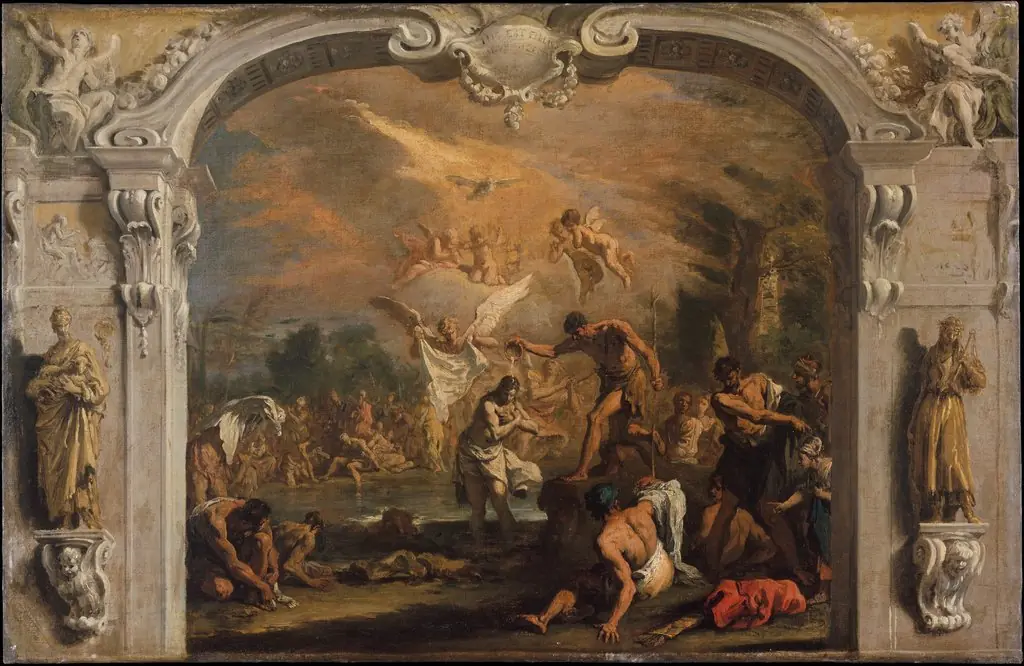 The Baptism of Christ
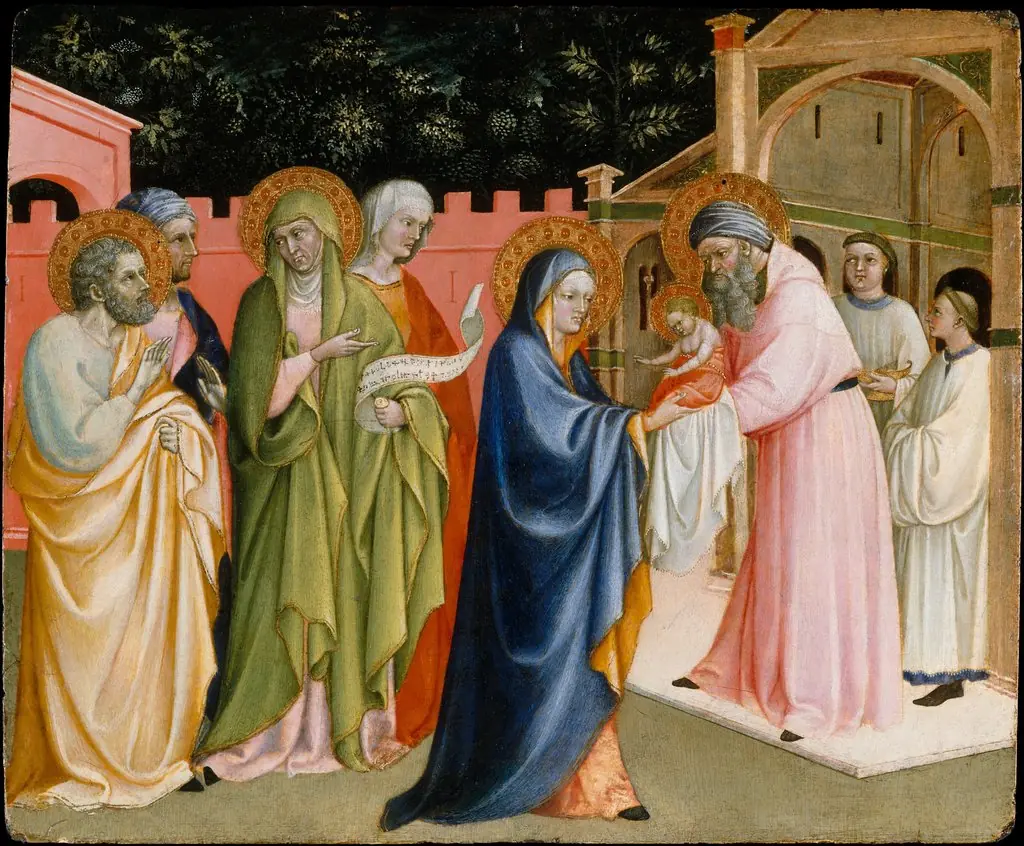 The Presentation in the Temple
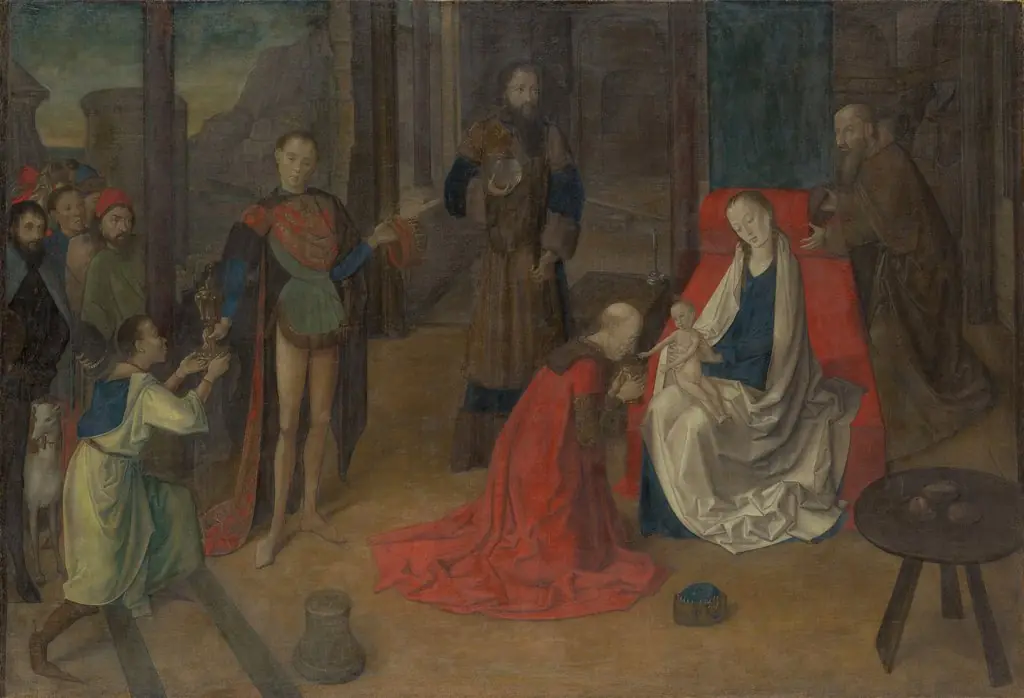 The Adoration of the Magi
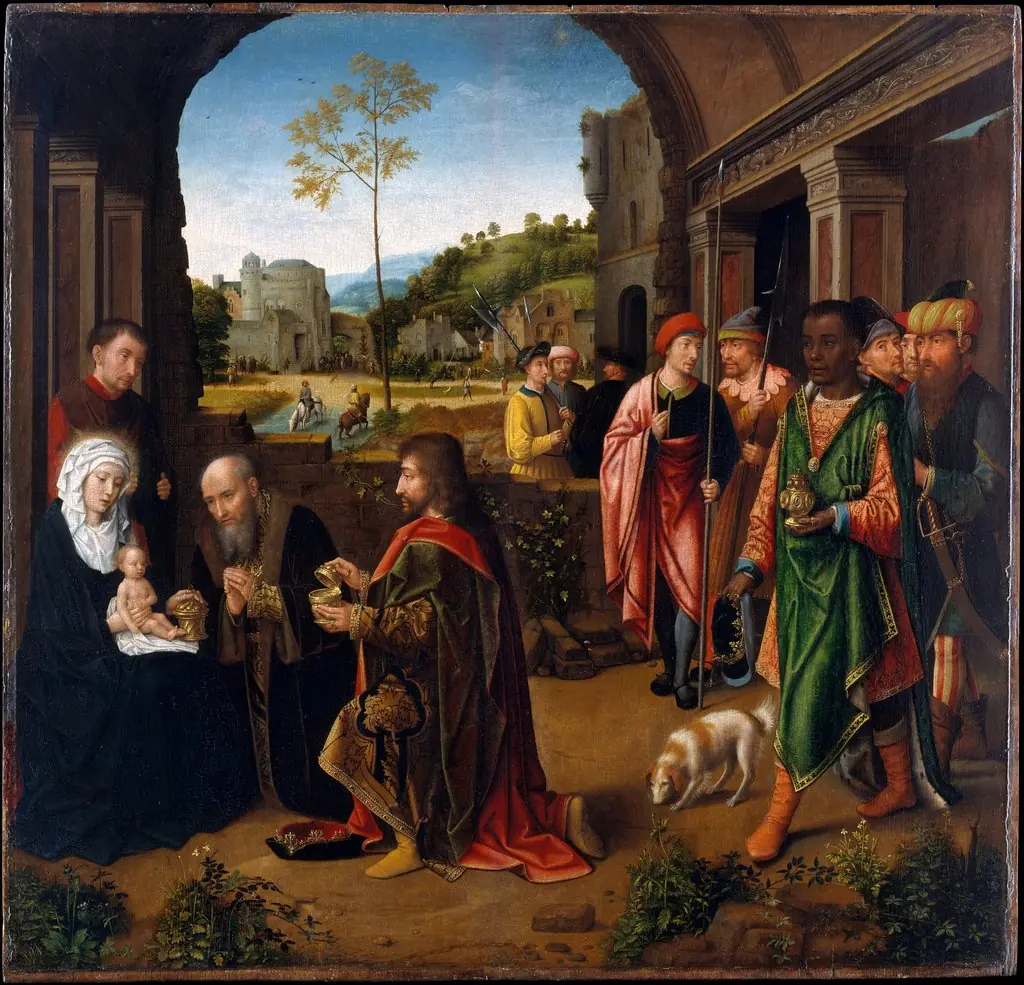 The Adoration of the Magi
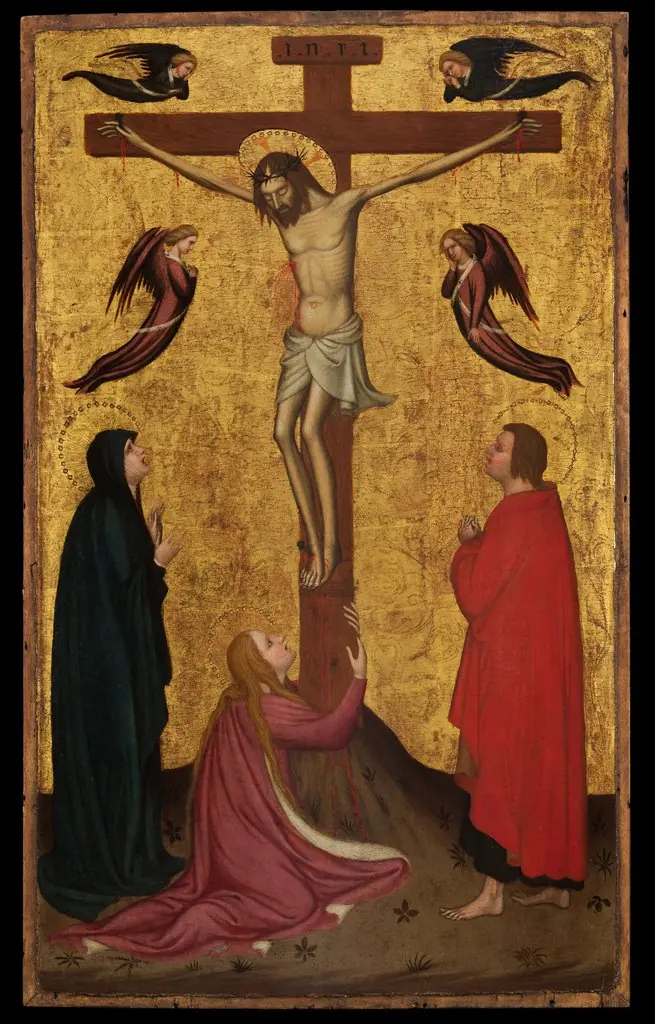 The Crucifixion
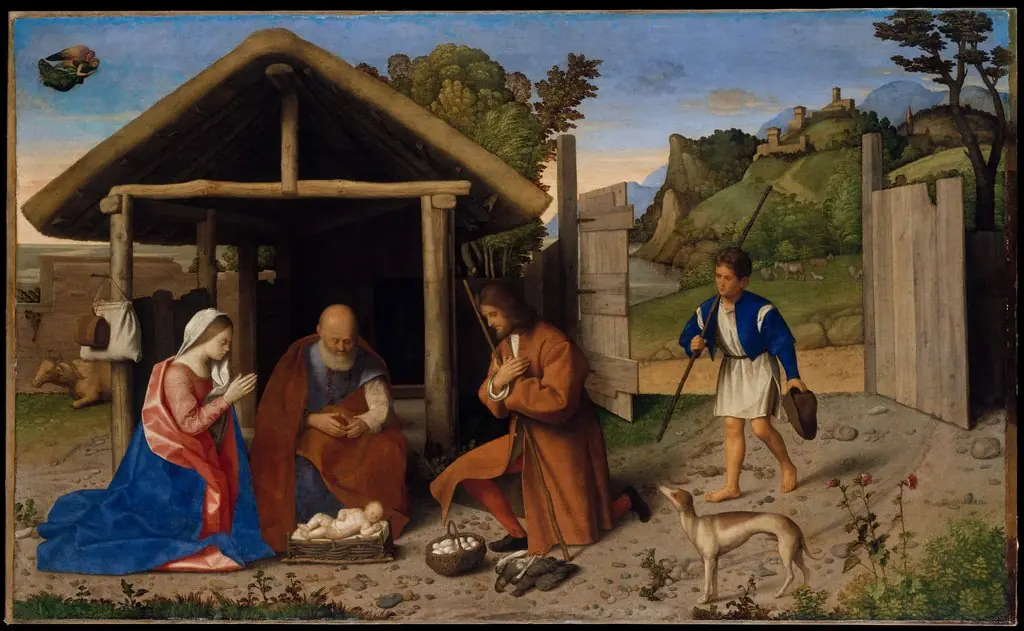 The Adoration of the Shepherds
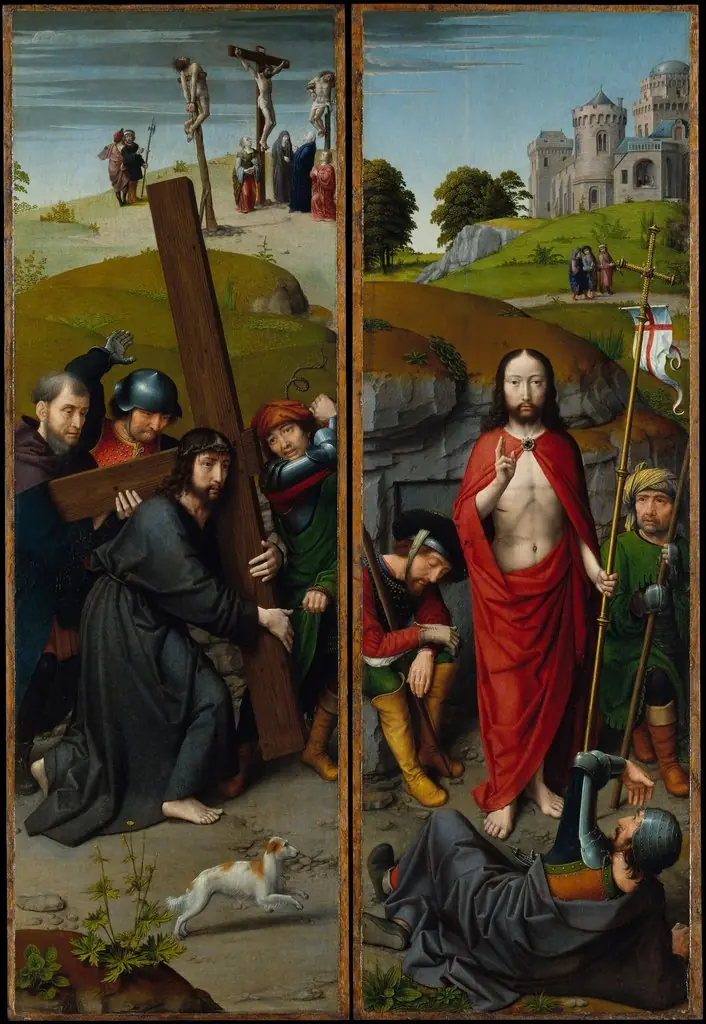 Christ Carrying the Cross, with the Crucifixion; The Resurrection, with the Pilgrims of Emmaus
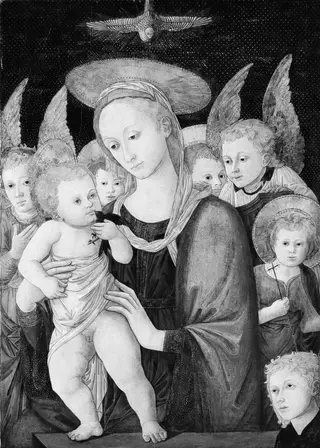 Madonna and Child with the Infant Saint John the Baptist and Angels
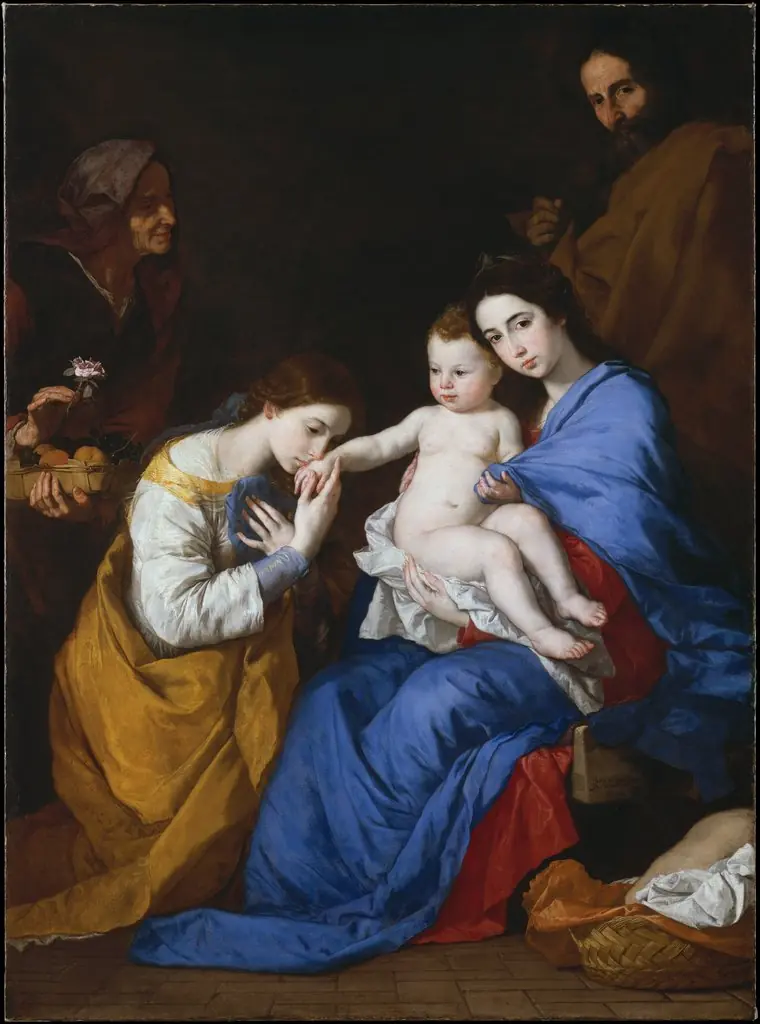 The Holy Family with Saints Anne and Catherine of Alexandria
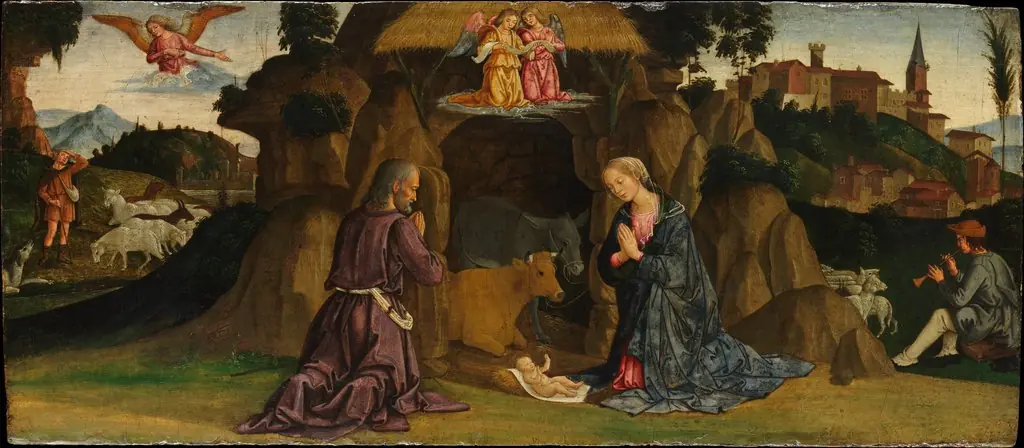 The Nativity
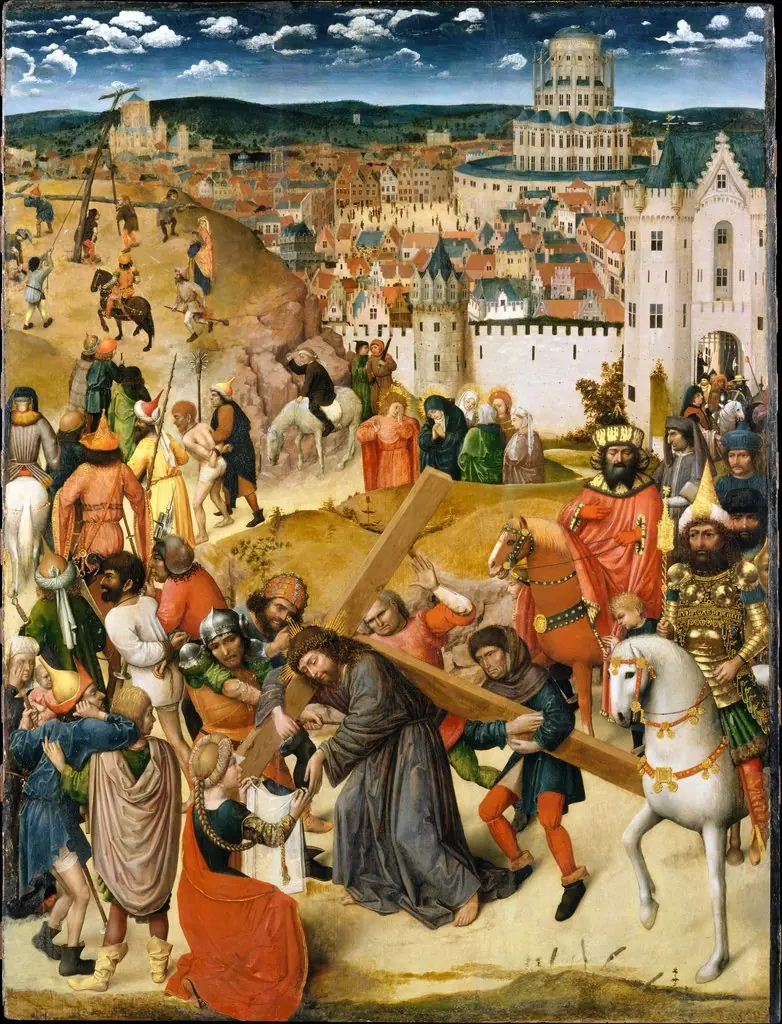 Christ Bearing the Cross
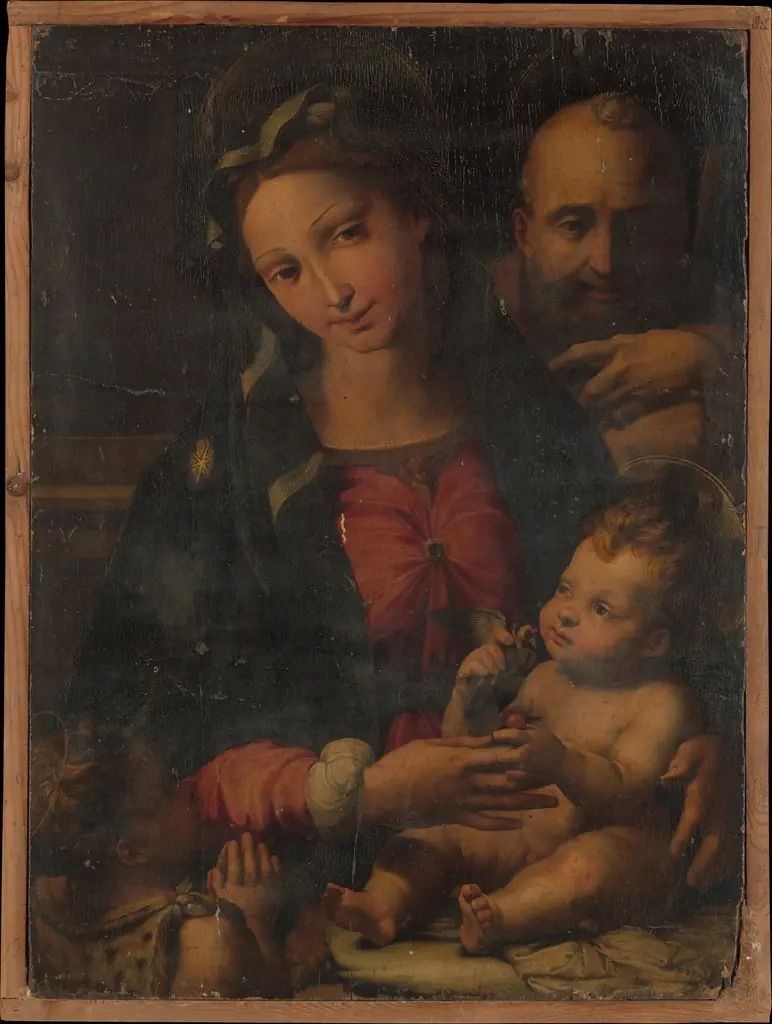 The Holy Family with the Infant Saint John the Baptist
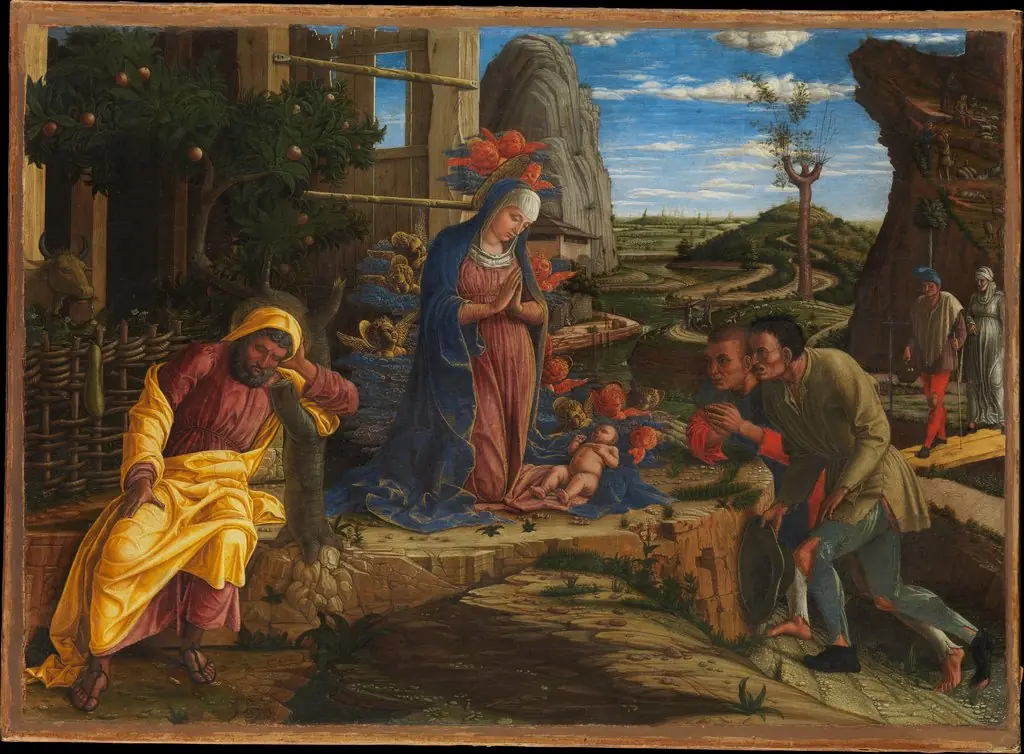 Adoration of the Shepherds
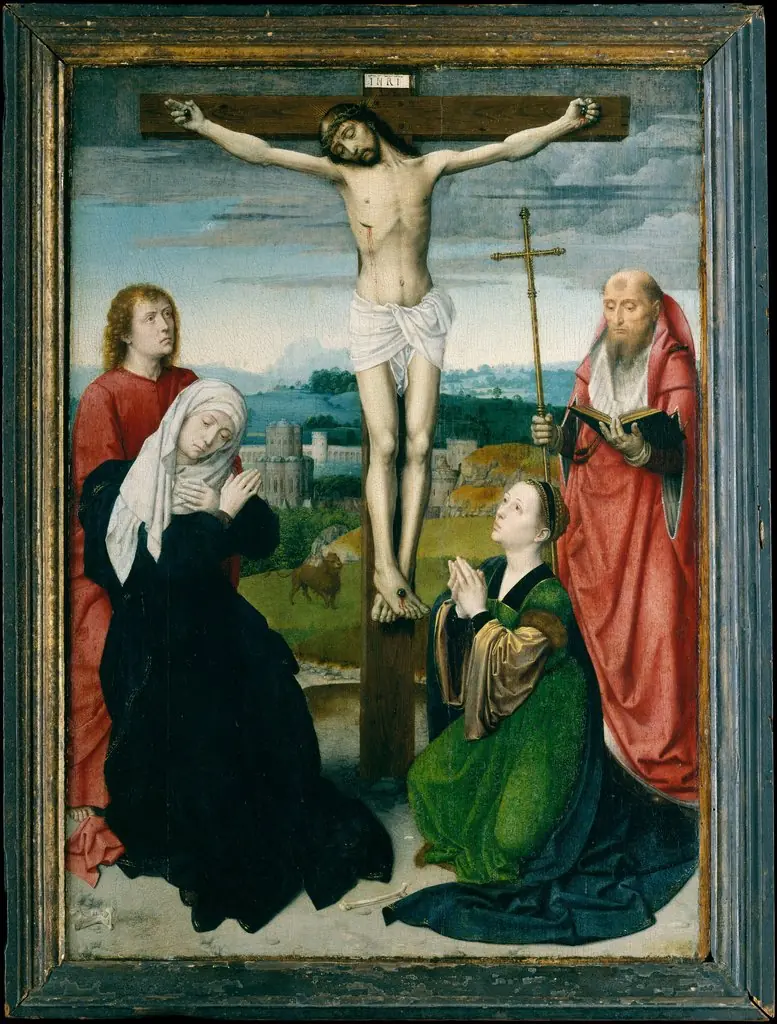 The Crucifixion
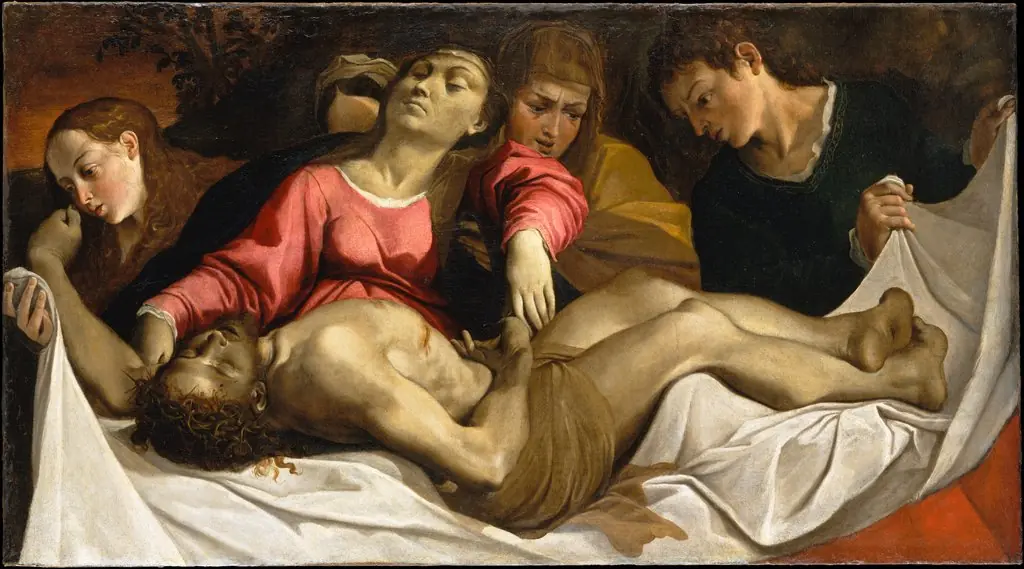 The Lamentation
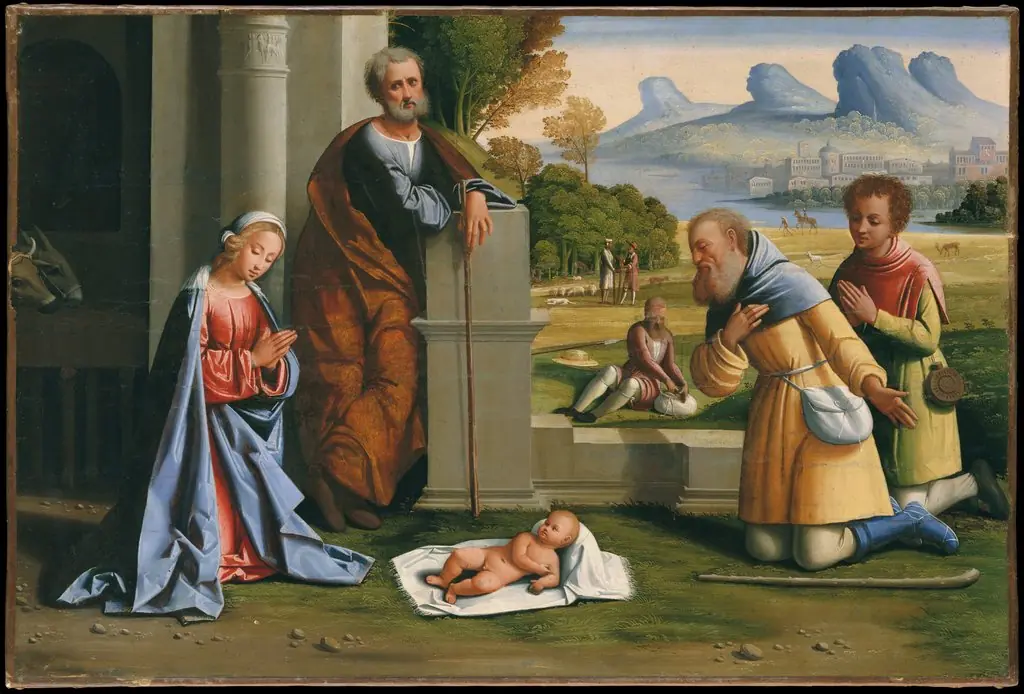 The Adoration of the Shepherds
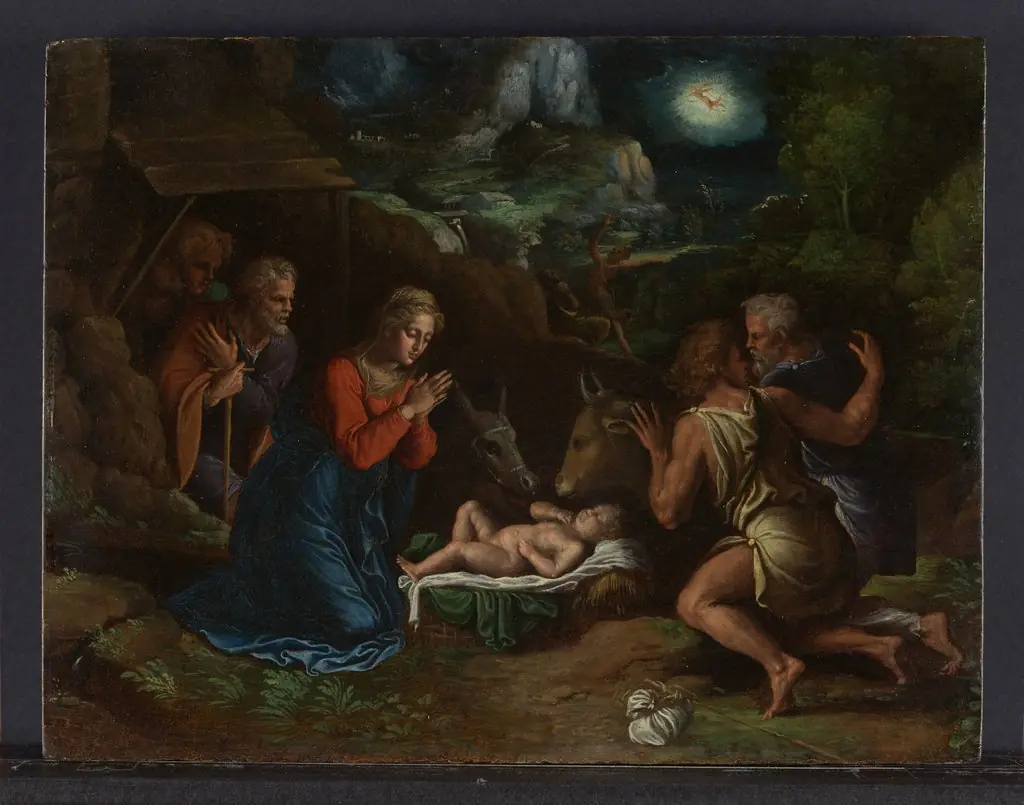 The Adoration of the Shepherds
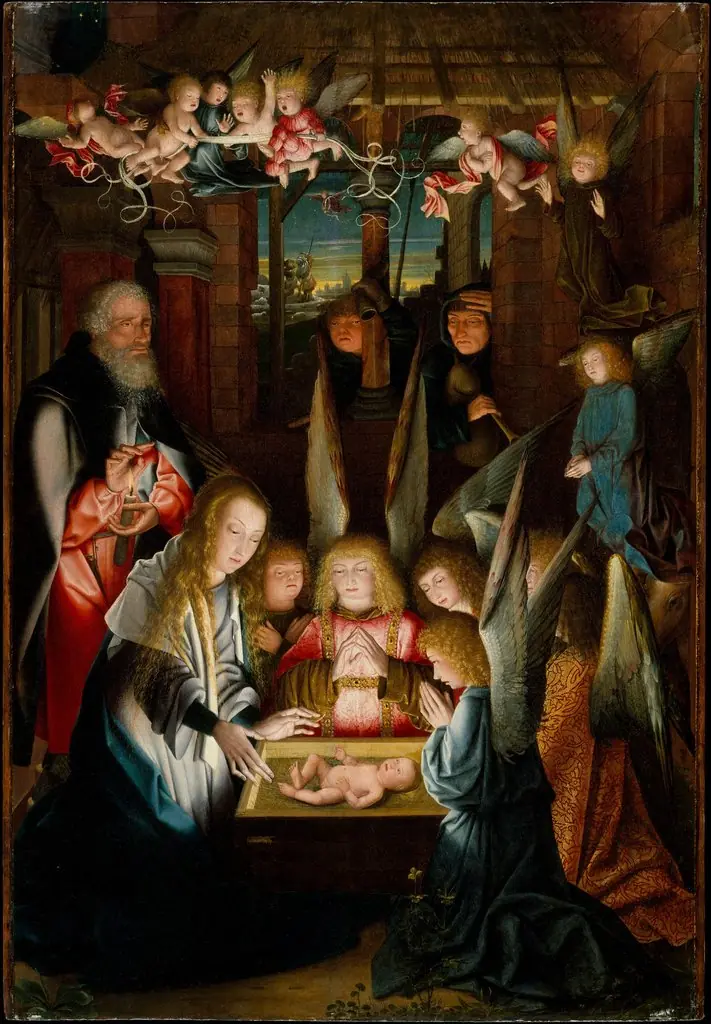 The Adoration of the Christ Child
 Christ Carrying the Cross
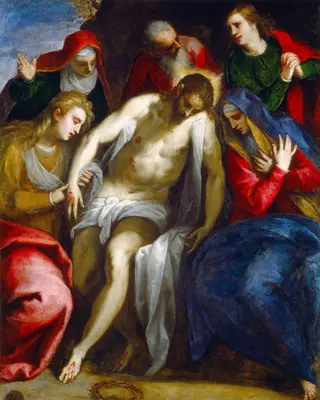 Lamentation
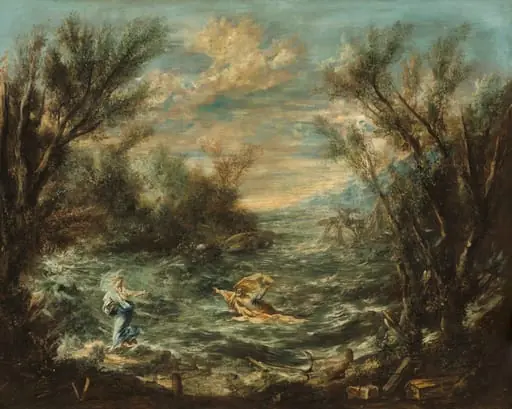 Christ at the Sea of Galilee
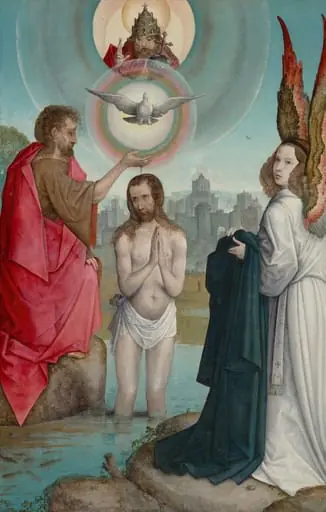 The Baptism of Christ
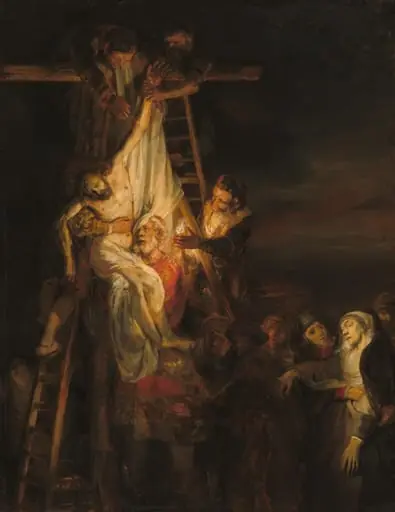 The Descent from the Cross
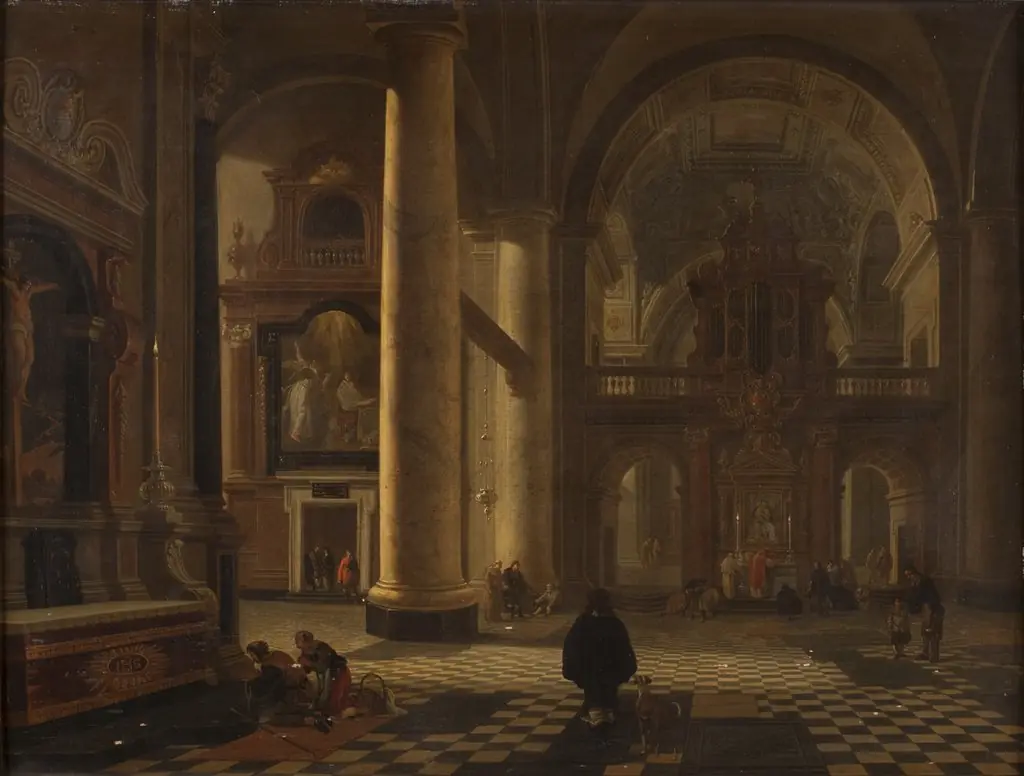 Interior of a Catholic Church
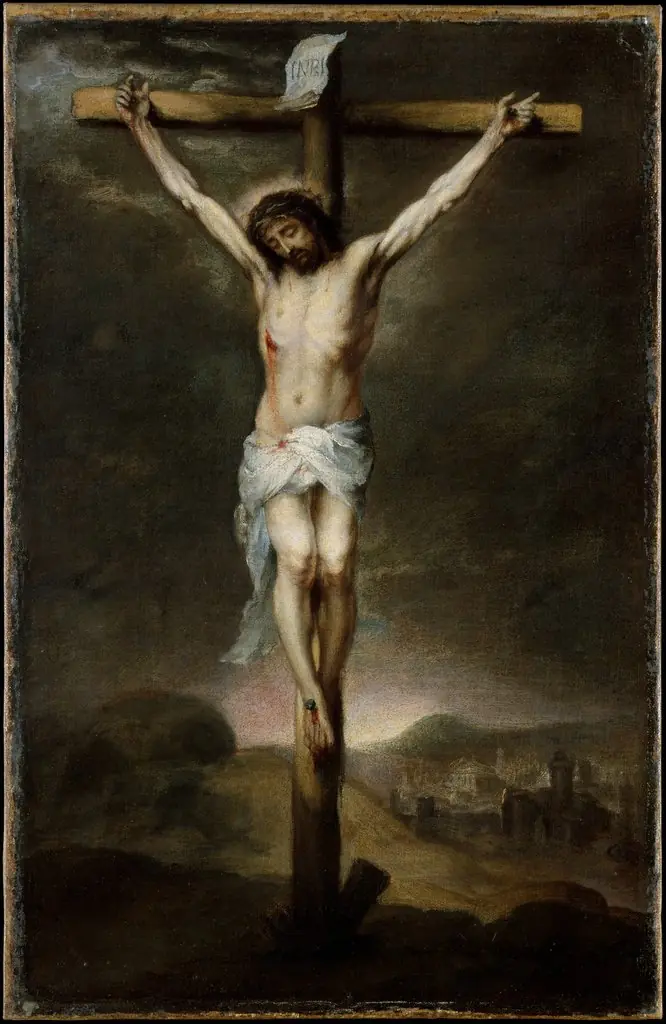 The Crucifixion
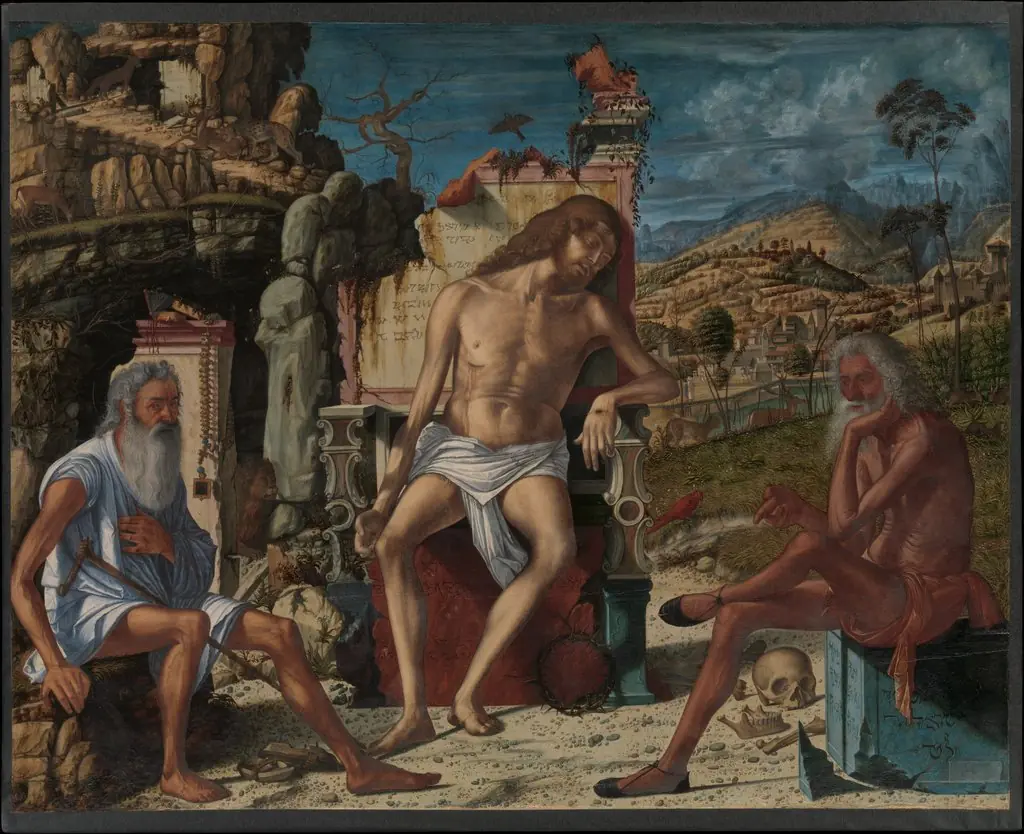 The Meditation on the Passion
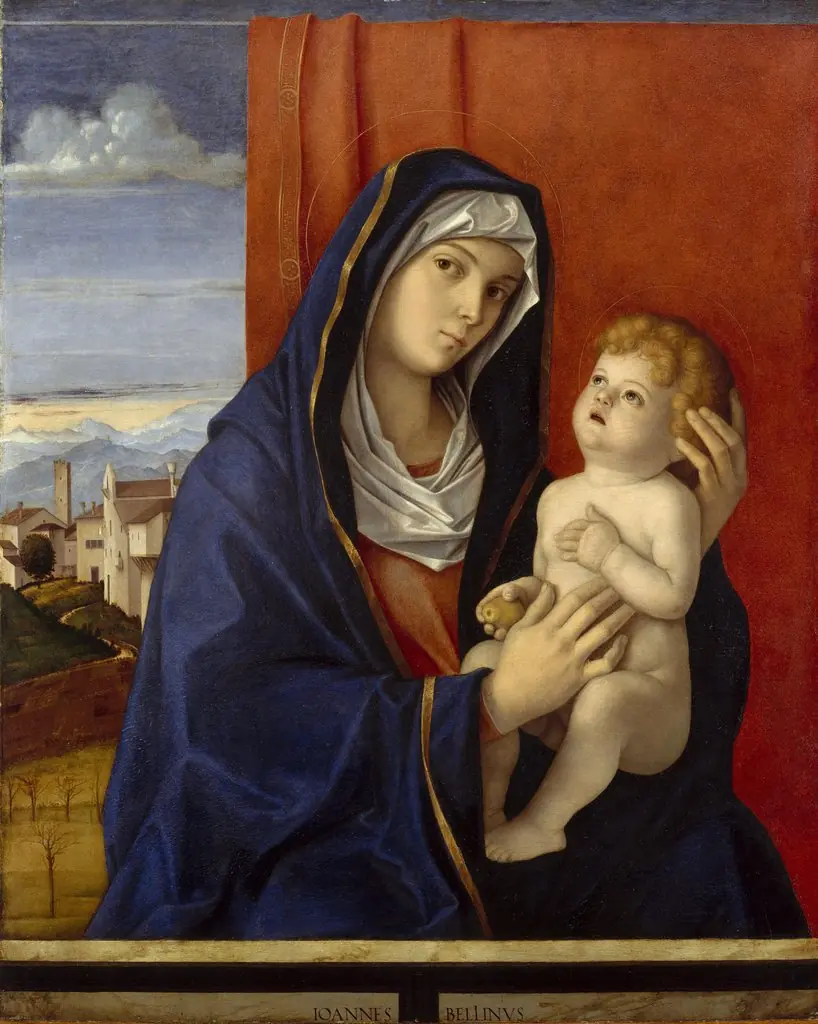 Madonna and Child
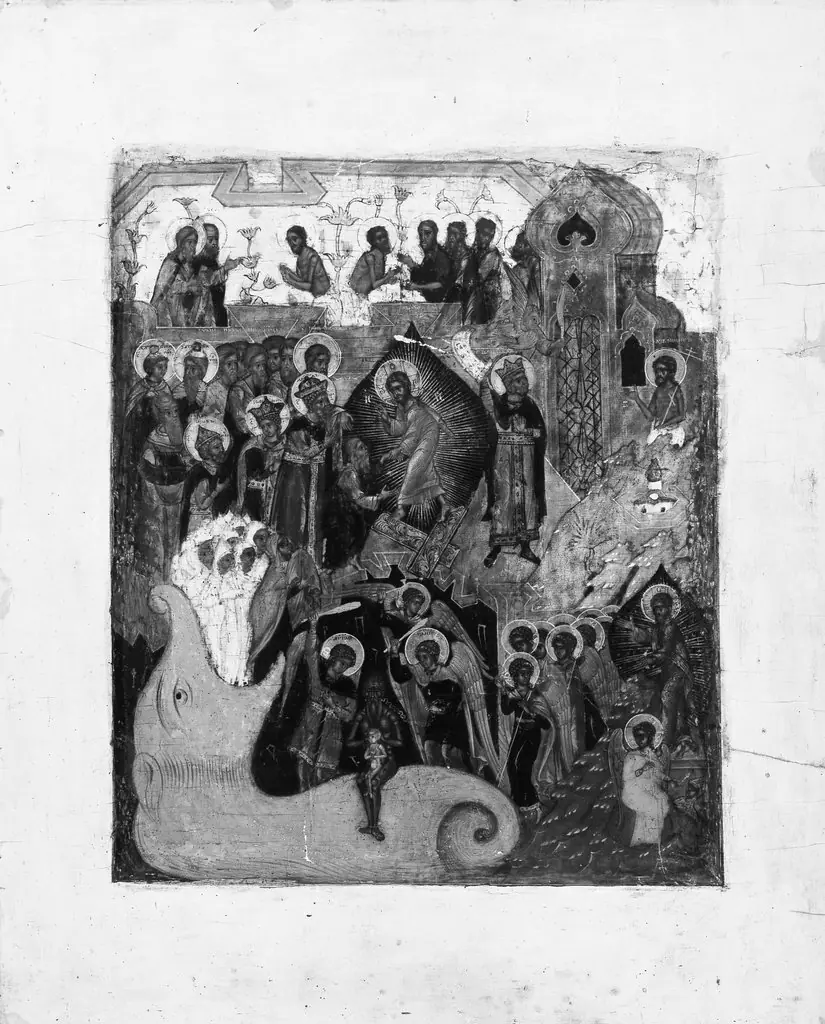 The Resurrection of Christ and the Harrowing of Hell
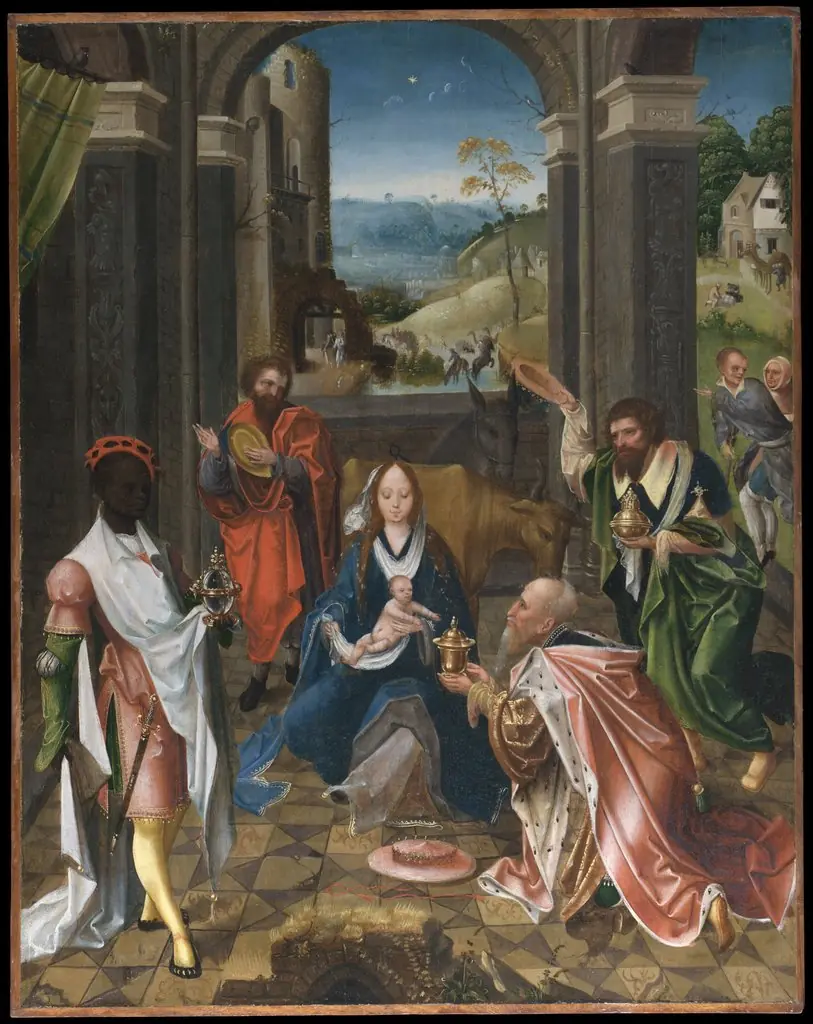 The Adoration of the Magi
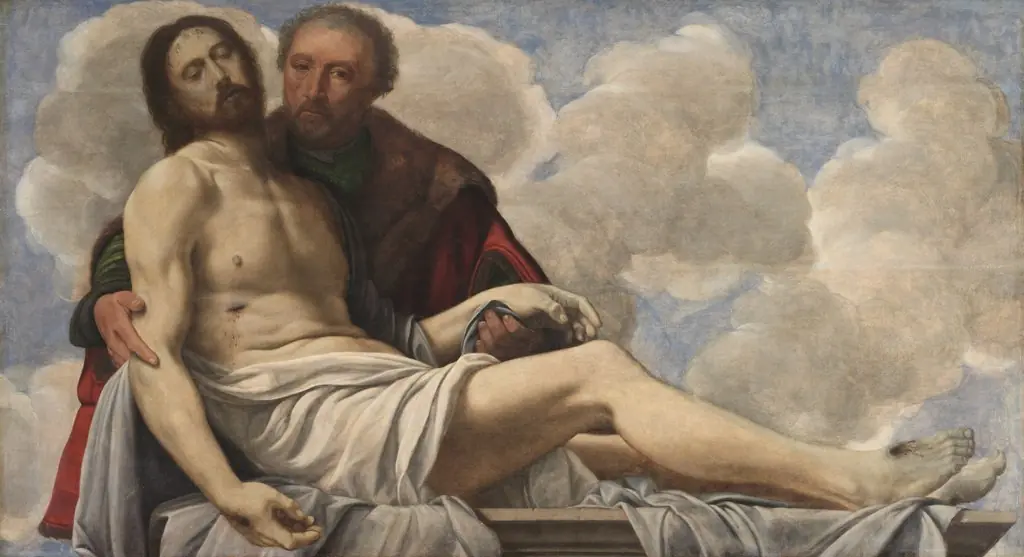 Christ with Joseph of Arimathea
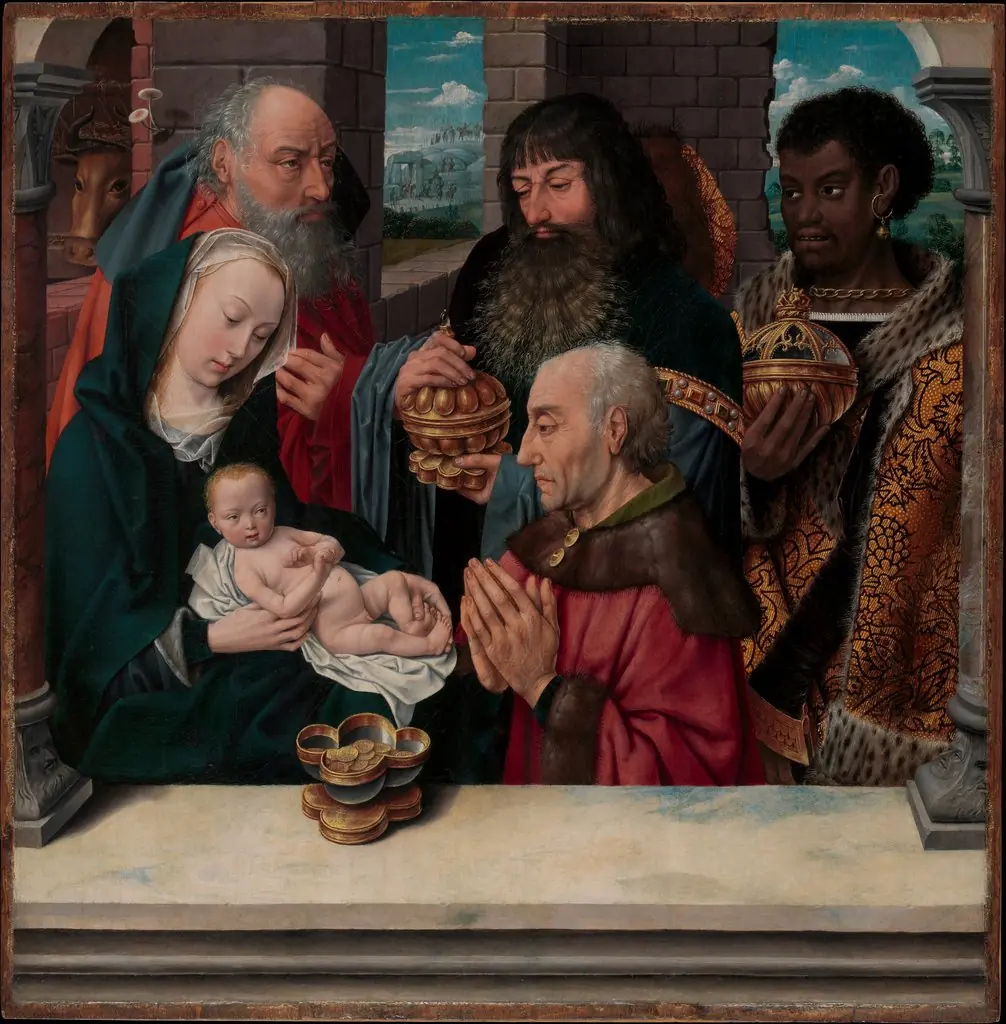 The Adoration of the Magi
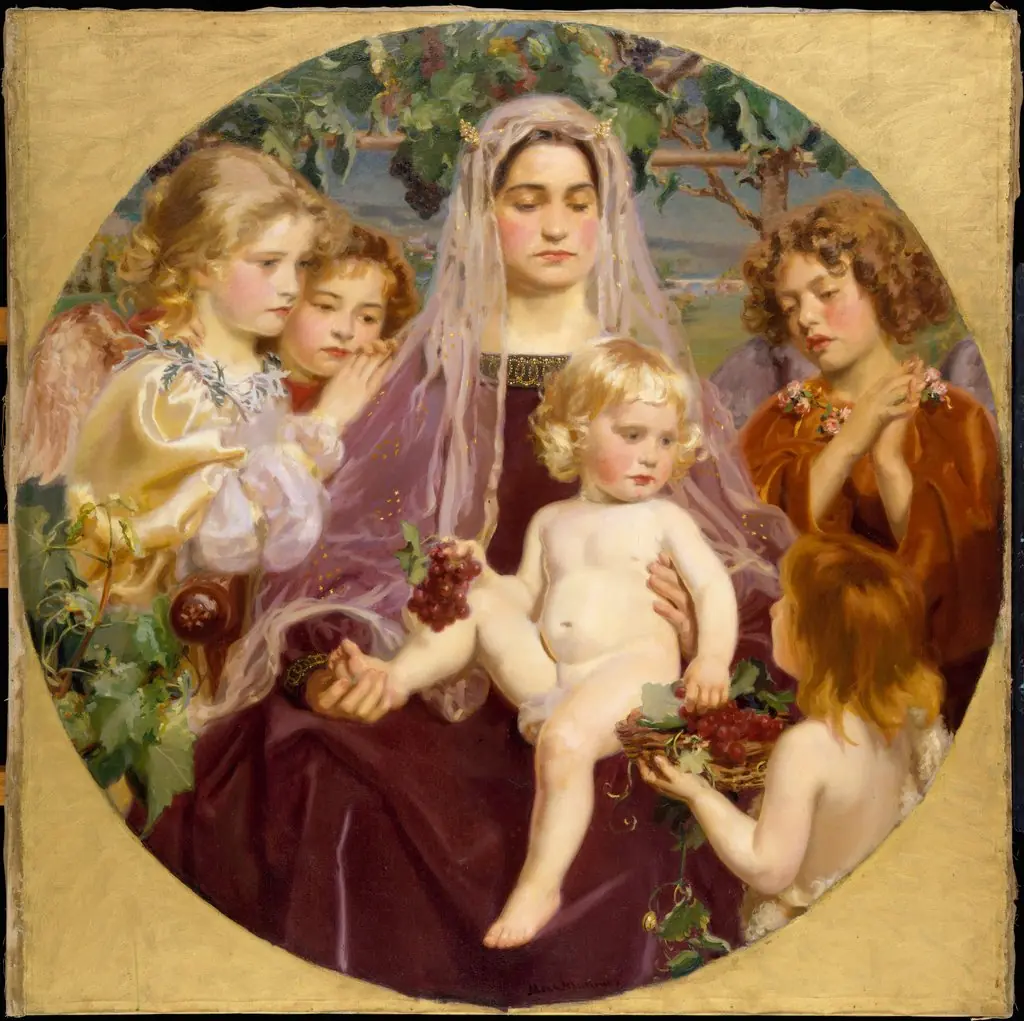 Madonna of Giverny
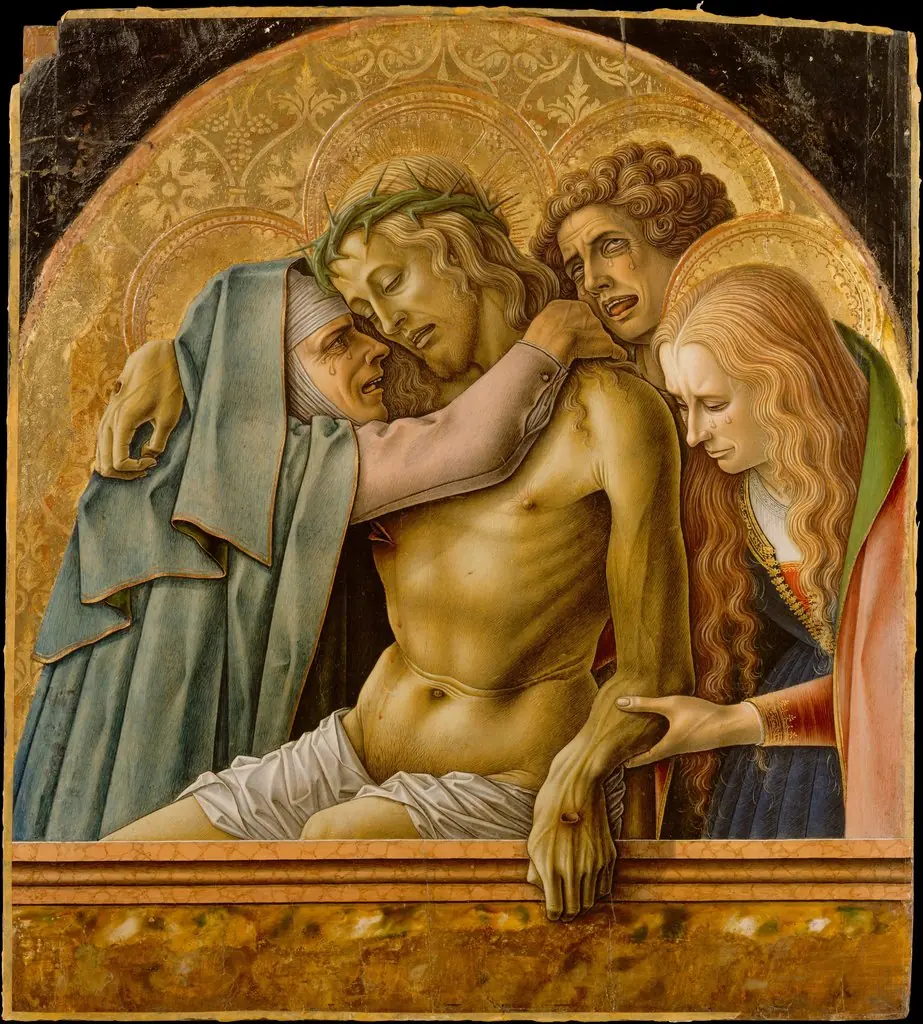 Pietà
Pietà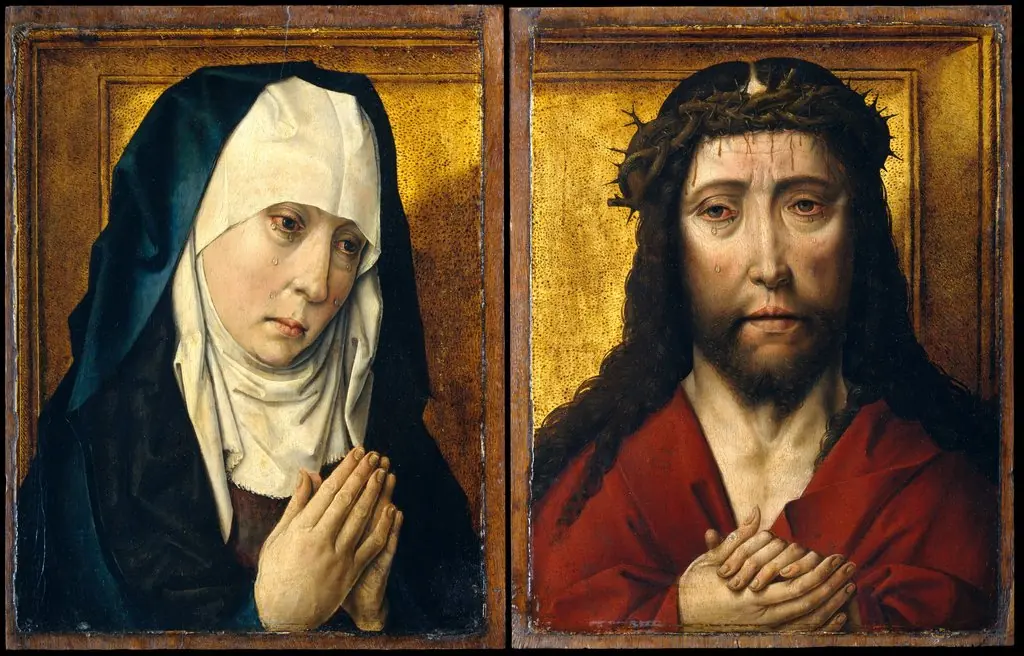 The Mourning Virgin; The Man of Sorrows
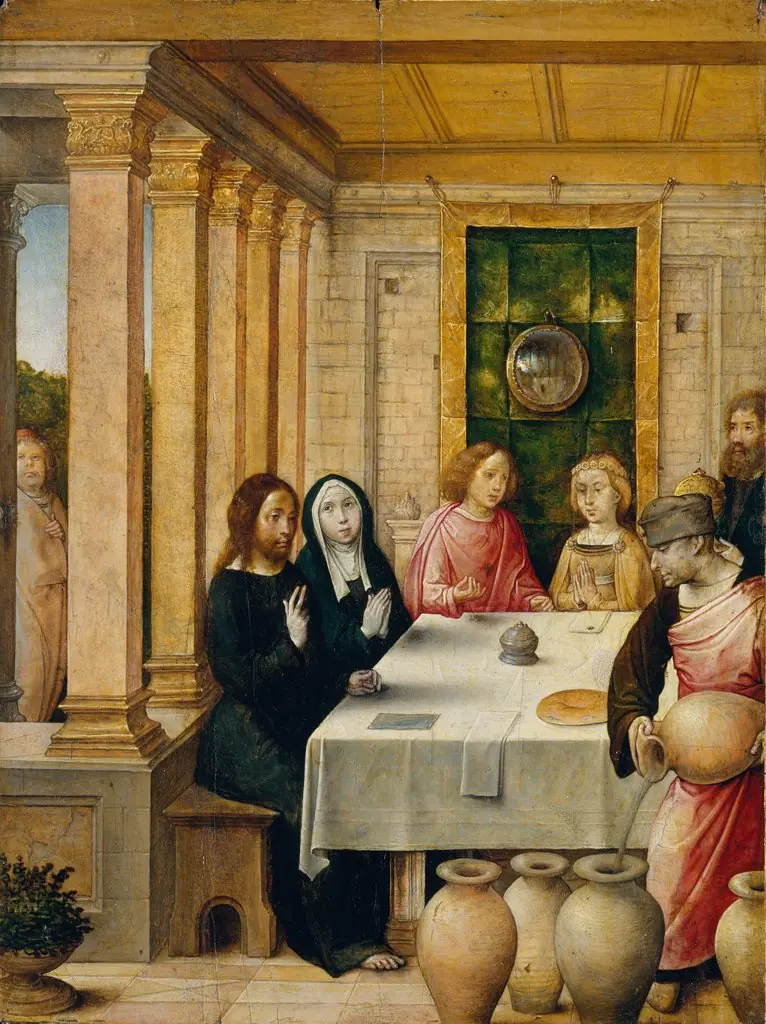 The Marriage Feast at Cana
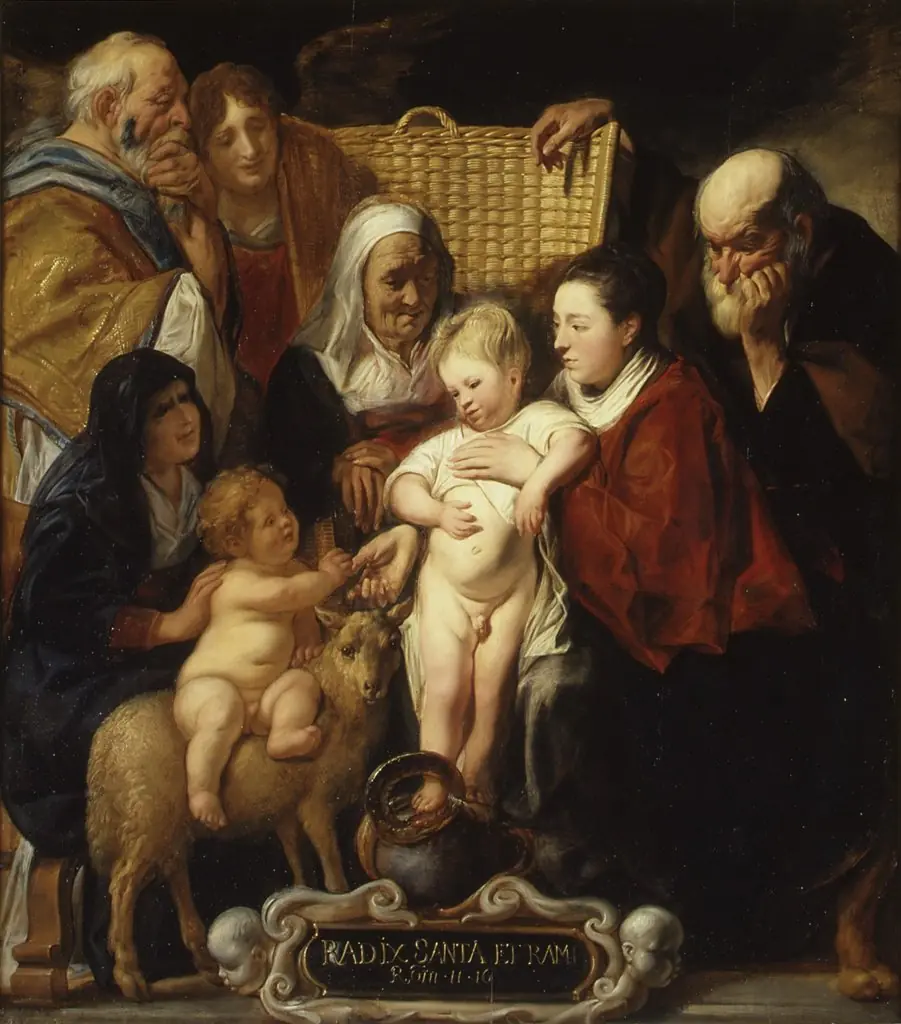 The Holy Family with Saint Anne and the Young Baptist and His Parents
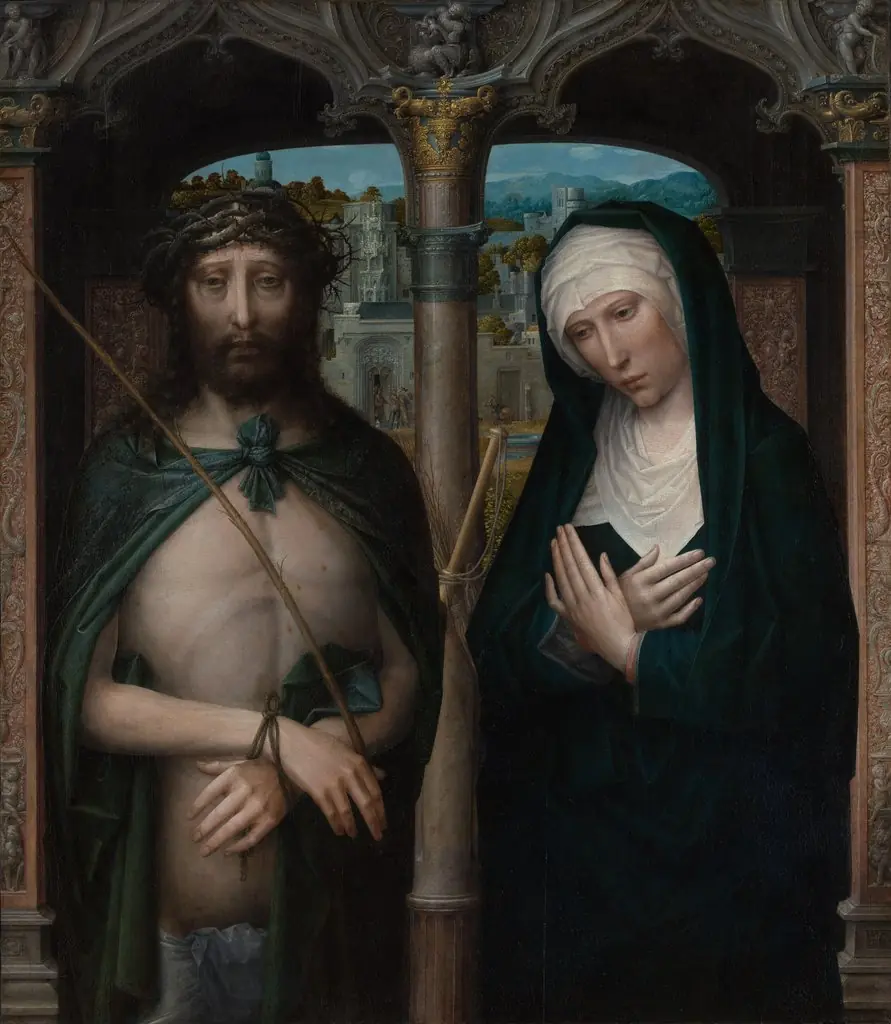 Christ Crowned with Thorns (Ecce Homo), and the Mourning Virgin
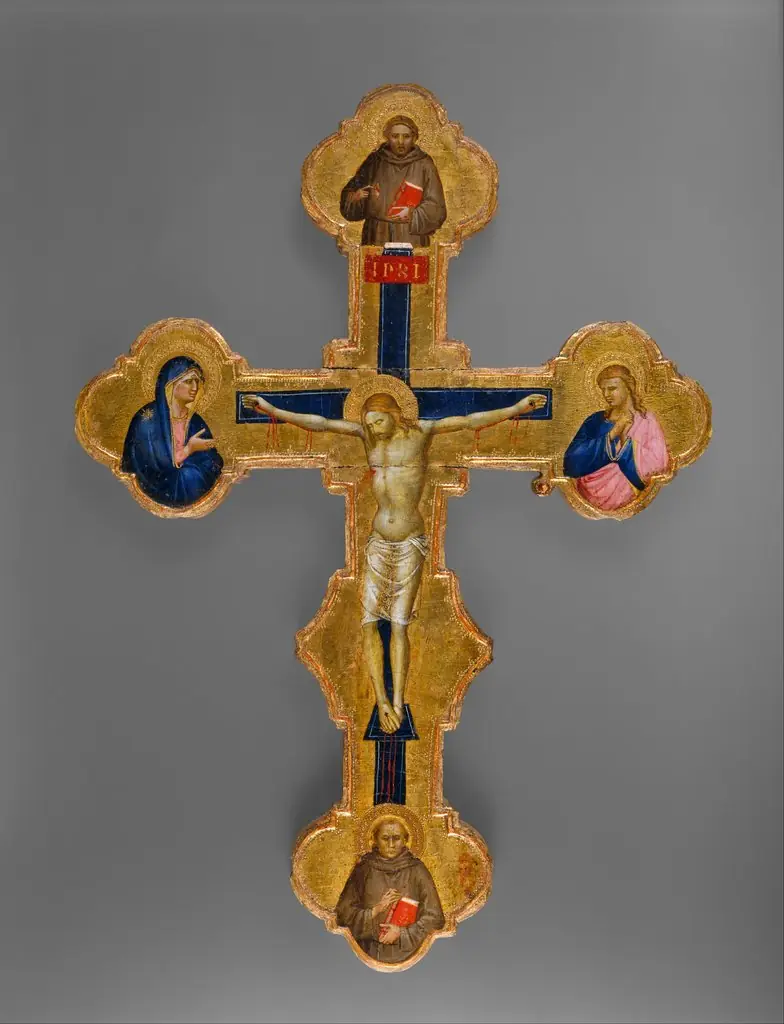 Crucifix
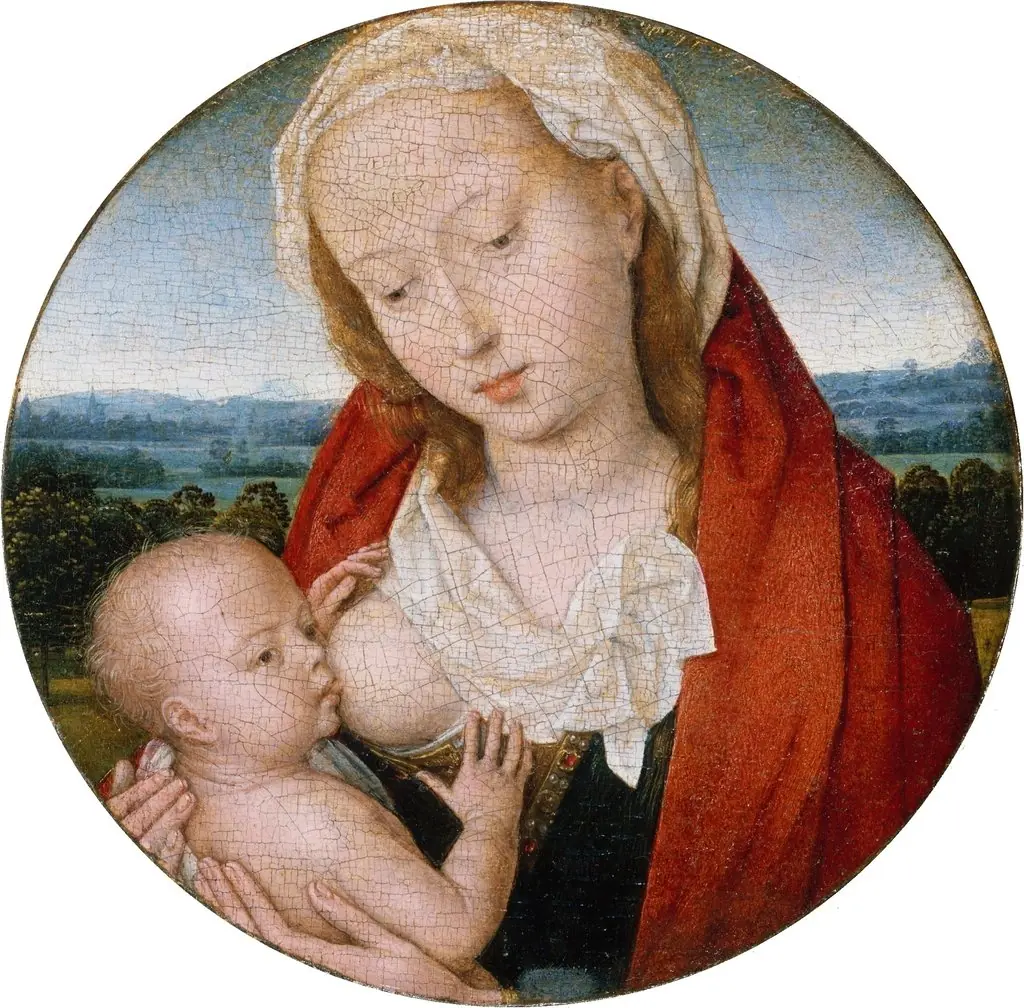 Virgin and Child
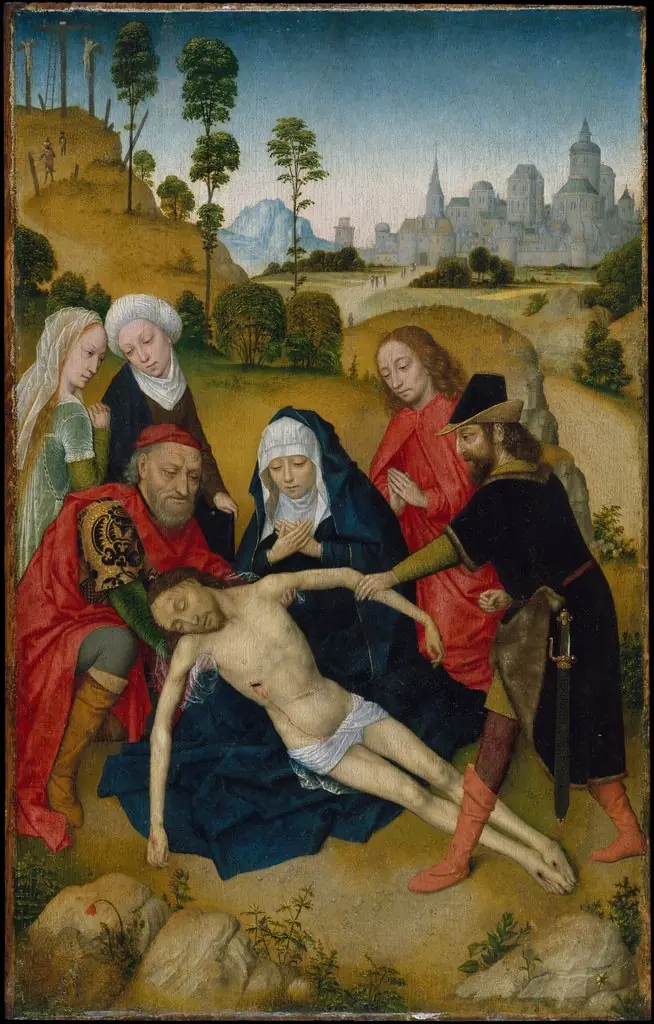 The Lamentation of Christ
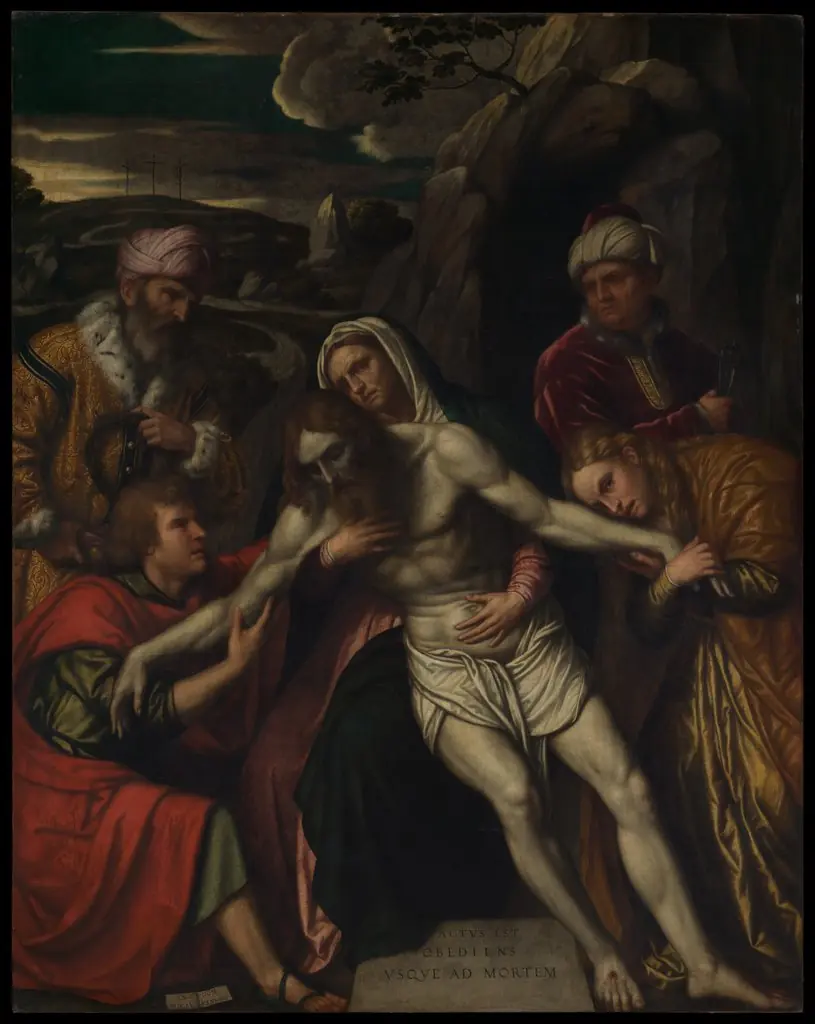 The Entombment
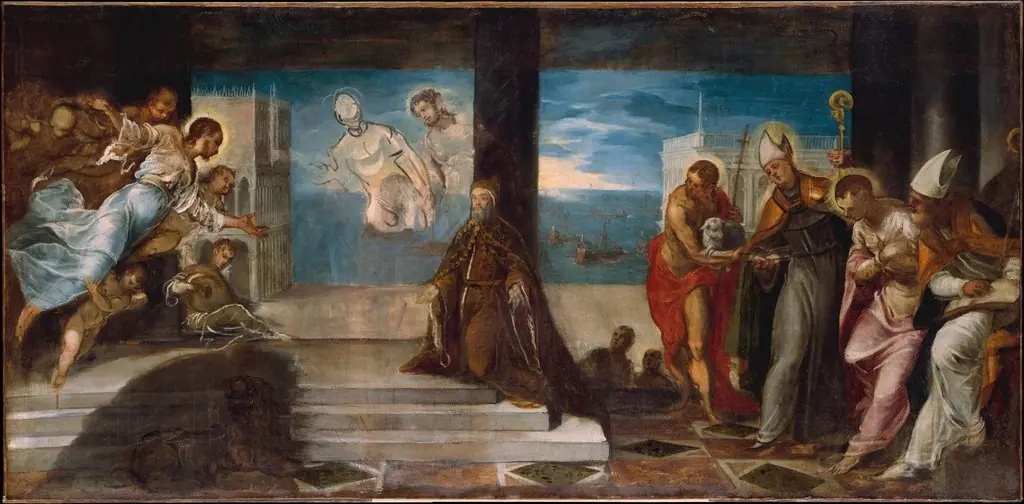 Doge Alvise Mocenigo (1507–1577) Presented to the Redeemer
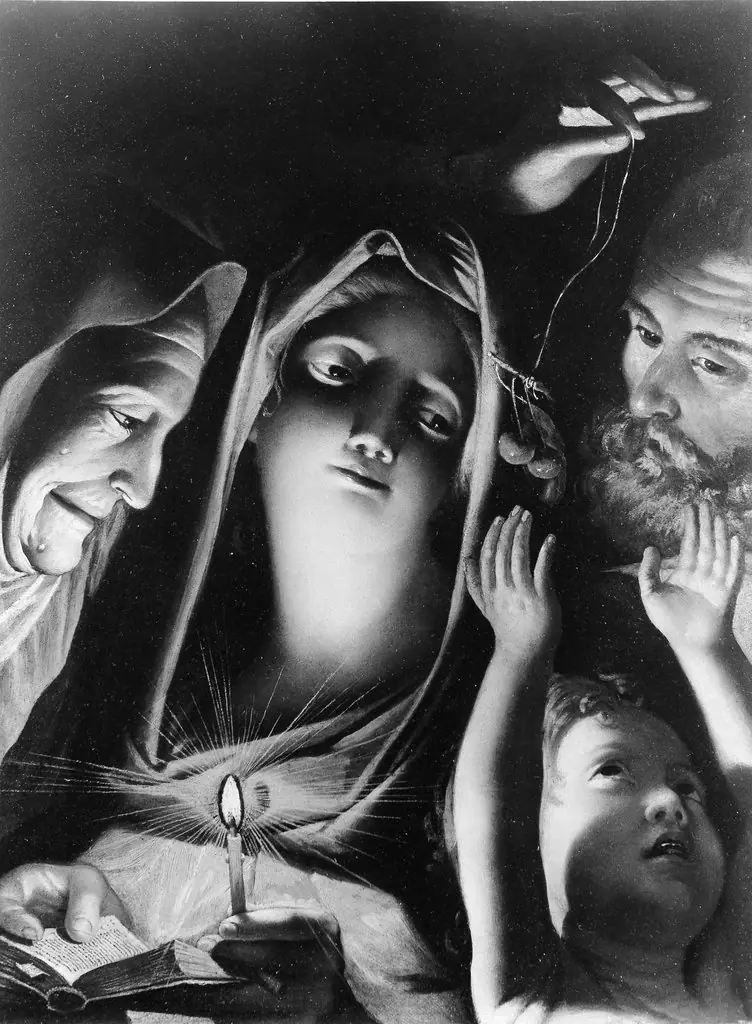 Holy Family with Saint Anne
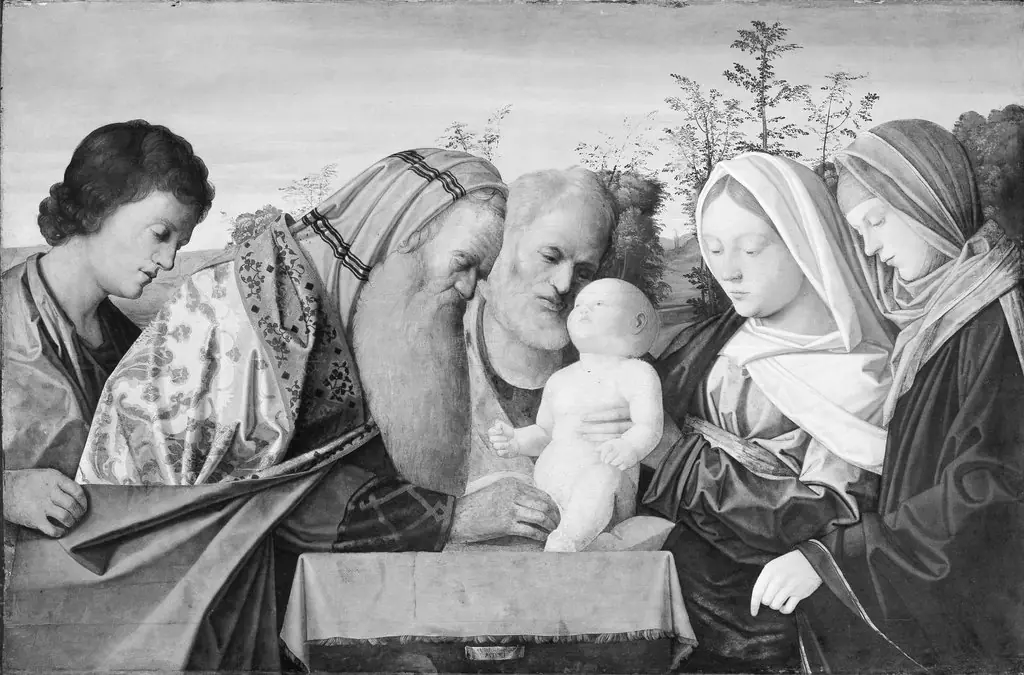 The Circumcision
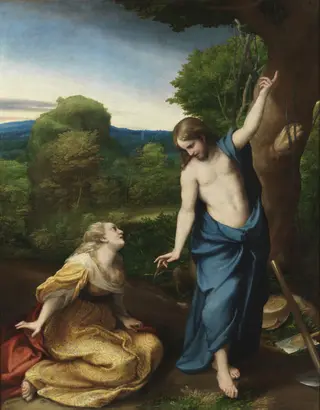 Noli me tangere
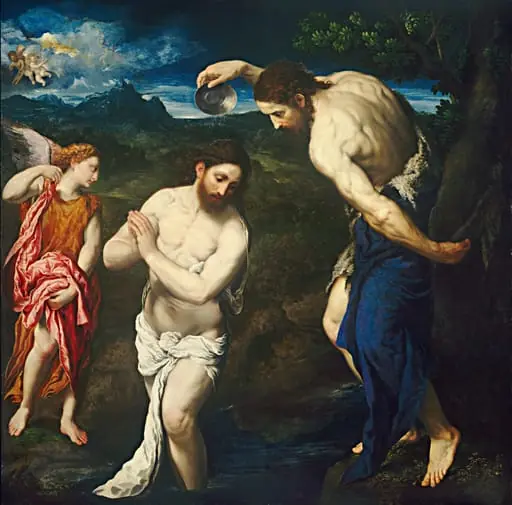 The Baptism of Christ
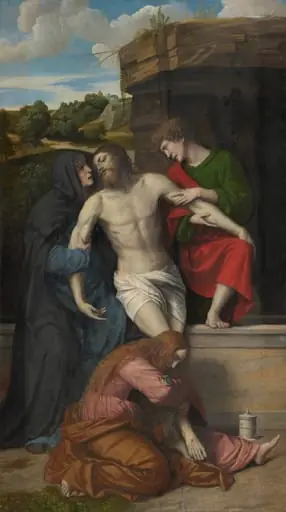 Pietà
Pietà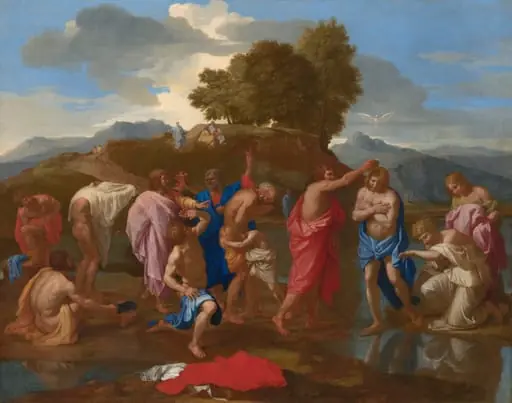 The Baptism of Christ
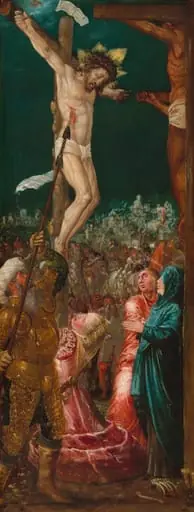 The Crucifixion
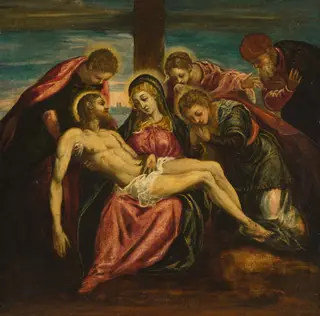 Lamentation
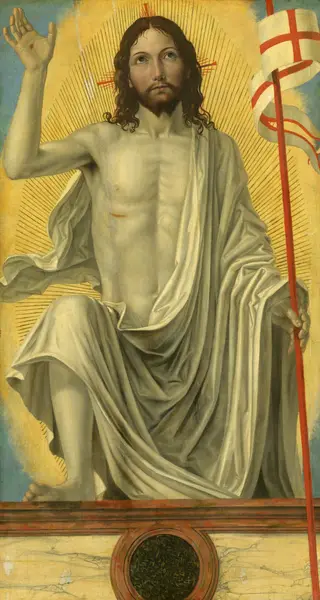 Christ Risen from the Tomb
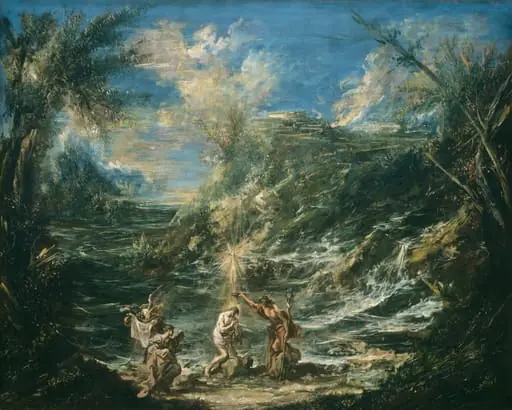 The Baptism of Christ
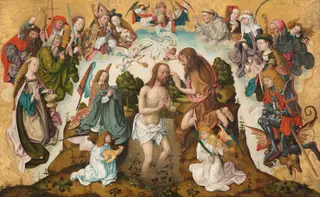 The Baptism of Christ
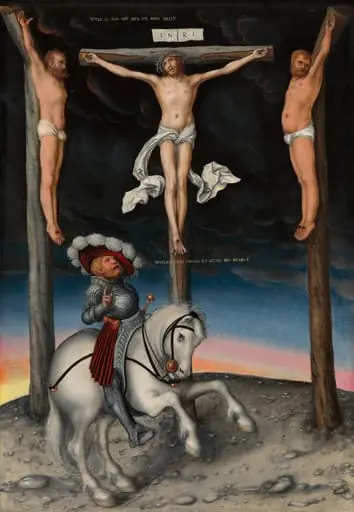 The Crucifixion with the Converted Centurion
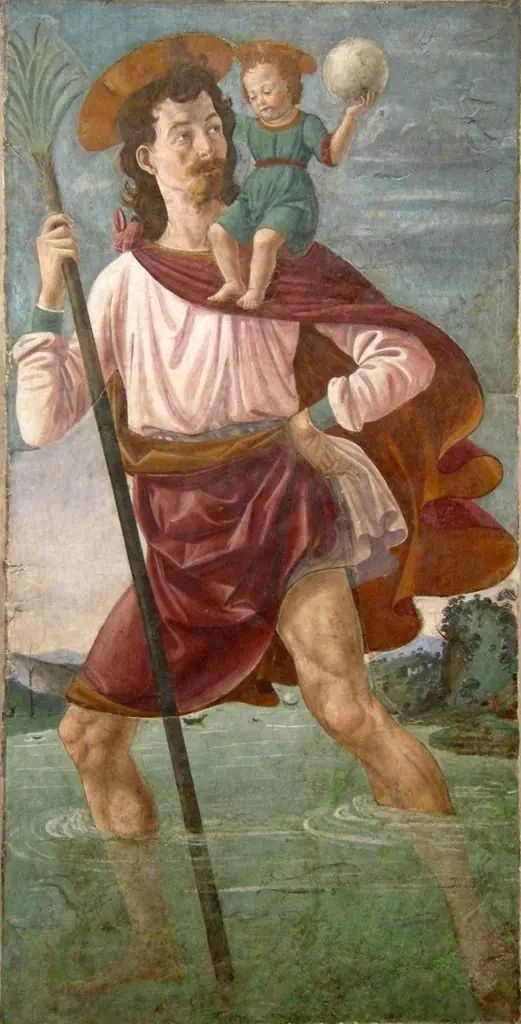 Saint Christopher and the Infant Christ
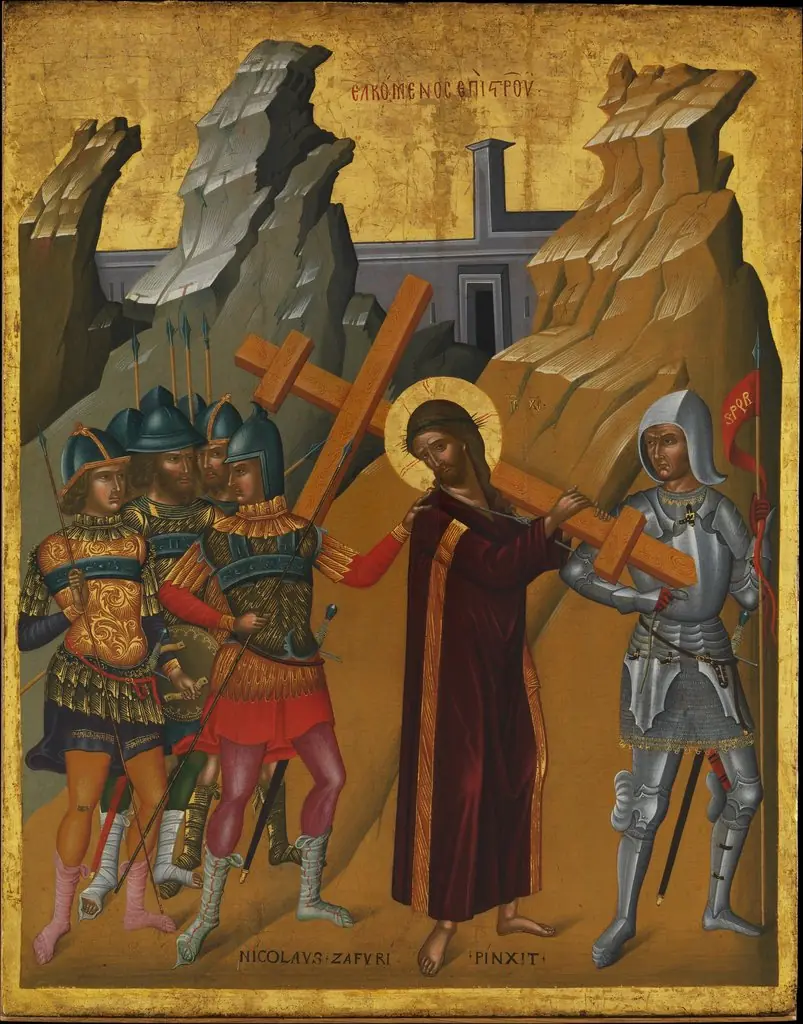 Christ Bearing the Cross
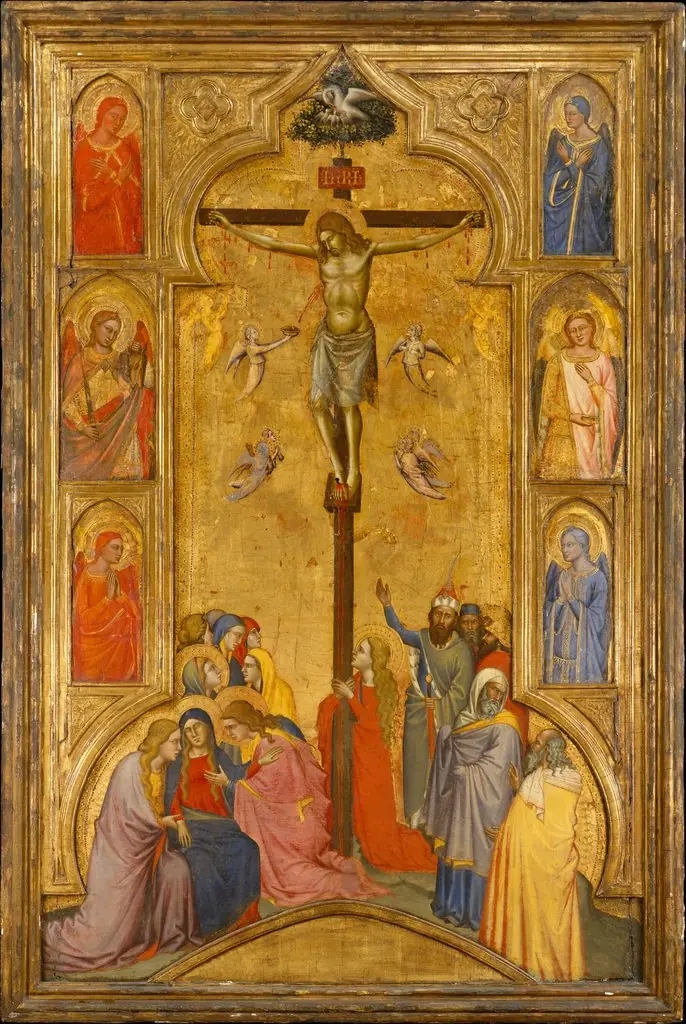 The Crucifixion
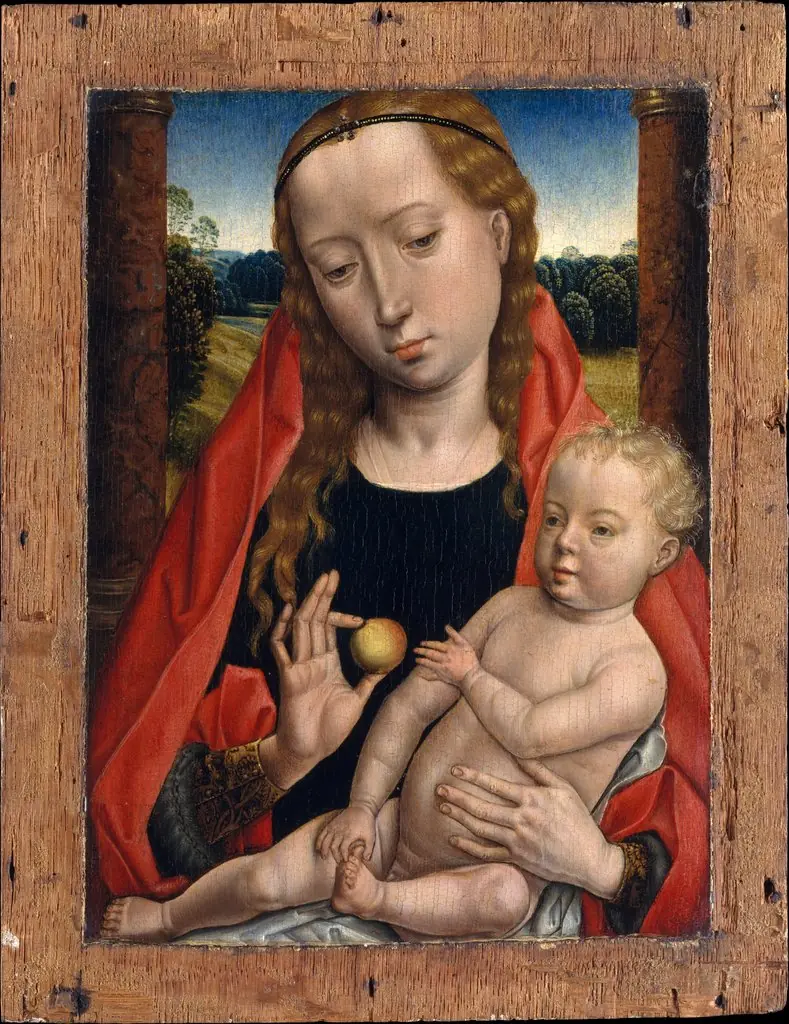 Virgin and Child
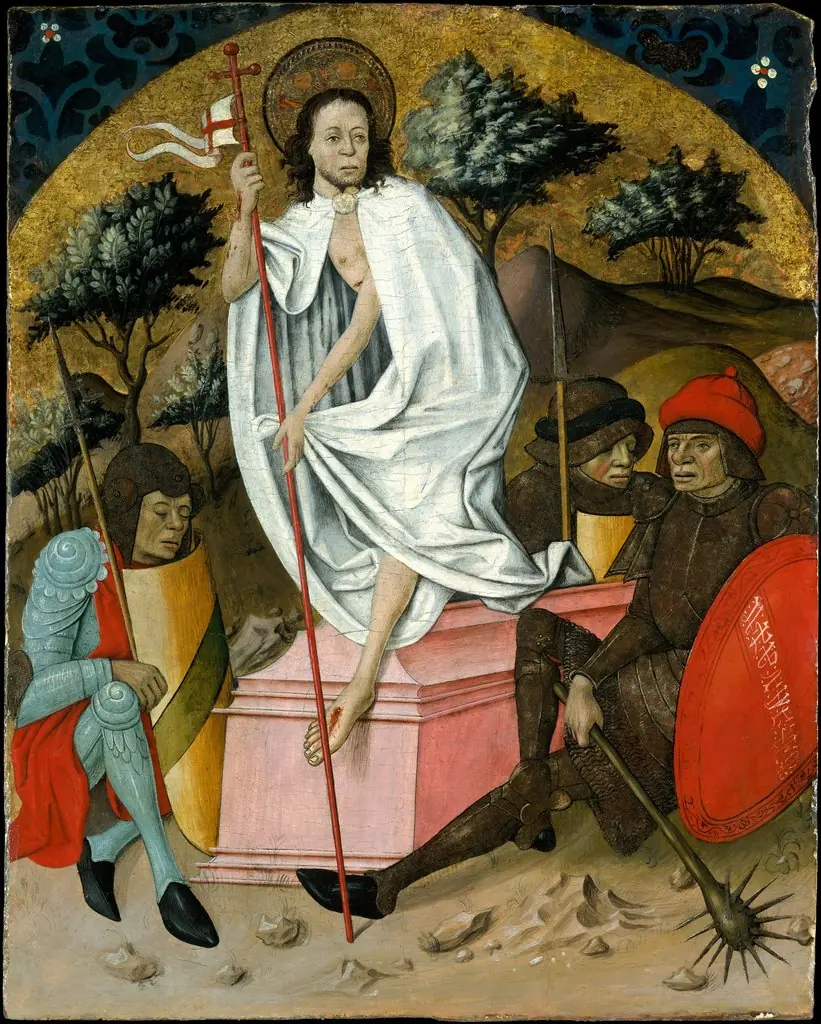 The Resurrection
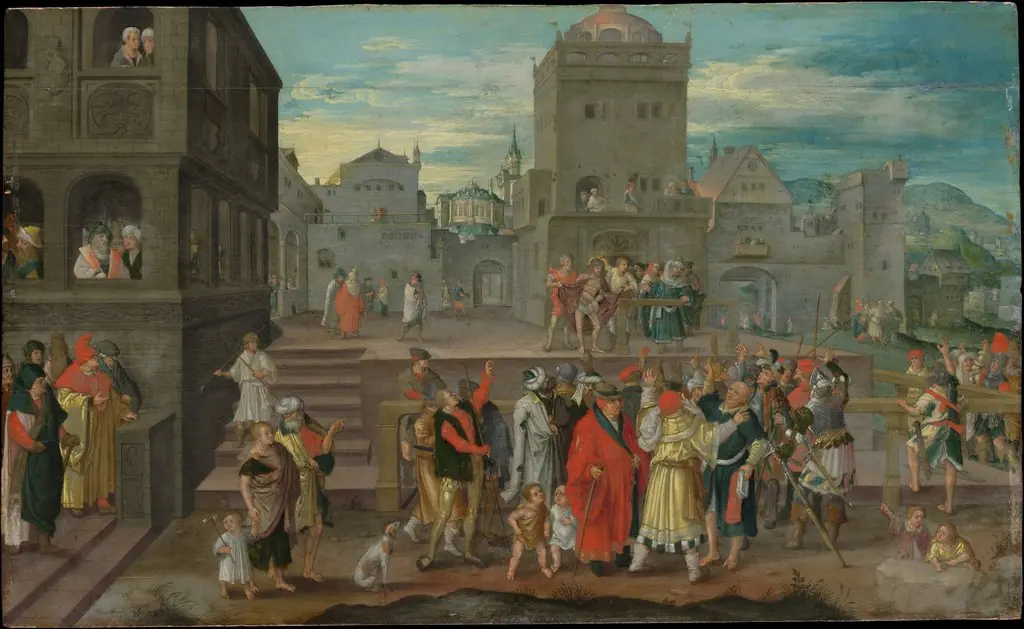 Christ Presented to the People
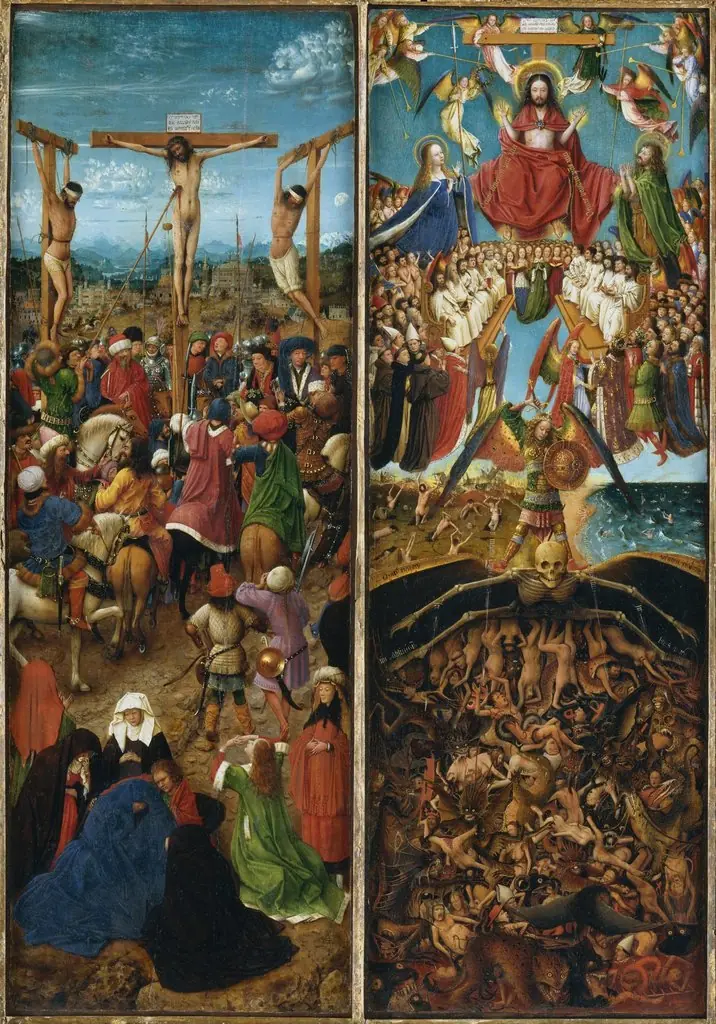 Crucifixion and Last Judgement diptych
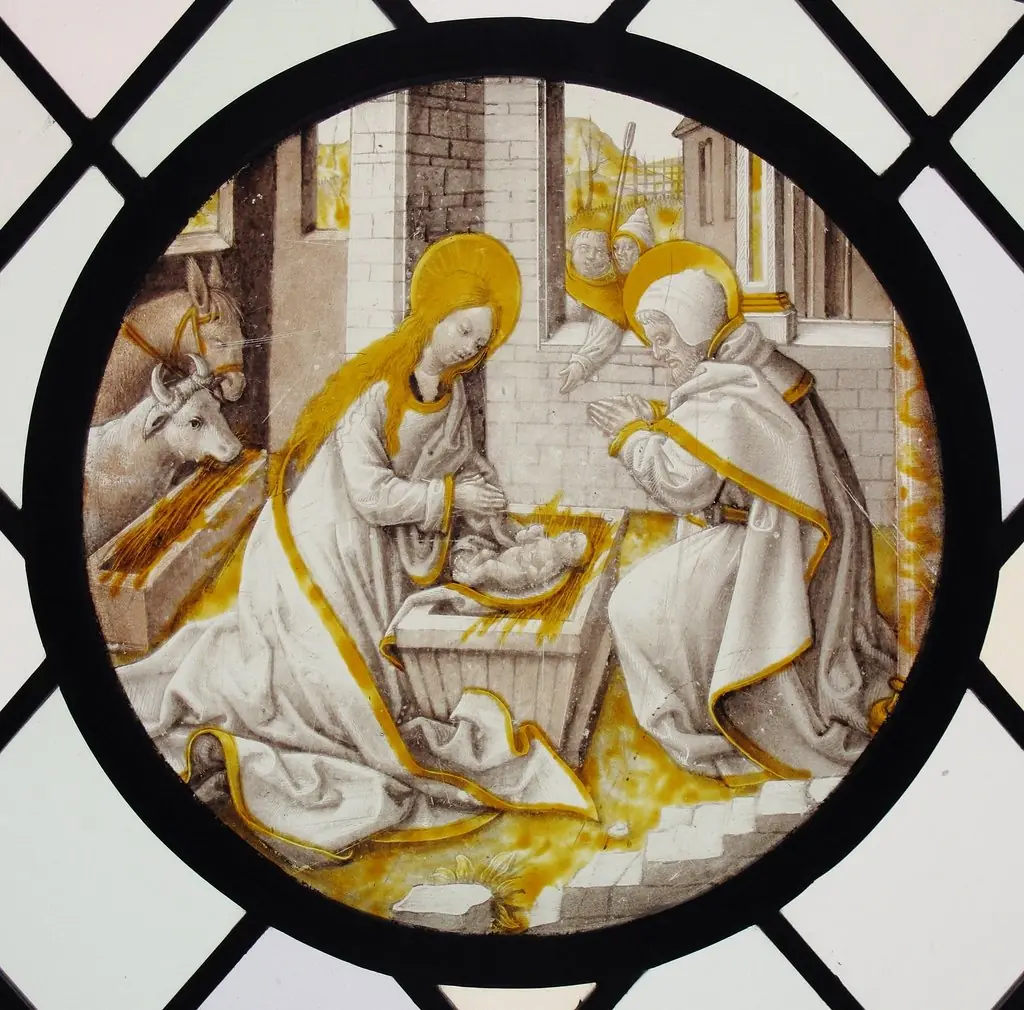 Roundel with the Nativity
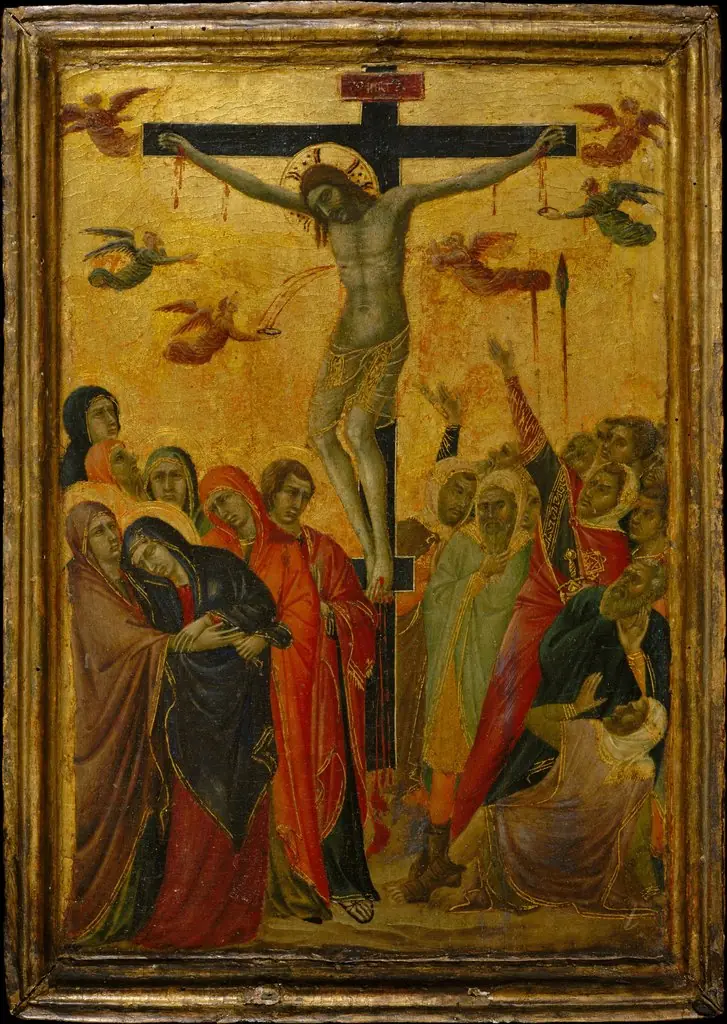 The Crucifixion
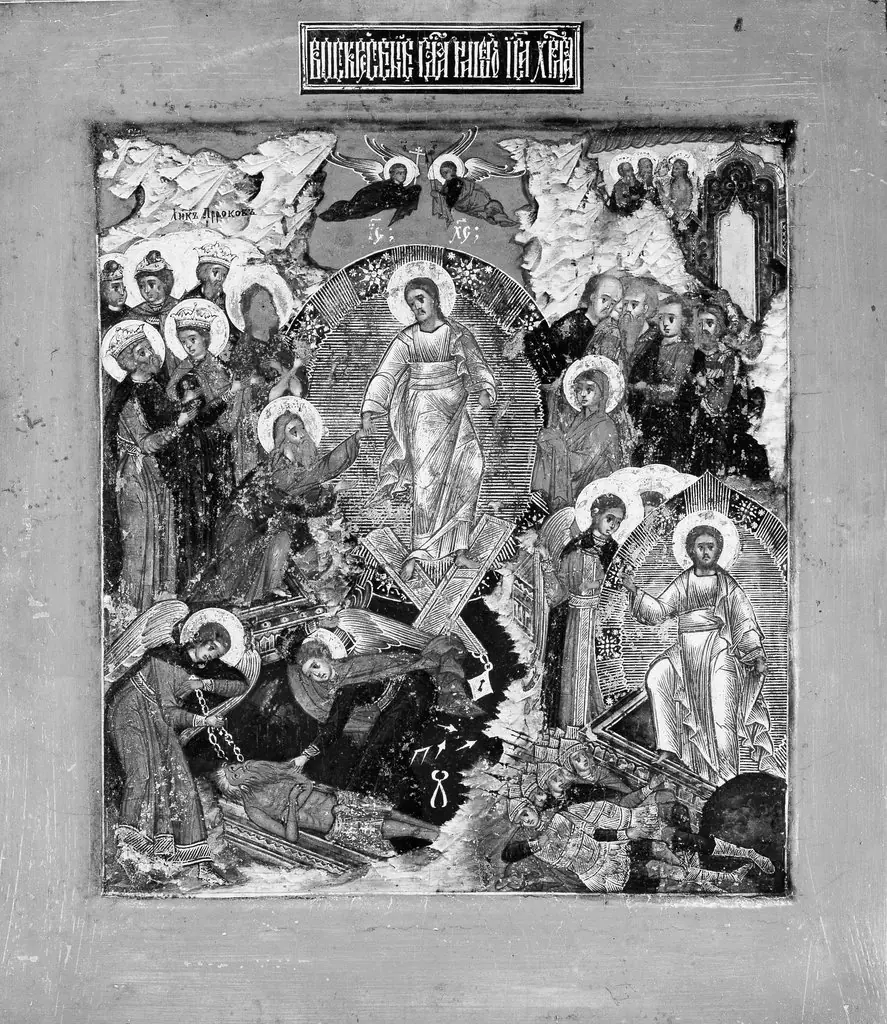 The Resurrection of Christ and the Harrowing of Hell
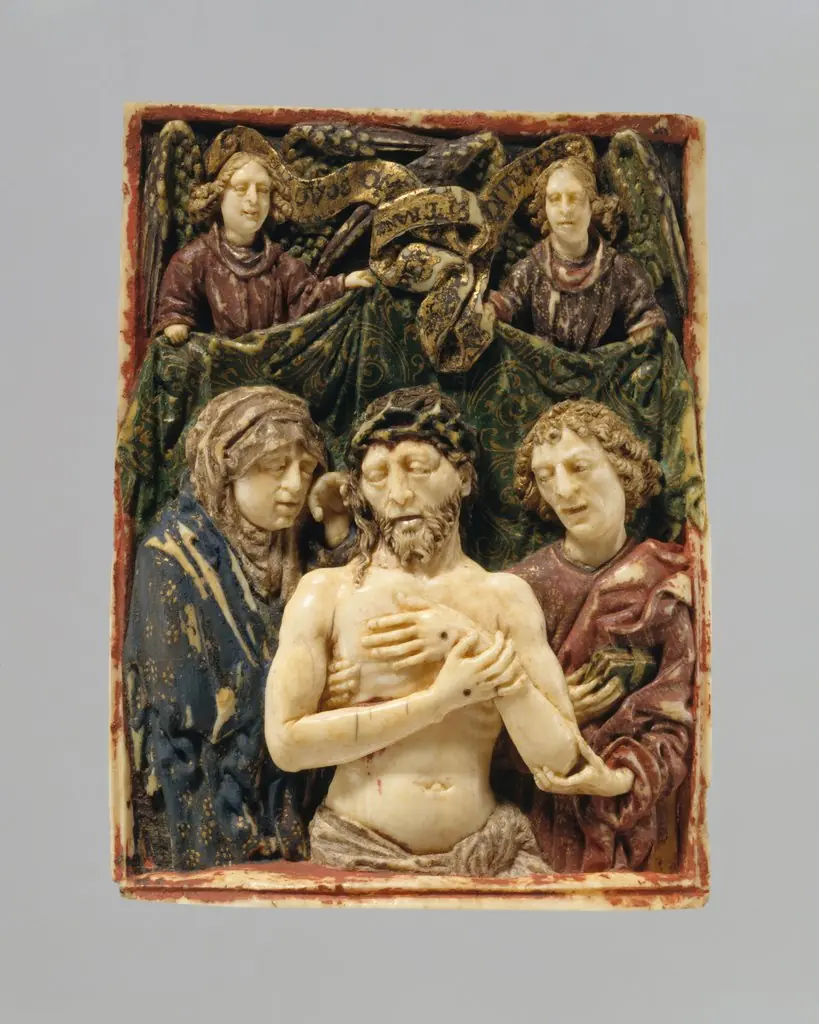 Man of Sorrows
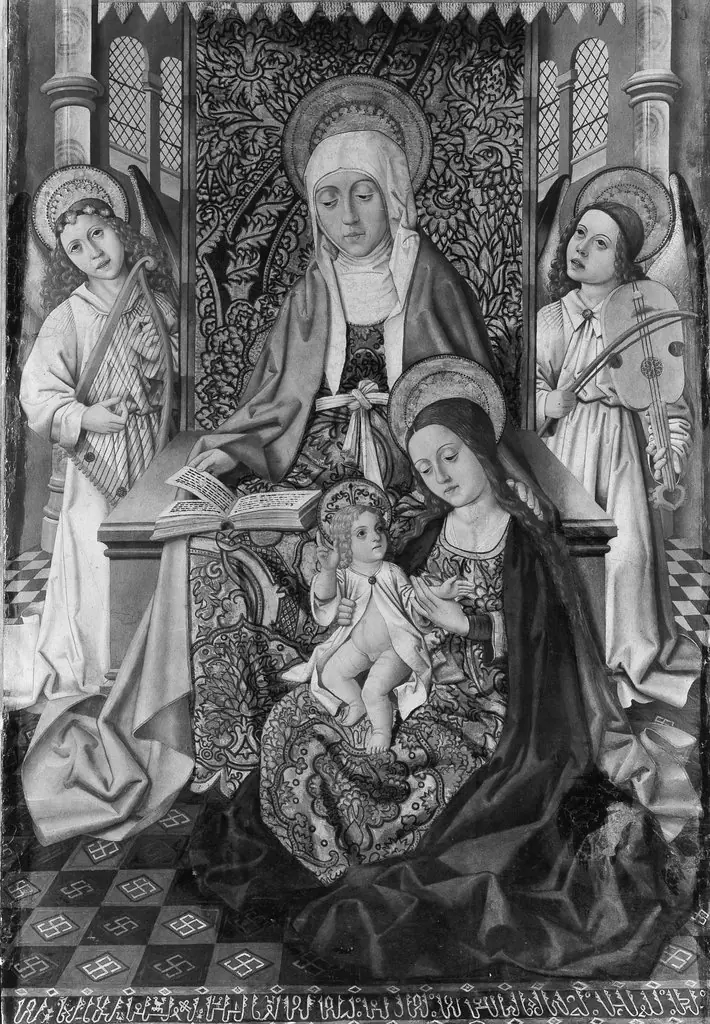 Saint Anne Enthroned with the Virgin and Child
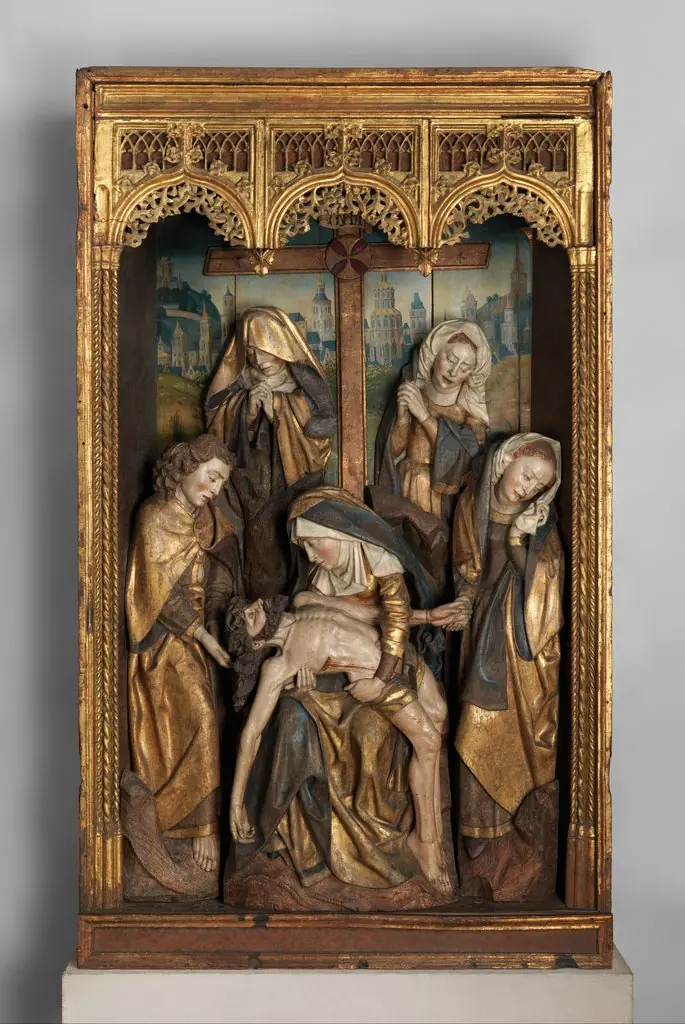 The Lamentation
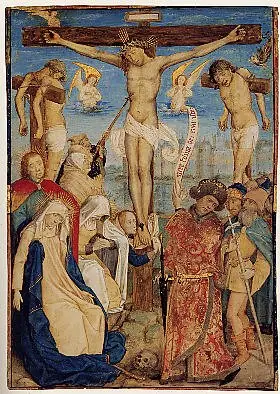 The Crucifixion
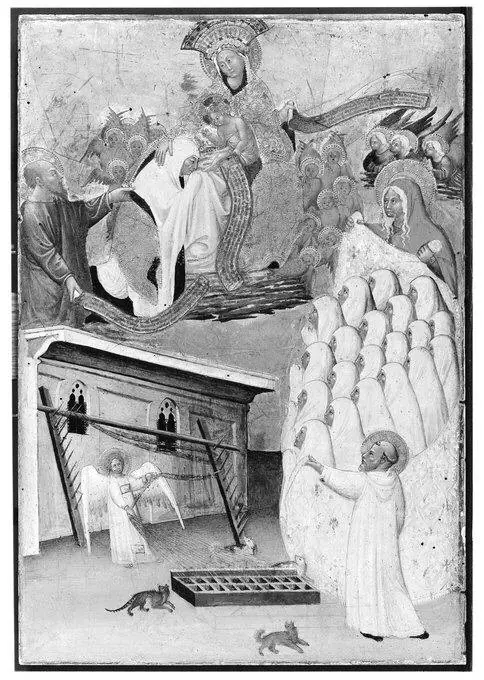 Santa Francesca Romana (1384–1440) Clothed by the Virgin
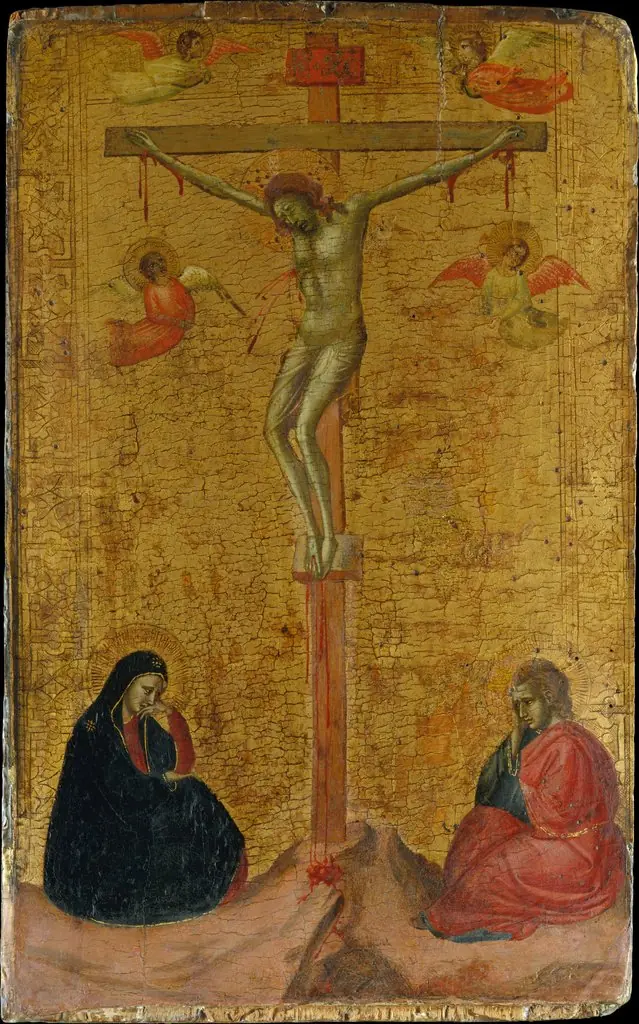 The Crucifixion
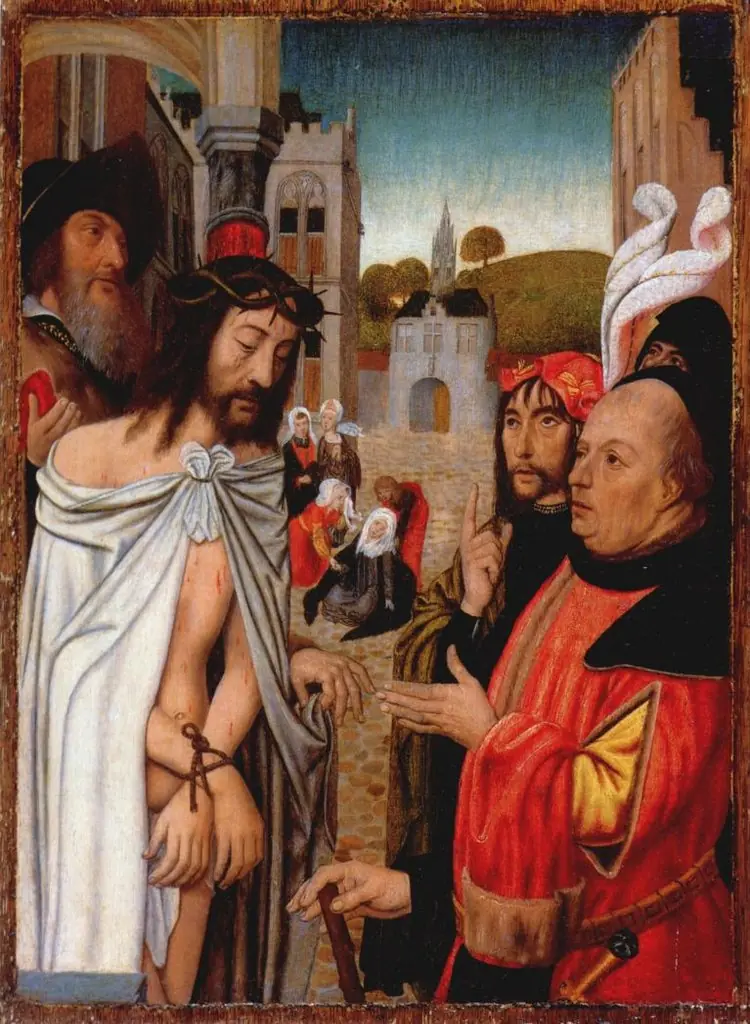 Christ Shown to the People
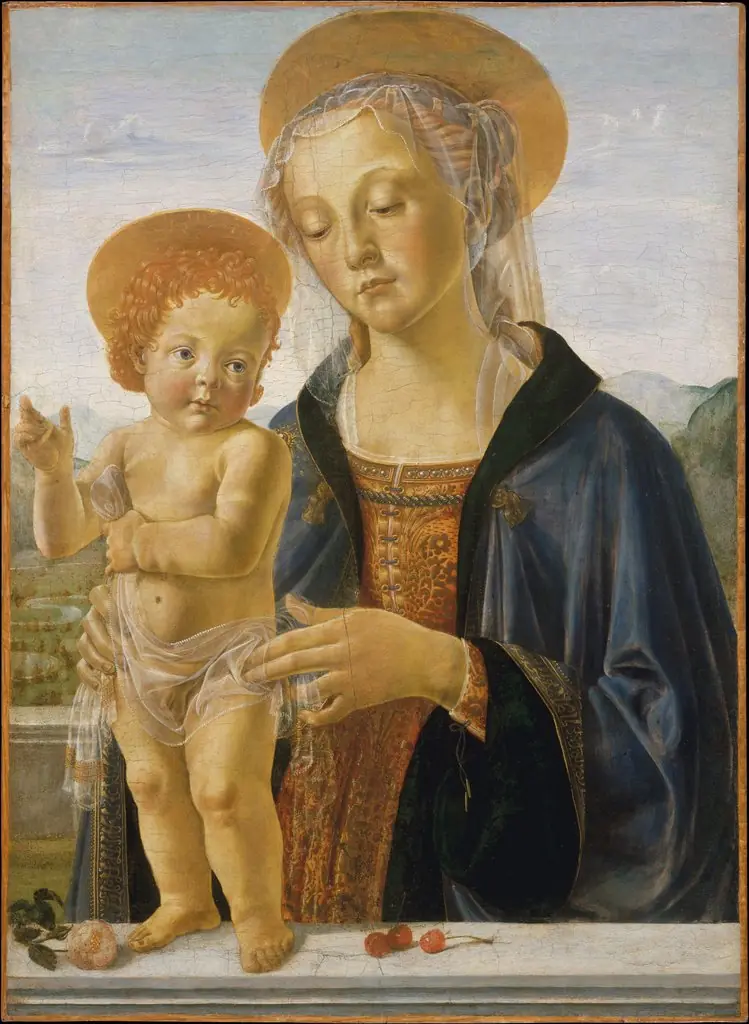 Madonna and Child
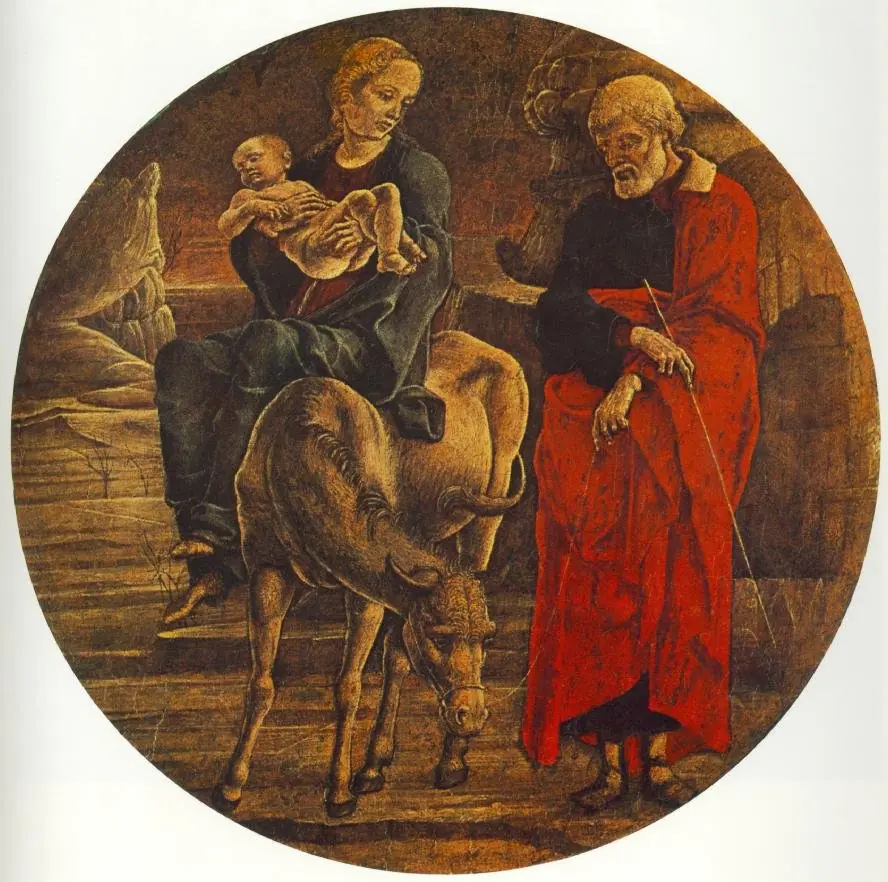 The Flight into Egypt
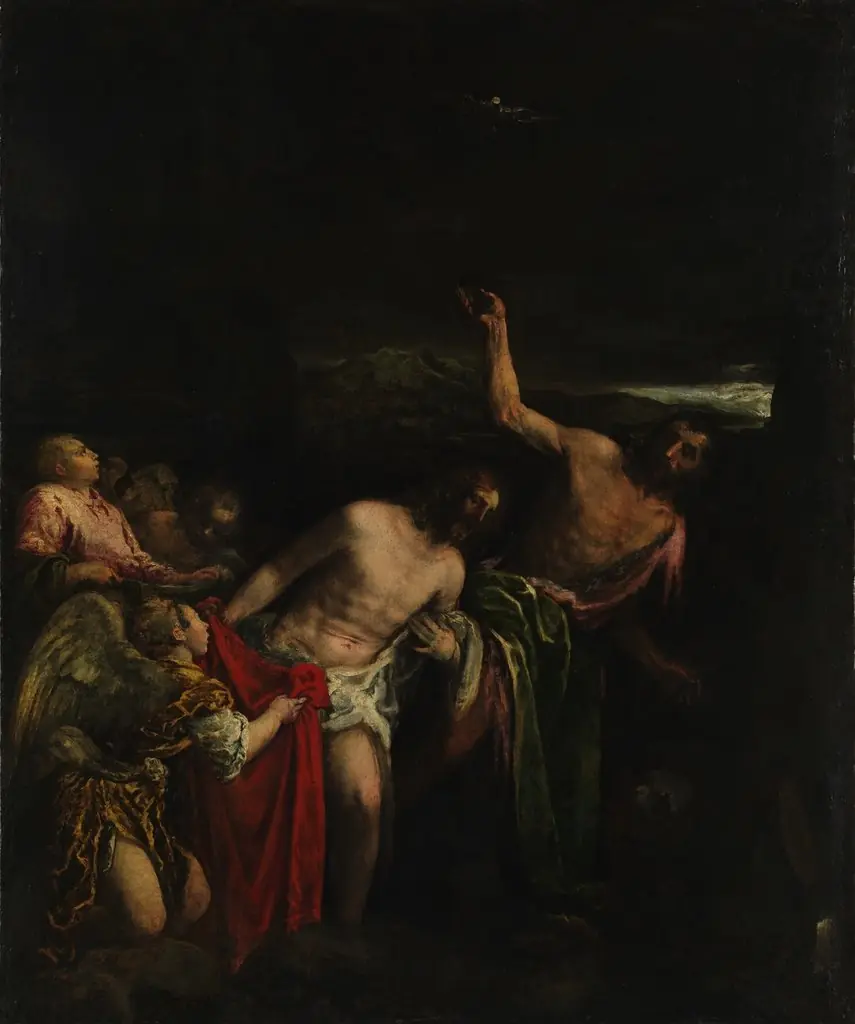 The Baptism of Christ
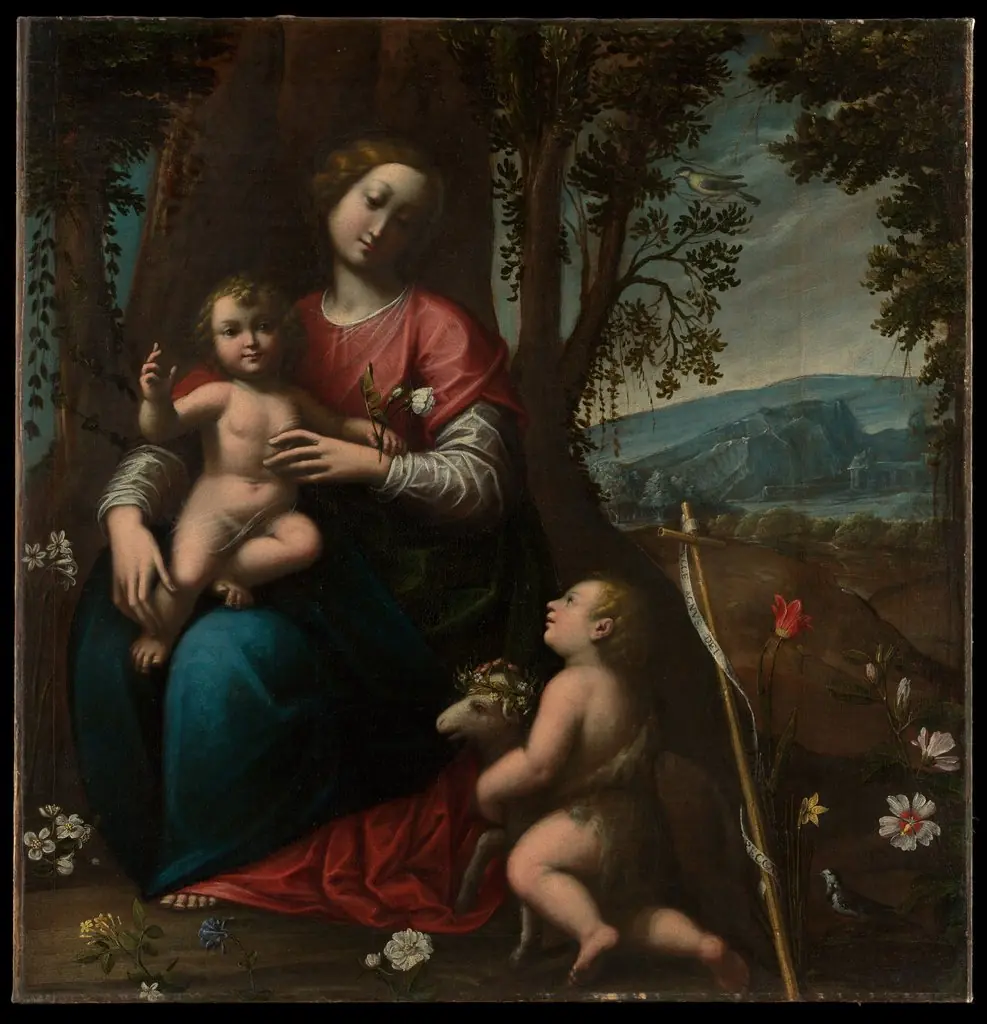 Madonna and Child with the Infant Saint John the Baptist
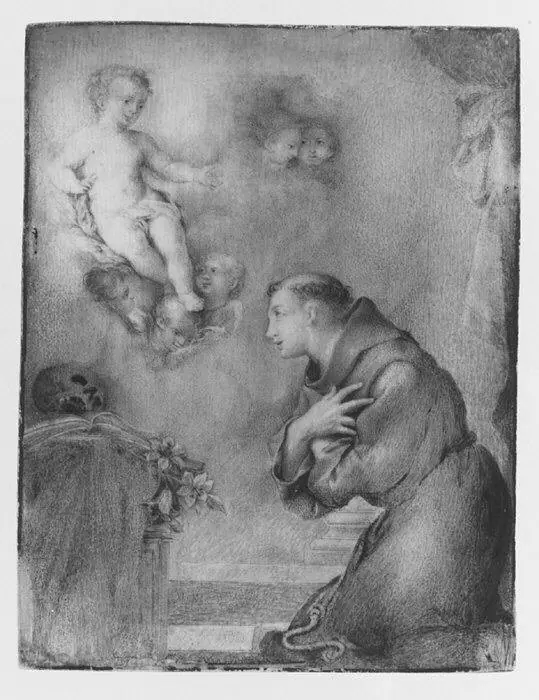 The Vision of Saint Anthony of Padua
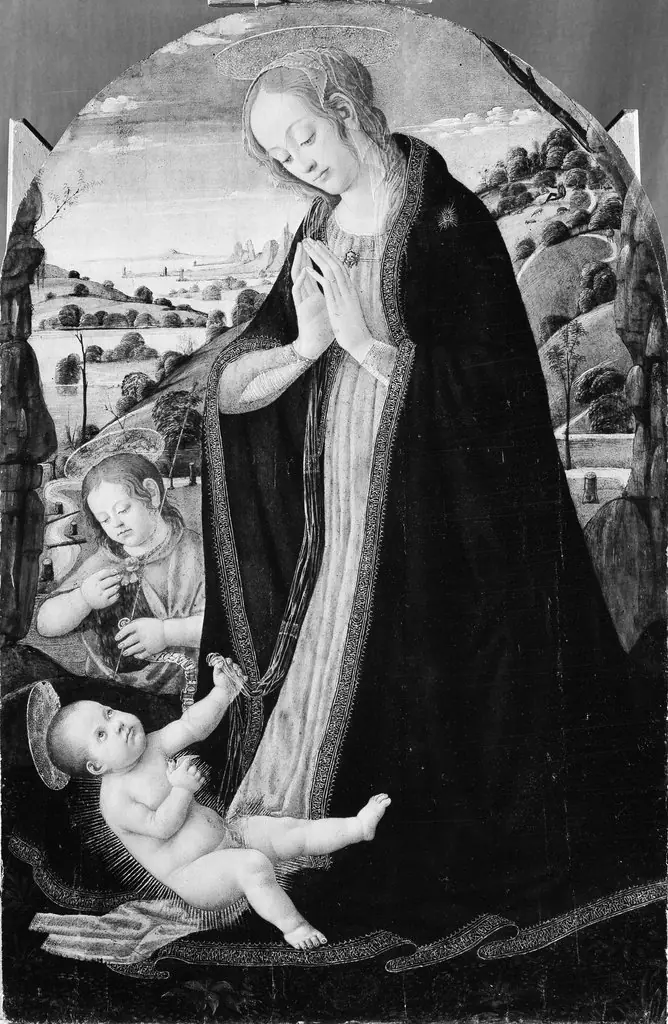 The Nativity
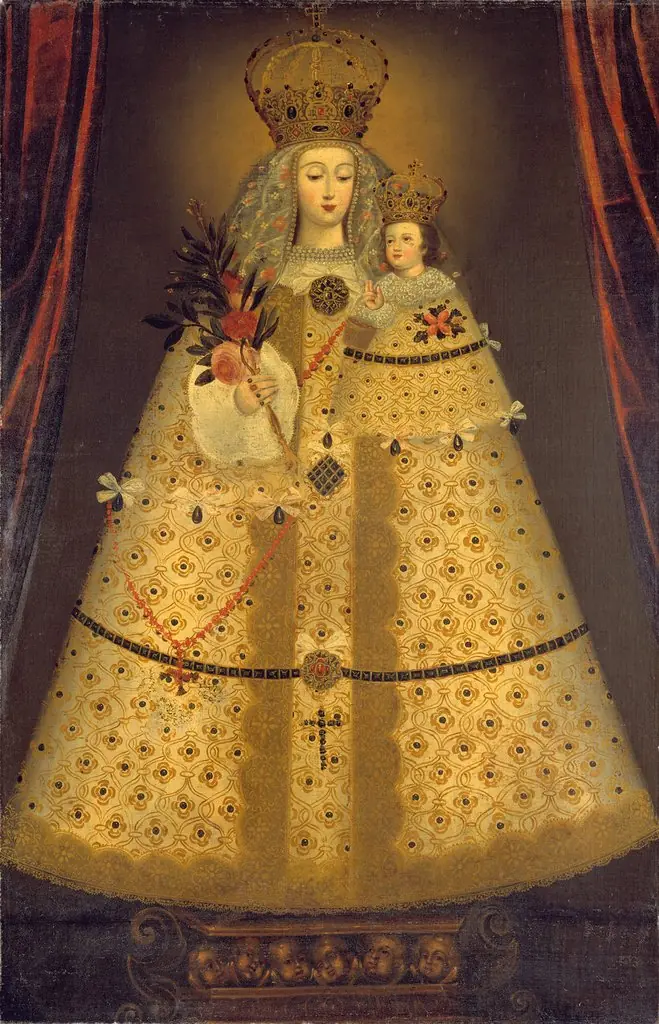 Virgin of the Rosary of Guápulo
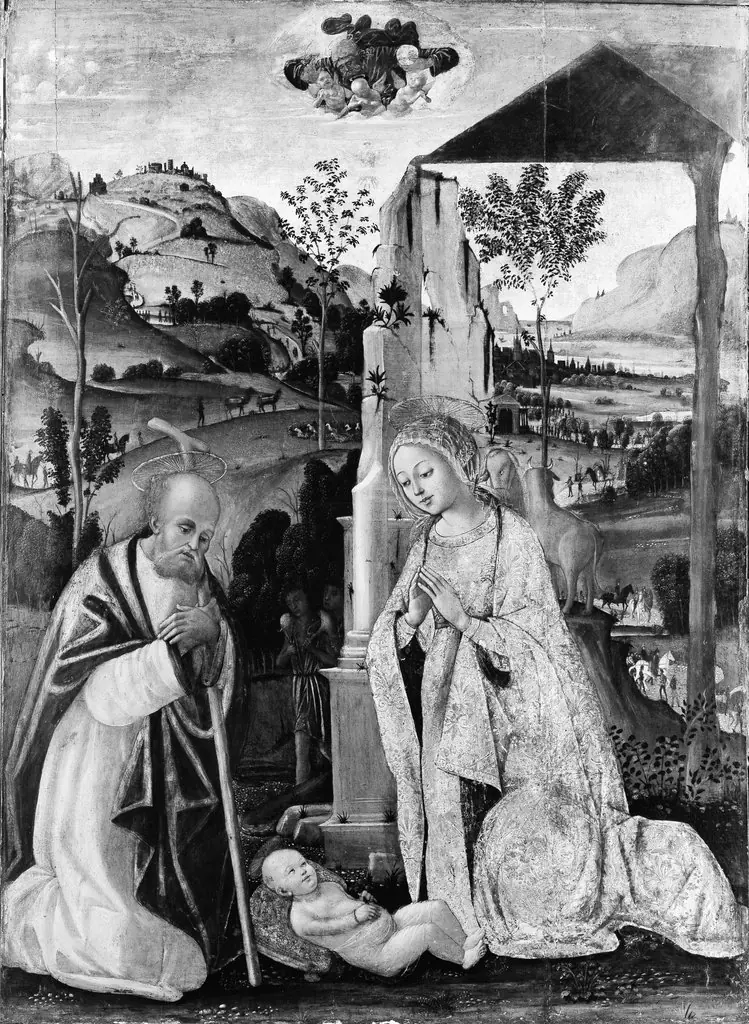 The Nativity
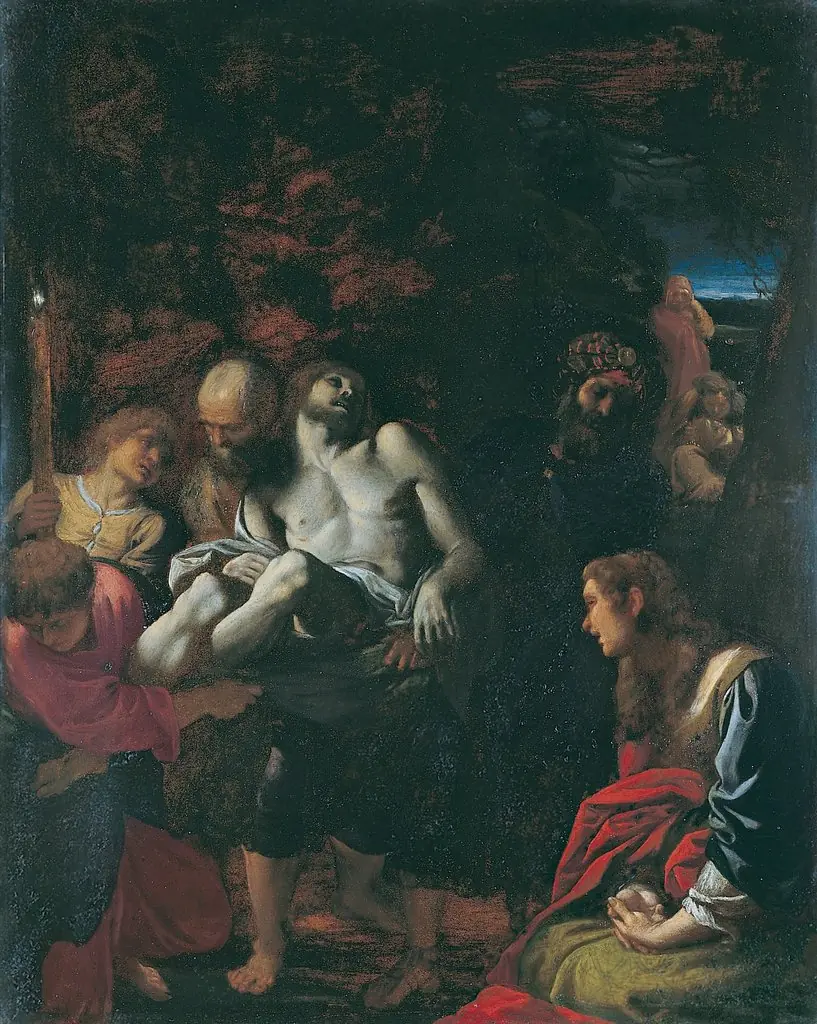 The Burial of Christ
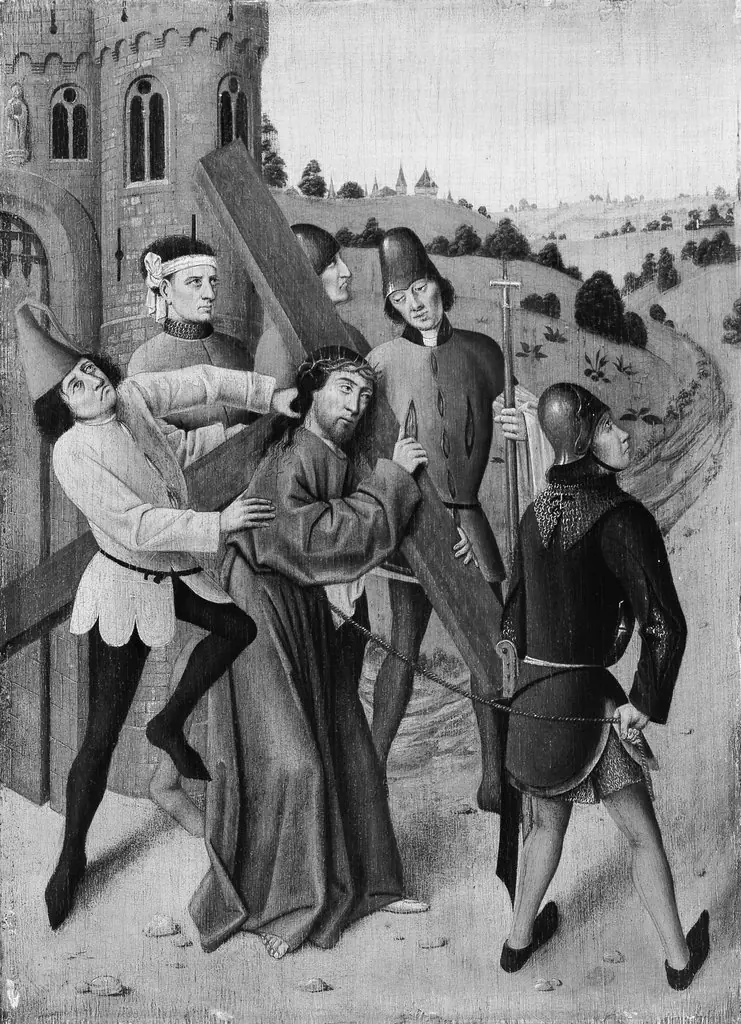 Christ Bearing the Cross
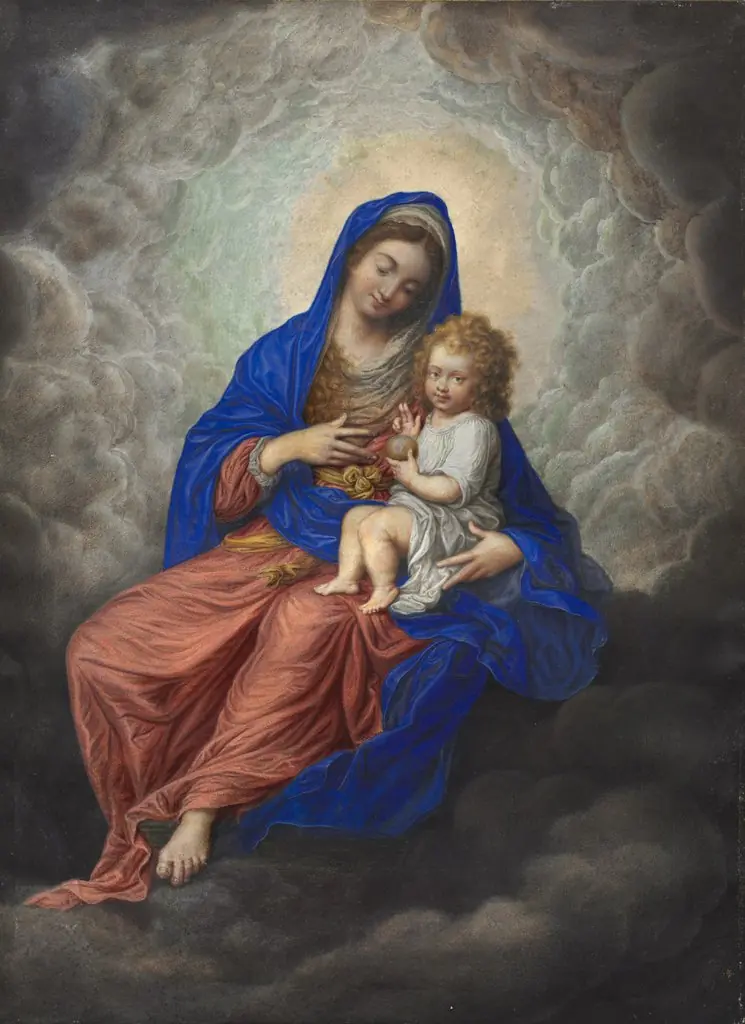 Madonna and Child in Glory
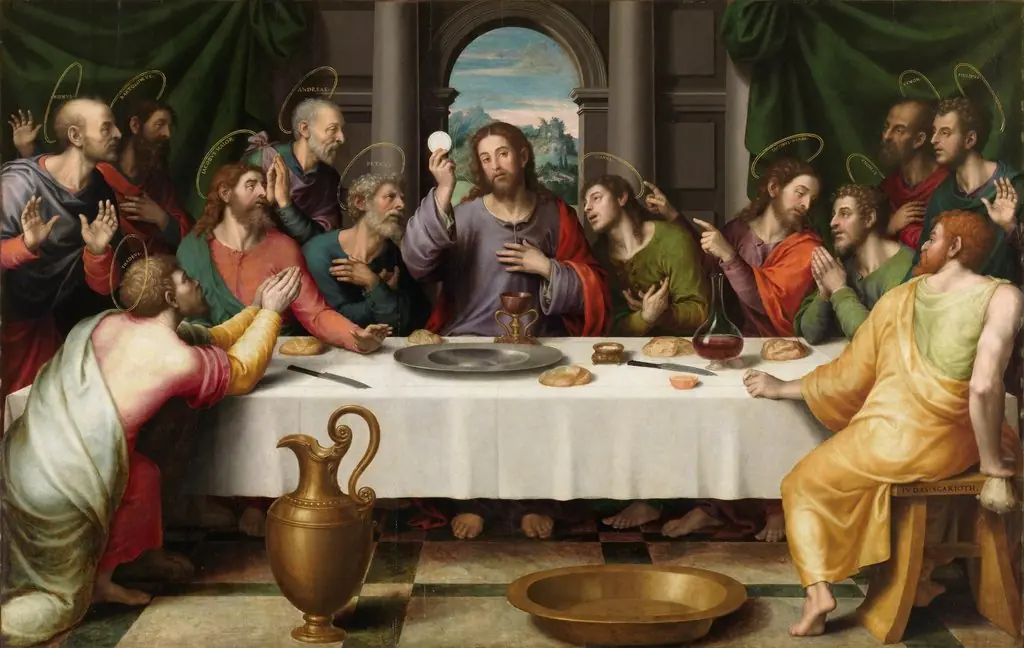 The Last Supper
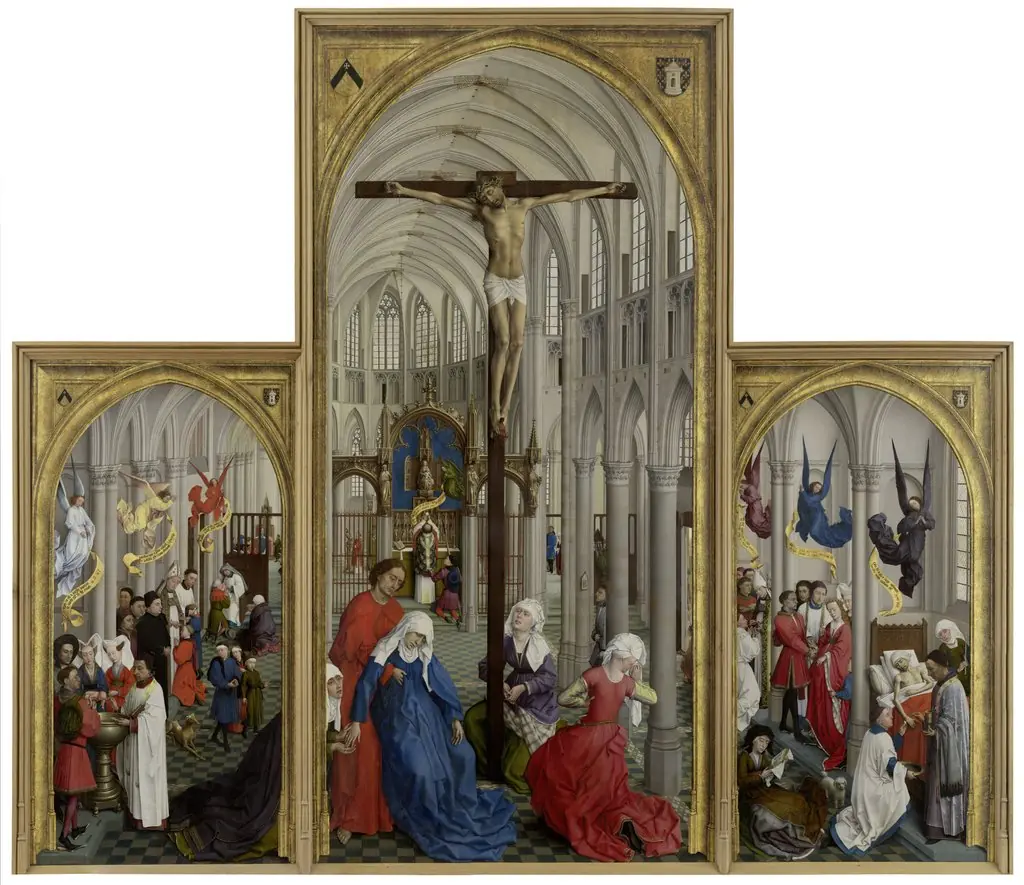 The Seven Sacraments
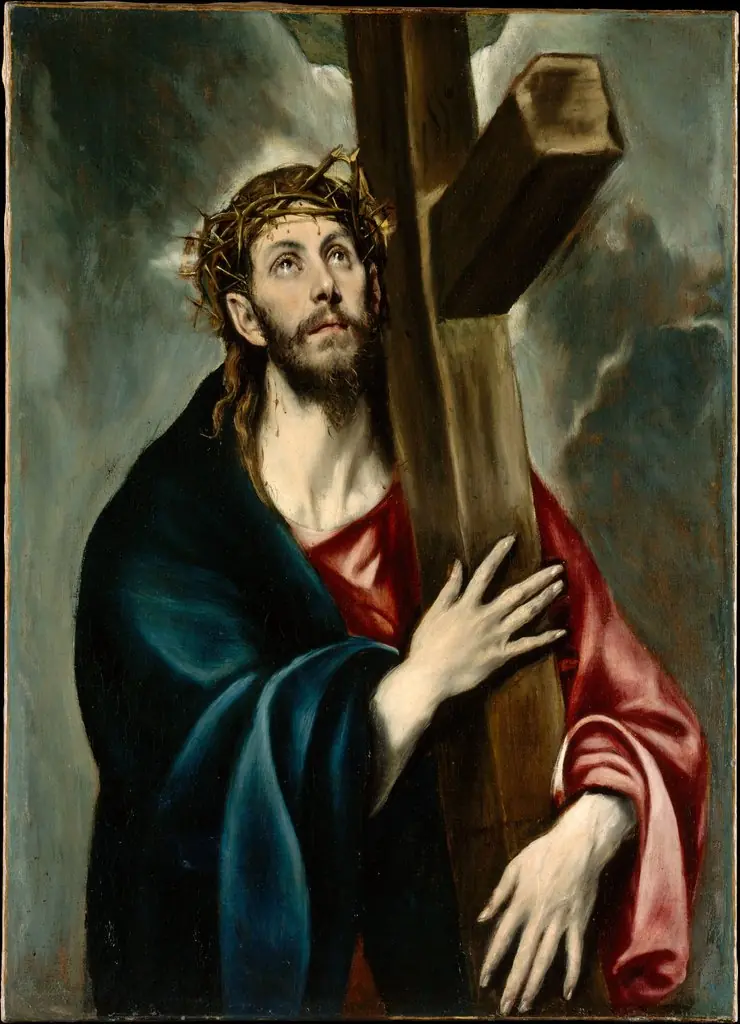 Christ Carrying the Cross
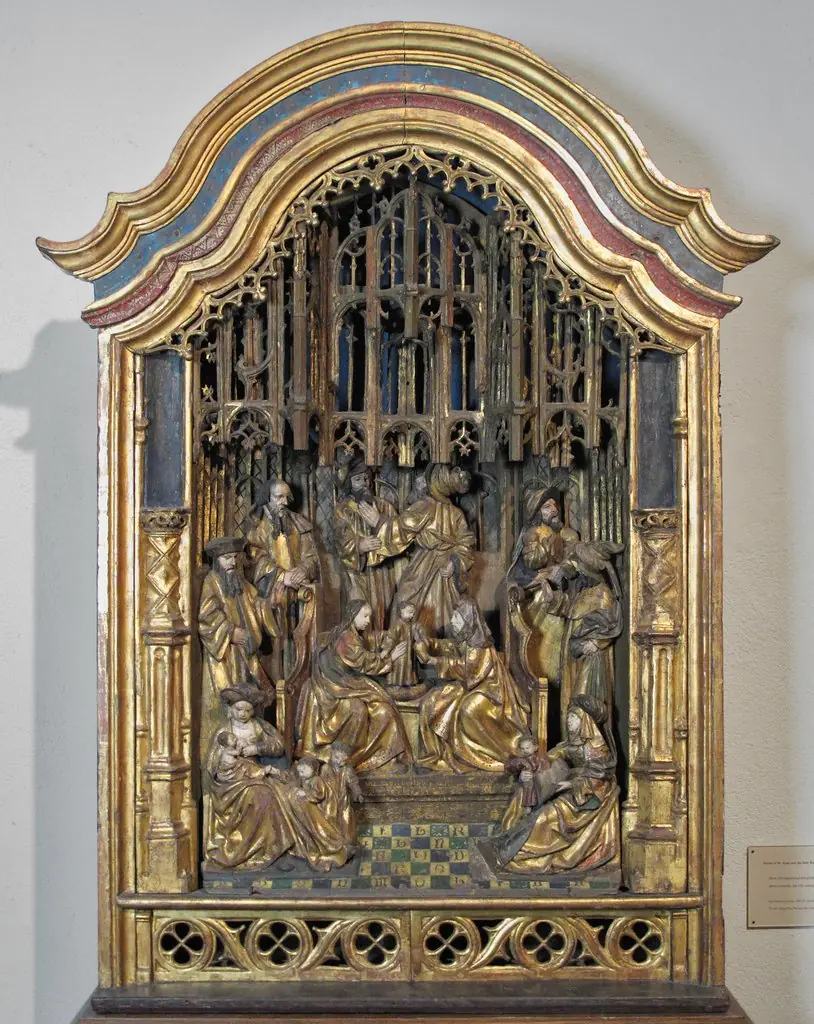 Shrine of Saint Anne and the Holy Kinship
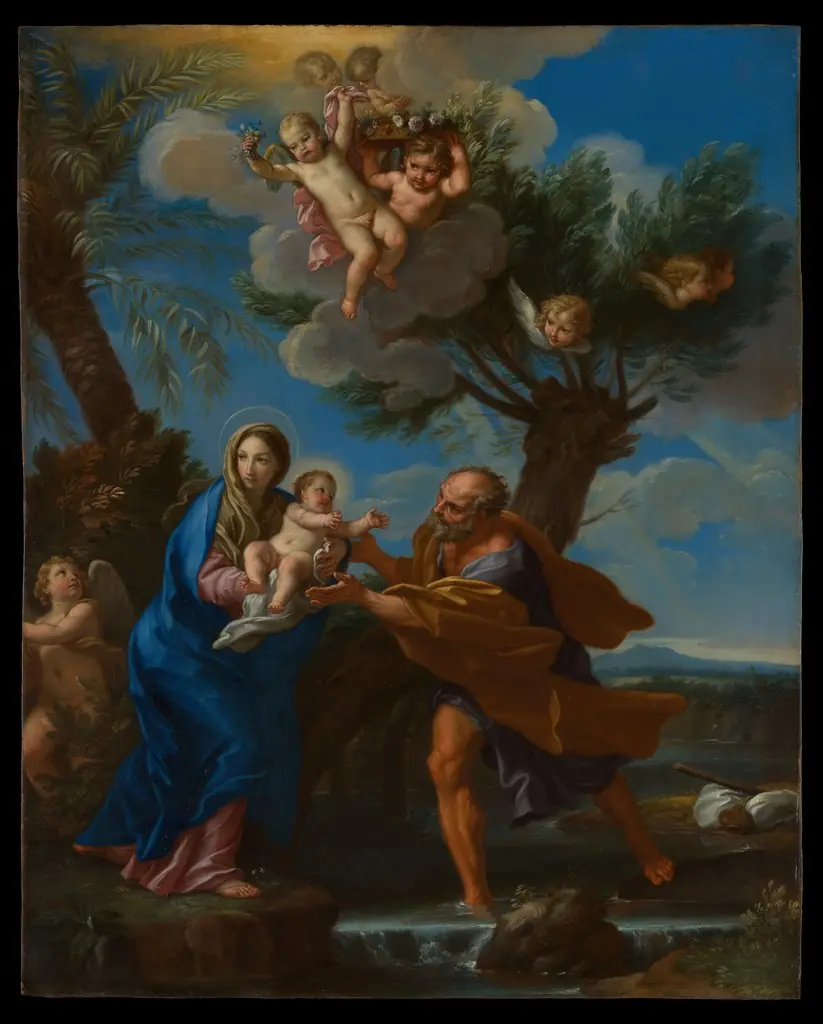 The Flight into Egypt
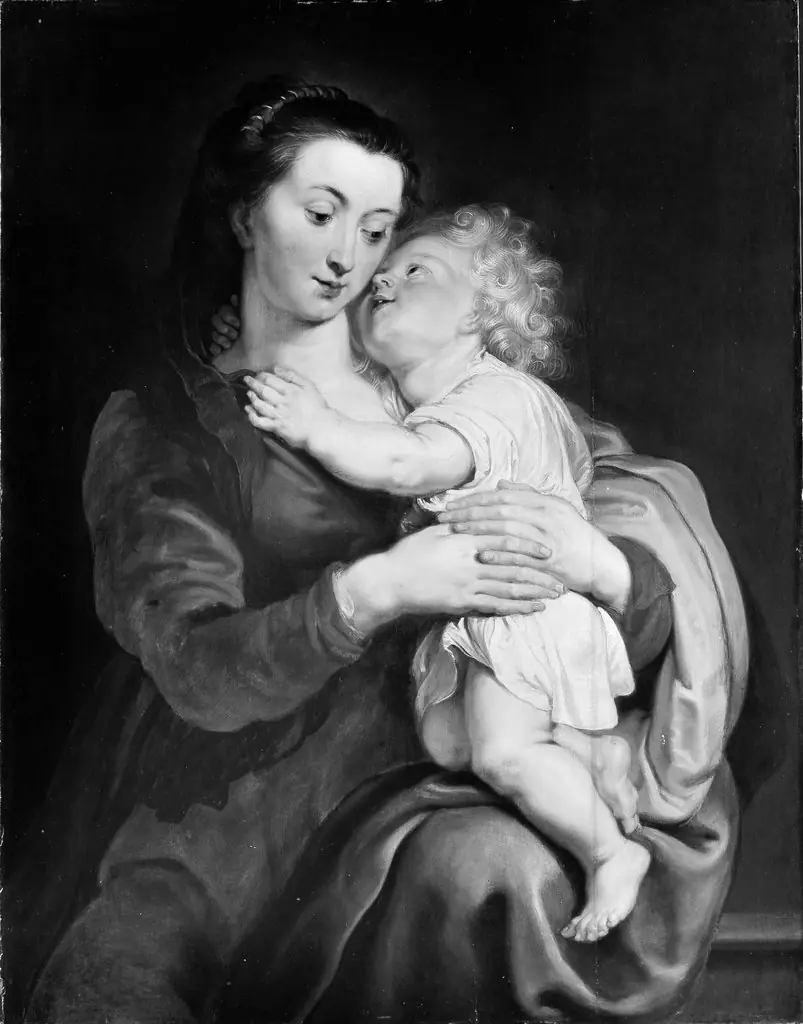 Virgin and Child
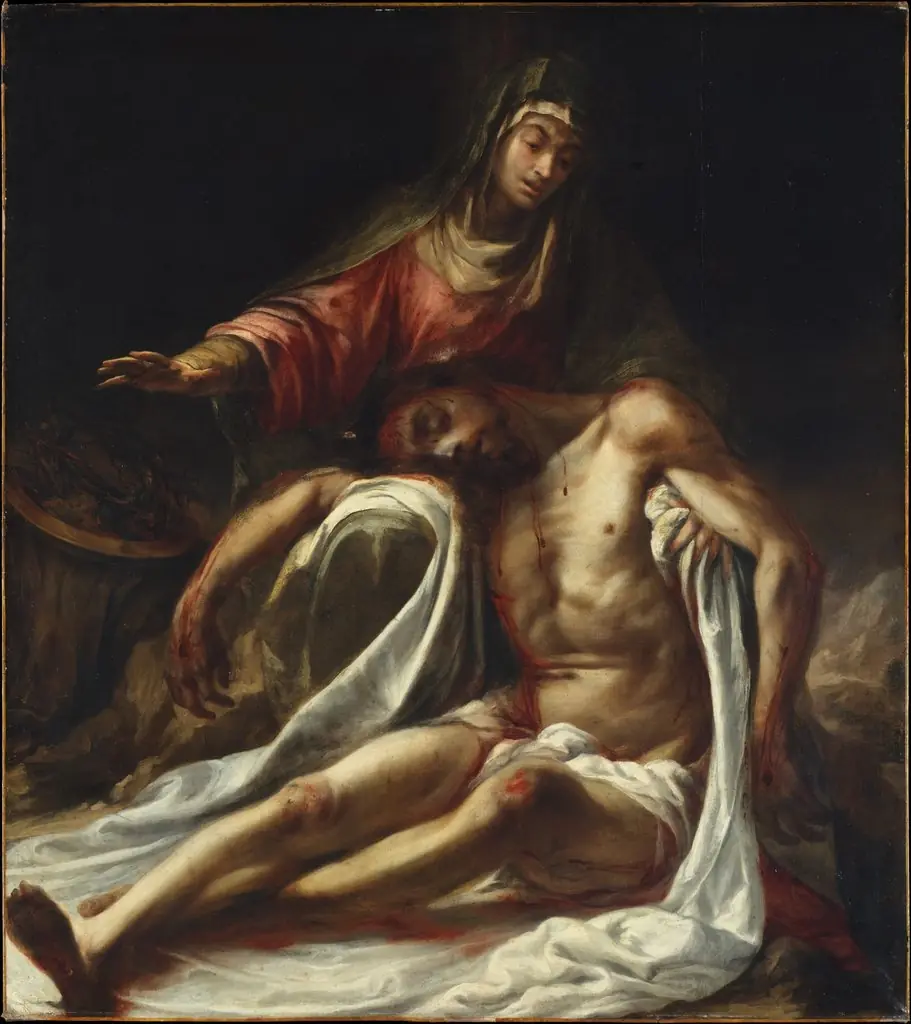 Pietà
Pietà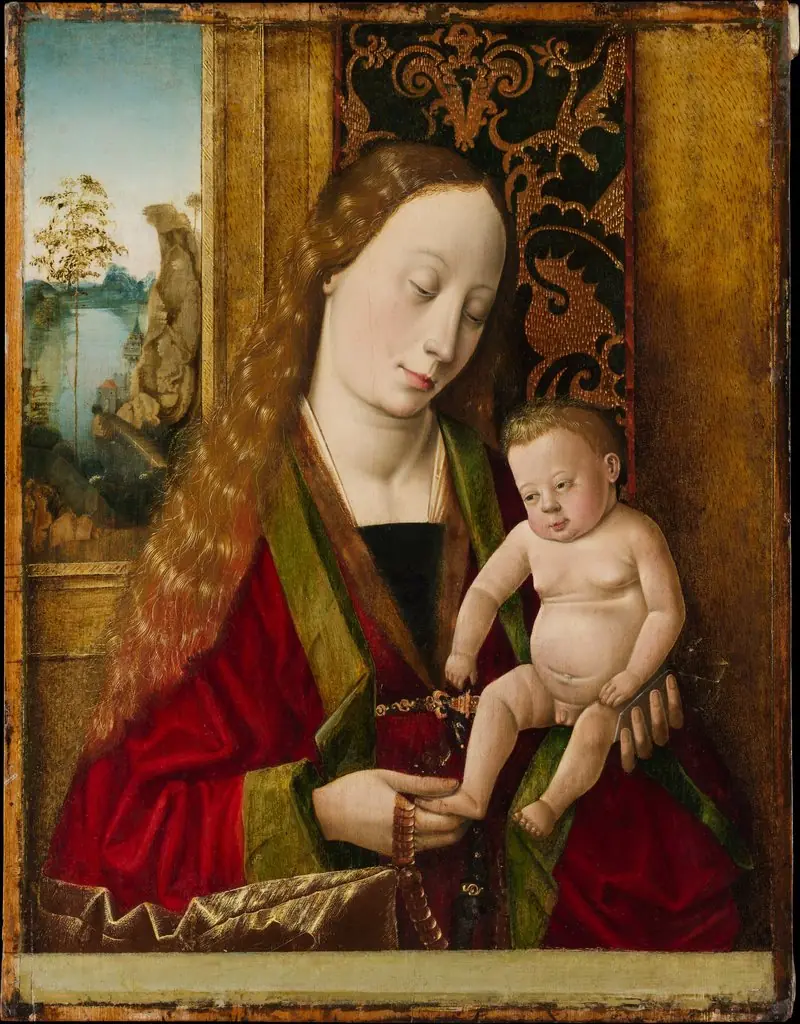 Virgin and Child
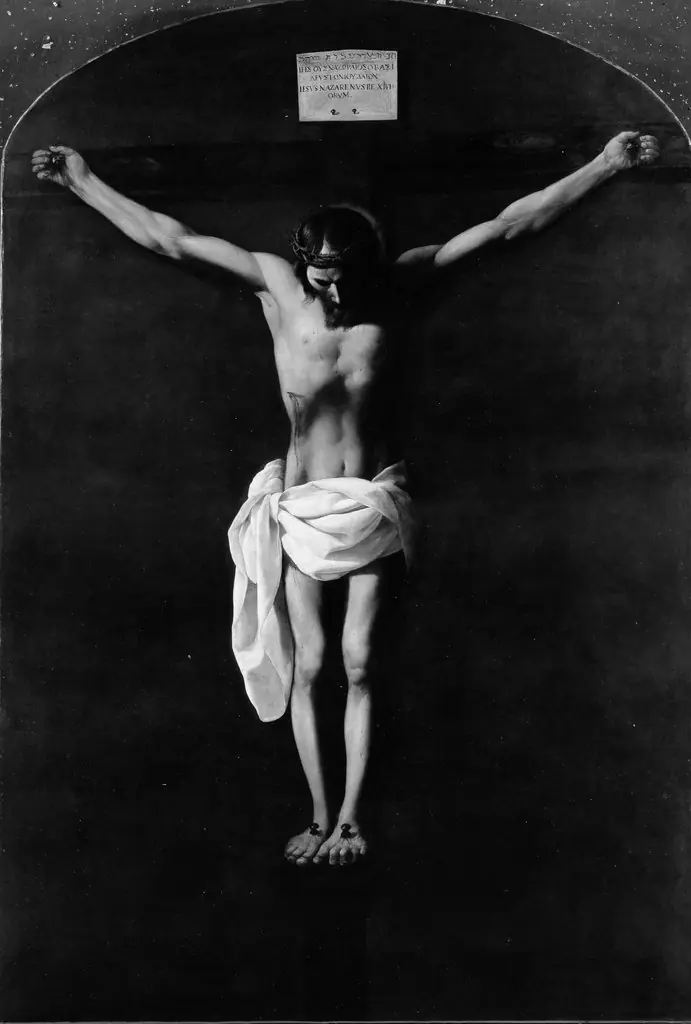 The Crucifixion
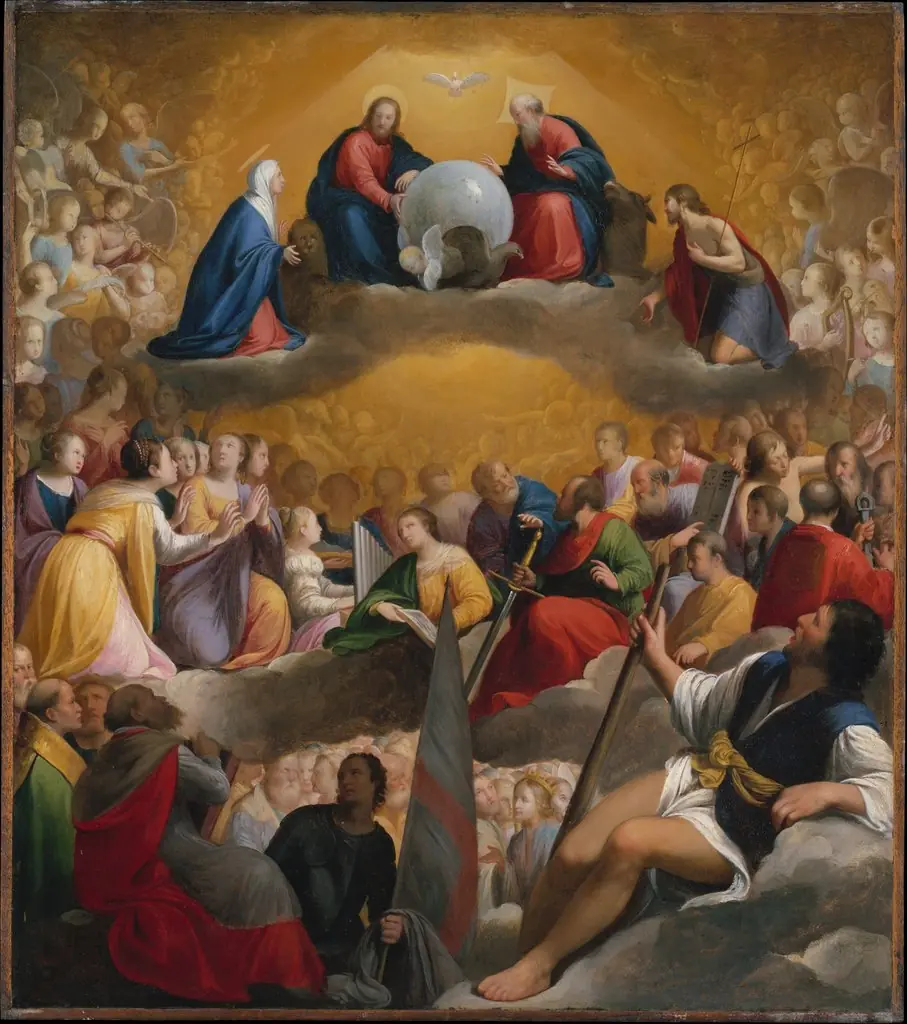 Paradise
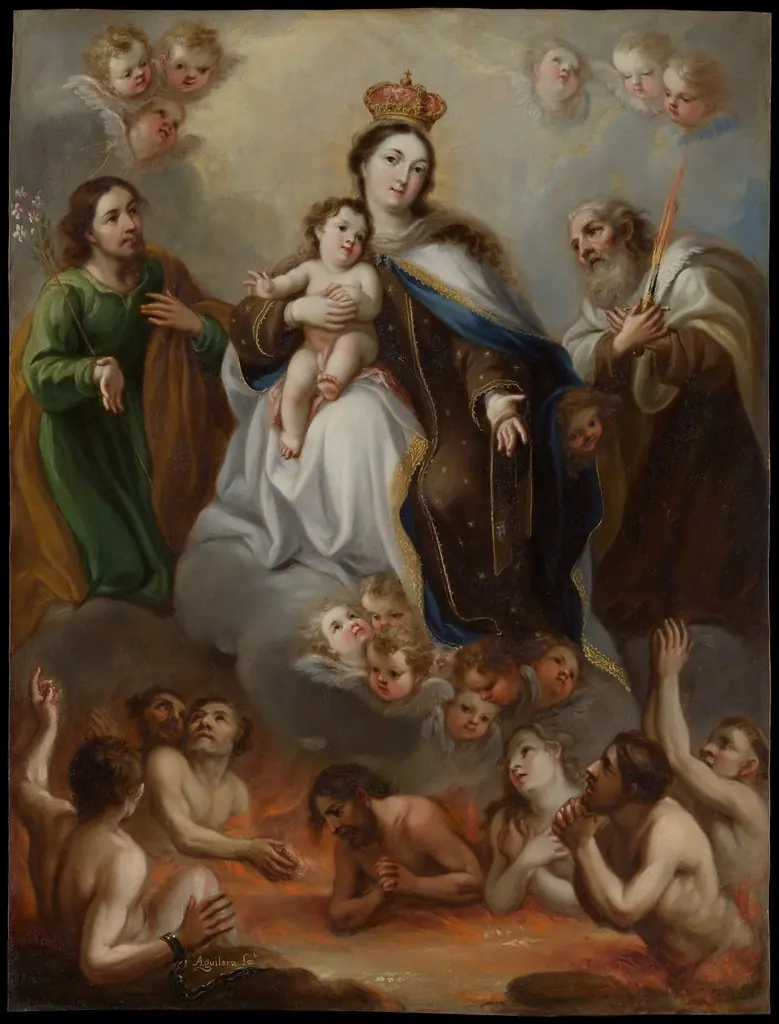 The Virgin of Carmen and the Souls of Purgatory with St. Joseph and the Prophet Elijah
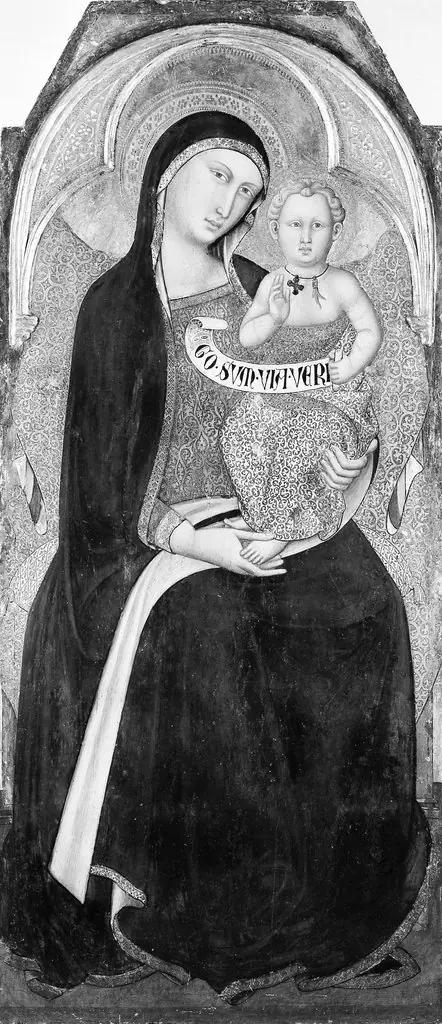 Madonna and Child
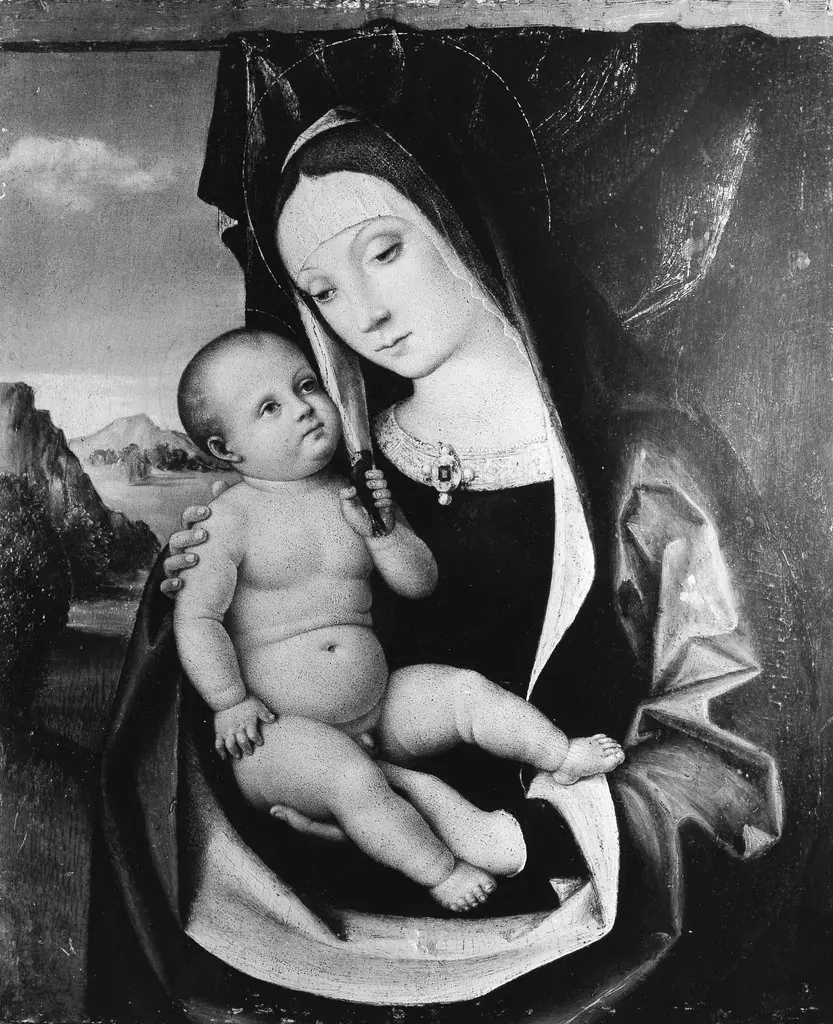 Madonna and Child
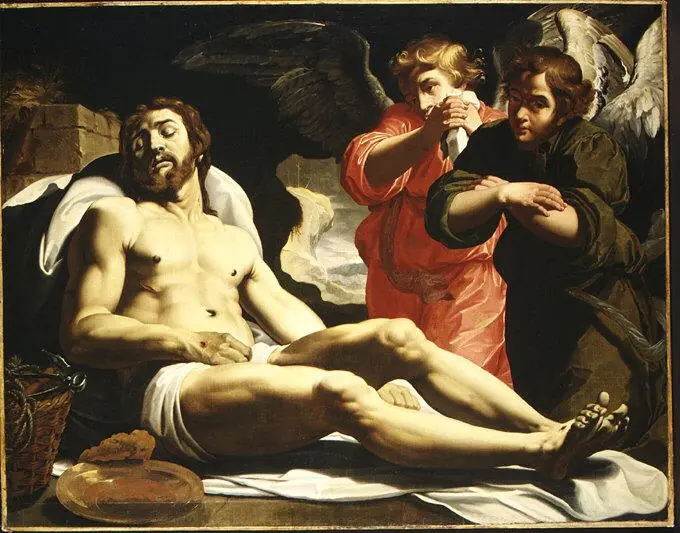 The Dead Christ in the Tomb with Two Angels
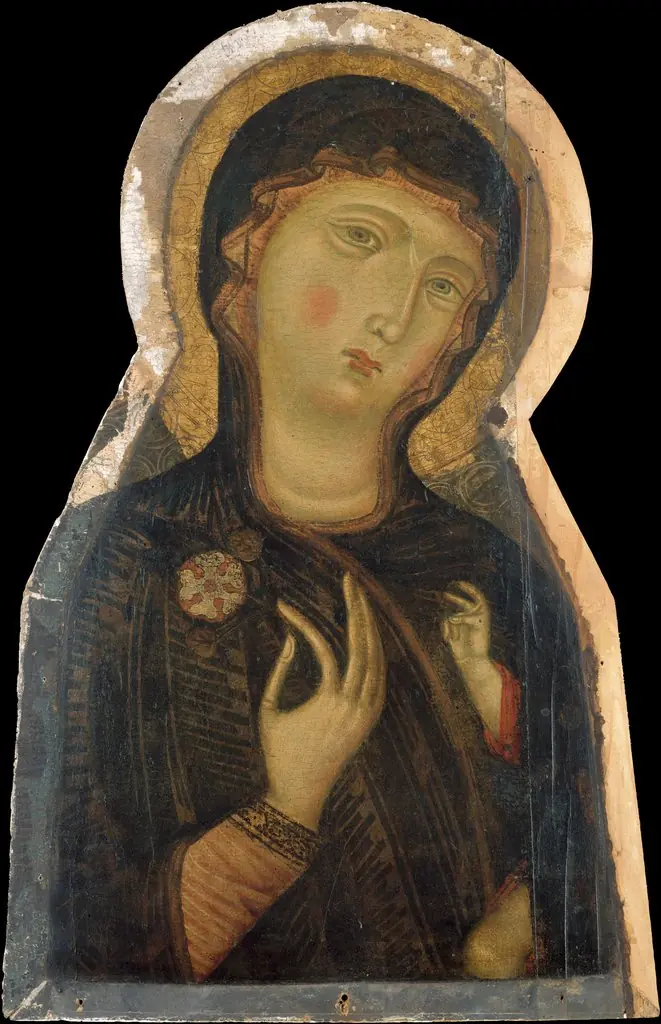 Madonna and Child
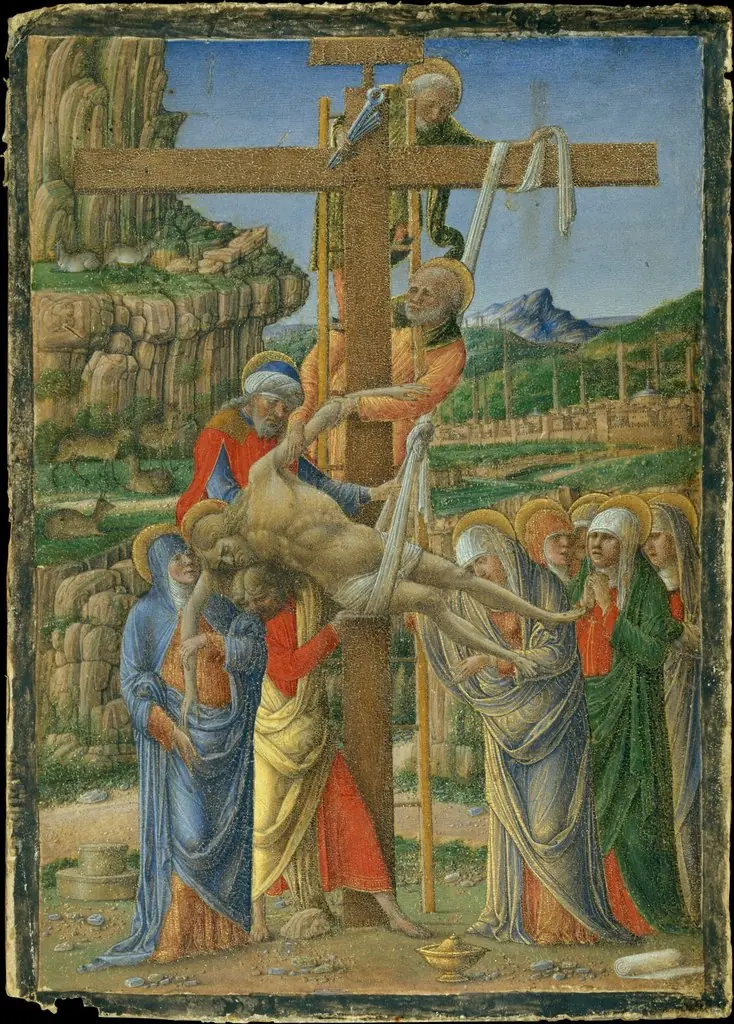 Descent from the Cross
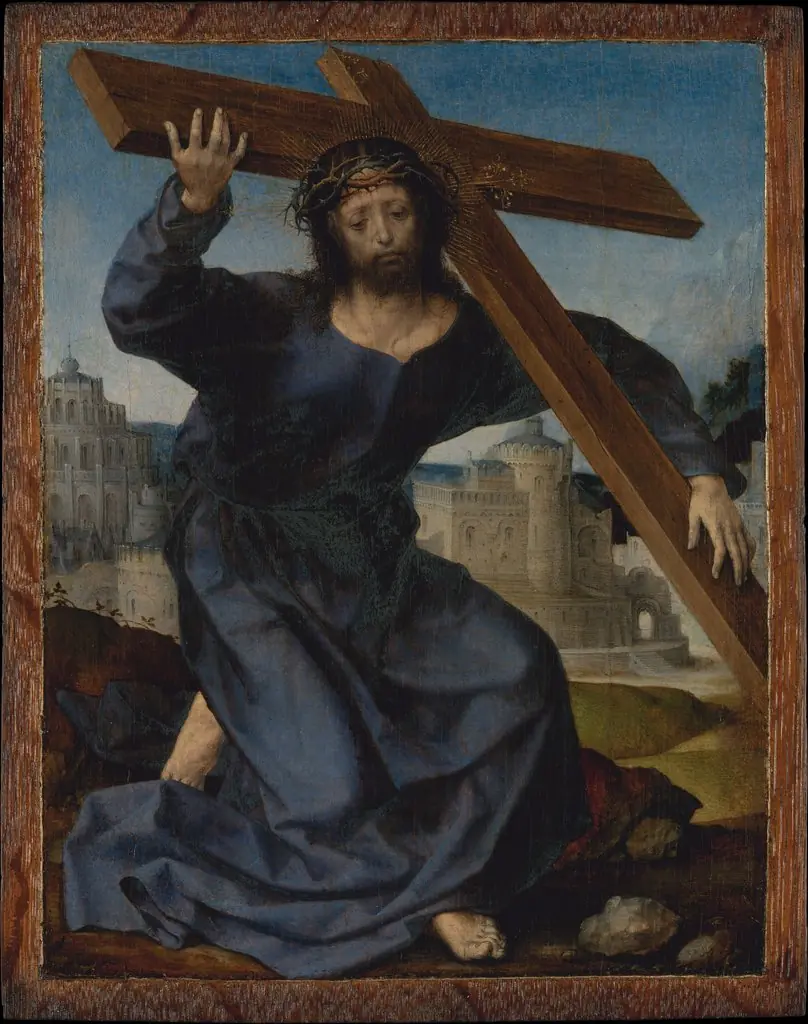 Christ Carrying the Cross
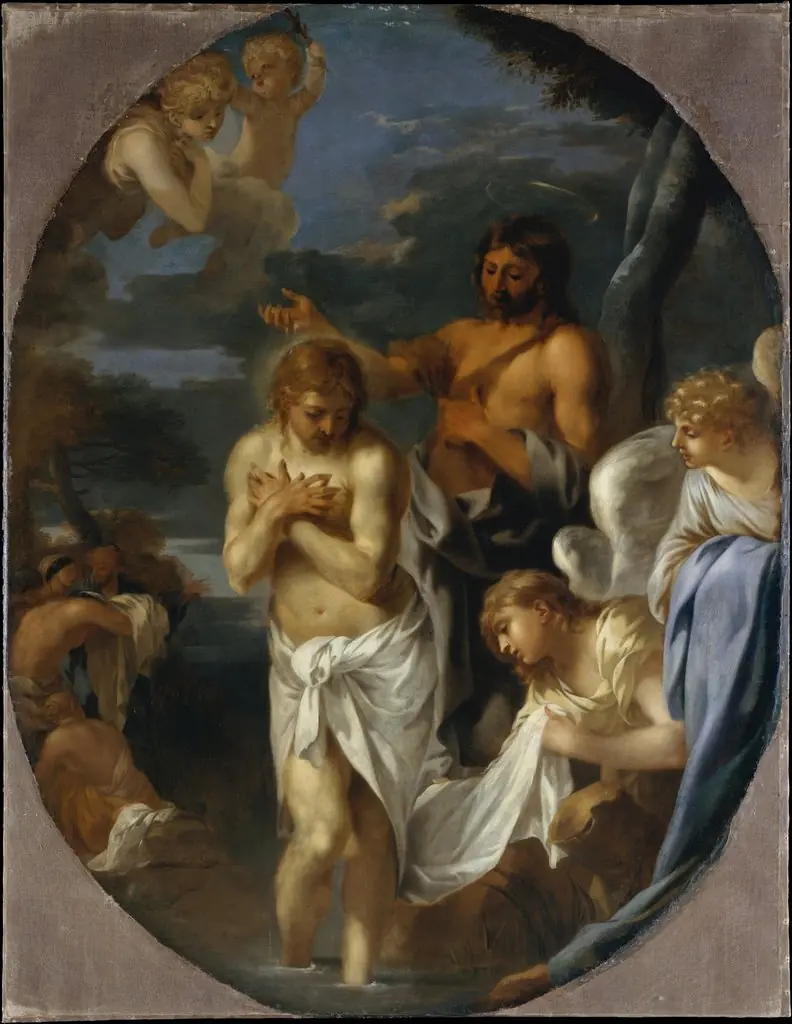 The Baptism of Christ
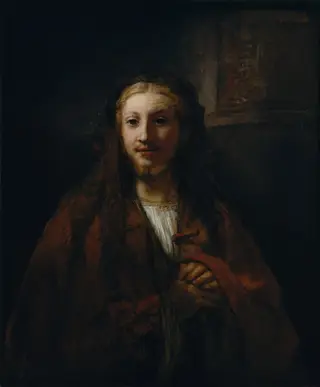 Christ with a Staff
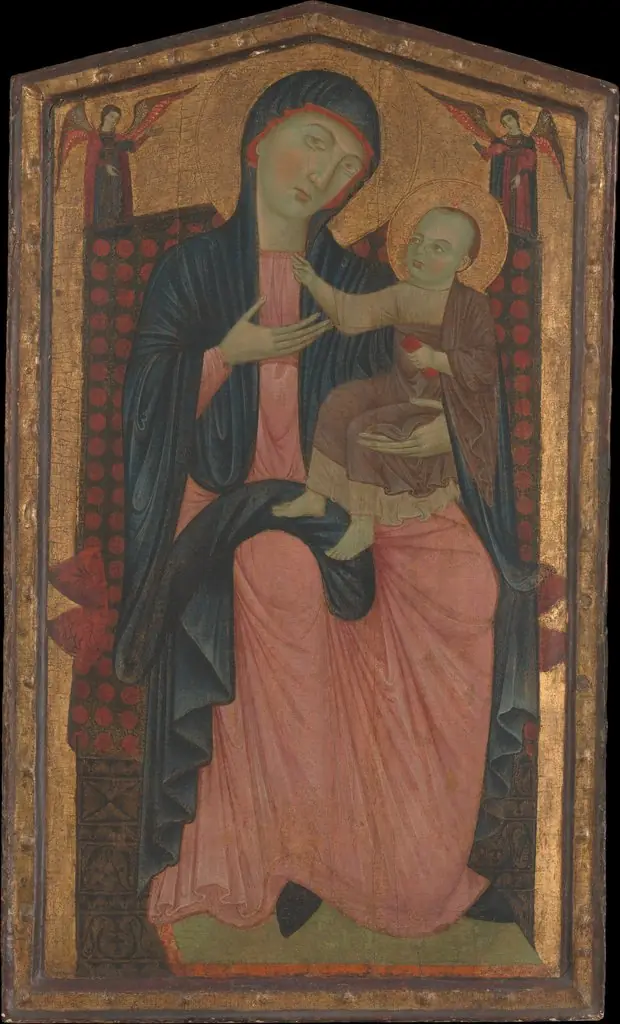 Madonna and Child Enthroned
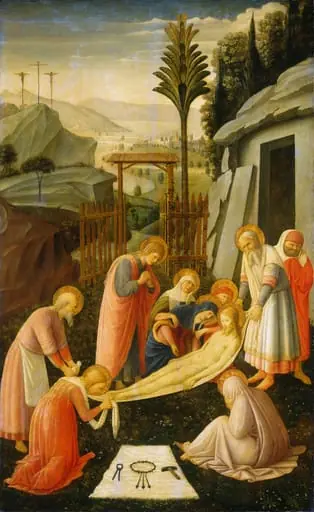 The Entombment of Christ
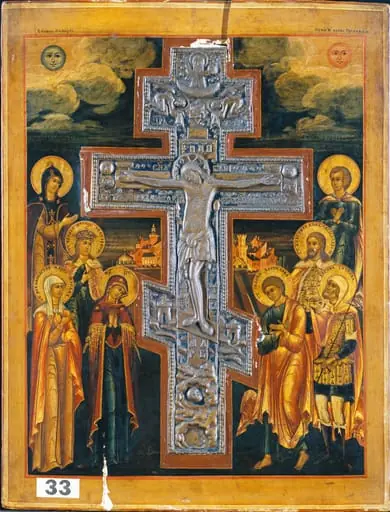 The Crucifixion
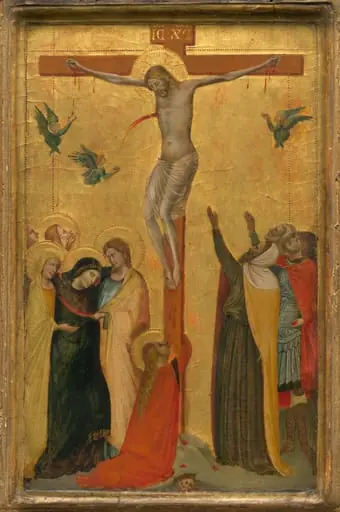 The Crucifixion
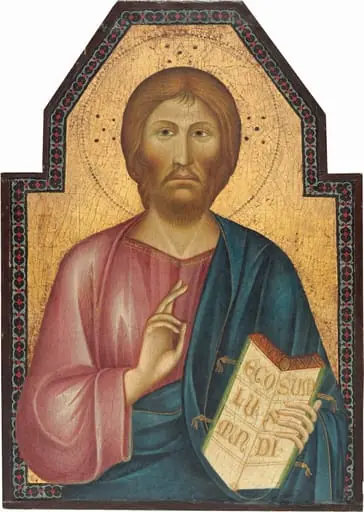 Christ Blessing
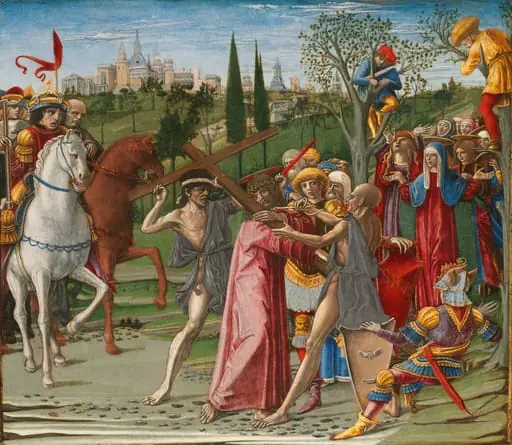 Christ Carrying the Cross
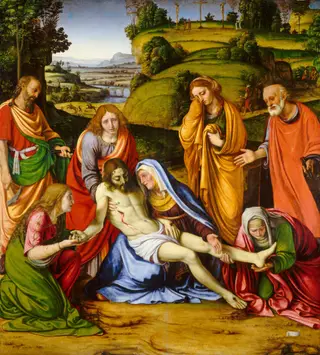 Lamentation
![Christ on the Cross [reverse]](https://artifactworldgallery.com/img/andrea-di-bartolo--christ-on-the-cross-reverse--6bfe980f802a6327-w320.webp) Christ on the Cross [reverse]
Christ on the Cross [reverse]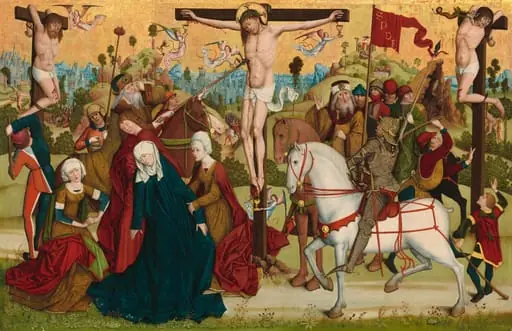 Calvary
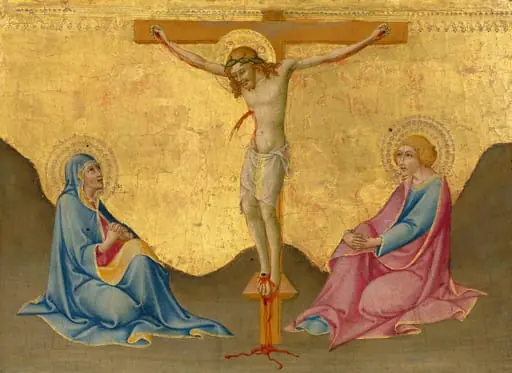 The Crucifixion
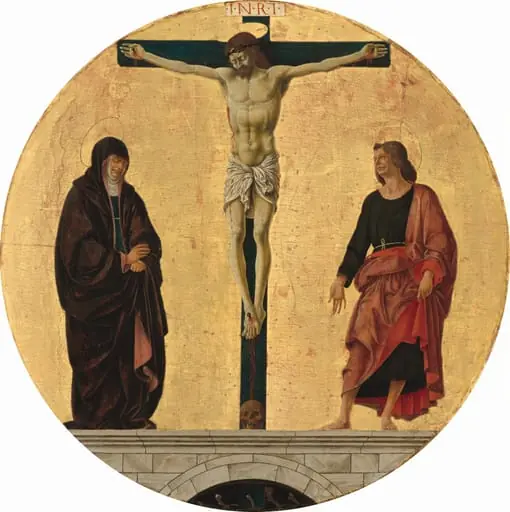 The Crucifixion
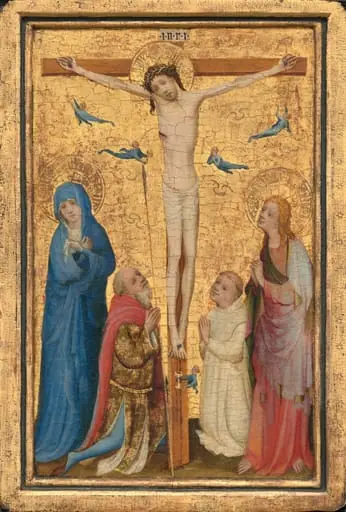 The Crucifixion
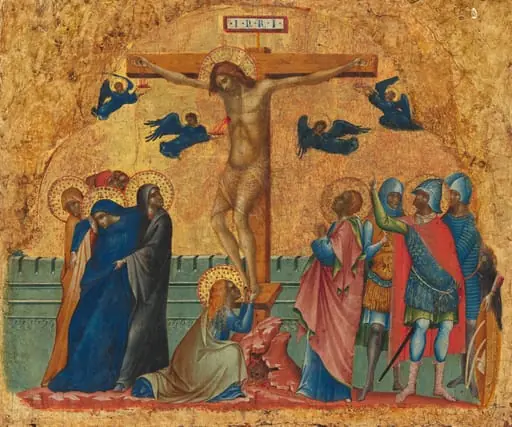 The Crucifixion
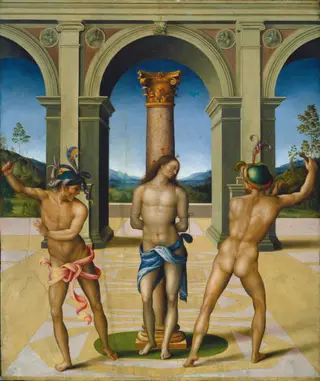 The Flagellation of Christ
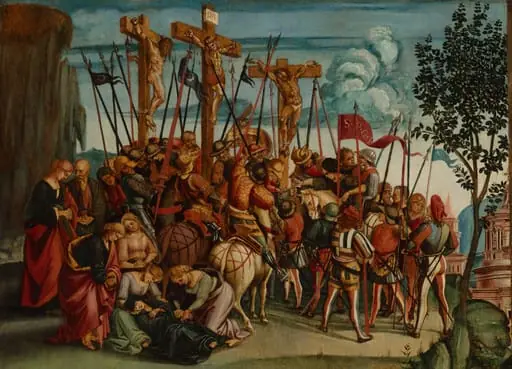 The Crucifixion
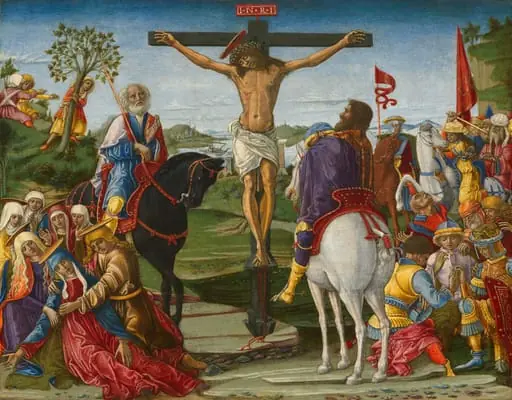 The Crucifixion
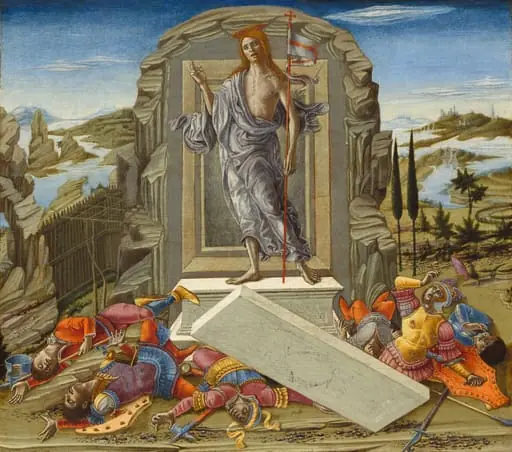 The Resurrection
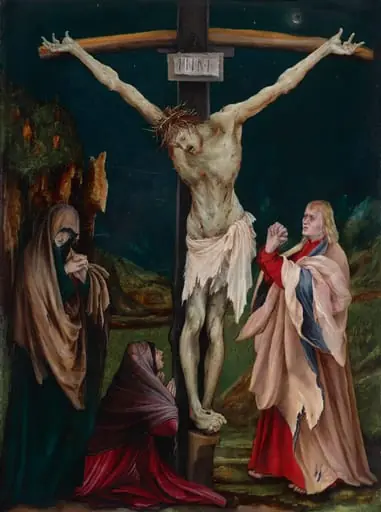 The Small Crucifixion
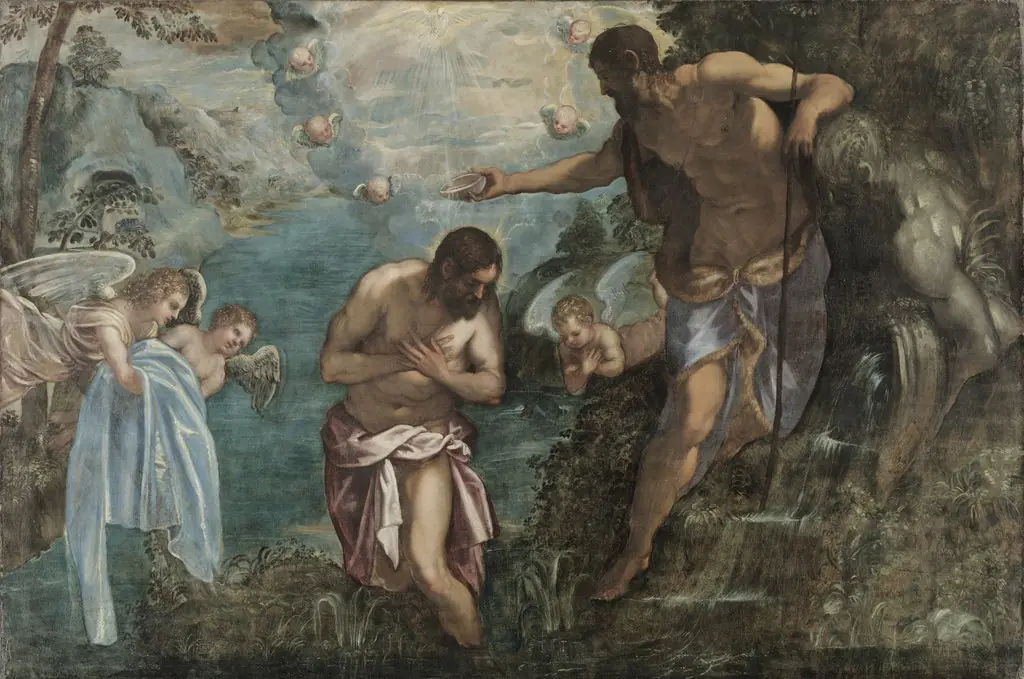 Baptism of Christ
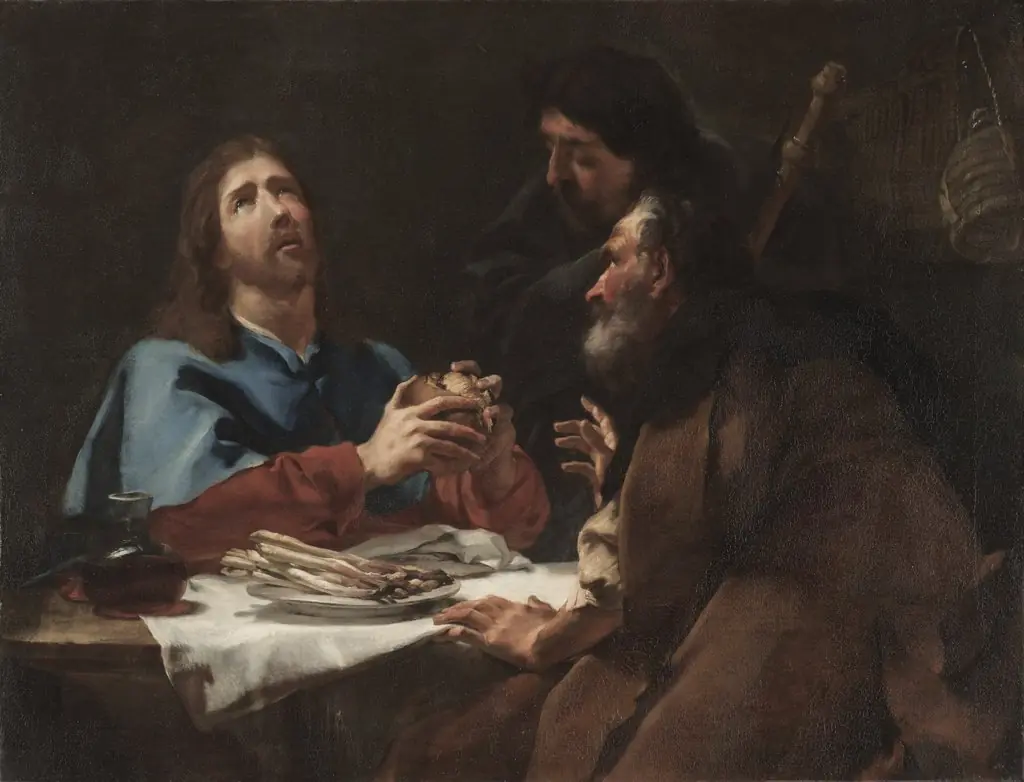 The Supper at Emmaus
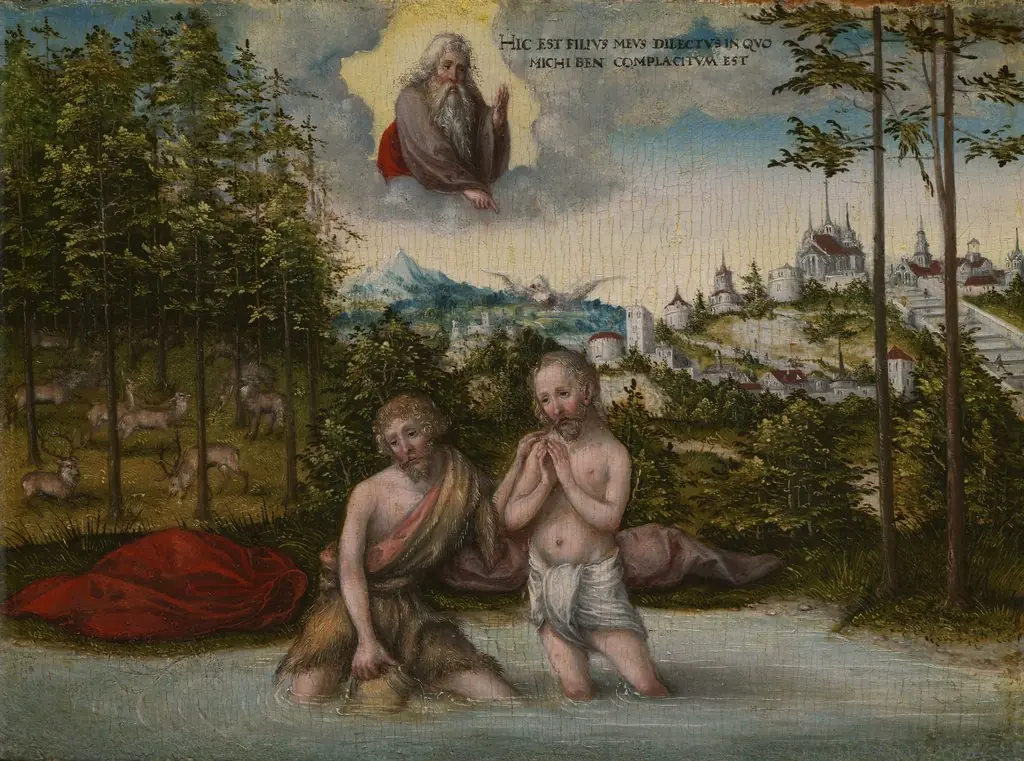 The Baptism of Christ
 Christ
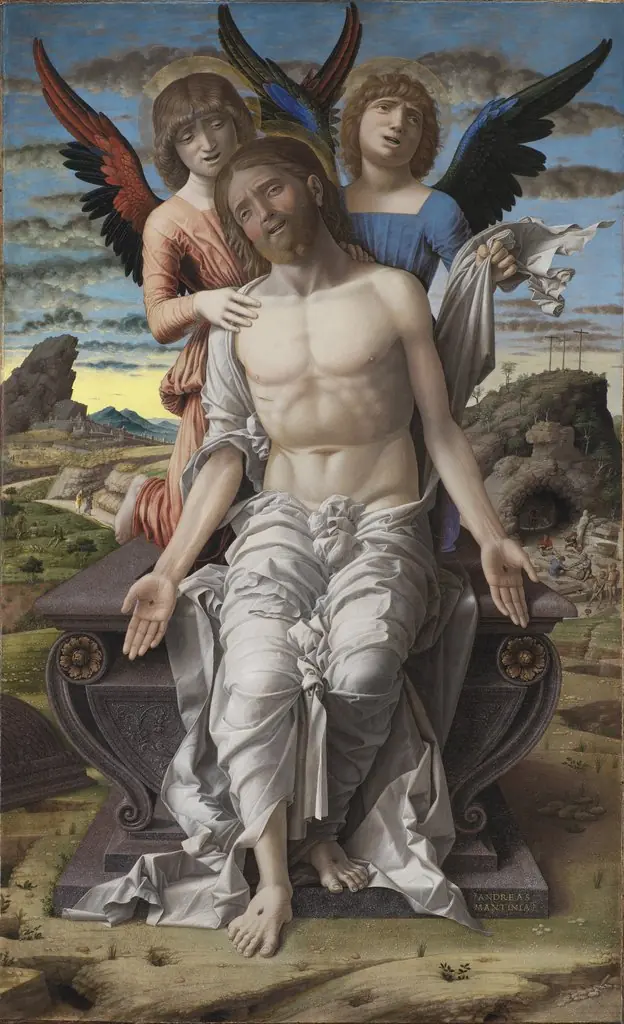 Christ as the Suffering Redeemer
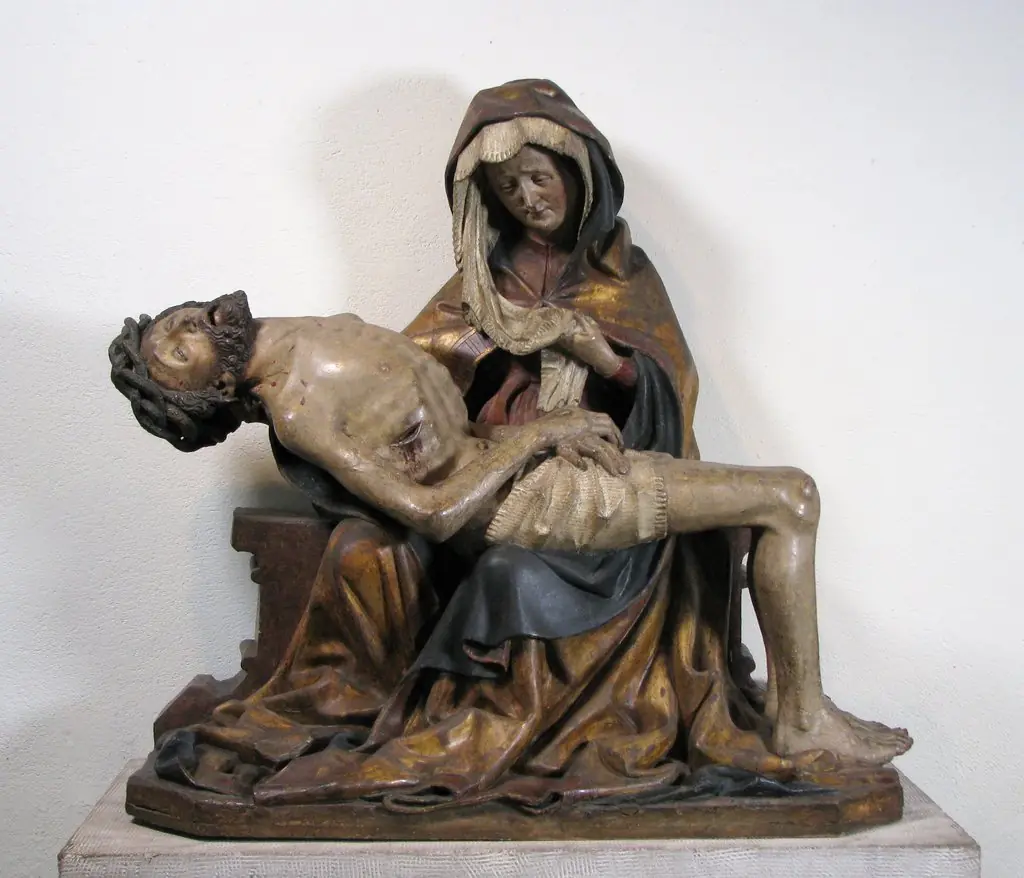 Pietà
Pietà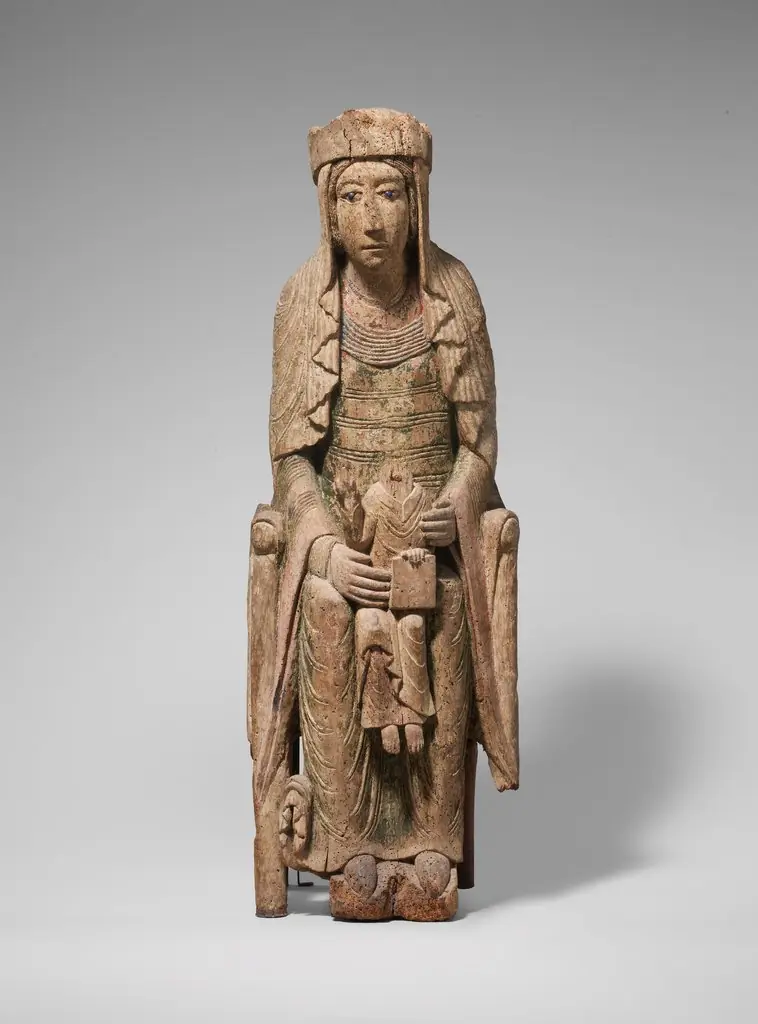 Enthroned Virgin and Child
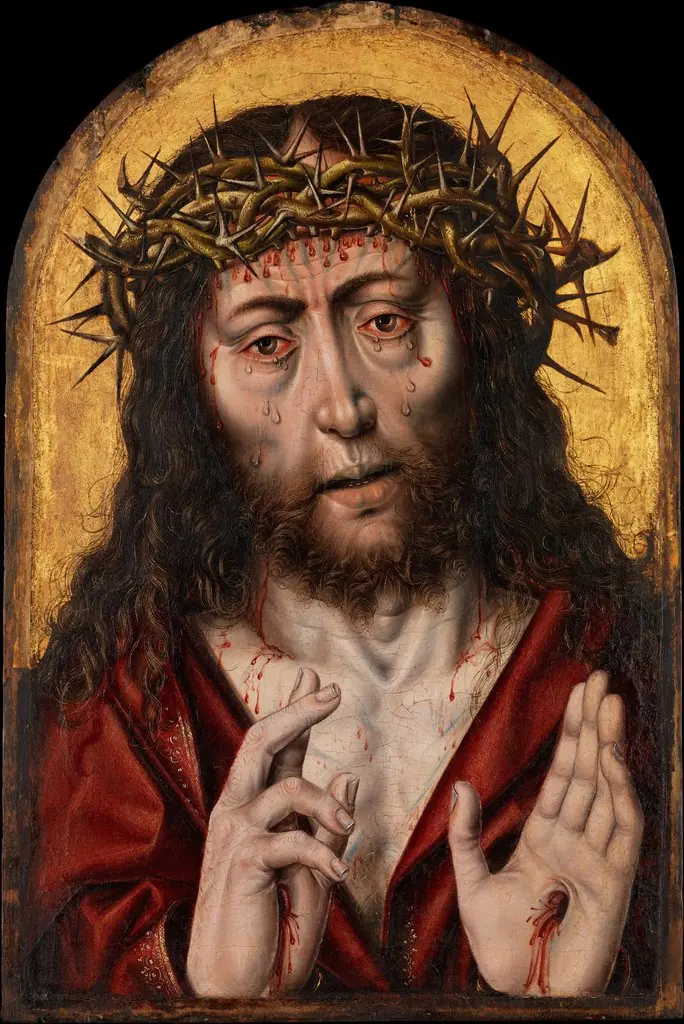 The Man of Sorrows
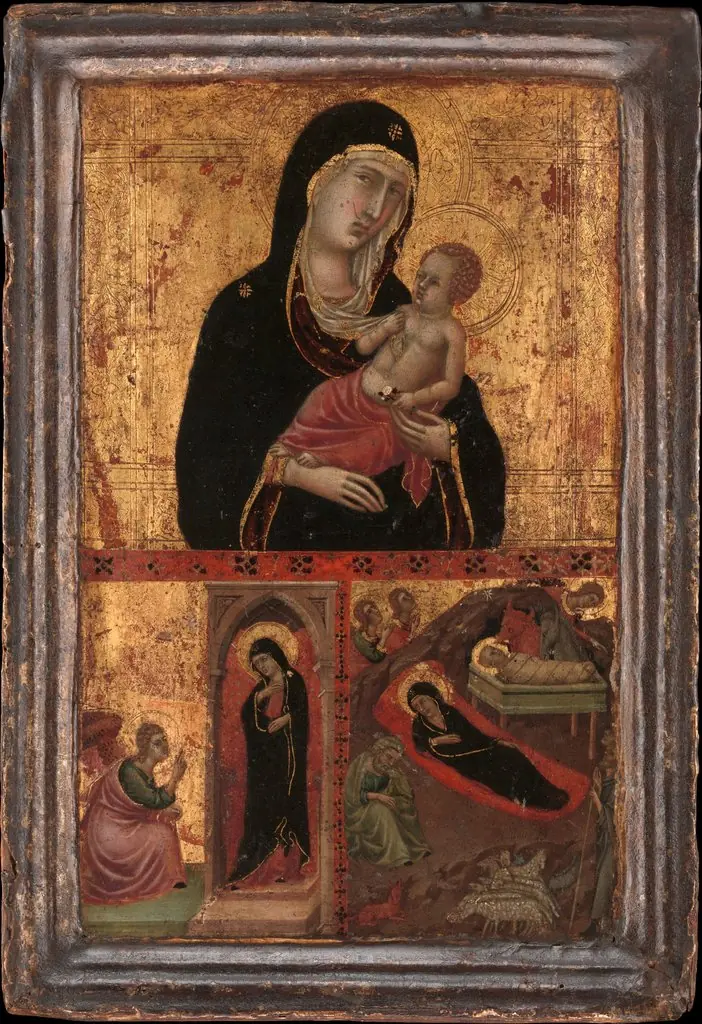 Madonna and Child with the Annunciation and the Nativity
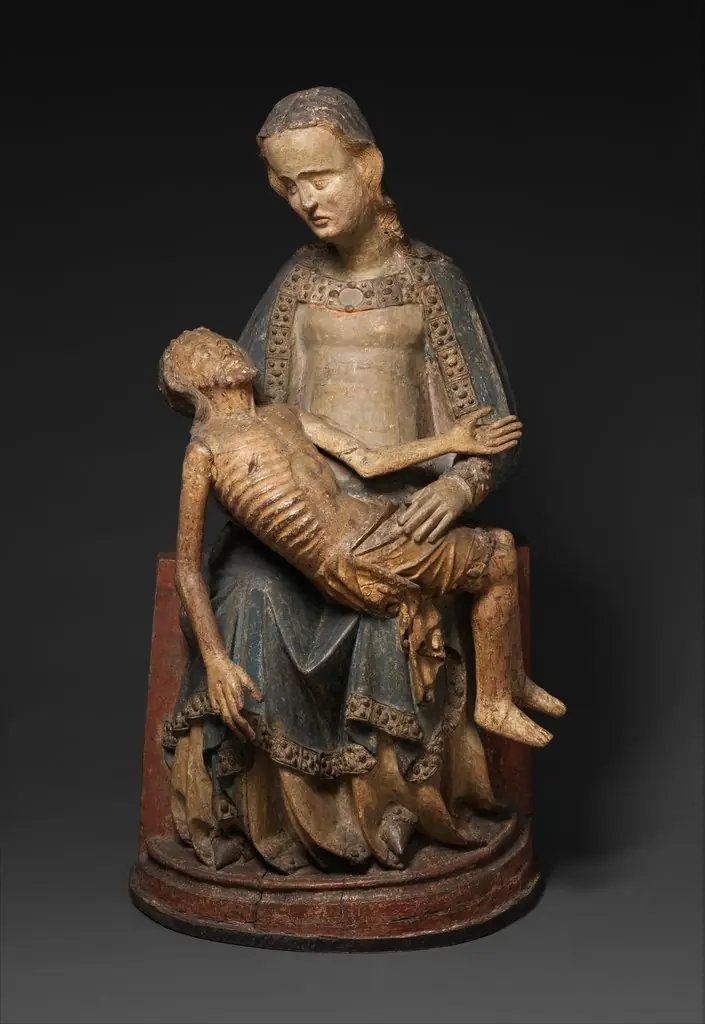 Pietà
Pietà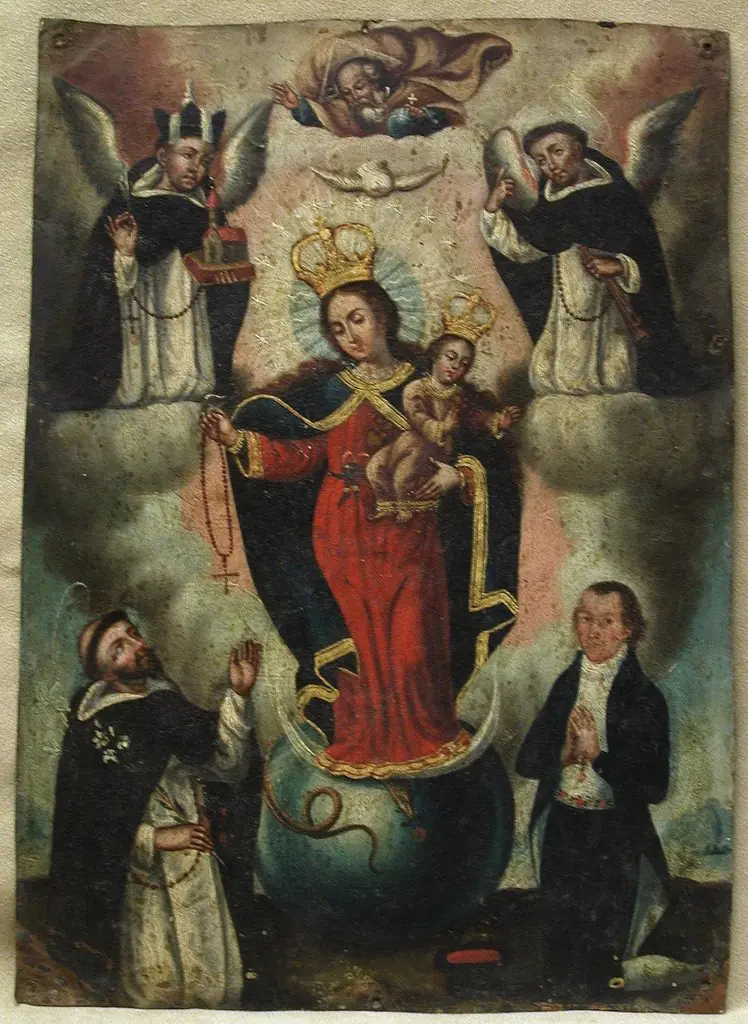 Virgin of the Rosary with Dominican Saints and Donor
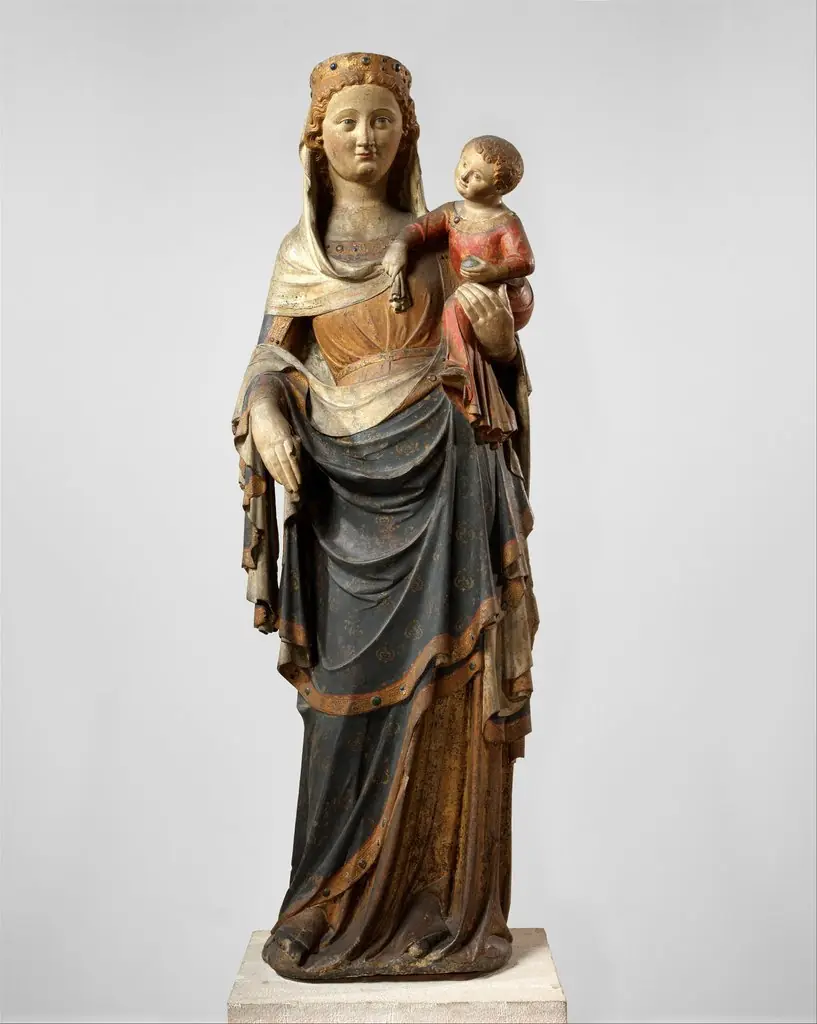 Virgin and Child
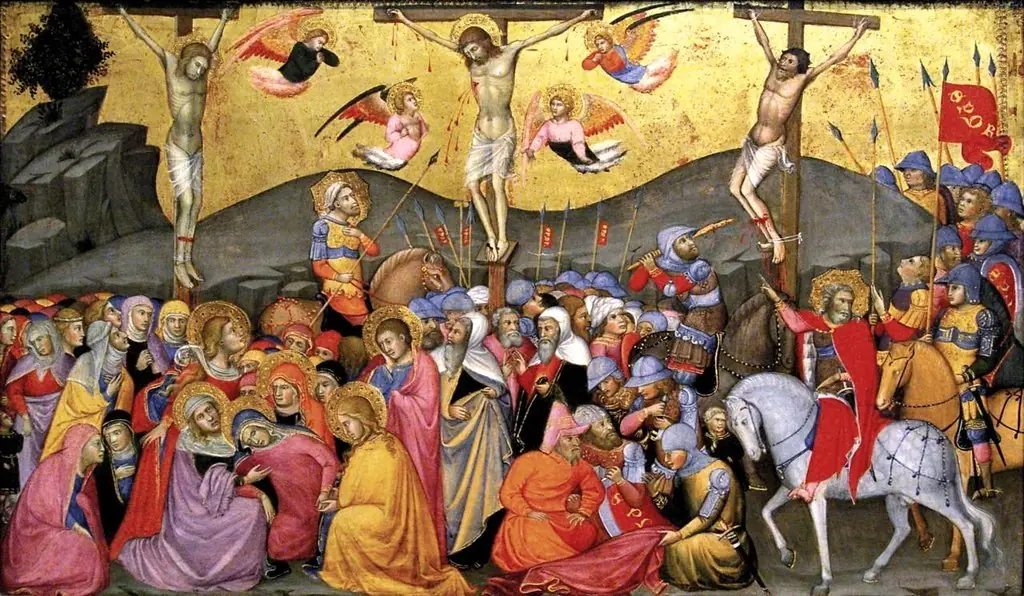 The Crucifixion
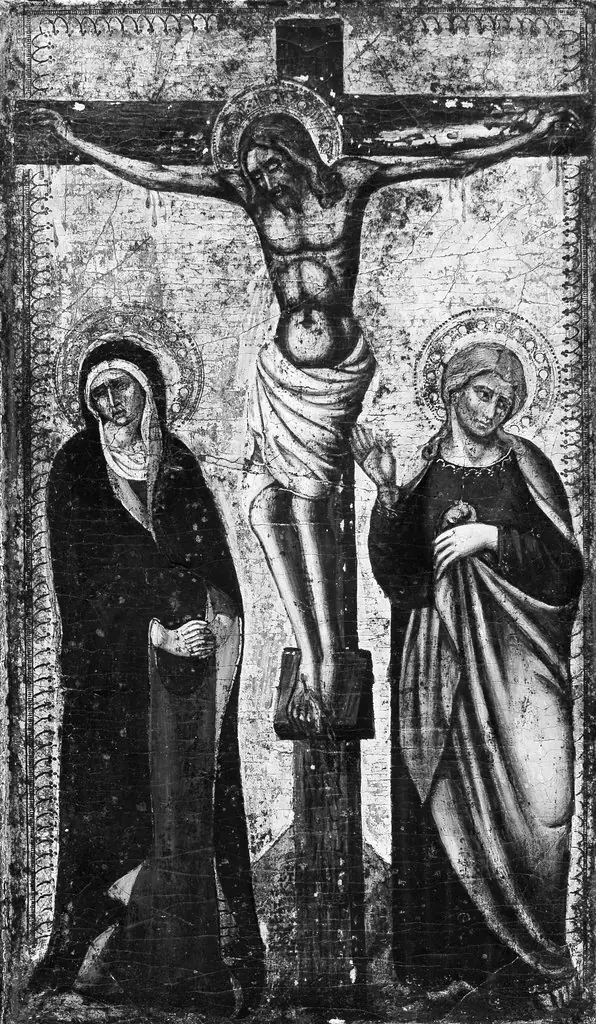 The Crucifixion
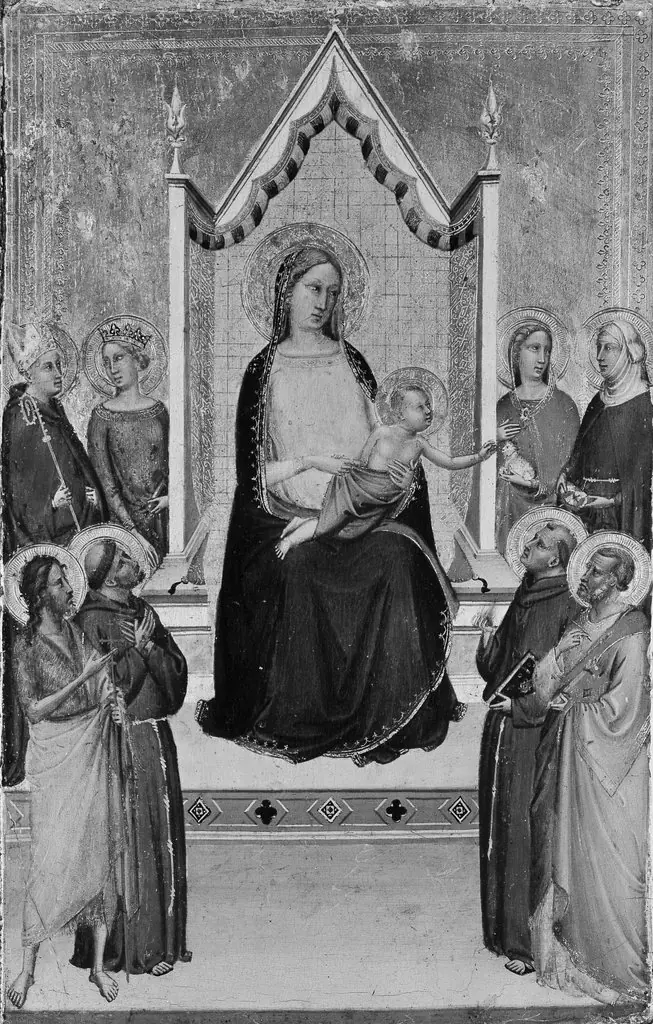 Madonna and Child Enthroned with Saints
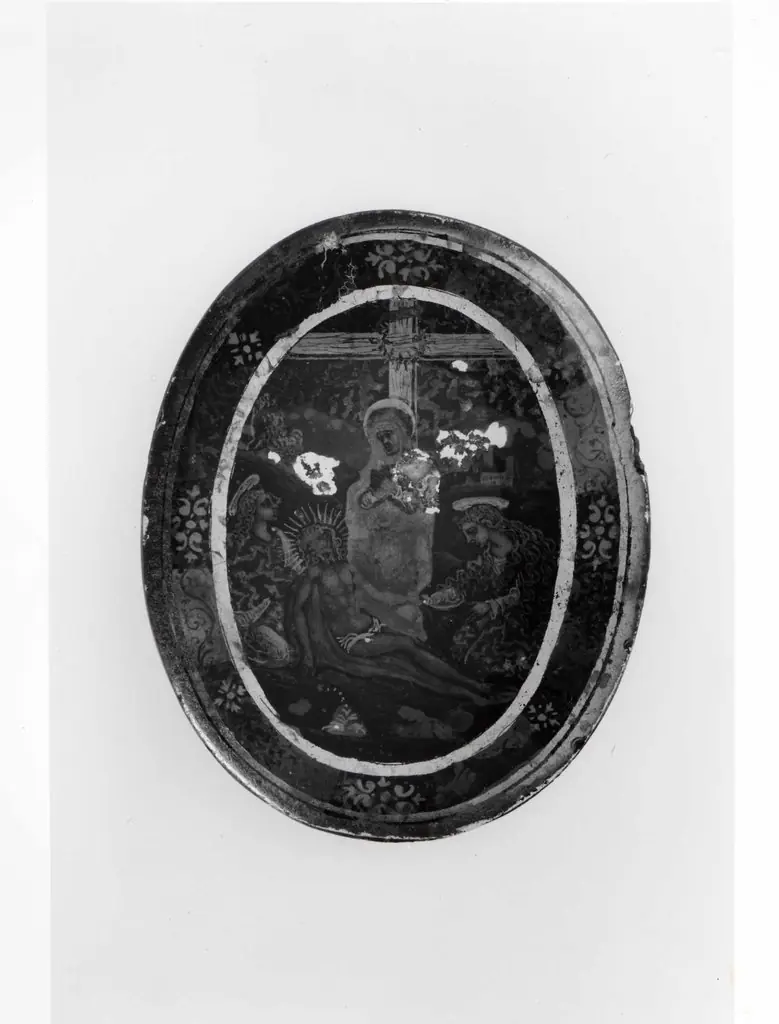 The Deposition
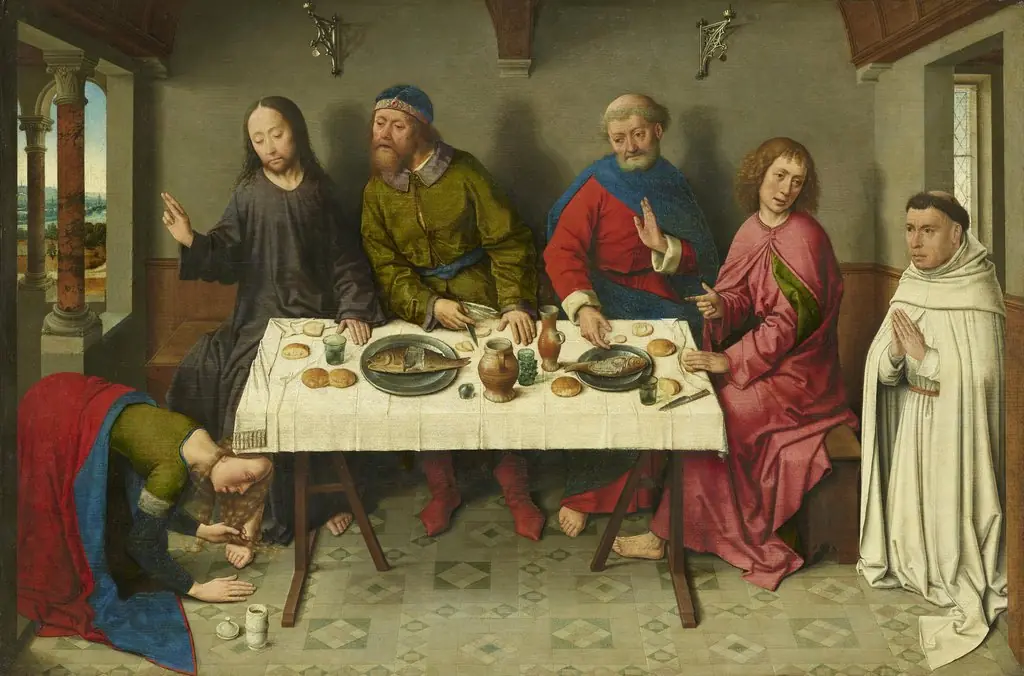 Christ in the house of the Pharisee Simon
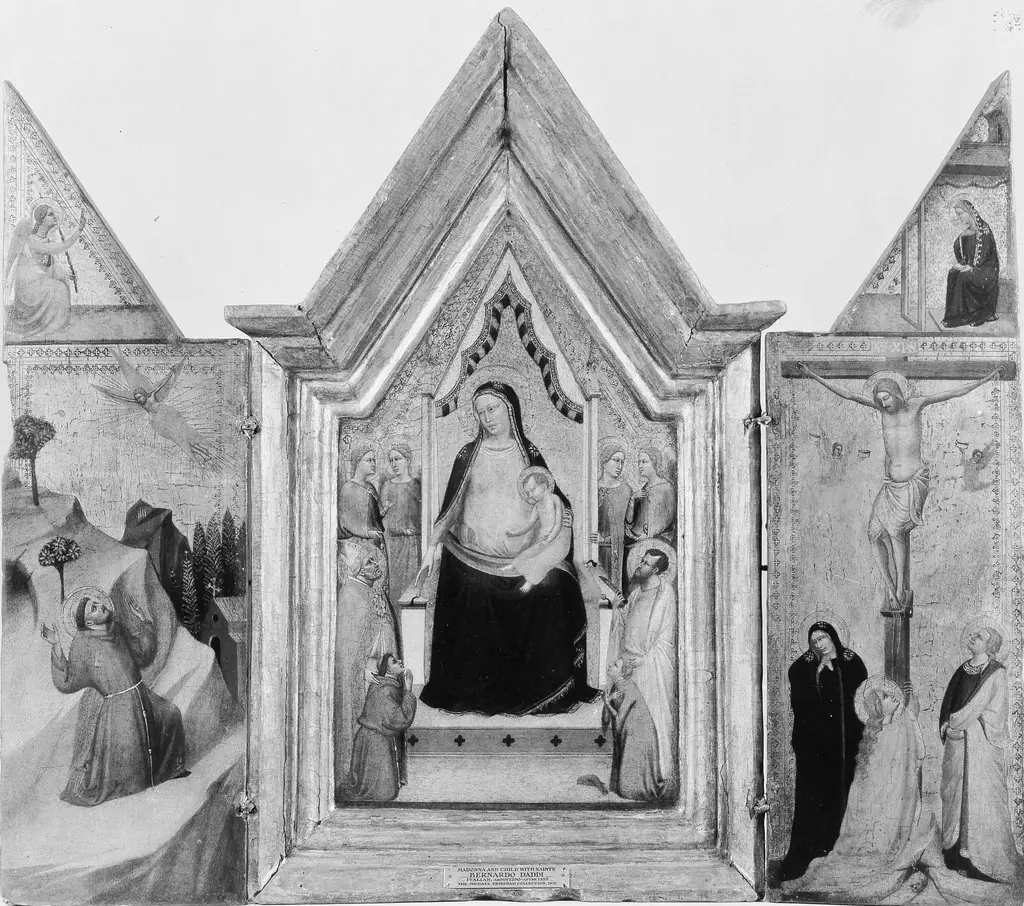 Madonna and Child Enthroned with Saints
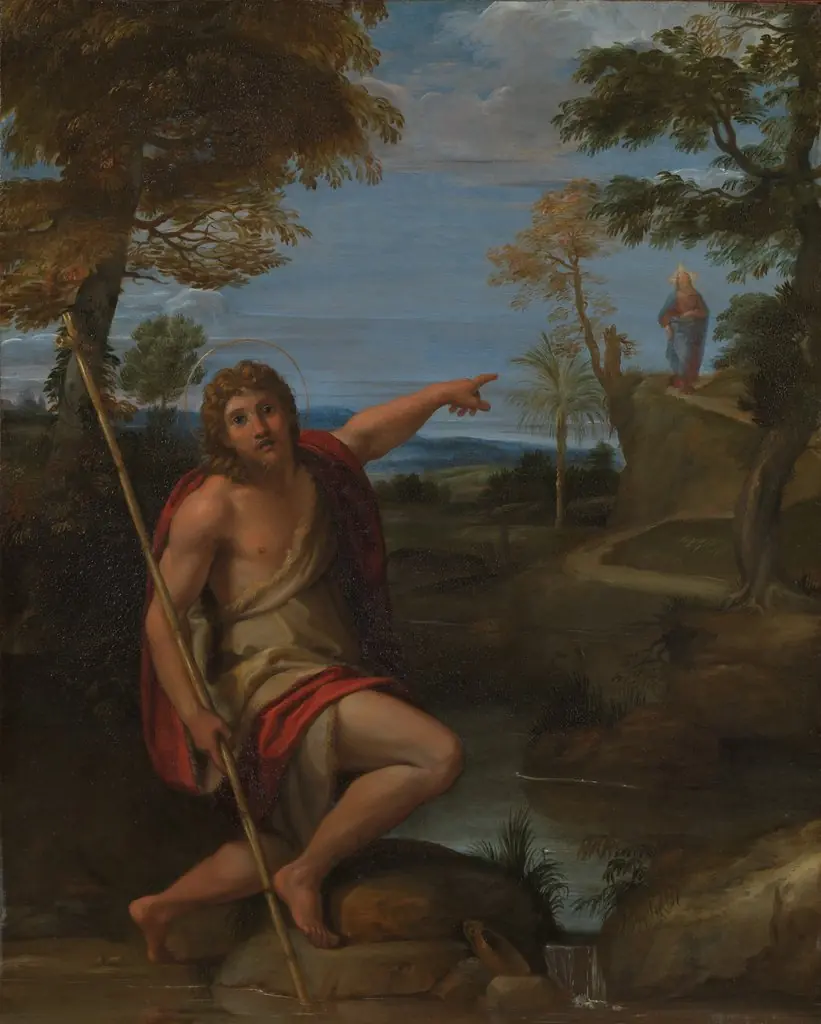 Saint John the Baptist Bearing Witness
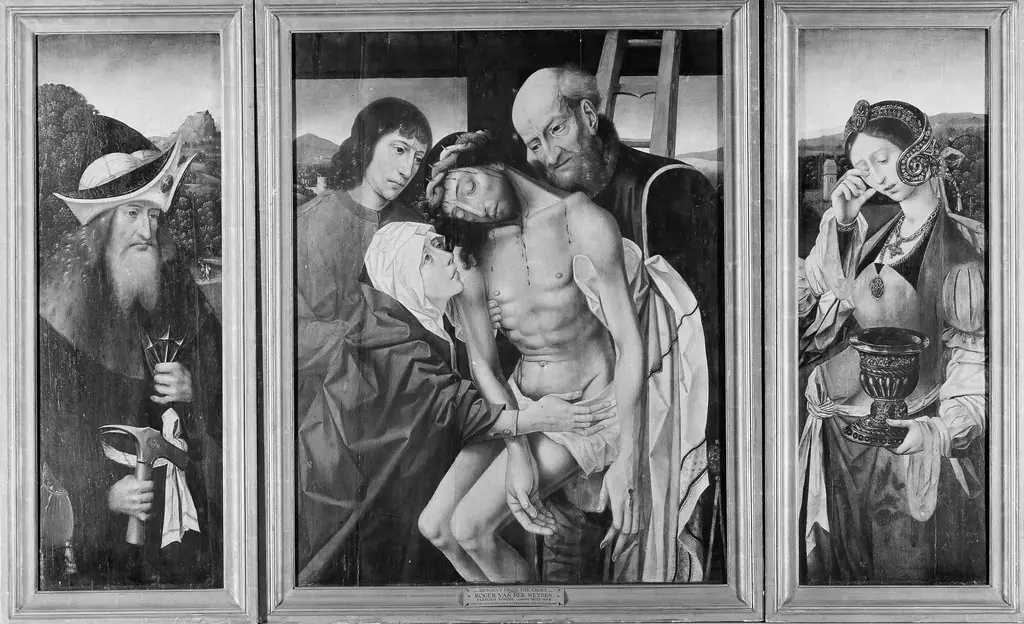 The Descent from the Cross
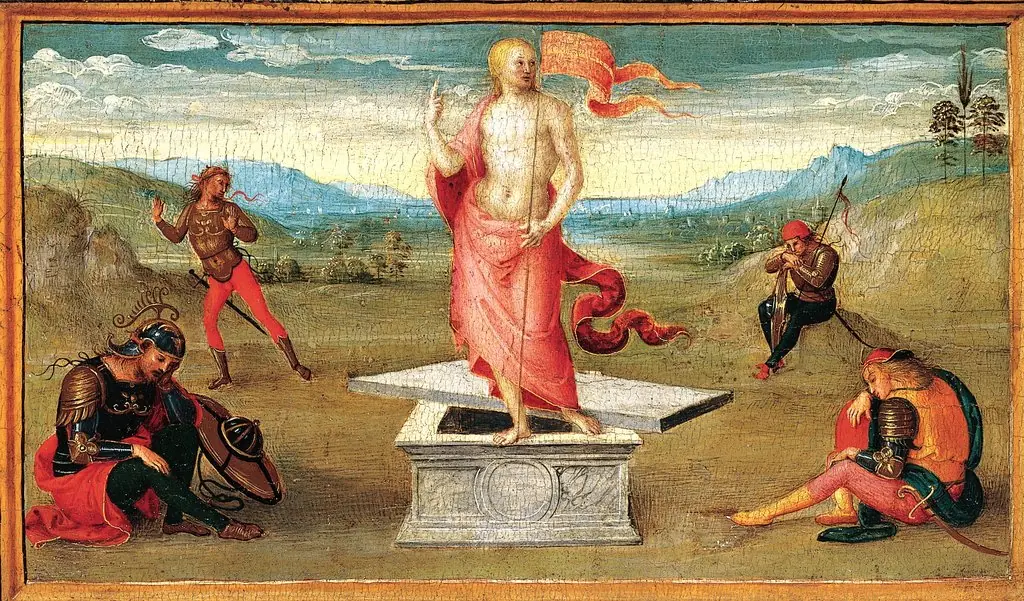 The Resurrection
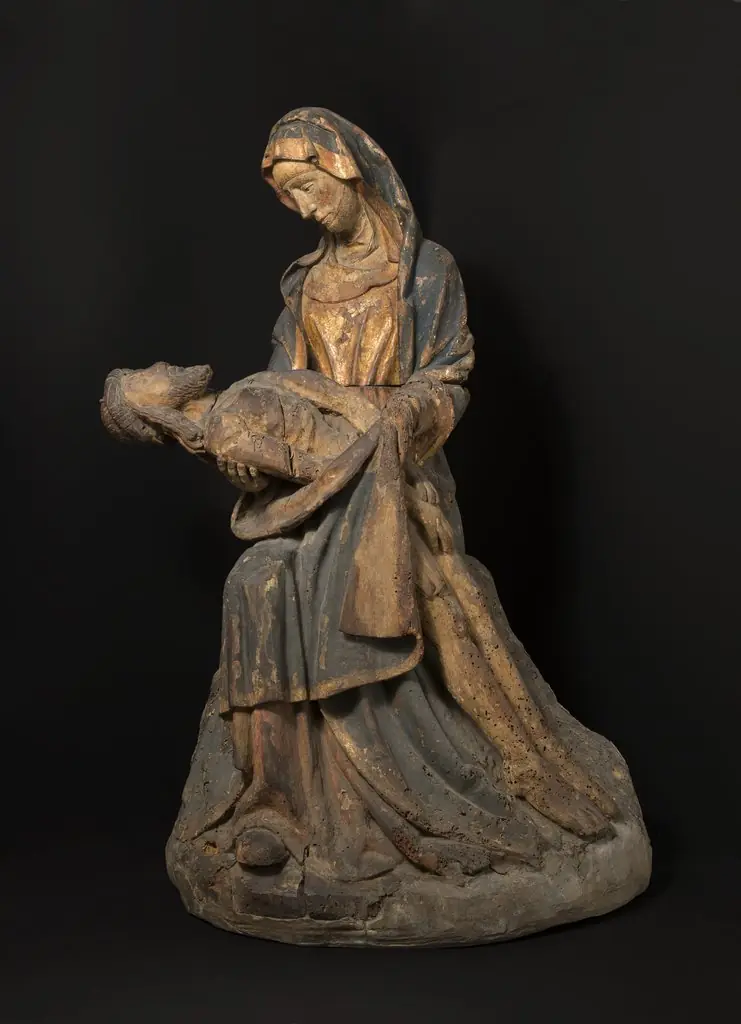 Pietà
Pietà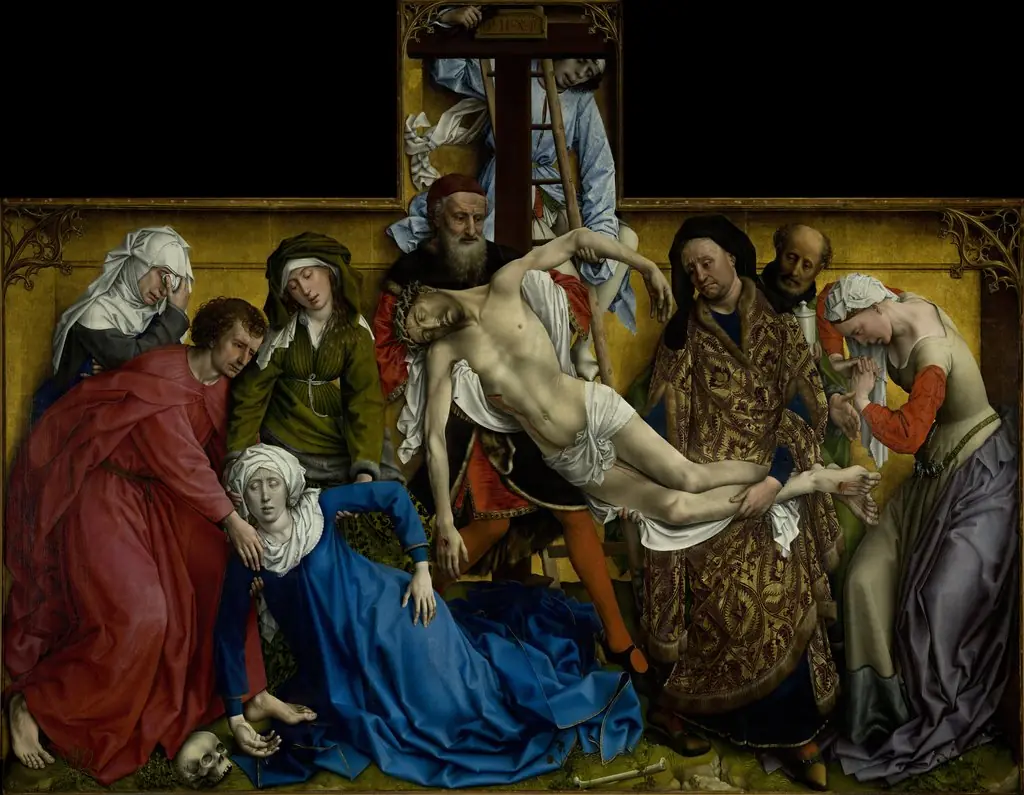 The Descent from the Cross
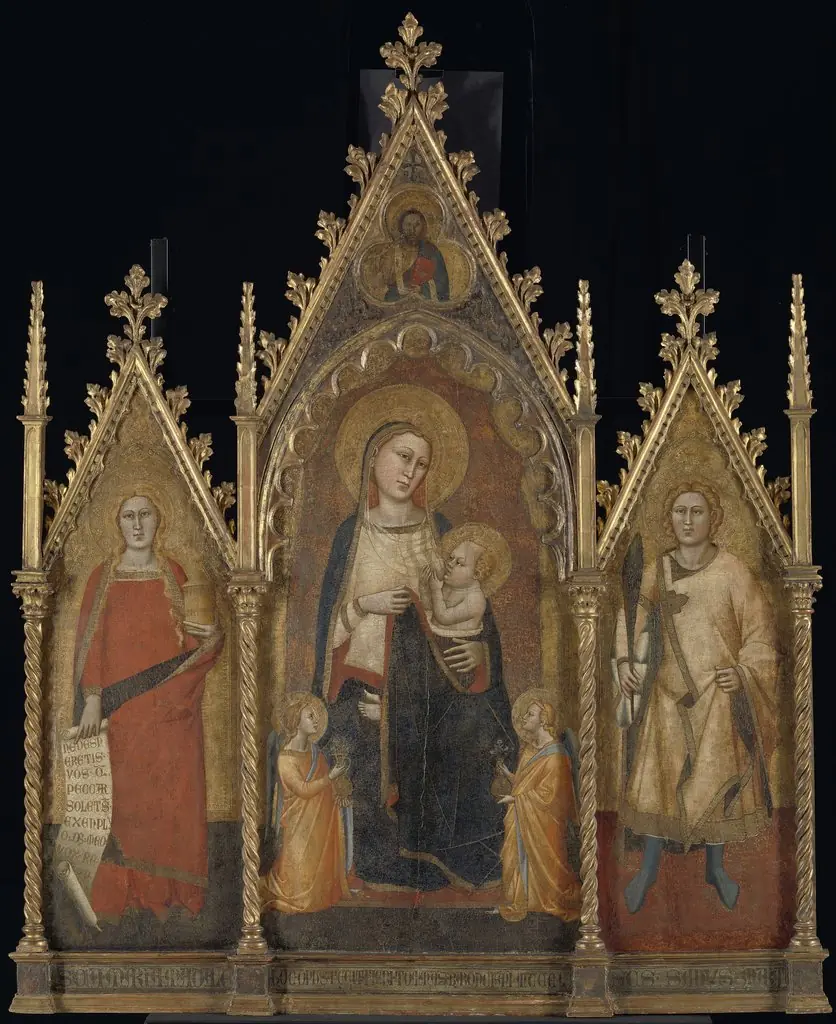 Triptych with the Virgin and Child, and Saints Mary Magdalene and Ansanus
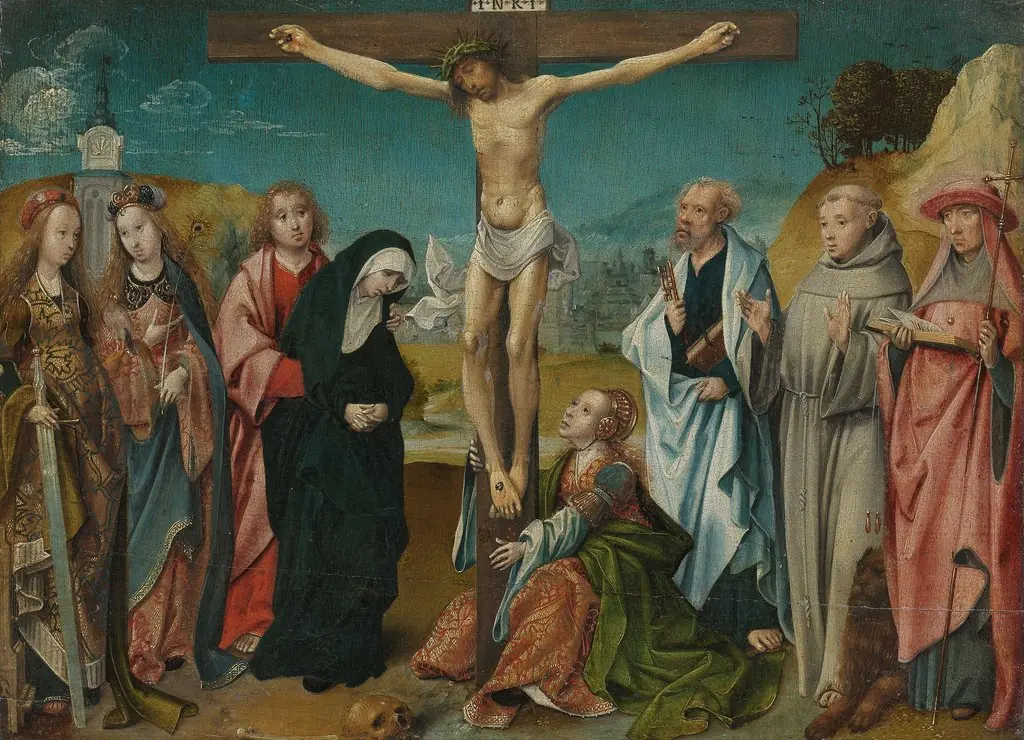 Christ on the cross with the Virgin, St John the Evangelist, Mary Magdalen, and Sts Cecilia and Barbara (left), and Sts Peter, Francis and Jerome (right)
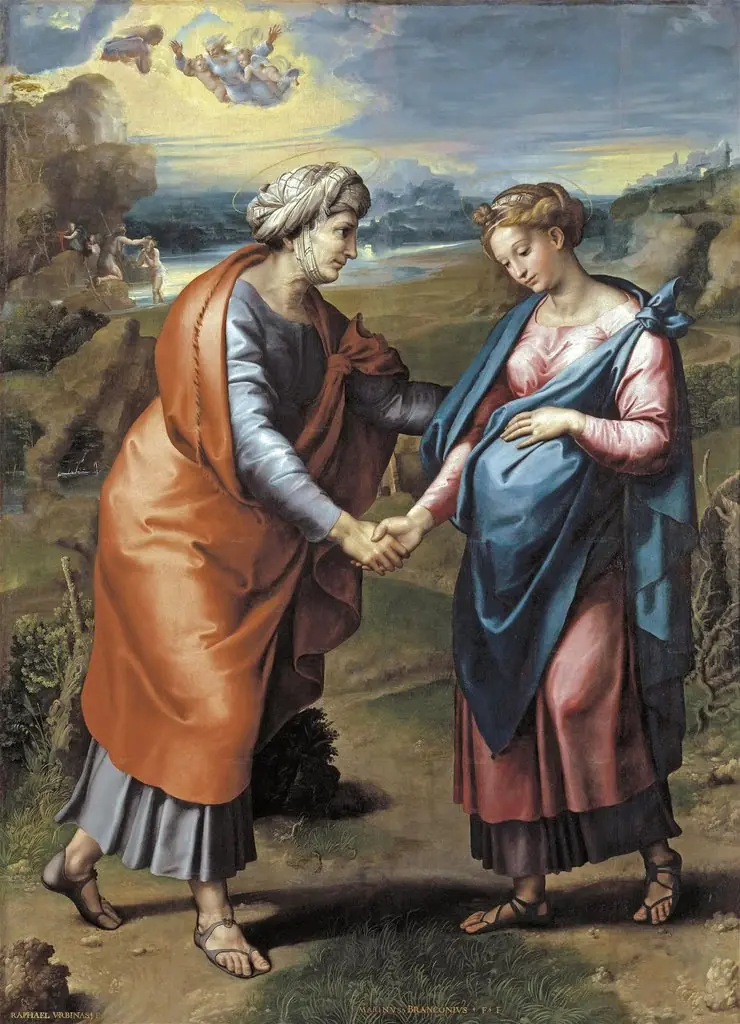 Visitation
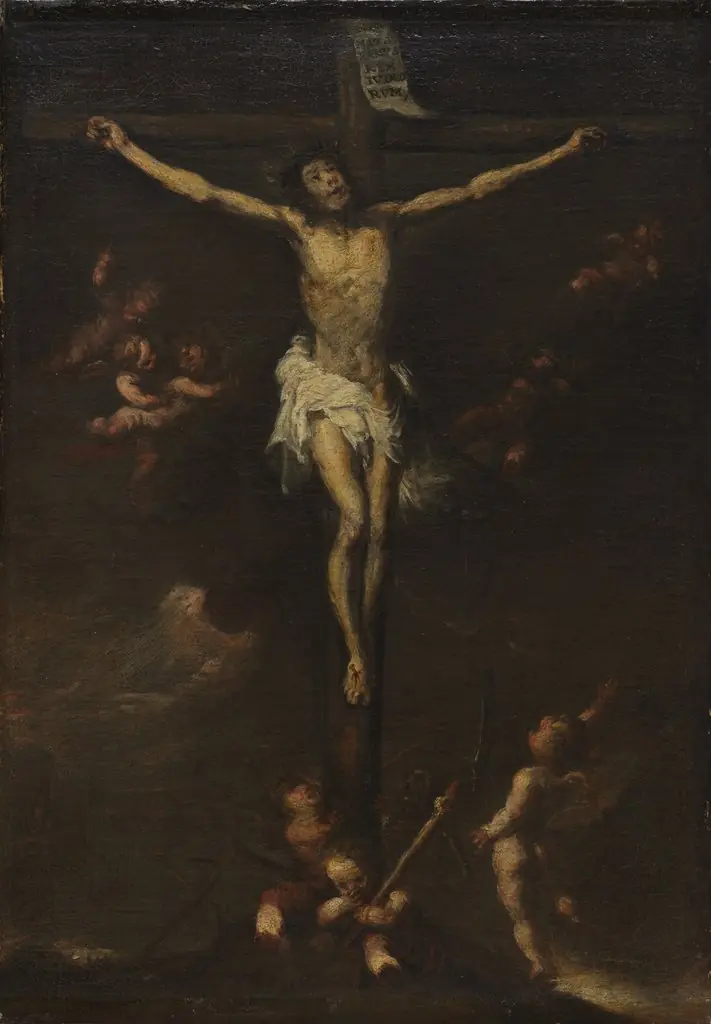 Crucifixion
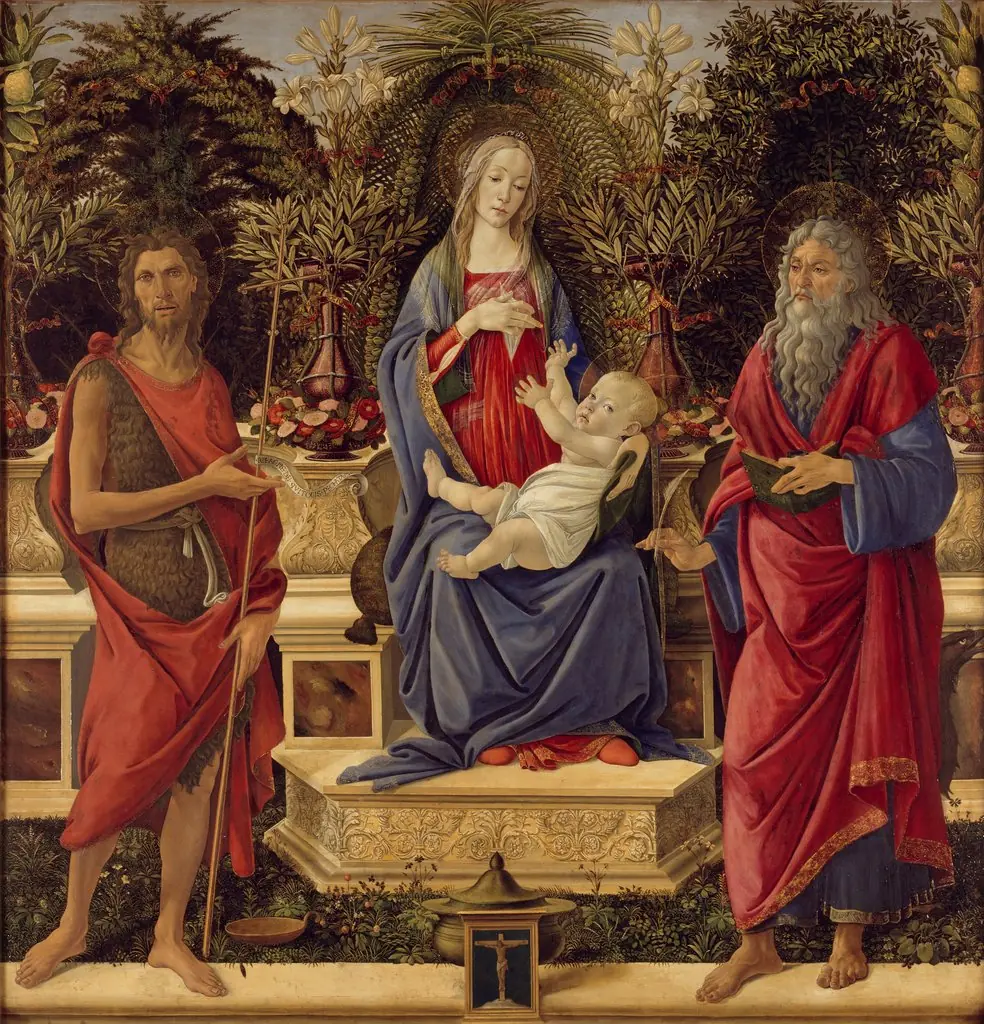 Madonna Bardi
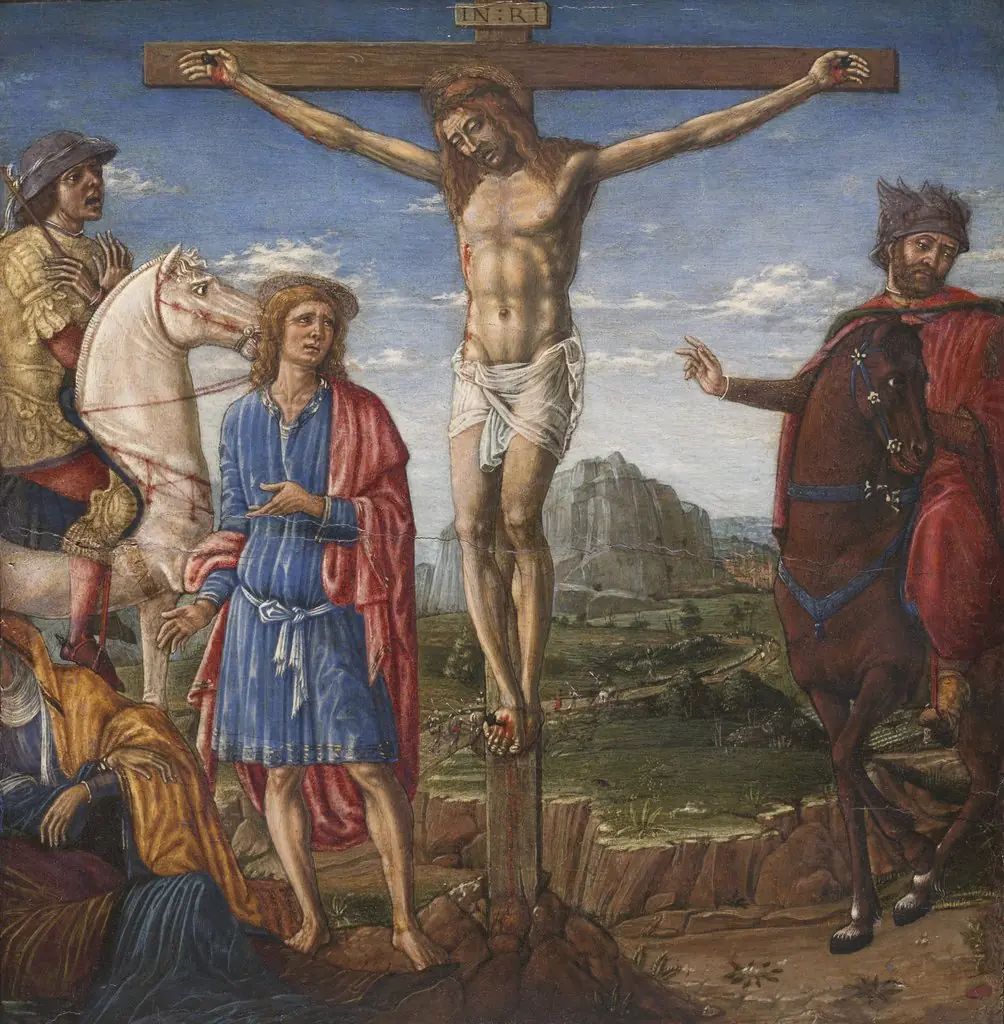 The Crucifixion
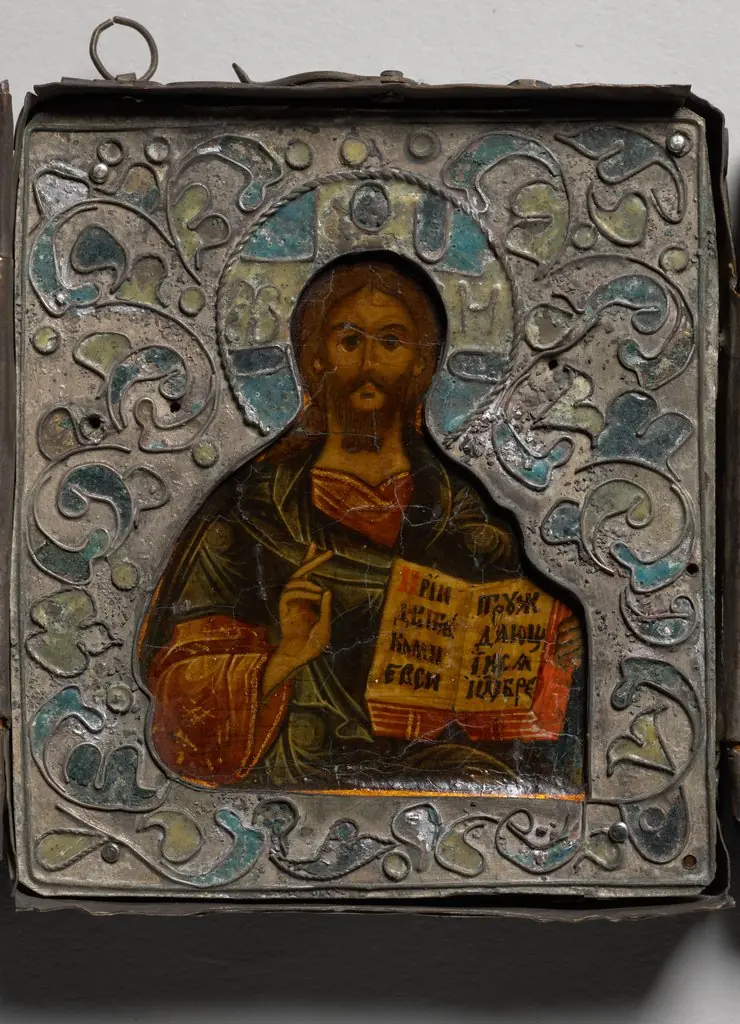 Christ
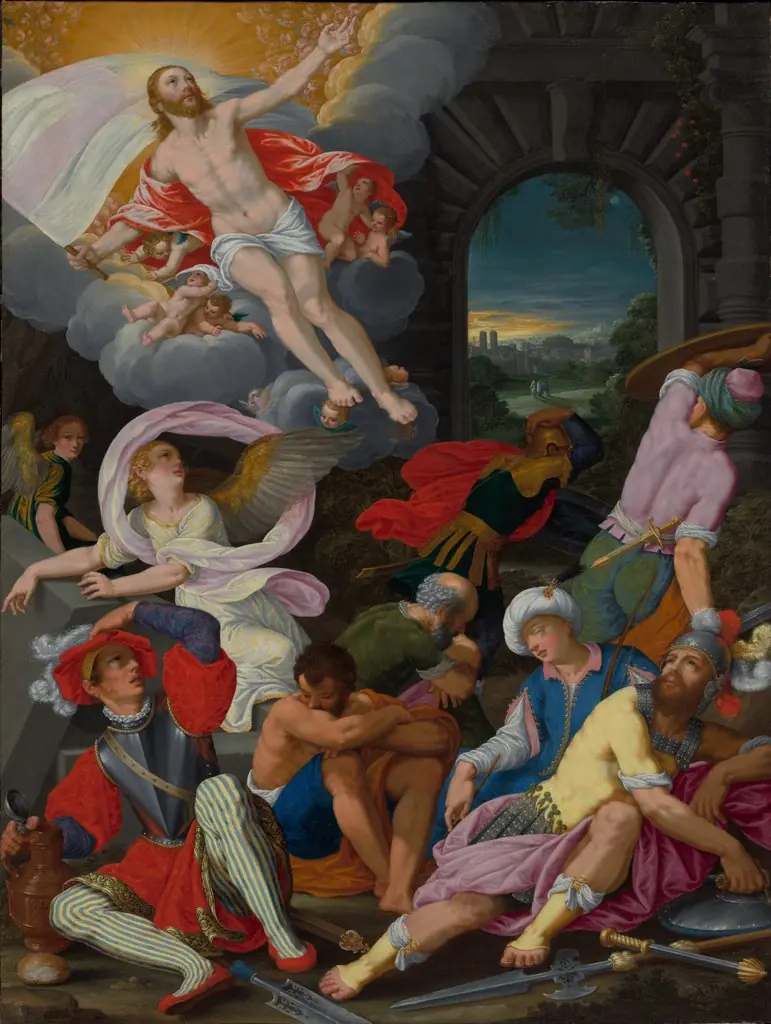 The Resurrection of Christ
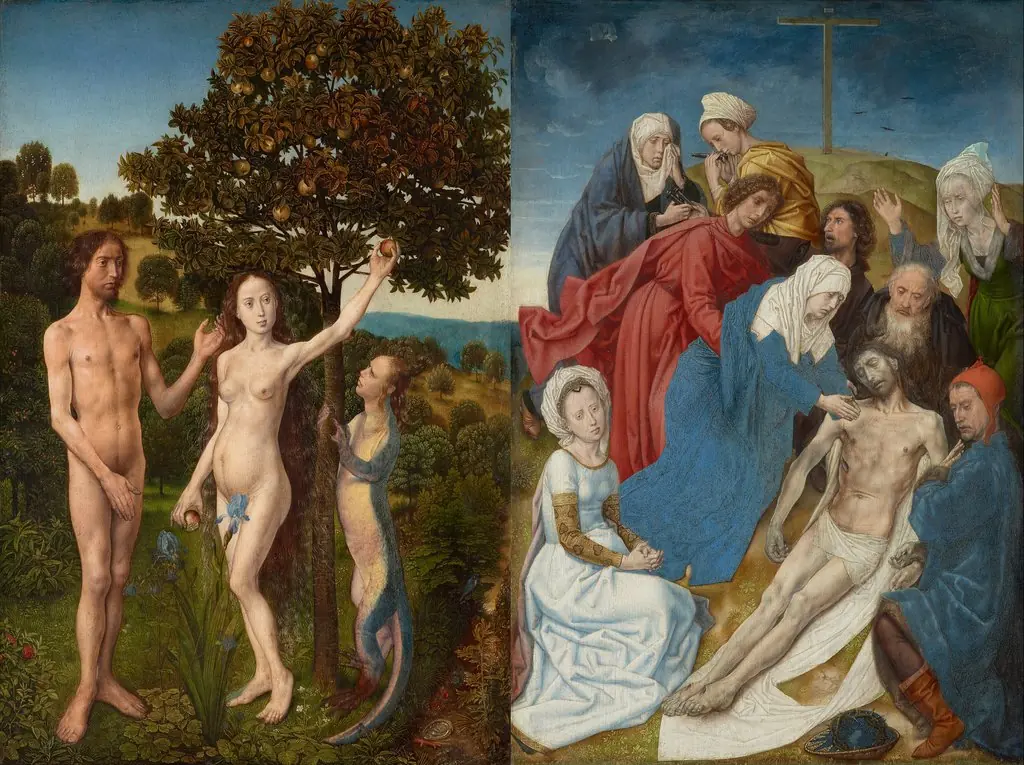 Vienna Diptych
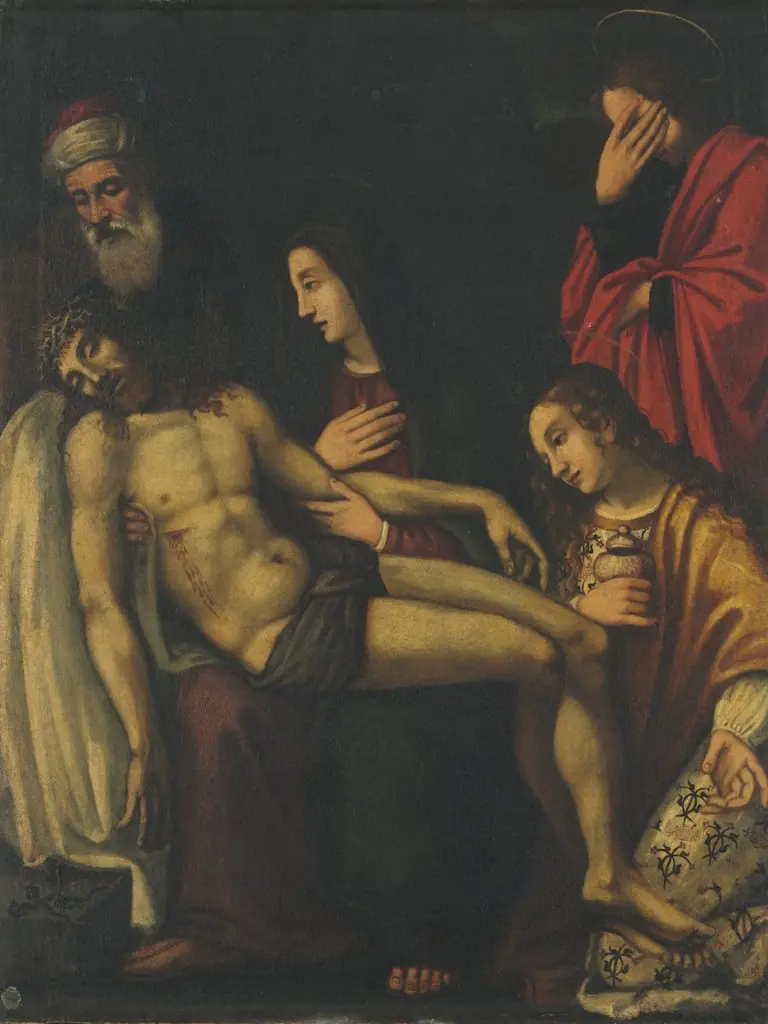 Pietà
Pietà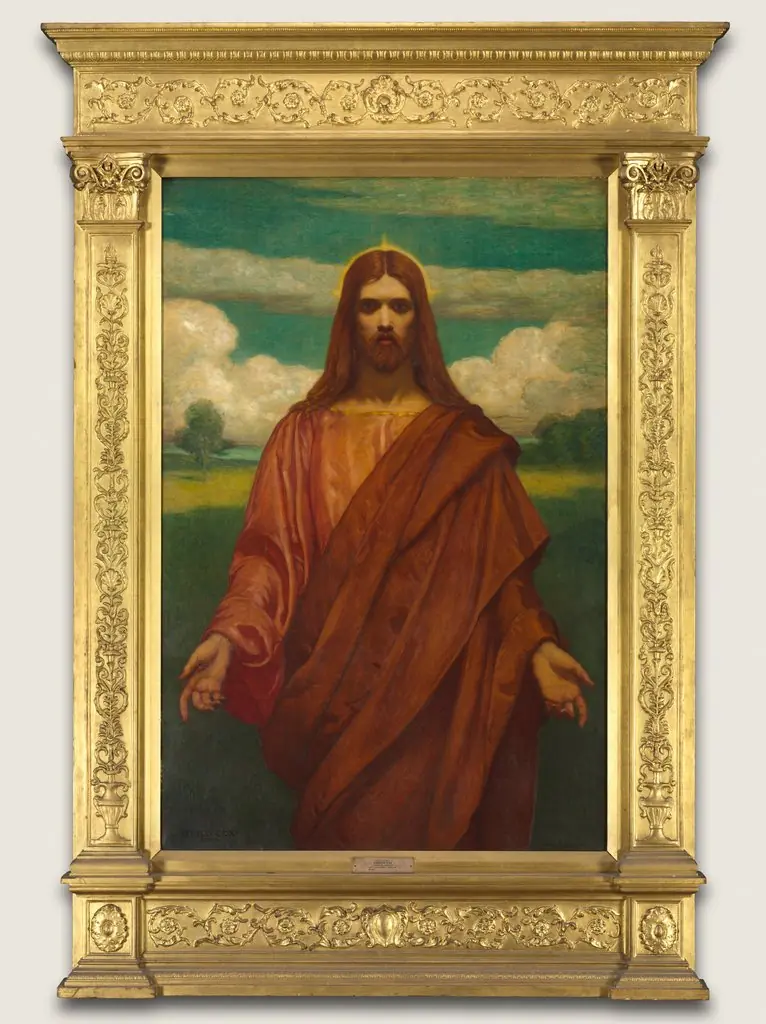 Christ
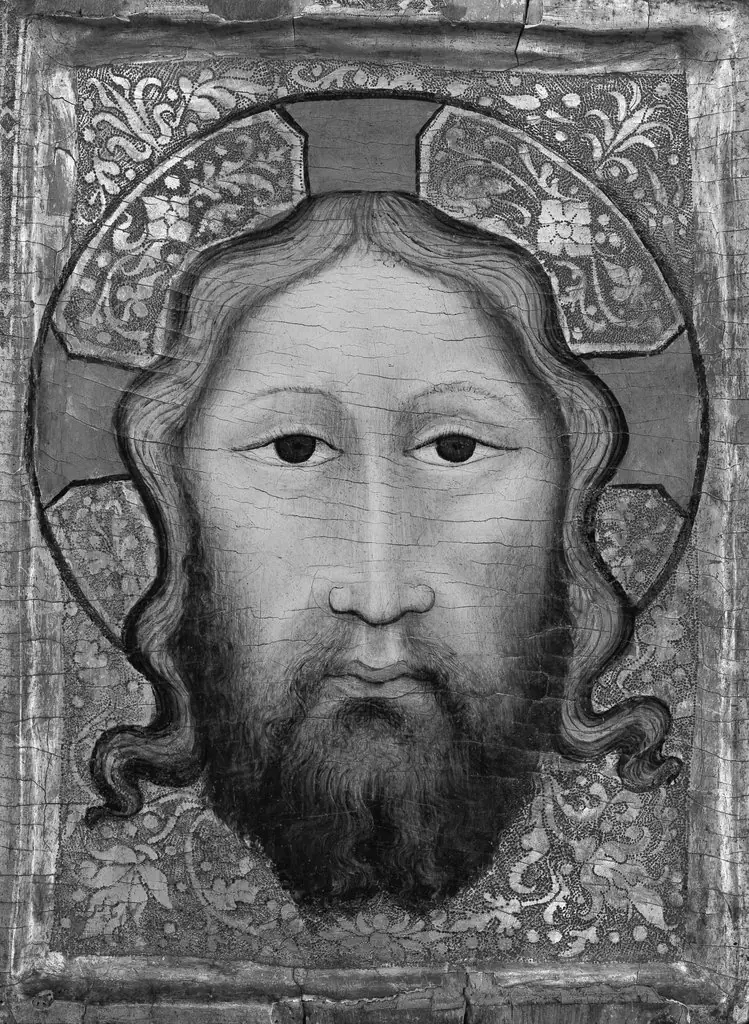 Head of Christ
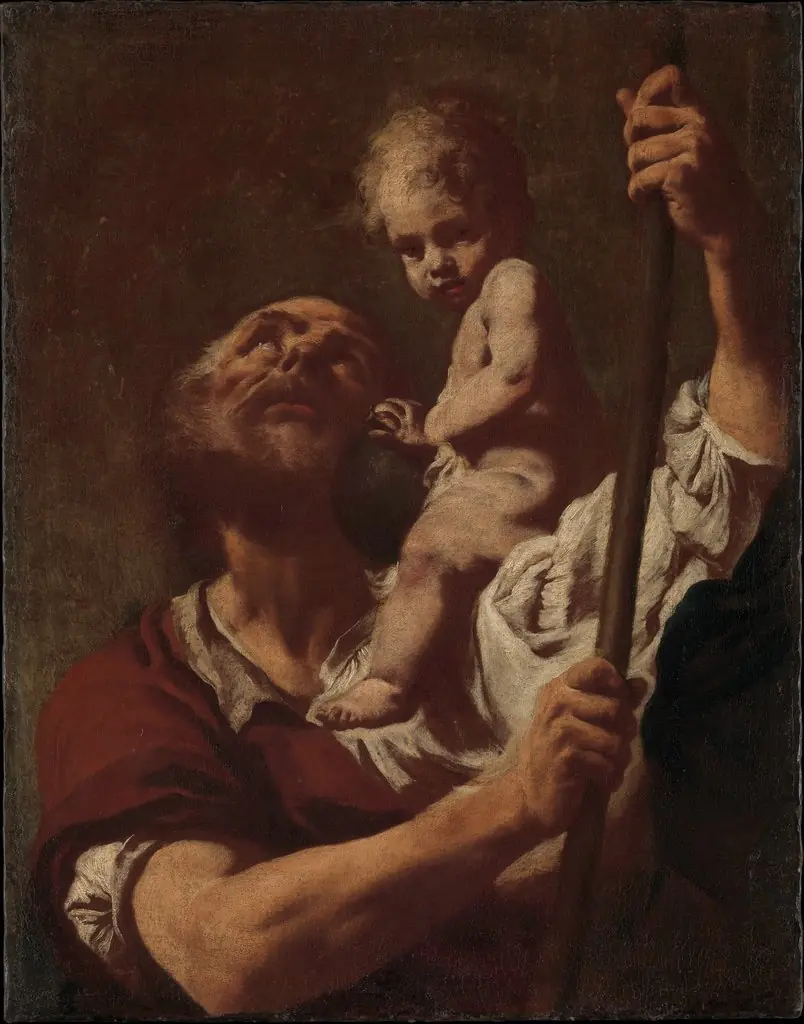 Saint Christopher Carrying the Infant Christ
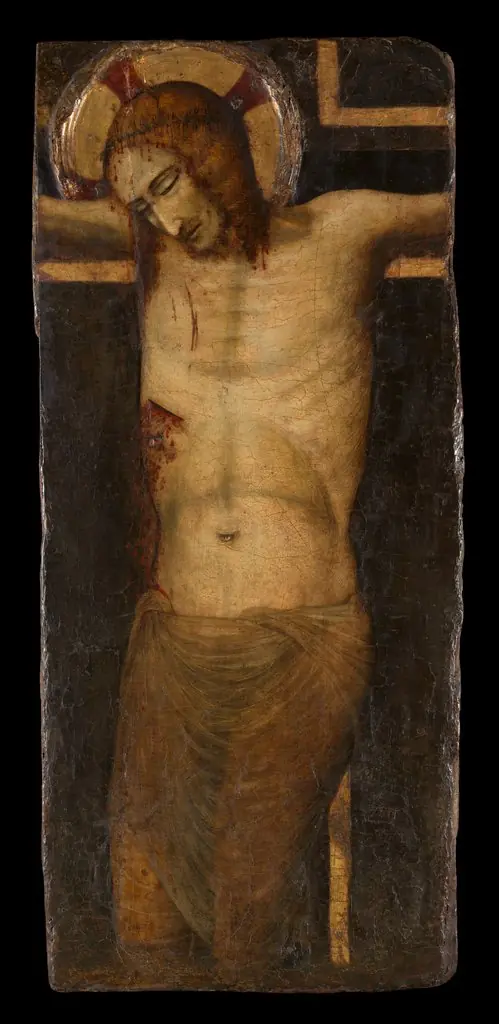 The Crucified Christ
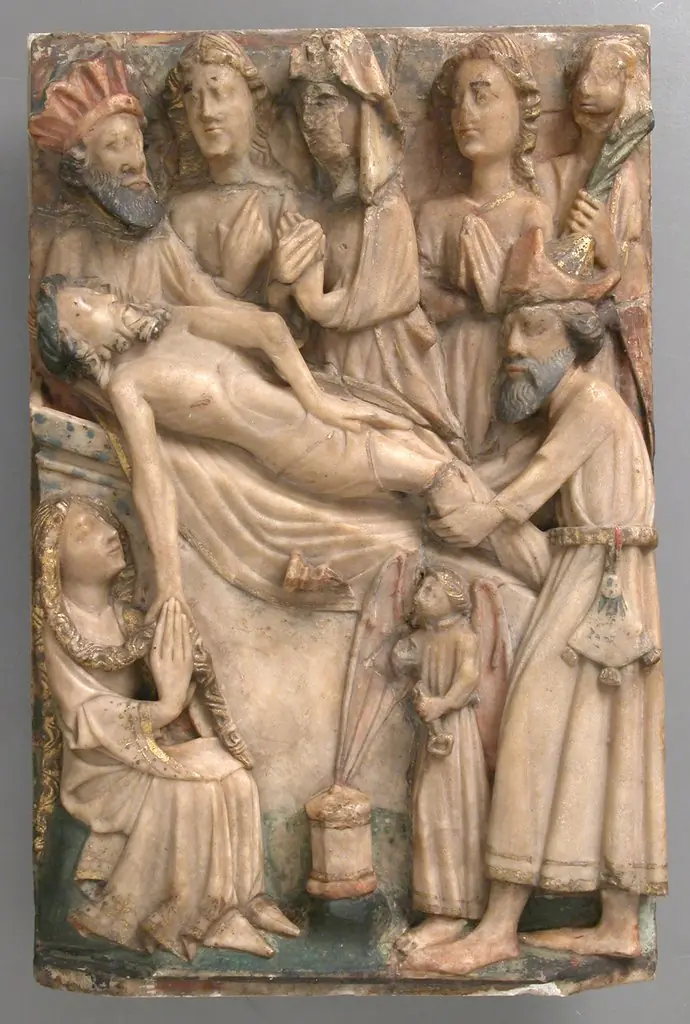 The Entombment
Frequently asked questions
What is Jesus Christ?
Jesus Christ is a subject in art. Jesus (c.
How many Jesus Christ works does Artifact World Gallery have?
Artifact World Gallery holds 200 public-domain Jesus Christ works, all free to view and download.
Who are the key Jesus Christ artists?
Key Jesus Christ artists in the collection include Titian, Paolo Veronese and Lorenzo Lotto.
Where can I see Jesus Christ works?
Jesus Christ works in the collection are held by Metropolitan Museum of Art, Museo del Prado and Bavarian State Painting Collections.