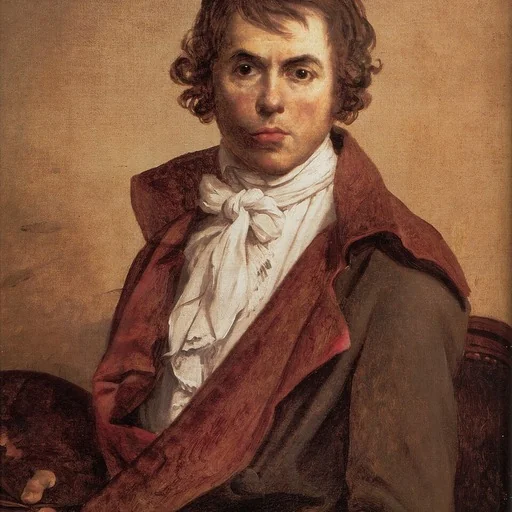
Subject
Soldier
Soldier is a subject in art. The gallery holds 200 works in this subject in art, including works by Jacques-Louis David, Ralph Earl and Édouard Manet.
The soldier is among the oldest and most enduring subjects in Western art. Rulers from the ancient world onward commissioned battle scenes to celebrate victories and intimidate rivals, making the armed man a fixture of monumental art long before warfare's costs—the suffering of casualties and civilians—entered the visual record, largely in the nineteenth century. The soldier appears in many guises: the individualized commander immortalized in portraiture, and the anonymous ranks whose massed presence fills a composition. After the spread of standardized military uniforms, painters often lingered on the variety of dress, insignia, and weaponry, and the soldier became a recurring presence even in sacred art, as in the Roman guards who flank Christ in Fra Angelico's mid-fifteenth-century Crucifixion.
Depictions of soldiers fall broadly into the ceremonial and the active. Early modern victory paintings tended to follow a rigid hierarchy—the mounted victor towering over a kneeling, humiliated foe. Diego Velázquez broke that convention in The Surrender of Breda (1634–35, Prado), staging the Spanish commander Spínola meeting his Dutch counterpart on level ground in an act of magnanimity, the Spanish lances rising in a famous thicket on the right. Such works prize the orderly display of arms; battlefield pictures, by contrast, emphasize movement, determination, and the press of bodies.
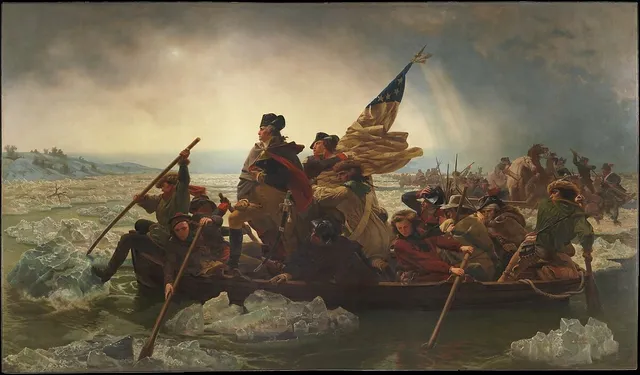
The genre flourished in nineteenth-century history painting. Emanuel Leutze's Washington Crossing the Delaware (1851) shows the Continental Army straining through river ice toward the surprise victory at Trenton; within four months of its New York arrival, 50,000 people had paid to see it. Ernest Meissonier, celebrated for his meticulous cabinet pictures, labored fourteen years (1861–75) on 1807, Friedland, depicting Napoleon reviewing his cuirassiers after a great victory over Russia. Jan Matejko's vast Prussian Homage (1879–82) marshals over thirty Renaissance figures around the 1525 oath of allegiance in Kraków.
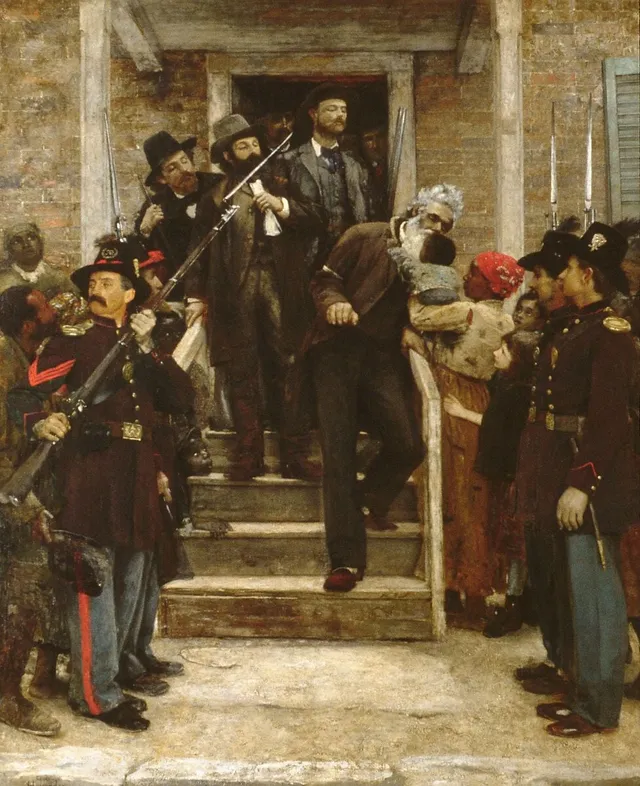
The soldier could also embody state violence and martyrdom. In Thomas Hovenden's The Last Moments of John Brown (1884), armed guards escort the bound abolitionist to his execution. The decisive turn came with Francisco Goya's The Third of May 1808 (1814), which abandoned heroics to confront the anonymous machinery of a firing squad—a vision of war's brutality that, by the First World War, reshaped the genre toward unsparing, firsthand realism.
Key artists
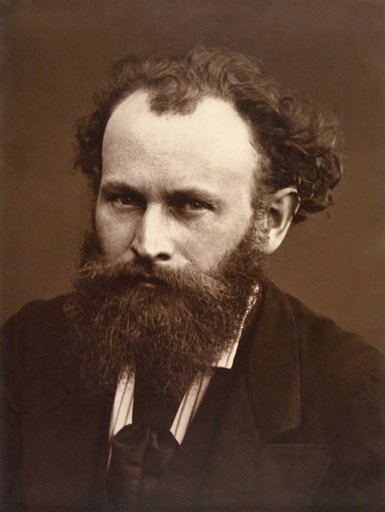

Overview
The soldier is one of the most enduring and recurrent subjects in the history of art, appearing in 276 works in the collection under discussion. Defined as a member of an army, whether conscripted or volunteer, enlisted person, non-commissioned officer, warrant officer, or officer, the soldier functions as a versatile motif through which artists have explored themes of national identity, heroism, sacrifice, and the human cost of conflict. The word itself derives from the Middle English soudeour and Old French soudeer, ultimately from the Late Latin solidus, the Roman coin that signified pay, underscoring the soldier's status as a professional fighter distinct from feudal levies or mercenaries. This etymological root, shared across European languages, reflects the historical transition from feudal armies to standing, paid military forces.
Iconography & meaning
The iconography of the soldier in art encompasses a wide spectrum of attributes and meanings. Uniforms and regalia serve as primary visual markers, distinguishing branches of service, rank, and national affiliation, and artists have frequently exploited these details to convey specificity or to celebrate military diversity. Weapons and equipment, from the cavalry officer's sabre to the infantryman's rifle, signal role and era. Beyond these material attributes, the soldier carries layered symbolism, functioning variously as an emblem of state power, a vessel of patriotic virtue, an anonymous instrument of violence, or a suffering individual. The soldier can represent both the defender of sovereignty and the agent of aggression, a duality that artists have exploited to critique as well as celebrate war. In religious contexts, soldiers appear as executioners, guards, or converts, their military identity subordinated to spiritual narrative. The introduction of military uniforms in particular allowed artists to demonstrate sartorial range and to categorize types of soldiers with ethnographic precision.
Across movements & periods
The treatment of the soldier in art has evolved considerably across movements and periods, reflecting changes in warfare, political ideology, and artistic ambition. In the Renaissance, Andrea Mantegna's Triumphs of Caesar (1484-1492) presented Roman military procession with antiquarian grandeur, employing egg and glue tempera to monumentalize imperial victory. The Baroque and Neoclassical periods saw the emergence of the soldier as individualized hero, exemplified by Jacques-Louis David's Napoleon Crossing the Alps (1805), which dramatized leadership and strategic audacity. The Romantic era introduced more emotionally charged and chaotic representations, as in J. M. W. Turner's The Battle of Trafalgar (1822) and Théodore Géricault's The Charging Chasseur (1812), the latter marking a decisive break from classical restraint through its dynamic diagonal composition and vigorous brushwork. The nineteenth century witnessed both the celebration of national military myths, as in Jan Matejko's Battle of Grunwald (1878), and the rise of documentary realism, particularly in the work of Elizabeth Thompson, whose Scotland Forever! (1881) and The Defence of Rorke's Drift (1880) combined historical specificity with empathetic attention to the soldier's experience. John Trumbull's The Sortie Made by the Garrison of Gibraltar (1789) bridged American and European traditions of military painting. Across these periods, the soldier shifted from emblem of dynastic or imperial power to vehicle of national consciousness and, eventually, to subject of psychological and critical inquiry.
Notable depictions
Several canonical depictions of the soldier stand out for their artistic innovation and historical resonance. Jan Matejko's Battle of Grunwald (1878), housed in the National Museum in Warsaw, centers on the death of Grand Master Ulrich von Jungingen and the crimson-clad figure of Lithuanian Grand Duke Vytautas the Great, cementing the battle's legendary status in Polish national consciousness. J. M. W. Turner's The Battle of Trafalgar, 21 October 1805 (1822), commissioned by King George IV and now at the National Maritime Museum in Greenwich, represents Turner's only royal commission and his largest work, measuring 2,615 by 3,685 mm. Elizabeth Thompson's Scotland Forever! (1881) captures the charge of the Royal Scots Greys at Waterloo with a vivid dynamism that made it one of the most reproduced military images of its era; her The Defence of Rorke's Drift (1880), in the Royal Collection, was based on interviews with survivors who restaged the battle for her in Portsmouth. John Trumbull's The Sortie Made by the Garrison of Gibraltar (1789) depicts a moment of chivalric respect between enemies during the Great Siege. Théodore Géricault's The Charging Chasseur (1812) announced a new, more immediate approach to the military subject, while Jacques-Louis David's Napoleon Crossing the Alps (1805) became perhaps the most widely reproduced image of Napoleonic military prowess.
Legacy
The soldier as artistic subject has maintained remarkable cultural currency, though its meanings have continued to shift. The heroic military painting, once commissioned by rulers to celebrate victories and intimidate adversaries, has given way to more critical and pluralistic approaches. The tradition of military art as documentation persists, but contemporary treatments more frequently emphasize the psychological costs of service, the anonymity of modern warfare, and the political complexities underlying armed conflict. The biographical literature of soldiers, from Erich Maria Remarque's All Quiet on the Western Front to Ron Kovic's Born on the Fourth of July and the proliferation of veteran-authored memoirs, has extended the soldier's narrative into literary realms with comparable thematic concerns. Institutions such as Arlington National Cemetery, with nearly 430,000 interments, continue to monumentalize military service, while museums and collections preserve the visual record of how societies have imagined and remembered their soldiers. The figure of the soldier remains a potent site for negotiating questions of citizenship, sacrifice, and national identity, even as the technological and social transformations of warfare challenge traditional modes of representation.
Works
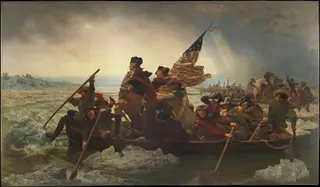 Washington Crossing the Delaware
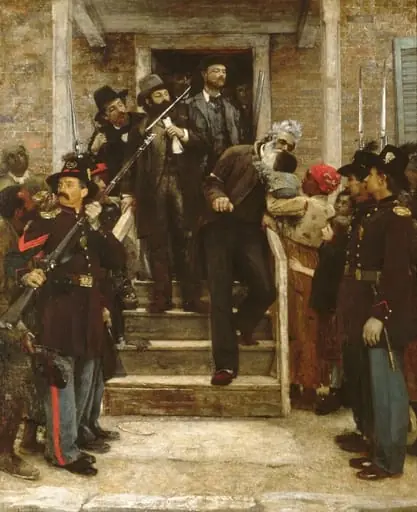 The Last Moments of John Brown
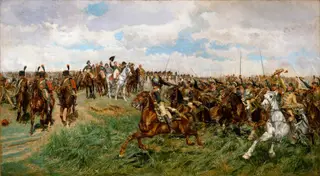 1807, Friedland
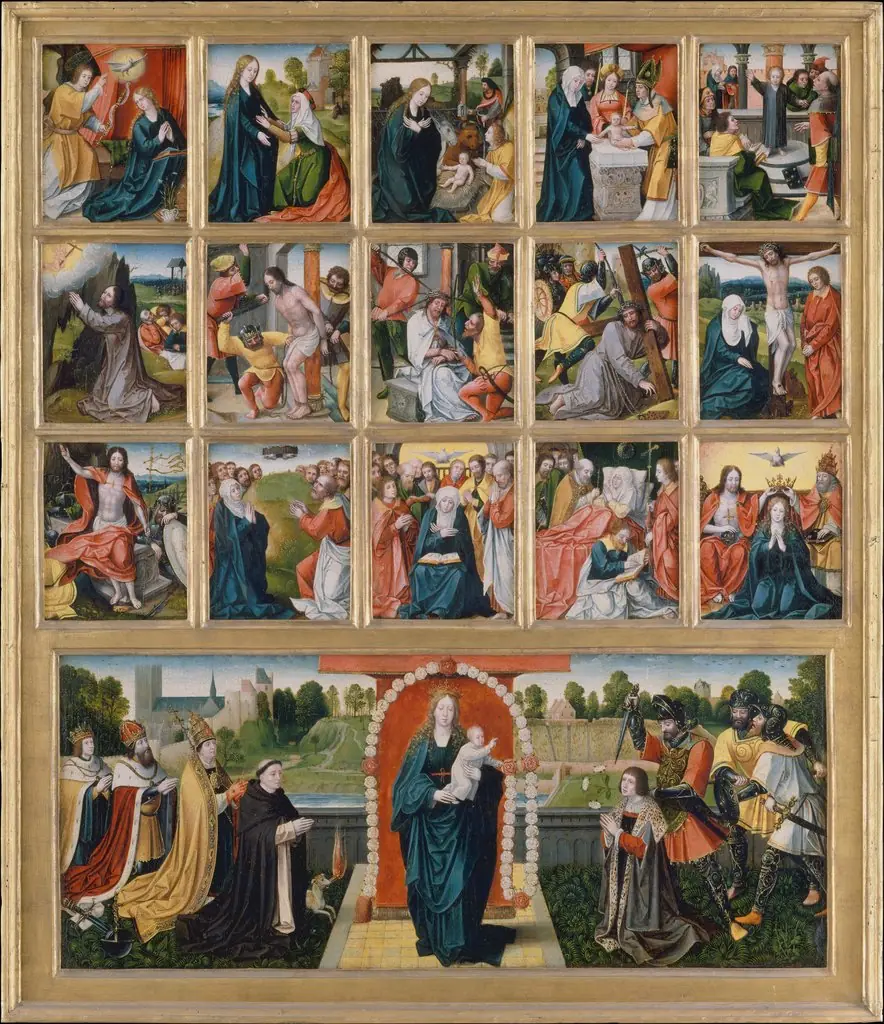 The Fifteen Mysteries and the Virgin of the Rosary
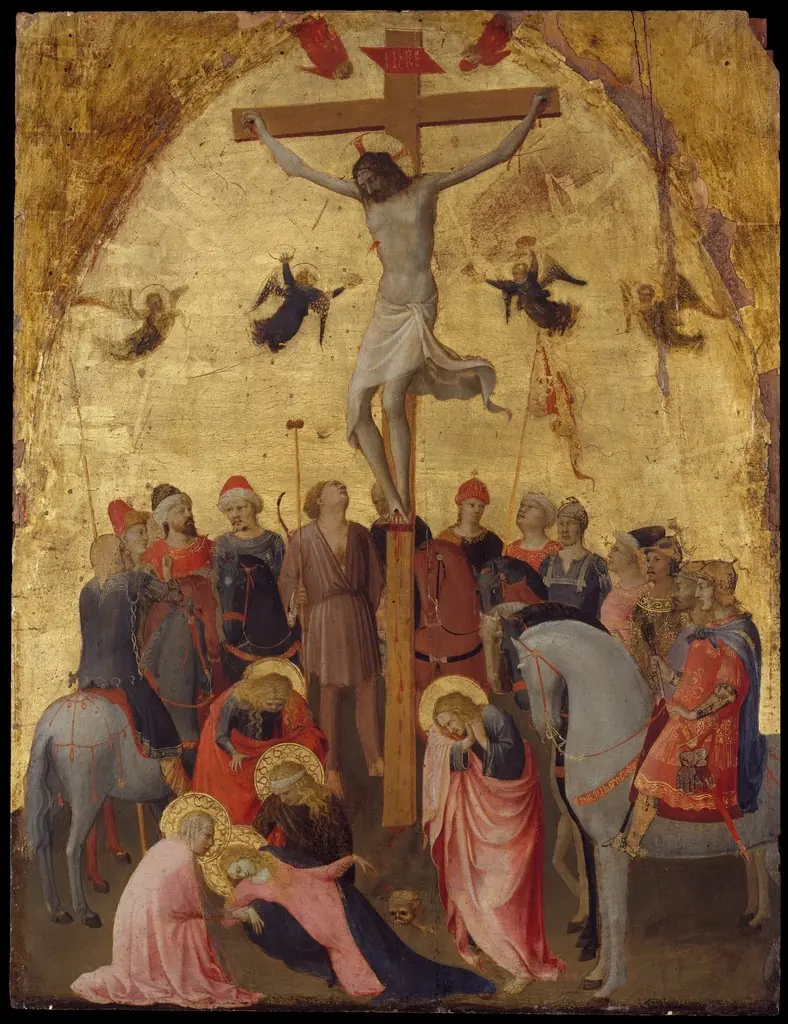 The Crucifixion
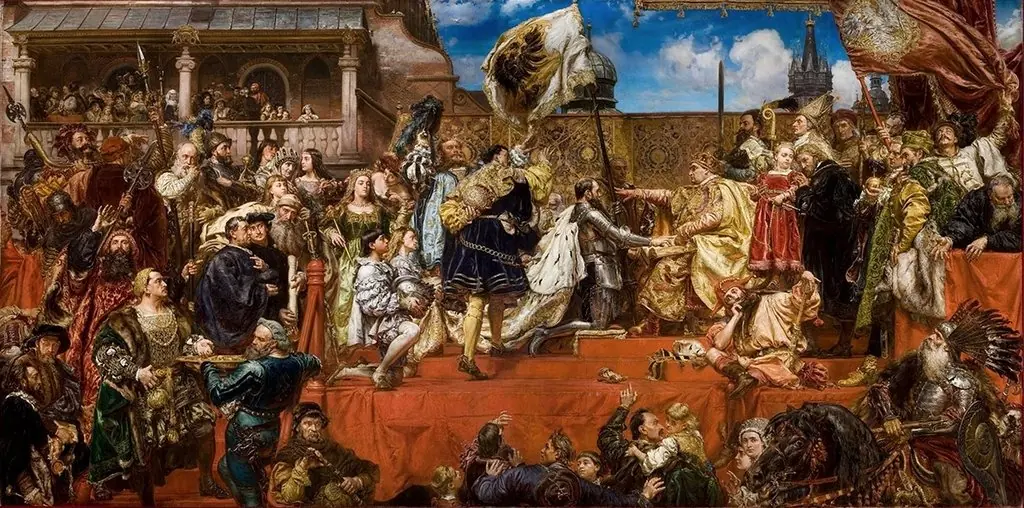 Prussian Homage
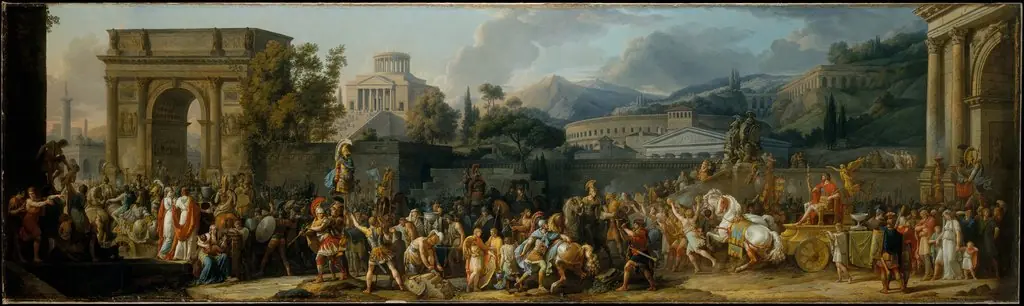 The Triumph of Aemilius Paulus
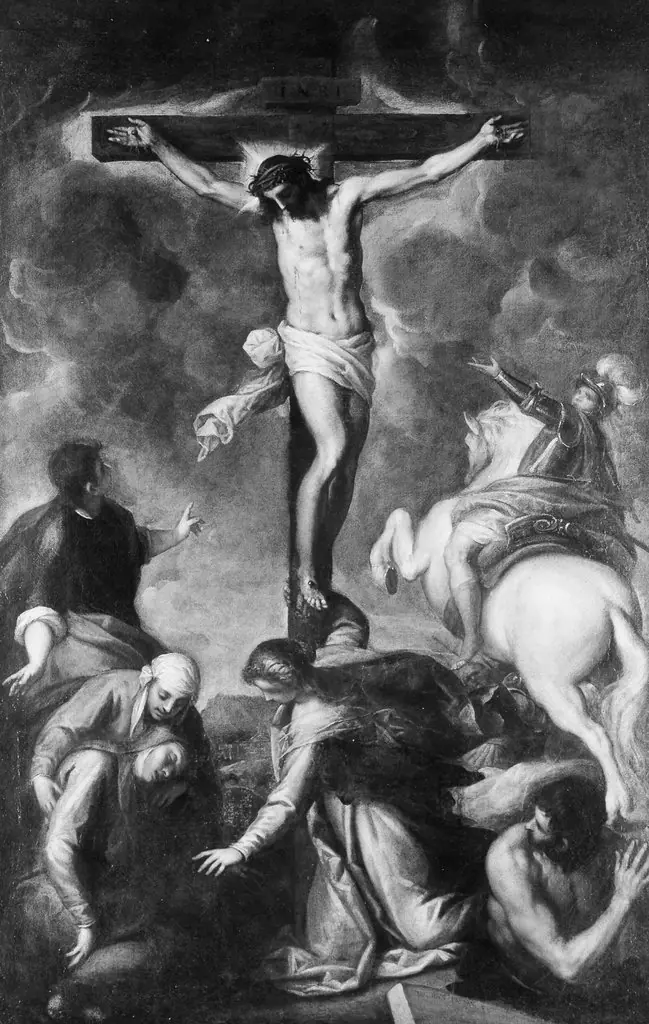 The Crucifixion
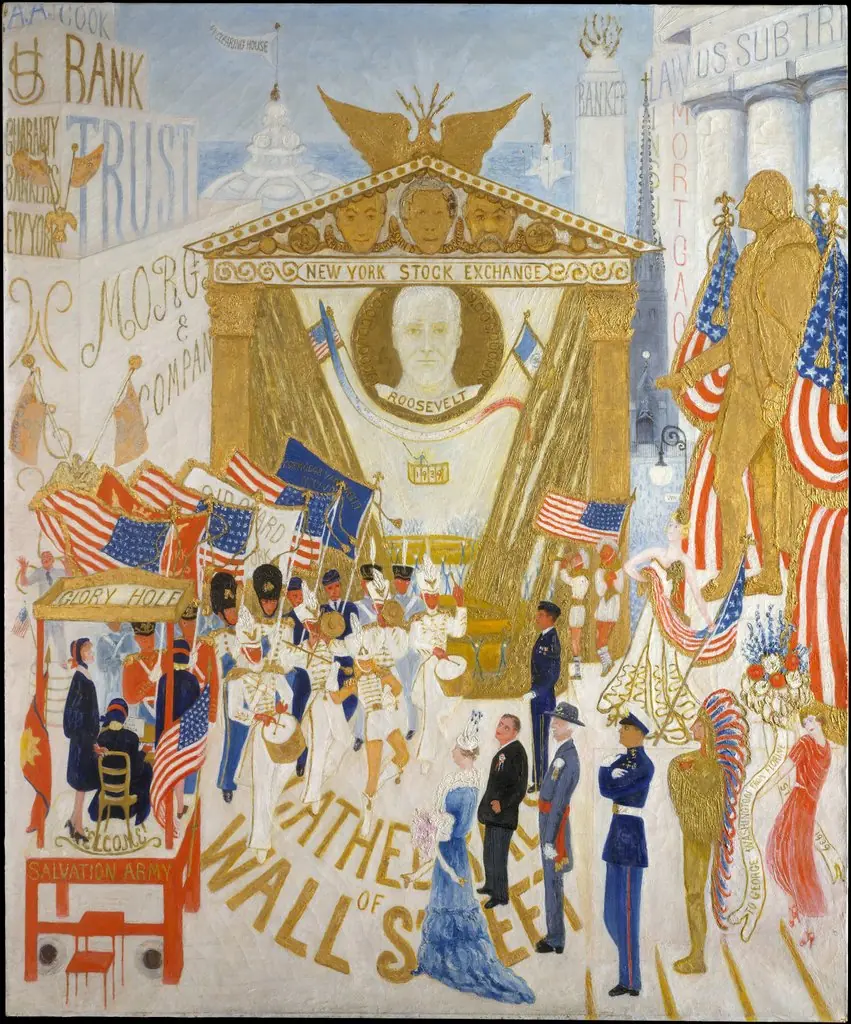 The Cathedrals of Wall Street
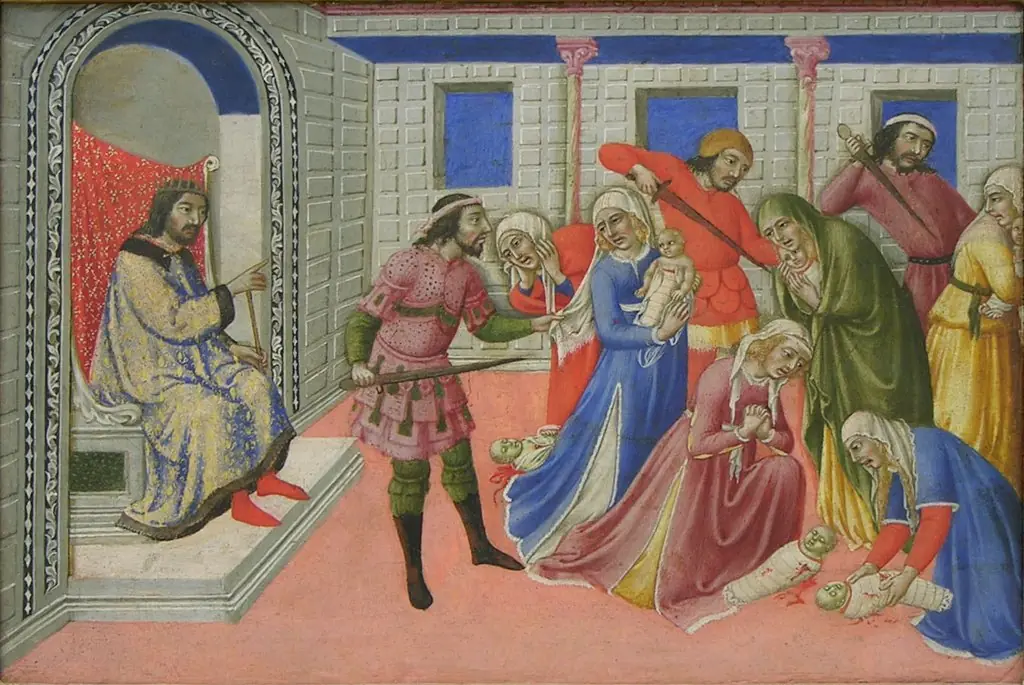 The Massacre of the Innocents
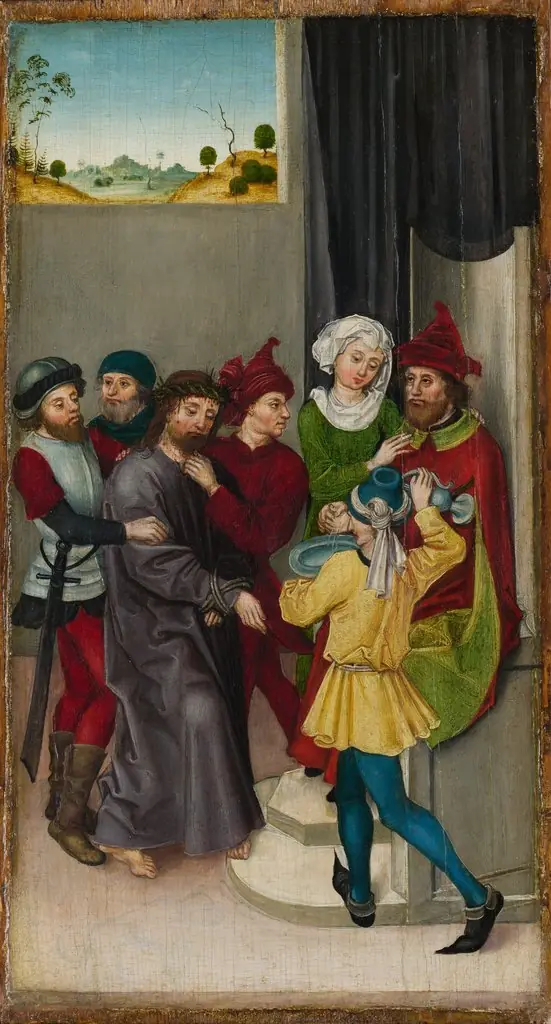 Christ before Pilate; The Resurrection
 A General and His Aide-de-camp
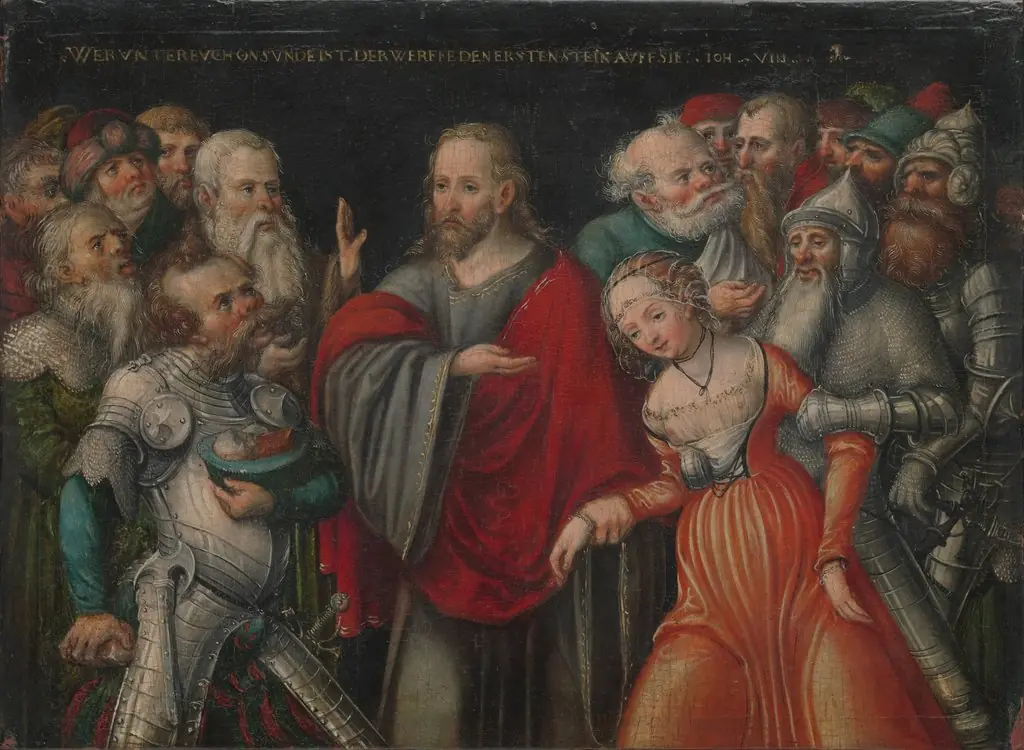 Christ and the Adulteress
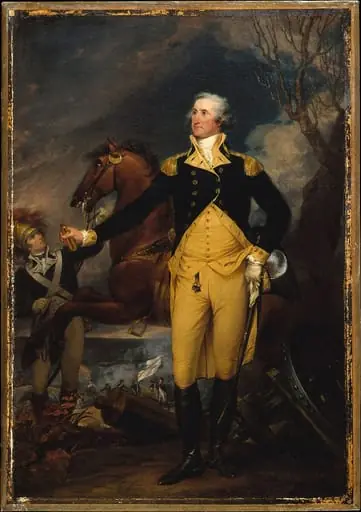 George Washington before the Battle of Trenton
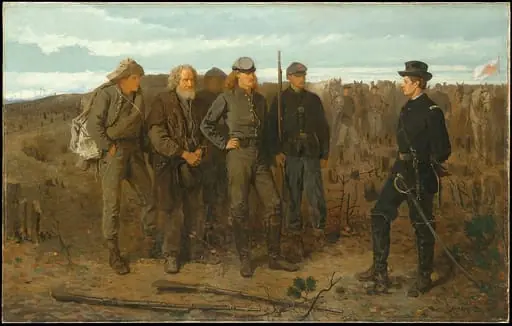 Prisoners from the Front
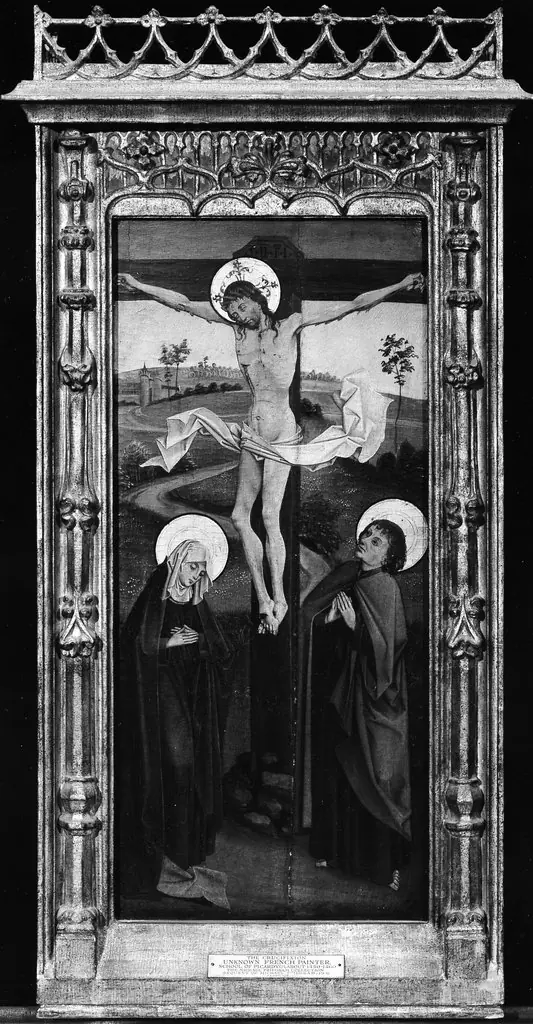 The Crucifixion, (reverse) Saint Francis of Assisi; The Resurrection, (reverse) An Abbot Saint, Possibly Saint Benedict
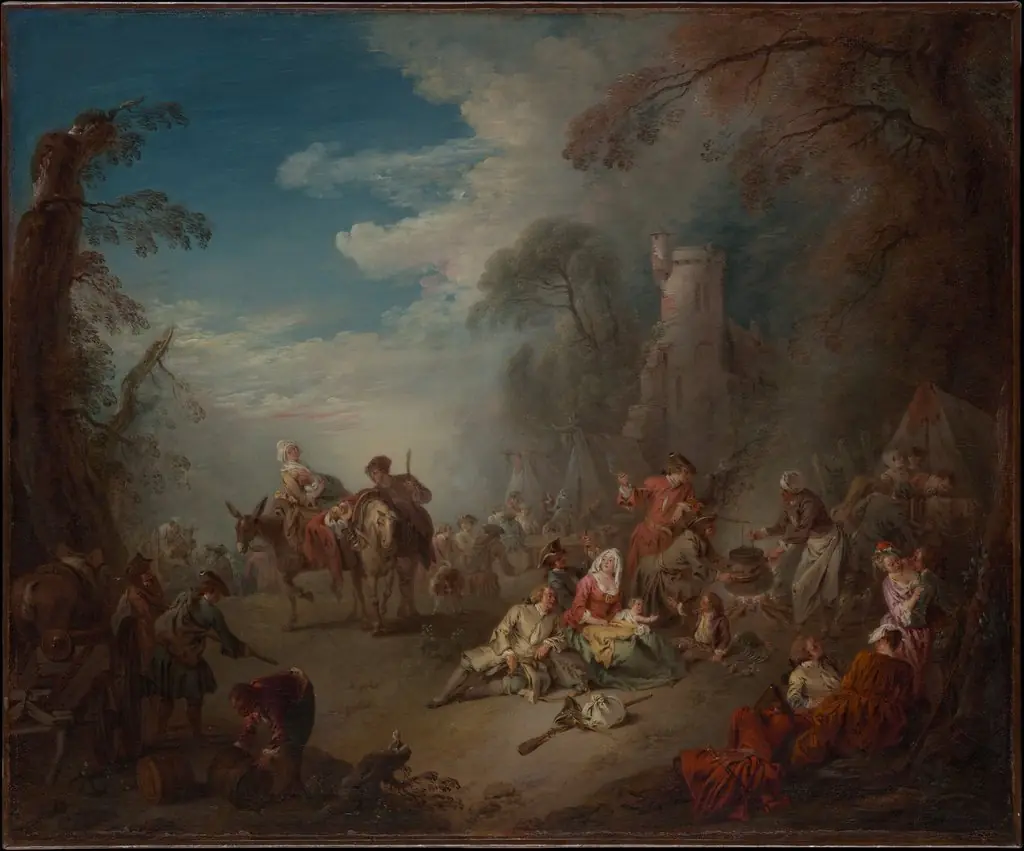 Troops at Rest
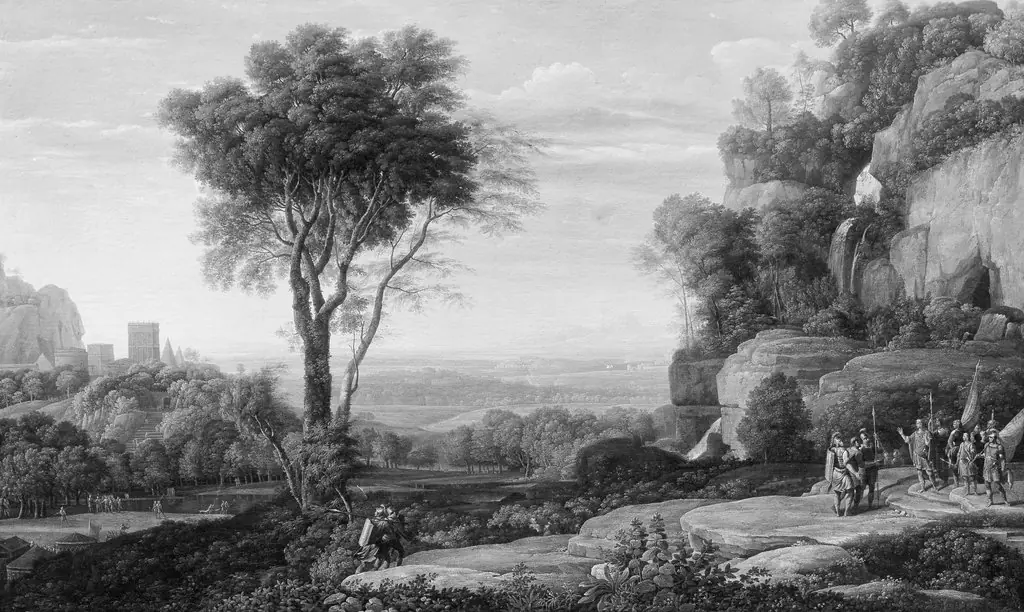 David at the Cave of Adullam
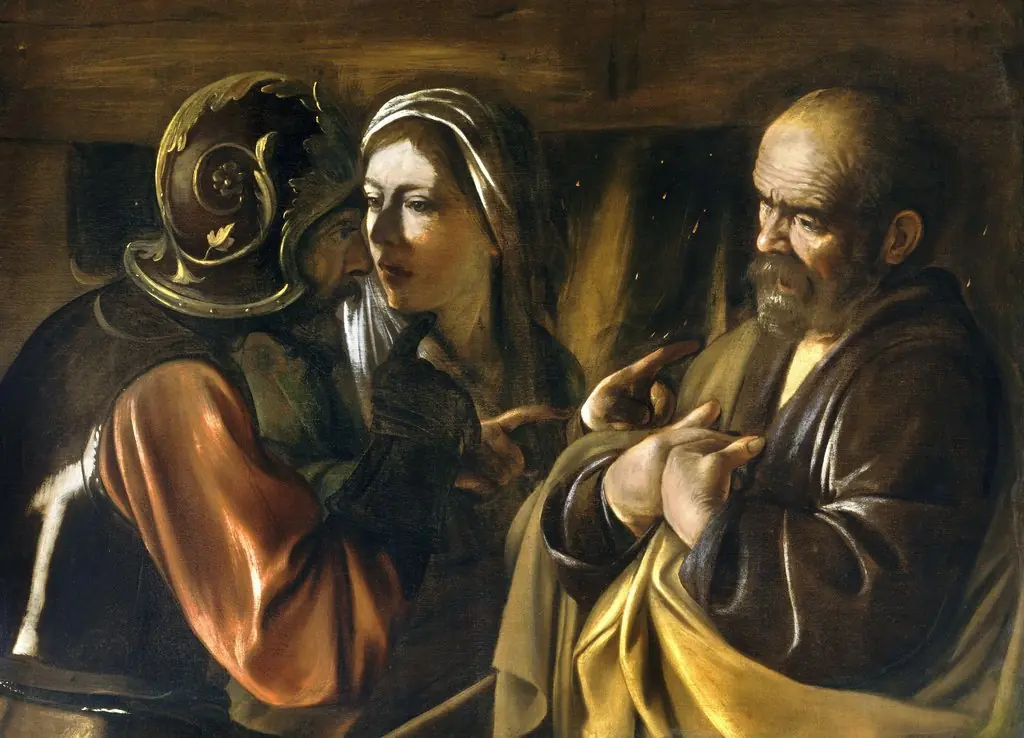 The Denial of Saint Peter
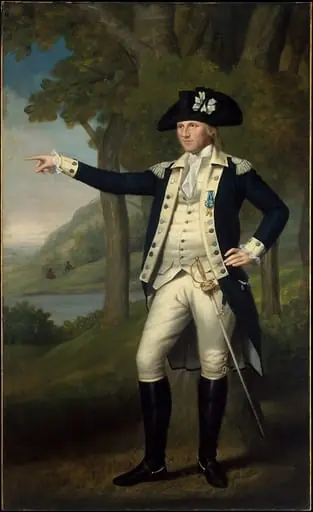 Marinus Willett
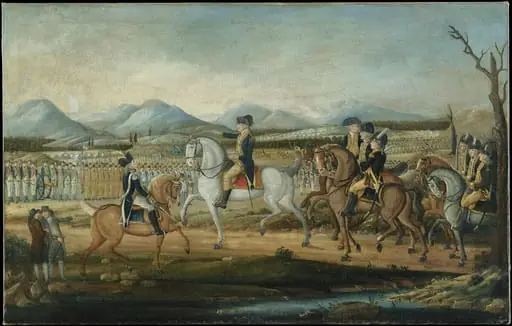 Washington Reviewing the Western Army at Fort Cumberland, Maryland
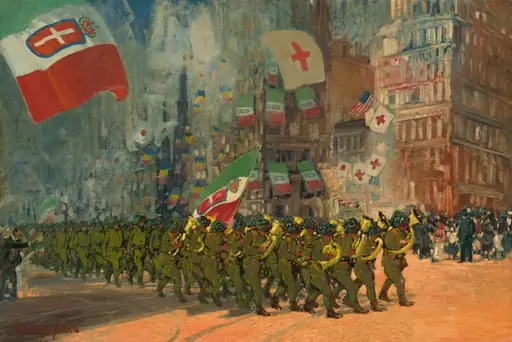 The Bersaglieri
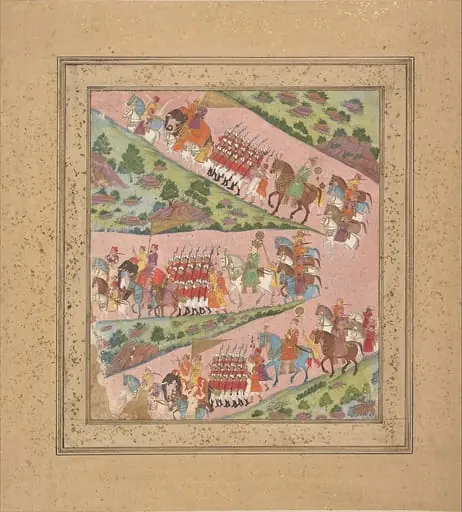 Untitled
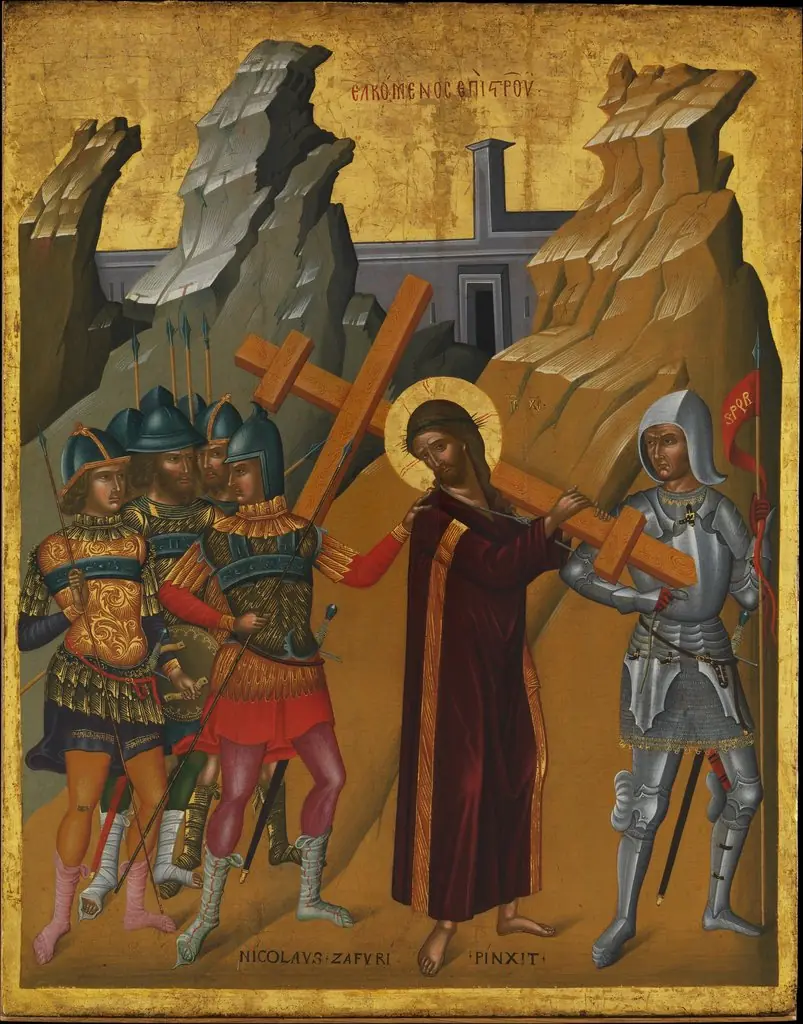 Christ Bearing the Cross
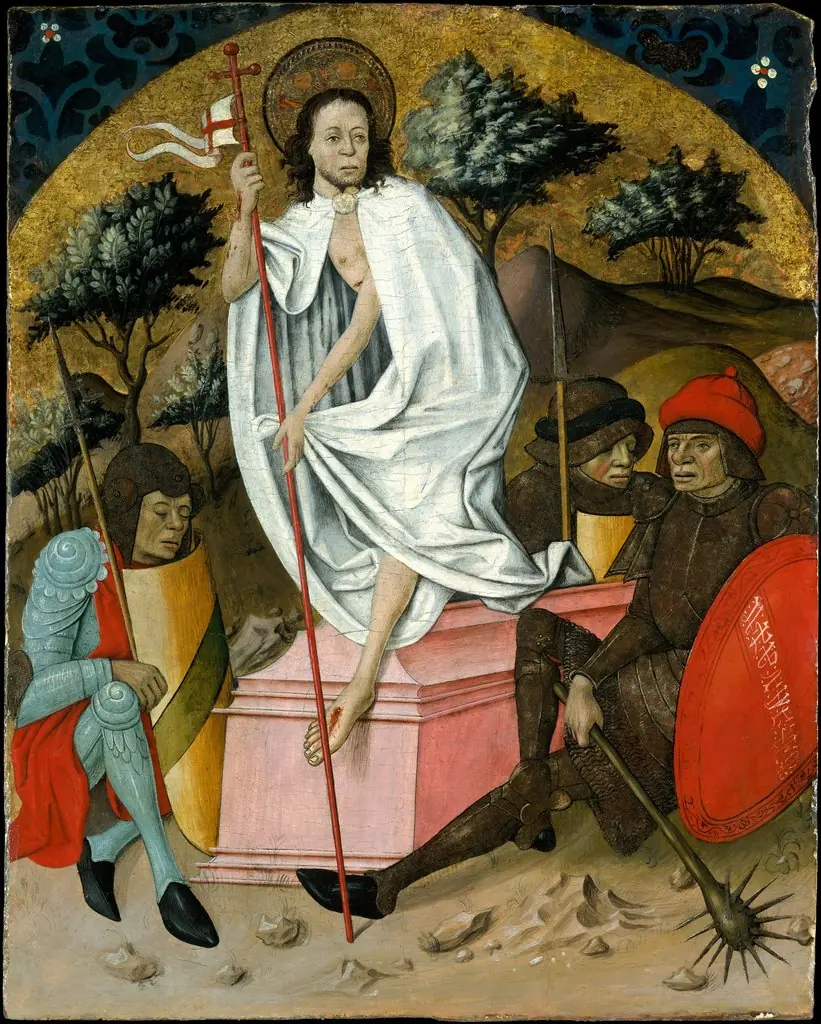 The Resurrection
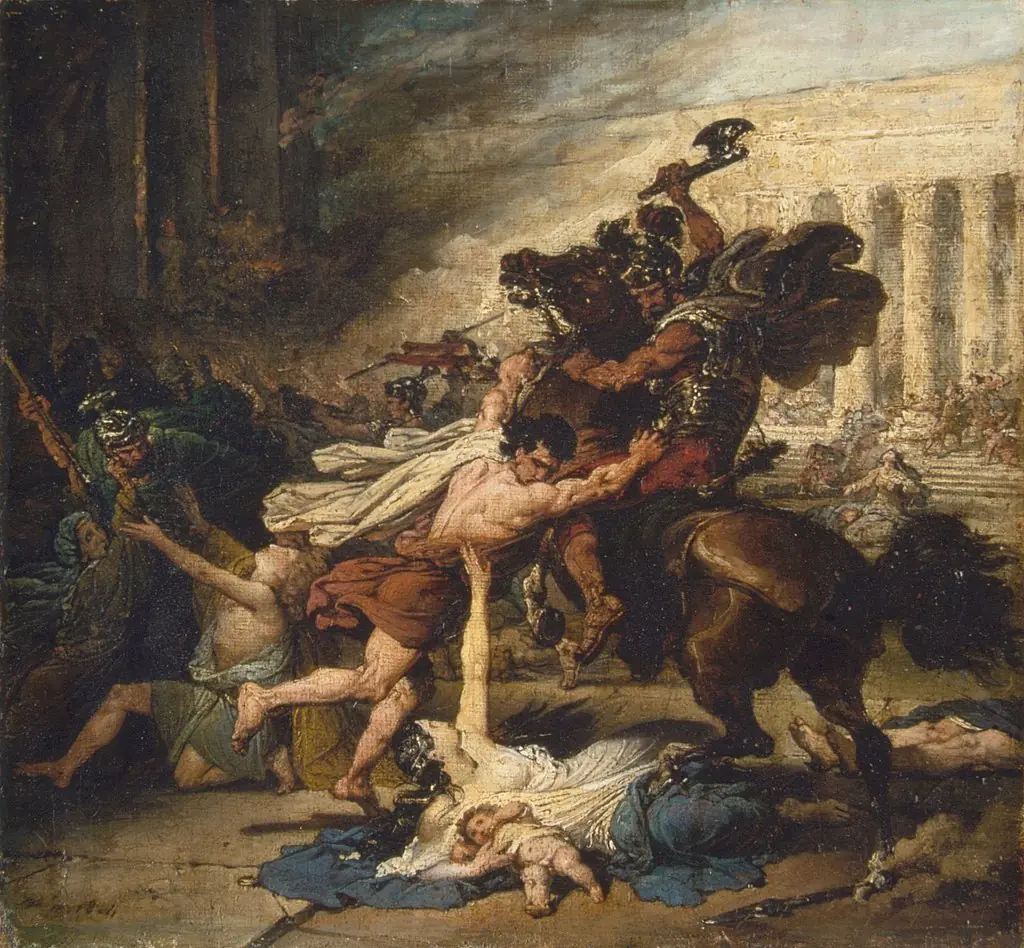 The Sack of Jerusalem by the Romans
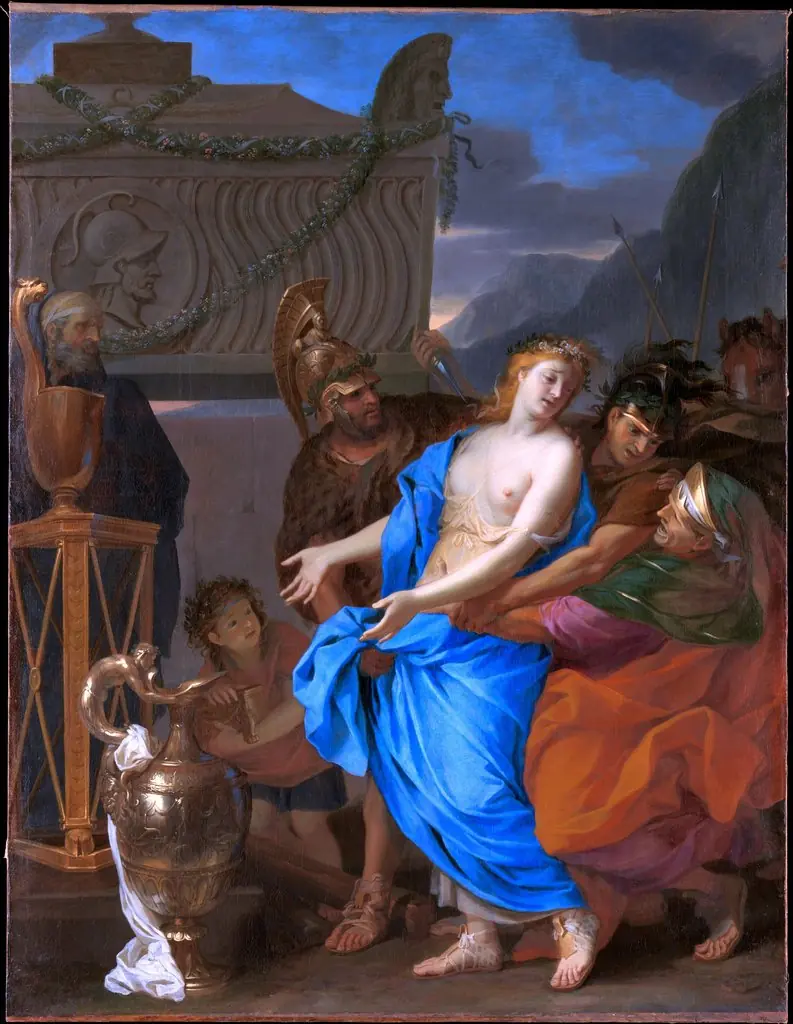 The Sacrifice of Polyxena
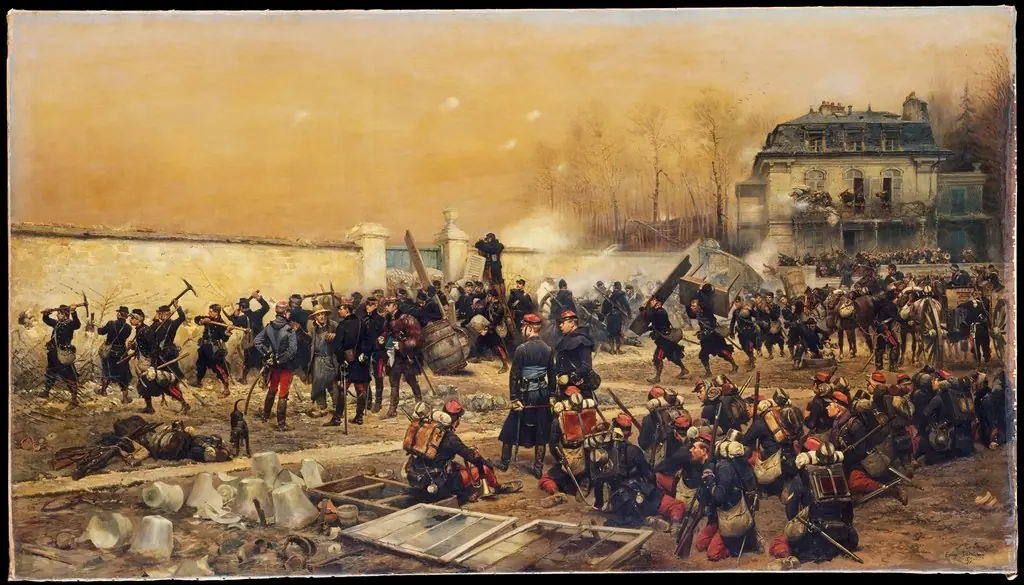 The Defense of Champigny
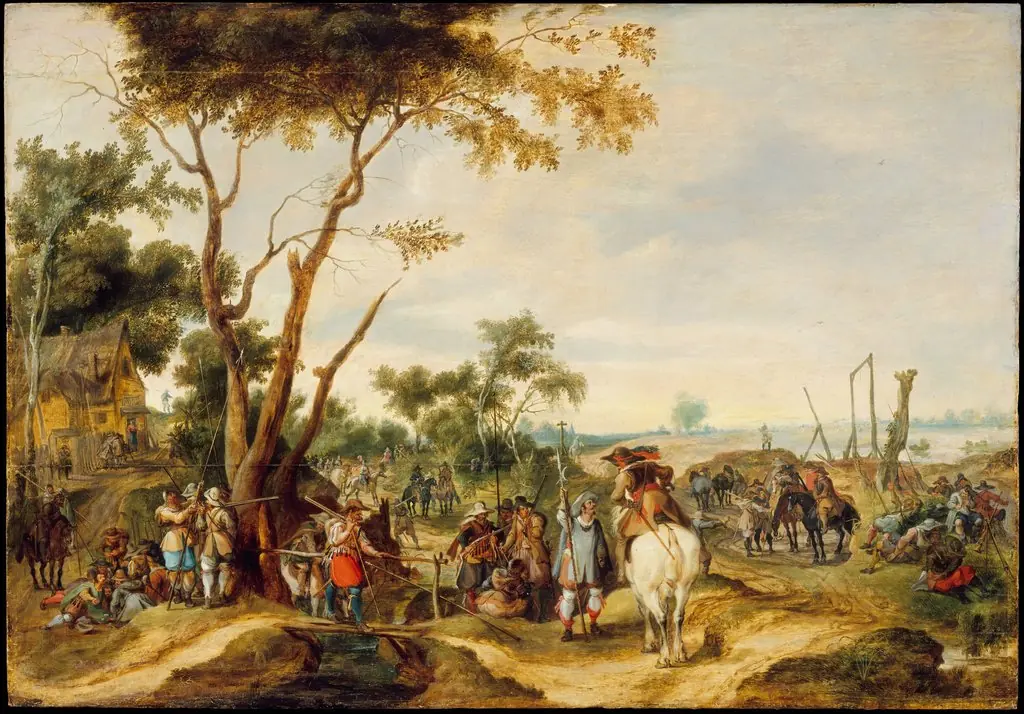 Soldiers Bivouacking
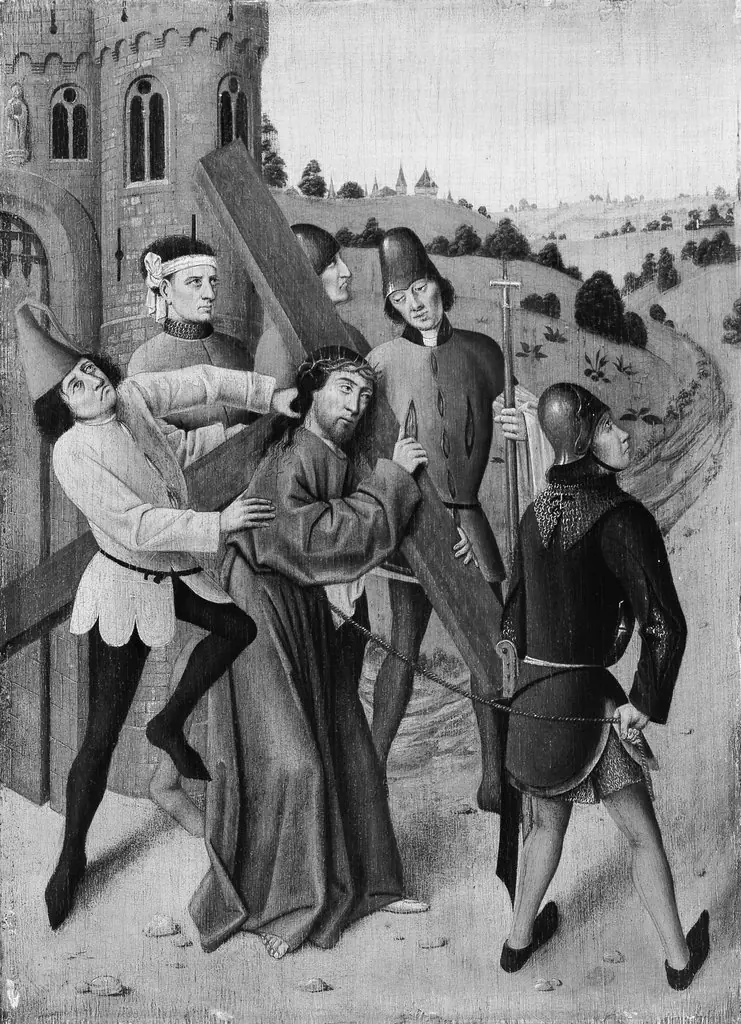 Christ Bearing the Cross
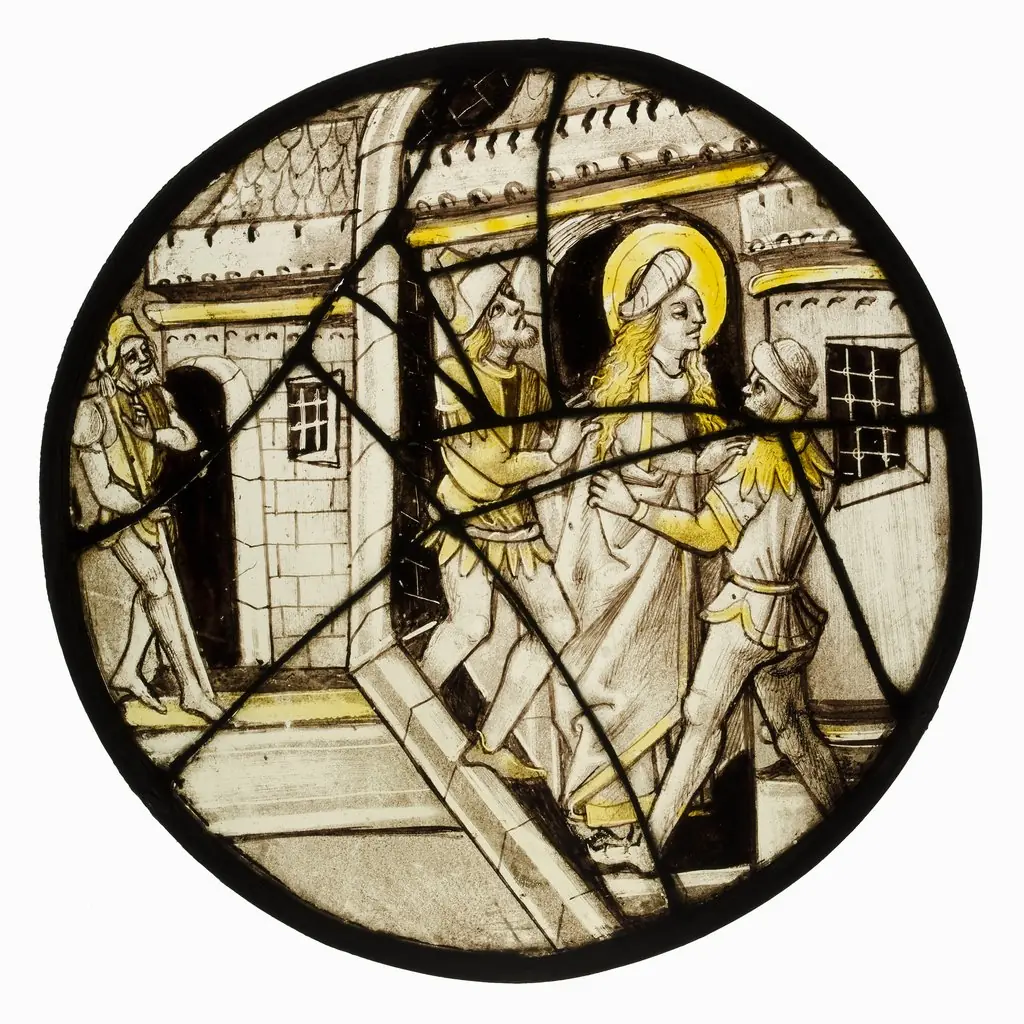 Roundel with Saint Barbara or Saint Catherine Thrown into Prison
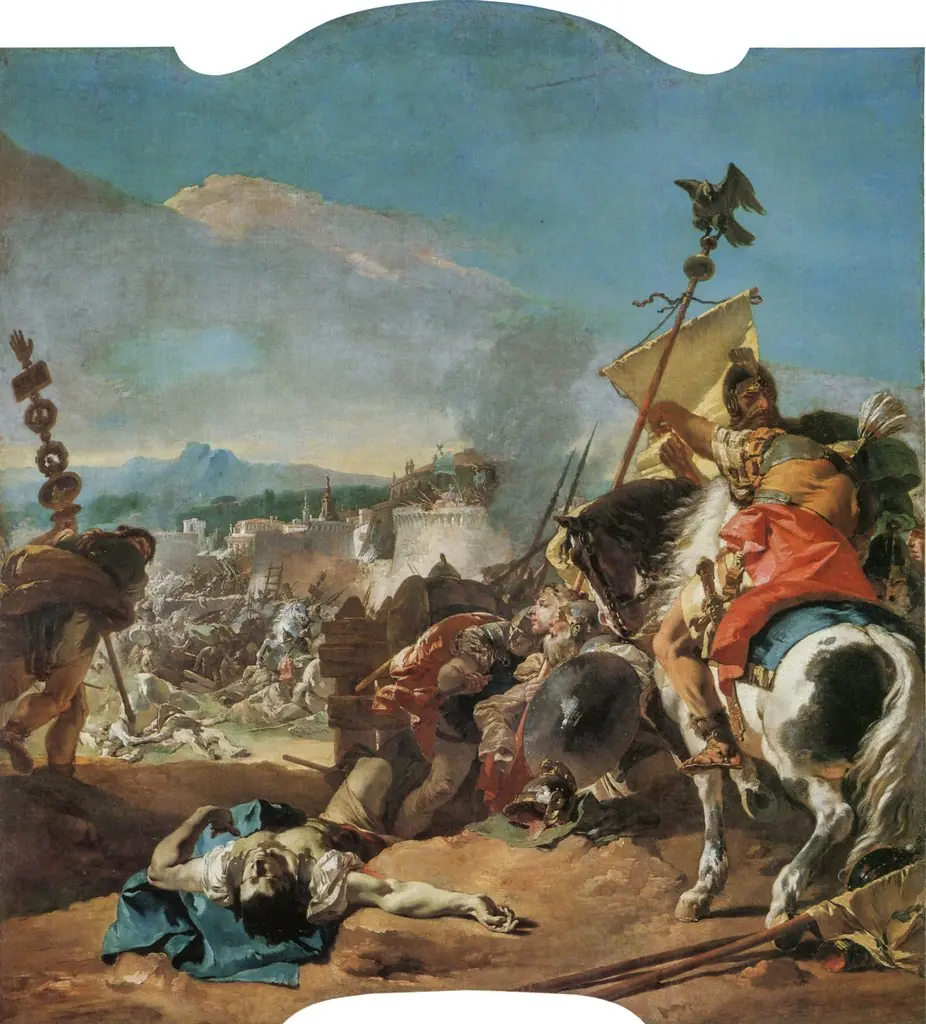 The Capture of Carthage
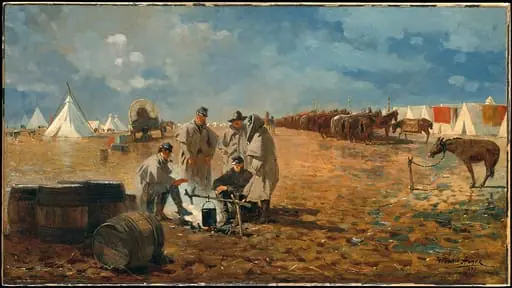 Rainy Day in Camp
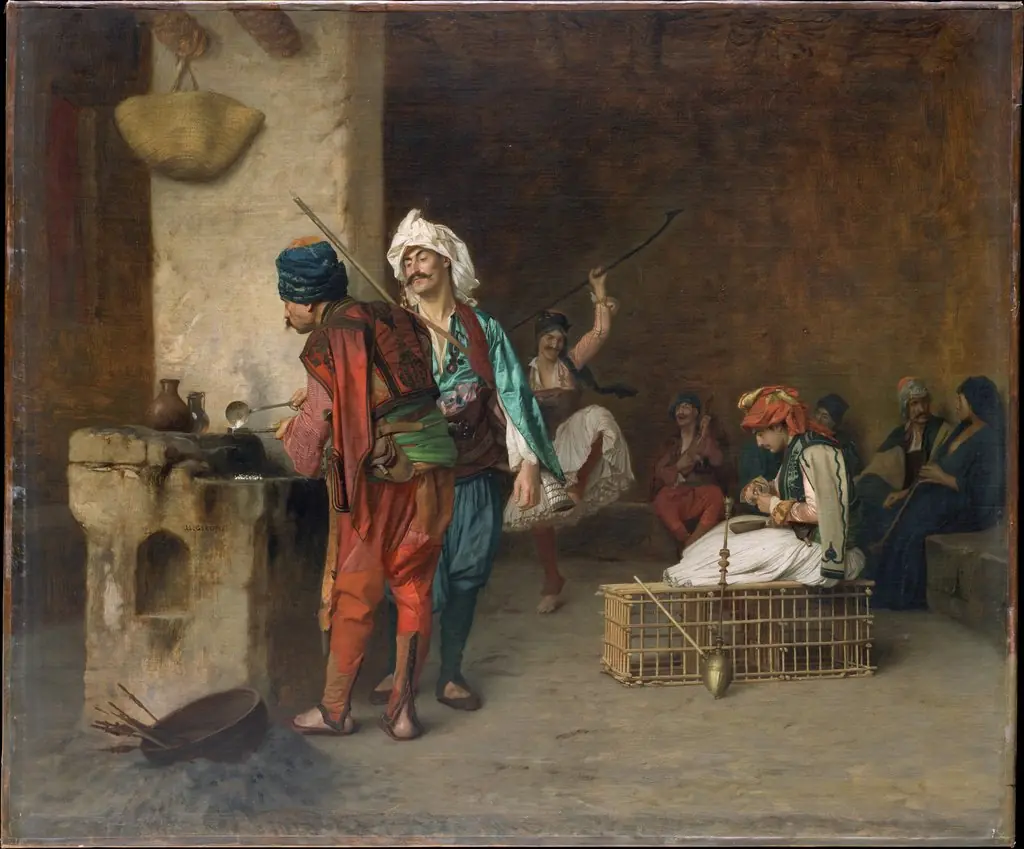 Cafe House, Cairo (Casting Bullets)
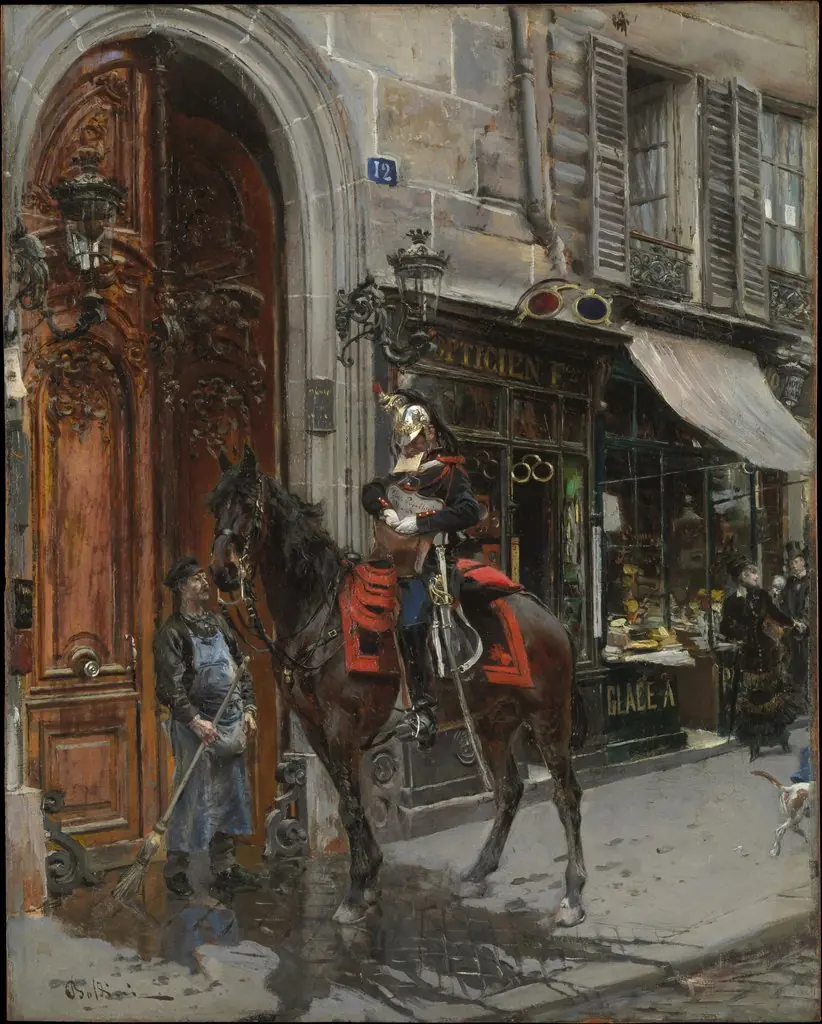 The Dispatch-Bearer
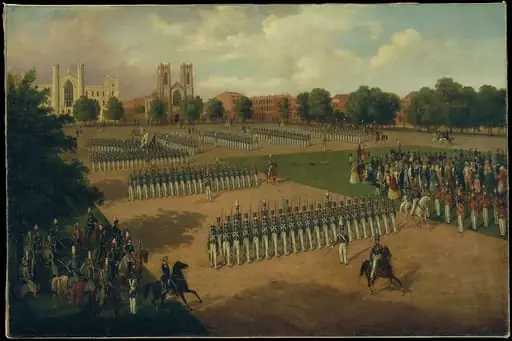 Seventh Regiment on Review, Washington Square, New York
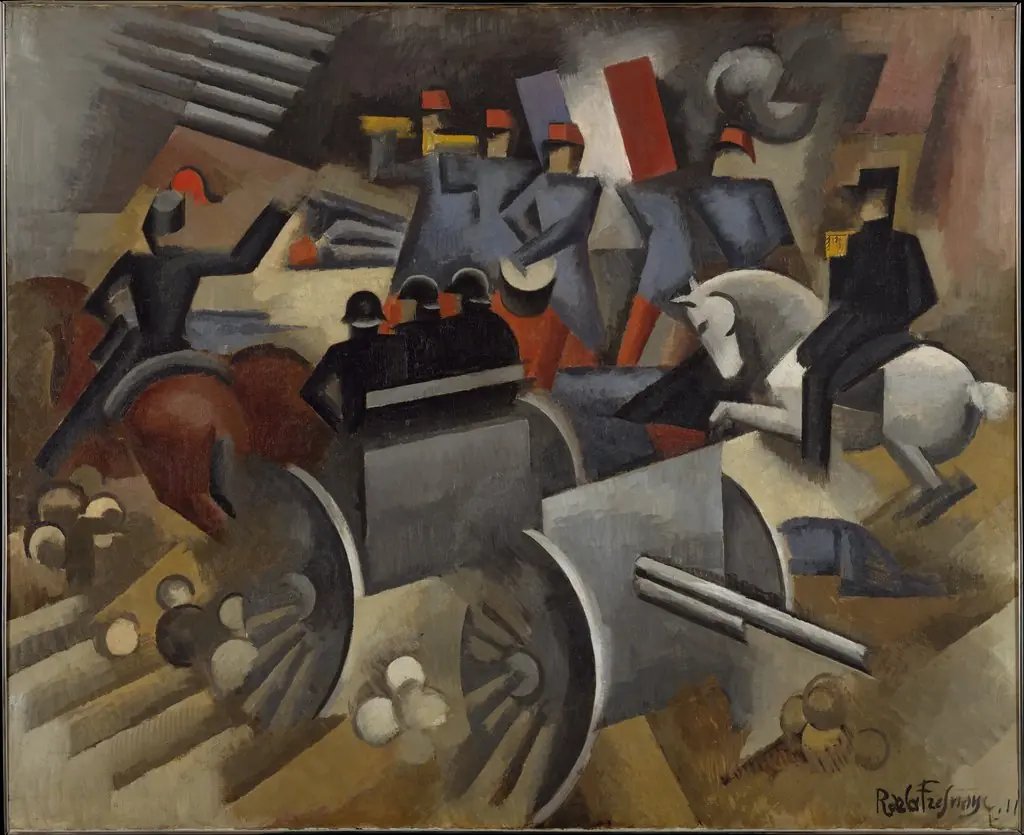 Artillery
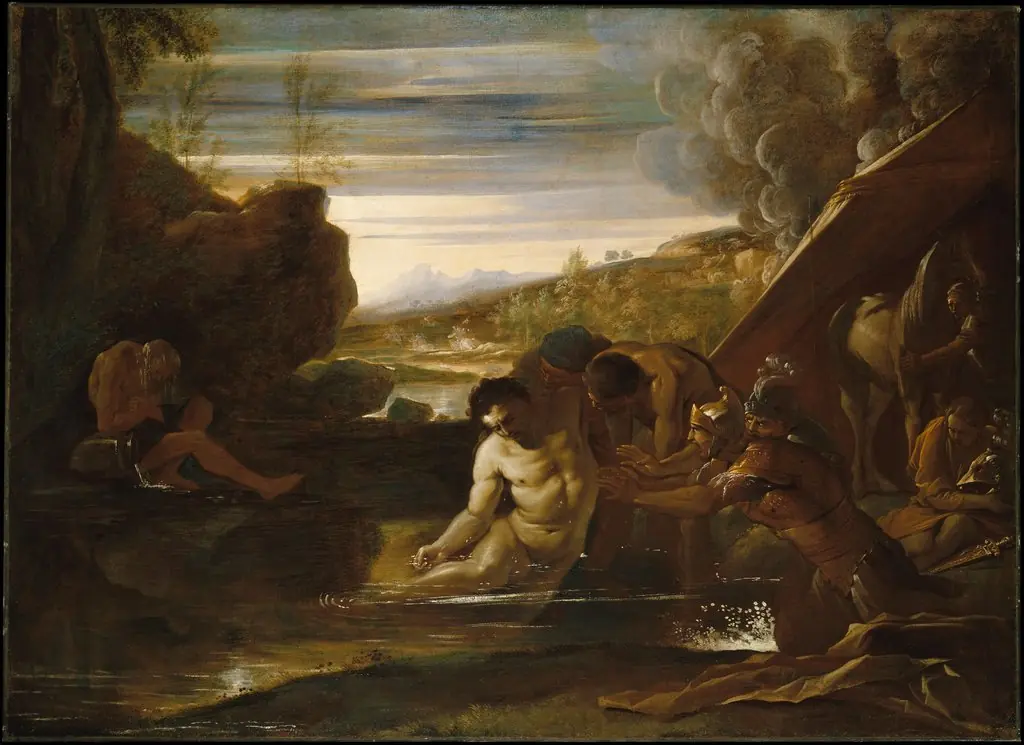 Alexander the Great Rescued from the River Cydnus
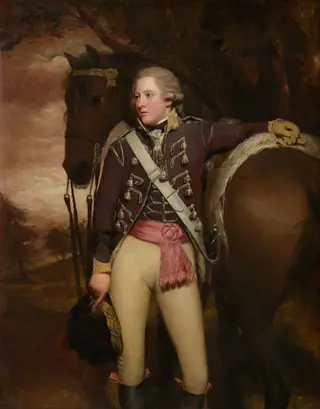 Captain Patrick Miller
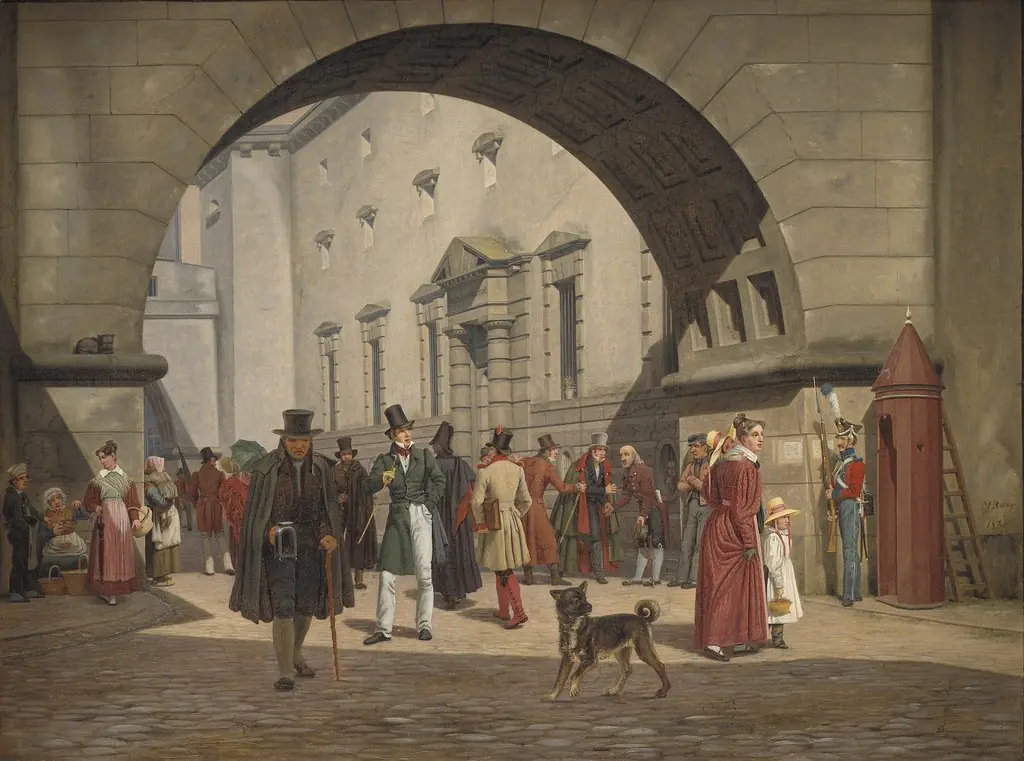 The Prison of Copenhagen
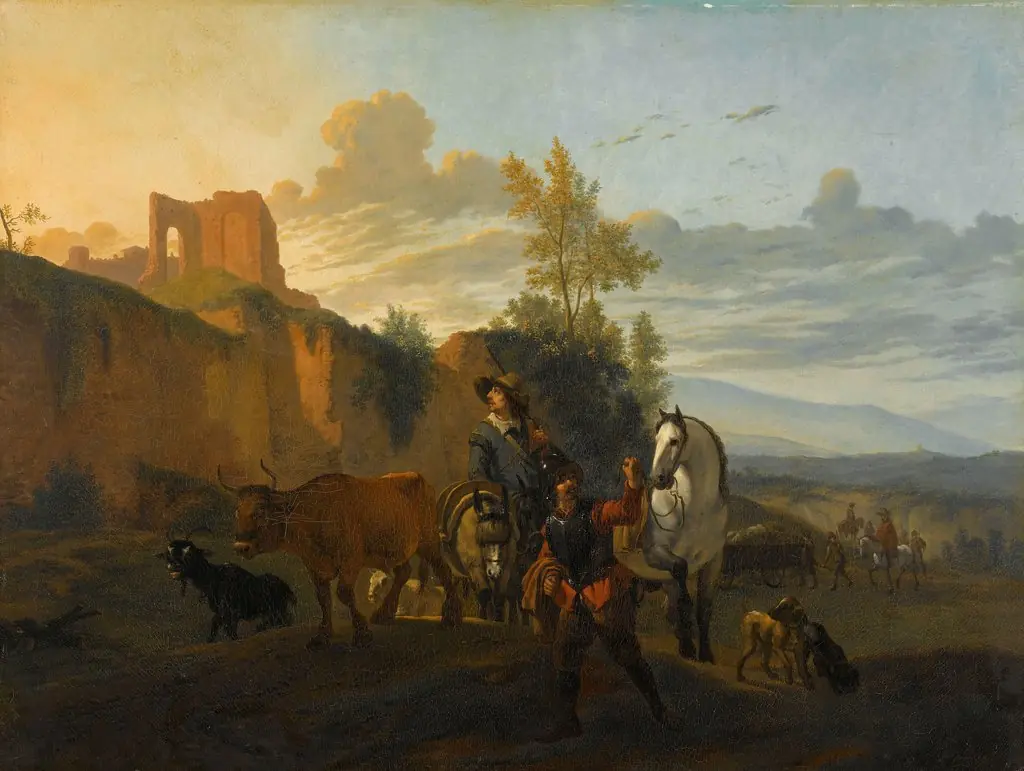 Italian landscape with soldiers
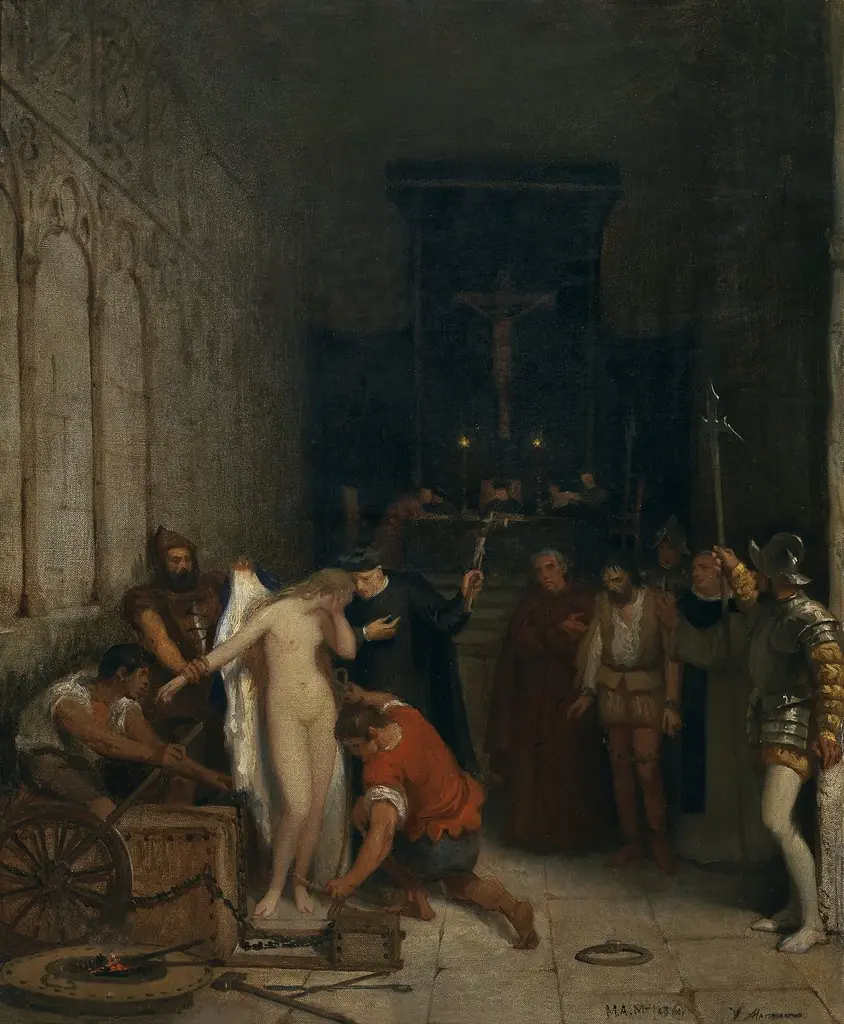 Una escena de la Inquisición
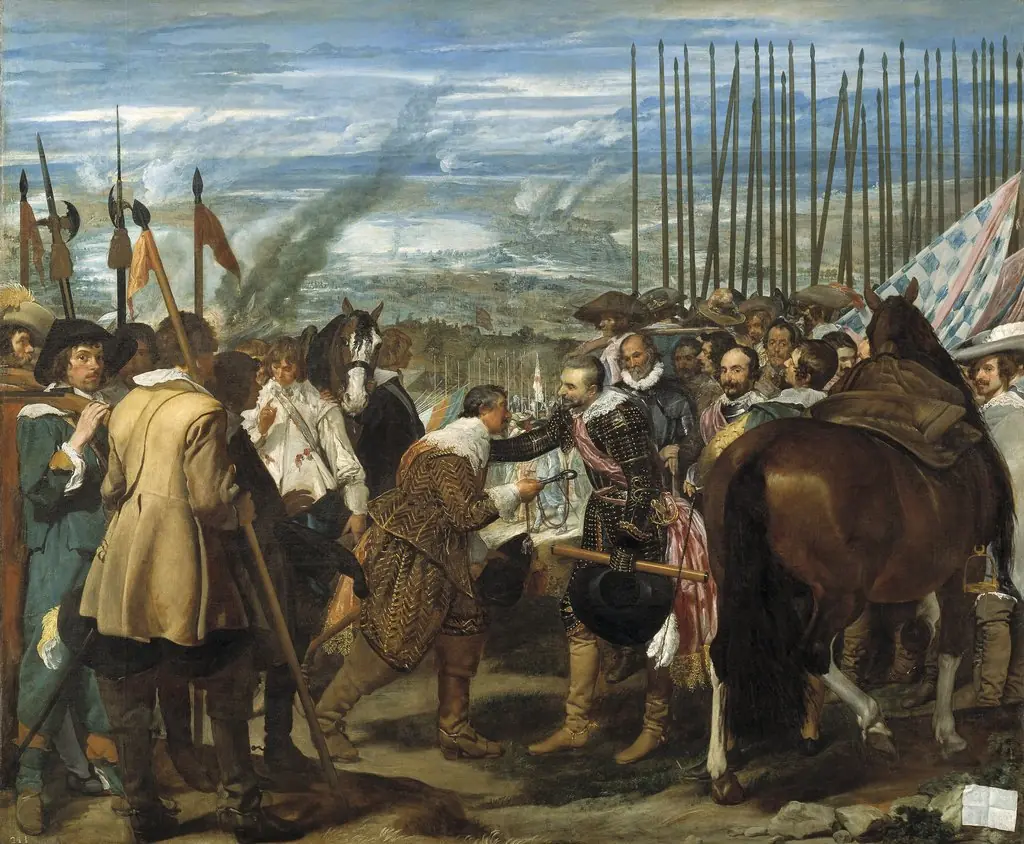 The Surrender of Brea
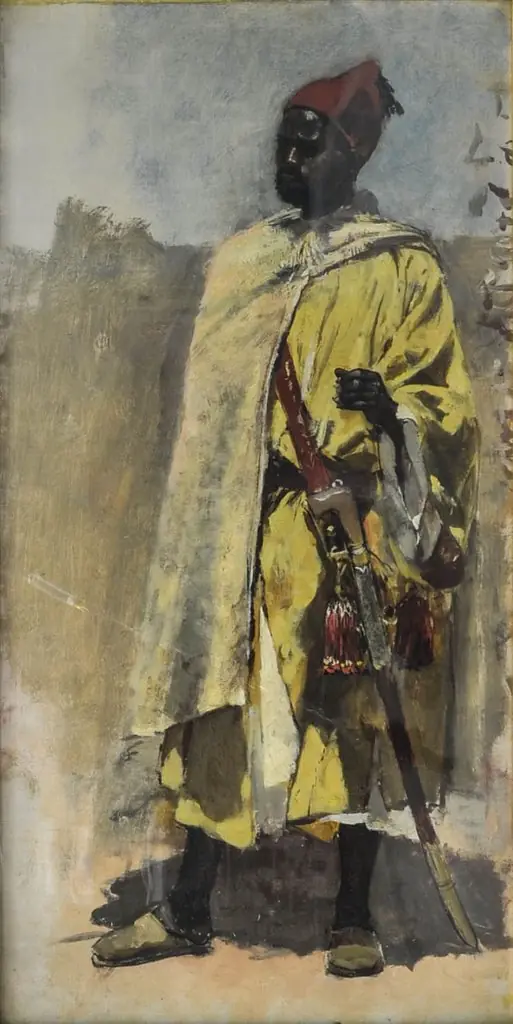 Moorish Guard
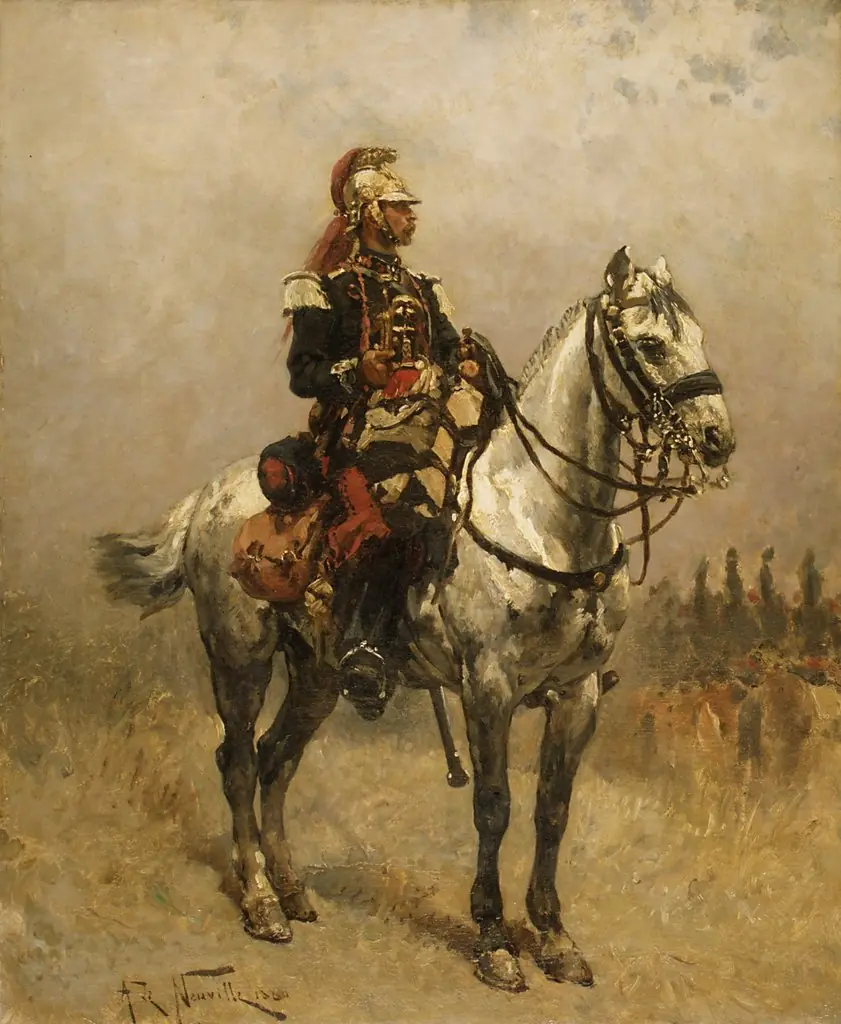 A Cavalryman
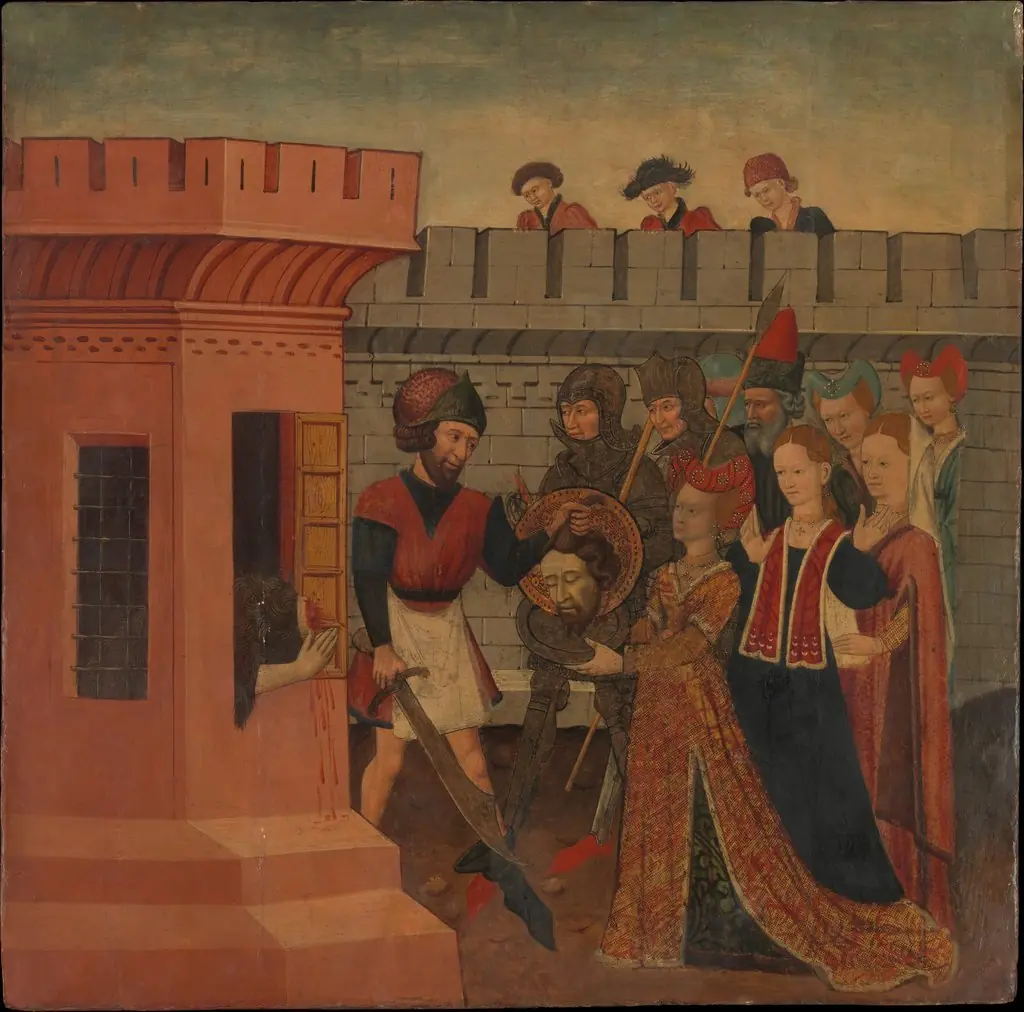 The Beheading of Saint John the Baptist
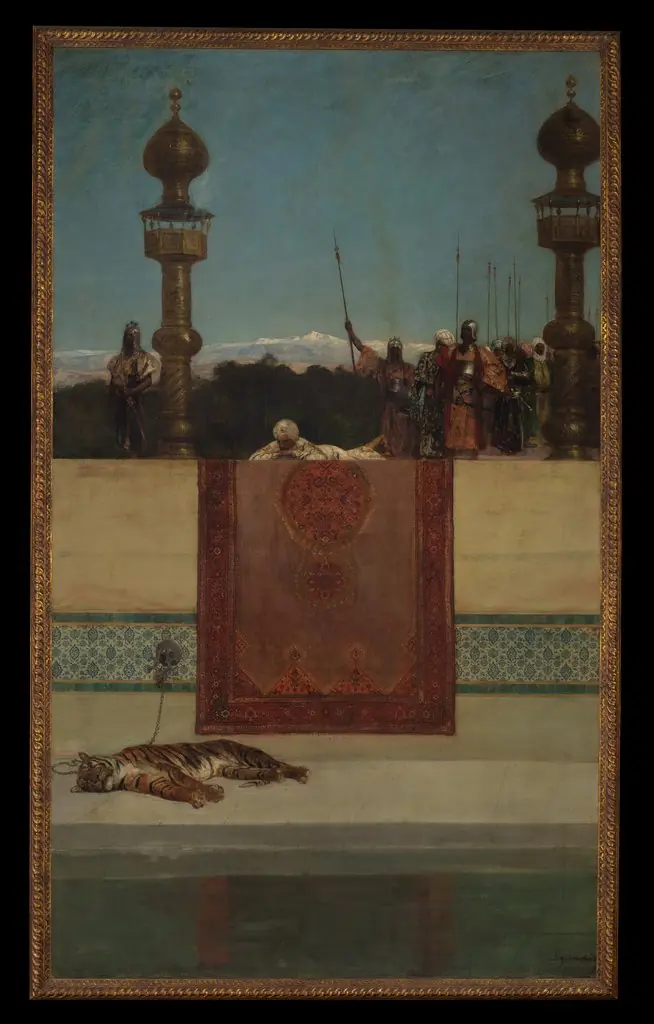 The Sultan's Tiger
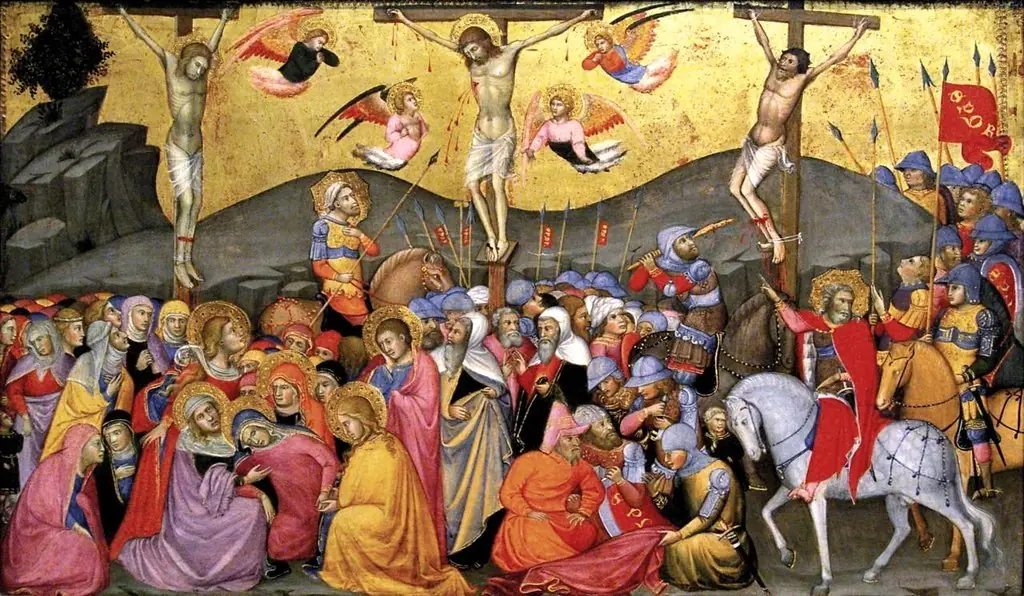 The Crucifixion
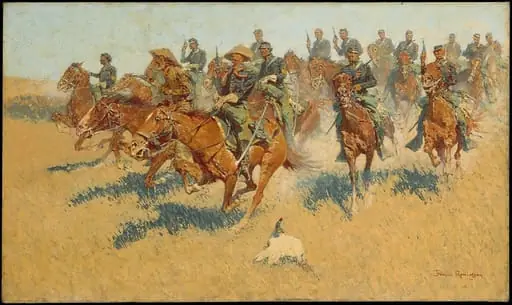 On the Southern Plains
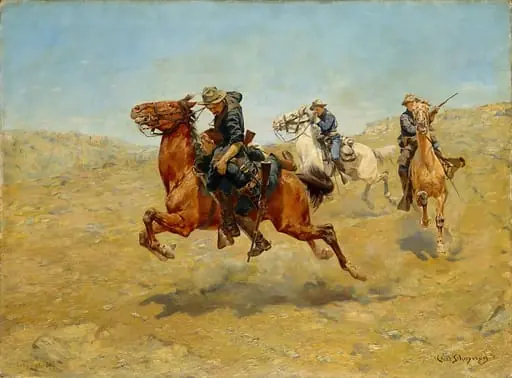 My Bunkie
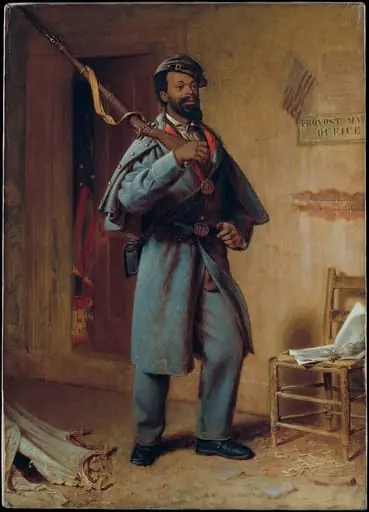 A Bit of War History: The Recruit
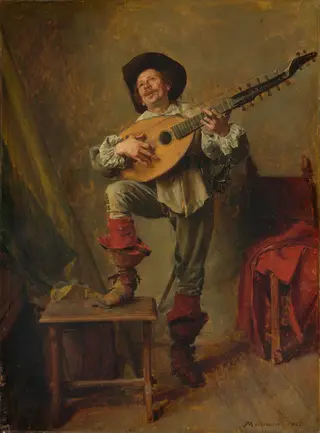 Soldier Playing the Theorbo
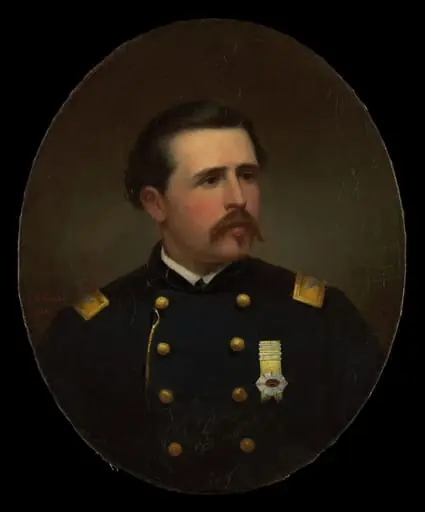 Luigi Palma di Cesnola
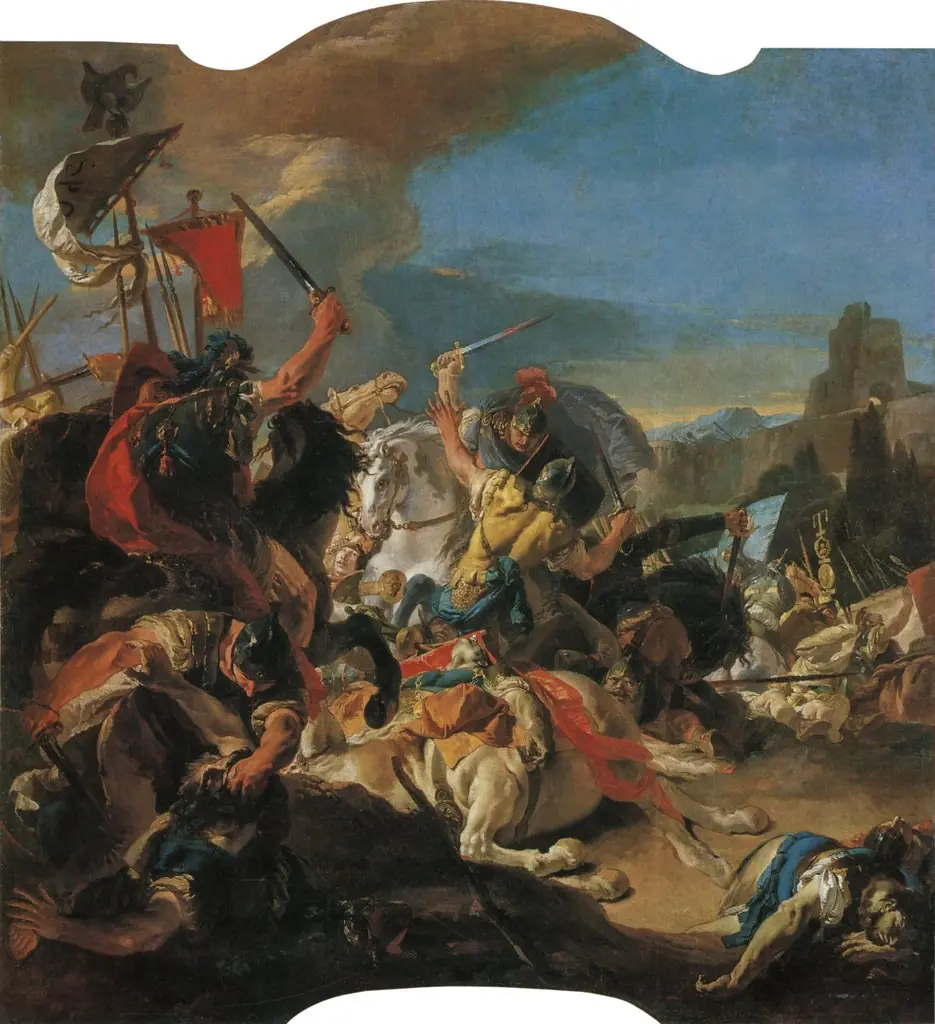 The Battle of Vercellae
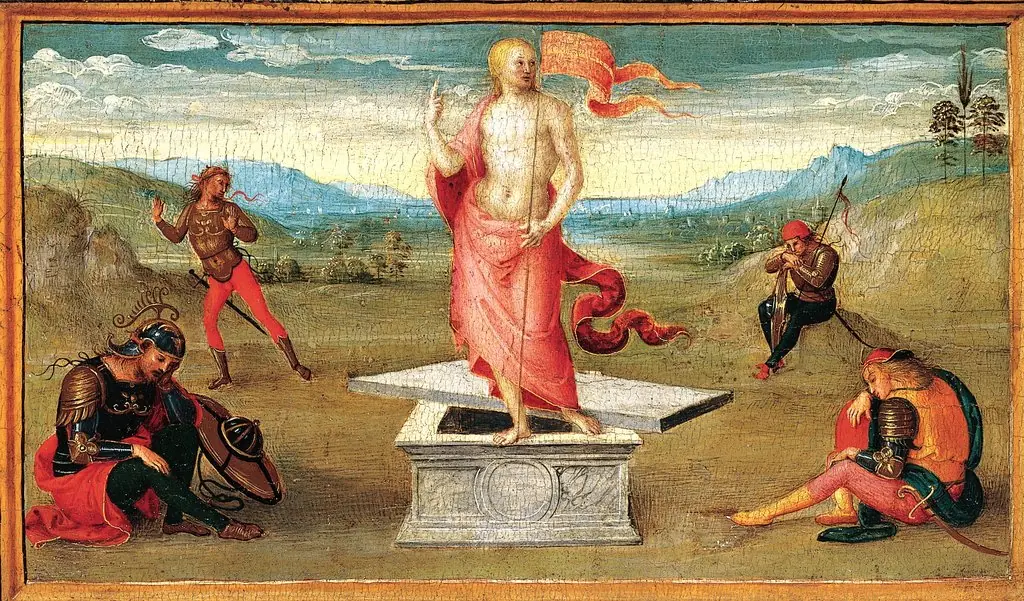 The Resurrection
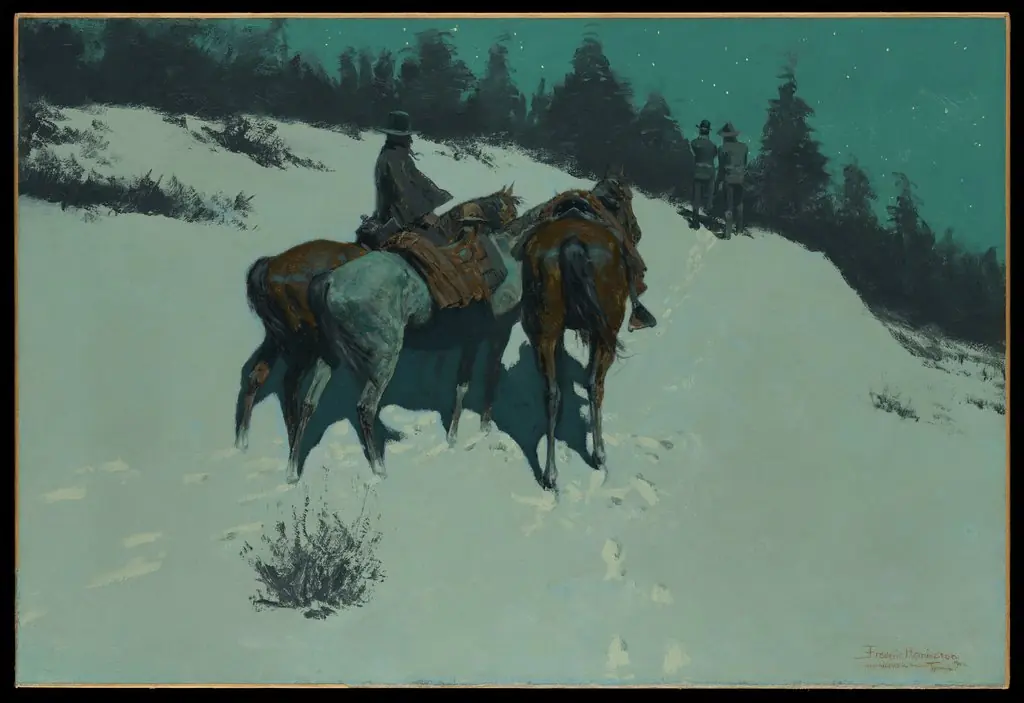 A Reconnaissance
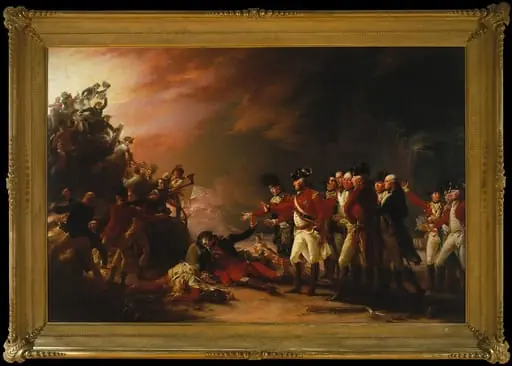 The Sortie Made by the Garrison of Gibraltar
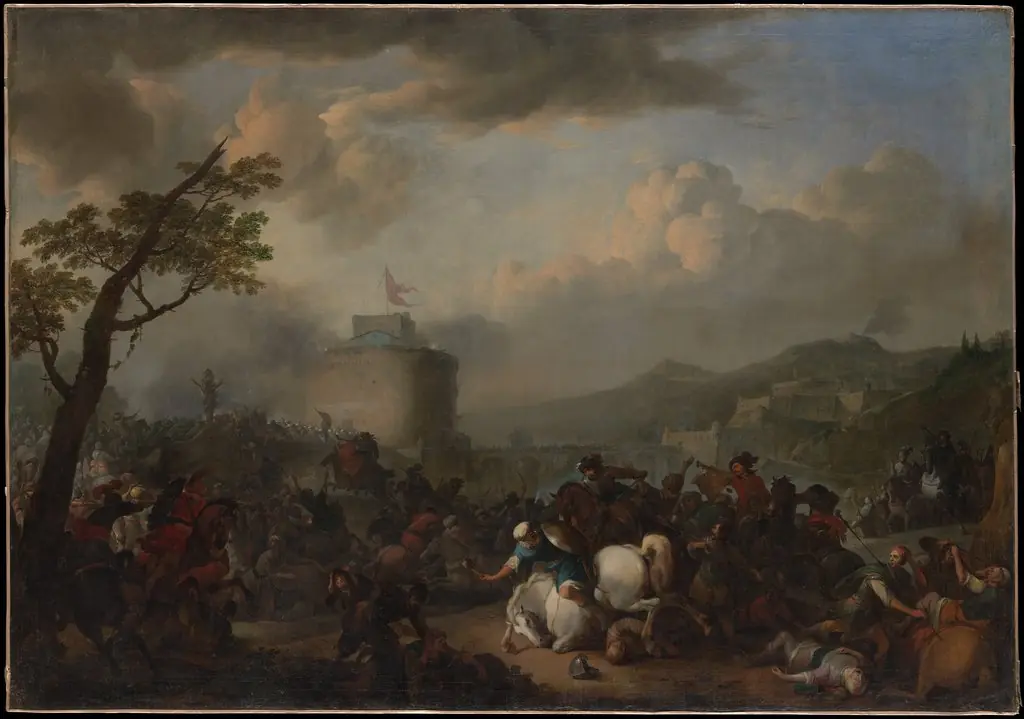 Battle Scene
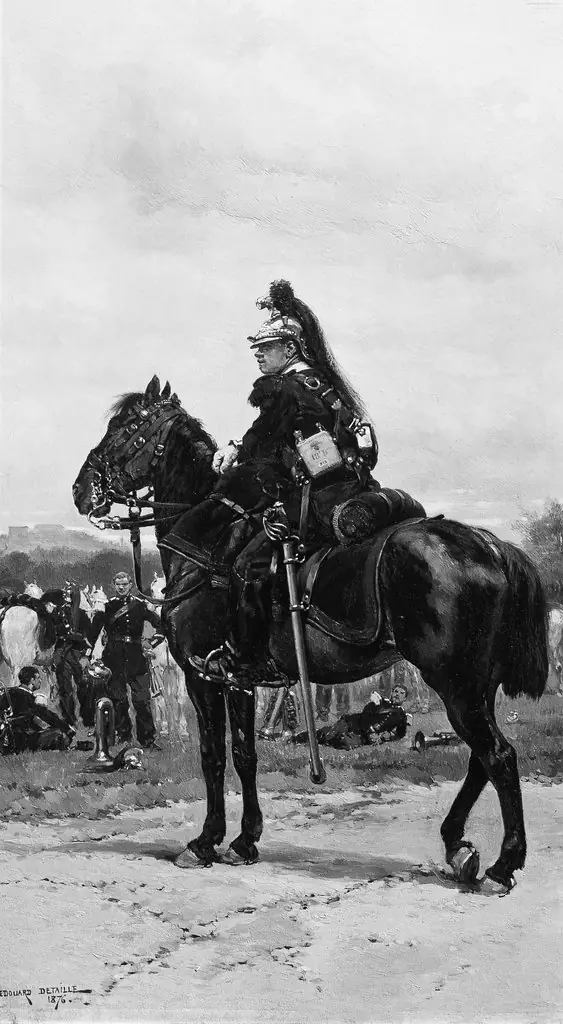 A Dragoon on Horseback
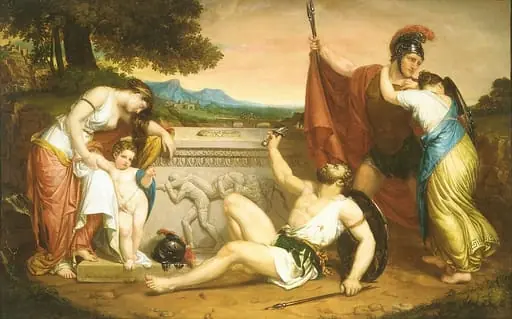 The Wages of War
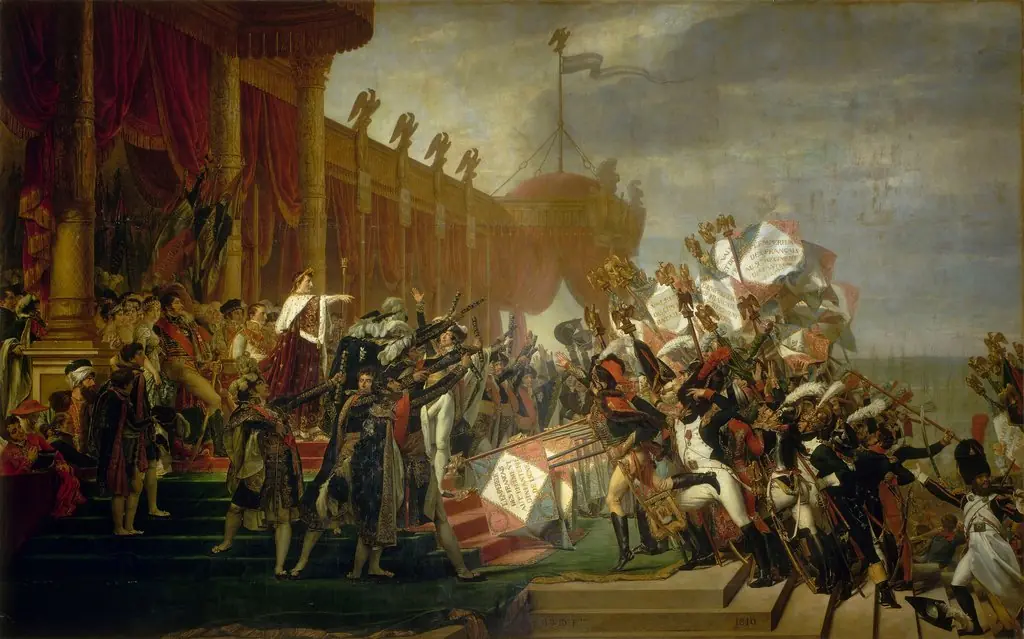 The Distribution of the Eagle Standards
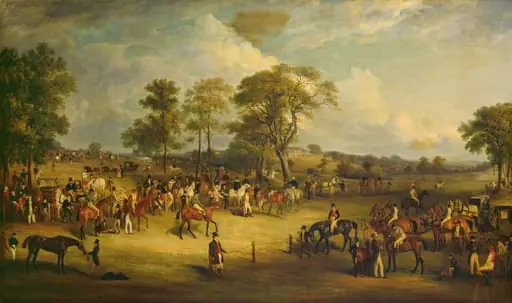 Heaton Park Races
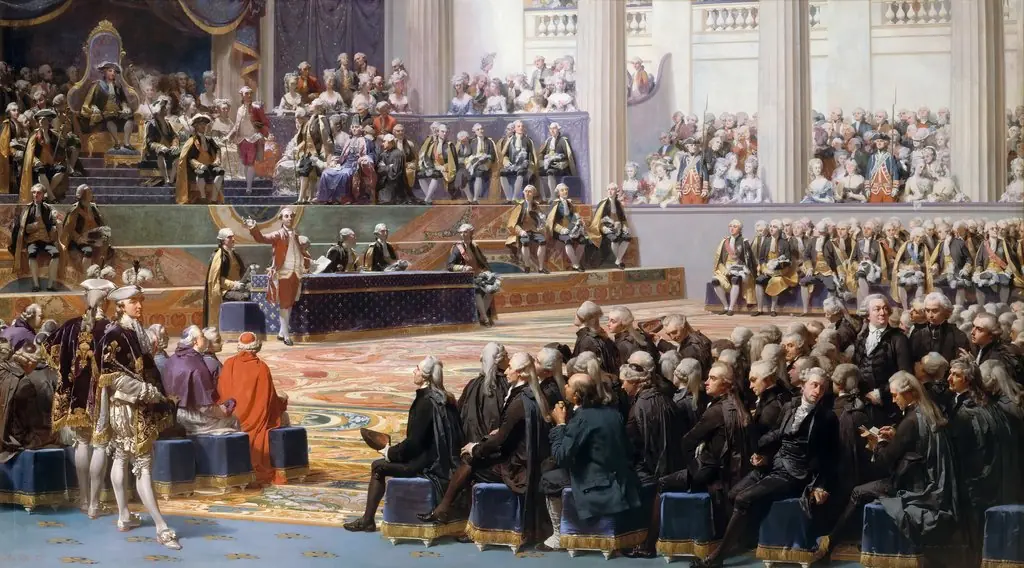 Opening session of the General Assembly, 5 May 1789
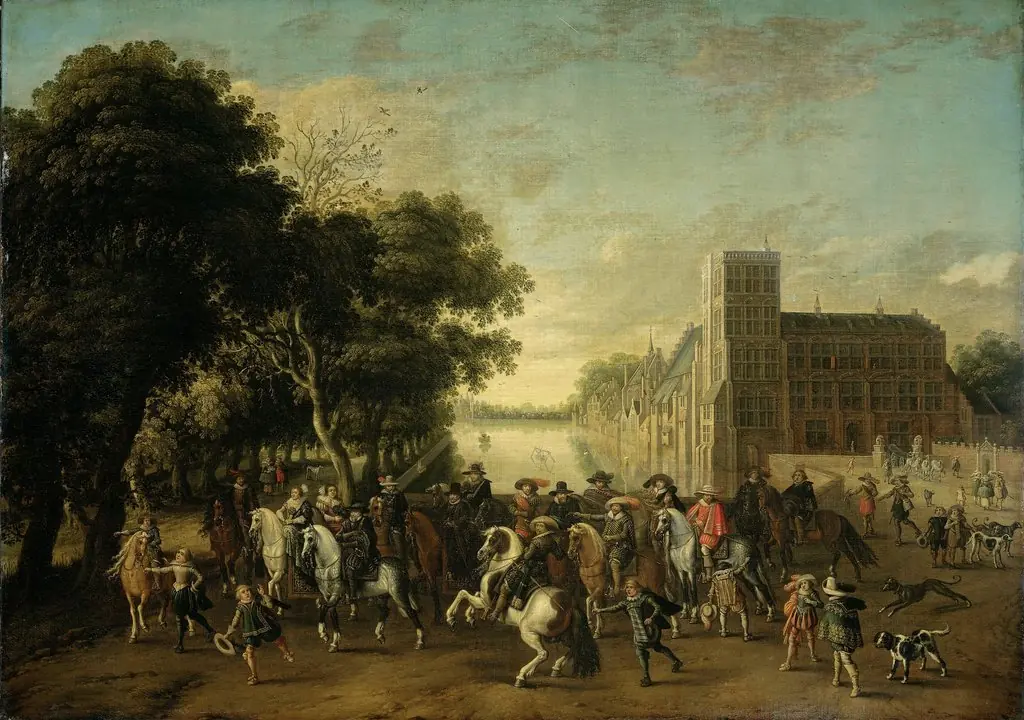 Prince Maurits, accompanied by Prince Frederik Hendrik, Frederick V of Bohemia and his wife Elizabeth Stuart, and others, on the Buitenhof, The Hague
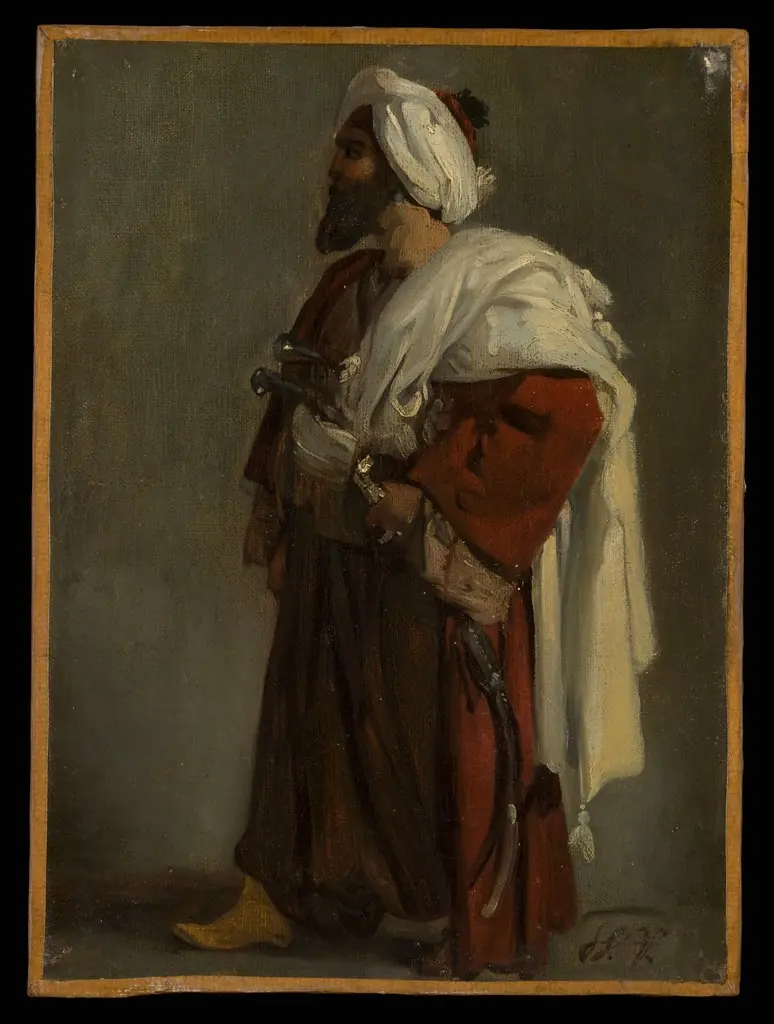 Arab Warrior
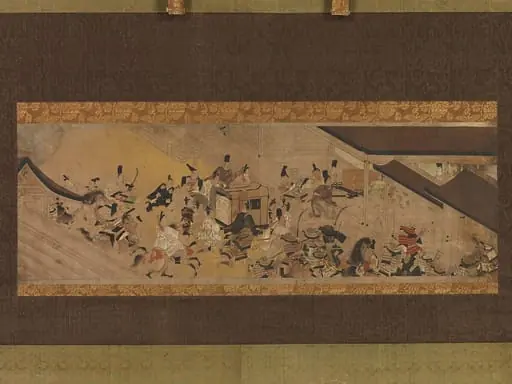 「六波羅行幸」 平治物語絵巻 断簡|Scene from “Imperial Visit to Rokuhara,” from The Tale of the Heiji Rebellion (Heiji monogatari)
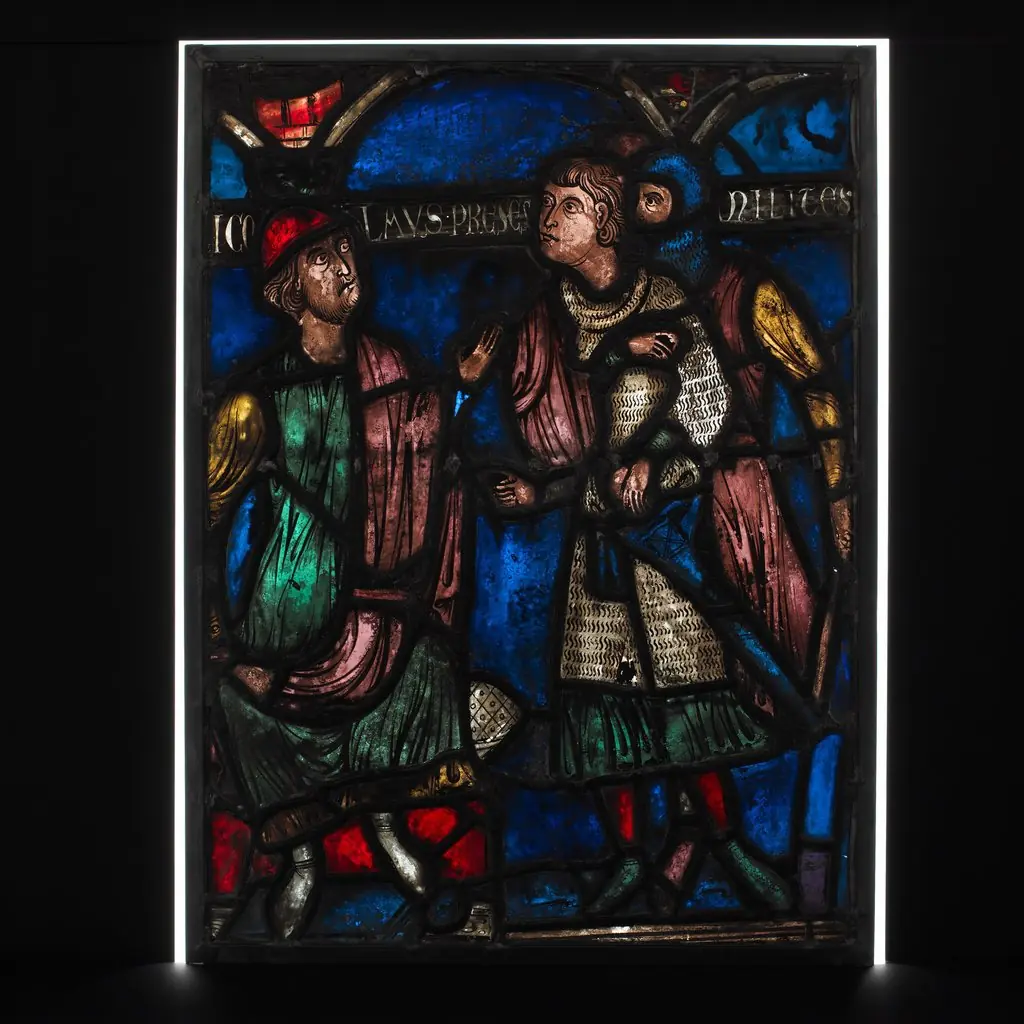 Condemned Soldiers from Scenes from the Life of St. Nicholas
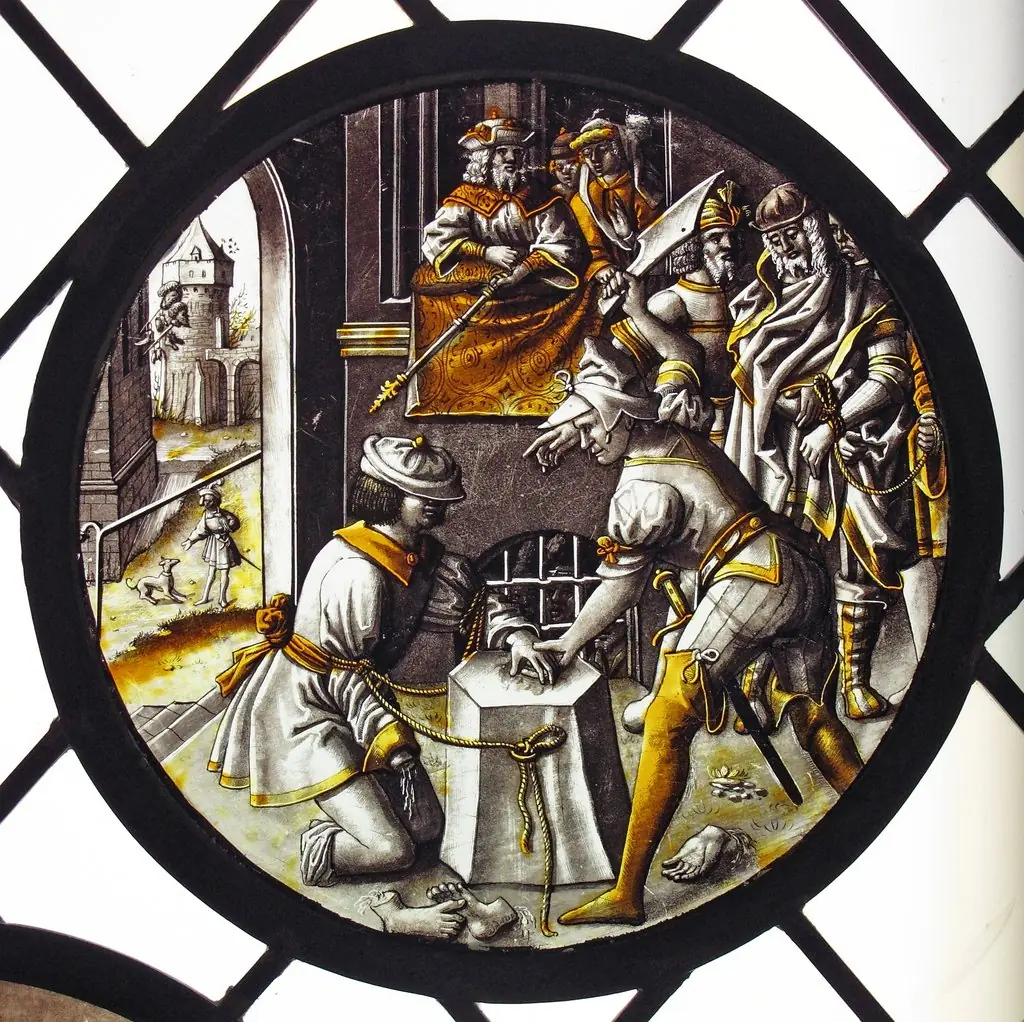 Roundel with Martyrdom of Saint Jacobus Intercisus
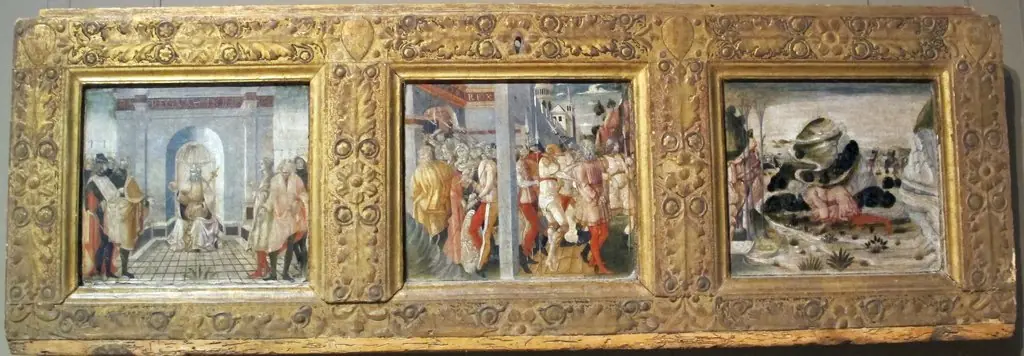 Scenes from the Life of King Nebuchadnezzar
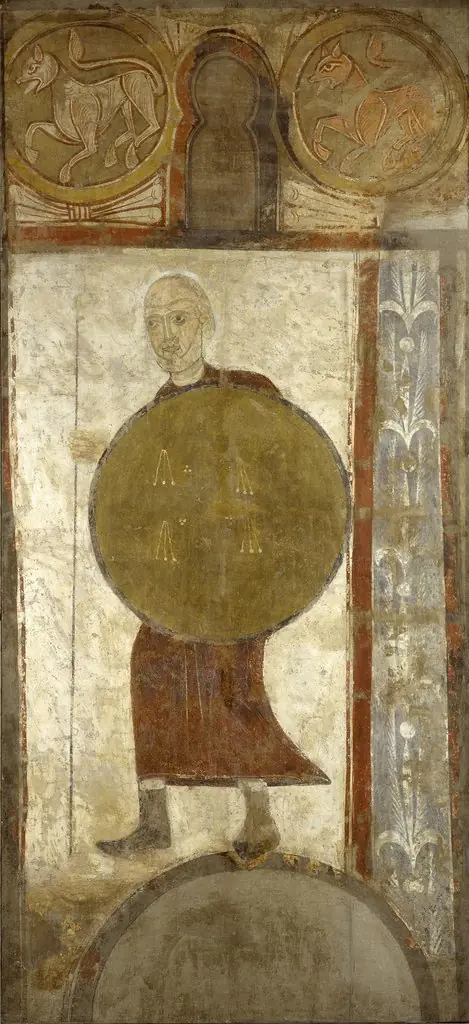 Warrior with Shield
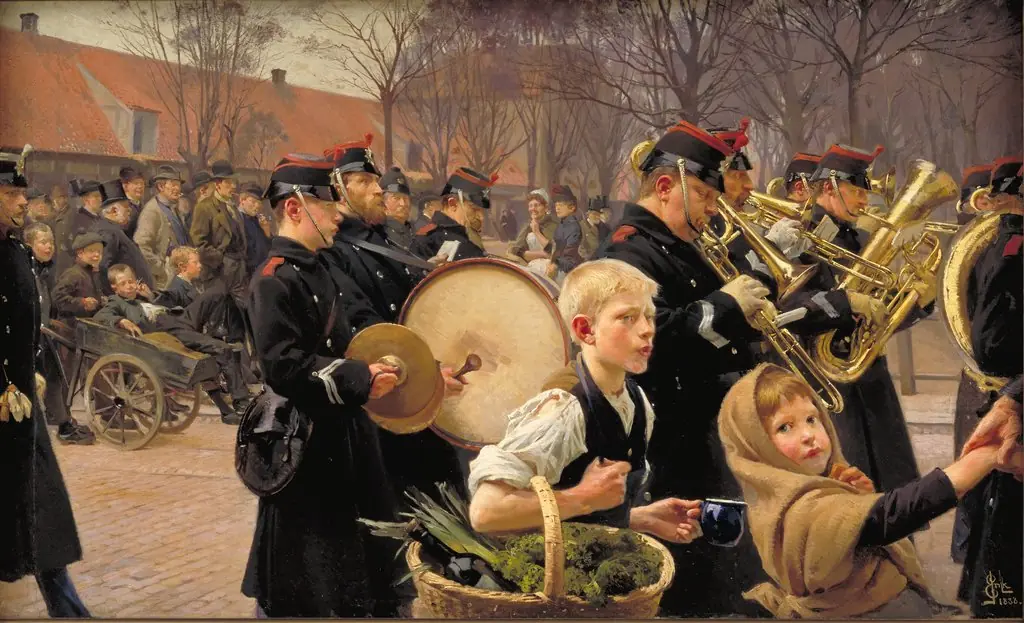 Changing of the Guard
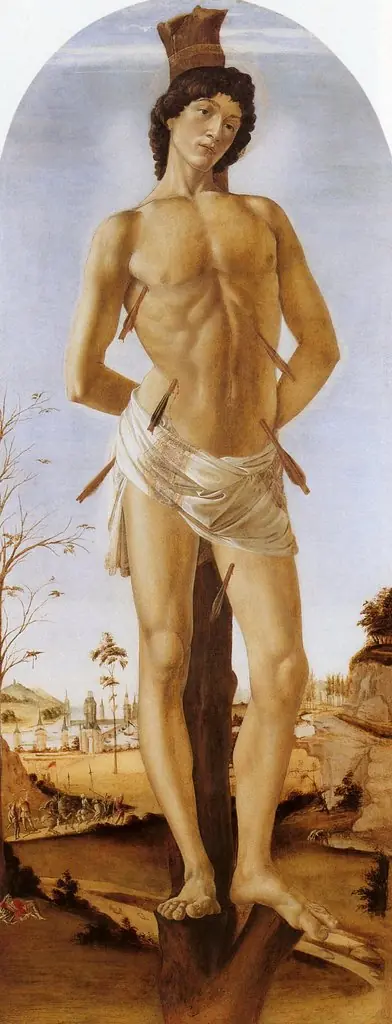 Saint Sebastian
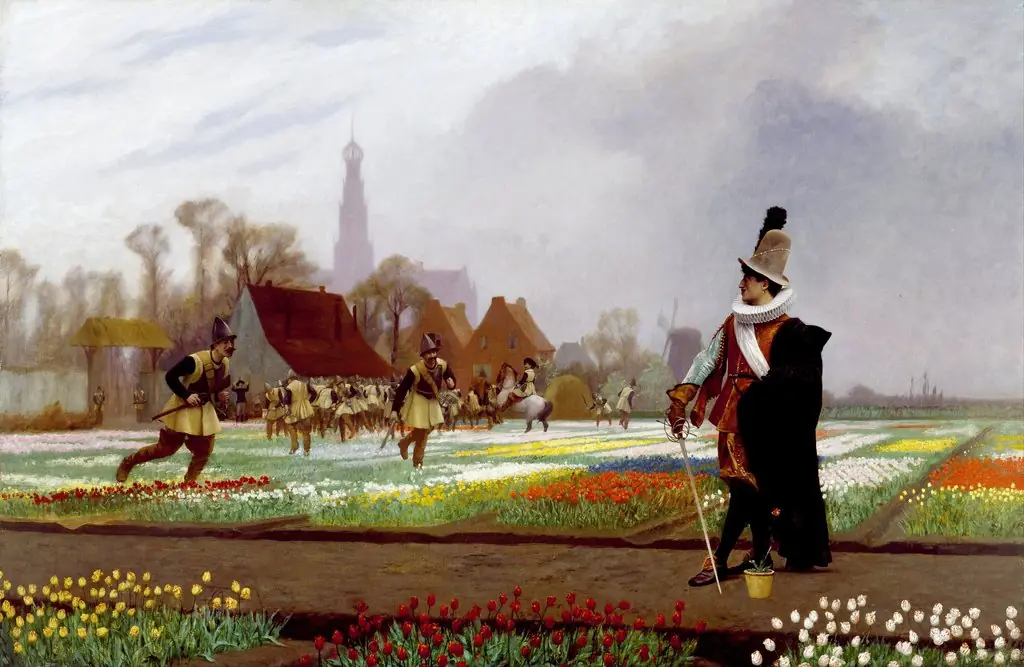 The Tulip Folly
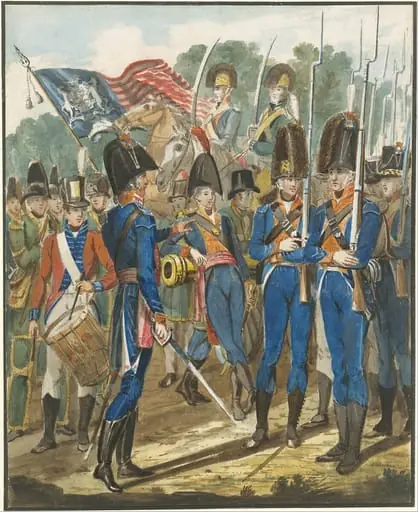 Members of the City Troop and Other Philadelphia Soldiery
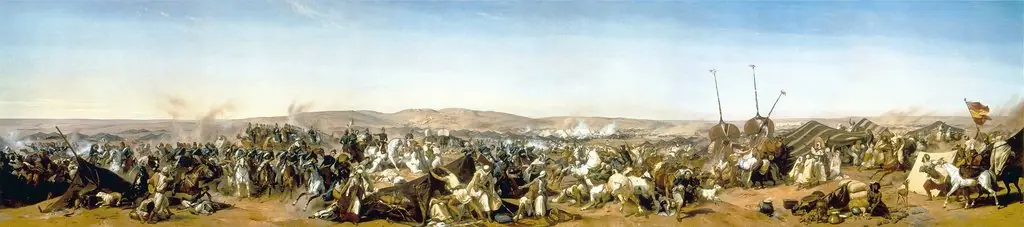 The seizure of Abd-el-Kader's camp in 1843
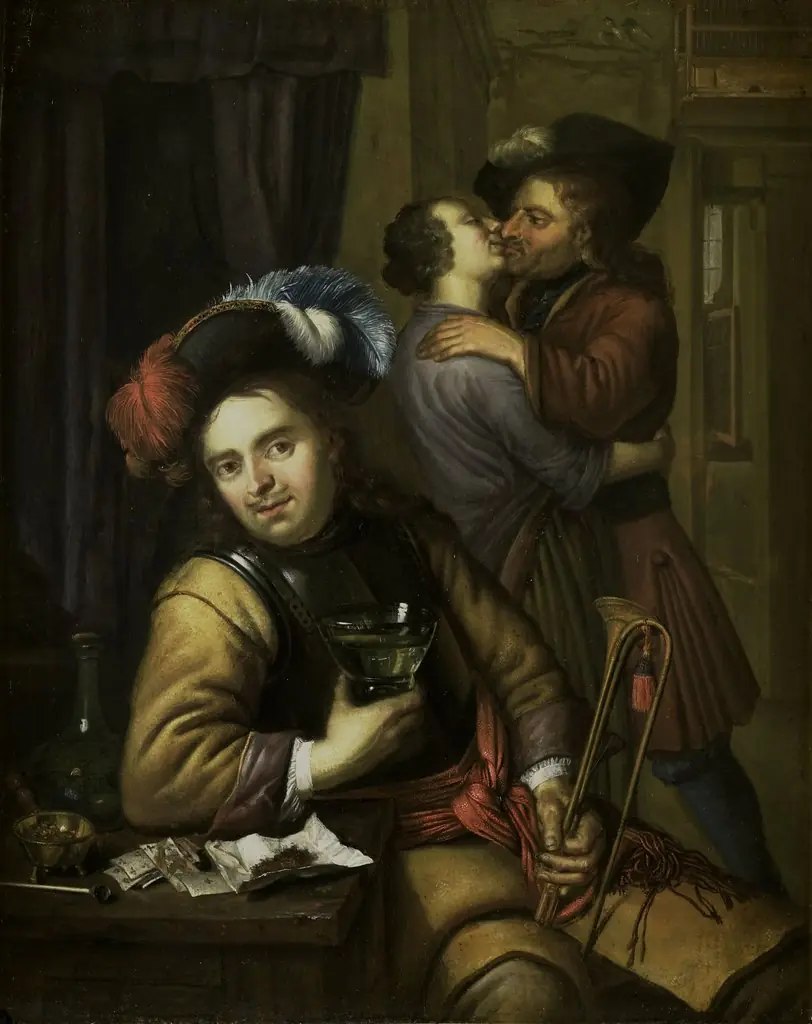 Soldier Scene
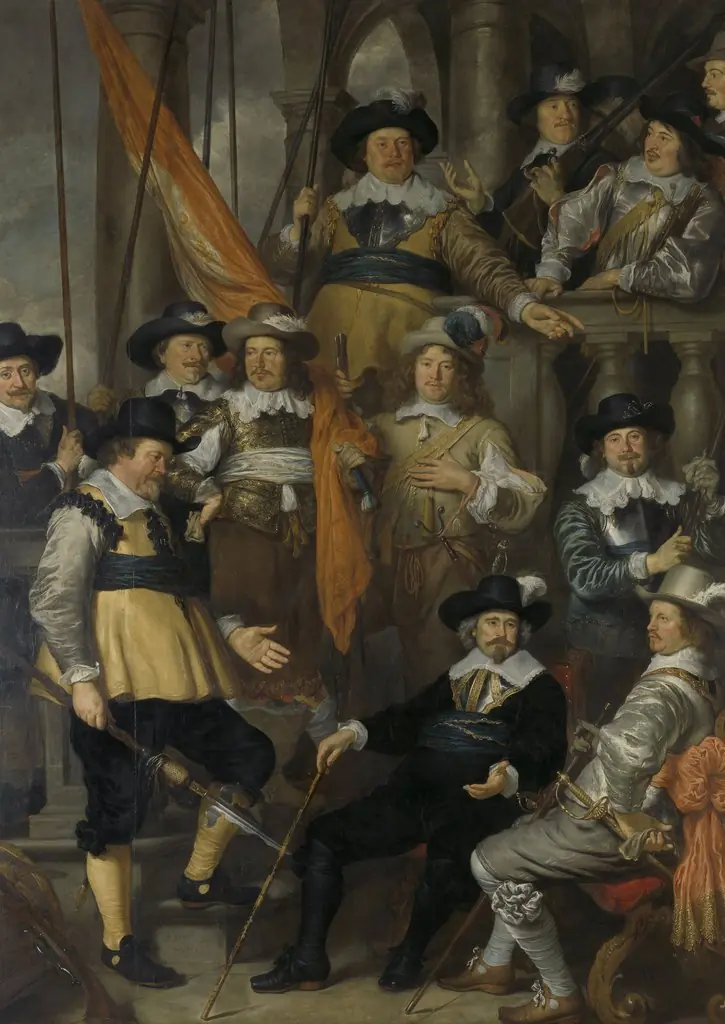 The Company of Captain Albert Bas and Lieutenant Lucas Conijn
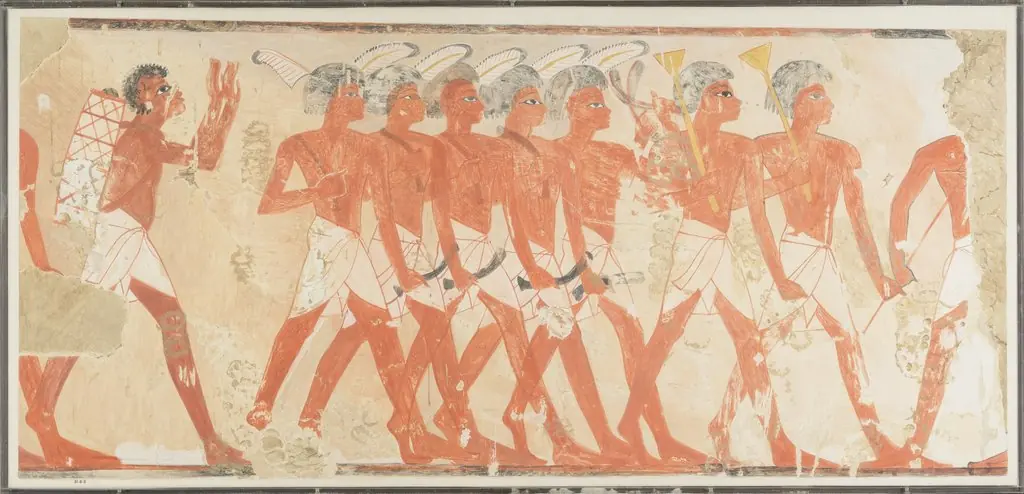 Military Musicians Showing Nubian and Egyptian Styles
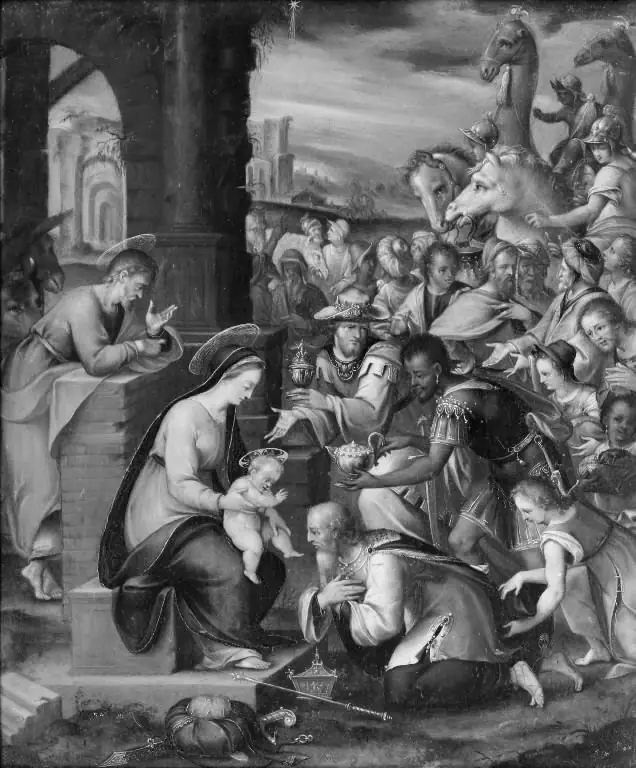 The Adoration of the Magi
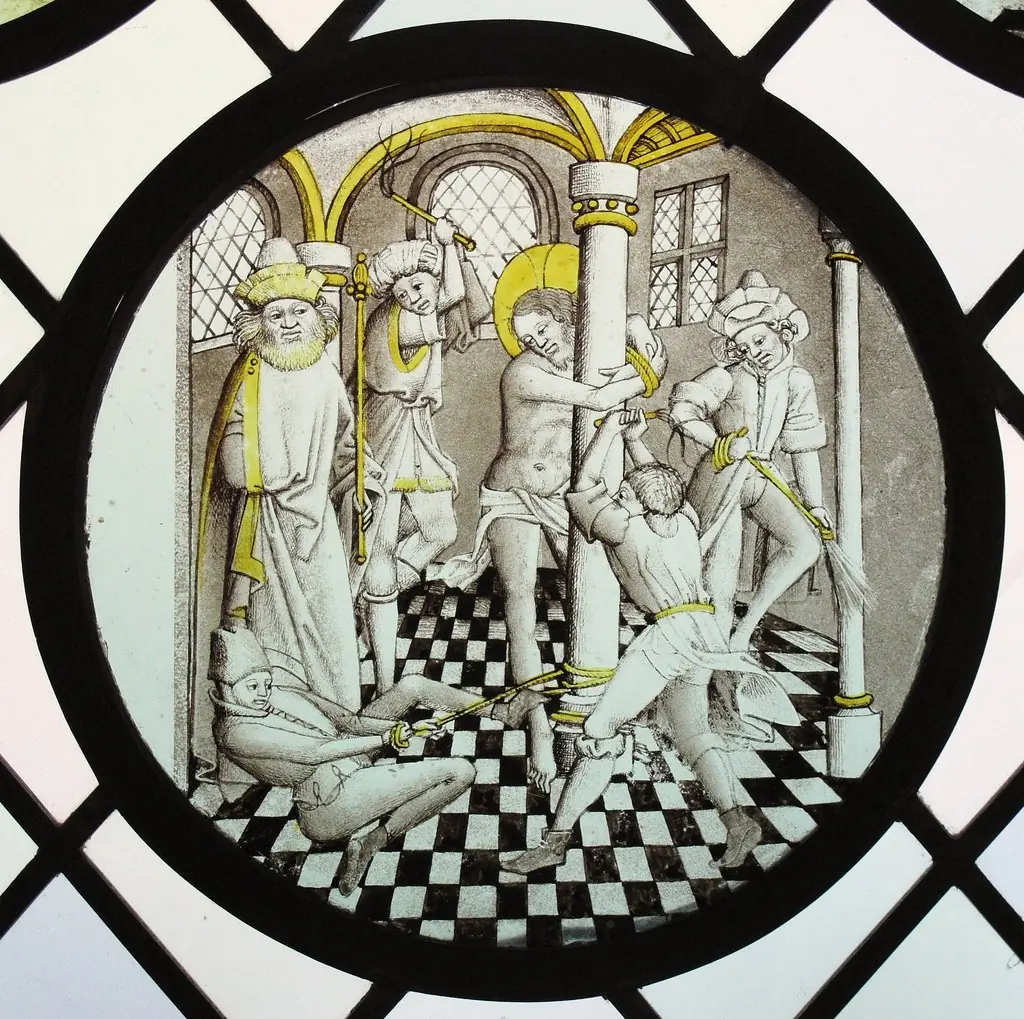 Roundel with the Flagellation
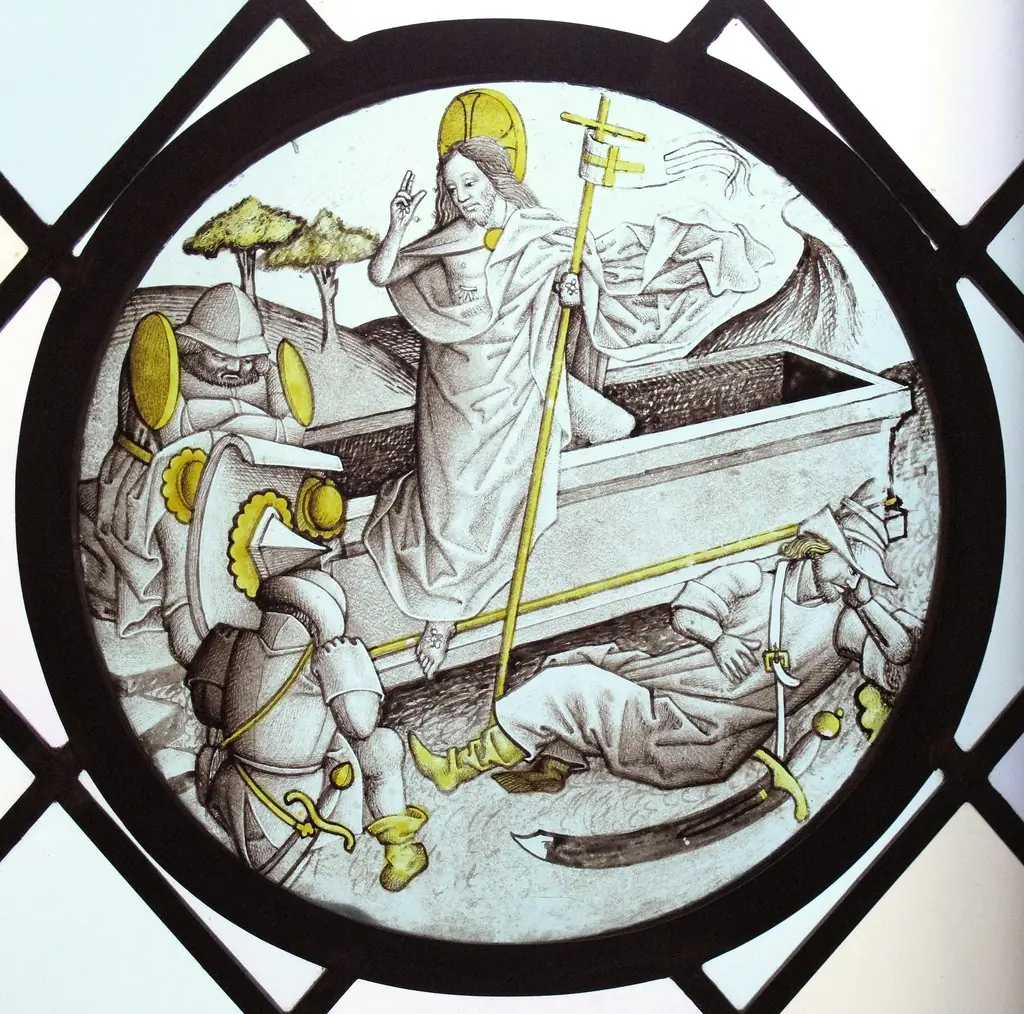 Roundel with the Resurrection
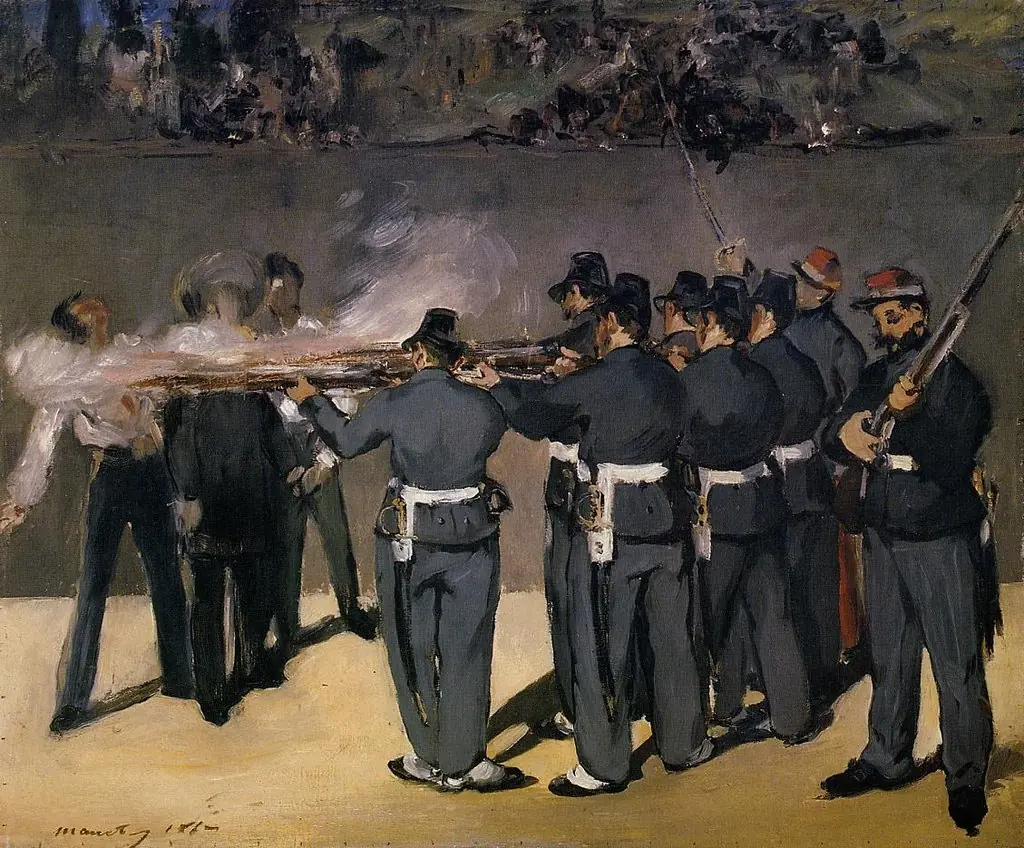 The Execution of Emperor Maximilian
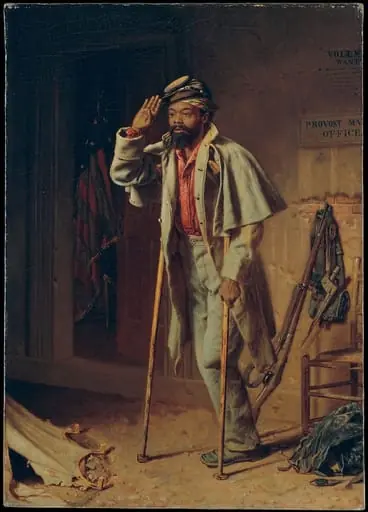 A Bit of War History: The Veteran
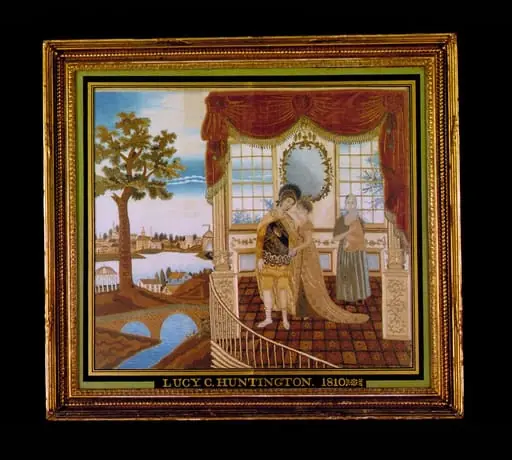 Hector Taking Leave of His Family
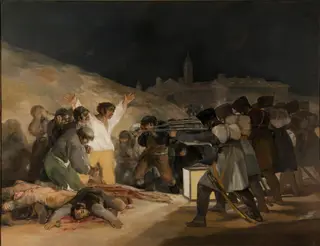 The Third of May 1808
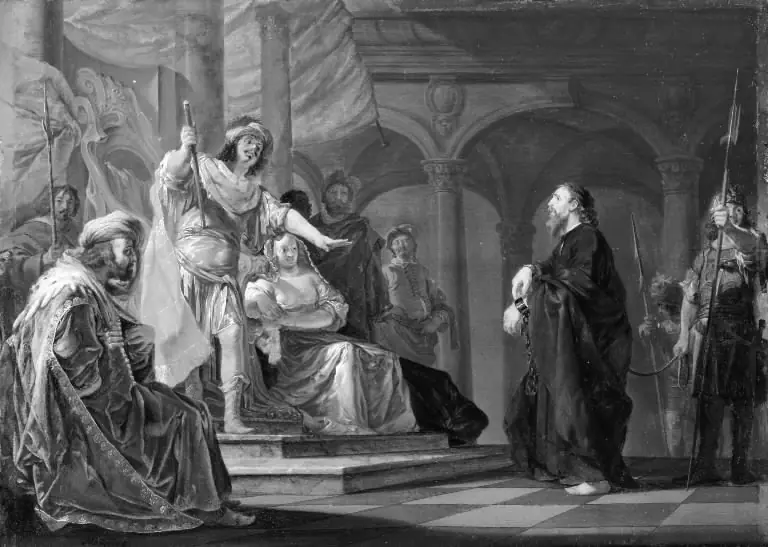 Paulus the Apostle defending himself at the Trial in Caesarea
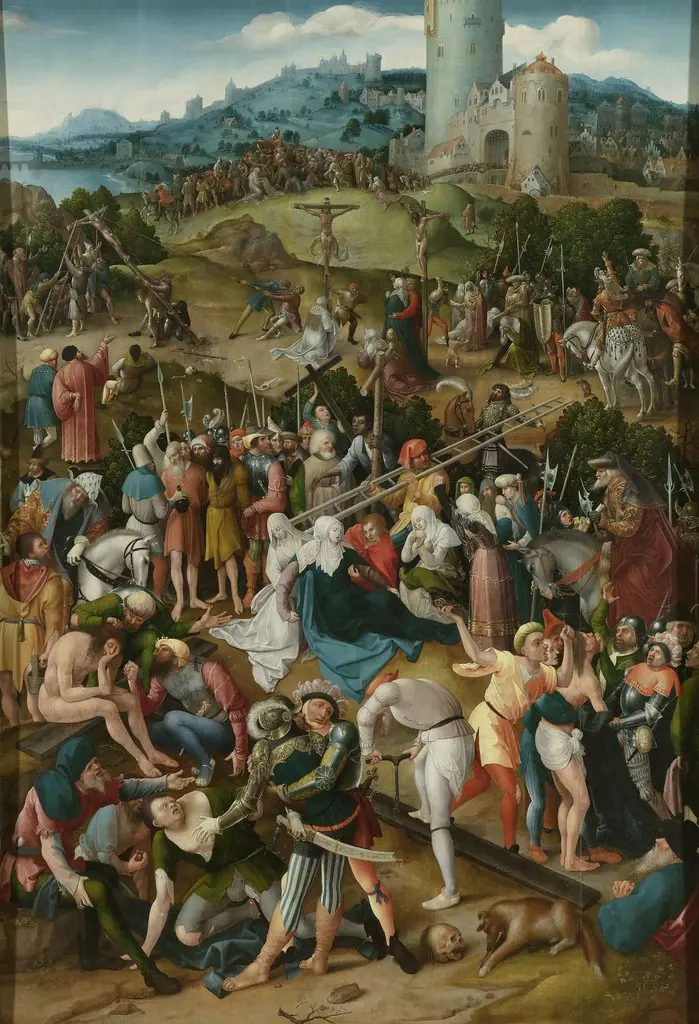 Calvary
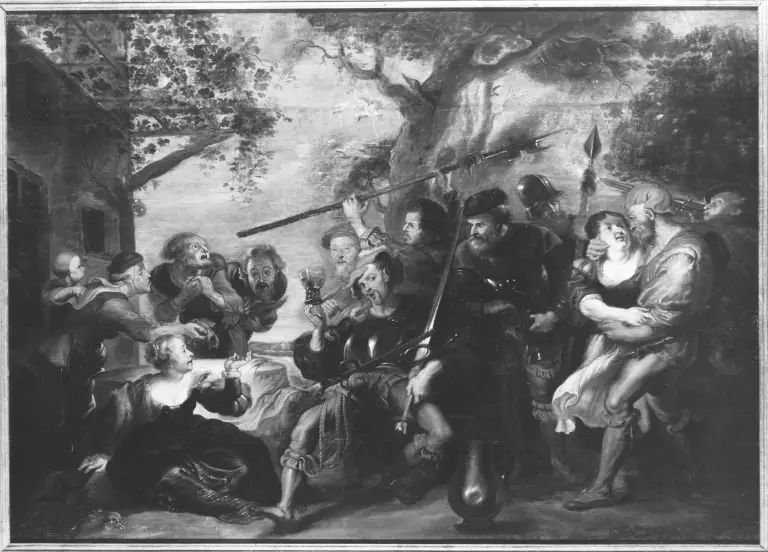 Marauding soldiers at an inn with prostitutes
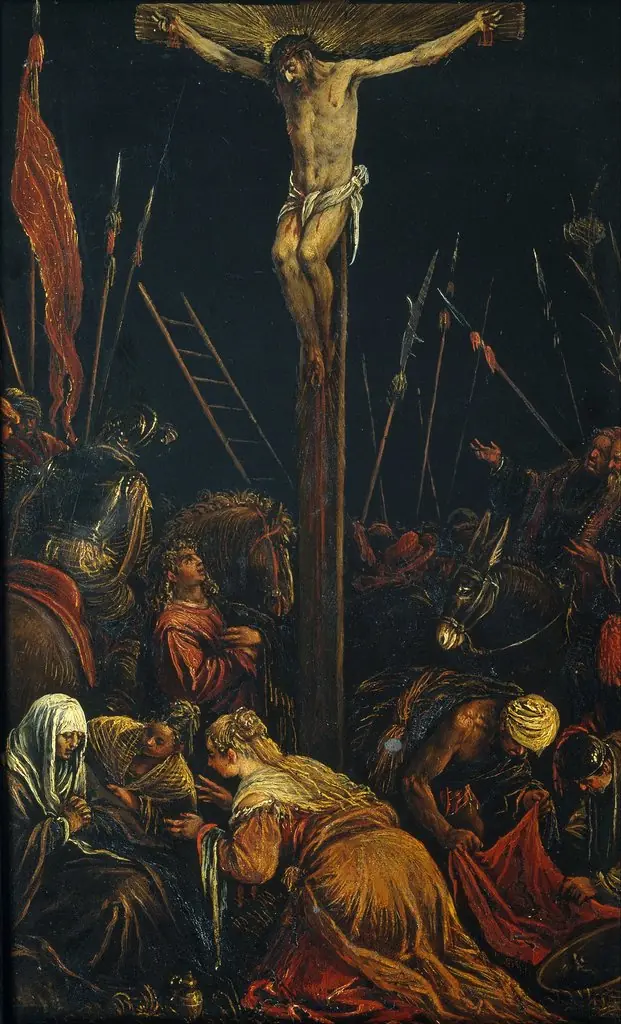 Calvary
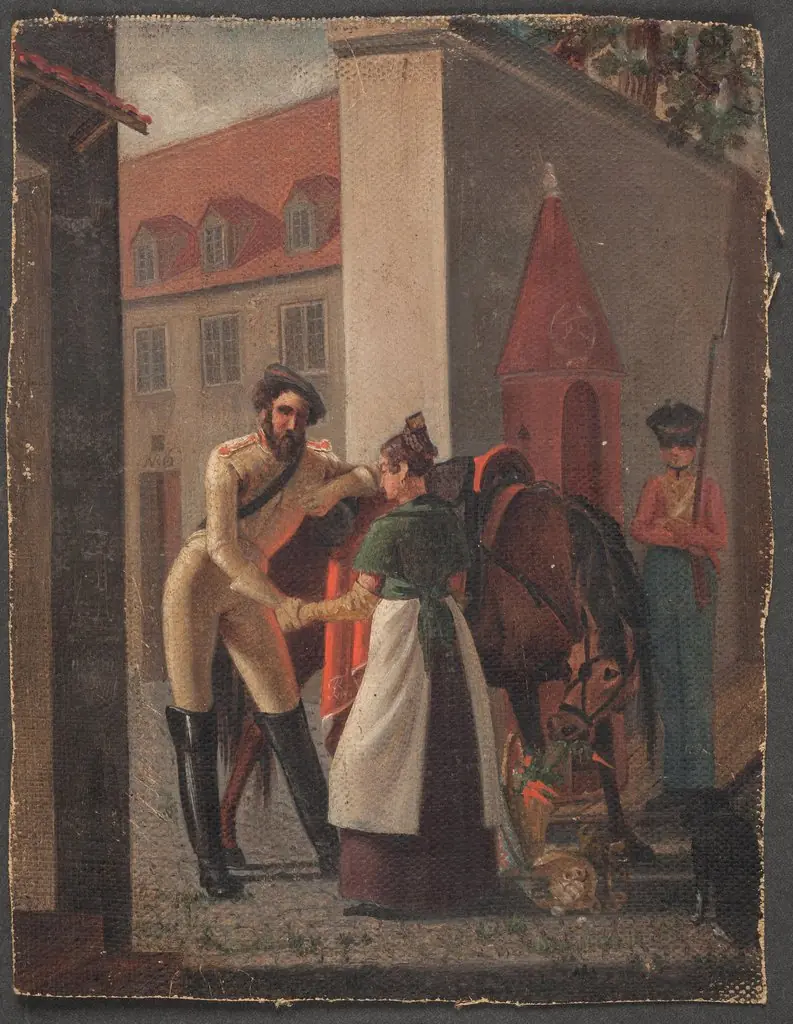 Gadescene. En kavalerist tager afsked med en pige
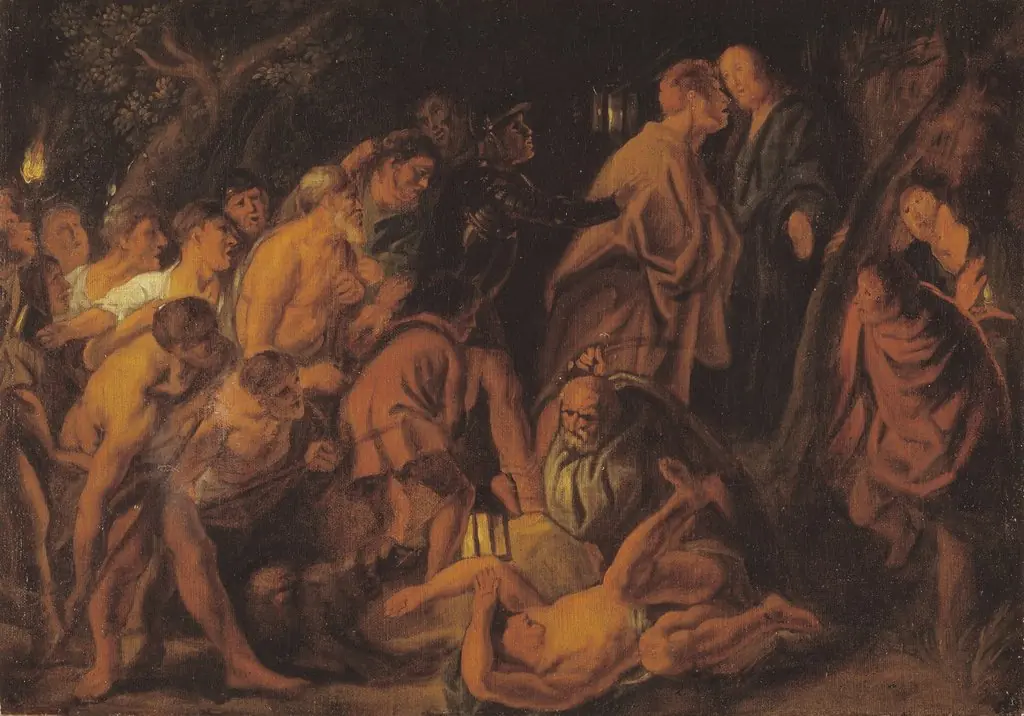 The Betrayal and Arrest of Christ in Gethsemane
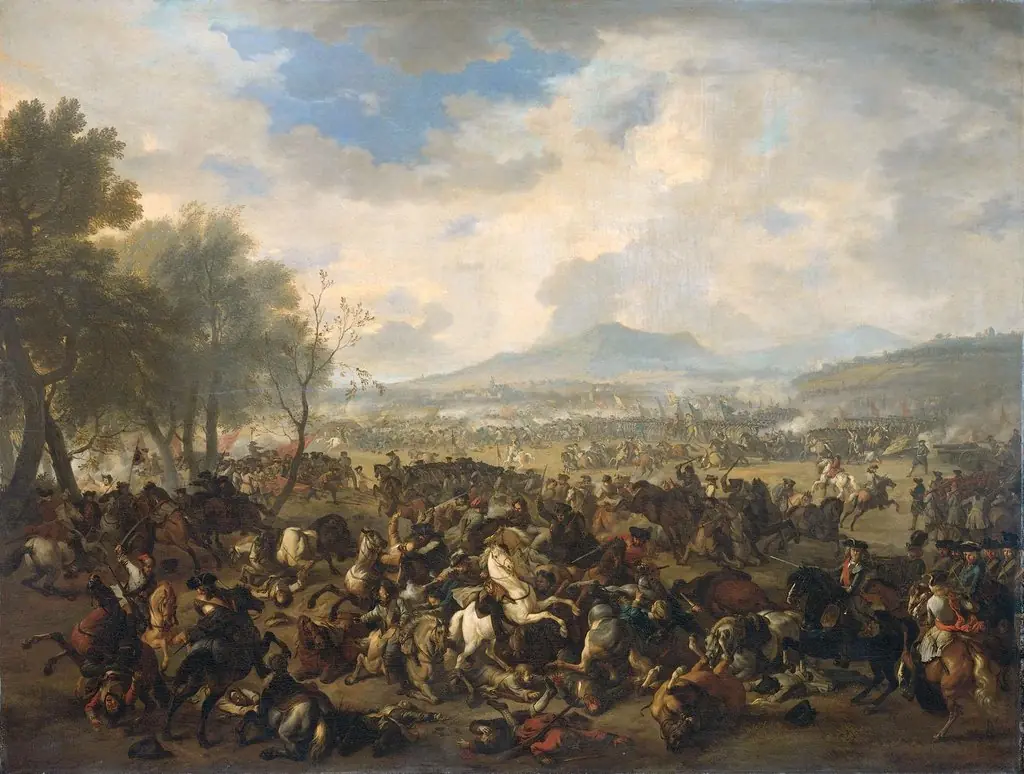 The Battle of Ramillies betwwen the French and the English, 23 May 1706
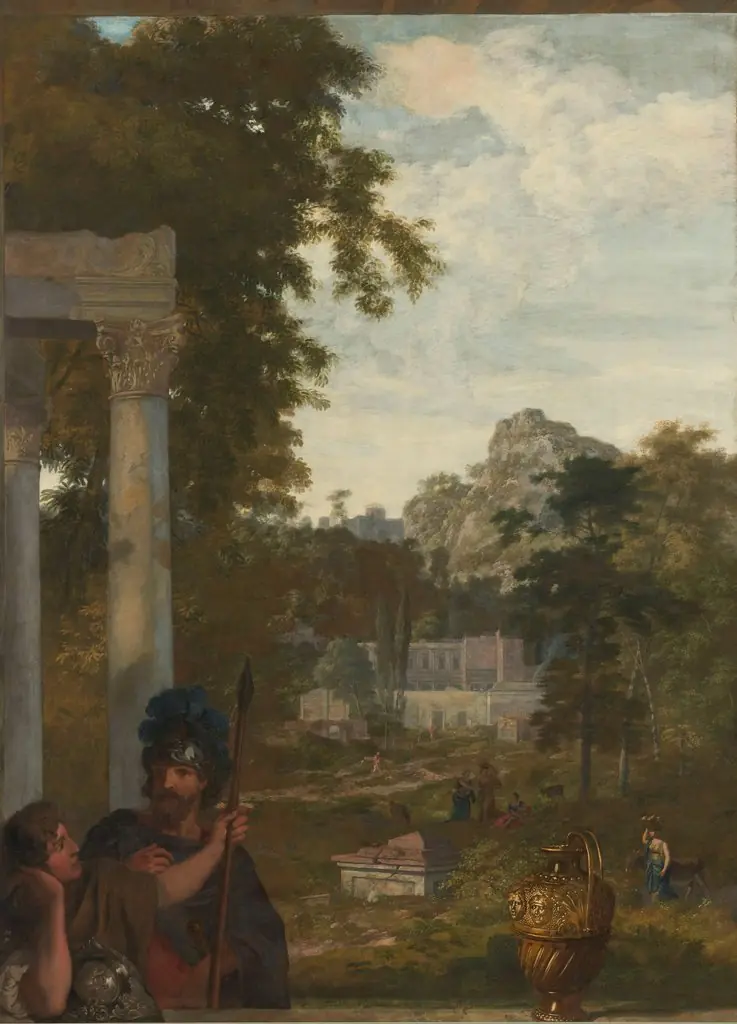 Italian landscape with two Roman soldiers
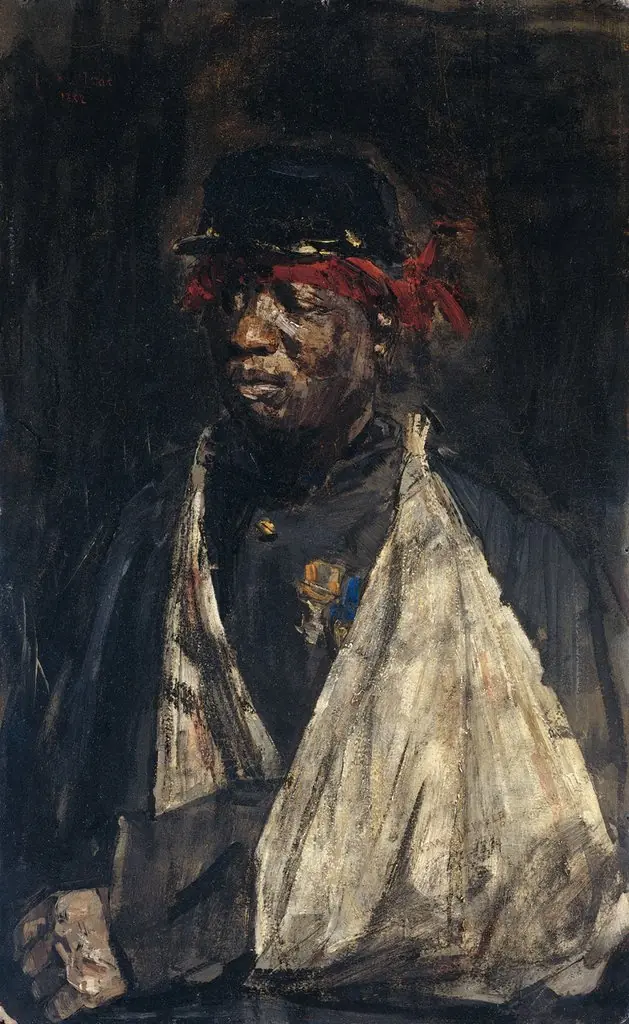 Portrait of a Wounded KNIL Soldier
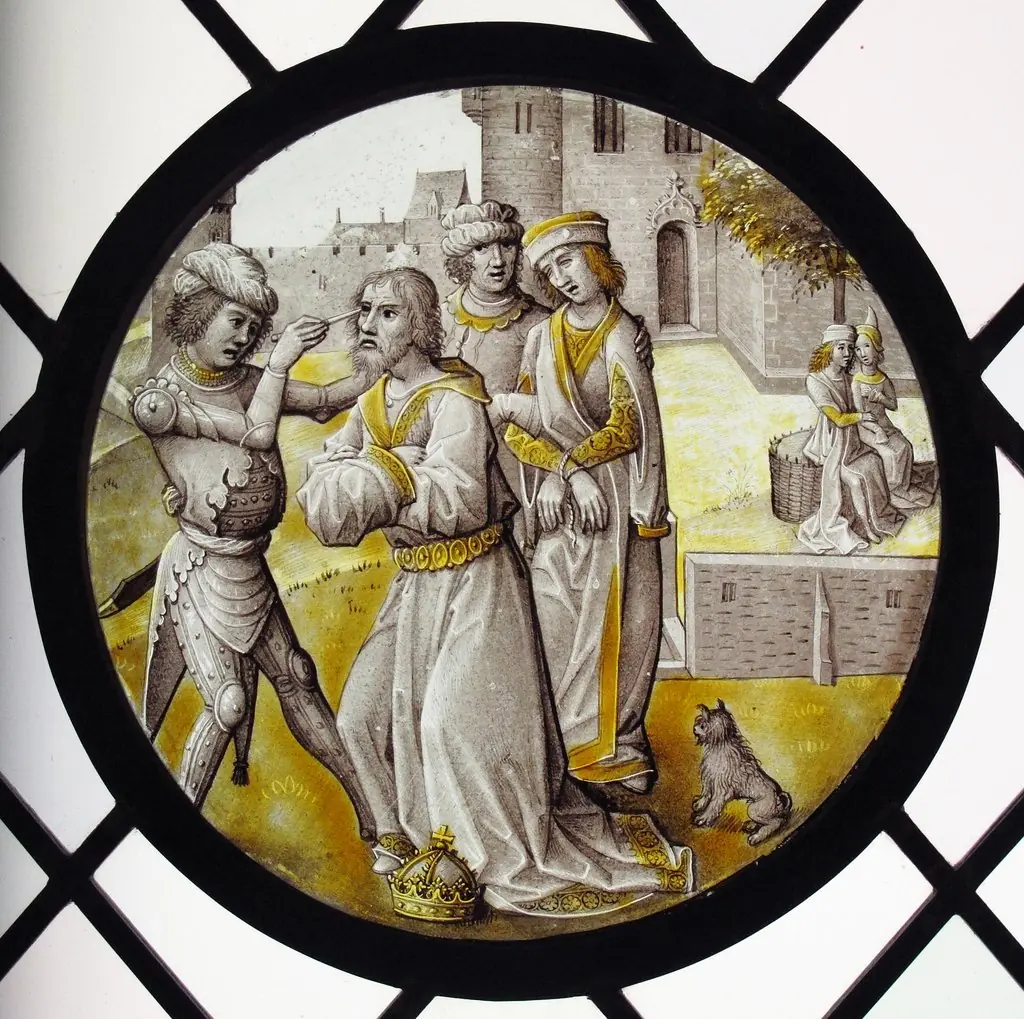 Roundel with the Blinding of Zaleucus of Locria
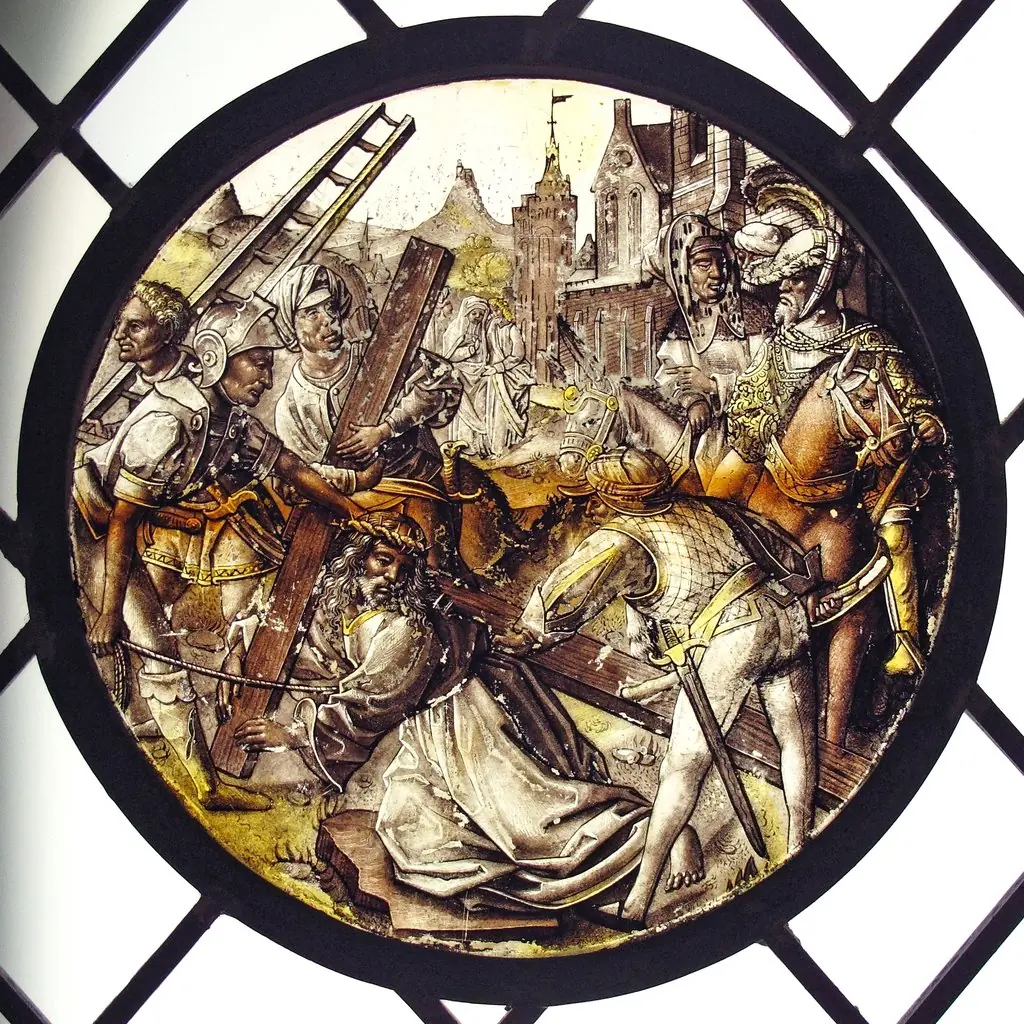 Roundel with Christ Bearing the Cross
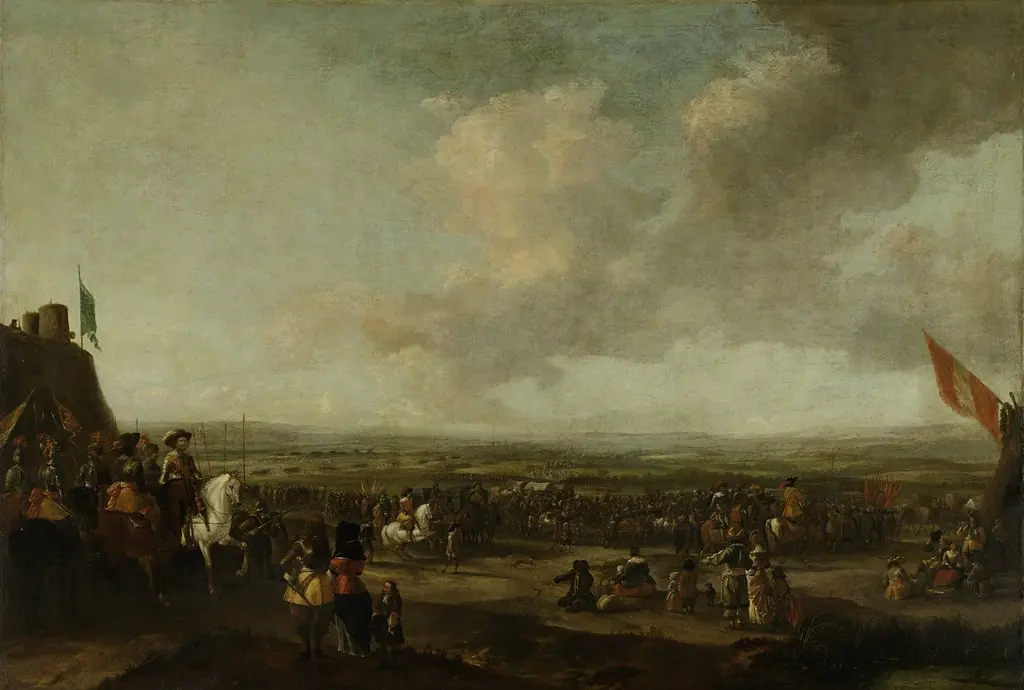 Frederik Hendrik at the surrender of Maastricht, 22 August 1632
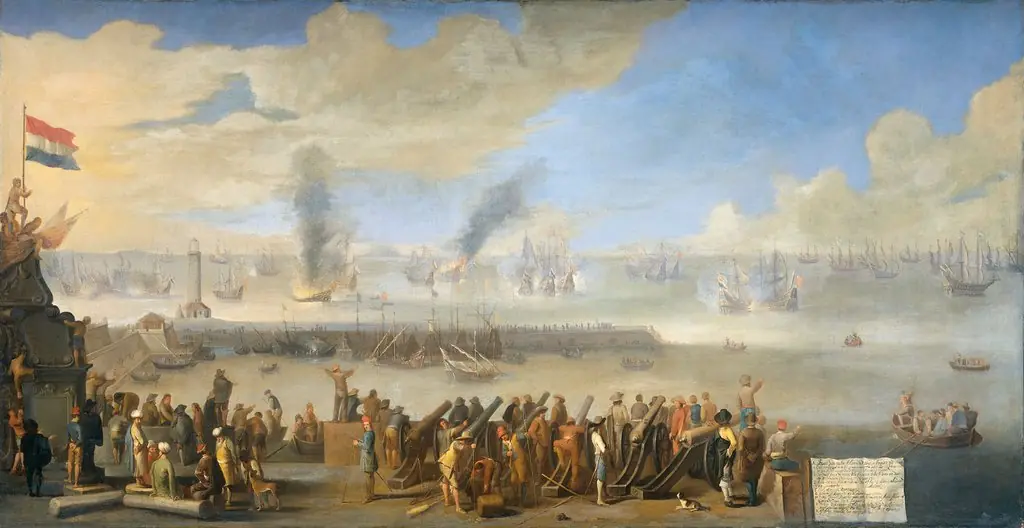 The naval battle near Livorno, 14 March 1653: incident of the first Anglo-Dutch War
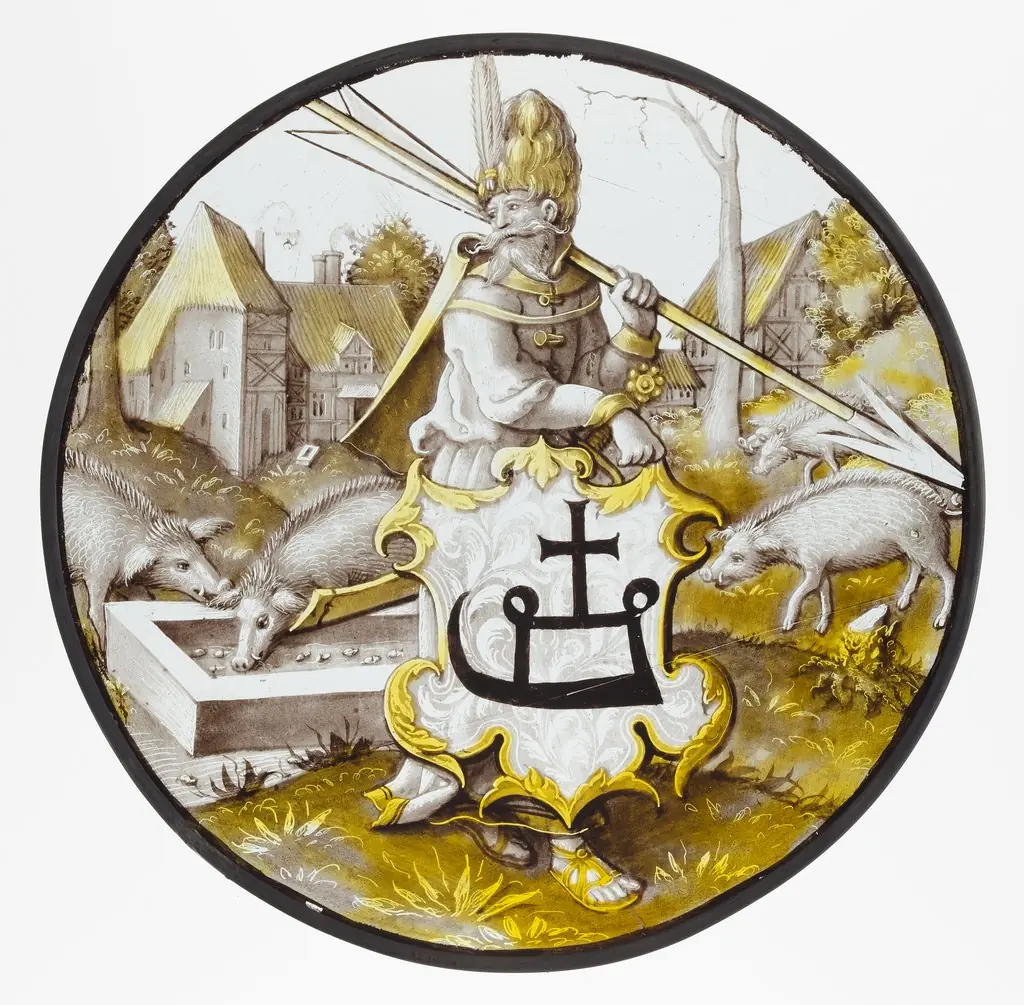 Roundel with Turkish Soldier holding an Arrow and Support
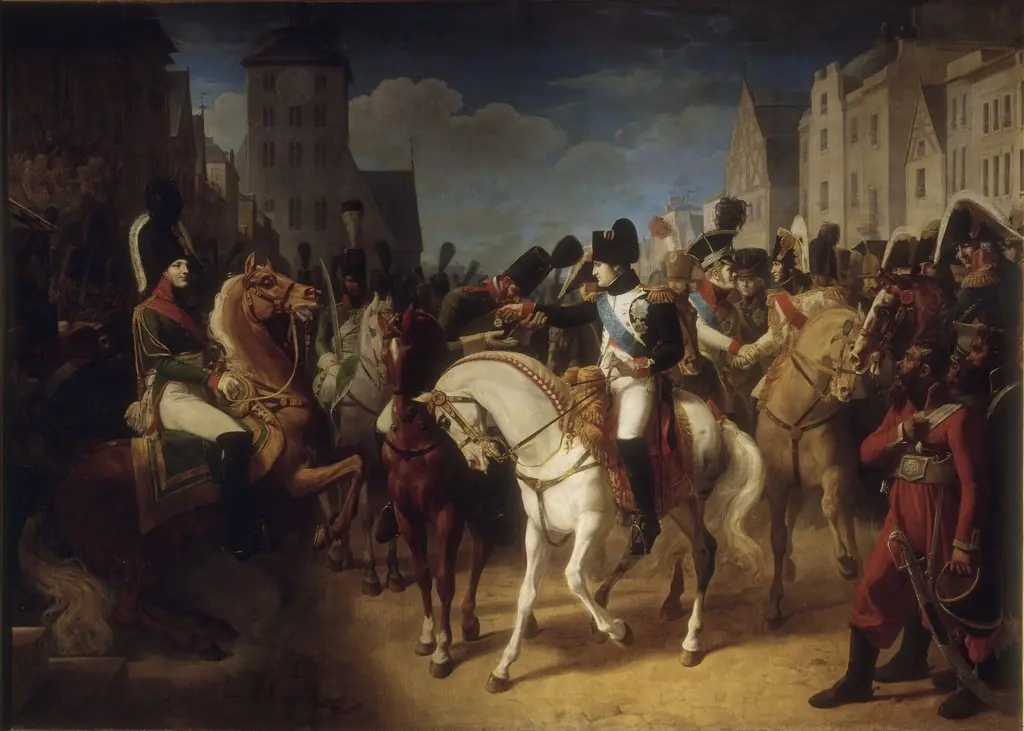 Napoleon I decorated a soldier of the Russian army in Tilsitt with the cross of the Legion of Honor
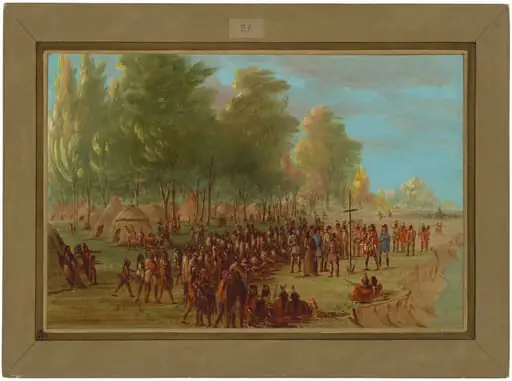 La Salle Erecting a Cross and Taking Possession of the Land. March 25, 1682
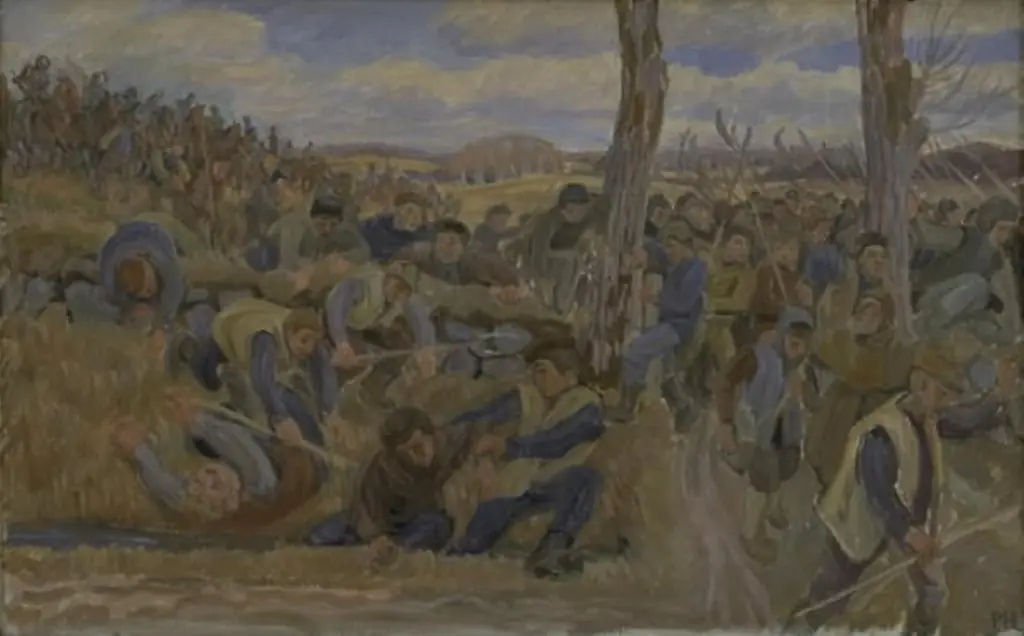 Grevens Fejde
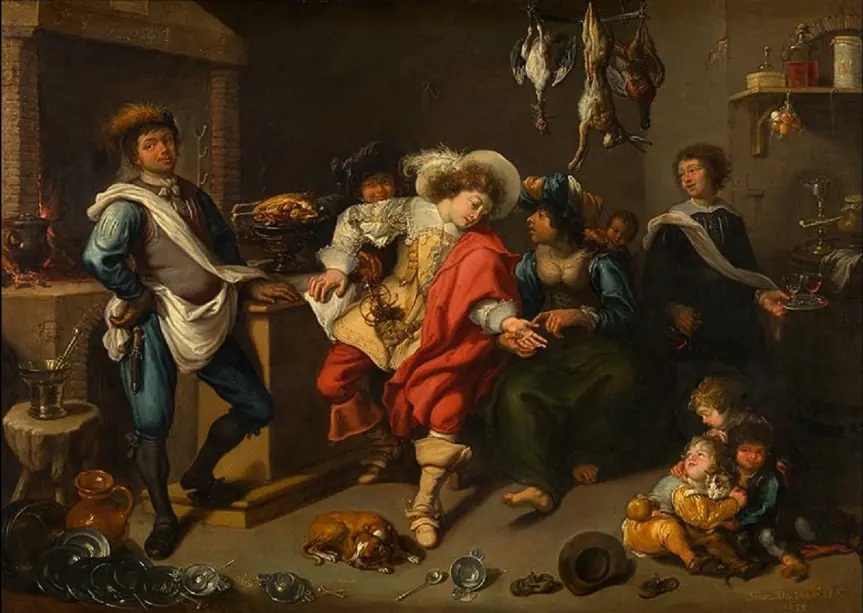 The Fortune Teller
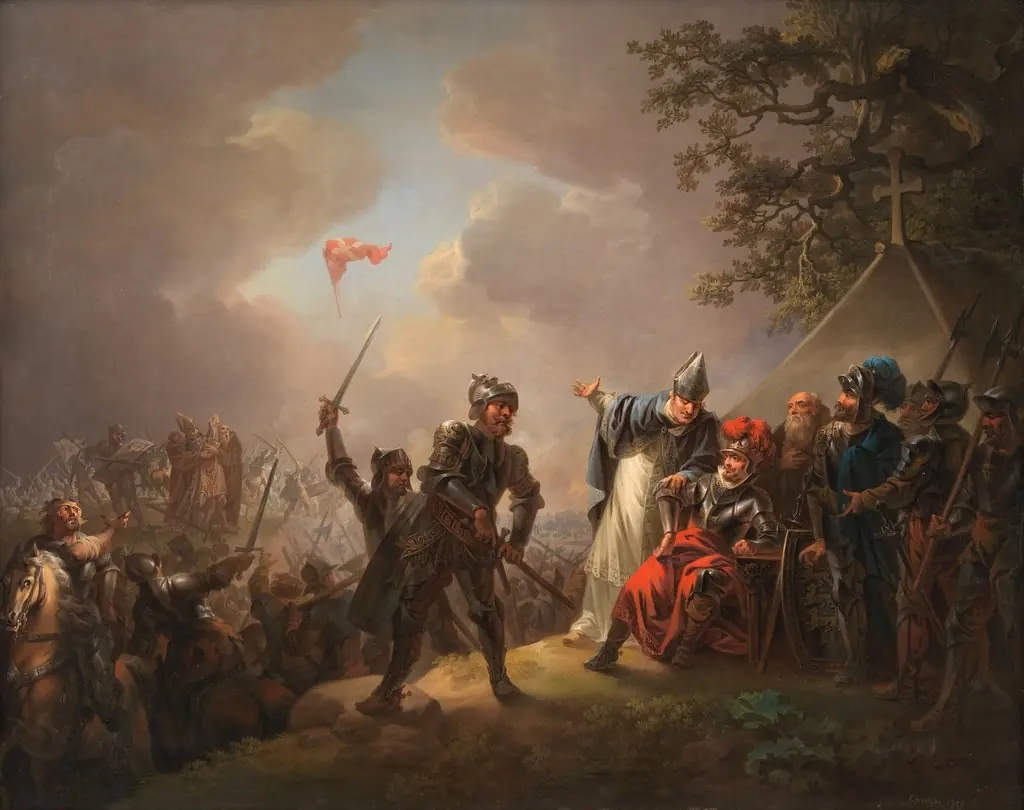 The Legend of the Danish Flag (the Dannebrog) Falling from the Heavens during the Battle of Lyndanise in Estonia in 1219
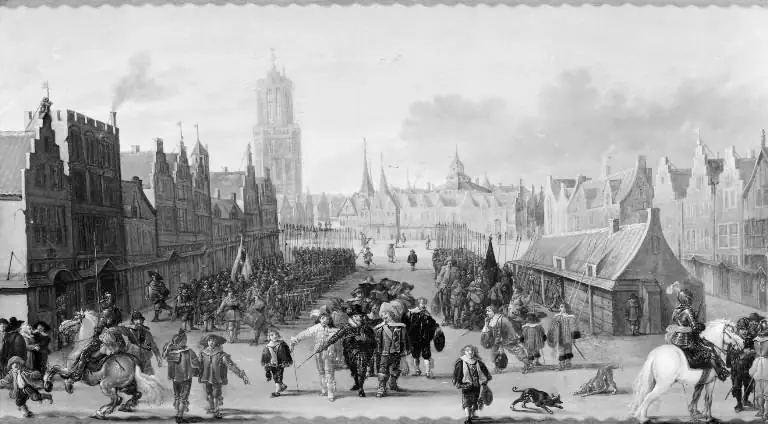 Disbanding of the Mercenary Troops on the Neude, Utrecht, July 31st, 1618
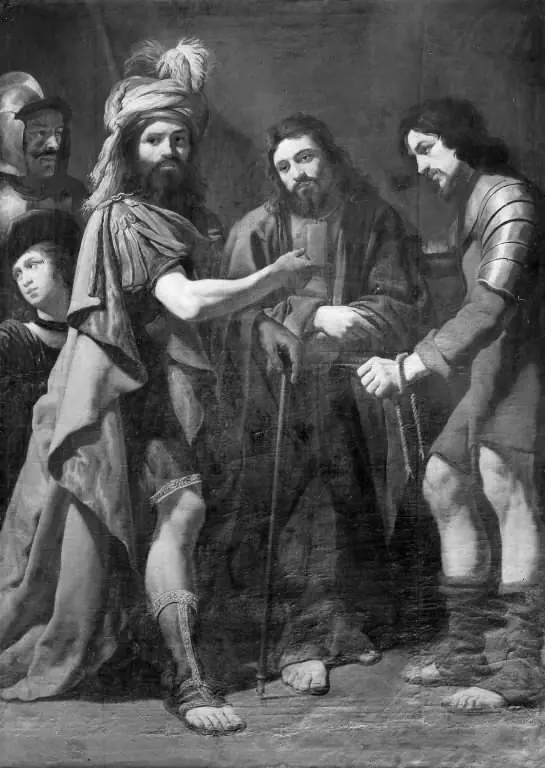 Christ before Pilate
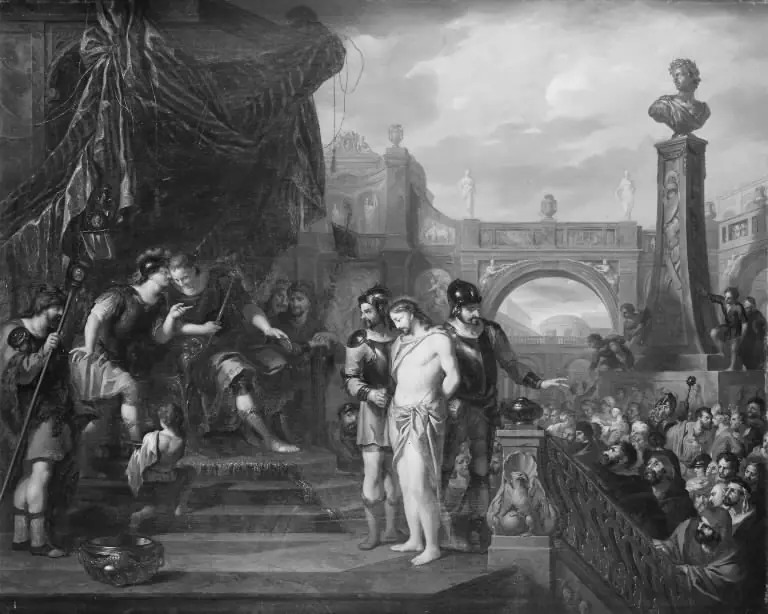 Christ before Pilate
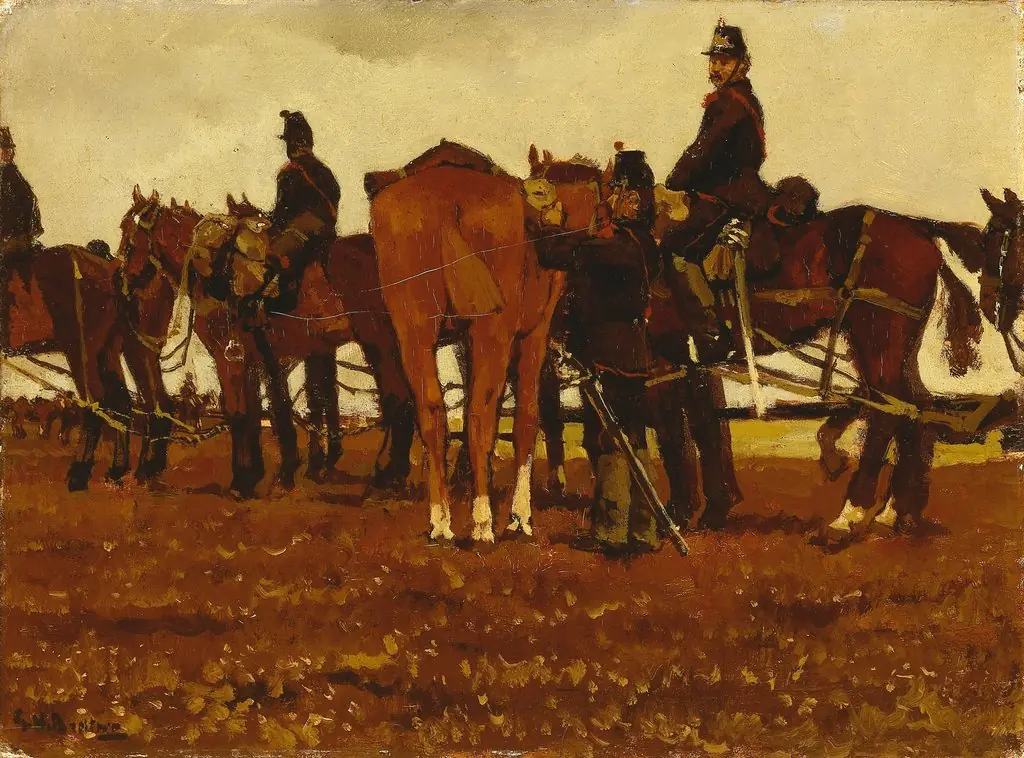 Veldartillerie (paarden en soldaten)
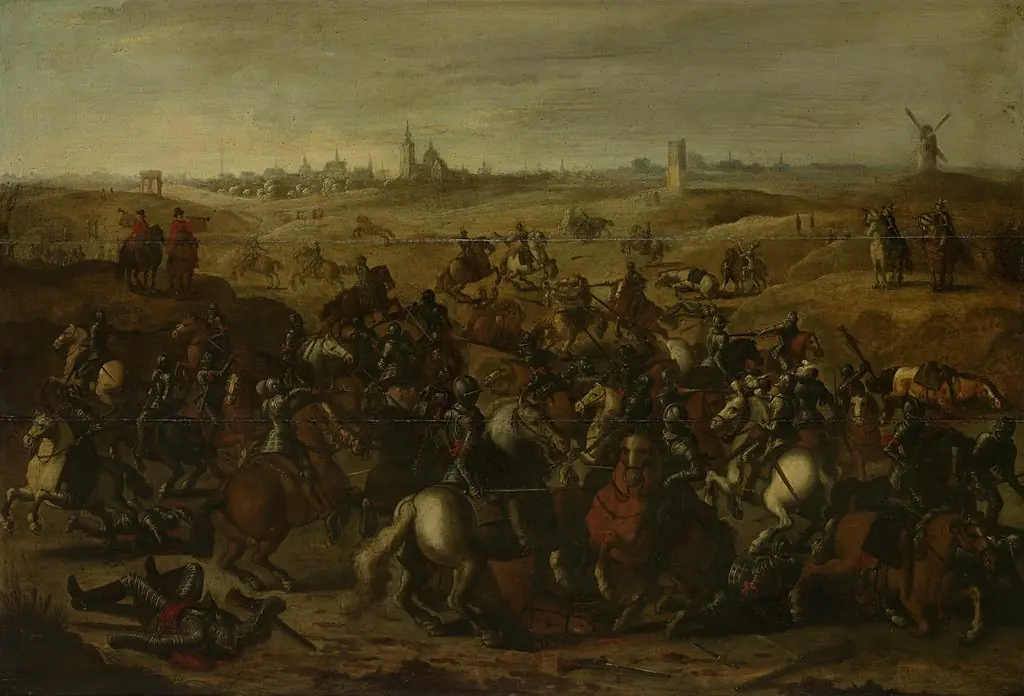 The battle between Bréauté and Leckerbeetje on the heath outside Vught, 5 Februari 1600
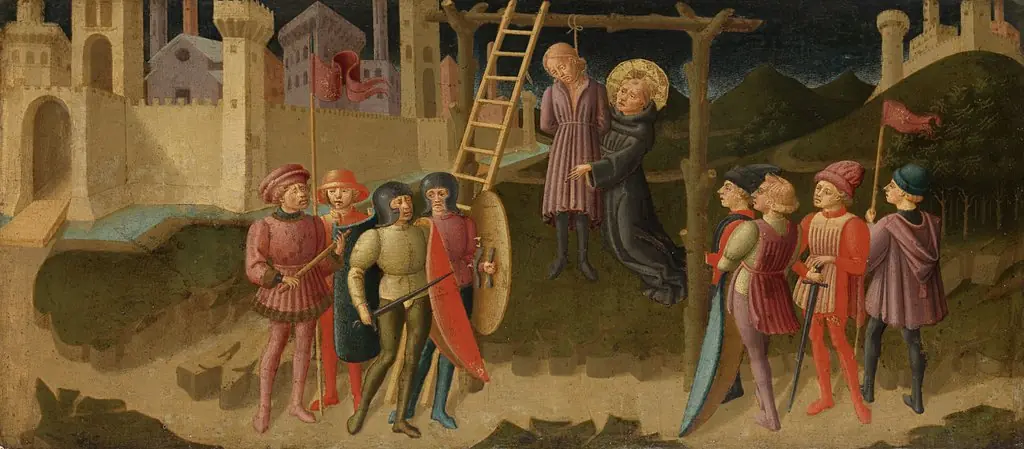 Saint Nicholas Saving a Hang
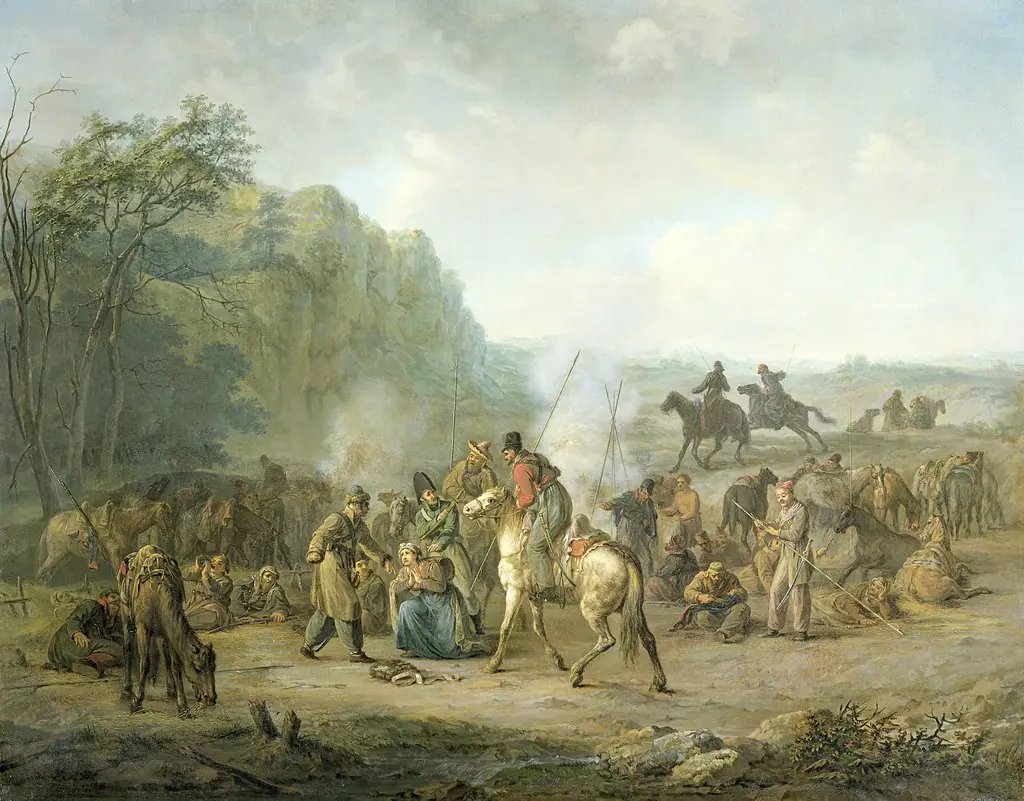 Cossack Camp, 1813
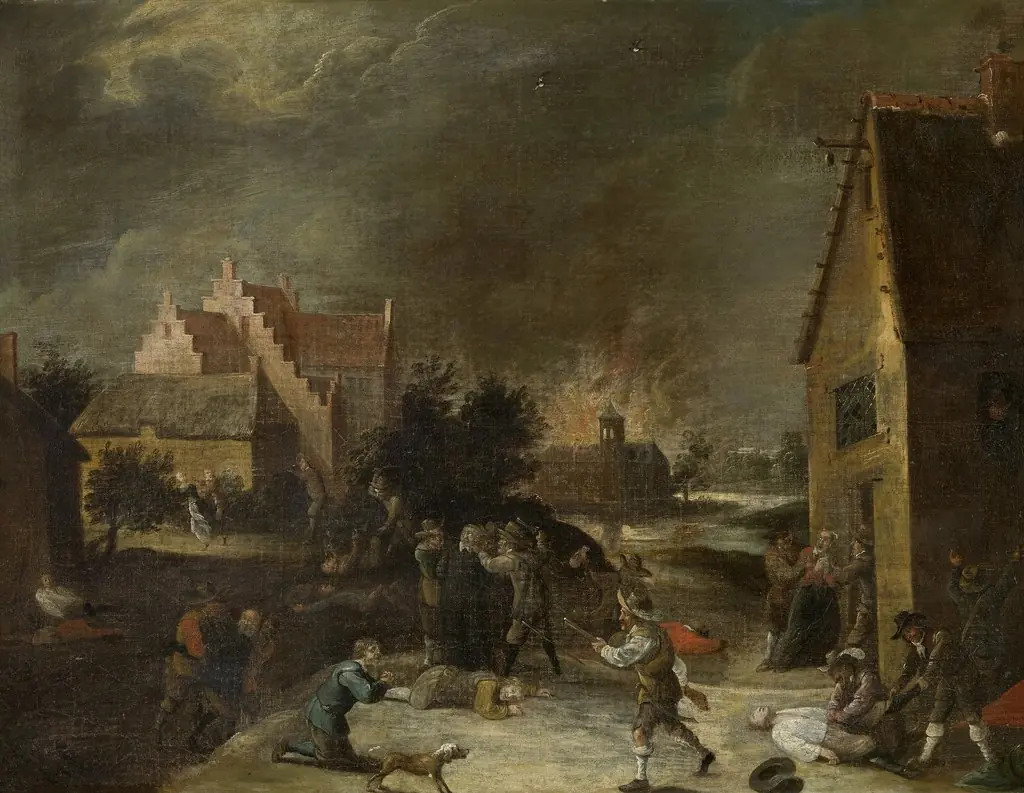 Looting of a village
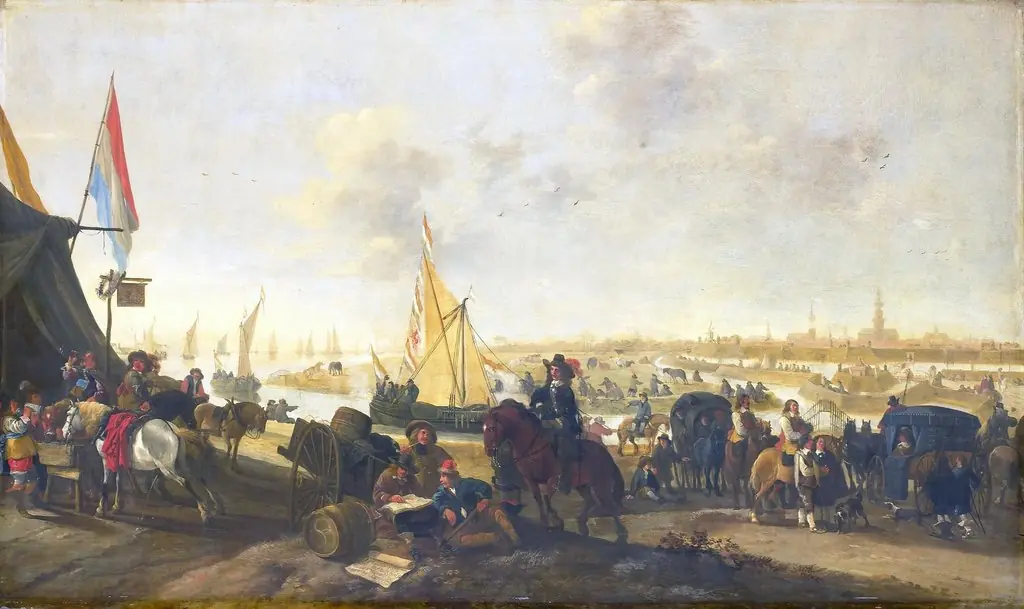 The Siege and Capture of the City of Hulst from the Spaniards, November 5, 1645
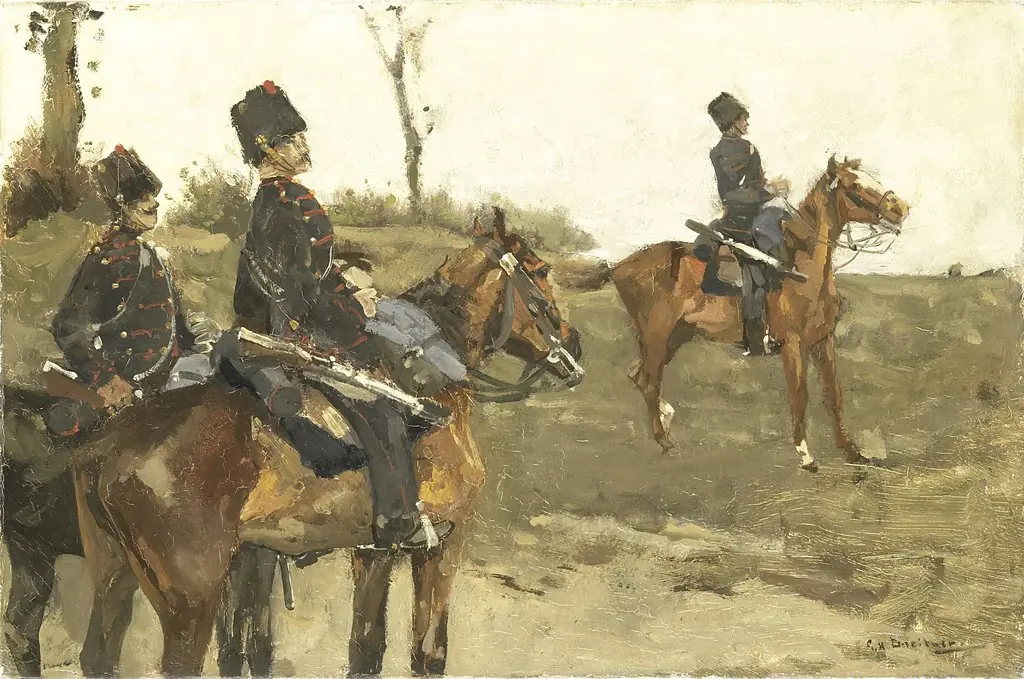 Hussars
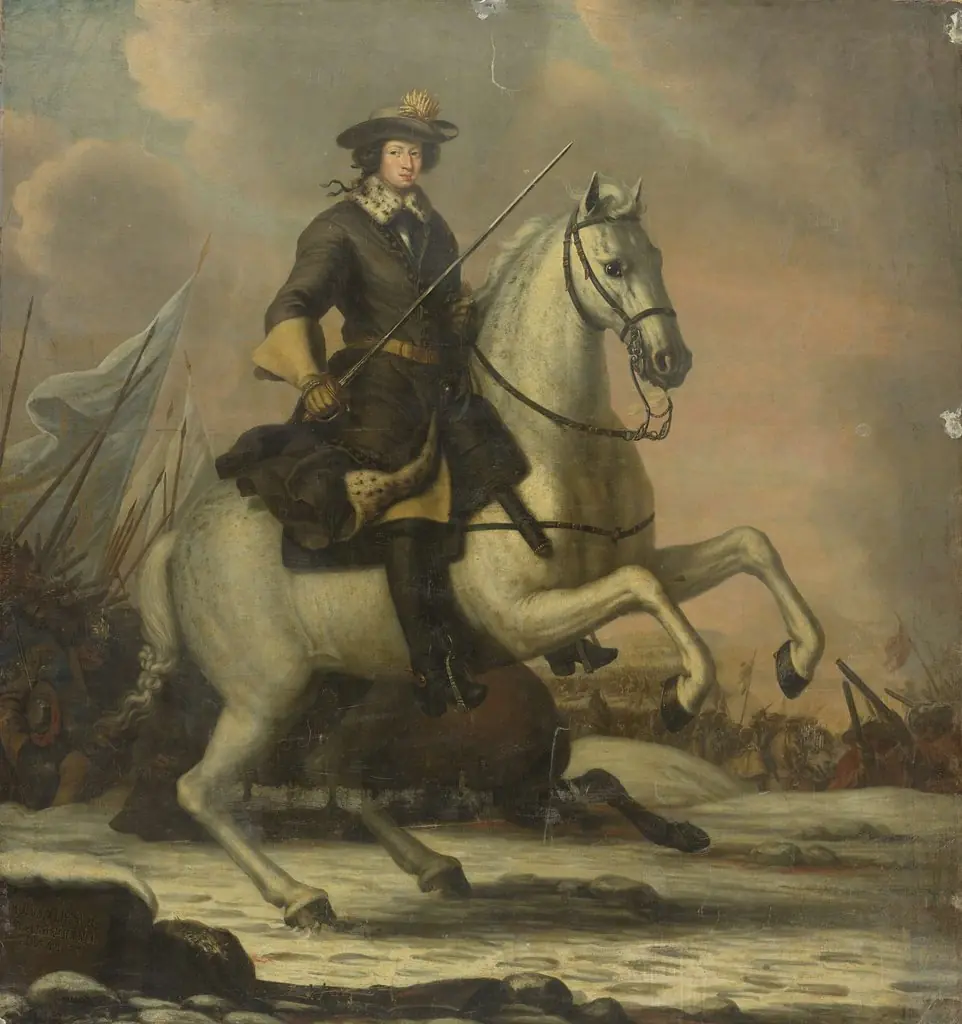 Karl XI (1665-1697), king of Sweden
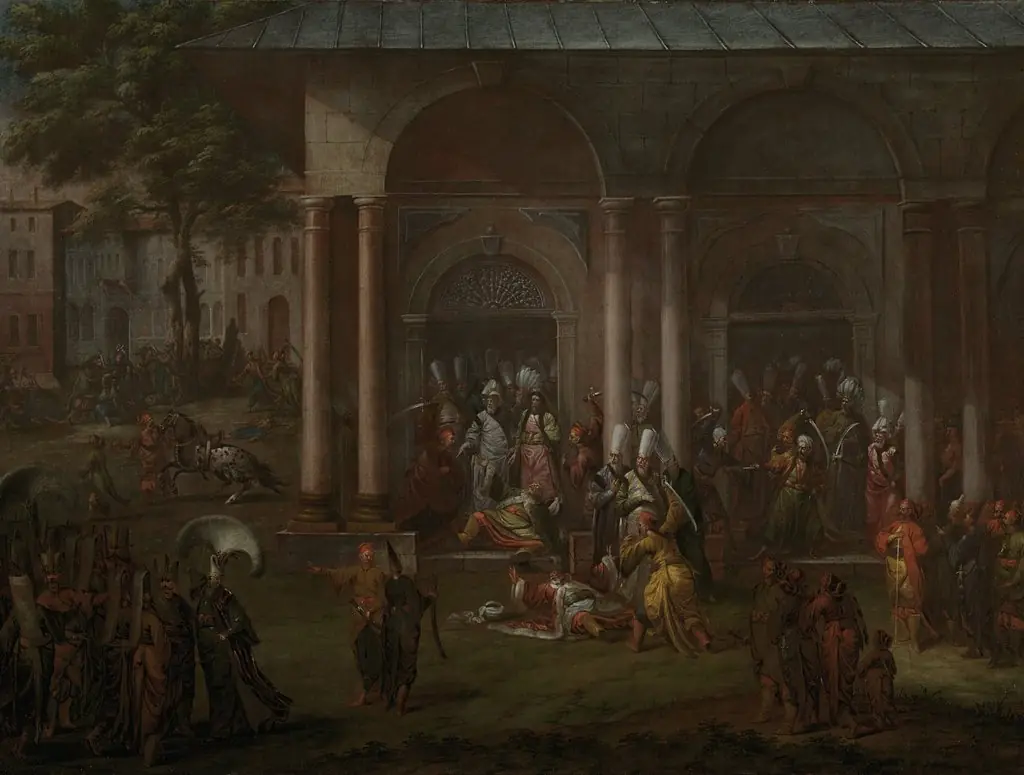 The Murder of Patrona Halil and his Fellow Rebels
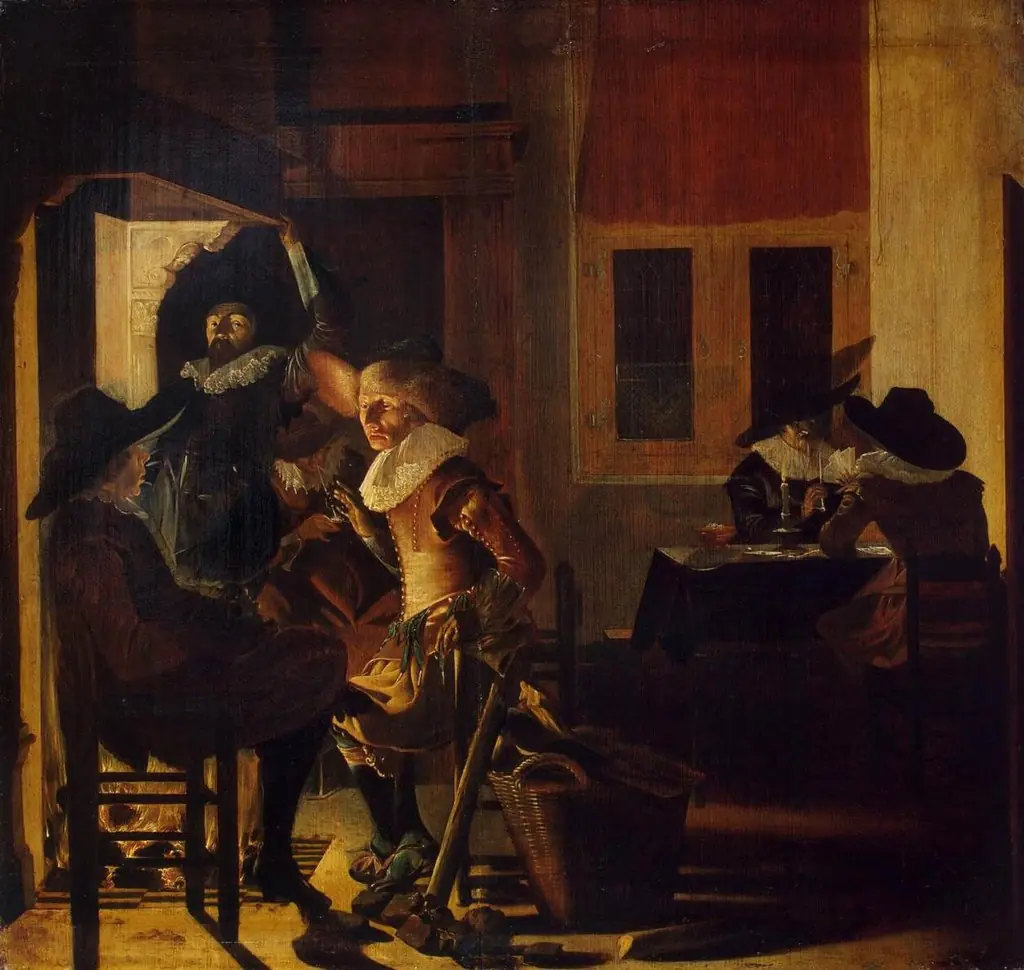 Soldiers Beside a Fireplace
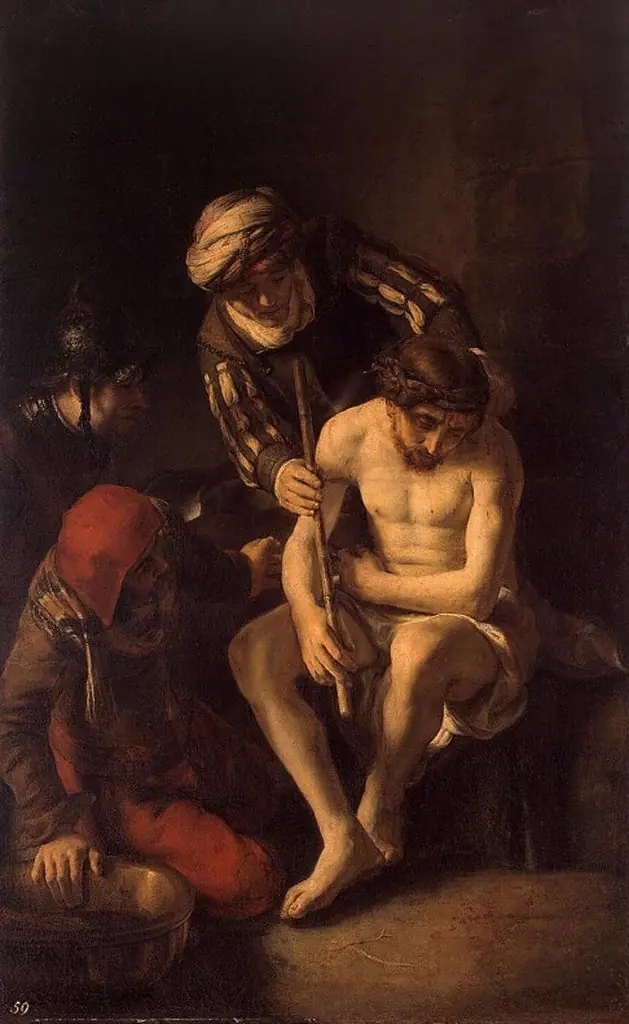 Mocking of Christ
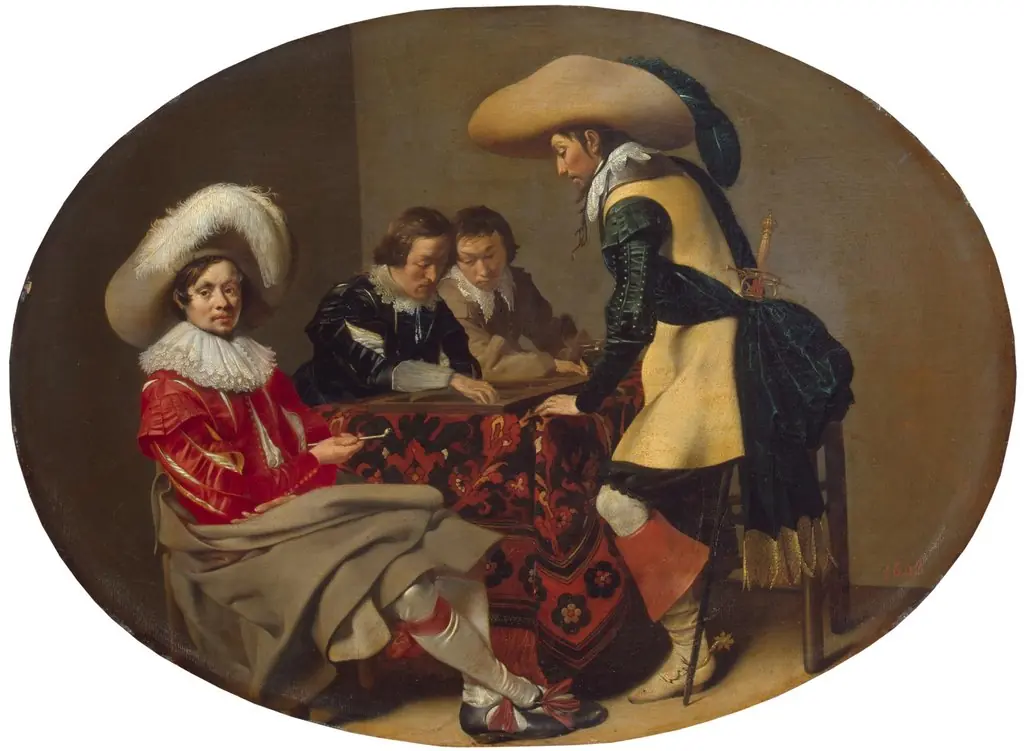 Tric-Trac Players
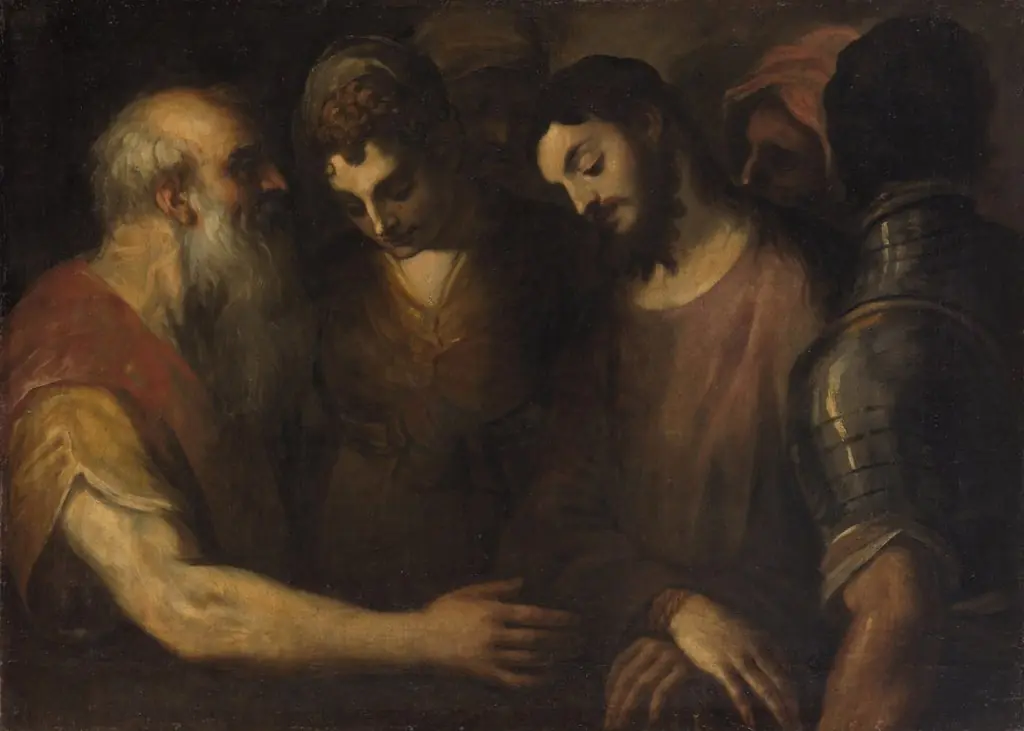 Christ before Pilate
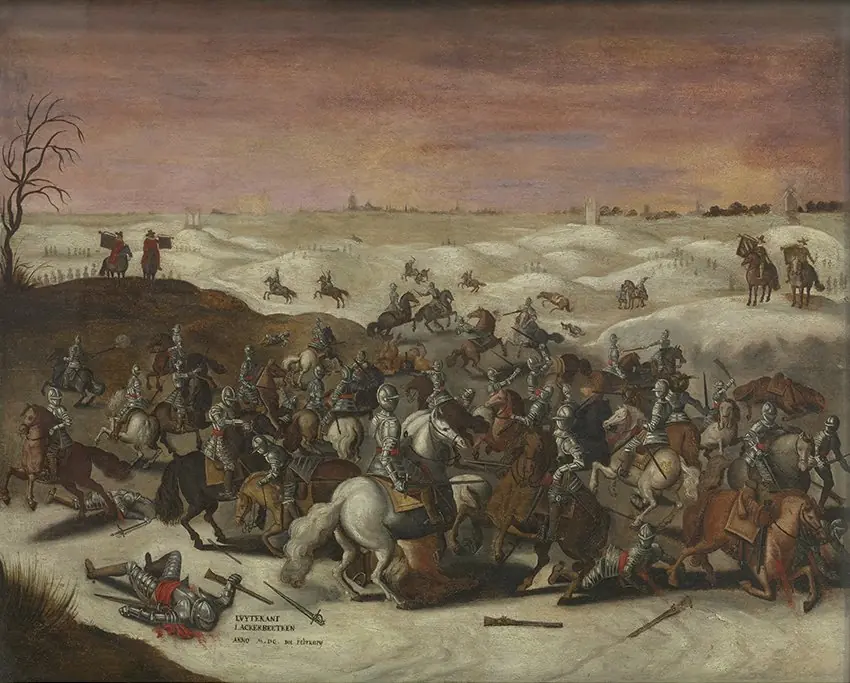 The Battle of Lekkerbeetje
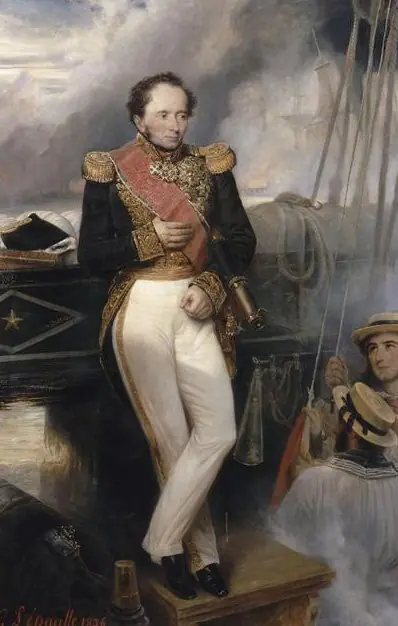 Henri Gauthier, count of Rigny, vice-admiral (1783-1835)
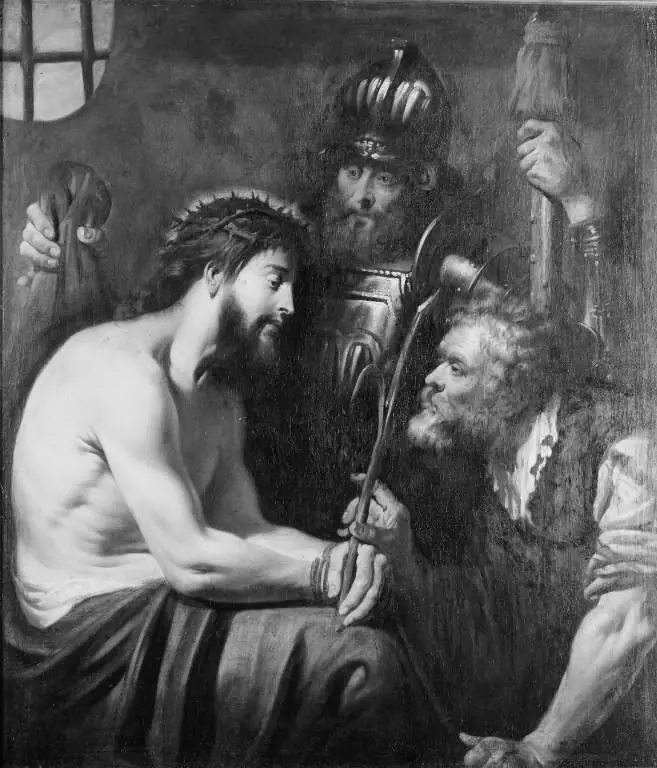 Kristi bespottelse
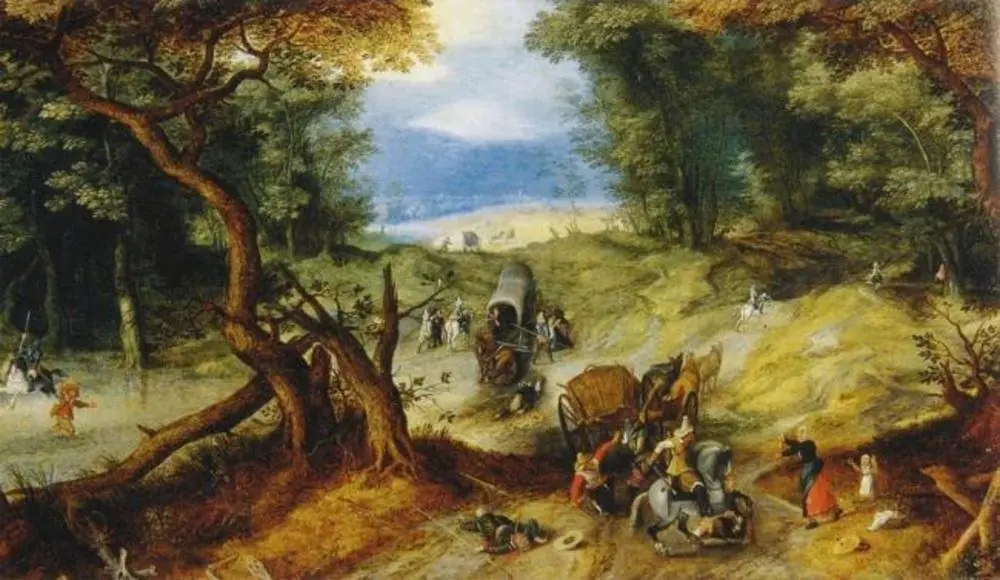 Wooded landscape with a robbery on a forestpath
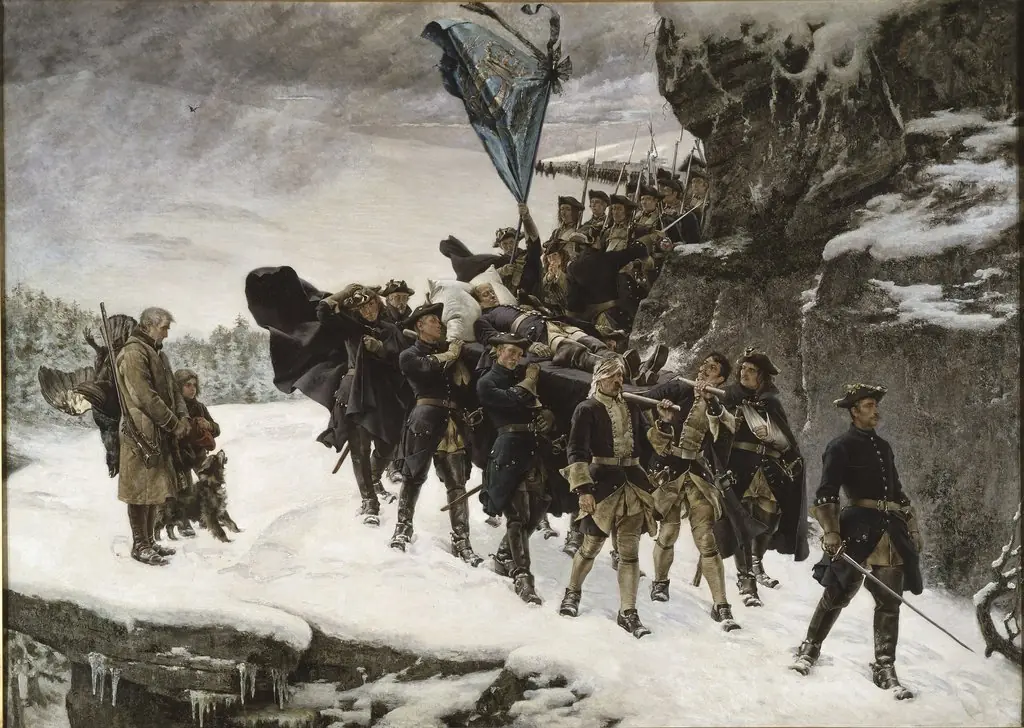 Bringing Home the Body of King Karl XII of Sweden
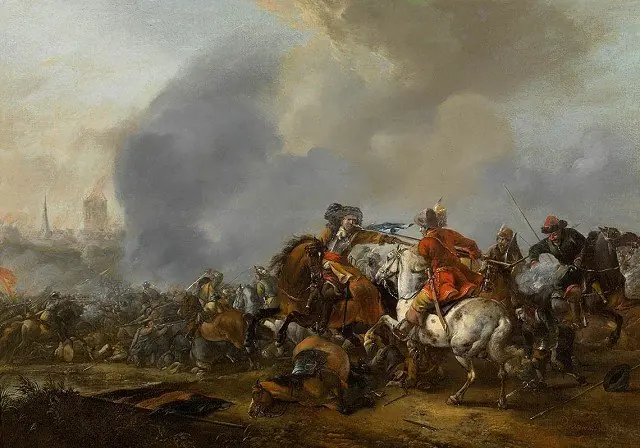 Cavalry Skirmish with Foot Soldiers
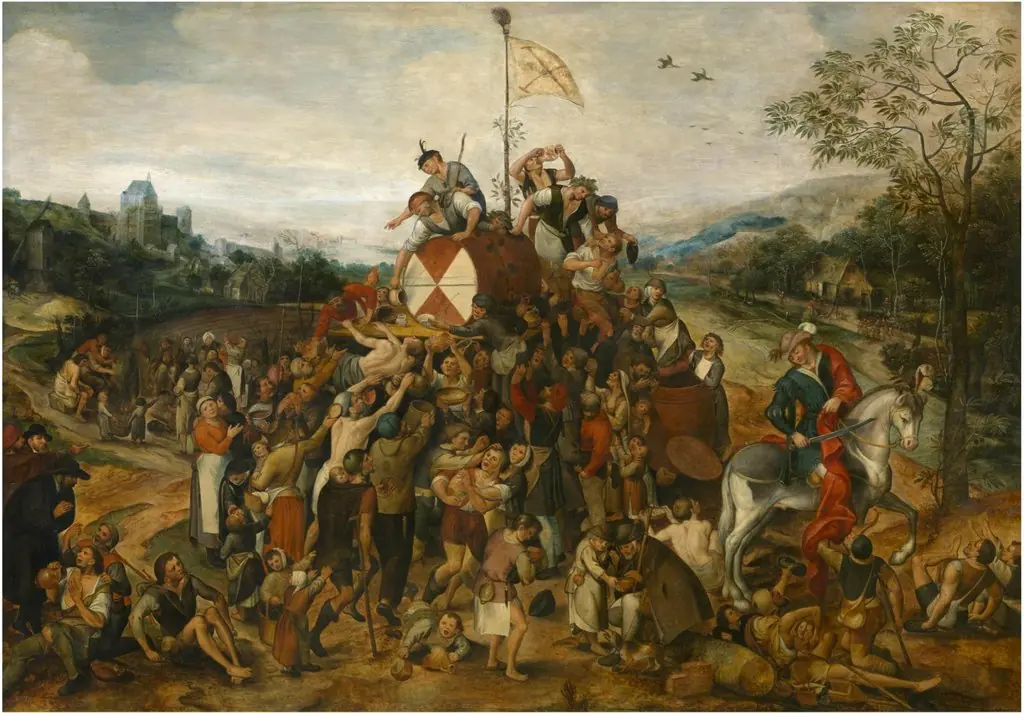 Saint Martin's Day
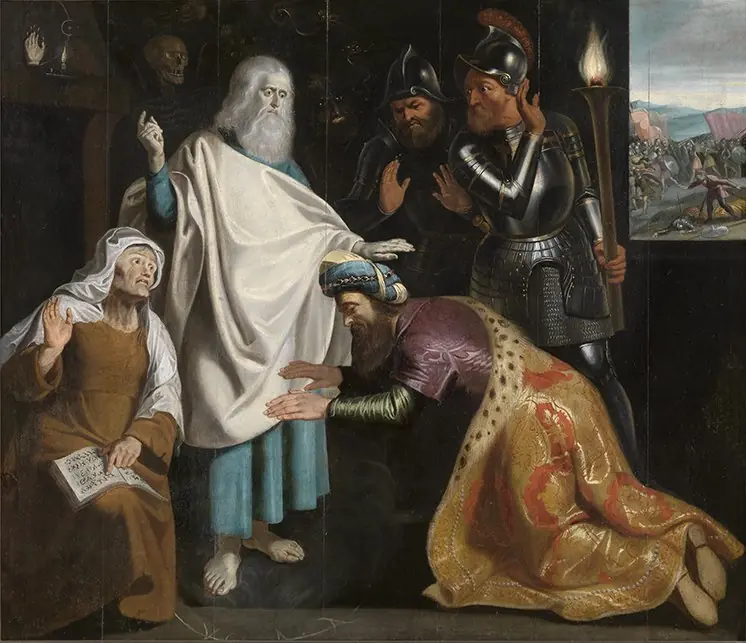 The ghost of Samuel appears to the witch of Endor; Saul falls prostrate to the ground (1 Samuel 28:3-20)
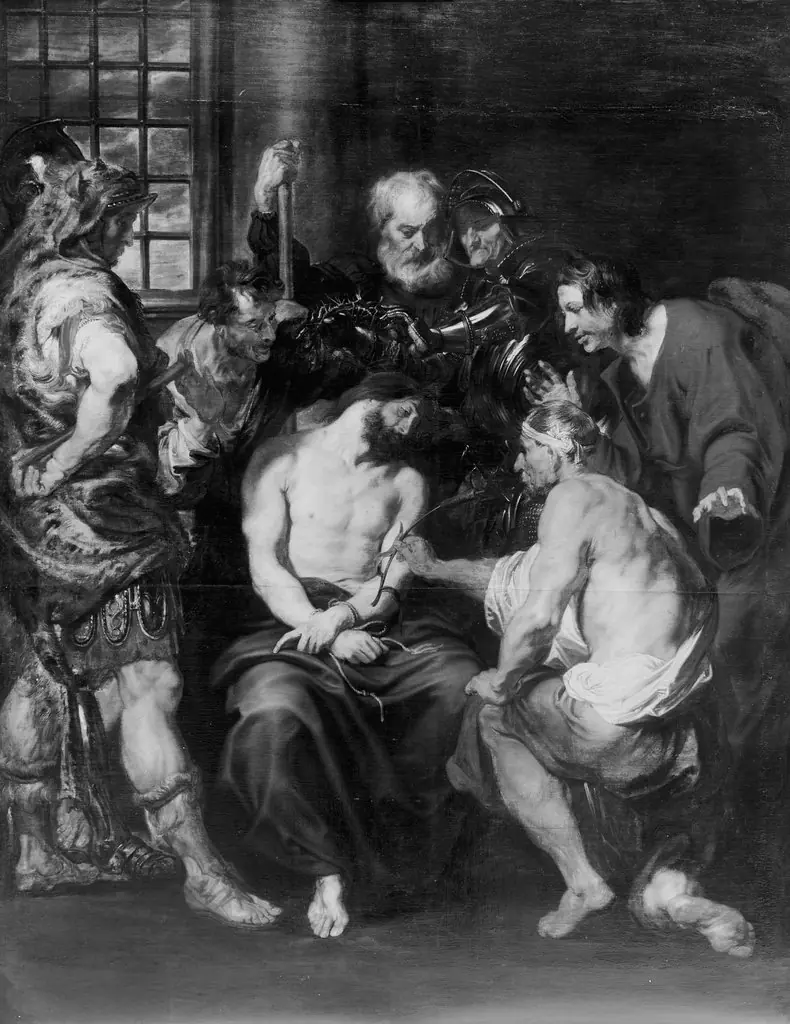 Christ is mocked by soldiers, c. 1618
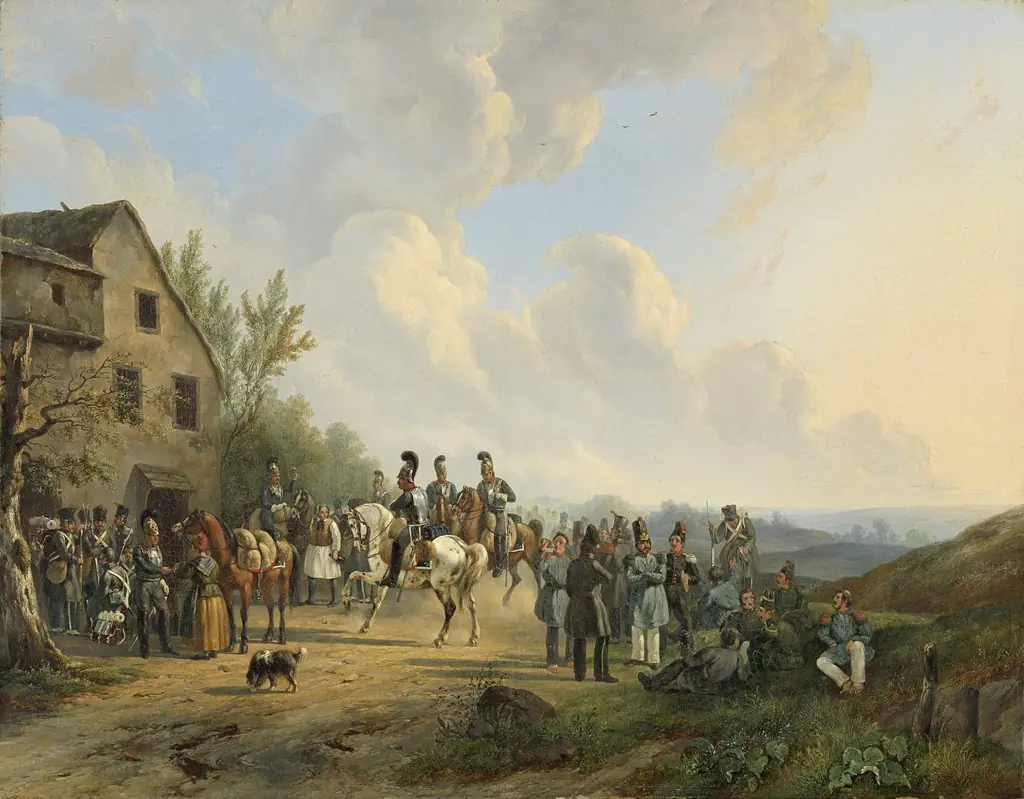 Scene from the Ten Days' Campaign against the Belgian Revolt, August 1831
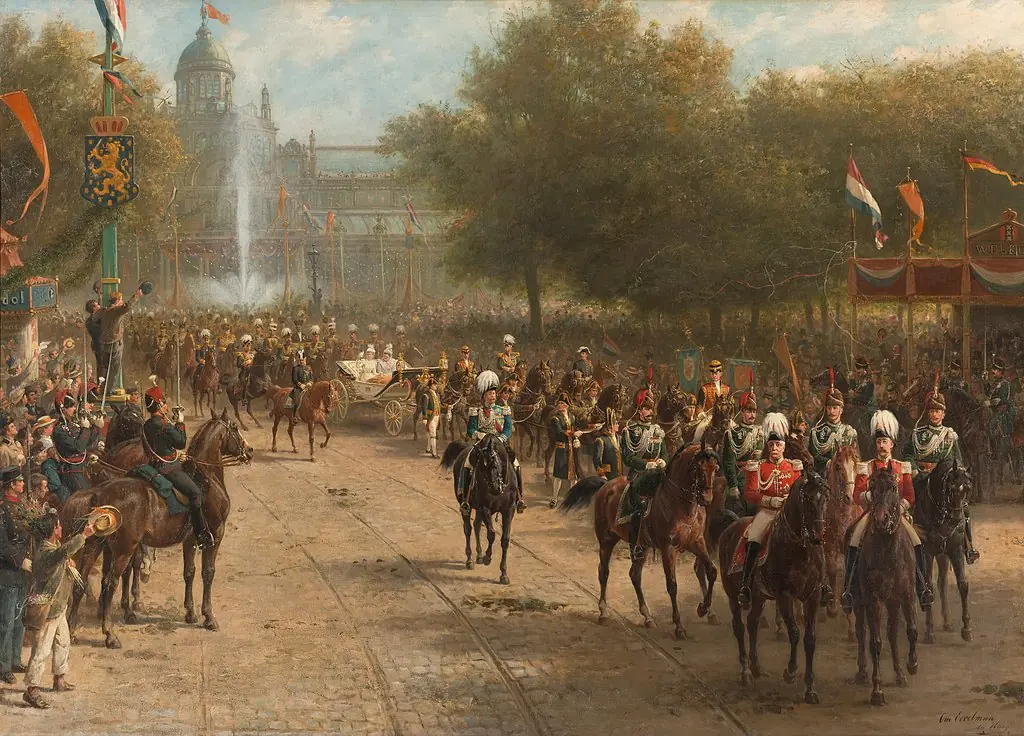 The Frederiksplein in Amsterdam during the arrival of Queen Wilhelmina, 5 September 1898
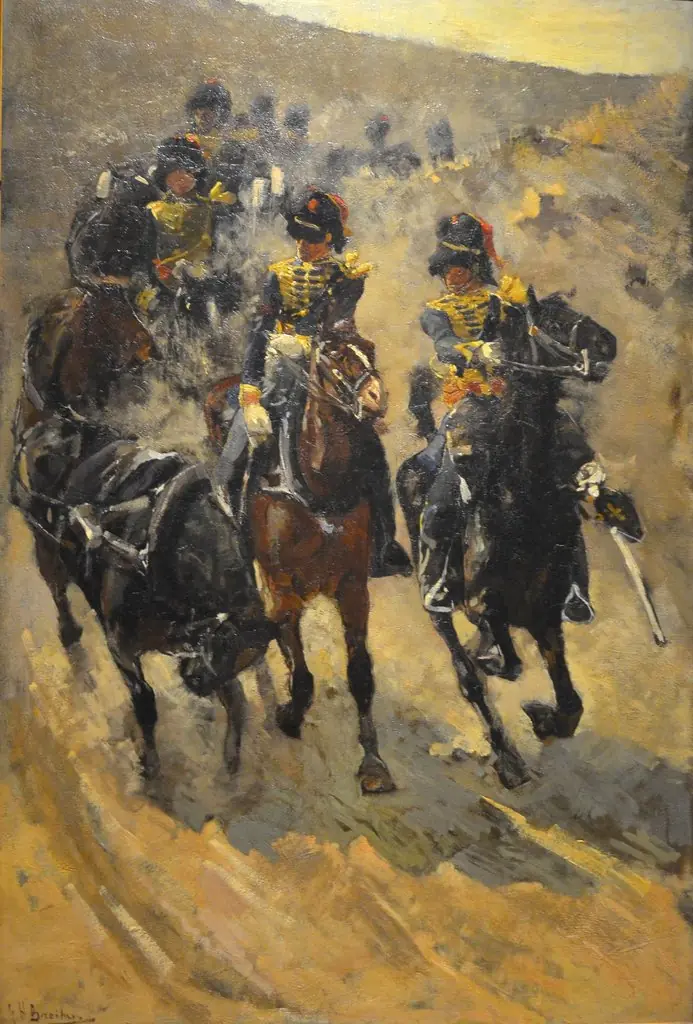 Rijdende artillerie
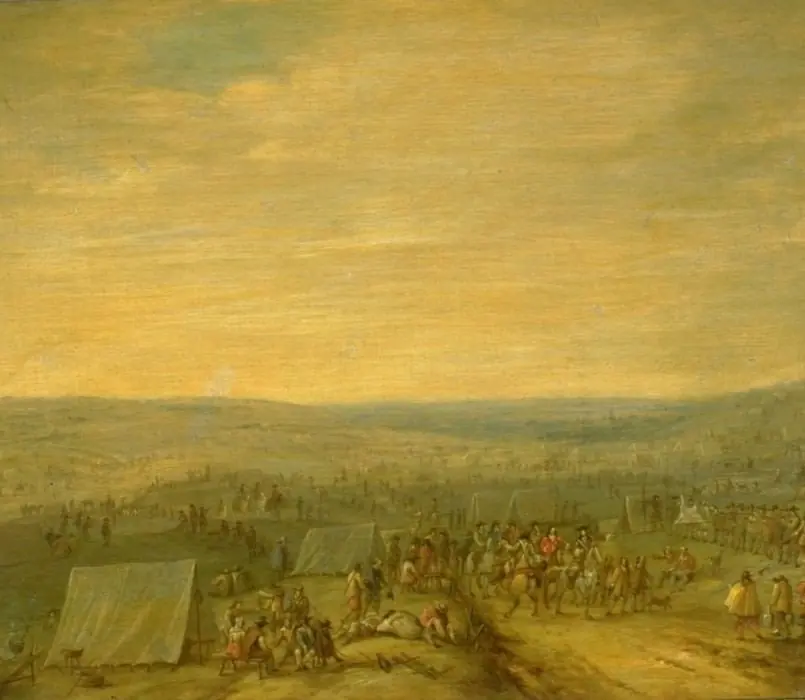 The Encampment
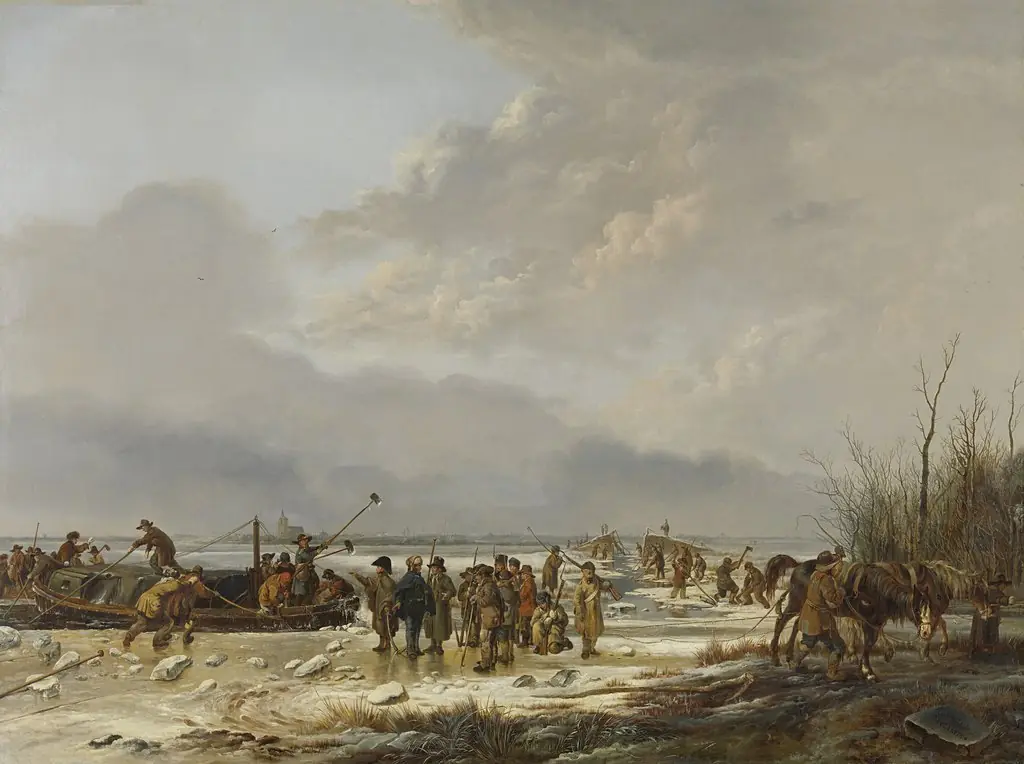 Breaking of the Ice on the Karnemelksloot near Naarden, January 1814
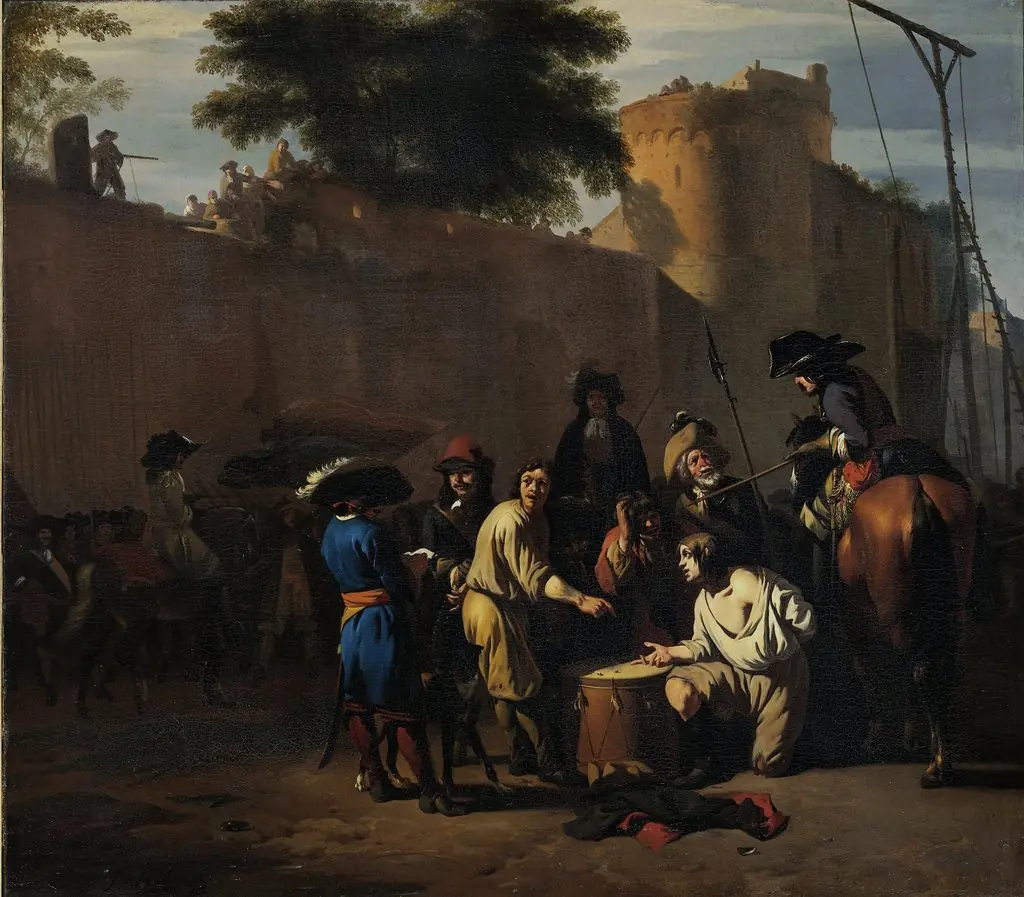 Casting the dice for life or death
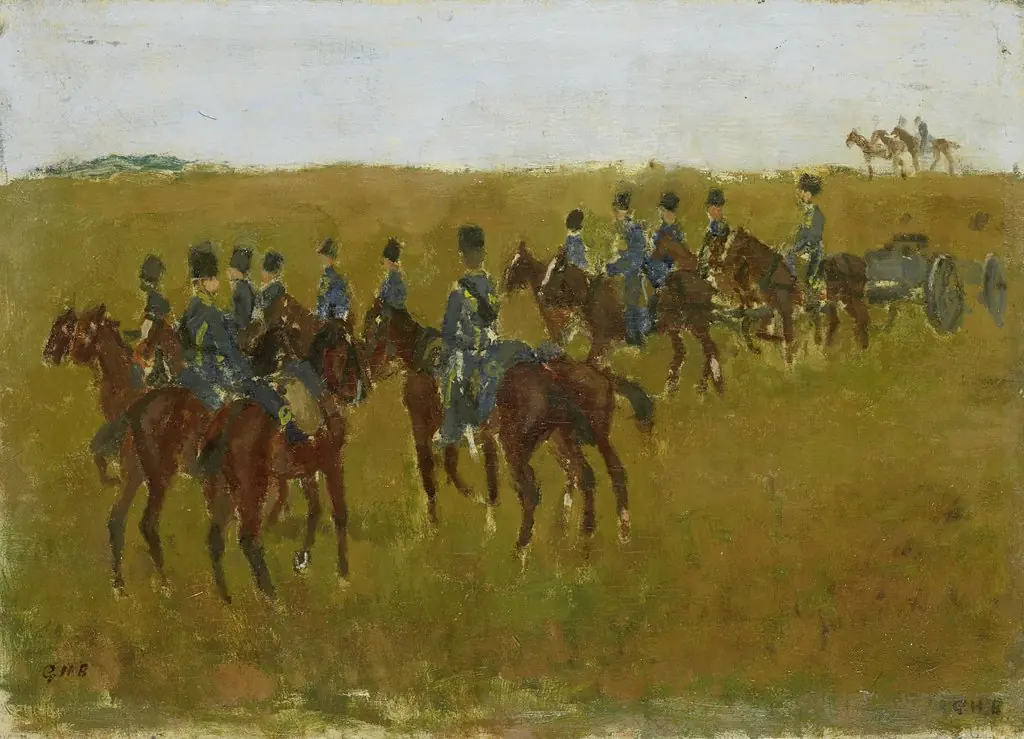 Artillery on Maneuver
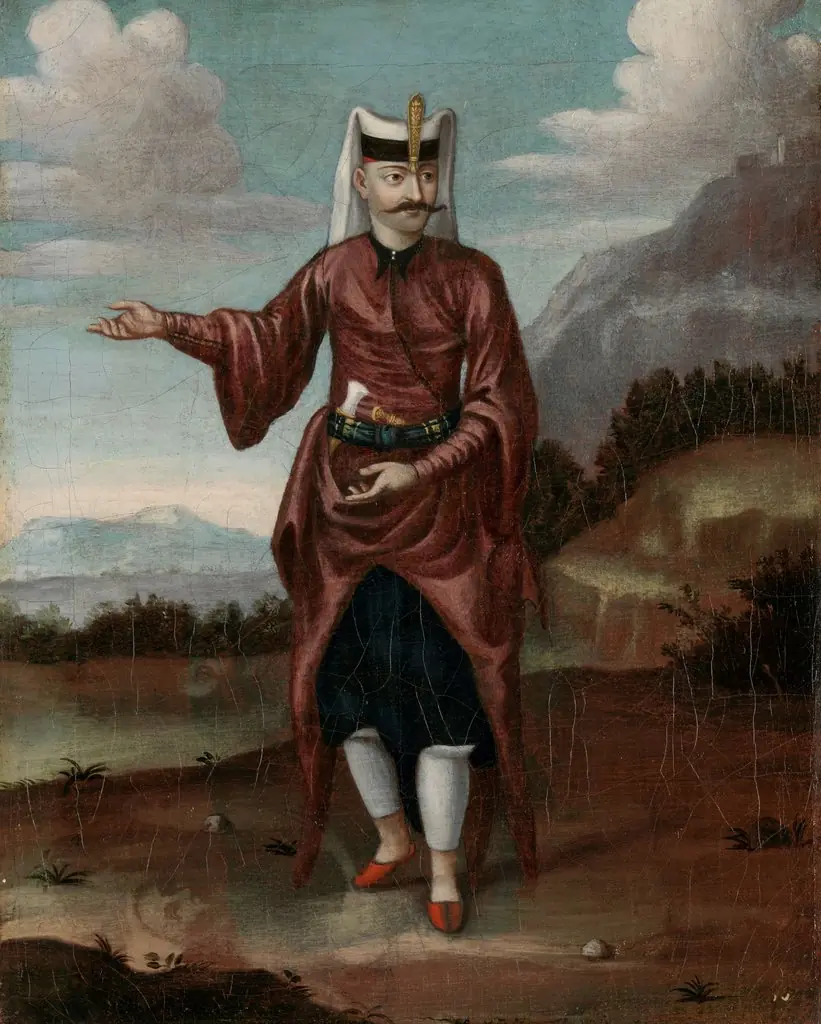 A Soldier of the Janissaries
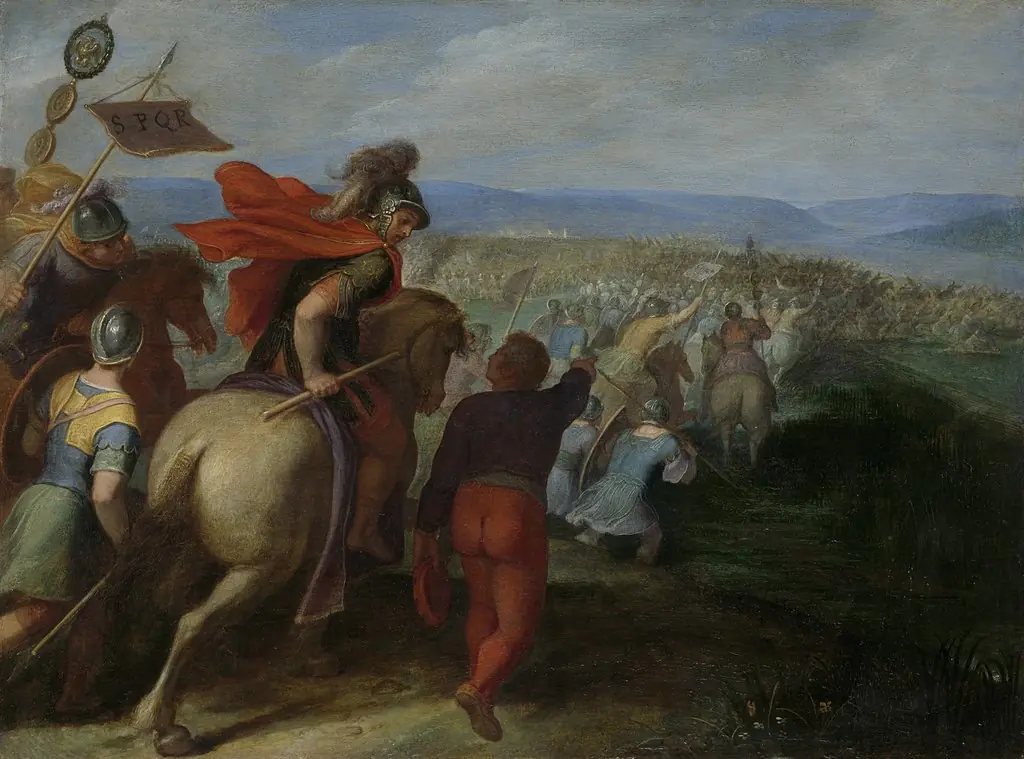 The Romans under Cerealis Defeat Claudius Civilis and the Batavians following betrayal from within
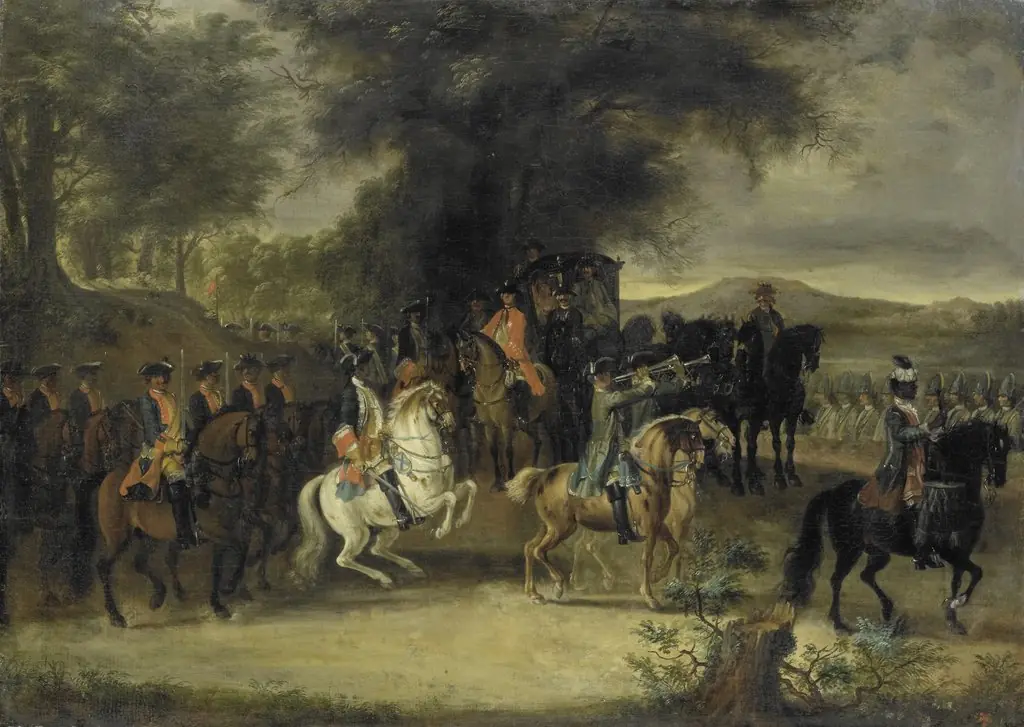 Inspection of a Cavalry Regiment, perhaps by William of Hesse-Homburg
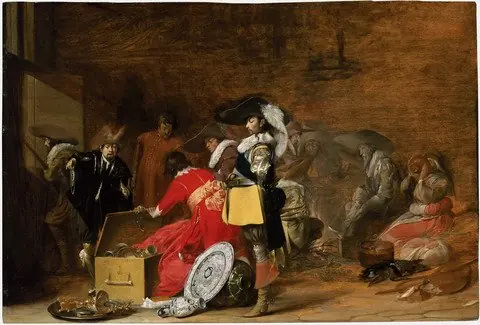 Soldiers Dividing Booty in a Barn
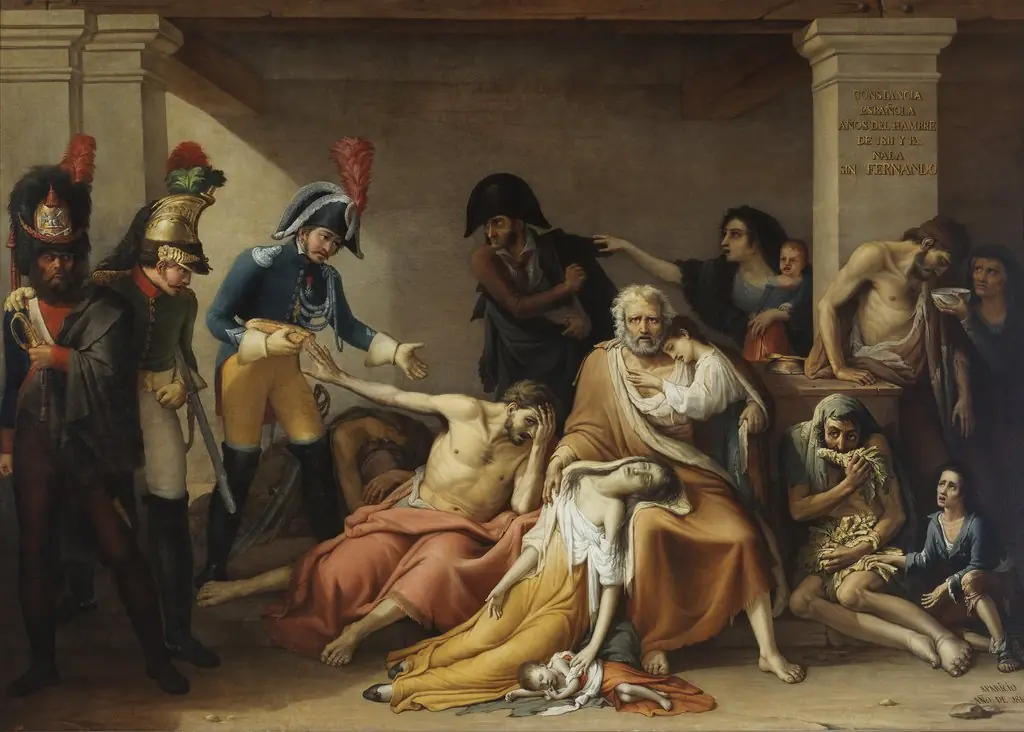 El año del hambre de Madrid
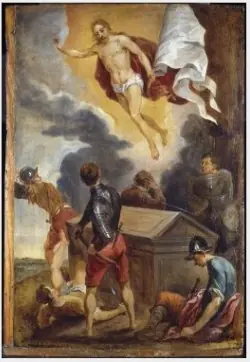 The Resurrection
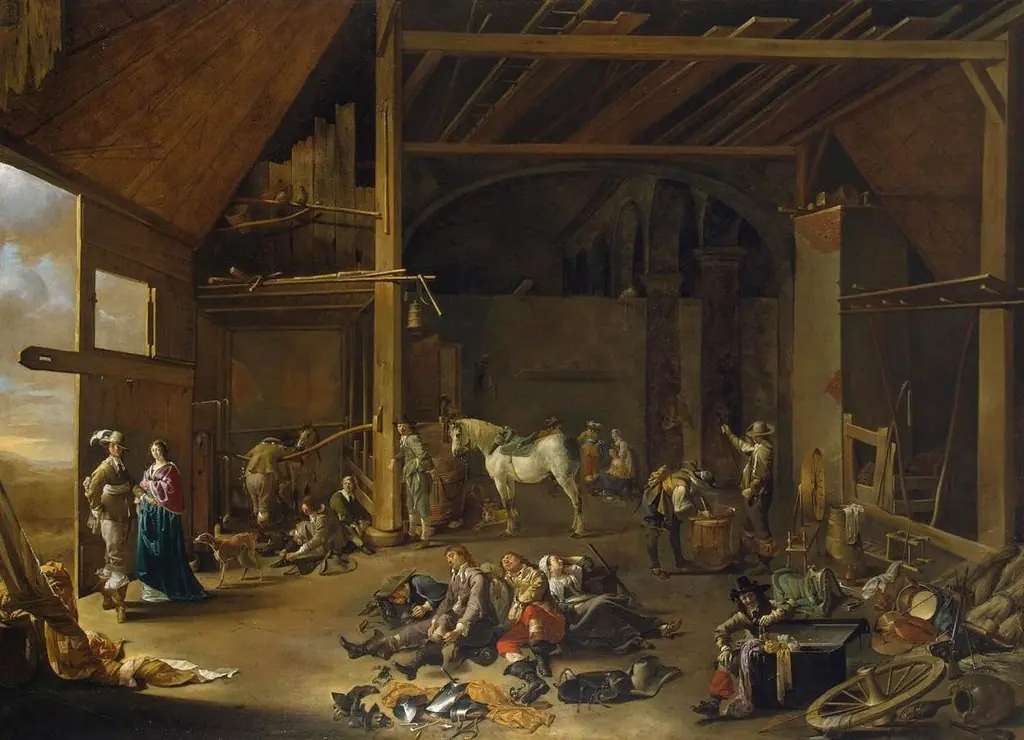 Soldier's Rest
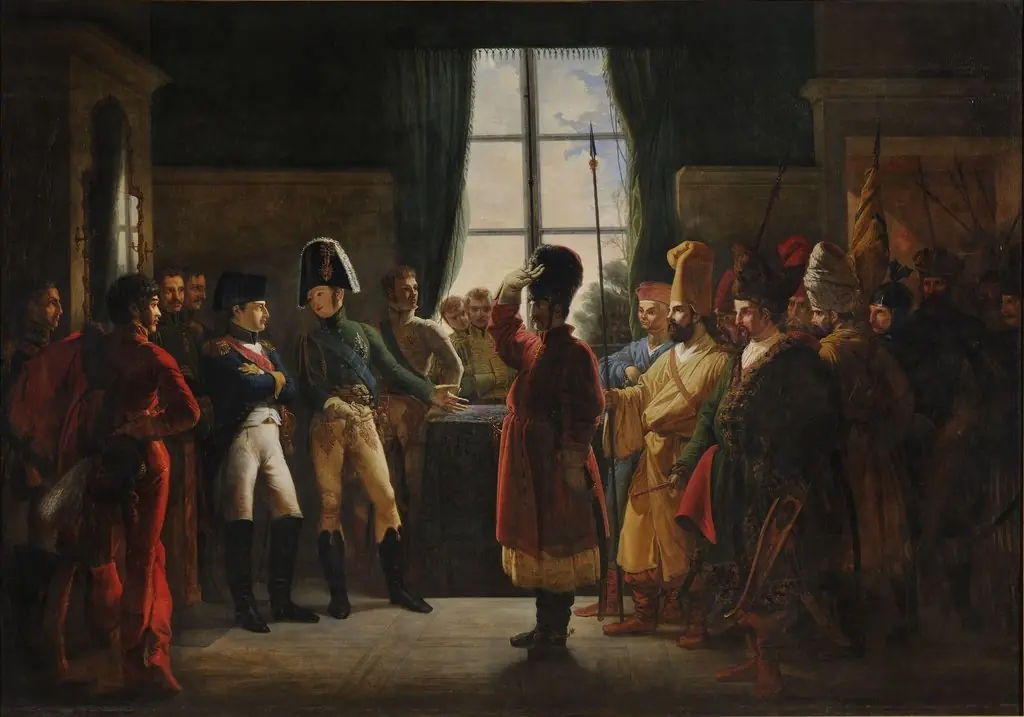 Alexander I presents to Napoleon I the Kalmyks, Cossacks and Baskirs of the Russian army, July 9, 1807
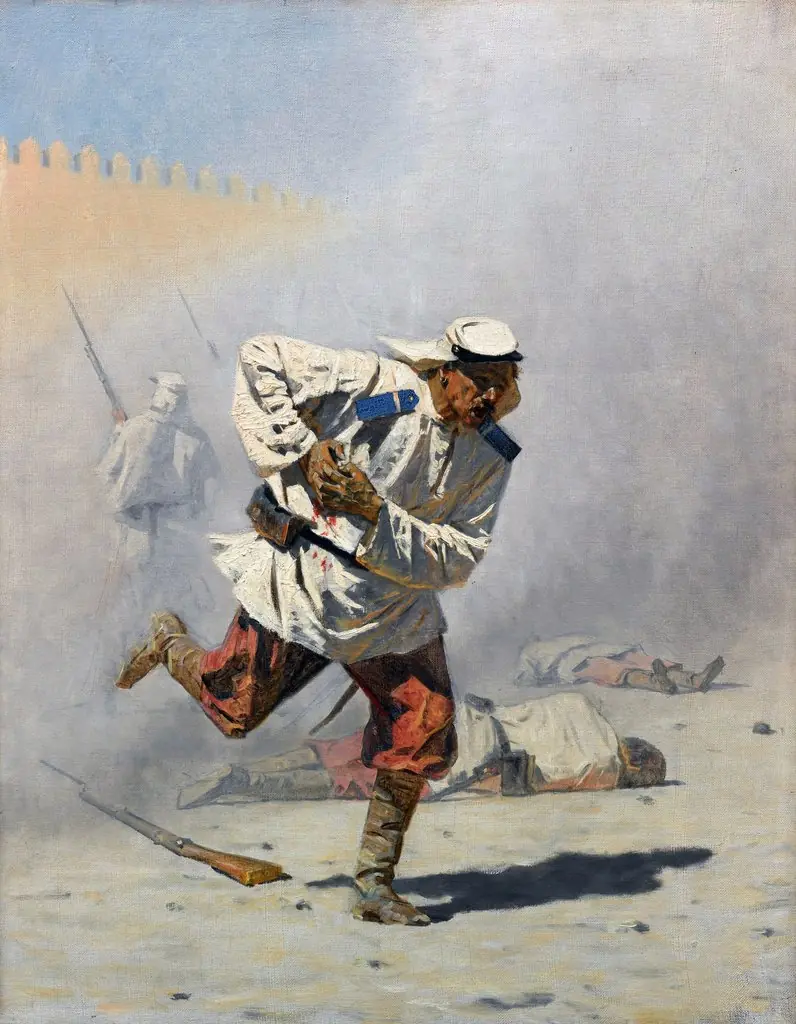 Mortally wounded
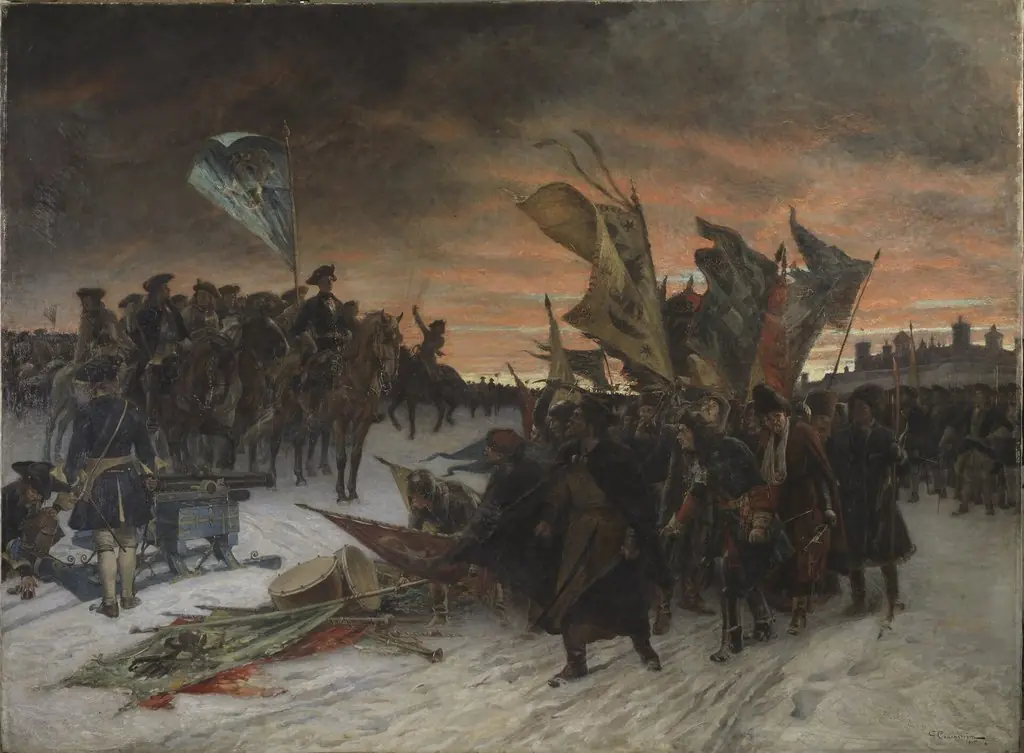 Victory at Narva
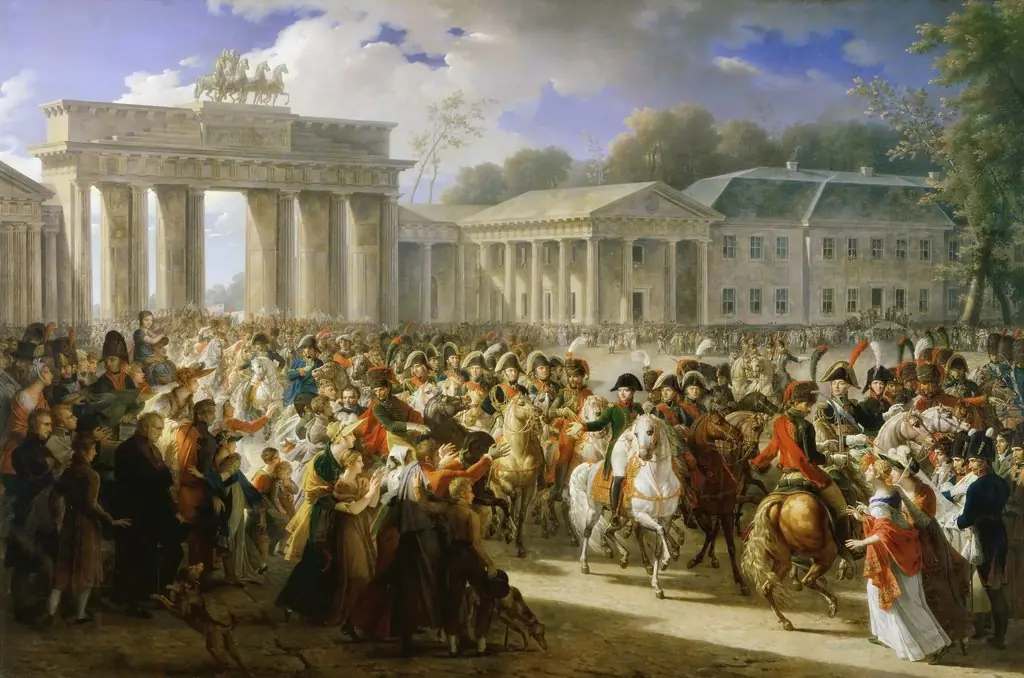 Entry of Napoleon I into Berlin, 27th October 1806
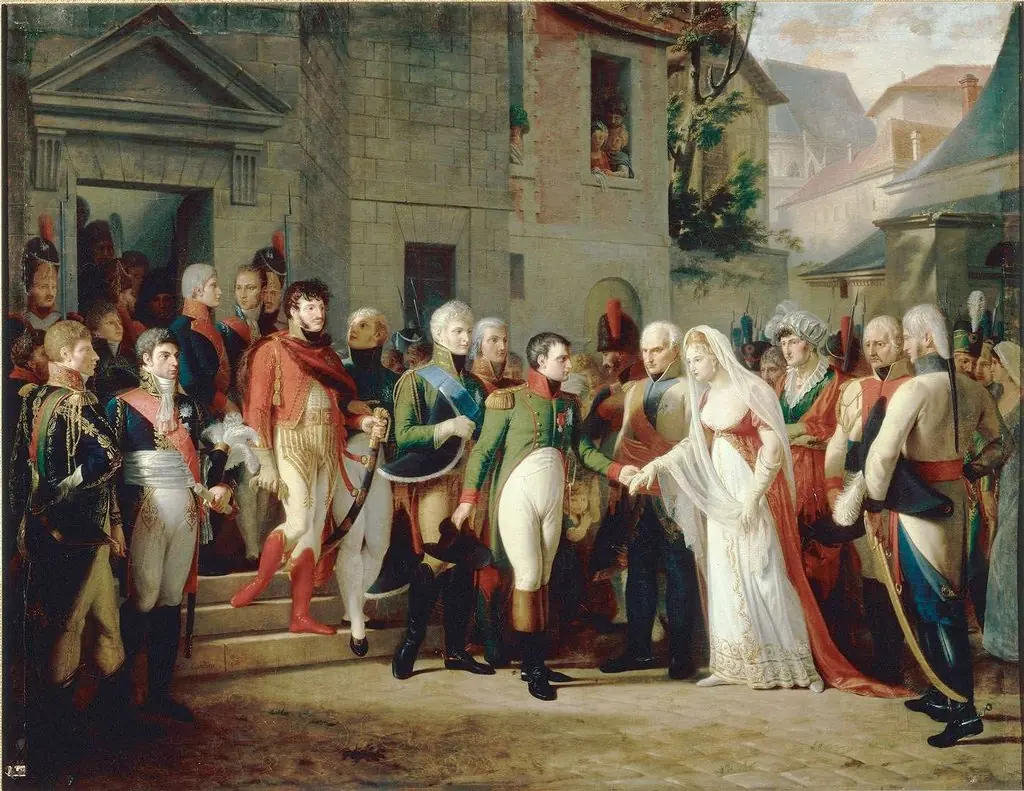 Napoleon I receives the Queen of Prussia in Tilsitt
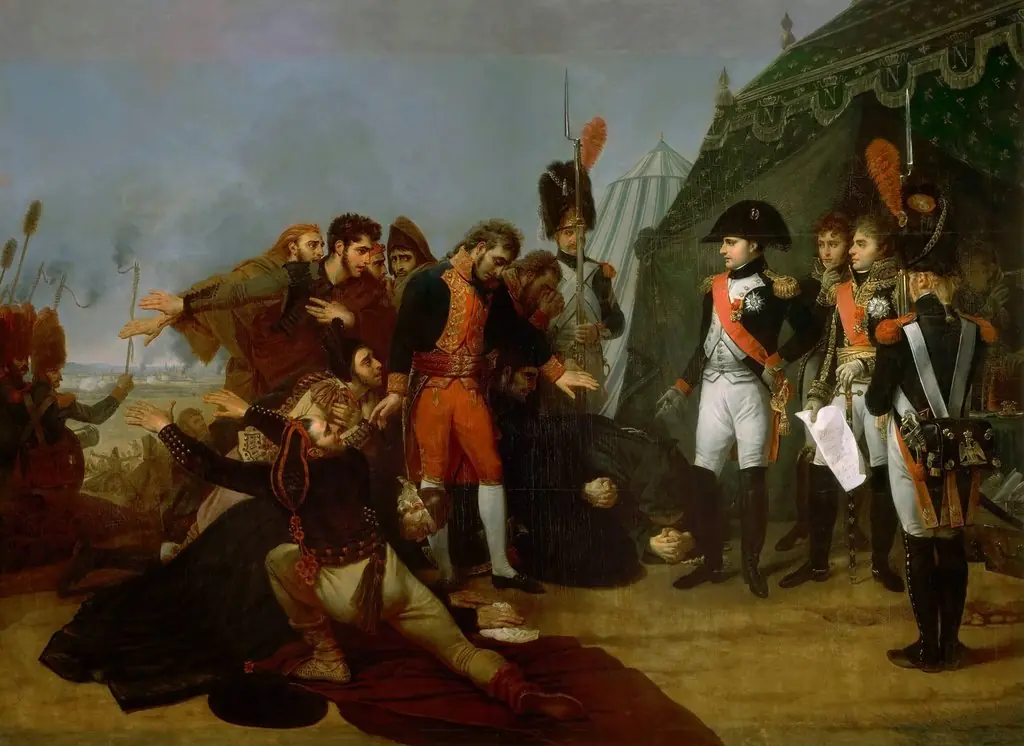 Napoleon accepts the surrender of Madrid, 4 December 1808
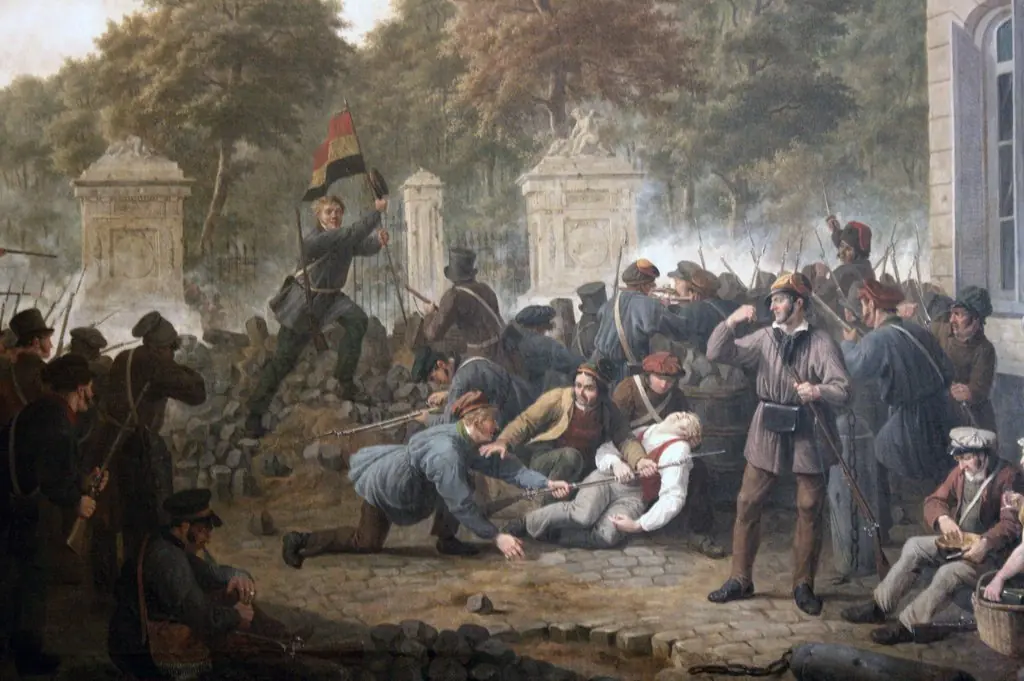 Scene of the Belgian Revolution
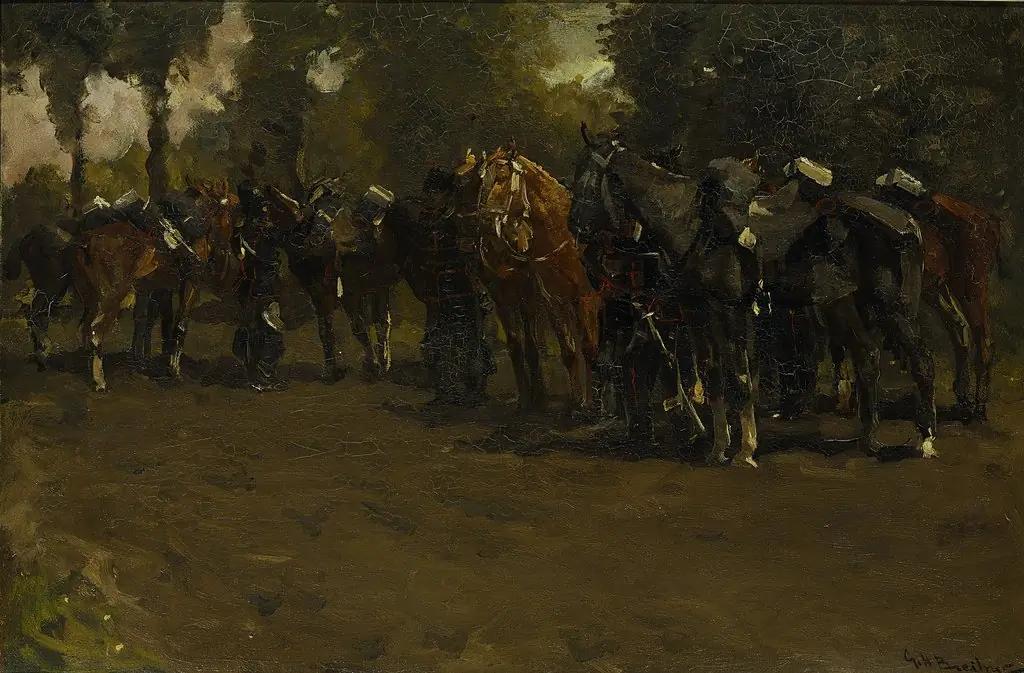 Resting Calvary
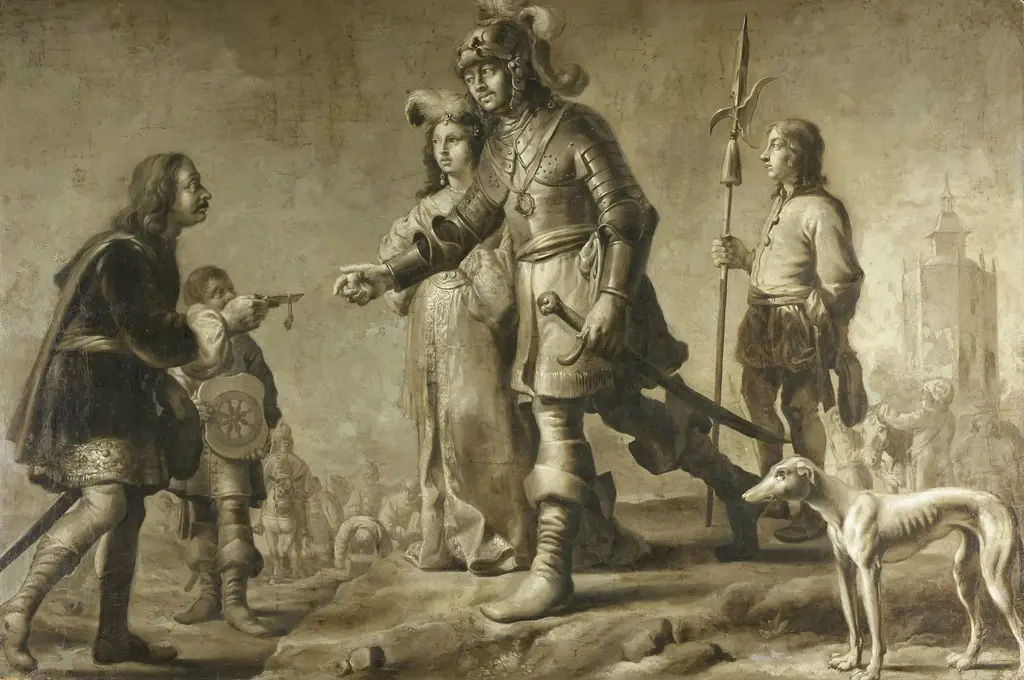 Boudewijn van Heusden (?-870) and his wife Sophia receiving homage from the legate of King Edmund
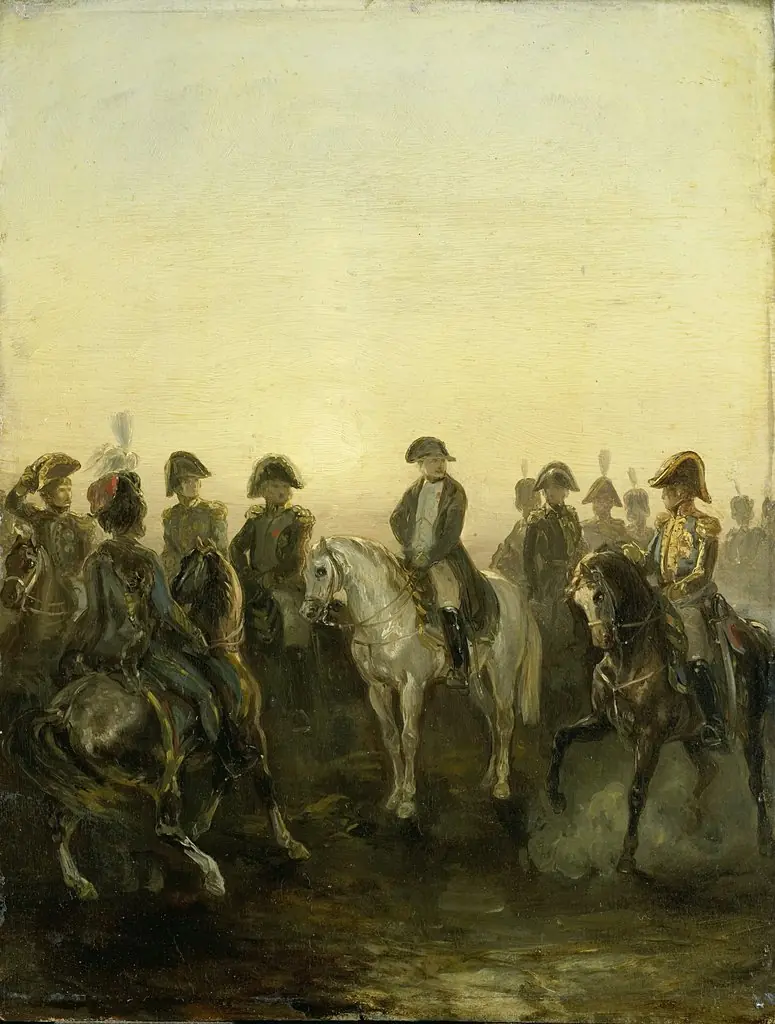 Napoleon with his Staff
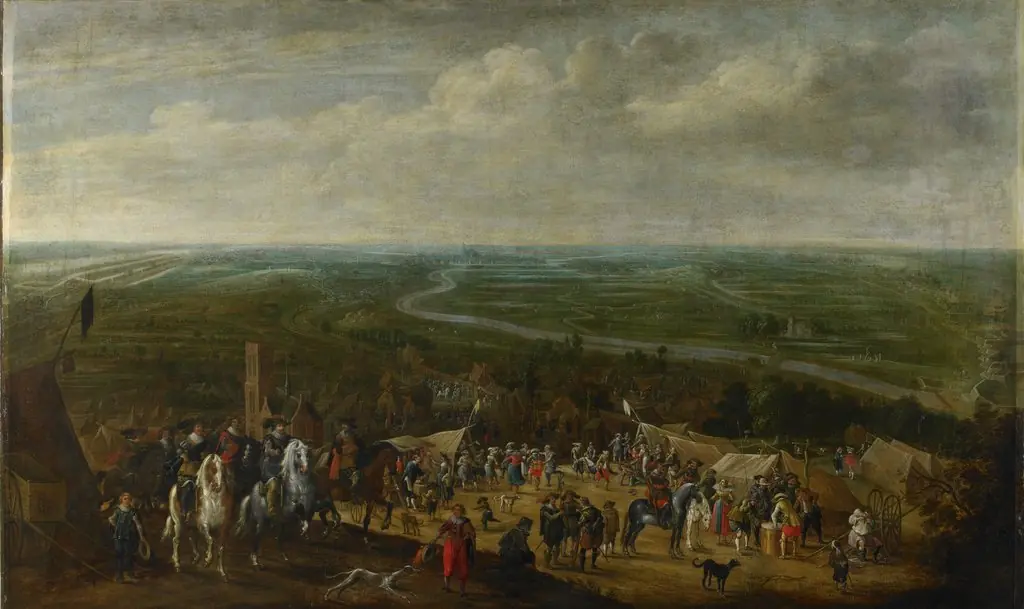 Prince Frederik Hendrik at the siege of 's-Hertogenbosch, 1629
 The Curious Cow
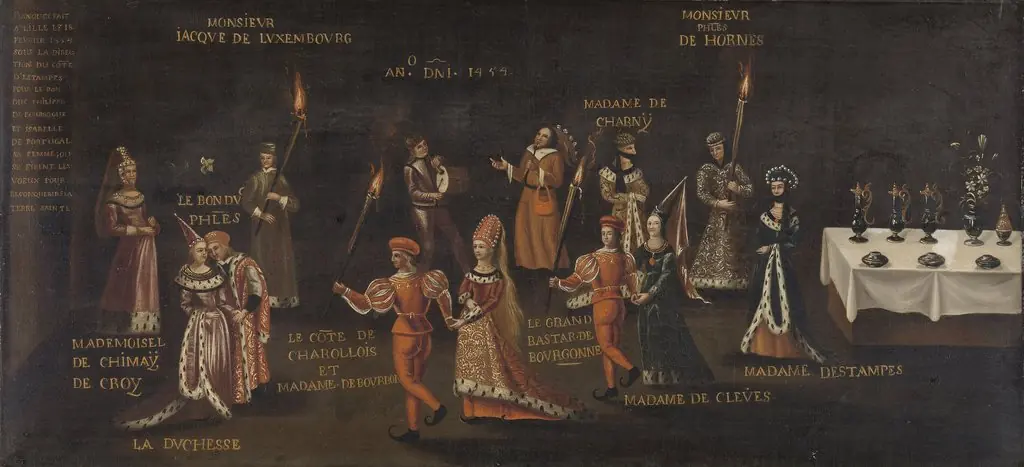 Vow of the Pheasant (Philip the Good and Isabella at the Feast of the Pheasant in Lille in 1454)
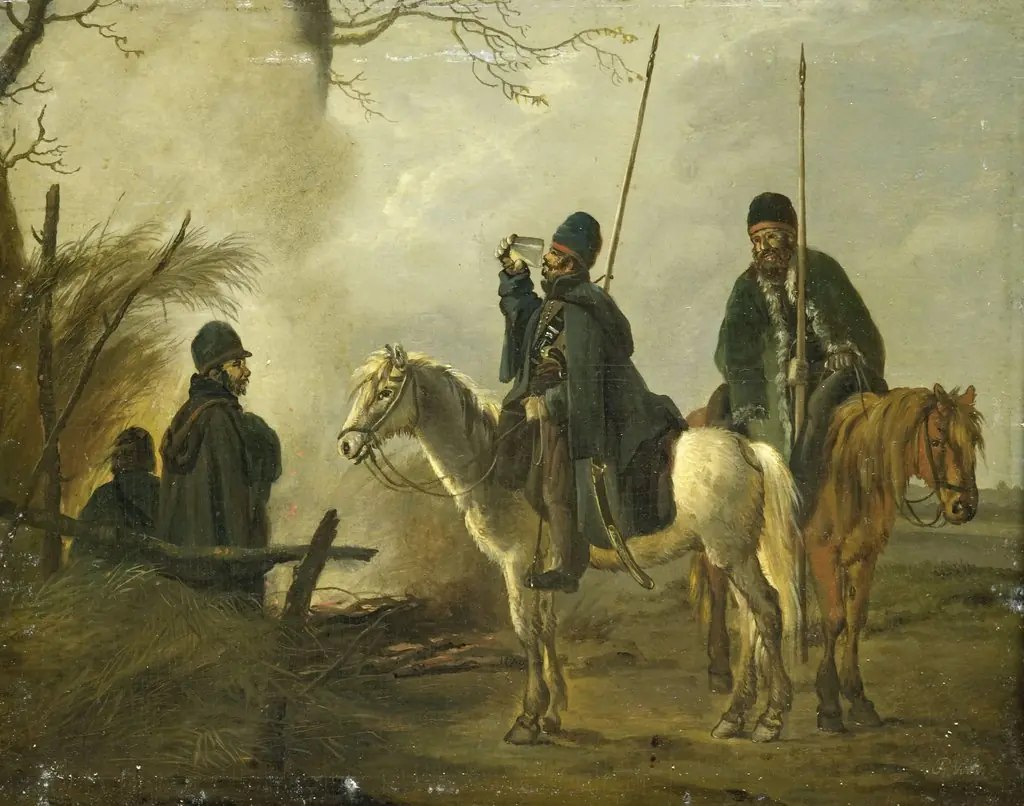 Cossack Outpost in 1813
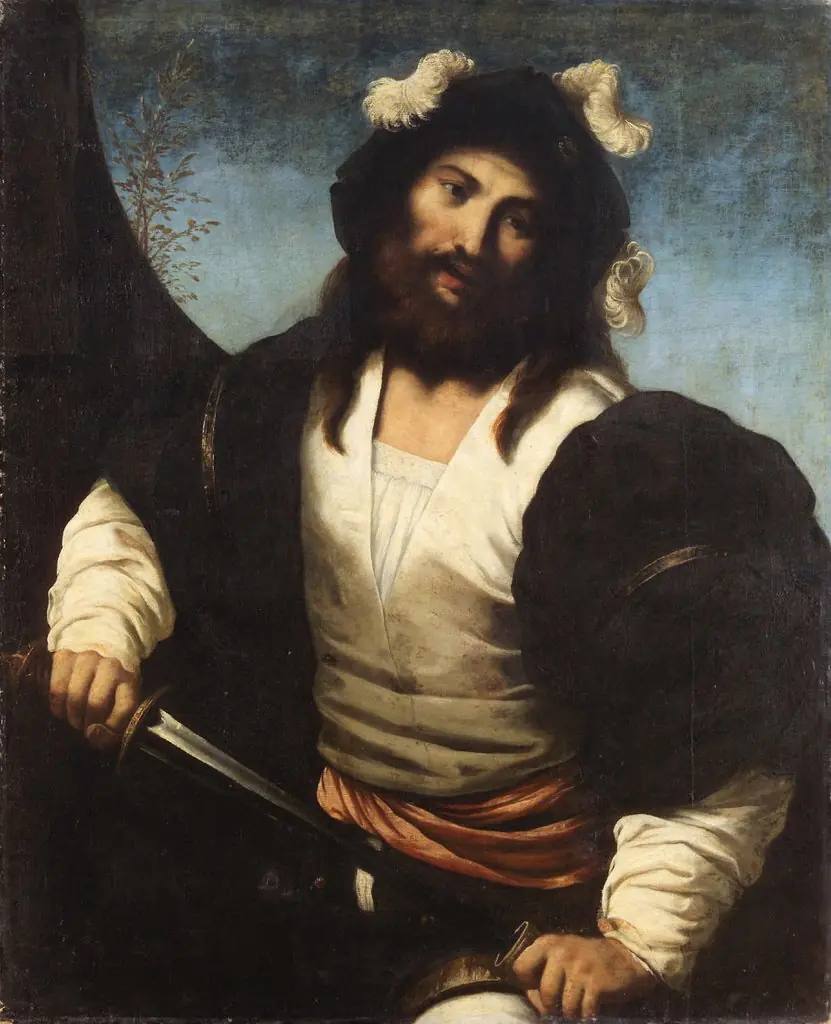 Warrior
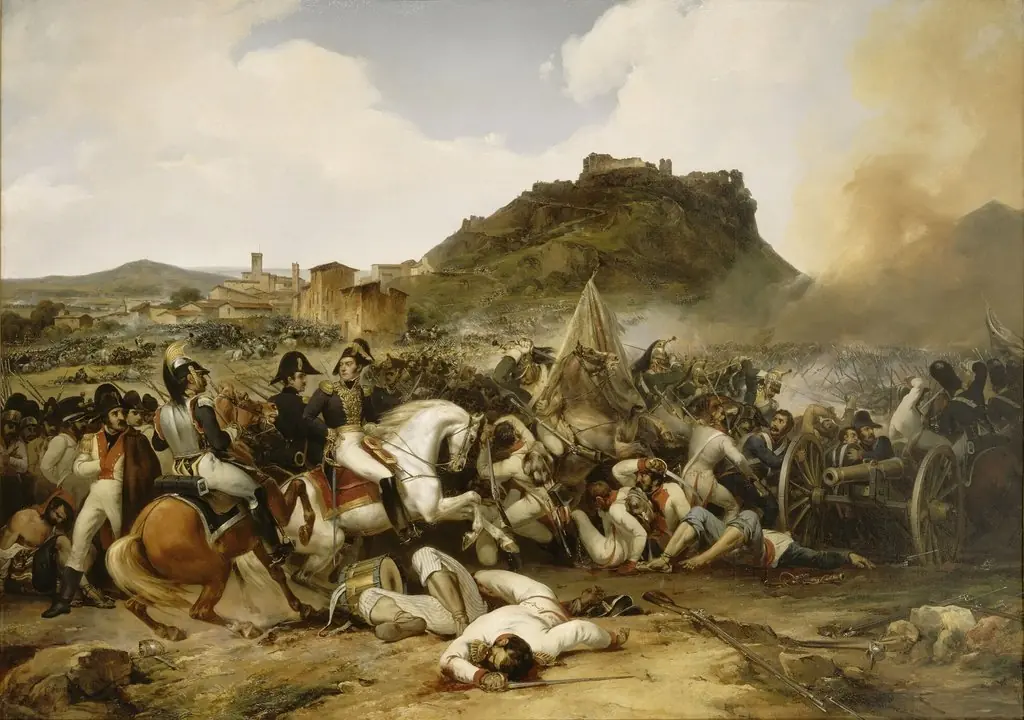 Battle of Castalla, July 21, 1812
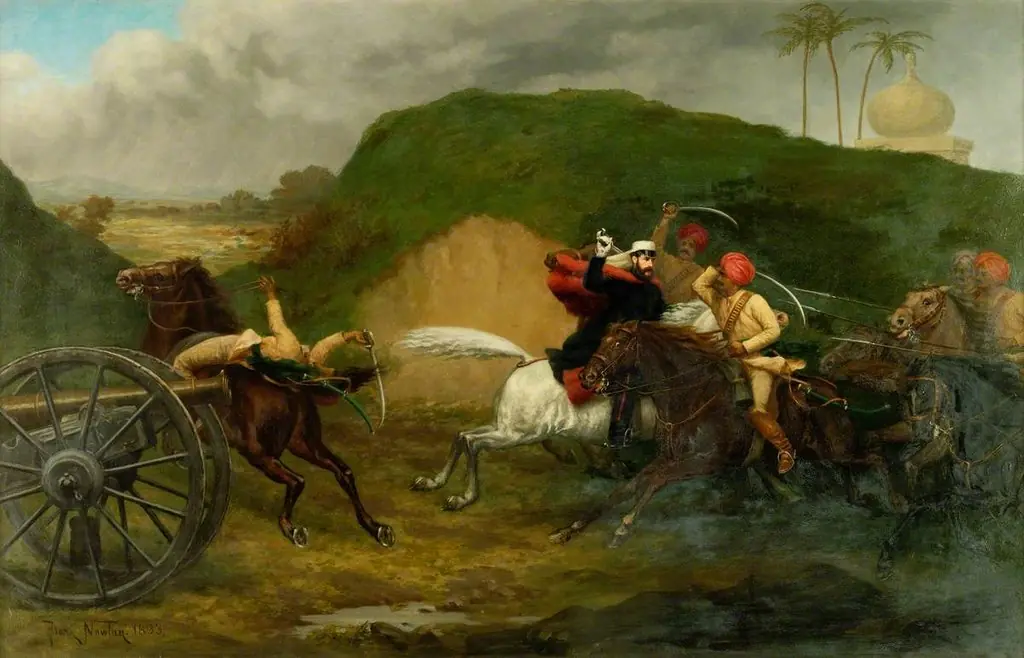 James Hill Johnes, VC, Attacking the Enemy
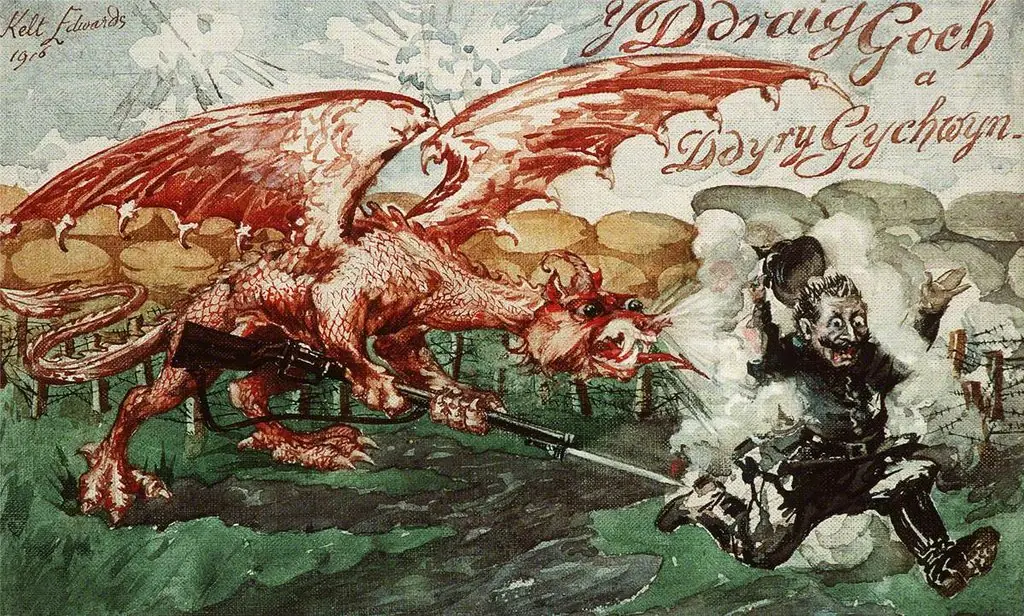 Y Ddraig Goch a Ddyry Gychwyn
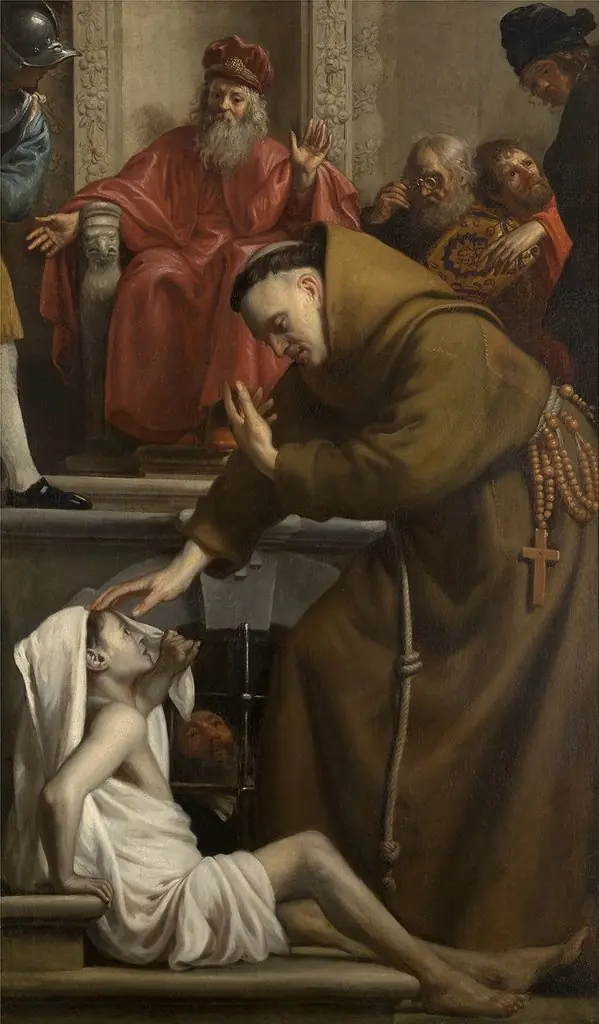 Saint Antony raising a Man from the Dead
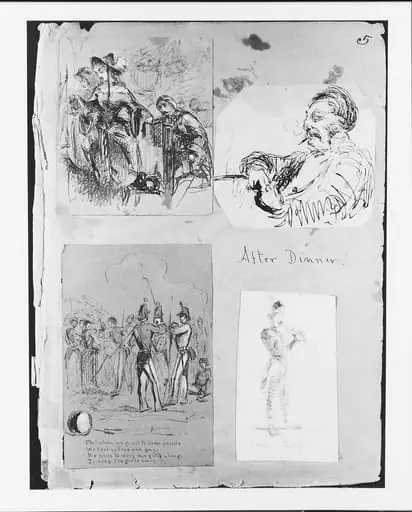 Church Scene (from Sketchbook)
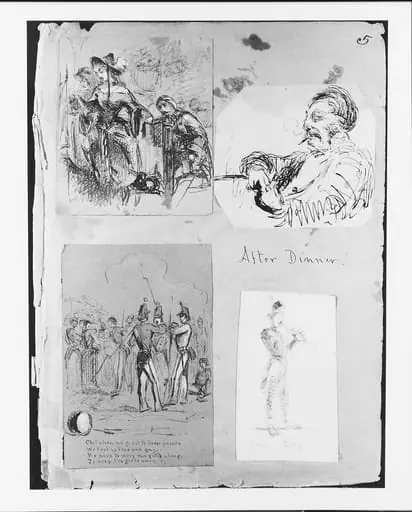 Dress Parade (from Sketchbook)
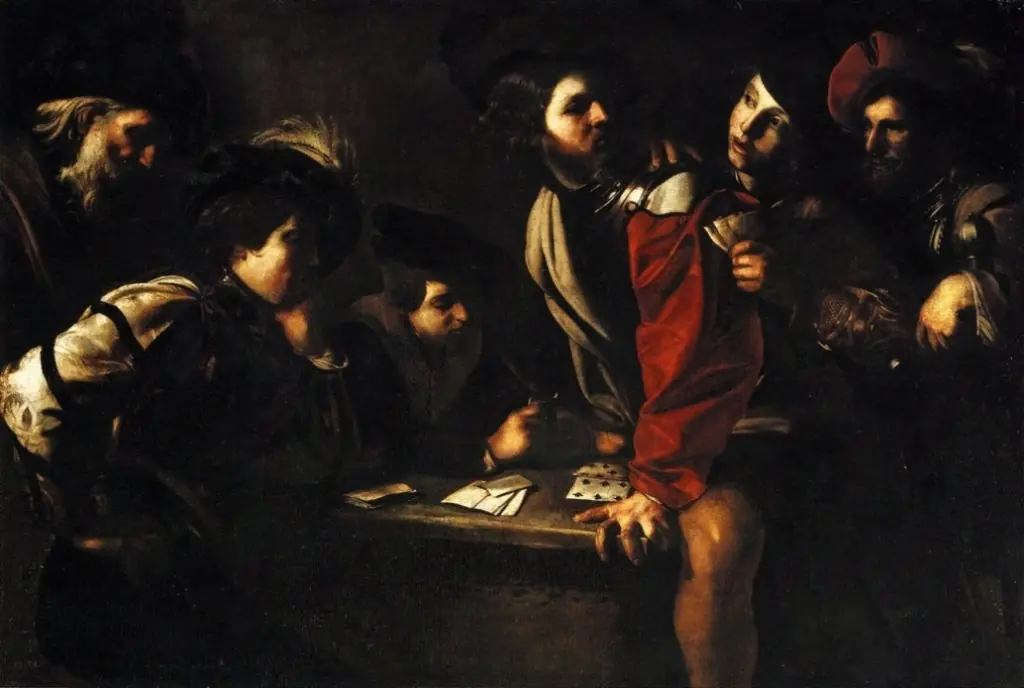 Soldiers playing Cards
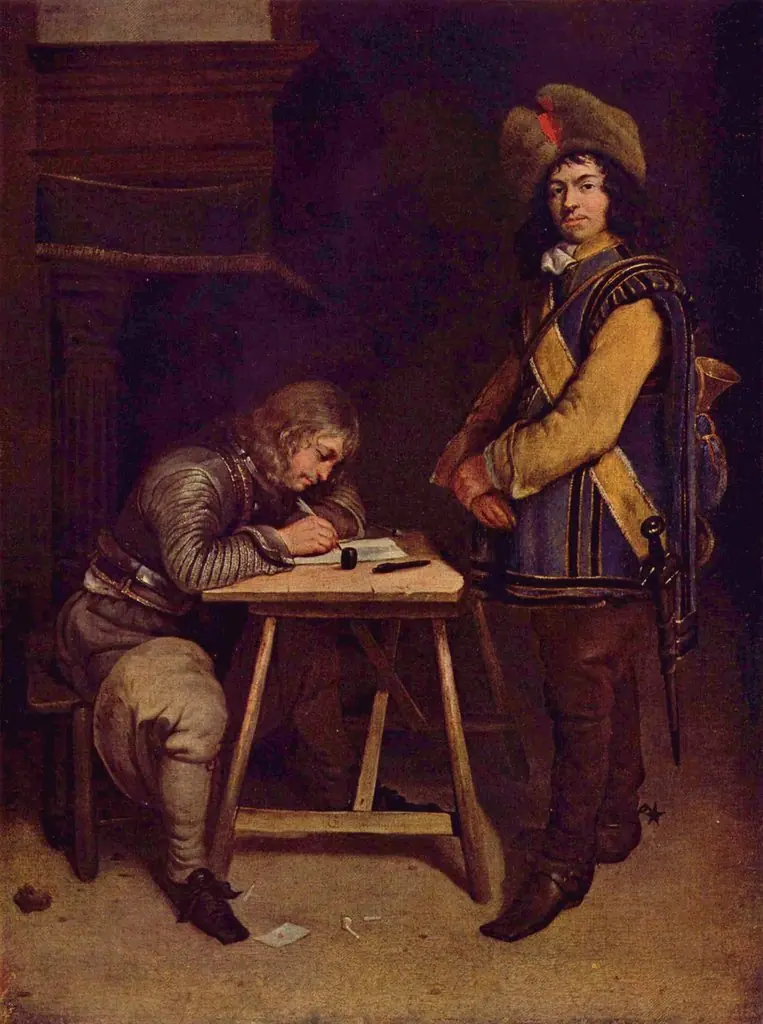 The Despatch
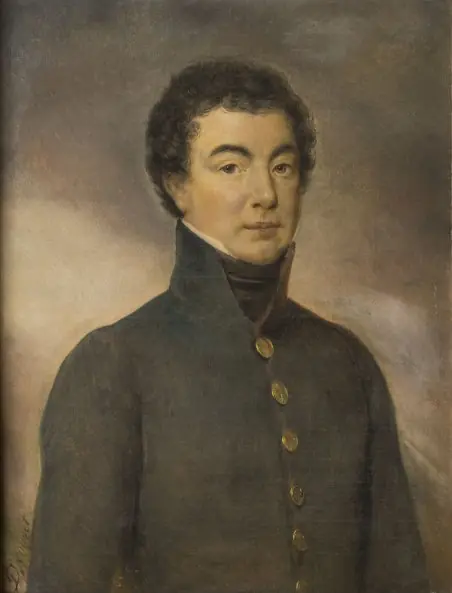 Victor-Guy, admiral-baron Duperré
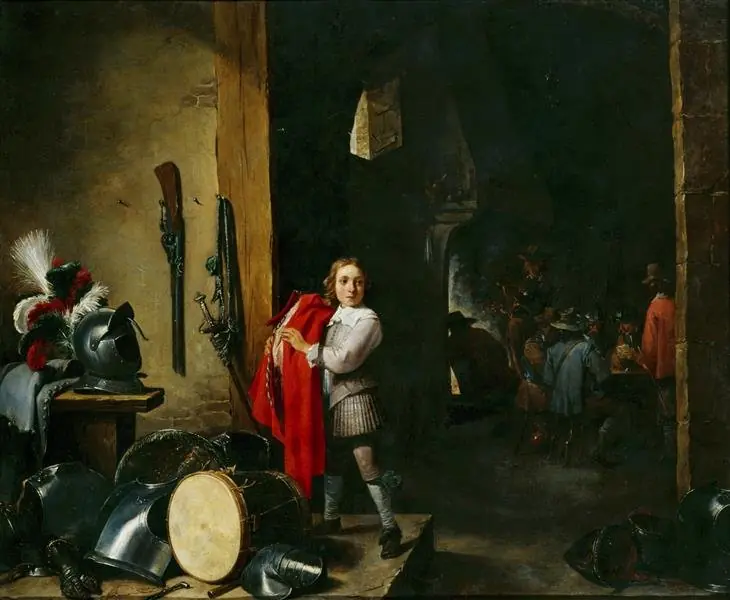 The page in the guardroom
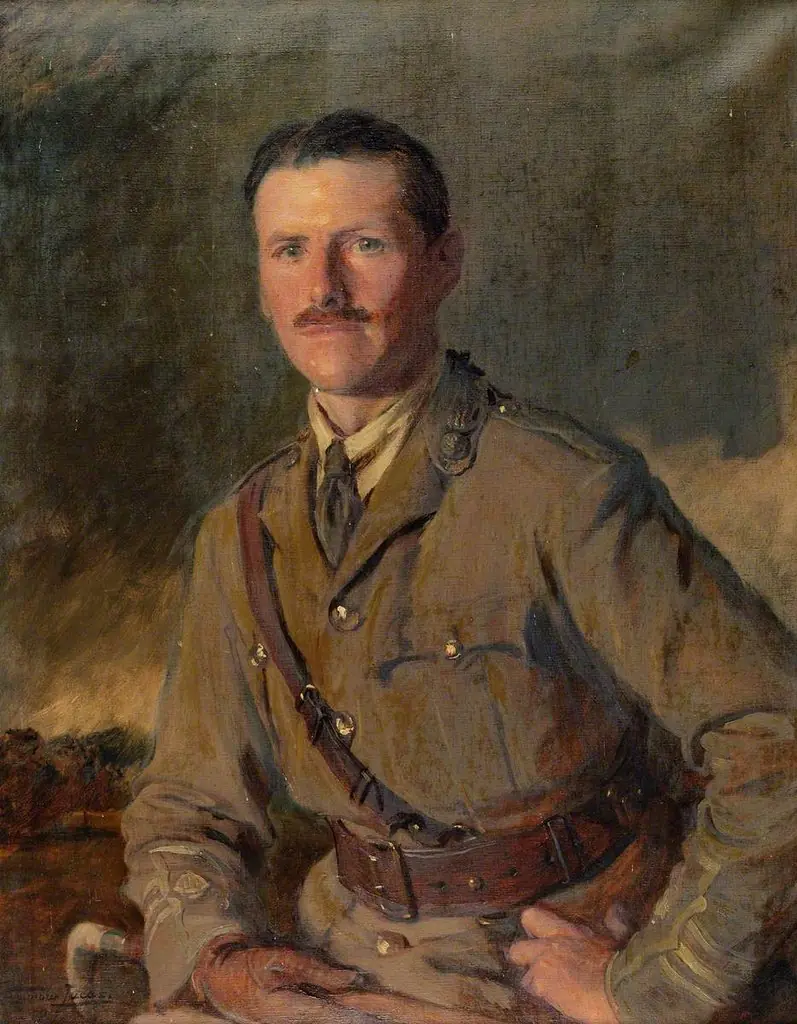 Arthur Erskine Owen Humphreys-Owen (1876–1928)
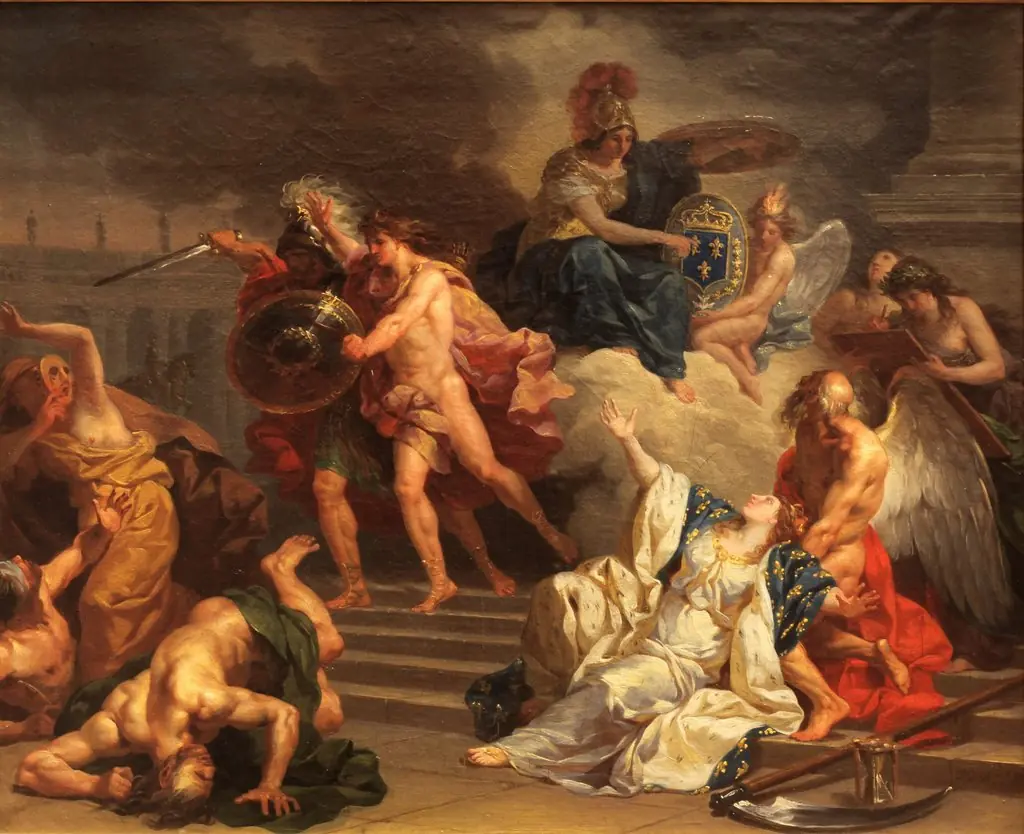 France comforted by Time
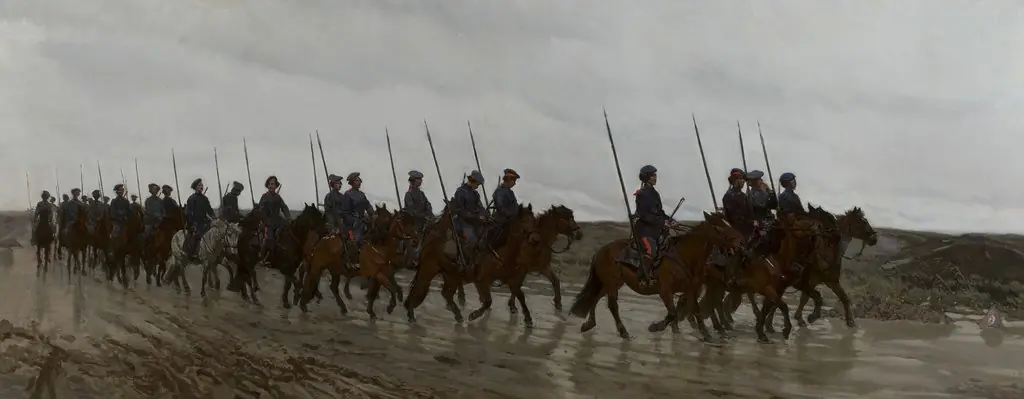 Cossacks
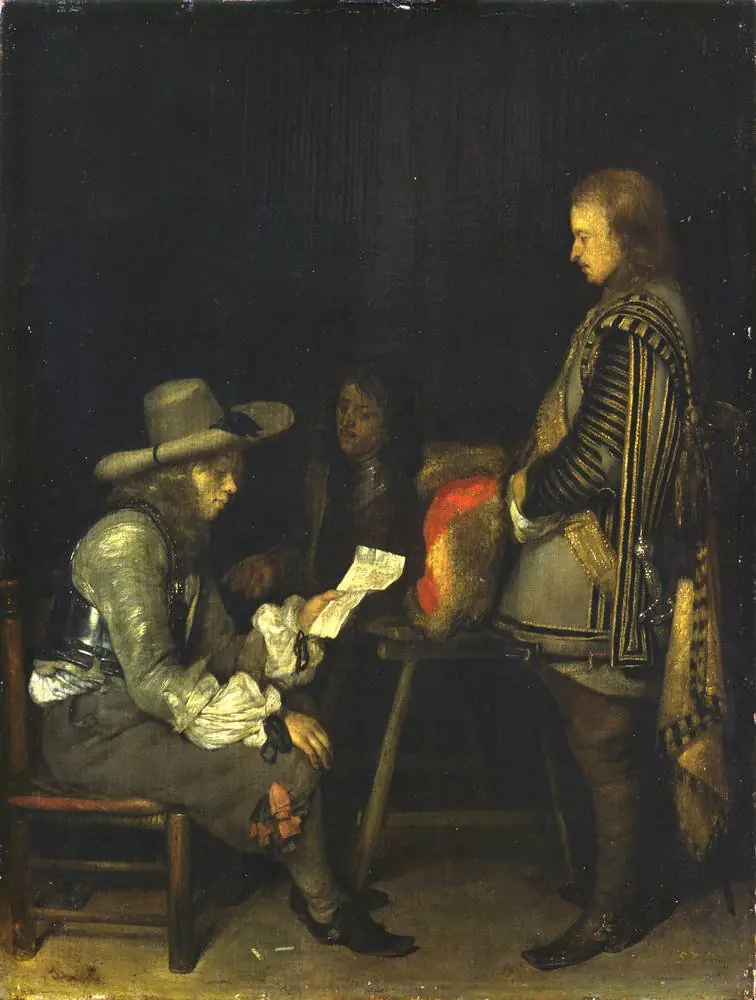 Officer Reading a Letter
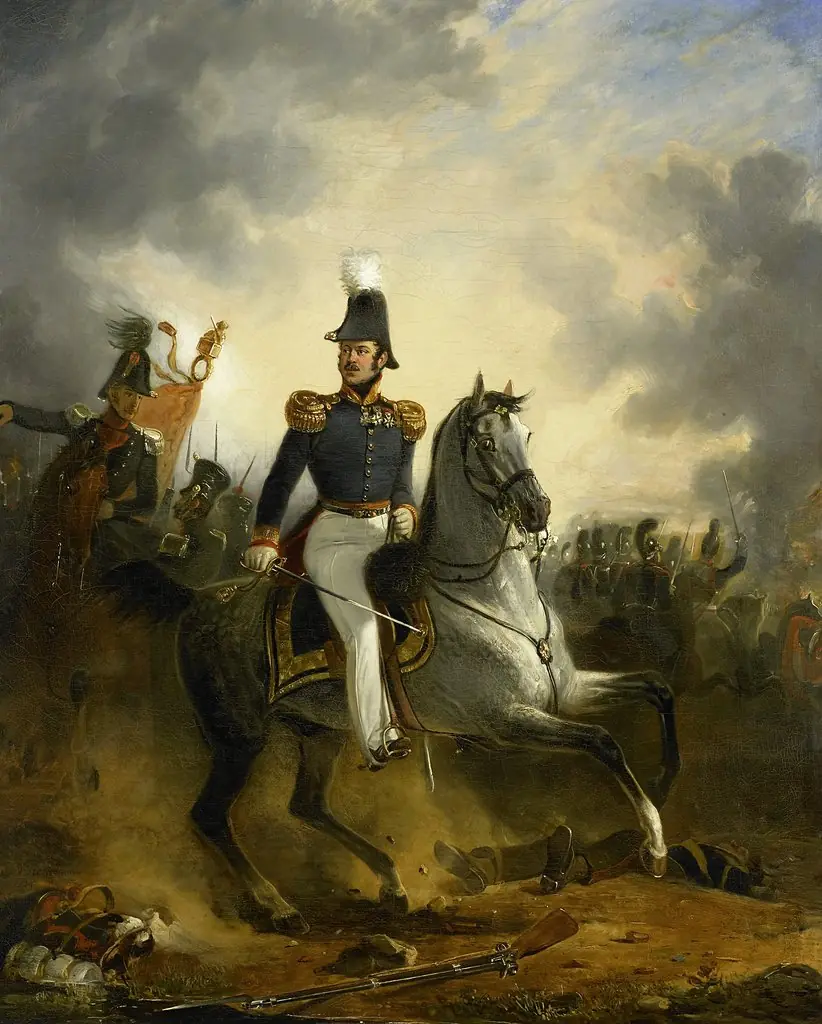 Lieutenant-General Frederik Knotzer in the Battle of Houthalen, during the 10 Days' Campaign, 1831
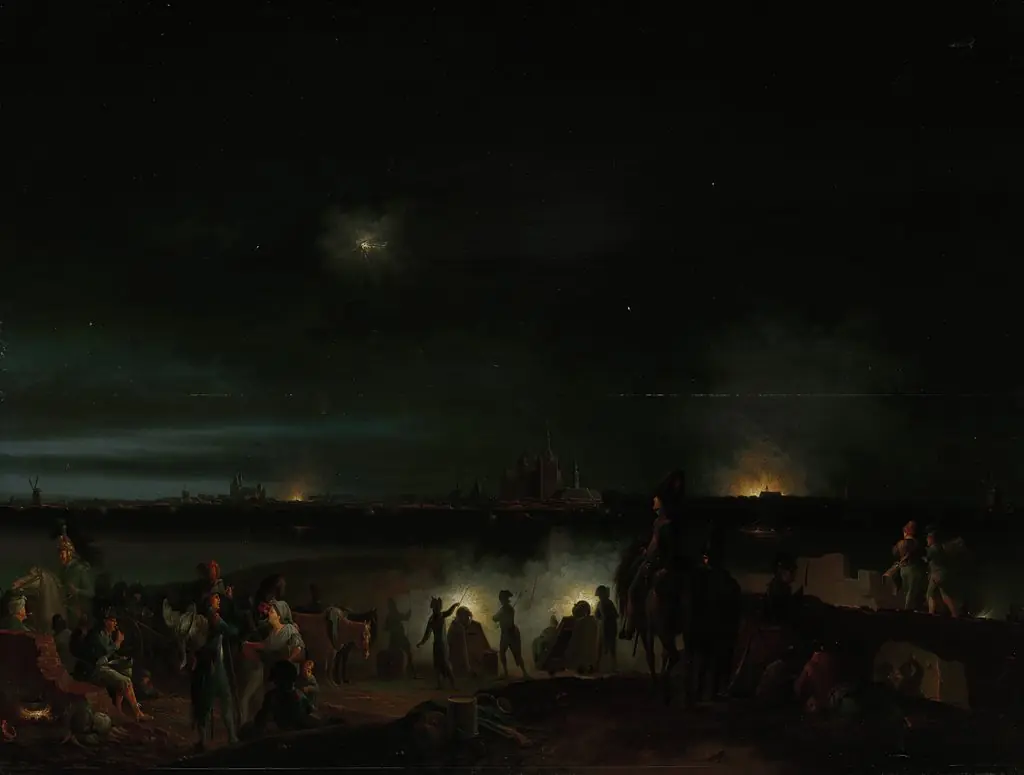 The Shelling of ’s-Hertogenbosch by the French
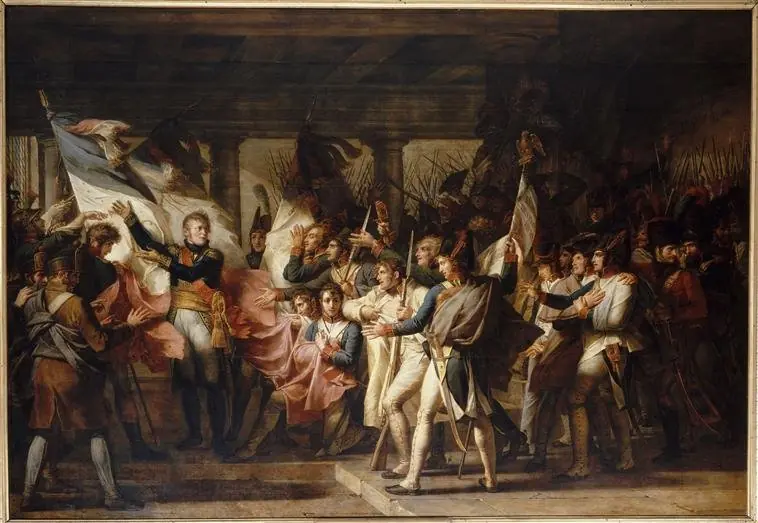 Marshal Ney hands over their flags to the soldiers of the 76th Line Regiment, November 7, 1805
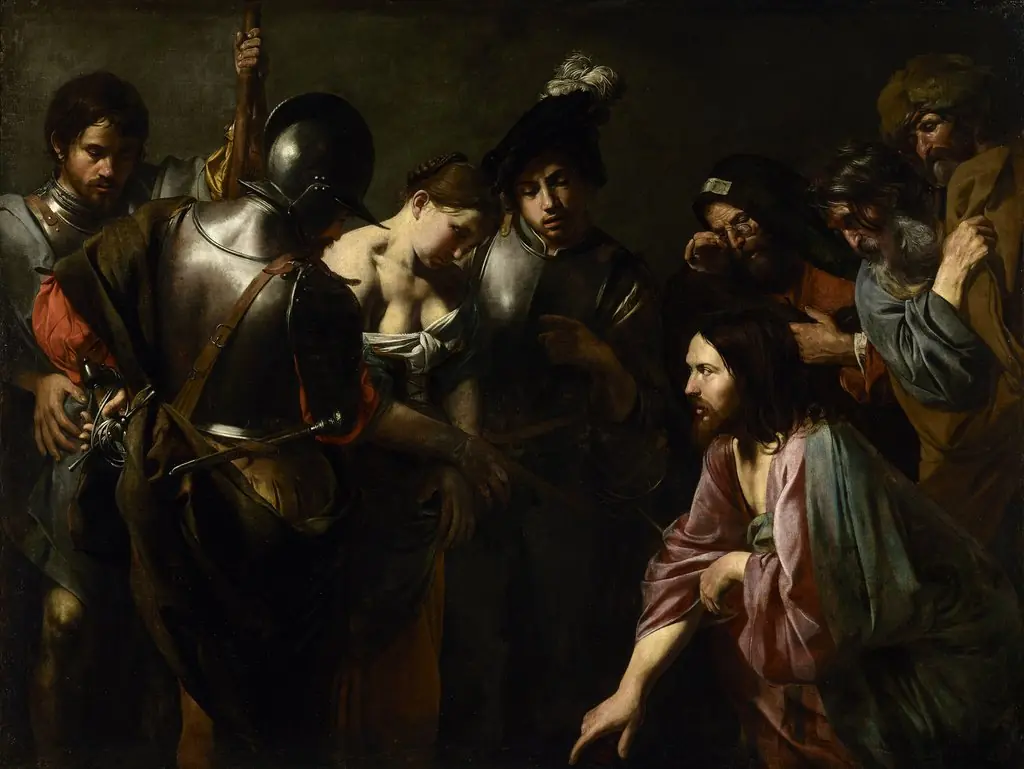 Christ and the Adulteress
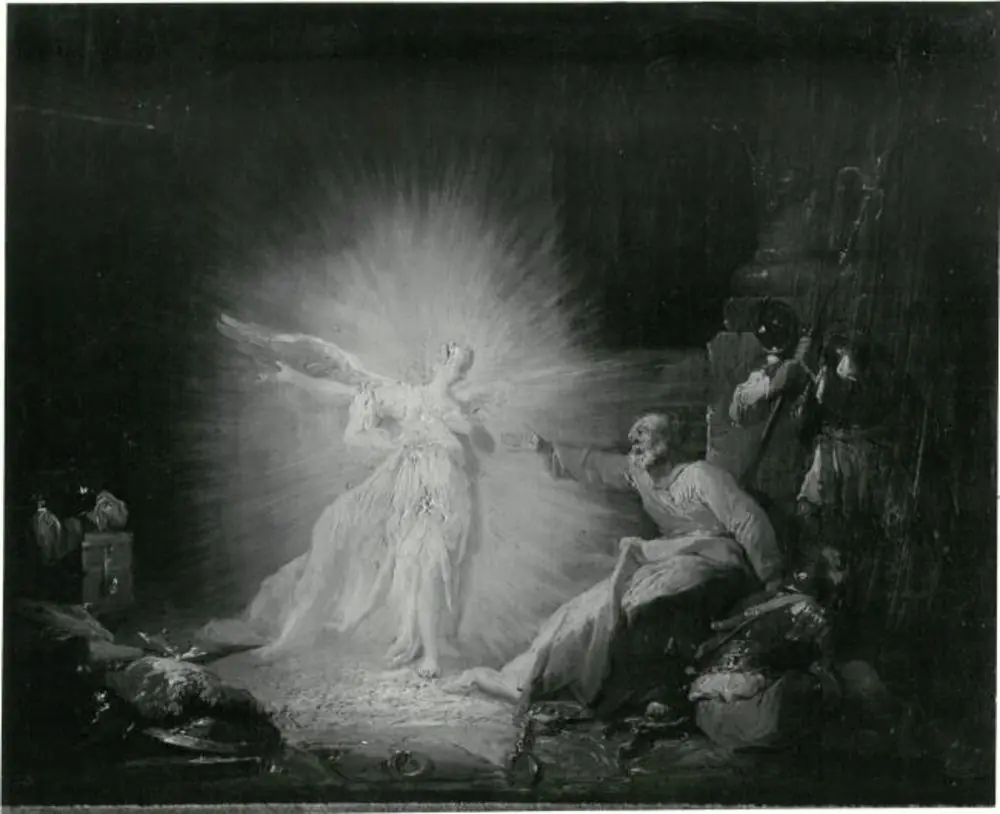 The Liberation of St Peter
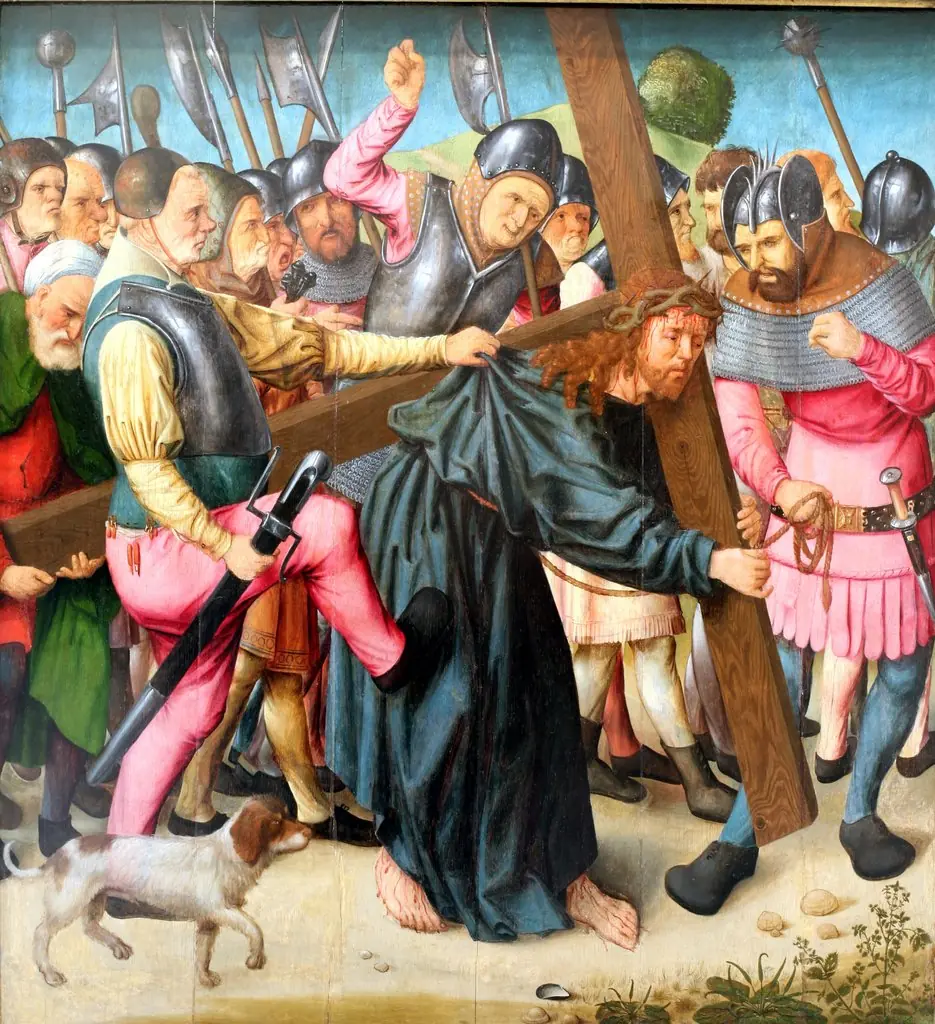 The climbing of the Calvaire
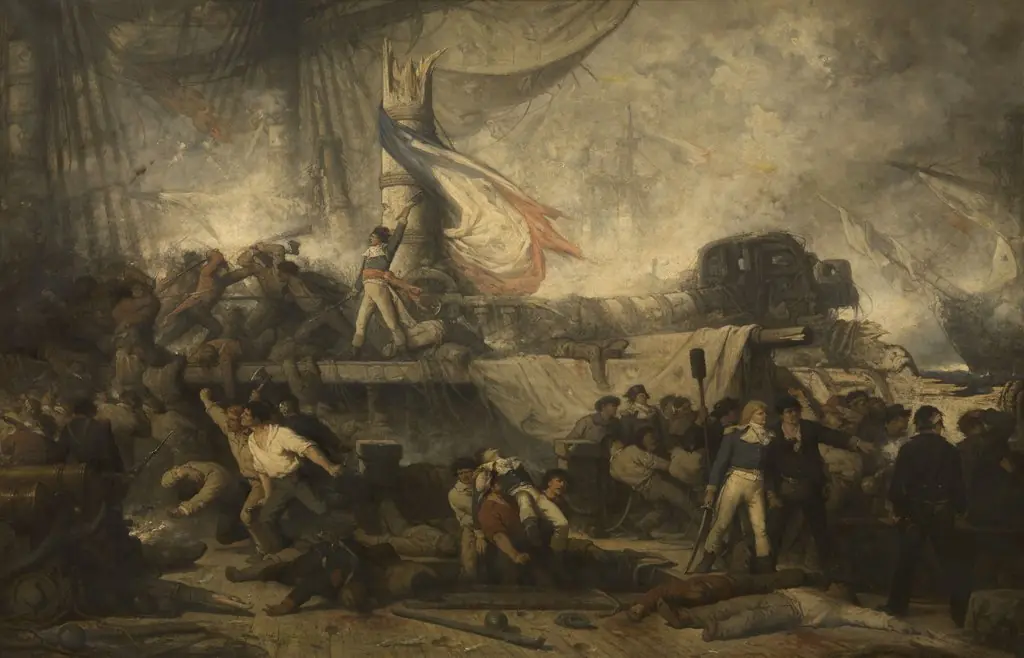 The Algeciras at the Battle of Trafalgar
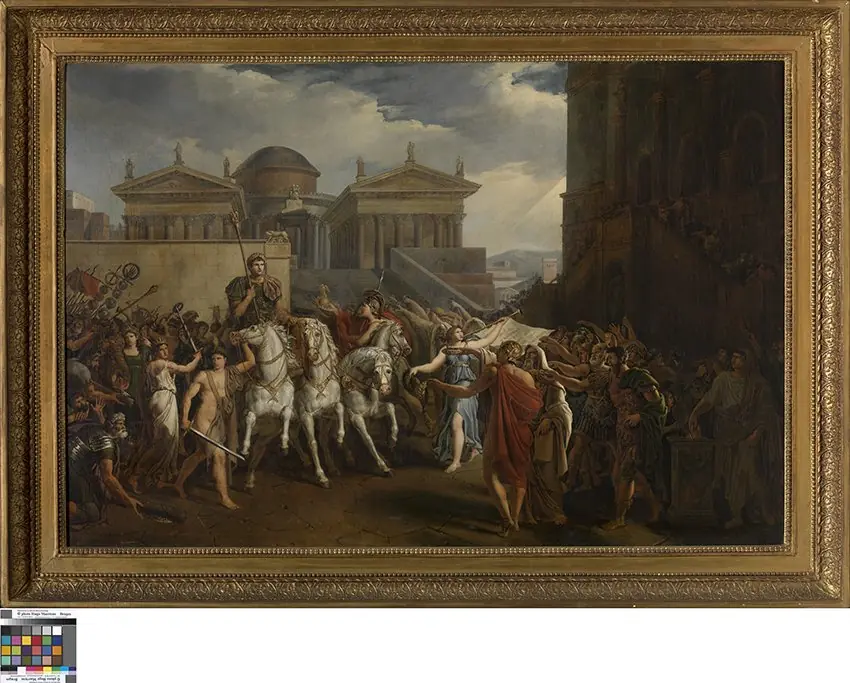 Triomftocht van keizer Trajanus
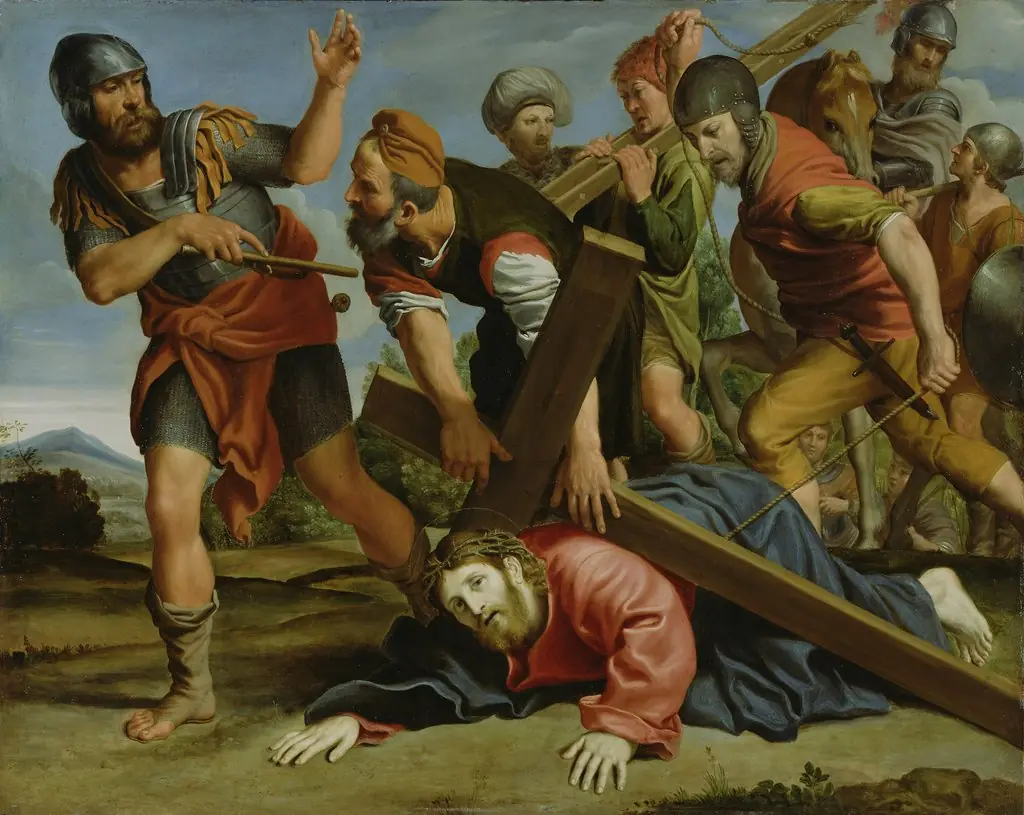 The Way to Calvary
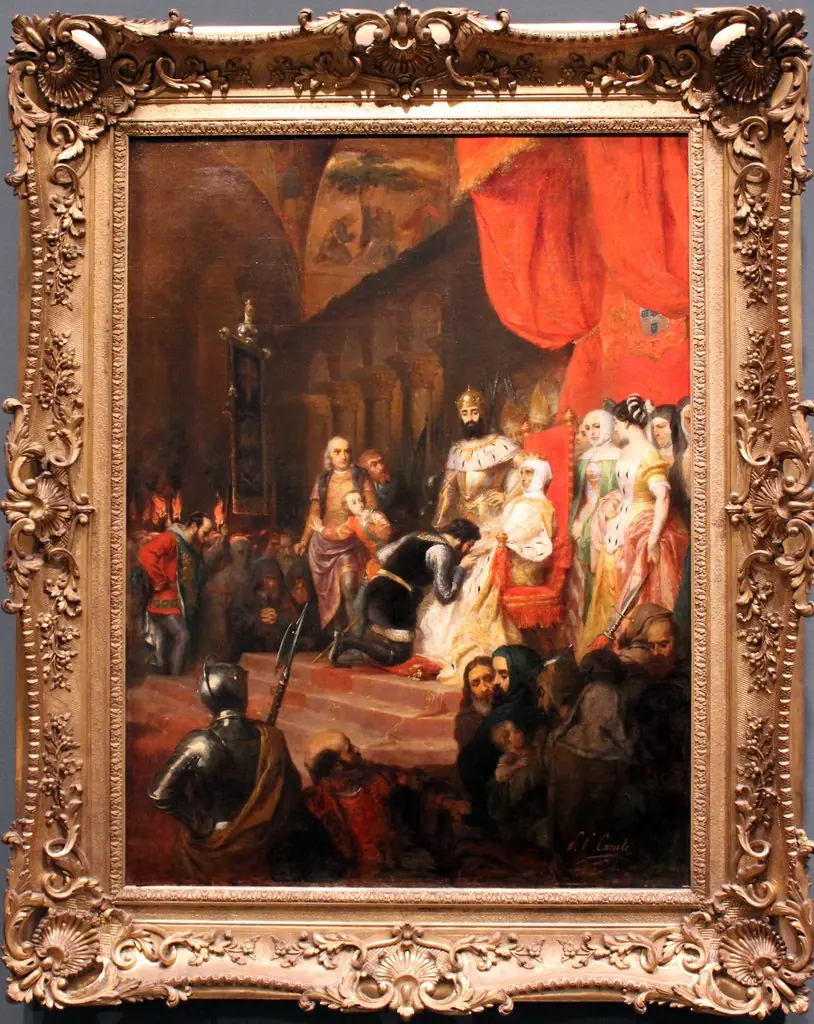 The Coronation of Inês de Castro in 1361
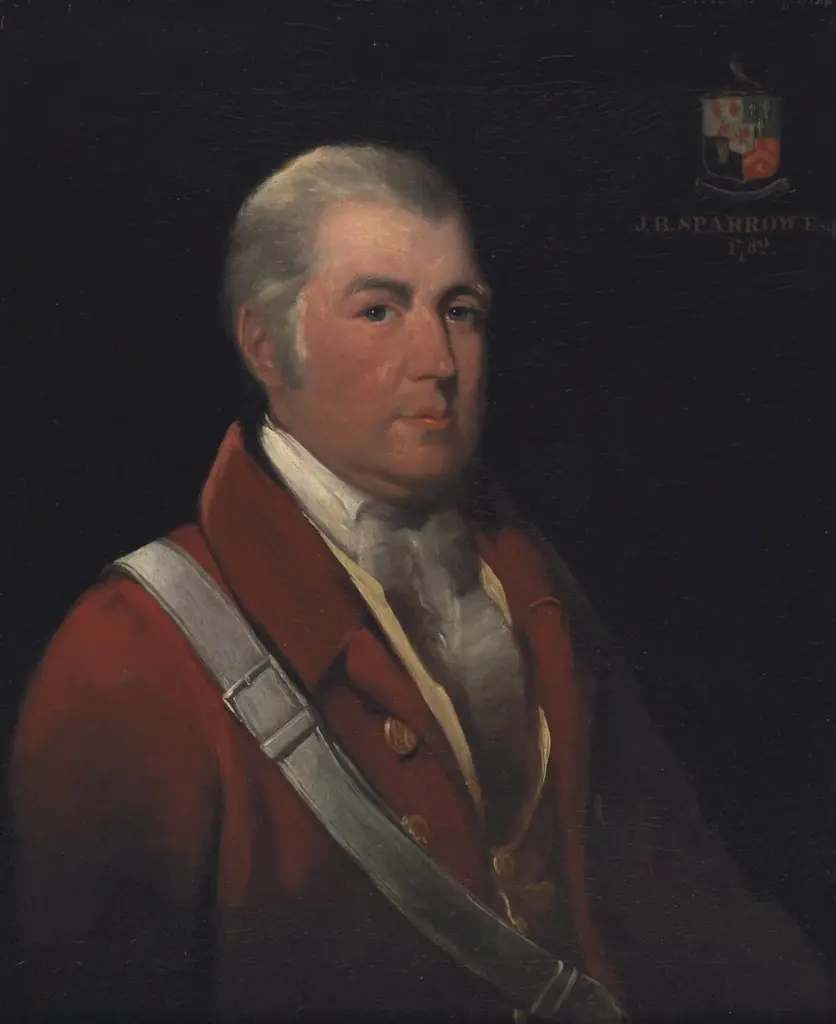 John Bodydon Sparrow
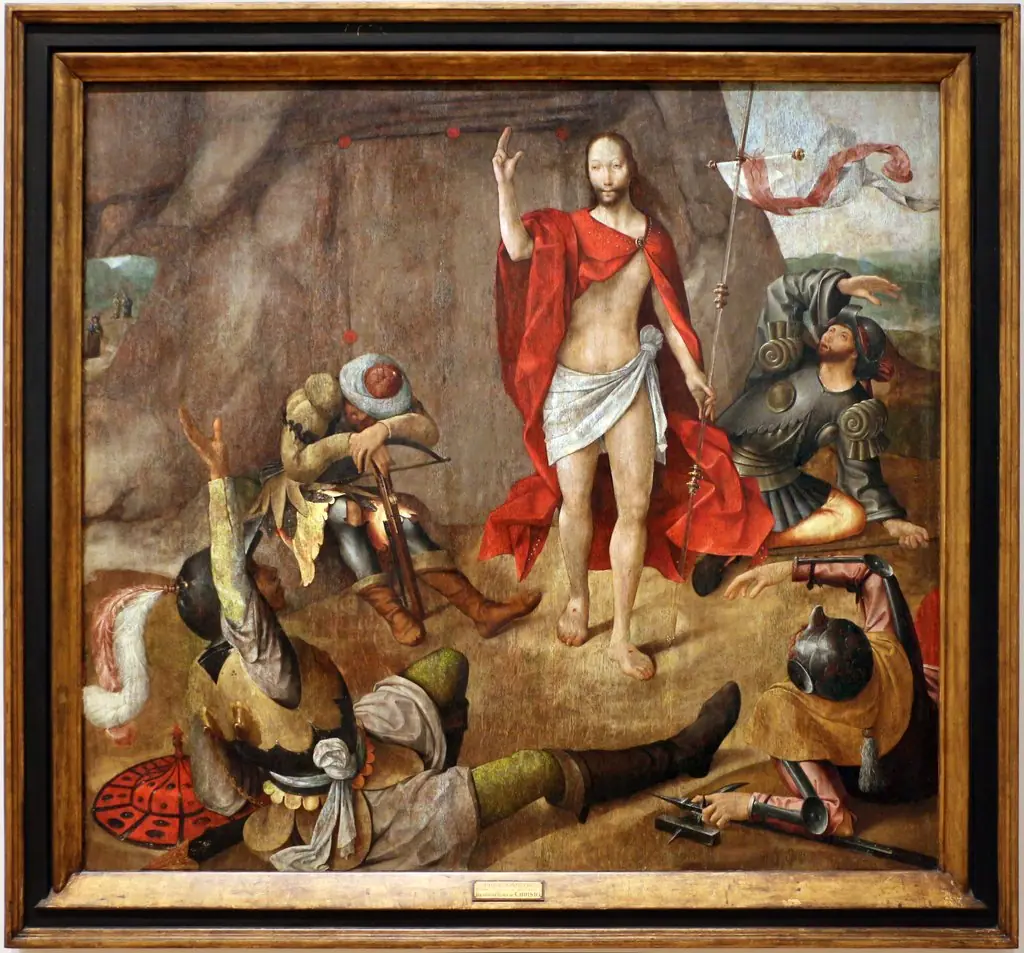 Ressurreição - Frei Carlos
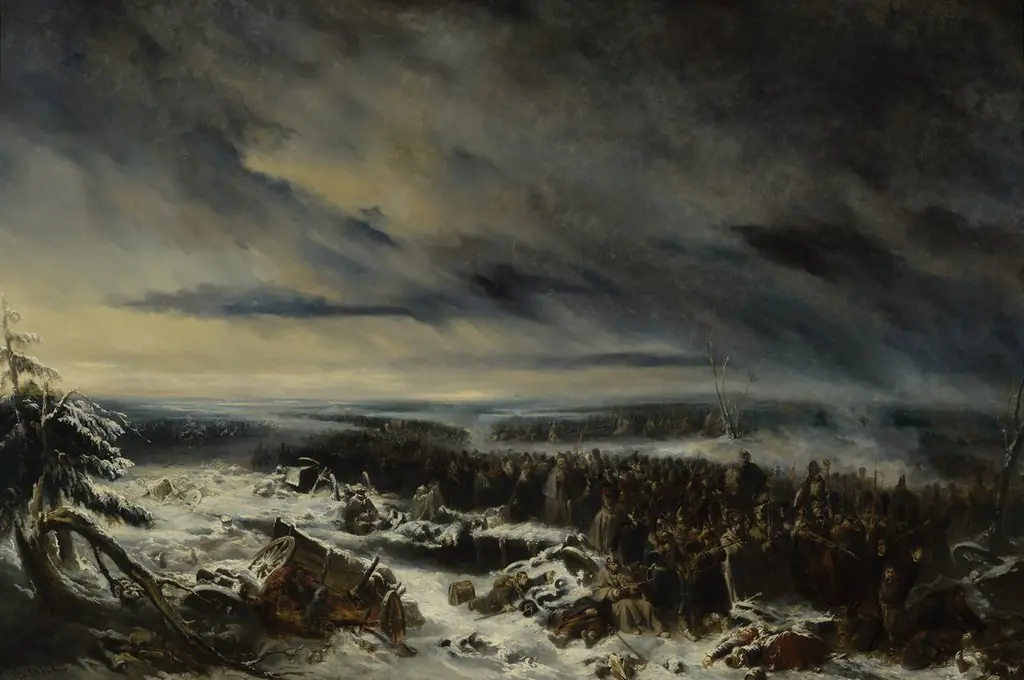 Épisode de la campagne de Russie
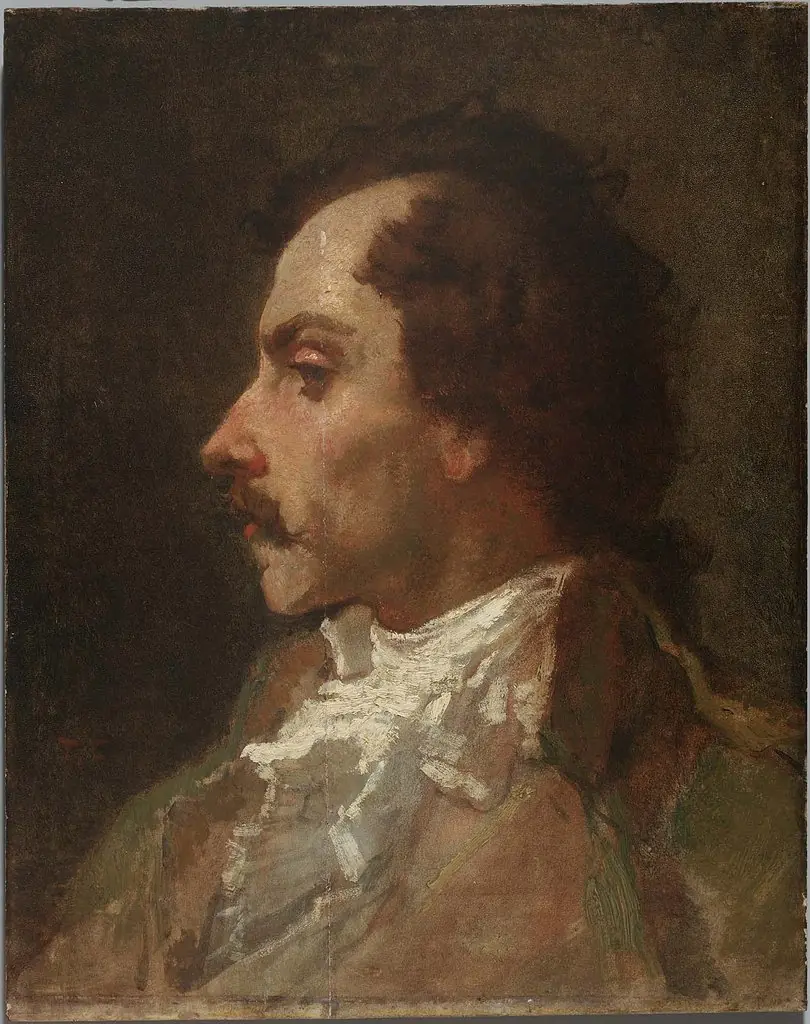 A Soldier (study for The Enrollment of the Volunteers of 1792)
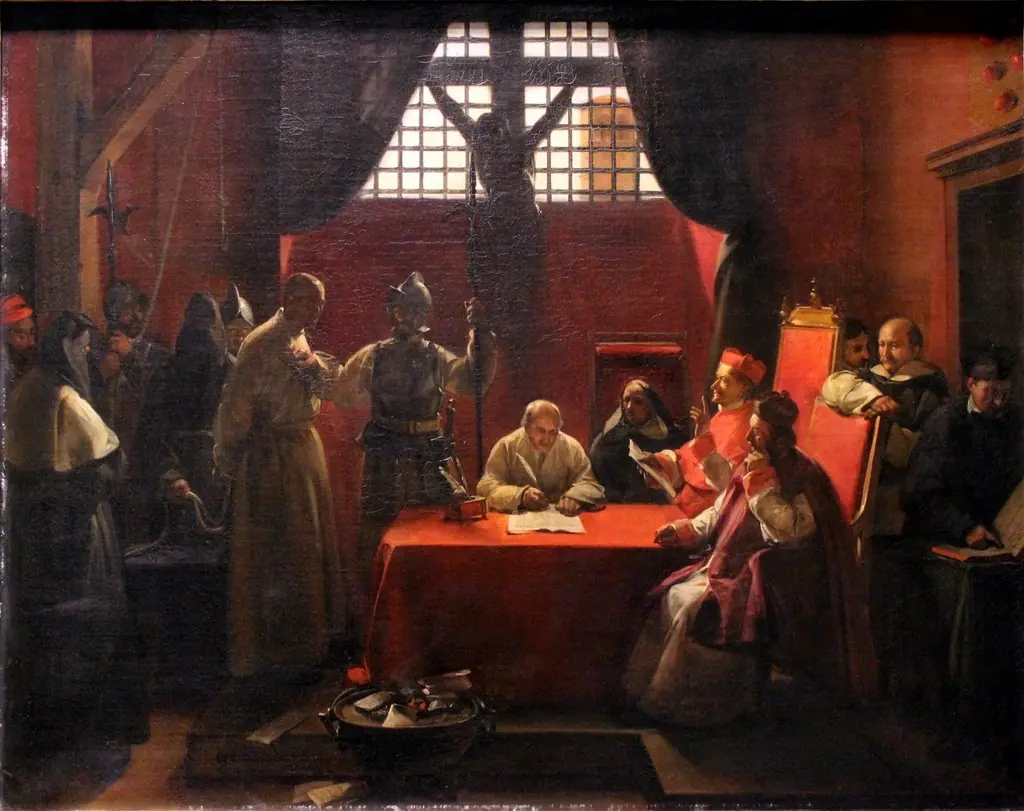 The Examination of Savonarola
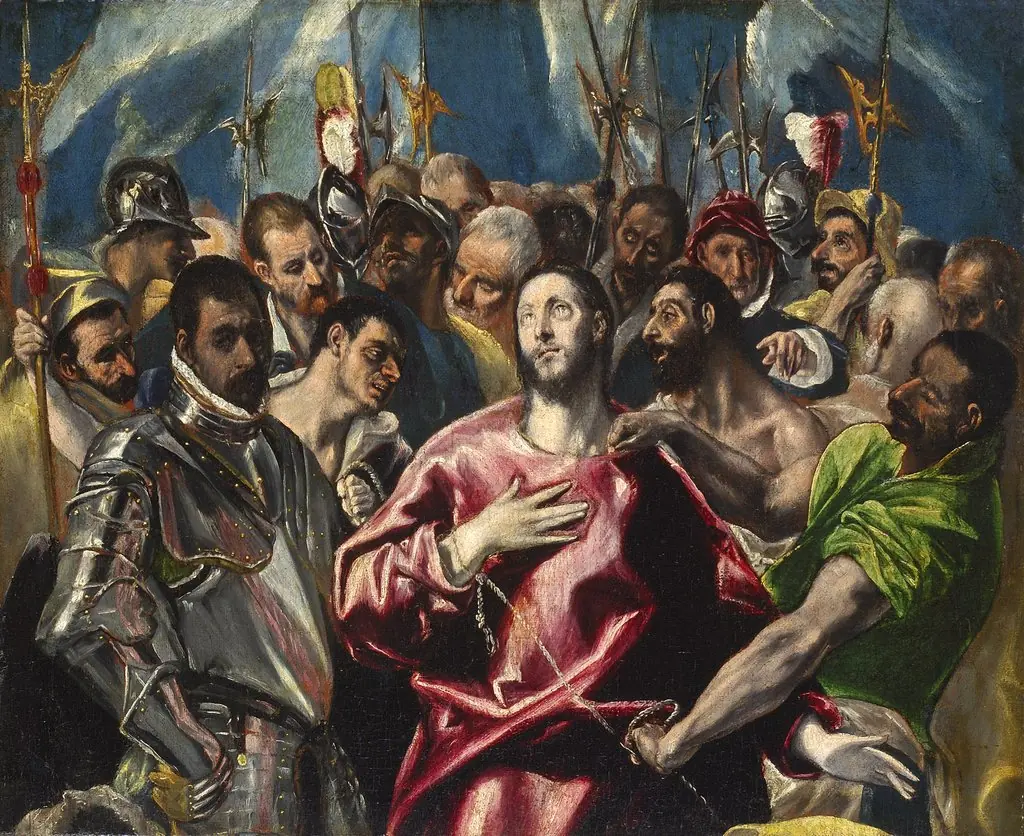 The Disrobing of Christ. Lyon half painting version
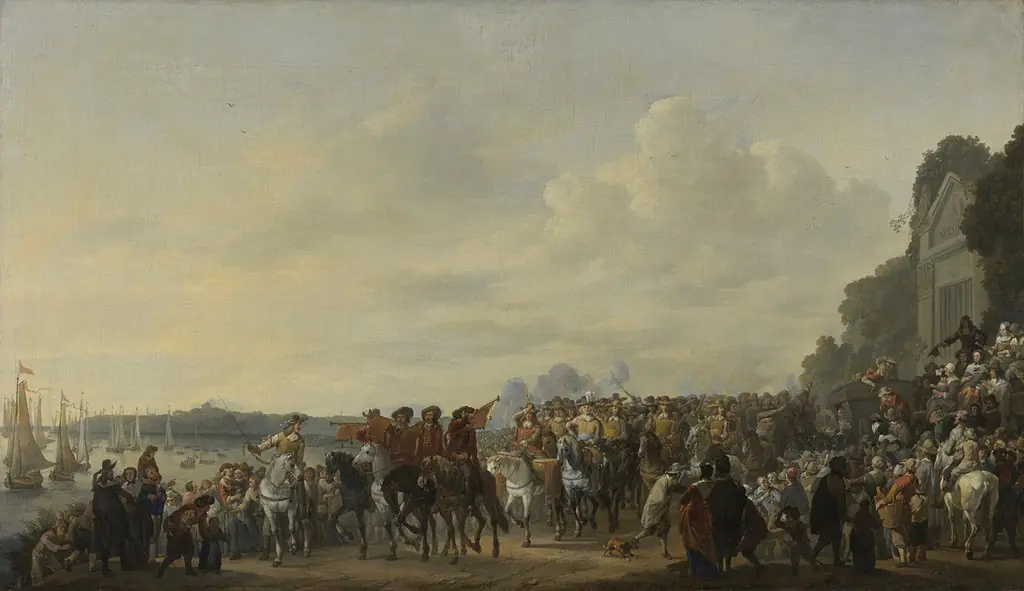 Charles II (1630-1685) stopping at the Estate of Wema on the Rotte on his Journey from Rotterdam to The Hague, 25 May 1660
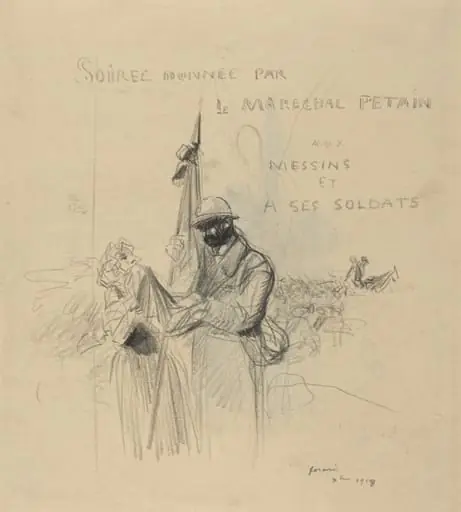 a) Le baiser du drapeau (recto); b) Study of Le baiser du drapeau (verso)
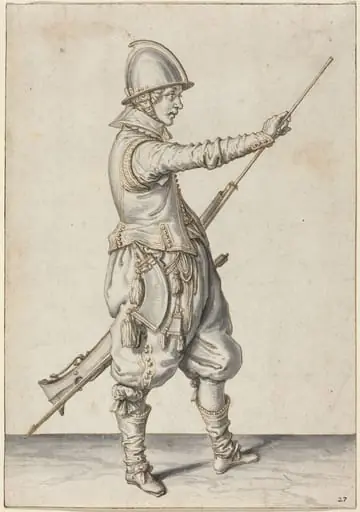 Elegantly Dressed Soldier Tamping His Caliver
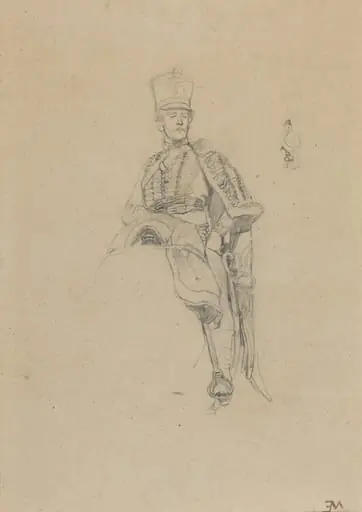 A French Hussar
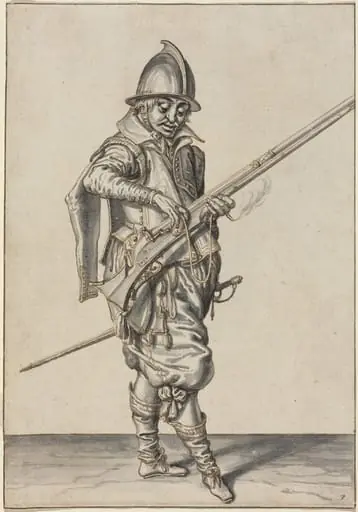 Elegantly Dressed Soldier Preparing to Fire His Caliver
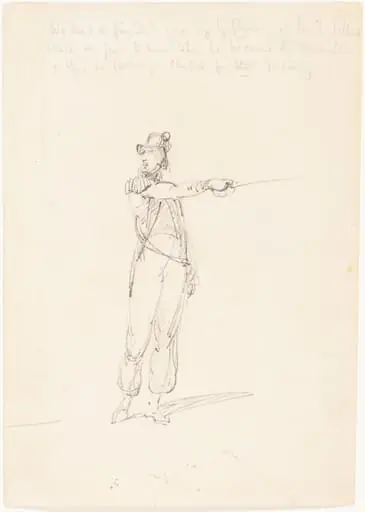 Admiral Sir Edward Pellew
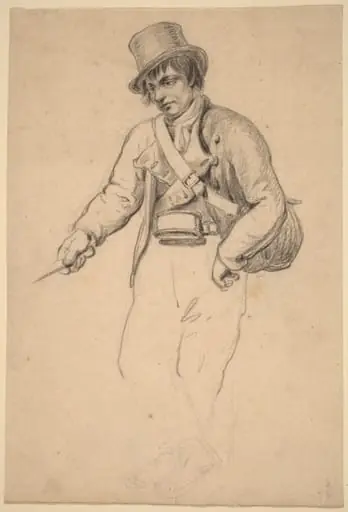 Irish Fisherman
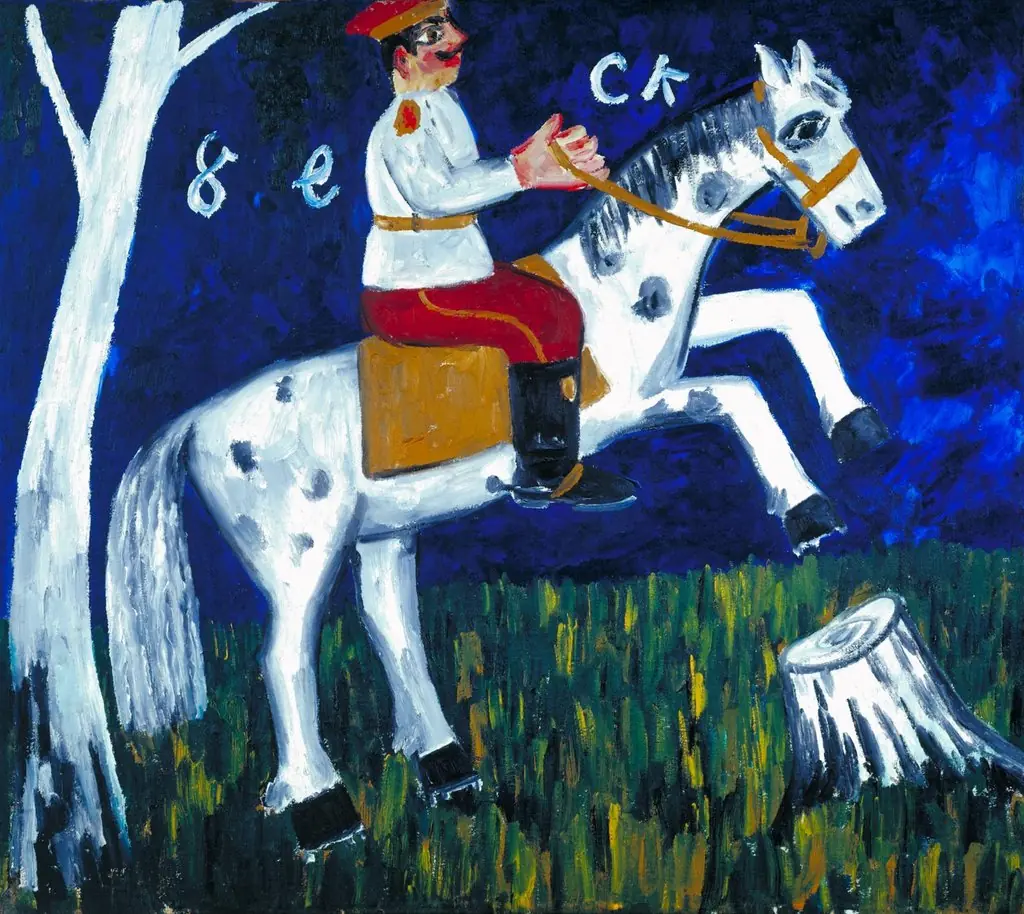 Soldier on a Horse
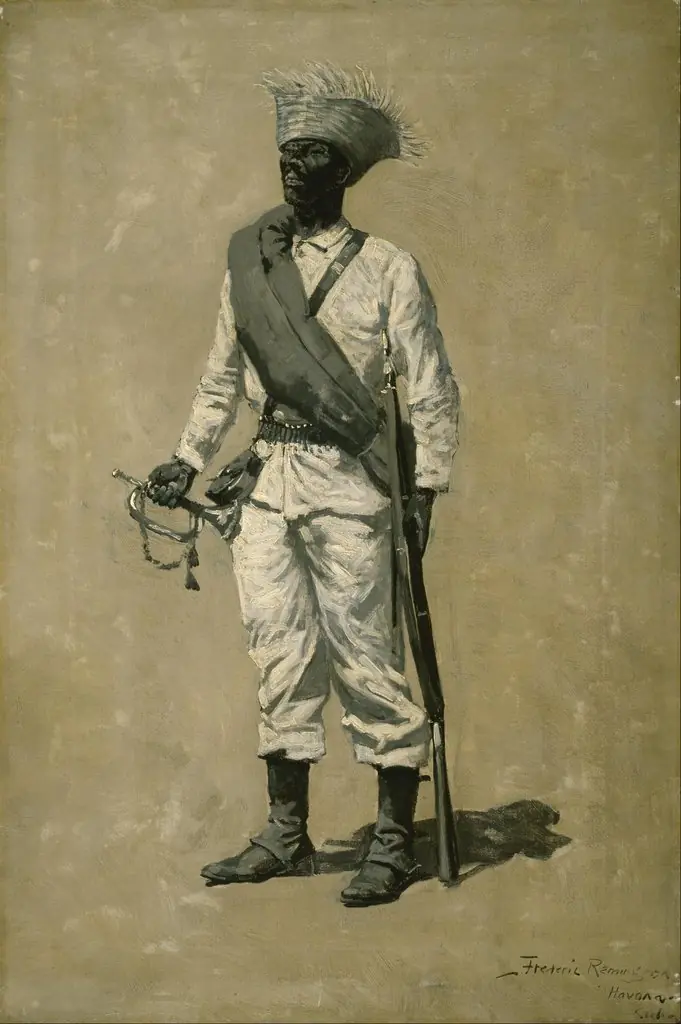 One of Gomez' Men
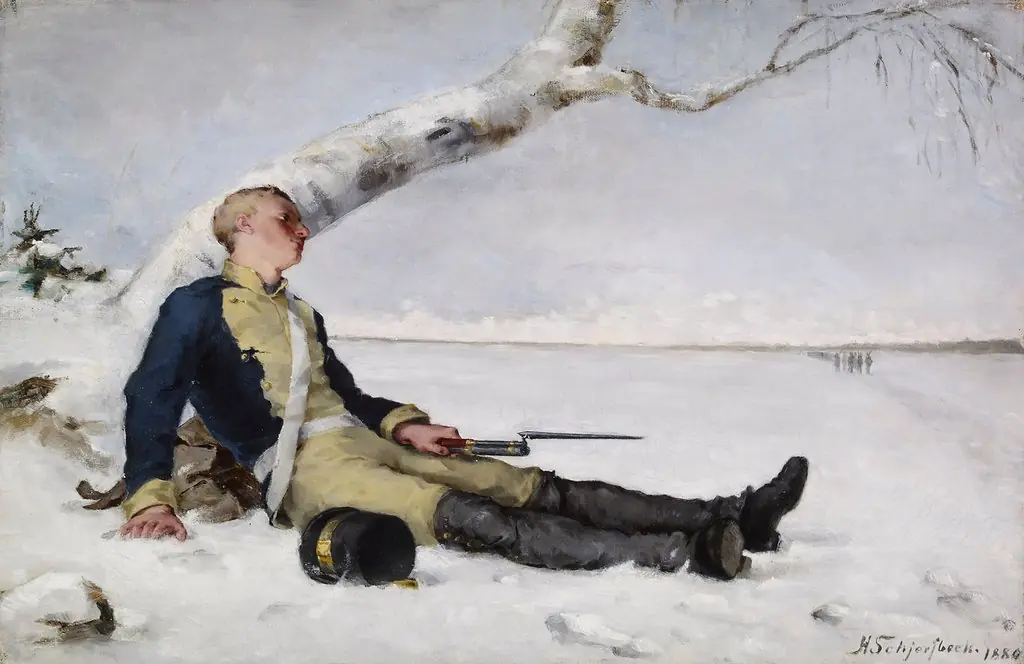 Wounded Warrior in the Snow
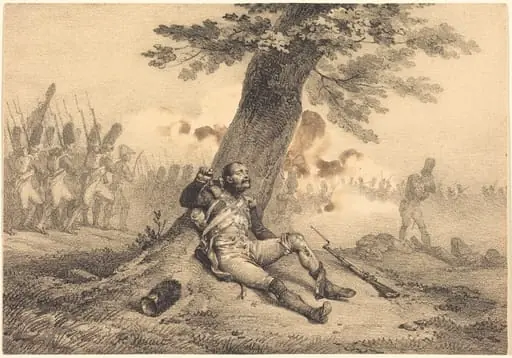 Gredin de Sort!...
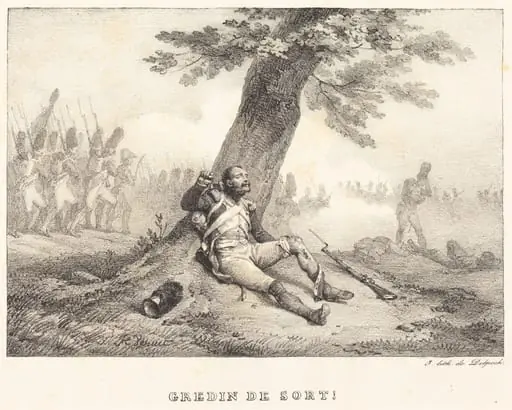 Gredin de Sort!...
Frequently asked questions
What is Soldier?
Soldier is a subject in art. A soldier is a person who is a member of an army.
How many Soldier works does Artifact World Gallery have?
Artifact World Gallery holds 200 public-domain Soldier works, all free to view and download.
Who are the key Soldier artists?
Key Soldier artists in the collection include Jacques-Louis David, Ralph Earl and Édouard Manet.
Where can I see Soldier works?
Soldier works in the collection are held by Metropolitan Museum of Art, Rijksmuseum and National Gallery of Art.