Artwork
Vertumnus and Pomona
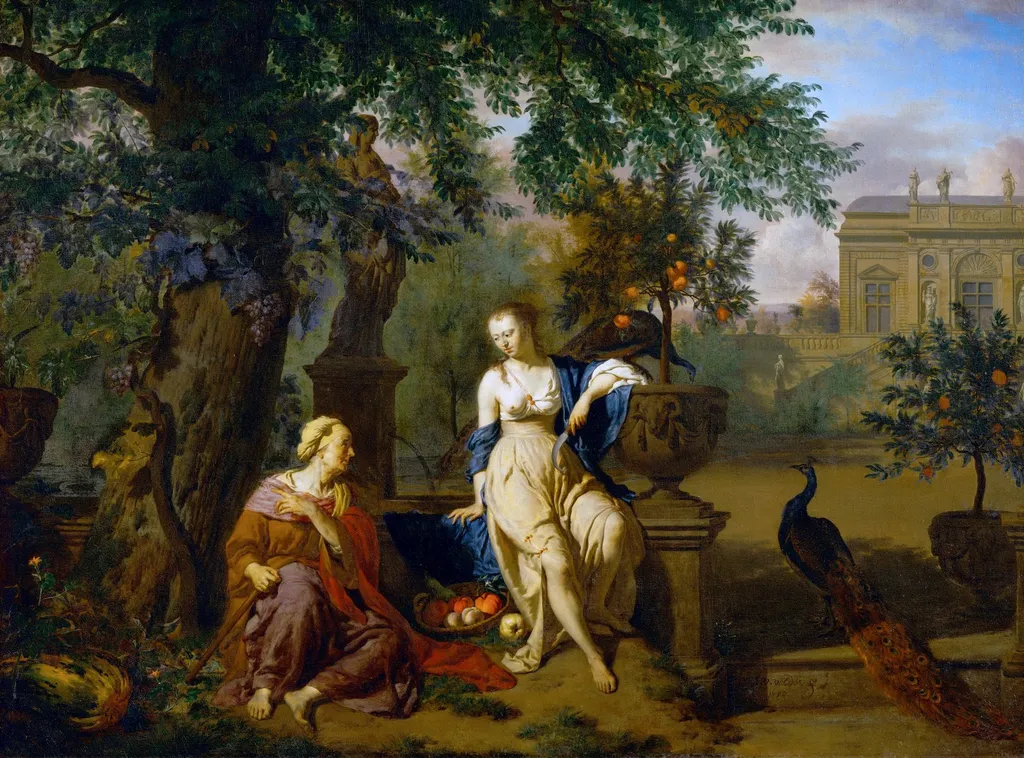
Vertumnus and Pomona is an oil painting by the Dutch Golden Age artist Adriaen van de Velde. It dates from 1670 and is held in the collection of the Kunsthistorisches Museum.
About this work
Subject & Meaning
The painting depicts the Roman deities Vertumnus and Pomona, figures from Ovid’s Metamorphoses linked to themes of transformation and seasonal renewal.
The painting depicts the Roman deities Vertumnus and Pomona, figures from Ovid’s Metamorphoses linked to themes of transformation and seasonal renewal. Vertumnus, the god of seasons and change, is shown in close proximity to Pomona, the goddess of fruit trees and orchards, evoking agricultural bounty and the passage of time. The scene’s lush setting and the pair’s interaction underscore ideas of fertility, growth, and the cyclical nature of nature, aligning with classical allegories of abundance and harmony.
Technique & Style
Adriaen van de Velde’s Vertumnus and Pomona (1670) is executed in oil paint on a canvas support measuring 76.5 by 103 centimeters. The medium’s luminous transparency allows van de Velde to build up delicate glazes, particularly evident in the rendering of foliage and the soft transitions of sky and distant hills.
Stylistically, the work exemplifies the Dutch Golden Age landscape tradition, characterized by meticulous attention to naturalistic detail and atmospheric perspective. The handling is precise yet fluid, with fine brushwork defining individual leaves, textiles, and the figures’ features, while broader strokes shape the expansive landscape backdrop. The composition balances classical mythological subject matter with a serene, pastoral setting, integrating the figures seamlessly into the natural environment.
History & Provenance
The painting Vertumnus and Pomona by Adriaen van de Velde is dated to 1670, aligning with the artist’s late period.
Vertumnus and Pomona entered the collection of the Kunsthistorisches Museum, where it remains housed. Its provenance within the museum’s holdings is documented from at least the late nineteenth century onward, consistent with the institution’s established collection records for Dutch landscape paintings of this type.
The painting Vertumnus and Pomona by Adriaen van de Velde is held in the collection of the Kunsthistorisches Museum. Created in 1670, the work is executed in oil on canvas and depicts the mythological figures Vertumnus and Pomona within a landscape setting. The available sources confirm the artwork's location and creator but do not provide a specific inventory number or details regarding its exhibition history.
Overview
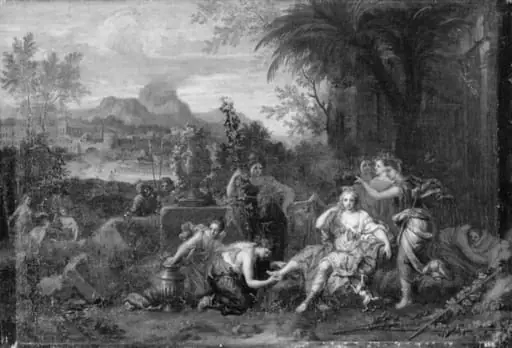
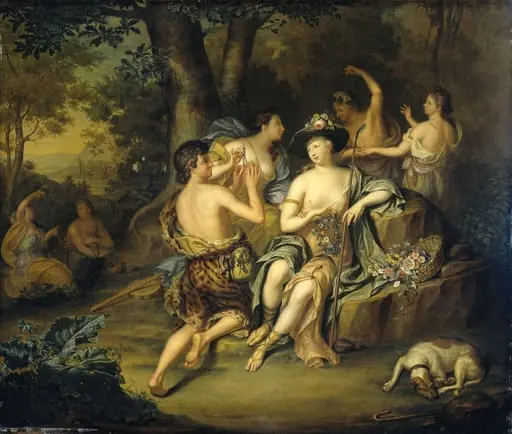
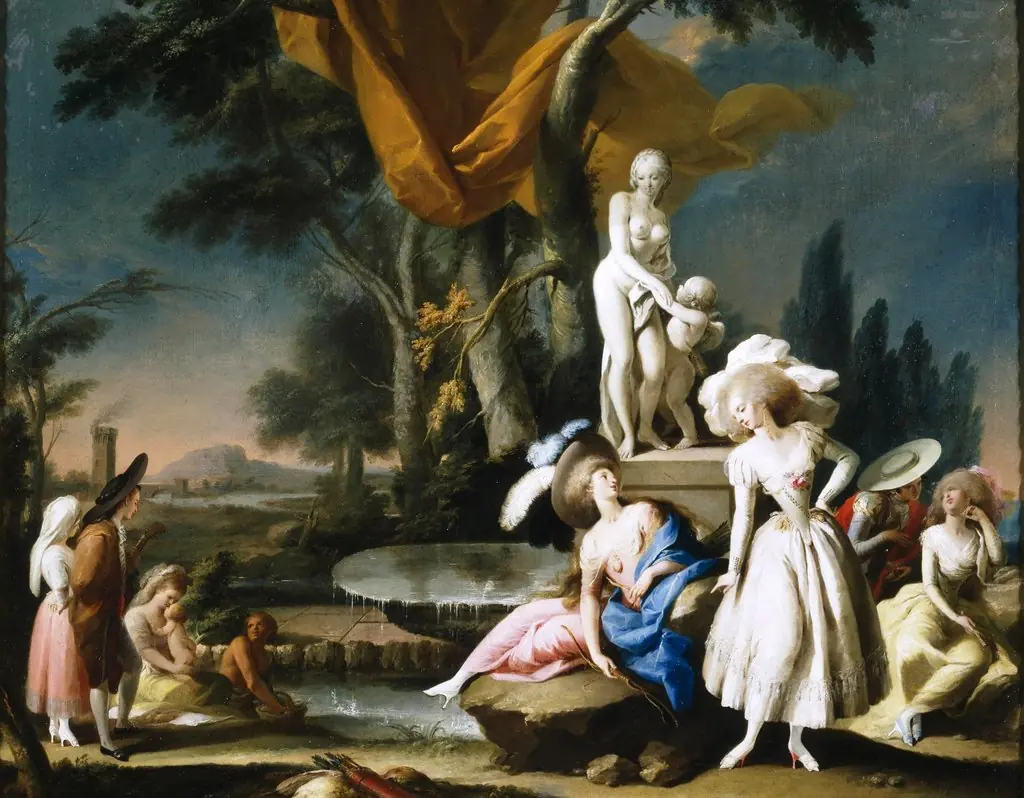
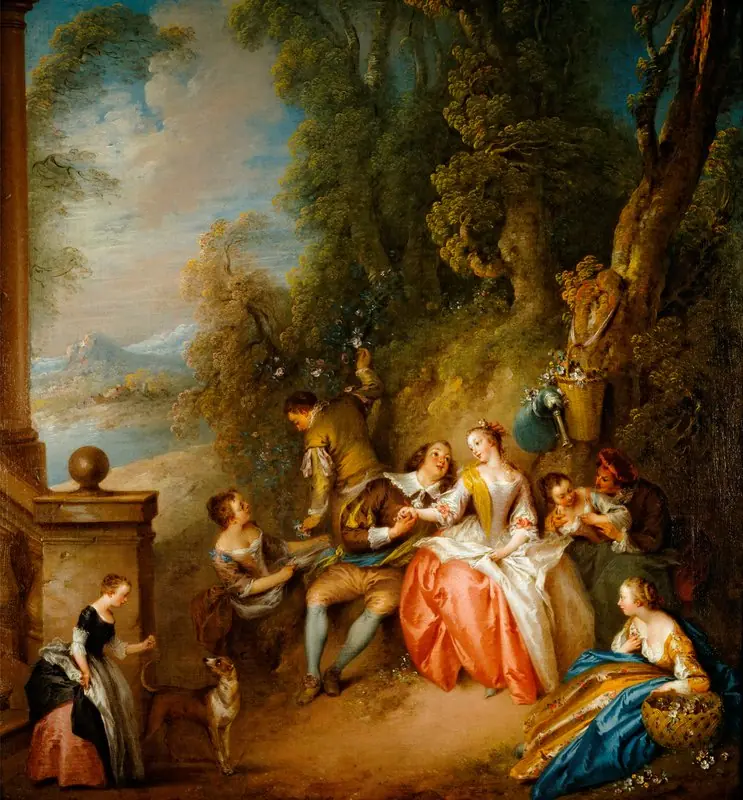
Adriaen van de Velde’s 1670 oil painting titled Vertumnus and Pomona presents a cultivated garden scene in which two female figures are positioned amid foliage, a fountain, and distant architecture. The work is part of the collection of the Kunsthistorisches Museum in Vienna and exemplifies the Dutch Golden Age’s interest in mythological subjects rendered as pastoral landscapes.
Context
During the Dutch Golden Age, artists frequently merged classical mythology with bucolic environments, reflecting contemporary tastes for learned allegory and decorative garden imagery. Van de Velde, known primarily for his pastoral scenes, applied this trend to a narrative that allowed him to showcase both his skill in rendering foliage and his capacity for subtle storytelling.
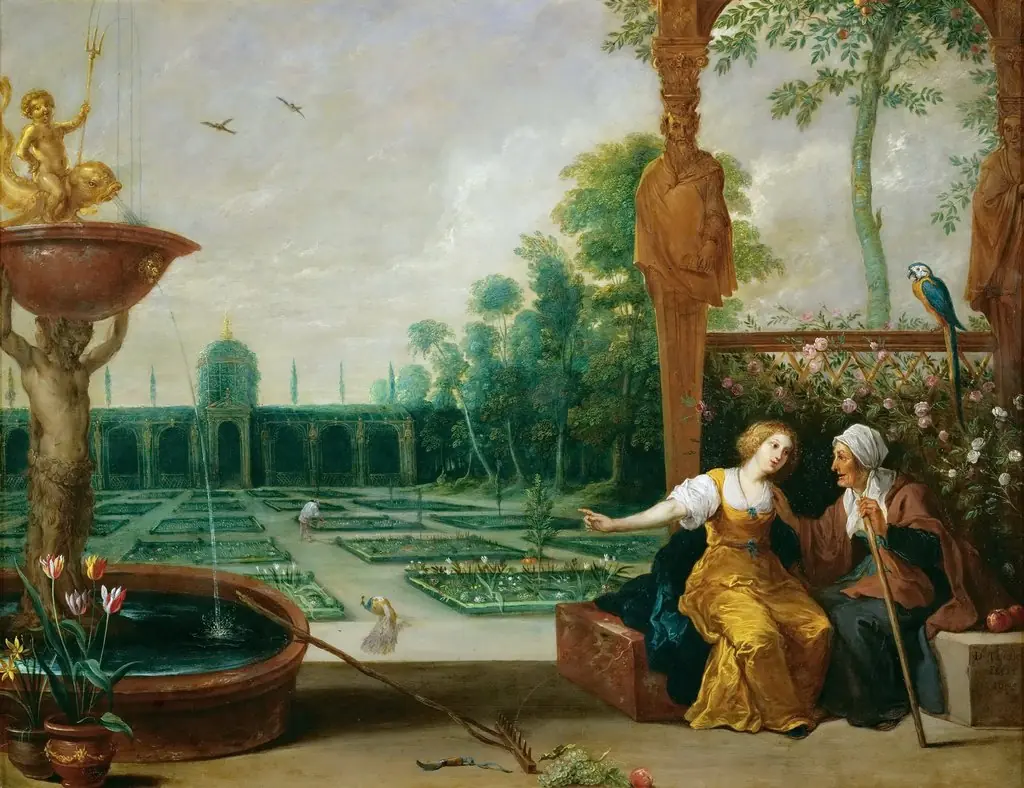
Own this work as a print
Artist & collection

Artist
Adriaen van de Velde, was a Dutch painter, draughtsman, and print artist. His favorite subjects were landscapes with animals and genre scenes. He also painted beaches, dunes, forests, winter scenes, portraits in…