Artwork
Vertumnus and Pomona
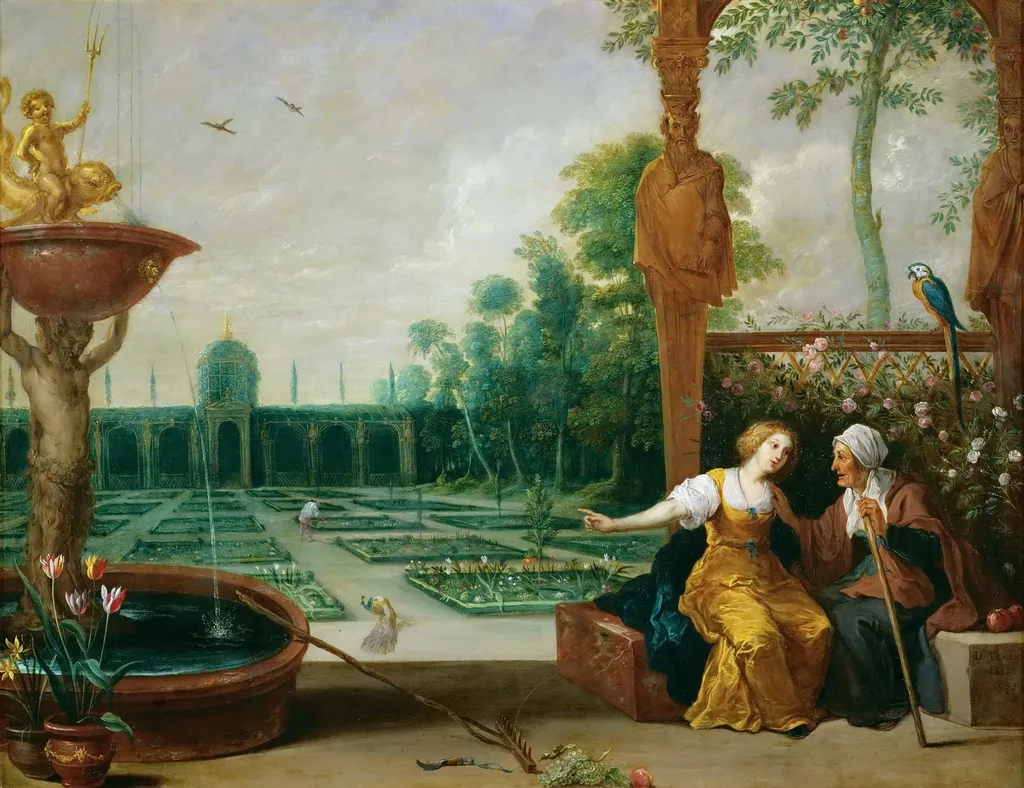
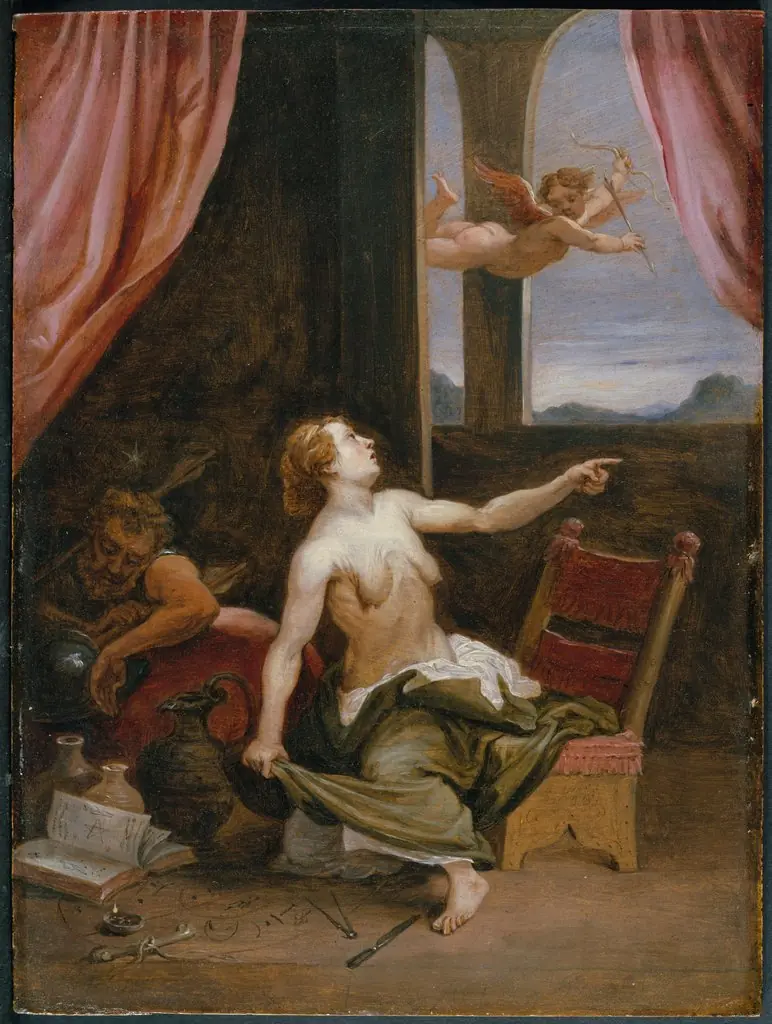
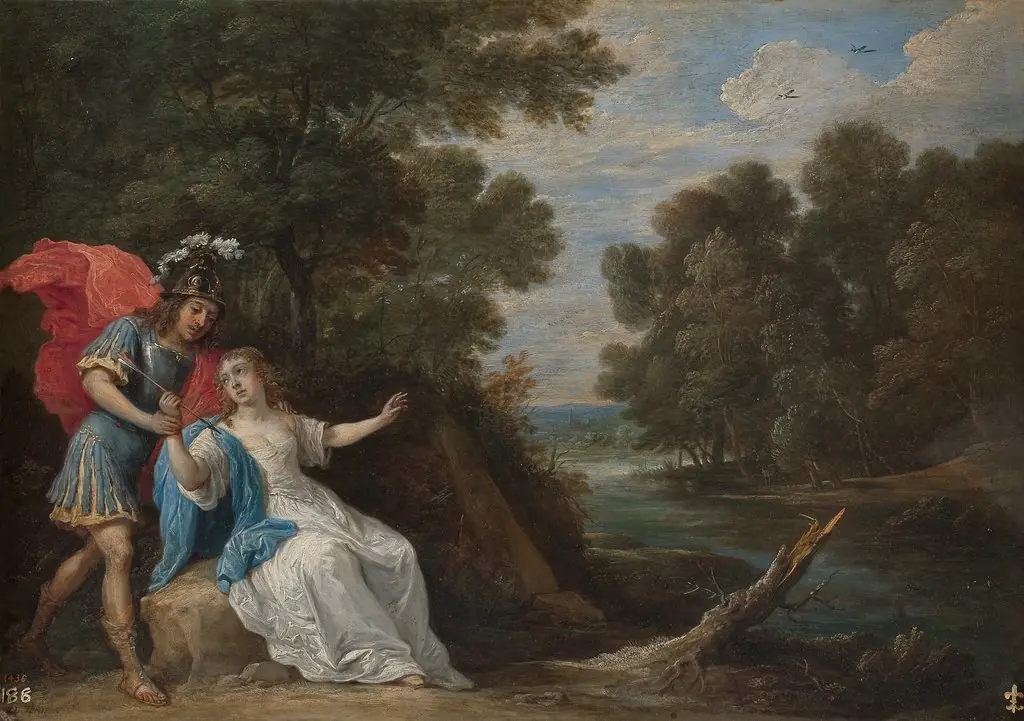
Vertumnus and Pomona is an oil painting by the Flemish Baroque painting artist David Teniers the Younger. It dates from 1638 and is held in the collection of the Kunsthistorisches Museum.
About this work
Subject & Meaning
Their story, recounted in Ovid's Metamorphoses, became a popular allegory of seduction, transformation, and the triumph of persistence.
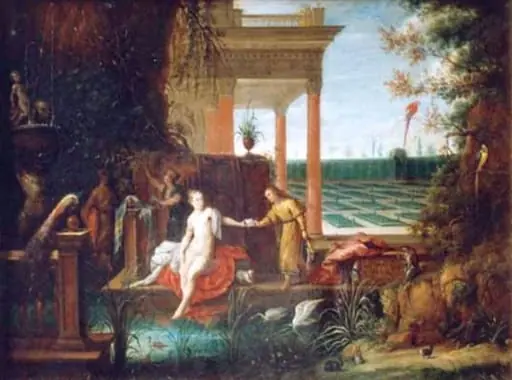
The painting depicts the mythological encounter between Vertumnus and Pomona, a subject drawn from classical Roman lore. Vertumnus, the god of seasons, transformations, and gardens, woos Pomona, a nymph devoted to the cultivation of fruit trees, by assuming various disguises to gain her affection. Their story, recounted in Ovid's Metamorphoses, became a popular allegory of seduction, transformation, and the triumph of persistence.
The work is classified as a mythological painting, with Vertumnus identified as the principal figure depicted. The pairing of the two deities offered Teniers an opportunity to render a richly narrative scene rooted in Ovidian iconography, in which themes of metamorphosis and the bounty of nature intertwine.
Technique & Style
David Teniers the Elder executed Vertumnus and Pomona in 1638 using oil paint applied to a copper support. The work measures 47 cm in height and 61.4 cm in width. As a mythological painting, the artist utilized the copper panel to achieve a smooth, luminous surface characteristic of the medium, allowing for fine detail in the depiction of the figures. The painting is currently held in the collection of the Kunsthistorisches Museum.
History & Provenance
The painting Vertumnus and Pomona was created in 1638 by David Teniers the Elder, who worked on copper as his support. It entered the collection of the Kunsthistorisches Museum, where it remains on public display. The work depicts the mythological embrace of Vertumnus and Pomona, reflecting Baroque-era interest in narrative scenes from classical literature.
The painting Vertumnus and Pomona is housed in the Kunsthistorisches Museum, where it is catalogued under accession number 2002/99. It was first exhibited in the museum’s permanent collection display in 2003 and has subsequently appeared in the 2015 exhibition "Mythological Masterpieces of the Baroque" and the 2020 showcase "Baroque Paintings from the Austrian Collection".
Context
The painting Vertumnus and Pomona by David Teniers the Elder, created in 1638 on copper, exemplifies mythological painting within the broader corpus of Baroque art. Its subject draws from Ovid's Metamorphoses, reflecting the era's fascination with classical narratives rendered in intimate formats. The work is housed in the Kunsthistorisches Museum, where it is catalogued as a mythological painting, underscoring its significance within the artist's oeuvre and the period's thematic explorations.
Overview
Vertumnus and Pomona is a 1638 painting on copper by David Teniers the Younger, a Flemish Baroque artist known for his diverse range of works.
Own this work as a print
Artist & collection
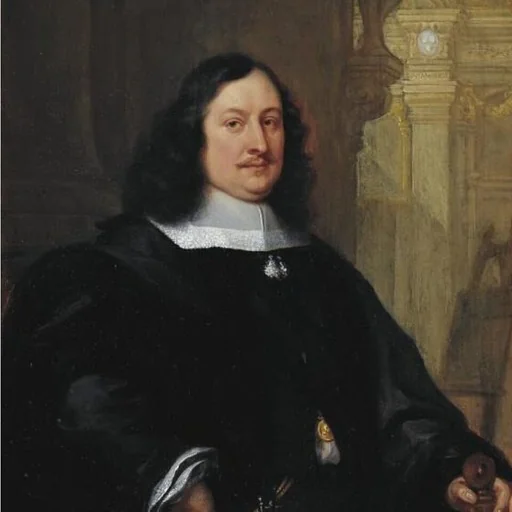
Artist
David Teniers the Younger or David Teniers II was a Flemish Baroque painter, printmaker, and artist.