Artwork
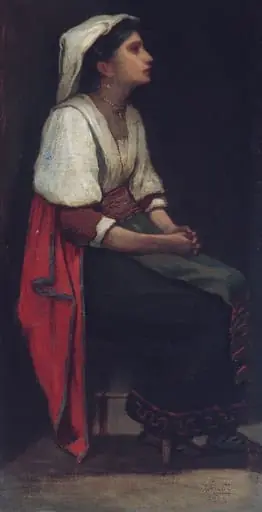
The gipsy
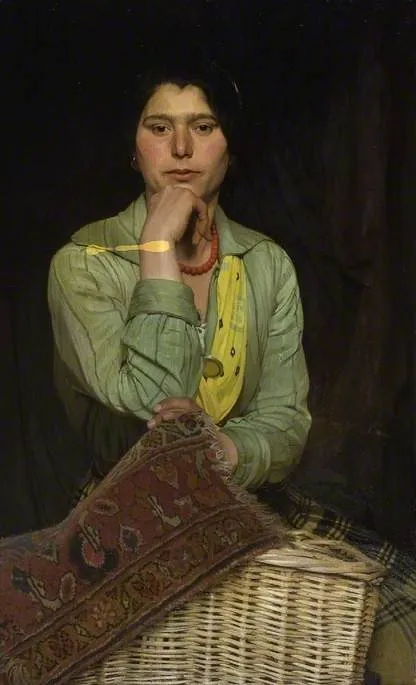
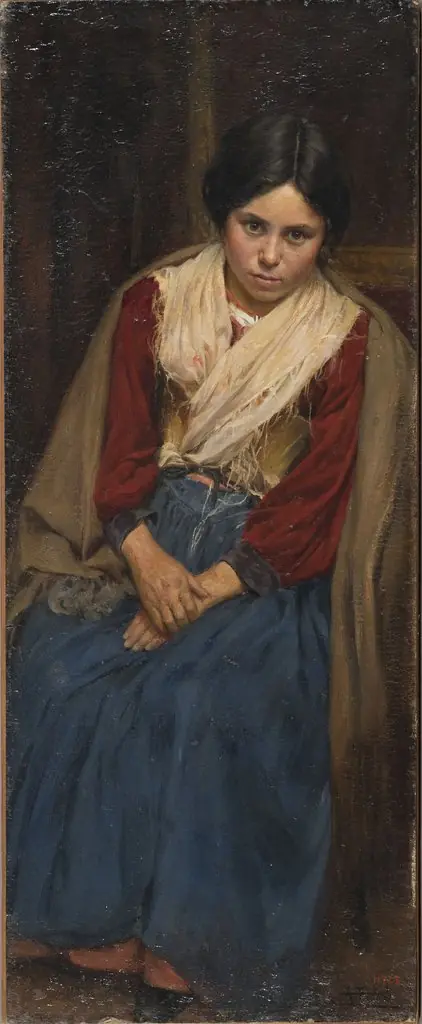
The gipsy is an oil painting by Alan Beeton. It dates from 1930 and is held in the collection of the Fitzwilliam Museum.
About this work
Overview
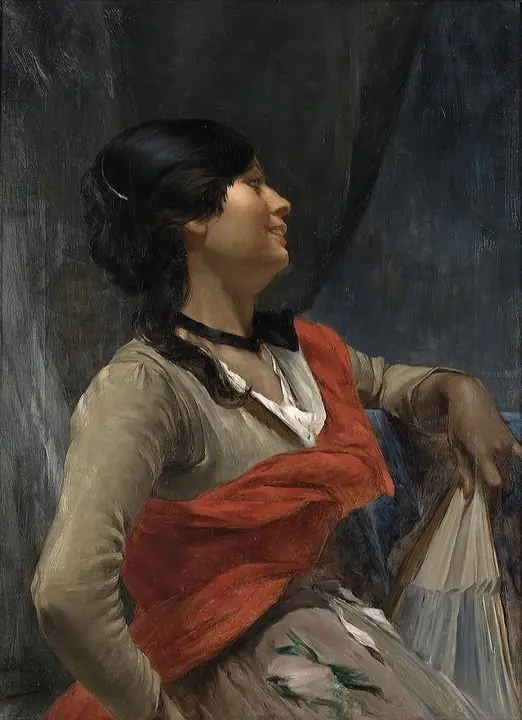
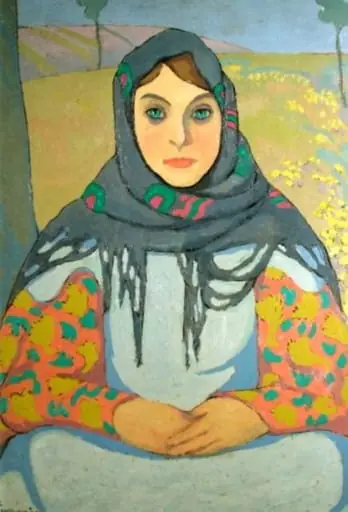
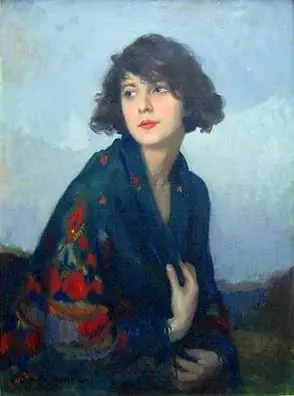
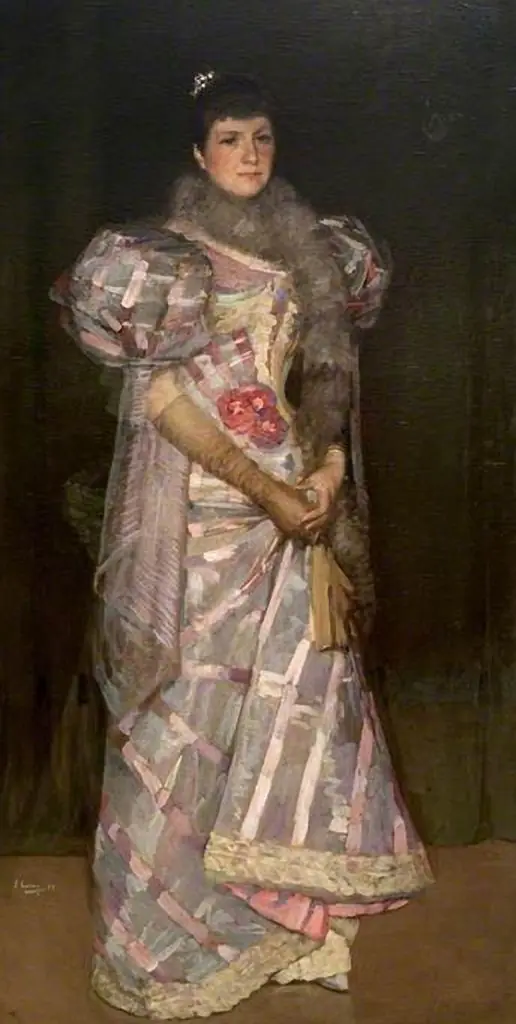
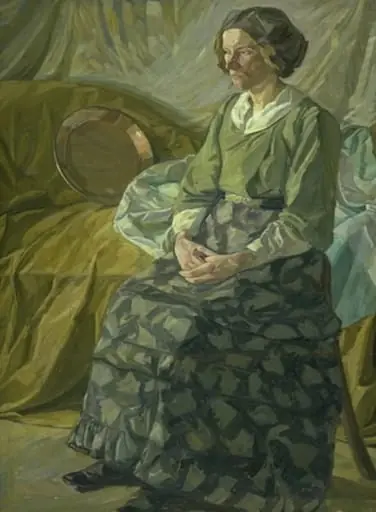
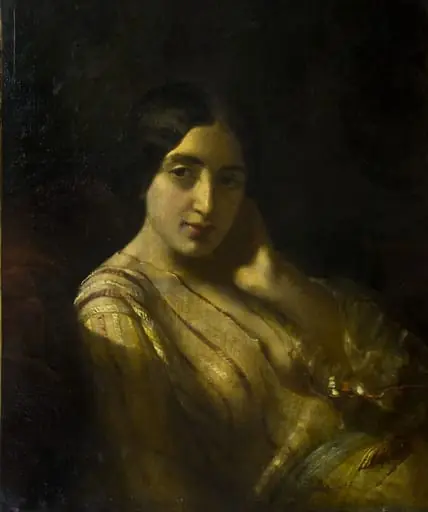
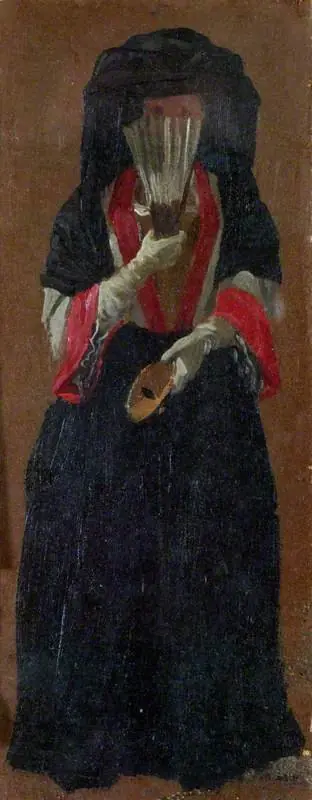
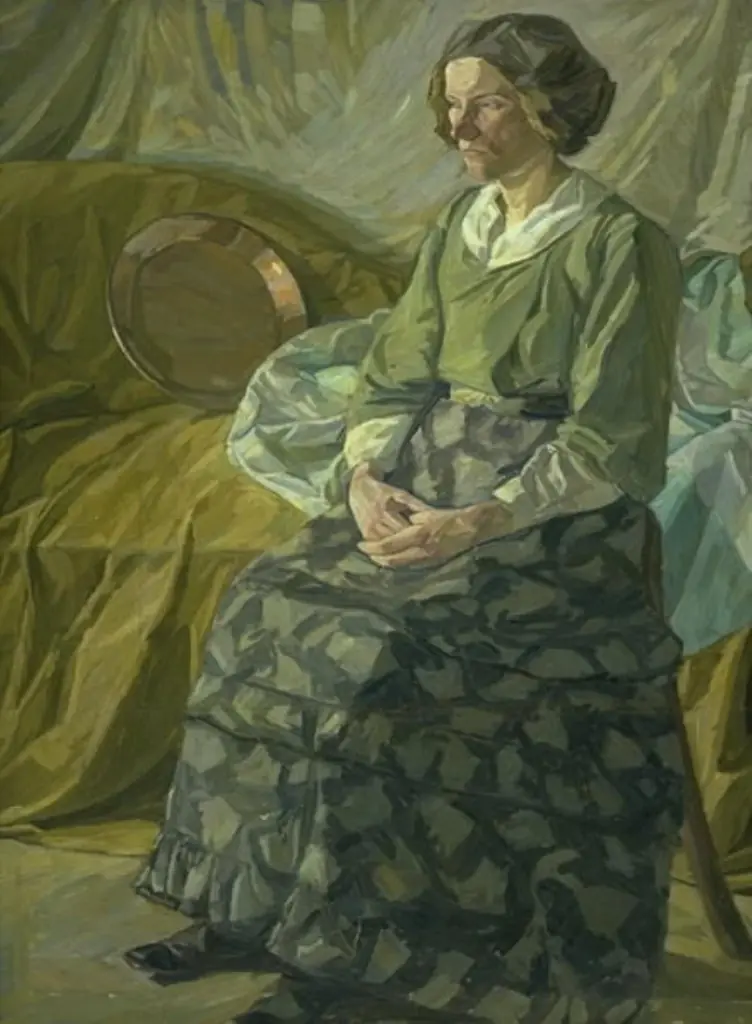
Alan Beeton’s 1930 oil painting, titled The Gipsy, presents a solitary female figure rendered against a dark, undefined backdrop. The work is part of the Fitzwilliam Museum’s collection, where it remains on display as an example of early‑twentieth‑century portraiture.
Subject & Meaning
The sitter is a dark‑haired woman dressed in a green blouse, a yellow scarf, and a red necklace, holding a woven basket covered with a rug. Her right hand rests on her chin while she gazes directly at the viewer, creating an intimate, confrontational presence that invites contemplation of identity and social status.
Technique & Style
Beeton employs a restrained palette, allowing the vivid greens, yellows, and reds of the clothing to stand out against the muted background. Subtle chiaroscuro models the figure’s form, while careful brushwork suggests the texture of fabric and basket, giving the portrait a sense of three‑dimensionality within a studio‑like setting.
History & Provenance
Painted in 1930, The Gipsy entered the Fitzwilliam Museum’s holdings through acquisition (specific details of purchase are not recorded). The museum’s cataloguing identifies it as a representative work of Beeton’s portrait practice during the interwar period.
Context
The painting reflects broader interwar interests in depicting everyday individuals with dignity, aligning with contemporary British portrait trends that favored realistic representation over idealisation. The subject’s attire and accessories hint at cultural associations with Romani communities, though the work remains ambiguous about narrative.
Artist & collection