Artwork
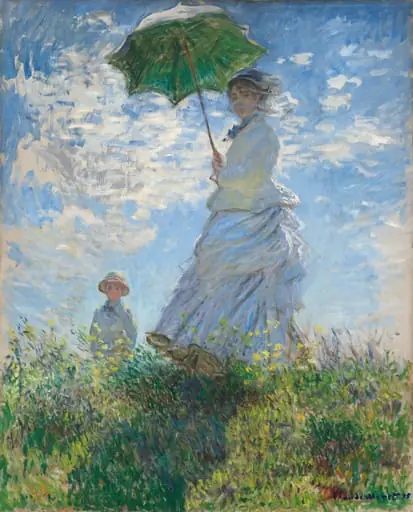
Woman with a Parasol - Madame Monet and Her Son
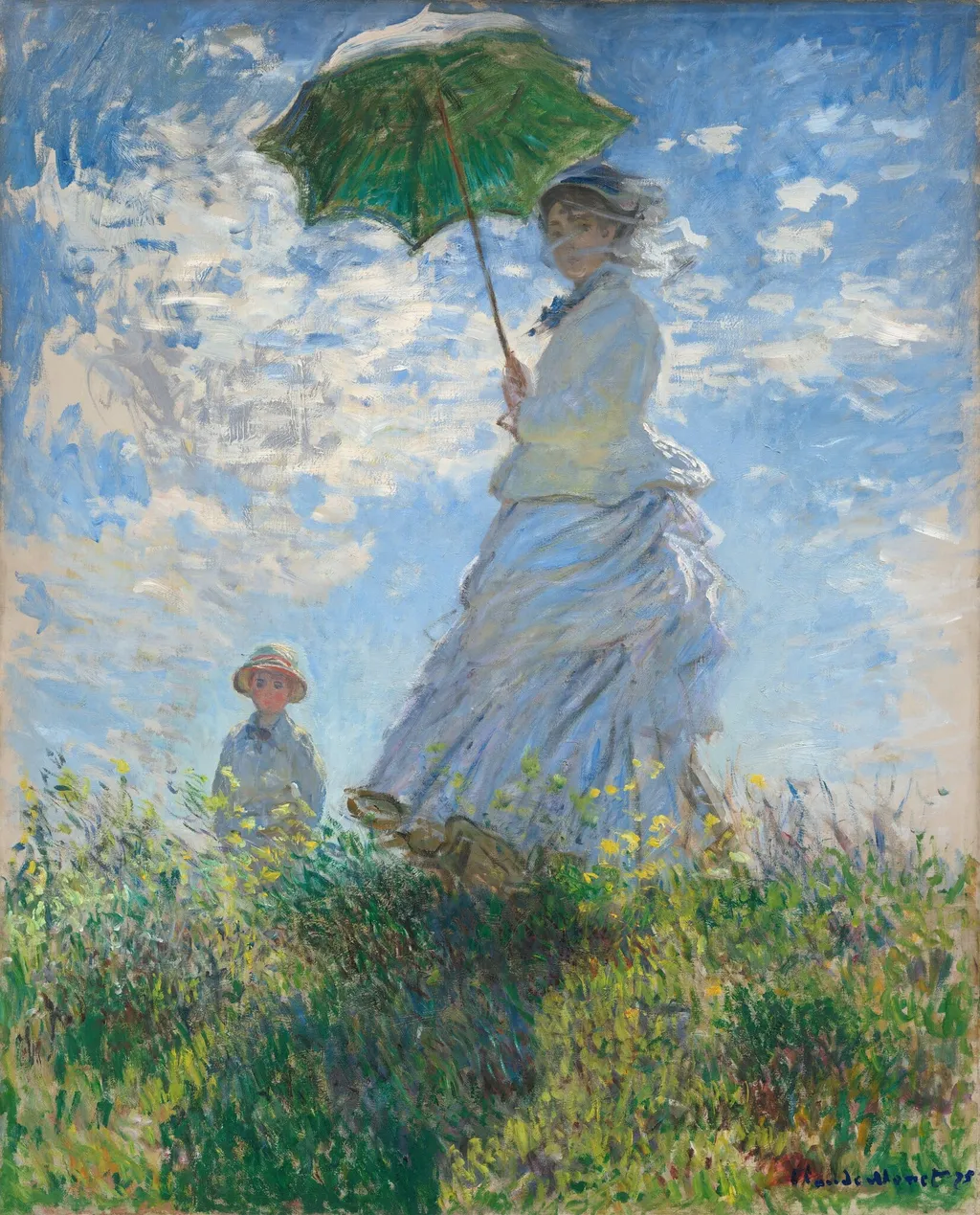
Woman with a Parasol - Madame Monet and Her Son is an oil painting by the Impressionist artist Claude Monet. It dates from 1875 and is held in the collection of the National Gallery of Art.
- Inscription
- Inscribed:lower right: Claude Monet 75
About this work
Camille Doncieux stands on a grassy rise at Argenteuil, her veil and white dress catching the wind while her son Jean peers from behind the hill. Monet painted his wife and child outdoors in 1875 with the same loose, rapid brushwork he gave the sky and meadow. The National Gallery of Art holds it.
Subject & Meaning
This genre scene depicts Claude Monet’s wife, Camille Doncieux, and their son, Jean Monet, strolling through a meadow in Argenteuil.
This genre scene depicts Claude Monet’s wife, Camille Doncieux, and their son, Jean Monet, strolling through a meadow in Argenteuil. Camille holds a parasol, which creates a contre-jour effect, casting shadows and highlighting the figures against the bright sky. The parasol, straw hat, and dresses symbolize leisurely bourgeois life, while the fleeting light and movement capture an ephemeral moment typical of Impressionism.
The composition emphasizes the intimacy of mother and child within a rural landscape, representing the artist’s personal domestic life and his fascination with natural light and atmospheric conditions.
Technique & Style
Executed in oil on canvas, the work reflects Monet's Impressionist approach. The painterly handling employs rapid, broken brushstrokes to capture the shifting effects of natural light and atmosphere. A contre-jour composition places the figures against the sun, generating strong shadows and a luminous sky that emphasizes the moment's transience.
The support is a standard-sized canvas (100 × 82 cm), and the materials align with Monet's outdoor practice. No condition details are provided in the sources; the painting's formal qualities, the strolling pose, the parasol, and the interplay of light and shadow, typify Impressionist genre scenes.
History & Provenance
Claude Monet painted Woman with a Parasol – Madame Monet and Her Son in 1886, according to the corpus date and Wikidata inception. However, its provenance indicates it left the artist by 1876, entering the collection of Dr. Georges de Bellio in Paris. After de Bellio's death in 1894, the work passed to his daughter Victorine and her husband Ernest Donop de Monchy, who retained it until at least 1897.
It may have subsequently been with Paul Rosenberg and Co. before being owned by Georges Menier by 1924; Menier lent the painting to an exhibition that year. In 1965, the Menier sale at Palais Galliera saw it auctioned, purchased by Hector Brame for Paul Mellon, who gifted it to the National Gallery of Art in 1983. Additionally, Wikidata records that the painting was exhibited at the second Impressionist exhibition in 1876.
The painting is held at the National Gallery of Art, Washington, D.C., where it was accessioned in 1983 as a gift from Paul Mellon. Its exhibition history includes the Second Impressionist Exhibition (1876) and the Première exposition de collectionneurs au profit de la Société des Amis du Luxembourg, Paris (1924).
Context
The painting was acquired by Dr. Georges de Bellio from the artist in 1876 and exhibited that year at the second Impressionist exhibition, a landmark event for the movement. As an Impressionist work, it captures a moment of modern life in a rural setting, emphasizing natural light and atmospheric effects. Its subject, the artist’s wife and son, typifies the movement’s turn to everyday subjects.
The painting’s early inclusion in de Bellio’s collection, a key supporter of the Impressionists, and its subsequent scholarly tracing in Remus Niculescu’s study of that collection, highlight its sustained art-historical significance.
Overview
Claude Monet's 1875 oil painting, "Woman with a Parasol – Madame Monet and Her Son," captures a fleeting moment with his wife, Camille, and their son, Jean. Executed outdoors in Argenteuil, this Impressionist work depicts the figures on a breezy summer day, suggesting a casual stroll. It exemplifies Monet's dedication to rendering light and atmosphere in everyday scenes, making it a significant piece within his oeuvre from this period.
Own this work as a print
Artist & collection
Artist
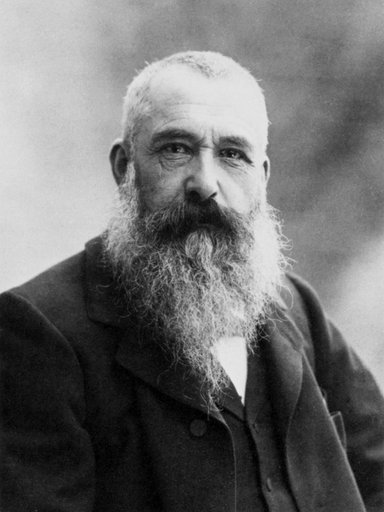
Oscar-Claude Monet was a French painter and founder of Impressionism who is seen as a key precursor to modernism, especially in his attempts to paint nature as he perceived it.

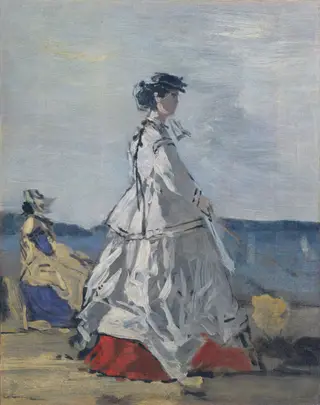 Princess Pauline Metternich (1836–1921) on the Beach
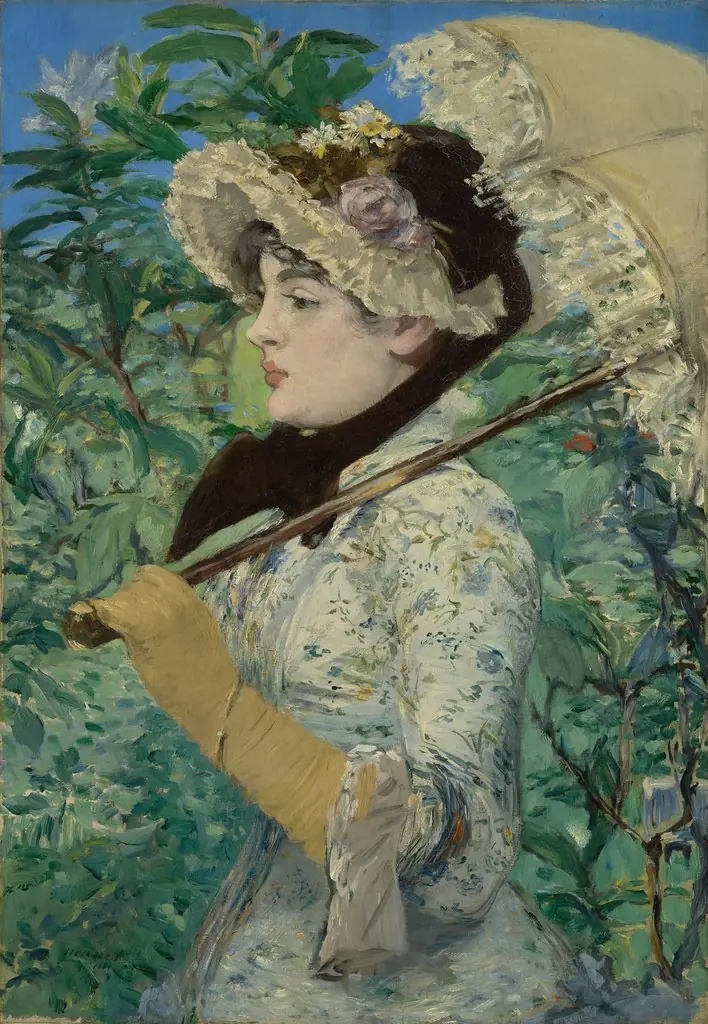 Spring
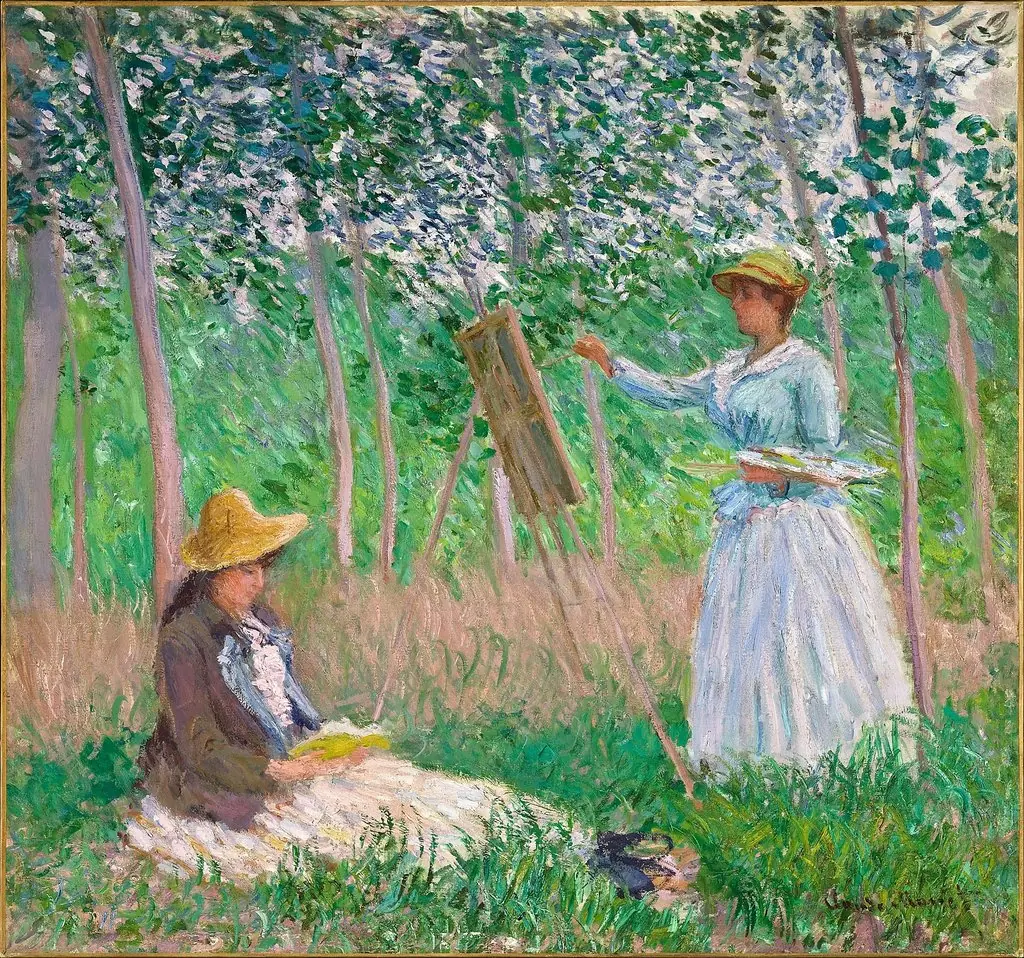 In the Woods at Giverny: Blanche Hoschedé at Her Easel with Suzanne Hoschedé Reading
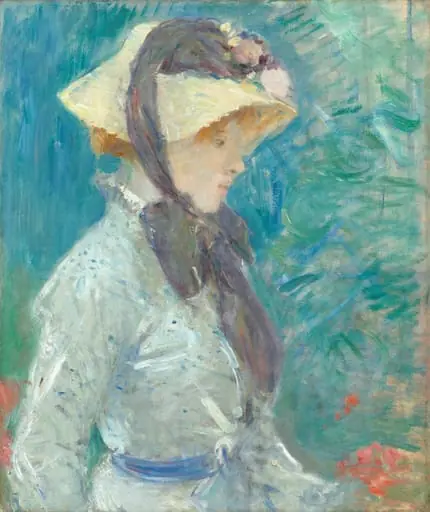 Young Woman with a Straw Hat
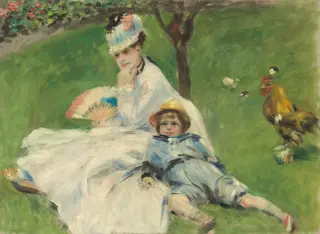 Camille Monet und ihr Sohn Jean in Argenteuil
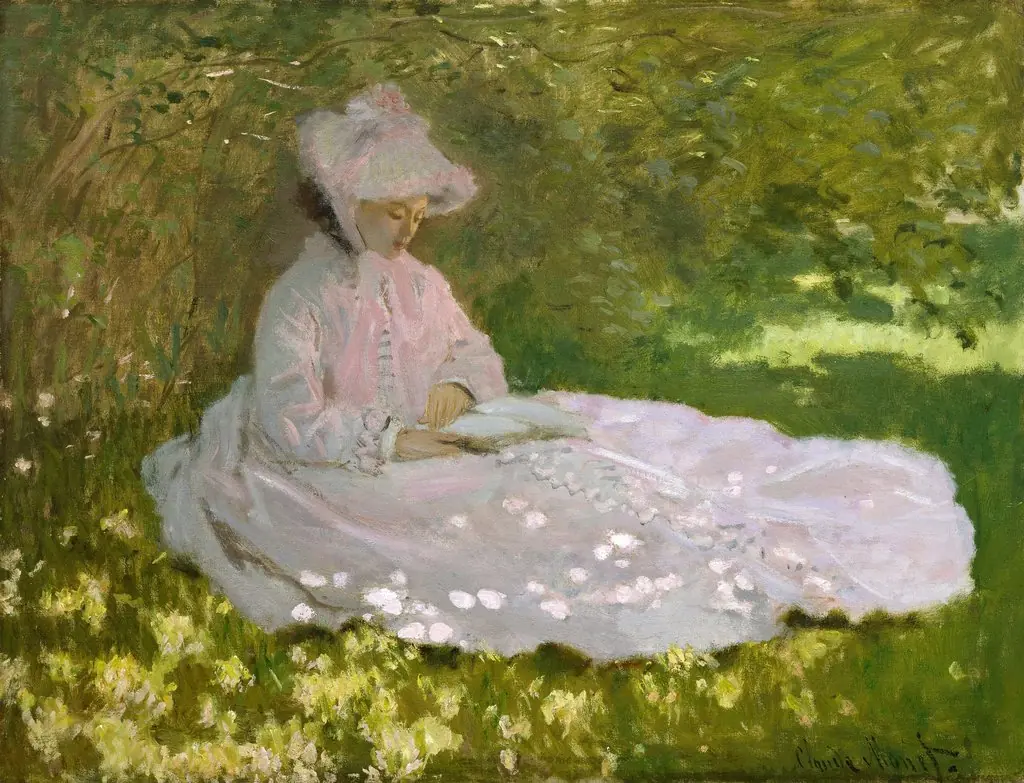 Springtime
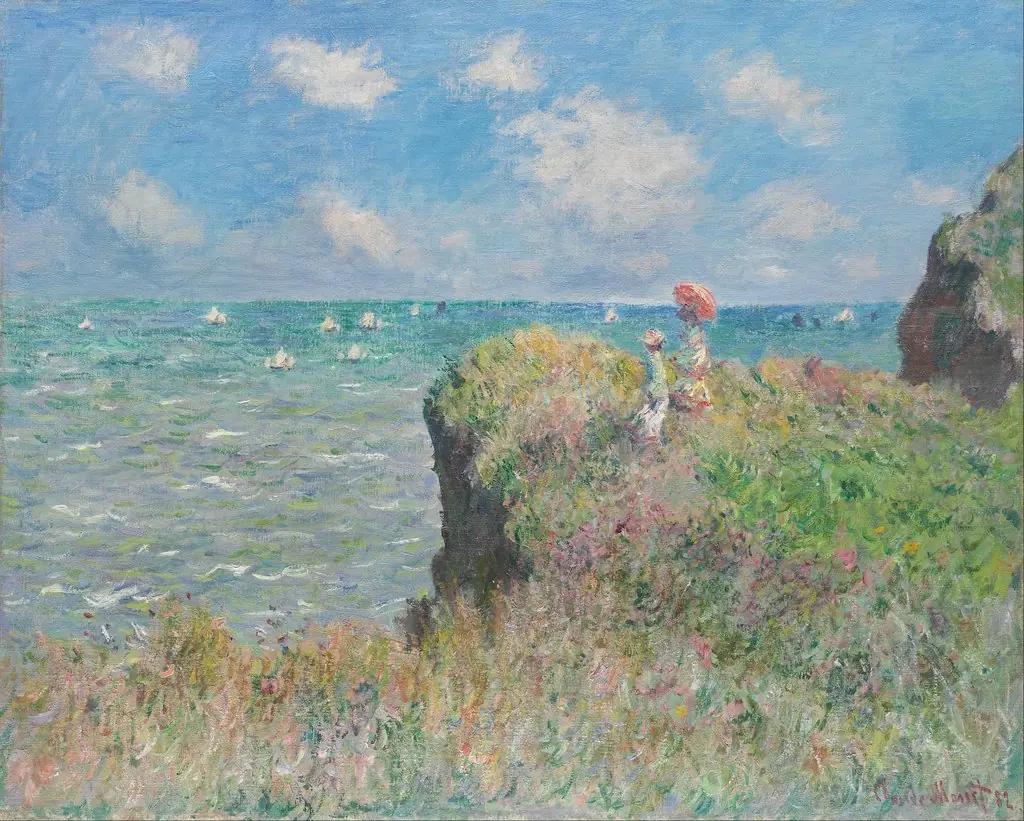 The Cliff Walk at Pourville
 Cliff Walk at Pourville
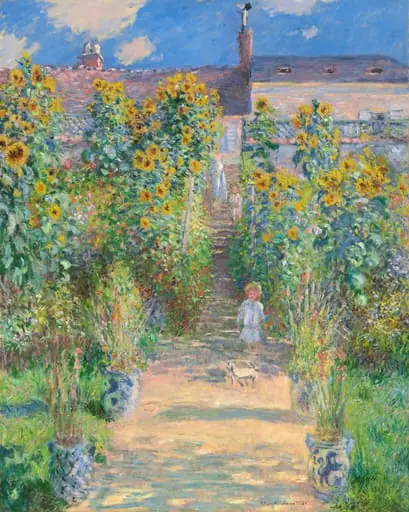 The Artist's Garden at Vétheuil
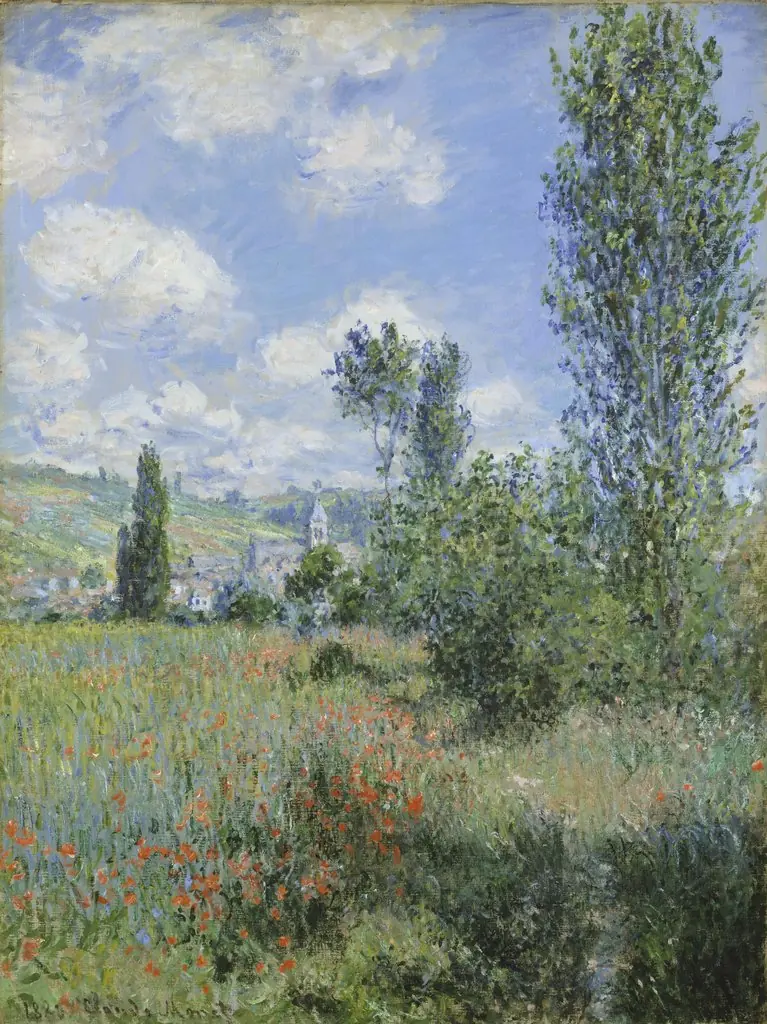 View of Vétheuil
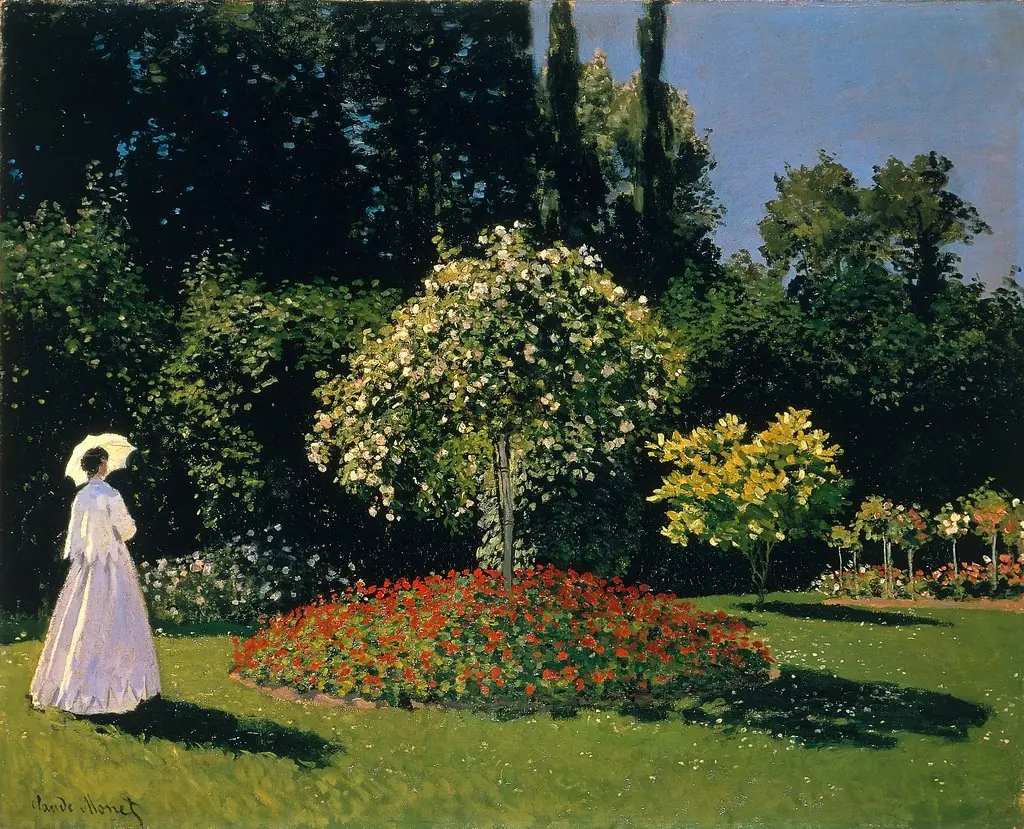 Woman in the Garden
- Madame Monet and Her Son
 Studied in the How to Look at a Painting course
 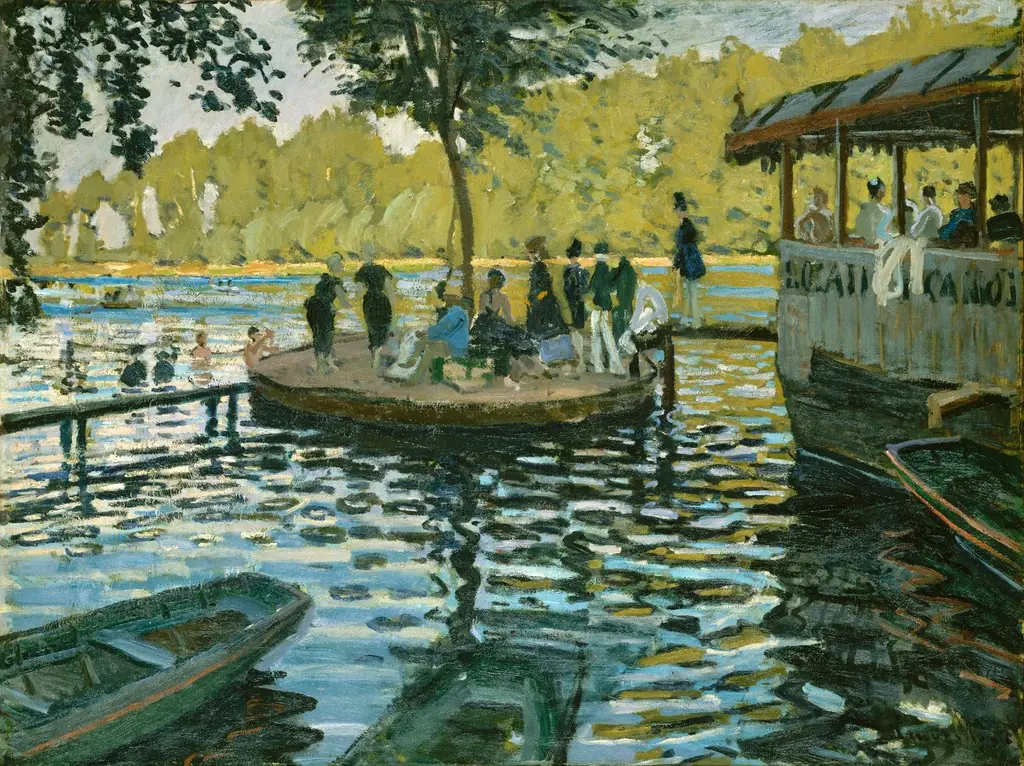 Studied in the Impressionism course