Artwork
Cwm Llyfnant
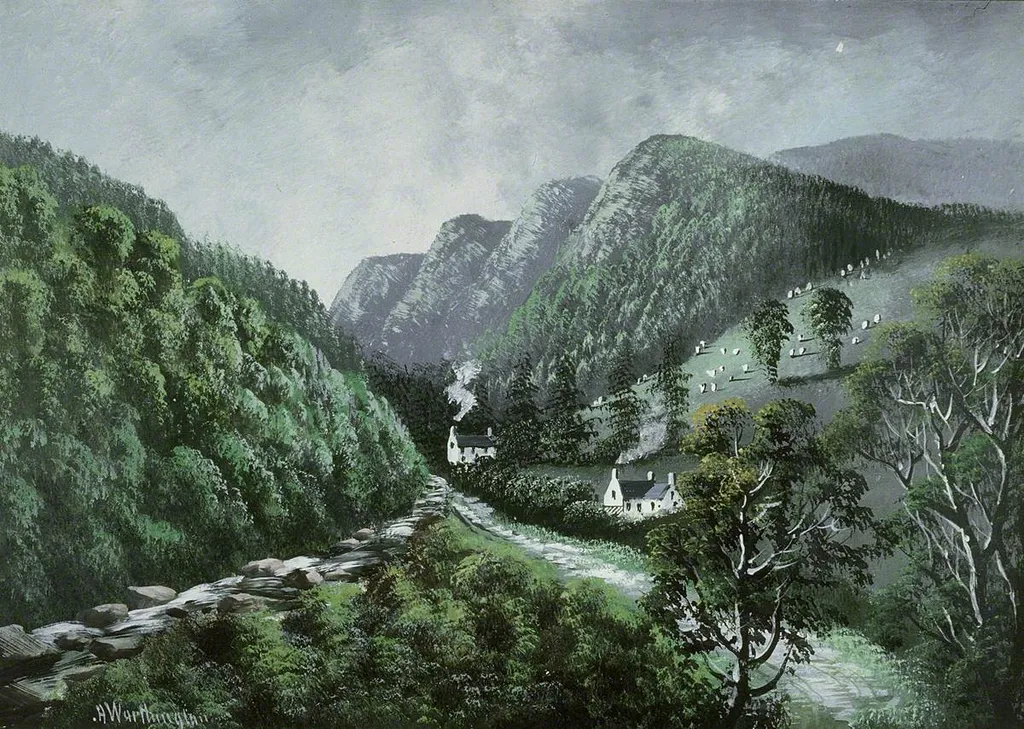
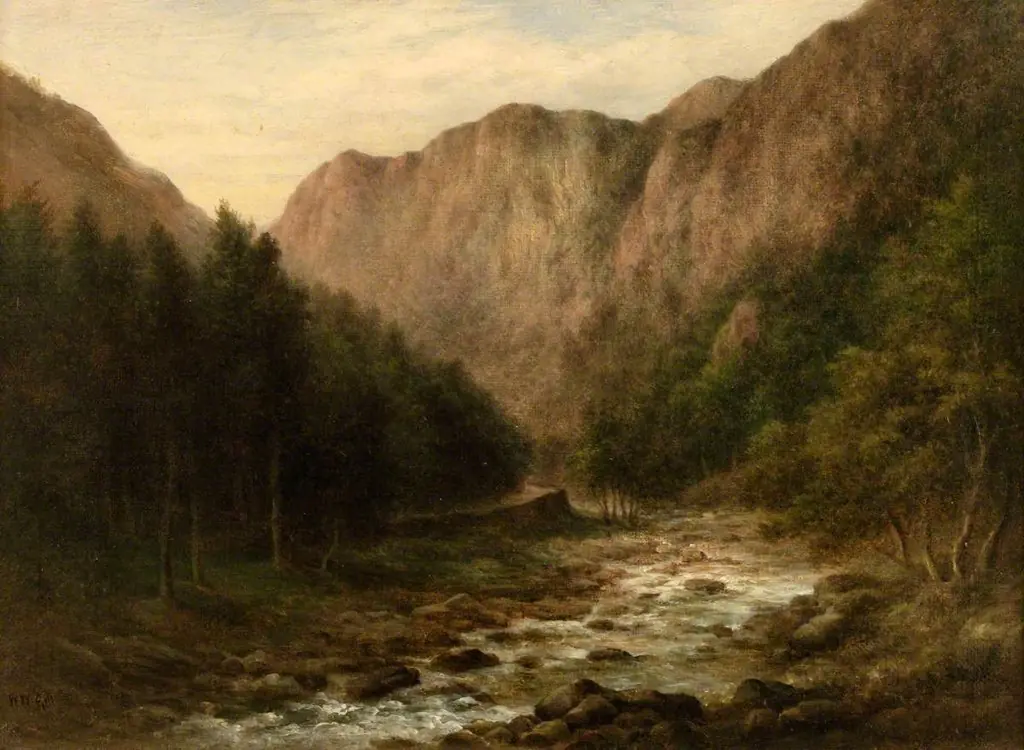
Cwm Llyfnant is an oil painting by the Impressionist artist Alfred Worthington. It dates from 1896 and is held in the collection of the National Library of Wales.
About this work
Overview
4 cm, the work is held in the National Library of Wales in Aberystwyth as part of its Framed Works of Art collection, accession number PB08574.
Cwm Llyfnant is an oil-on-board landscape painting by Alfred Worthington, dated 1890, depicting the valley of the River Llyfnant in Wales. Measuring 38.6 by 54.4 cm, the work is held in the National Library of Wales in Aberystwyth as part of its Framed Works of Art collection, accession number PB08574. The painting represents a characteristic example of Worthington's landscape production during his mature period in Wales, combining topographical observation with a composed, illustrative sensibility typical of late nineteenth-century British regional painting.
Subject & Meaning
The painting depicts the valley of Cwm Llyfnant, with the River Llyfnant flowing diagonally from the lower left toward the center, bordered by visible rocks and dense green foliage. Two white houses with dark roofs sit near the river's bend, with smoke rising from one chimney, suggesting habitation and rural industry. Sheep or white forms dot the sloping hillside to the right, while mountains layered in blue-gray tones recede into the background beneath a pale, overcast sky. The absence of human figures emphasizes the pastoral solitude of the scene. The iconography aligns with conventional Victorian landscape conventions: the river as a natural pathway through the composition, the cottage as a marker of human presence within wild nature, and the layered mountains as a source of picturesque depth. The work functions as both a specific topographical record and a generalized evocation of Welsh rural scenery.
Technique & Style
Worthington executed the painting in oil on board, a support that allowed for the detailed yet slightly flat finish evident in the work. The palette is dominated by greens, grays, and whites with touches of brown, creating a coherent tonal harmony appropriate to the overcast atmospheric conditions. Brushwork varies across the surface: the sky is handled with smoother application, while the foreground foliage receives denser, more stippled treatment that builds textural interest. The mountains are rendered in layered blue-gray tones that effectively convey atmospheric recession. This combination of detailed observation in the foreground with smoother, more generalized handling in the distance follows established landscape conventions, though the overall effect retains what has been described as a slightly flat, illustrative quality. The signature appears in the lower left corner.
History & Provenance
The painting is dated to 1890, placing it within Worthington's mature period after he had established himself in Aberystwyth. The work was acquired by the National Library of Wales as a gift from Miss G. O. Thomas in 1976, entering the collection as accession number PB08574. It now forms part of the National Library of Wales Framed Works of Art collection in Aberystwyth. The image has been designated as public domain, and it is catalogued on Art UK. The work has also been digitized and made available through Wikimedia Commons, with the digital file created in 2016 and uploaded in 2019.
Context
Alfred Worthington was born in Dover in 1835 and moved to Aberystwyth around 1870 on medical advice, where he established a photographic and artist studio. After abandoning photography, he turned to painting, producing landscapes, domestic scenes, and decorative works including slate fireplaces. He has been described as the last of the artisan painters in Wales, a characterization that places him within a tradition of skilled craftsperson-artists rather than academically trained fine artists. His move to Aberystwyth coincided with a period of growing interest in Welsh landscape and culture among English and Welsh audiences alike. The National Library of Wales holds multiple works by Worthington from around 1890, including landscapes of St Padarn's Church, Aberystwyth Harbour, and other local subjects, indicating his sustained engagement with the region's topography. Cwm Llyfnant exemplifies this documentary impulse, recording a specific Welsh valley with the clarity and attention to local detail that characterized his practice.
Legacy
Cwm Llyfnant remains accessible as a public domain image through Art UK and Wikimedia Commons, ensuring its continued availability for study and reproduction. As part of the National Library of Wales collection, it contributes to the institutional record of Welsh landscape painting and of Alfred Worundefined Worthington's oeuvre. While critical literature on the artist appears limited, his designation as the last of the artisan painters in Wales suggests a significance that merits further scholarly attention. The painting's presence in a national collection, rather than private hands, secures its place within the broader narrative of Welsh visual culture and nineteenth-century British regional landscape painting. Its digitization and open licensing represent contemporary efforts to expand access to such regional works beyond traditional museum audiences.
Artist & collection
Artist
English painter in the 1880s–90s, Worthington captured Welsh coastal life and village scenes in oil.

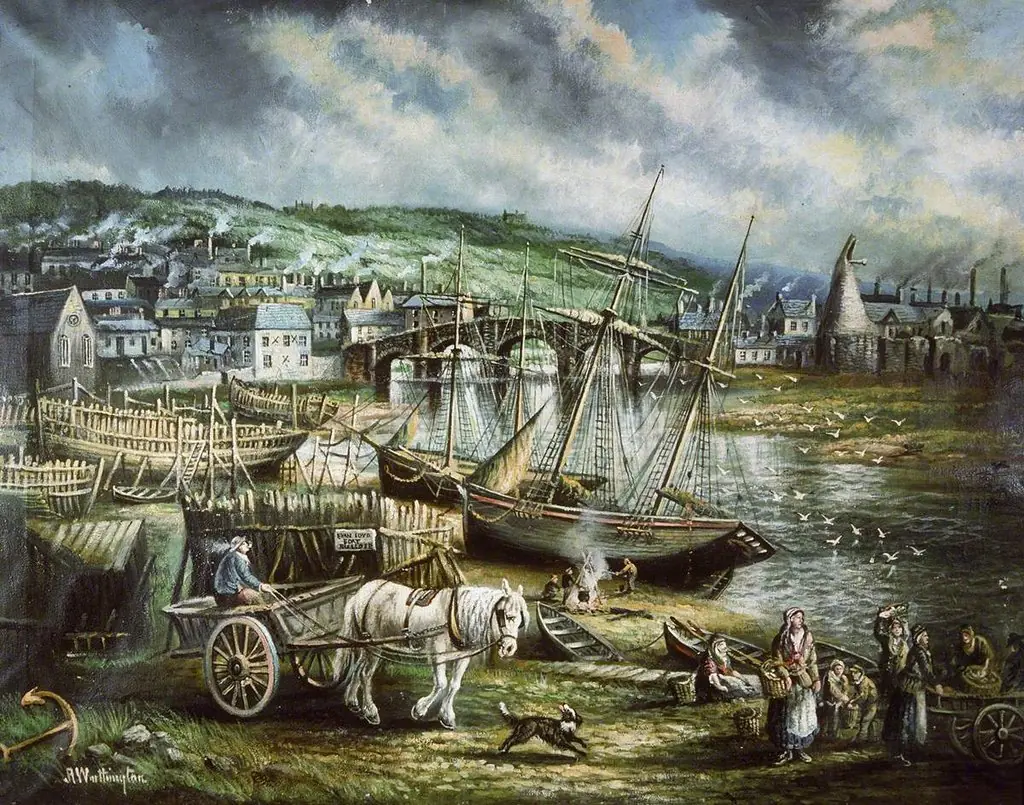
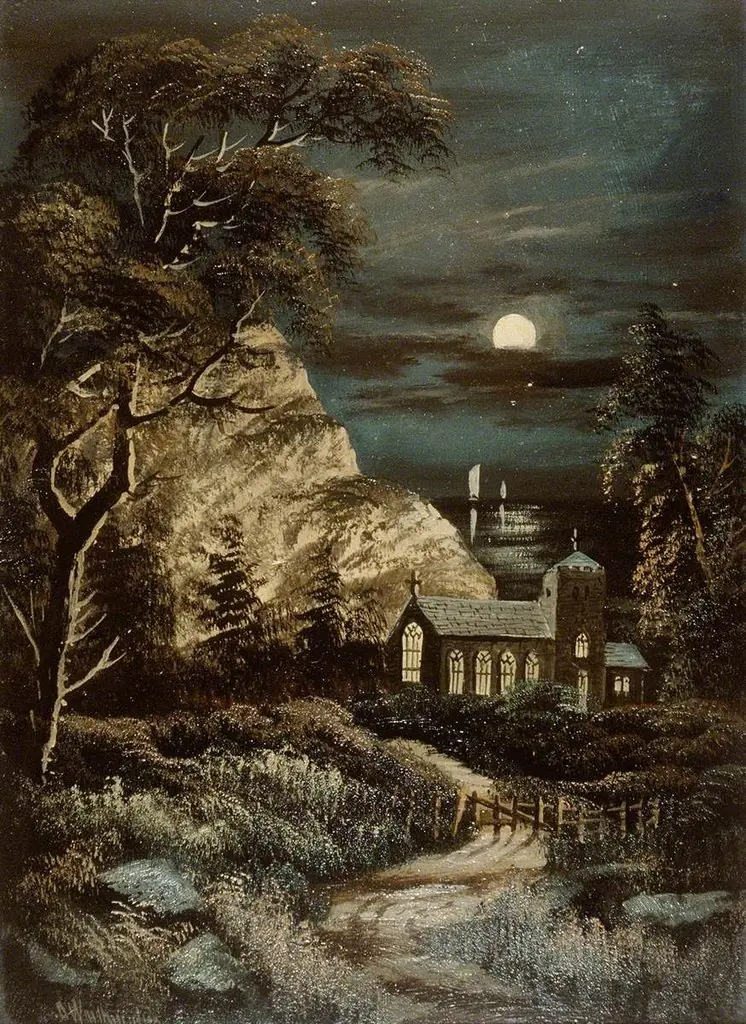
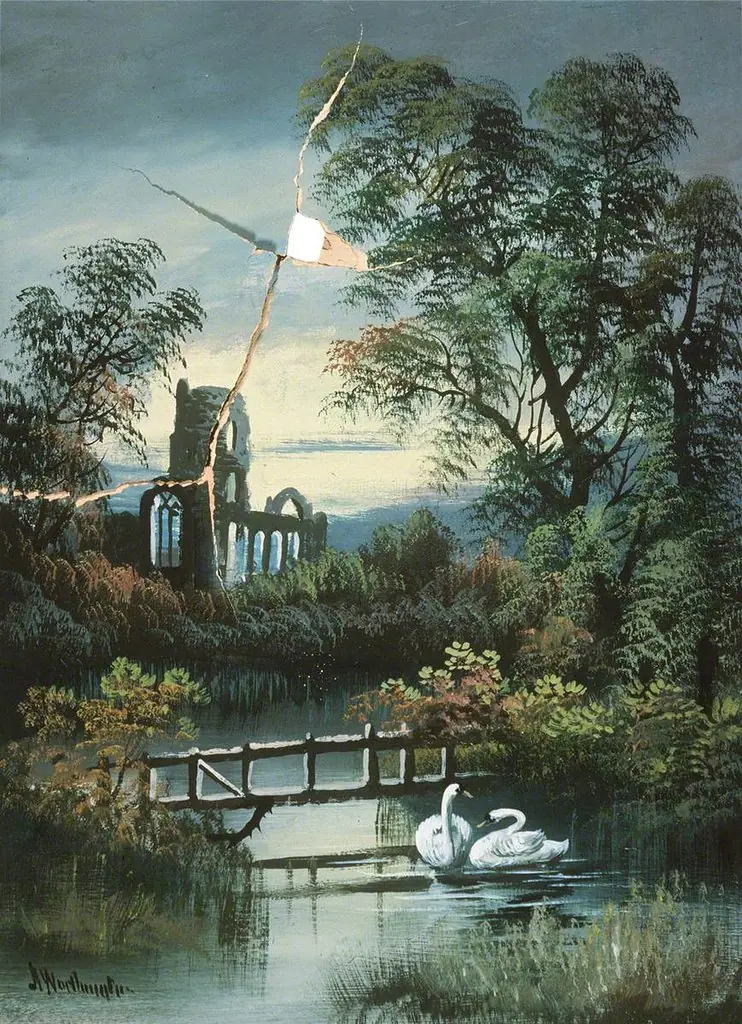
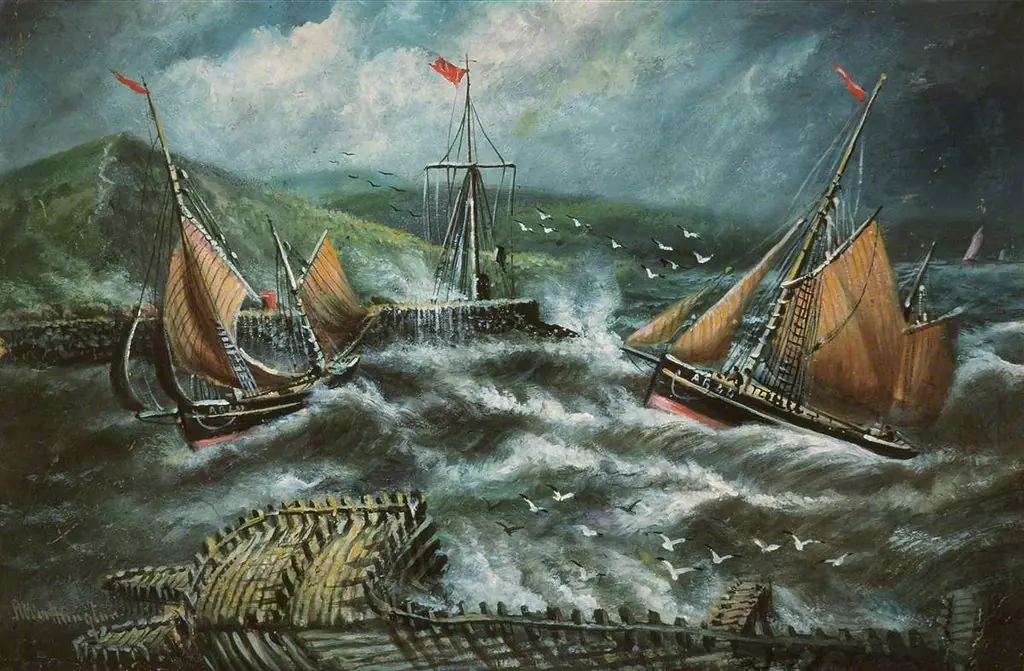
- Lynmouth, Devon
 The Pass of Aberglaslyn
 View on the Conwy, near Llanwrstm, Carnarvonshire
![Landscape View [?in North Wales], by John Glover](https://artifactworldgallery.com/img/john-glover--landscape-view-in-north-wales--a6780e3d0b73ec67-w320.webp) Landscape View [?in North Wales]
Landscape View [?in North Wales]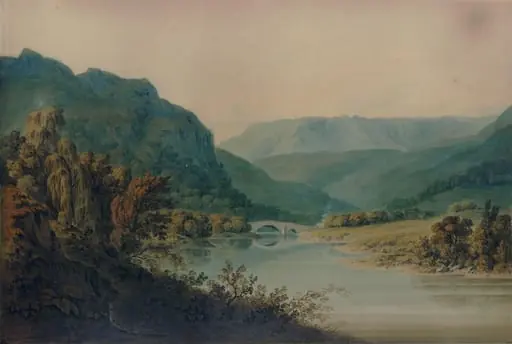 View of Braemar
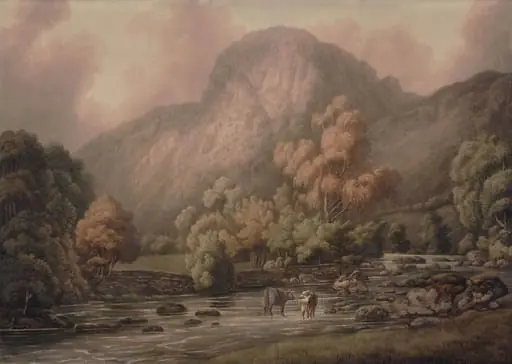 Raven Crag, Wythburn Water, Thirlmere
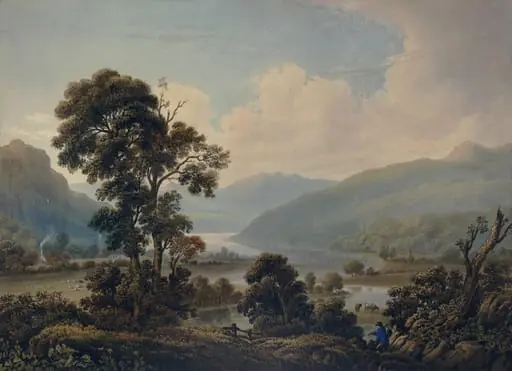 Landscape wih River and Mountains
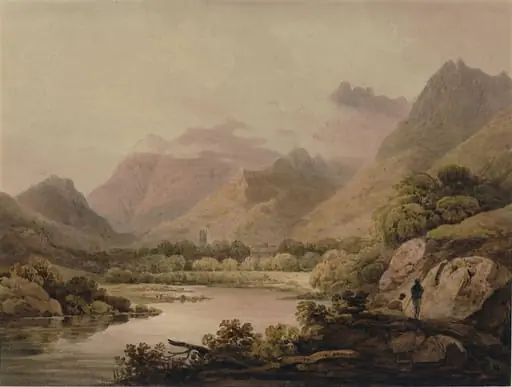 Ghirimeer on the Upper Lake of Killarney
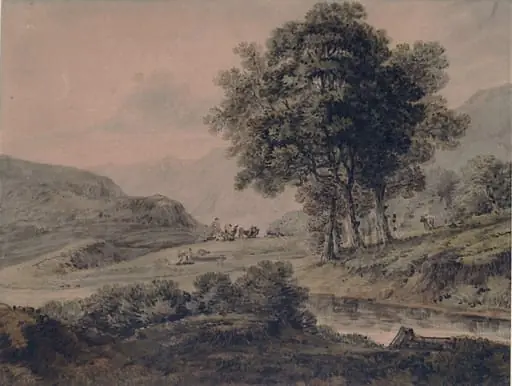 Landscape with stream, cattle and figures
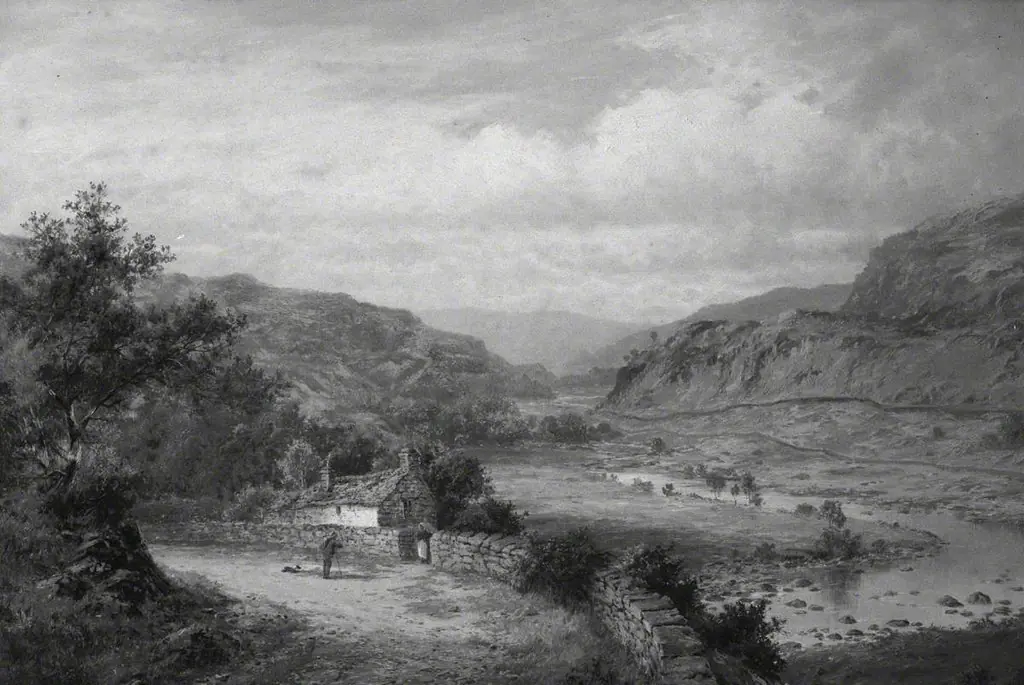 In the Lledr Valley, Betws-y-Coed
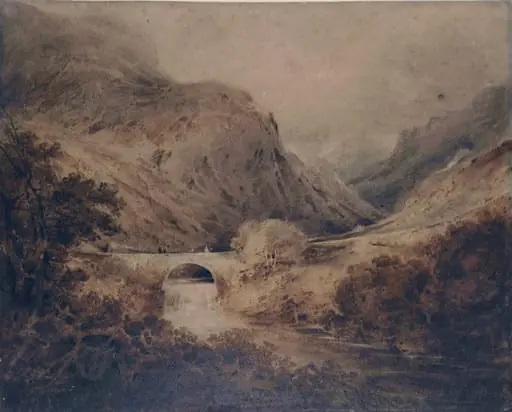 Pont-aber-Glaslyn
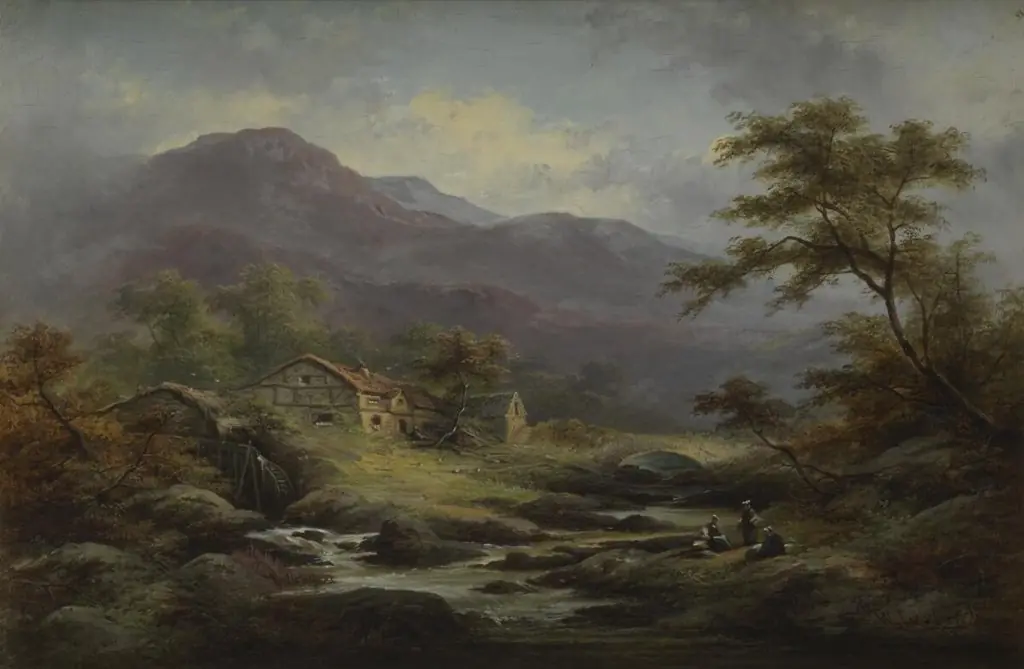 miller's home, Pont Aberglaslyn