Artwork
Peisaj
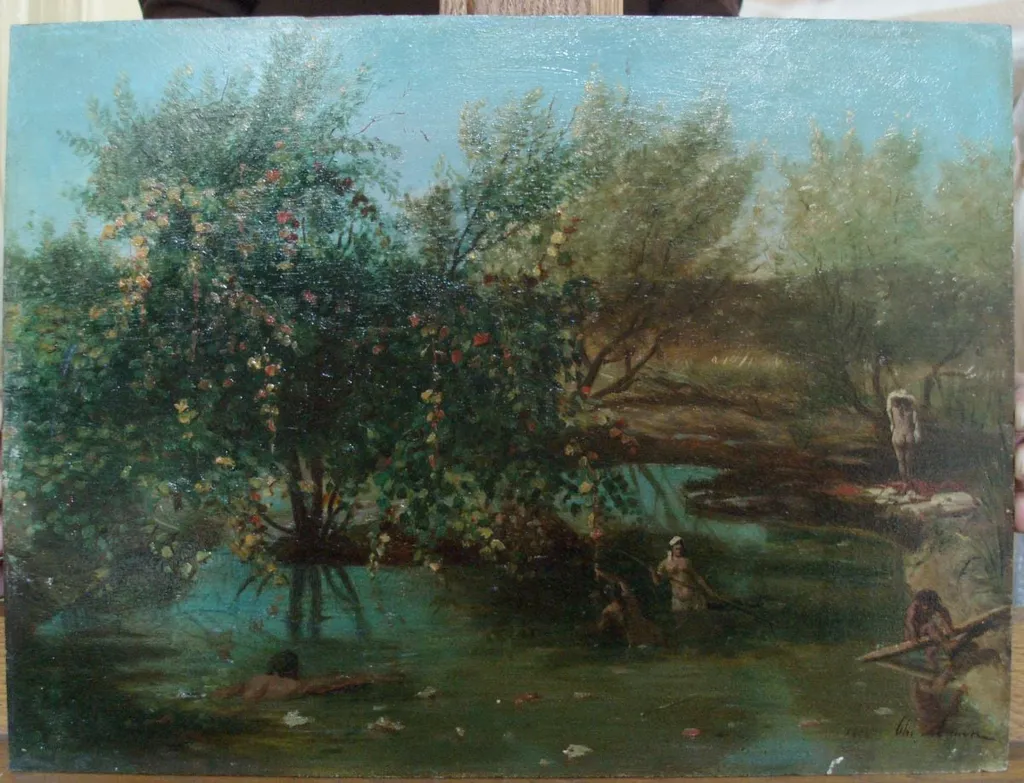
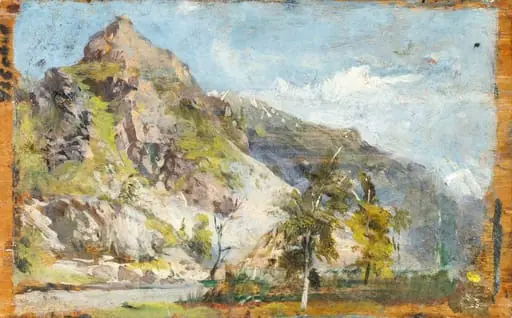
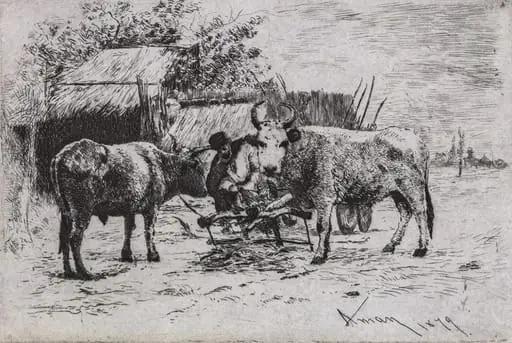
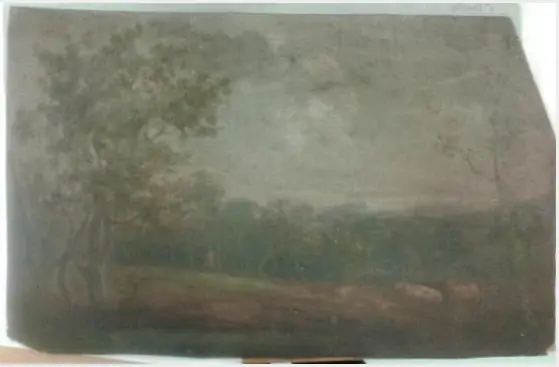
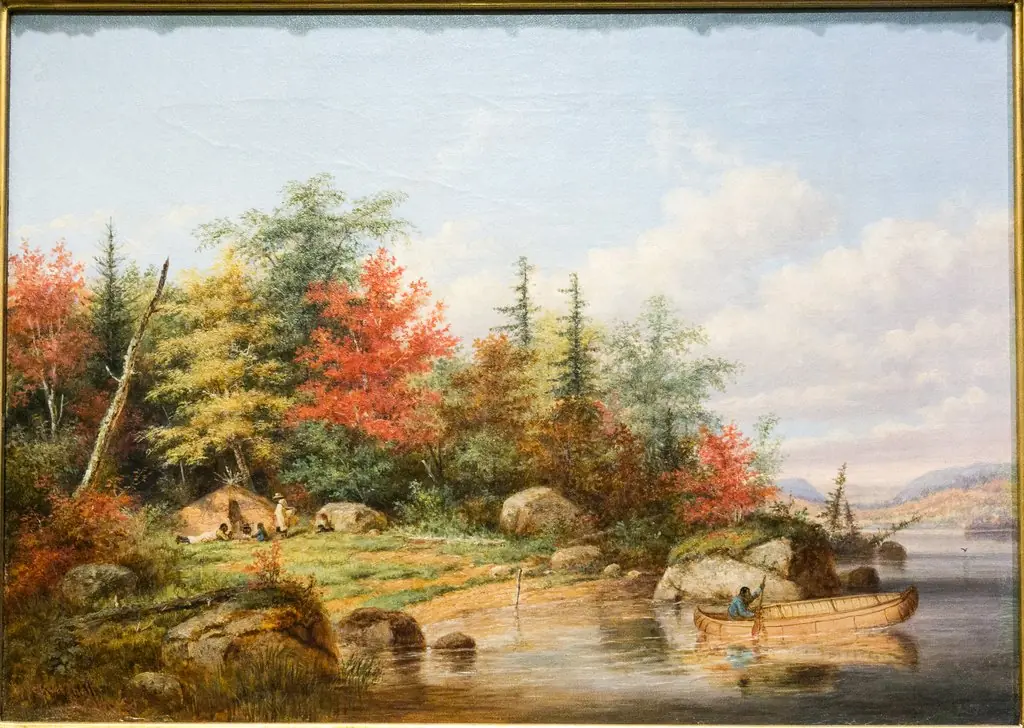
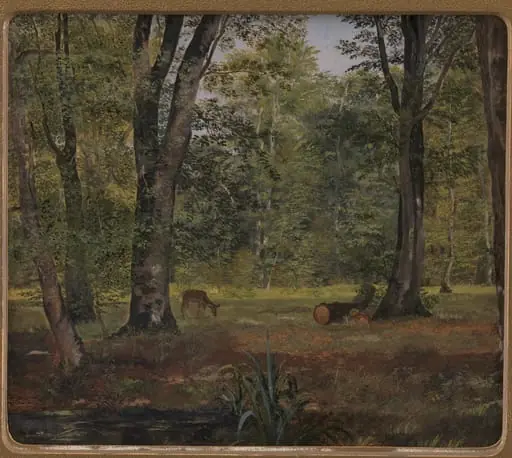
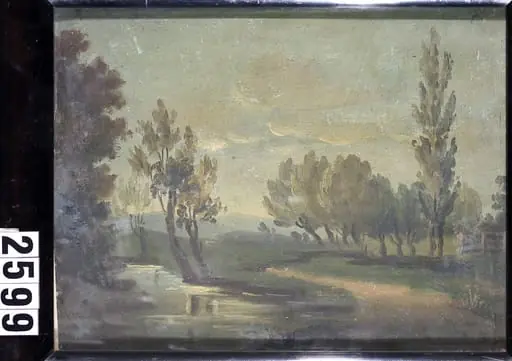
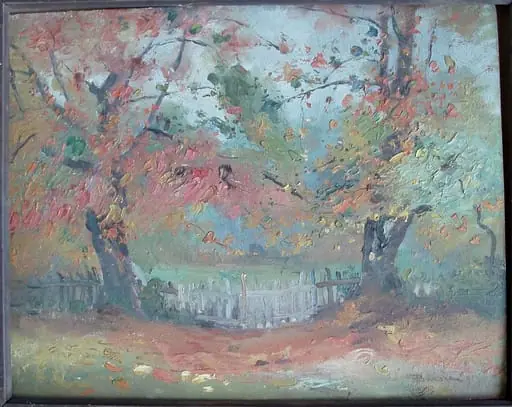
Peisaj is a print by Theodor Aman. It dates from 1871 and is held in the collection of the Bucharest Municipality Museum.
About this work
Overview
Theodor Aman, a Romanian artist active in the 19th century, produced Peisaj circa 1871 as part of his broader engagement with natural scenery.
Theodor Aman, a Romanian artist active in the 19th century, produced Peisaj circa 1871 as part of his broader engagement with natural scenery. Though primarily known for genre and historical subjects, this work reflects his quieter, observational approach to landscape. The painting is held in the Museum of Ethnography, where it contributes to a collection focused on cultural and environmental representation rather than fine art alone.
Subject & Meaning
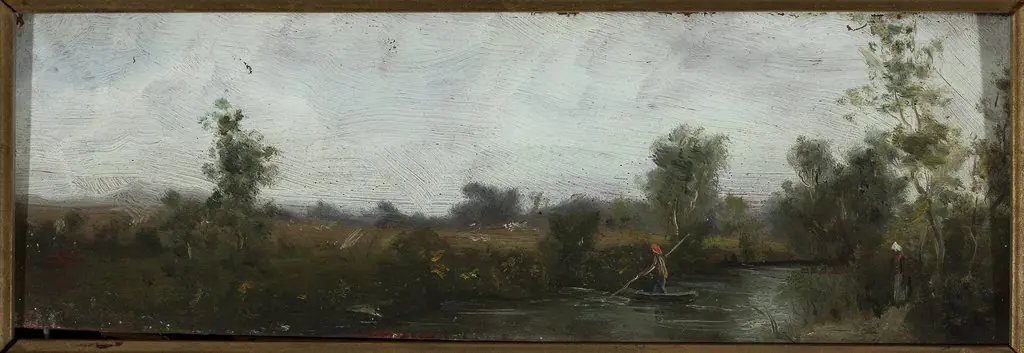
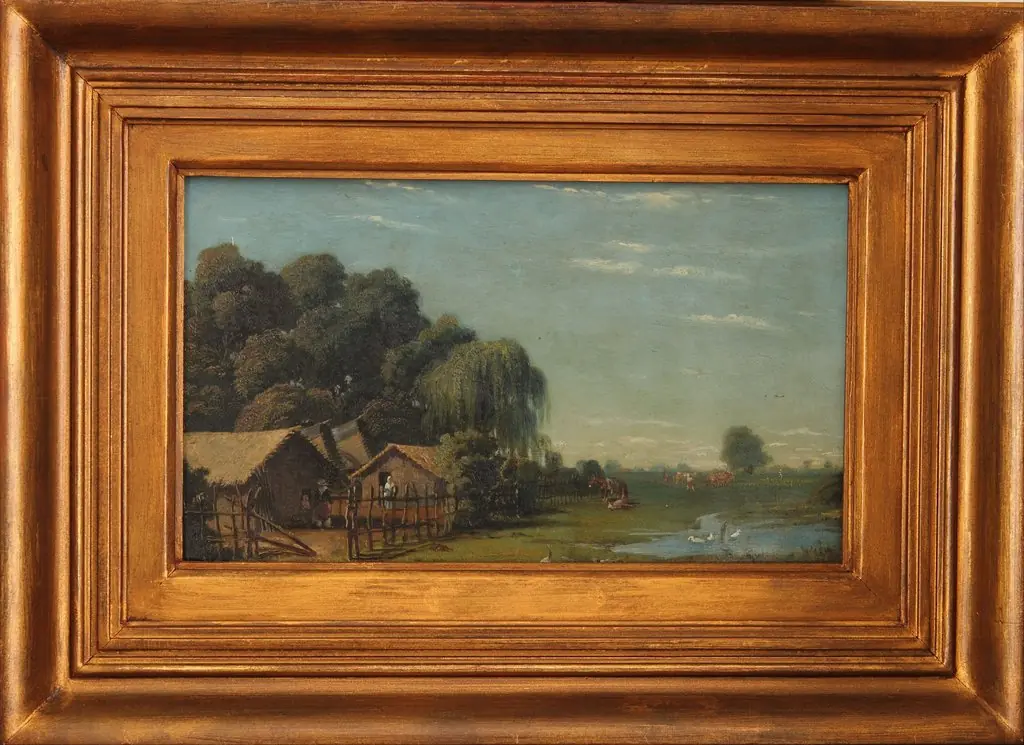
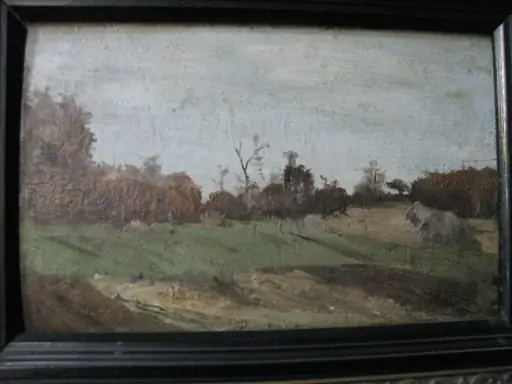
The scene presents a tranquil rural landscape dominated by a large, leafy tree bearing small red berries. A few figures, minimally detailed and scaled to emphasize nature’s scale, are positioned near a still body of water. Their presence suggests quiet daily life rather than narrative action. The composition conveys stillness and harmony, positioning human activity as incidental within a larger, enduring natural order.
Technique & Style
Aman employed soft, muted tones of green and blue to evoke a serene atmosphere. Brushwork is delicate, with attention to the play of light through foliage and the subtle reflection of sky on water. The figures are rendered with economy, avoiding detail to preserve the landscape’s primacy. This restrained approach aligns with a growing 19th-century interest in atmospheric realism over dramatic composition.
History & Provenance
Created around 1871, Peisaj entered the collection of the Museum of Ethnography in Romania, a repository more commonly associated with folk artifacts than fine painting. Its placement there suggests an early institutional interest in documenting the relationship between Romanian rural life and its natural environment, rather than treating the work as a standalone artistic achievement.
Context
In the decades following Romanian unification, artists like Aman began to explore national identity through depictions of local landscapes and rural customs. While his history paintings addressed grand themes, works like Peisaj reveal a quieter, more personal engagement with the land. This shift mirrored broader cultural movements seeking to define Romanian identity through its natural and everyday surroundings.
Legacy
Though not among Aman’s most widely exhibited works, Peisaj exemplifies his capacity to convey calm observation over theatricality. It contributes to an understated tradition in Romanian art that values quietude and natural detail. Its preservation in an ethnographic context underscores its role as a document of place as much as a work of artistic expression.
Artist & collection
Artist
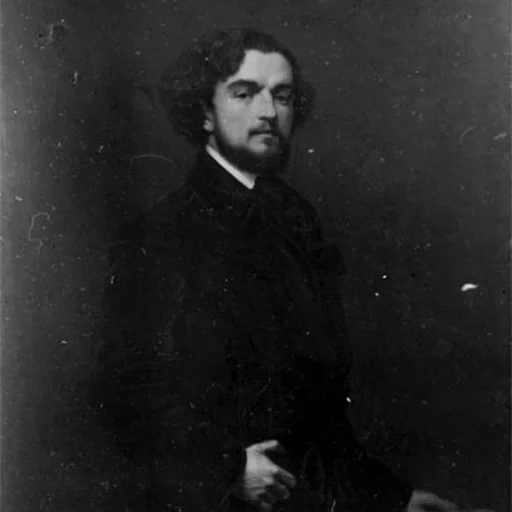
Theodor Aman (20 March 1831 – 19 August 1891) was a Romanian painter, engraver and art professor. He mostly produced genre and history scenes.