Subject
Tree
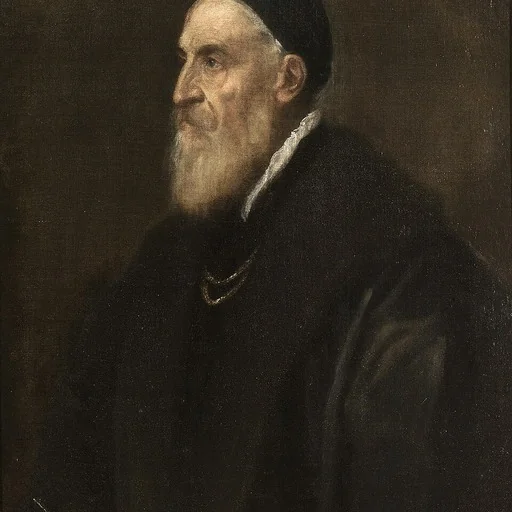
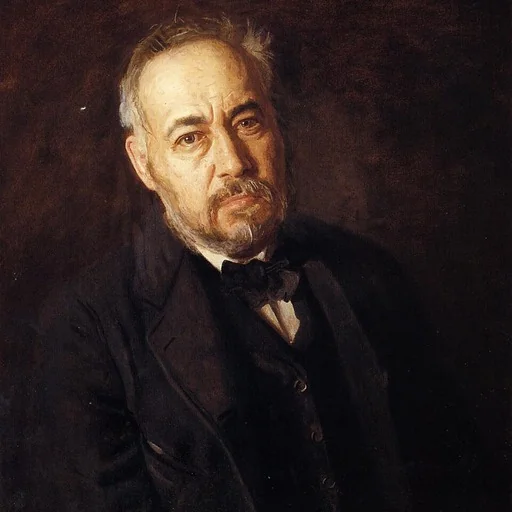
Tree is a subject in art. The gallery holds 200 works in this subject in art, including works by Titian, Thomas Eakins and Jean Baptiste Camille Corot.
The tree is among the oldest and most enduring motifs in art, predating landscape painting itself by millennia. Long before trees were valued for their own sake, they served as cosmic and sacred symbols. The stylized "sacred tree" of Assyrian palace reliefs—most famously in the throne room of Ashurnasirpal II at Nimrud (9th century BCE), where winged genies (apkallu) flank it beneath a winged sun disk—embodied fertility, divine order, and royal authority. Ancient Egypt revered the Ished (Persea) and sycamore fig as trees of life that conferred eternity and nourished the dead. Across cultures the tree's structure mapped the universe: roots as the underworld, trunk as the earthly realm, and crown as the heavens.
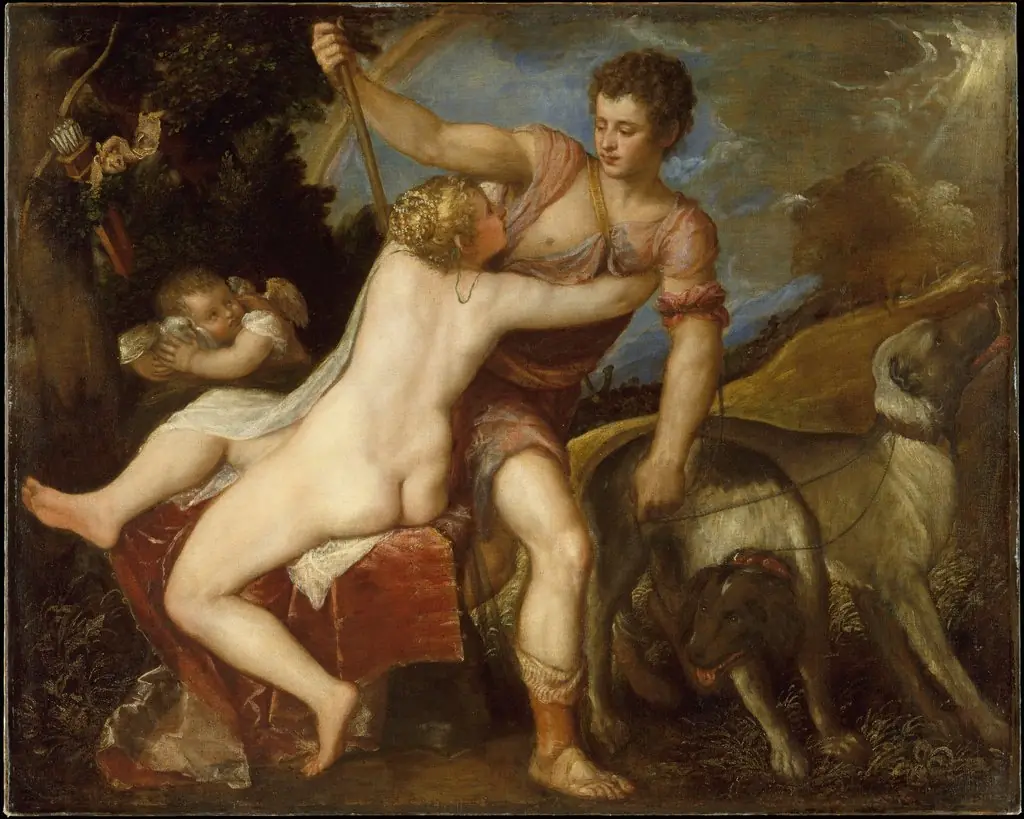
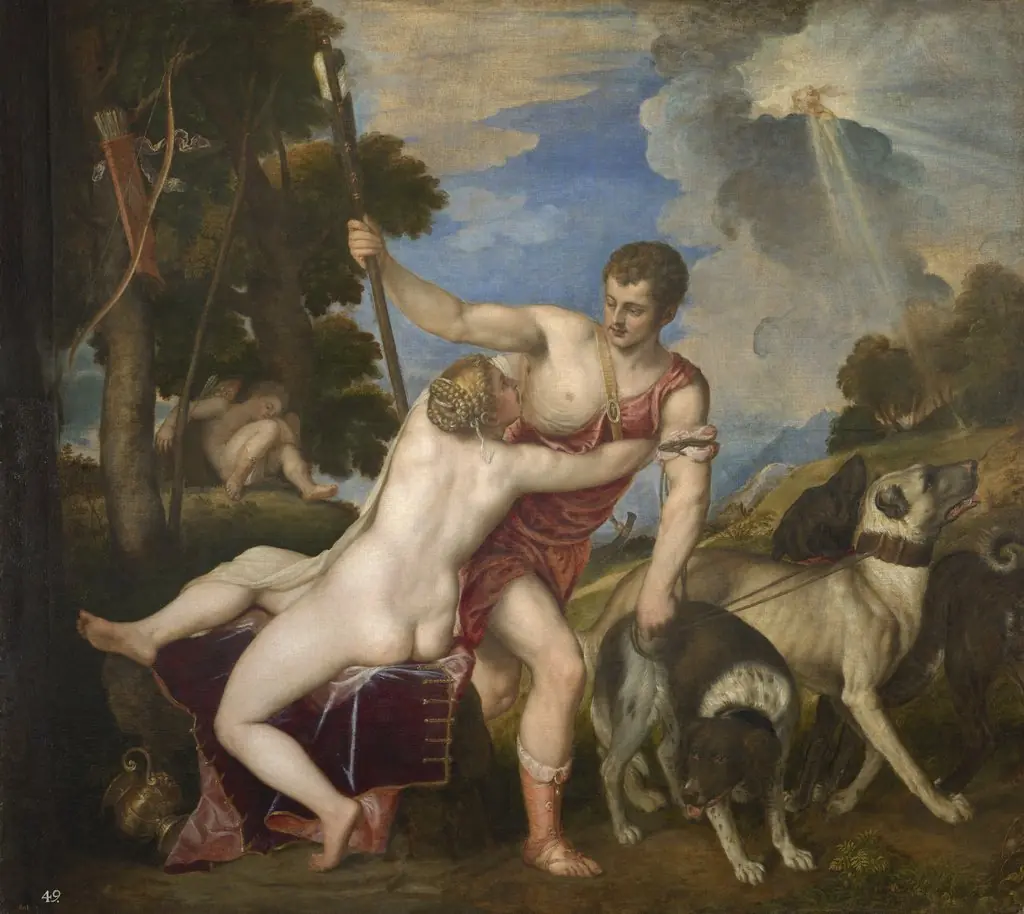
In European painting the tree shifted from emblem to living presence. Renaissance masters used trees to frame compositions, build perspective, and carry meaning—the laurel and myrtle in Titian's *Venus and Adonis* shadow a tale of love and mortal loss. It was the Dutch Golden Age that made the tree a protagonist: Jacob van Ruisdael painted brooding, massed woodlands, while his pupil Meindert Hobbema favored slender, meticulously detailed trunks, culminating in *The Avenue at Middelharnis* (1689), often called the swan song of Dutch landscape.
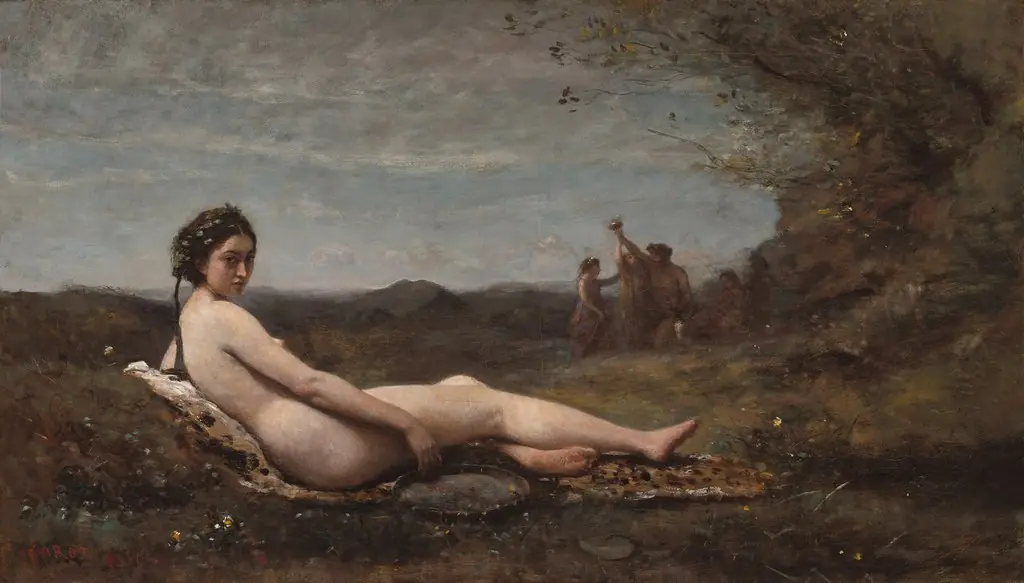
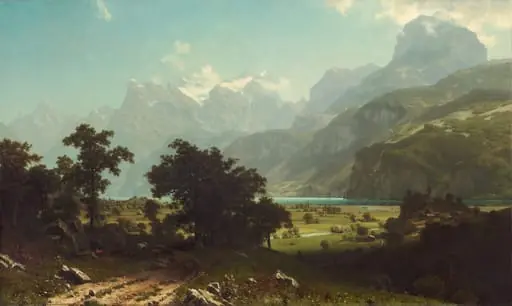
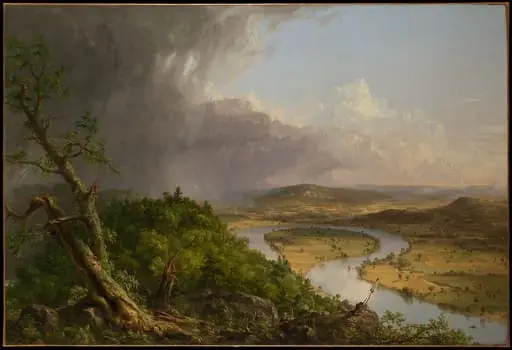
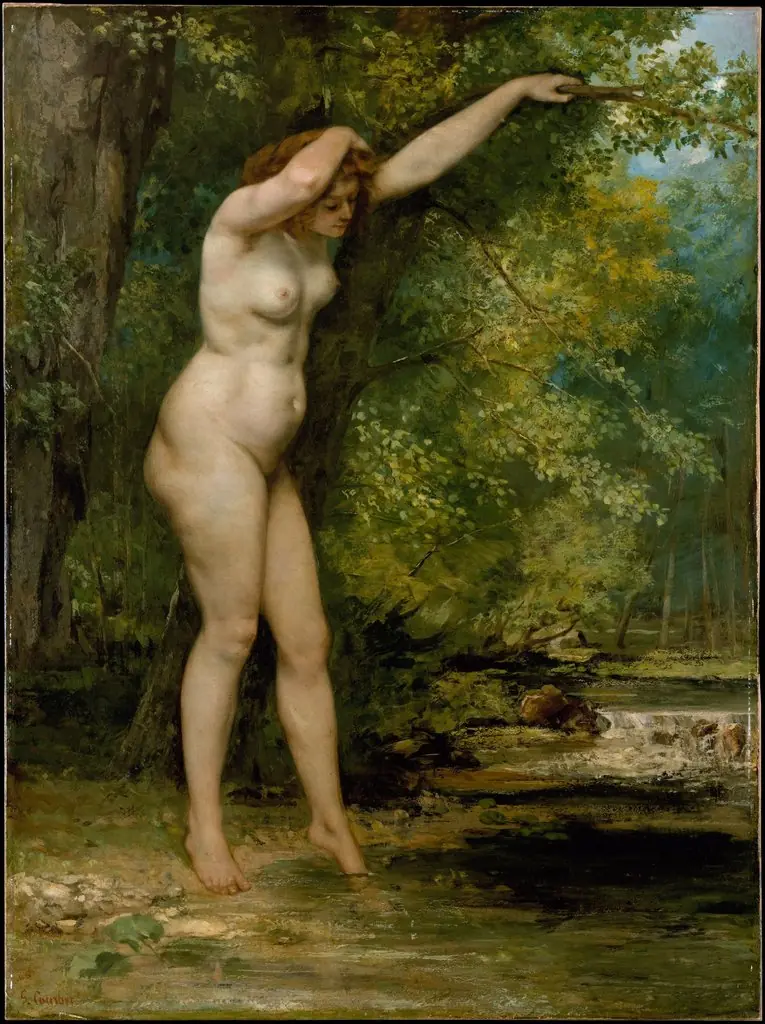
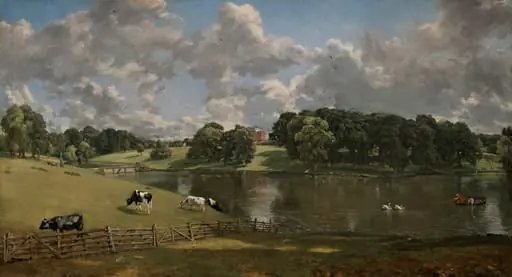
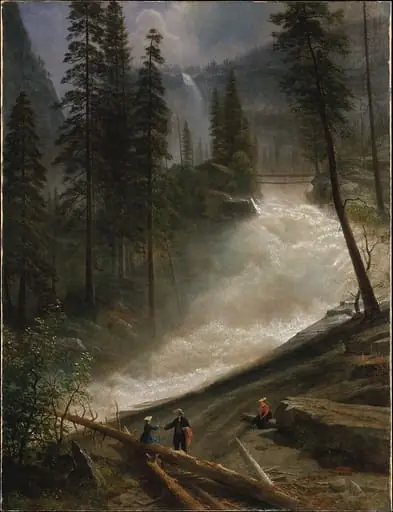
The Romantic era charged the tree with feeling. Caspar David Friedrich made gnarled, weather-bent trees vessels of spiritual longing and human union, while John Constable and Thomas Gainsborough studied English oaks and elms with near-scientific devotion. In America, the Hudson River School painters—Thomas Cole in *The Oxbow* and Albert Bierstadt in luminous views such as *Lake Lucerne*—set sheltering trees against vast wilderness as moral and national symbols. Corot's silvery, feathery foliage in works like *The Repose*, and Courbet's solid riverbank groves in *The Young Bather*, bridged this tradition toward Impressionism.
The tree also catalyzed modernism. Vincent van Gogh's writhing *The Mulberry Tree* (1889), painted at Saint-Rémy, turned foliage into pure expressive energy. Most decisively, Piet Mondrian's tree series (c. 1908–1912)—from the vibrating *Evening; Red Tree* to increasingly geometric grids—charted his path from naturalism to total abstraction. Gustav Klimt's golden *Tree of Life* meanwhile revived the ancient symbol within Art Nouveau, confirming the motif's unbroken reach from antiquity to the present.
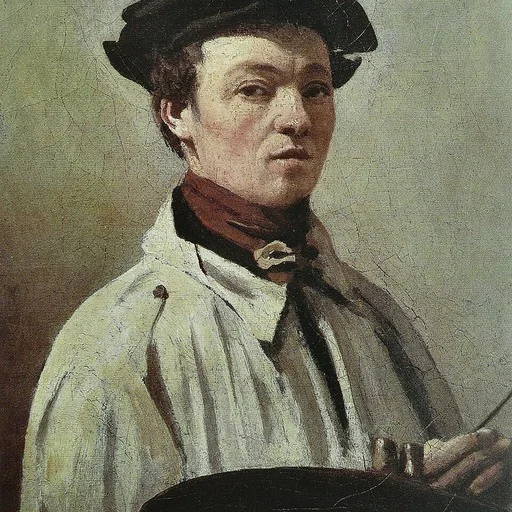
Key artists

Overview
The tree is a perennial woody plant with an elongated stem, or trunk, supporting branches and leaves, that has served as one of the most persistent and versatile subjects in the history of art. Appearing in 3,479 works in the collection under discussion, the tree functions variously as setting, symbol, and central protagonist. Its prevalence stems from both its ubiquity in the natural world and its extraordinary flexibility of meaning: trees can signify life and growth, death and decay, shelter and exposure, the passage of time, and the relationship between humanity and nature. Unlike many artistic subjects, the tree transcends cultural boundaries, appearing with comparable frequency across European, American, and Asian artistic traditions, and it adapts equally well to the expressive aims of Romanticism, Impressionism, Realism, and modern abstraction. The earliest trees evolved approximately 400 million years ago, and with an estimated 60,000 to 100,000 species worldwide, they represent roughly one-quarter of all living plant species, providing artists with an inexhaustible source of formal variety and symbolic resonance.
Iconography & meaning
Trees carry a remarkably dense accumulation of symbolic meanings across art history. In Christian iconography, barren winter trees have been read as references to the crosses of Calvary, while living trees can signify resurrection and the Tree of Life. Pagan and folkloric traditions associate trees with sacred groves, ancestral spirits, and burial sites. The tree's annual cycle of growth, decay, and renewal makes it a natural emblem for mortality and rebirth, a theme exploited by artists from the Dutch Golden Age to German Romanticism. In landscape painting, trees frequently establish scale and depth, with a small human figure beside a massive trunk serving to dramatize nature's grandeur and humanity's relative insignificance. The Smithsonian's collection highlights how photographers have exploited the tree as a vessel for memory, with Sally Mann's scarred tree functioning as a silent witness to history. In modern and contemporary practice, trees have become vehicles for environmental commentary, as in Roxy Paine's stainless steel sculpture Graft, which references horticultural grafting while commenting on artificial intervention in nature. The tree's capacity to signify both specific local identity and universal natural processes has made it an unusually durable iconographic resource.
In the collection
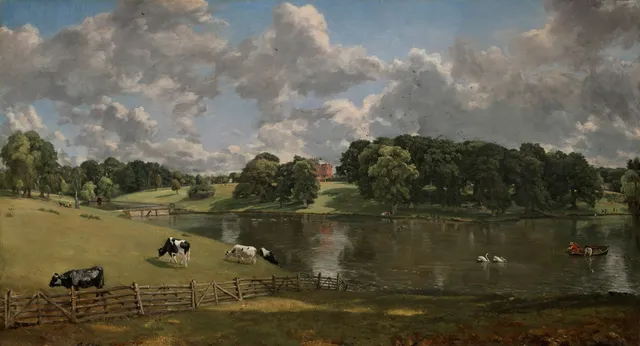
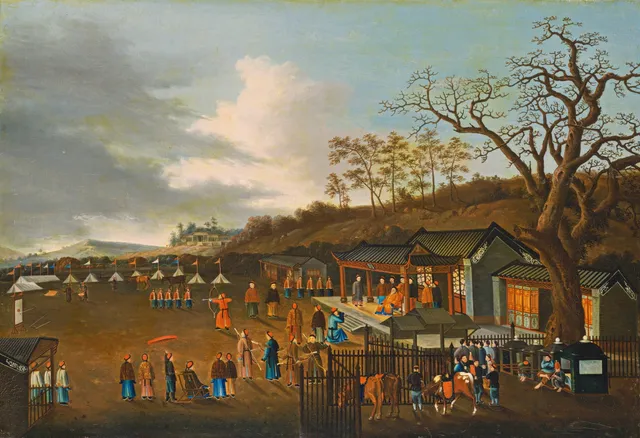
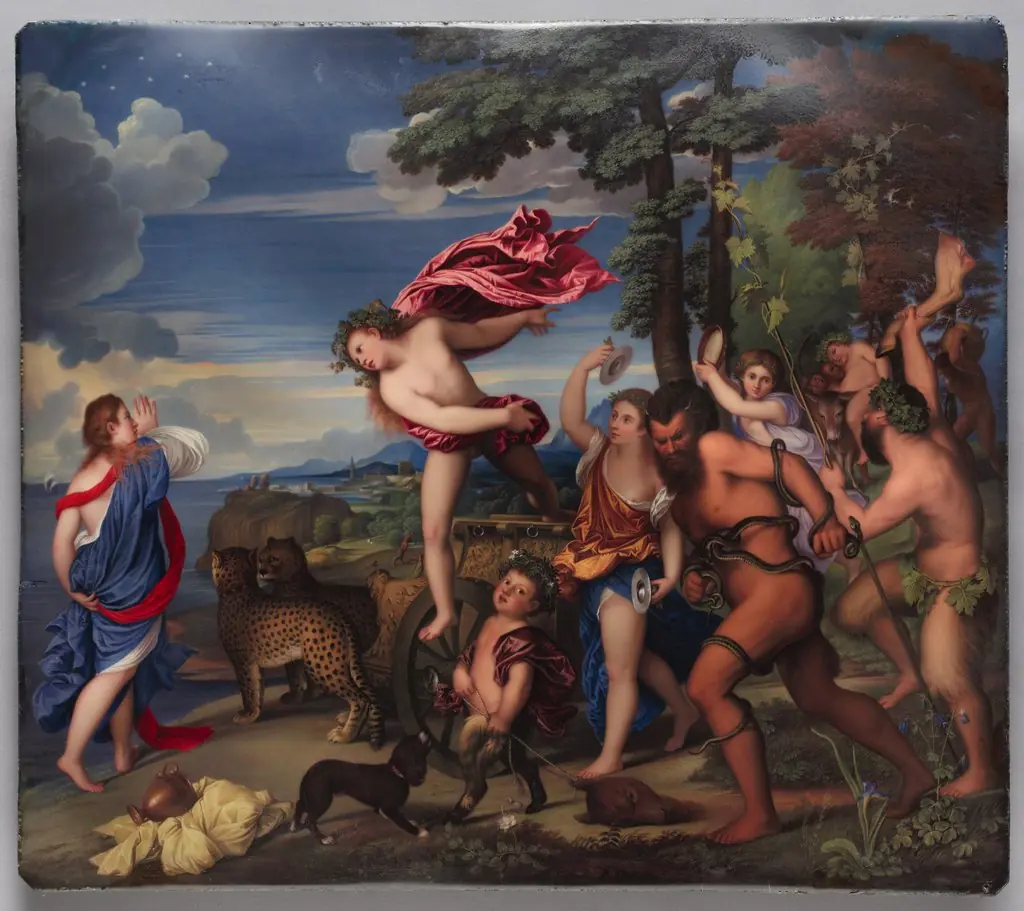
Within this collection, trees appear across an exceptionally broad range of media and genres. The 3,479 works that depict trees include paintings, photographs, sculptures, drawings, and prints, with examples spanning from mythological scenes to pure landscape. Among the example works are Venus and Adonis, The Repose, Lake Lucerne, The Oxbow, The Young Bather, Bacchus and Ariadne, Wivenhoe Park, Essex, and Archery Contest, indicating how frequently trees serve as essential components of narrative, pastoral, and topographical compositions. The collection's holdings in photography are particularly notable, with works by Ansel Adams, Sally Mann, Carleton E. Watkins, and Binh Danh exploring the tree as both documentary subject and personal expression. The sculpture collection includes Roxy Paine's Graft, a stainless steel dendroid form from his Dendroids series, which renders the tree in industrial material while preserving its branching structure. Gallery 93 of the West Building's Main Floor is highlighted as a concentration of tree imagery, with works by Horace Vernet, Jean-Baptiste-Camille Corot, and Narcisse Virgile Diaz de la Peña demonstrating French painters' particular affinity for wooded landscapes.
Across movements & periods
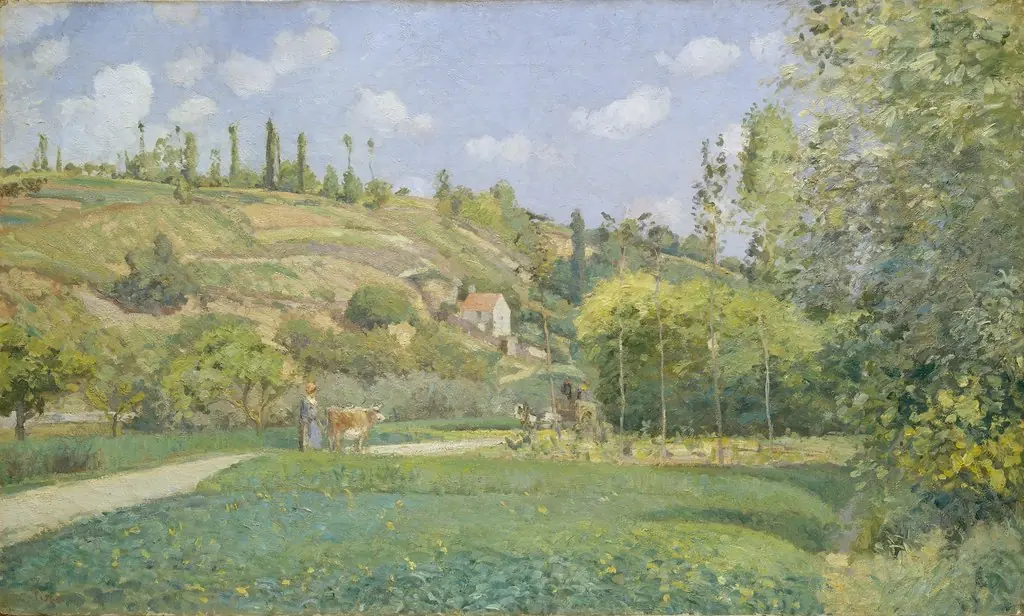
The treatment of trees in art has shifted dramatically across movements and periods, though certain continuities persist. In seventeenth-century Dutch landscape painting, as exemplified by Jacob van Ruisdael, massive trees tower above rocky countryside, with split or damaged trunks serving as memento mori. The Hudson River School, including Thomas Cole and Albert Bierstadt, adopted similar compositional strategies but infused them with American nationalist ideology and sublime aesthetics, Cole's Tornado in an American Forest using uprooted trees to dramatize nature's destructive power. French Impressionists including Claude Monet and Pierre-Auguste Renoir treated trees less as symbolic weight than as opportunities to study light, atmosphere, and color, with Monet's garden scenes and Renoir's La Grenouillère integrating foliage into broader social and sensory experiences. German Romantic Caspar David Friedrich employed bare winter trees as vehicles for spiritual contemplation and melancholy, a tradition that resonated through Symbolism. Post-Impressionist Vincent van Gogh developed intensely personal approaches to tree subjects, from the almond blossoms influenced by Japanese woodcuts to the olive trees of Saint-Rémy, where swirling brushwork conveyed emotional turbulence. Gustav Klimt's Avenue of Schloss Kammer Park (1912) applied Art Nouveau decorative sensibility to landscape, while Egon Schiele's Four Trees (1917) reduced the subject to bold, expressive color. American realist Andrew Wyeth produced extraordinarily detailed watercolor and gouache studies of individual trees, and Mark Rothko, better known for abstraction, made figurative watercolors of trees early in his career.
Notable depictions
Several depictions of trees in the collection stand out as particularly significant. Jules Dupré's The Old Oak accords its subject regal centrality, with a small figure providing scale for the massive tree. Jacob van Ruisdael's Forest Scene employs a split birch as memento mori. Thomas Cole's Tornado in an American Forest presents destruction through uprooted trees. In photography, Carleton E. Watkins's images of the Grizzly Giant sequoia shaped American understanding of the West and influenced national park establishment; Ansel Adams's Yosemite photographs, begun when he was twelve, later supported conservation campaigns; and Sally Mann's Deep South, Untitled (Scarred Tree) focuses on a healed wound to suggest trees as witnesses to history. Among the most celebrated painted trees are Vincent van Gogh's Almond Blossoms (1890), created as a gift for his nephew and showing Japanese print influence; his Olive Trees with Yellow Sky and Sun (1889); Caspar David Friedrich's Cairn in Snow (1807), with its winter oaks and pagan cairn; John Constable's The Hay Wain (1821), with its defining riverside trees; and Gustav Klimt's Avenue of Schloss Kammer Park (1912). Contemporary sculptural approaches include Roxy Paine's Graft, a stainless steel tree from his Dendroids series that renders natural branching in industrial material.
Legacy
The tree's afterlife in art and culture extends well beyond traditional representation. Living collections have become significant institutional forms: the Smithsonian Gardens Tree Collection maintains 1,800 accessioned living specimens as an official museum collection, unique in requiring active horticultural maintenance and being immovably dispersed across public space. The Arnold Arboretum's collecting history, from Charles Sprague Sargent's nineteenth-century North American surveys through Ernest Henry Wilson's Chinese expeditions to contemporary North America-China Plant Exploration Consortium activities, demonstrates how scientific and aesthetic interests in trees have intertwined. The Living Heritage Tree Museum in Storm Lake, Iowa, extends this logic by cultivating descendants of historically significant trees, including those connected to Isaac Newton, Johnny Appleseed, and George Washington. Scientific collections have also proliferated: the National Museum of Natural History's xylarium holds approximately 43,000 wood specimens across over 3,000 genera, the second largest in the United States and fifth largest globally, used for forensic identification, conservation planning, and combating illegal timber trafficking. These developments suggest that the tree in art has increasingly merged with the tree as scientific specimen, conservation object, and environmental symbol, its representation inseparable from broader cultural anxieties about climate, biodiversity loss, and humanity's relationship to the natural world.
Works
 Venus and Adonis
 The Repose
 Lake Lucerne
 View from Mount Holyoke, Northampton, Massachusetts, after a Thunderstorm—The Oxbow
 The Young Bather
 Venus and Adonis
 Bacchus and Ariadne
 Wivenhoe Park, Essex
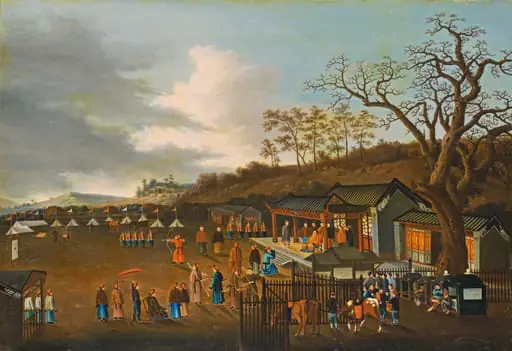 Archery Contest
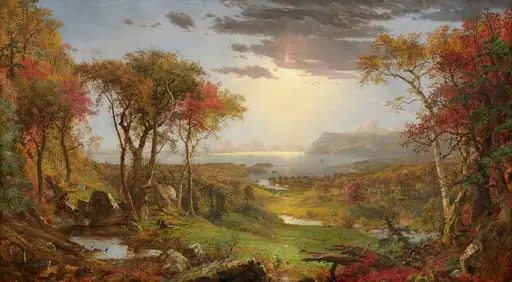 Autumn - On the Hudson River
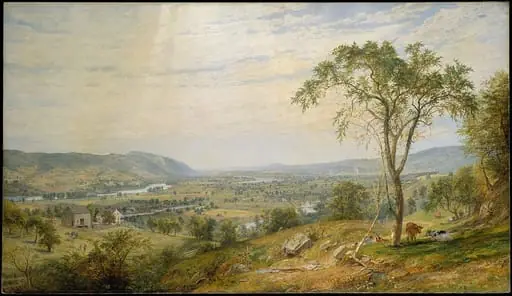 The Valley of Wyoming
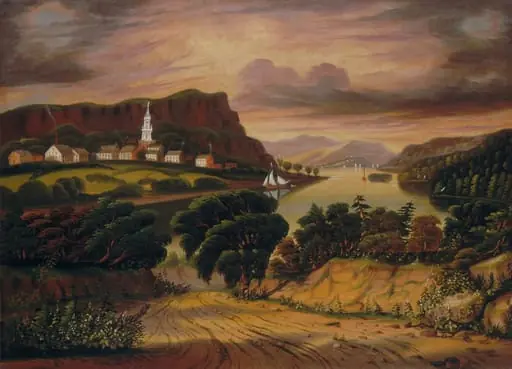 Lake George and the Village of Caldwell
 The Artist Sketching at Mount Desert, Maine
 The Ark
 Washington and Lafayette at Mount Vernon, 1784 (The Home of Washington after the War)
 Washerwomen
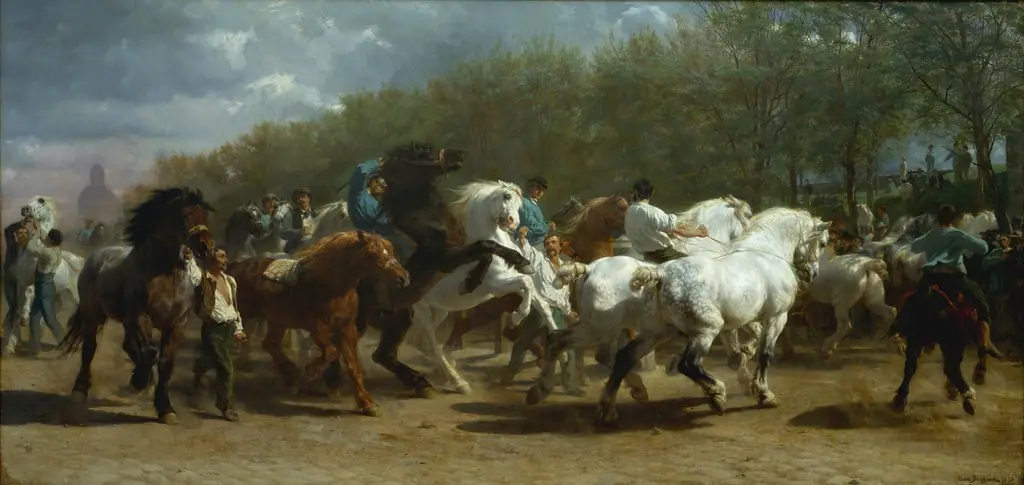 The Horse Fair
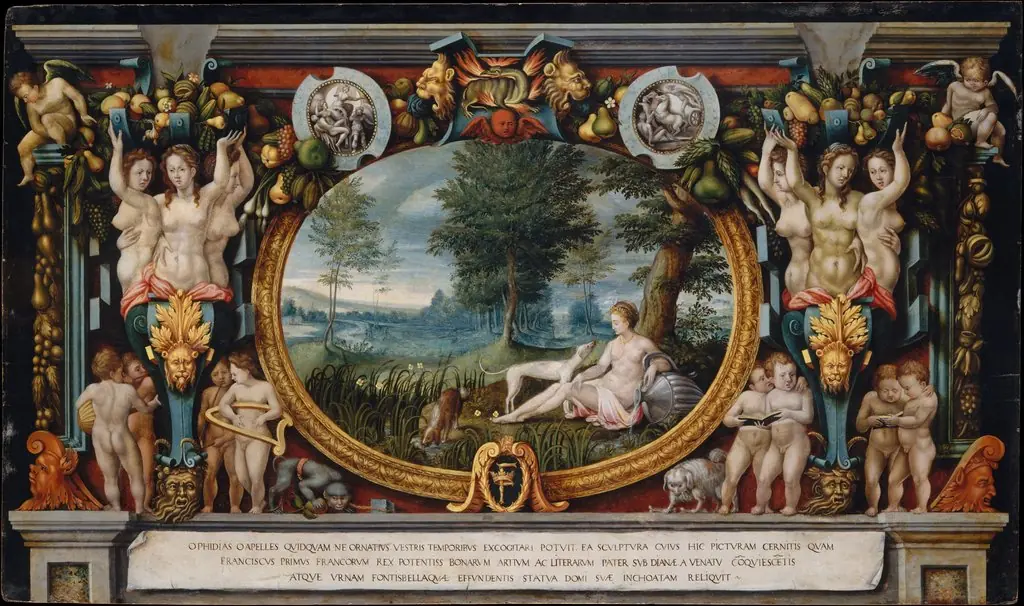 The Nymph of Fontainebleau
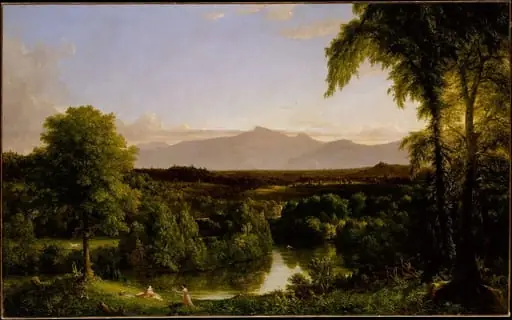 View on the Catskill—Early Autumn
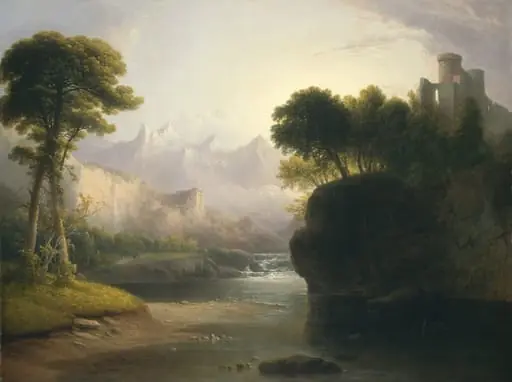 Fanciful Landscape
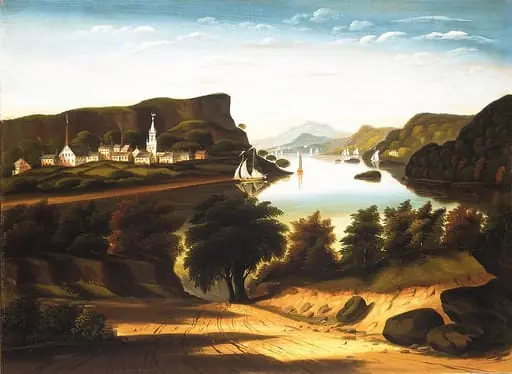 Lake George and the Village of Caldwell
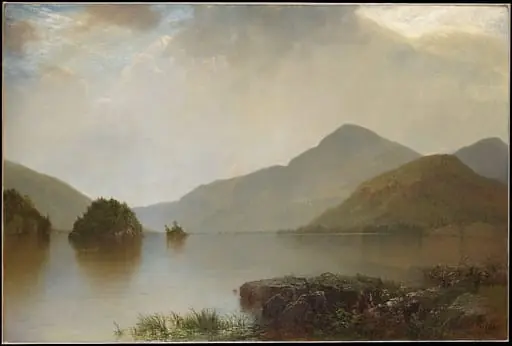 Lake George
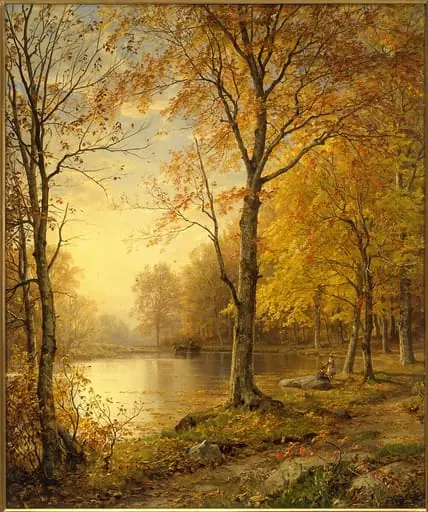 Indian Summer
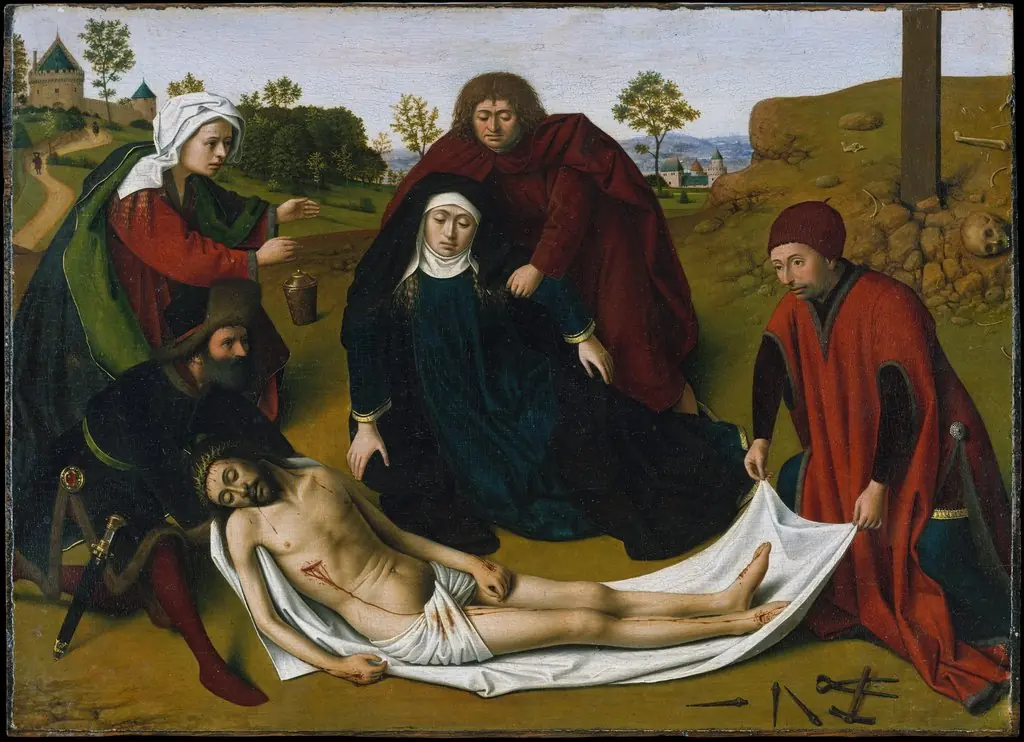 The Lamentation
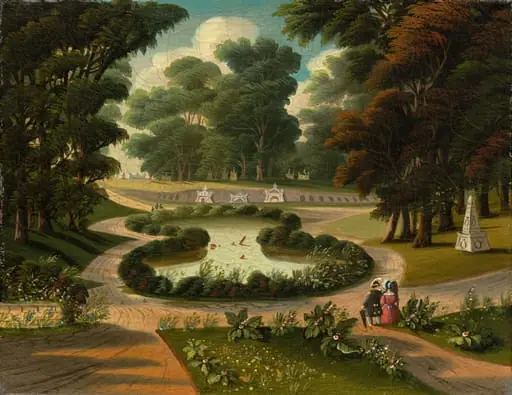 Mount Auburn Cemetery
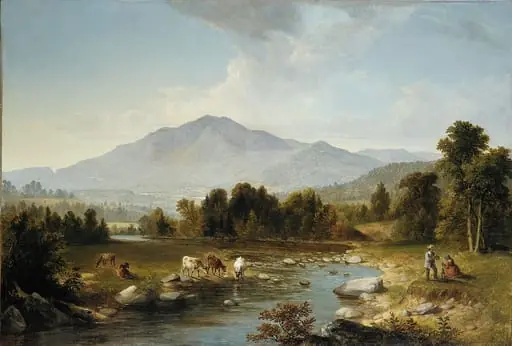 High Point: Shandaken Mountains
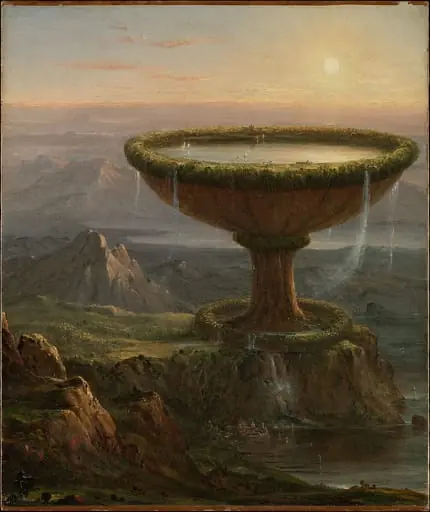 The Titan's Goblet
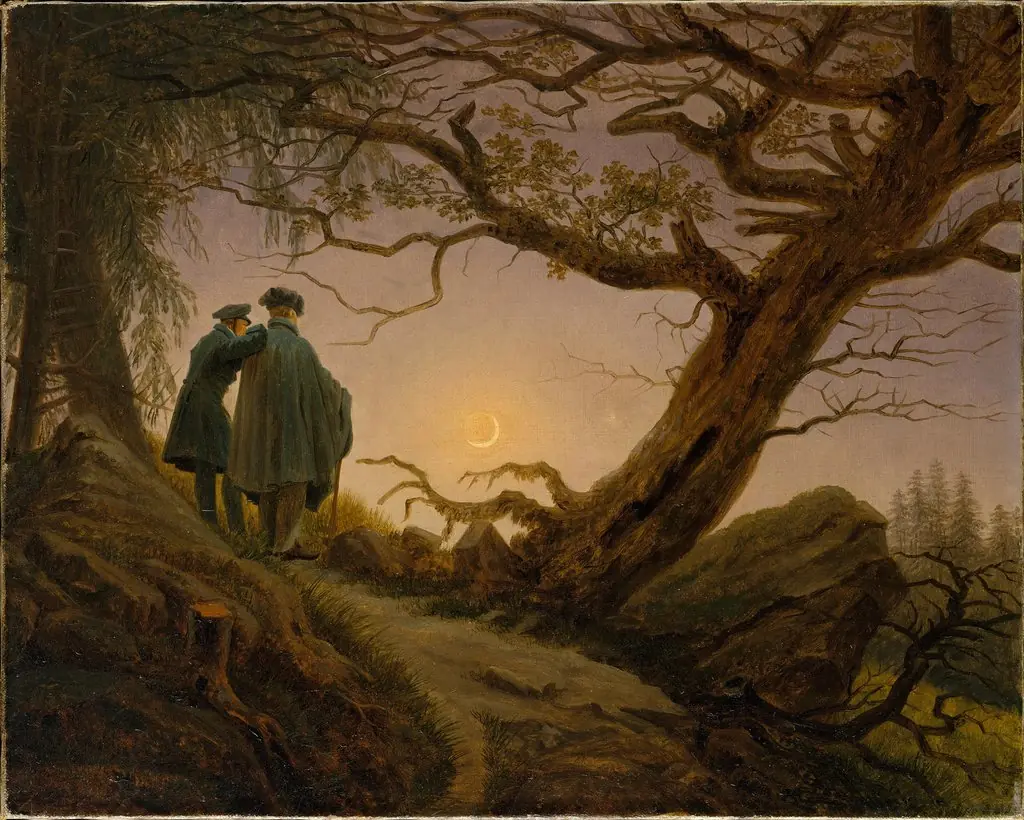 Two men contemplating the Moon
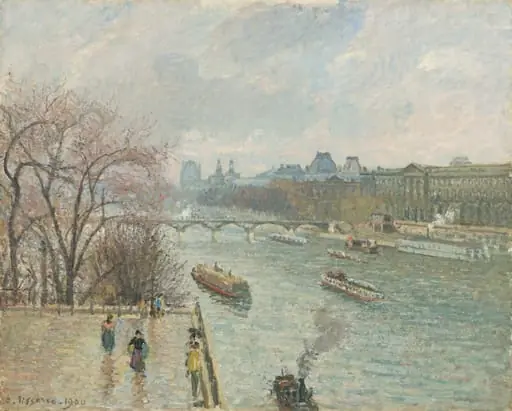 The Louvre, Afternoon, Rainy Weather
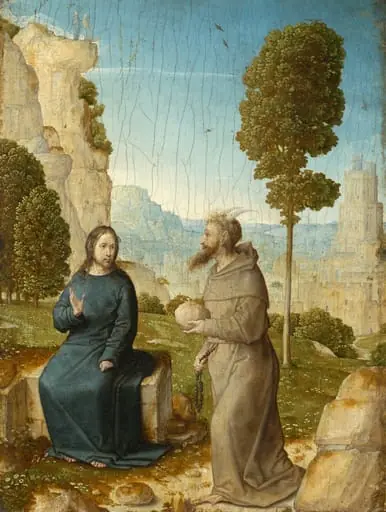 The Temptation of Christ
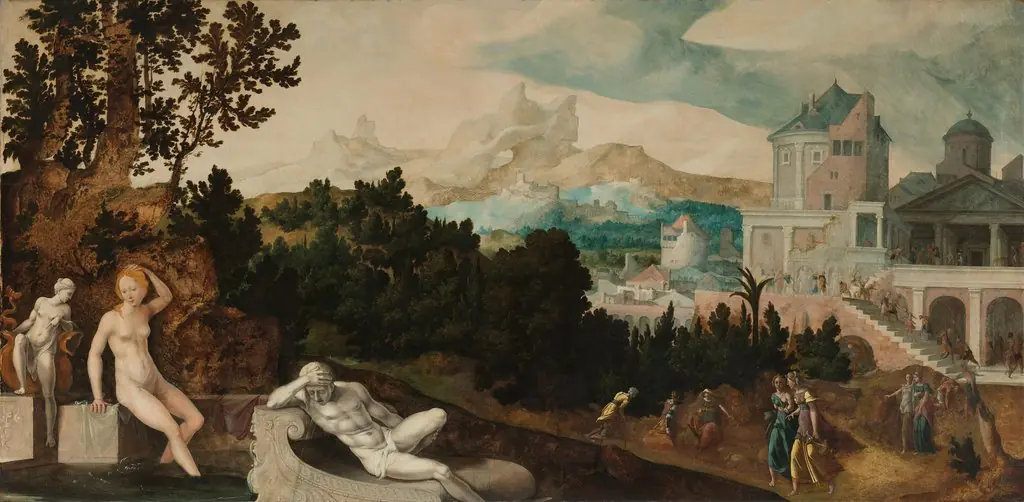 Landscape with Bathsheba
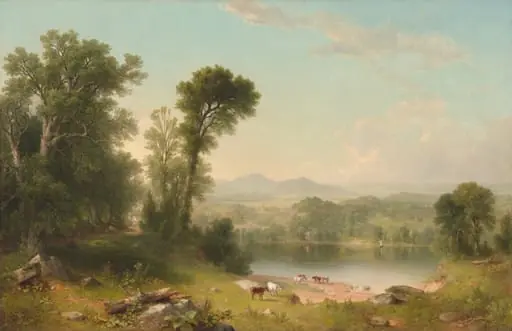 Pastoral Landscape
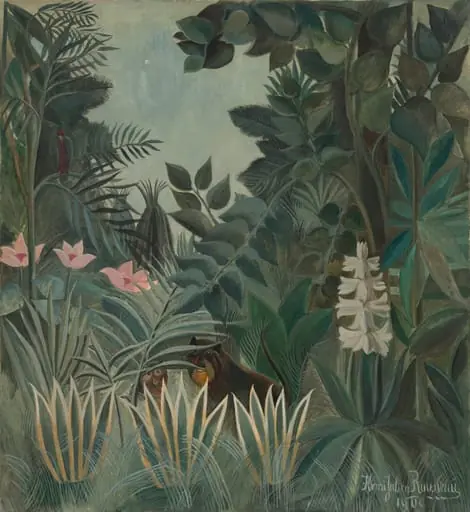 The Equatorial Jungle
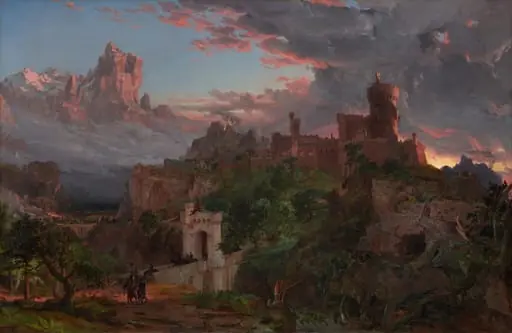 The Spirit of War
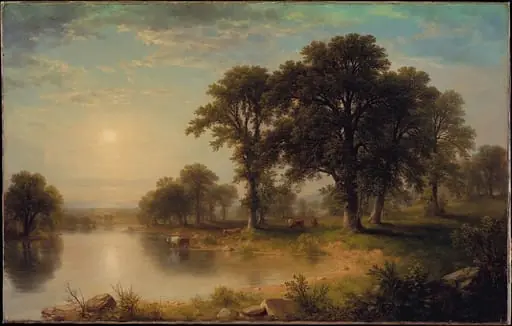 Summer Afternoon
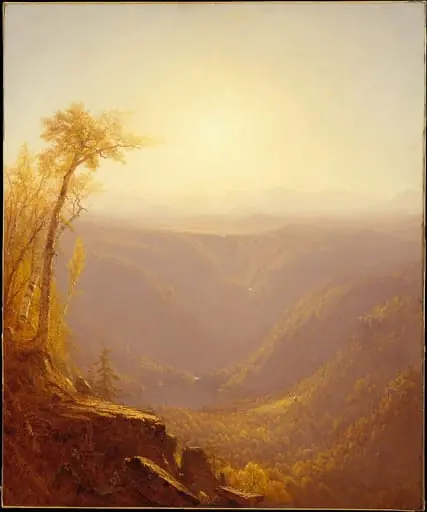 A Gorge in the Mountains (Kauterskill Clove)
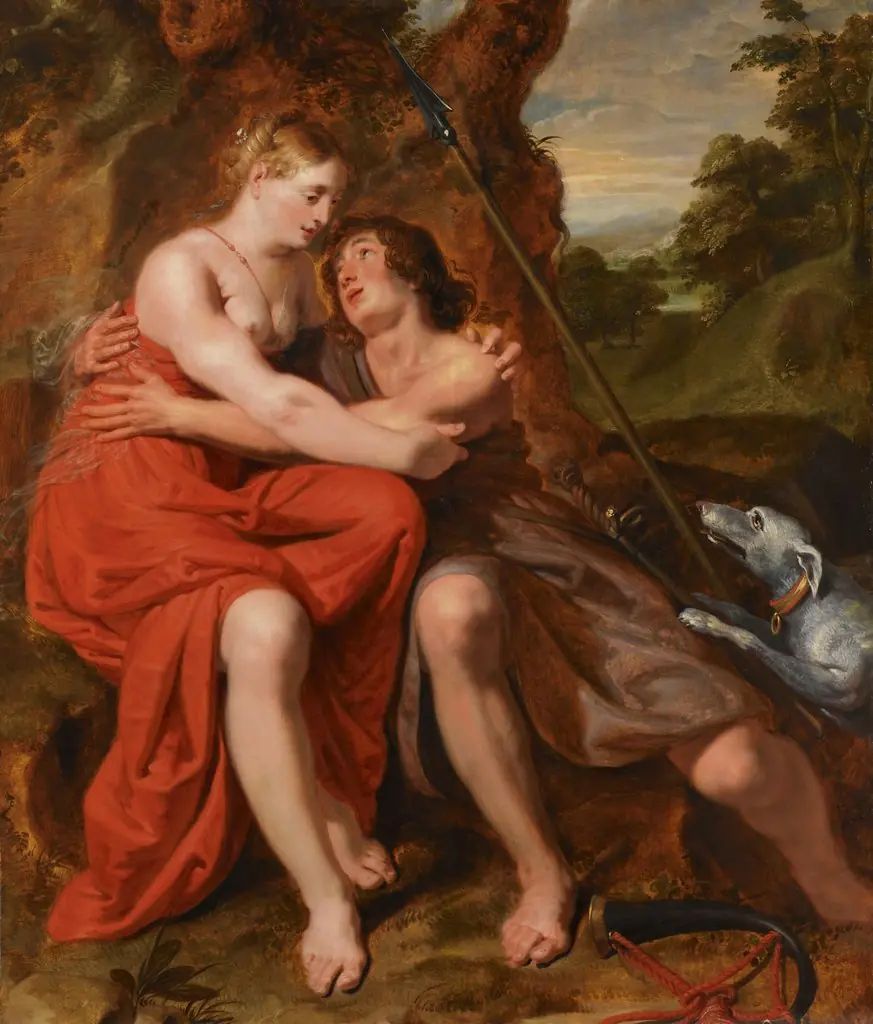 Venus and Adonis
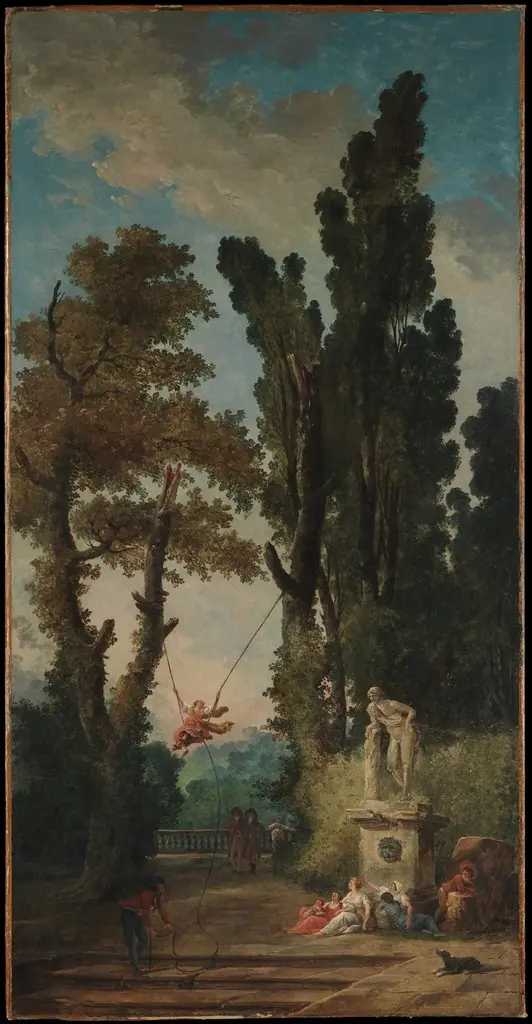 The Swing
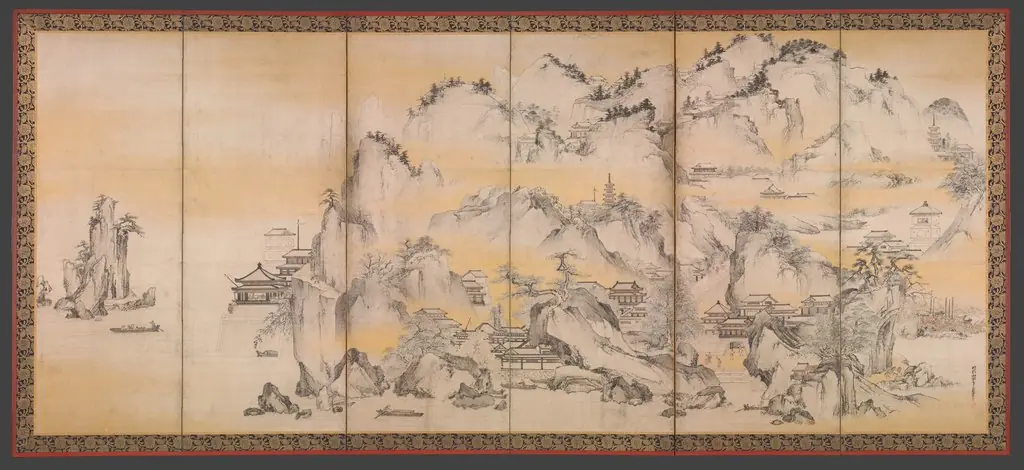 Jinshan Island and West Lake
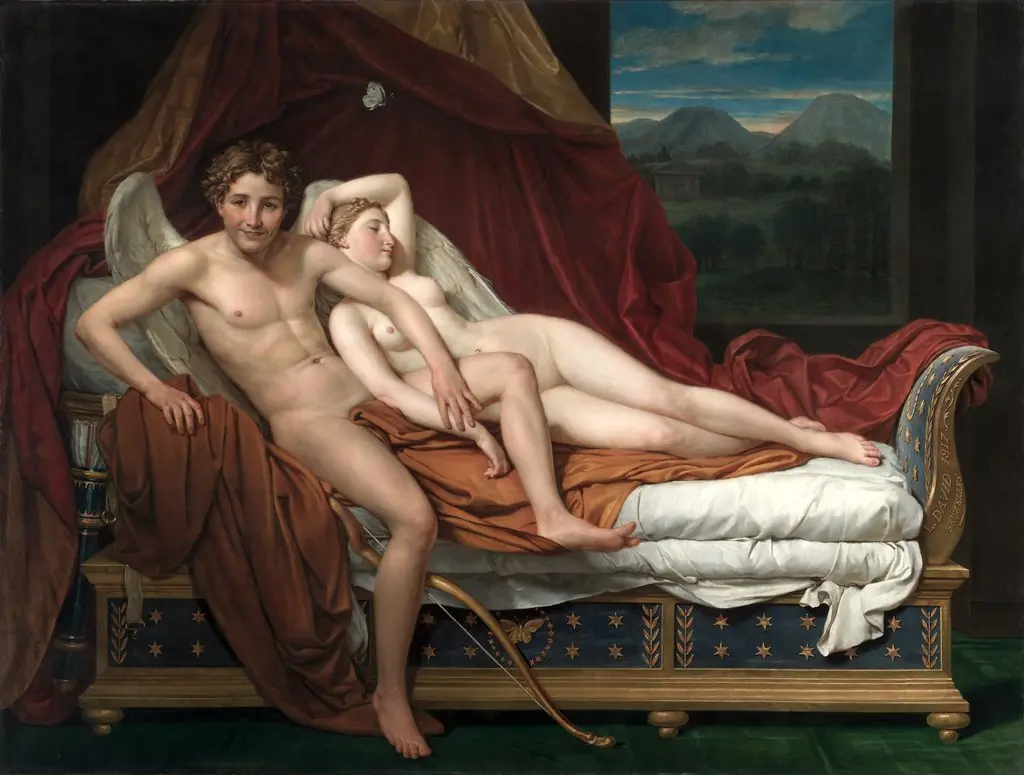 Cupid and Psyche
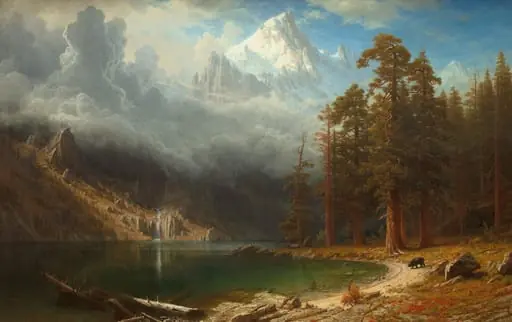 Mount Corcoran
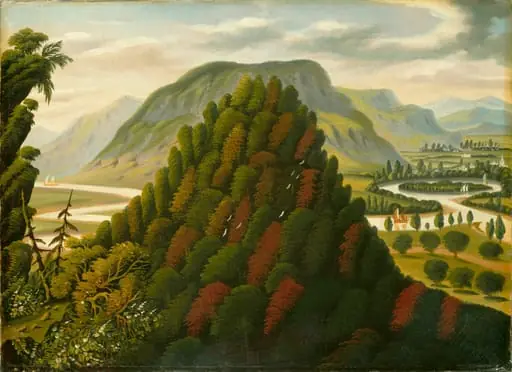 The Connecticut Valley
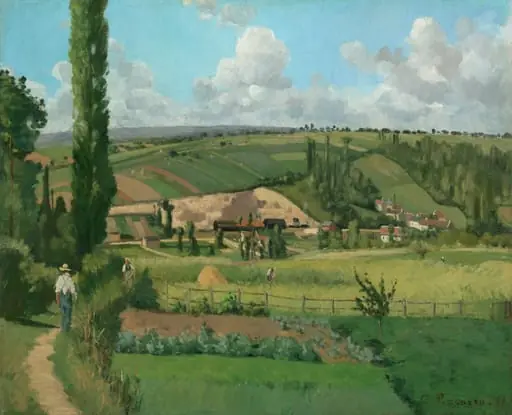 Landscape at Les Pâtis, Pontoise
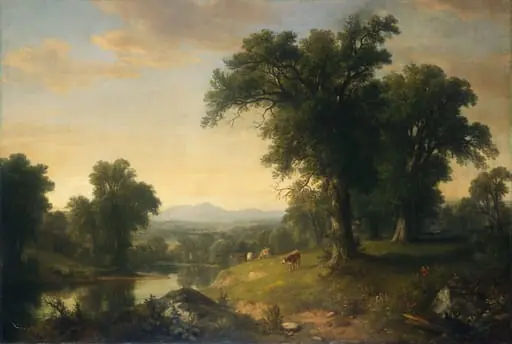 A Pastoral Scene
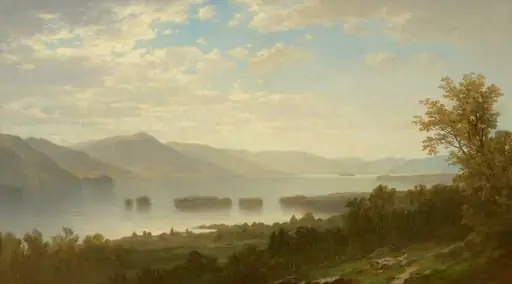 Lake George
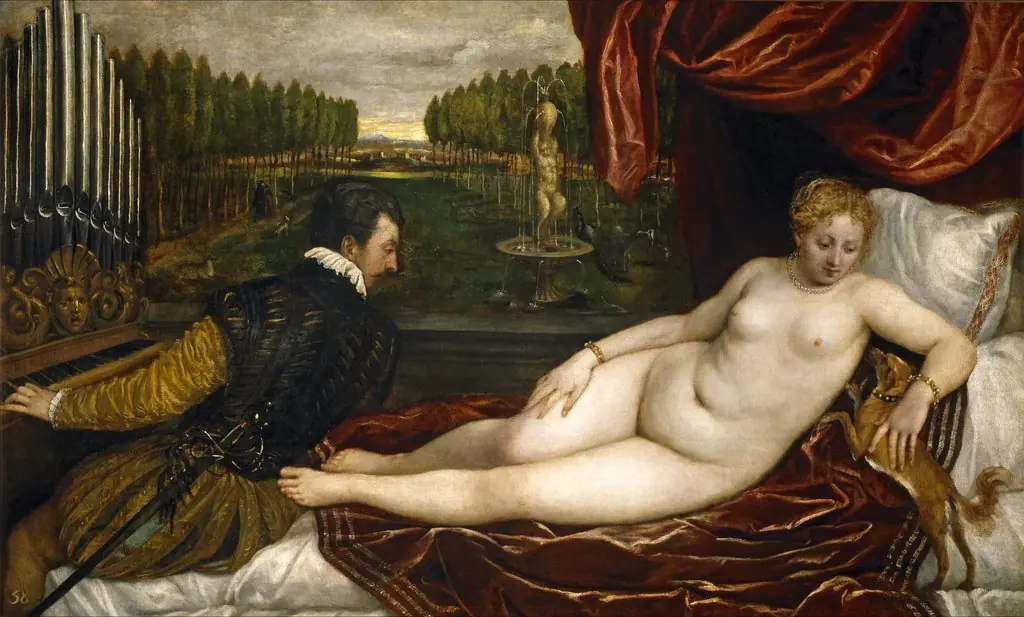 Venus and Music
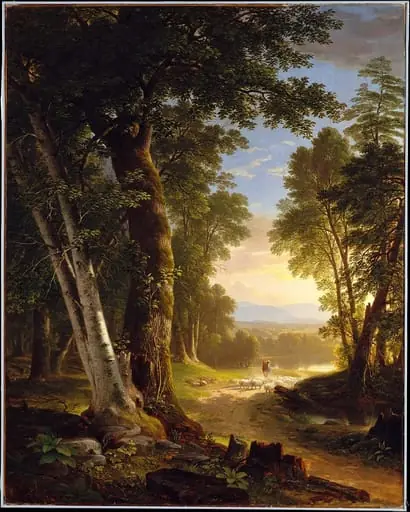 The Beeches
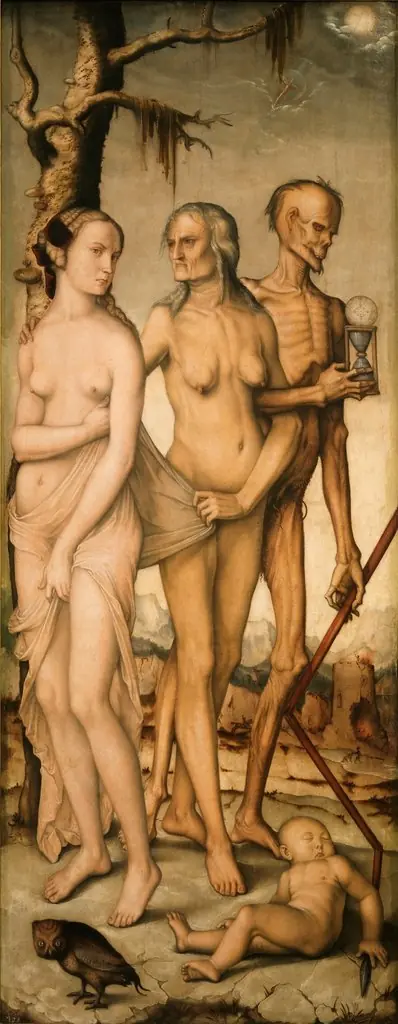 The Ages and Death
 Venus and Adonis
 Fishing in Springtime
 Landscape with a Peasant and His Flock
 A Home in the Wilderness
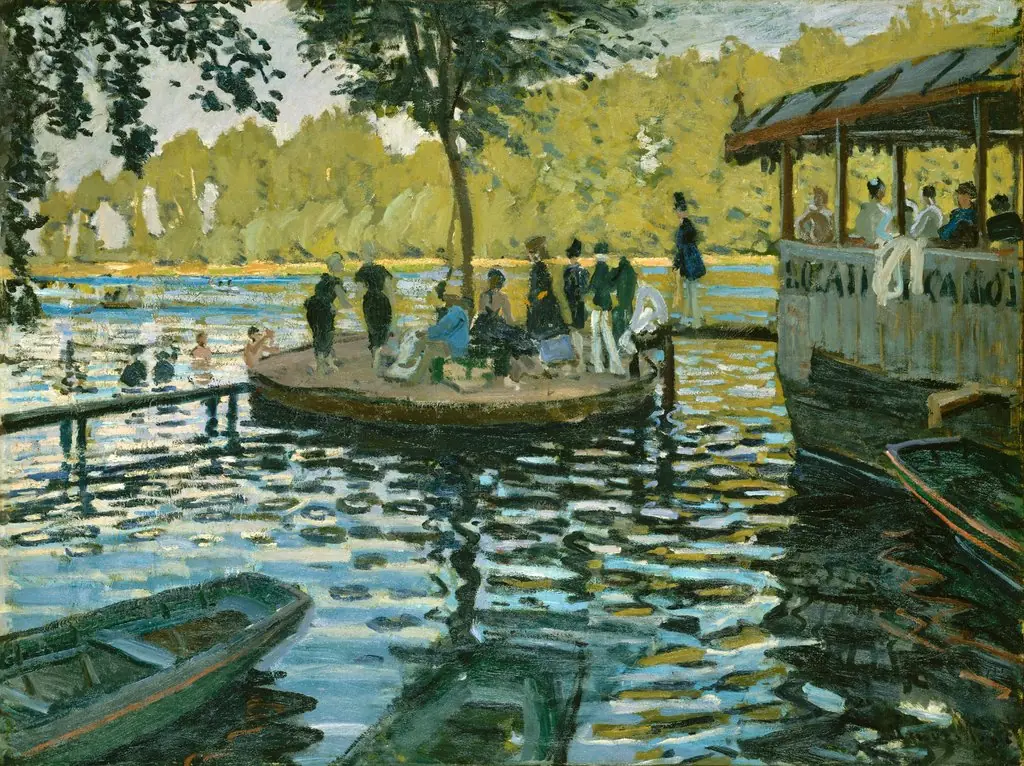 La Grenouillère
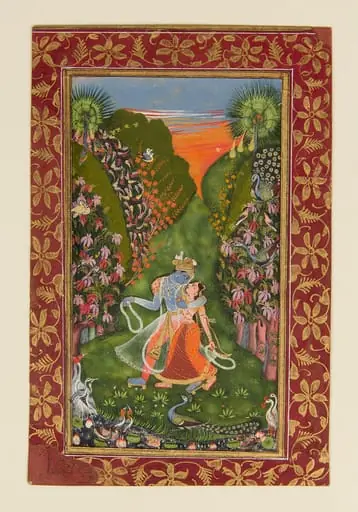 Untitled
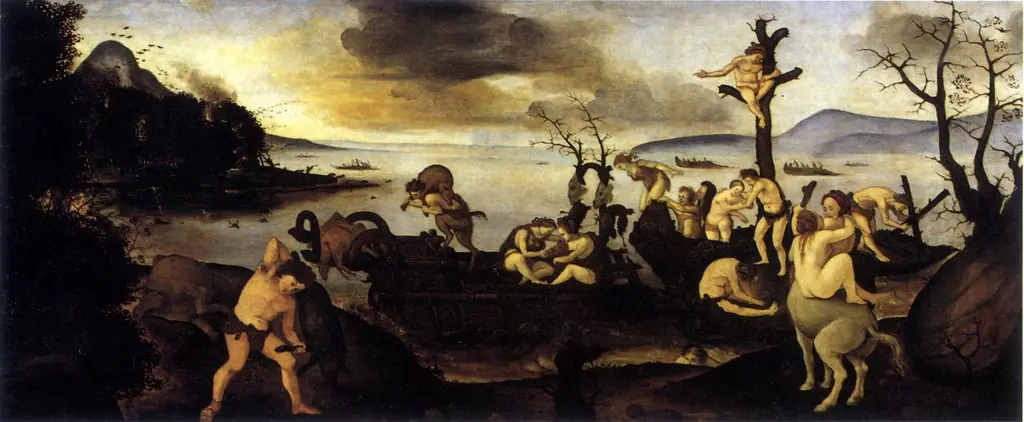 Return from the Hunt by Piero di Cosimo
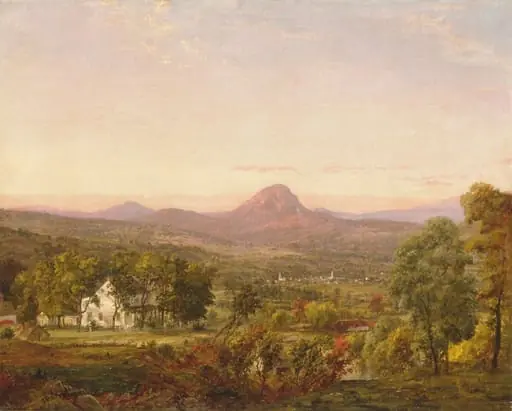 Autumn Landscape, Sugar Loaf Mountain, Orange County, New York
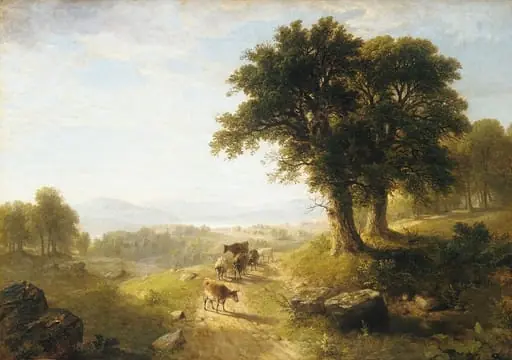 River Scene
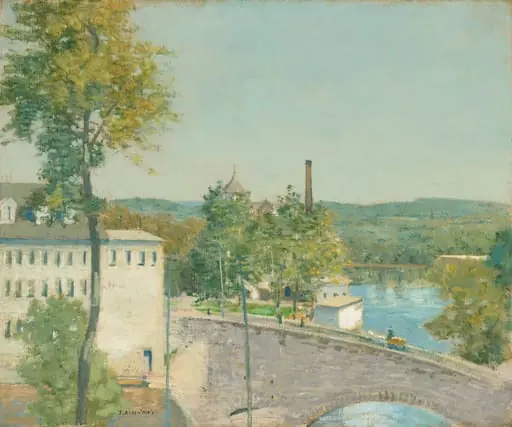 U.S. Thread Company Mills, Willimantic, Connecticut
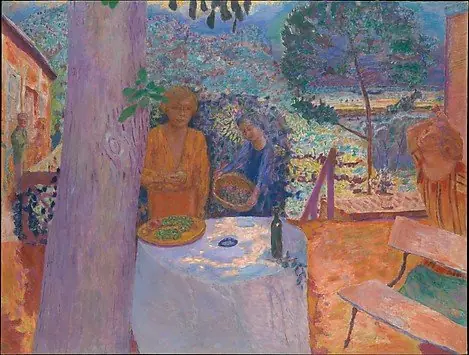 The Terrace at Vernonnet
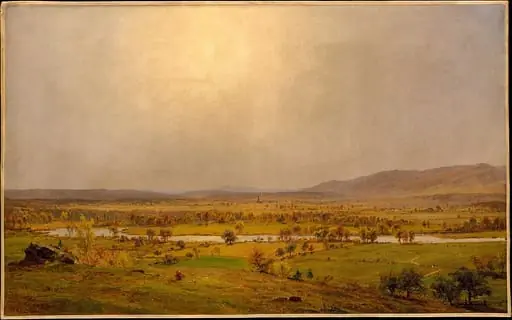 Pompton Plains, New Jersey
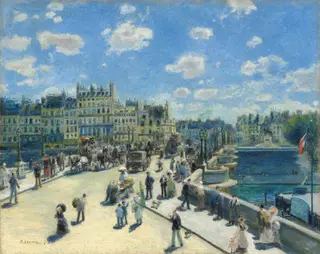 Pont Neuf, Paris
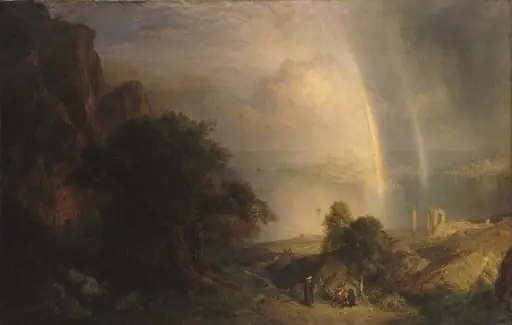 The Aegean Sea
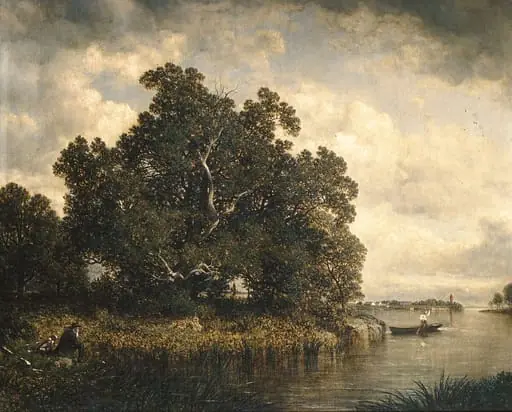 Bayside, New Rochelle, New York
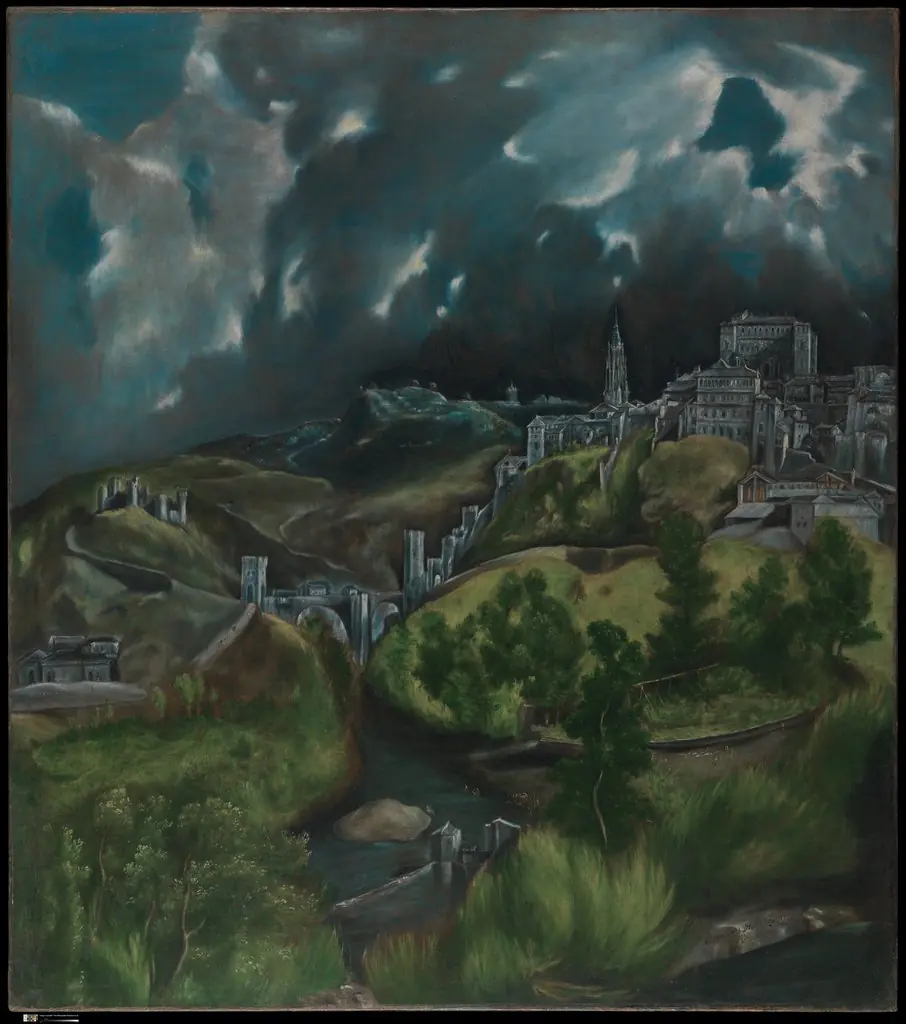 View of Toledo
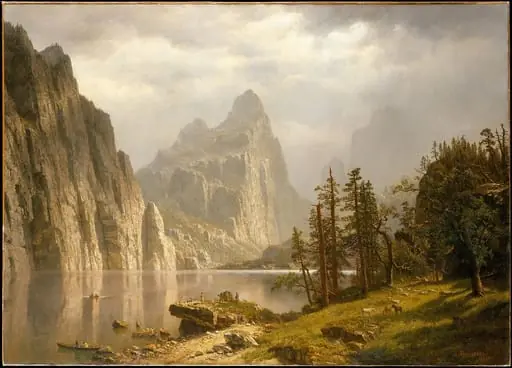 Merced River, Yosemite Valley
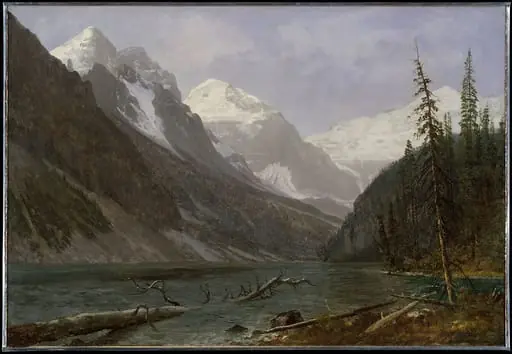 Canadian Rockies (Lake Louise)
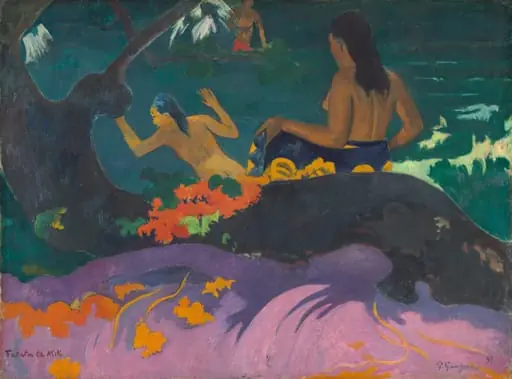 Fatata te Miti (By the Sea)
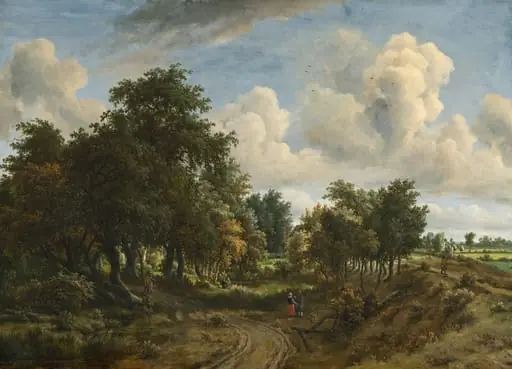 A Wooded Landscape
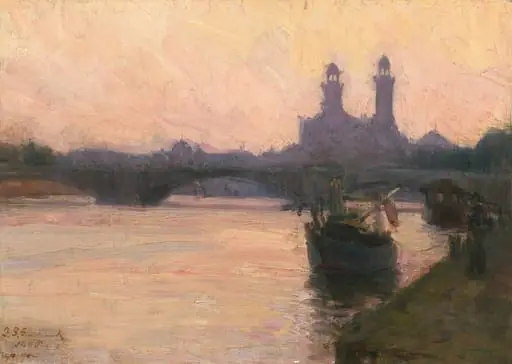 The Seine
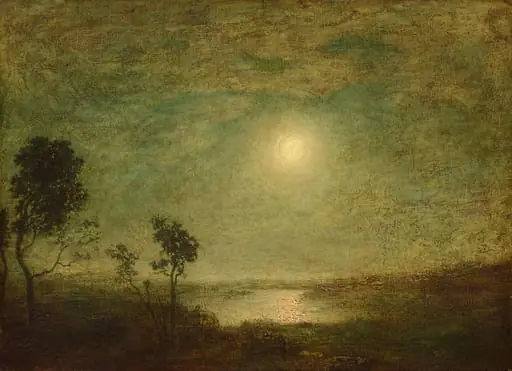 Moonlight
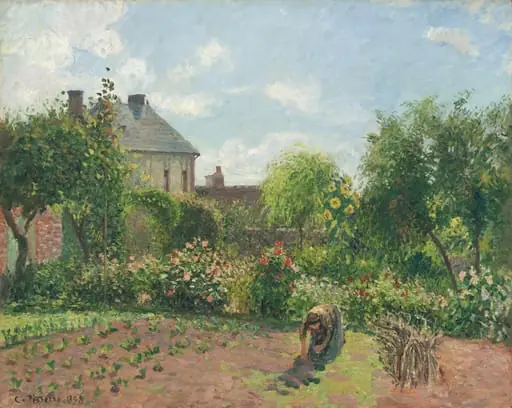 The Artist's Garden at Eragny
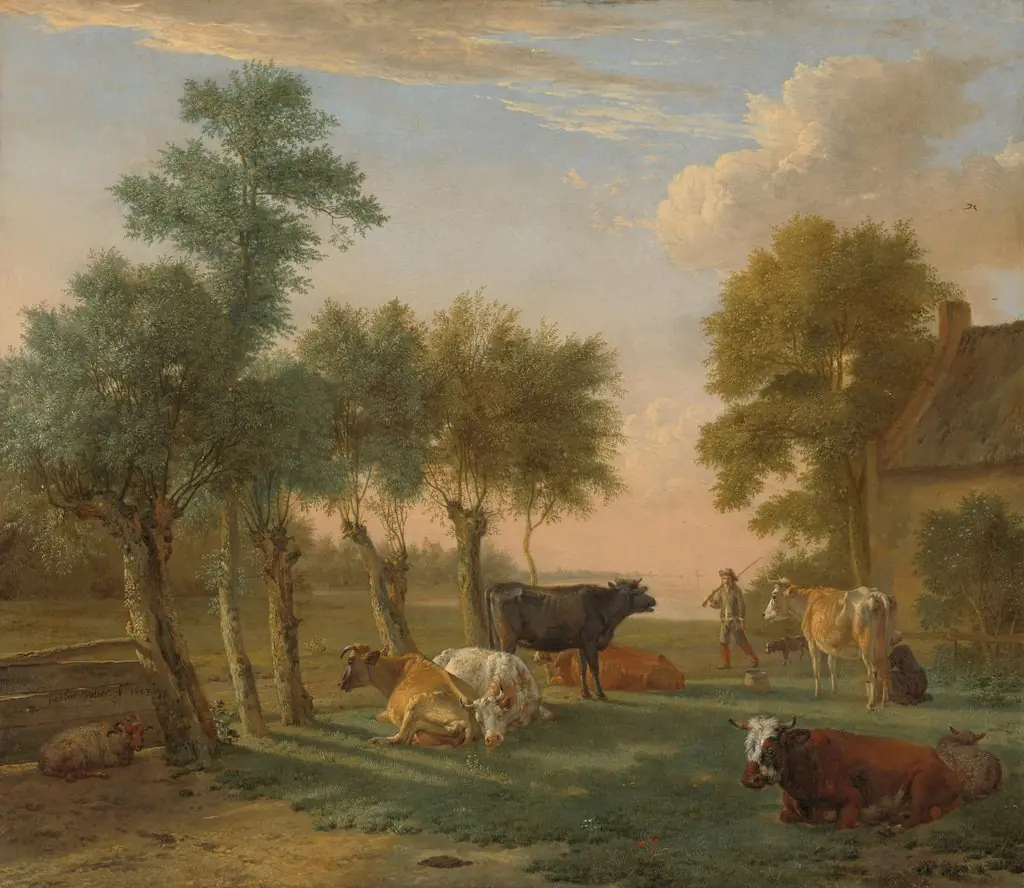 Cows in a Meadow near a Farm
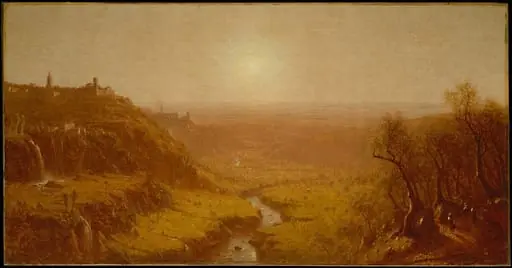 Tivoli
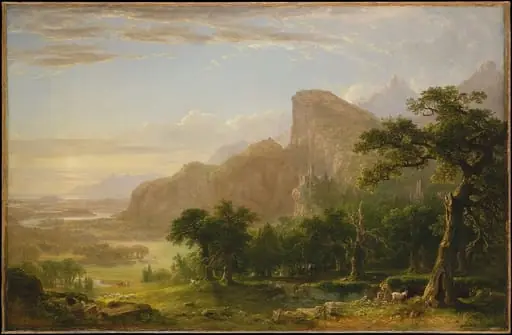 Landscape—Scene from "Thanatopsis"
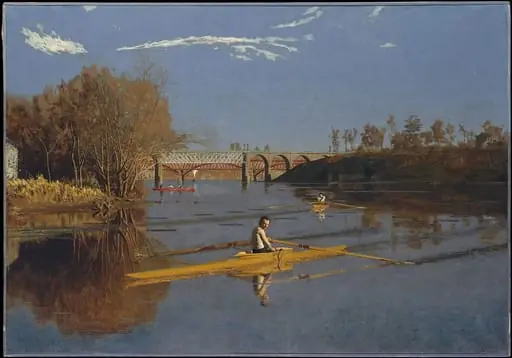 The Champion Single Sculls (Max Schmitt in a Single Scull)
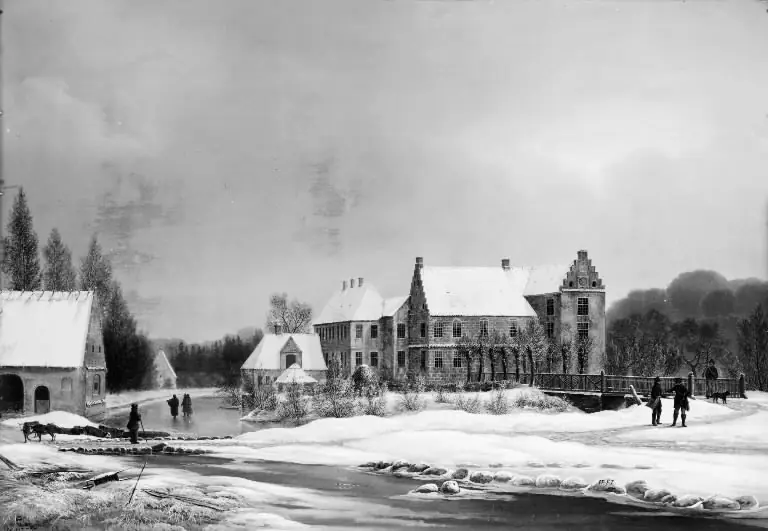 Prospekt af hovedgården Lykkesholm på Fyn. Vinter
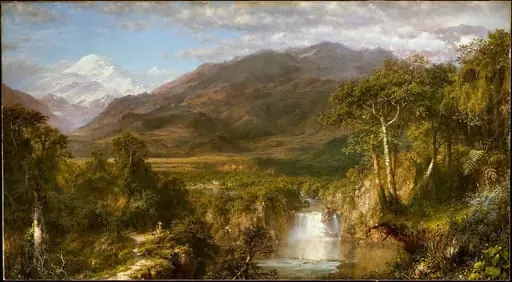 Heart of the Andes
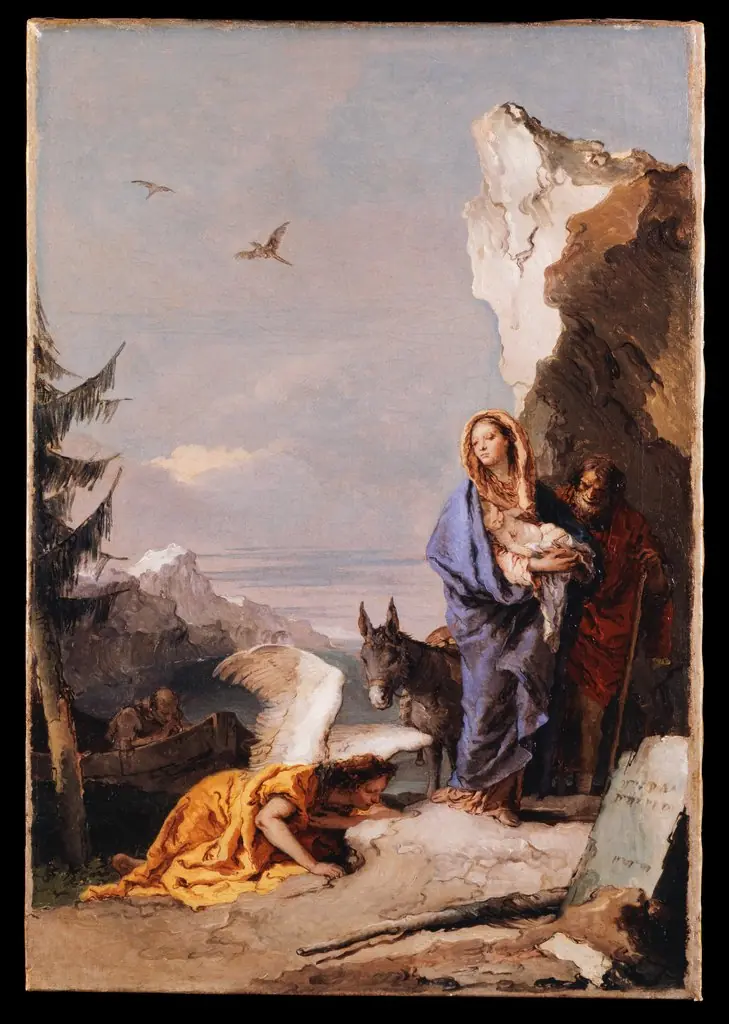 The Flight into Egypt
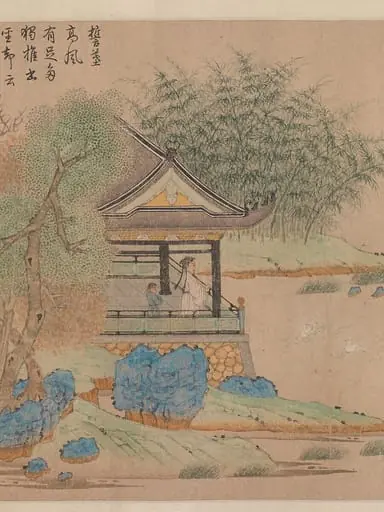 元 錢選 王羲之觀鵝圖 卷|Wang Xizhi watching geese
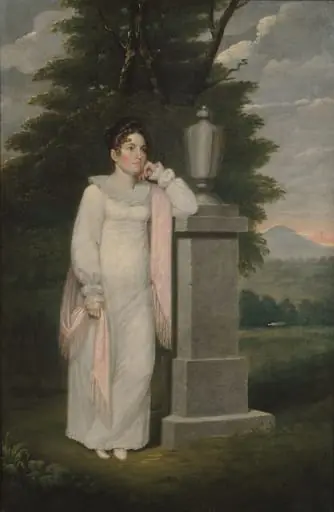 Mrs. Cephas Thompson (Olivia Leonard)
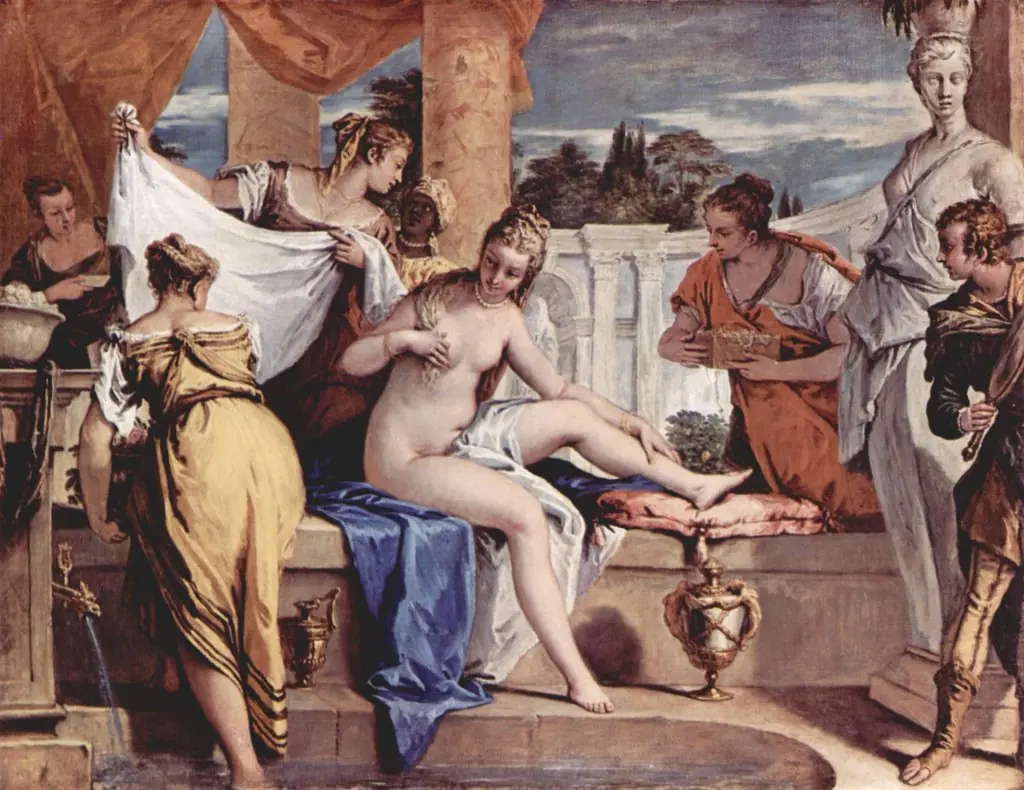 Bathsheba at her bath
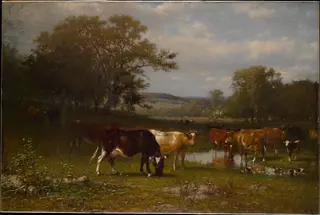 From Shifting Shade
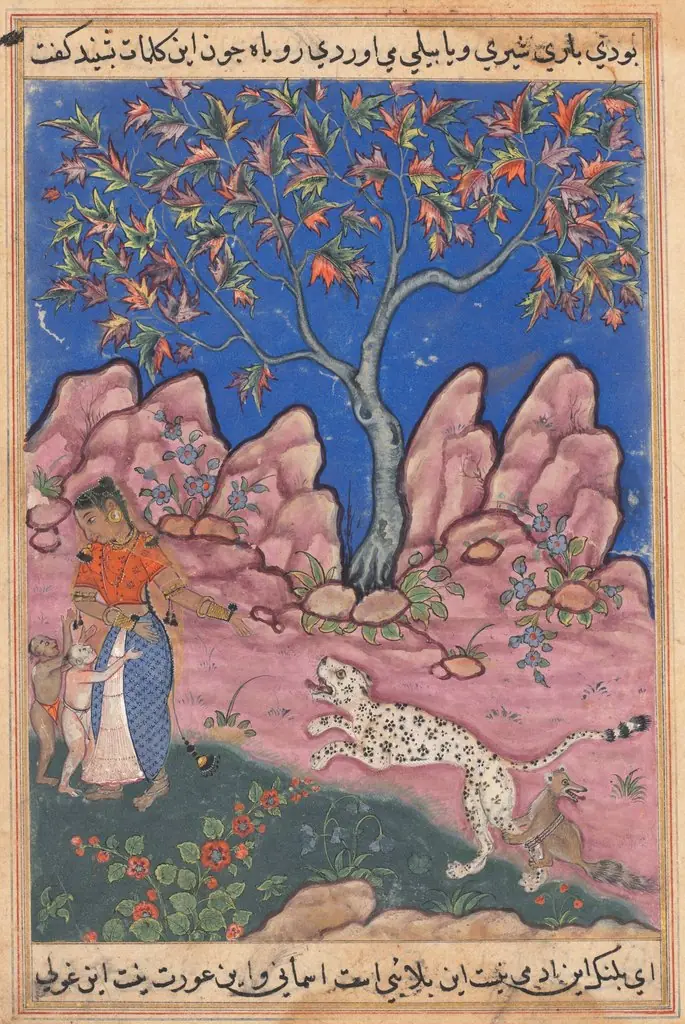 The woman conversing with her children, as the leopard returns, egged on by a fox who is tied to his leg, from a Tuti-nama (Tales of a Parrot): Thirtieth Night
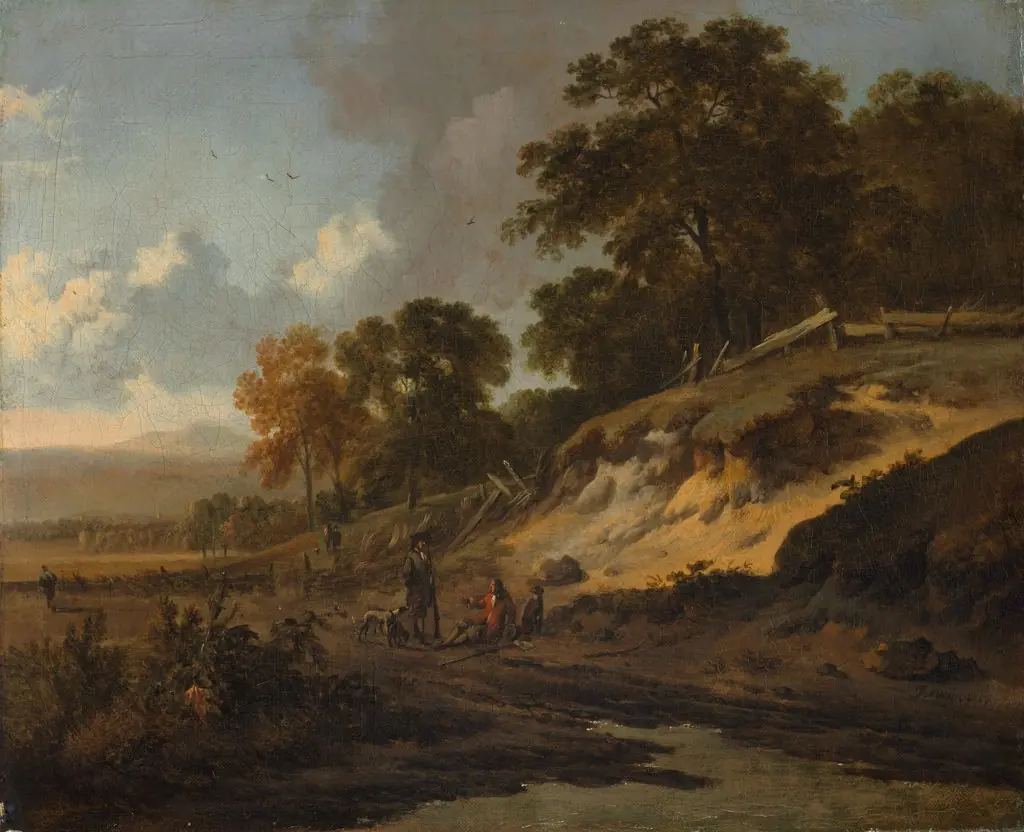 Landscape with Hunters
 Nevada Falls, Yosemite
 A Cowherd at Valhermeil, Auvers-sur-Oise
 Madonna Adoring the Child
 Christ in the Wilderness
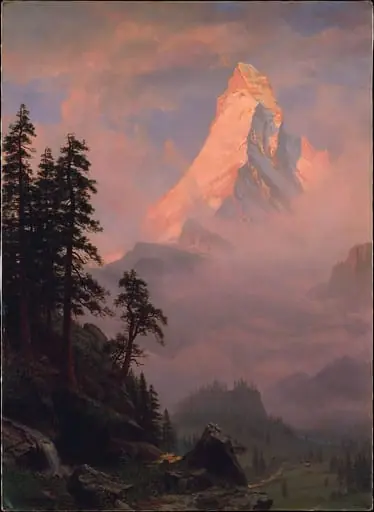 Sunrise on the Matterhorn
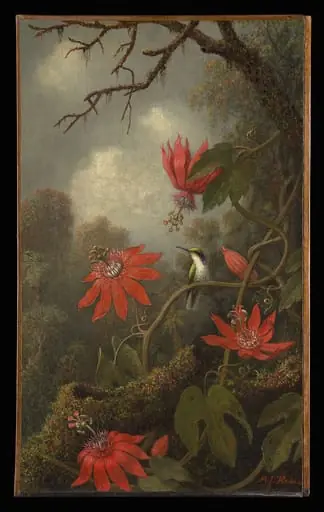 Hummingbird and Passionflowers
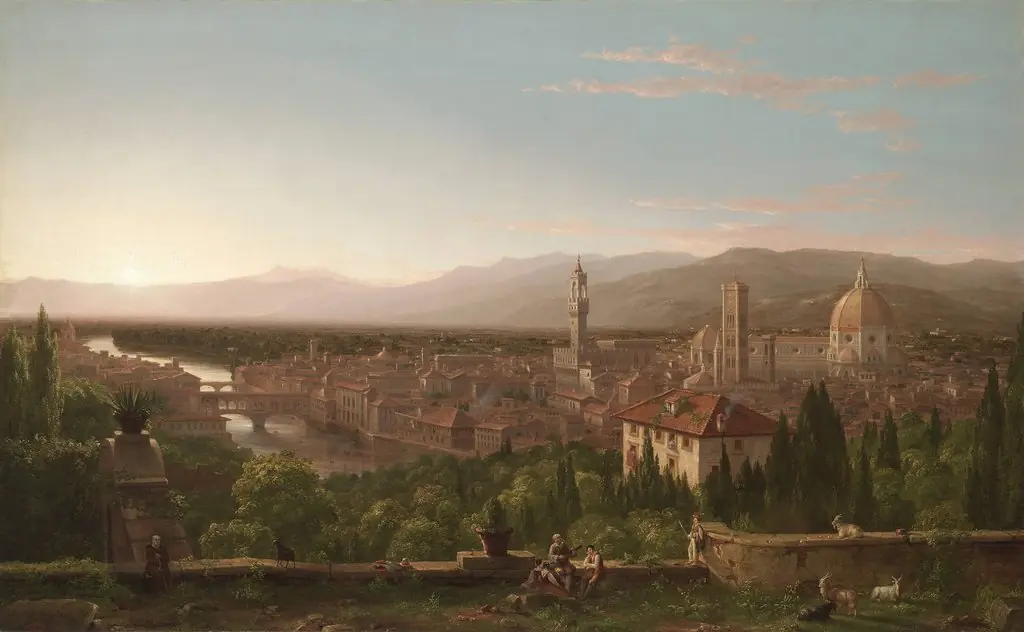 View of Florence
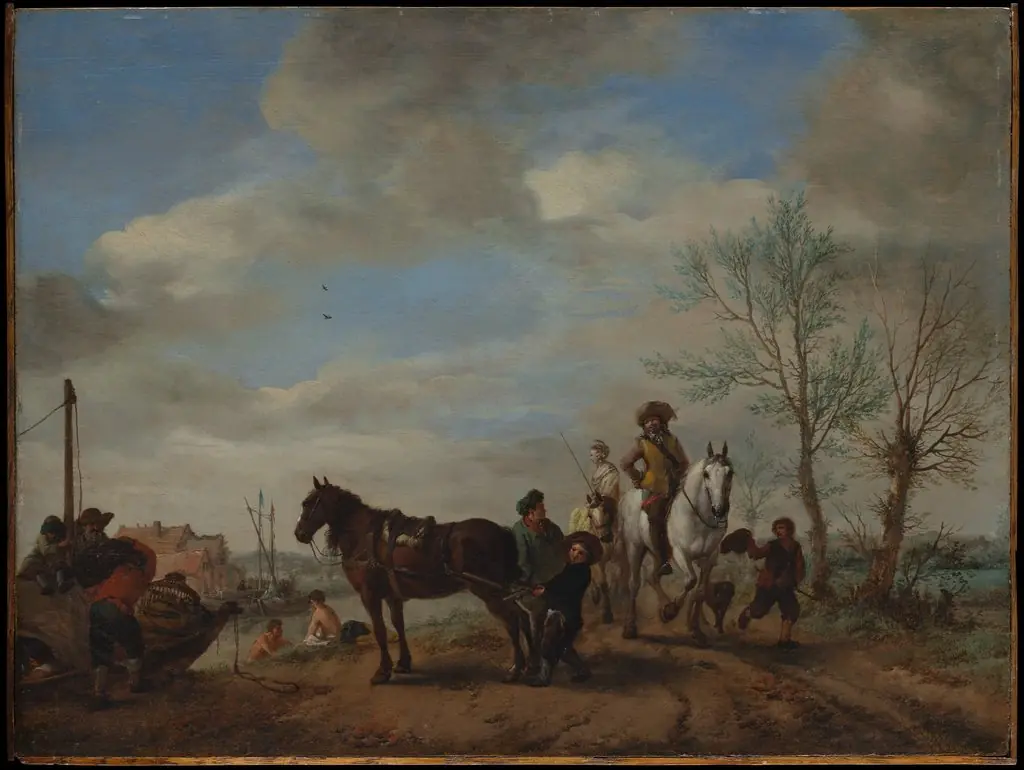 A Man and a Woman on Horseback
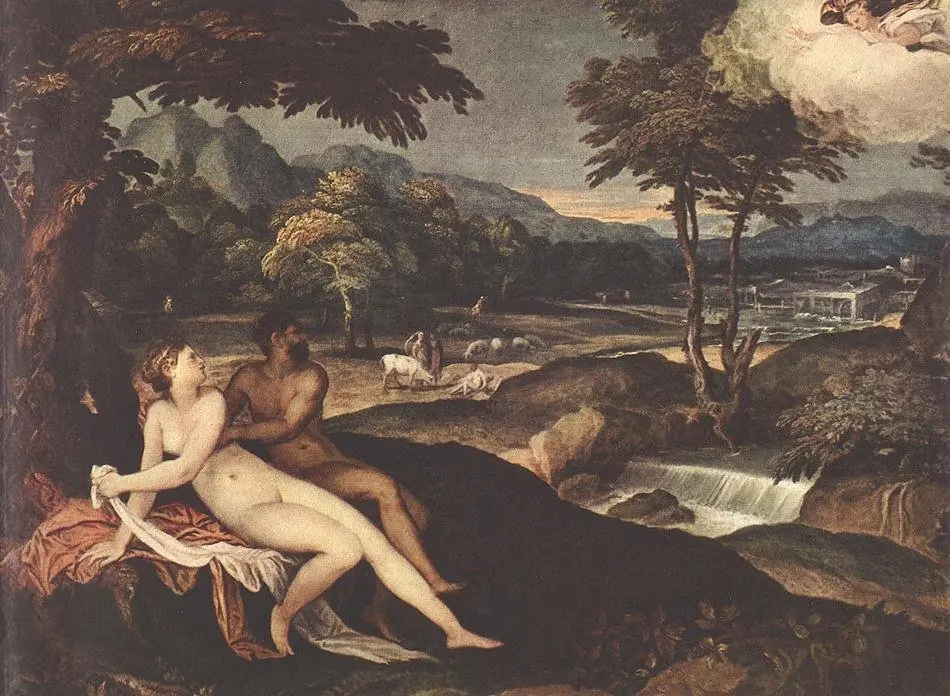 Landscape with Jupiter and Io
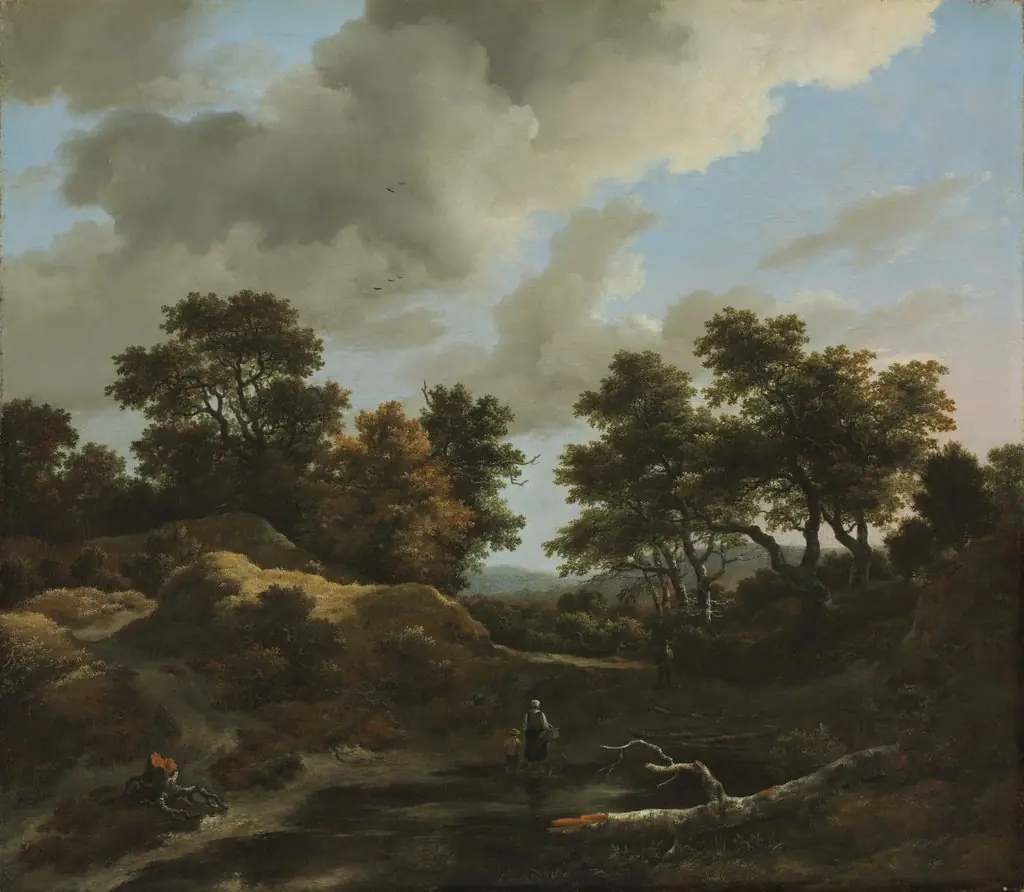 Wooded and Hilly Landscape
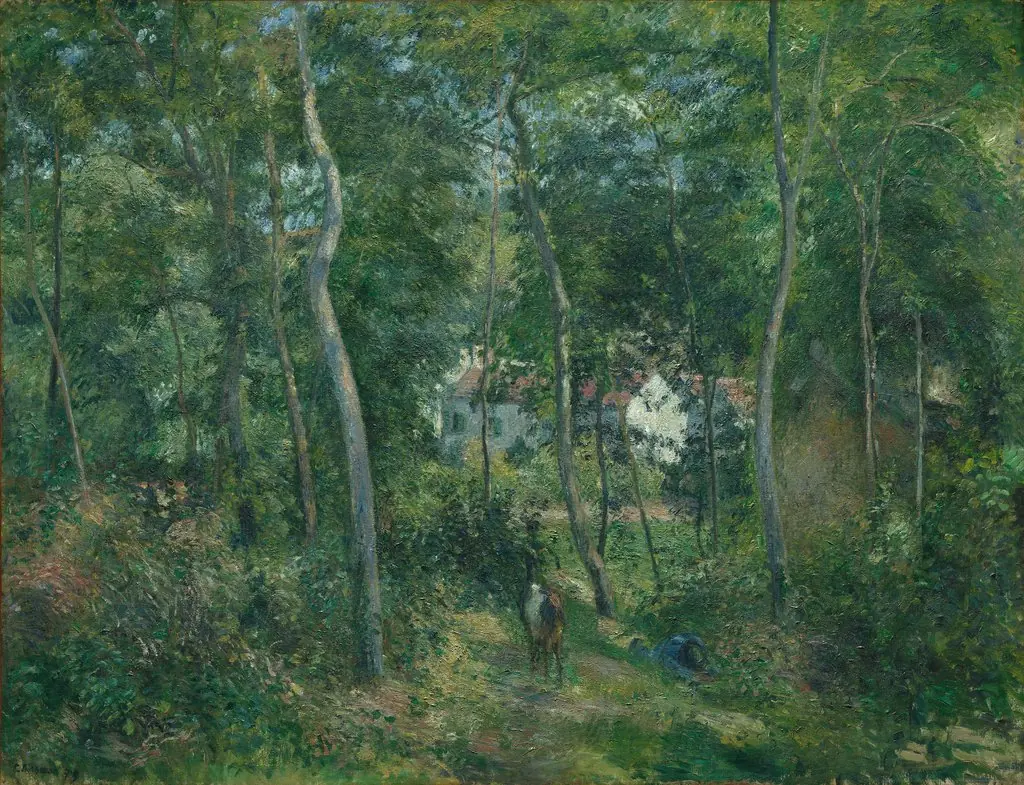 Edge of the Woods Near L'Hermitage, Pontoise
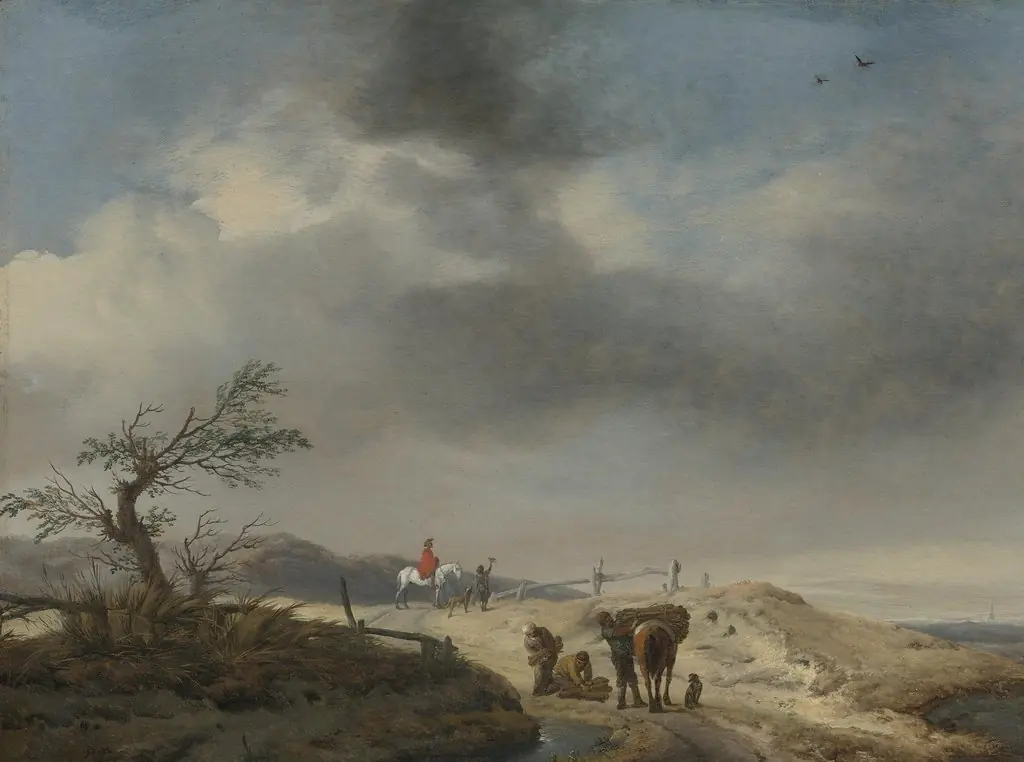 Dune Landscape with Figures
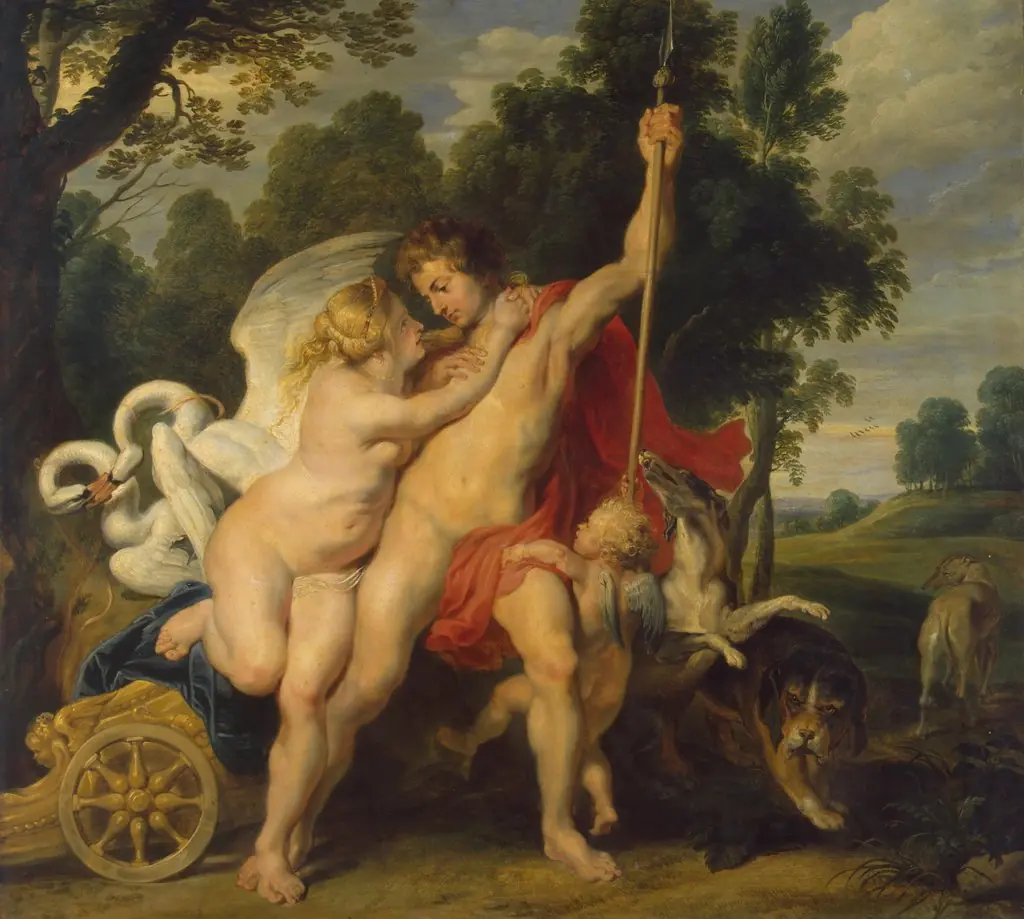 Venus and Adonis (Rubens, 1614)
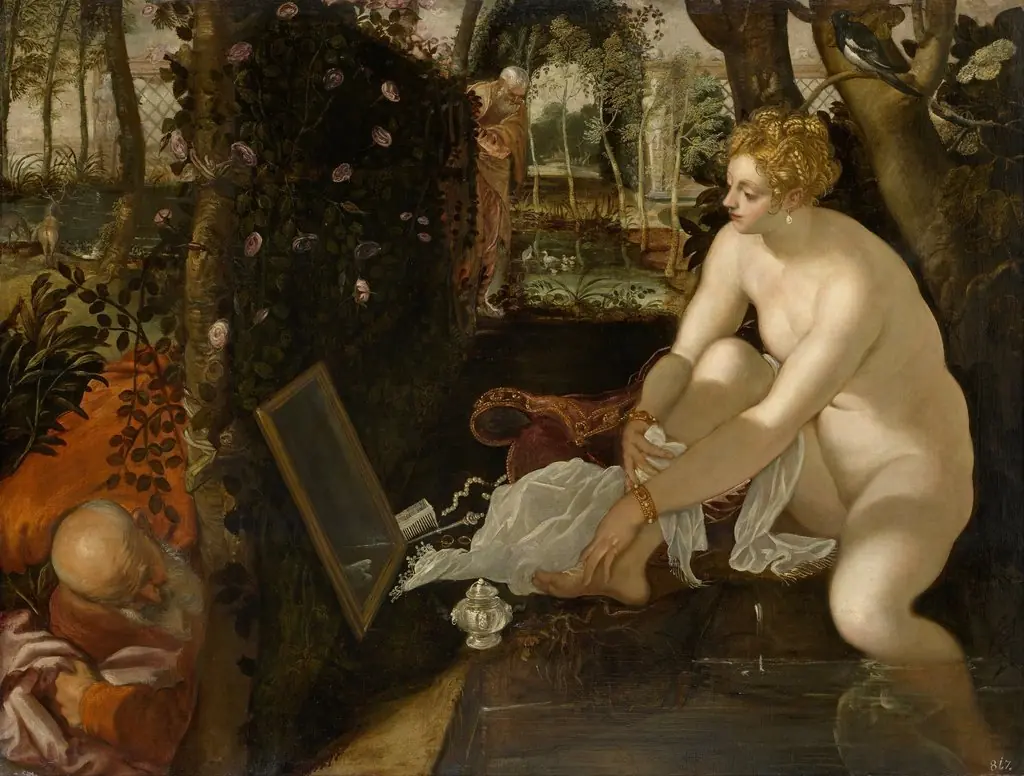 Susanna and the Elders
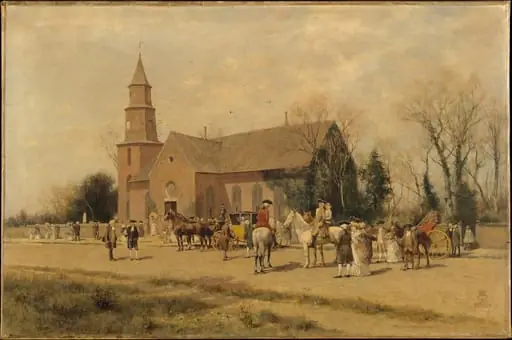 Old Bruton Church, Williamsburg, Virginia, in the Time of Lord Dunmore
 Summer Flowers
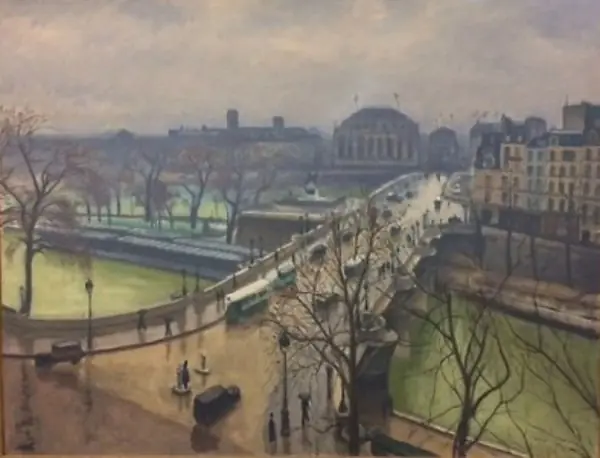 The Pont Neuf, Paris
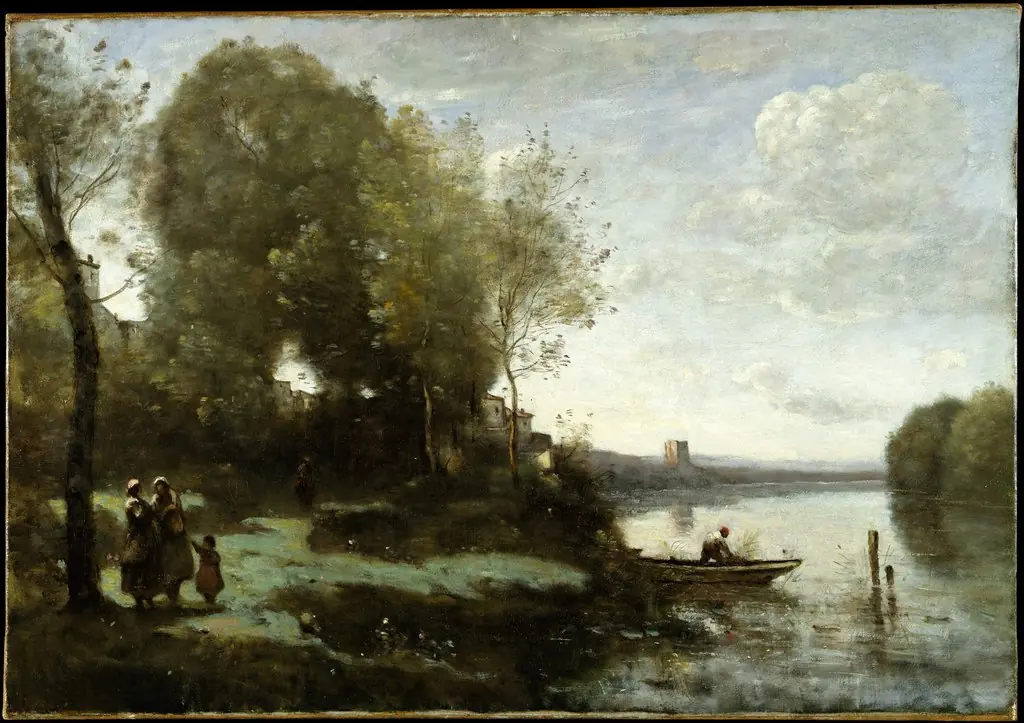 River with a Distant Tower
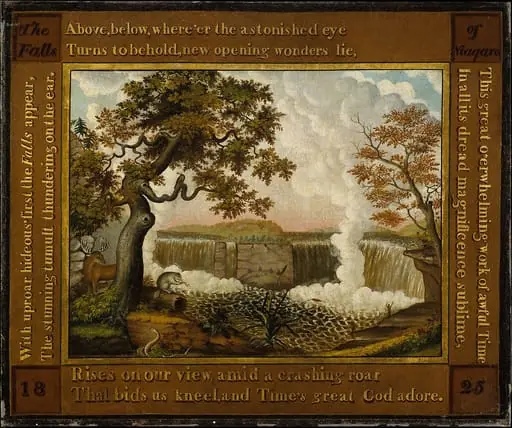 The Falls of Niagara
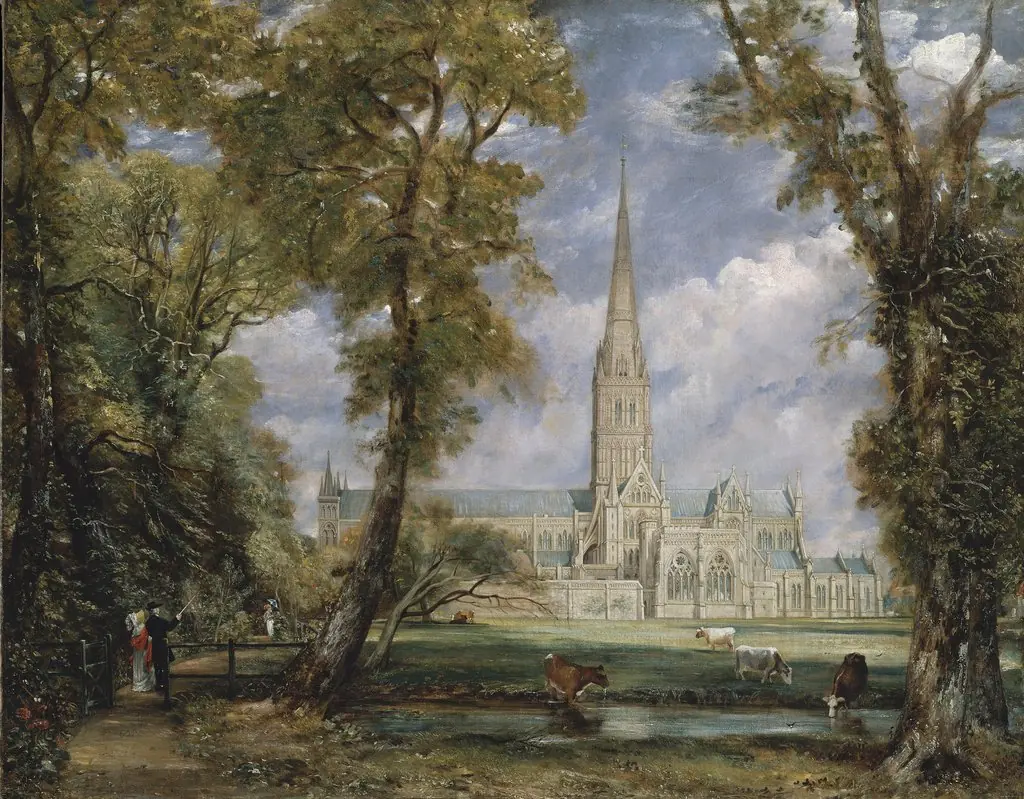 Salisbury Cathedral from the Bishop's Garden
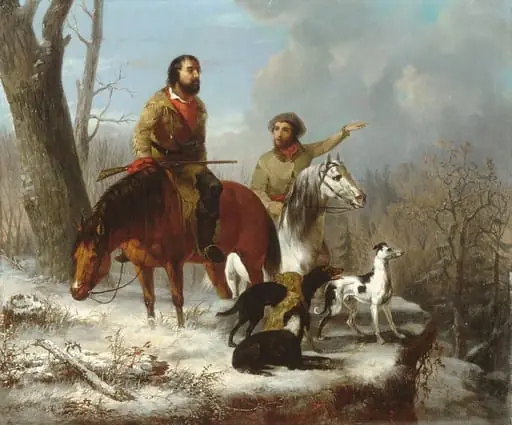 Trappers
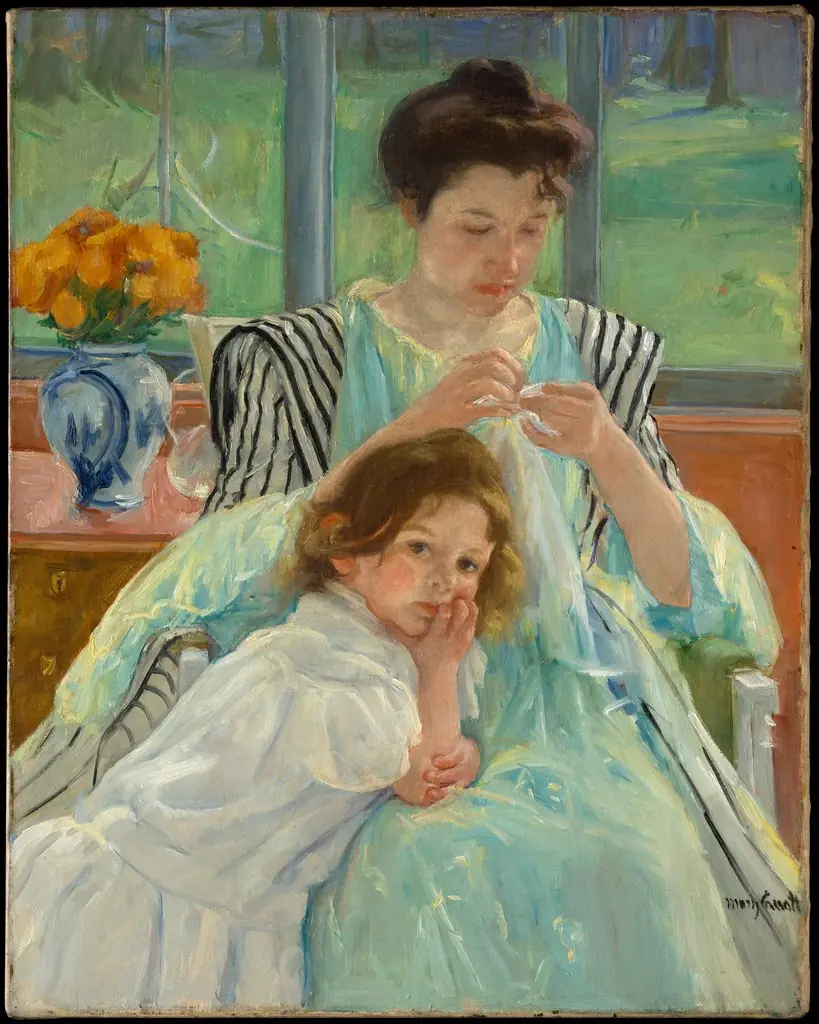 Young Mother Sewing
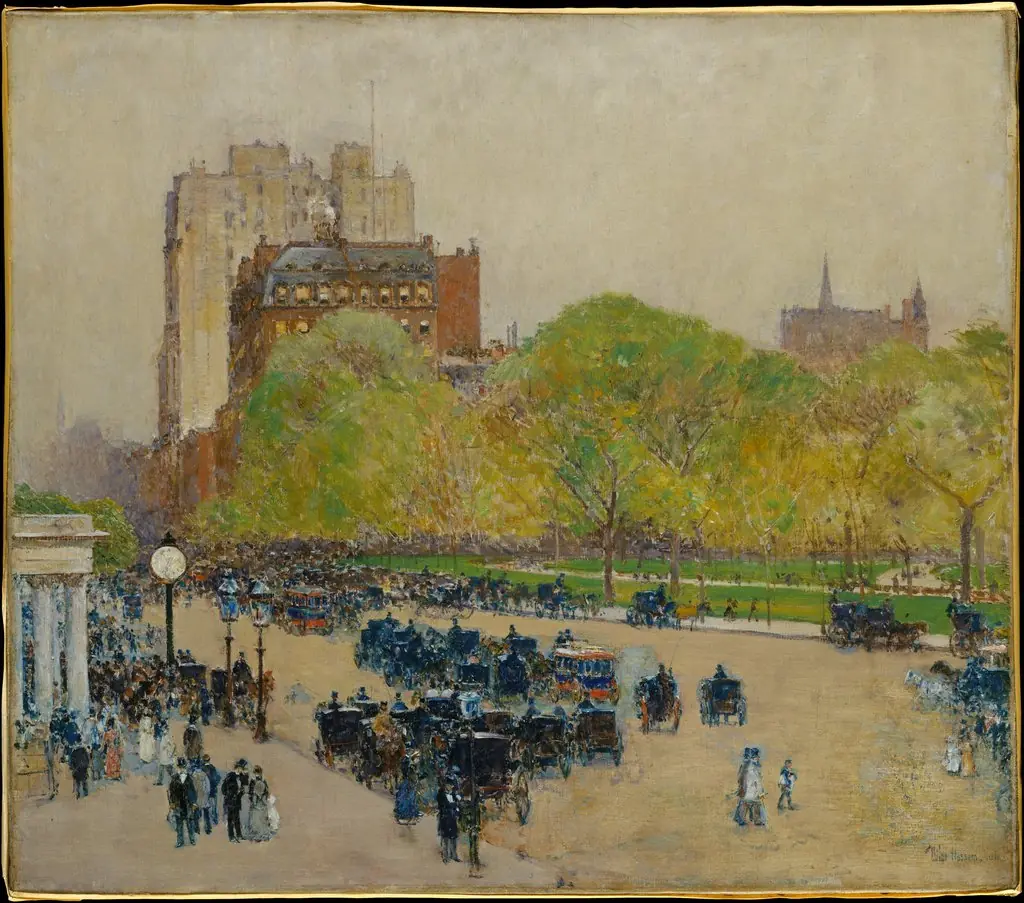 Spring Morning in the Heart of the City
 明 佚名 羅漢圖 軸|The Arhat Vajraputra
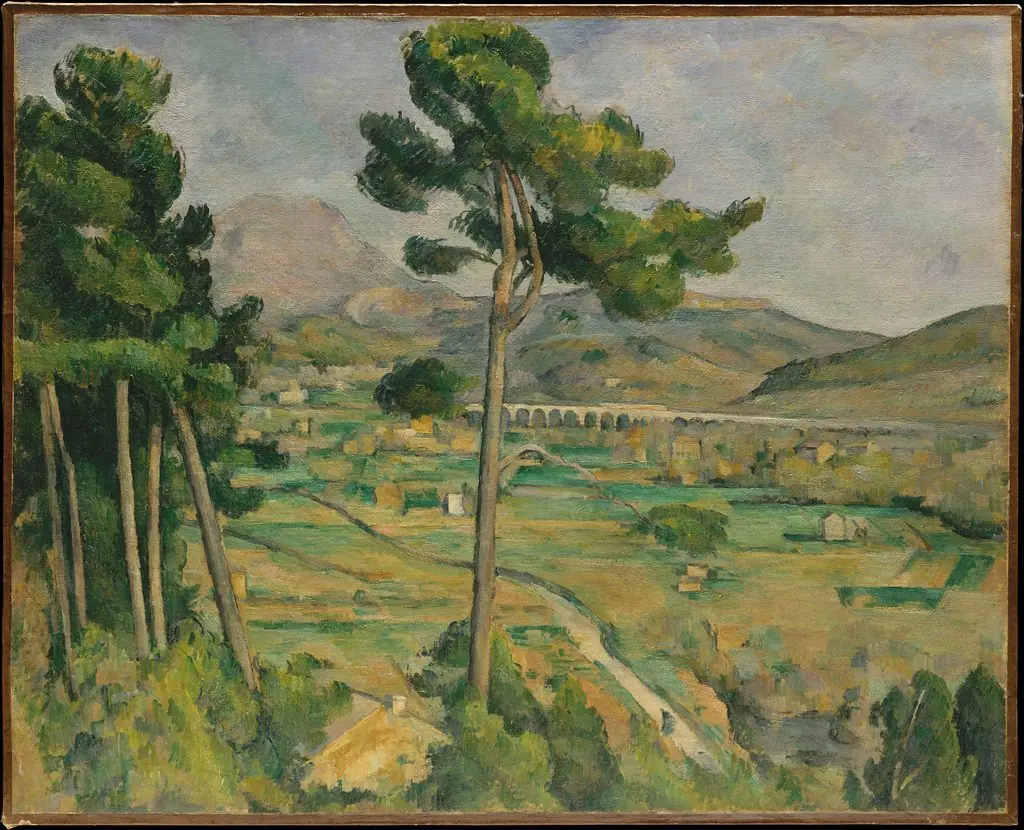 Mont Sainte-Victoire and the Viaduct of the Arc River Valley
 雪村周継筆 竹林七聖図|Seven Sages of the Bamboo Grove
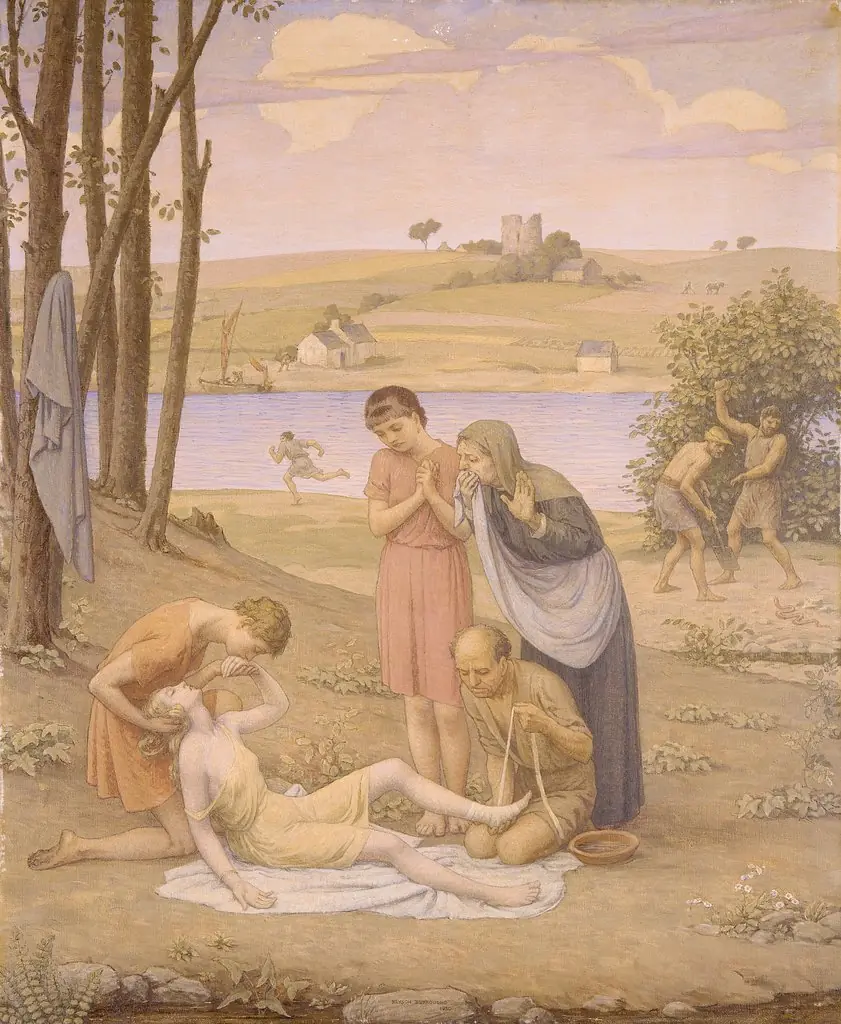 Eurydice Bitten by the Snake
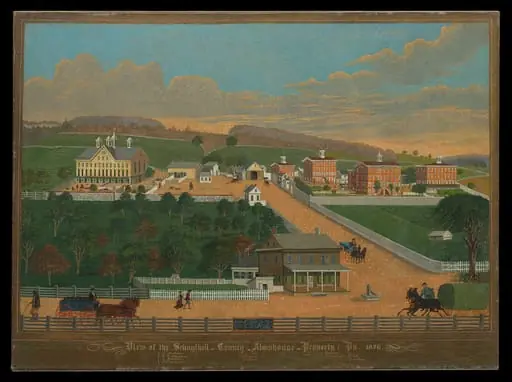 View of the Schuylkill County Almshouse Property
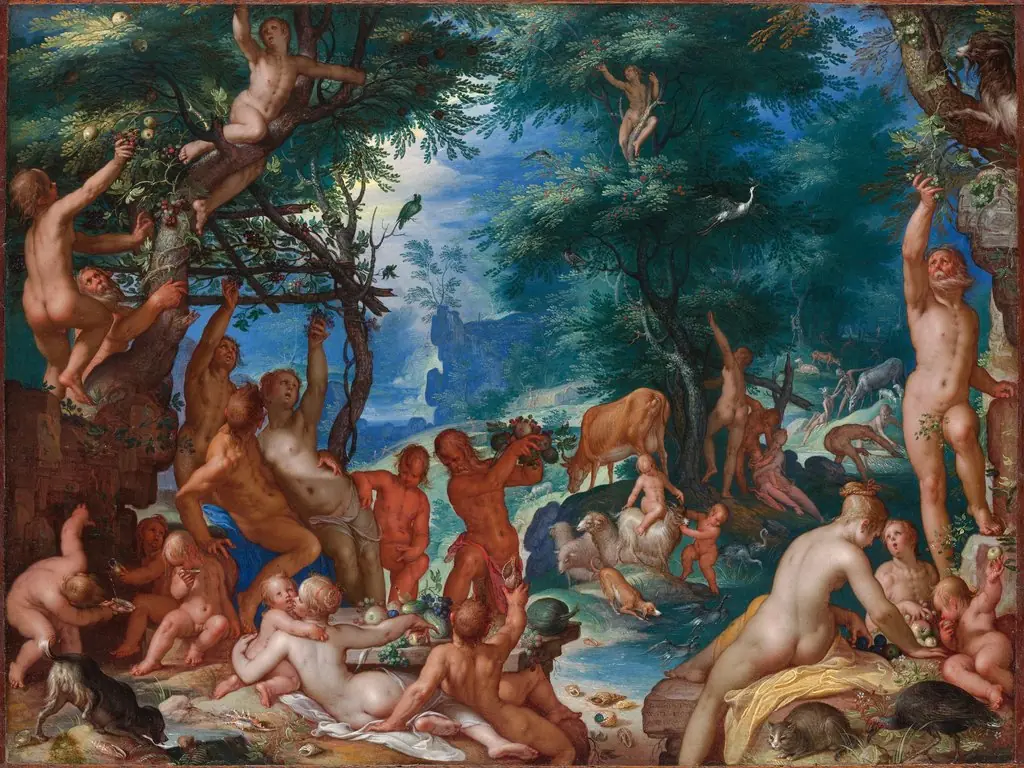 The Golden Age
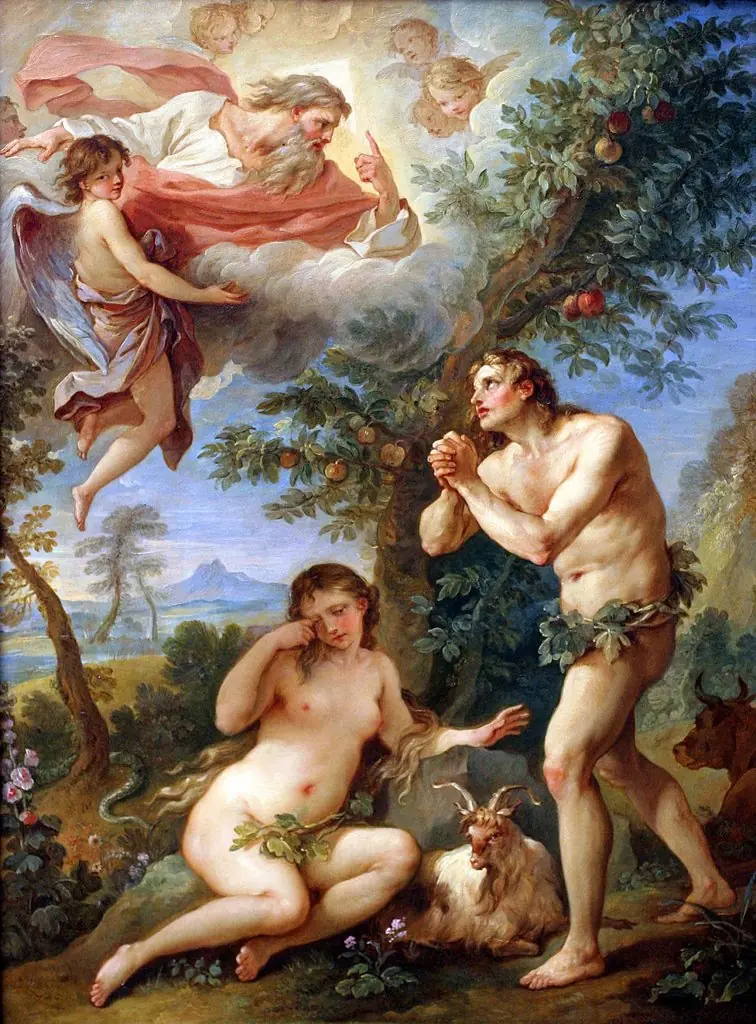 The Rebuke of Adam and Eve
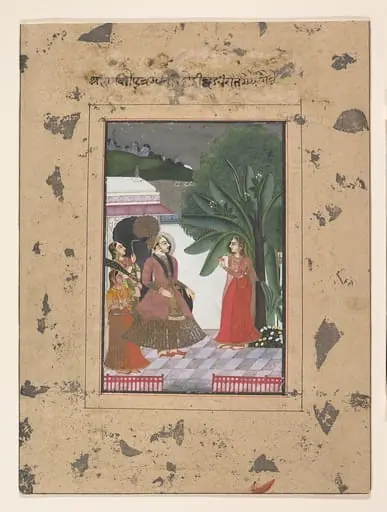 Untitled
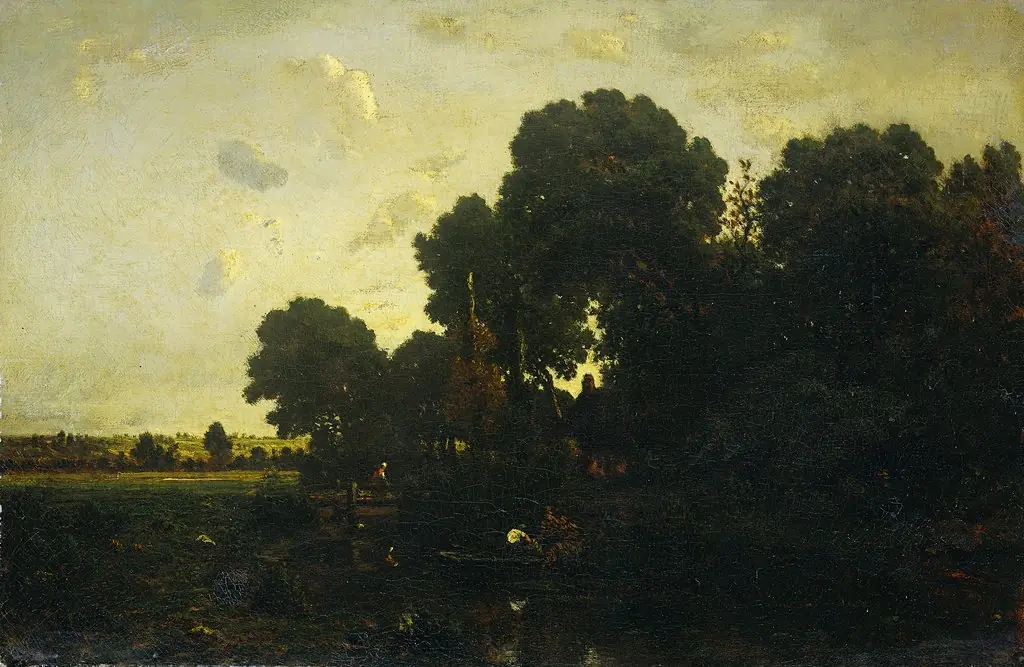 Twilight
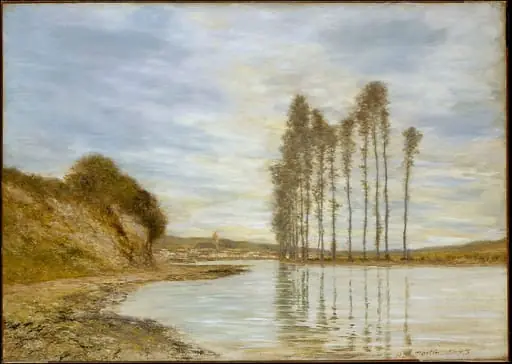 View on the Seine: Harp of the Winds
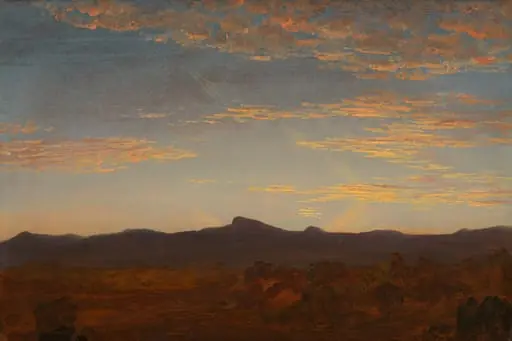 Study for "Catskill Creek"
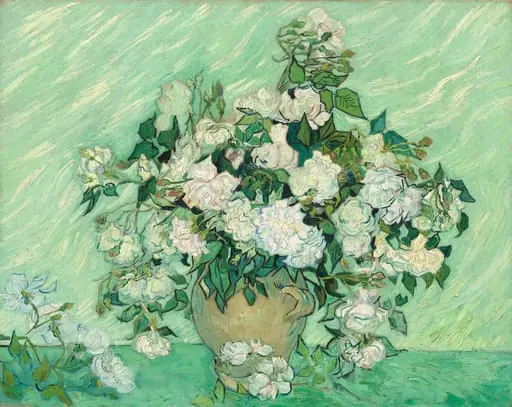 Roses
Roses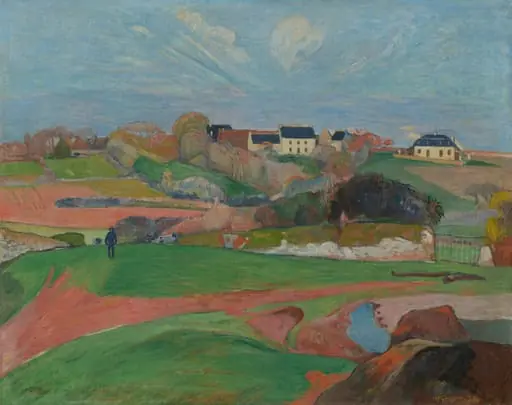 Landscape at Le Pouldu
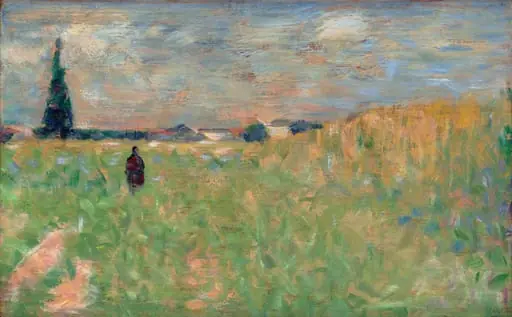 A Summer Landscape
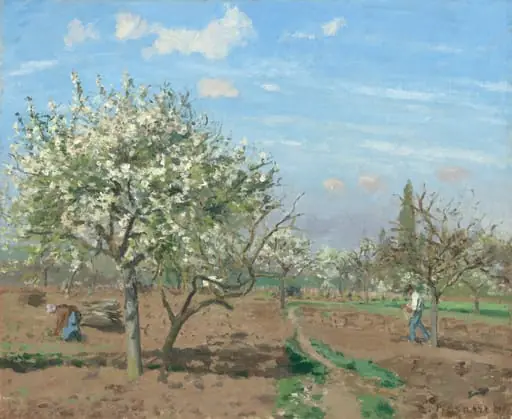 Orchard in Bloom, Louveciennes
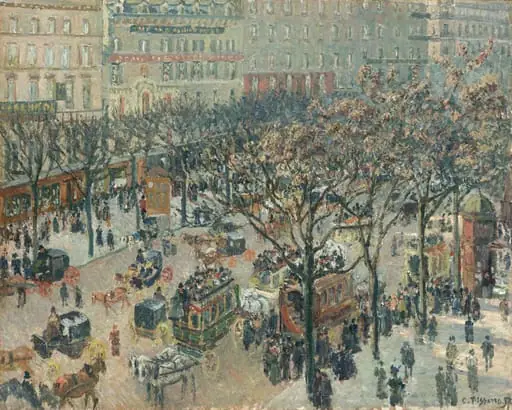 Boulevard des Italiens, Morning, Sunlight
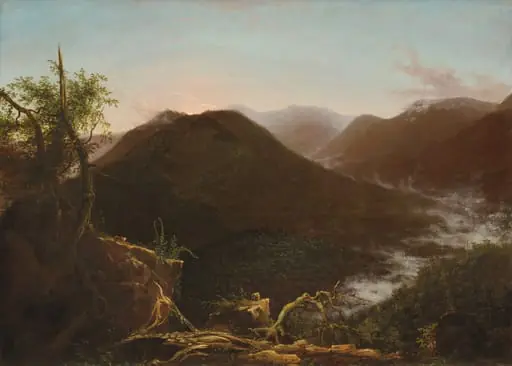 Sunrise in the Catskills
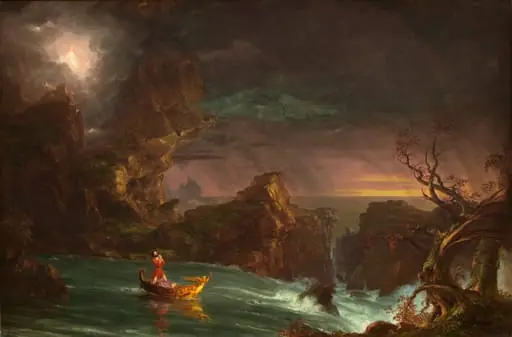 The Voyage of Life: Manhood
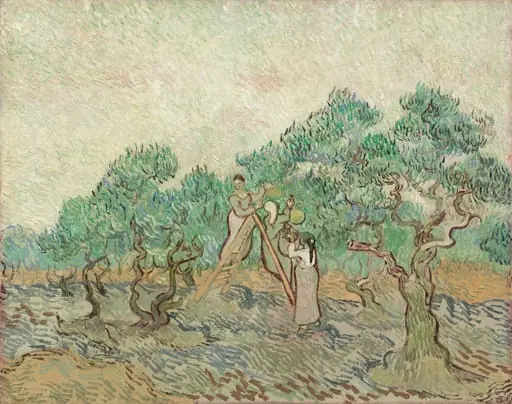 The Olive Orchard
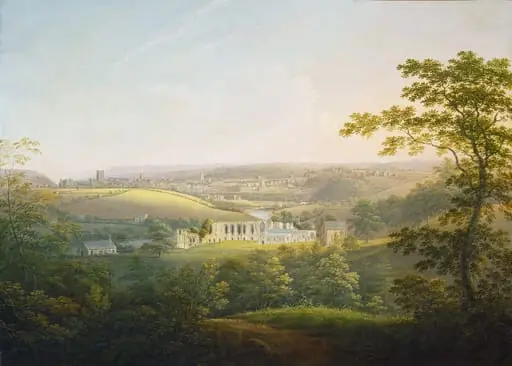 Easby Abbey, near Richmond
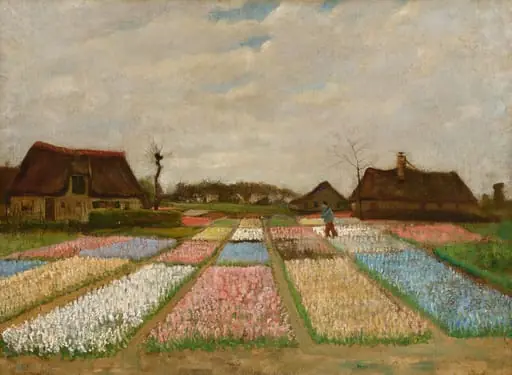 Flower Beds in Holland
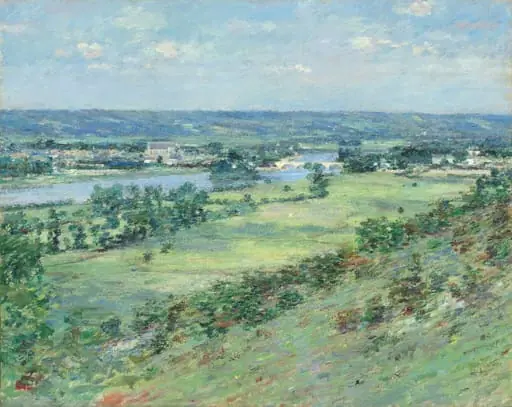 The Valley of the Seine, from the Hills of Giverny
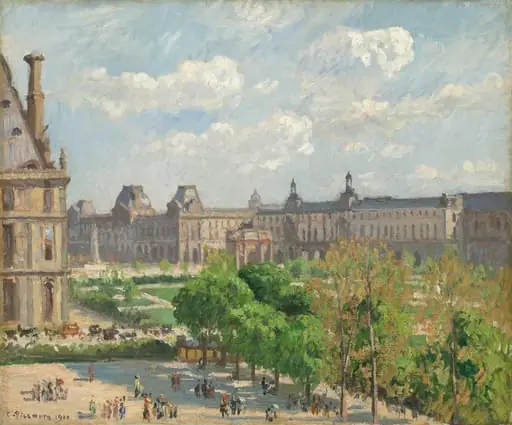 Place du Carrousel, Paris
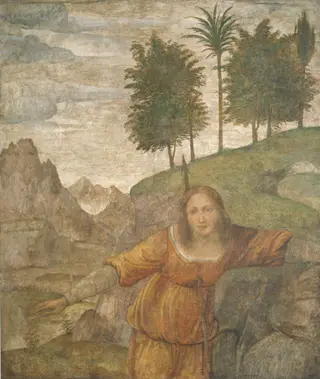 Procris Pierced by Cephalus' Javelin
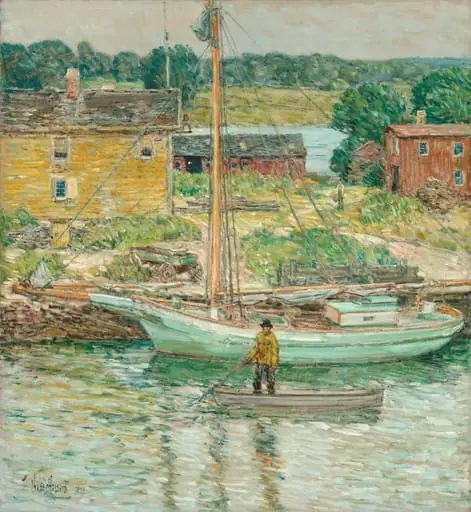 Oyster Sloop, Cos Cob
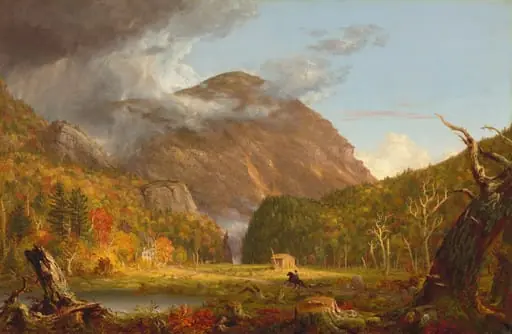 A View of the Mountain Pass Called the Notch of the White Mountains (Crawford Notch)
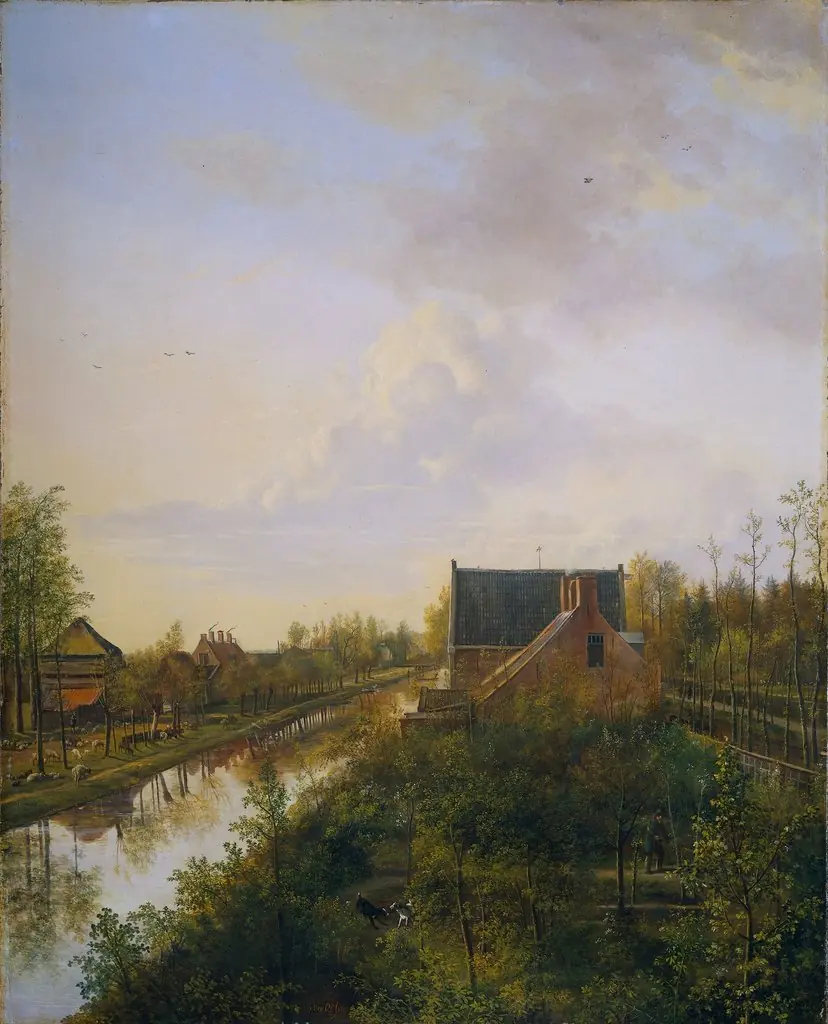 The canal at 's-Graveland
 Woman with Cat
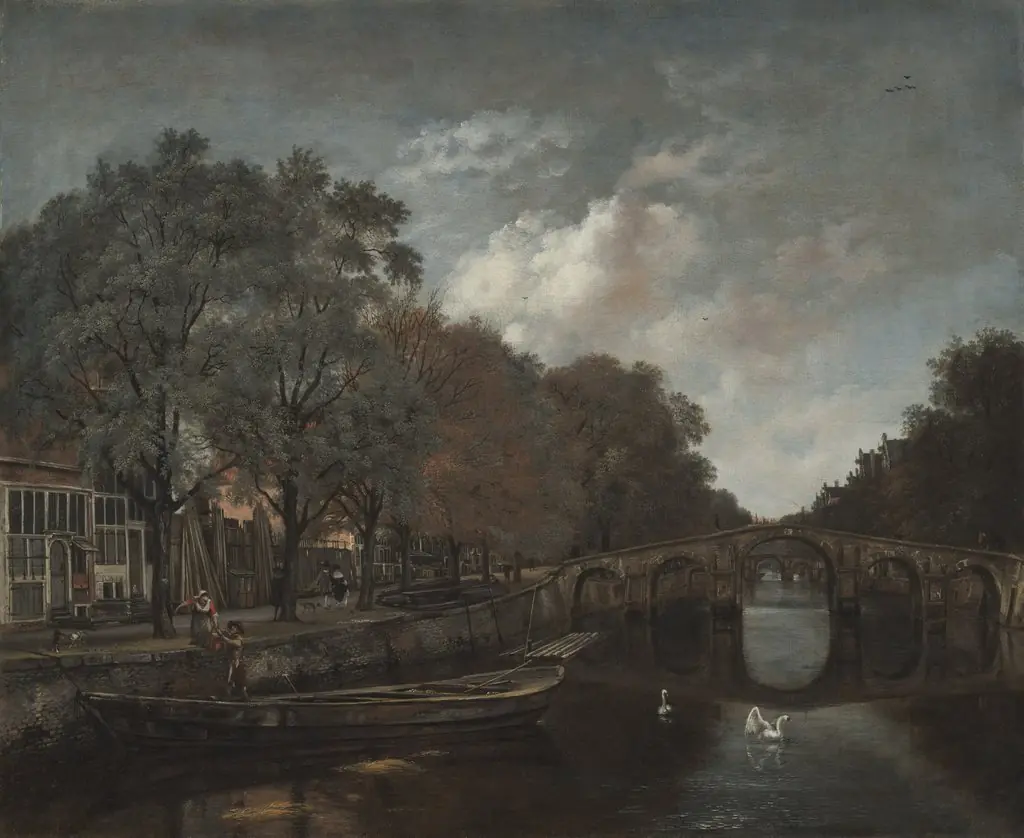 Herengracht, Amsterdam
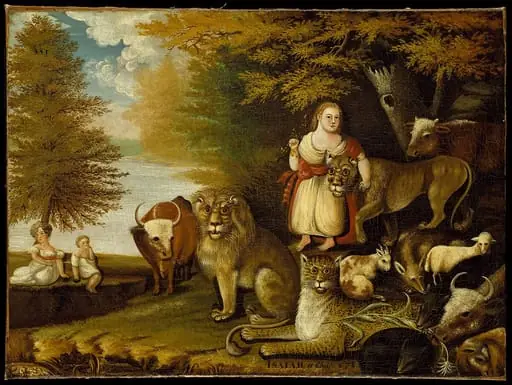 Peaceable Kingdom
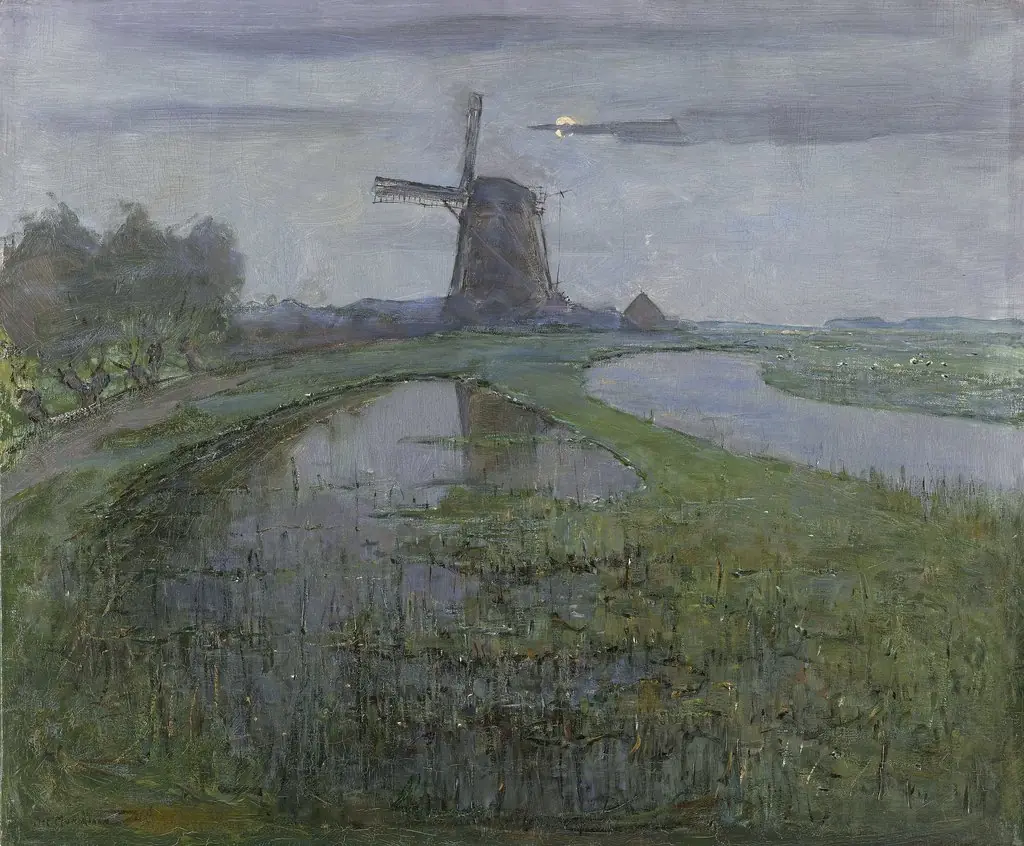 Oostzijdse Mill along the River Gein by Moonlight
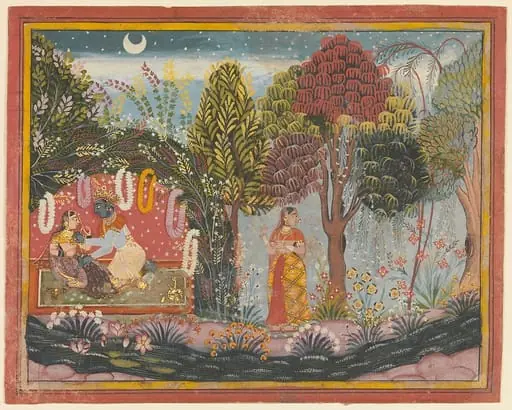 Untitled
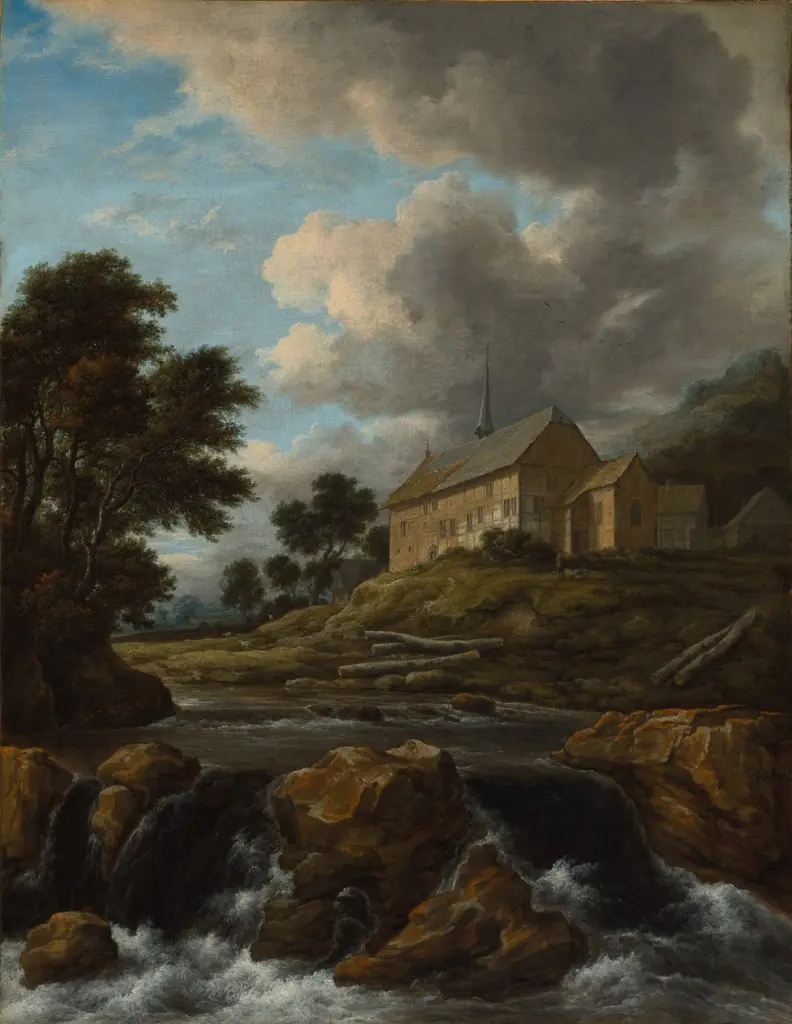 Landscape with a Church by a Torrent
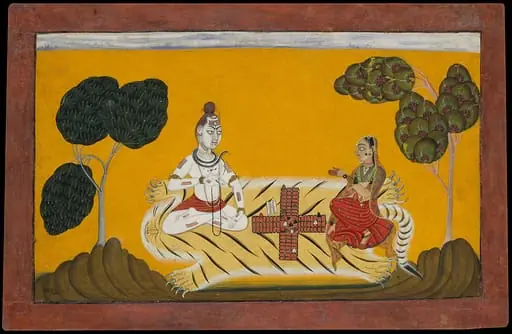 Untitled
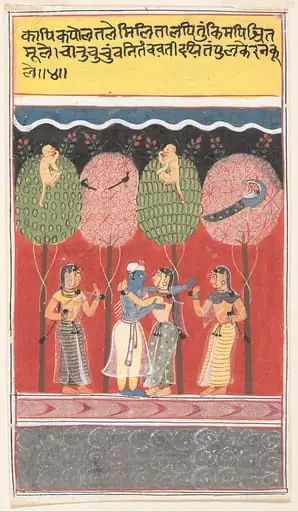 Untitled
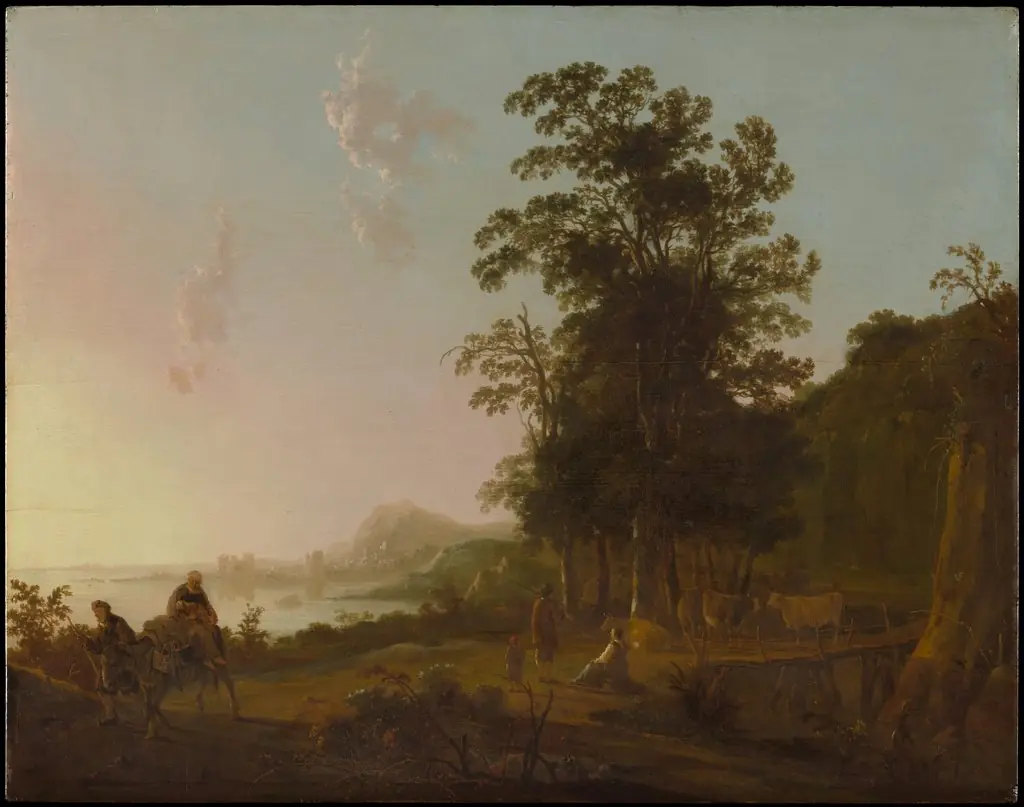 Landscape with the Flight into Egypt
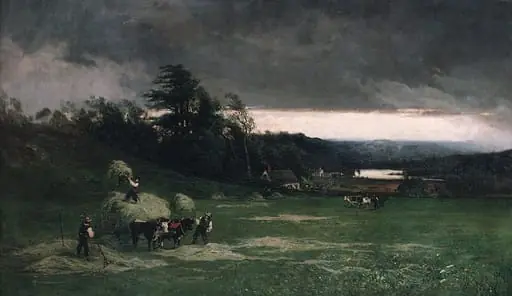 Approaching Storm
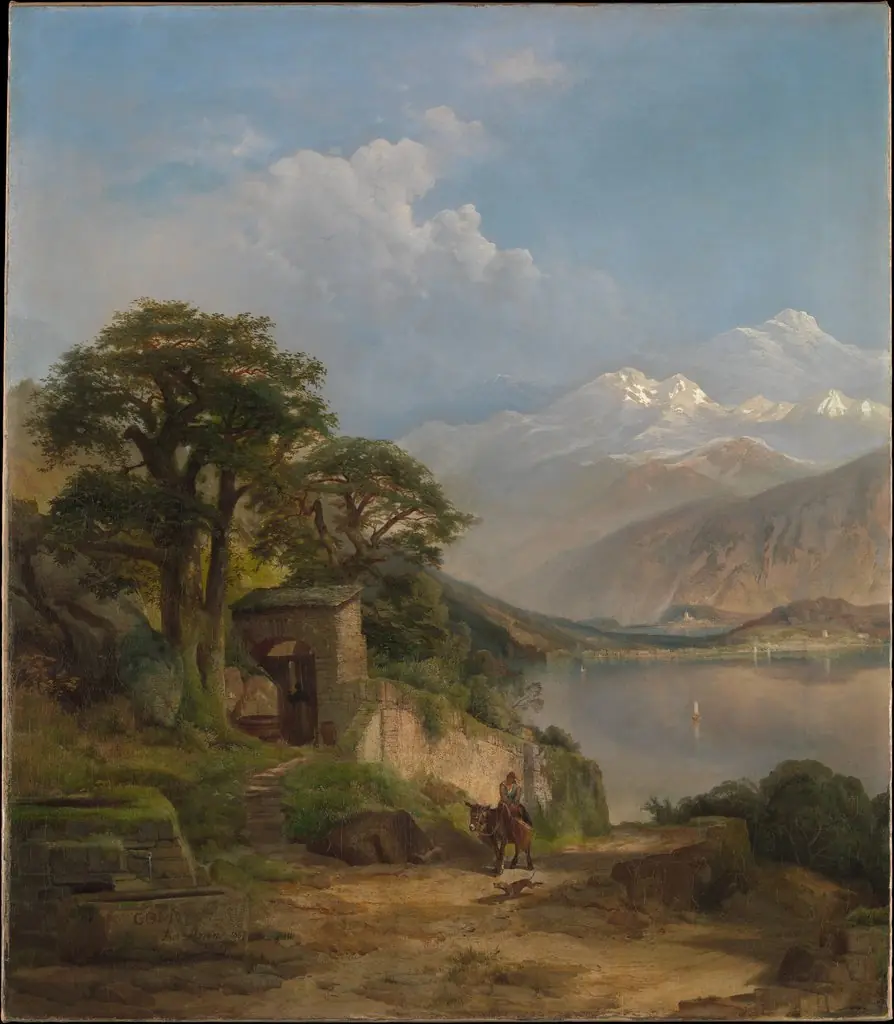 Lierna
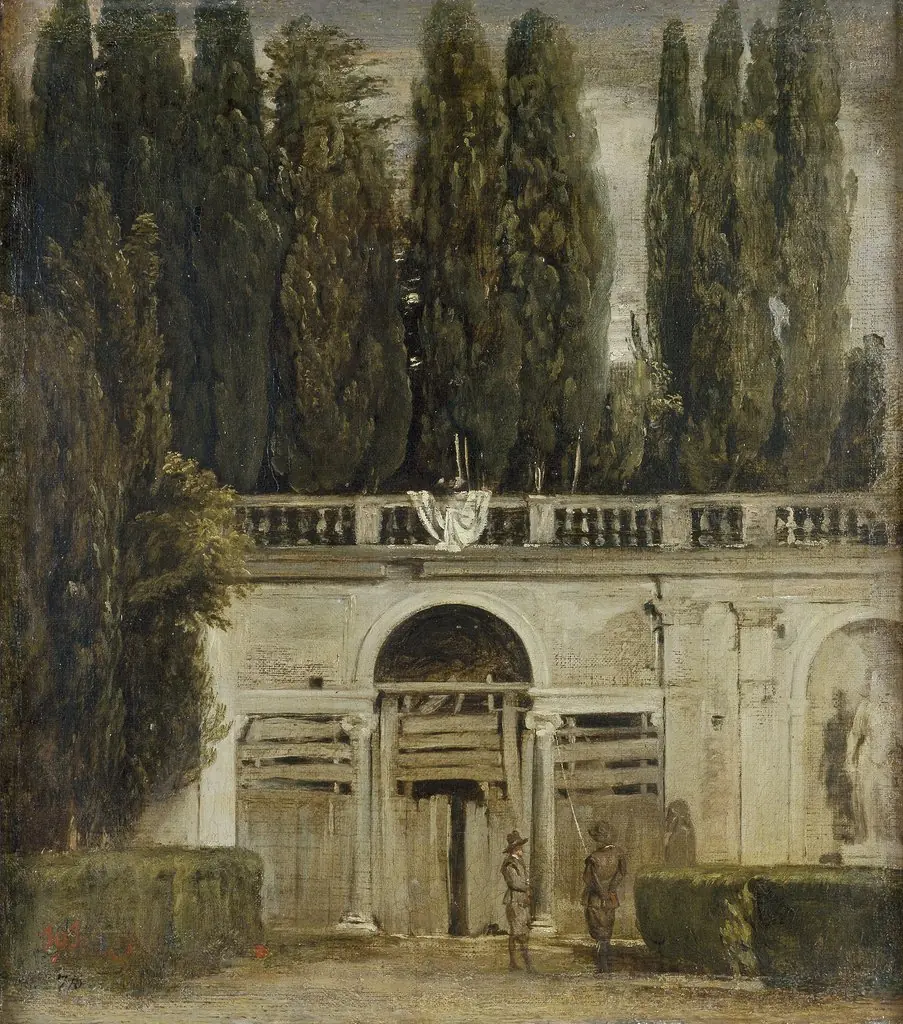 View of the Garden of the Villa Medici
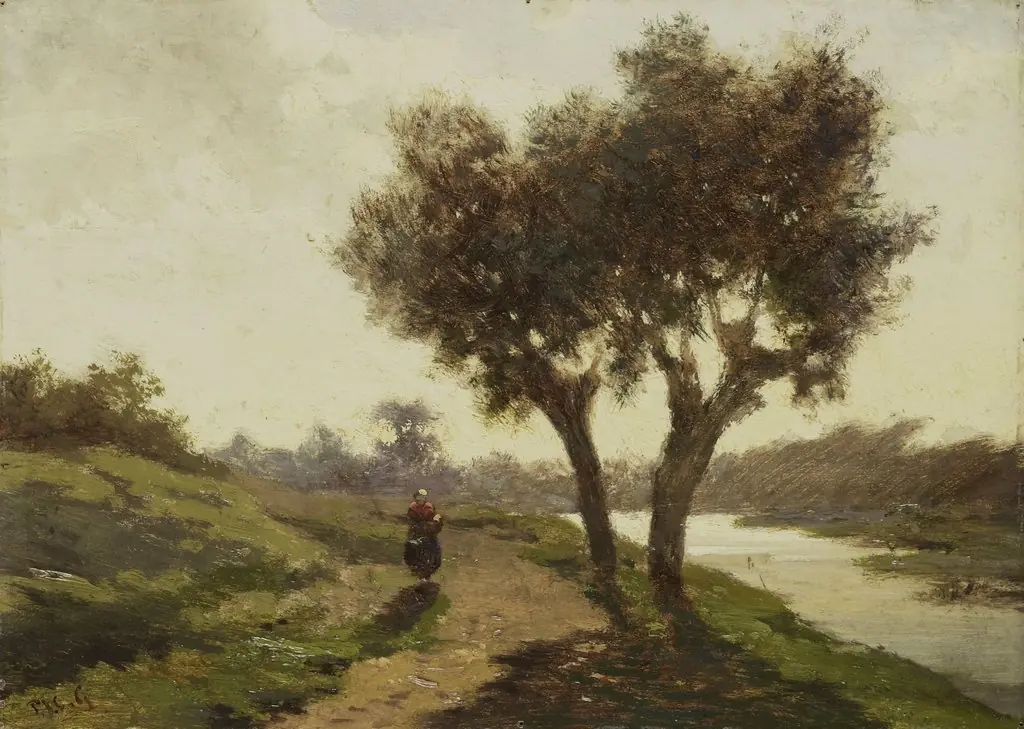 Landscape with two Trees
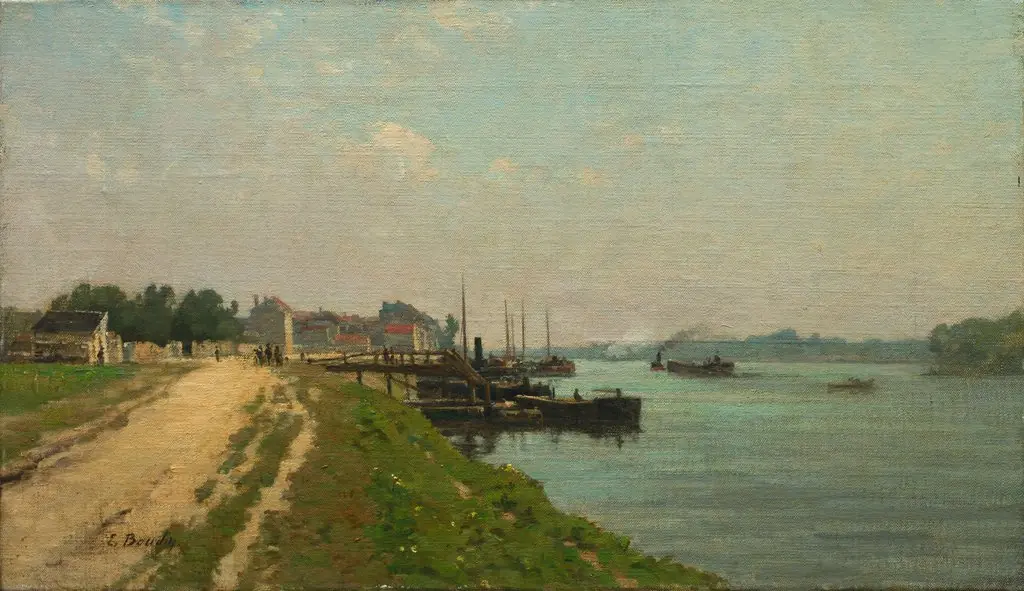 Banks of the Seine
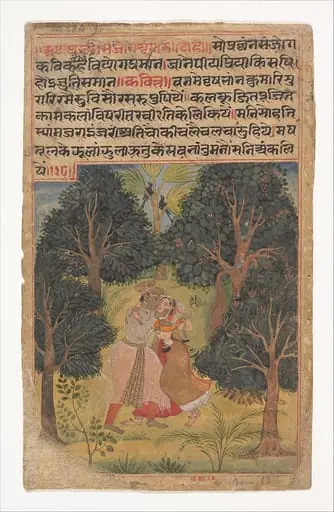 Untitled
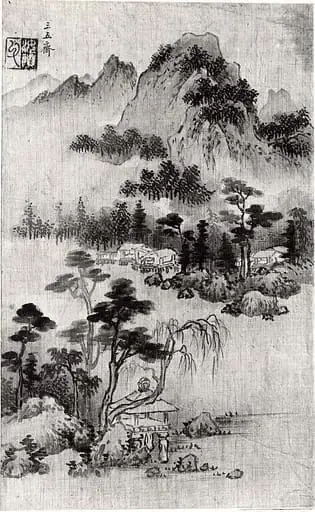 Untitled
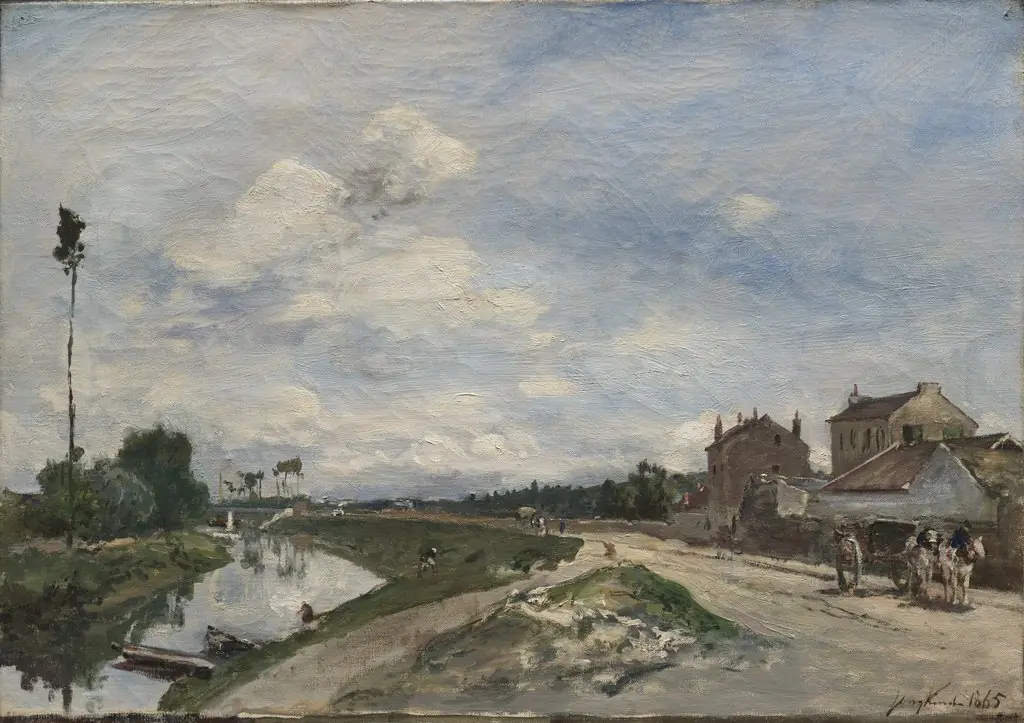 The Seine at Bas-Meudon
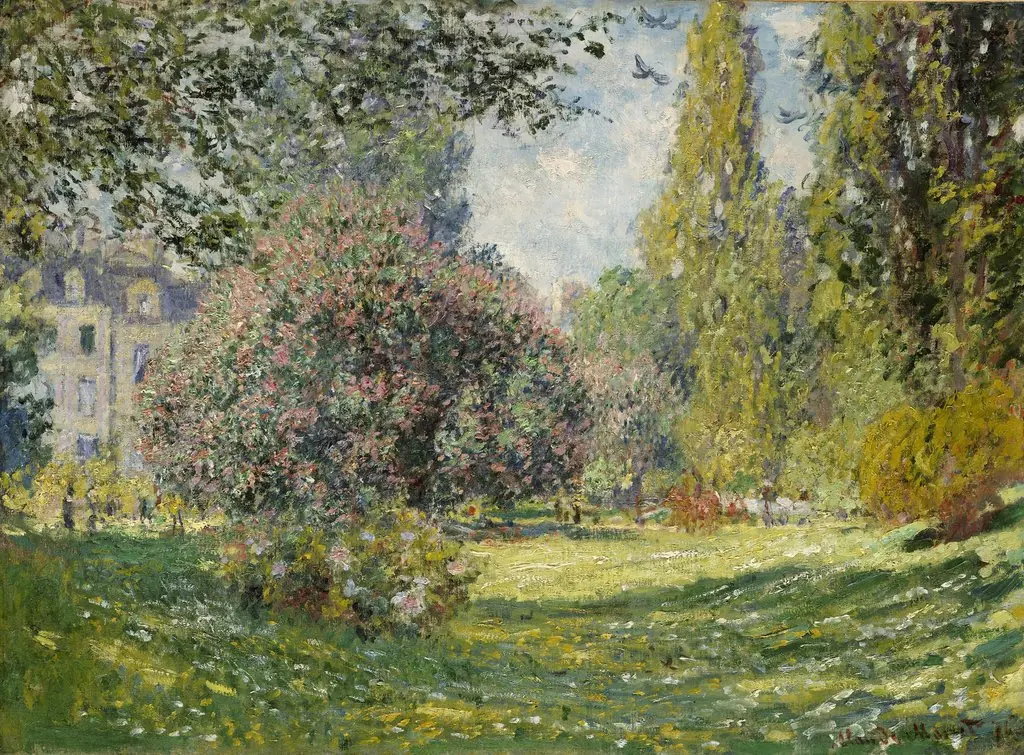 Landscape: The Parc Monceau
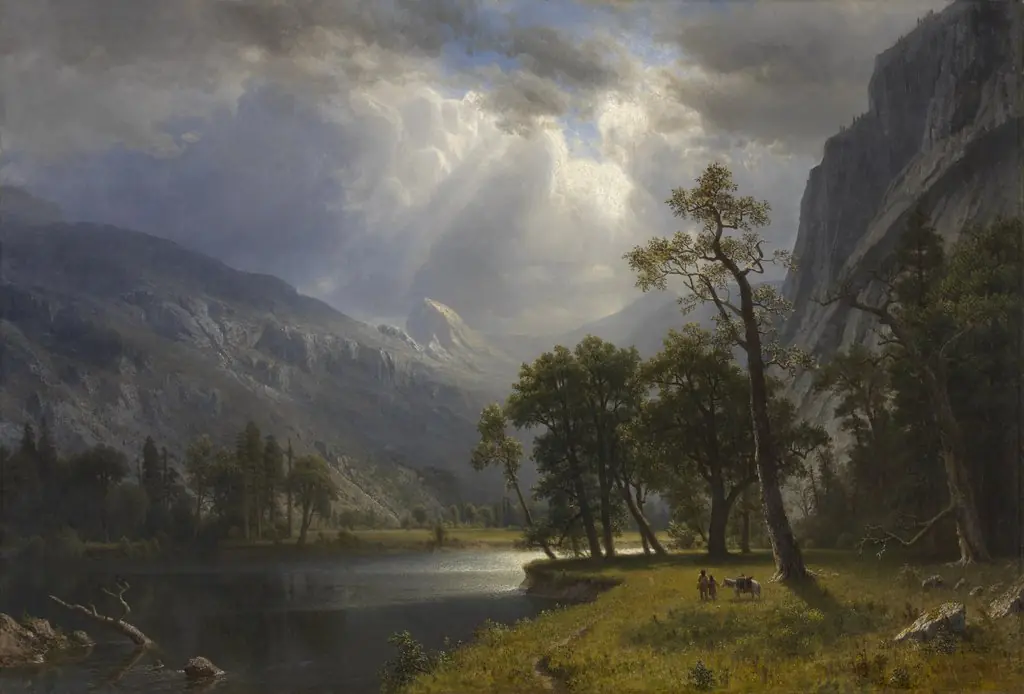 Mount Starr King, Yosemite
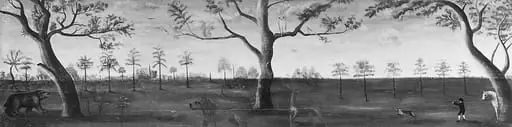 Hunting Scene
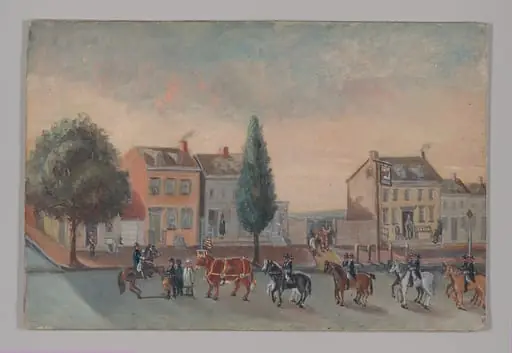 Bull's Head Tavern
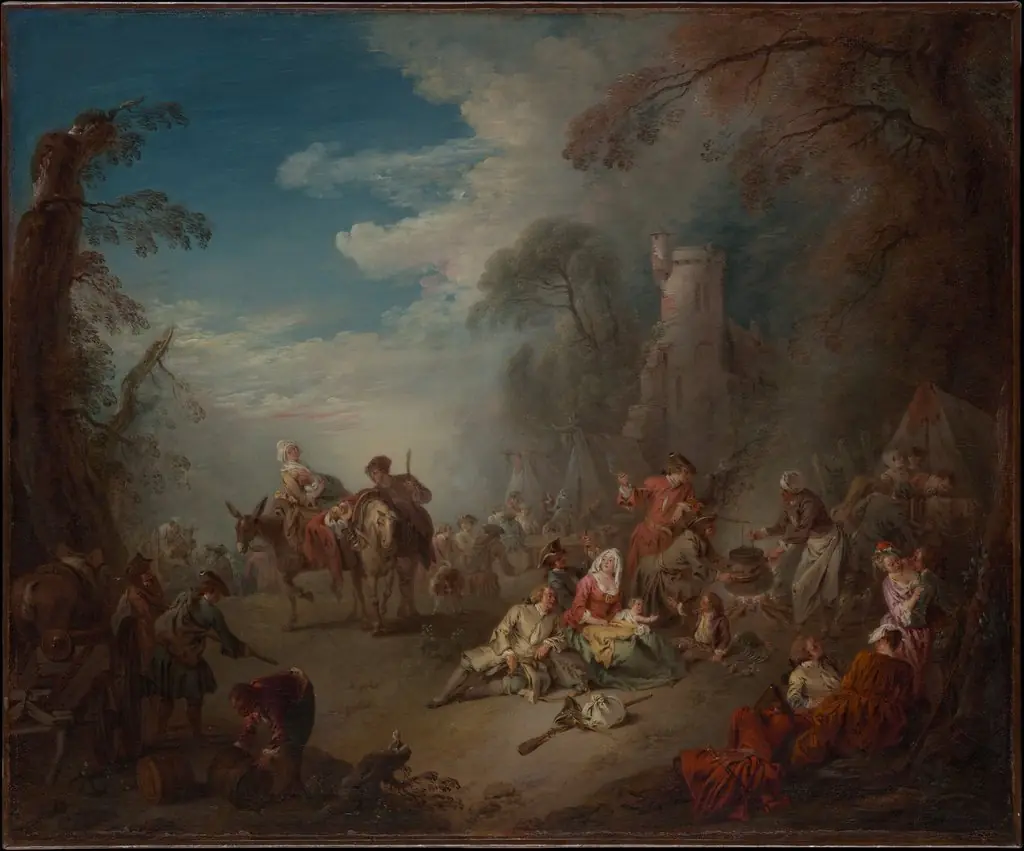 Troops at Rest
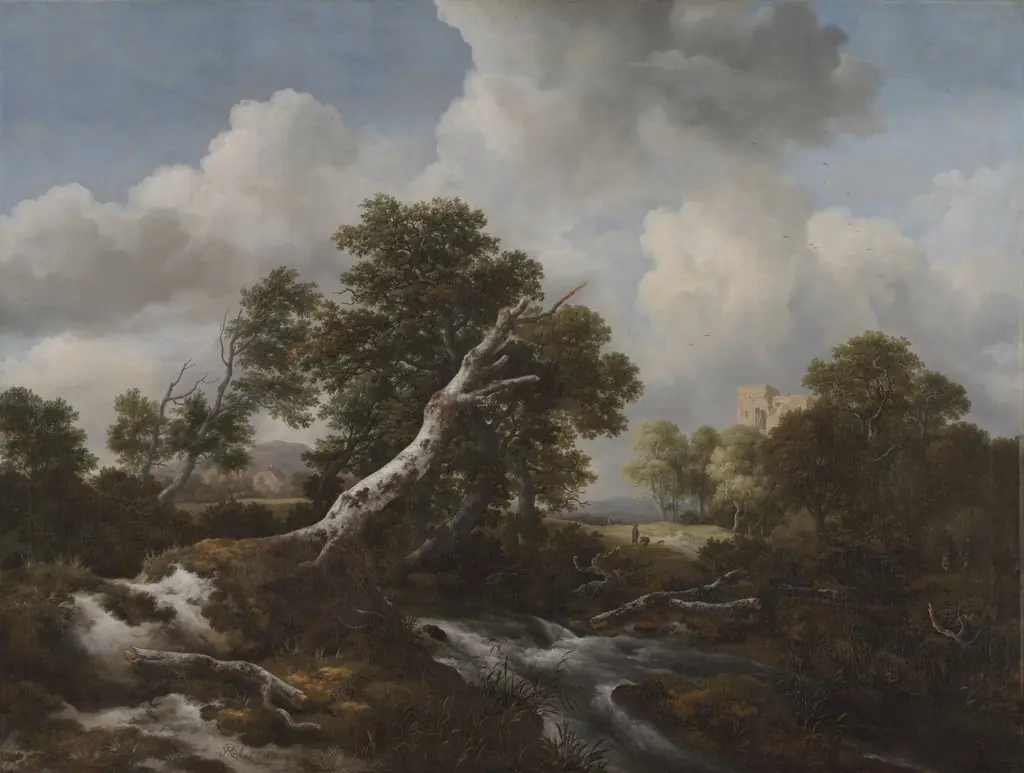 Low Waterfall in a Wooded Landscape with a Dead Beech Tree
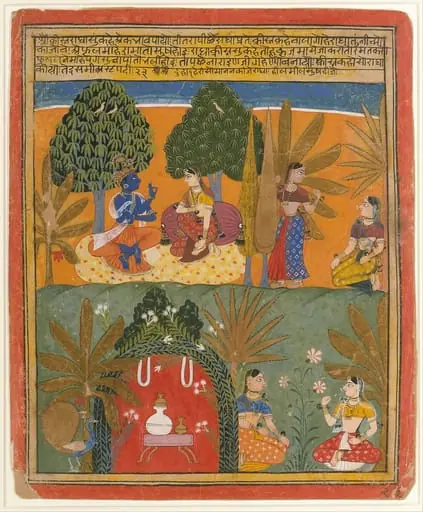 Untitled
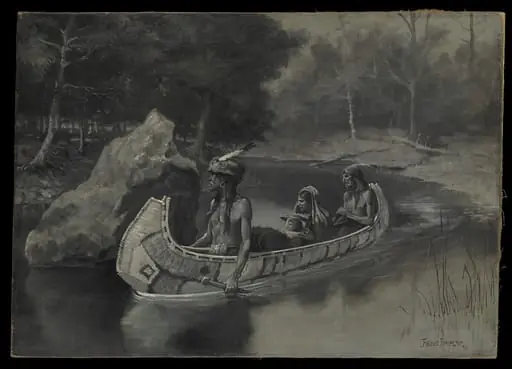 Pitched It Sheer into the River . . . Where It Still Is Seen in the Summer
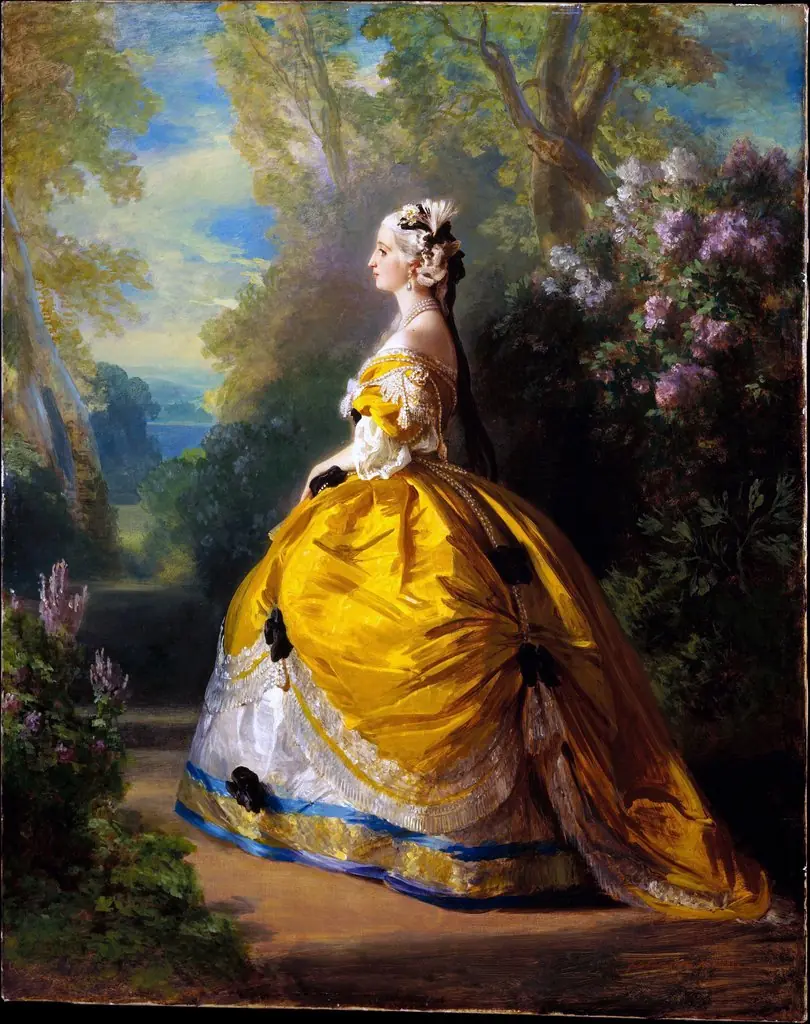 Portrait of Empress Eugénie de Montijo
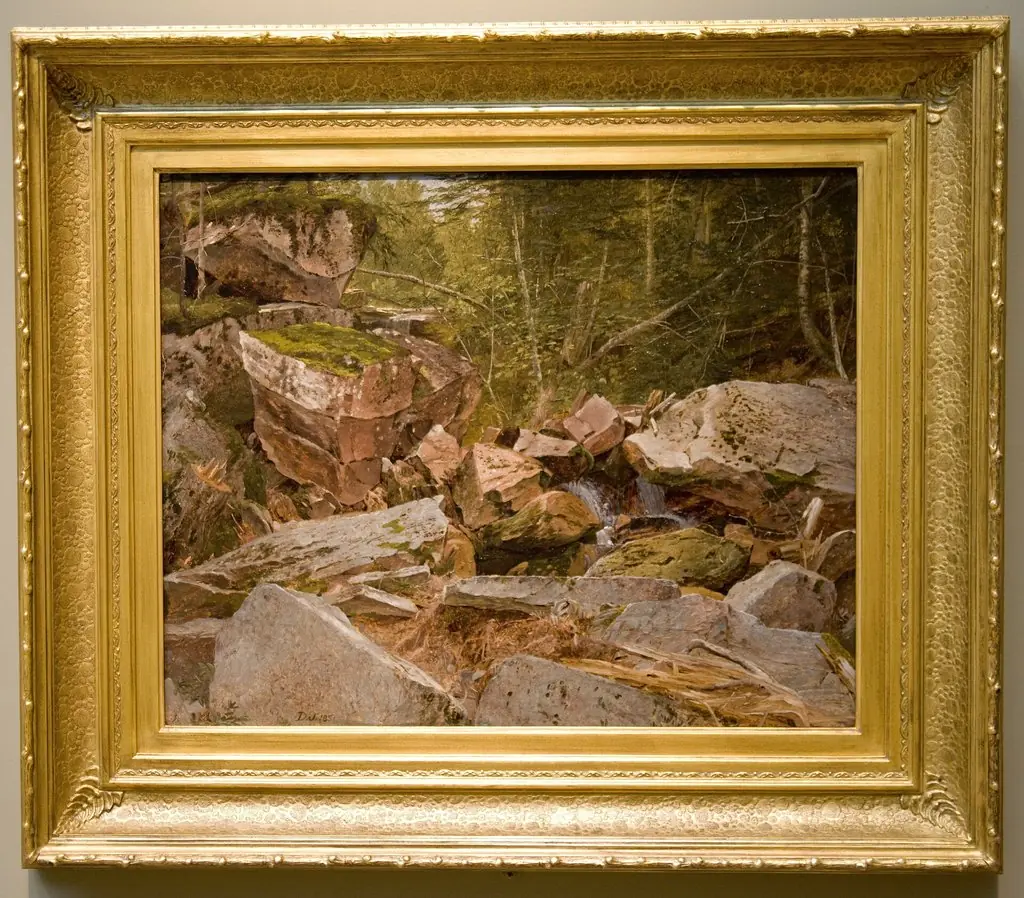 Study, North Conway, New Hampshire
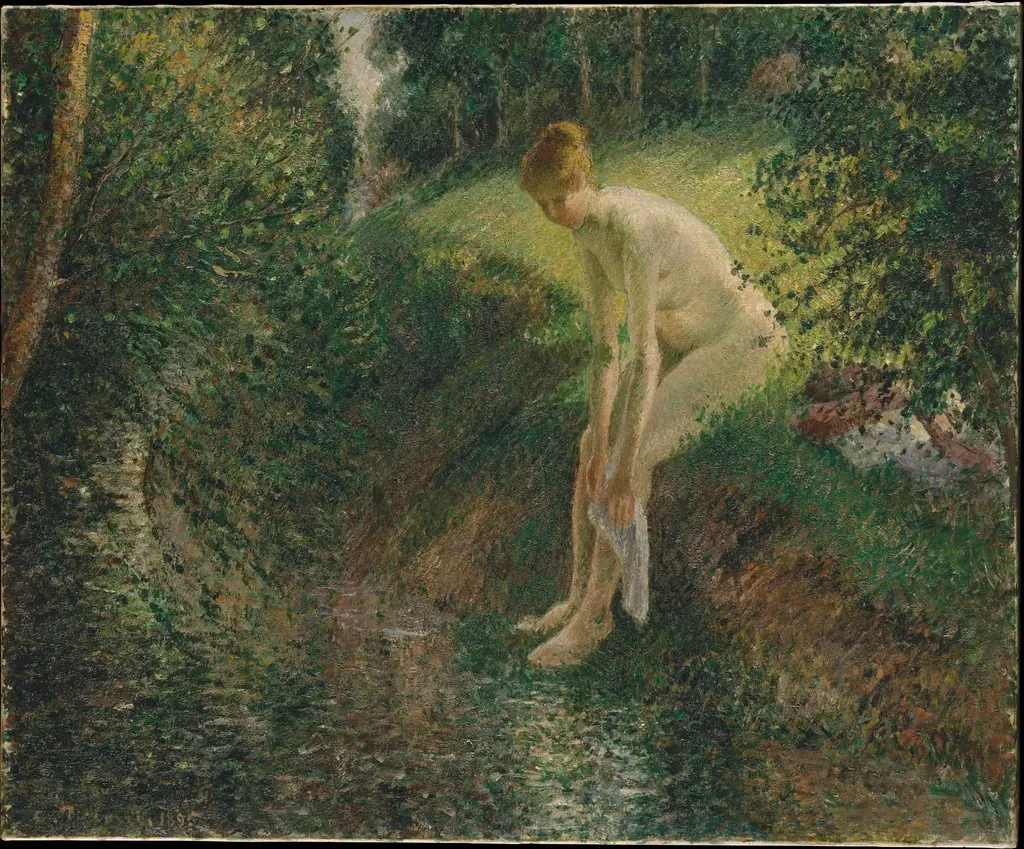 Bather in the Woods
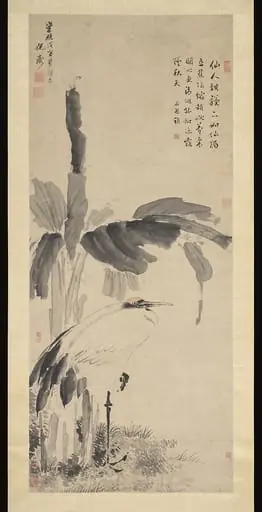 明 倪元璐 蕉鶴圖 軸|Crane Beneath a Banana Tree
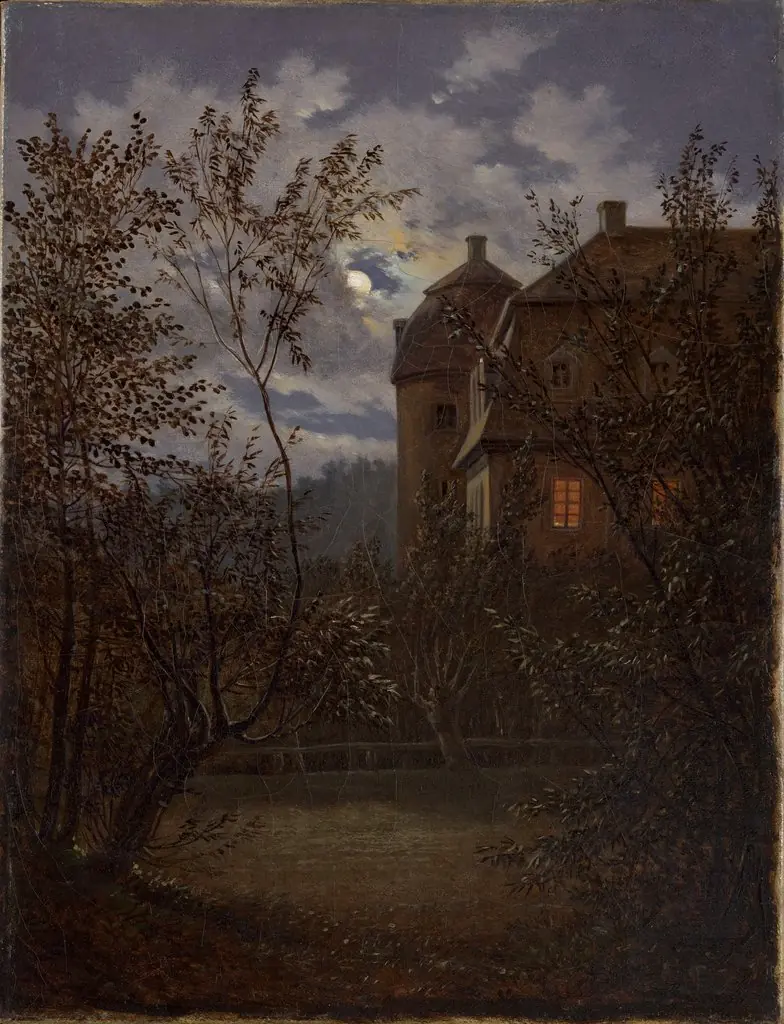 Schloss Milkel in Moonlight
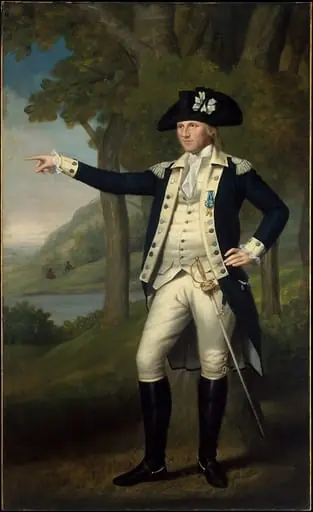 Marinus Willett
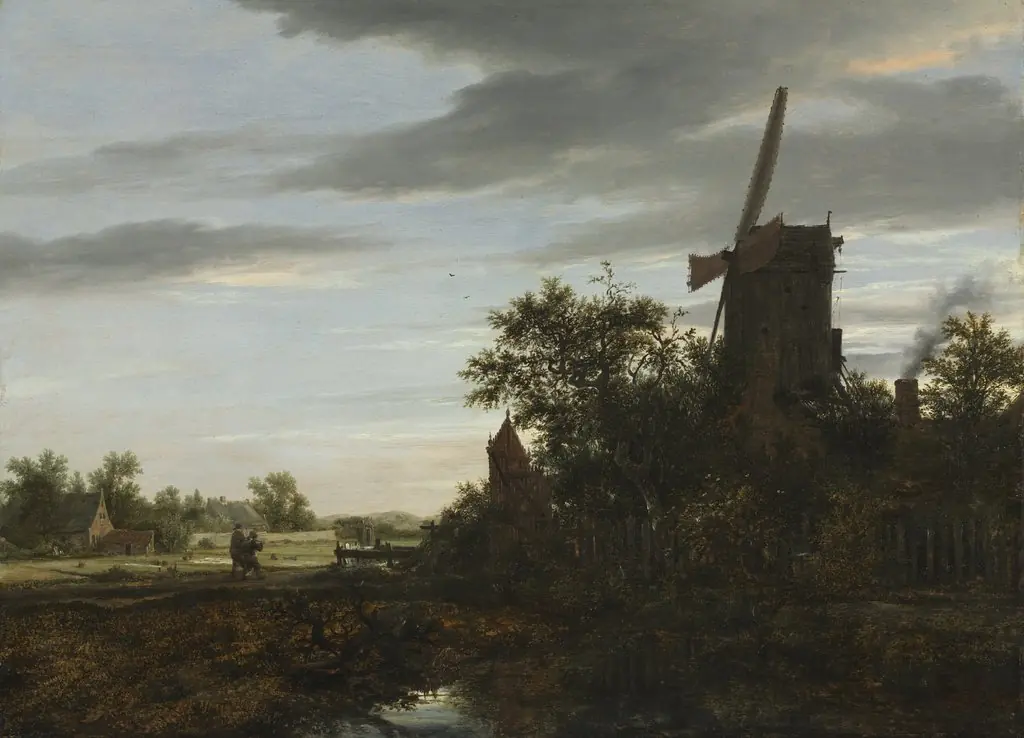 Landscape with a Windmill
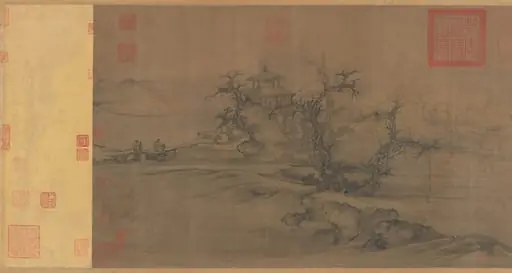 北宋 郭熙 樹色平遠圖 卷 |Old Trees, Level Distance
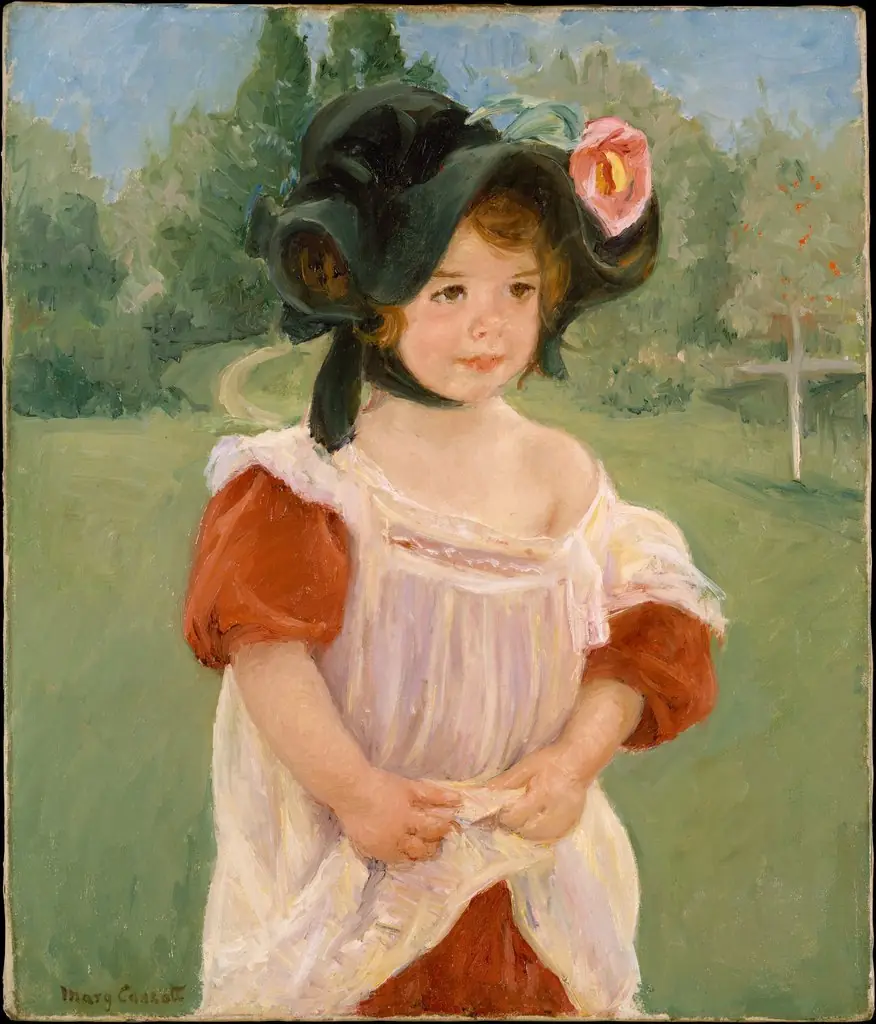 Spring: Margot Standing in a Garden (Fillette dans un jardin)
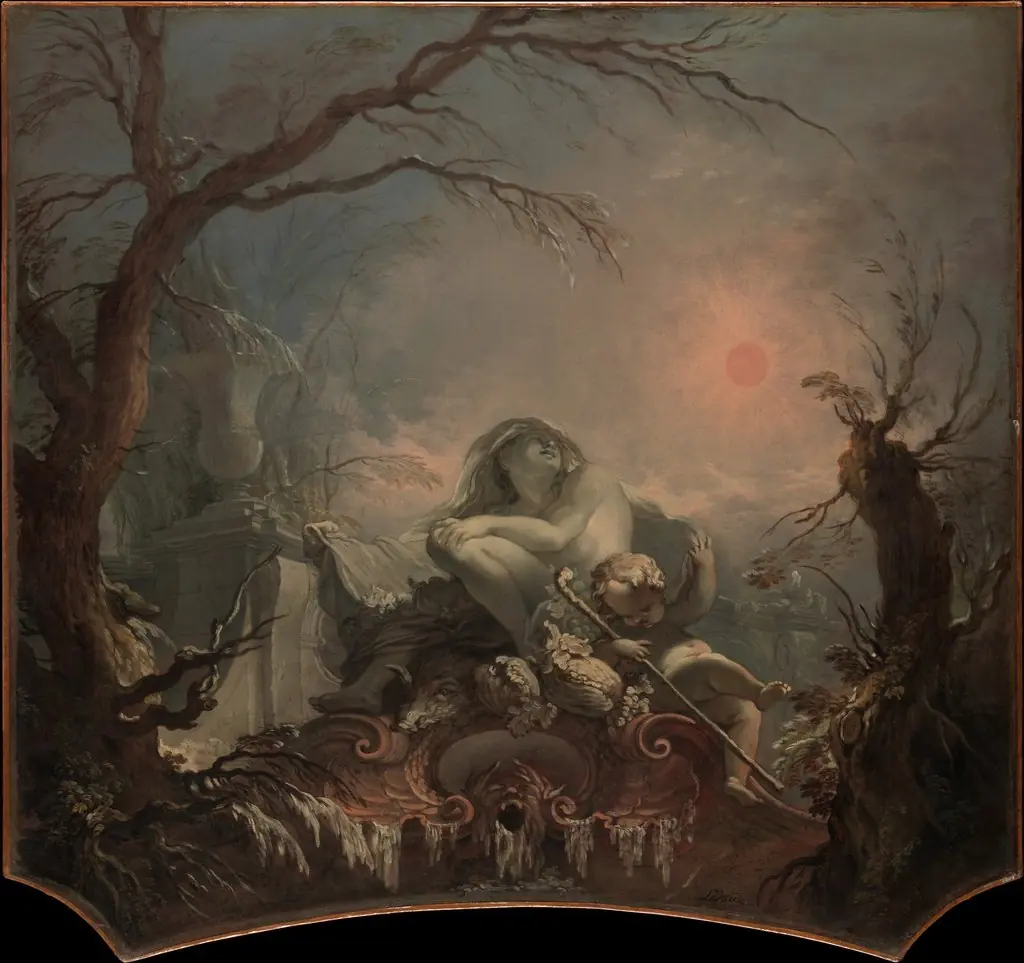 Allegory of Winter
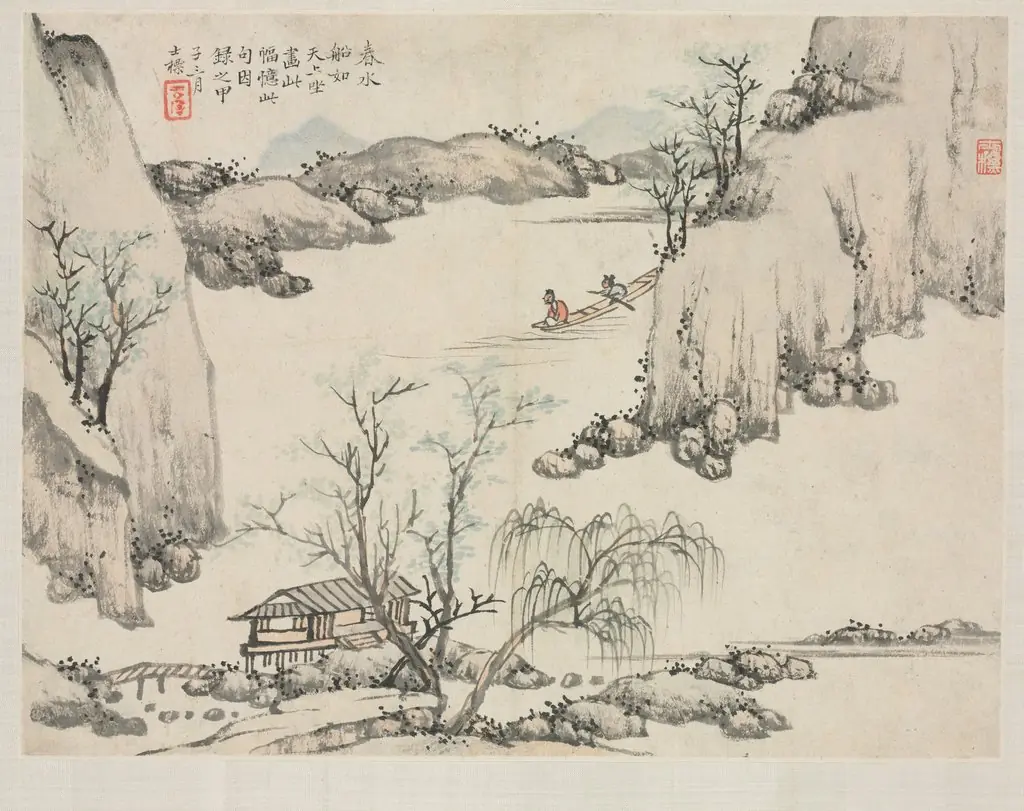 Landscape Album in Various Styles: Boating in Spring Water
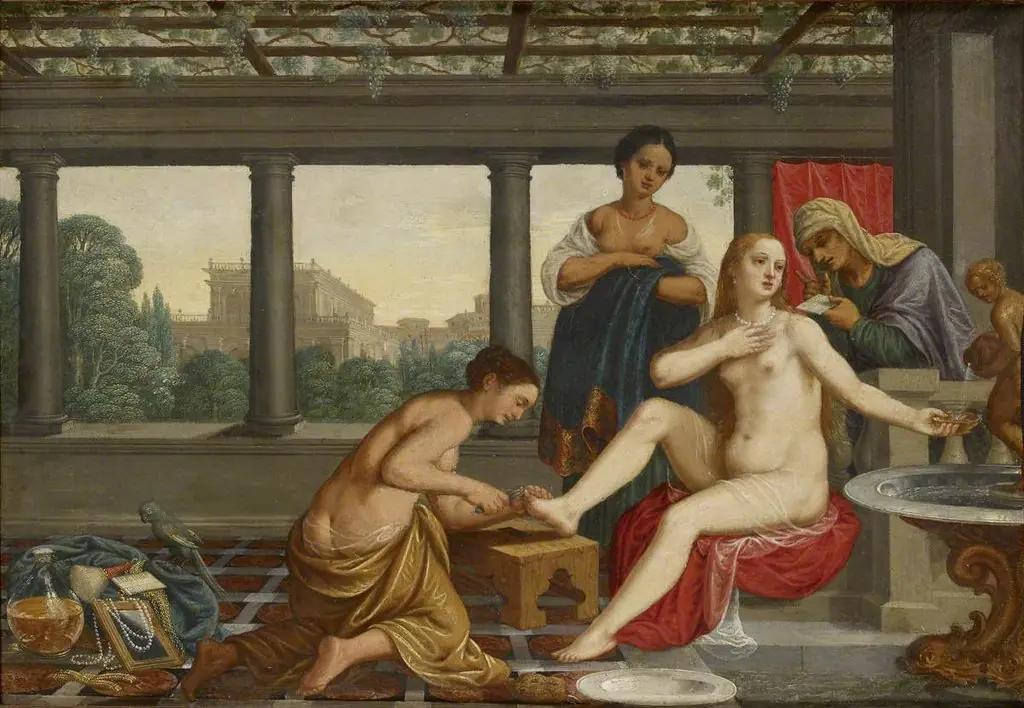 Bathsheba's Bath
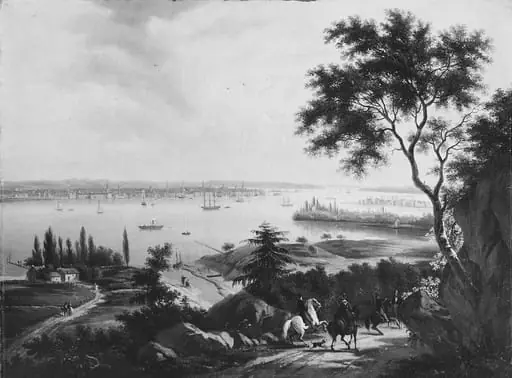 View of New York from New Jersey
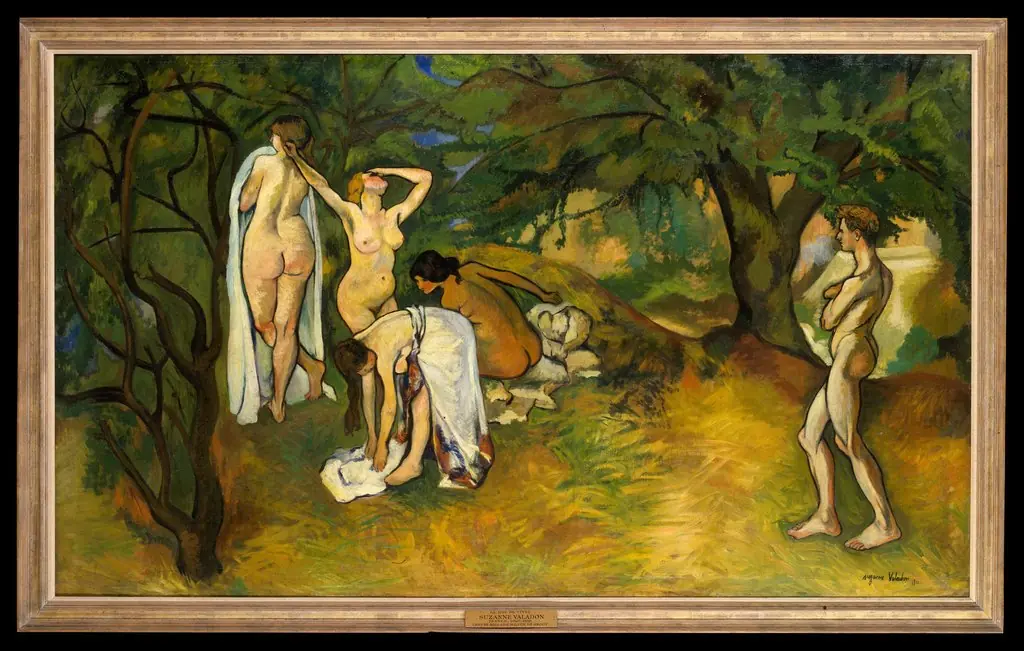 Joy of Life
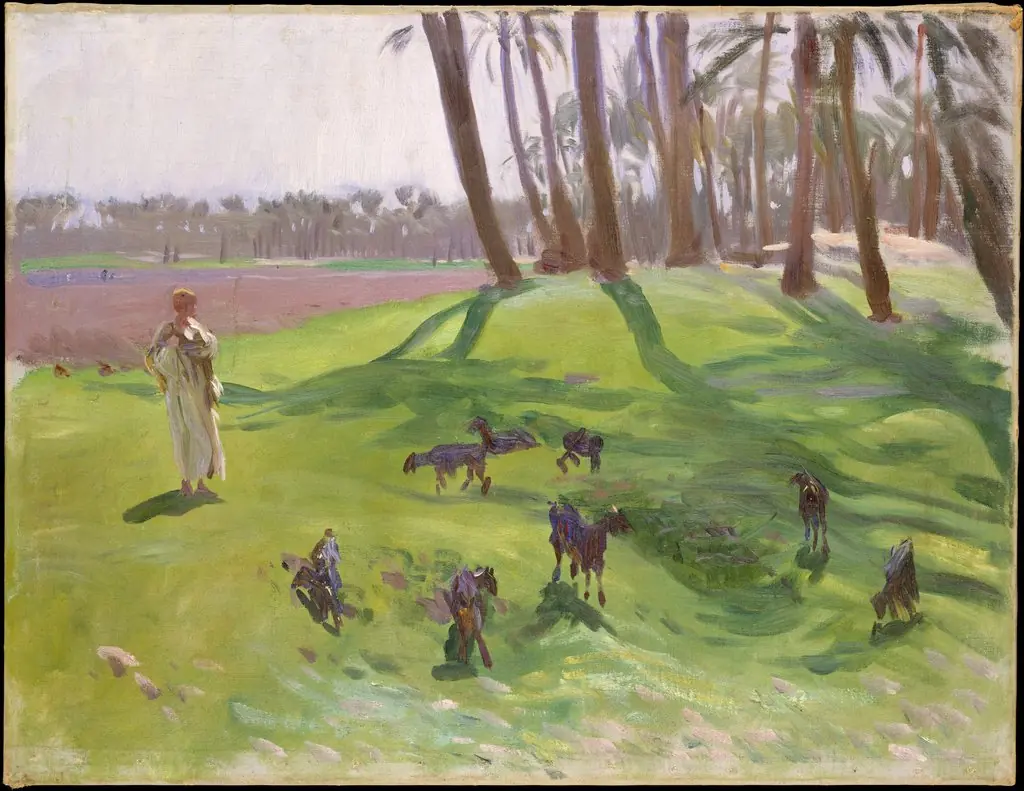 Landscape with Goatherd
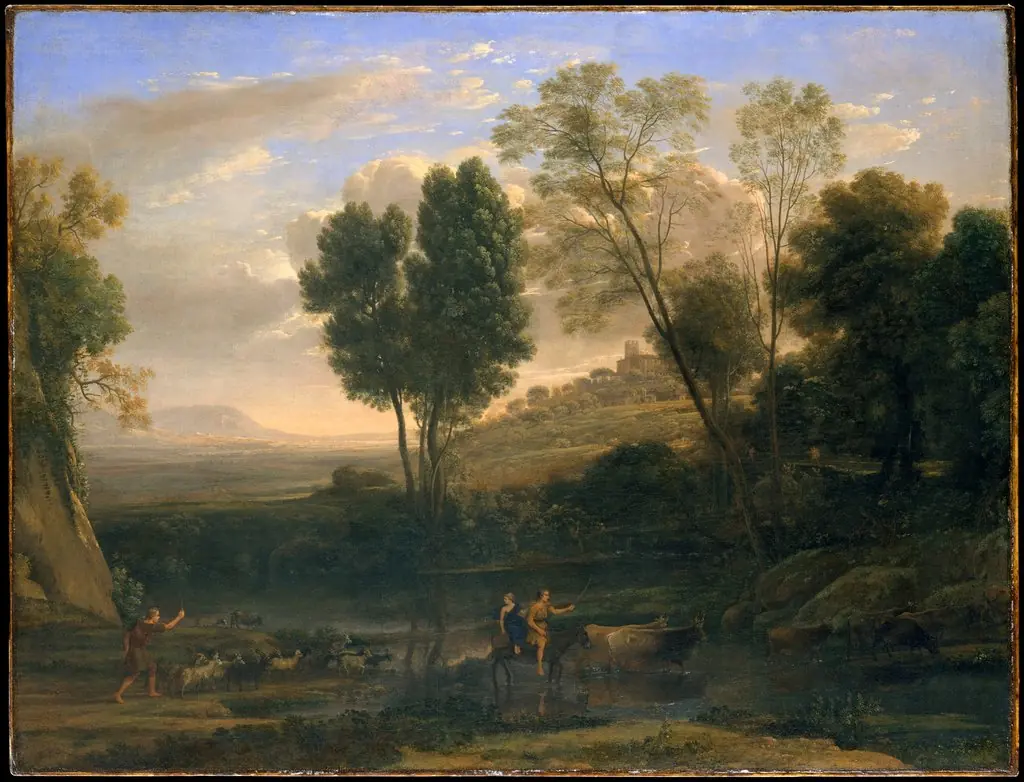 Sunrise
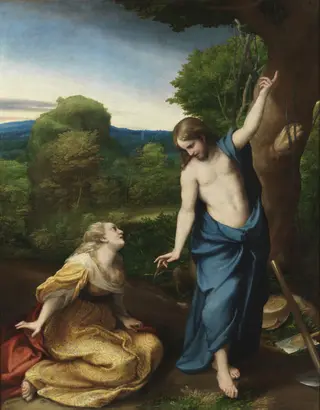 Noli me tangere
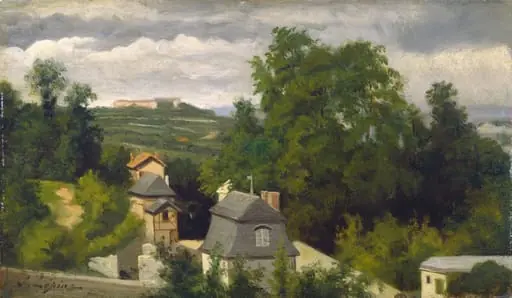 View on the Outskirts of Caen
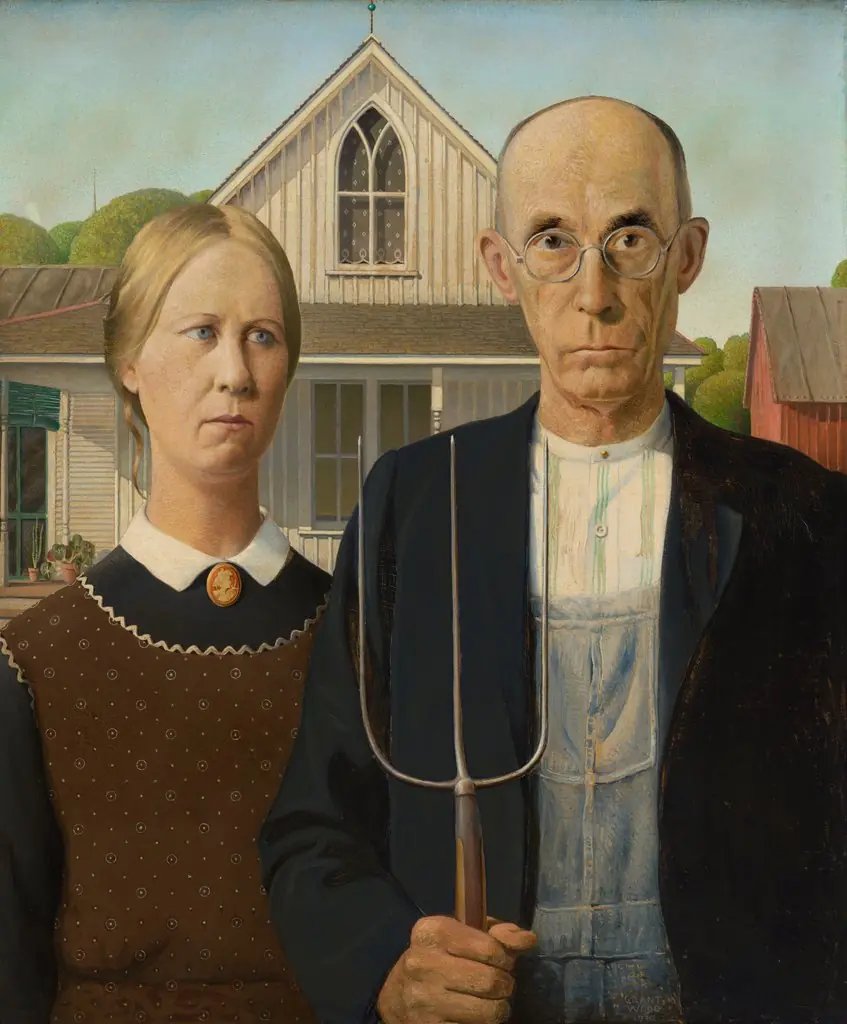 American Gothic
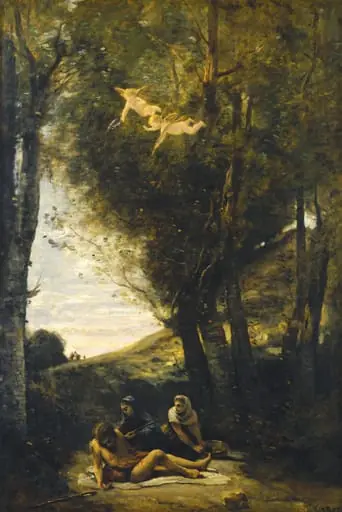 Saint Sebastian Succored by the Holy Women
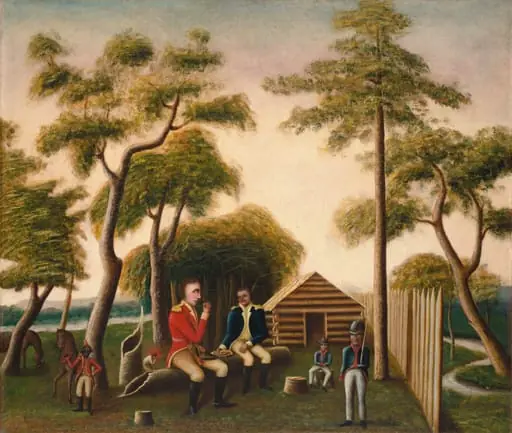 Marion Feasting the British Officer on Sweet Potatoes
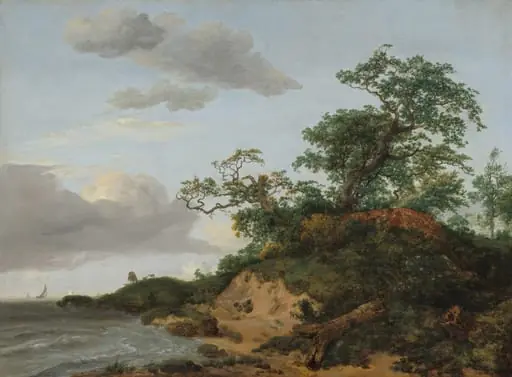 Dunes by the Sea
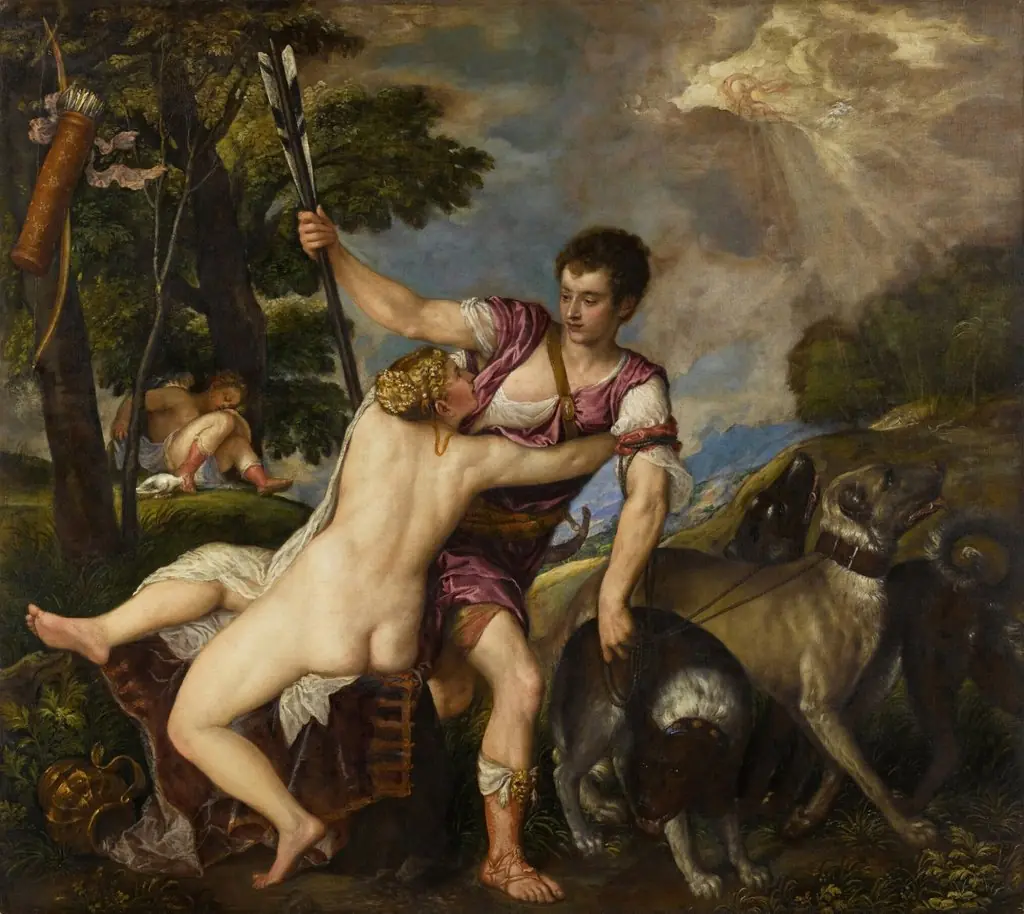 Venus and Adonis
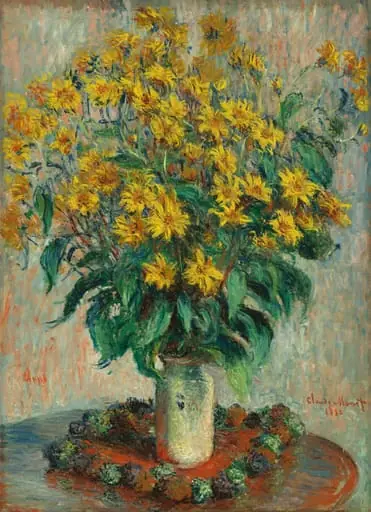 Jerusalem Artichoke Flowers
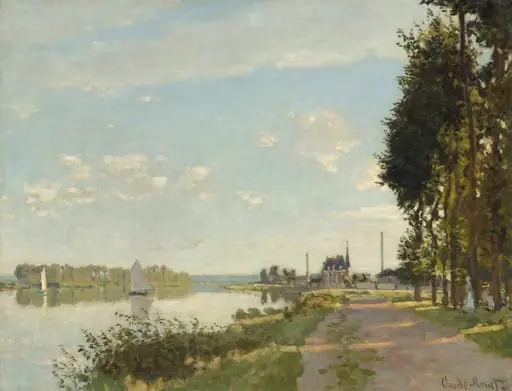 Argenteuil
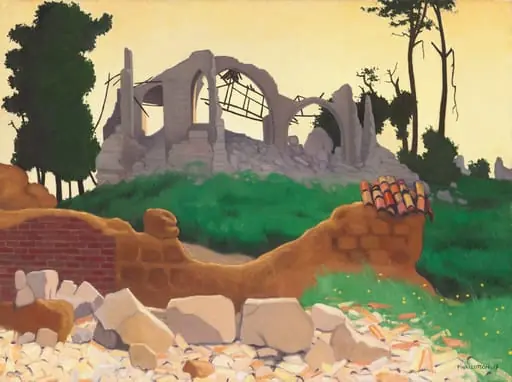 The Church of Souain
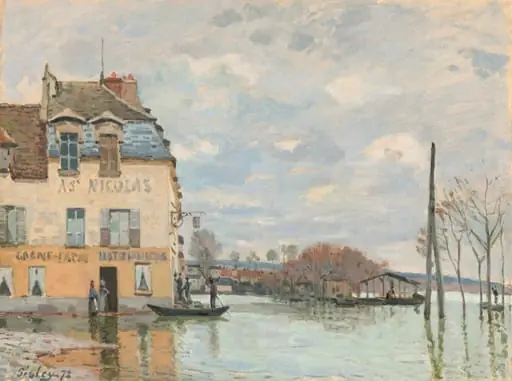 Flood at Port-Marly
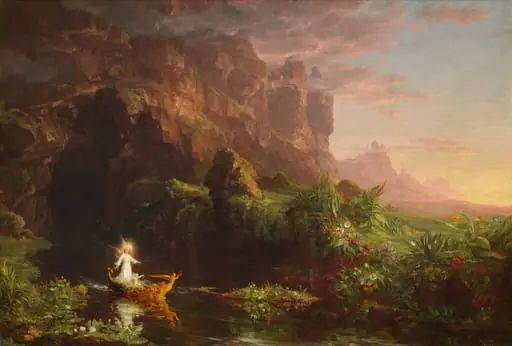 The Voyage of Life: Childhood
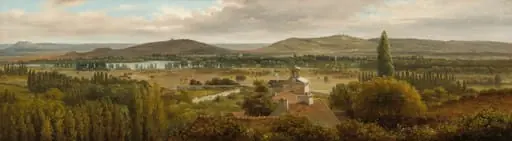 Panoramic Landscape near the River Moselle
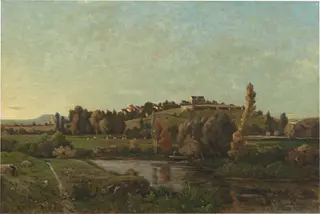 Landscape in Auvergne
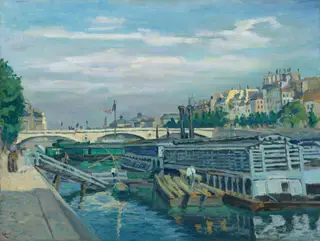 The Bridge of Louis Philippe
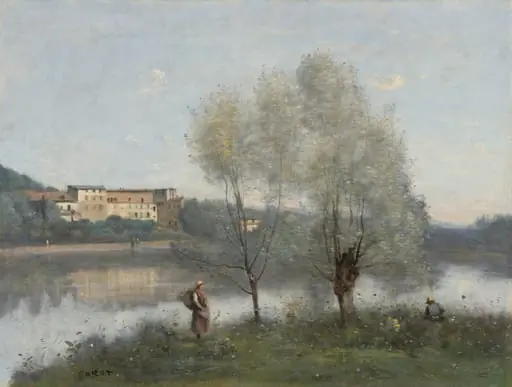 Ville-d'Avray
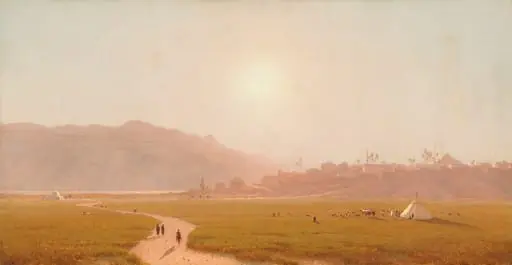 Siout, Egypt
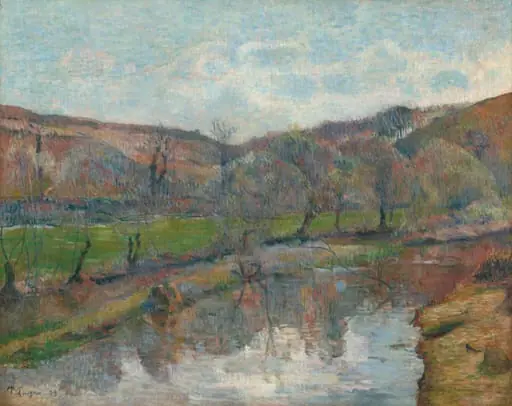 Brittany Landscape
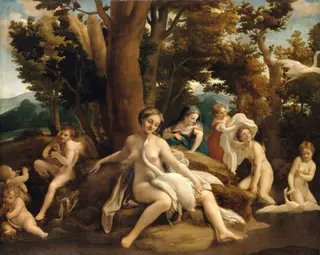 Leda and the Swan
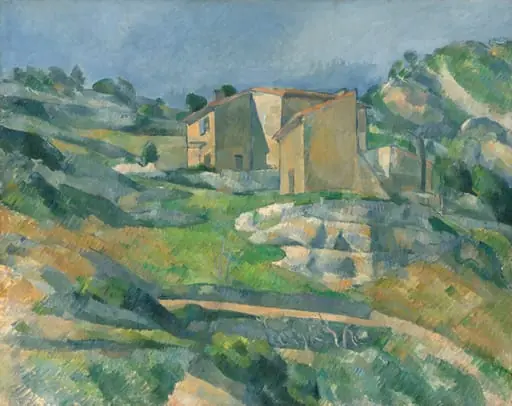 Houses in Provence: The Riaux Valley near L'Estaque
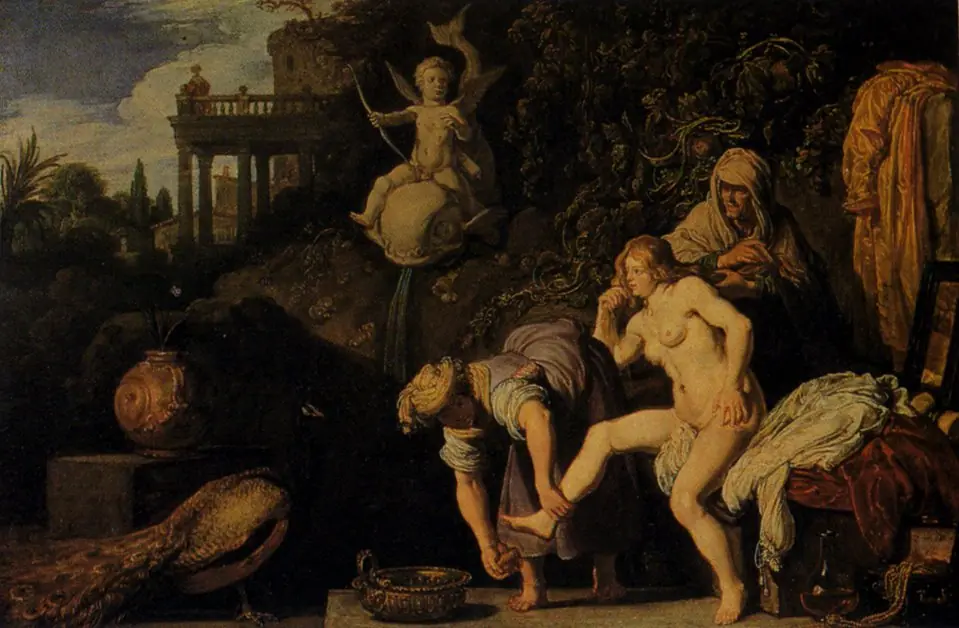 Bathsheba at her Toilette
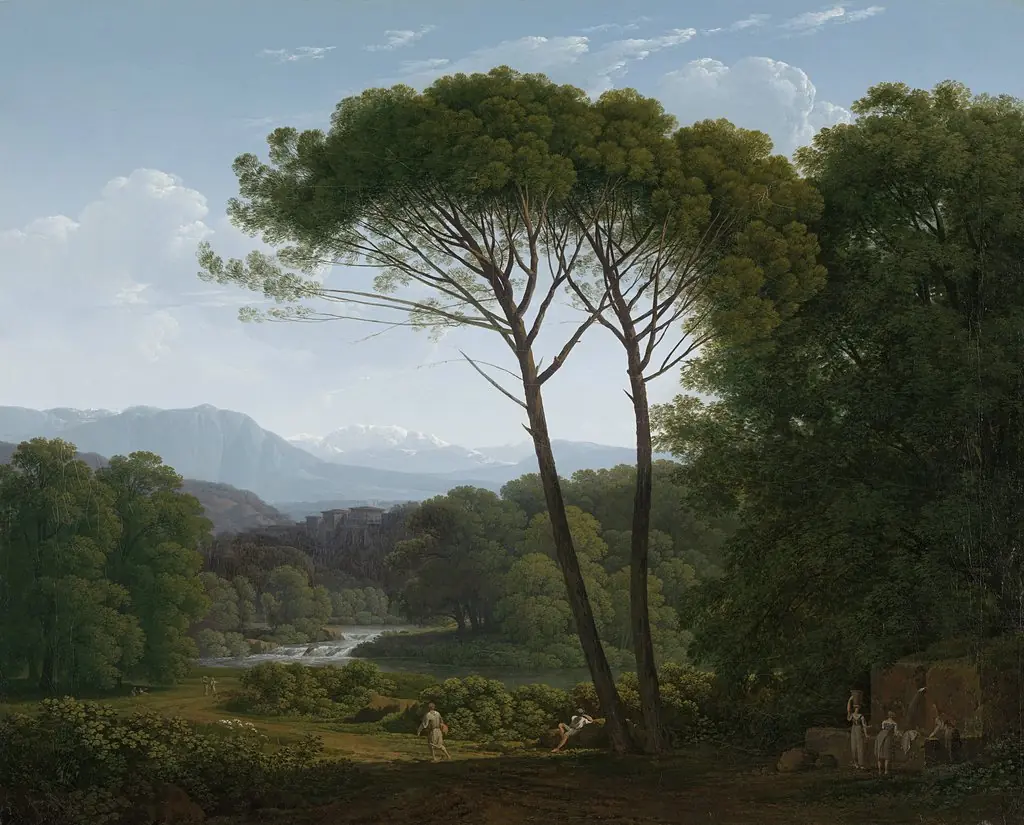 Italianate Landscape with Pines
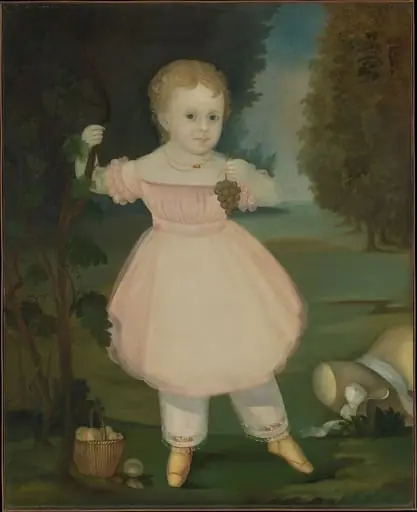 Portrait of a Little Girl Picking Grapes
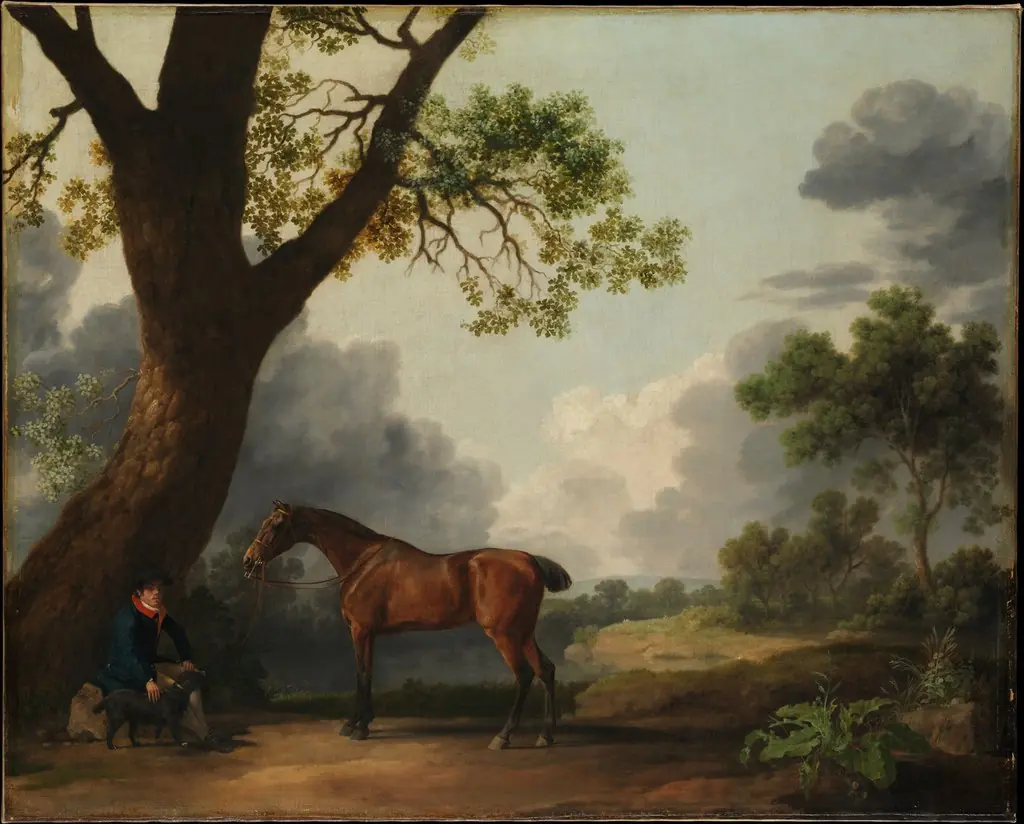 The Third Duke of Dorset's Hunter with a Groom and a Dog
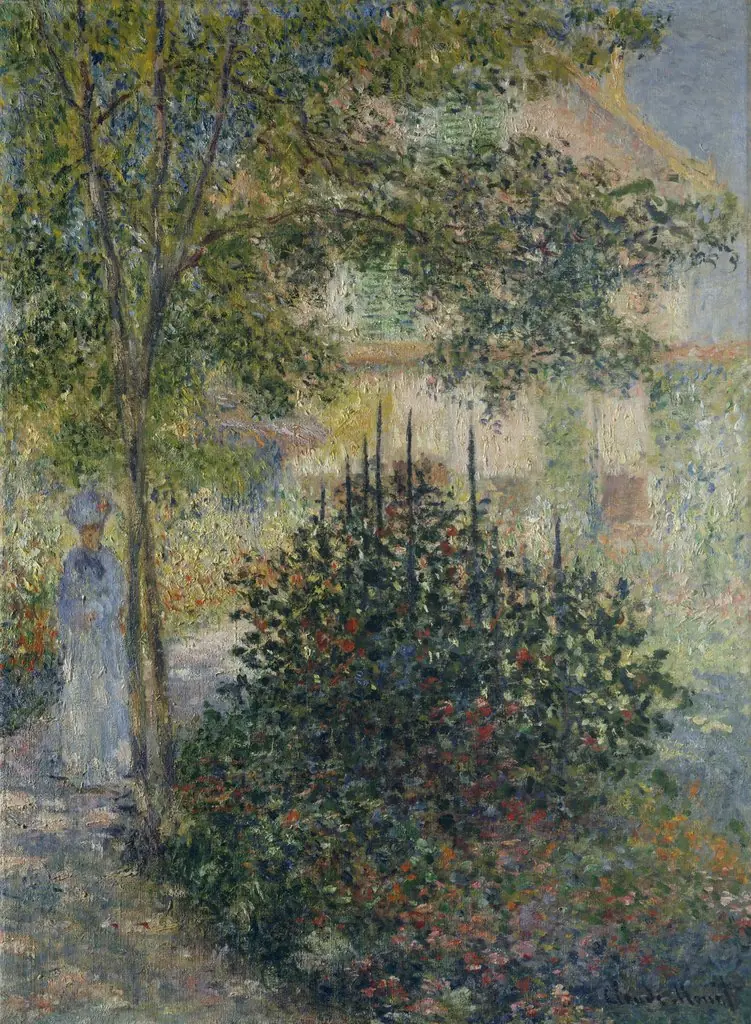 Camille Monet (1847–1879) in the Garden at Argenteuil
Frequently asked questions
What is Tree?
Tree is a subject in art. In botany, a tree is a perennial plant with an elongated stem, or trunk, usually supporting branches and leaves.
How many Tree works does Artifact World Gallery have?
Artifact World Gallery holds 200 public-domain Tree works, all free to view and download.
Who are the key Tree artists?
Key Tree artists in the collection include Titian, Thomas Eakins and Jean Baptiste Camille Corot.
Where can I see Tree works?
Tree works in the collection are held by Metropolitan Museum of Art, Rijksmuseum and National Gallery of Art.