Artwork
Madonna and Child
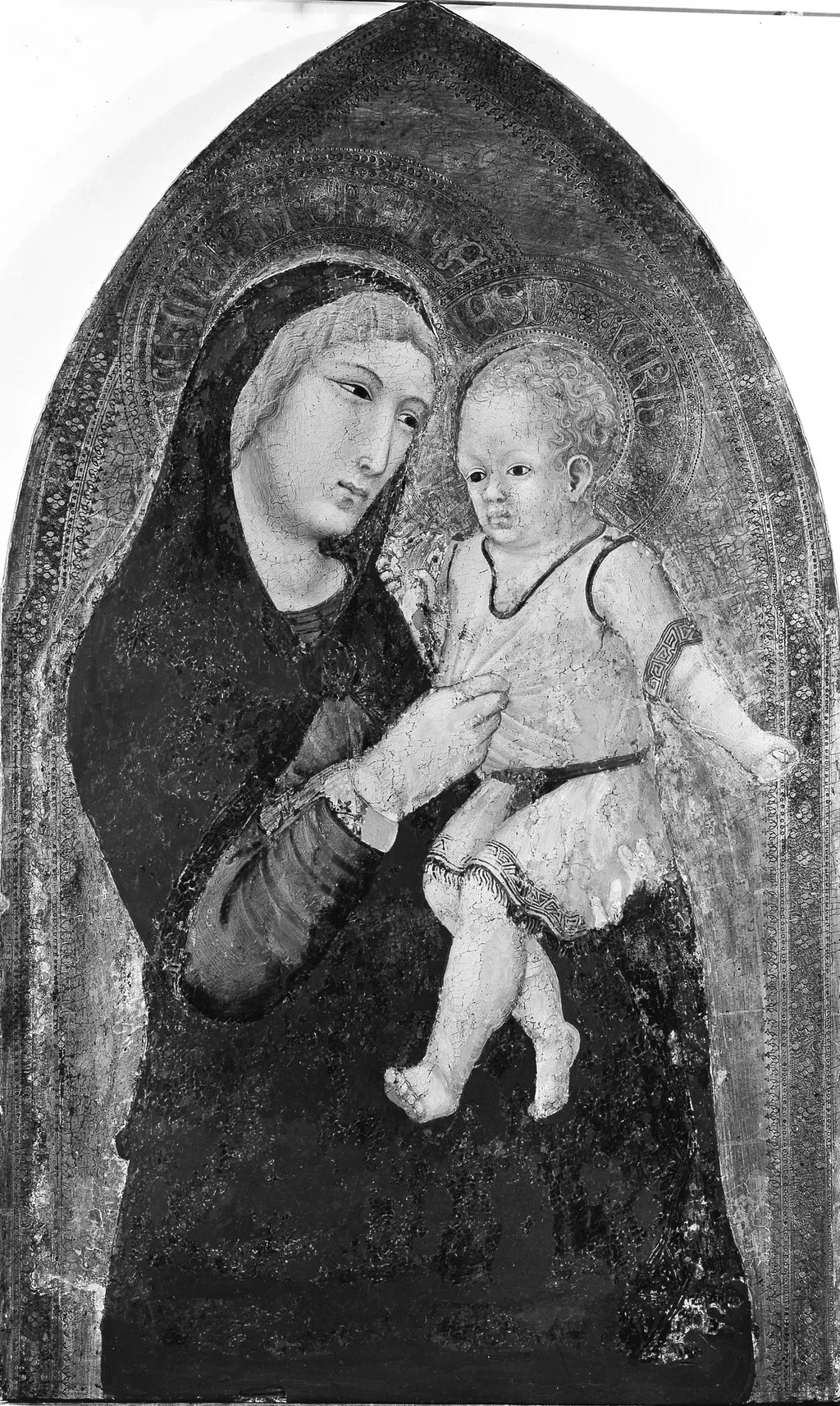
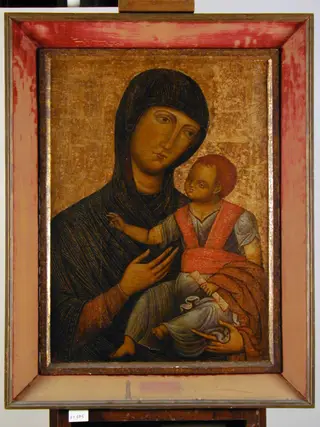
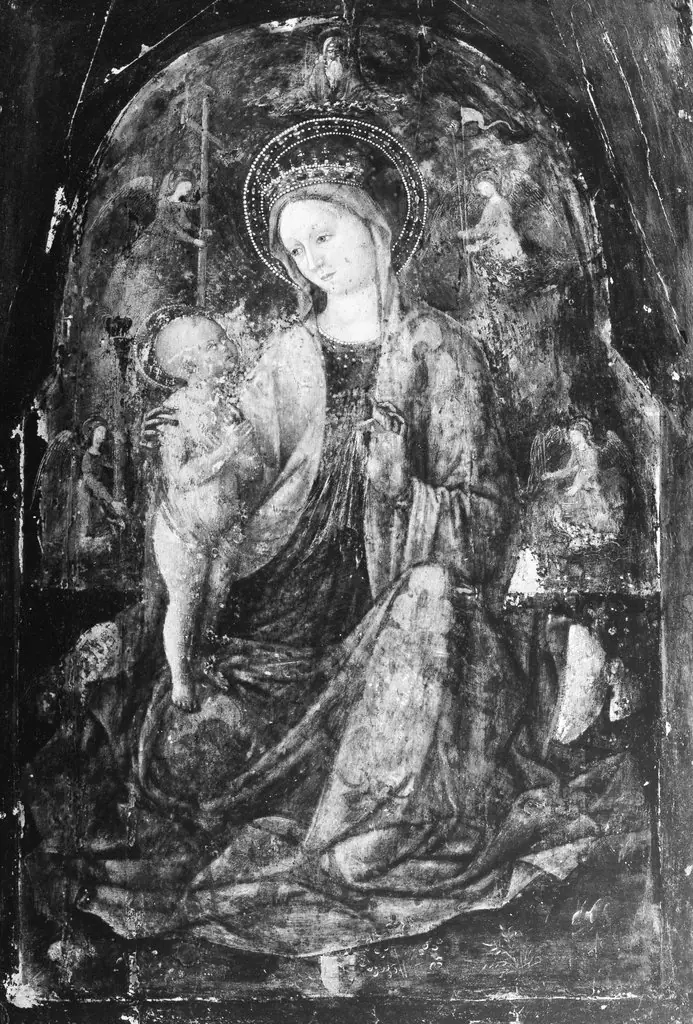
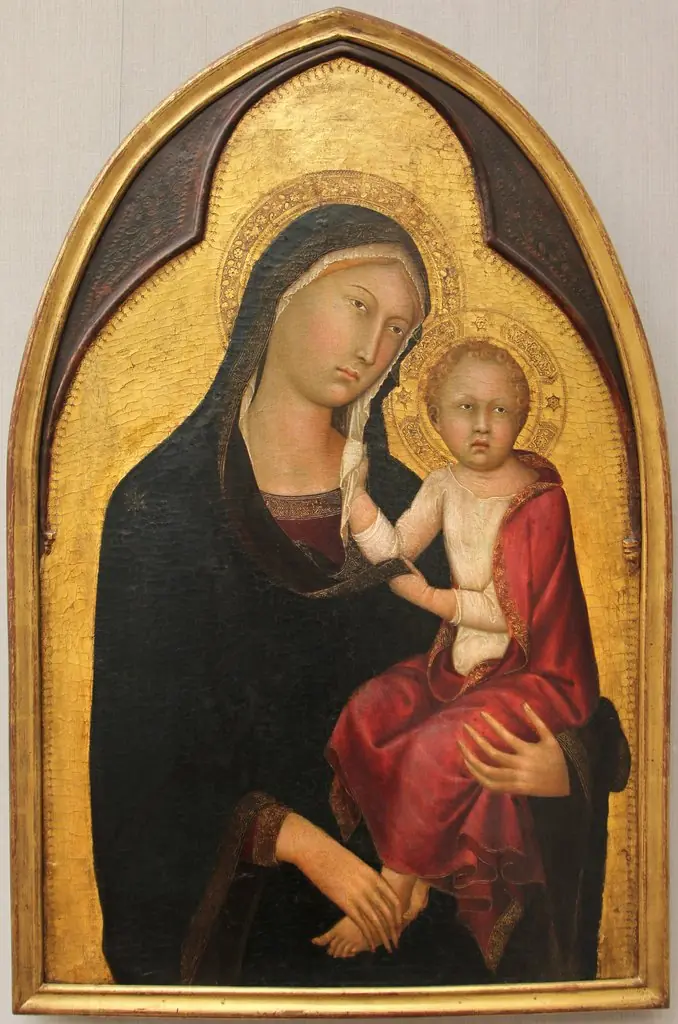
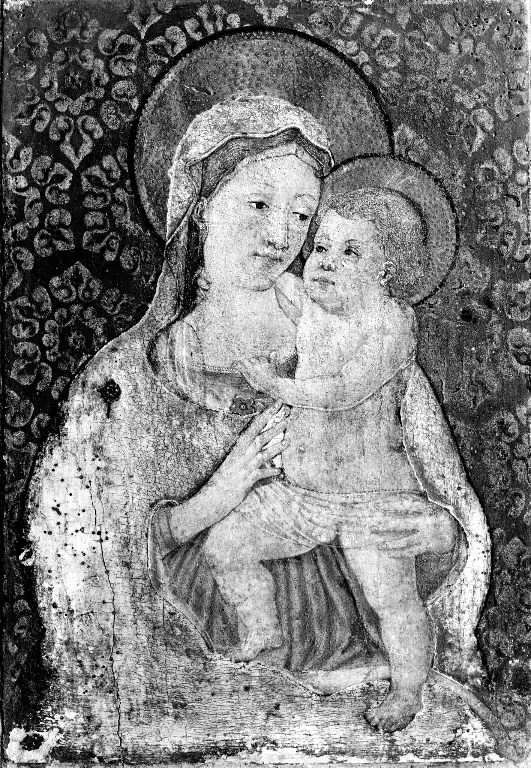
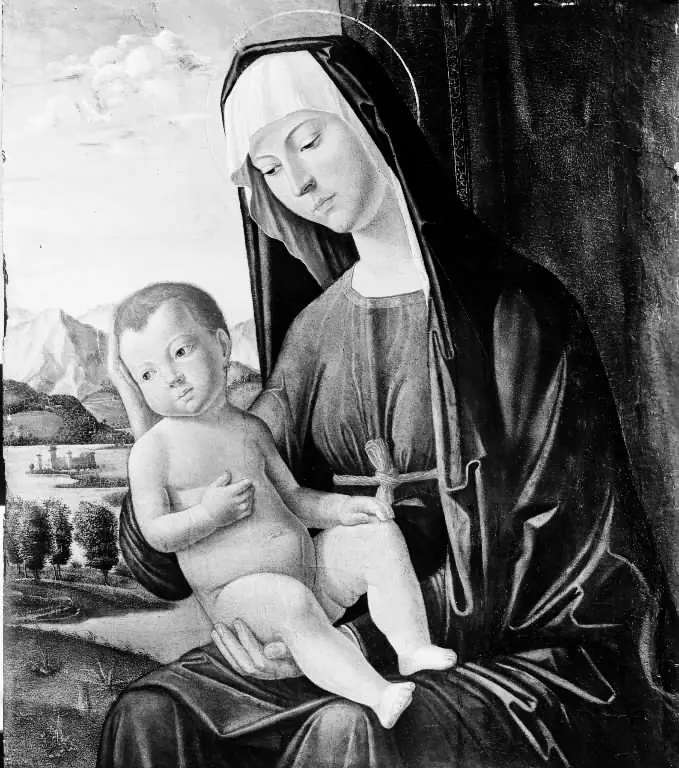
Madonna and Child is a tempera painting by the Sienese School artist Ambrogio Lorenzetti. It dates from 1333 and is held in the collection of the Metropolitan Museum of Art.
About this work
Subject & Meaning
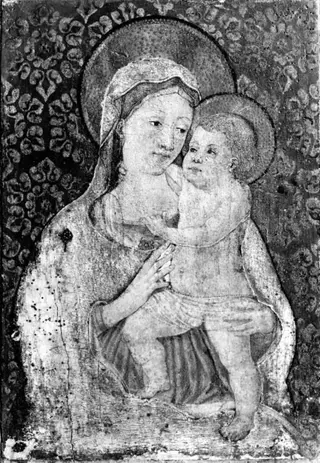
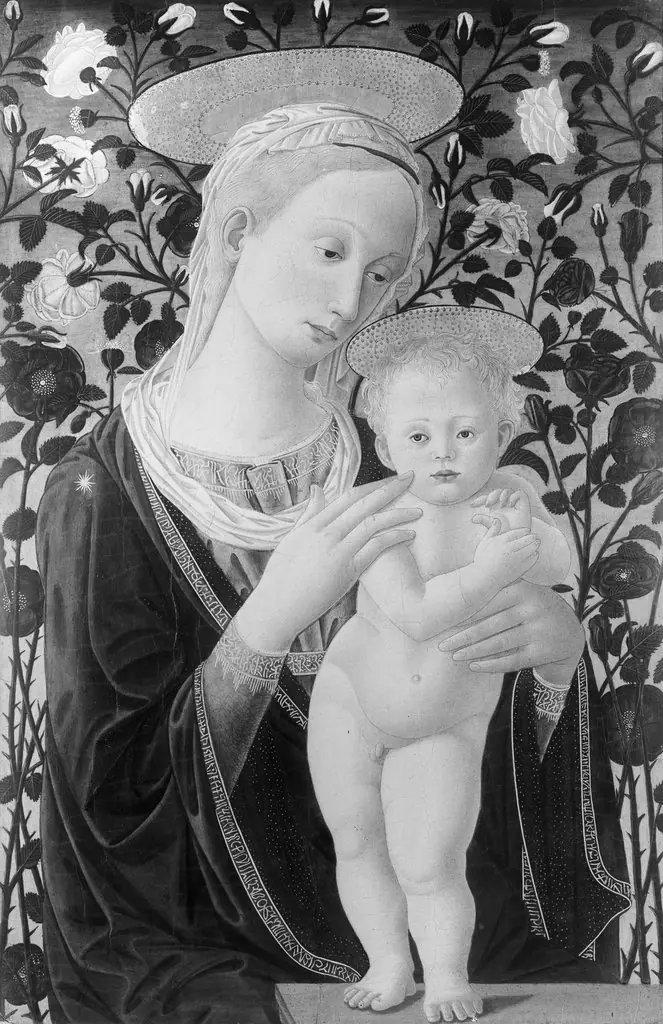
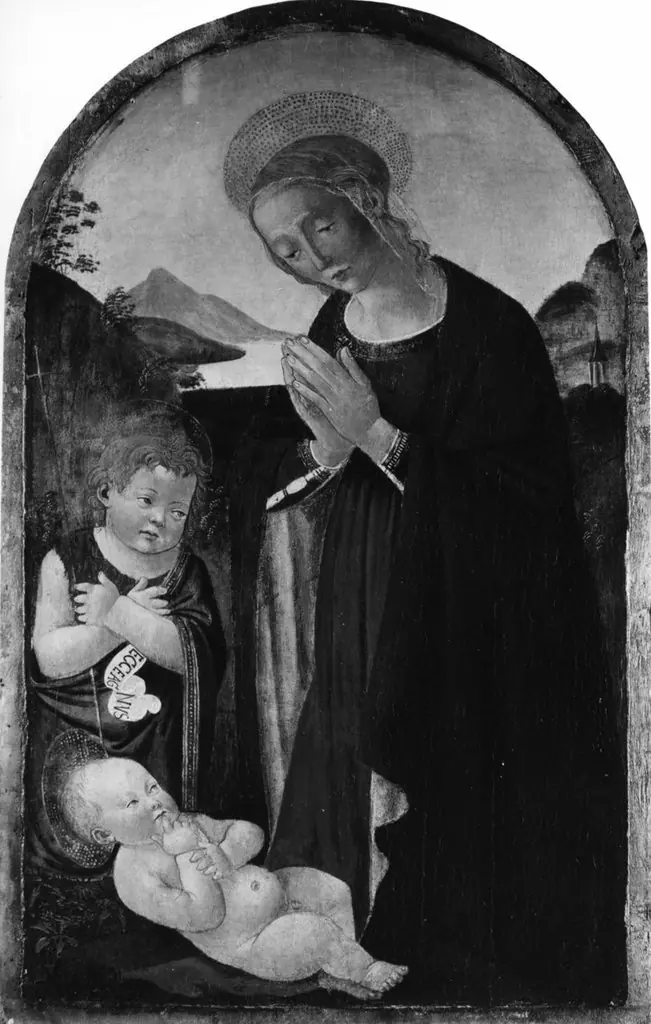
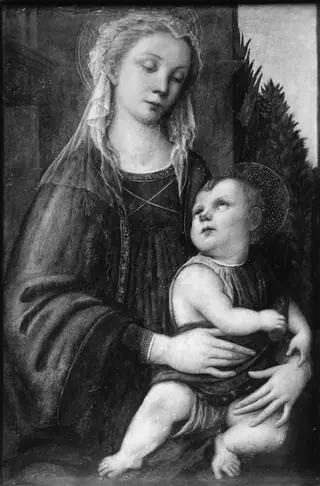
The composition explicitly depicts the Madonna and Child, featuring the Virgin Mary holding the Christ Child as its central figures.
Executed in 1333 by Ambrogio Lorenzetti, this tempera panel painting belongs to the genre of religious art. The composition explicitly depicts the Madonna and Child, featuring the Virgin Mary holding the Christ Child as its central figures. As a primary subject in Christian iconography, this representation focuses on the maternal bond between Mary and Jesus, serving as a devotional image intended for spiritual contemplation.
The work's classification as religious art underscores its function within a sacred context, where the visual presentation of these specific figures embodies theological concepts regarding the incarnation and the role of the Virgin as the mother of God.
Technique & Style
The work is executed in tempera on a wooden panel, a technique typical of early 14th‑century Sienese painting. Its support is a panel measuring approximately 94 cm in height by 56.2 cm in width, as recorded in the museum’s catalog. The composition portrays the Virgin Mary cradling the infant Christ, a conventional Madonna and Child motif within the religious genre.
The painting’s formal qualities include a flat, decorative background, precise outlines, and a restrained use of color that emphasizes the sacred narrative. It is housed in the Metropolitan Museum of Art, where it remains part of the collection of European paintings.
History & Provenance
The Madonna and Child was created by Ambrogio Lorenzetti in 1333, executed in tempera on panel. The work entered the collection of the Metropolitan Museum of Art, where it is catalogued under accession number 41.190.26. The sources do not provide further details regarding the circumstances of its commission, the identity of any original patron, or the chain of ownership prior to its acquisition by the Metropolitan Museum of Art.
The painting Madonna and Child by Ambrogio Lorenzetti is held in the collection of the Metropolitan Museum of Art in New York. Its specific accession number is 41.190.26. Created in 1333, the work is executed in tempera on panel and measures 94 cm in height by 56.2 cm in width. The provided sources do not contain any information regarding a specific exhibition history for this artwork.
Overview
Ambrogio Lorenzetti, a prominent painter of the Sienese school, completed Madonna and Child in 1333. This tempera painting depicts the Virgin Mary tenderly holding the infant Christ. The work is a significant example of religious art from the early Renaissance period and is currently housed in the collection of The Metropolitan Museum of Art, representing a key moment in Lorenzetti's career.
Context
Ambrogio Lorenzetti was active in Siena during the first half of the 14th century, a period of significant artistic innovation. His elder brother, Pietro Lorenzetti, was also a notable painter, contributing to the family's artistic legacy. Ambrogio's broader body of work includes monumental frescoes such as The Allegory of Good and Bad Government in Siena's Palazzo Pubblico, which showcases his skill in complex narrative and allegorical themes beyond devotional panels.
Own this work as a print
Artist & collection
Artist
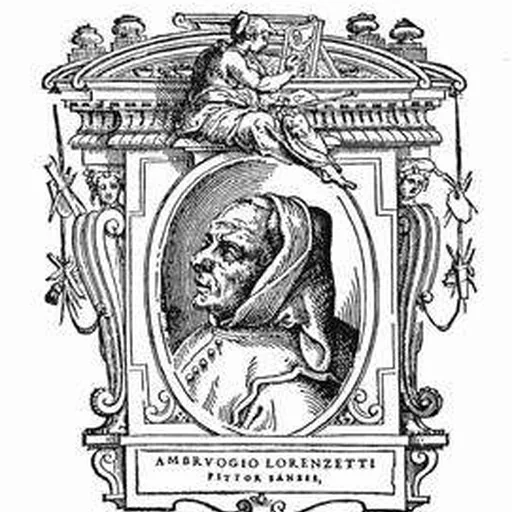
Ambrogio Lorenzetti (Italian pronunciation:; c. 1290 – after 9 August 1348) was an Italian painter of the Sienese school. He was active from approximately 1317 to 1348. He painted The Allegory of Good and Bad Government…