
Movement
Sienese School
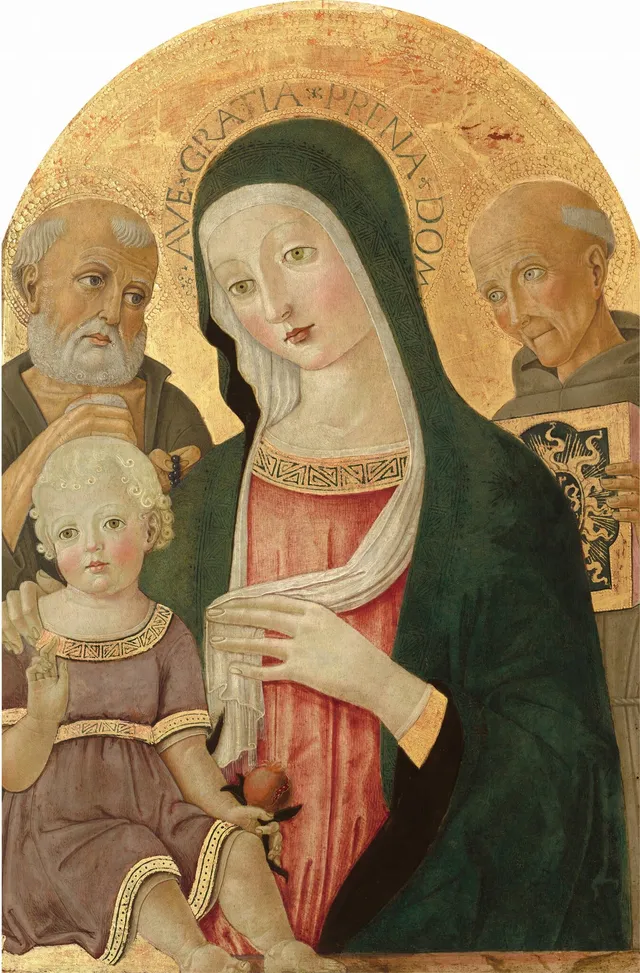
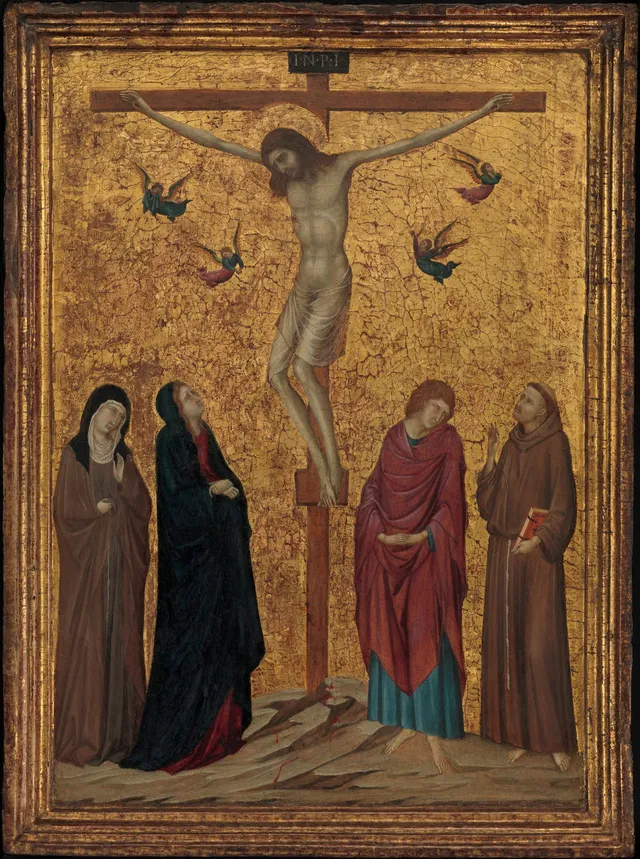
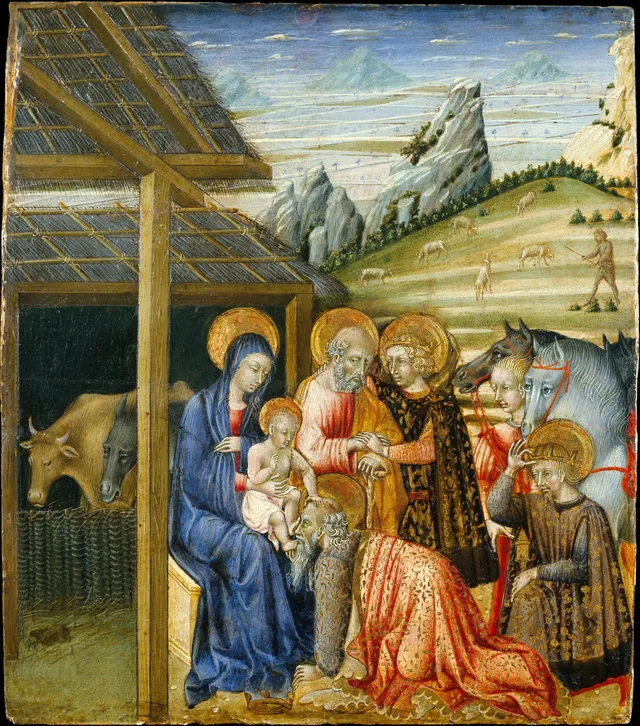
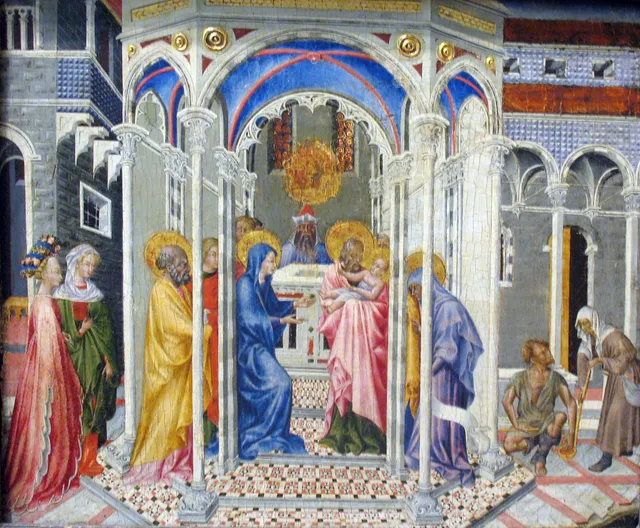
Sienese School is an art movement dating from 1300. The gallery holds 131 works in this movement, including works by Duccio di Buoninsegna, Benvenuto di Giovanni and Puccio di Simone. Browse Sienese School paintings, portraits, pictures and artworks from the world's public-domain museum collections.
The Sienese School arose in the Tuscan republic of Siena, which by the late thirteenth and early fourteenth centuries had become one of the richest and most artistically advanced cities in Italy, its wealth built on banking and trade and its civic identity bound to the cult of the Virgin. Where neighbouring Florence pursued sculptural solidity and naturalism, Siena cultivated a more lyrical, decorative manner rooted in the Byzantine icon tradition and refined toward the elegance of Gothic art. The school's founding figure is Duccio di Buoninsegna, whose vast double-sided Maestà (1308–1311), carried in procession through the streets before its installation above the high altar of Siena Cathedral, established the gold-ground, gracefully linear idiom that would define the city's painters for generations.
Sienese painting is recognizable by its lavish use of gold leaf, jewel-like colour, sinuous contours, and idealized, refined figures set in shallow, ornamental space. Emotional tenderness and narrative charm matter more than anatomical or perspectival rigour. Duccio's pupil Simone Martini carried this courtly elegance across Europe, his Annunciation of 1333 (now in the Uffizi) epitomizing the curving line and patterned splendour that helped seed the International Gothic style. The brothers Pietro and Ambrogio Lorenzetti pushed the school toward greater spatial depth and observation, above all in Ambrogio's Allegory of Good and Bad Government (1338–1339), frescoed in the Palazzo Pubblico's Sala dei Nove for the city's ruling magistrates.
The Black Death of 1348, which killed both Lorenzetti brothers, broke this first flowering, yet Siena's conservative, devotional style proved remarkably durable. In the fifteenth century it was revived by Sassetta, Giovanni di Paolo, Sano di Pietro, and Matteo di Giovanni, who fused Duccio's archaic gold grounds with the dreamlike narrative invention of the new age. Giovanni di Paolo's animated, otherworldly panels and Sano di Pietro's prolific workshop output kept the medieval flavour alive even as Renaissance naturalism swept Florence.
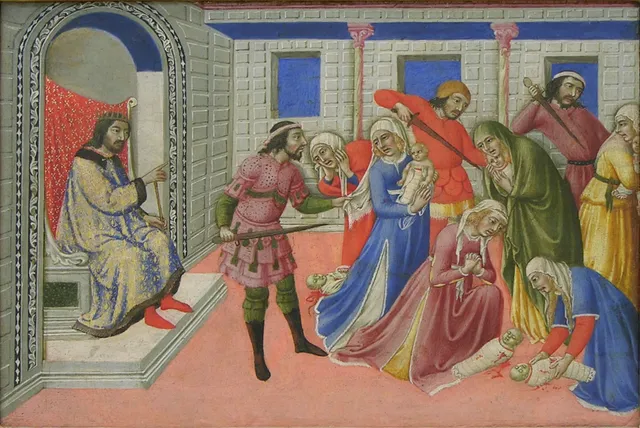
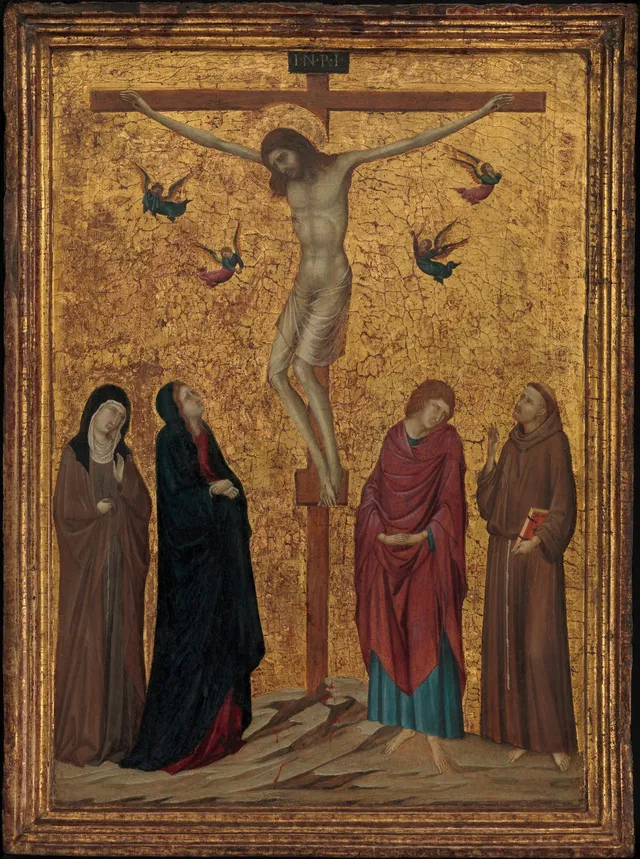
Our collection reflects this arc through Ugolino di Nerio's Crucifixion, close follower of Duccio; Giovanni di Paolo's Adoration of the Magi and Presentation of Christ in the Temple; Sano di Pietro's Massacre of the Innocents; and Benvenuto di Giovanni's Madonna and Child with Saint Jerome and Saint Bernardino of Siena. Influential on International Gothic and prized today for its mystical beauty, the Sienese School remains the great lyrical counterweight to Florentine classicism.
Key artists


Works
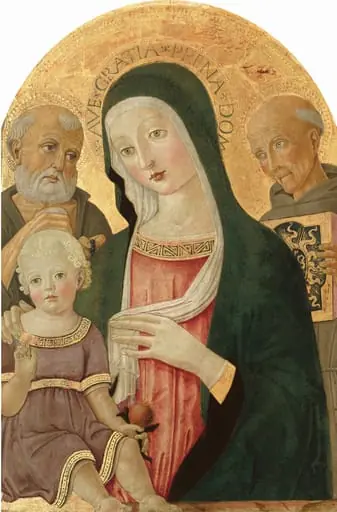 Madonna and Child with Saint Jerome and Saint Bernardino of Siena
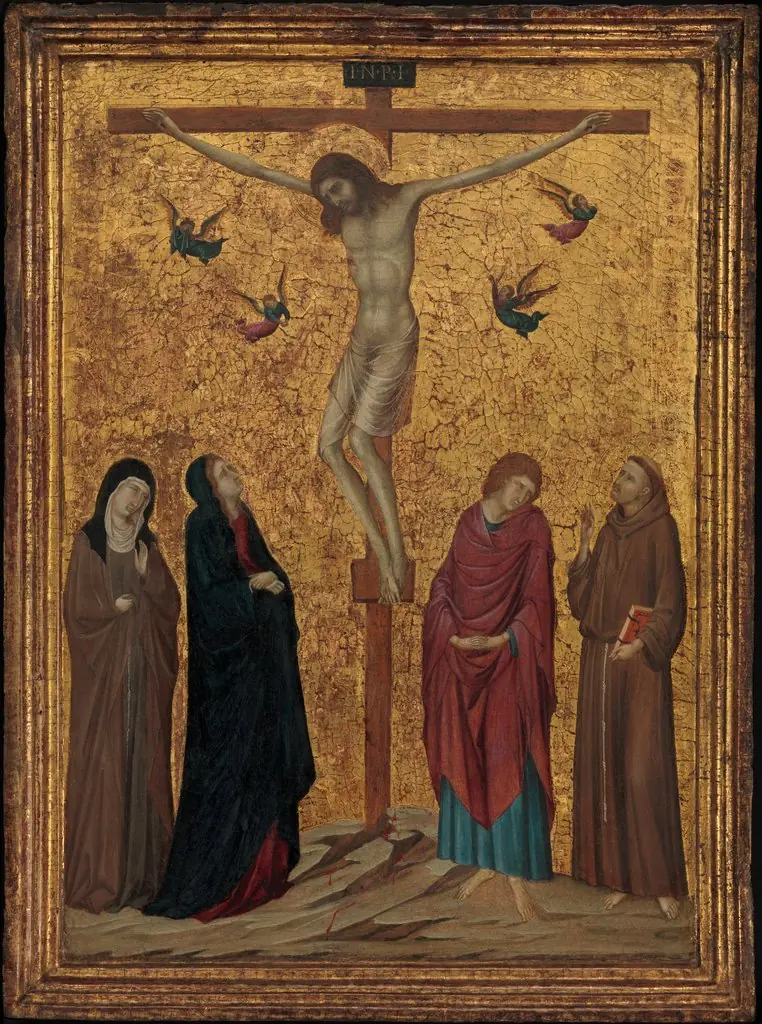 The Crucifixion
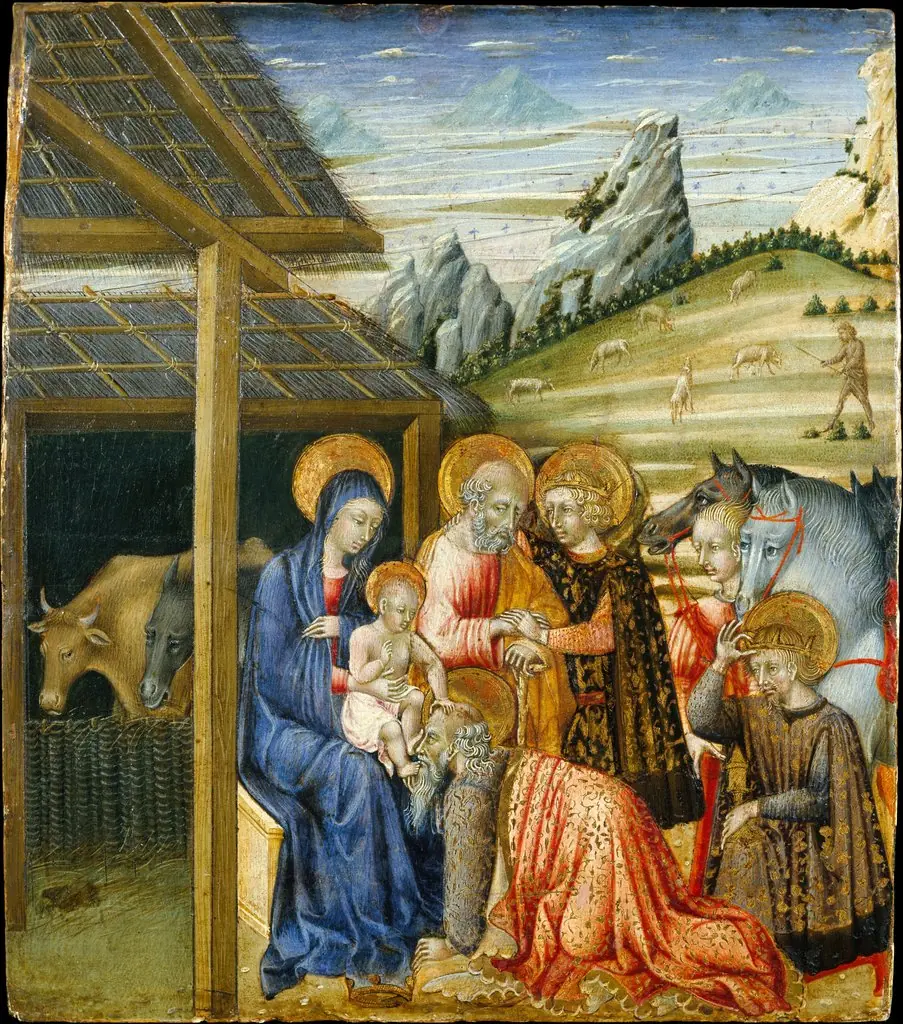 The Adoration of the Magi
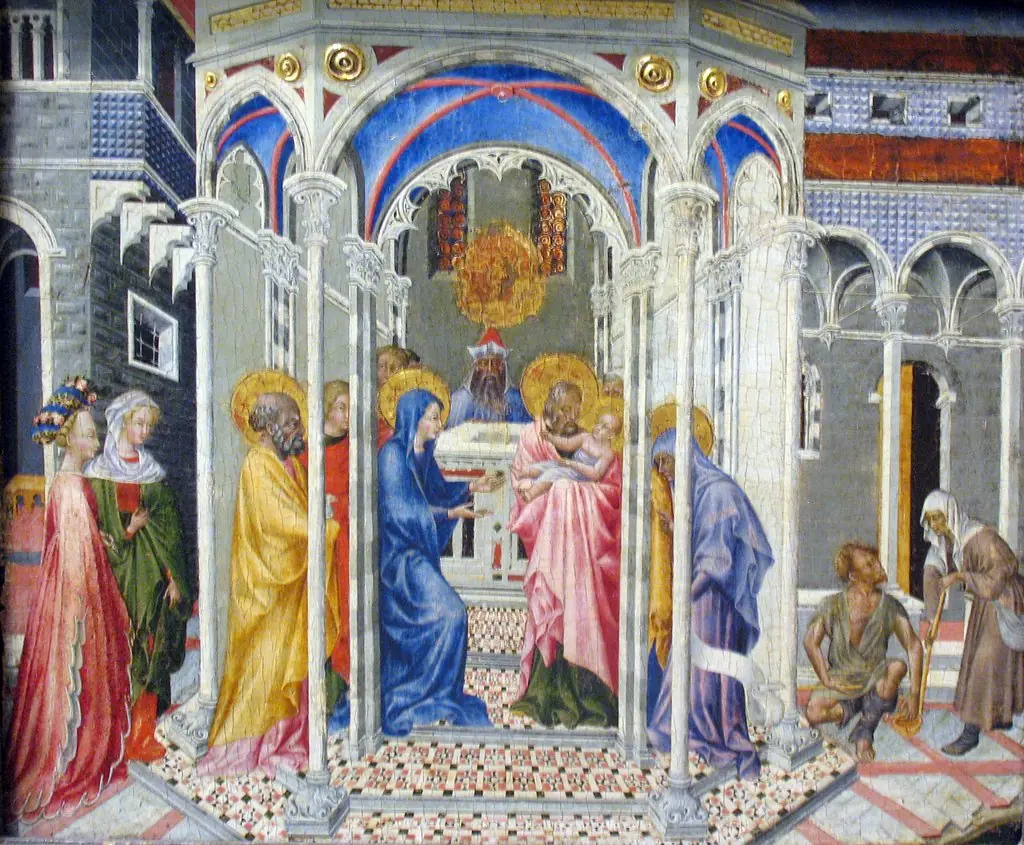 The Presentation of Christ in the Temple
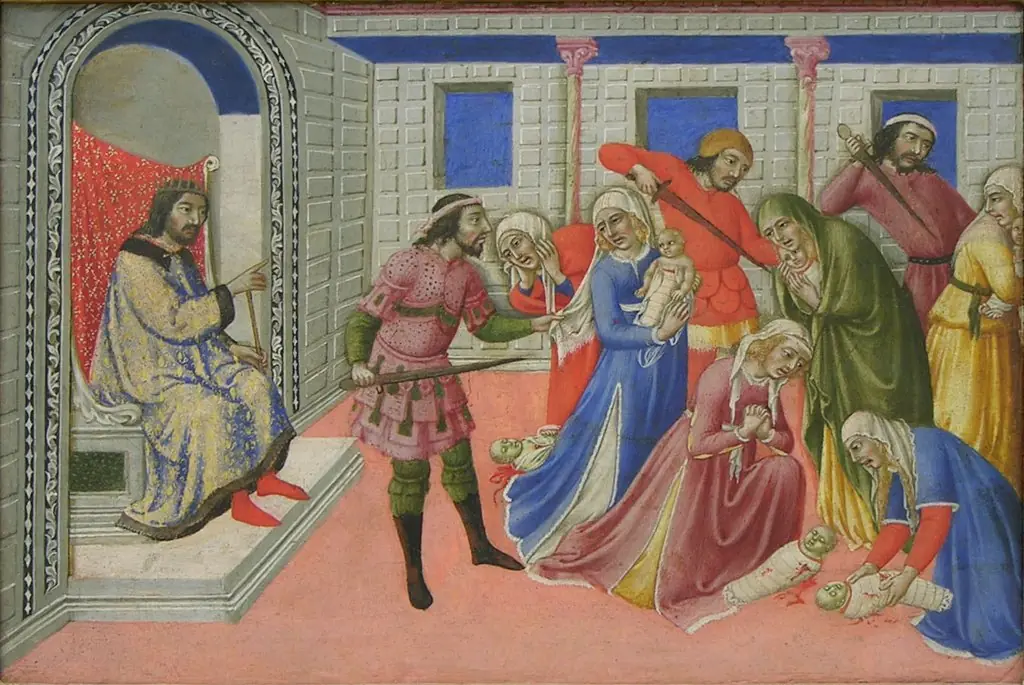 The Massacre of the Innocents
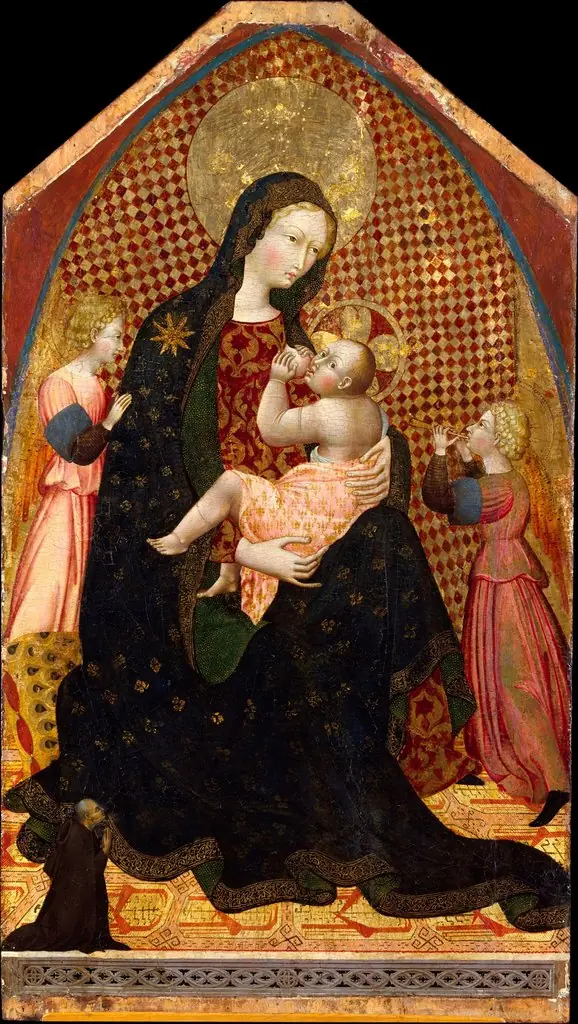 Madonna and Child with Two Angels and a Donor
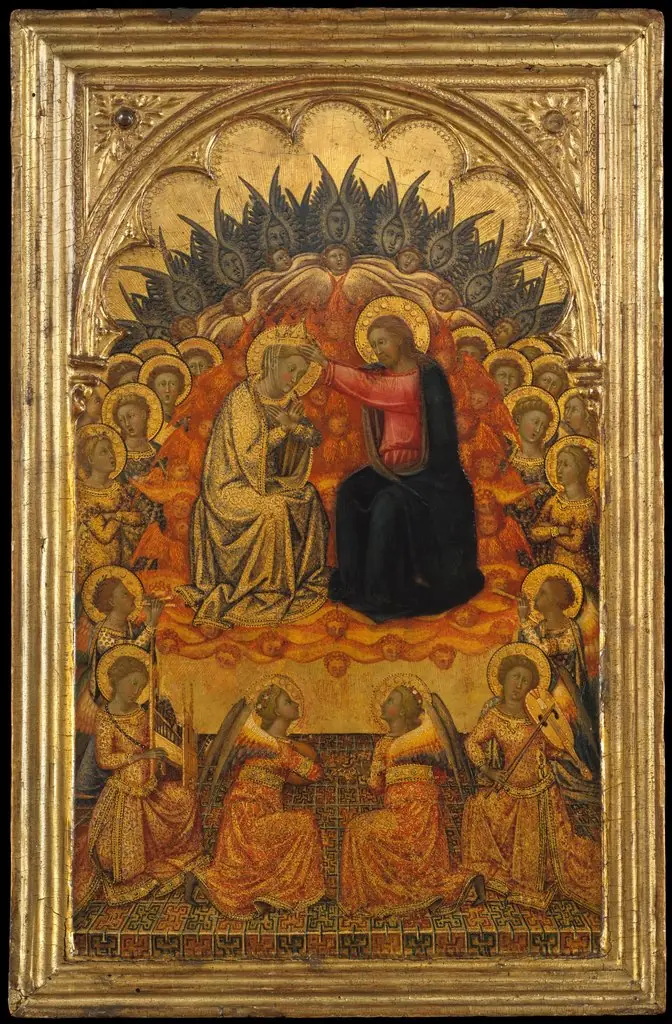 Engaged cassetta frame on a polyptych panel
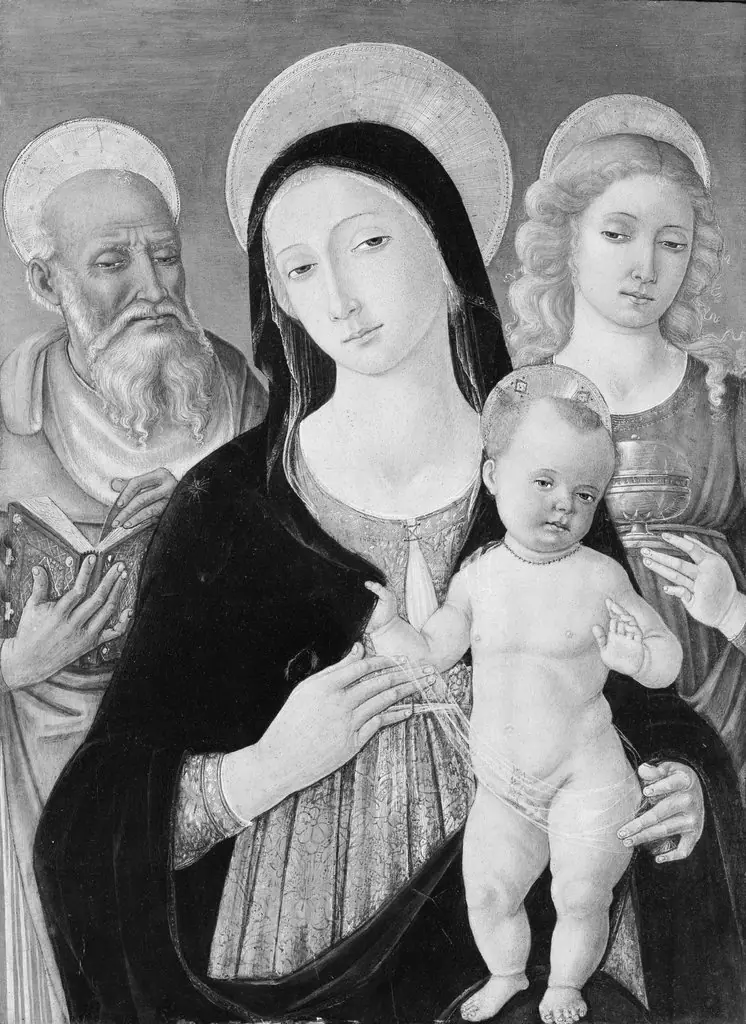 Madonna and Child with Saints Jerome and Mary Magdalen
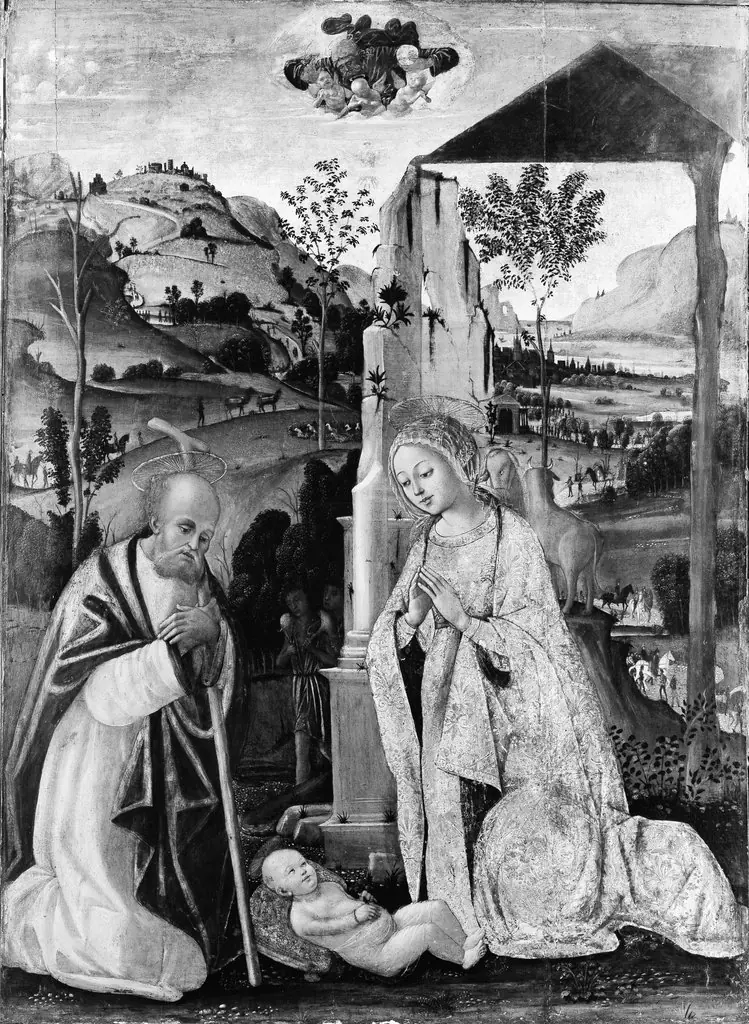 The Nativity
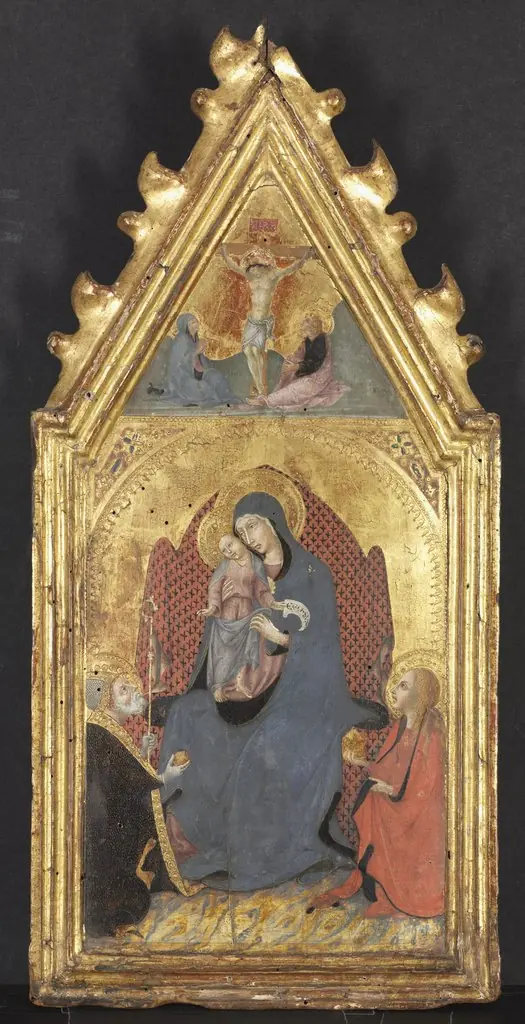 Virgin and Child Adored by Saints Mary Magdalene and Nicolas of Bari; Christ Crucified with the Virgin and Saint John the Evangelist
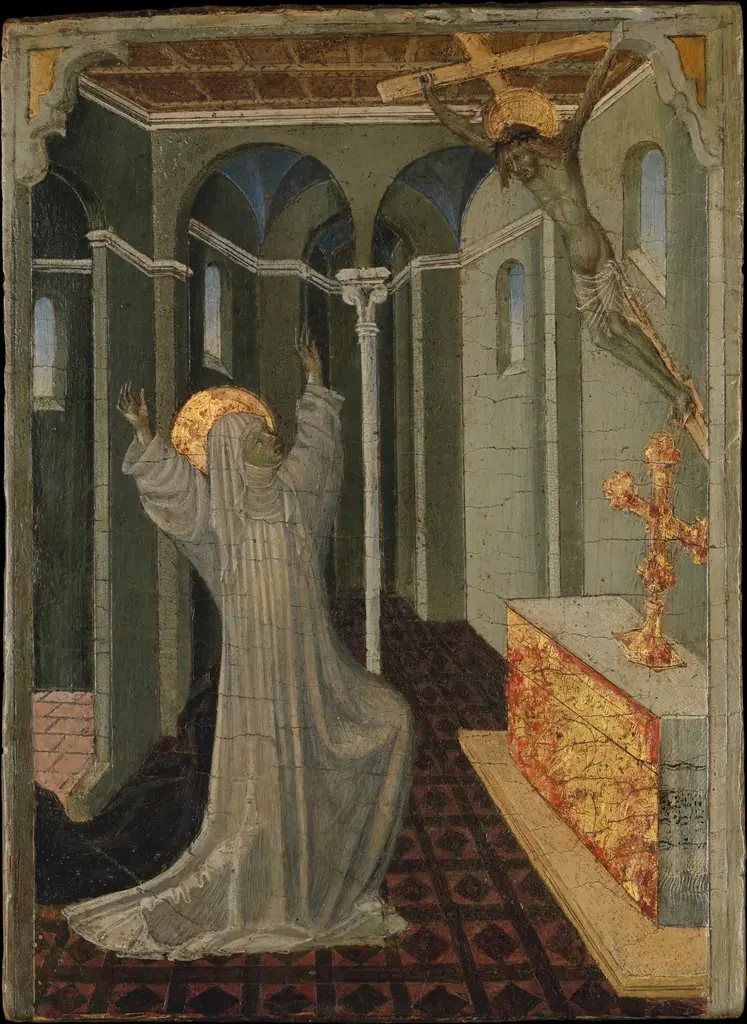 Saint Catherine of Siena Receiving the Stigmata
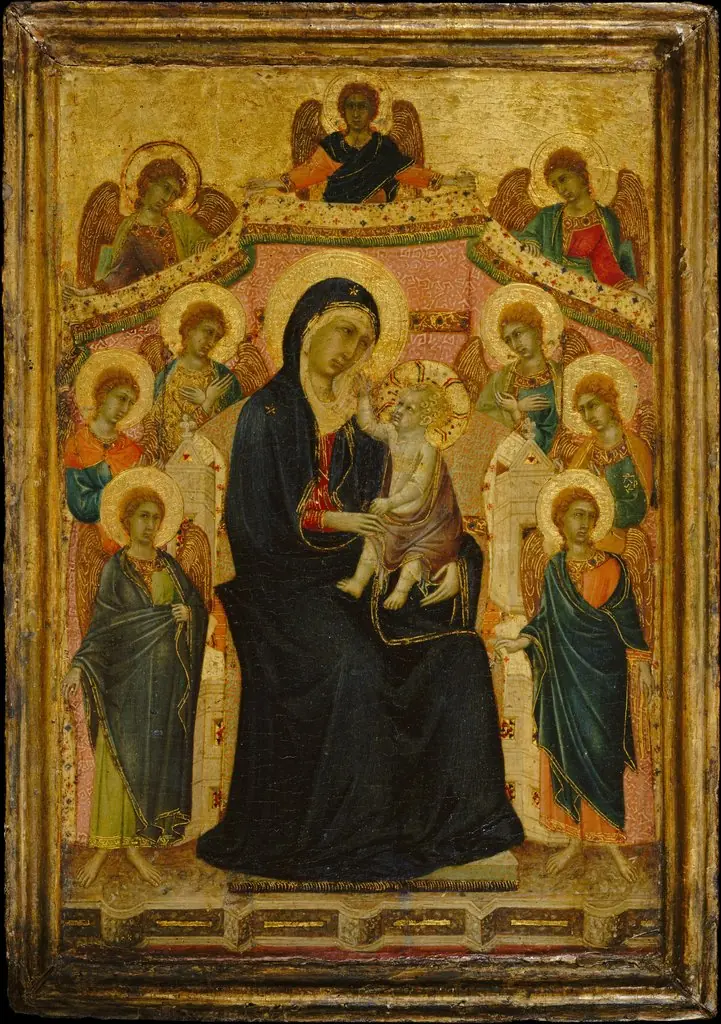 Madonna and Child with Nine Angels
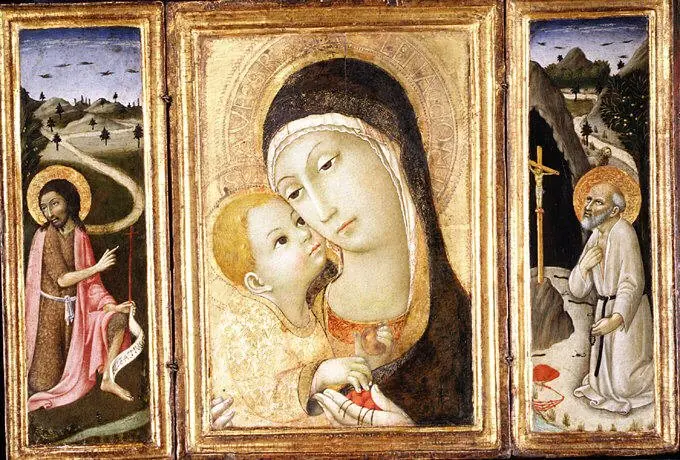 Madonna and Child; Saint John the Baptist; Saint Jerome
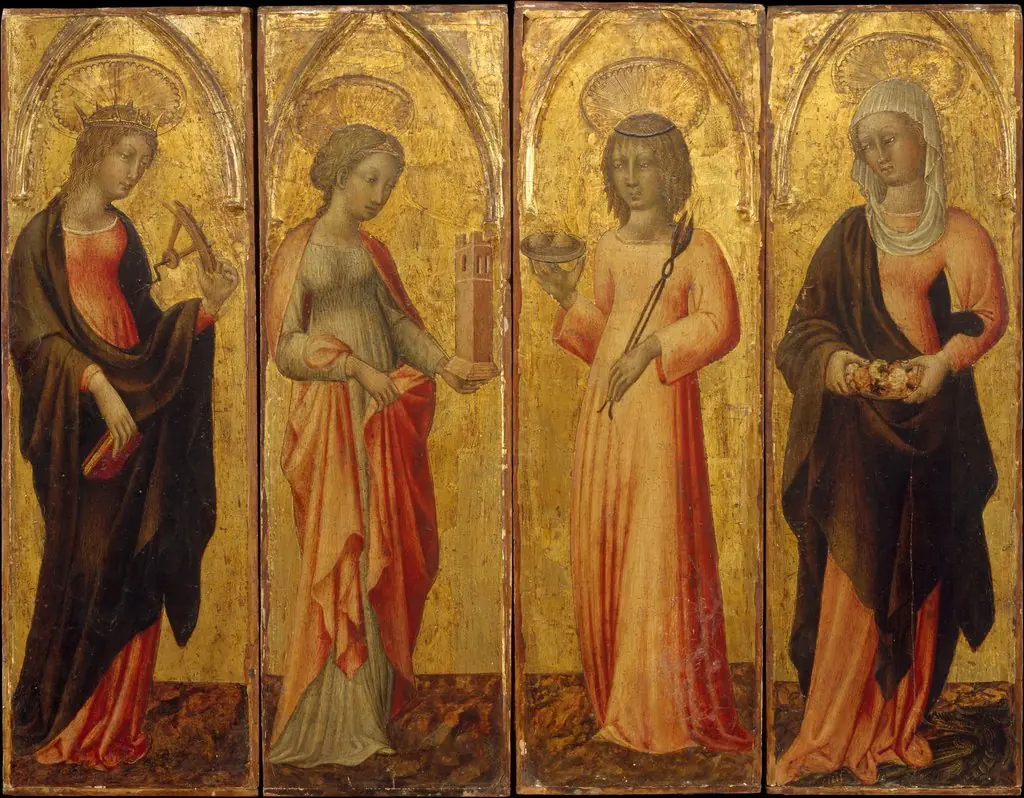 Saints Catherine of Alexandria, Barbara, Agatha, and Margaret
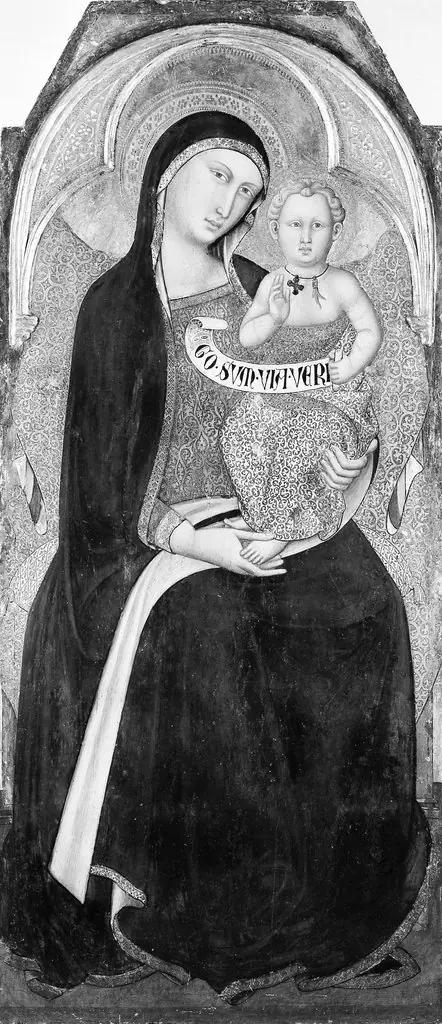 Madonna and Child
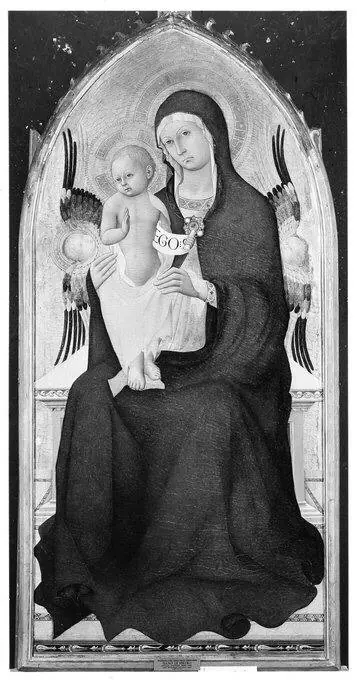 Madonna and Child Enthroned with Two Cherubim
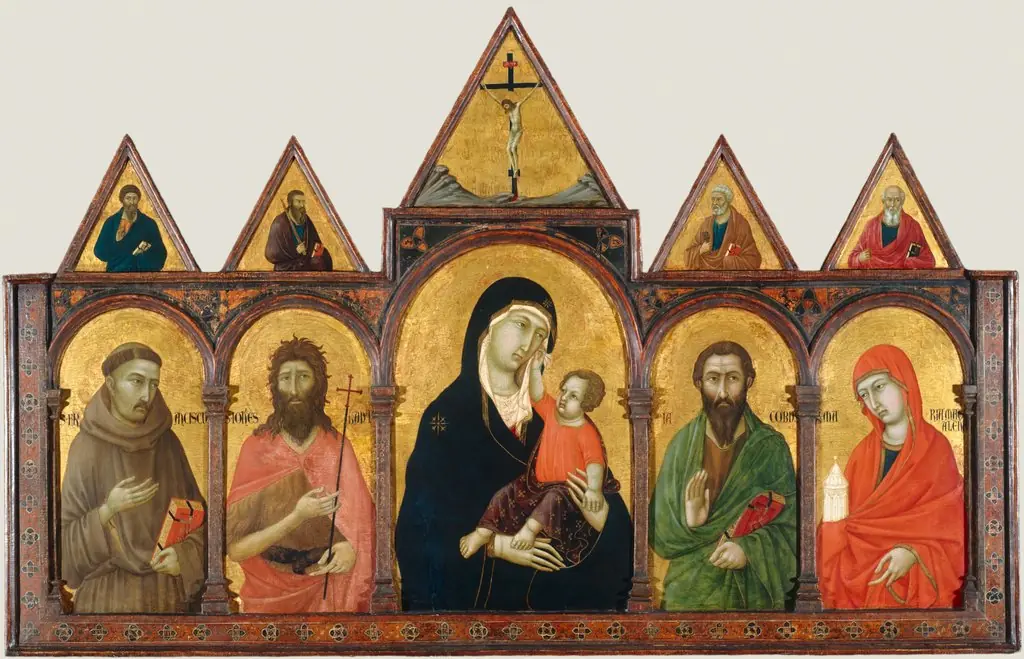 Virgin and Child with Saints
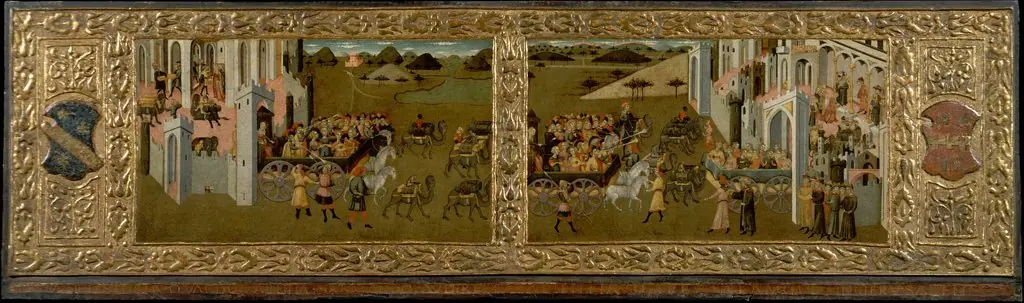 King Solomon and the Queen of Sheba
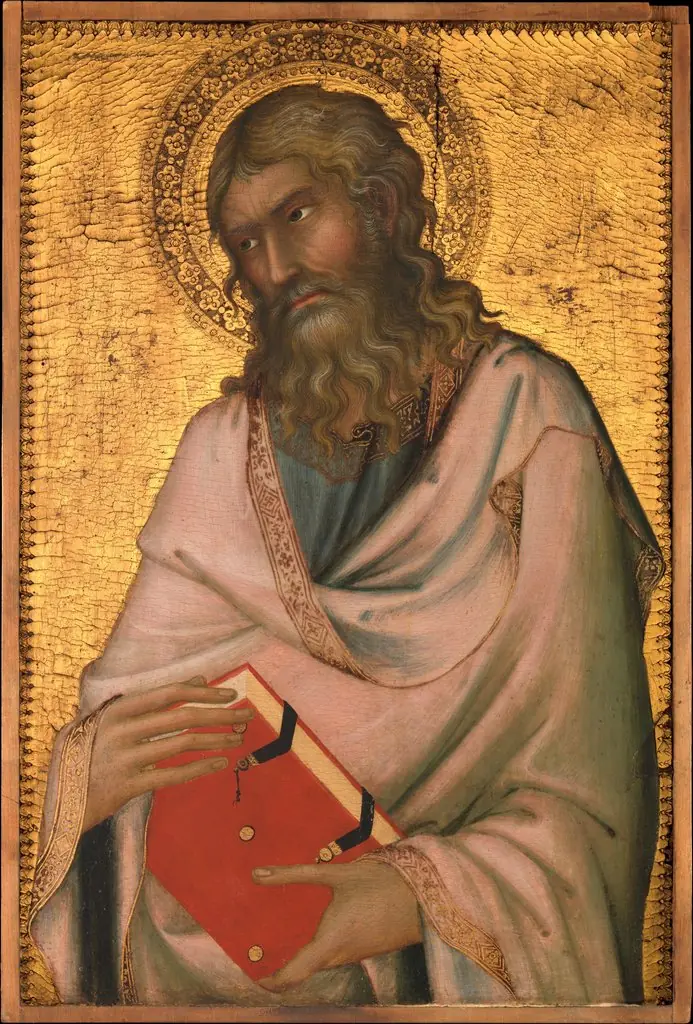 Saint Andrew
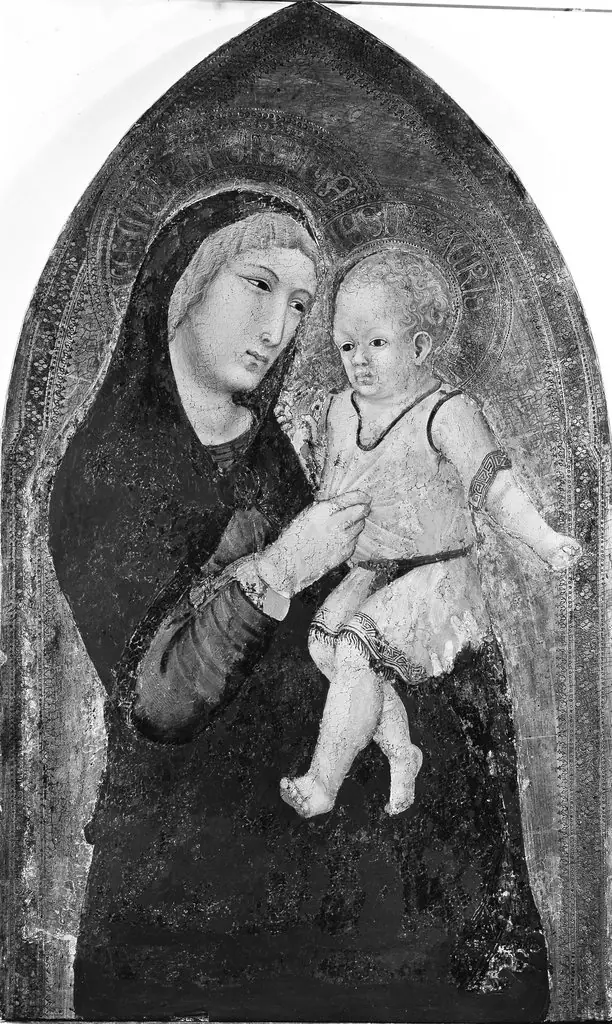 Madonna and Child
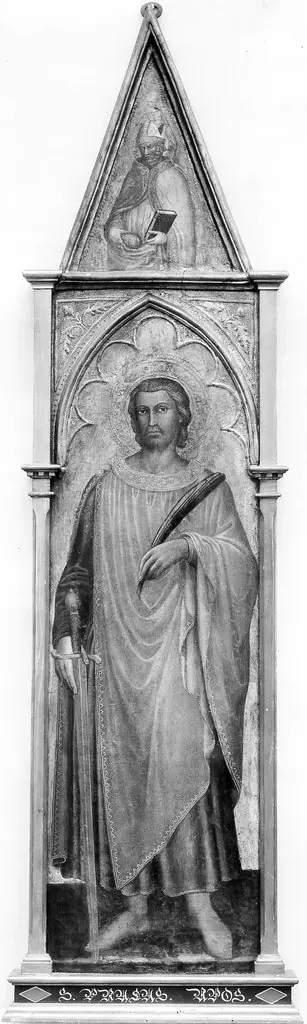 Saint Julian the Hospitaler (with Saint Nicholas of Bari)
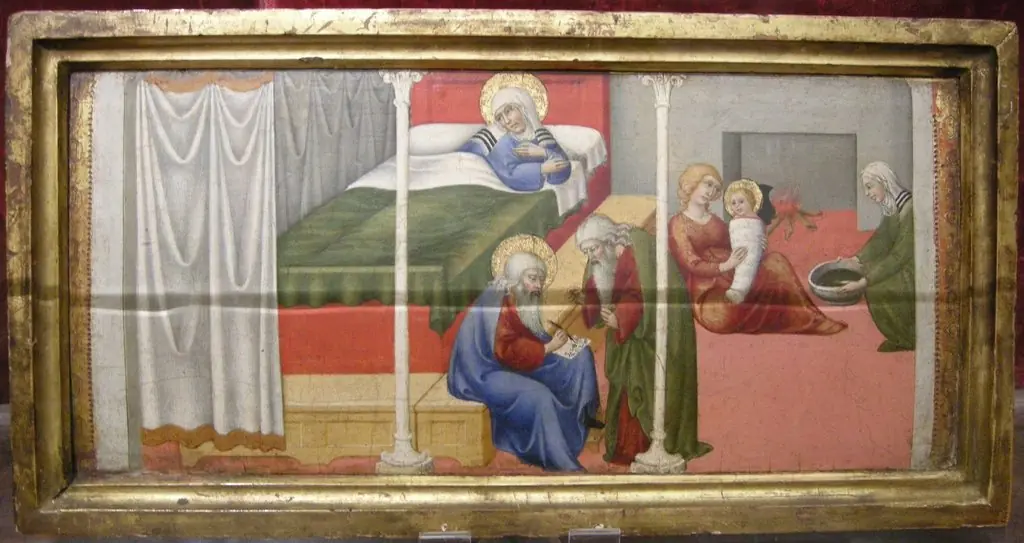 The Birth and Naming of Saint John the Baptist
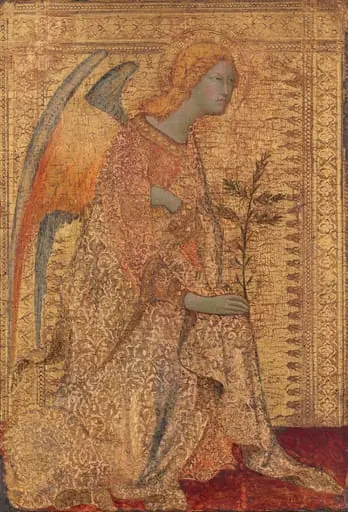 The Angel of the Annunciation
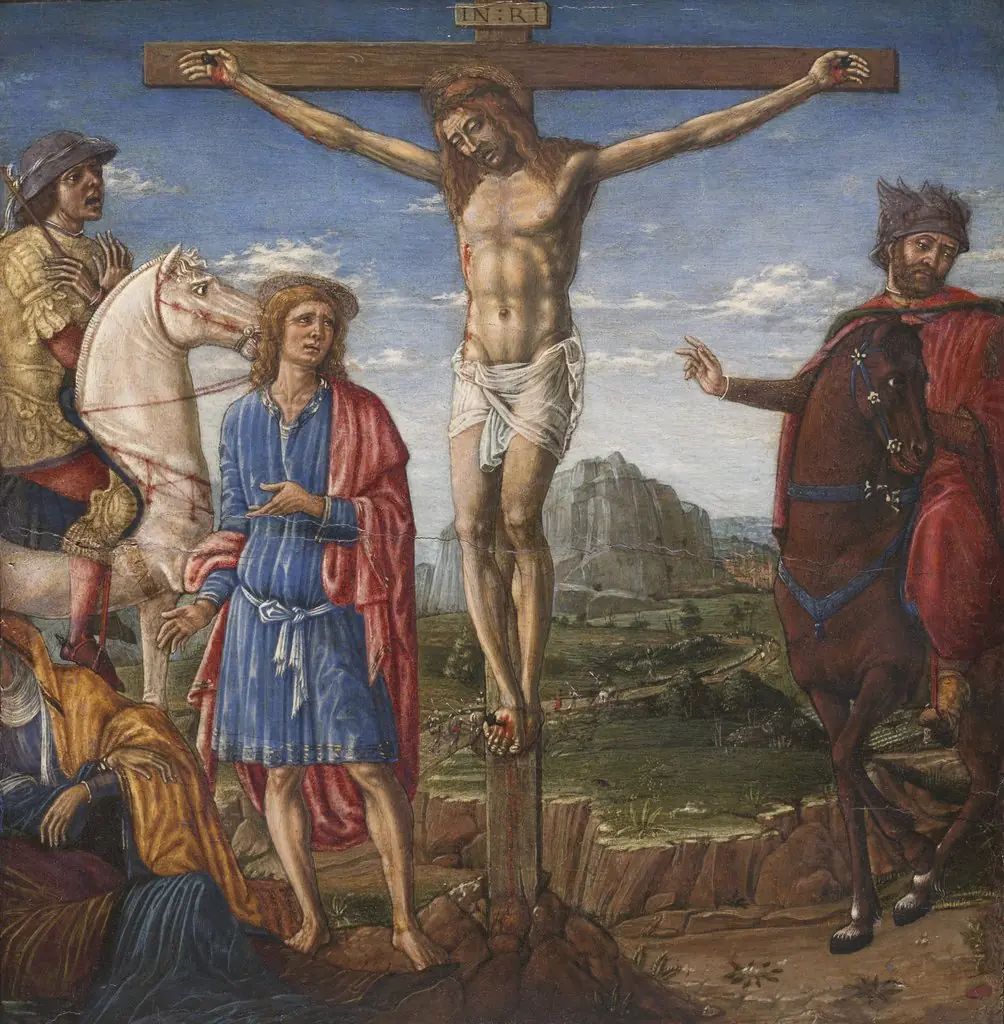 The Crucifixion
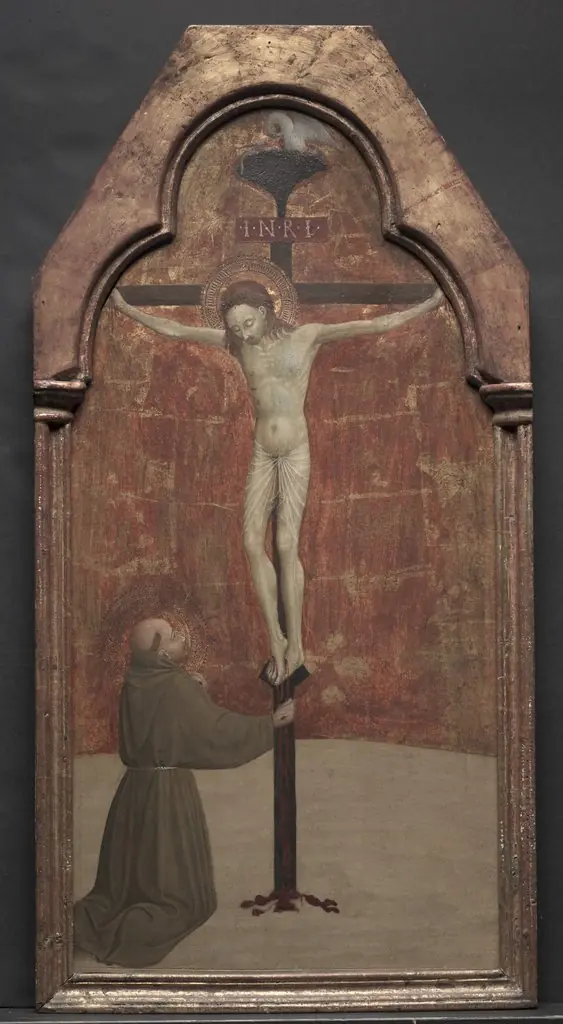 St. Francis Kneeling before Christ on the Cross
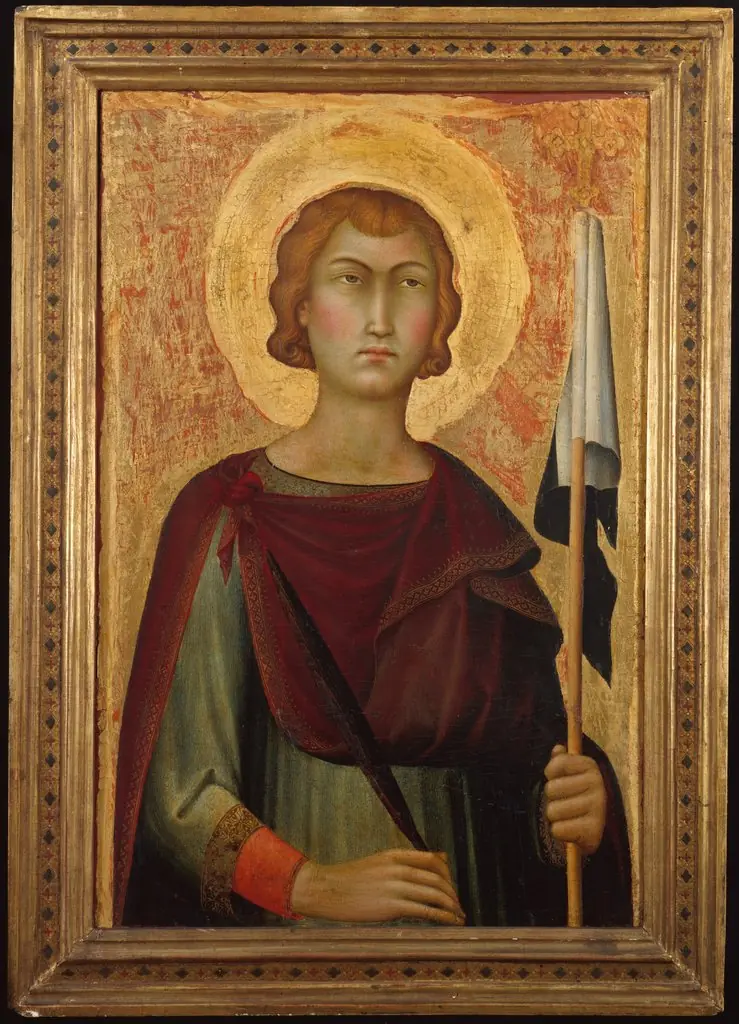 Saint Ansanus
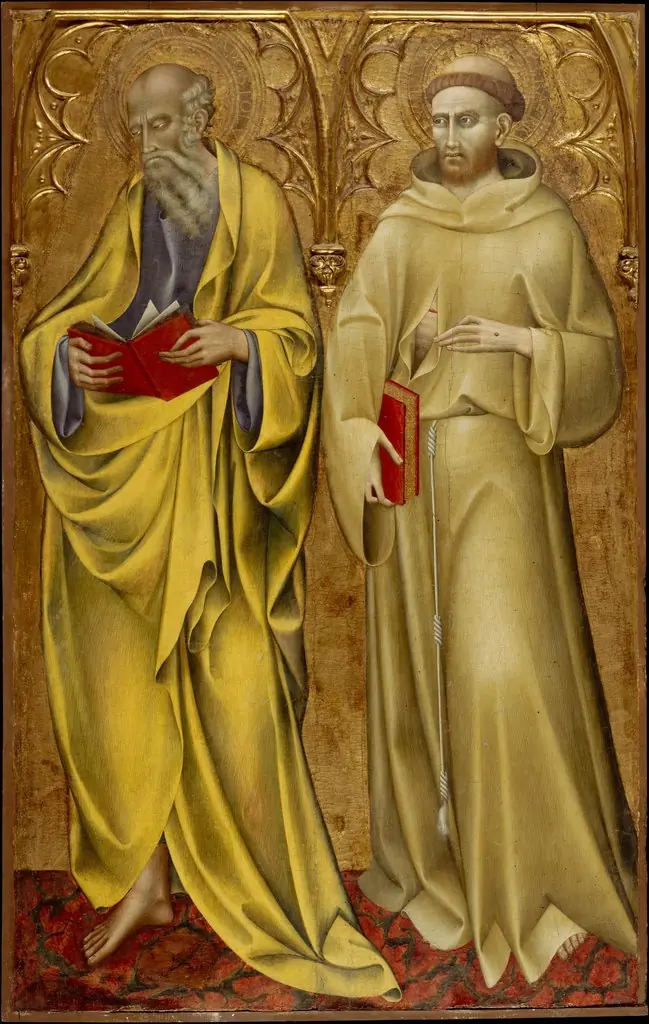 Saints Matthew and Francis
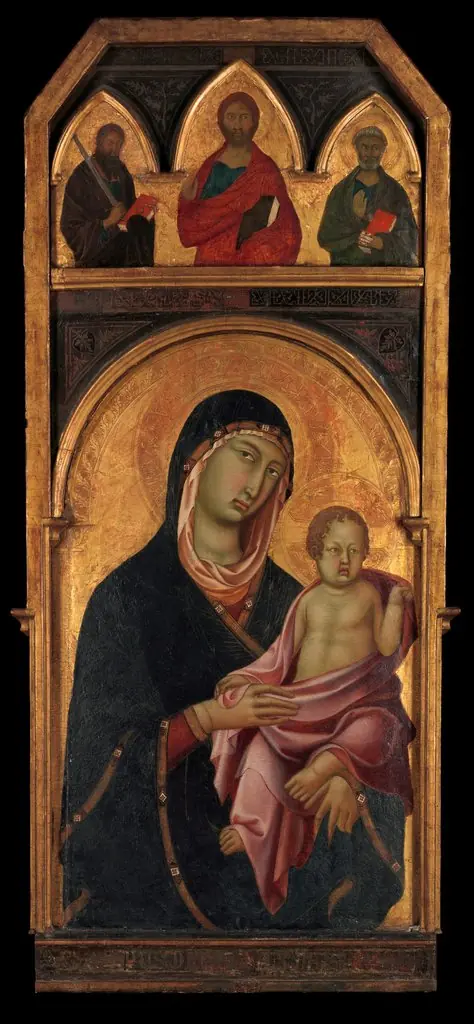 Madonna and Child
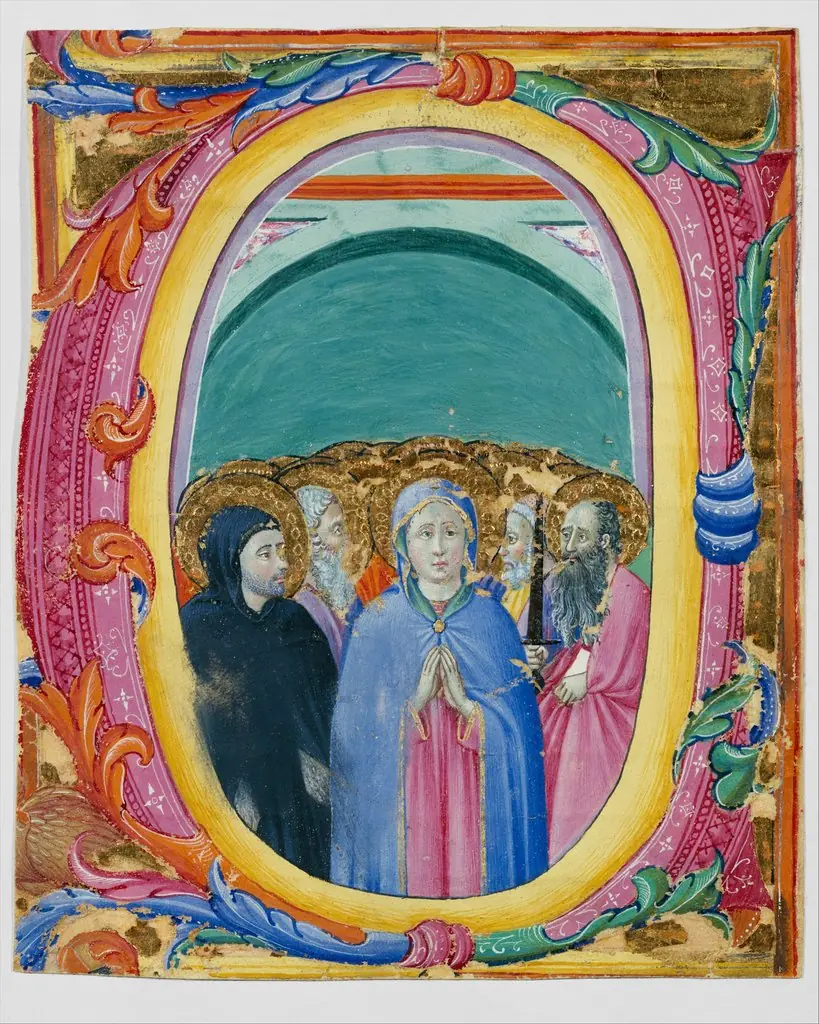 All Saints in an Initial E or O
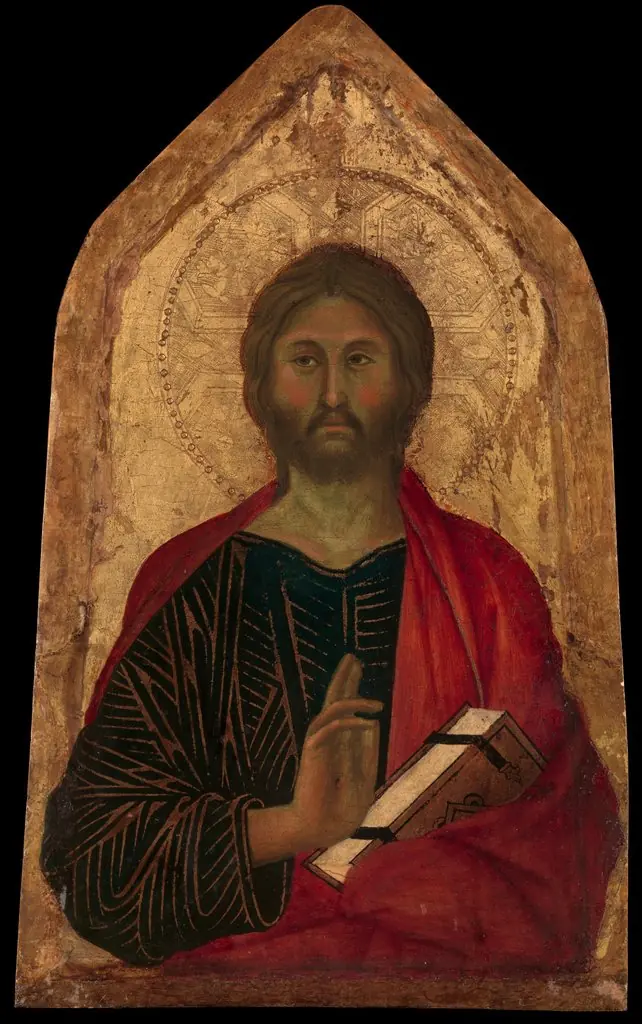 Christ Blessing
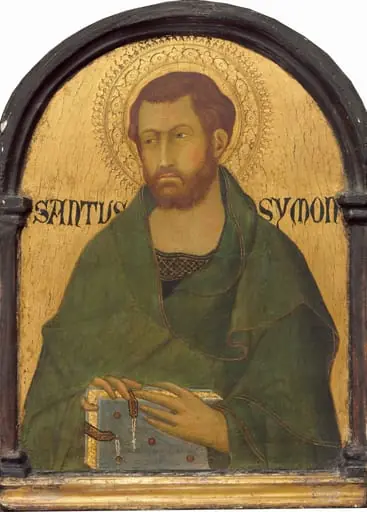 Saint Simon
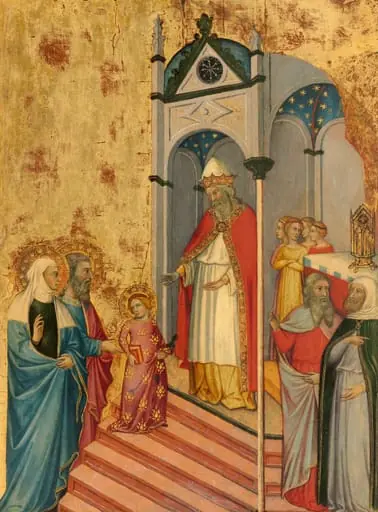 The Presentation of the Virgin in the Temple
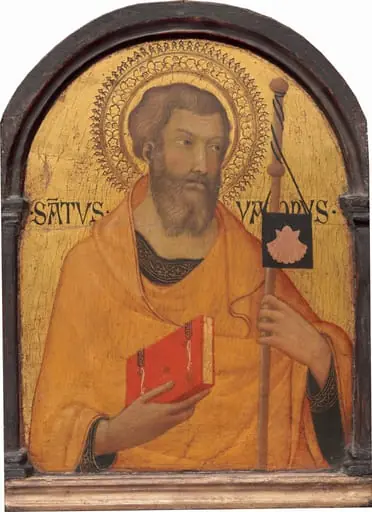 Saint James Major
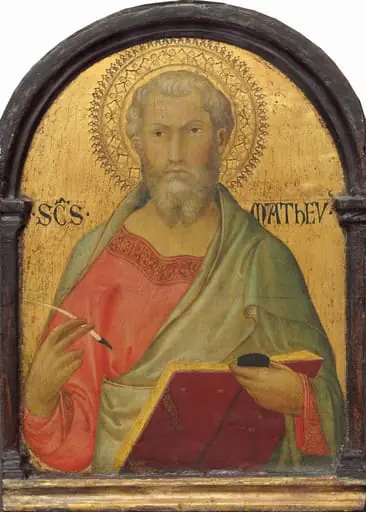 Saint Matthew
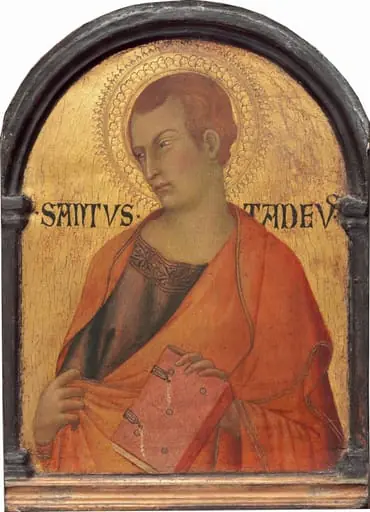 Saint Judas Thaddeus
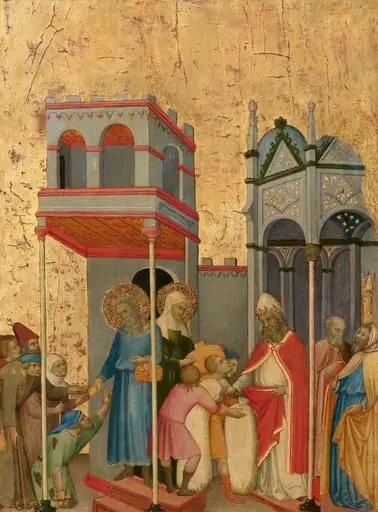 Joachim and Anna Giving Food to the Poor and Offerings to the Temple
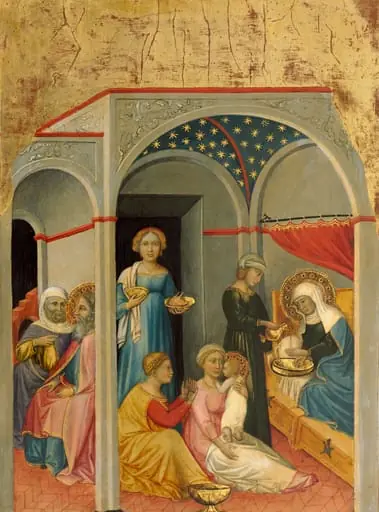 The Nativity of the Virgin
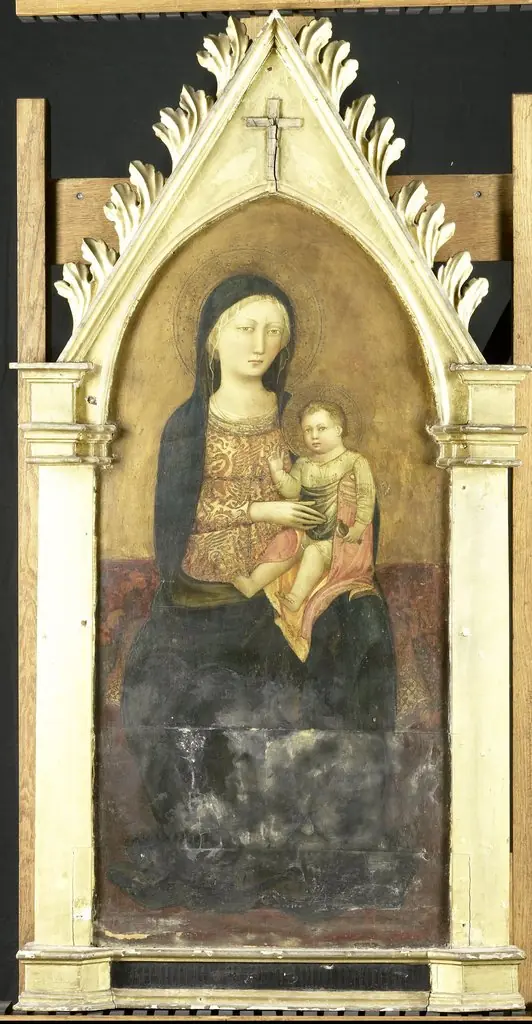 Virgin and Child
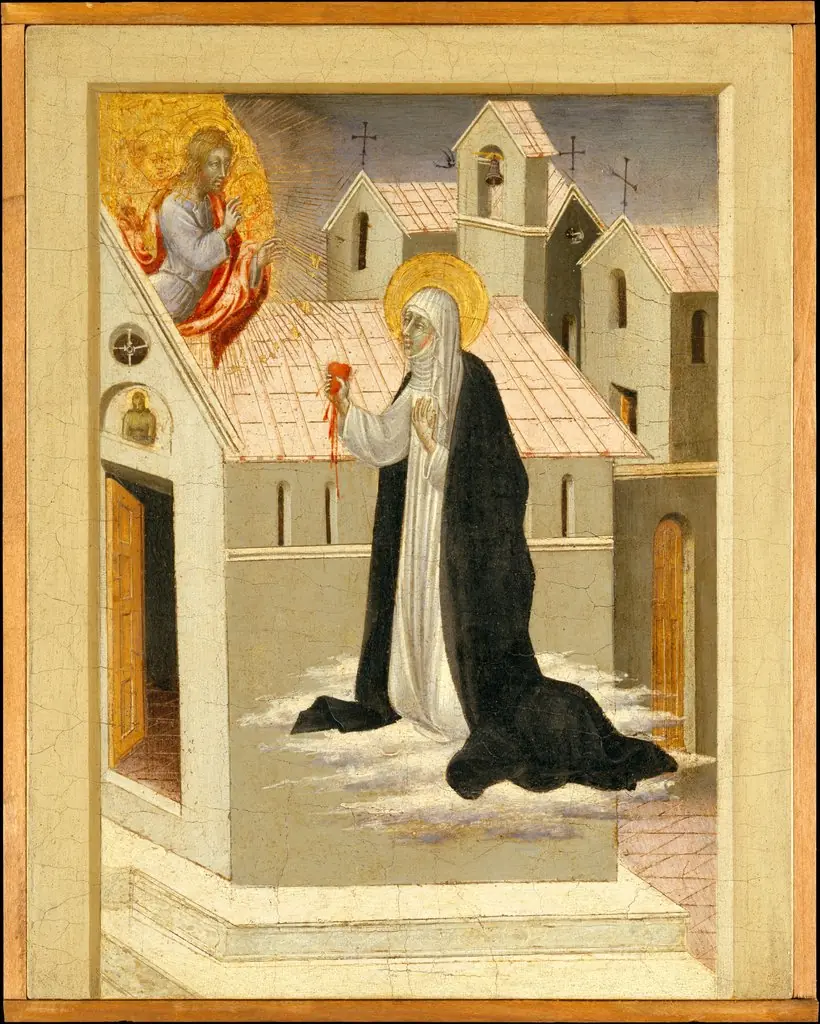 Saint Catherine of Siena Exchanging Her Heart with Christ
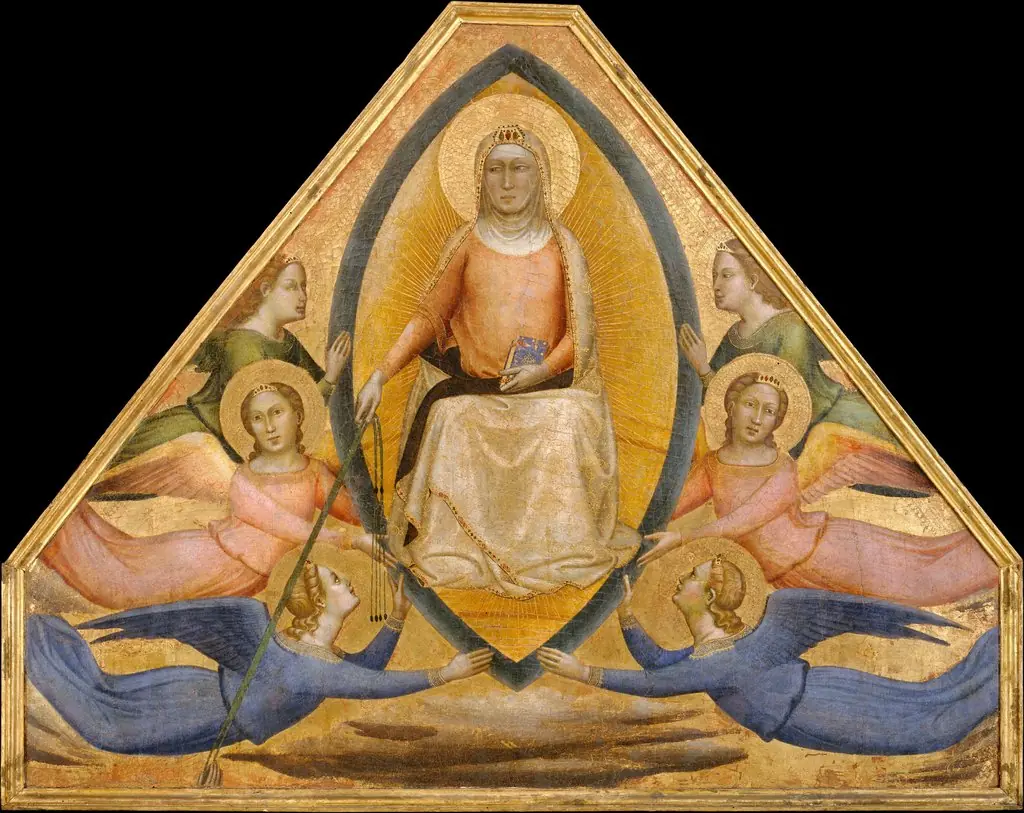 The Assumption of the Virgin
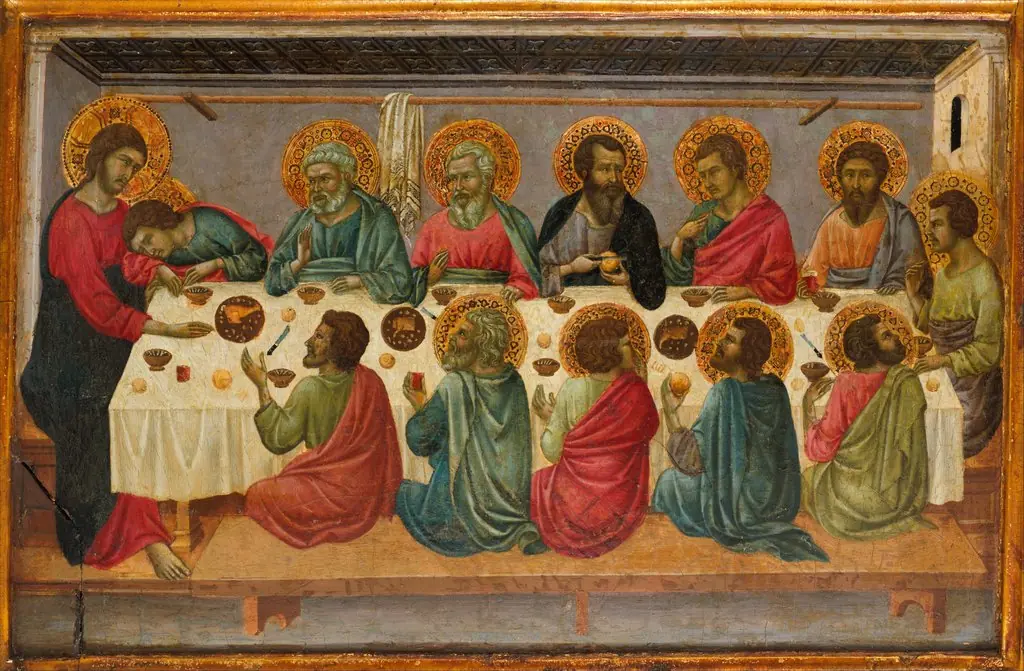 The Last Supper
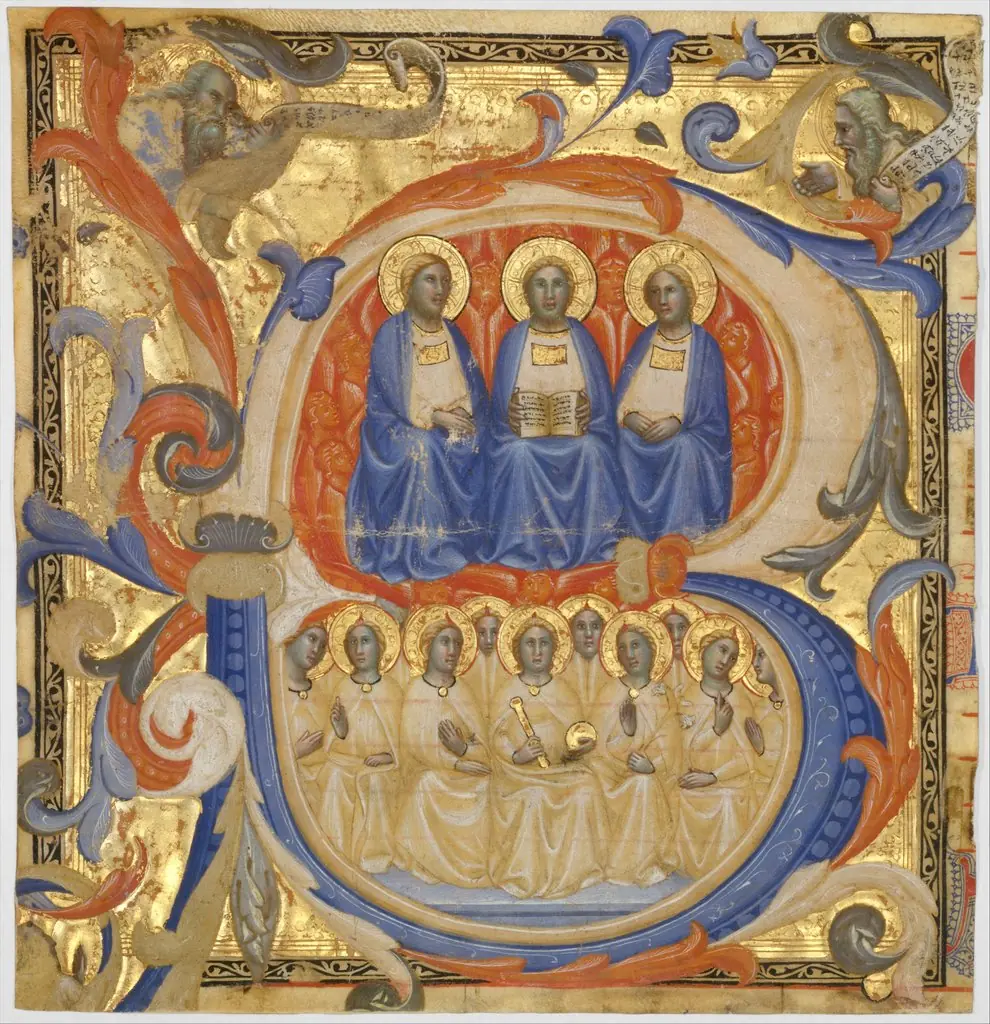 The Trinity in an Initial B
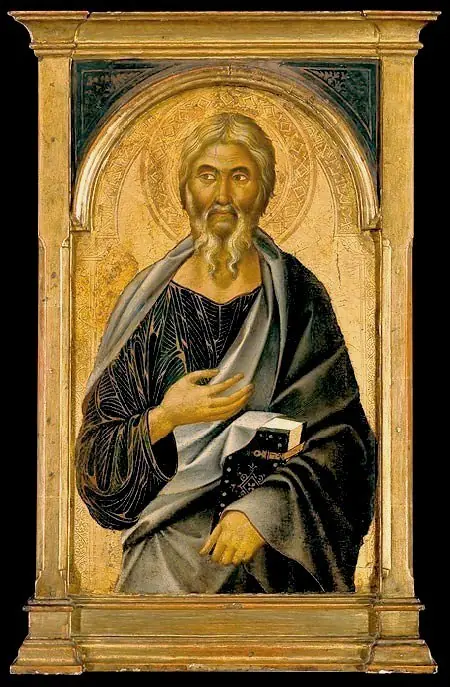 Saint John the Evangelist
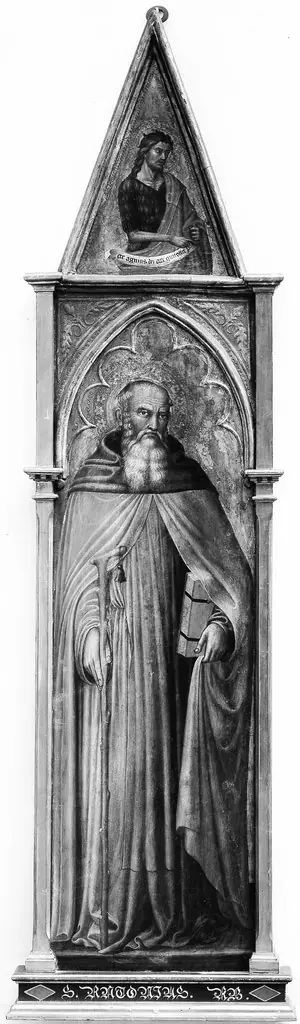 Saint Anthony Abbot (with Saint John the Baptist)
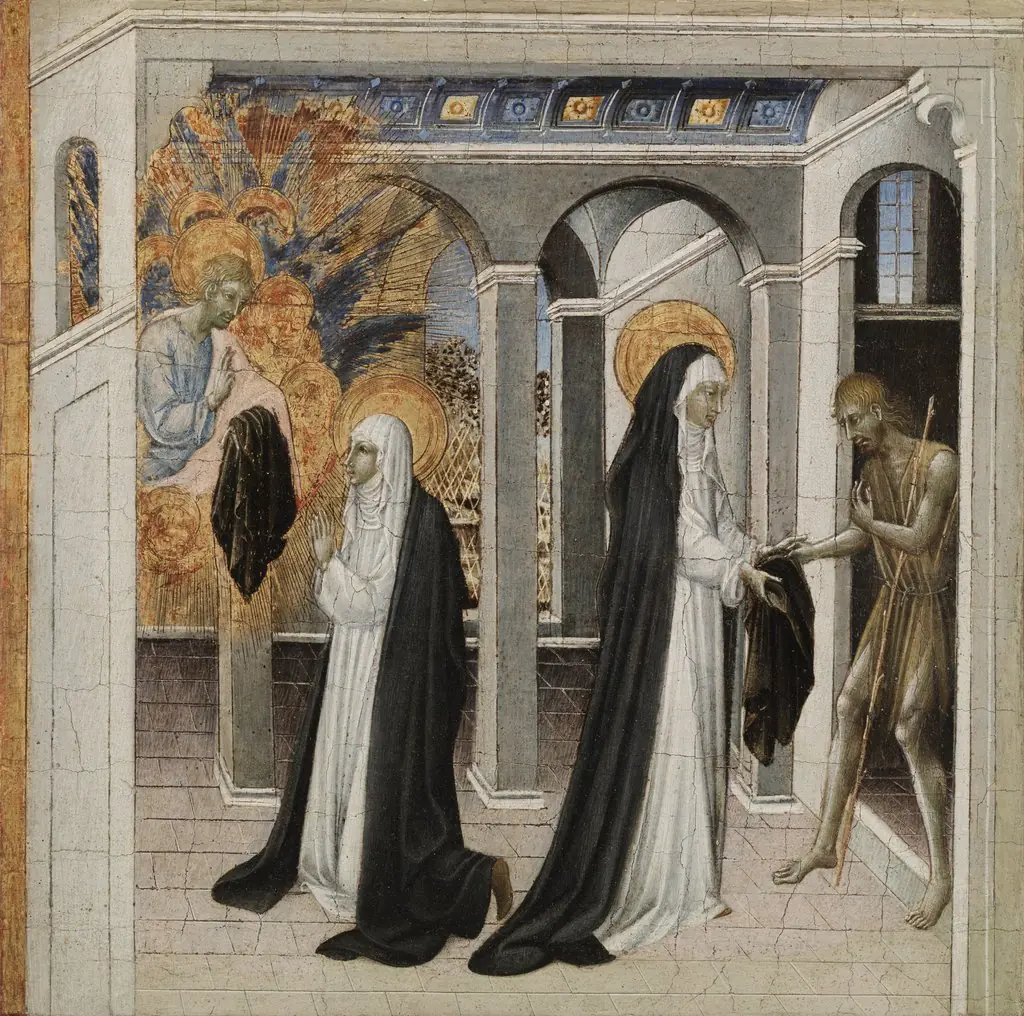 St. Catherine of Siena and the Beggar
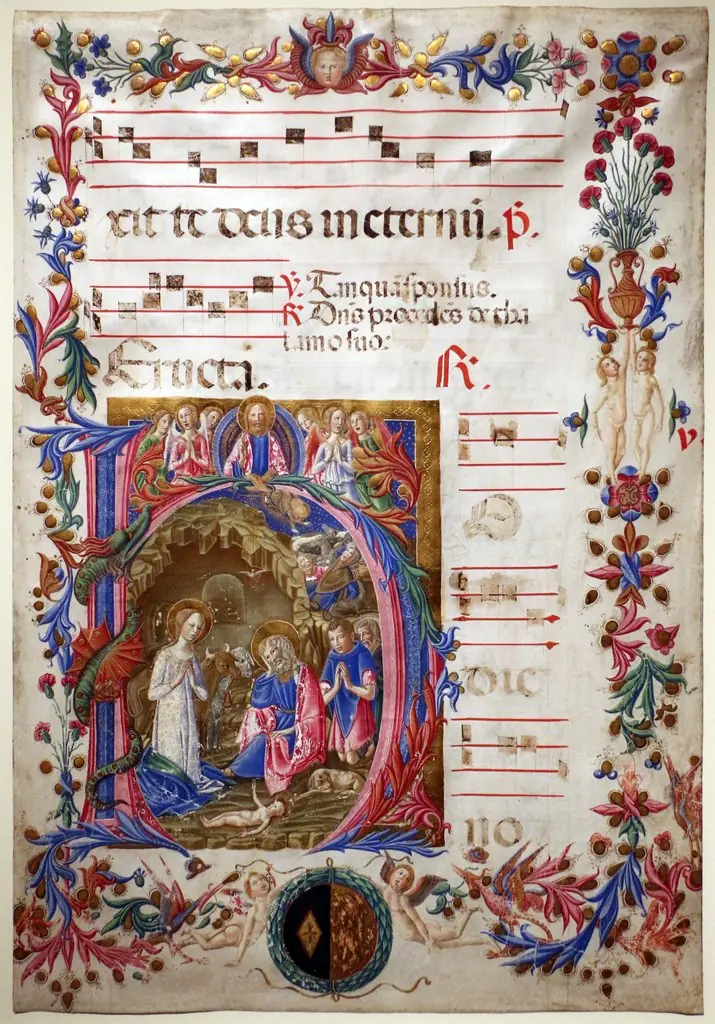 pagina di antifonario con iniziale H e la natività
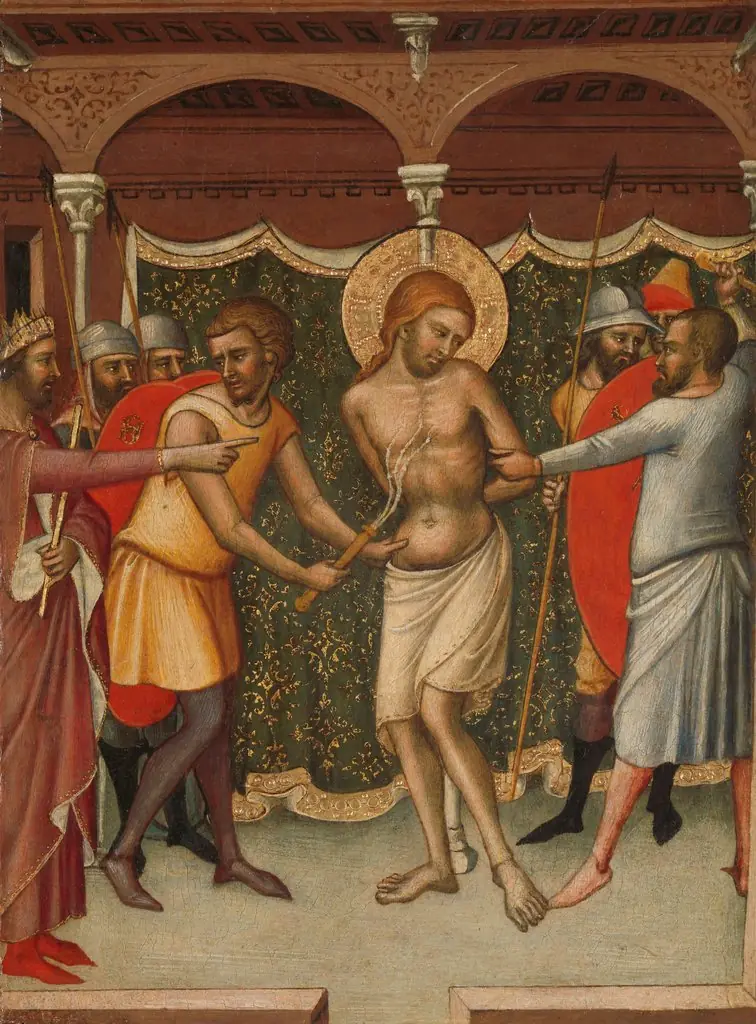 The Flagellation
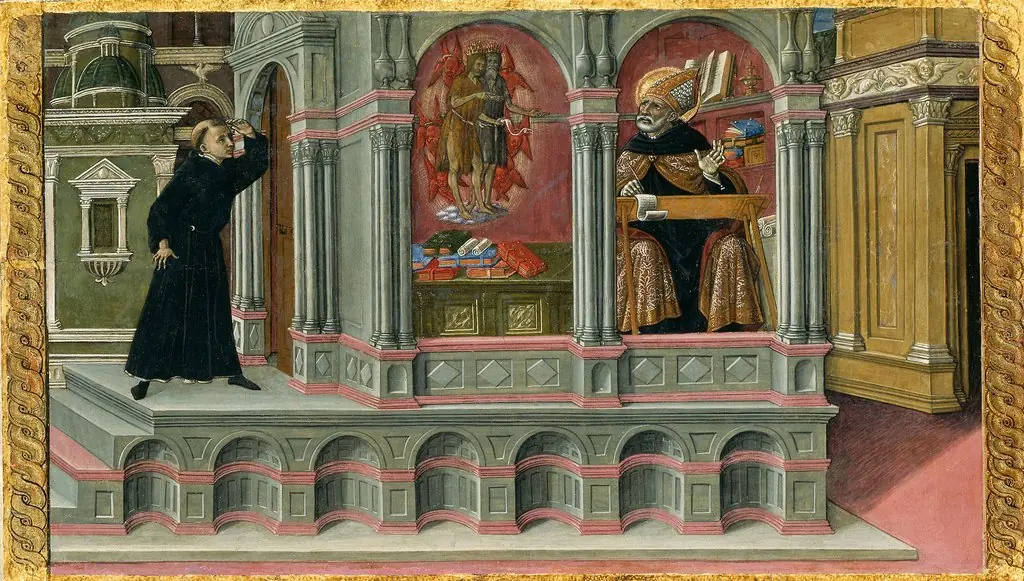 Saint Augustine's Vision of Saints Jerome and John the Baptist
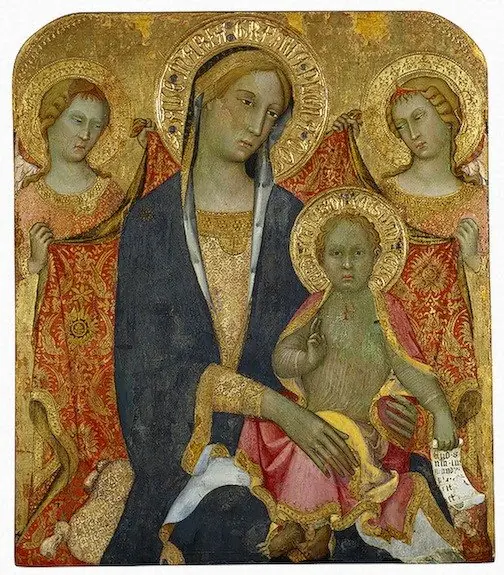 Madonna with Child and Two Angels
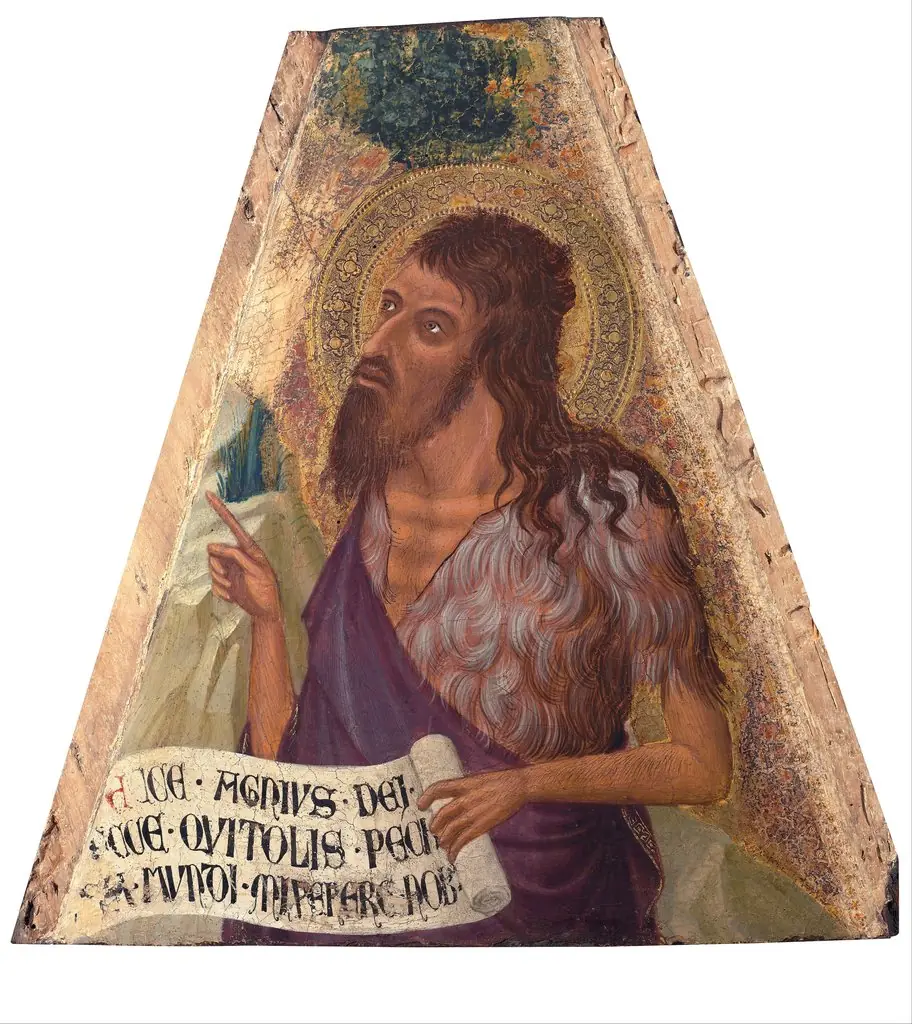 St. John the Baptist
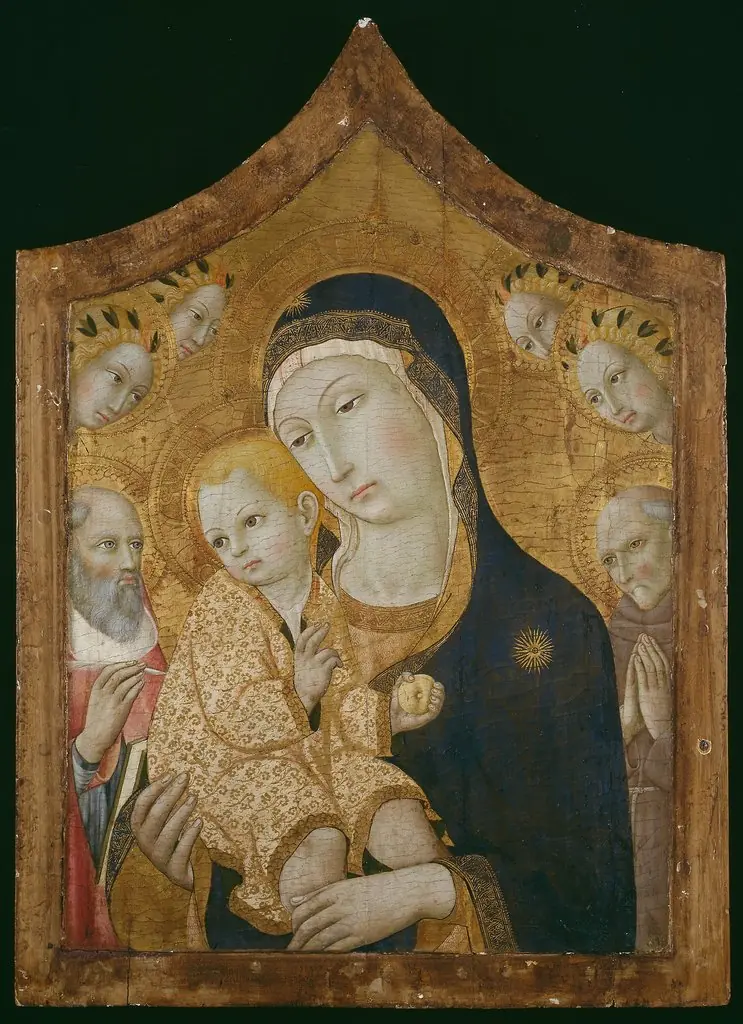 Virgin and Child with Saints Jerome, Bernardino of Siena, and Angels
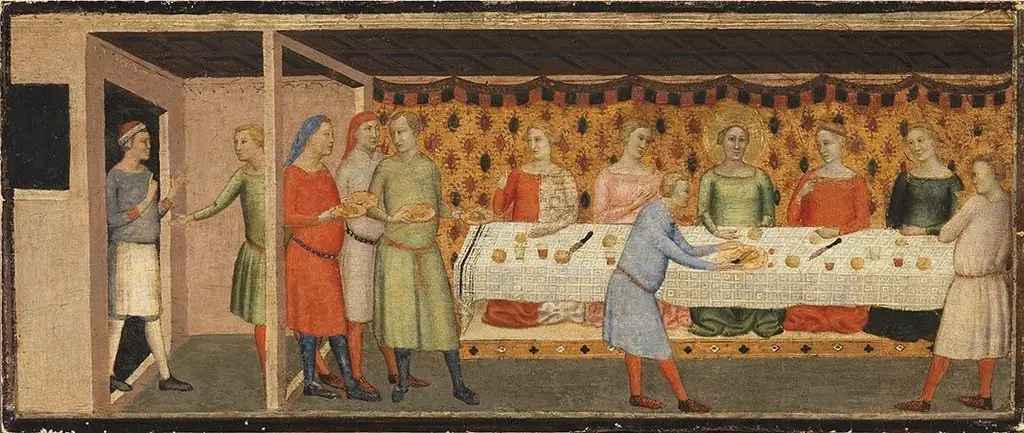 The Wedding Feast of St Cecilia
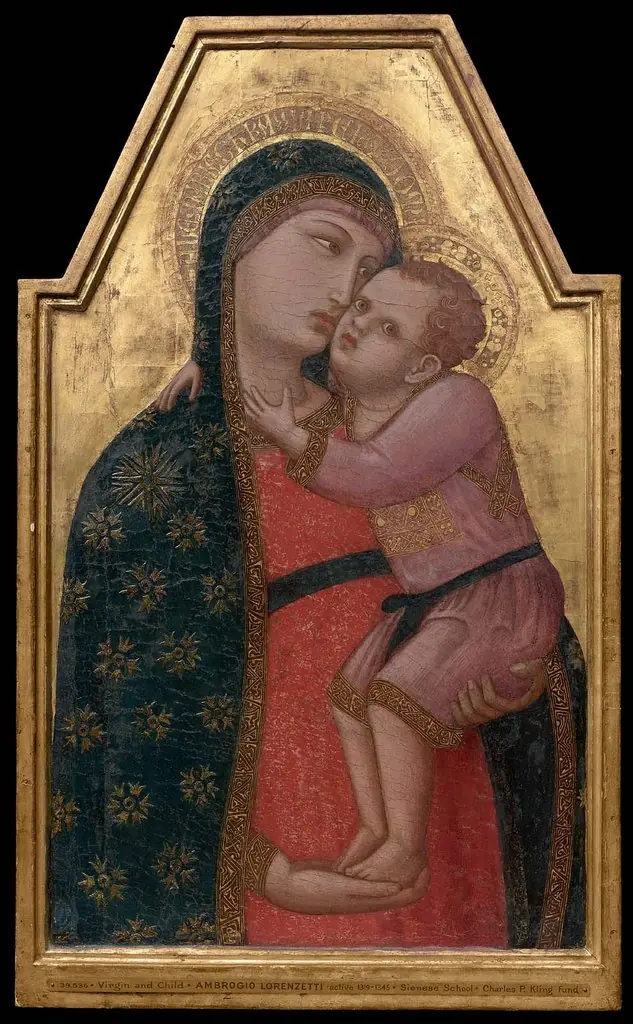 Virgin and Child
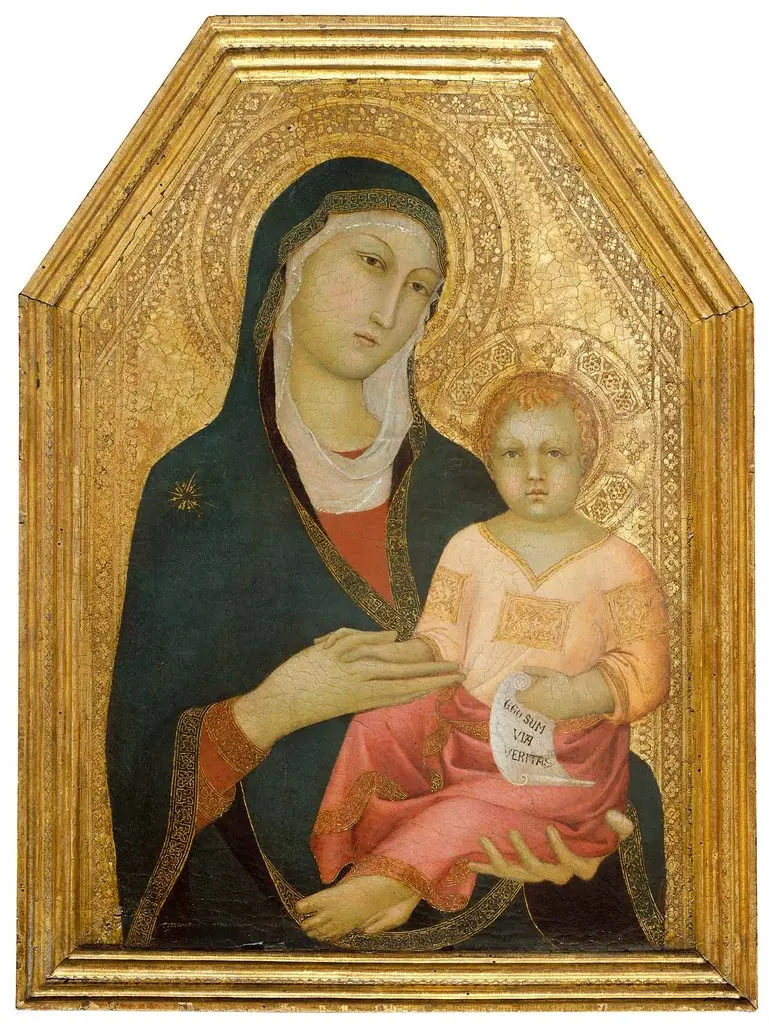 Virgin and Child
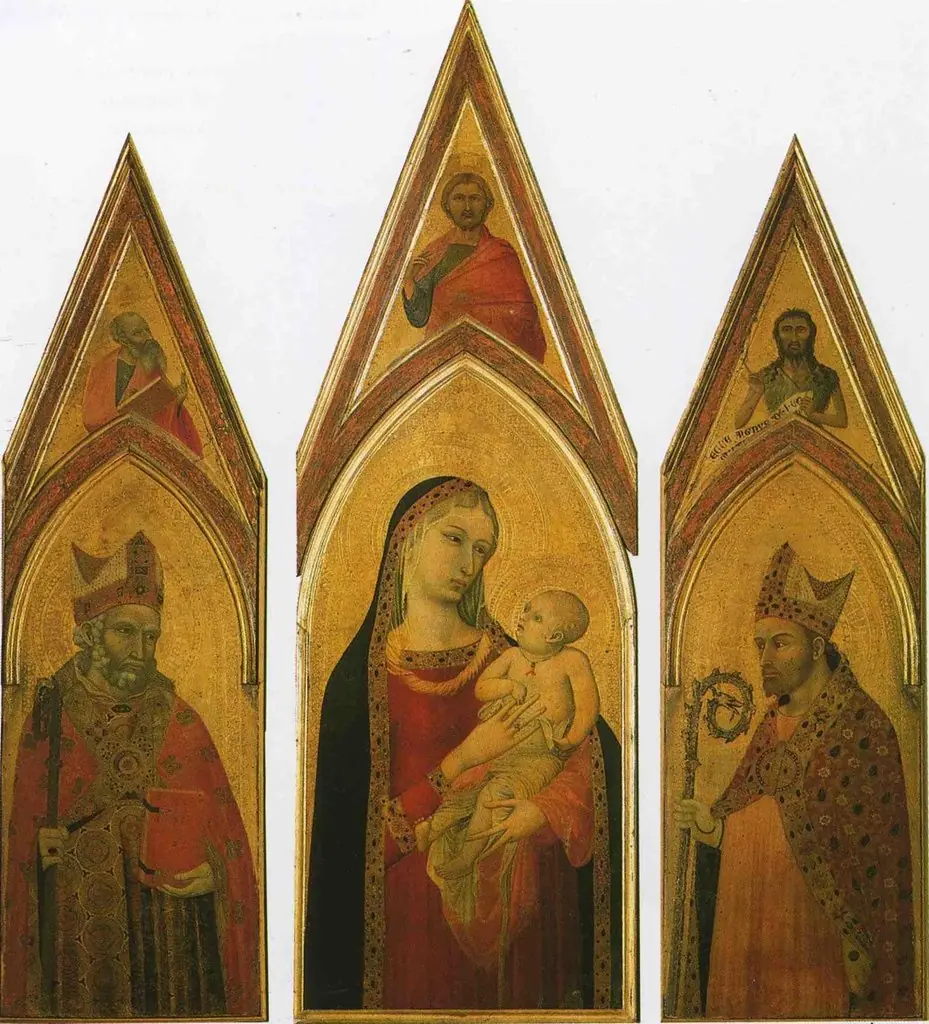 Altarpiece of St Proculus
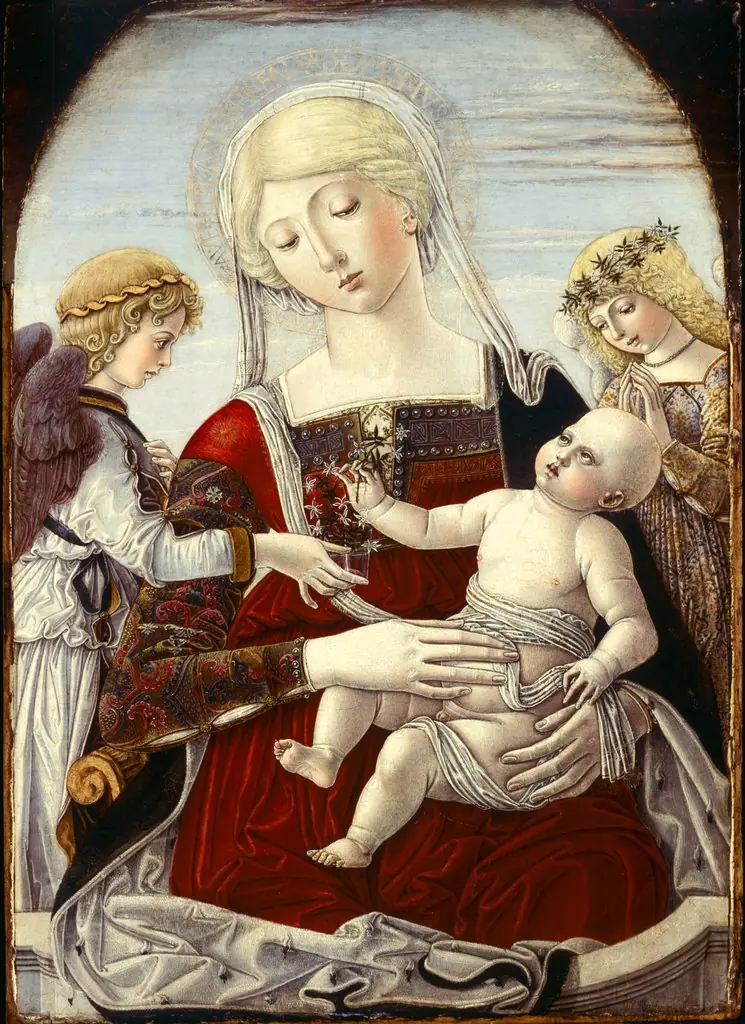 Virgin and Child with Angels
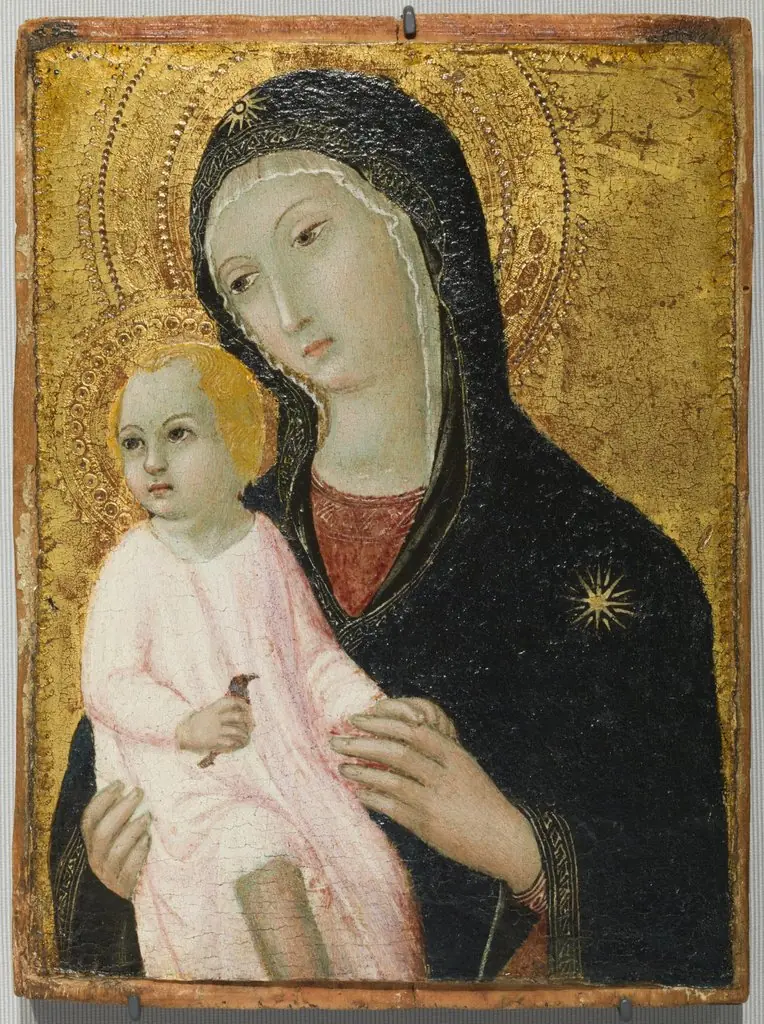 Madonna and Child
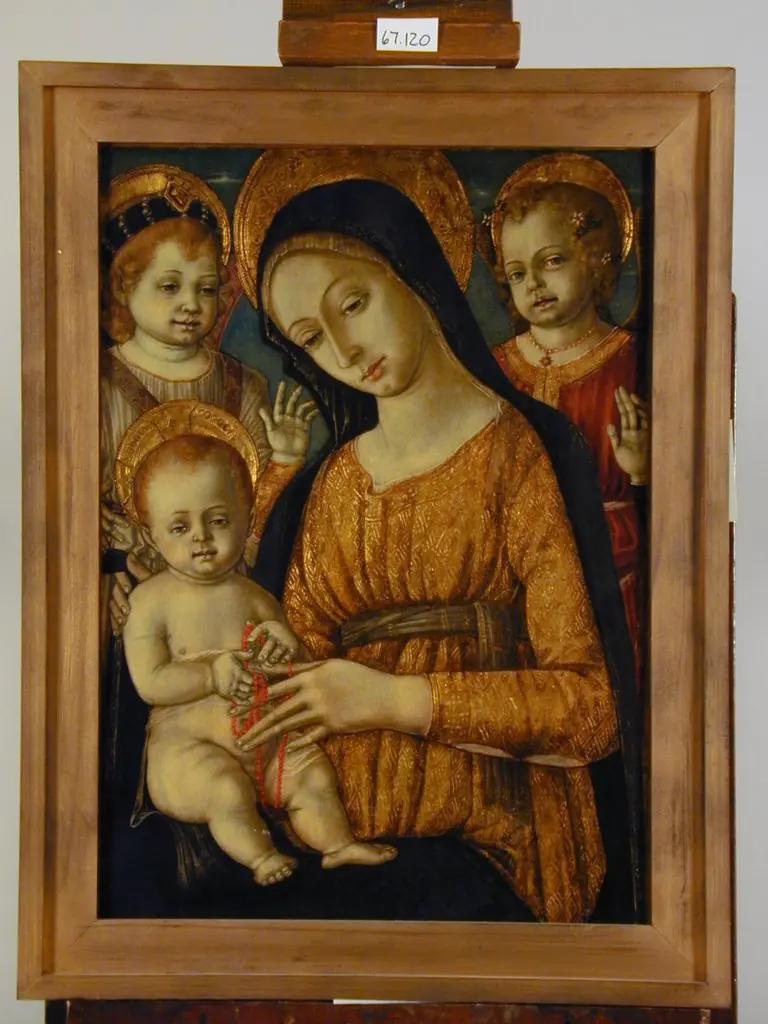 Madonna and Child with Angels
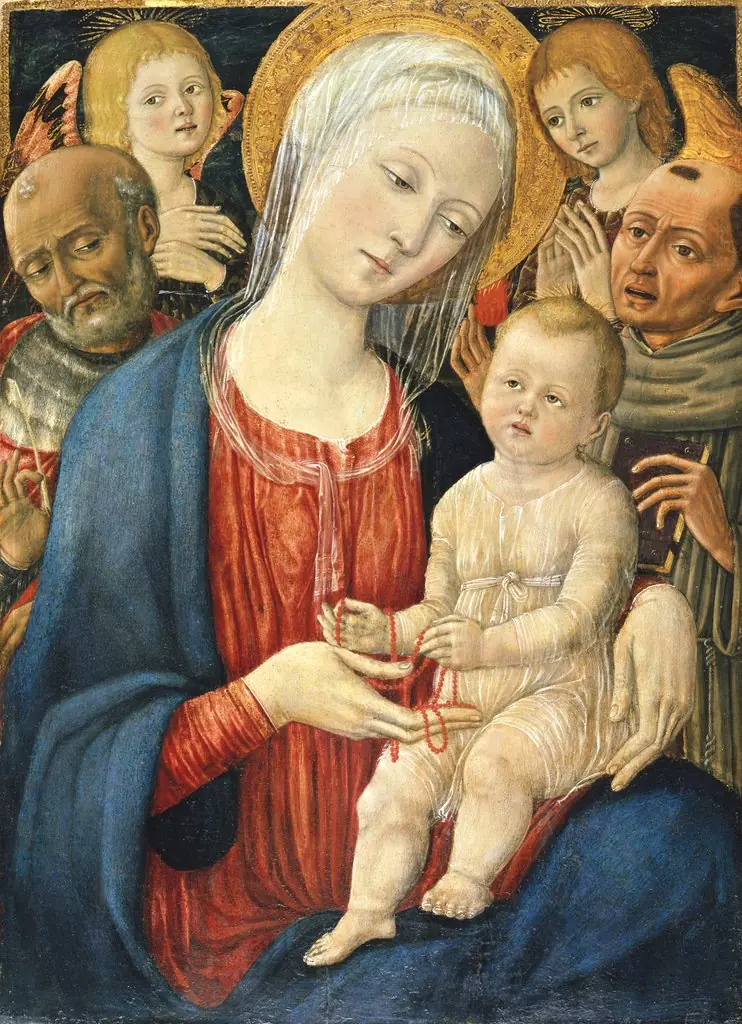 Mary with the child, Saint Jerome, Anthony of Padua and two angels
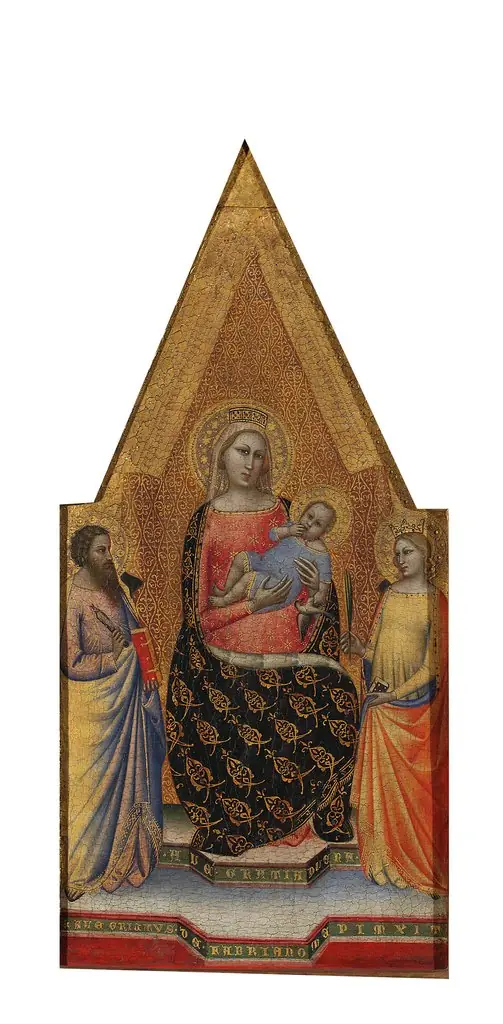 Madonna and Child enthroned with two Saints, Crucifixion
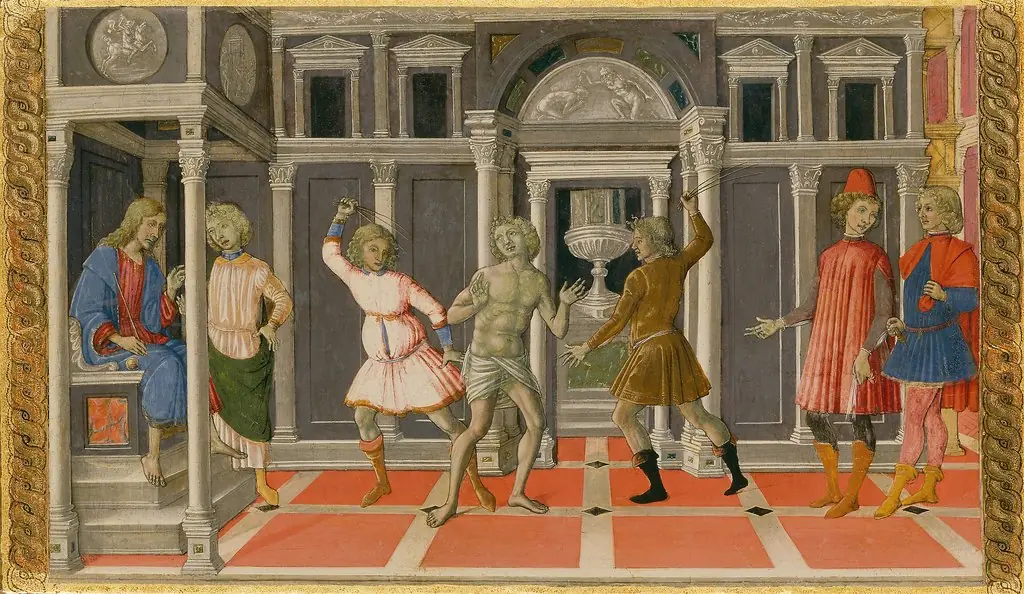 The Dream of Saint Jerome
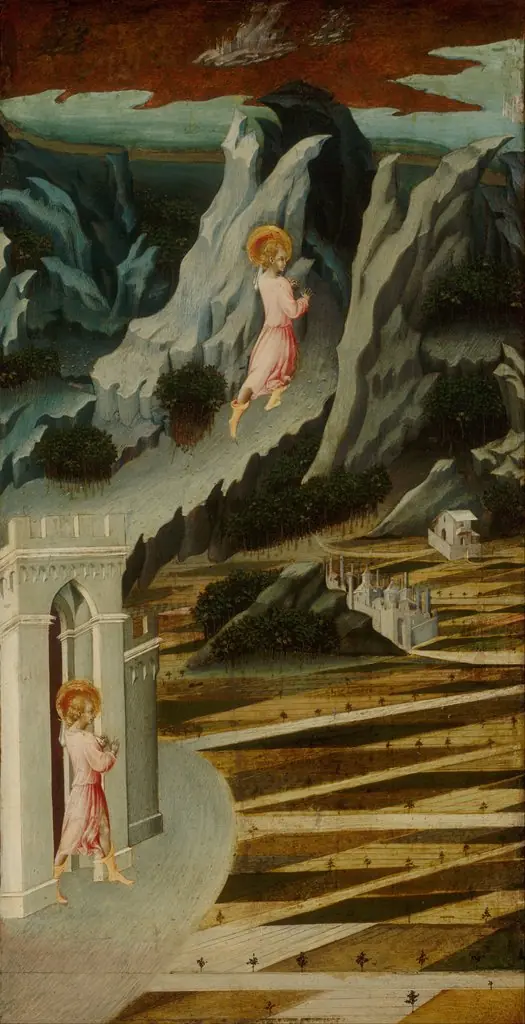 Saint John the Baptist Entering the Wilderness
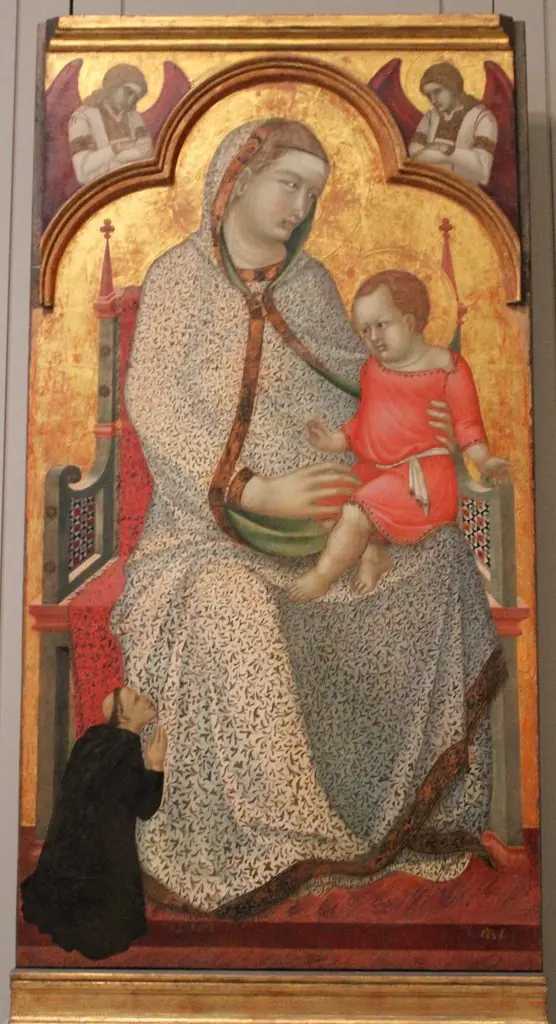 Virgin and Child Enthroned and Donor, Angels
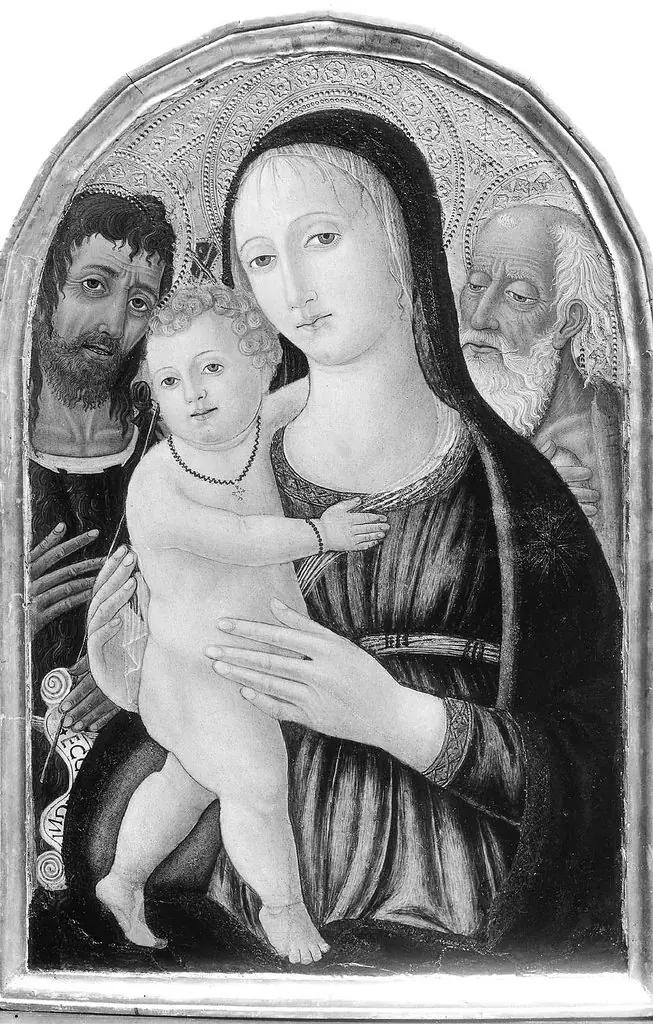 Virgin and Child with Saints Jerome and John the Baptist
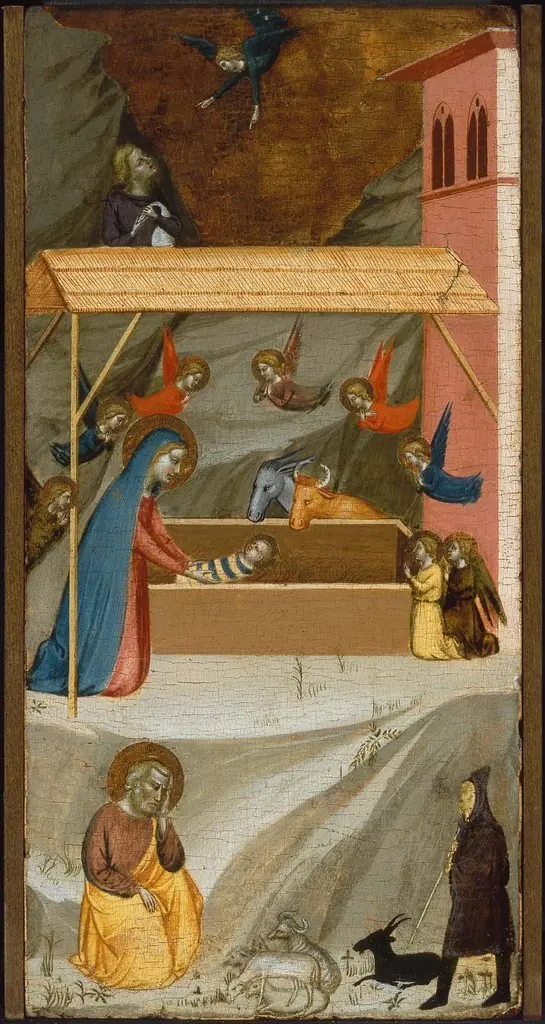 The Nativity and the Annunciation to the Shepherds
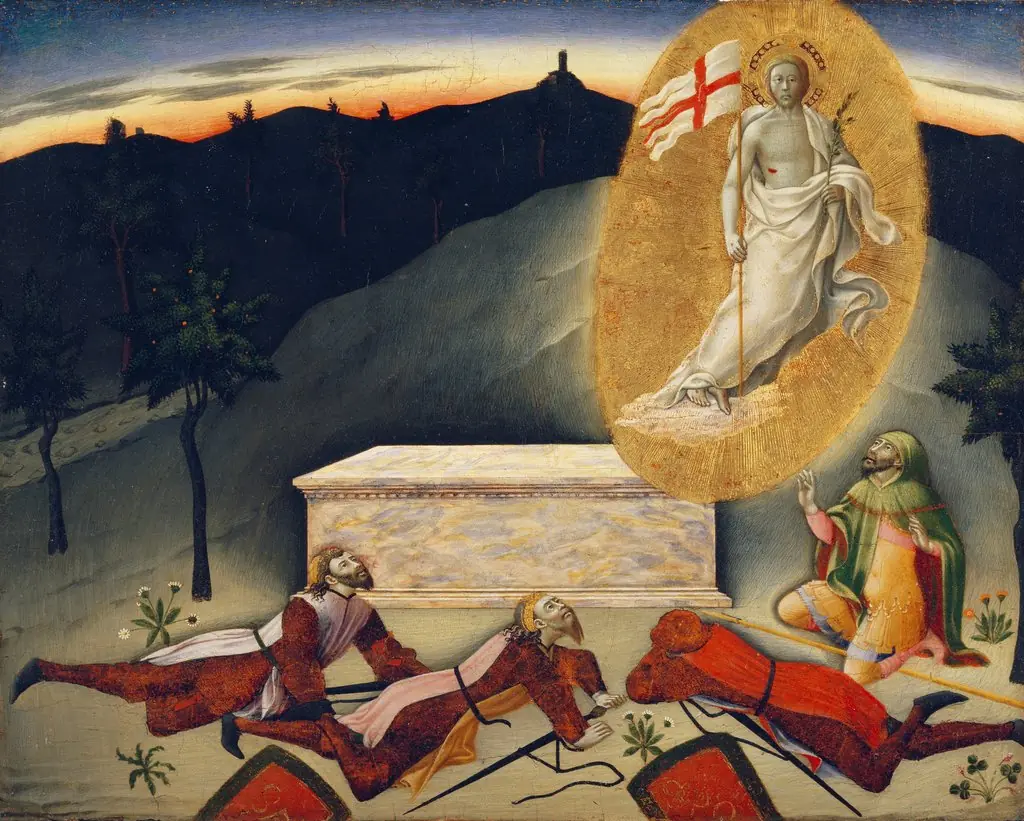 The Resurrection
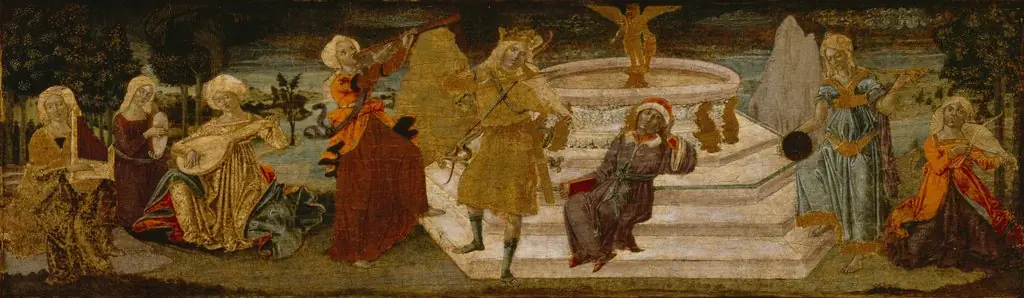 Apollo and the Muses
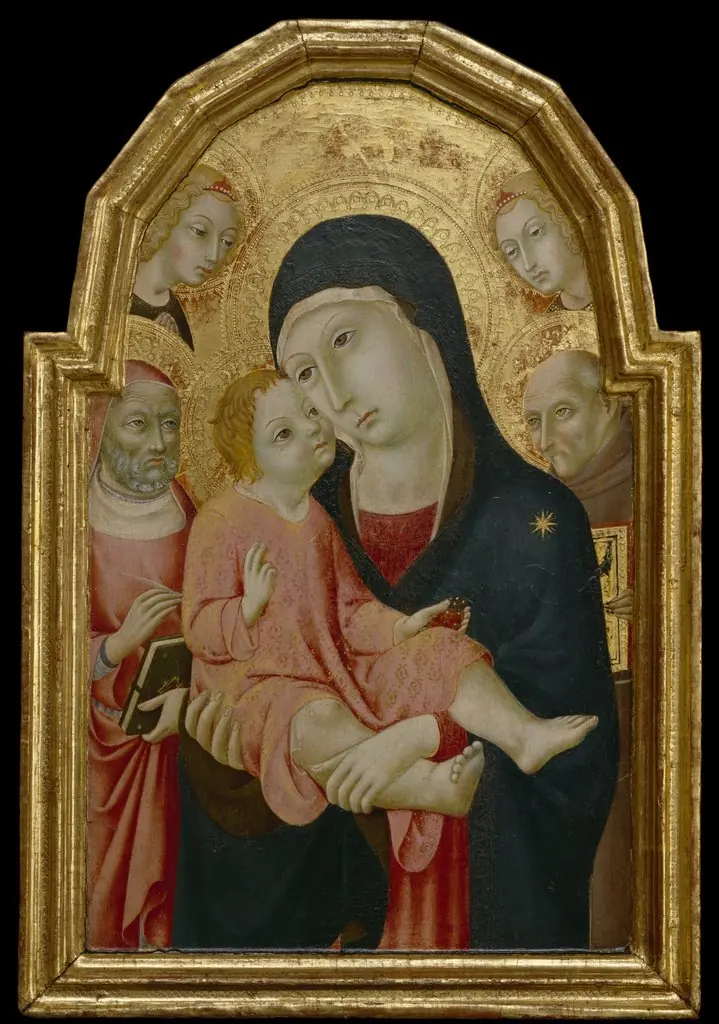 Virgin and Child with Saint Bernardino, Saint Jerome and Two Angels
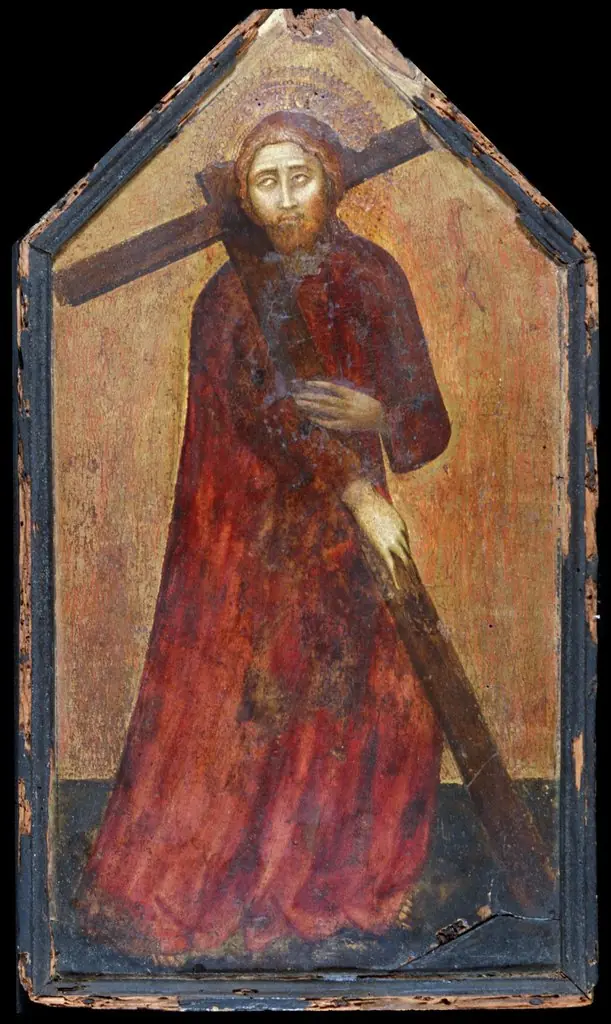 Christ Carrying the Cross
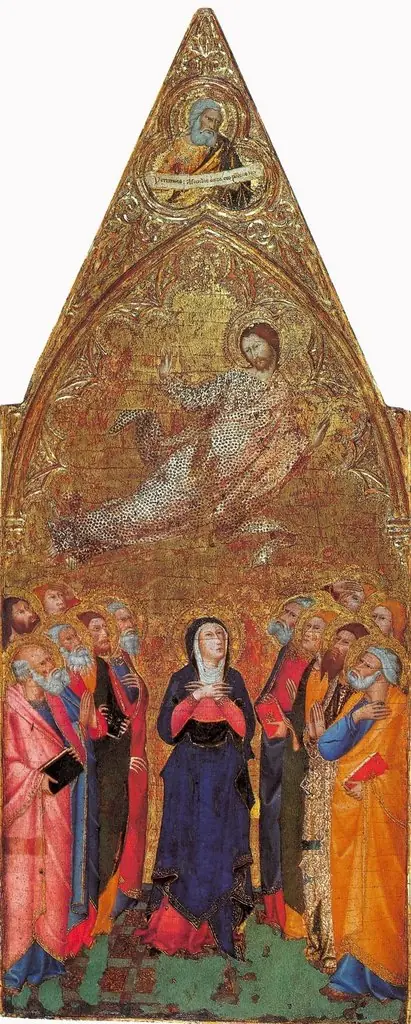 Ascension
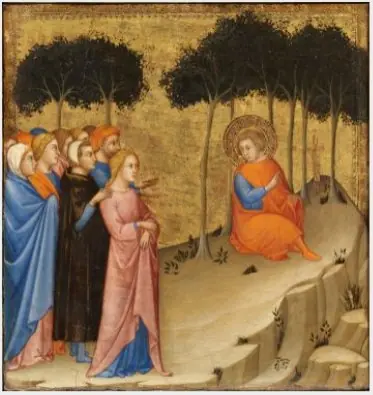 Saint Galgano Inviting the People to Adore the Cross
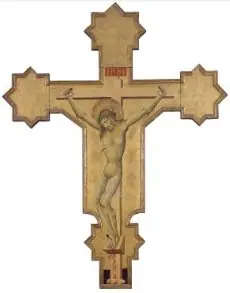 Christ on the Cross
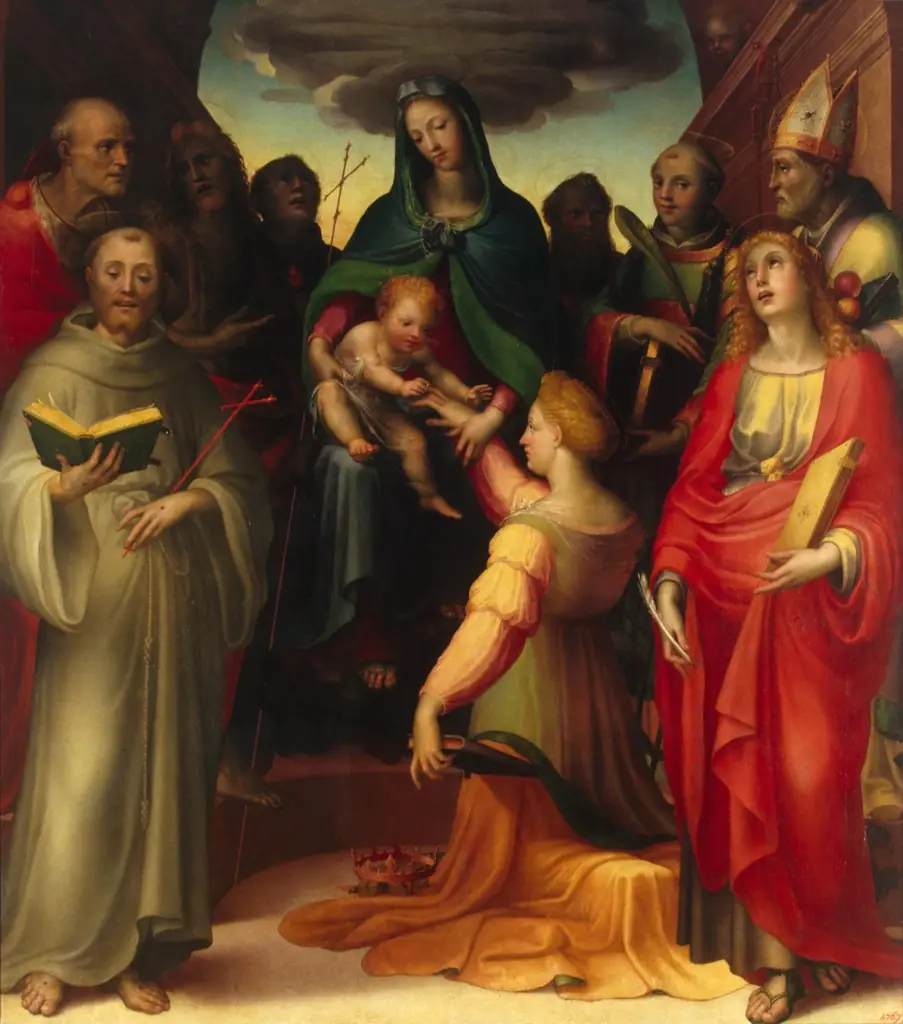 Mystic Marriage of St Catherine
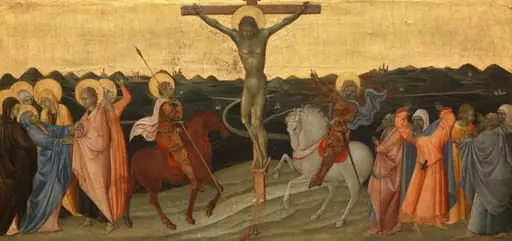 De kruisiging
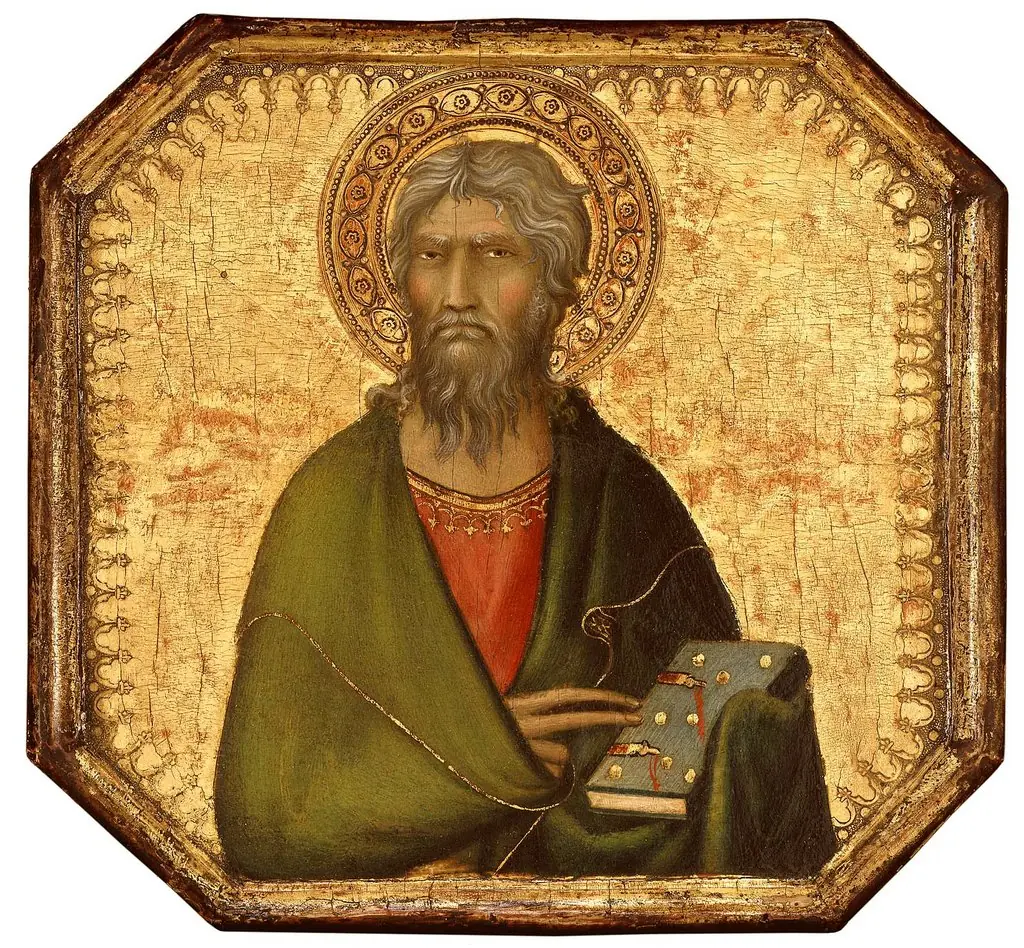 Saint Andrew (?)
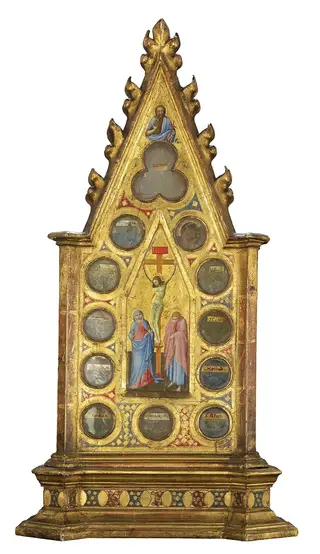 The Crucifixion with the Virgin and Saint John, with Saint John Baptist (above); Franciscan Saint in Prayer before a Vision of Christ and Saints, with a Male Saint (above) (recto and verso)
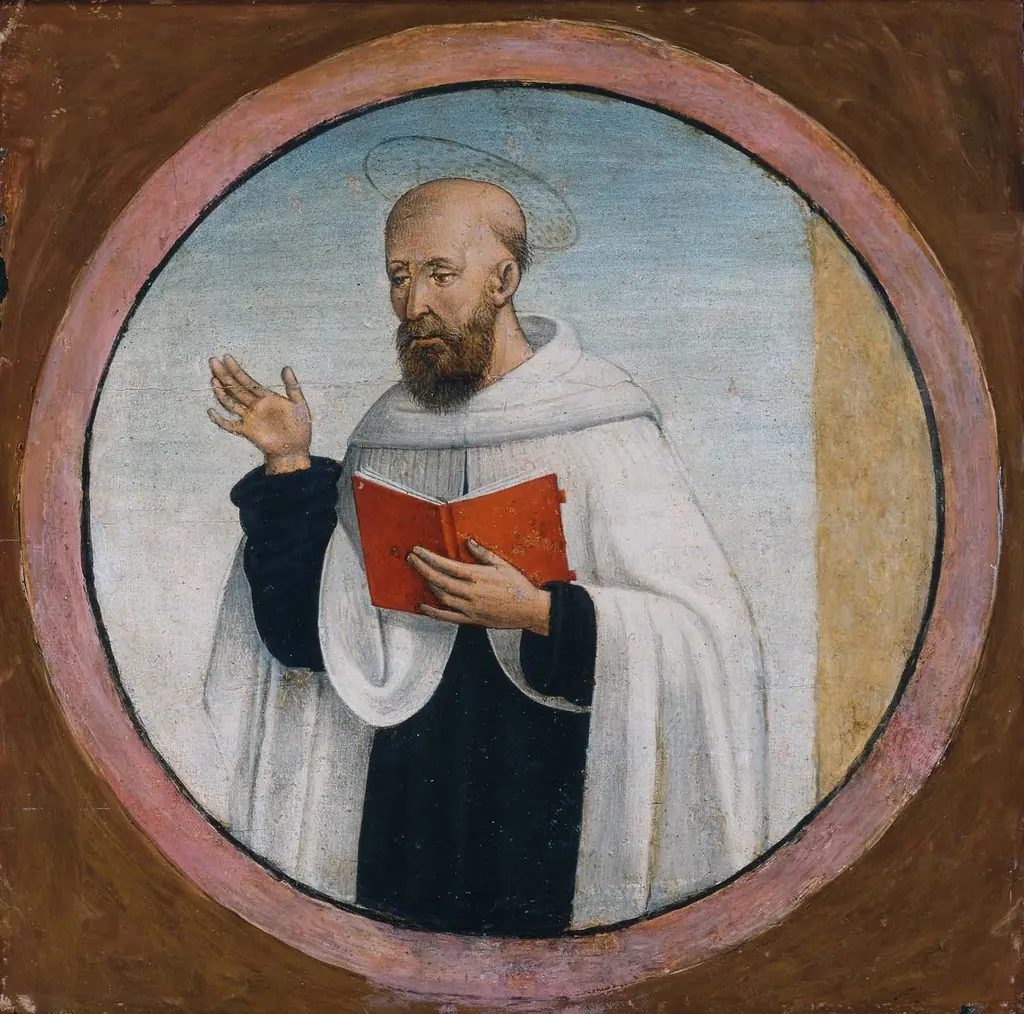 Male Saint
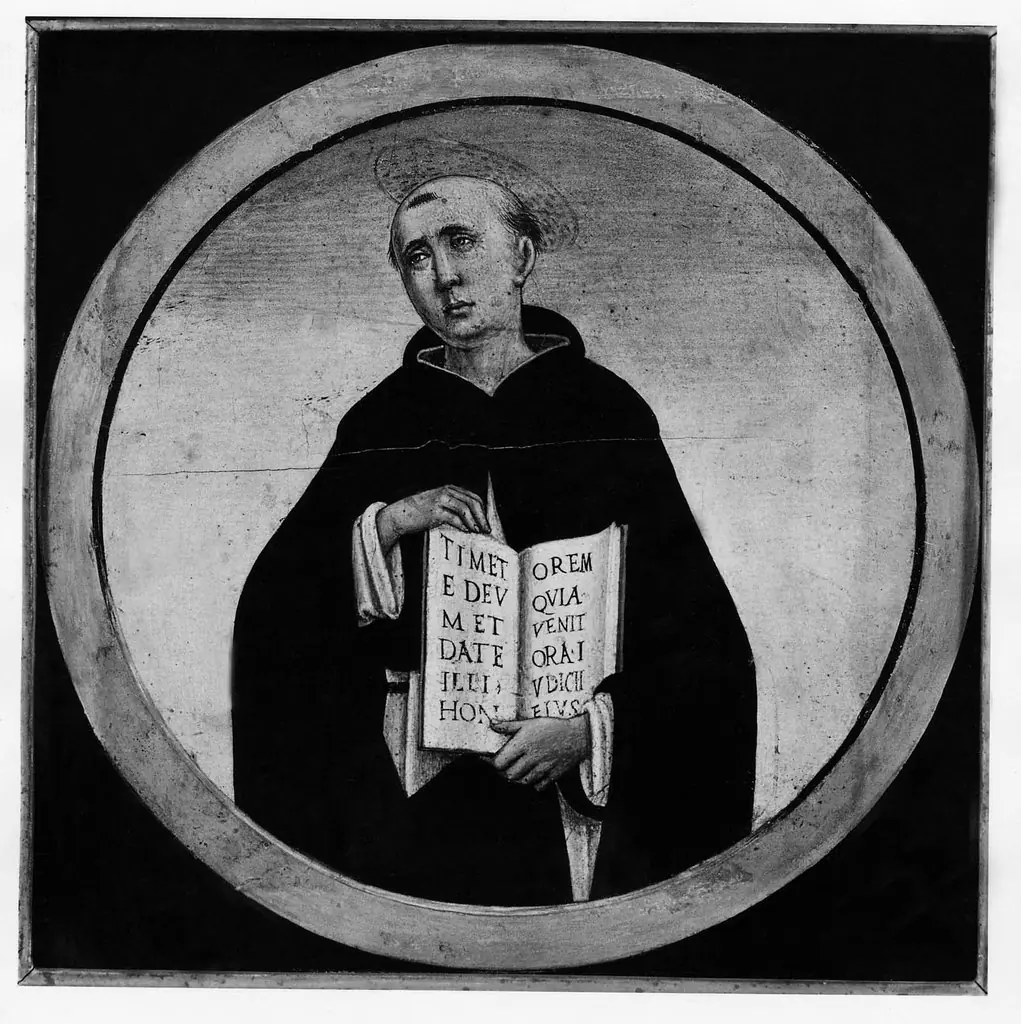 Saint Vincent Ferrer
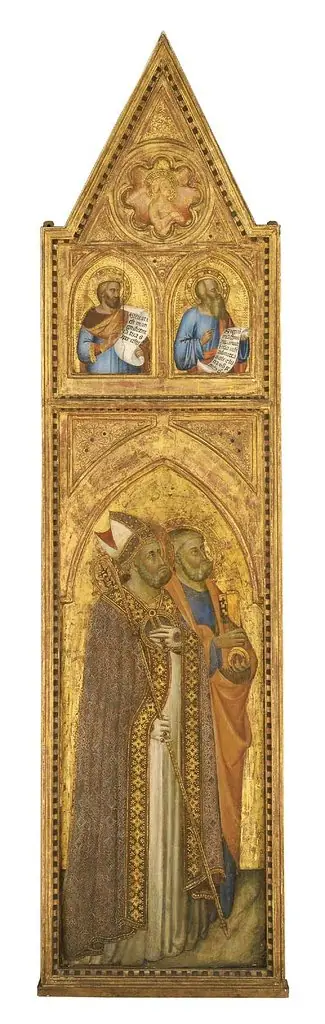 Saints Augustine and Peter (left panel)
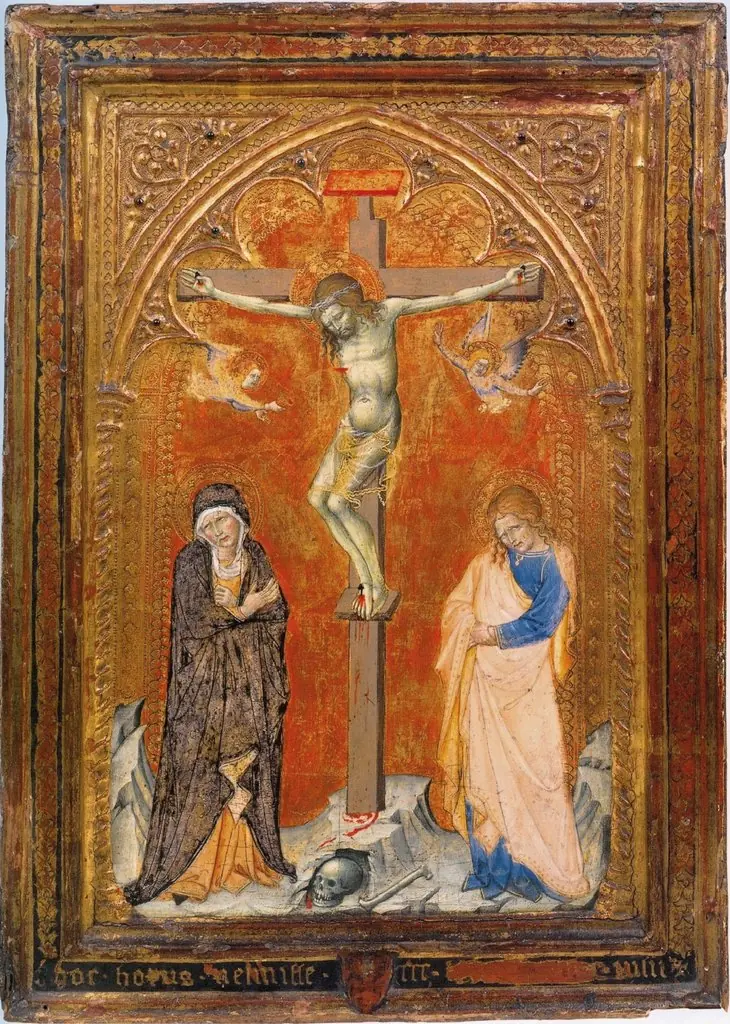 Crucifixion with the Virgin and Saint John the Evangelist
![Annunciate Angel, the Apostle Andrew, a Bishop Saint (Savinus?), and Saints Dominic and Francis of Assisi [left]; Virgin Annunciate and Saints Bartholomew, Lawrence, Lucy, and Agatha [right], by Bartolomeo Bulgarini, 1360](https://artifactworldgallery.com/img/bartolomeo-bulgarini--annunciate-angel-the-apostle-andrew-a-bishop-saint-savinus-a--941c87c7443f3f1e-w320.webp) Annunciate Angel, the Apostle Andrew, a Bishop Saint (Savinus?), and Saints Dominic and Francis of Assisi [left]; Virgin Annunciate and Saints Bartholomew, Lawrence, Lucy, and Agatha [right]
Annunciate Angel, the Apostle Andrew, a Bishop Saint (Savinus?), and Saints Dominic and Francis of Assisi [left]; Virgin Annunciate and Saints Bartholomew, Lawrence, Lucy, and Agatha [right]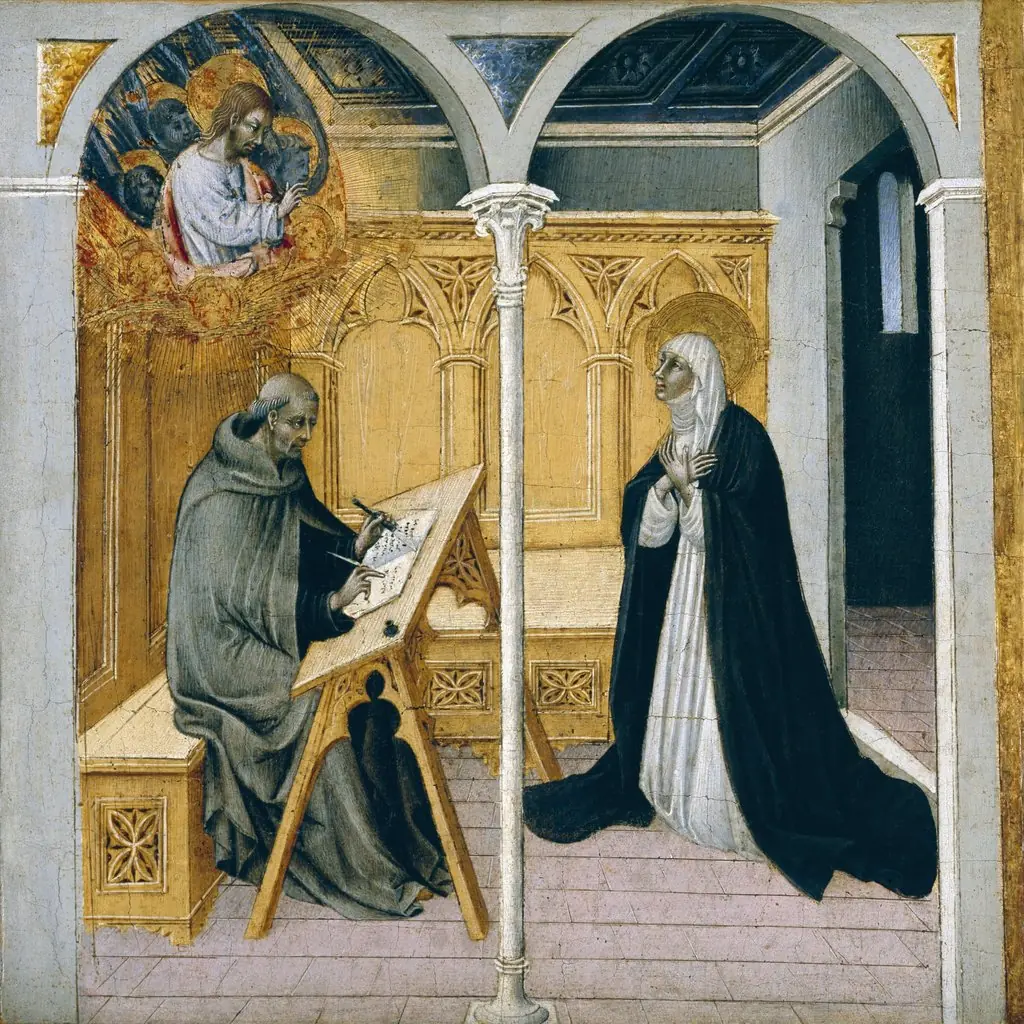 Saint Catherine of Siena Dictating Her Dialogues
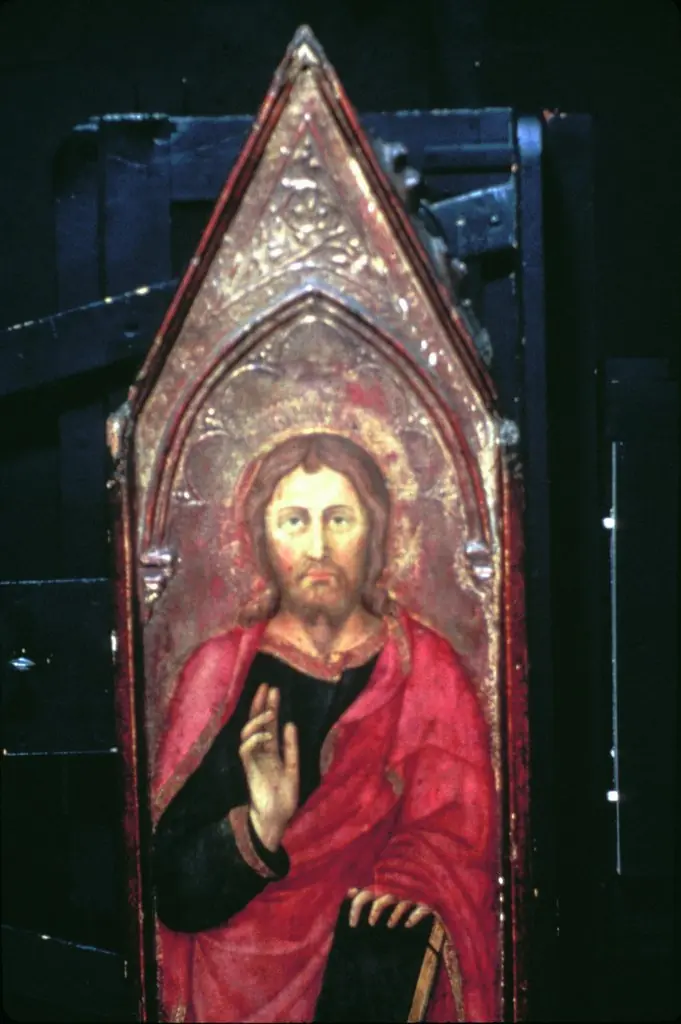 Christ in Benediction
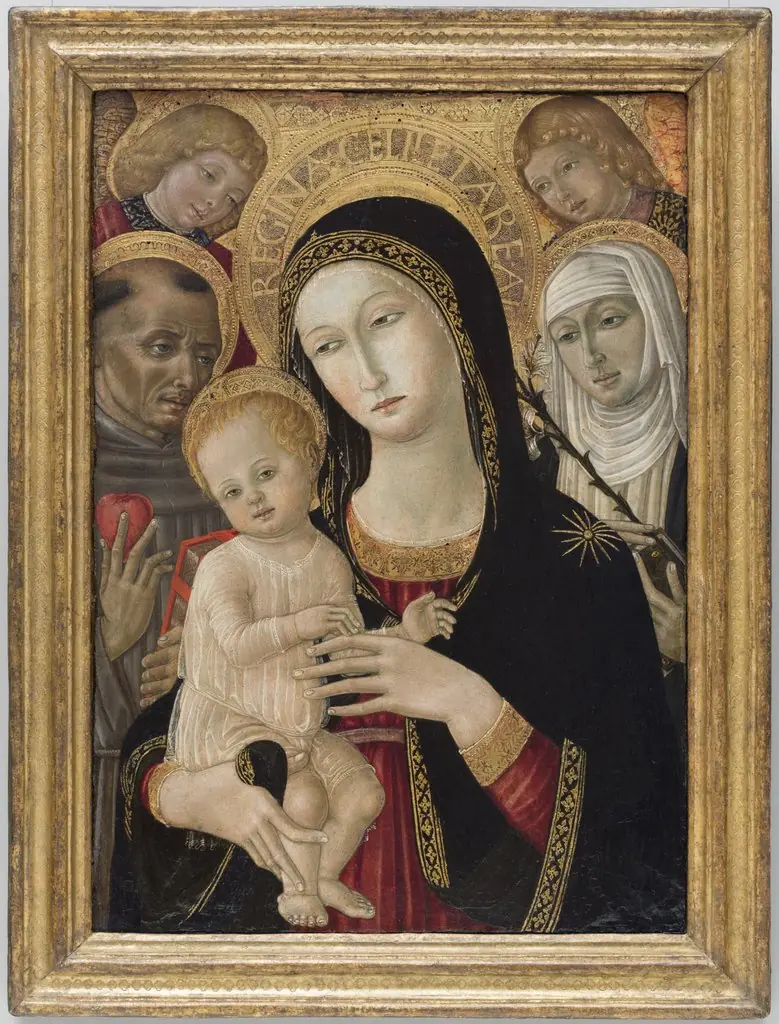 Madonna and Child with St. Catherine of Siena, Saint Anthony of Padua and Angels
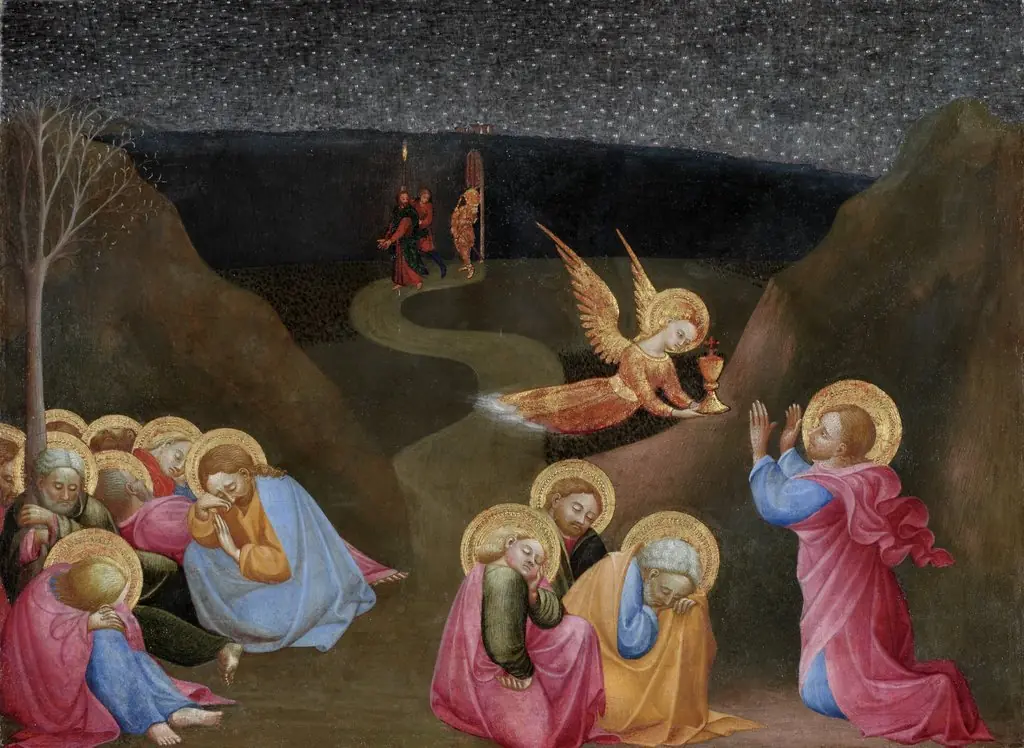 The Agony in the Garden
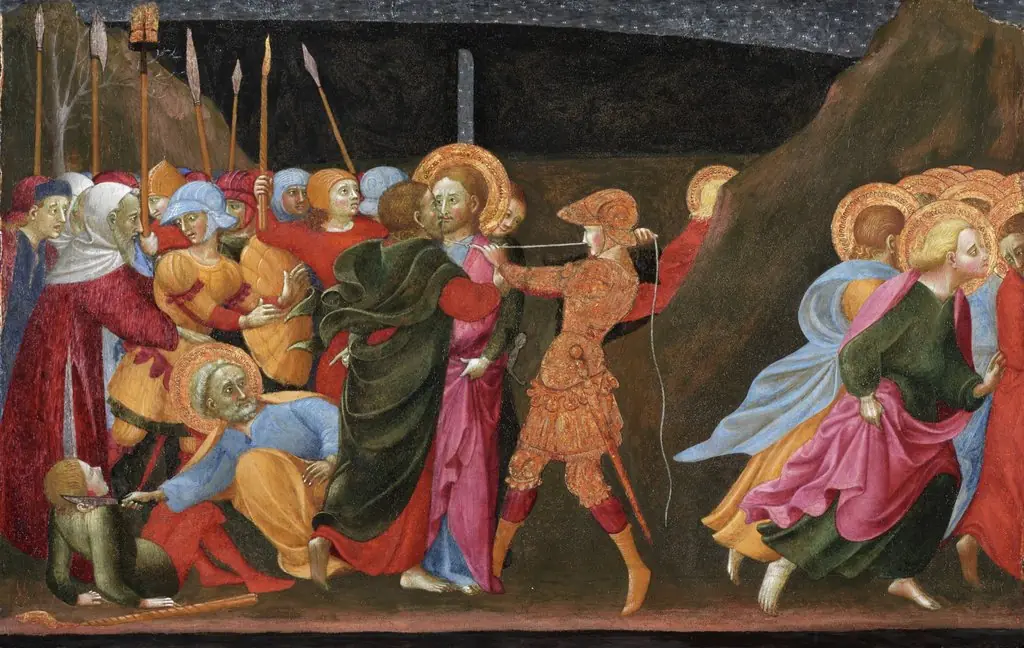 The Betrayal of Christ
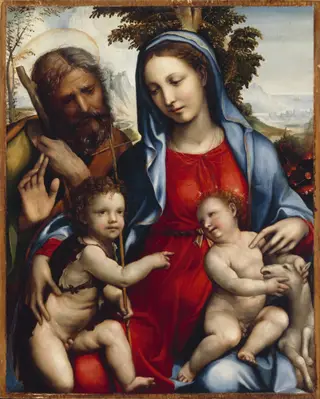 The Holy Family and St. John
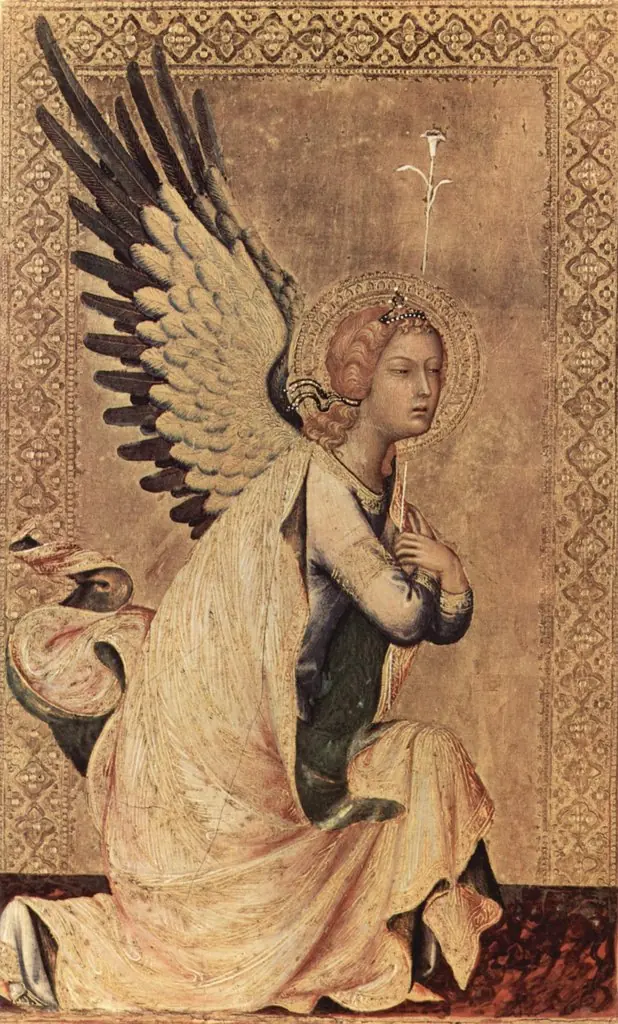 Angel of the Annunciation
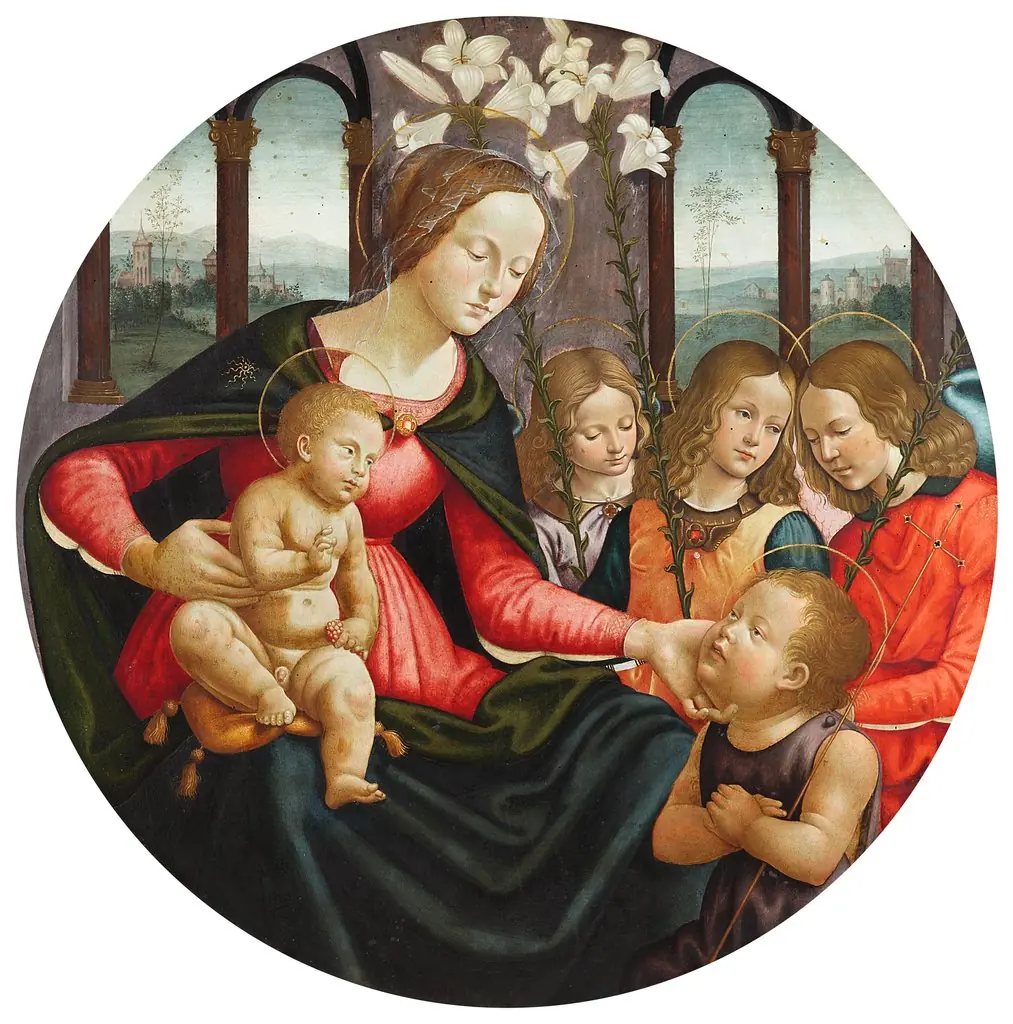 The Virgin and Blessing Child, Young St. John and three Angels
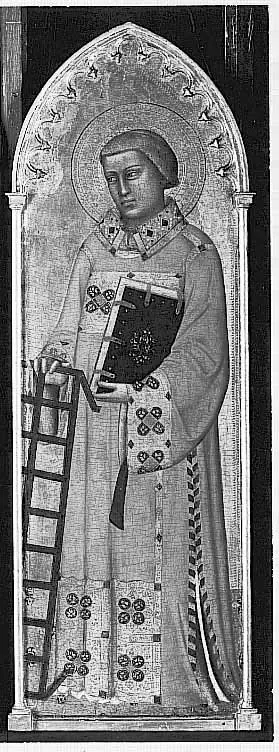 St. Lawrence
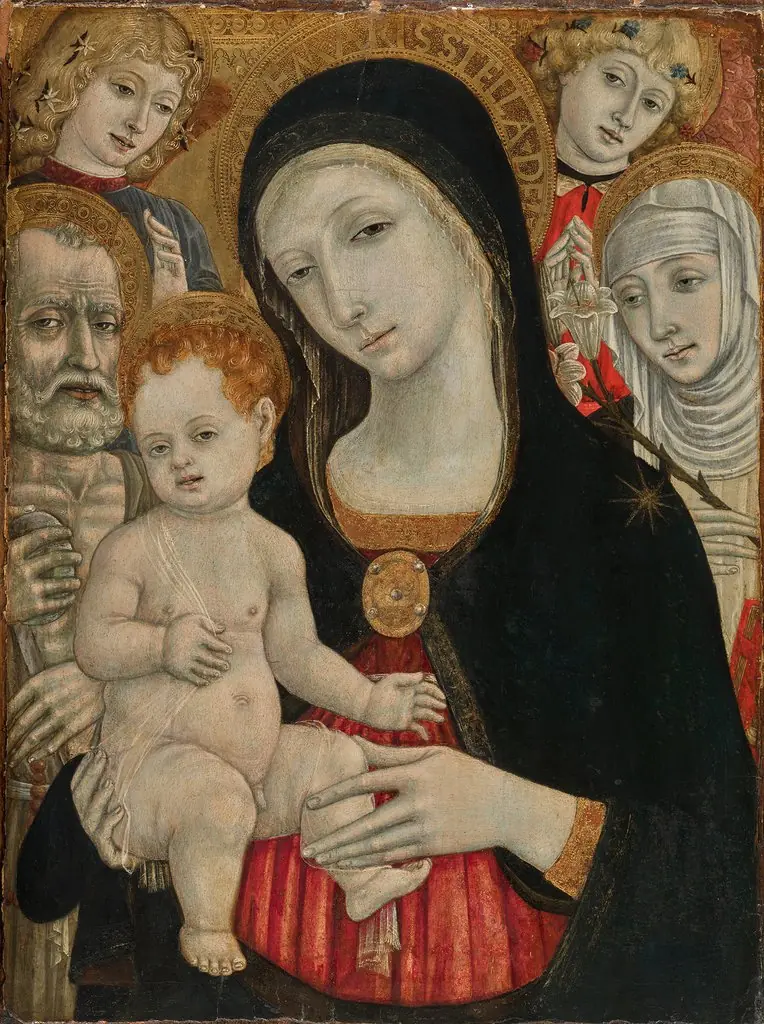 Mary with the Child, Saint Jerome, Catherine of Siena and two angels
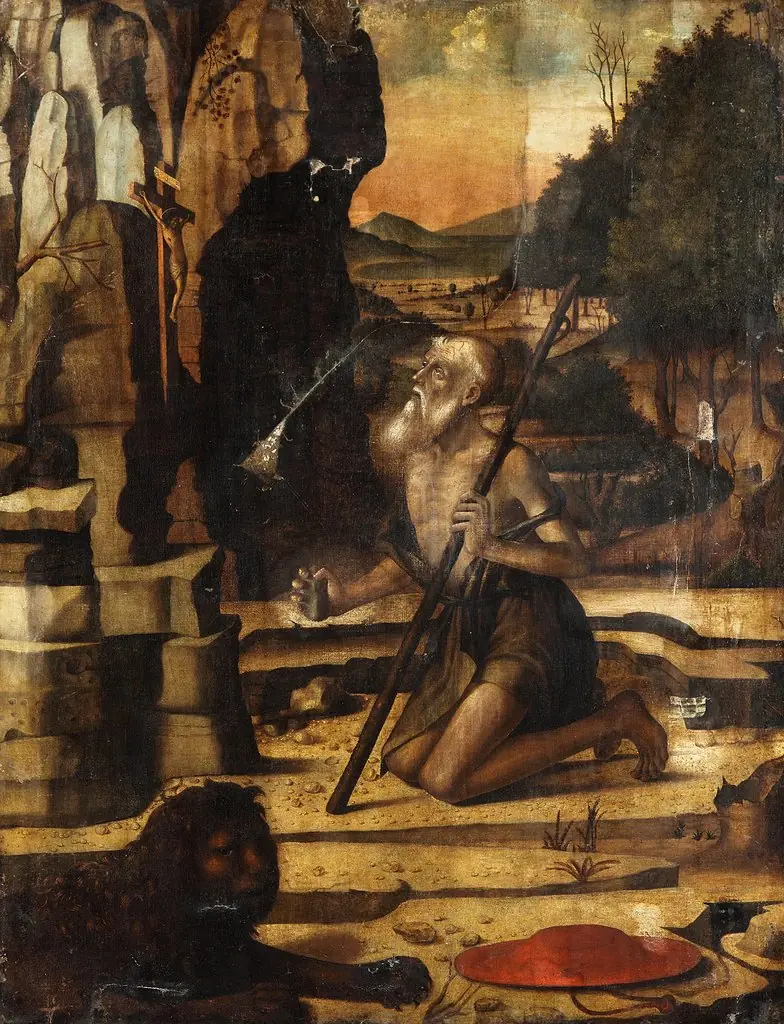 St. Jerome
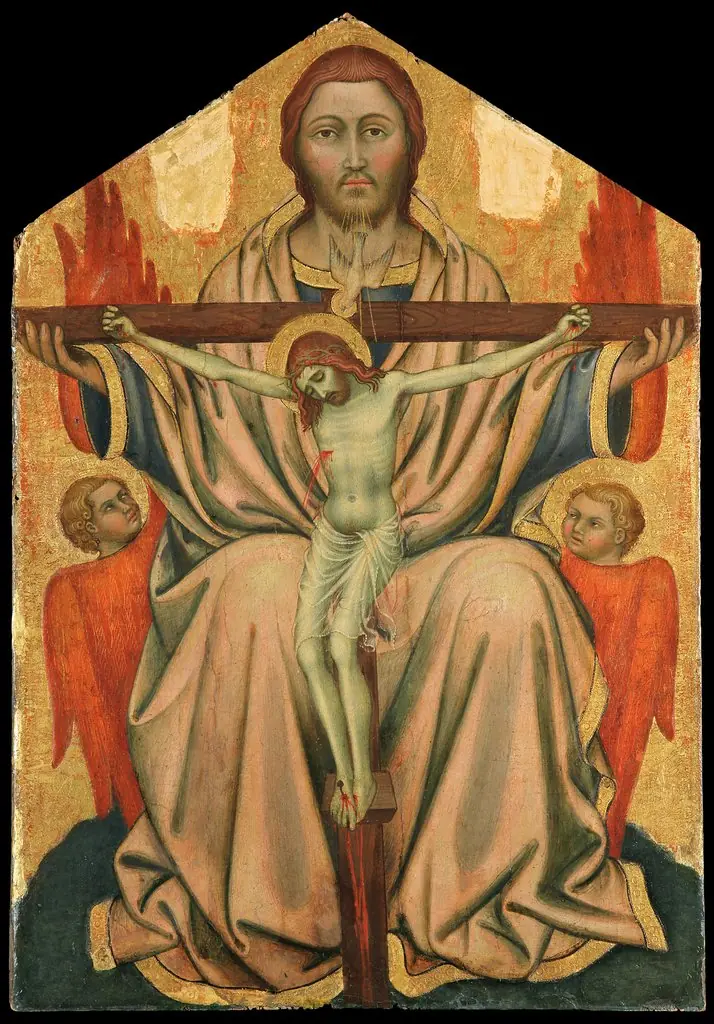 The Holy Trinity (Seat of Mercy)
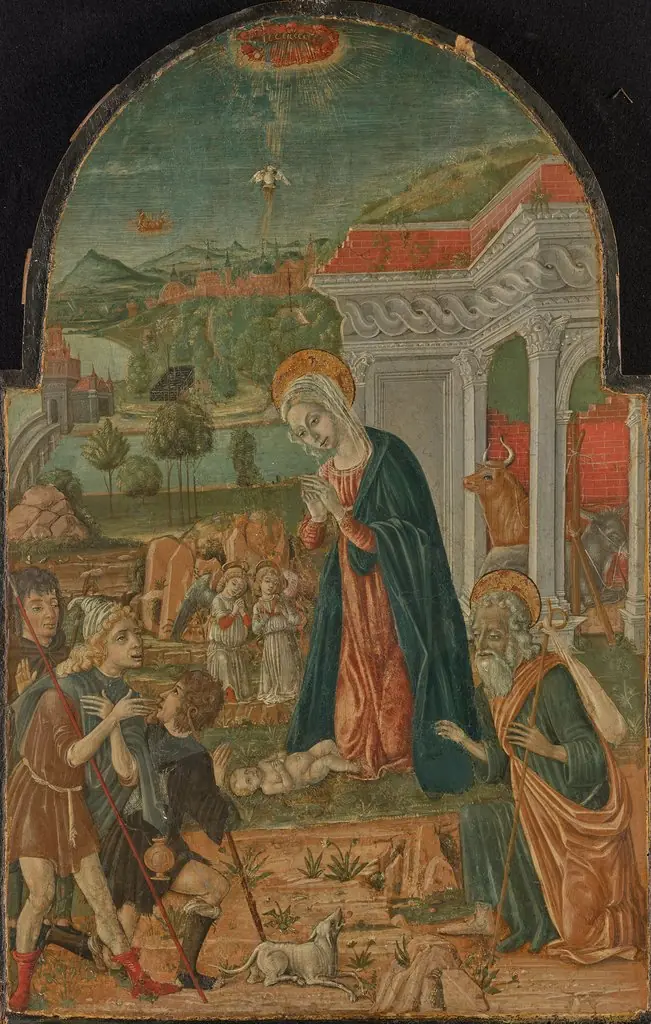 The adoration of the Shepherds
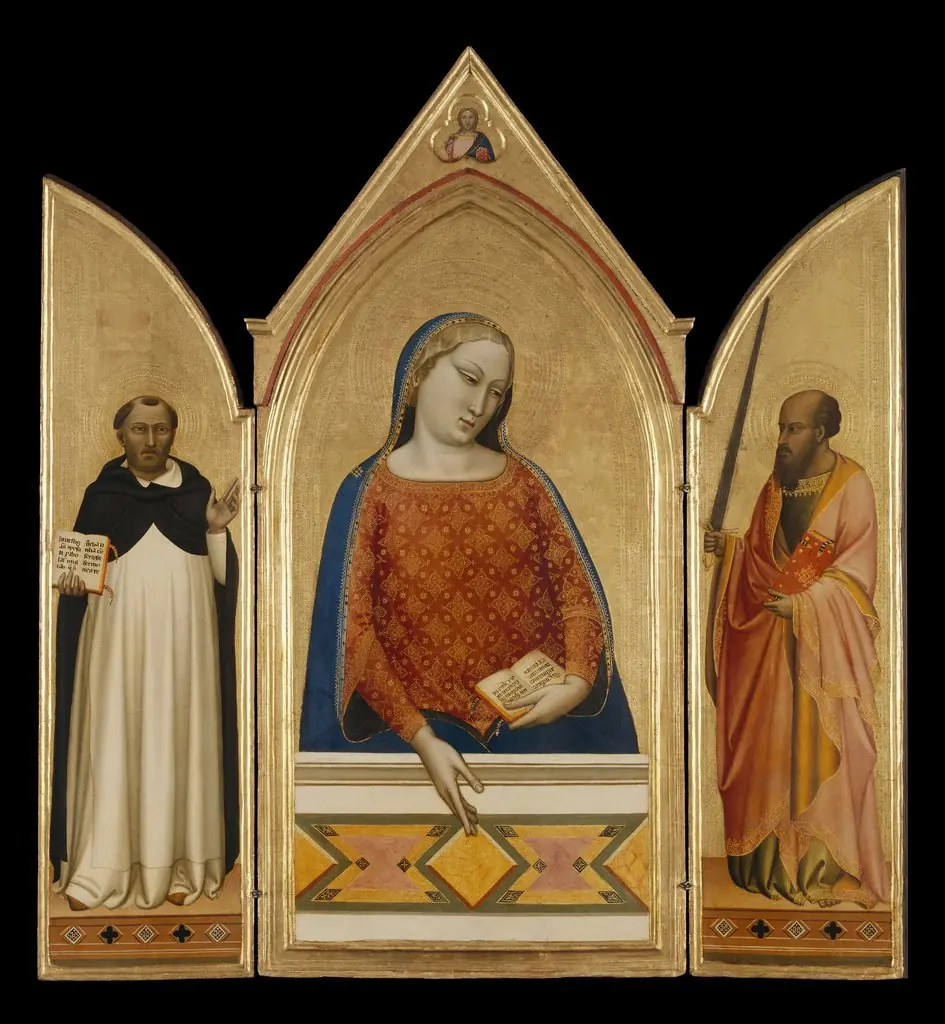 The Virgin Mary with Saints Thomas Aquinas and Paul
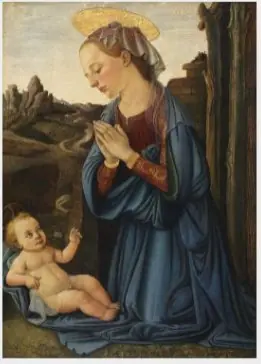 The Virgin Adoring the Child
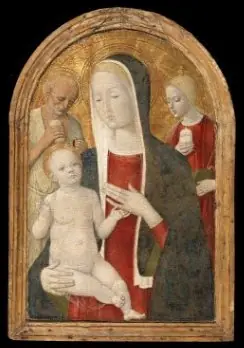 The Virgin and Child with Saints Jerome and Mary Magdalene
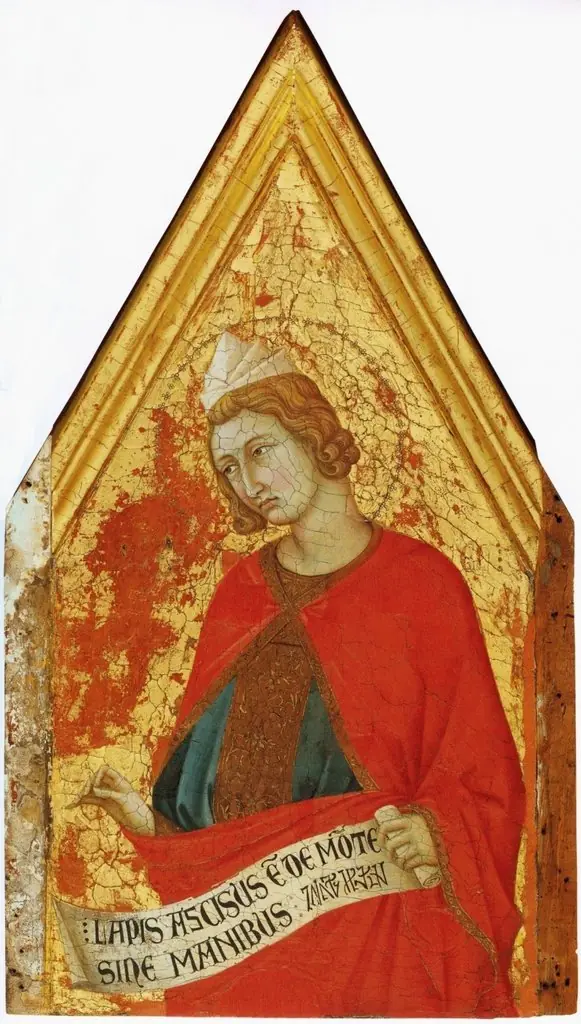 Daniel
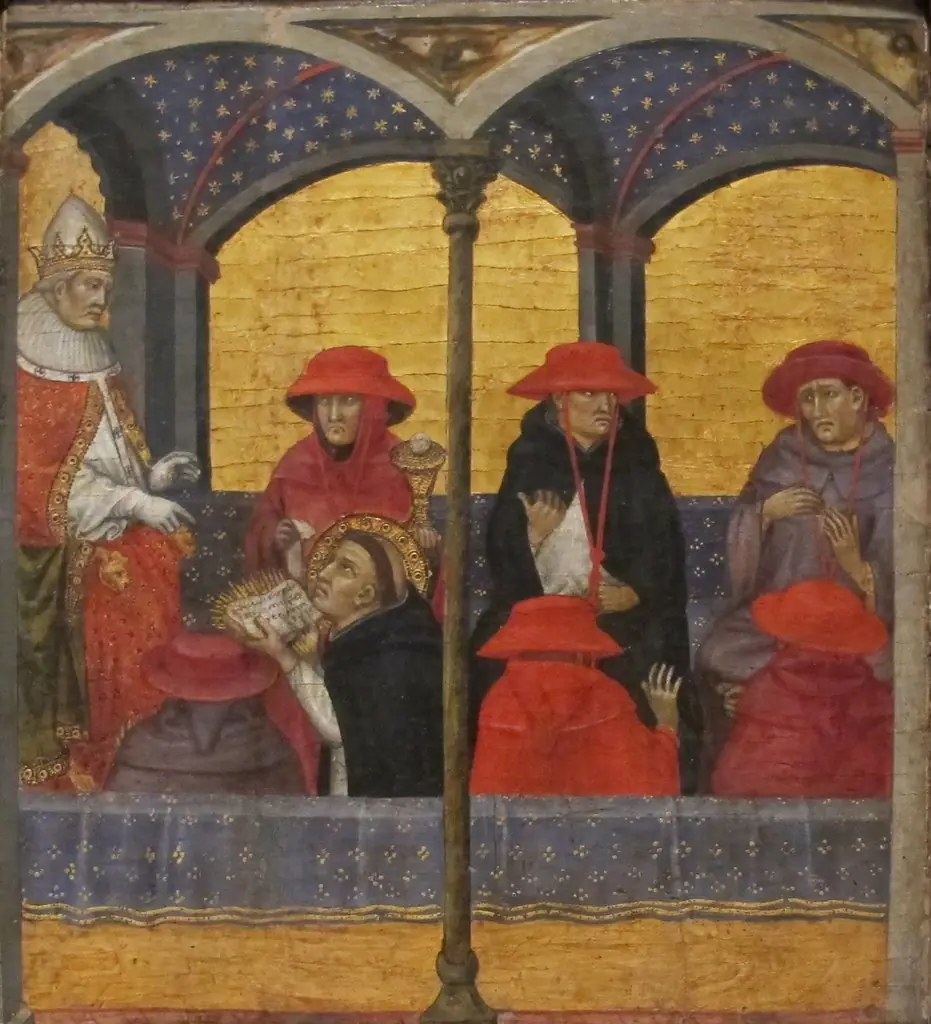 Saint Thomas Aquinas Submitting His Office of Corpus Domini to Pope Urban IV
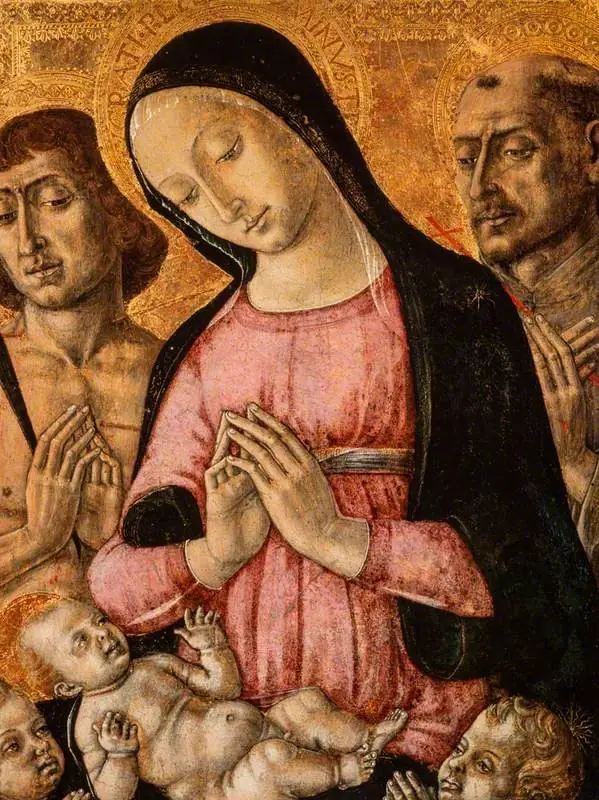 The Virgin and Child with Saint Sebastian, Saint Francis and Angels
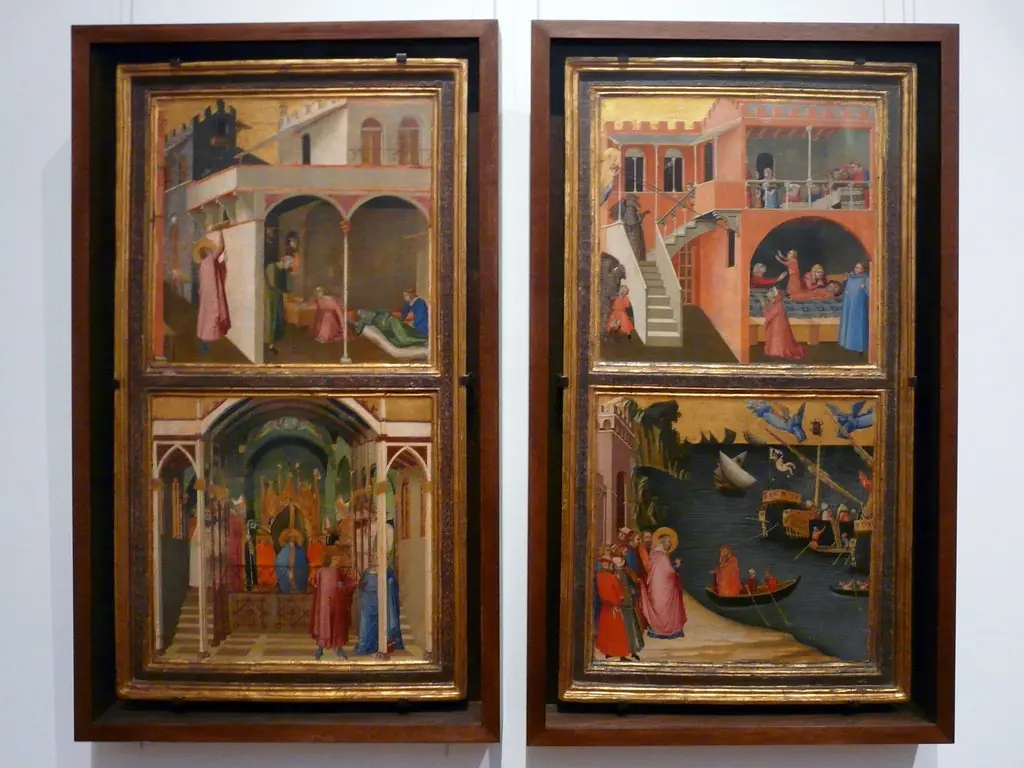 Stories of Saint Nicholas
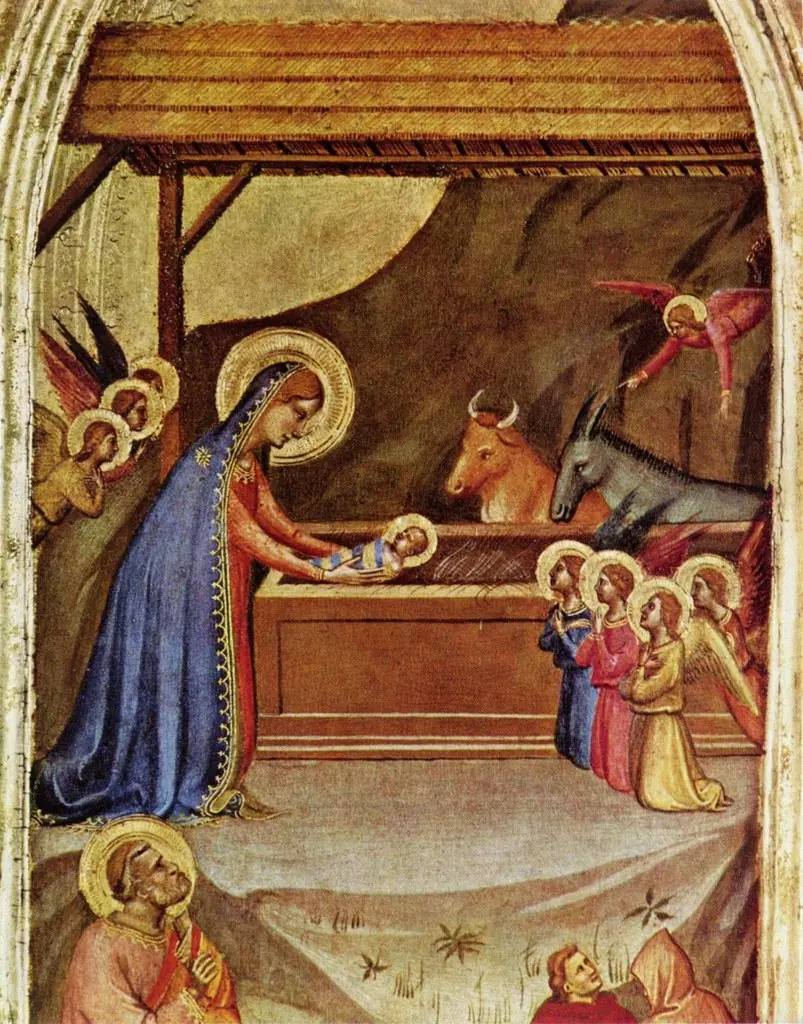 Birth of Christ
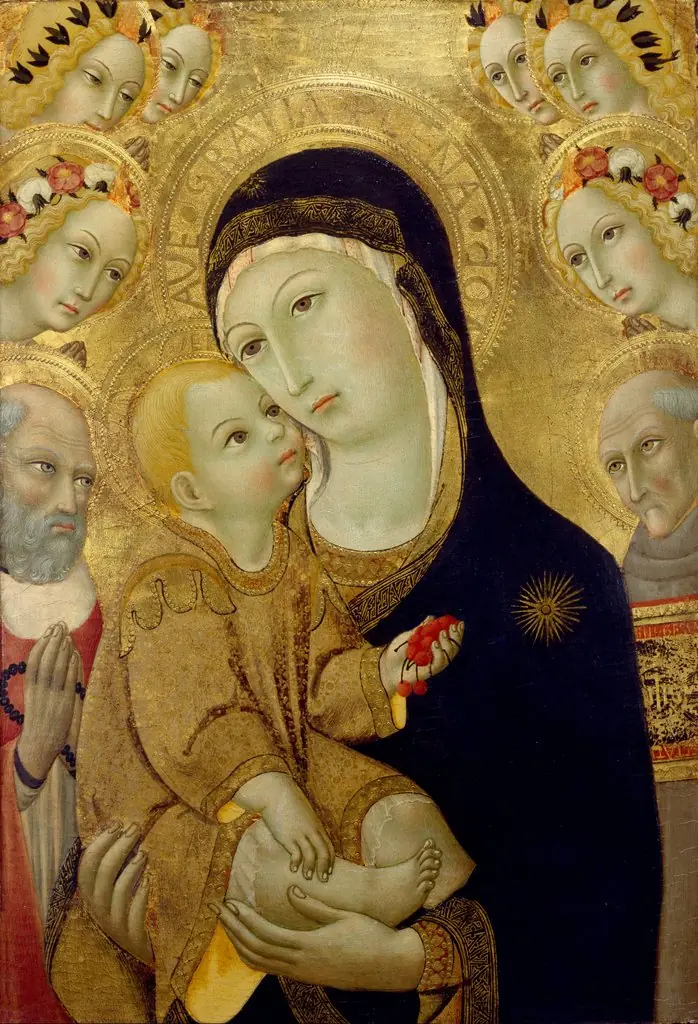 Virgin and Child with Saints Jerome and Bernardino of Siena and Six Angels
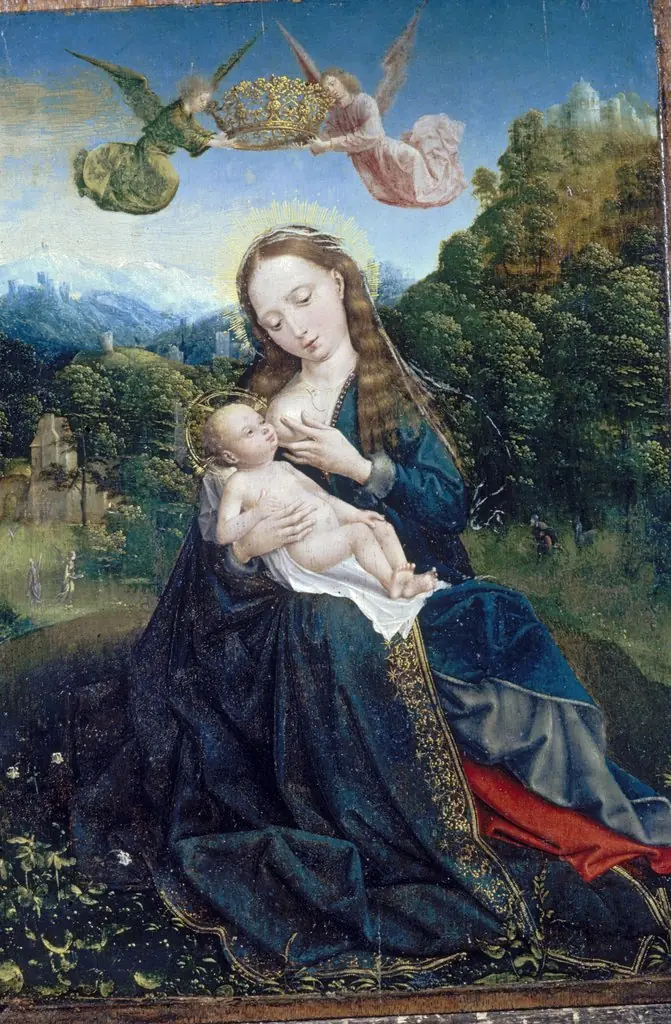 Rest on the Flight into Egypt
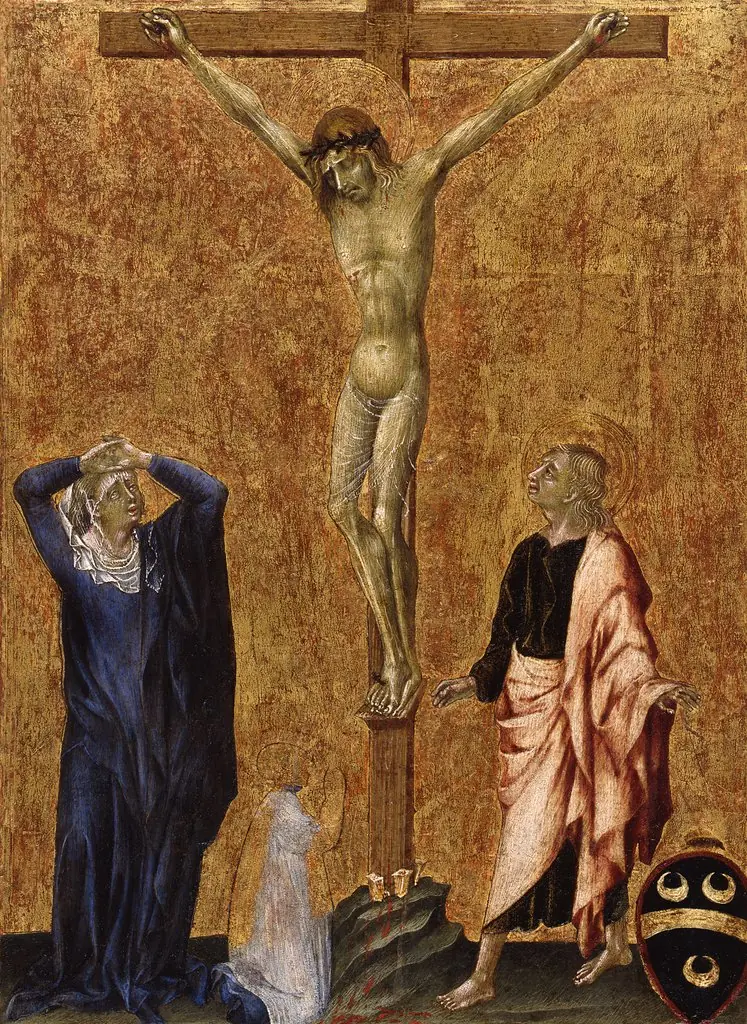 Christ on the cross between Mary and John with a kneeling Dominican
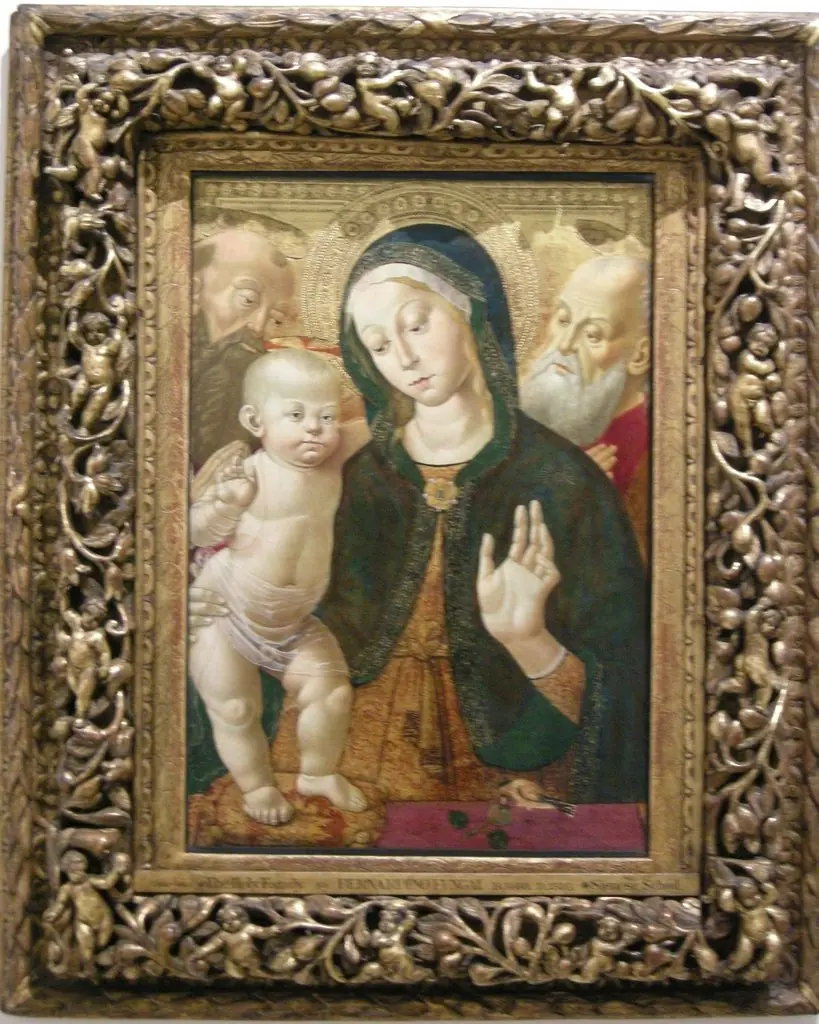 Madonna mit Kind
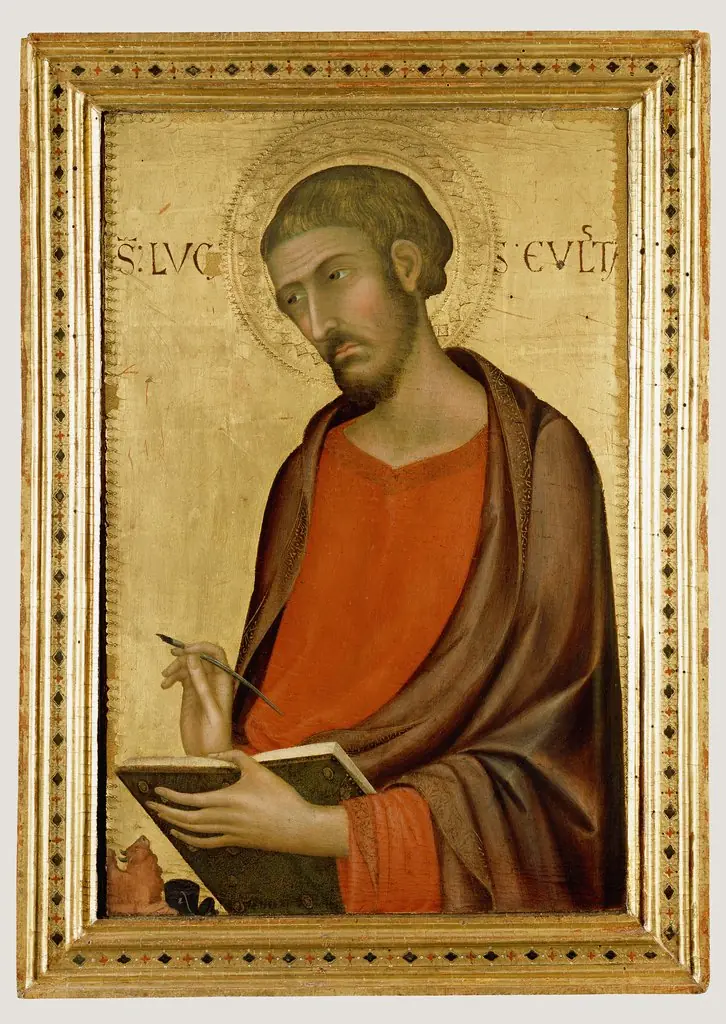 St. Luke
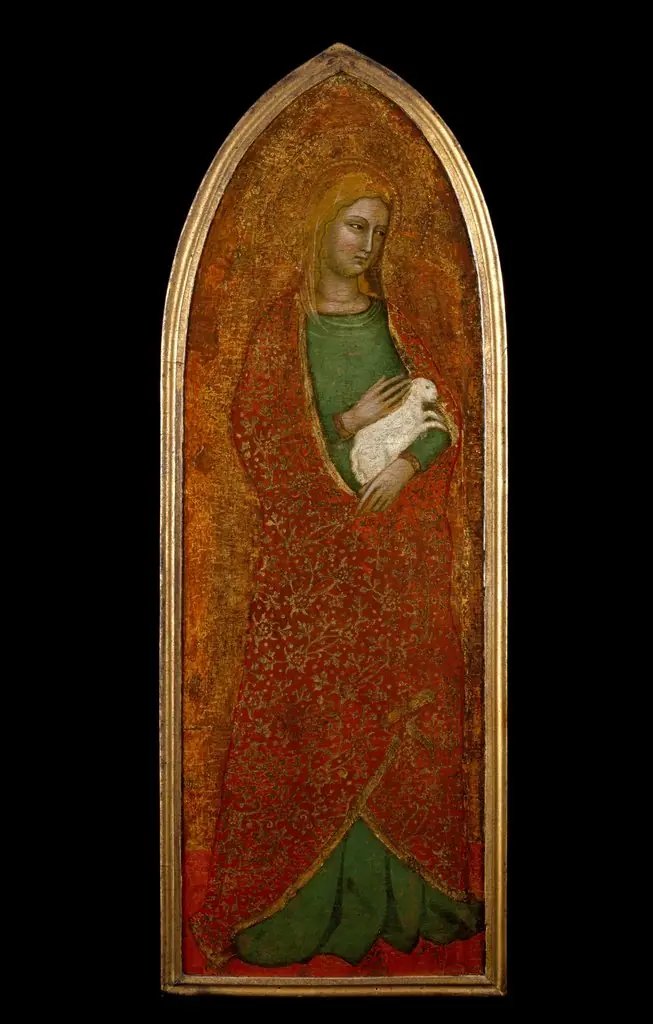 Saint Agnes
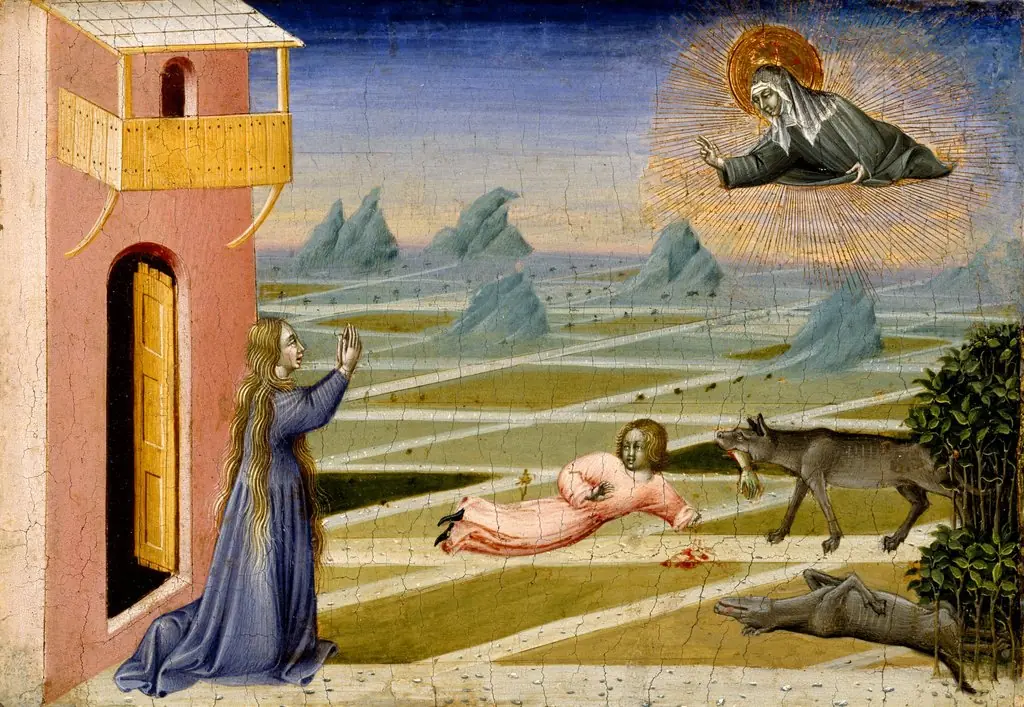 Saint Clare Rescuing a Child Mauled by a Wolf
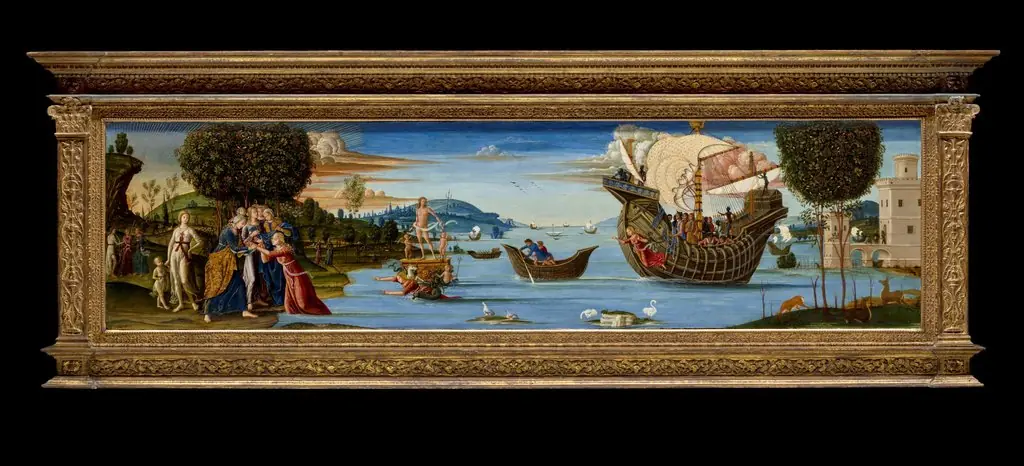 The Beloved of Enalus Sacrificed to Poseidon and Spared
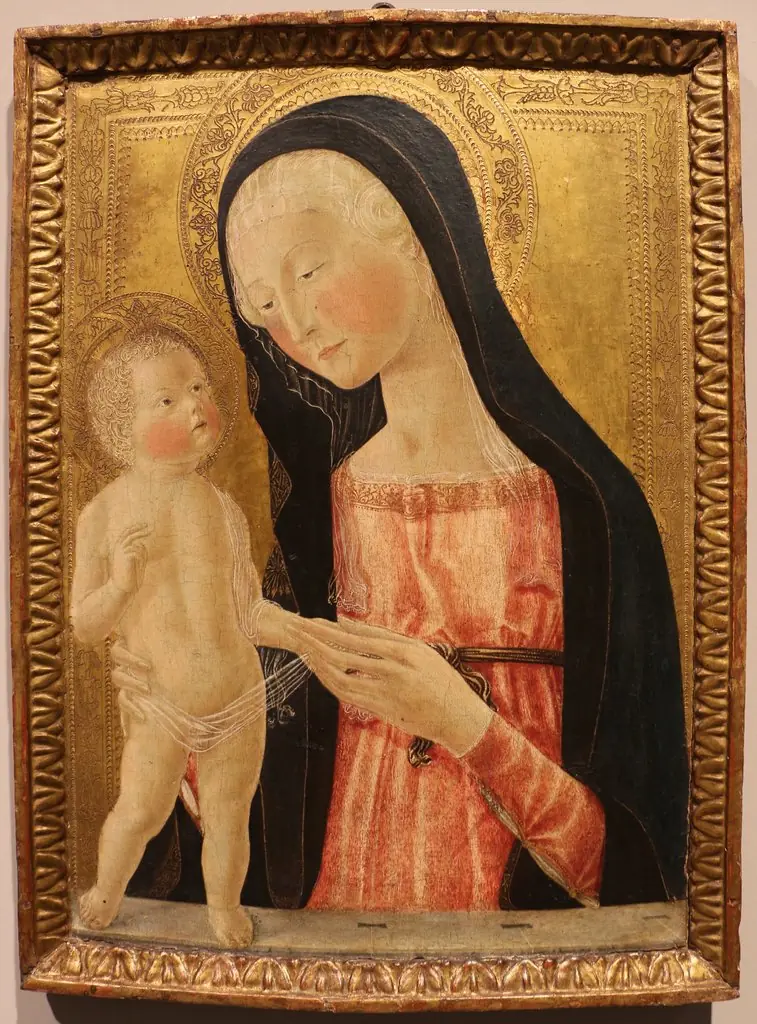 Madonna and Child
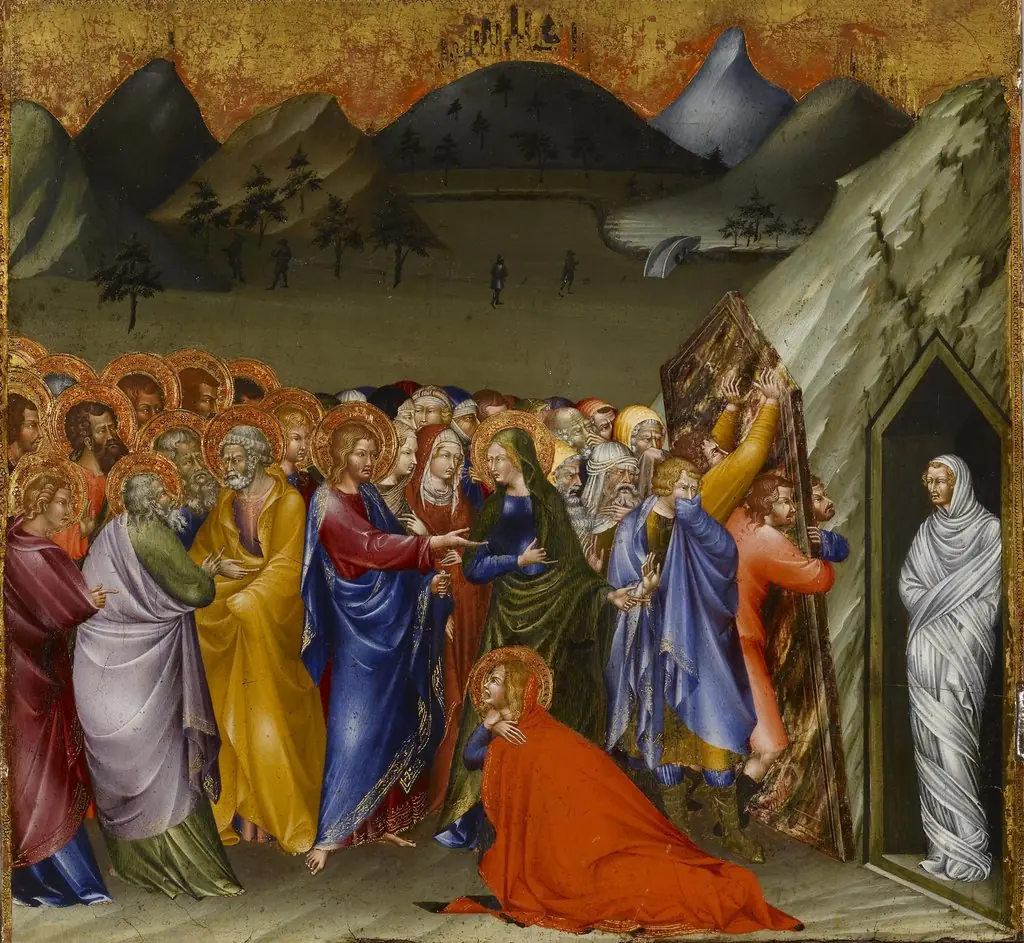 Raising of Lazarus
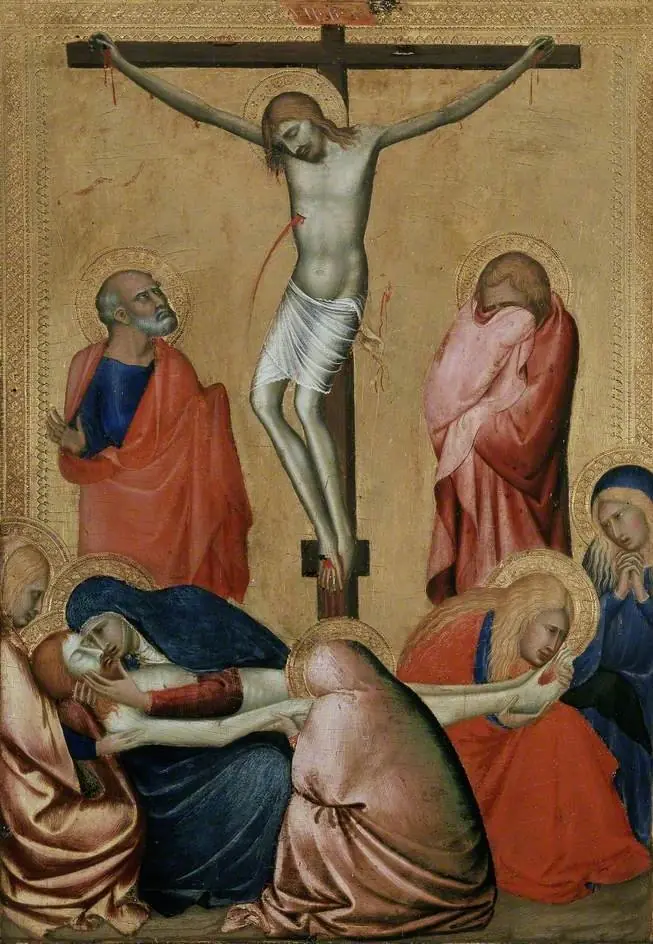 The Crucifixion and Lamentation
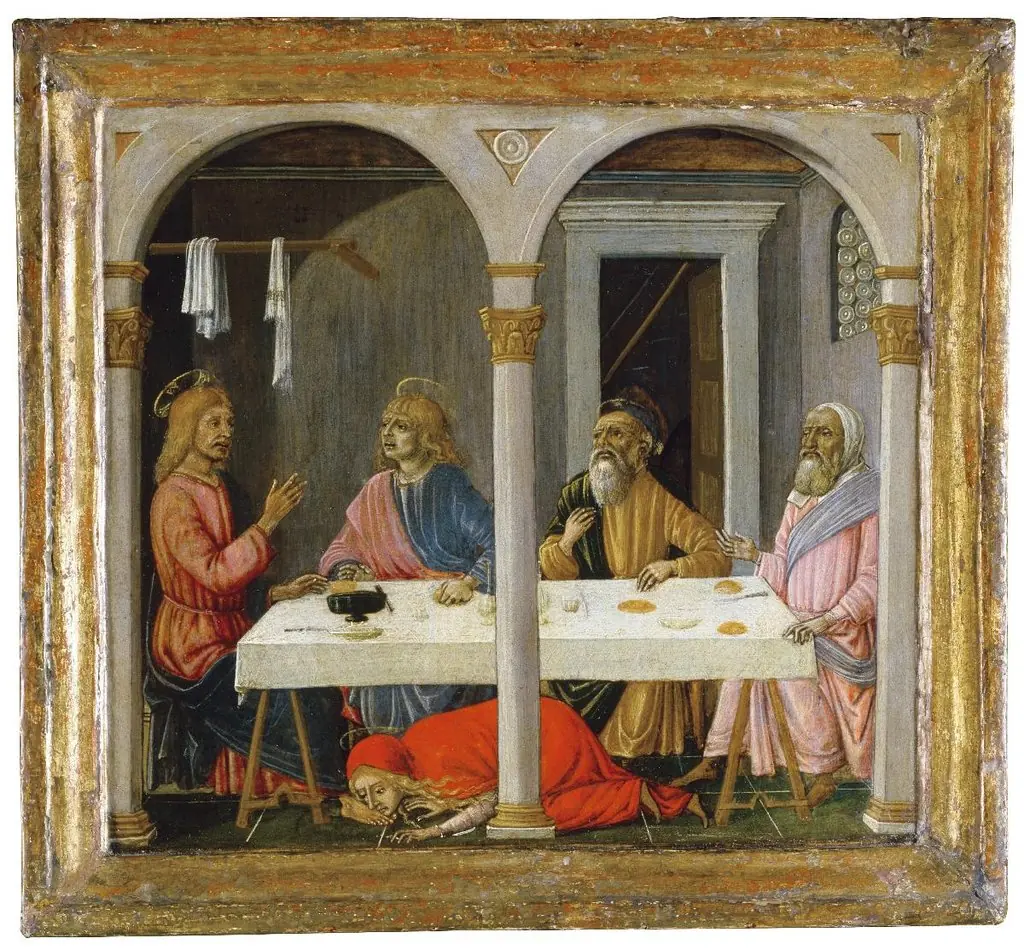 La cena in casa di Simone
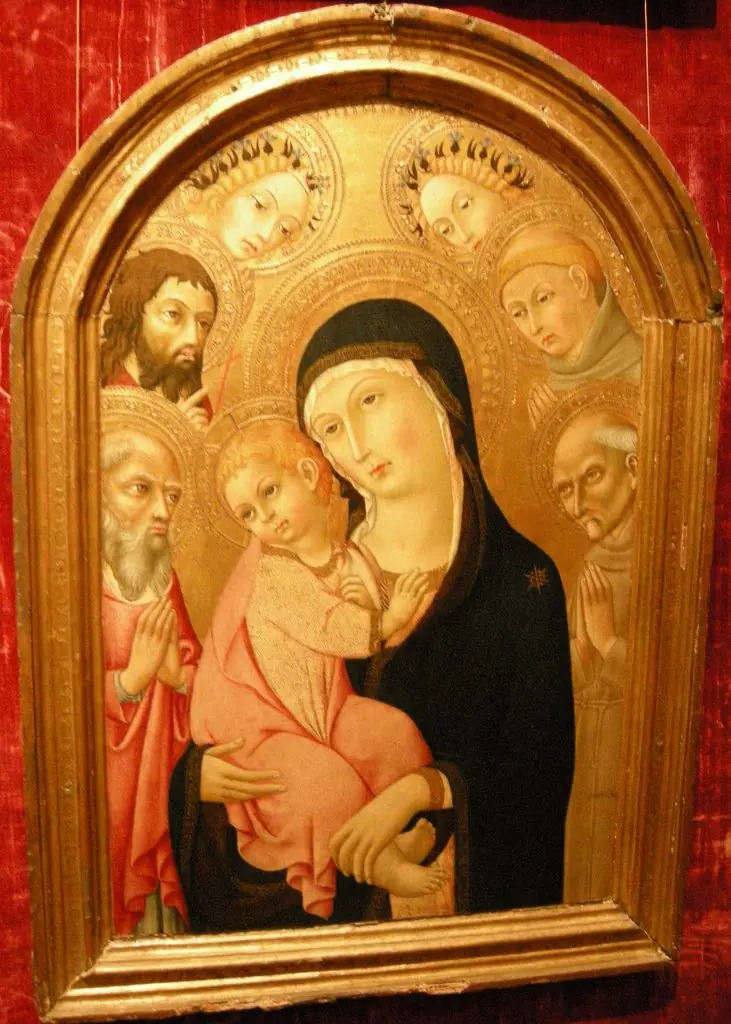 madonna col bambino, santi e due angeli
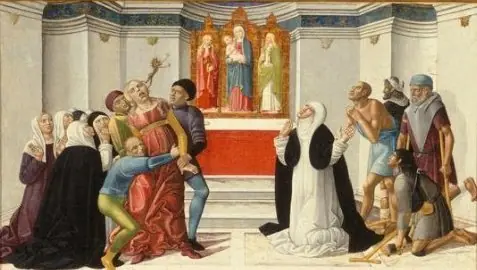 St. Catherine of Siena Exorcising a Possessed Woman
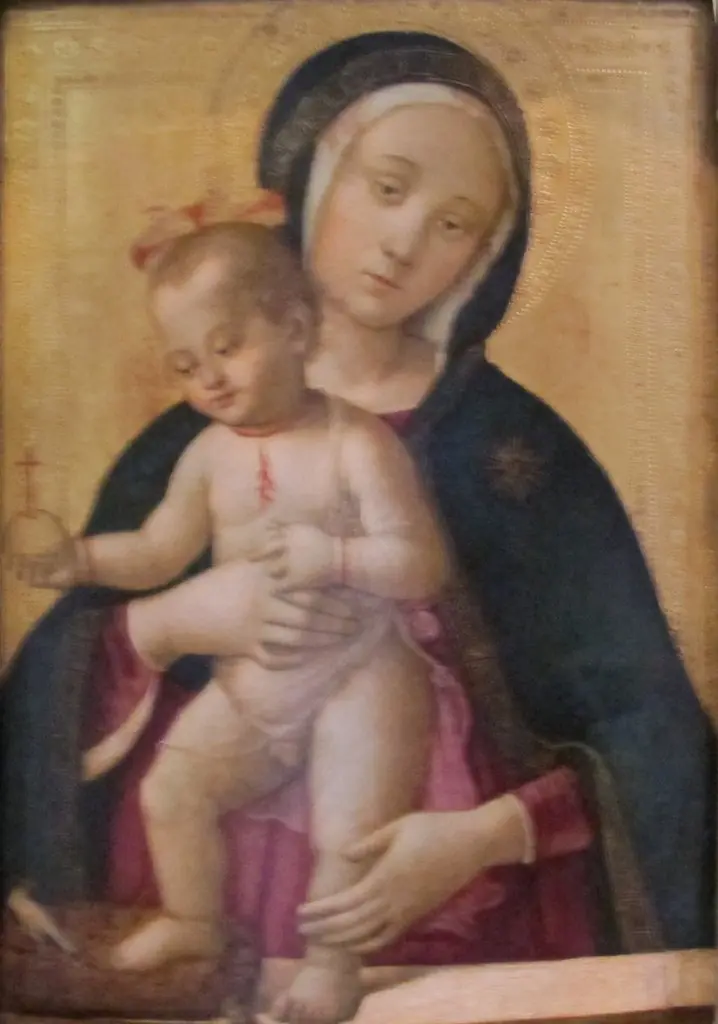 Madonna mit Kind
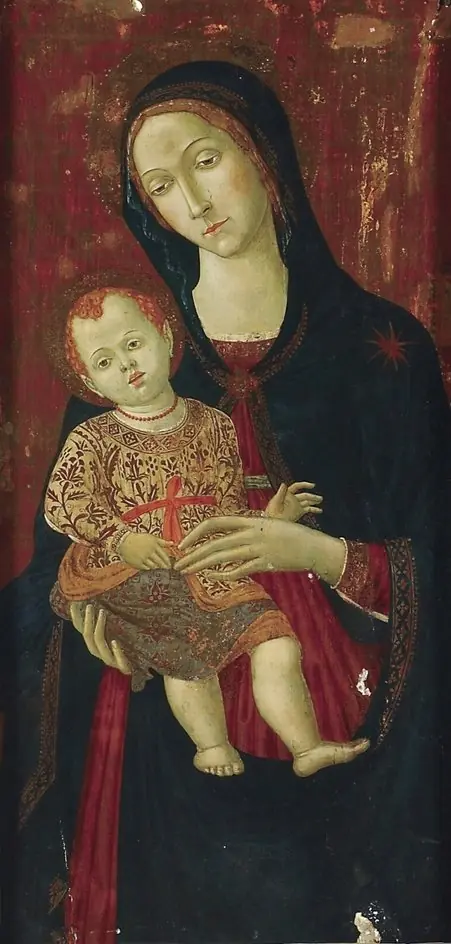 The Virgin and Child
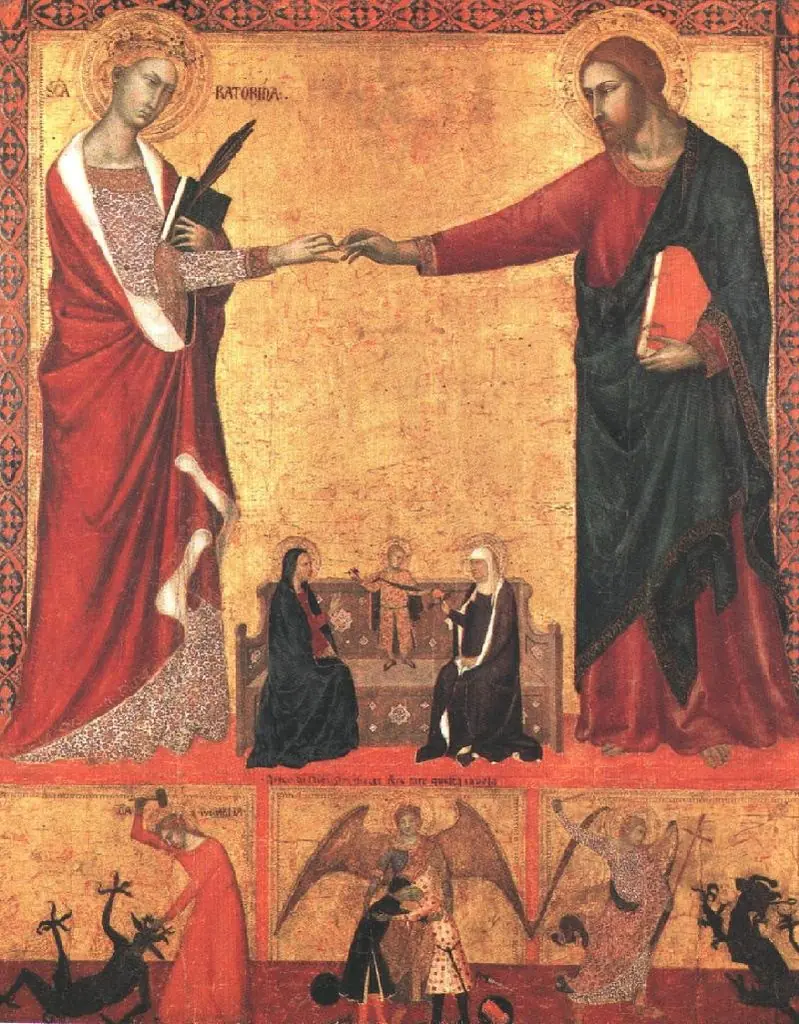 The Mystical Marriage of Saint Catherine
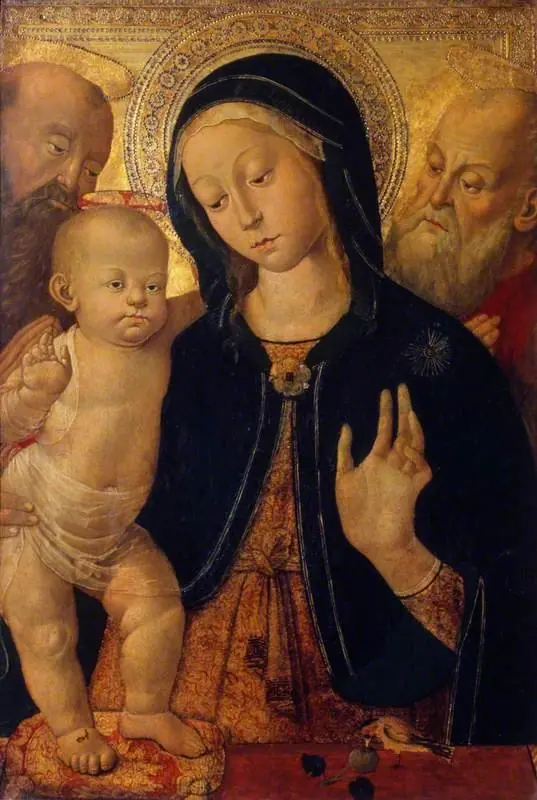 The Virgin and Child with Two Saints
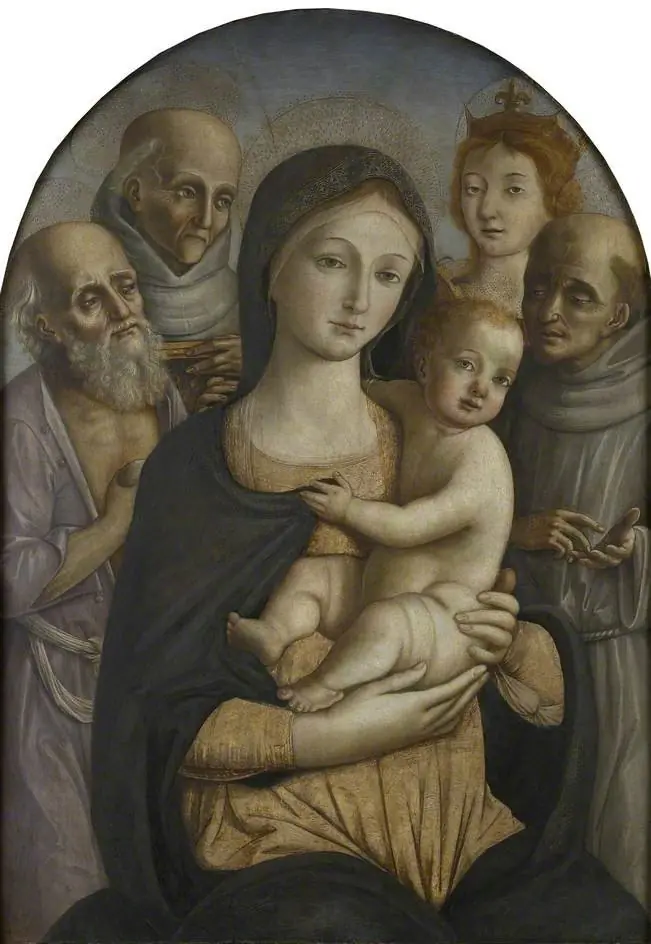 The Virgin and Child with four Saints
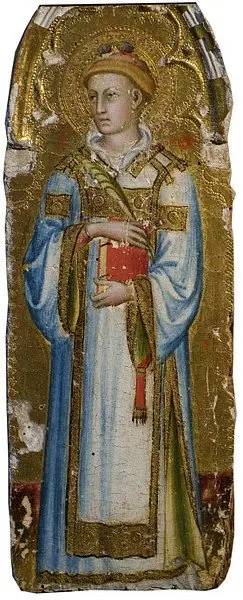 St. Stephen
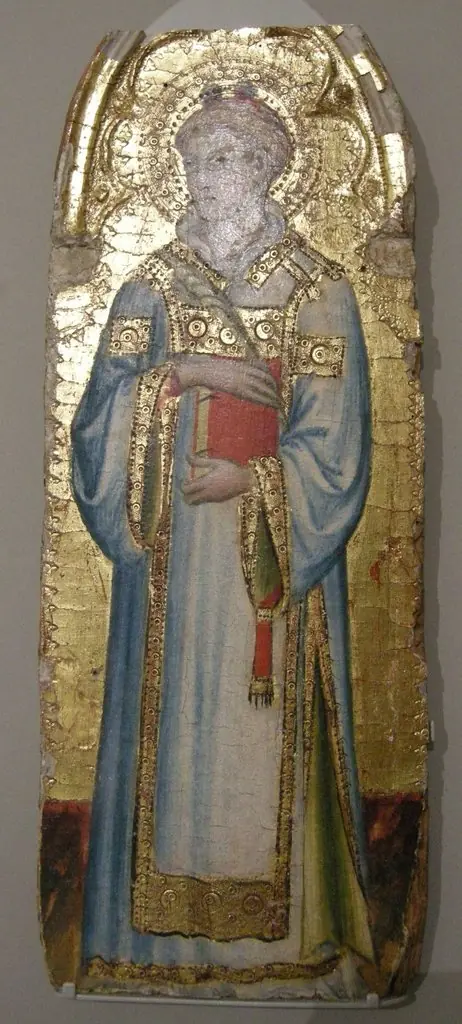 St Stephan
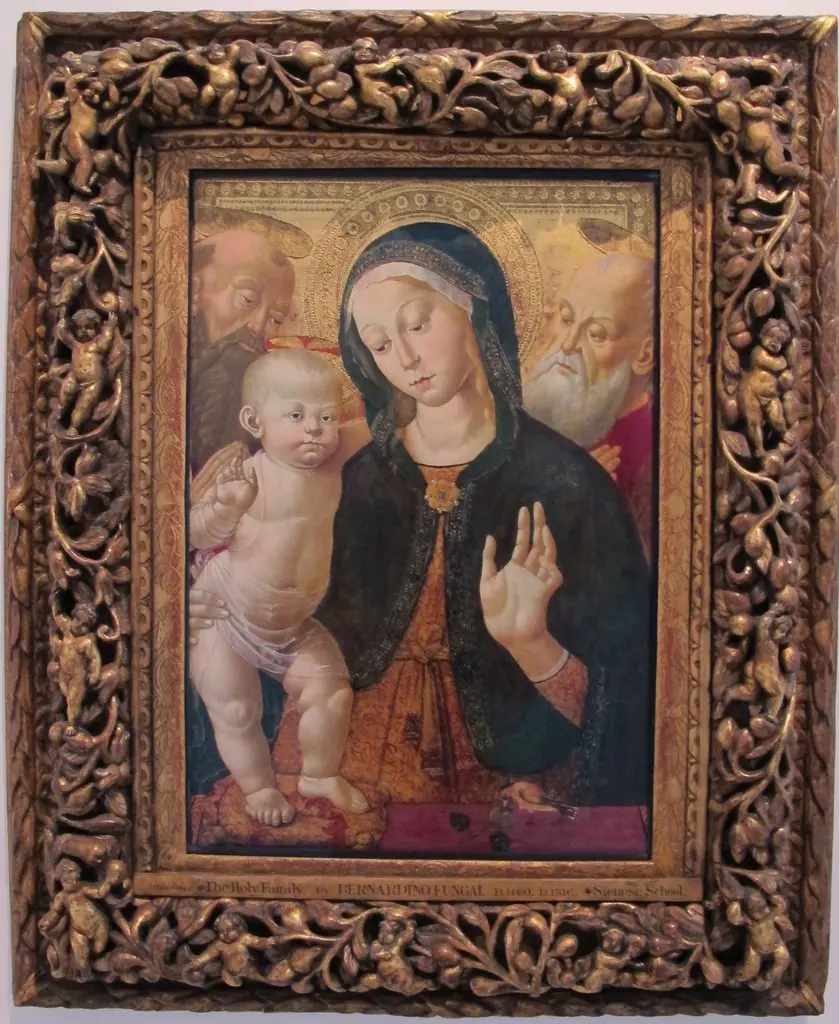 Vergine col bambino e due santi
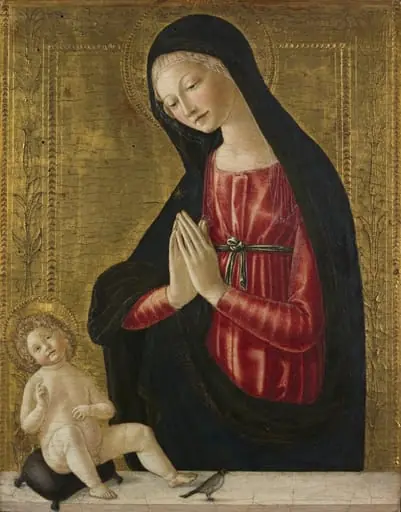 Virgin and Child with a Goldfinch
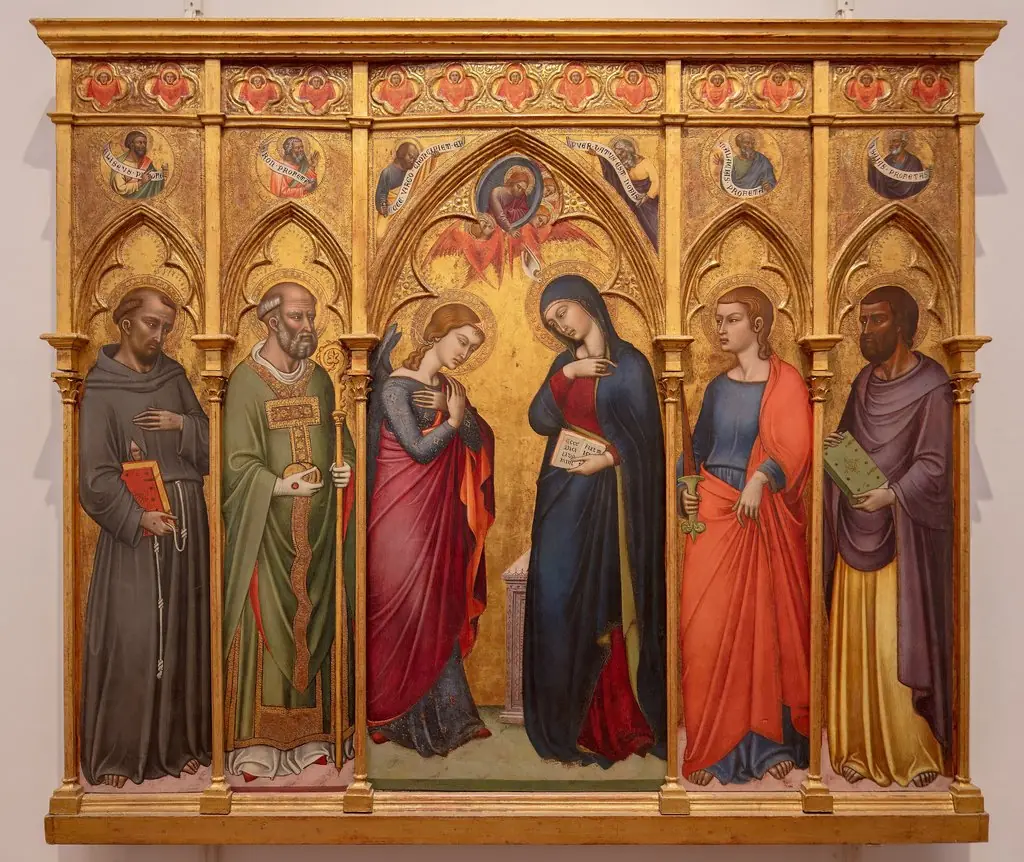 Annunciation with SS. Francis, Nicholas, Thomas, and Evangelist
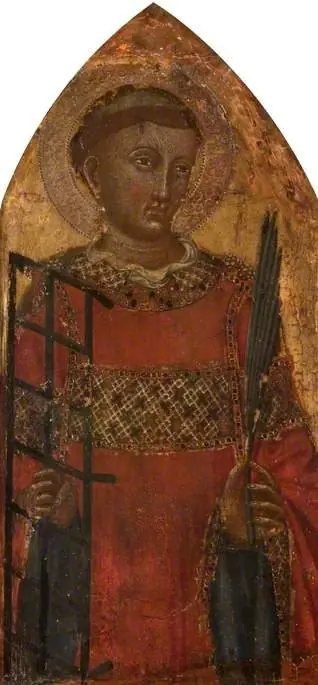 Saint Lawrence
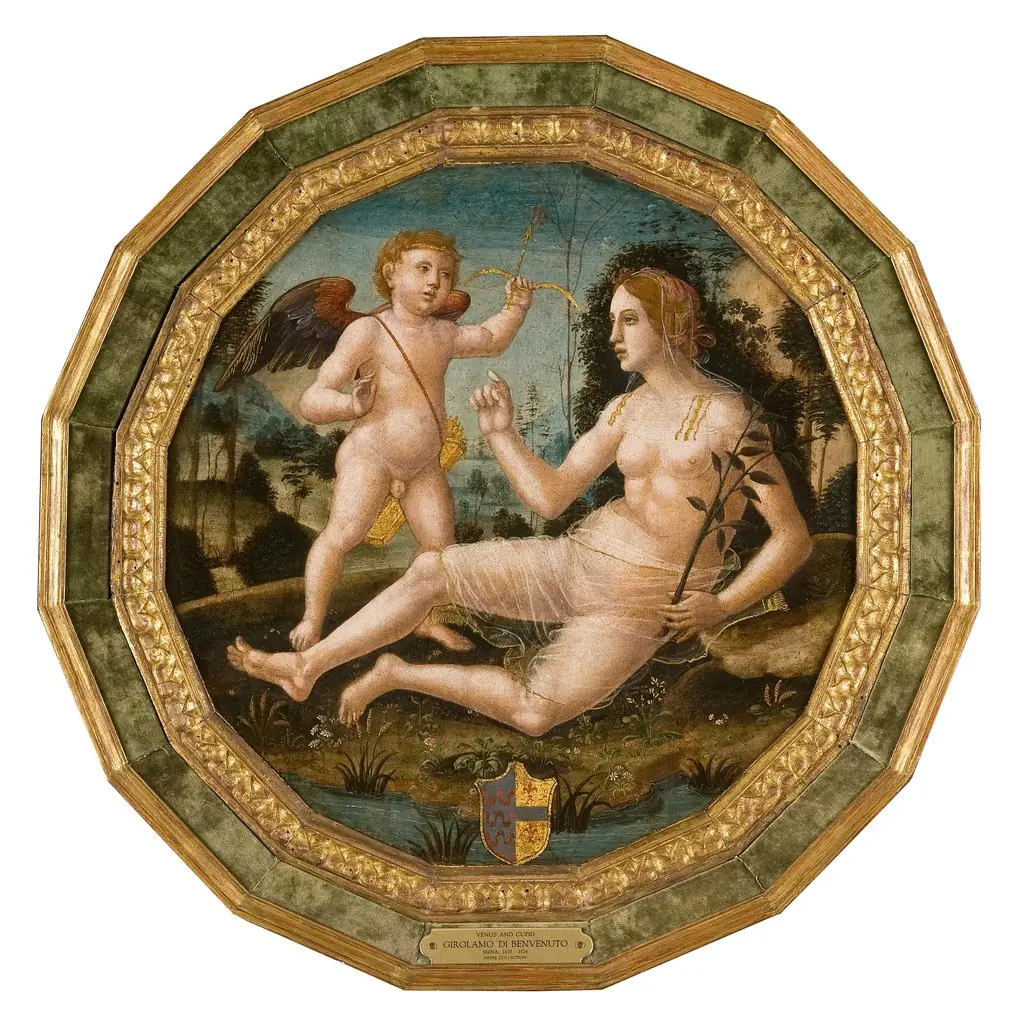 Venus with Cupid
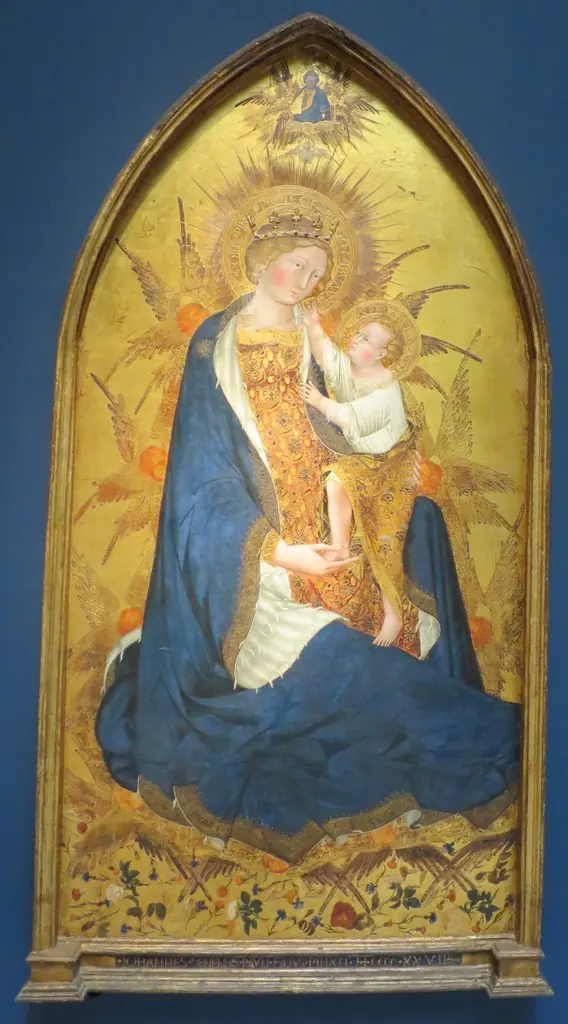 Branchini Madonna
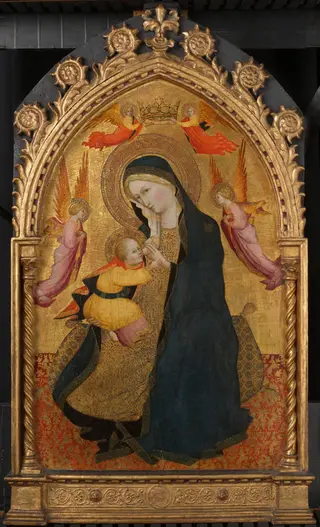 Madonna of Humility
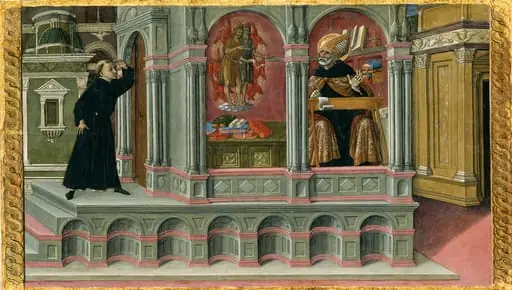 Saint Augustine's Vision of Saints Jerome and John the Baptist
Frequently asked questions
What is Sienese School?
Sienese School is an art movement. The painting tradition centered on Siena from the 13th through 15th centuries, often considered Florentine Gothic art's great rival.
How many Sienese School works does Artifact World Gallery have?
Artifact World Gallery holds 131 public-domain Sienese School works, all free to view and download.
Who are the key Sienese School artists?
Key Sienese School artists in the collection include Duccio di Buoninsegna, Benvenuto di Giovanni and Puccio di Simone.
When did Sienese School take place?
Sienese School dates from around 1300.
Where can I see Sienese School works?
Sienese School works in the collection are held by Metropolitan Museum of Art, Detroit Institute of Arts and Museum of Fine Arts Boston.