Artwork
Madonna and Child
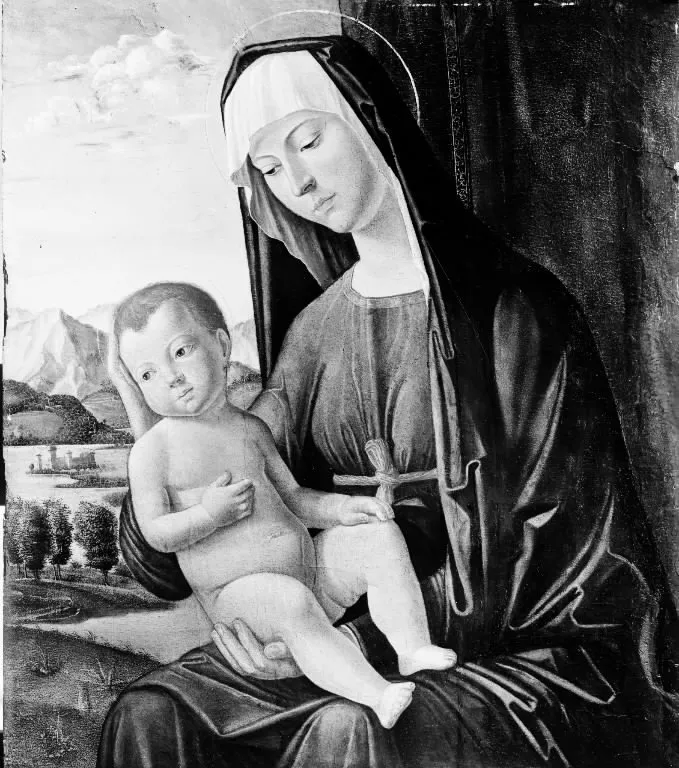
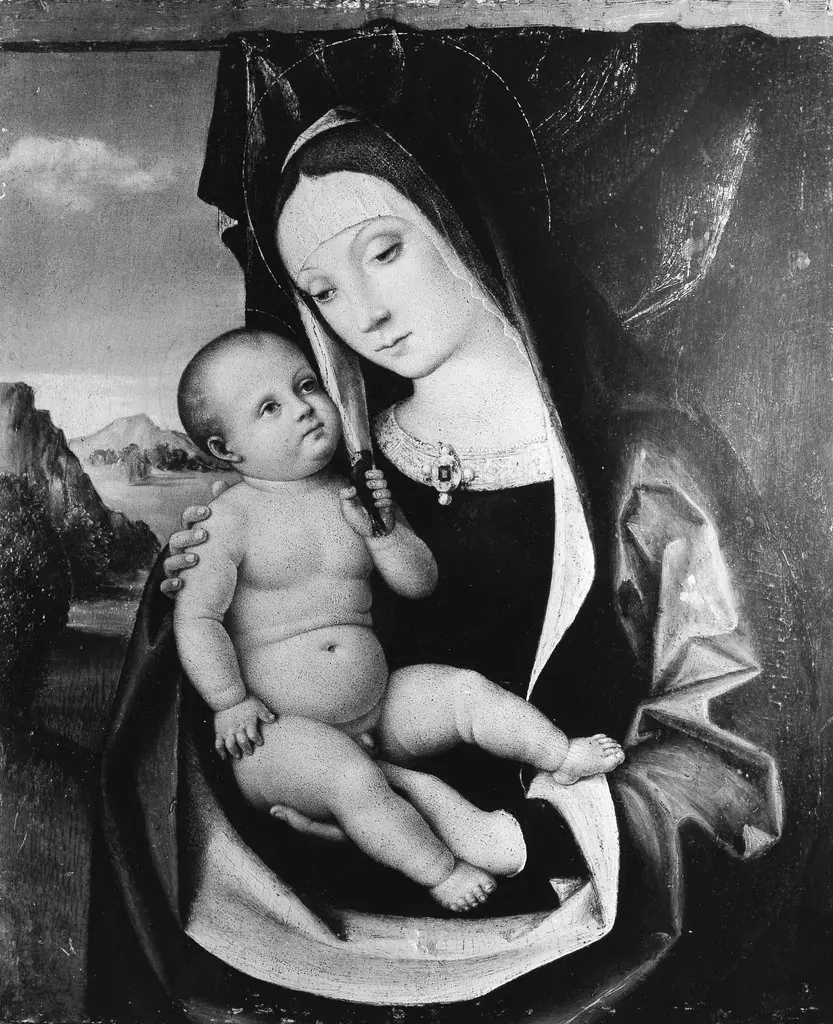
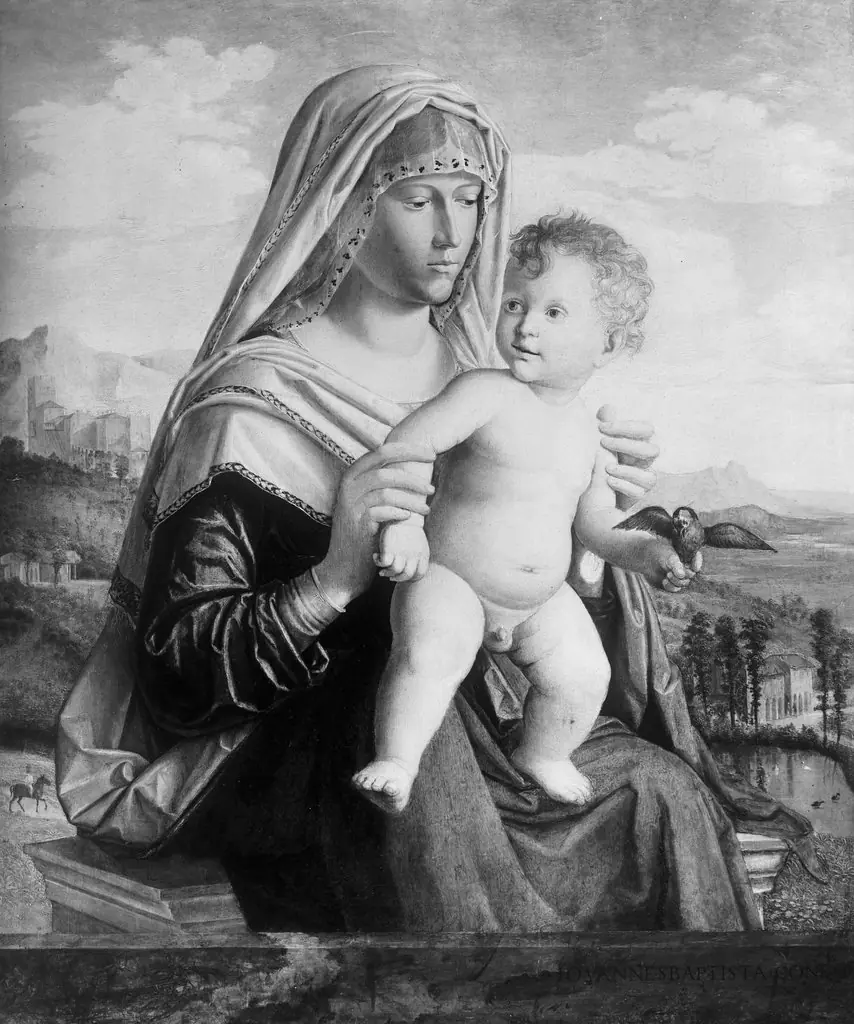
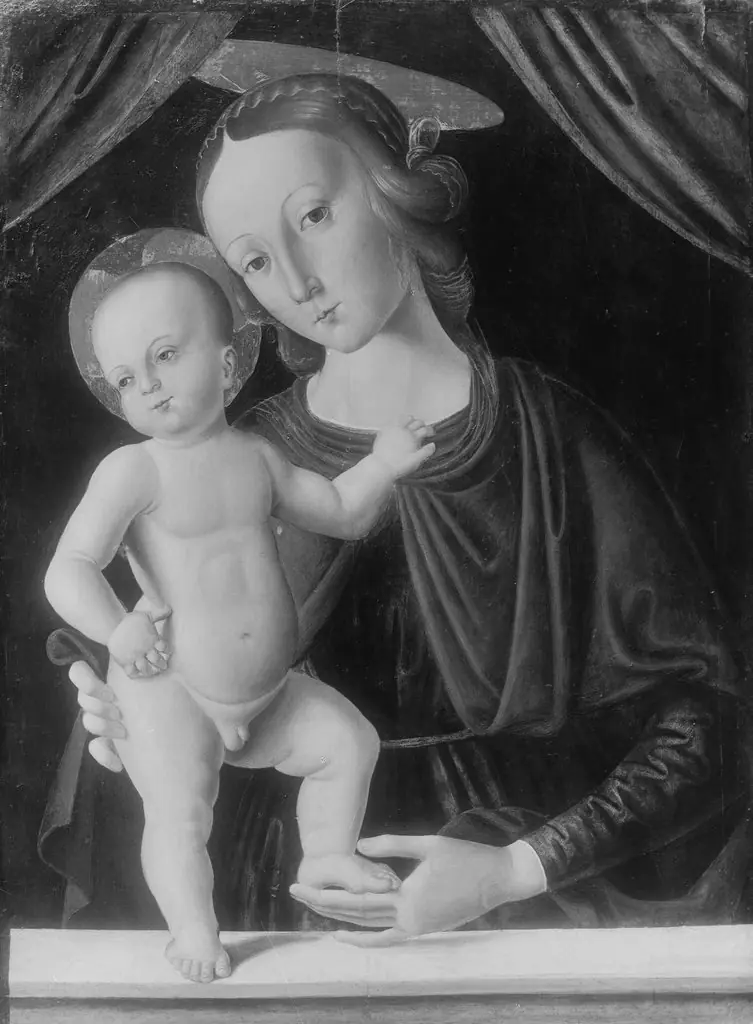
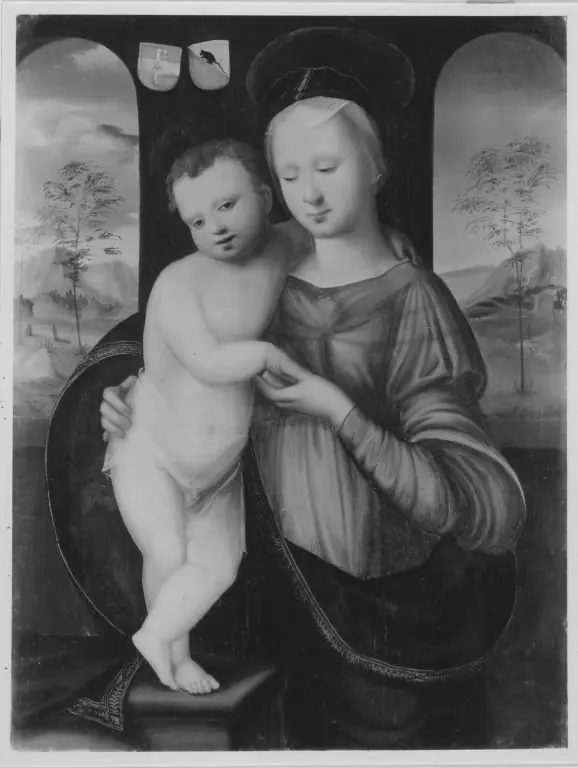
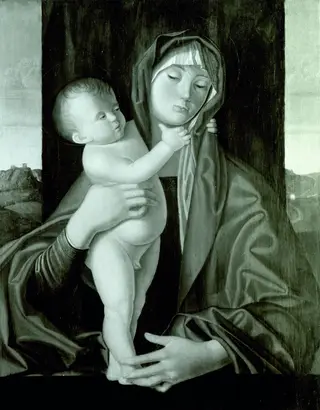
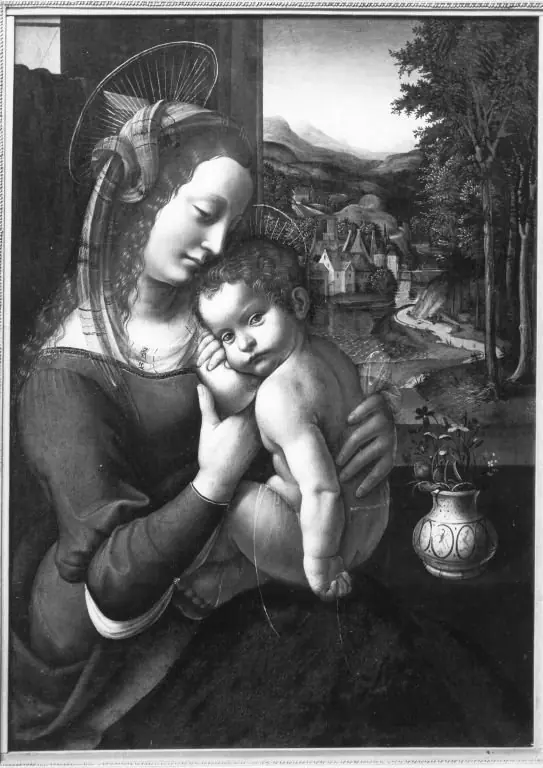
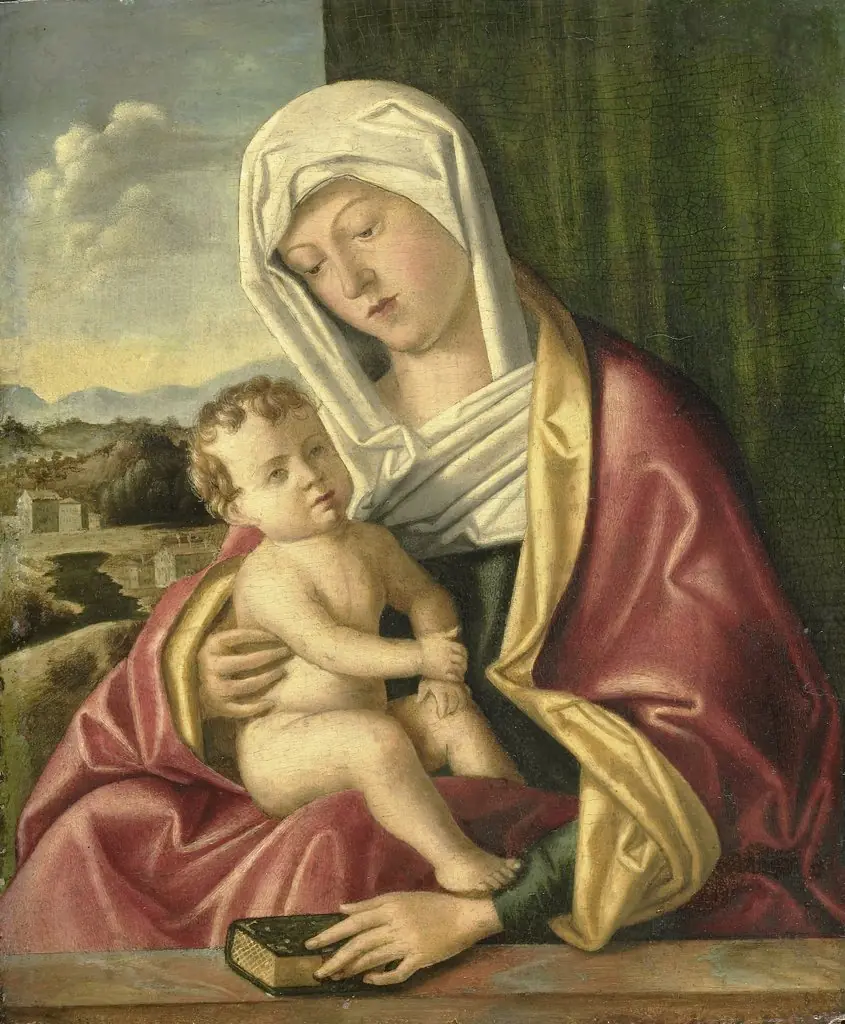
Madonna and Child is an unspecified painting by the Venetian Renaissance artist Giovanni Battista Cima da Conegliano. It dates from 1509 and is held in the collection of the Statens Museum for Kunst.
About this work
Subject & Meaning
The composition highlights the intimate connection between mother and child, symbolizing both human affection and spiritual blessing.
The work depicts the Virgin Mary tenderly holding the infant Christ, a recurring theme in Renaissance devotional painting that emphasizes maternal tenderness and the divine nature of Christ. The composition highlights the intimate connection between mother and child, symbolizing both human affection and spiritual blessing. As an altarpiece in the Statens Museum for Kunst, the painting reinforces its role within a sacred context, inviting contemplation of theological concepts such as incarnation and redemption.
History & Provenance
The Madonna and Child by Giovanni Battista Cima da Conegliano is dated to 1509, as recorded in the Statens Museum for Kunst’s records.
The painting entered the collection of the Statens Museum for Kunst in Copenhagen, where it remains held today.
The painting is held by the Statens Museum for Kunst, Copenhagen, where it is inventoried as KMS3533. It was first publicly recorded in modern collections at that institution.
The work has been included in a focused exhibition of Cima da Conegliano’s religious paintings organized by the Statens Museum for Kunst in 2019.
Overview
Created in 1509, this small devotional panel by Giovanni Battista Cima da Conegliano presents the Virgin Mary seated with the infant Christ on her lap. The composition is intimate, intended for private contemplation, and reflects the calm, balanced aesthetic typical of the Venetian Renaissance.
Technique & Style
Cima employs a restrained palette and careful modeling of forms through subtle chiaroscuro, creating a sense of volume while maintaining a tranquil atmosphere. The figures are set against a muted landscape that recedes into gentle hills, trees, and a small body of water, characteristic of his emphasis on naturalistic backgrounds.
Context
During the early 1500s, Venetian painters were exploring softer lighting and more naturalistic settings, moving away from the rigid iconography of earlier periods. Cima’s work exemplifies this shift, integrating a devotional subject with a harmonious landscape that reflects contemporary tastes for personal piety.
Artist & collection
Artist
Giovanni Battista Cima da Conegliano
Giovanni Battista Cima, also called Cima da Conegliano (c. 1459 – c. 1517), was an Italian Renaissance painter, who mostly worked in Venice. He can be considered part of the Venetian school, though he was also…

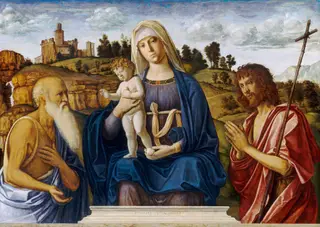 Madonna and Child with Saint Jerome and Saint John the Baptist
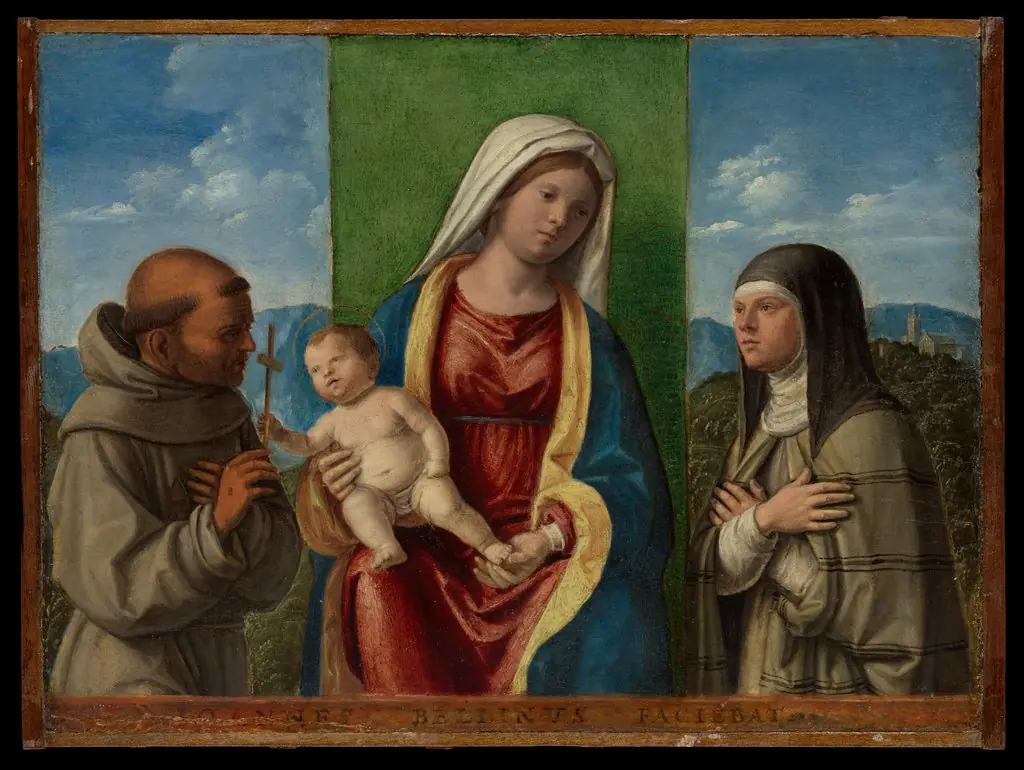 Madonna and Child with Saints Francis and Clare
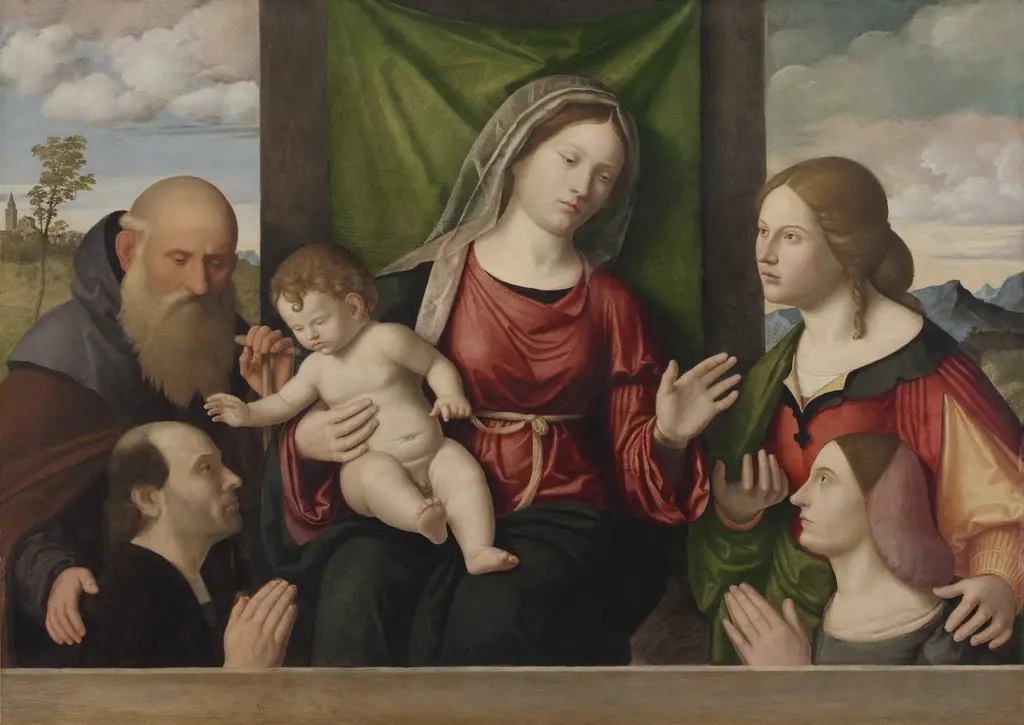 Virgin and Child with Saints and Donors
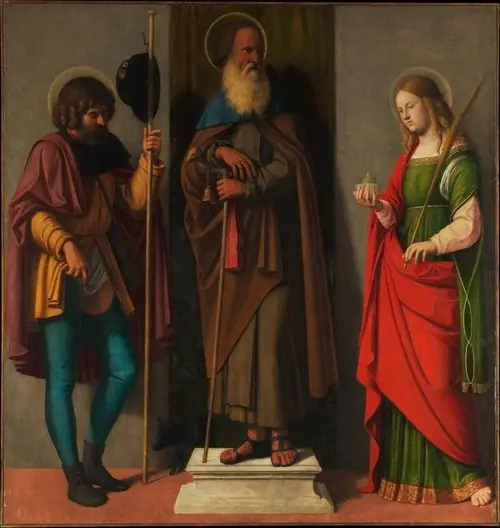 Saints Roch, Anthony Abbot and Lucy
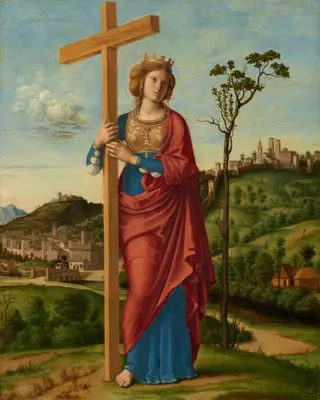 Saint Helena
 Saint Jerome in the Wilderness
 Virgin and Child
 The Judgement of Midas. The Musical Contest between Apollo and Marsyas